
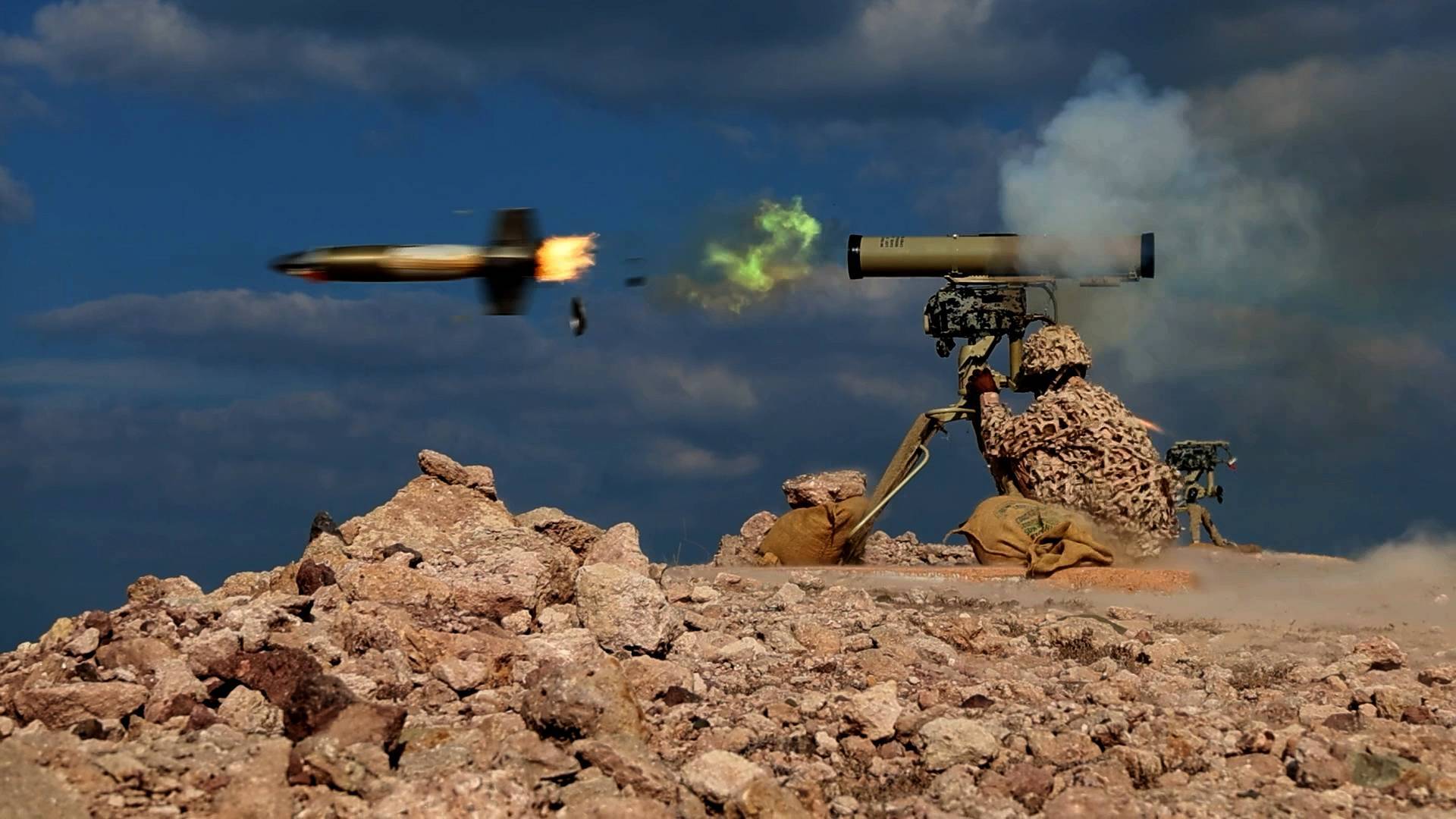
Ismail Qaani, commander of the Iranian Revolutionary Guards’ regional Quds Force, was initially thought to have been killed during Israeli strikes on Tehran last month. But two weeks ago, Qaani made an unofficial visit to Baghdad.
At the same time, representatives from Lebanon’s Hezbollah, Yemen’s Ansarallah, Palestine’s Hamas and Islamic Jihad, Saudi radicals Hezbollah al-hijaz, and Bahrain’s Saraya al-mukhtar also traveled to the Iraqi capital.
Representatives of these groups were hosted by the Iraqi Popular Mobilization Forces or Hashd al-shaabi for a two-day meeting, with the participation of the head of the Iranian Quds force, which coordinates, among other tasks abroad, Iran’s armed collaborators in the Middle East.
At the end of the meeting, a committee was formed to coordinate the activities of these groups, which are listed as terrorists in many countries. The committee’s headquarters is to be in the city of Najaf in southern Iraq.
A common banner
During the meeting, based on limited information that has leaked to the outside world, the forces of the so-called “Axis of Resistance” decided they would henceforth operate under the banner of the Islamic Republic and in full coordination with each other and with the Quds Force.

Following repeated Israeli attacks on Iran’s proxy forces over the past year-and-a-half, Tehran is trying to rebuild its Axis of Resistance, which has been one of the tools it has used to foment chaos in the region and increase pressure on Israel.
Lebanon’s Hezbollah announced it was not ready to hand over its weapons under the current circumstances.
As a result of the meeting, negotiations between some of these groups and the governments of their countries have changed direction. Lebanon’s Hezbollah, which was in talks with the country’s president, General Joseph Aoun, to hand over its weapons, announced it was not ready to do so under the current circumstances.
Hezbollah positioning to Iraq
Hezbollah Secretary-General Naim Qassem announced that the group was not ready to implement the agreement proposed by Thomas Barrack, U.S. President Donald Trump’s special representative for Lebanon.
On the sidelines of the Ashura ceremonies — on July 4-5, commemorating the 7th century killing of Hussein, the Prophet Muhammad’s grandson — Qassem rejected the request to hand over his missiles to the Lebanese army: “These missiles are the basis of our defense power,” the Hezbollah boss declared. We are “committed to our pledge to resist Israel.”
In response to his declarations, Israel resumed strikes on Hezbollah-controlled areas in recent days, despite a ceasefire agreement reached last November with the Lebanese government, with mediation by the then U.S. administration. Israel is reported to have killed several of the group’s commanders.
In this regard, the Trump administration has set the one-year anniversary of Lebanon ceasefire’s in November as the last opportunity to disarm Hezbollah.
Some groups loyal to the Islamic Republic announced they were ready to revitalize the self-styled Axis.
In Iraq, talks between the Popular Mobilization Forces and the government of Prime Minister Mohammed Shia al-Sudani on their full integration into the Iraqi army also stalled following the Qaani meeting. Some of its groups like the Kataib Hezbollah, the Al-Nujaba Islamic Resistance Movement and the Asaib ahl al-haqq — “League of the Just” —, all loyal to the Islamic Republic, also announced they were ready to revitalize the self-styled Axis.
An Iraqi source told Kayhan-London that the Asaib, led by Qais al-Khazali, are to run the new Axis of Resistance coordinating committee in Najaf.
When the Houthis come to play
Immediately after the Baghdad meeting, the Yemeni Ansarallah resumed rocket fire toward Israel. On July 10, 12 and 15, the Houthis also launched several missiles towards Israel, thus intensifying attacks on commercial shipping in the Red Sea. Their latest attack on a Greek merchant ship sailing under the Liberian flag sank the vessel and killed four crew members.
Houthi attacks on commercial ships had decreased notably to become mostly a formality.
Houthi attacks on commercial ships had for some time decreased notably to become mostly a formality, but the attack on the Greek ship may mean their renewed resolve, in coordination with Tehran, to seriously threaten Red Sea shipping.
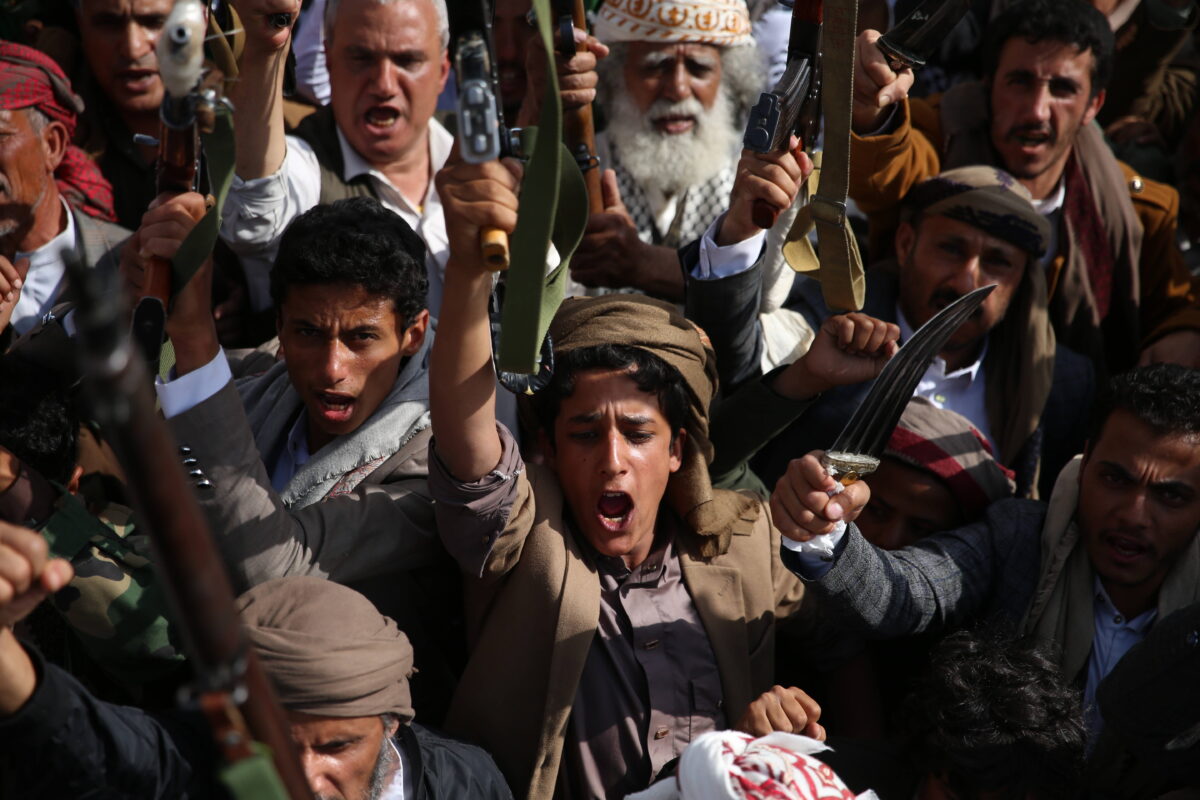
The presence of Bahraini and Saudi Shia groups at the Baghdad meeting also bodes ill for Arab monarchies on the Persian Gulf. In the past, groups like the Hijaz Hezbollah and Saraya al-mukhtar were able to challenge the security of Saudi Arabia and Bahrain, through sabotage.
The reactivation of all these groups with the backing of the Quds Force could pose serious problems for these conservative states, at a particularly delicate juncture in the Persian Gulf.