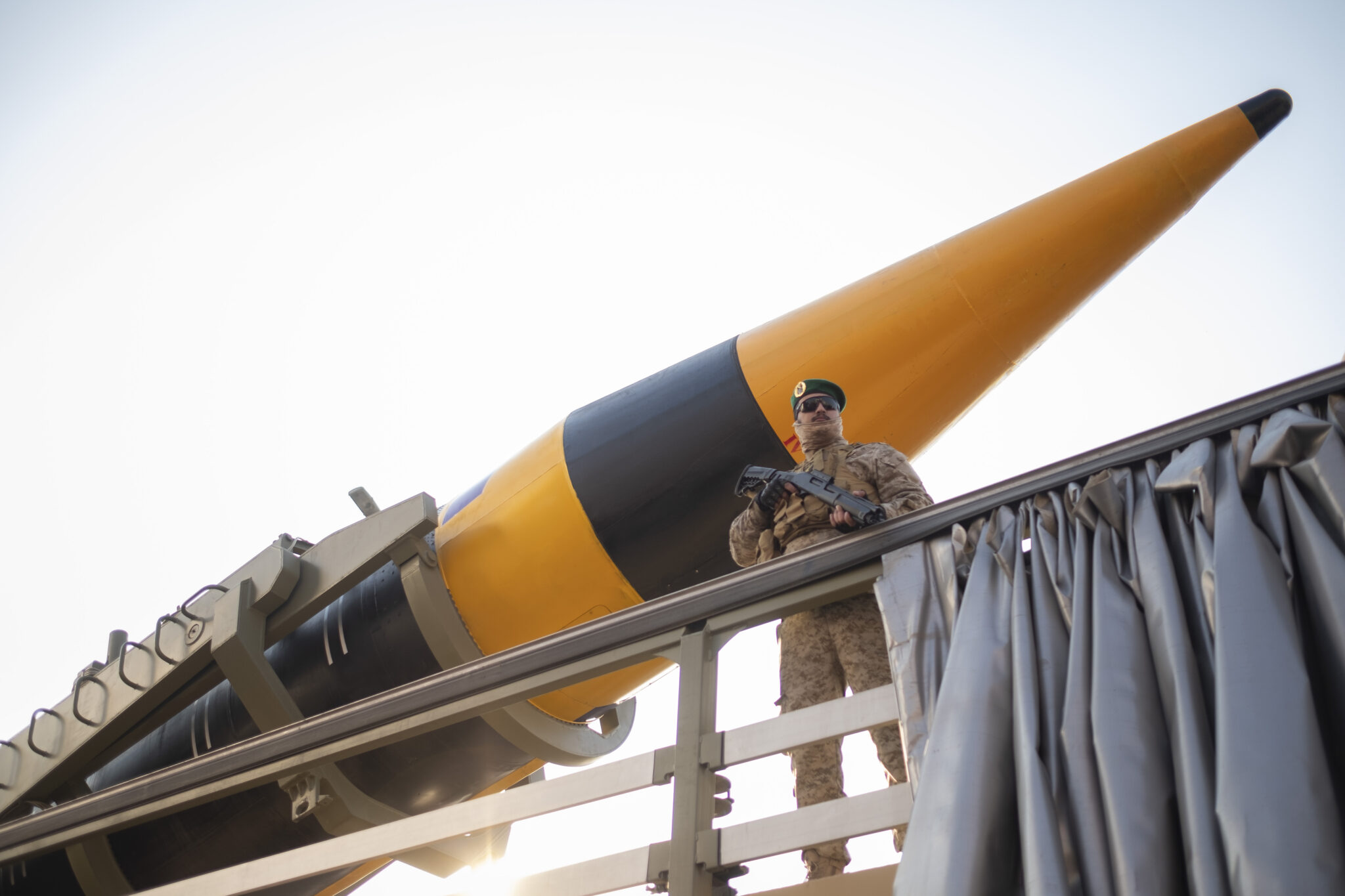
The so-called 12-day war ended in a June ceasefire. But it really just returned the Israel-Iran war to the shadows, with both sides now preparing for the direct conflict to start again.
 Worldcrunch
The so-called 12-day war ended in a June ceasefire. But it really just returned the Israel-Iran war to the shadows, with both sides now preparing for the direct conflict to start again.

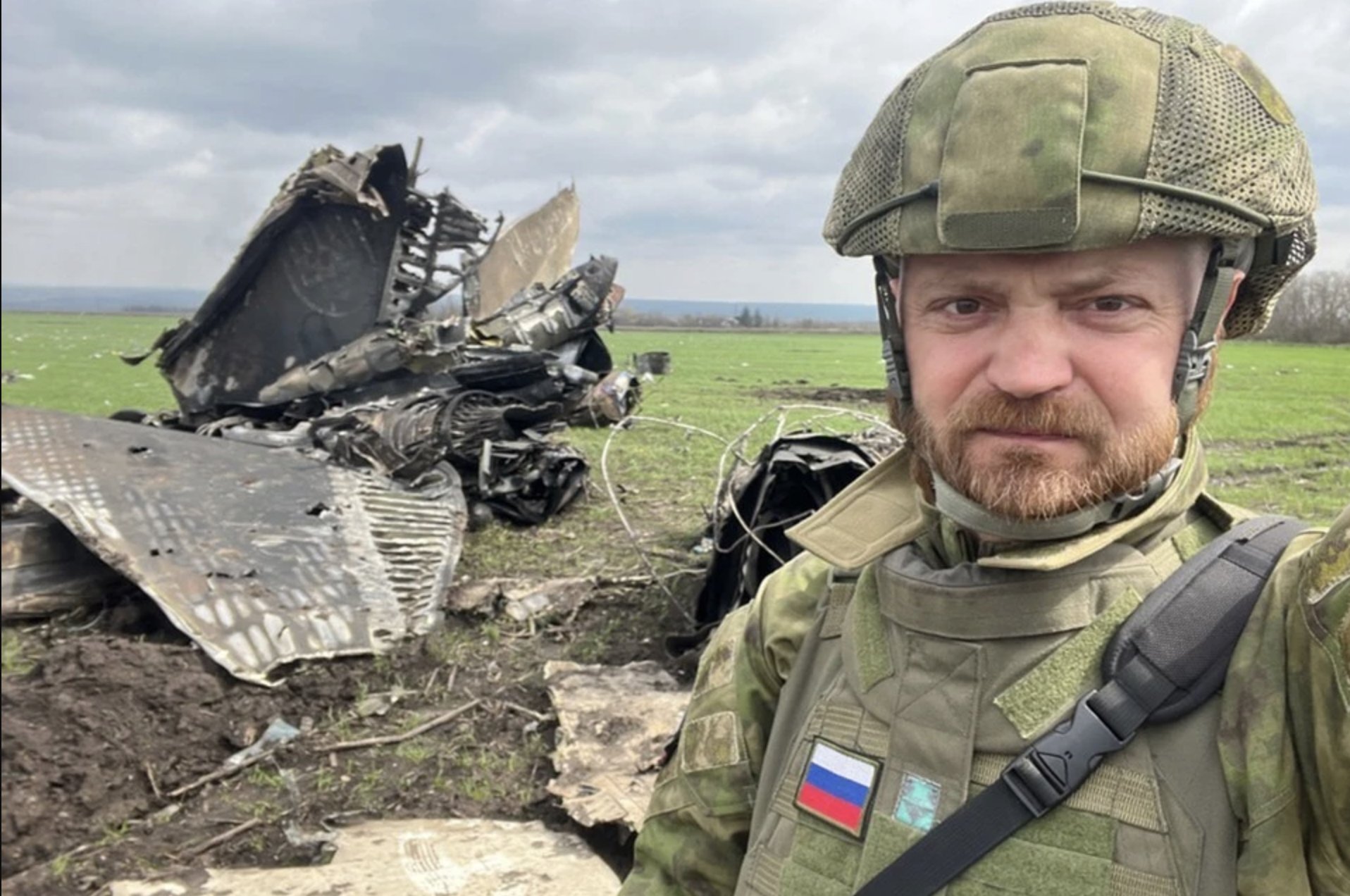
As official data vanishes from Russian state reports, independent experts warn that losses from Putin’s war in Ukraine are becoming too large to hide.
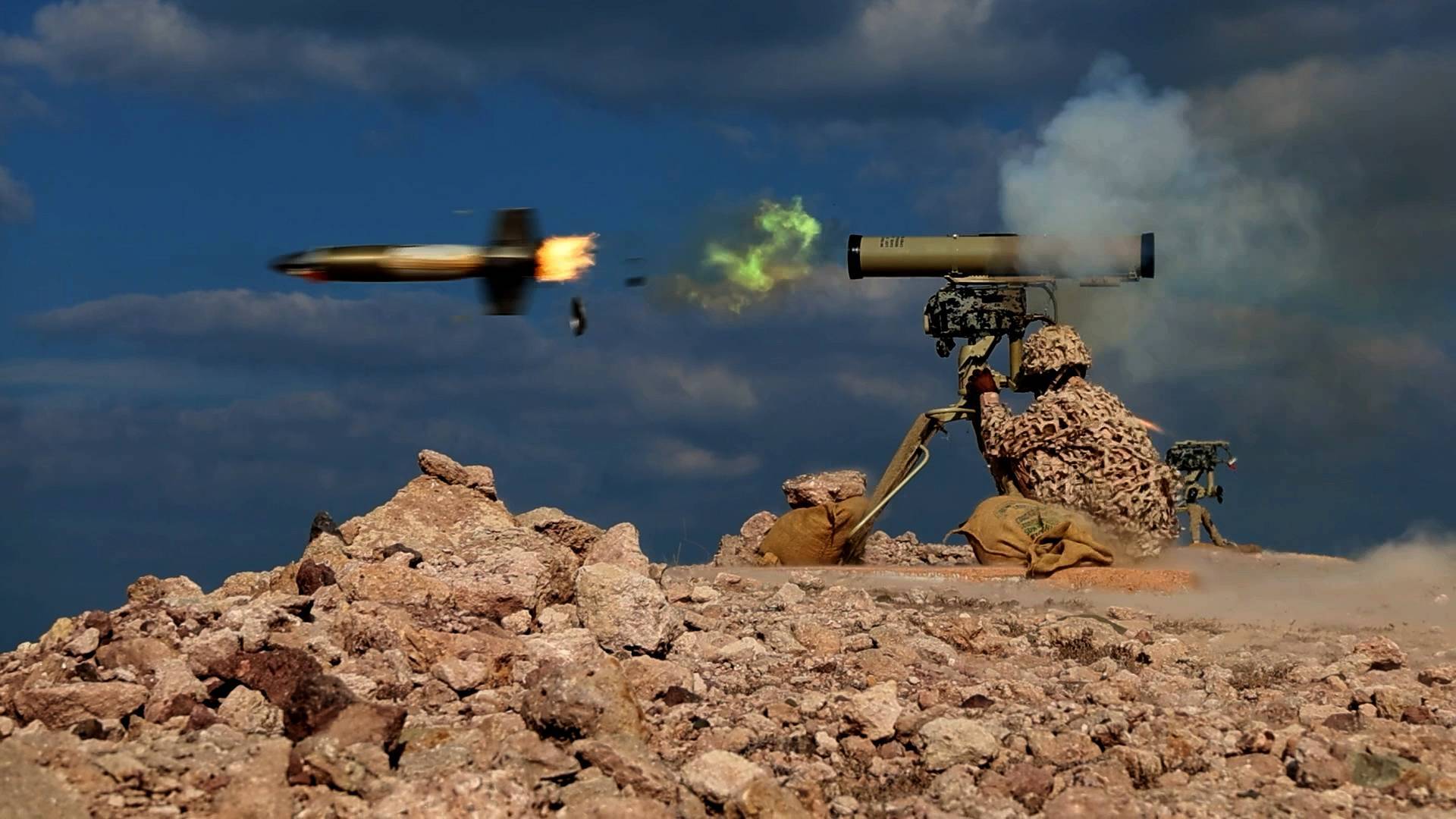
The Islamic Republic of Iran recently sent Ismail Qaani, the Revolutionary guards general who keeps ‘resurrecting’ after being reported as killed or maimed, to Baghdad to discuss rearming its proxy militias. This appears to be Tehran’s first act of regional interference since Israeli strikes in June.
In Putin’s Russia, dissent is silenced. Yet pro-war “Z” bloggers and influencers insult and lambast military failures constantly, and go unpunished. The state tolerates them because without these defiant voices knitting the war machine’s lifelines, Russia’s offensive would stall.
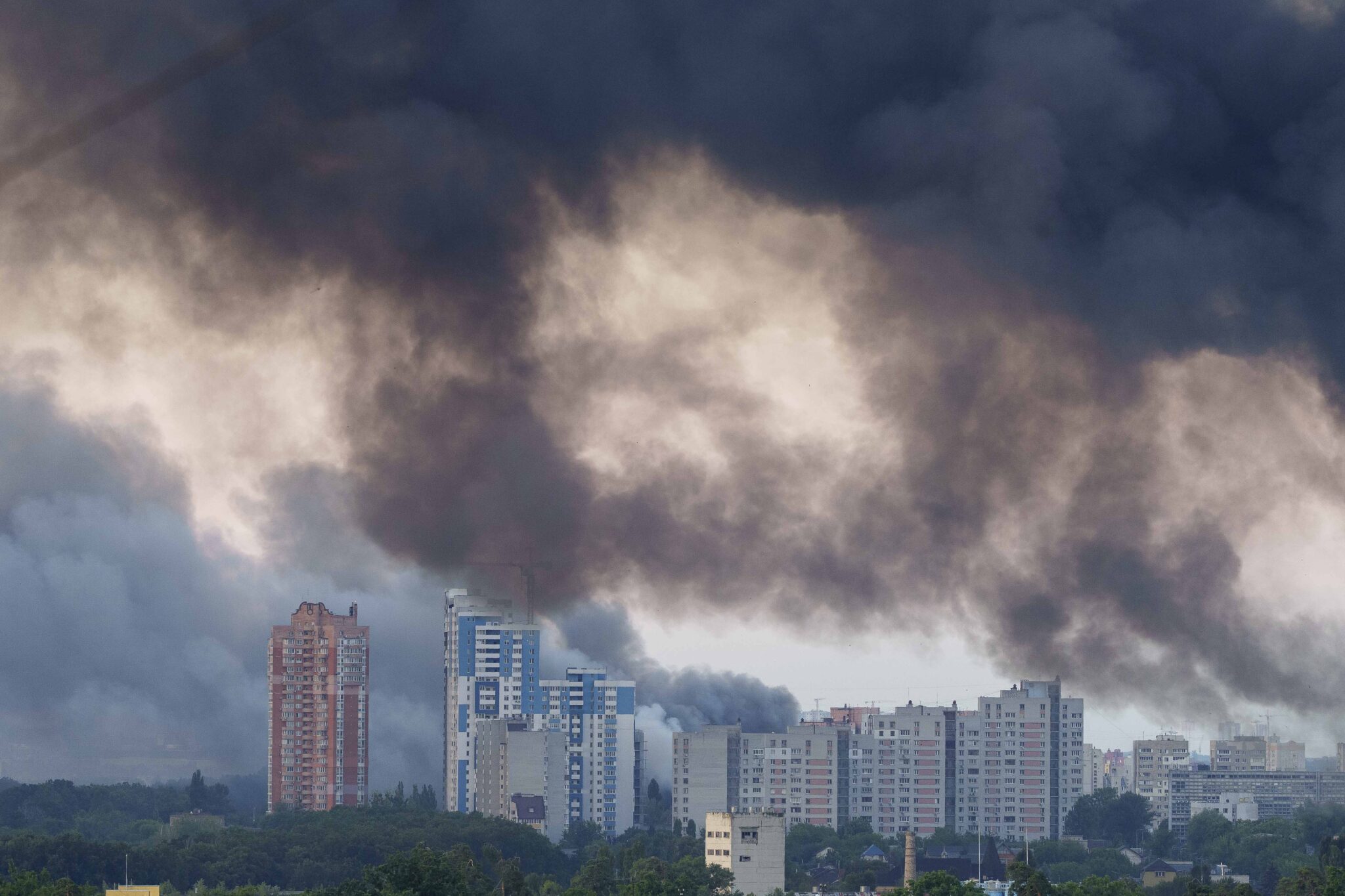
Russia has carried out its largest missile and drone bombardment since launching its invasion of Ukraine. And it is preparing its summer offensive, while Donald Trump remains ambivalent about the continuation of his military aid, when the contracts signed by Joe Biden expire over the summer.
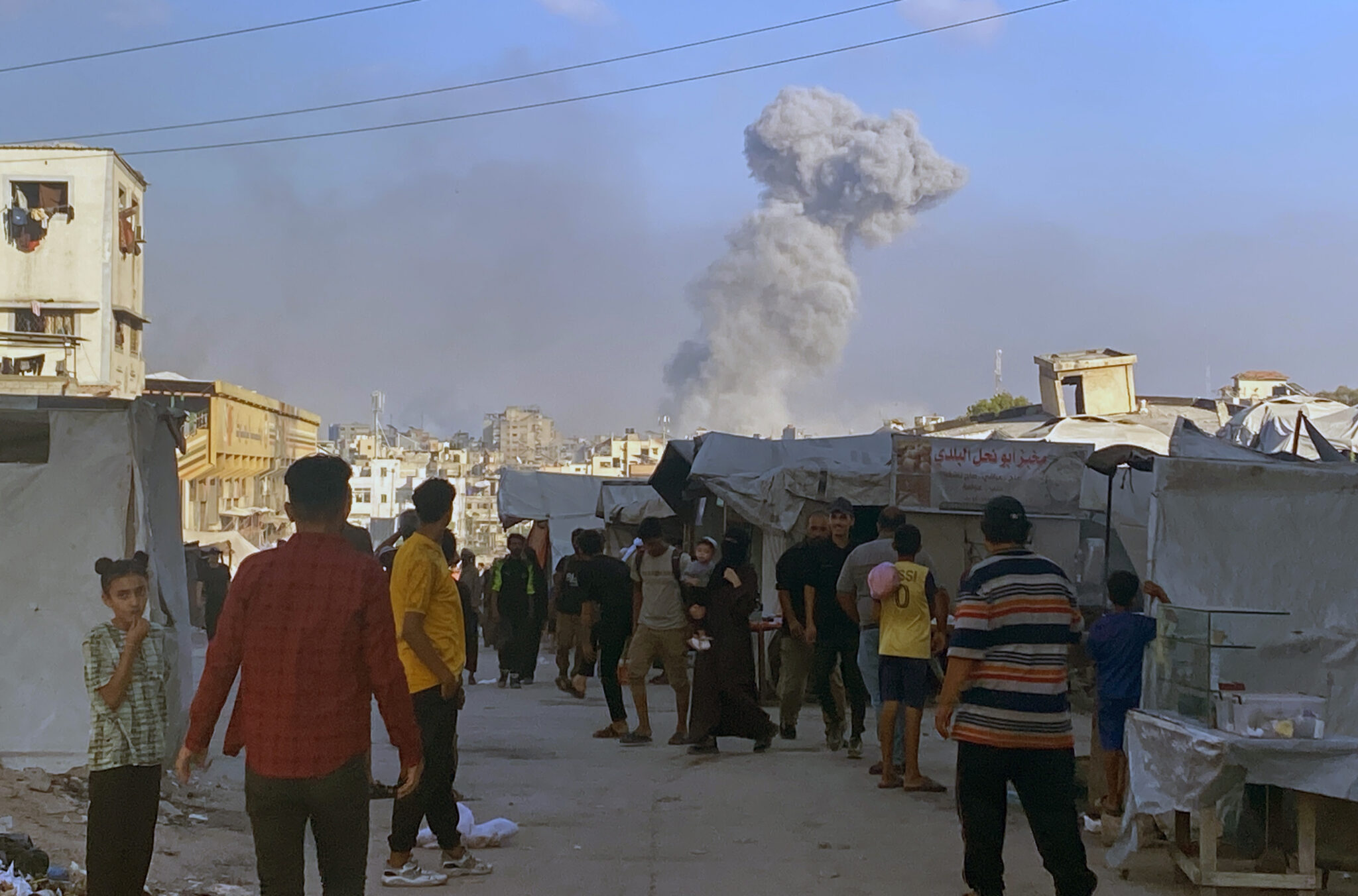
👋 Håfa adai!* Welcome to Thursday, where airstrikes and shootings kill at least 94 Palestinians in Gaza overnight, South Korea revises governing martial law rules, and today’s quiz question asks what’s on the menu aboard the International Space Station. Meanwhile, Tarek Ismail for Daraj draws a dictatorial parallel between Donald Trump and late Libyan strongman […]
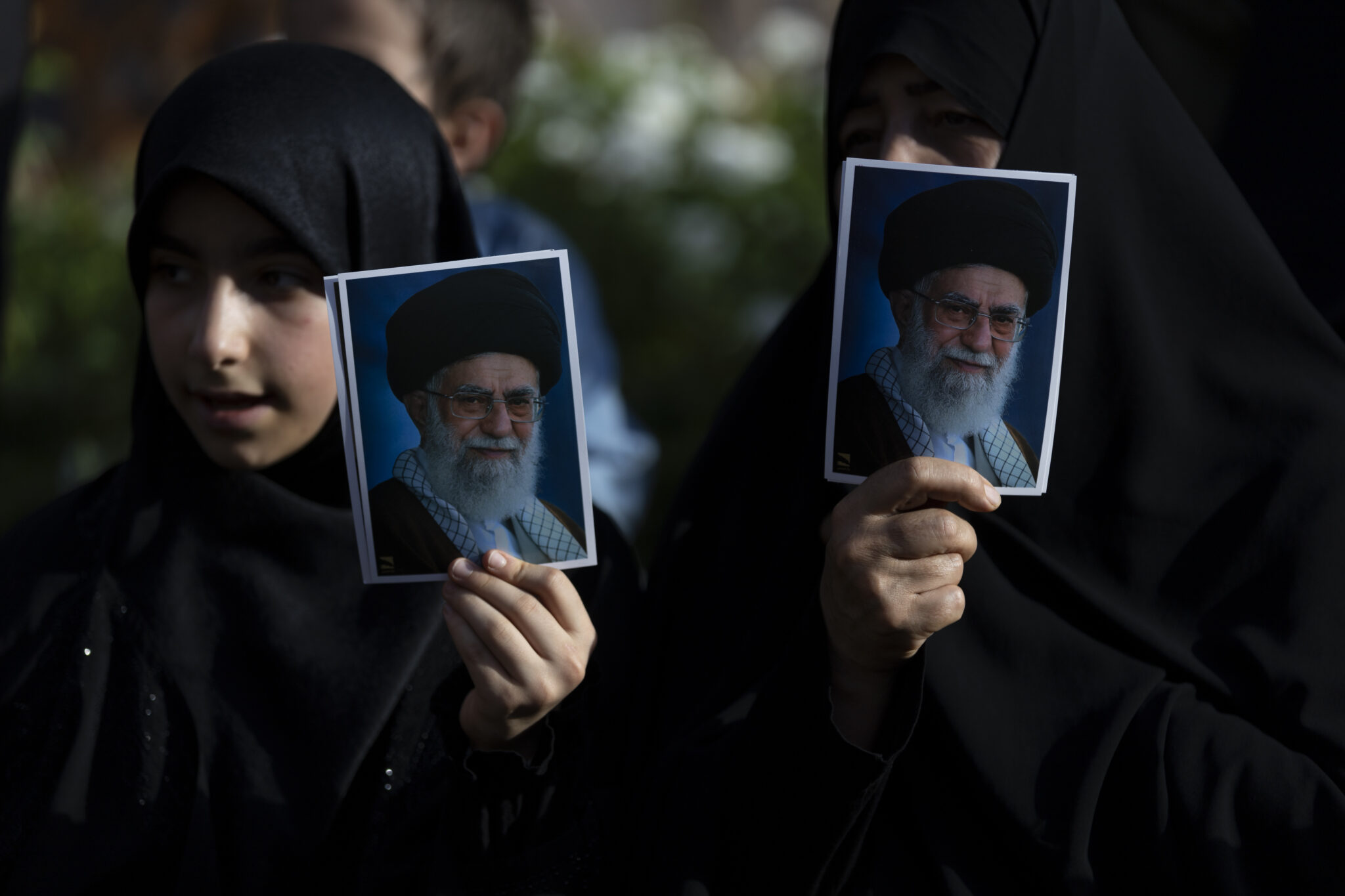
The ceasefire agreed on between Israel and the Tehran regime is not an end to hostilities but likely a “breather” for both sides who insist they have unfinished business with one another. But Israel’s recent battering of Iranian sites, war matériel and senior cadres may have left the ayatollahs with “none of the cards.”
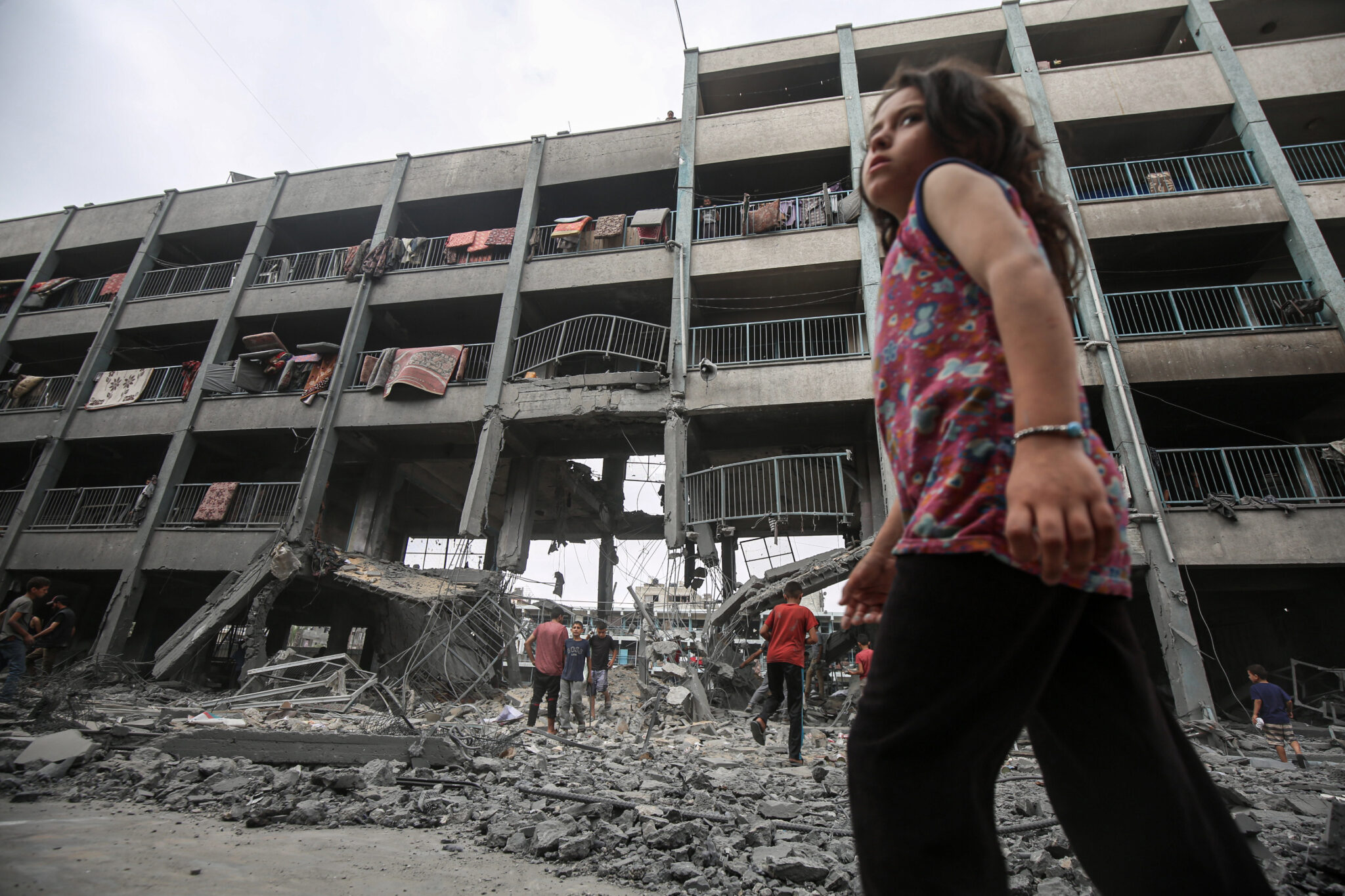
👋 Goeie!* Welcome to Tuesday, where dozens of NGOs and charities call for the controversial Israeli and U.S.-backed Gaza Humanitarian Foundation to be shut down, Thailand’s prime minister is suspended over a leaked phone call and our daily quiz question involves an emotional rollercoaster for Norwegians. Meanwhile, Rabea Weihser for German weekly Die Zeit explores […]
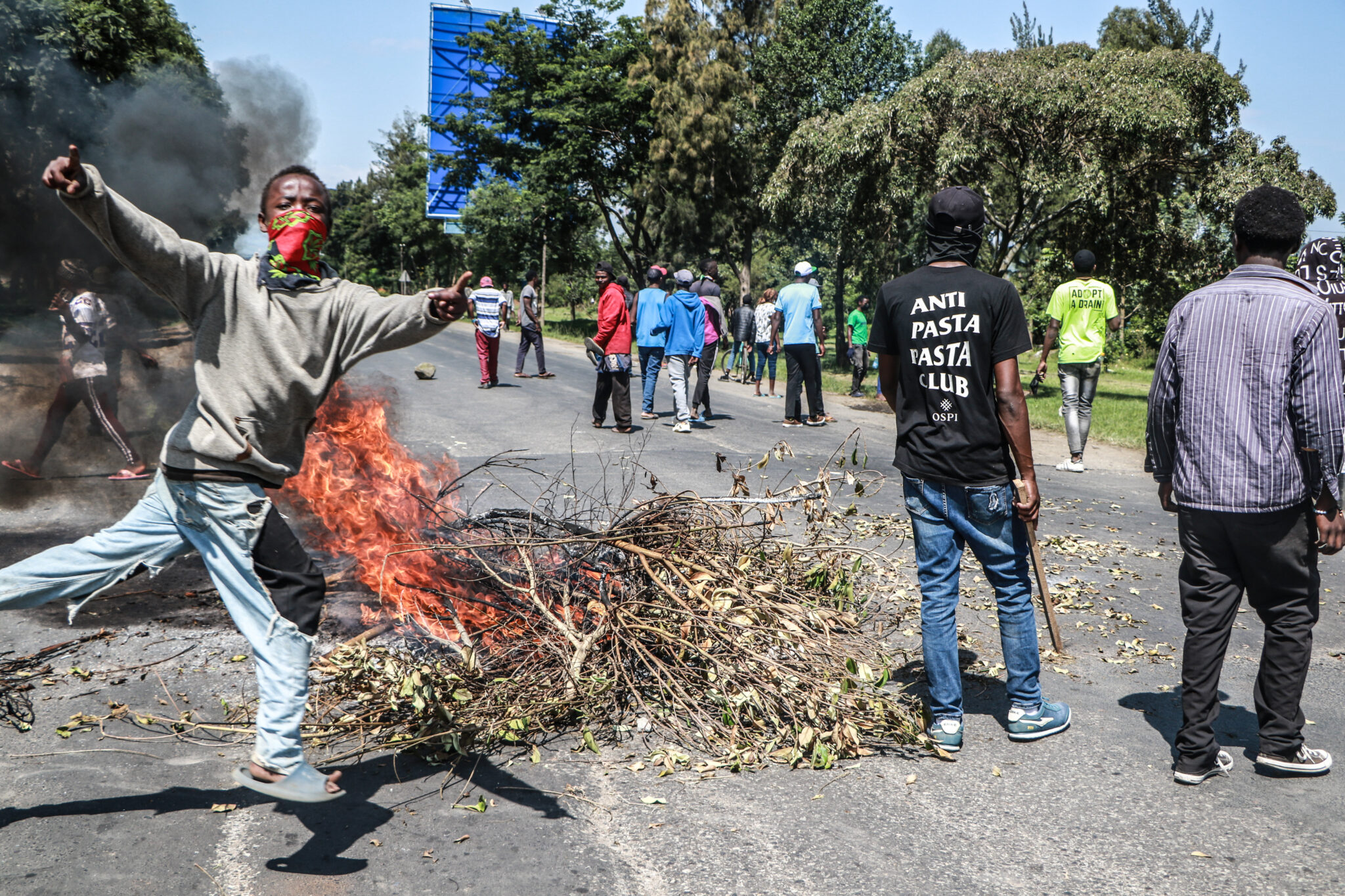
👋 ನಮಸ್ಕಾರ* Welcome to Thursday, where Iran’s nuclear sites are reported to be “severely damaged,” Gaza mediators are intensifying ceasefire efforts, and our daily quiz question is related to a very old discovery from a Polish cave. Meanwhile, Inma Mora Sánchez for Ethic outlines the issues surrounding women’s self-esteem, from the housewives’ awakening of the […]
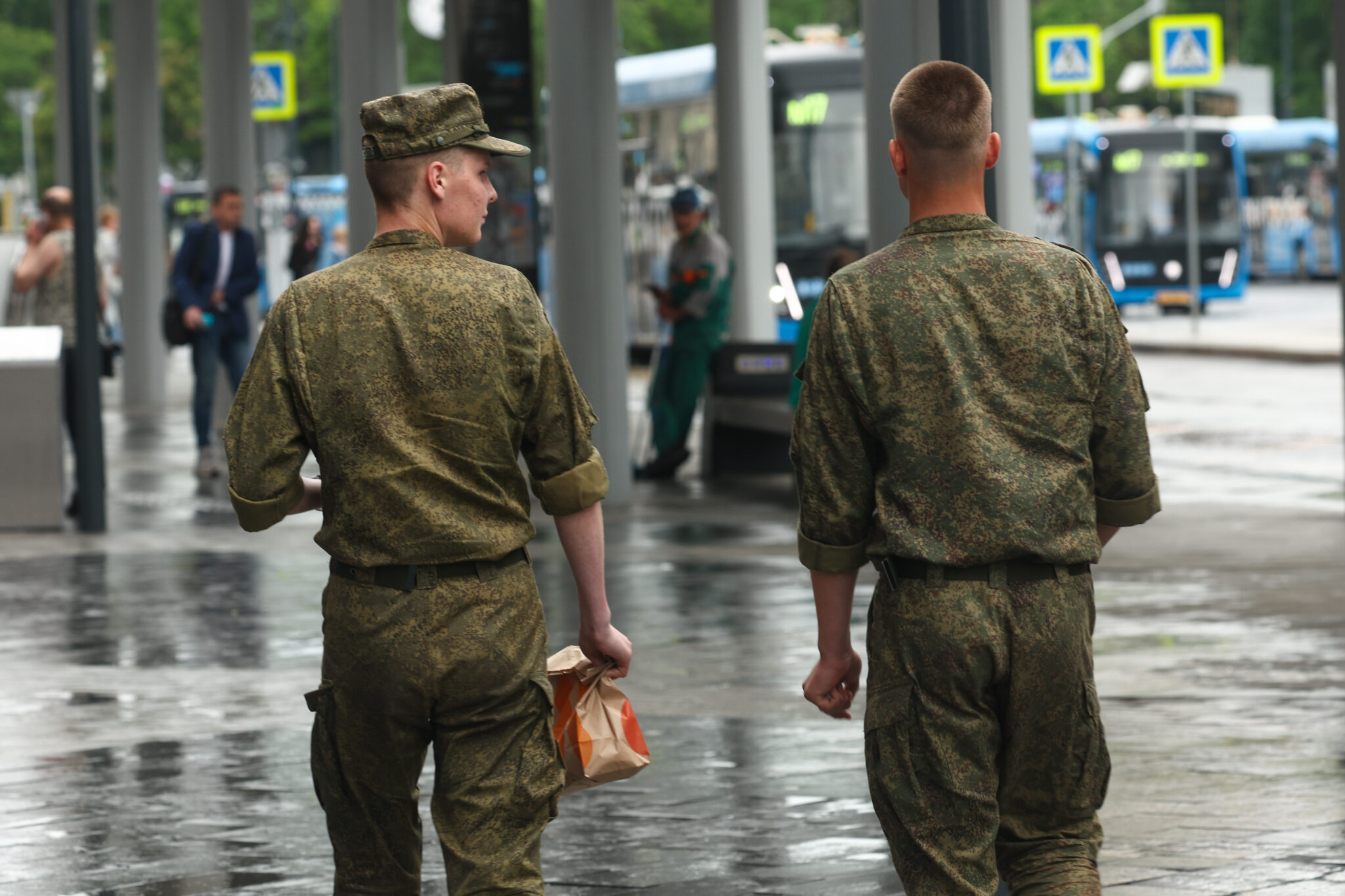
Some 49,000 soldiers have deserted from the Russian army. But to avoid the harshest charges or being sent forcibly back to the front, some are surrendering promptly in the hopes of being sent simply to prison.
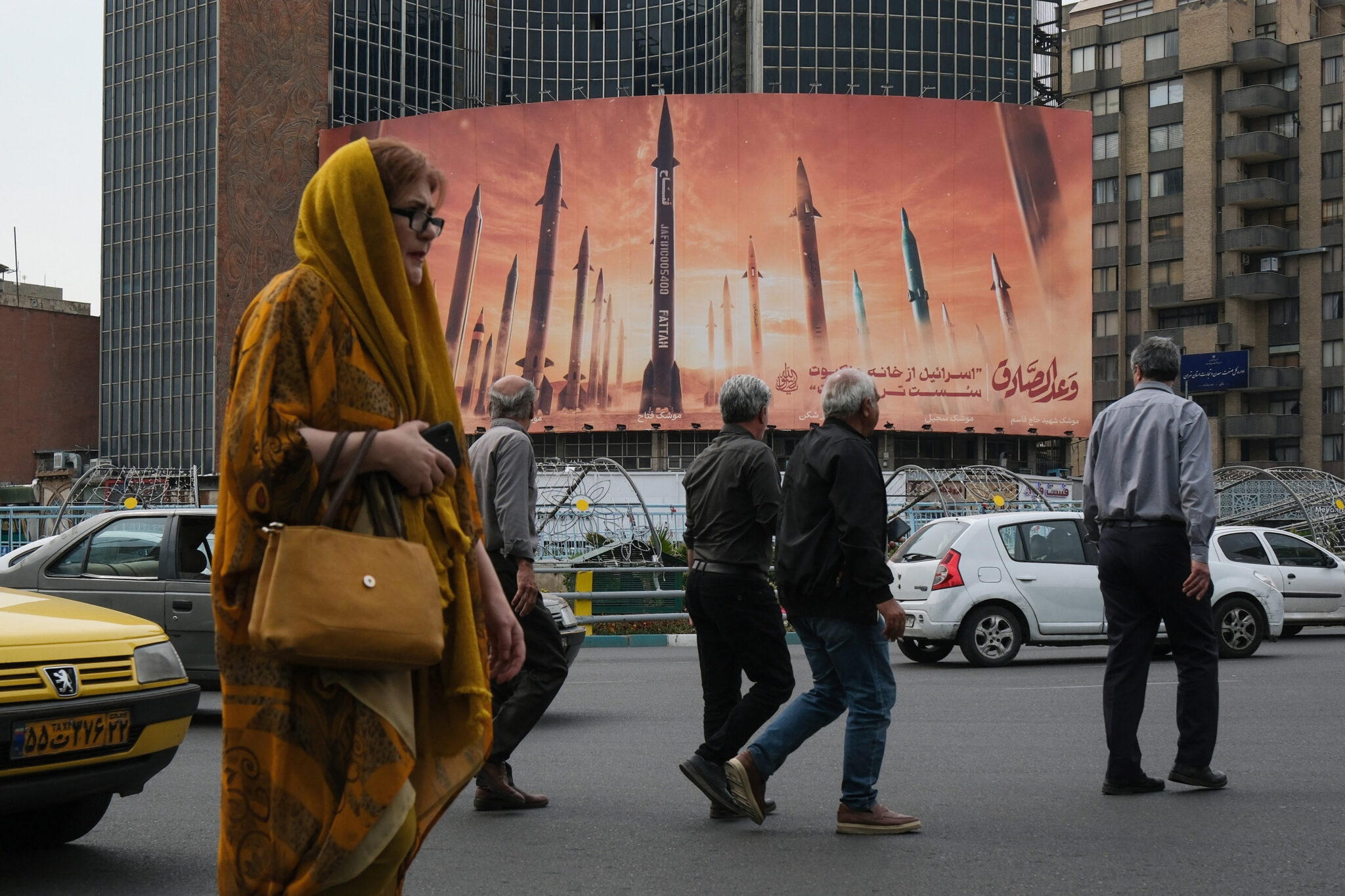
After 12 days of intensive conflict, President Donald Trump declared a ceasefire halting the most dramatic direct confrontation between Israel and Iran in decades. Both nations agree to abide by the truce, yet each vows retaliation if any breaches occur.
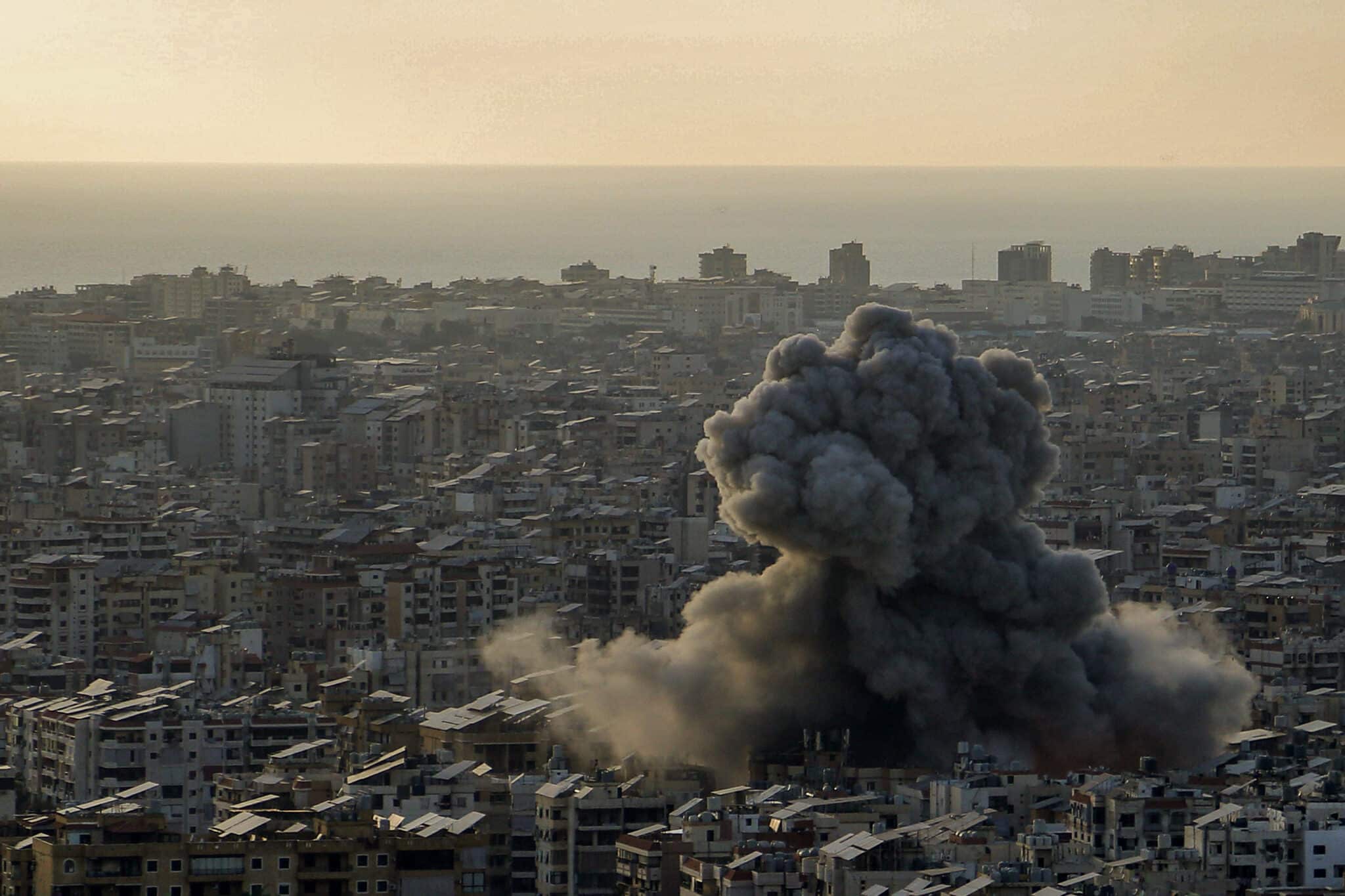
The Israeli army has imposed itself as the most powerful in the region in the wars waged since Oct. 7. But this military hegemony does not come with any political solution: This is Netanyahu’s weakness at a time when Trump is visiting the wealthy princes of the Gulf.
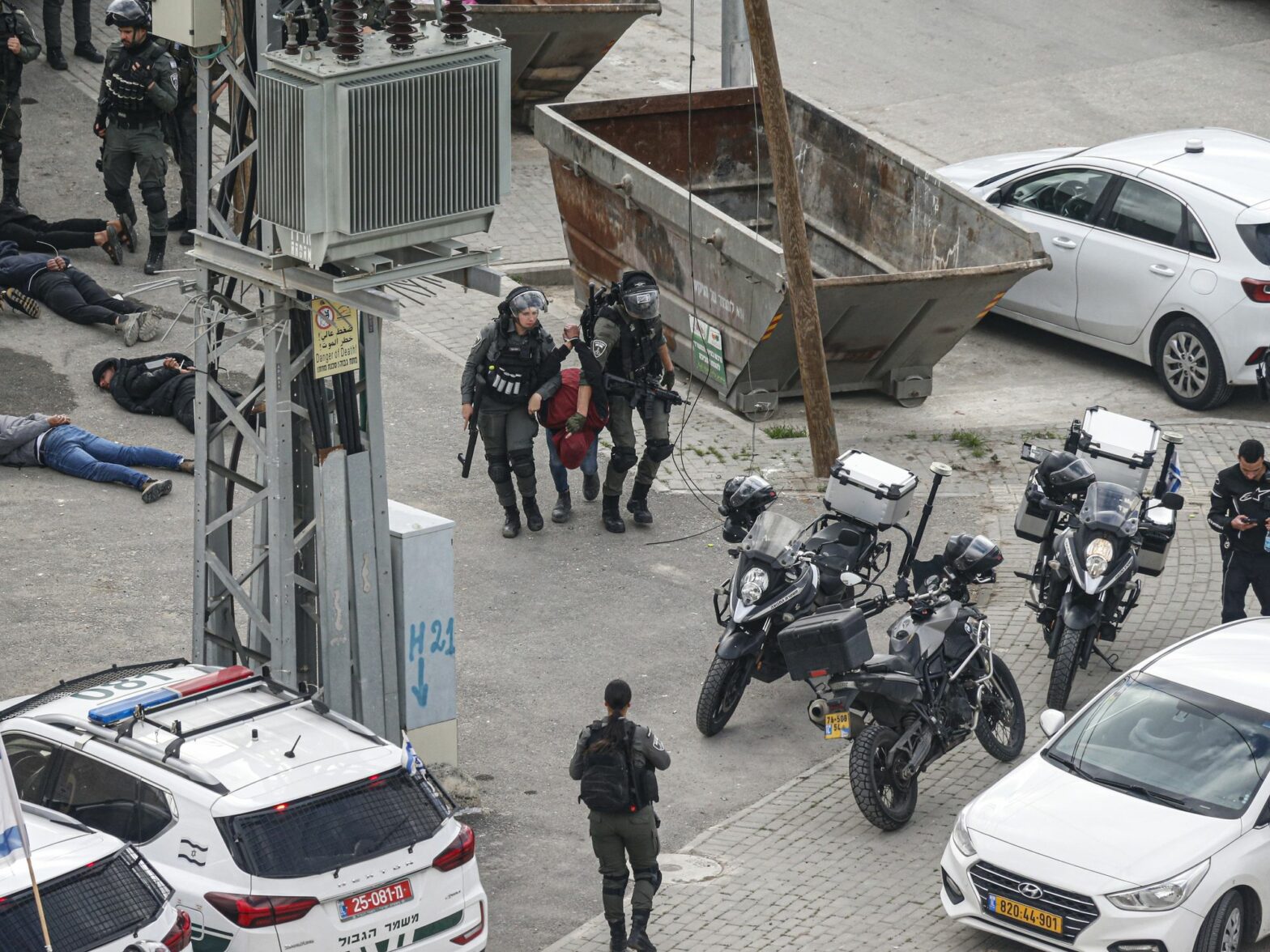
Since October 7, the Israeli army has imposed more restrictions and treated Palestinian residents of Jerusalem with unprecedented brutality, appearing to follow up on intention of some of Israel’s leaders to empty the holy city of its longtime Arab residents.
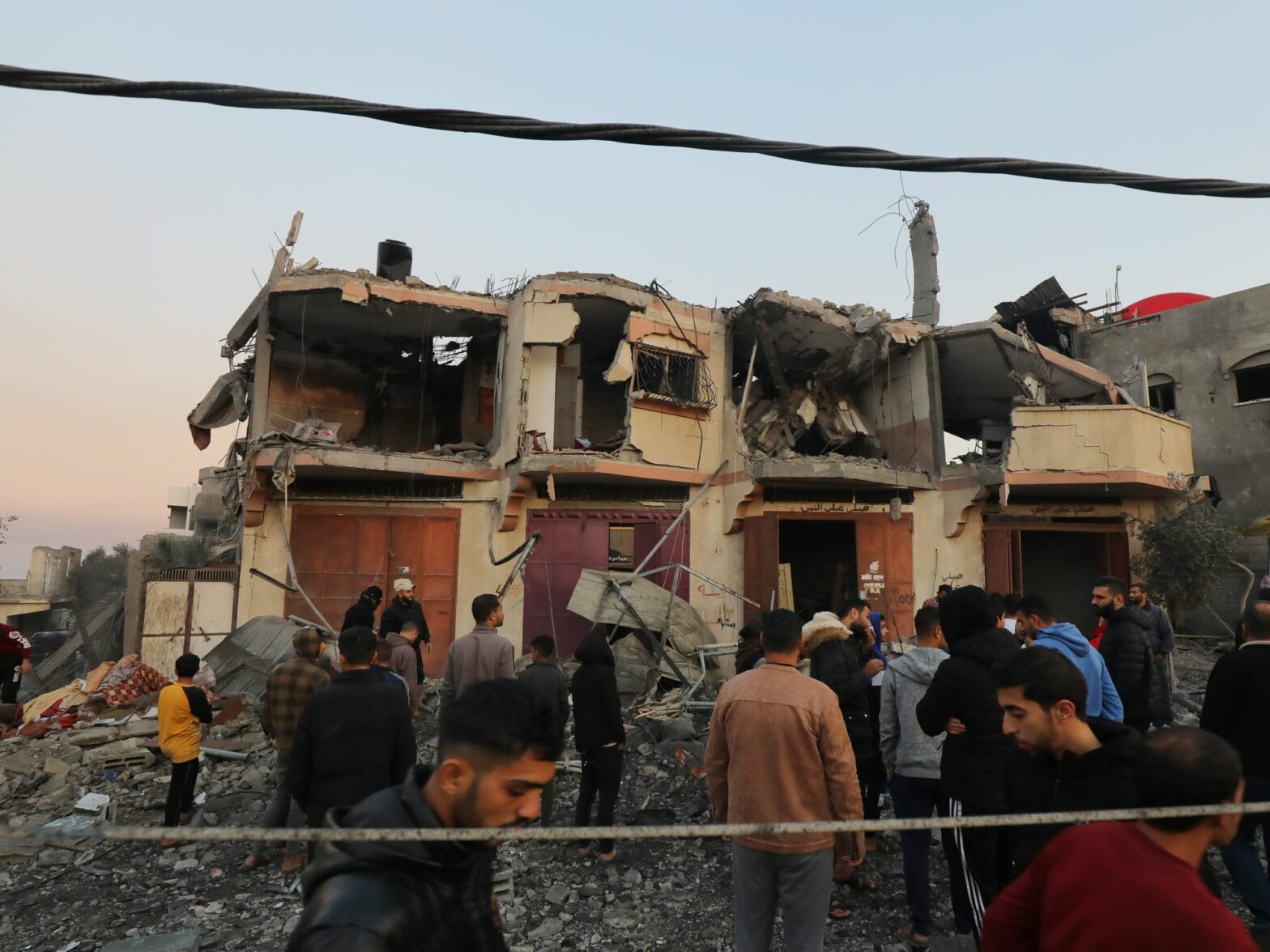
Are the Israelis perpetrating a genocide in Gaza? The answer is tied up in the definition and legal significance of the word itself, which is still not settled.
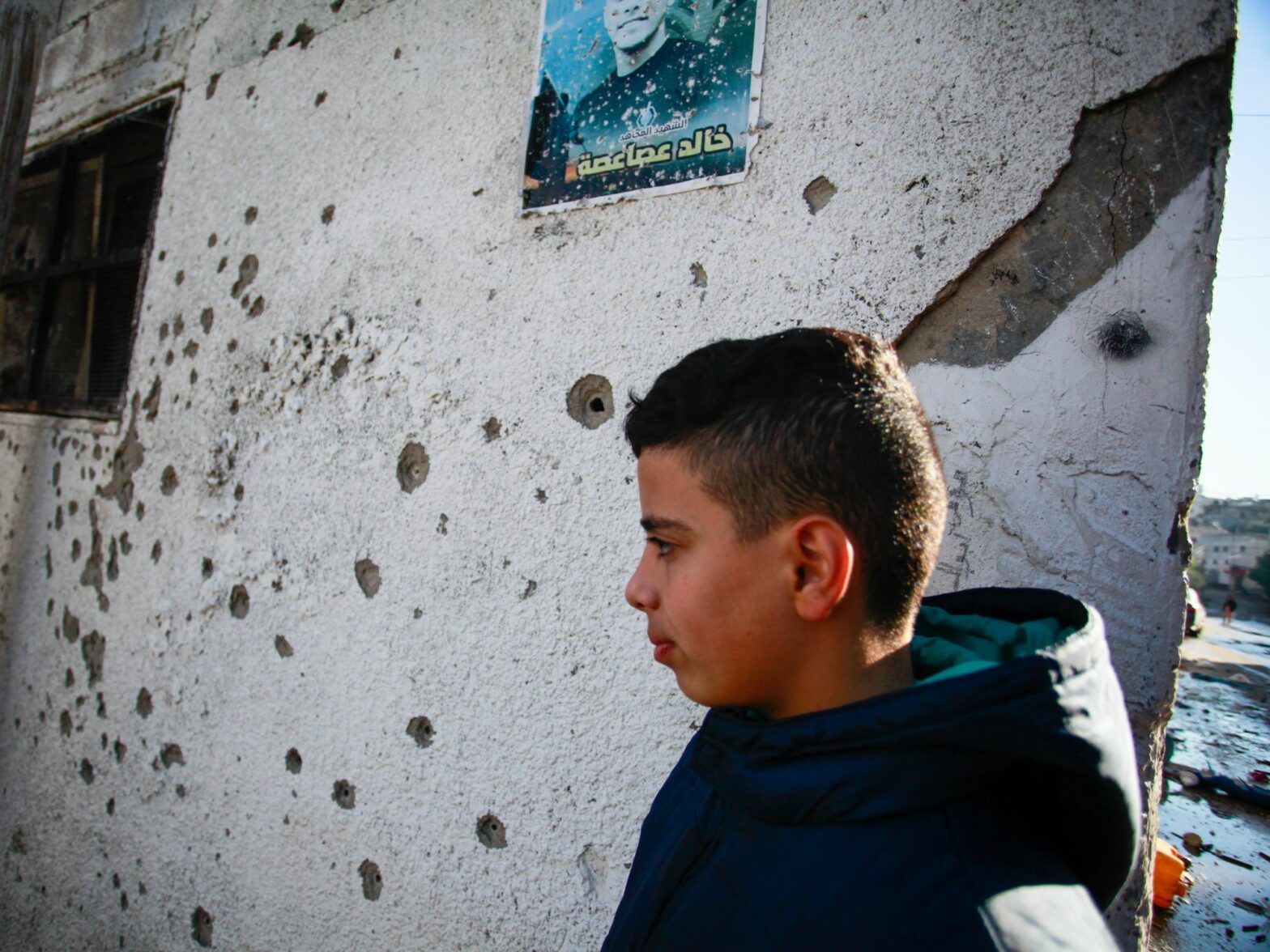
Fedaa Zeyad is tired of seeing all the attempts to portray the people of Gaza as superheroes, somehow undeterred in the face of death. She prefers to present them simply as human beings: fearful, tired, desperate, objecting to the terms and conditions of this war.
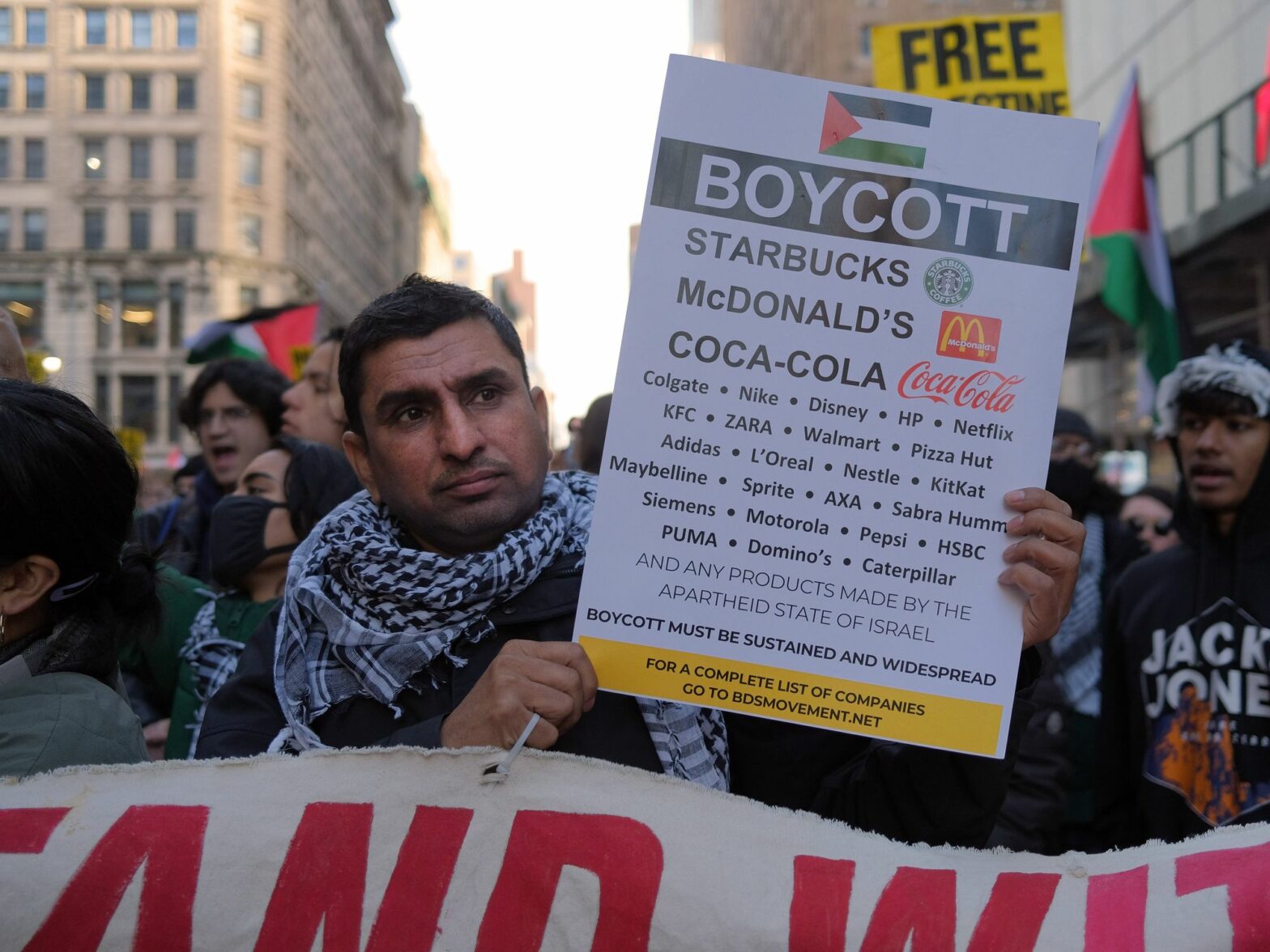
In Egypt and elsewhere in the region and the world, families and movements are mobilizing against companies that support Israel’s war on Gaza. The power of the people lies in their control as consumers — and the list of companies and brands to boycott grows longer.

Israel and Hamas have reached a deal to exchange 50 Israeli hostages held in Gaza for a four-day pause in fighting and the return of Palestinian prisoners. Orna Dotan, leading a team of therapists tasked with aiding these hostages and their families, takes us inside a uniquely charged personal and political situation.
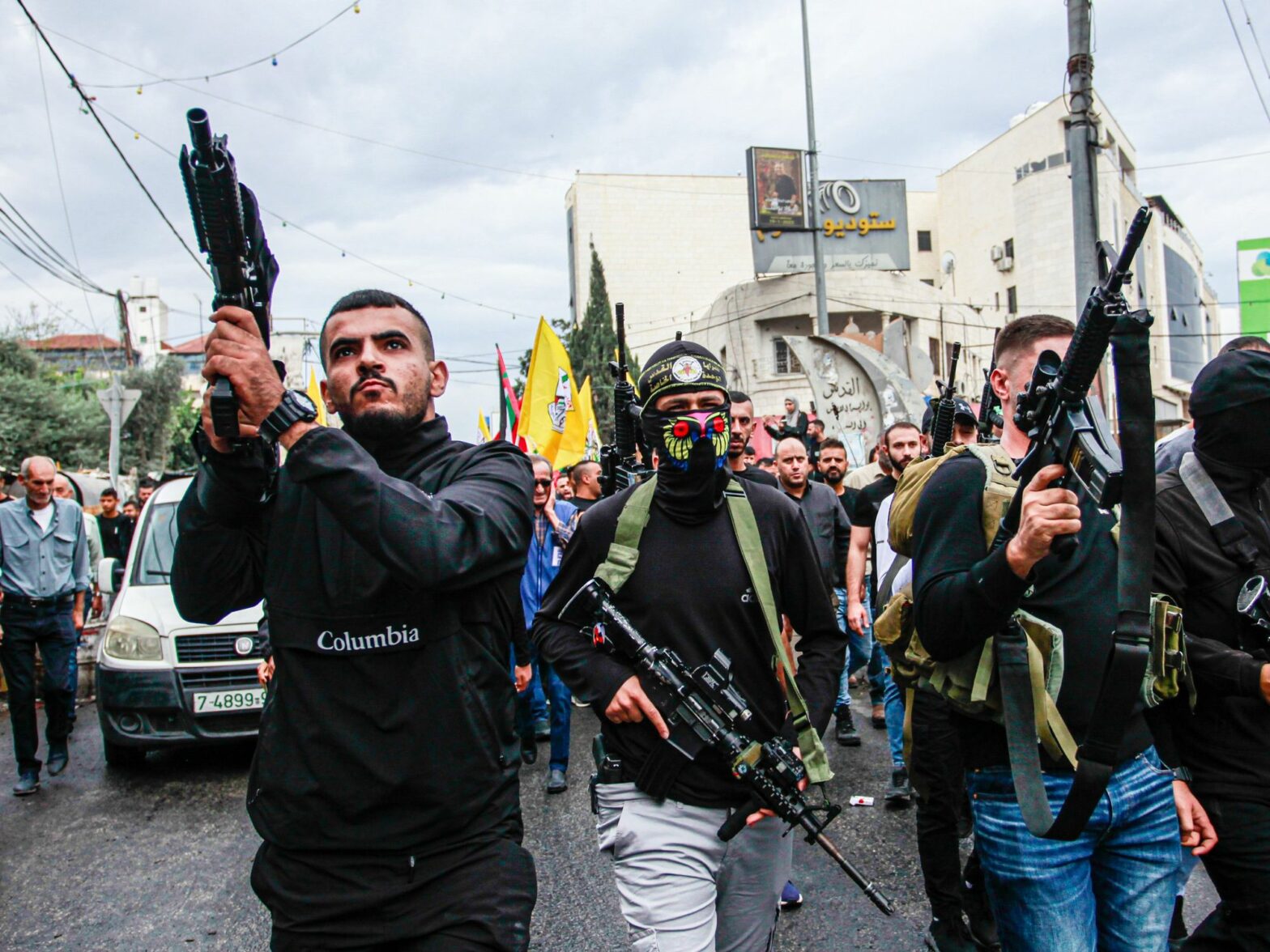
A visit to so-called “Little Gaza,” where destruction reigns and children roam with rifles in their hands. But the enemy isn’t just the IDF, it is also the Palestinian Authority — and become prime recruiting territory for Hamas.
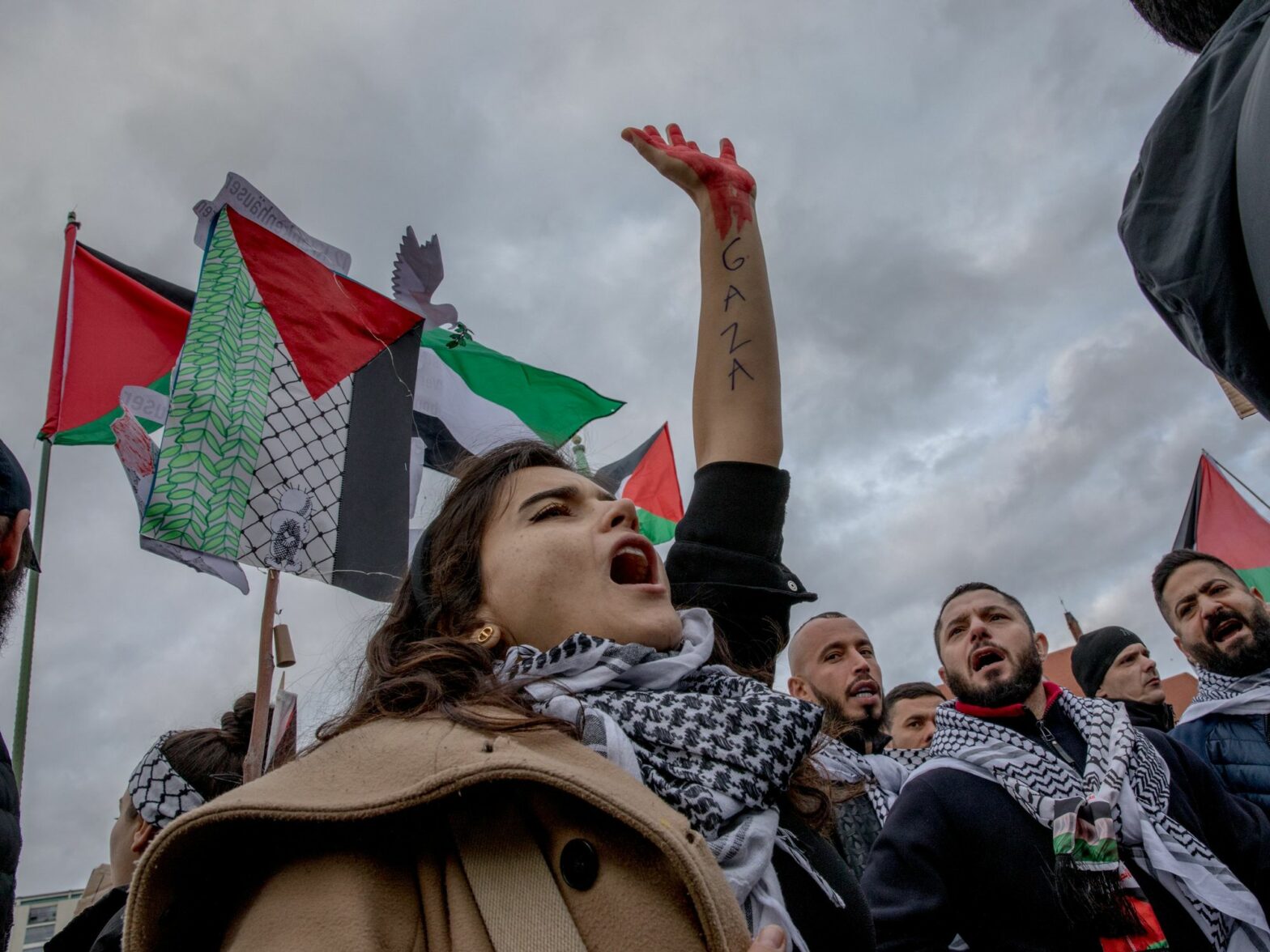
There are certain watershed moments where the world comes together in defense of an idea or a people, or maybe both. A call from afar to stand up in the name of the Palestinian people.
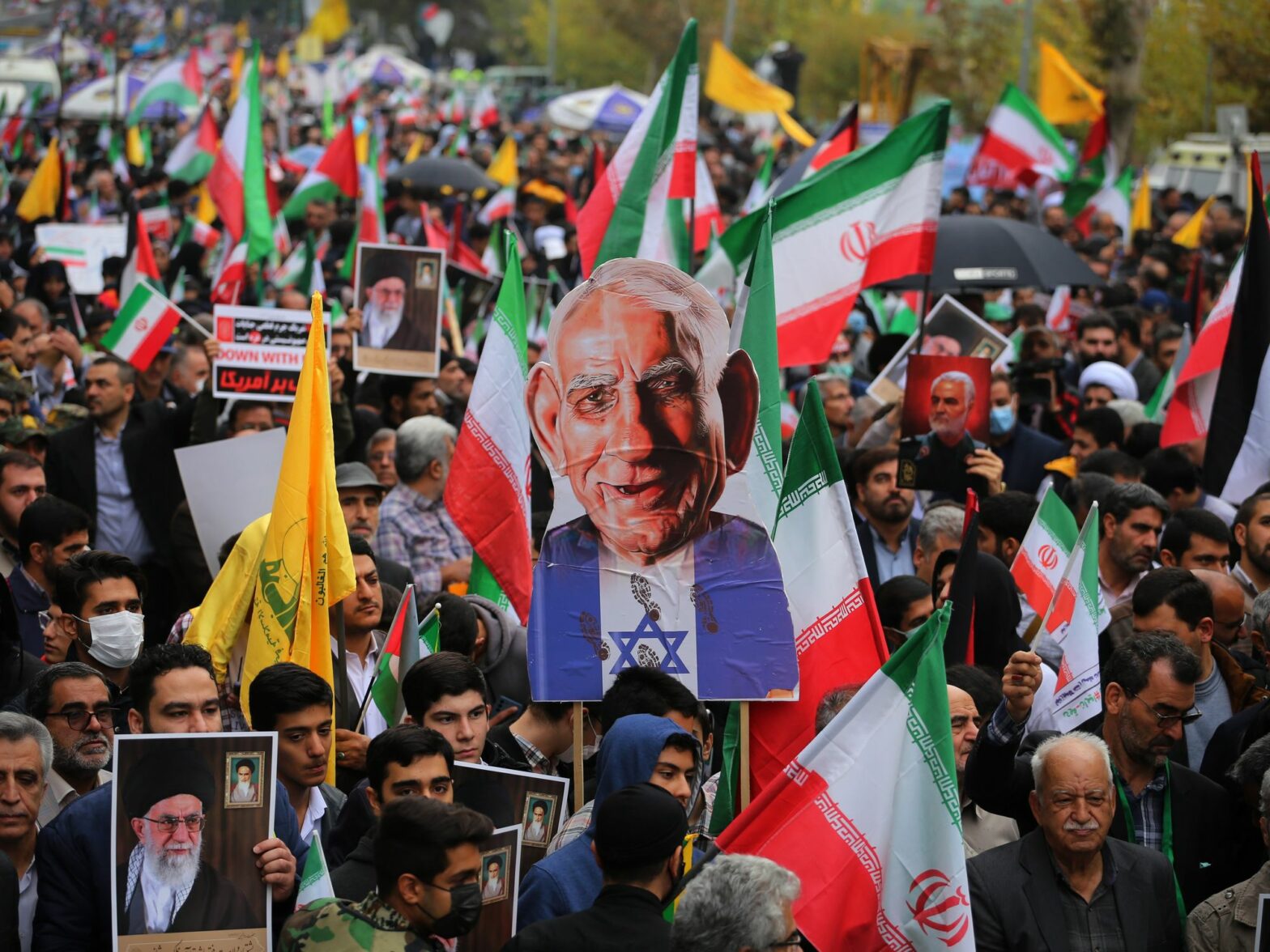
Iran this week has reaffirmed its full support for Hamas, issuing new threats to escalate with more attacks like Oct. 7. This came after some in the region had criticized Iran for now joining the fray directly. With the rising rhetoric, Iran can’t stay passive forever.
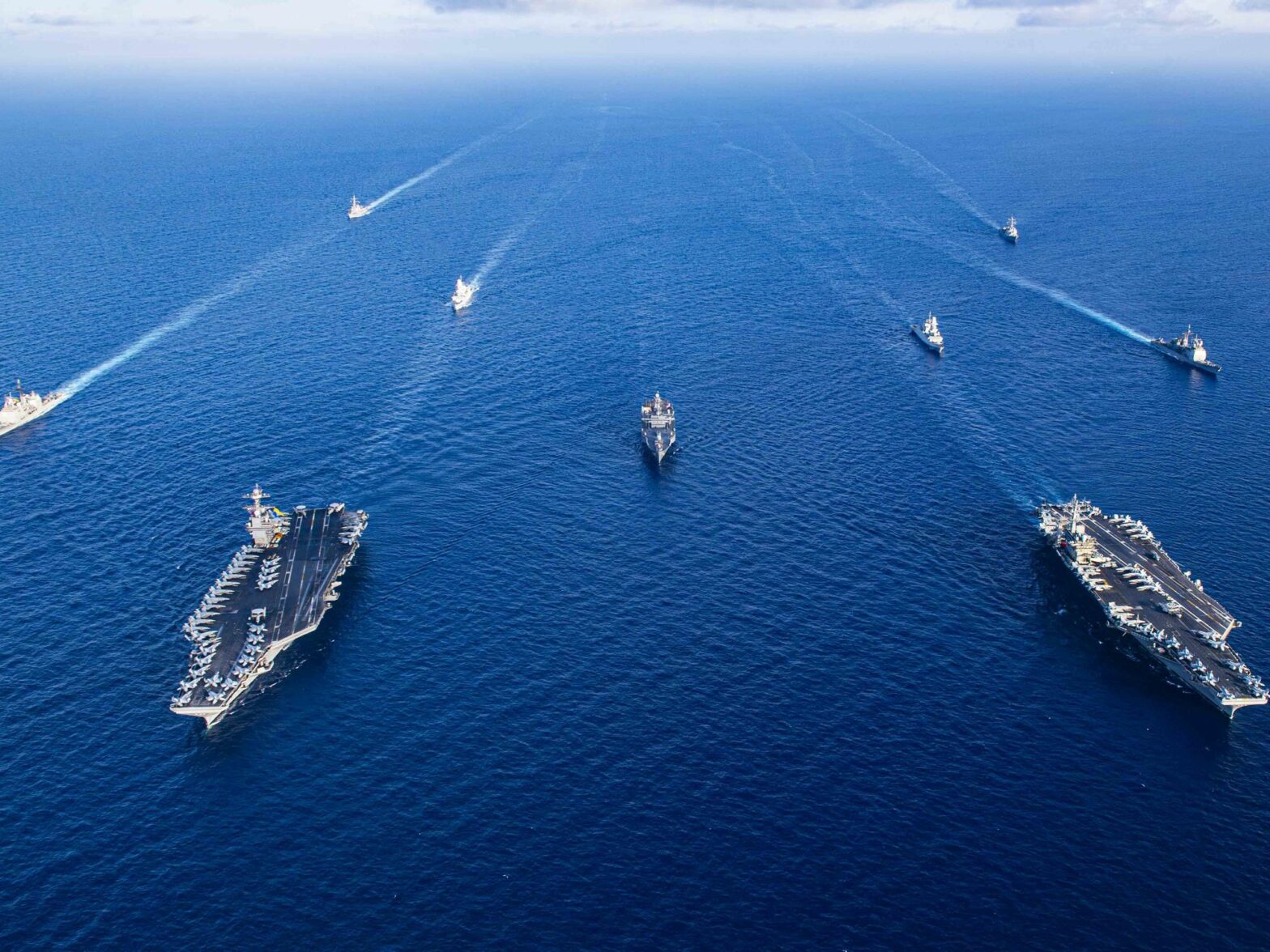
The United States has found itself at the forefront of a conflict that the whole world is following. President Joe Biden faces the pull of public opinion, the threat of Iranian action, and the escalation of the Israeli state.
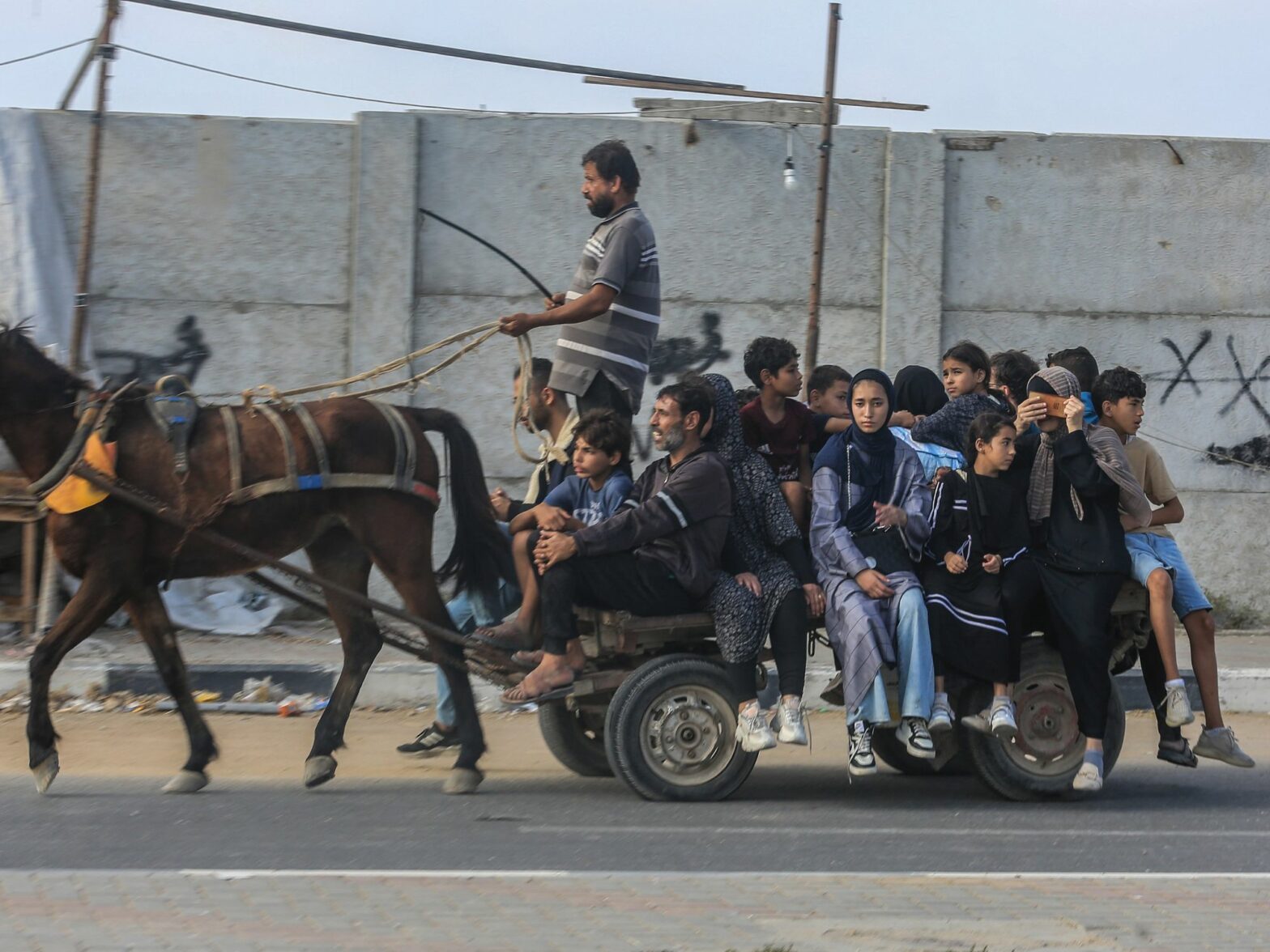
After last Thursday’s announcement of daily, four-hour humanitarian pauses in the northern part of Gaza, masses of Palestinians fled southward. But the journey is anything but safe and easy.
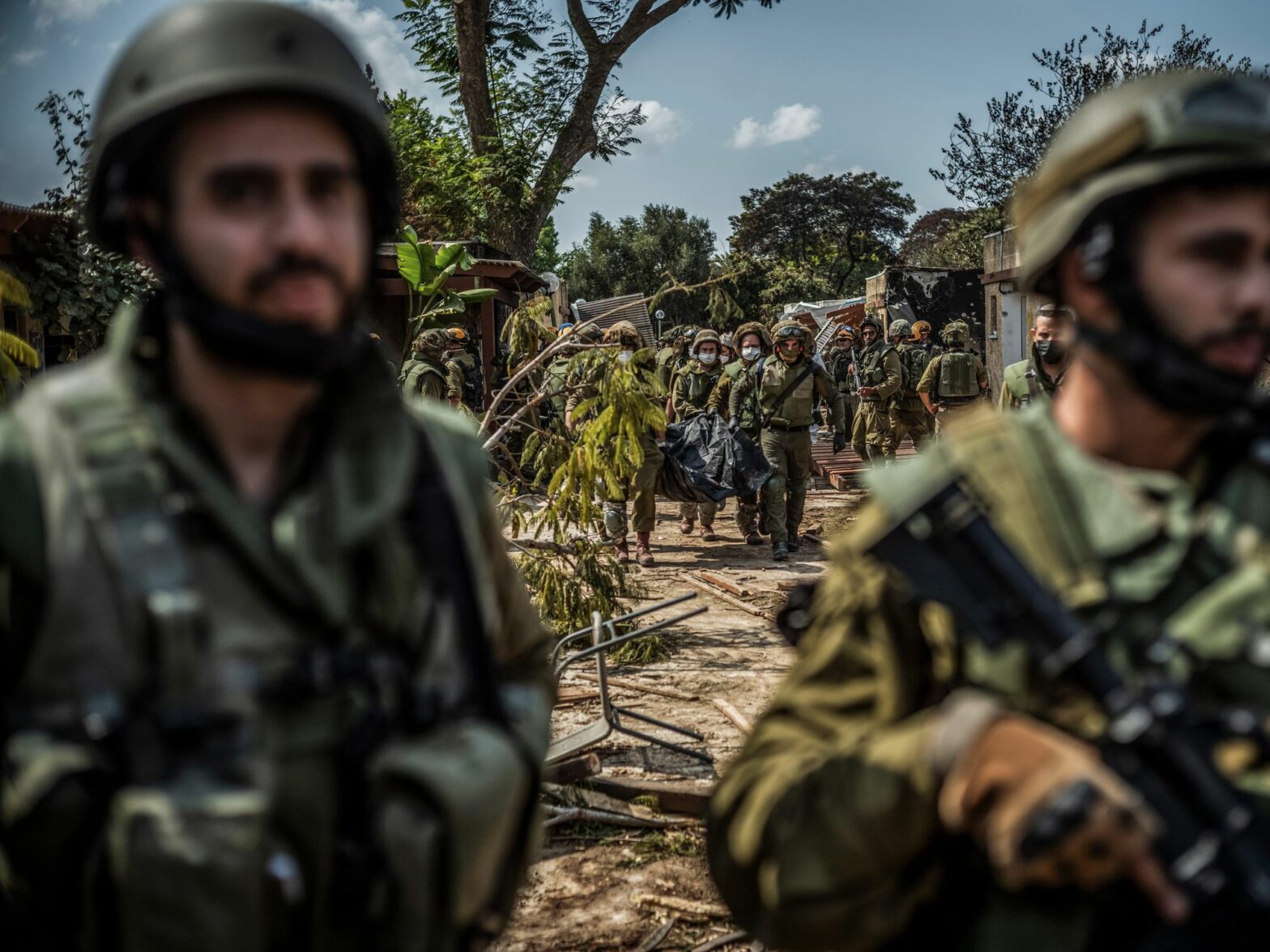
Public sympathy for Hamas terrorists has precedents. Algeria’s liberation in the 1960s from French colonial rule is viewed by history as a wholly just cause, despite horrific attacks against civilians. What does the analogy tell us about Israel’s current situation?
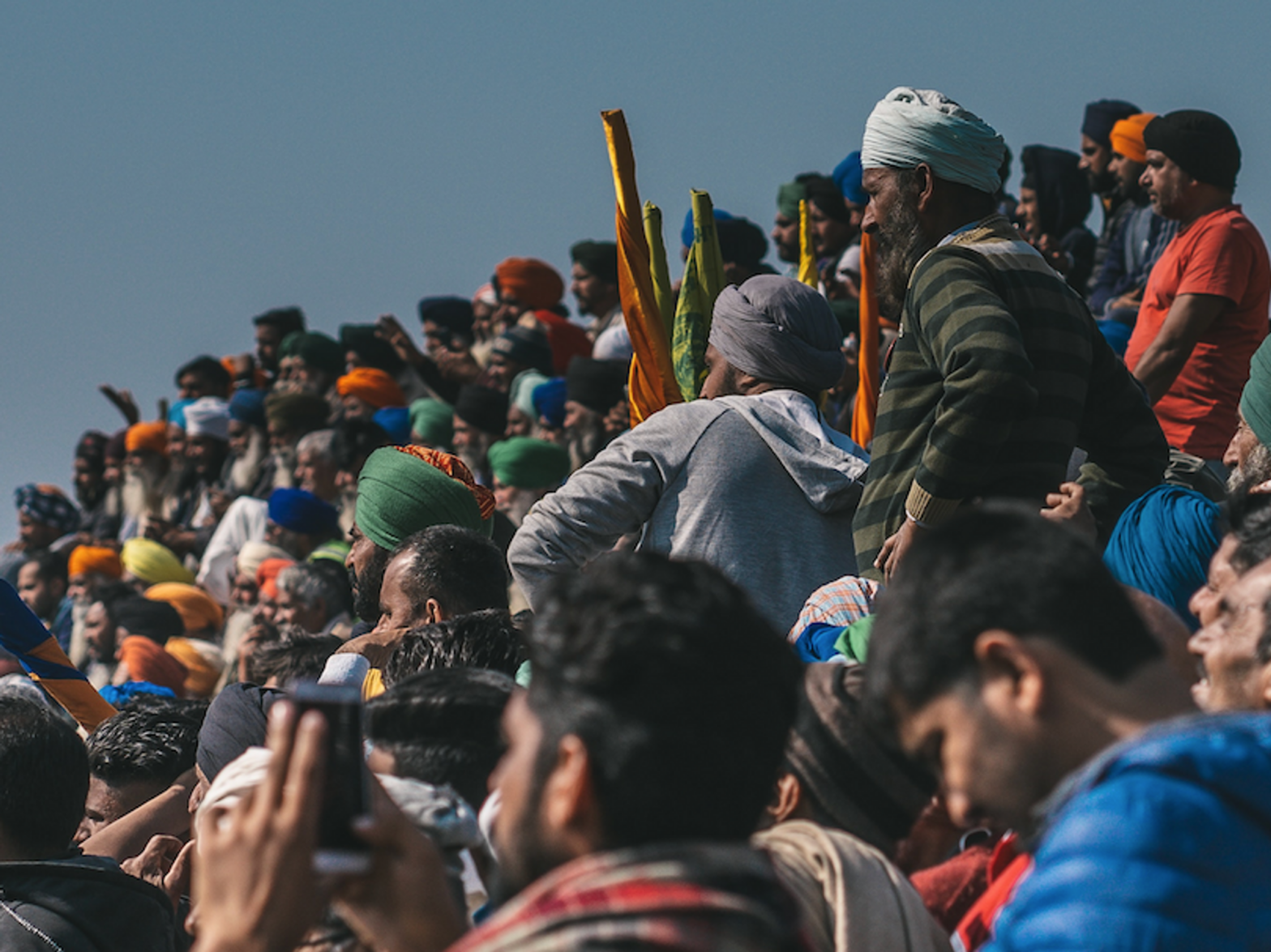
At the moment, a two-state solution to end the conflict between Israel and Palestine seems impossible. But should a miracle occur, there is one example that, although not perfect, could serve as a model to build a multi-ethnic, multi-religious and multi-cultural federation: the ethno-federal democracy of India.

Reserved, not accustomed to the spotlight, capable of taking a step back and not overshadowing the president. In this time of crisis, Antony Blinken navigates geopolitics with the president’s full trust.
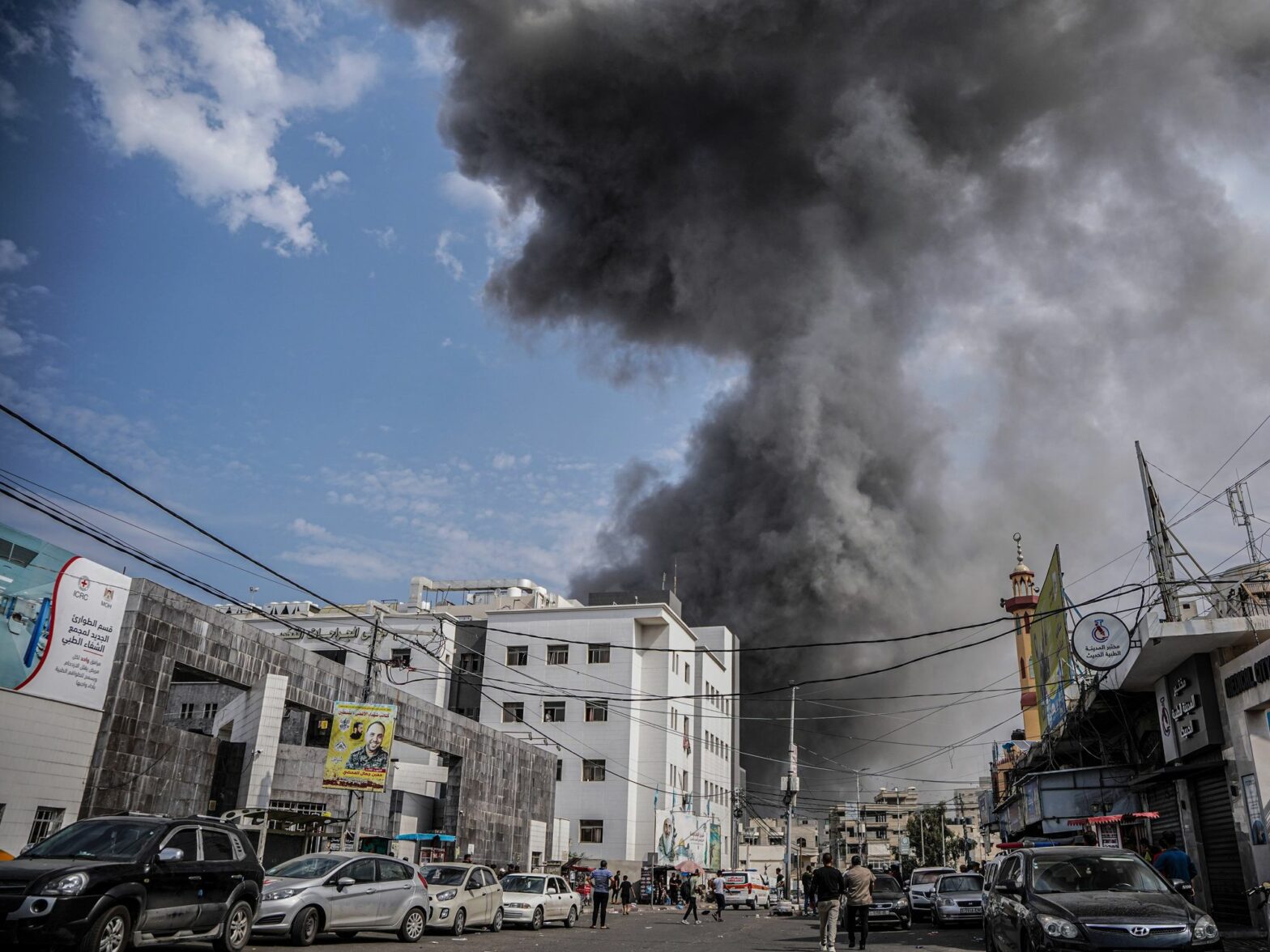
Prime Minister Benjamin Netanyahu and other top Israeli officials have referred to Hamas militants as “the new Nazis.” But as horrific as the Oct. 7 massacre was, what does it really mean to make such a comparison 80 years after the Holocaust? And how can we rightly describe what’s happening in Gaza?
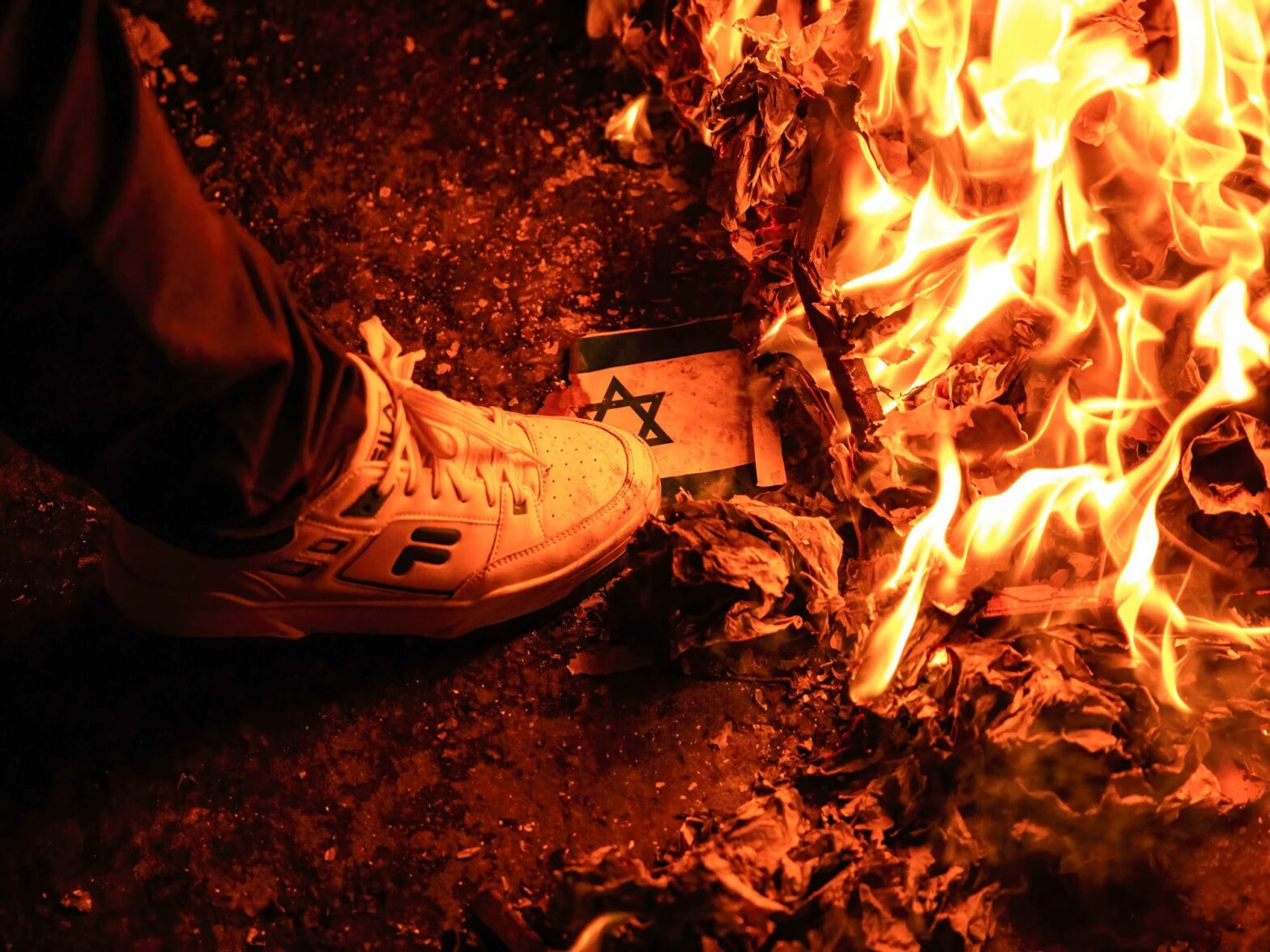
Sectors of the political Left around the world have practically lauded the Oct. 7 Hamas attack on Israel — finally barely bothering to hide their good ol’ fashioned hatred of the Jews, rather than hiding behind anti-Zionist rhetoric. Something evil has been re-released.
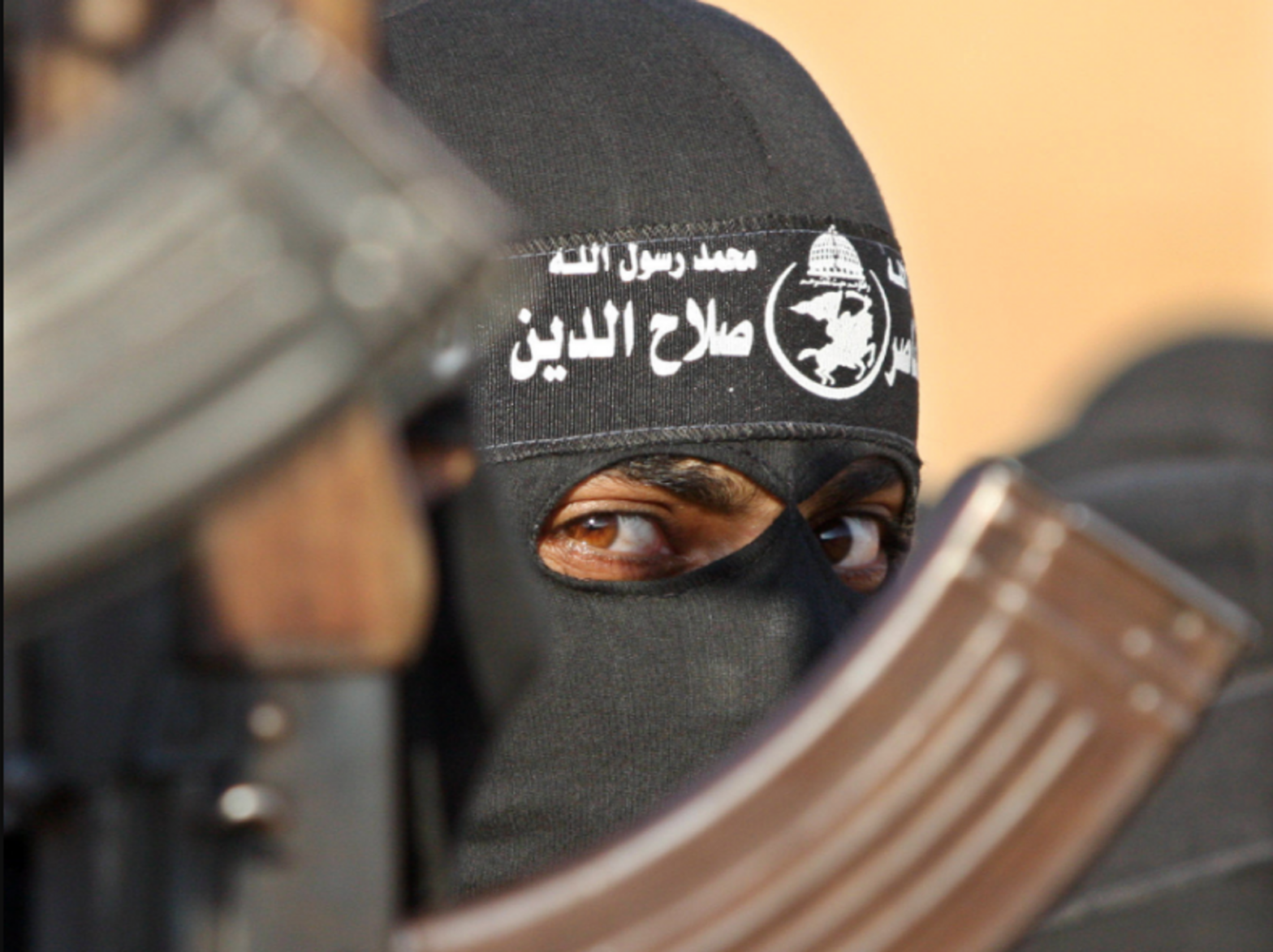
Russia is largely discrediting itself as a viable leader in diplomacy after siding so plainly with Hamas.
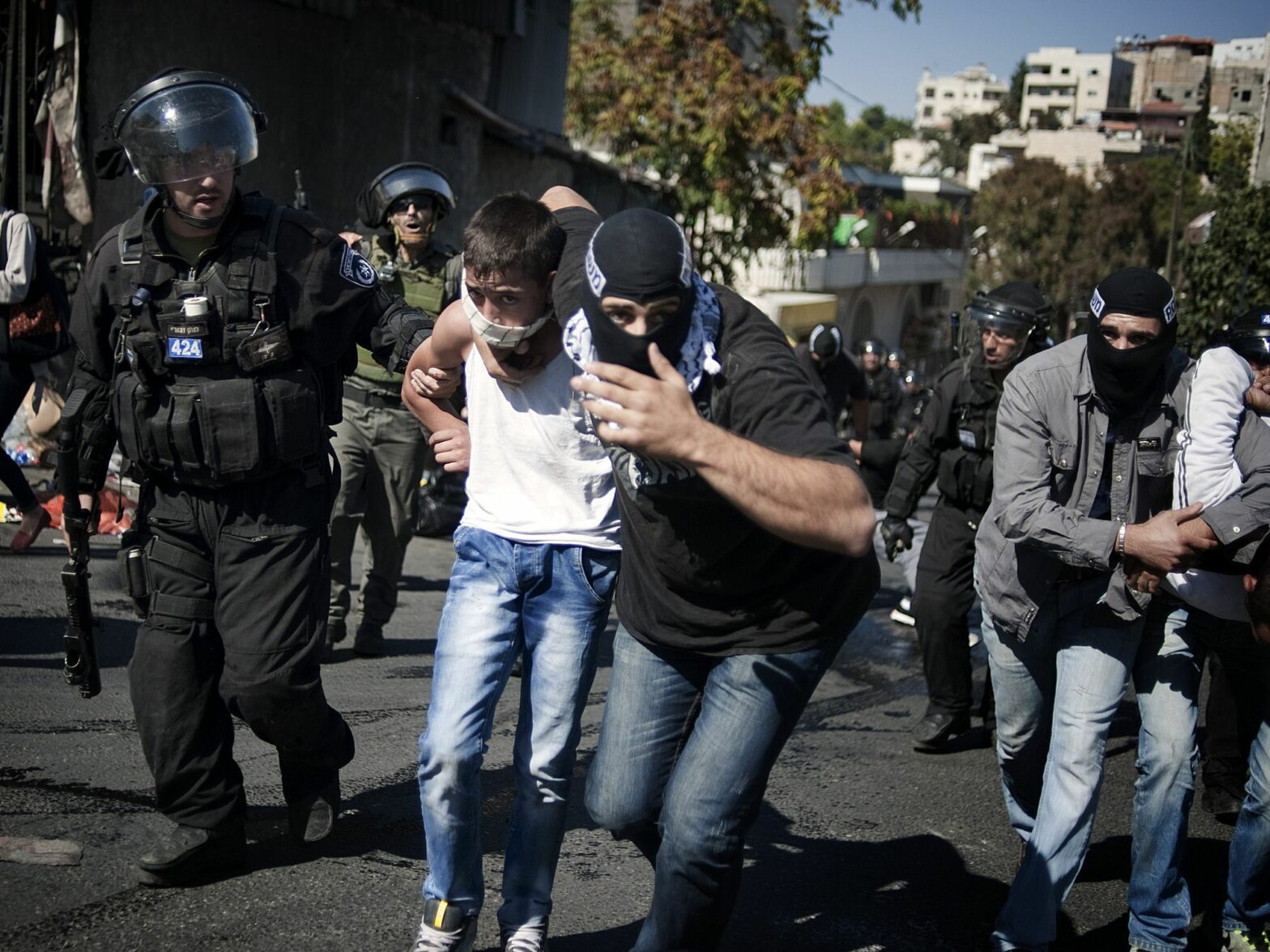
The number of Palestinian prisoners in Israel’s jails has doubled since the Hamas attack of Oct. 7. Some ask if the roundups of Palestinians is a tactic to win the release in an exchange with Hamas for the 200 hostages held in Gaza.
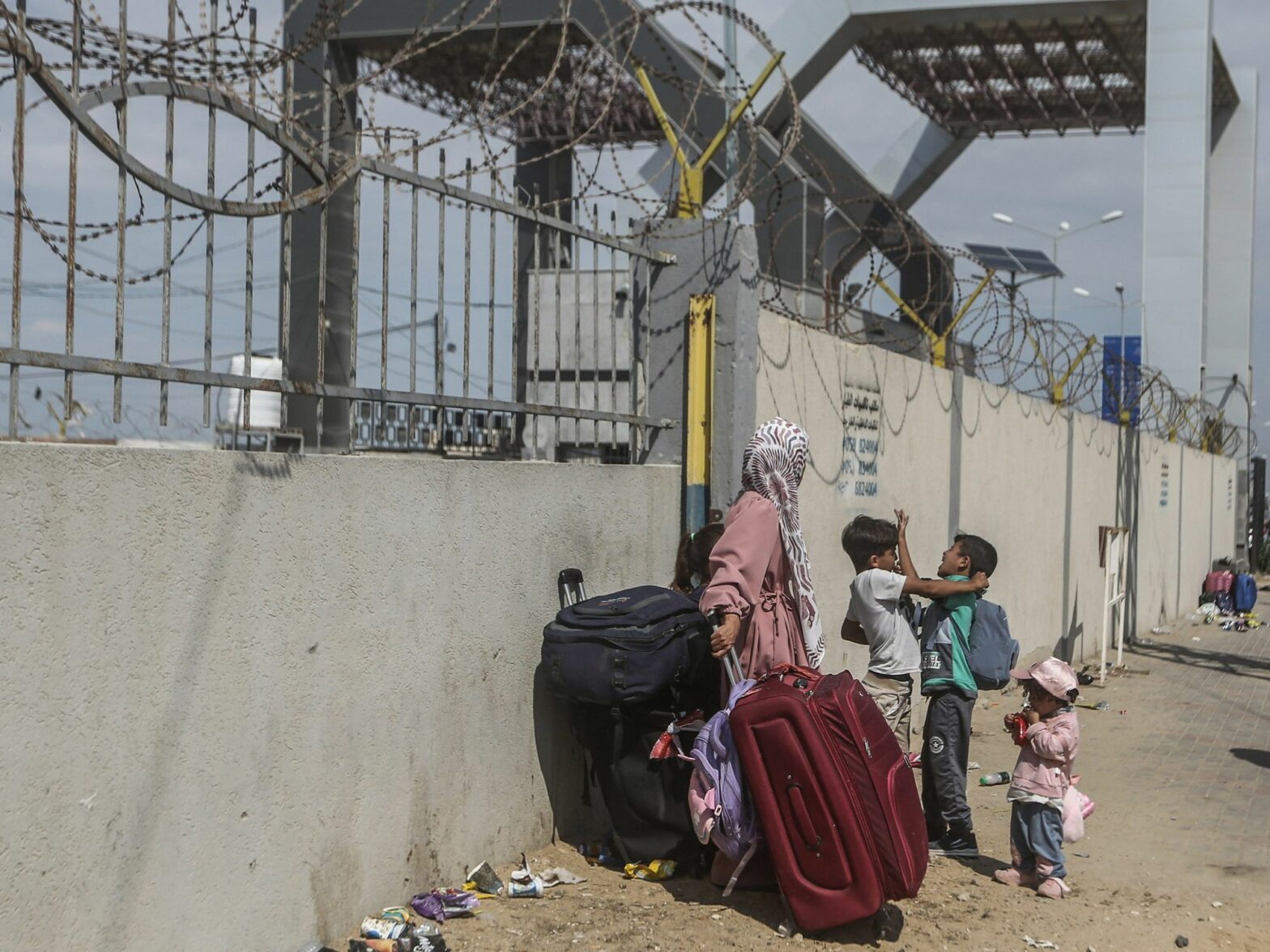
Dubbed by some as the ‘Eiland plan,’ after a retired Israel general, Egypt is vehemently opposed to any attempt to transfer Palestinian refugees from Gaza, which could turn Sinai into a launch pad for operations against Israel, and ultimately redraw the map of the Middle East again.
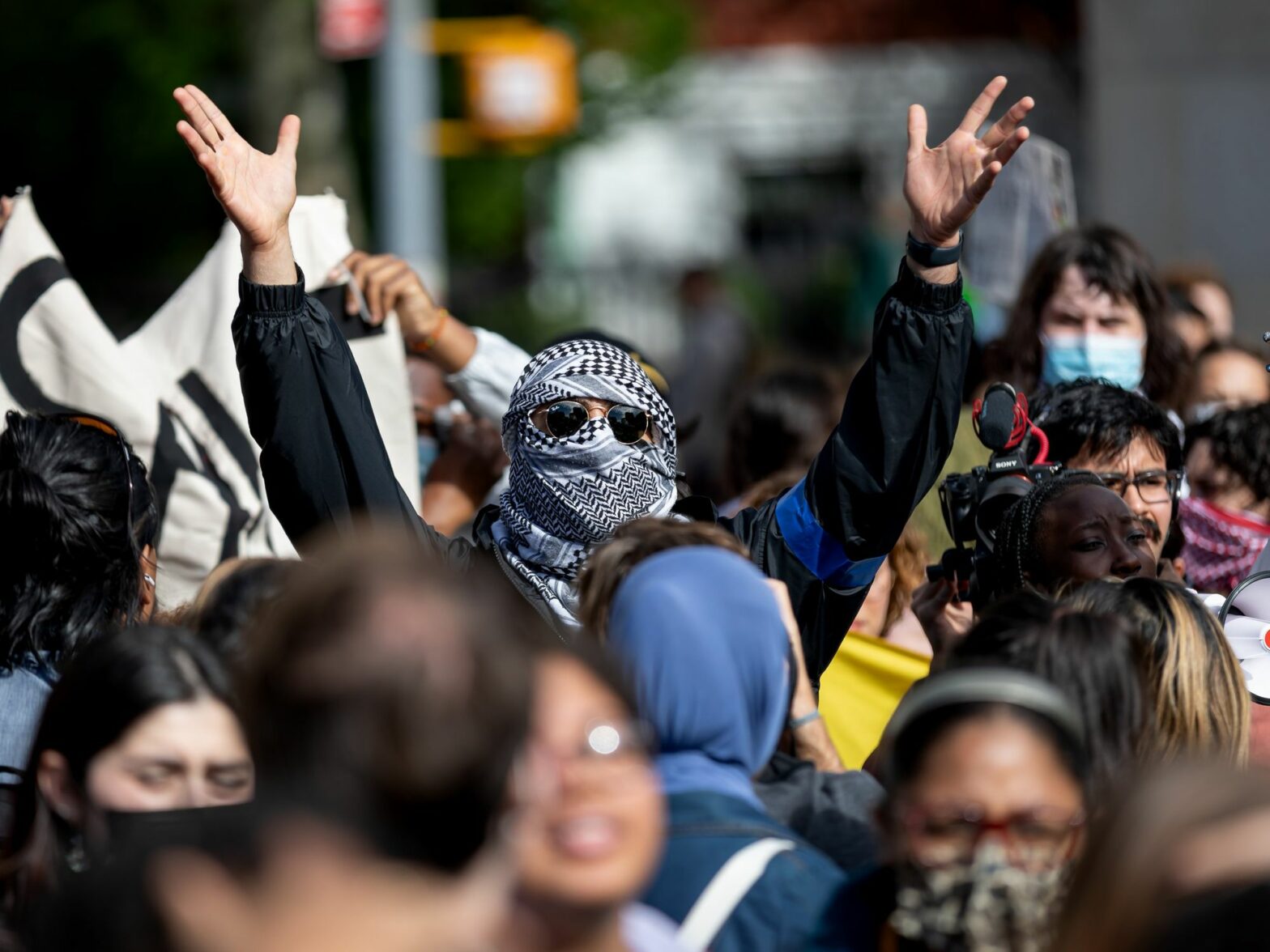
Even as casualties are mounting and bombs keep falling on civilians in Gaza, Western countries fail to reach a consensus and unambiguously call for a ceasefire. It’s a mix of history, alliances and being too careful.
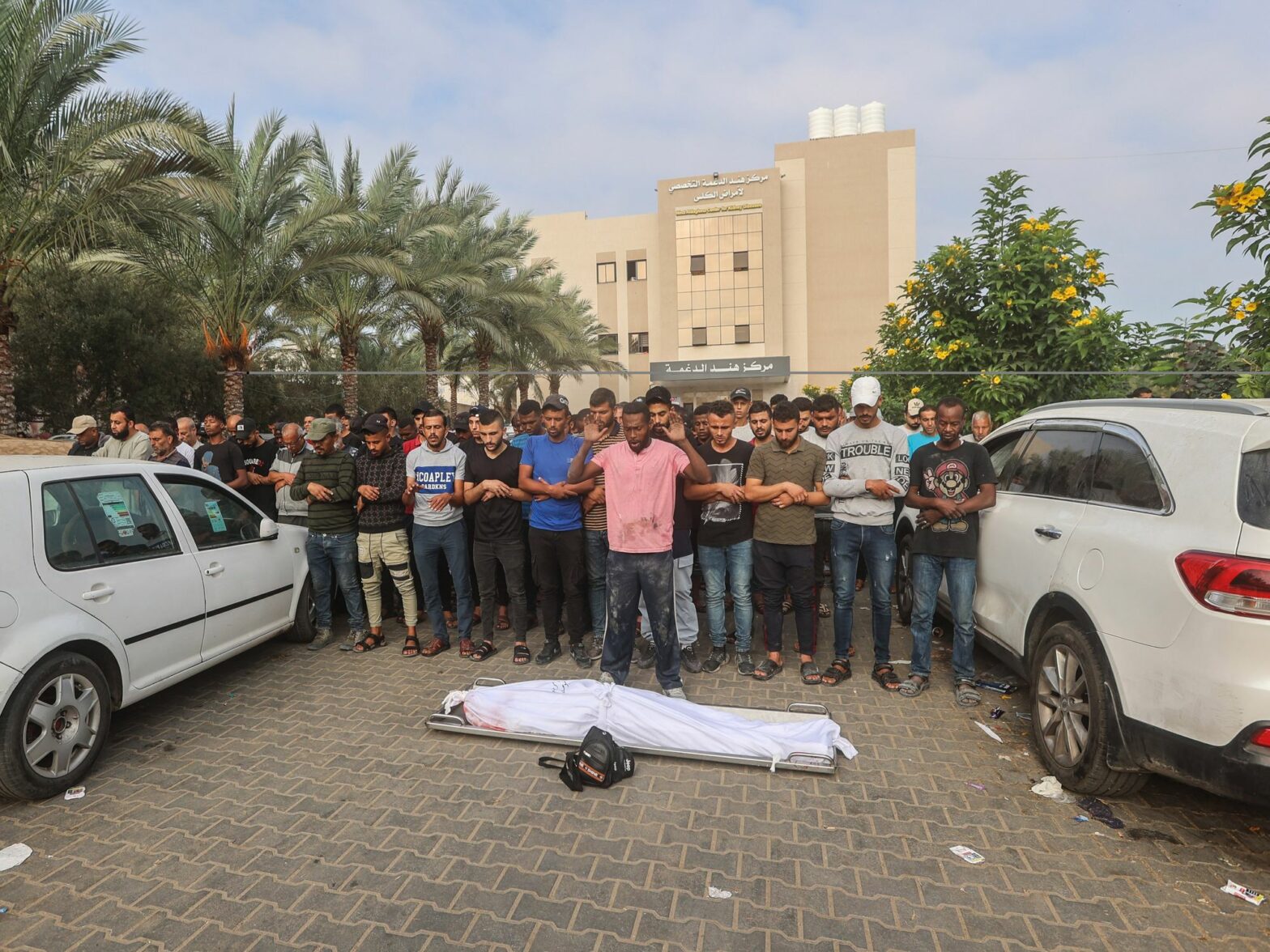
While everyone acknowledges the civilian toll is climbing in Gaza, a new doubt has begun to spread in recent days about the reliability of the death counts given by Gaza’s government, which is run by Hamas. U.S. President Joe Biden now says he doesn’t believe the numbers at all, which has set off criticism about his lack of both sources and “empathy.”
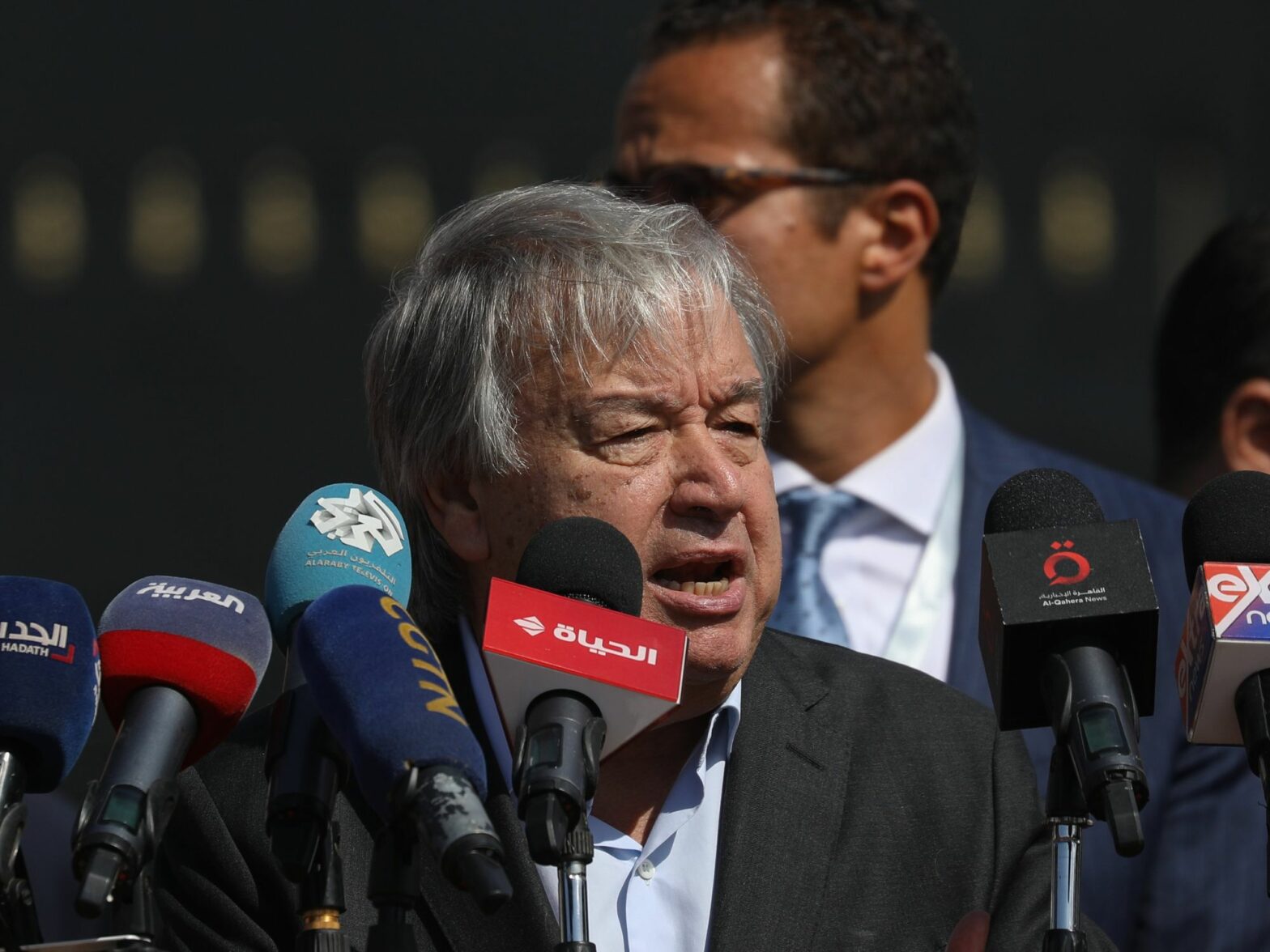
UN Secretary-General Antonio Guterres’ comments on the Oct. 7 attacks on Israel by Hamas, which he said “did not occur in a vacuum,” constitute an incomprehensible relativization of a barbaric mass murder. Shameful, but not surprising, writes Die Welt‘s editor-in-chief Jennifer Wilton.
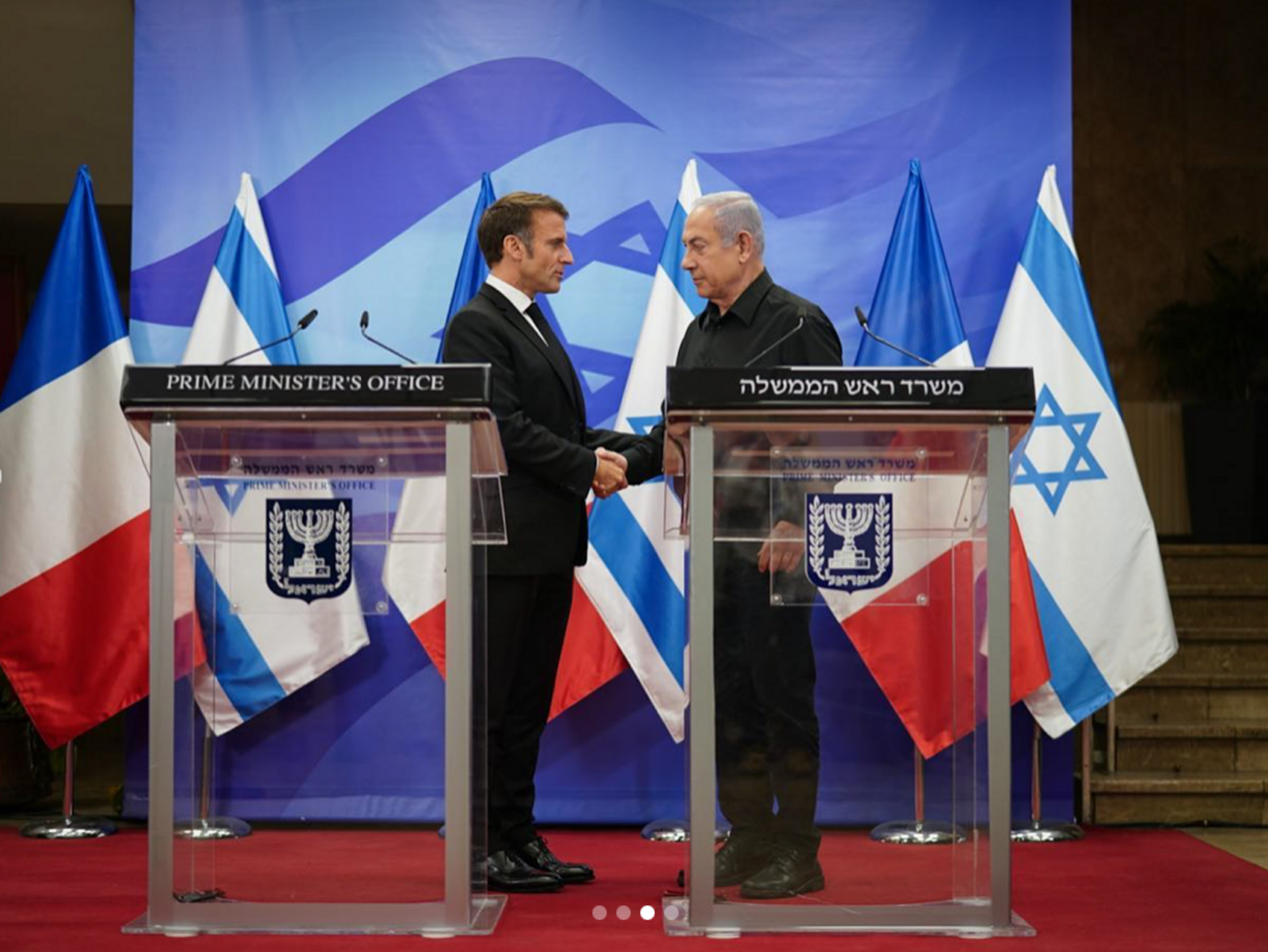
The French president is expected to call for a “humanitarian pause” in Israel and the opening of a “political perspective” for the Palestinians, while displaying his solidarity with Israel. A singular voice, which recalls France’s past commitments, but in a radically changed context.
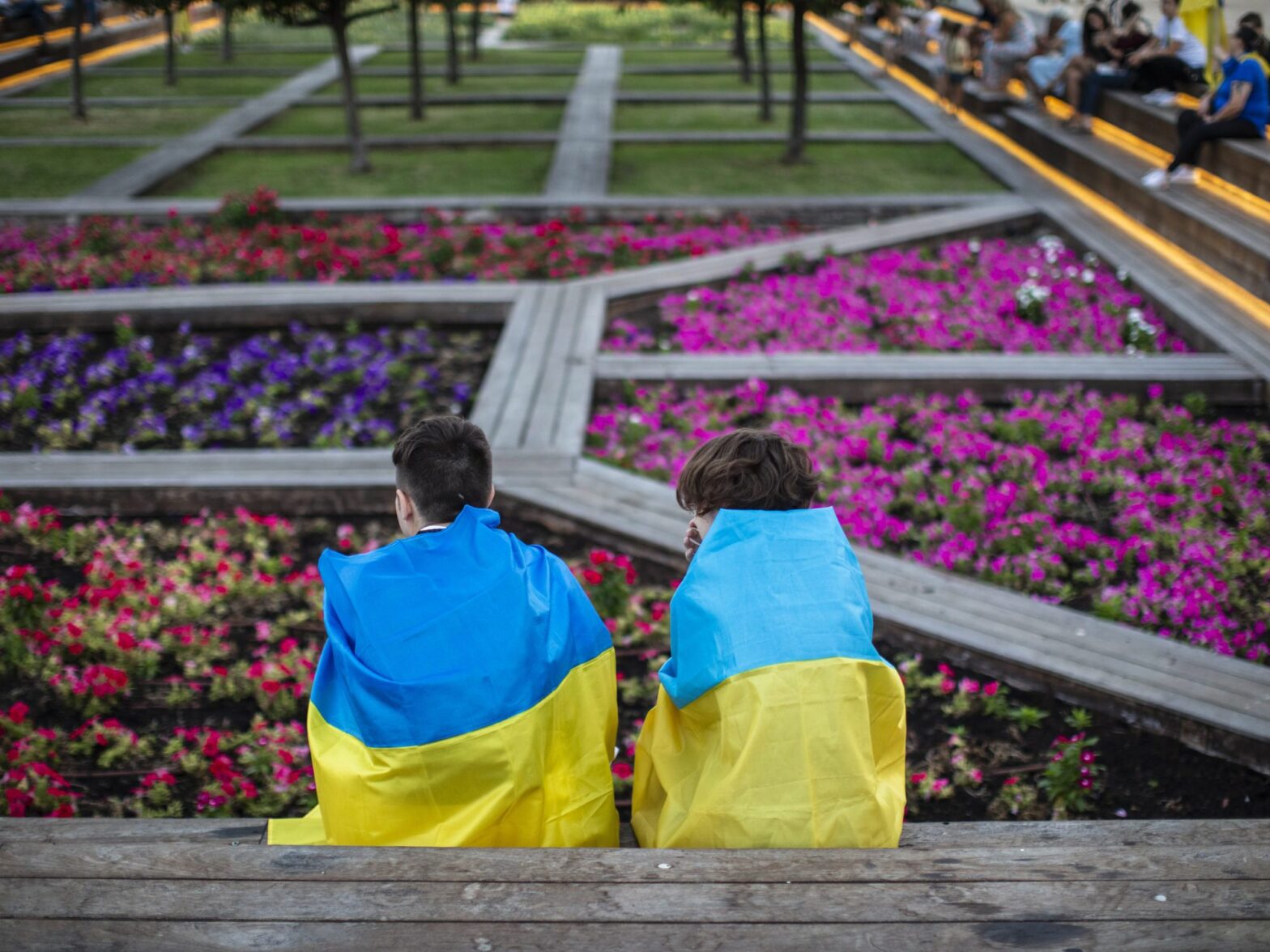
Among the victims of the recent conflict in Israel are many Ukrainian citizens who fled the Russian invasion and are now finding themselves at the center of another war.
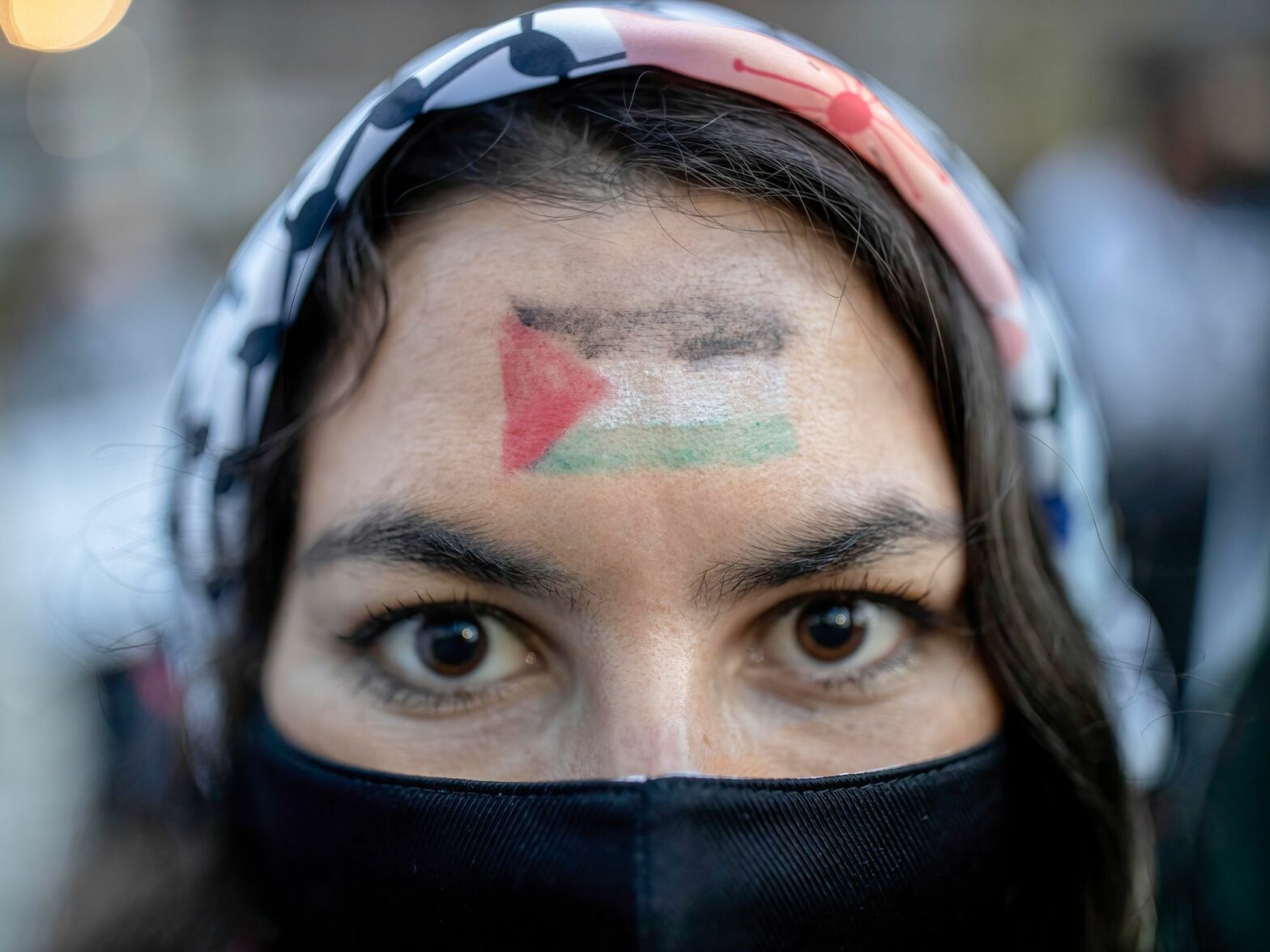
The lack of credible Palestinian leadership could plague the region once the war is over, leaving it without any legitimate political representation.
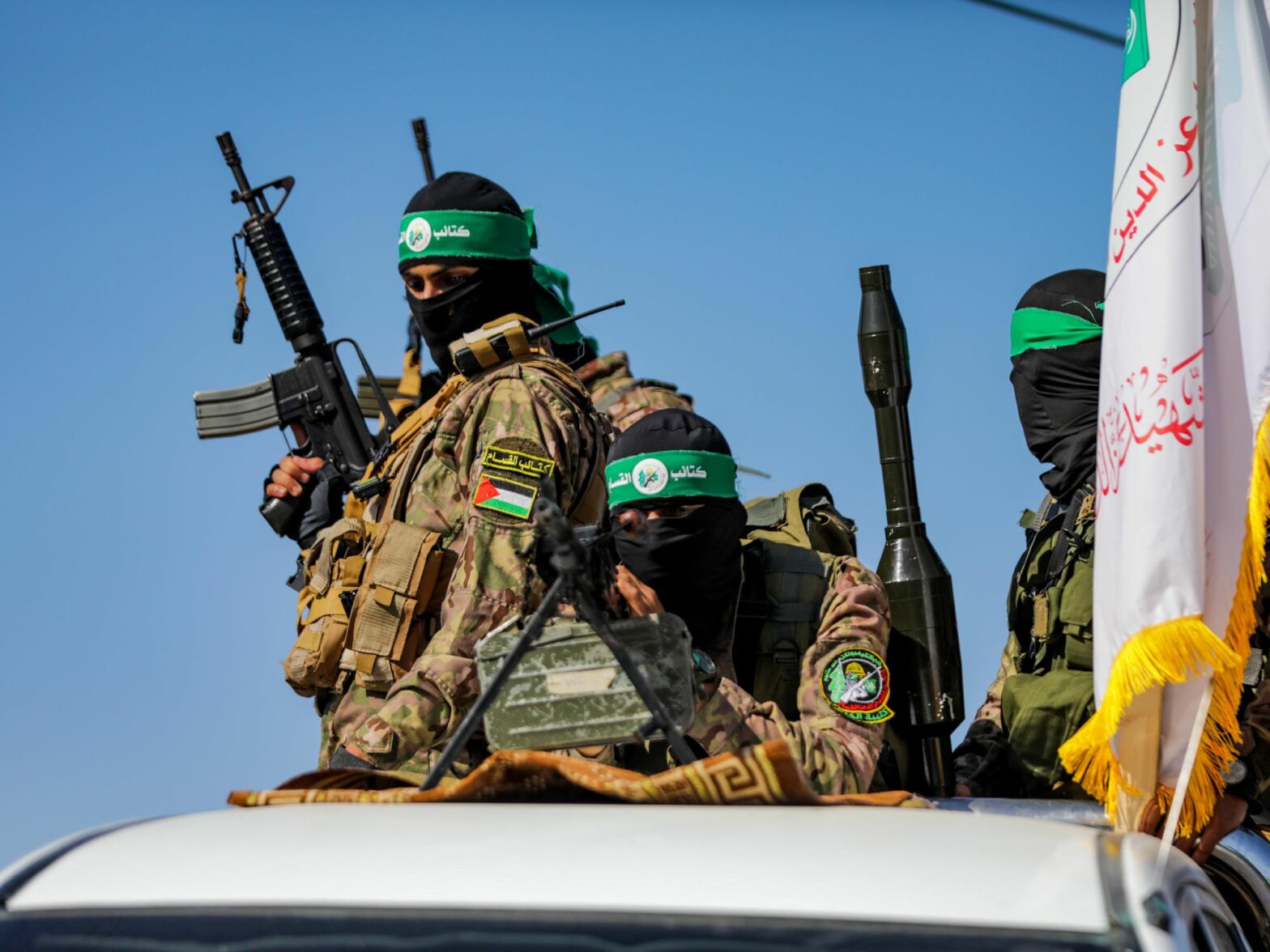
The Middle East is ablaze. Many have blamed this “endless war” on the seemingly eternal fight between Islam and Judaism, which are both religions without an intermediary to God. But there are key differences both within and between the two faiths.
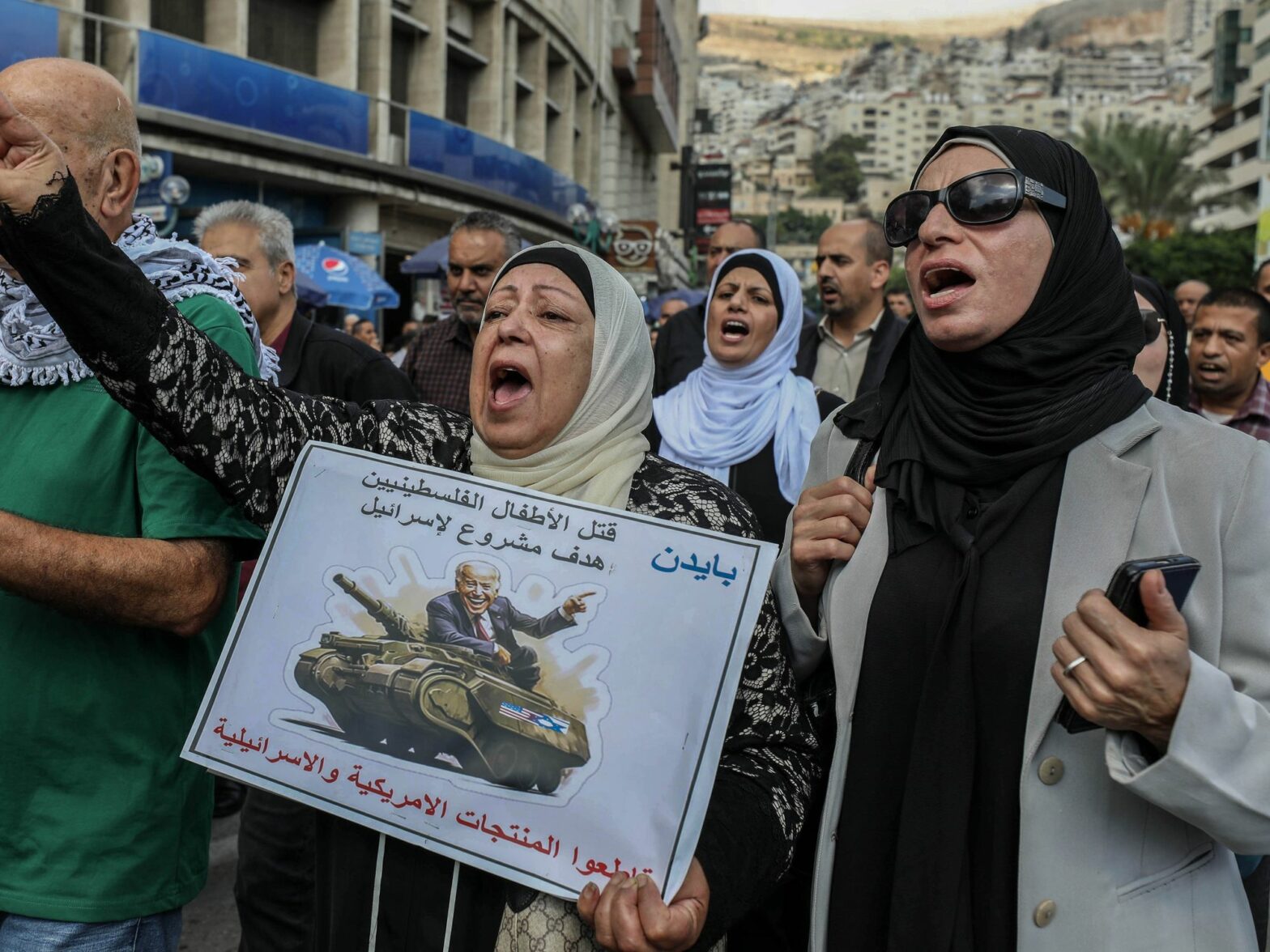
In the capital of the Palestinian Authority, residents are outraged at Israel — but also their own leaders for not taking a harder line. The beneficiary is the militant group Hamas, which rules the other Palestinian enclave of Gaza, and is in an all-out war with Israel.
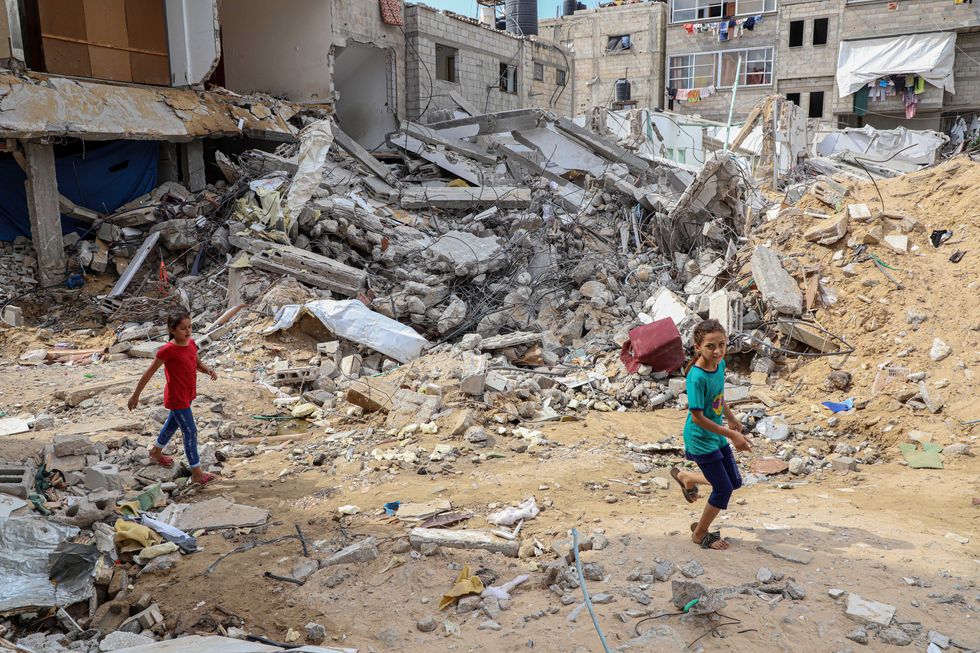
Hamas has shown callous disregard for the lives of Palestinians living in Gaza, but this was inevitable given its history and the inspiration of its patrons – Iran’s hangman regime.
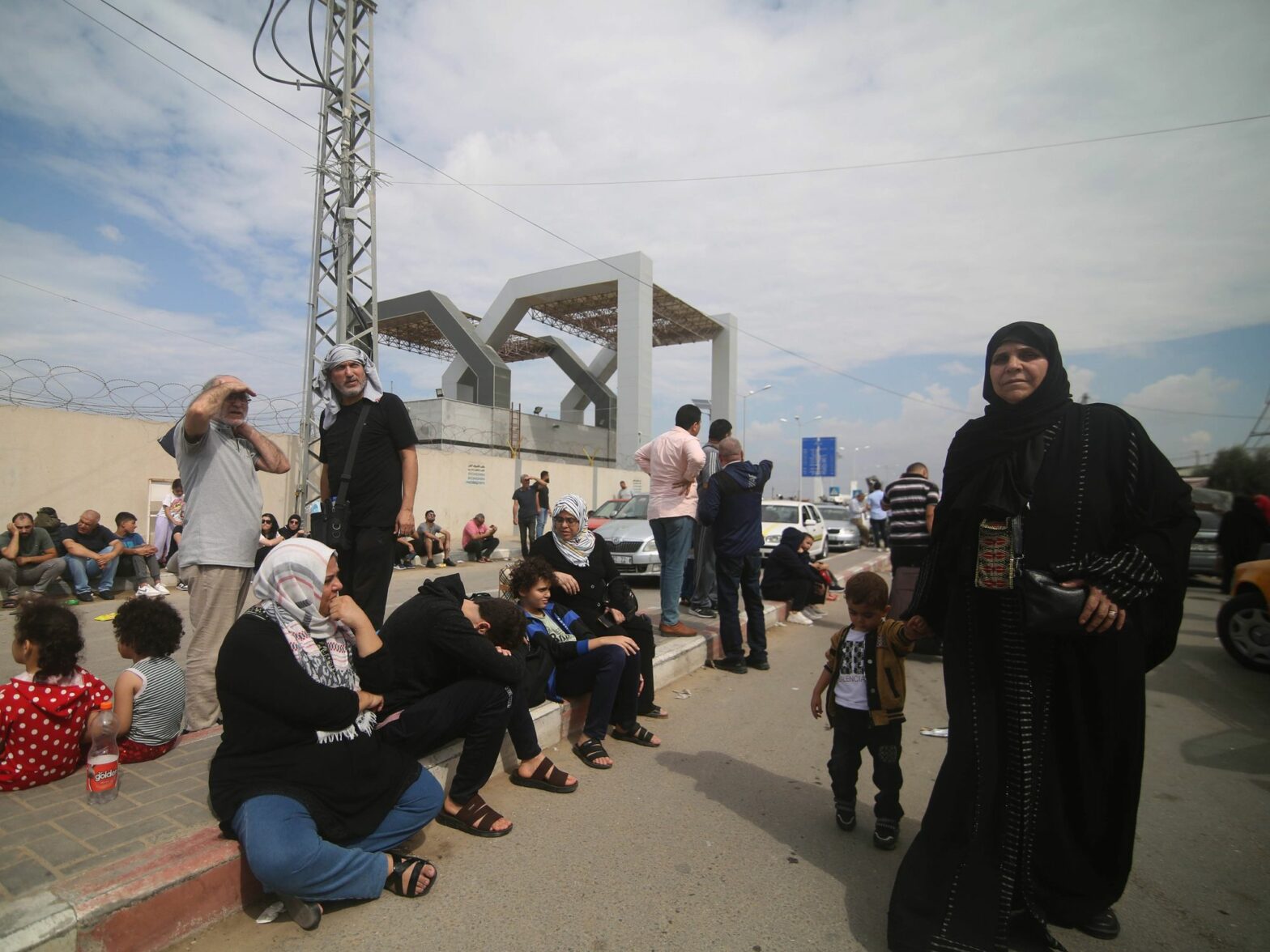
Dozens of families from Gaza are now stranded in Egypt’s North Sinai, after they tried to cross into Egypt through the Rafah crossing. They tell Mada Masr about watching Israel’s brutal siege for afar — and their wish to go back home, in spite of the risks.