Amid the chaos of the collapsing Assad regime, the businessmen who were close to power know they are at risk.
 Worldcrunch
Amid the chaos of the collapsing Assad regime, the businessmen who were close to power know they are at risk.
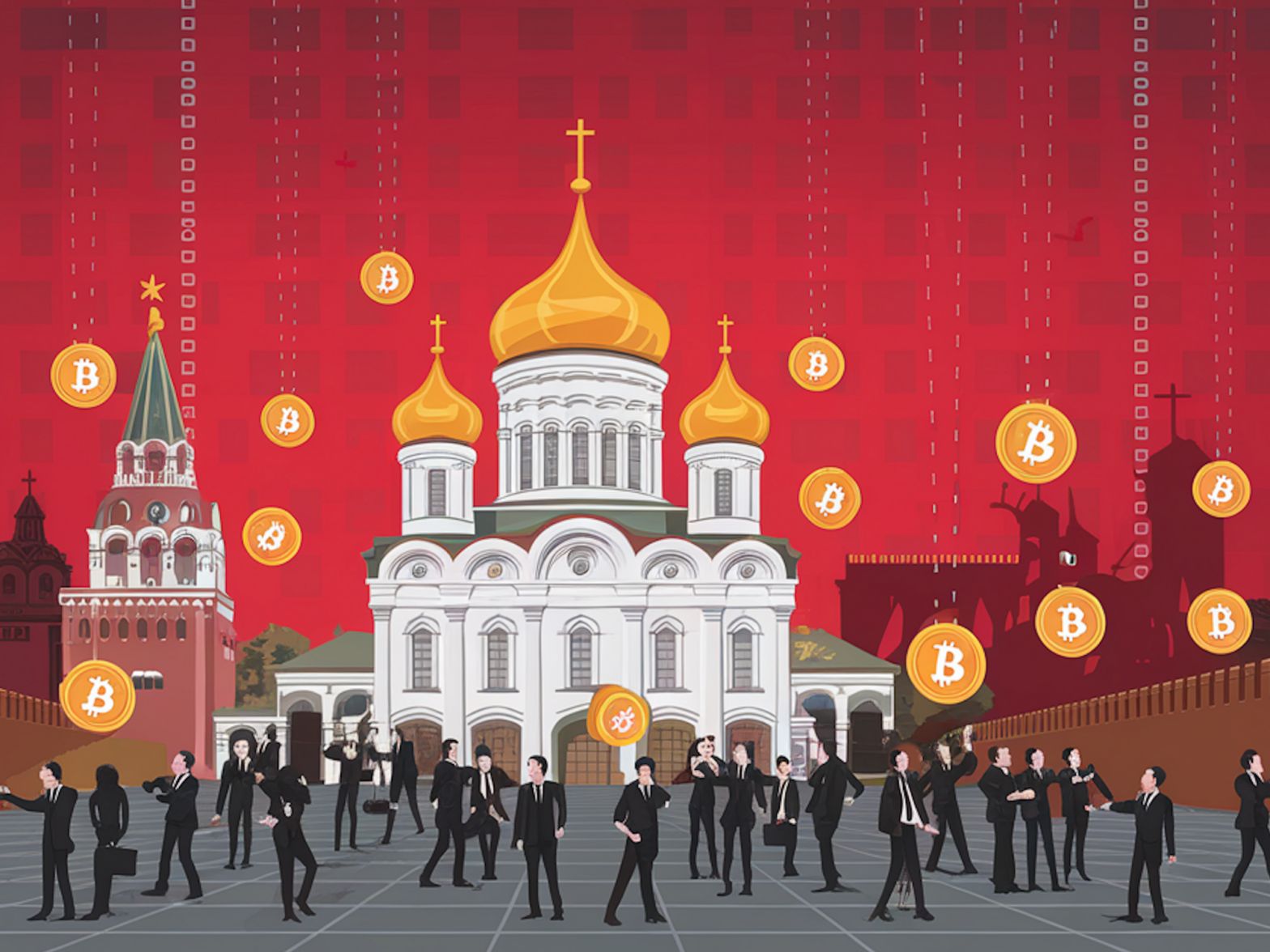
Once crypto-cautious Russia has started experimenting with the digital financial market, prompting new regulations, formal exchange markets, and, as President Vladimir Putin hopes, new means of skirting Western sanctions.
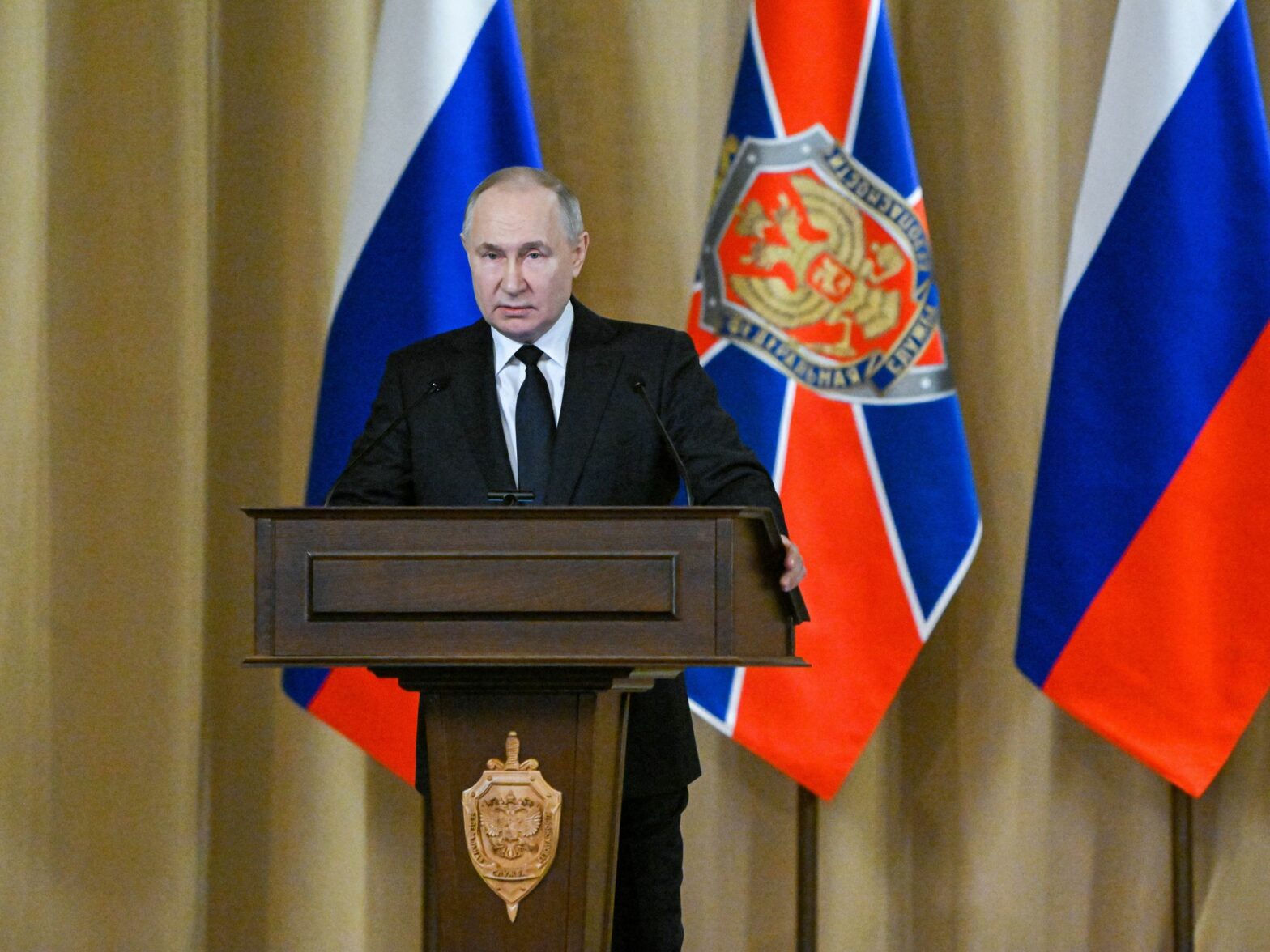
Celebrating his reelection and the 10th anniversary of the annexation of Crimea on Monday, Vladimir Putin showed that he is not backing down. And he signaled that he will redouble his efforts in the invasion of Ukraine as well as his psychological war with the West.
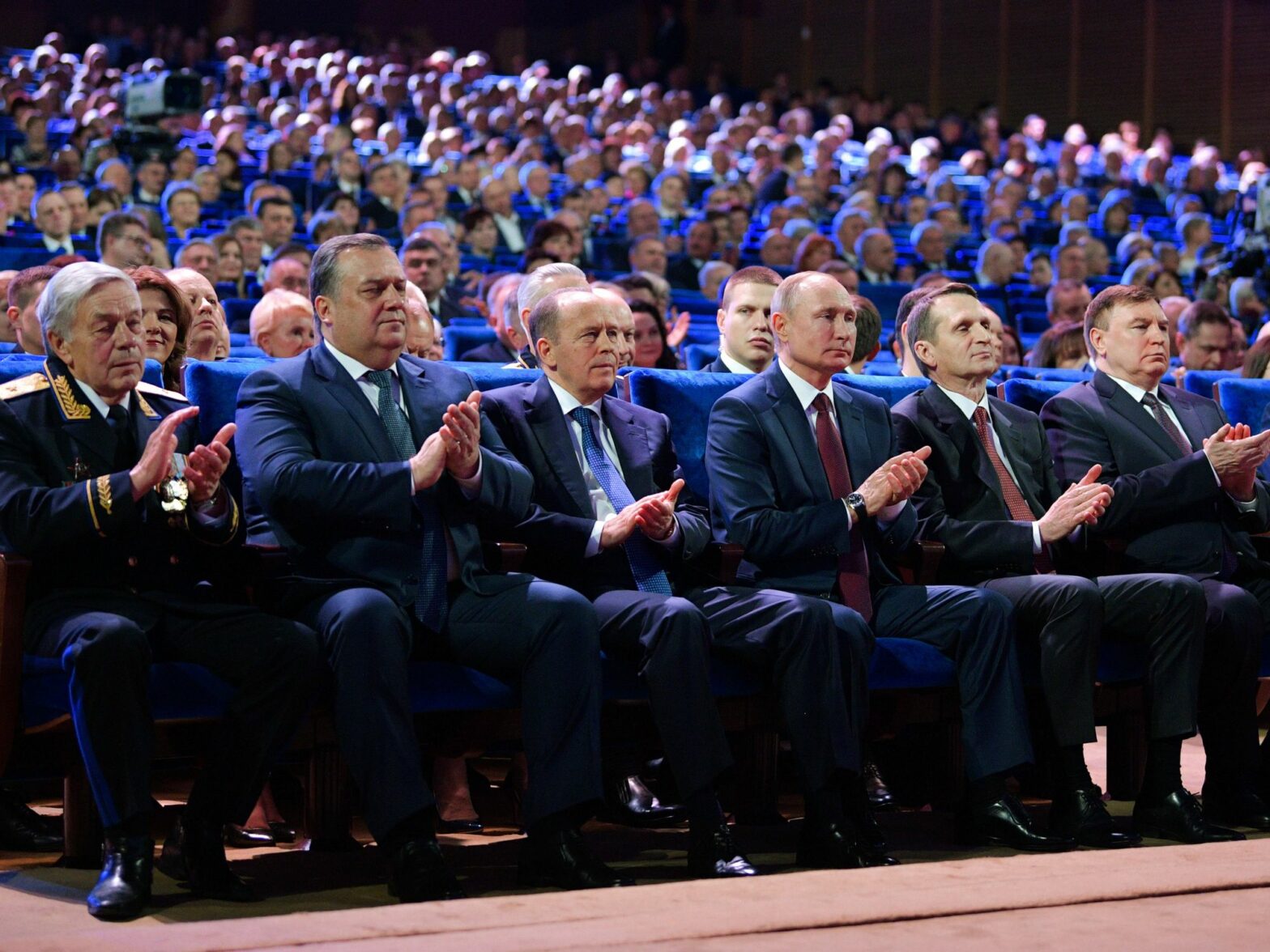
In a quarter of a century under the regime of the former KGB agent, members of the Russian security forces have imposed their growing stronghold on politics and the economy. But the Russian presidential election is also an admission of their weakness with their president failing to build a state strong enough to carry on without them.
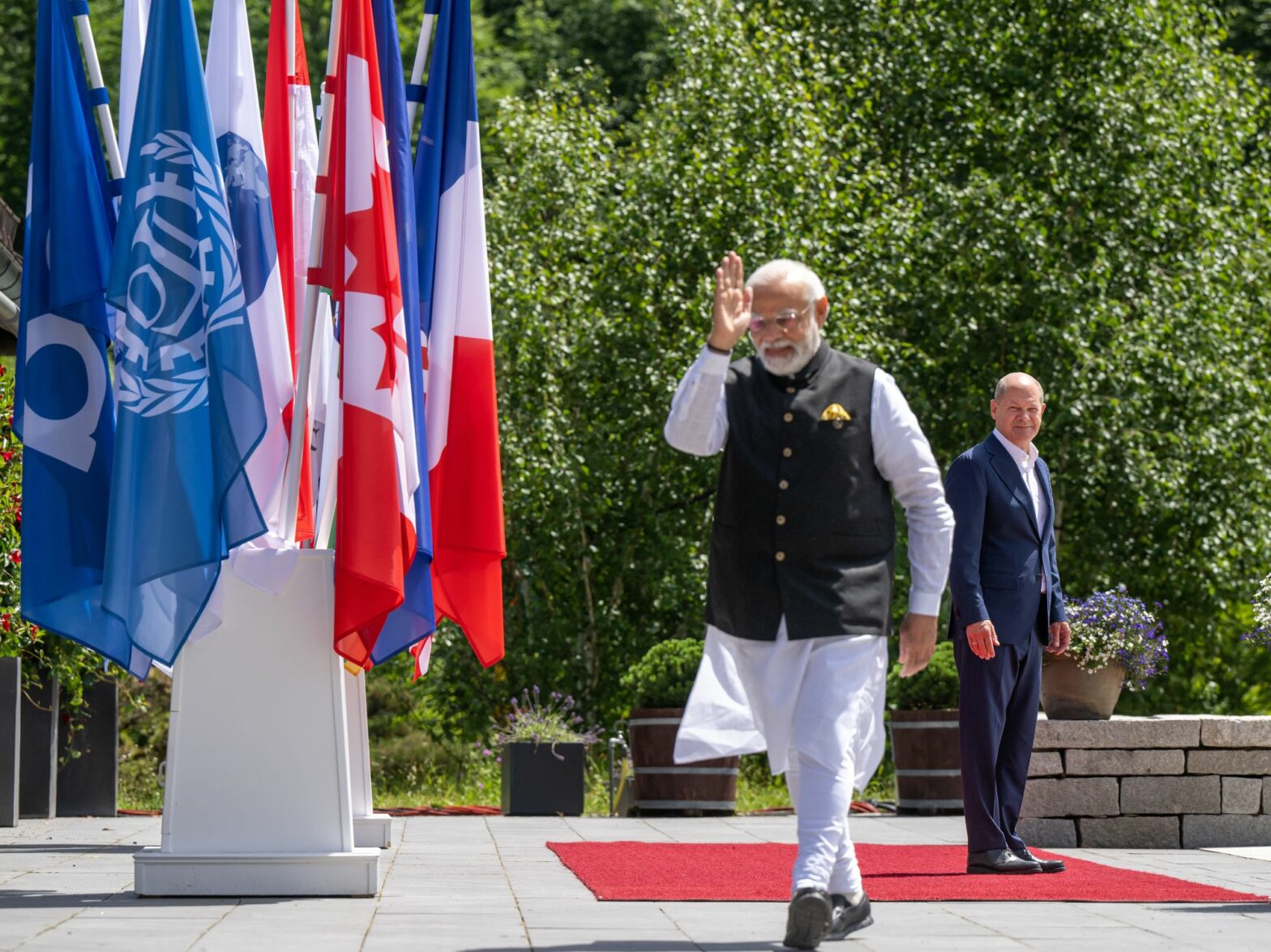
In not condemning Russia and openly siding with Israel, India’s foreign policy establishment is merely jettisoning the thin layer of politically-expedient, feel-good idealistic post-colonialism that veils an iron-fisted pragmatism.
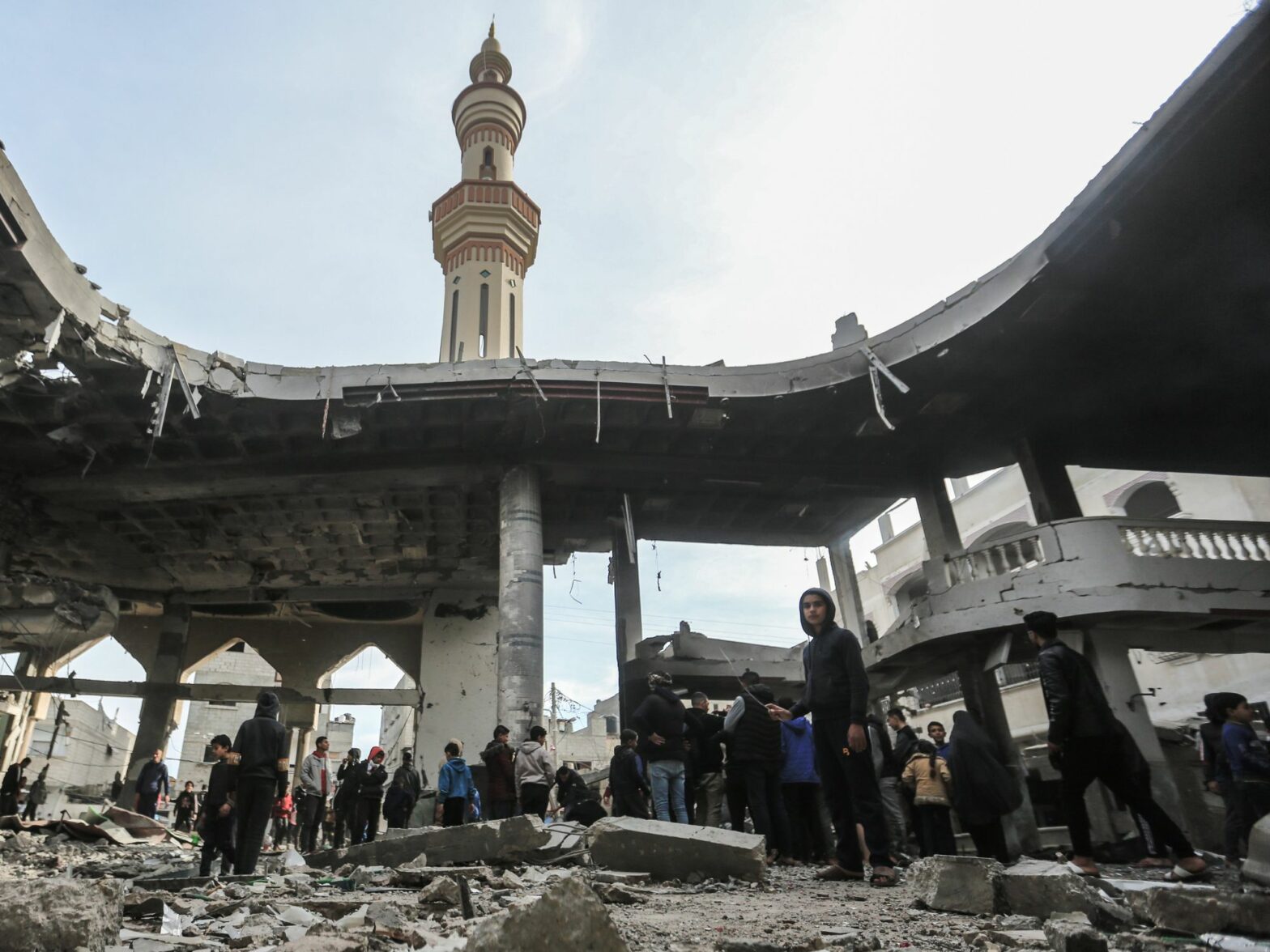
The West’s passive response to Israel’s actions in Gaza is increasingly difficult to maintain in front of the looming humanitarian crisis in Rafah. The lip service of “deep concern” doesn’t bother Netanyahu at all.
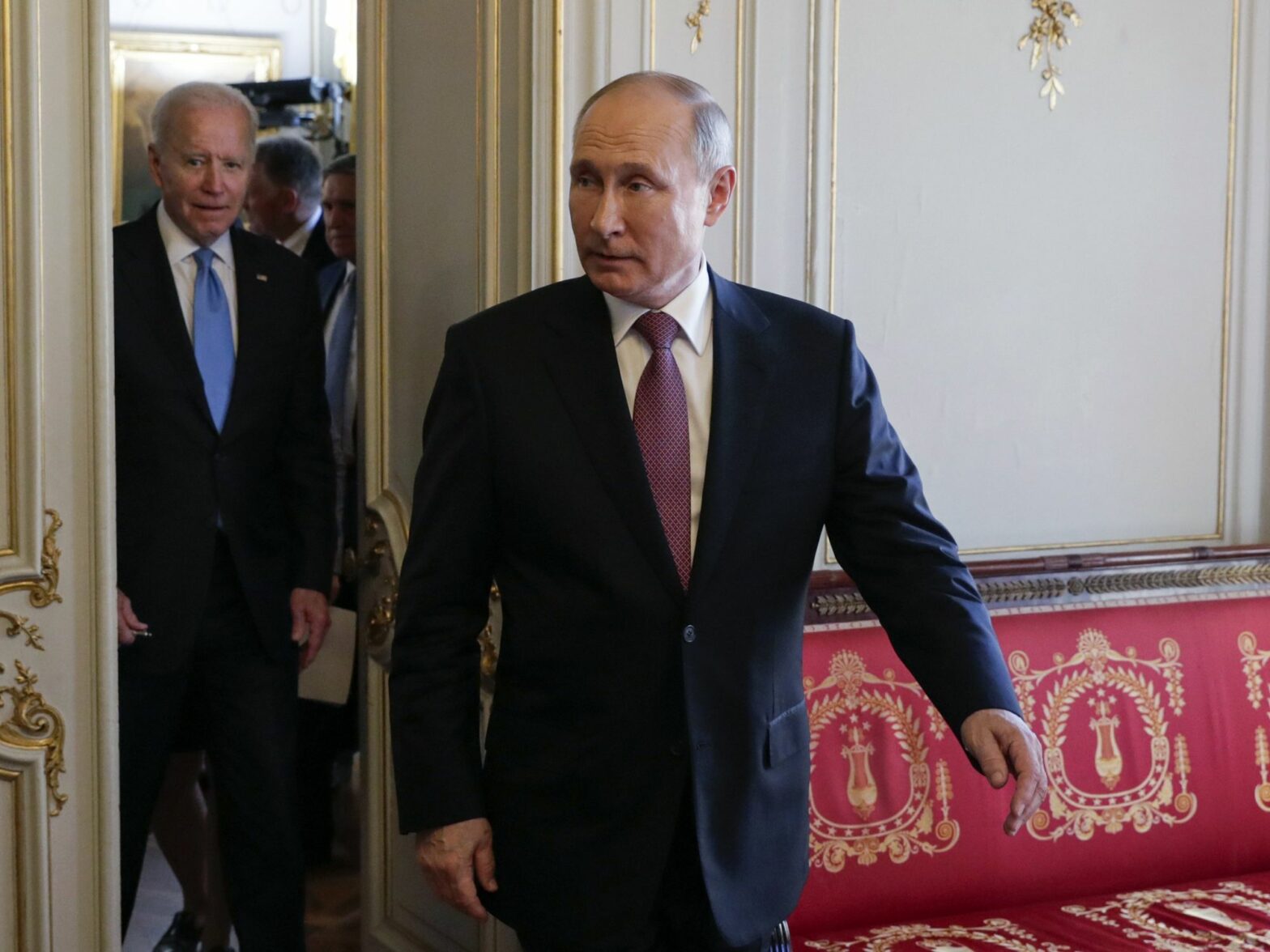
As Western sanctions have proven ineffective, Russian economy has been growing, along with defense and security expenditures. The world’s singular superpower in Washington has three cards it could pull to squeeze the invading country. Yet something is holding it back.
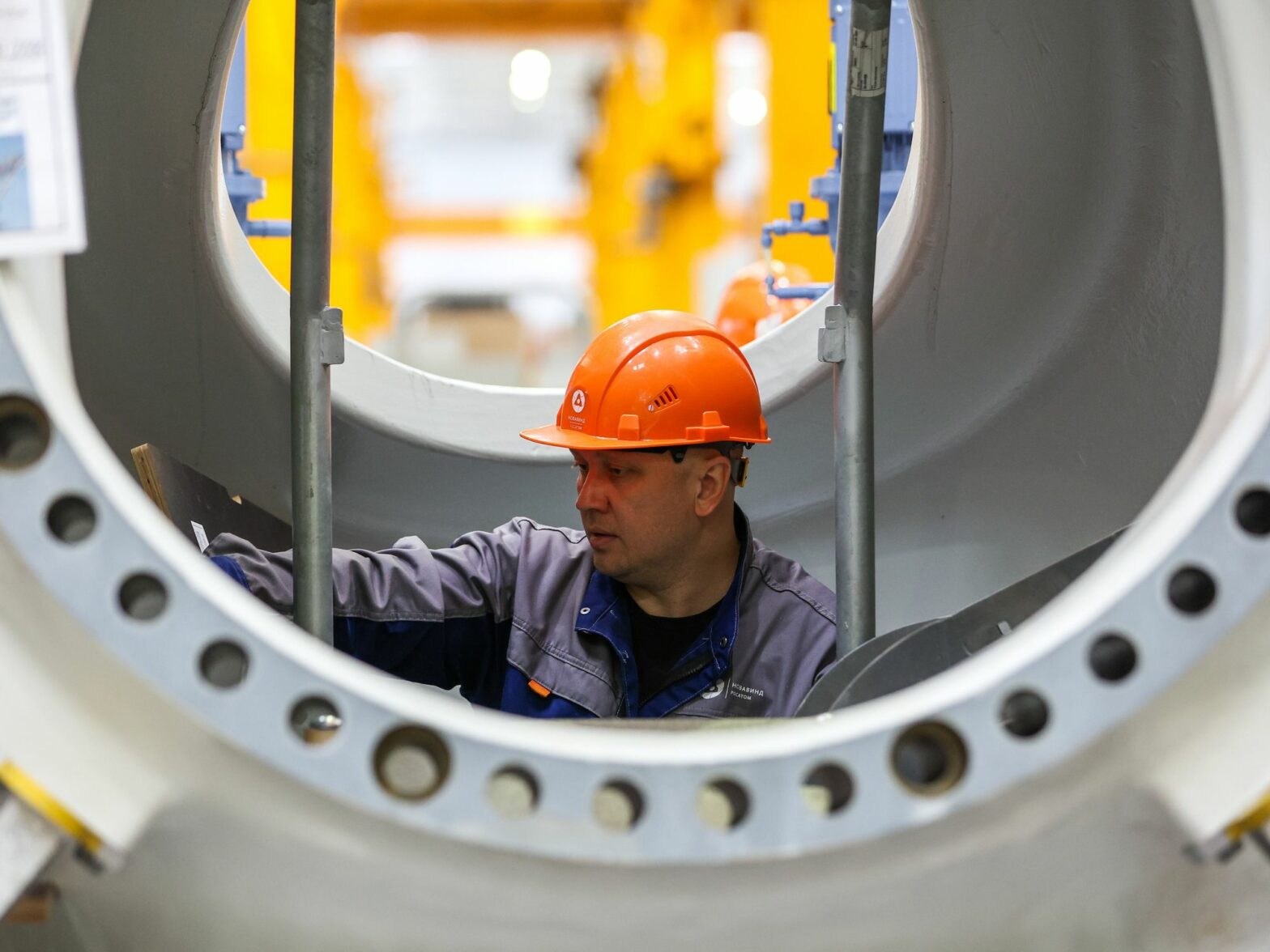
The Russian economy has proven remarkably resilient to Western sanctions, a phenomenon largely driven by Russia’s expanding military-industrial complex and increased trade with India and China. One challenge remains unsolved however: a lack of young working-aged men ready for hire in the country’s industrial and white collar sectors.
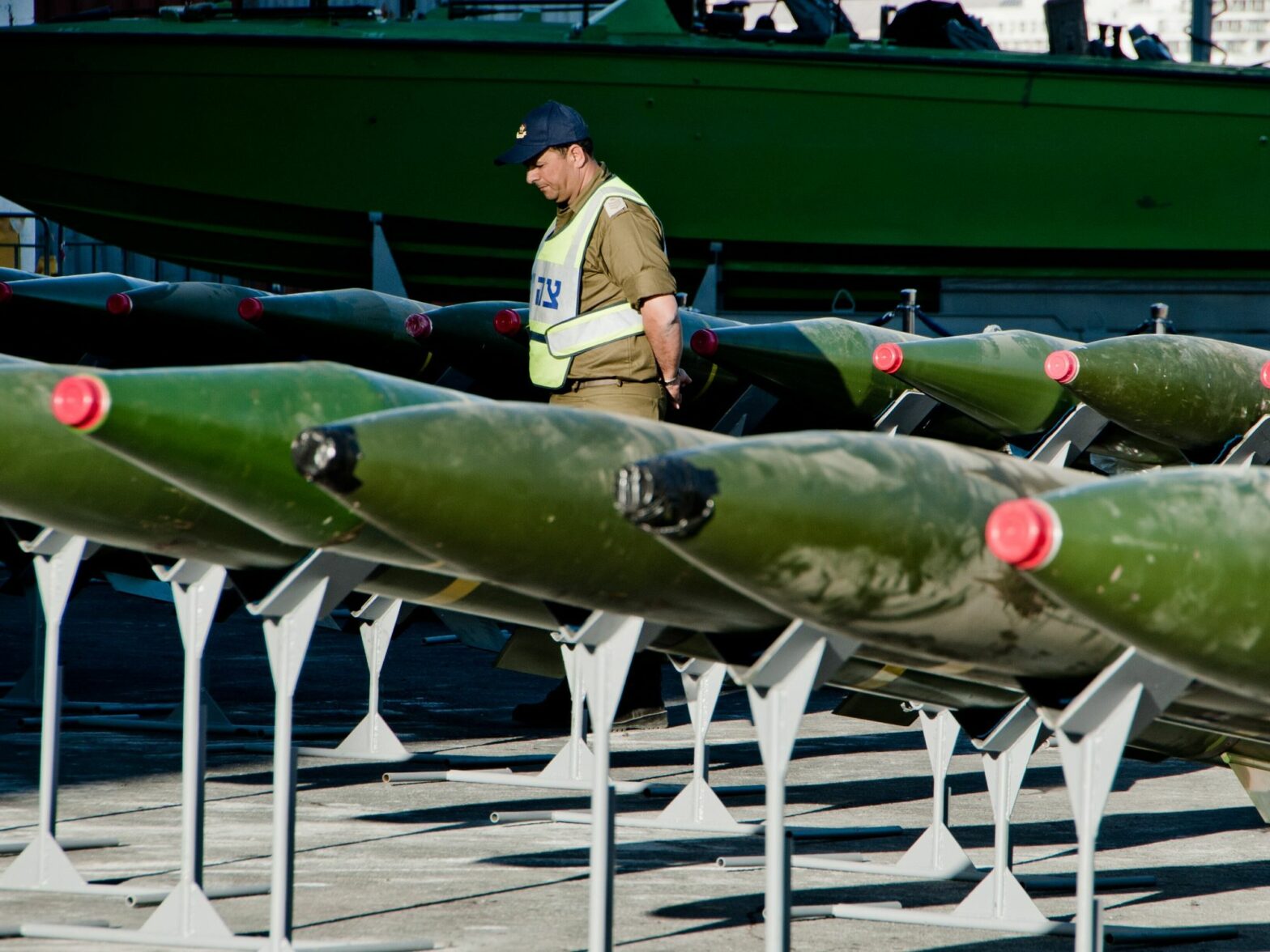
Iran says European courts have ordered repayments of $1.7 billion more of its money frozen in Western banks, which risks being transferred to help fund Hamas’ war with Israel. Other observers suspect the news is meant to stop financial panic in Tehran.
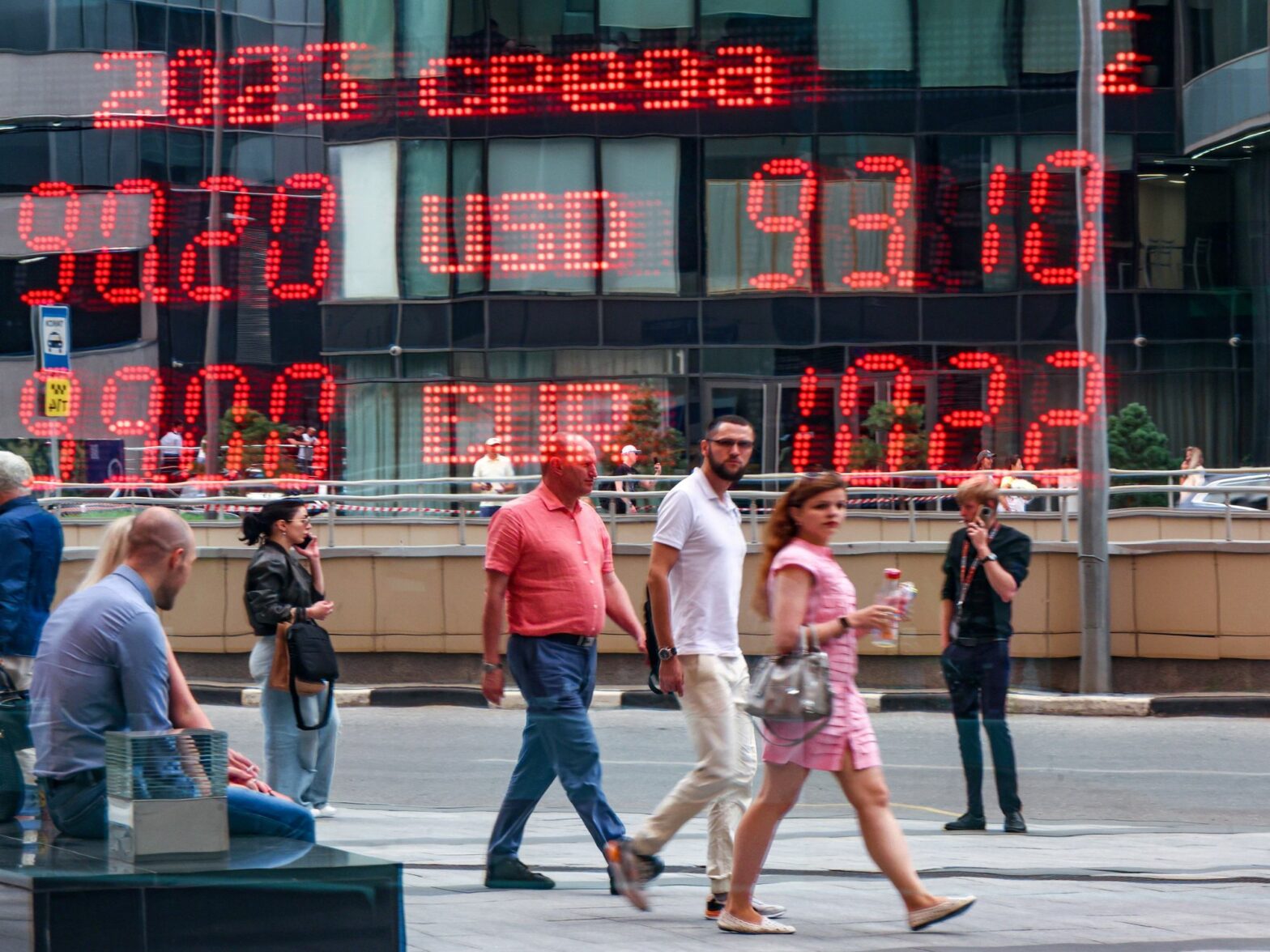
On paper, the scale of sanctions against Russia following its invasion of Ukraine is unprecedented. But opinion on the impact of sanctions remains divided in the absence of a reliable scientific foundation. A new study by Bank of Canada offers a way out.
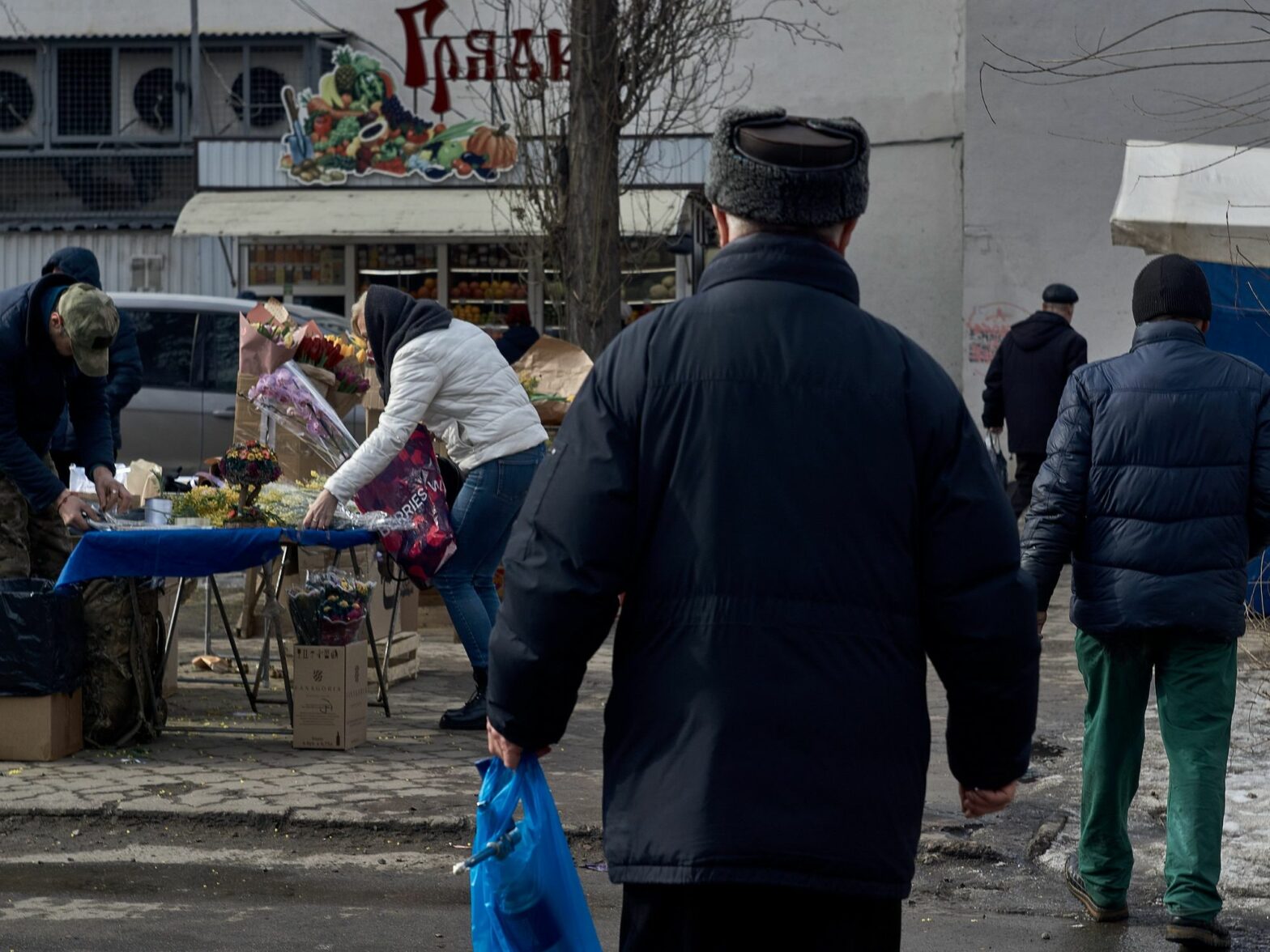
Countries around the world have imposed round after round of sanctions on Russia since the beginning of its full-scale invasion of Ukraine. But are they enough?
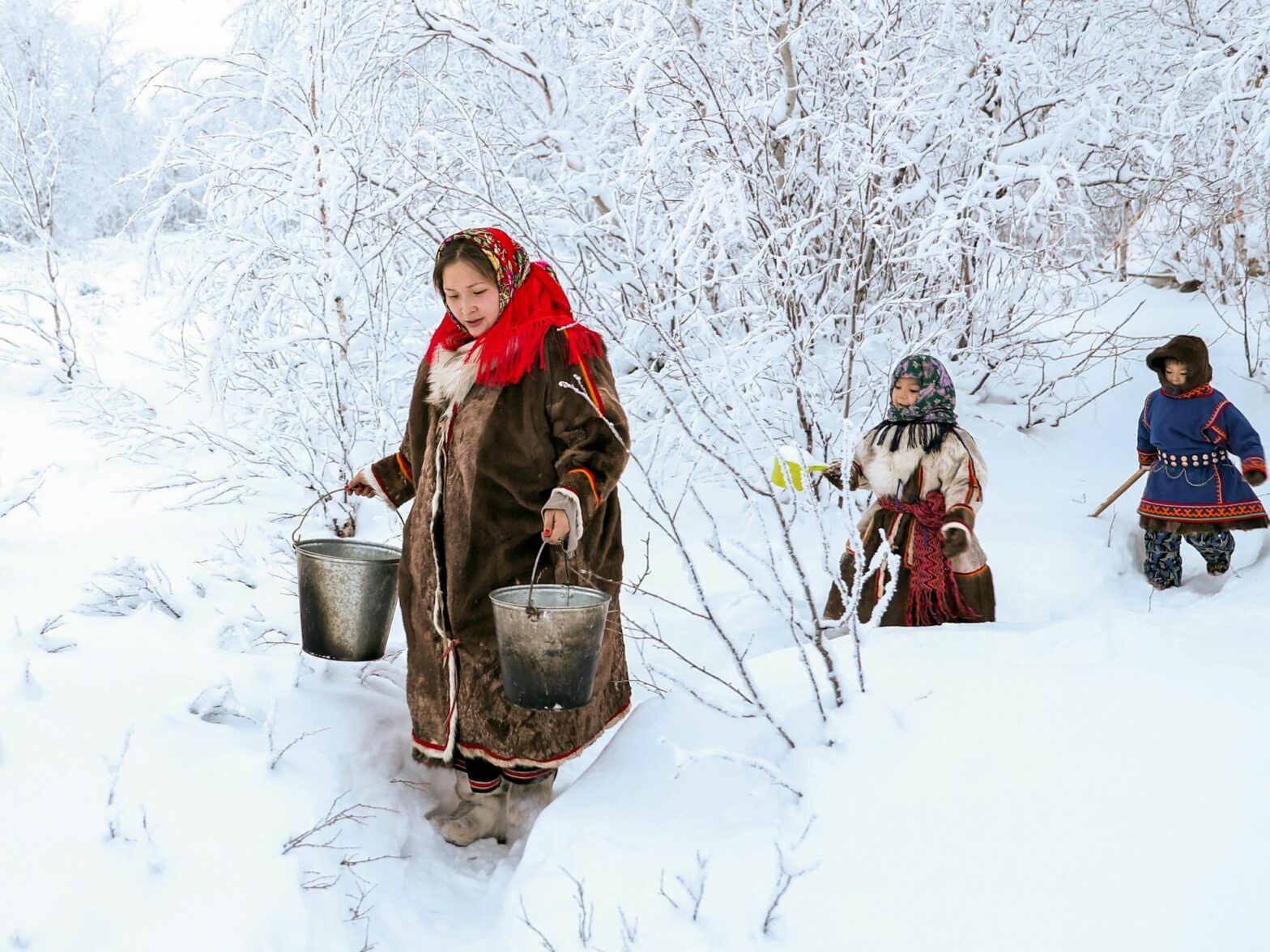
The number of indigenous people in Russia has been declining for decades, but the war in Ukraine has accelerated the trend. Already vulnerable, indigenous groups are more likely to be mobilized and bear the brunt of Western sanctions.
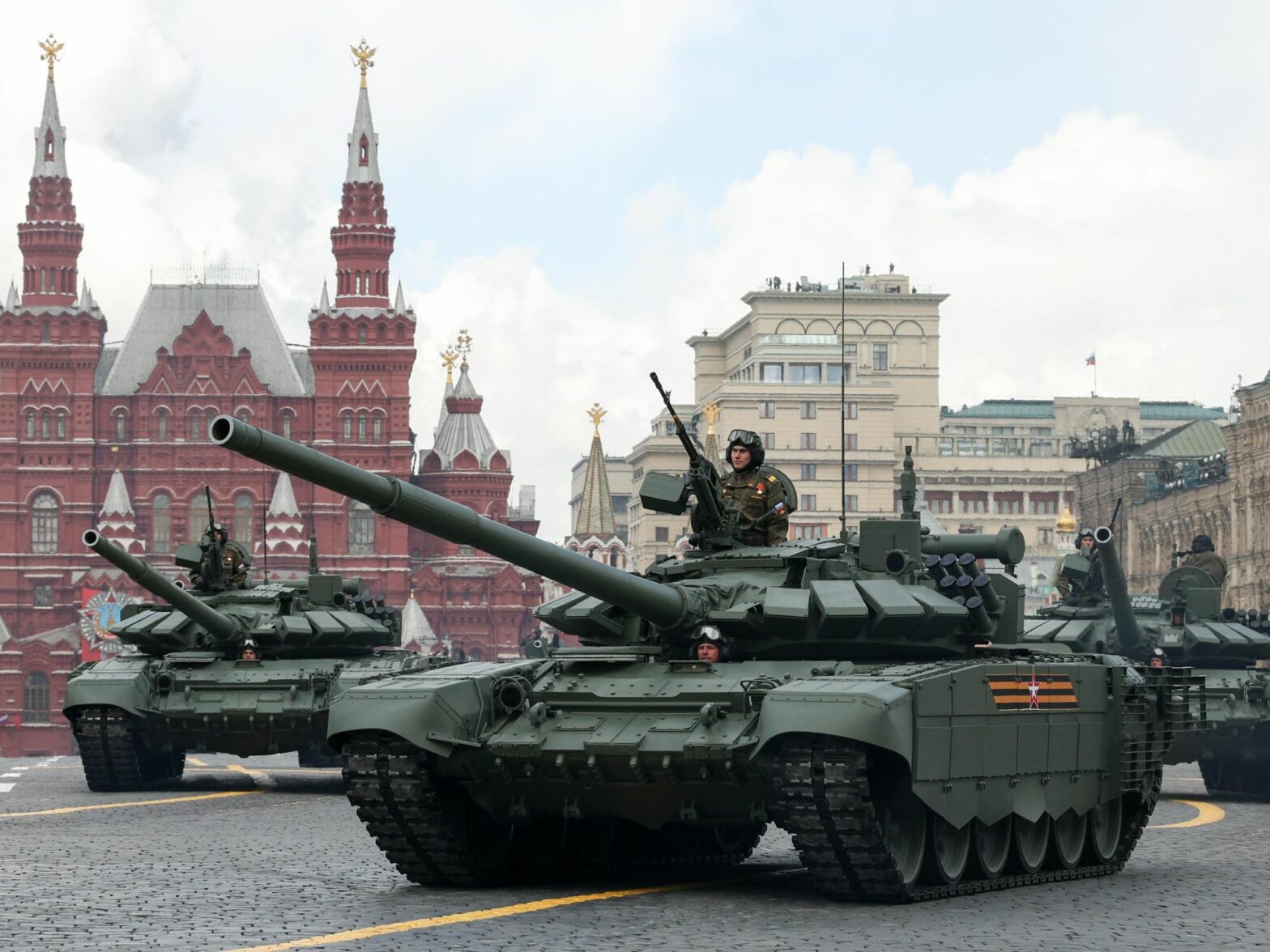
Despite what the Kremlin claims, Western sanctions against Russia are working. Perhaps most important is the embargo on electronic component exports, which prevents the Russian army from rebuilding tanks and missiles severely depleted in the war.
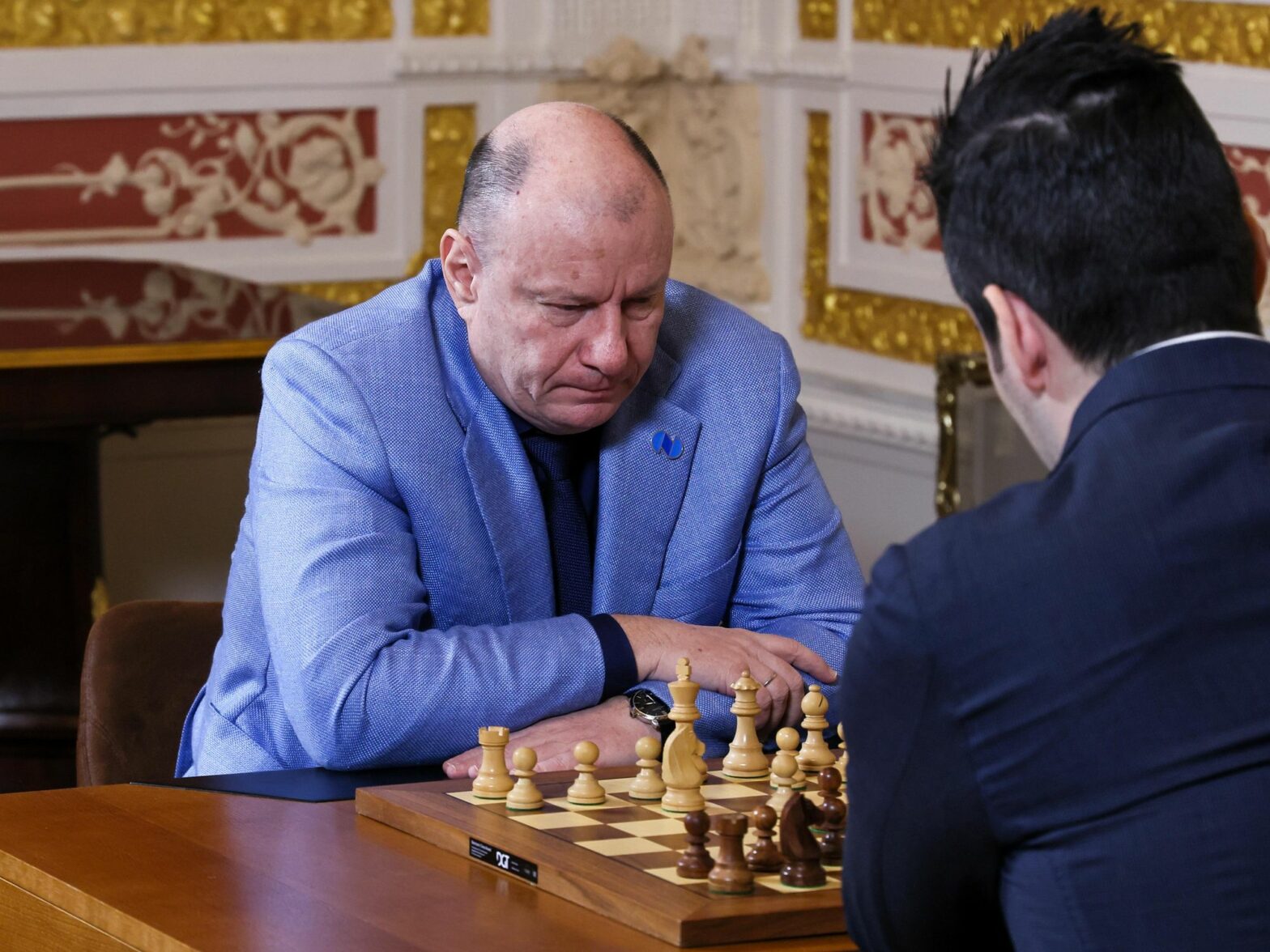
French daily Les Echos profiles Vladimir Potanin, Russia’s incarnation of a never-turn-back oligarch. The owner of Nornickel, Russia’s leading company in the metals and mining industry, Potanin continues to grow his business despite Western sanctions. He recently took over French bank Société Générale’s Russian subsidiary — with the Kremlin’s approval, of course.
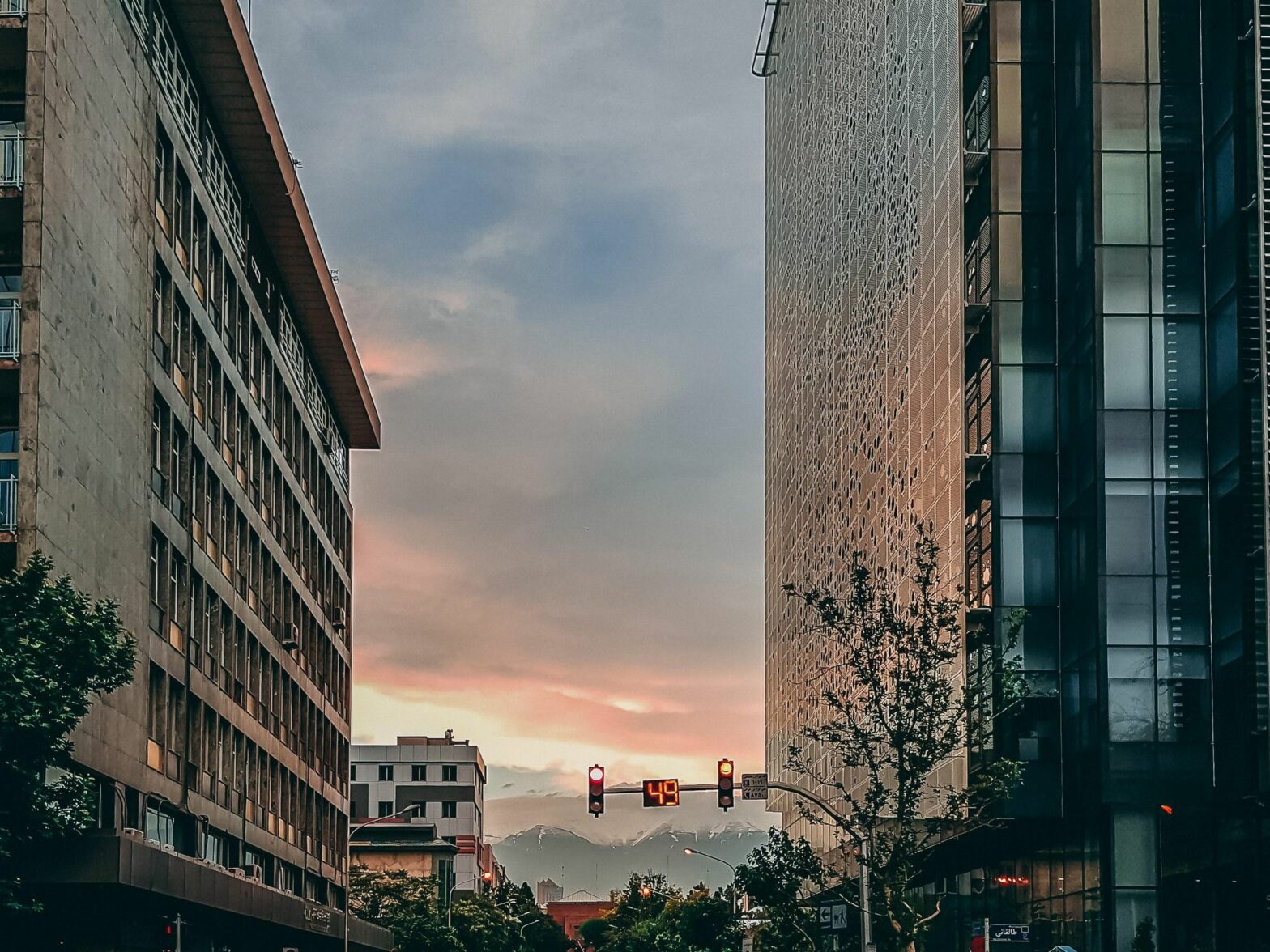
Ordinary Iranians are hoping for a speck of economic relief and nothing more, if Tehran can sign a nuclear deal with world powers that could alleviate longstanding sanctions.
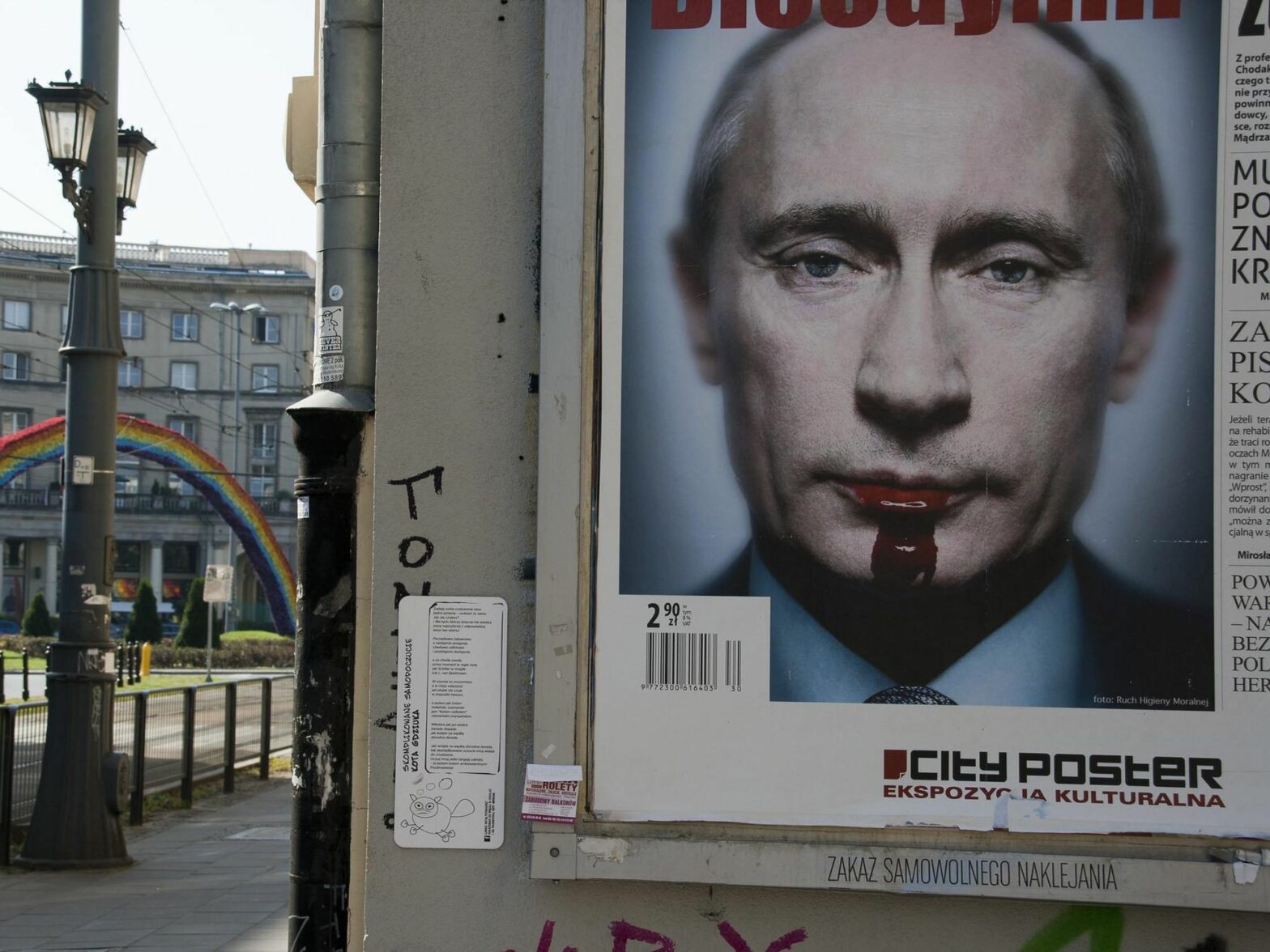
Hit by EU sanctions, Russia is working hard to spread its own propaganda through neighboring countries. A new study breaks down exactly what that disinformation campaign is saying — and whether it’s working.
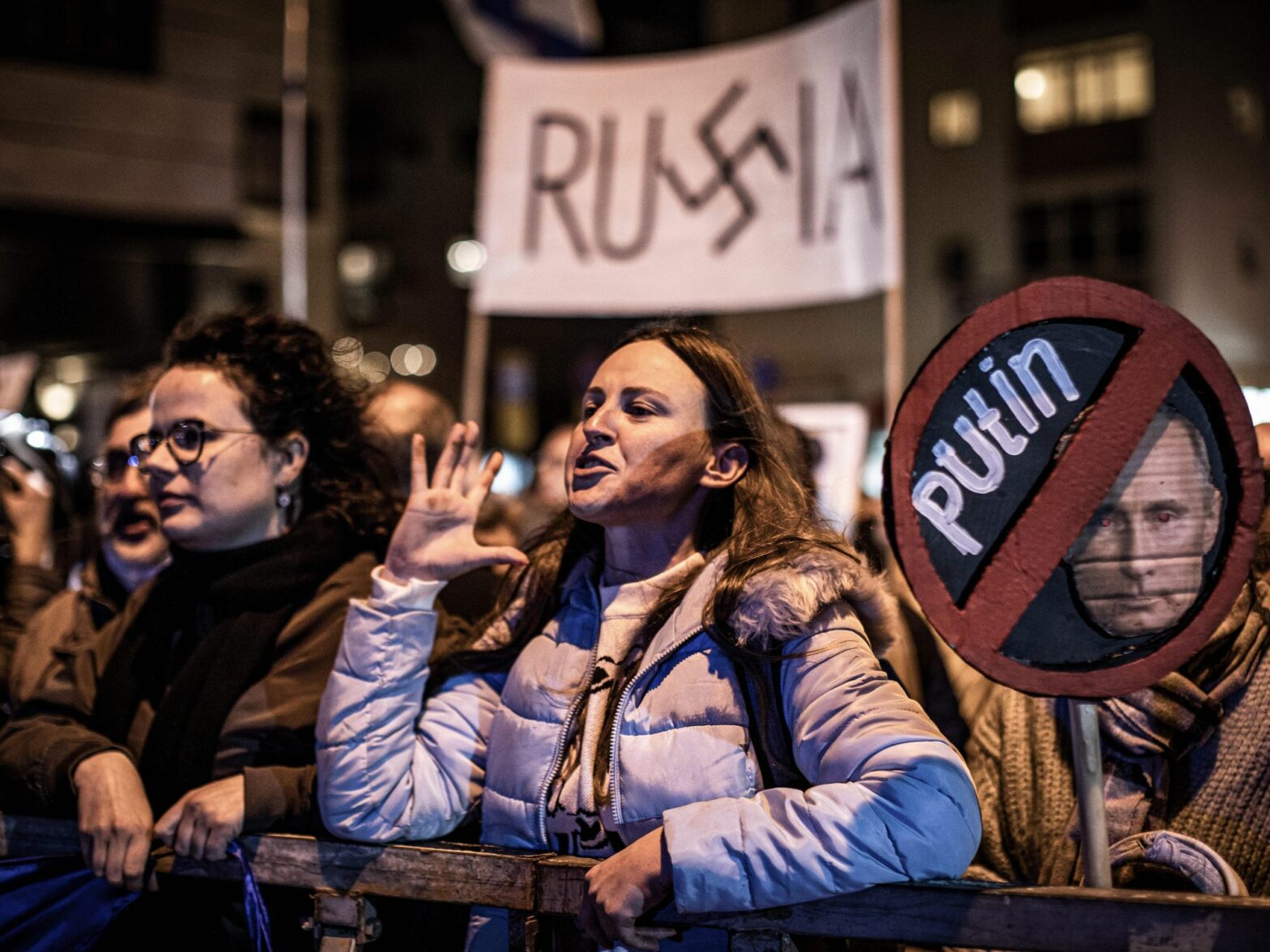
Russian speakers represent 15% of the Israeli population. And now, the war in Ukraine is bringing long-simmering tensions in their community to the surface.
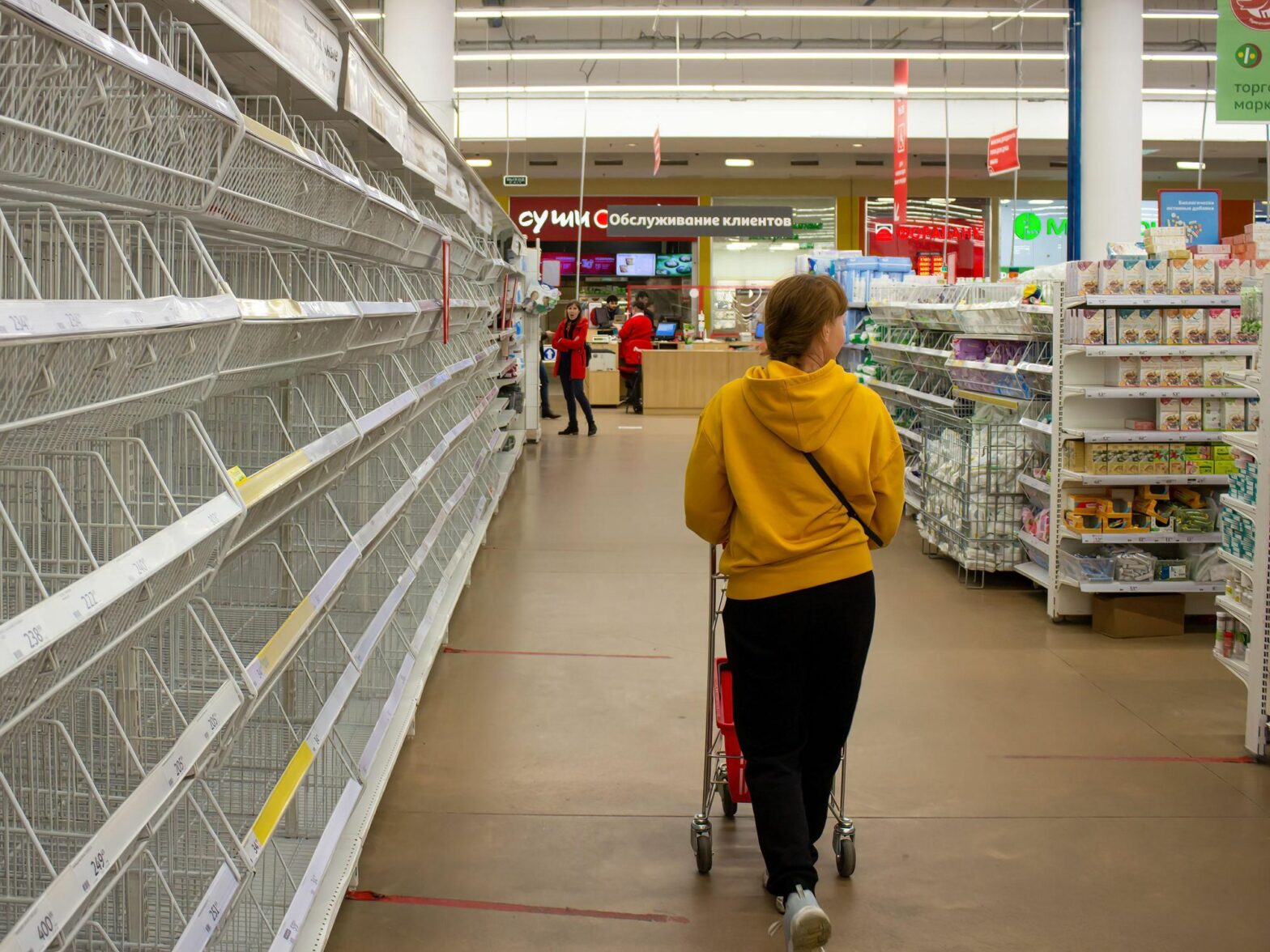
An annual report has revealed Russians’ anxieties. This year, contracting COVID has been replaced by food shortages, inflation, and internet blackouts.
SEOUL — For a long time, China was the only ally of real consequence of the Democratic People’s Republic of Korea. This is no longer the case, as Moscow and Pyongyang have been edging closer together over the past year. Russia’s multiplying contacts on the North Korean spectrum, where it has played a very discrete […]