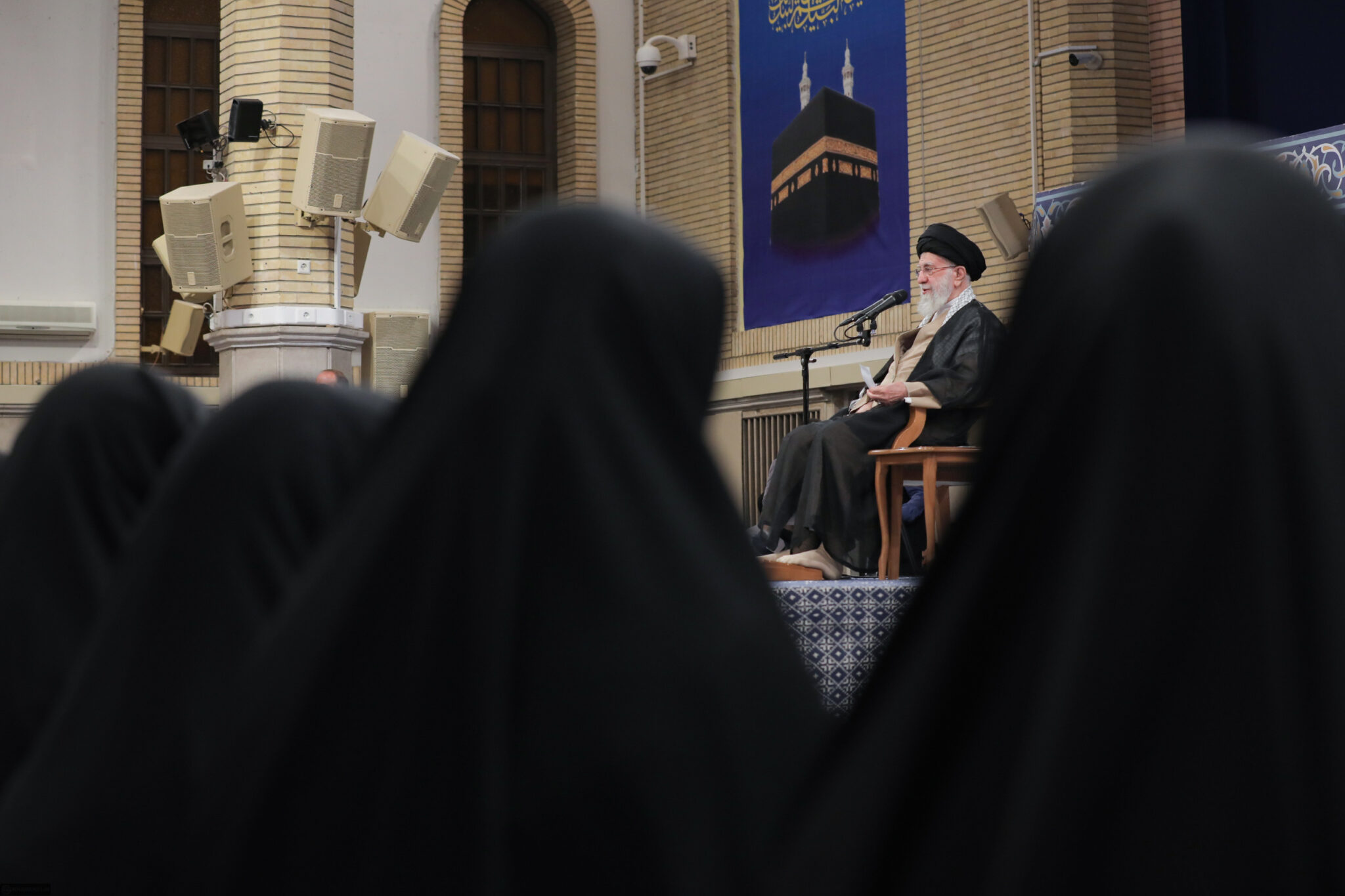
Despite widespread discontent at home, Iran’s regime is likely to survive for the foreseeable future — in part, because Western powers prefer maintaining the regional status quo to the unknown.
 Worldcrunch
Despite widespread discontent at home, Iran’s regime is likely to survive for the foreseeable future — in part, because Western powers prefer maintaining the regional status quo to the unknown.
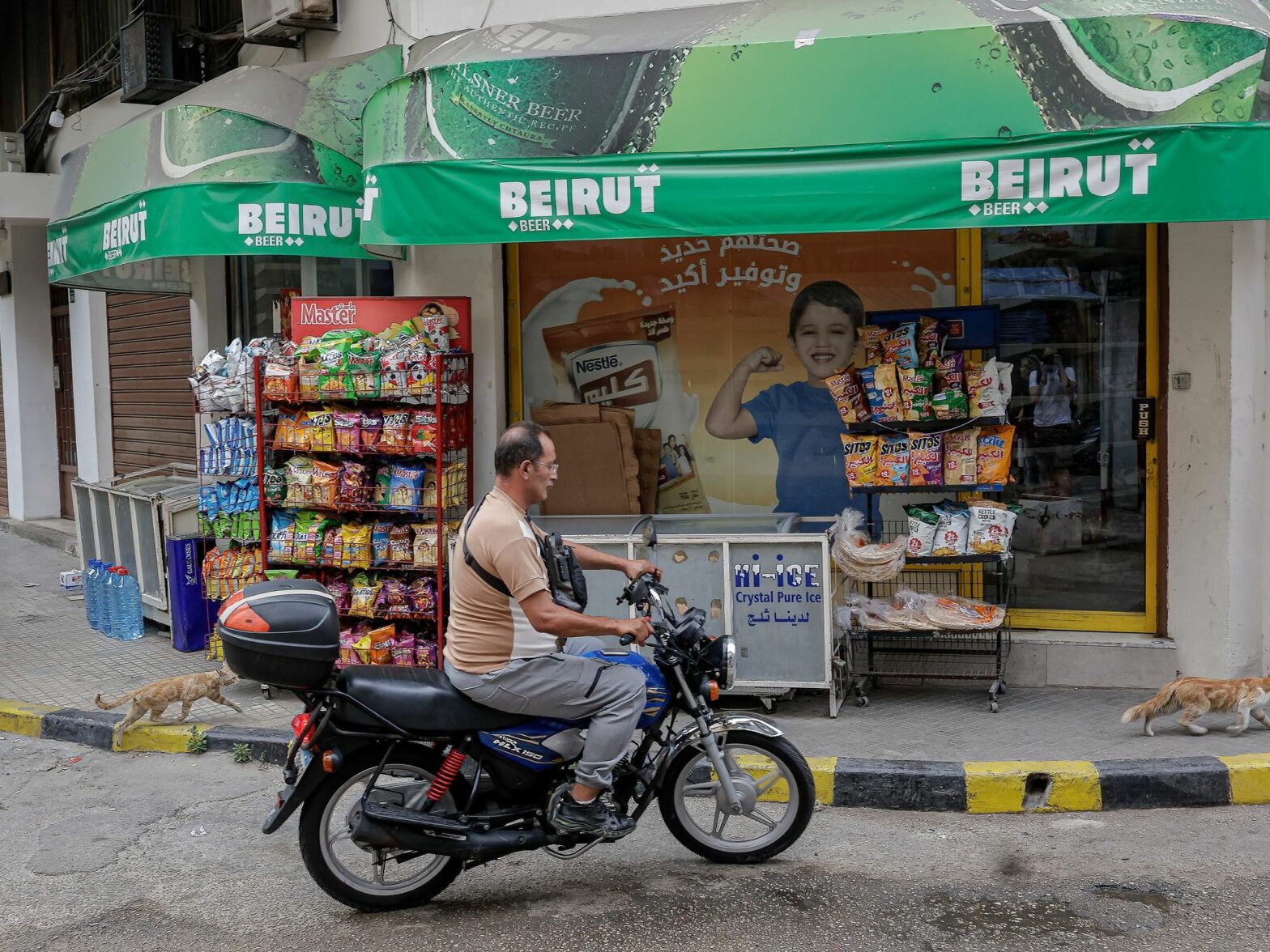
The Saudis could regain the political and financial clout they once enjoyed in Lebanon, which was lost for two decades to Hezbollah and its foreign patrons. Could that restore a measure of prosperity to a country brought to its knees by decades of civil war and the unwelcome interventions of Tehran and Damascus.
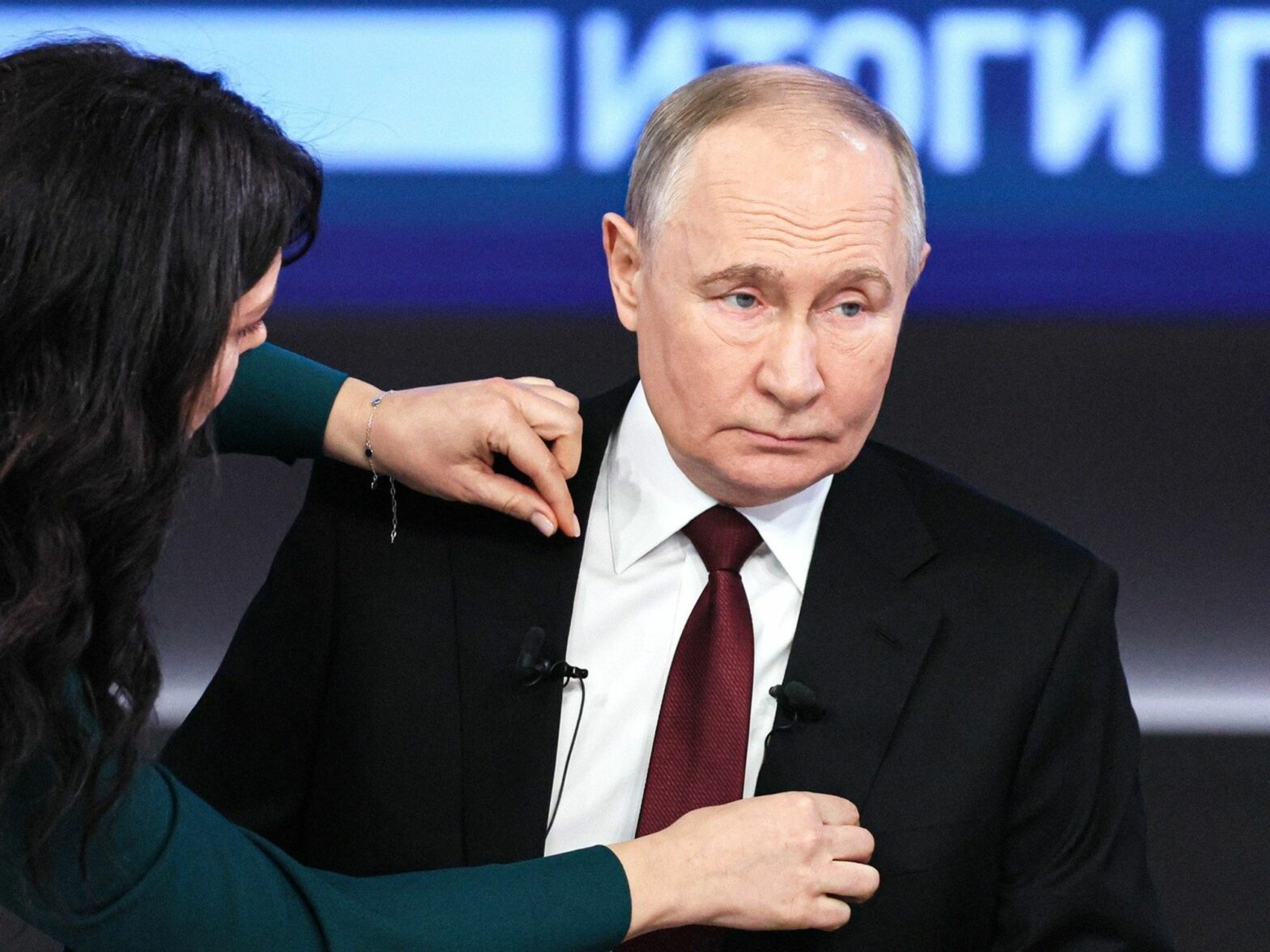
While Russia had to negotiate with former Syrian rebels for the withdrawal of around 500 Russian soldiers trapped in Damascus, Vladimir Putin remained silent on the crushing defeat he suffered in Syria. Instead, he has threatened the West, as if to show he is not weakened by the fall of his ally Assad.
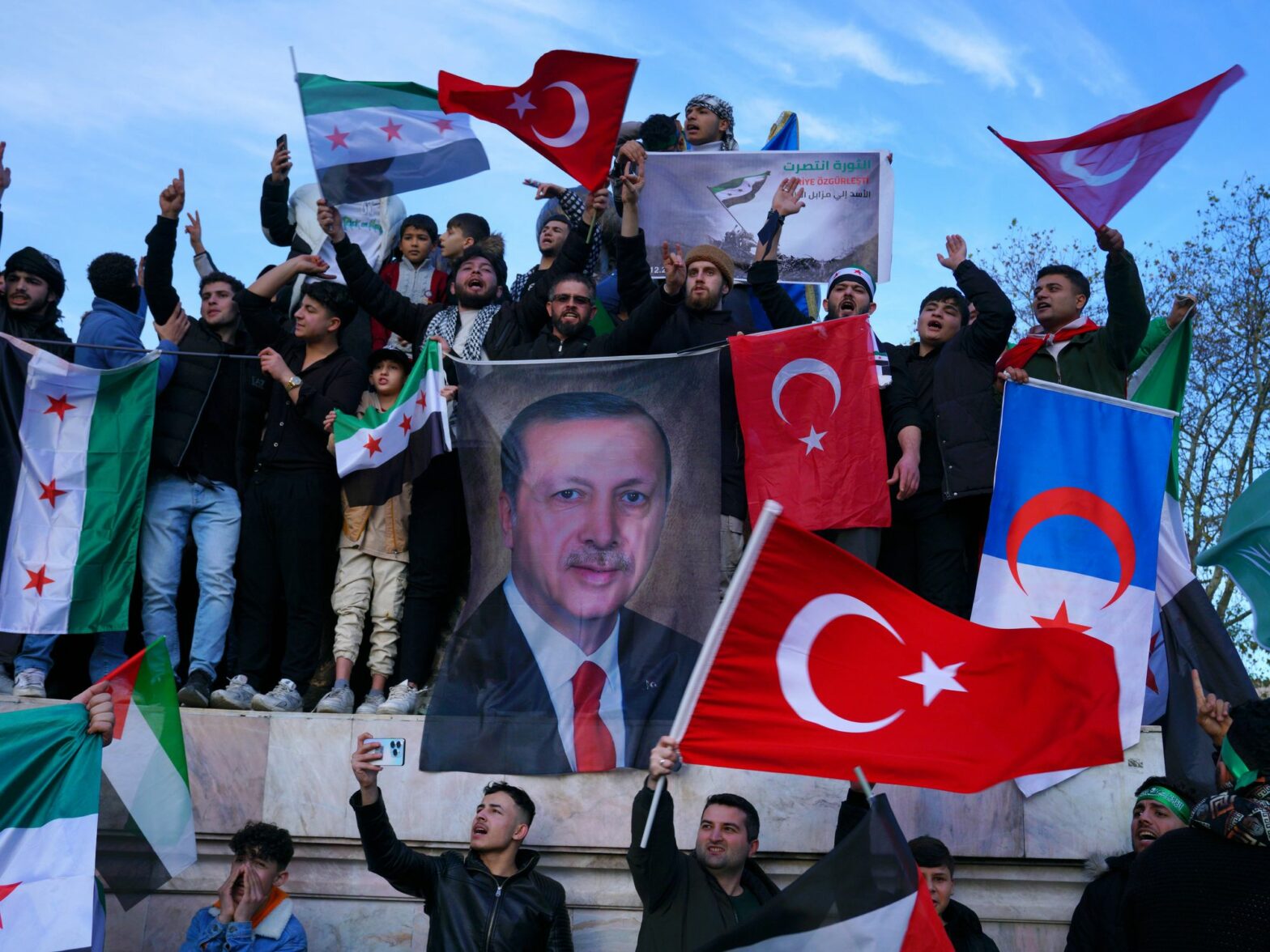
While the Islamic Republic of Iran mulls an official response to the fall of its Syrian ally Bashar al-Assad, Iranian politicians are already voicing their anger at the “backstabbing” conduct of two key powers, Turkey and Russia. Could Tehran be the next to get left to fend for itself?
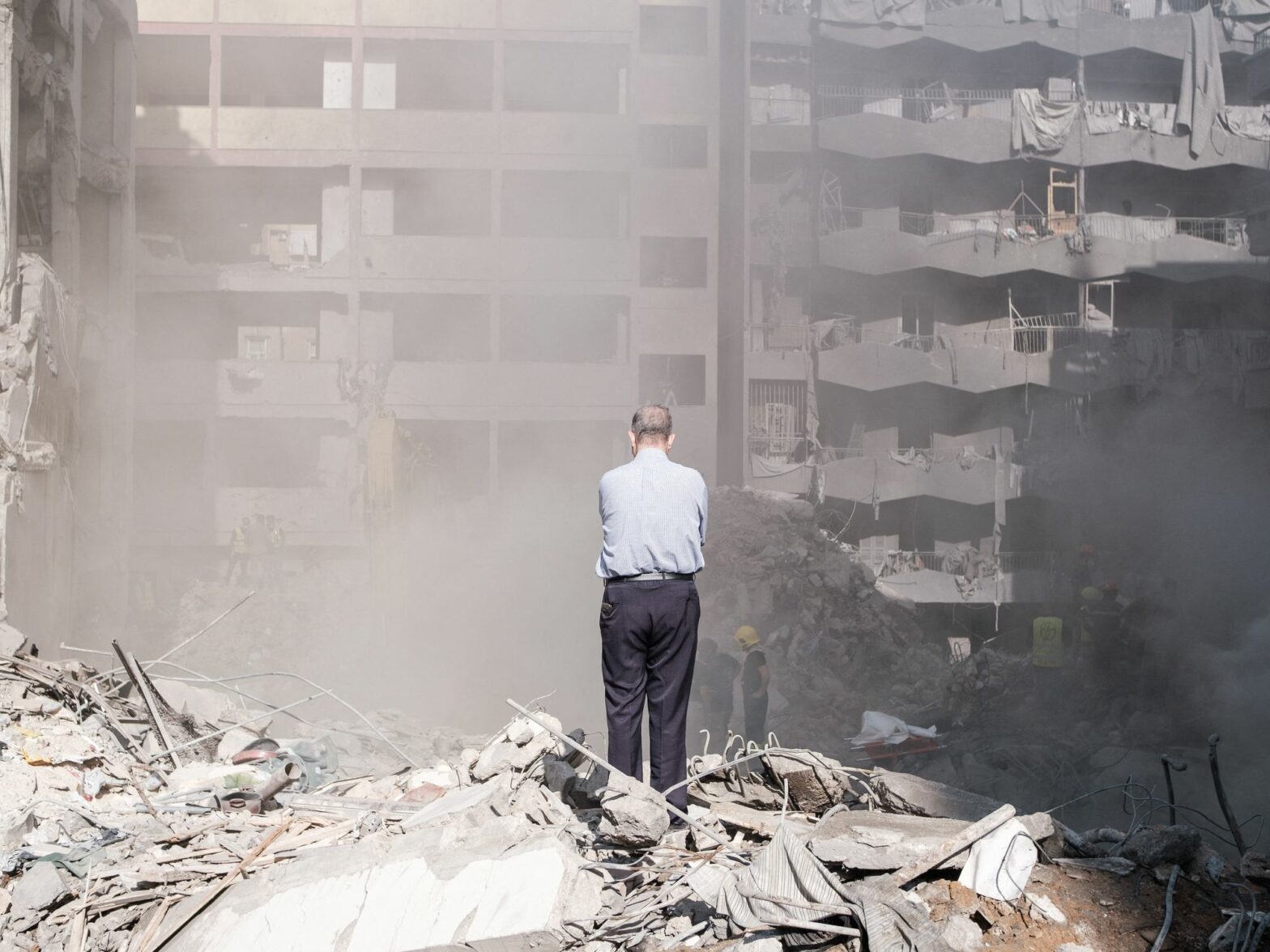
The Arab nations and people are facing a general state of failure that includes actions of regimes, societies and political parties, armed militias, national liberation and resistance movements. And while Israel’s genocide in Gaza and Lebanon is abhorrent, Arabs hold most of the responsibility.
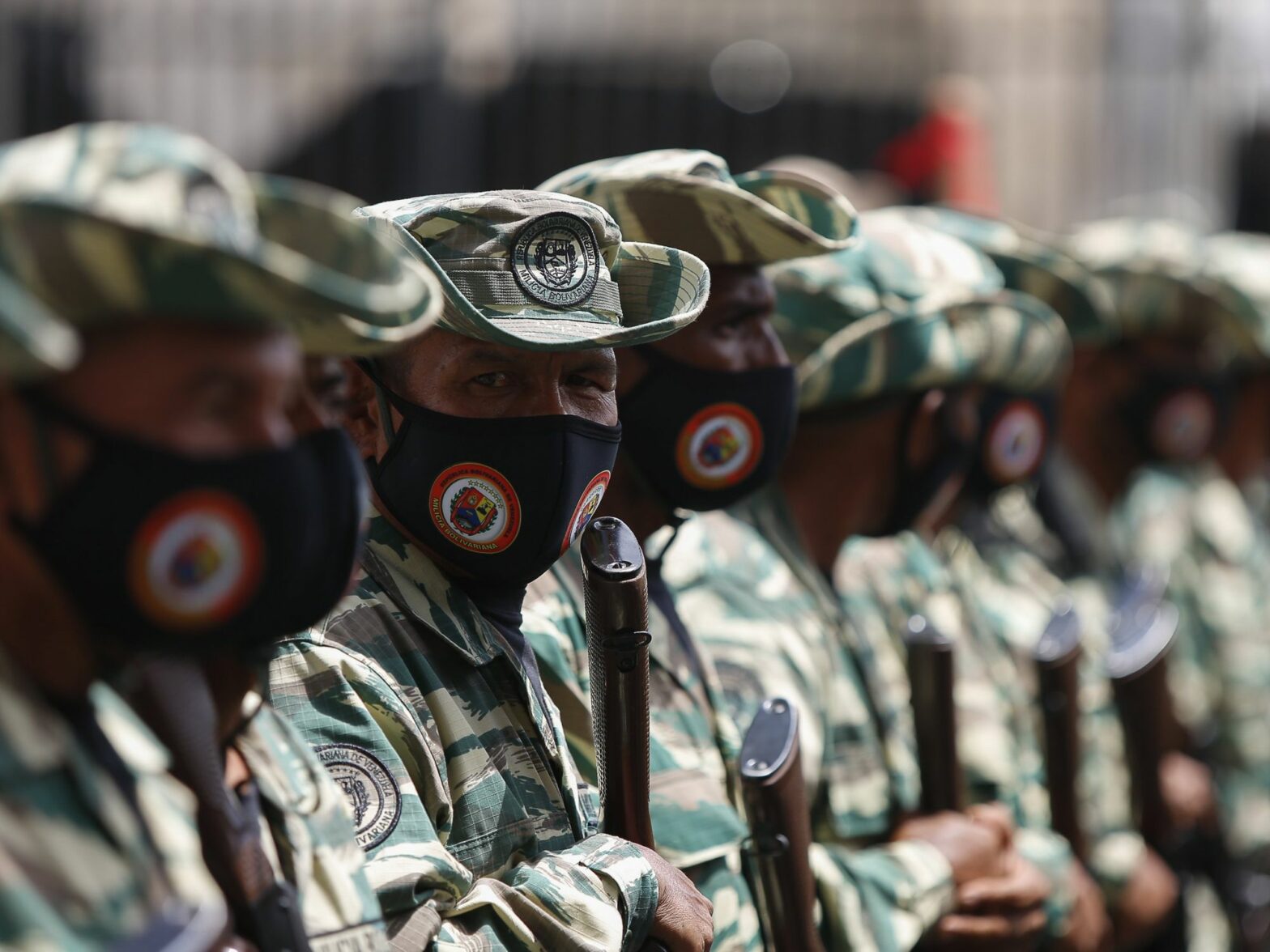
Foreign condemnations and sanctions will not force Venezuela’s Nicolás Maduro to abandon power after losing the recent presidential elections. The army could, but with a security system designed by Cuban advisers, it is firmly under regime control.
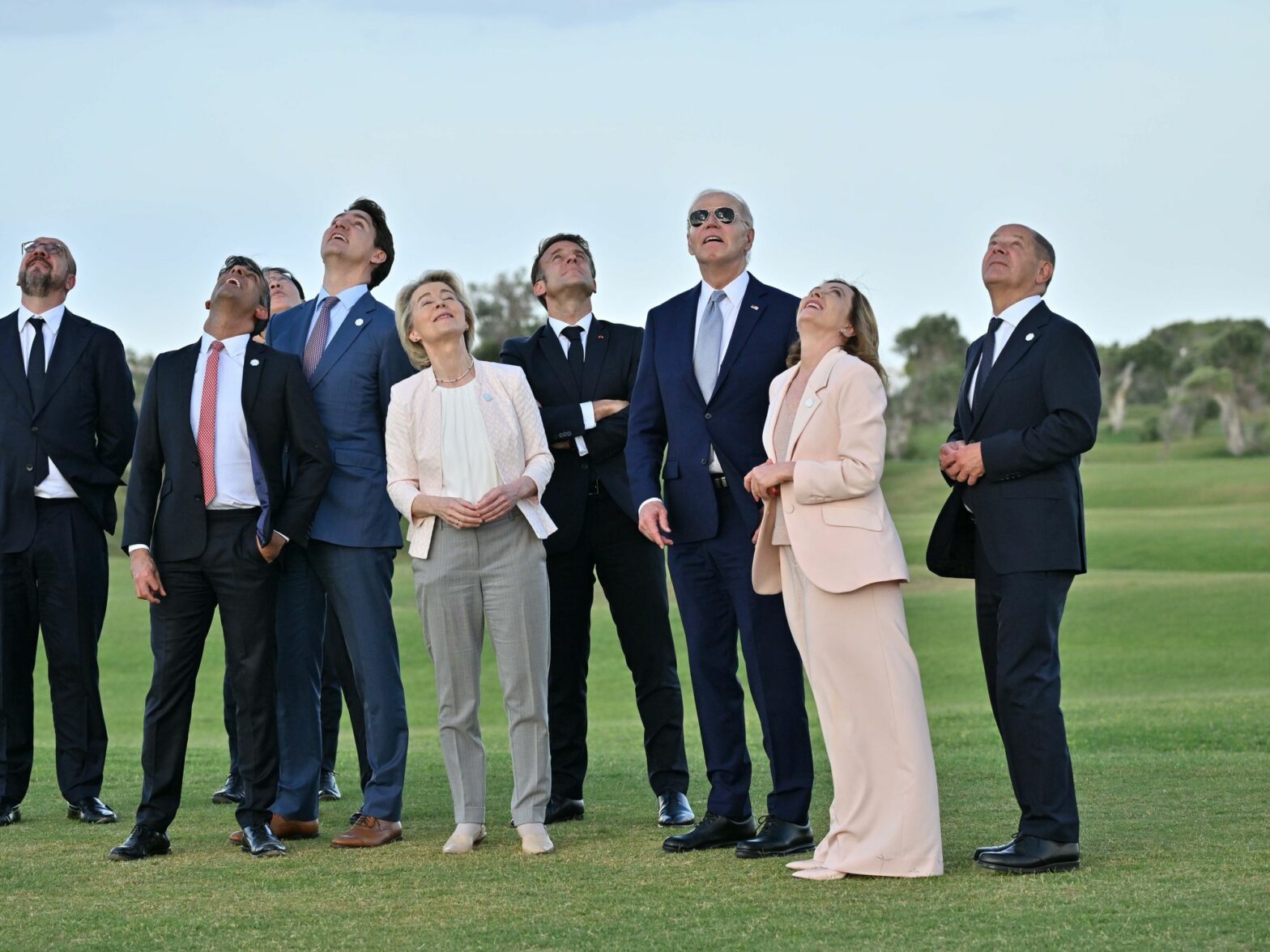
As the upcoming French and American elections show, the Western democratic model is being put into question — both externally by revisionist powers, and internally.
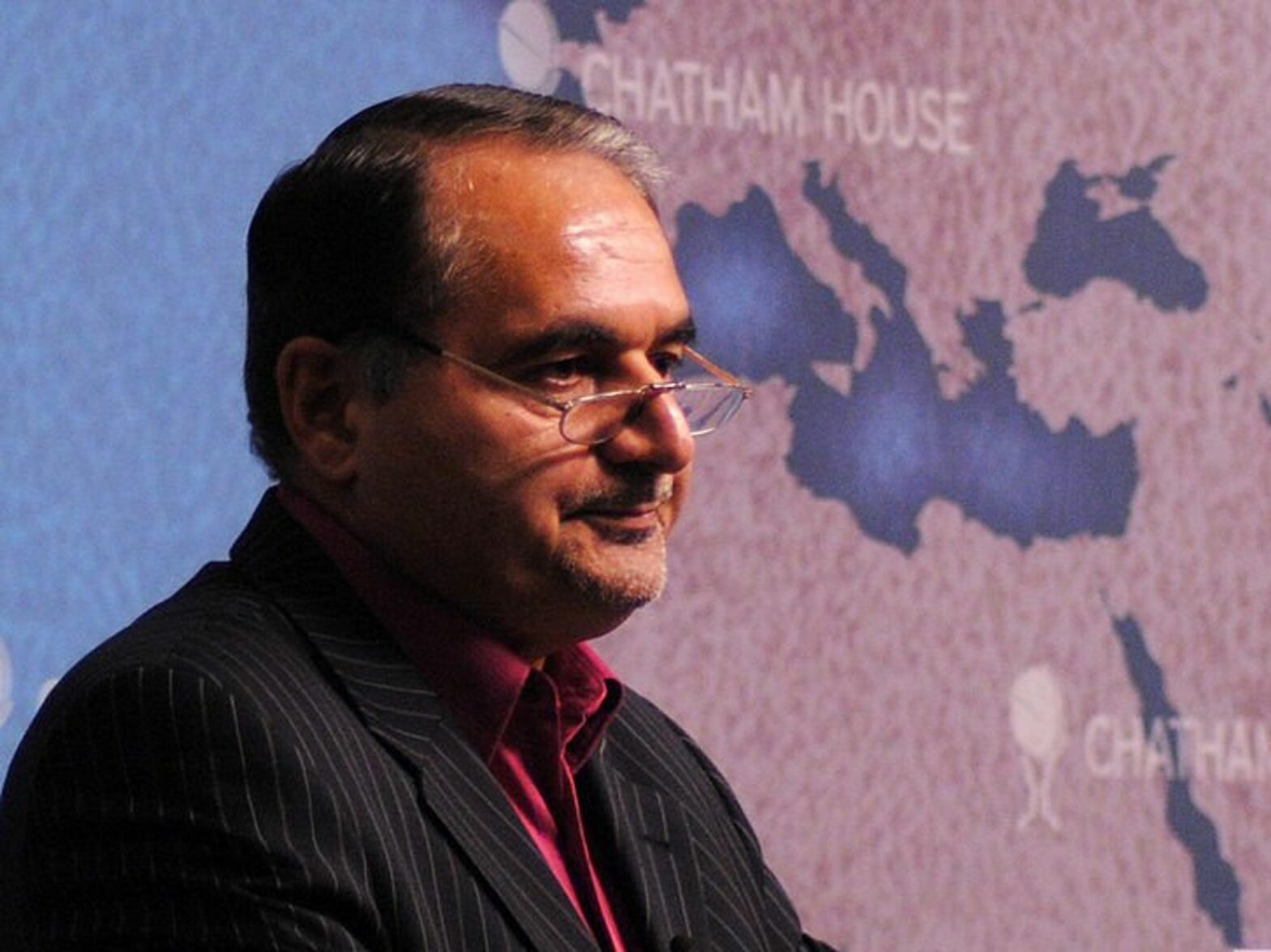
U.S. Congressmen and Iranian opponents want to know why Seyed Hossein Mousavian, a veteran official of the Tehran regime is working at Princeton University, when he is suspected of involvement with terrorist activities.
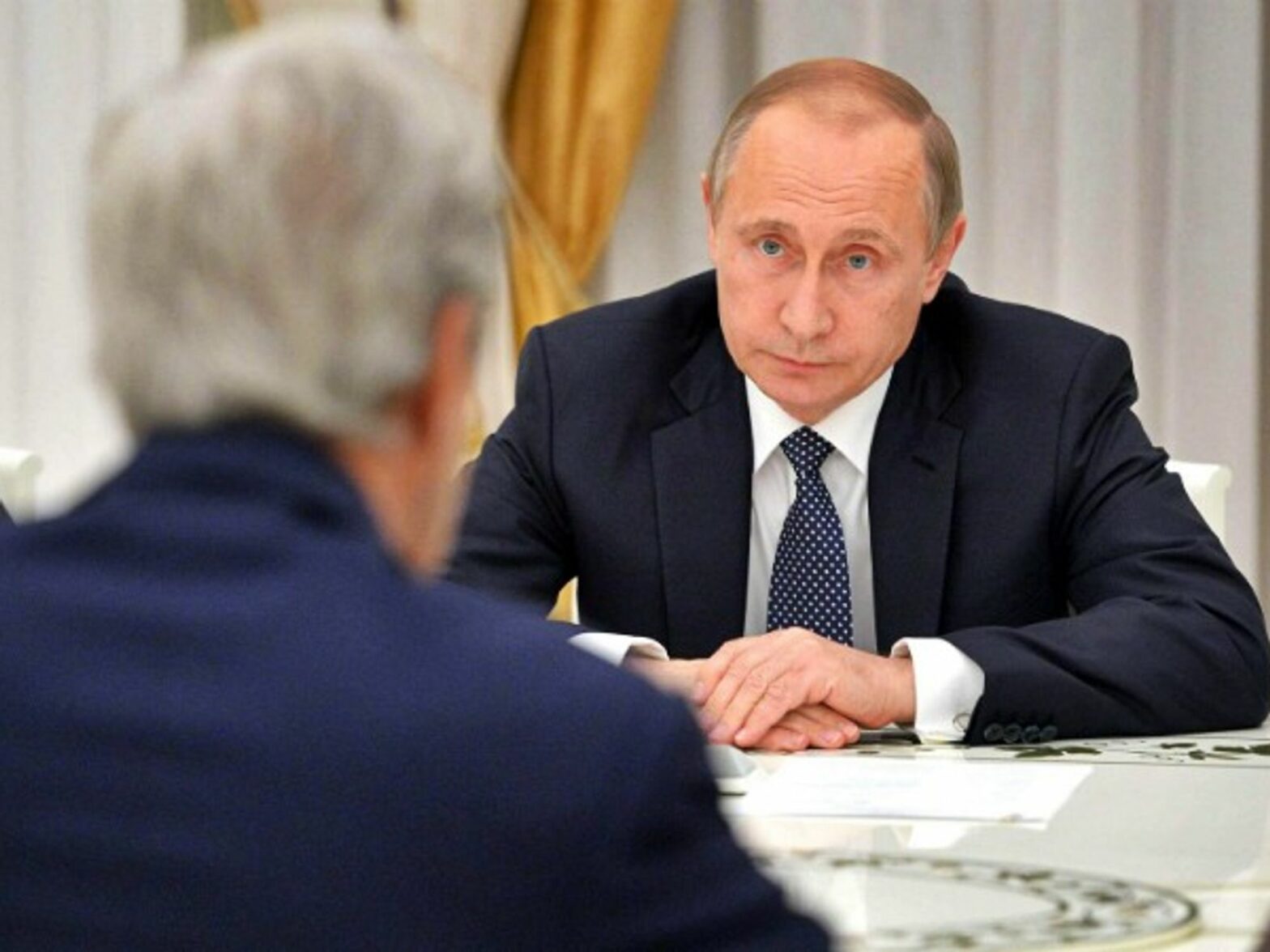
Aleksei Arbatov, member of the Russian Academy of Sciences, analyzes Kremlin’s foreign policy and offers an inside look at where international relations are headed.