September 18 – September 24, 2023

 Worldcrunch
September 18 – September 24, 2023
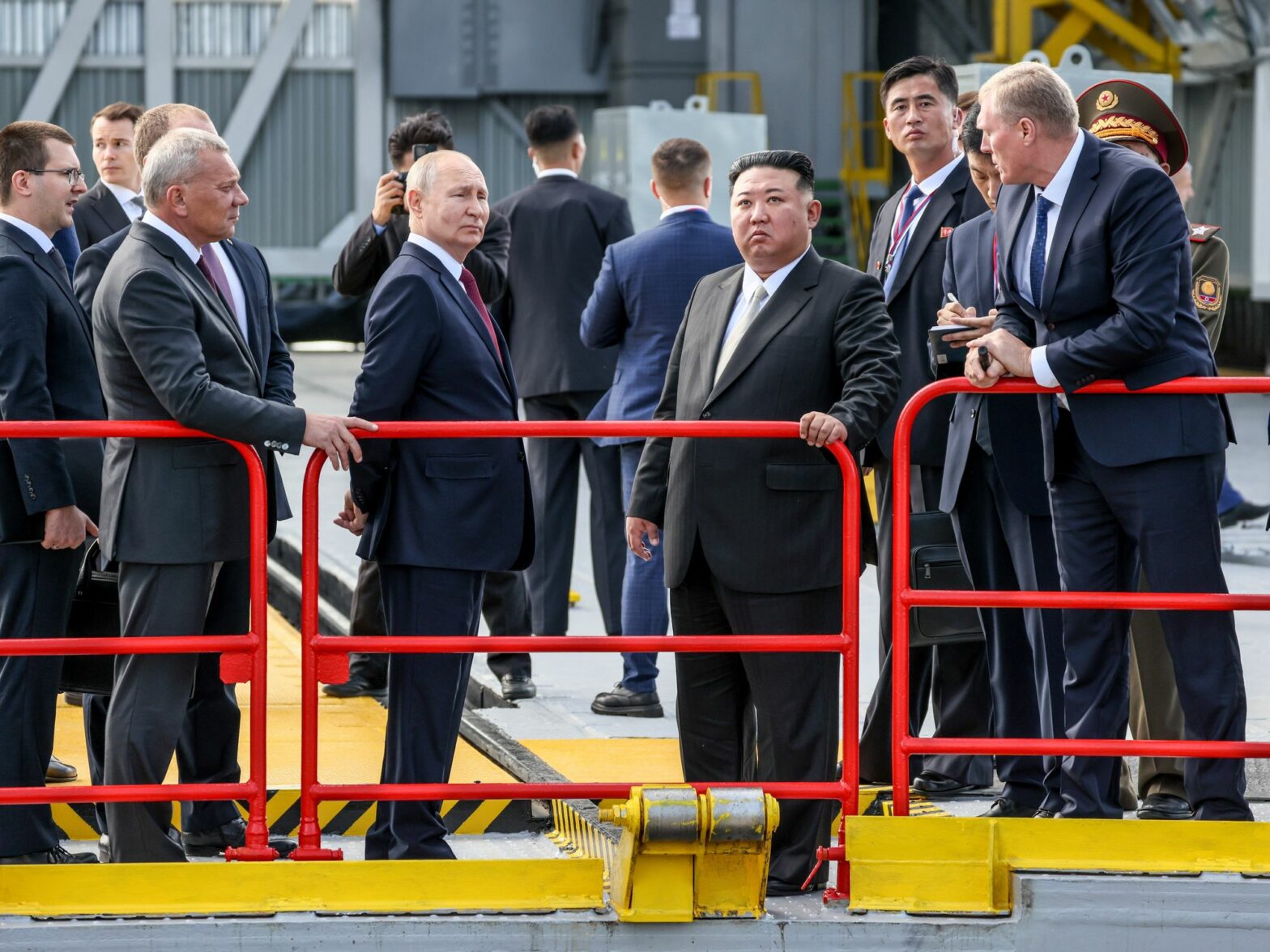
North Korea lends its full support to Russia’s war in Ukraine, and will supply ammunition to Moscow, which in return will help Kim Jong-un with his space ambitions. With the whiff of a Cold War alliance, it shows how two regimes that have become so isolated they multiply the risks for the rest of the world.
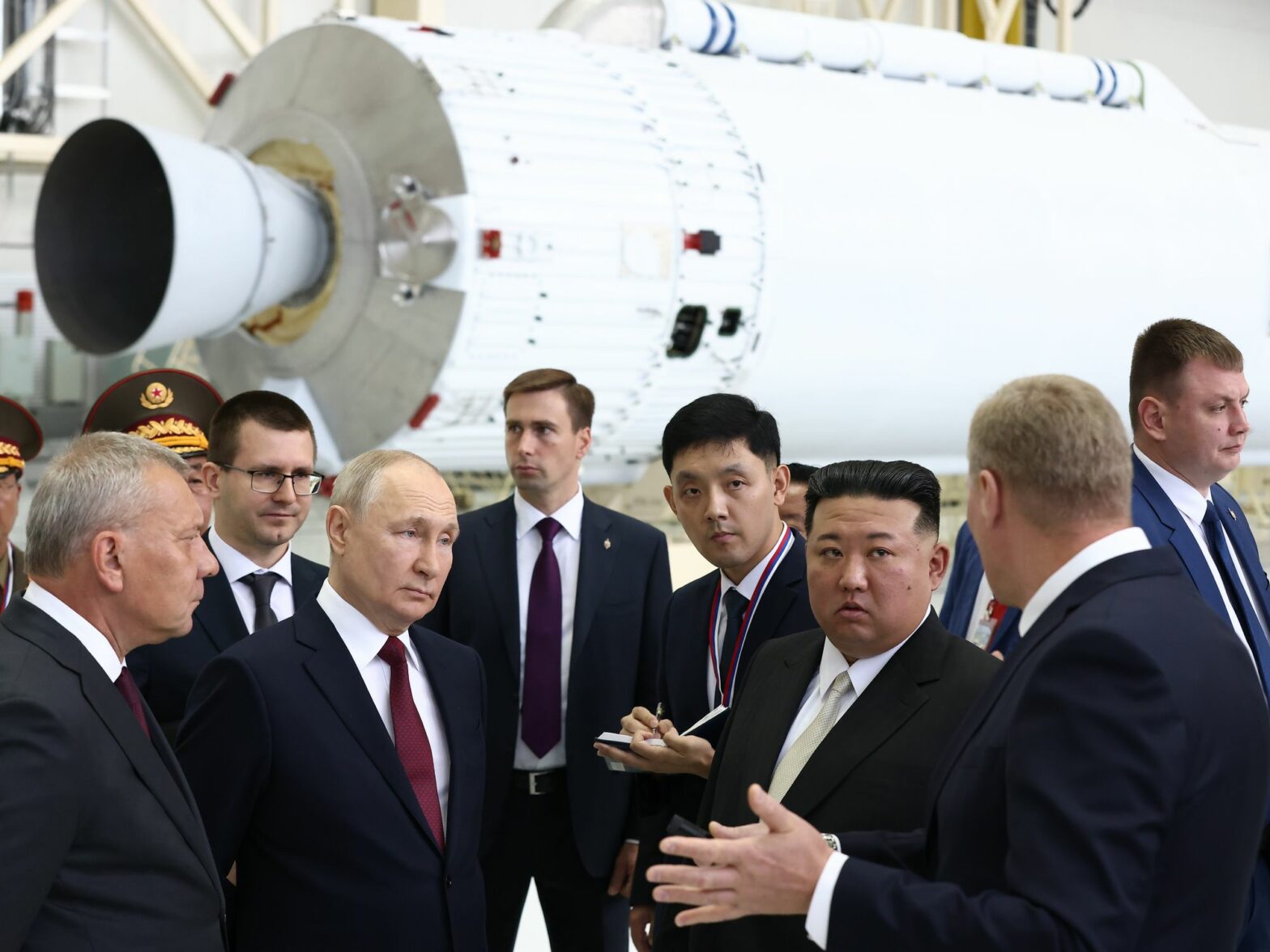
Vladimir Putin was eager to welcome Kim Jong-un for a rare visit to Russia in order to replenish depleting supplies of shells and ammunition. But North Korea has its own demands help to build satellites as part of an advanced space program.
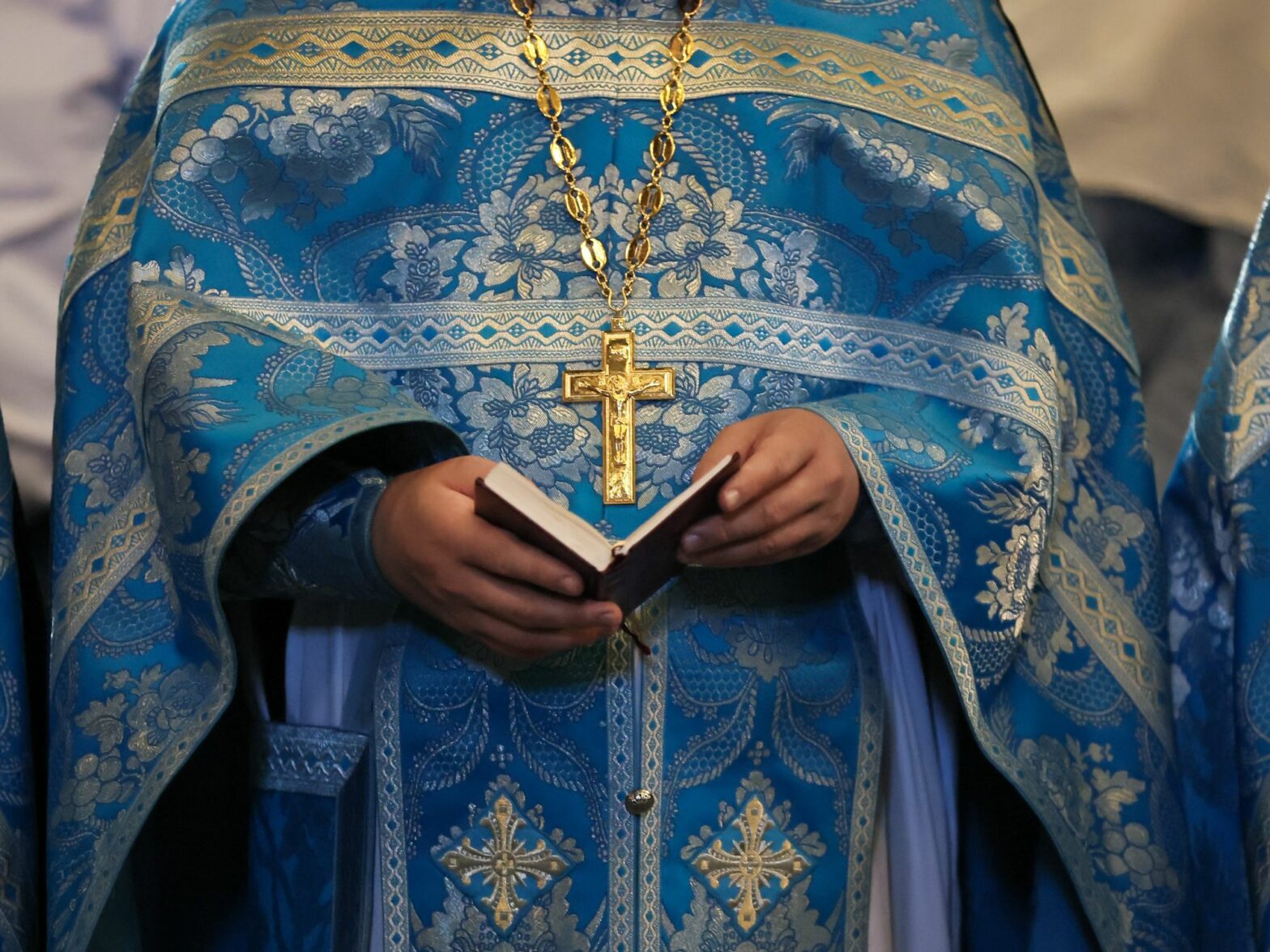
Since the start of Russia’s war in Ukraine, the Russian Orthodox Church has fully supported the Kremlin. Priests or members of the church that disagree with this politicization and militarization of the church face heavy consequences such as removal.
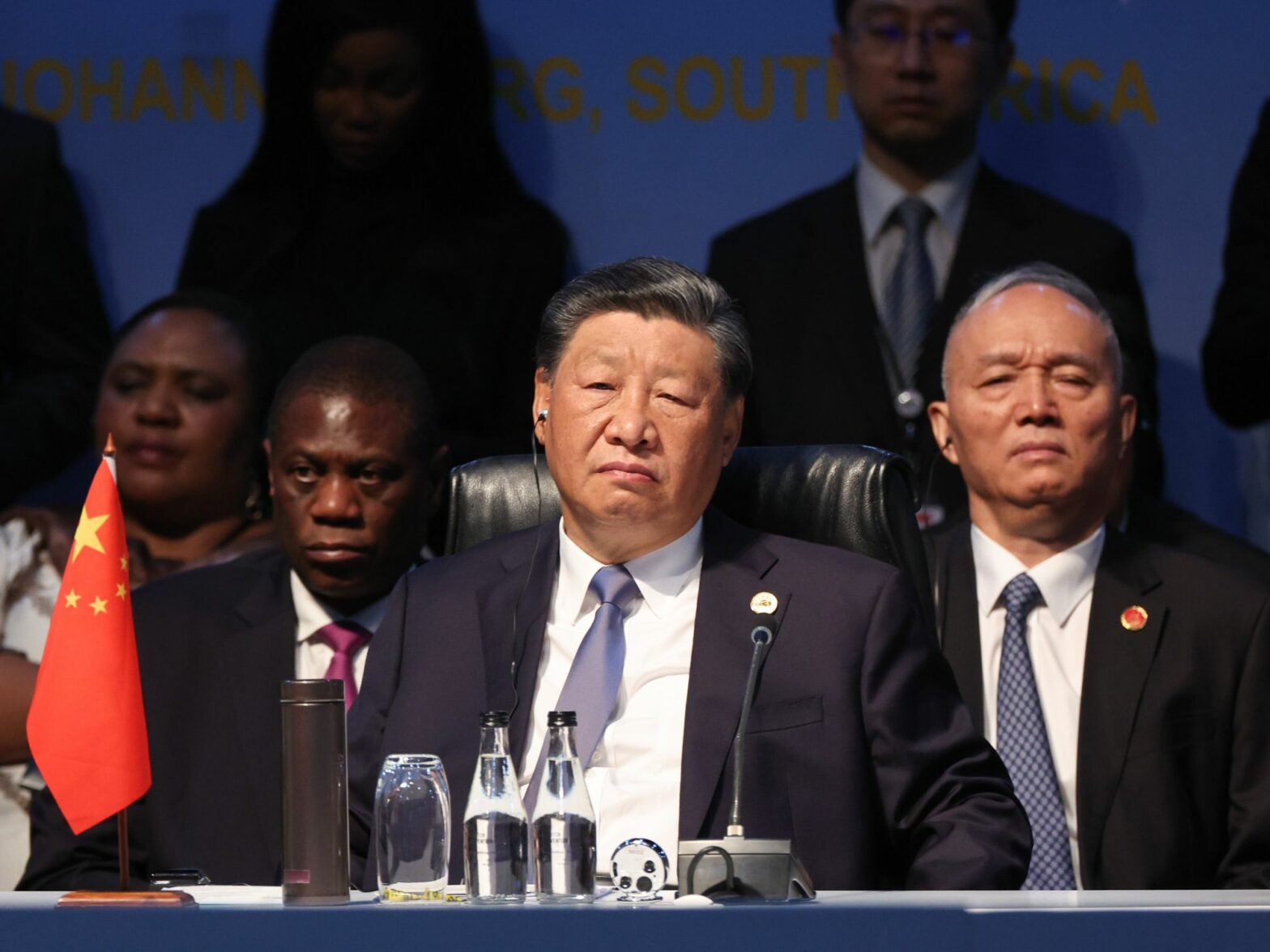
There will be no Vladimir Putin or Xi Jinping at this weekend’s summit of the world’s 20 leading economies in New Delhi: a symbol of the fragmentation of the world that has accelerated since Russia’s invasion of Ukraine.
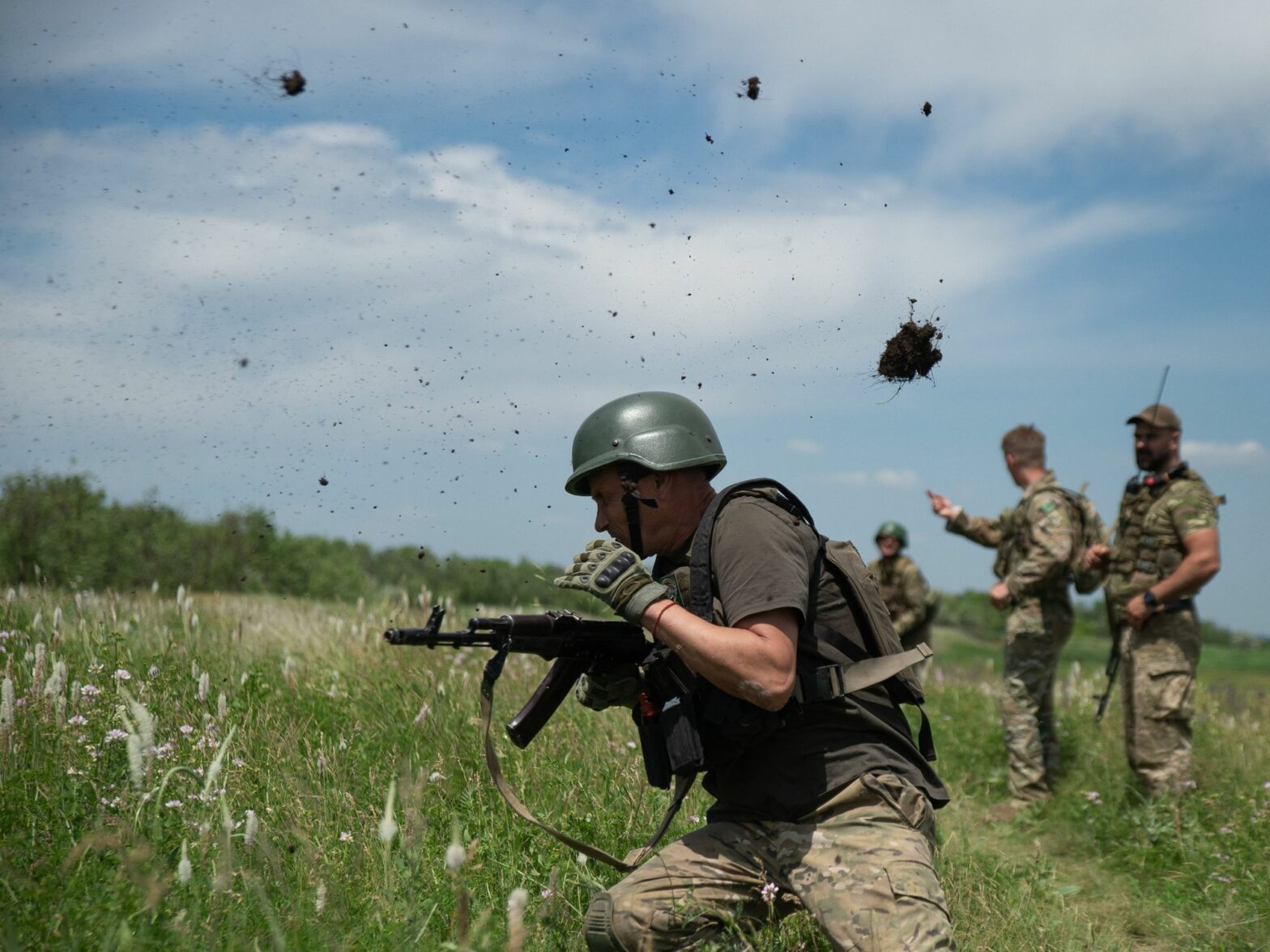
The war in Ukraine continues, and the death toll shows no signs of slowing down. This is prompting some to call for a rush to the negotiating table. This would mean strengthening Russia and, worst of all, abandoning Ukraine and our values.
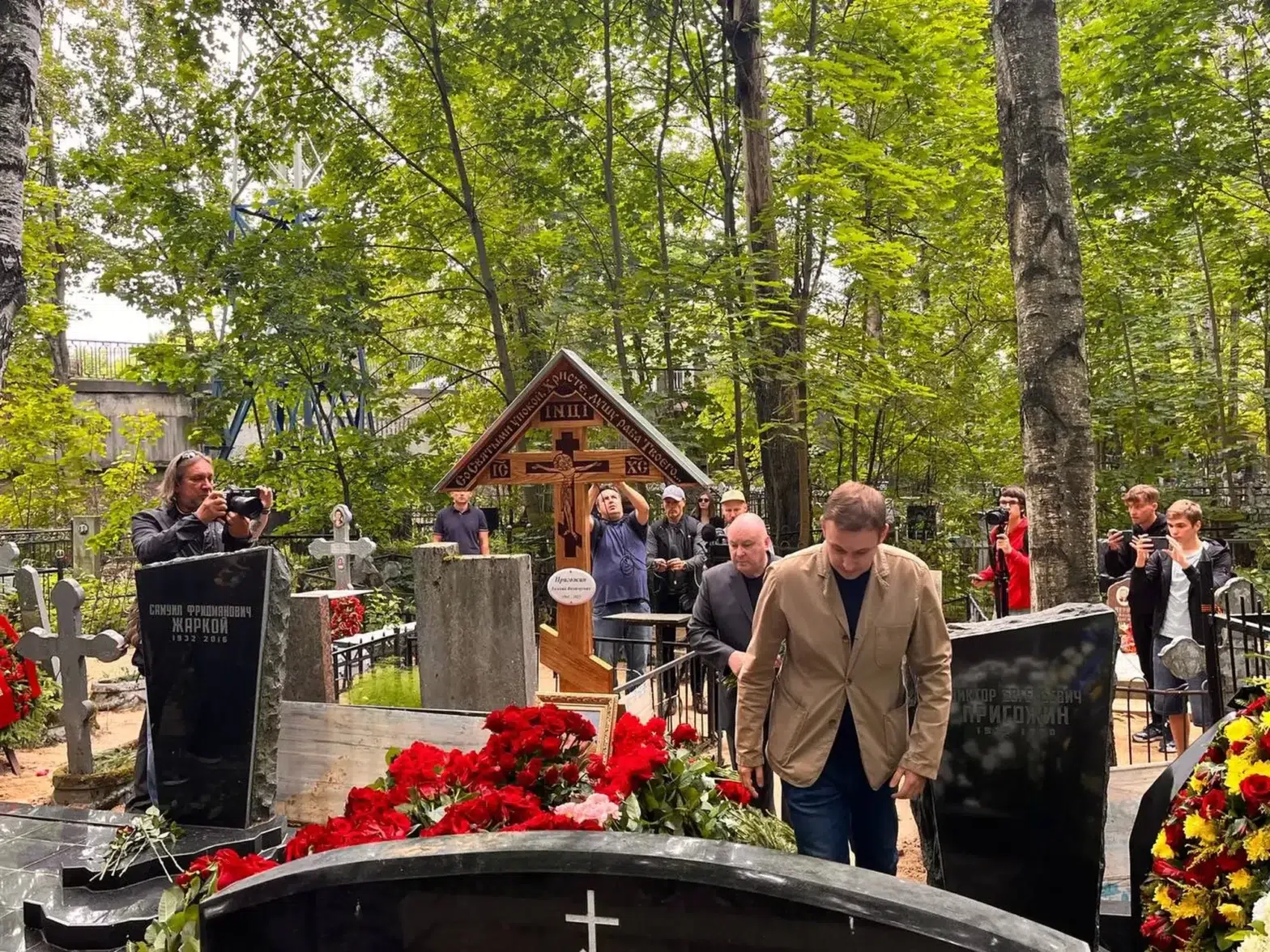
He was buried in an expensive coffin in a closed ceremony on Tuesday. By the next day, supporters were coming to the graveside to pay their respects.
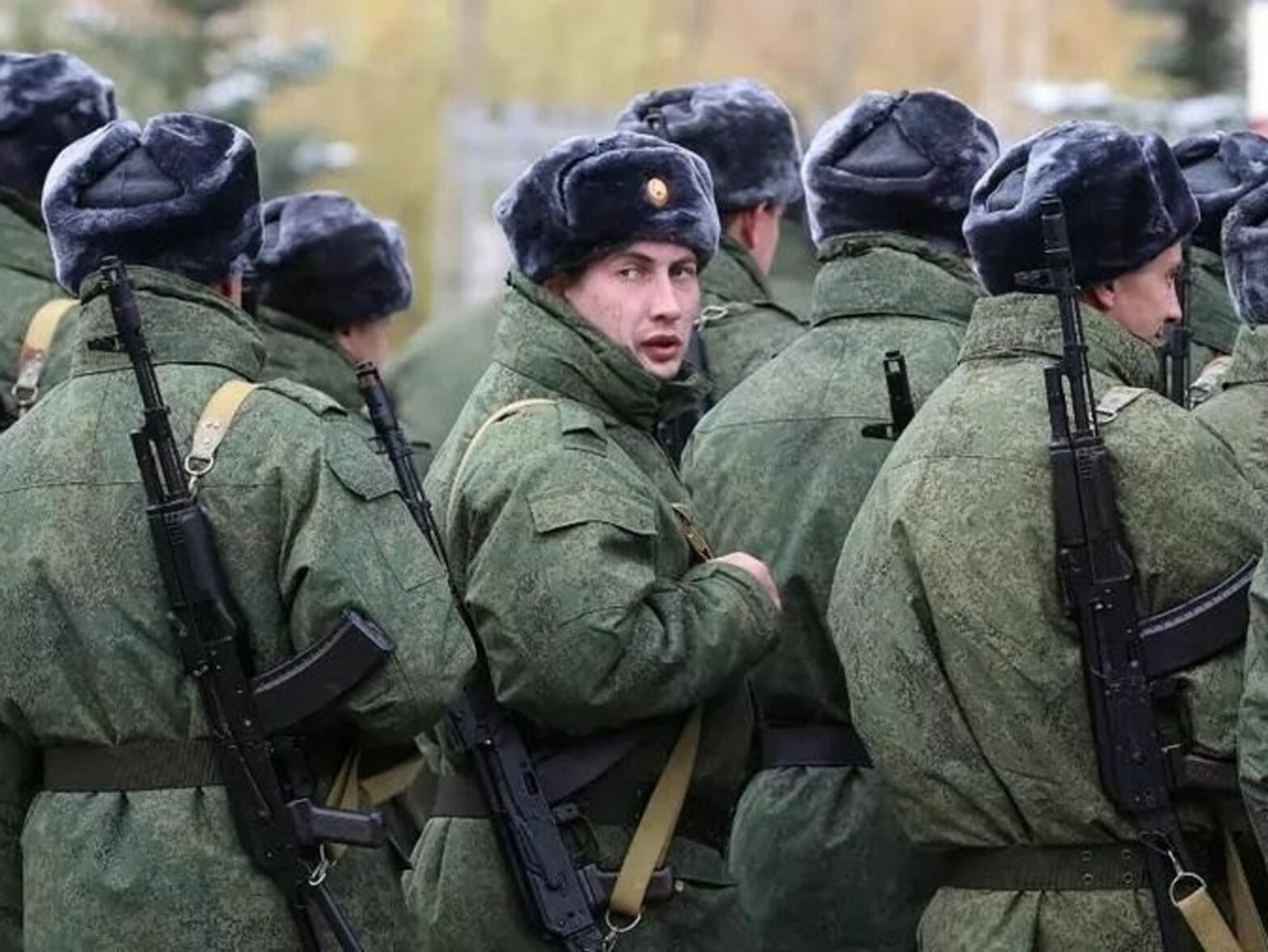
The Ukraine war is not just physical — it’s also being fought on a psychological front. Russian soldiers are subjected to complex psychological pressures at home and abroad.
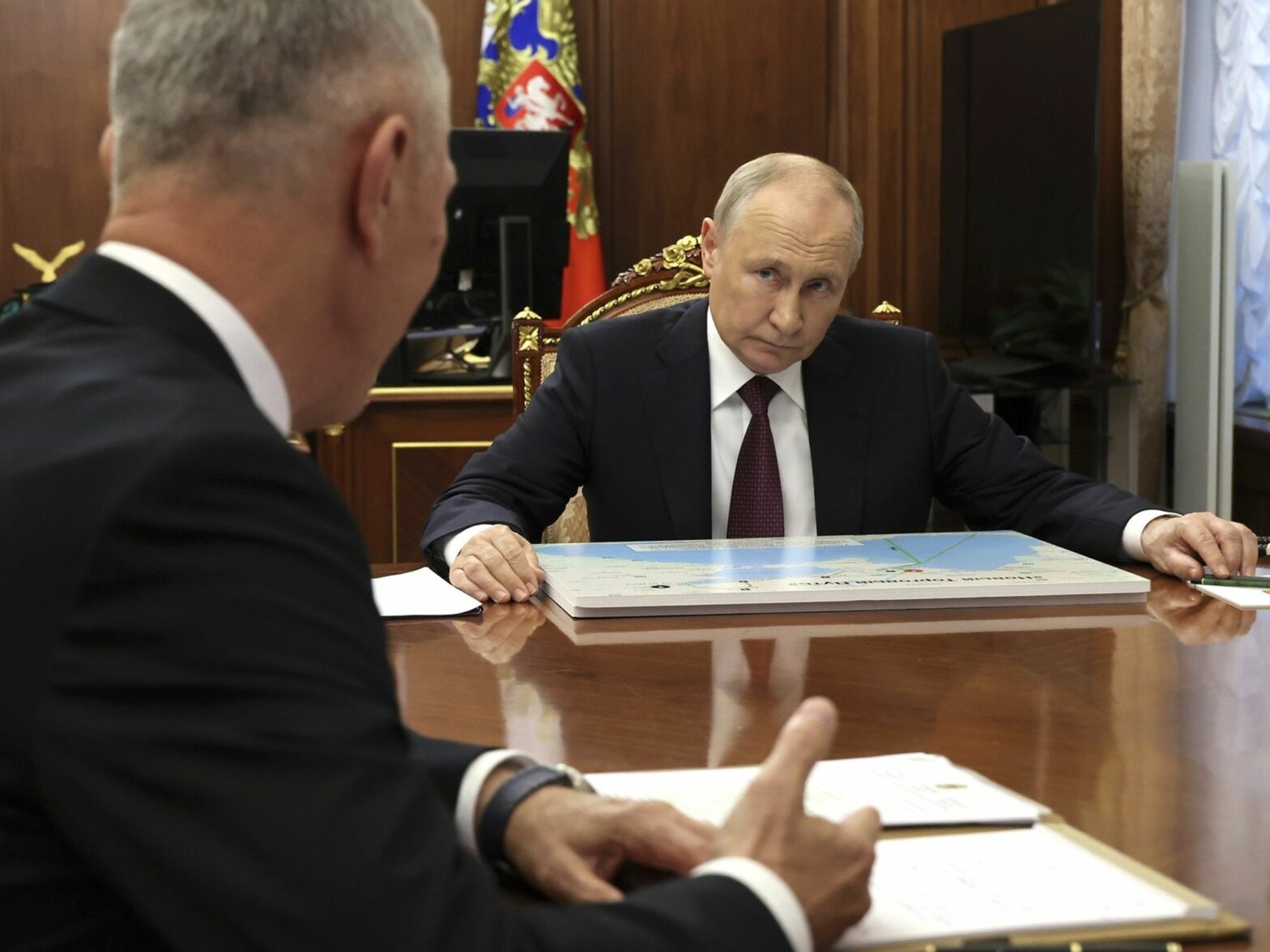
Veterans of Wagner PMC, the mercenary group run by now-deceased Yevgeny Prigozhin, are scattered all over Russia. Many are now threatening to exact their revenge. But it is Russian President Vladimir Putin who wields the power, and there are plenty inside and outside Wagner who may be in his sights.
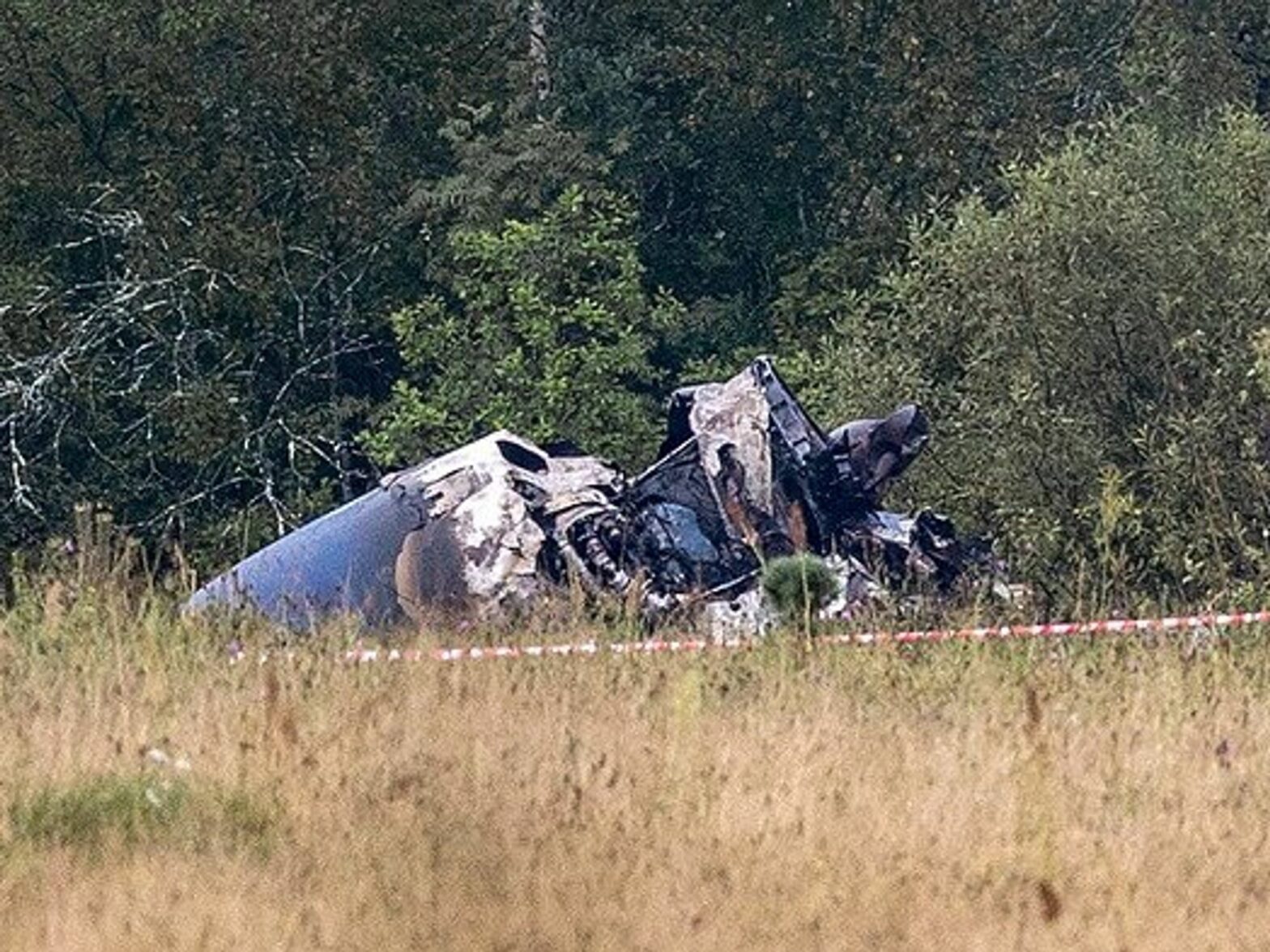
Two months after his failed coup, the Wagner chief Yevgeny Prigozhin has reportedly died on Wednesday in a plane crash. Many questions remain unanswered, but one thing is for sure: we know who is bound to benefit the most.
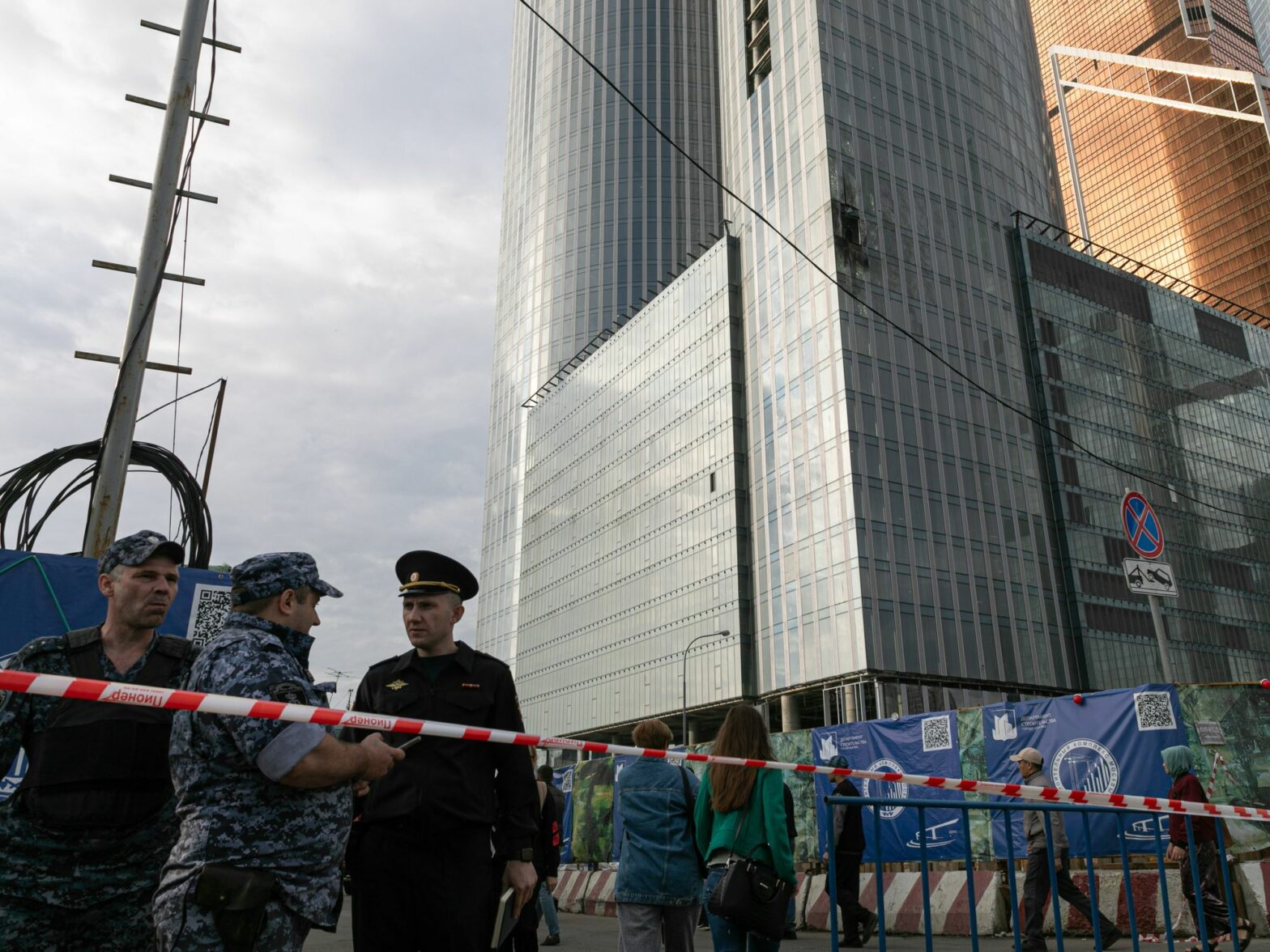
Drone air attacks continue in Russia’s capital, with evidence that Ukraine has figured out how to target certain buildings belonging to Vladimir Putin’s entourage. It’s a clear message from Kyiv.
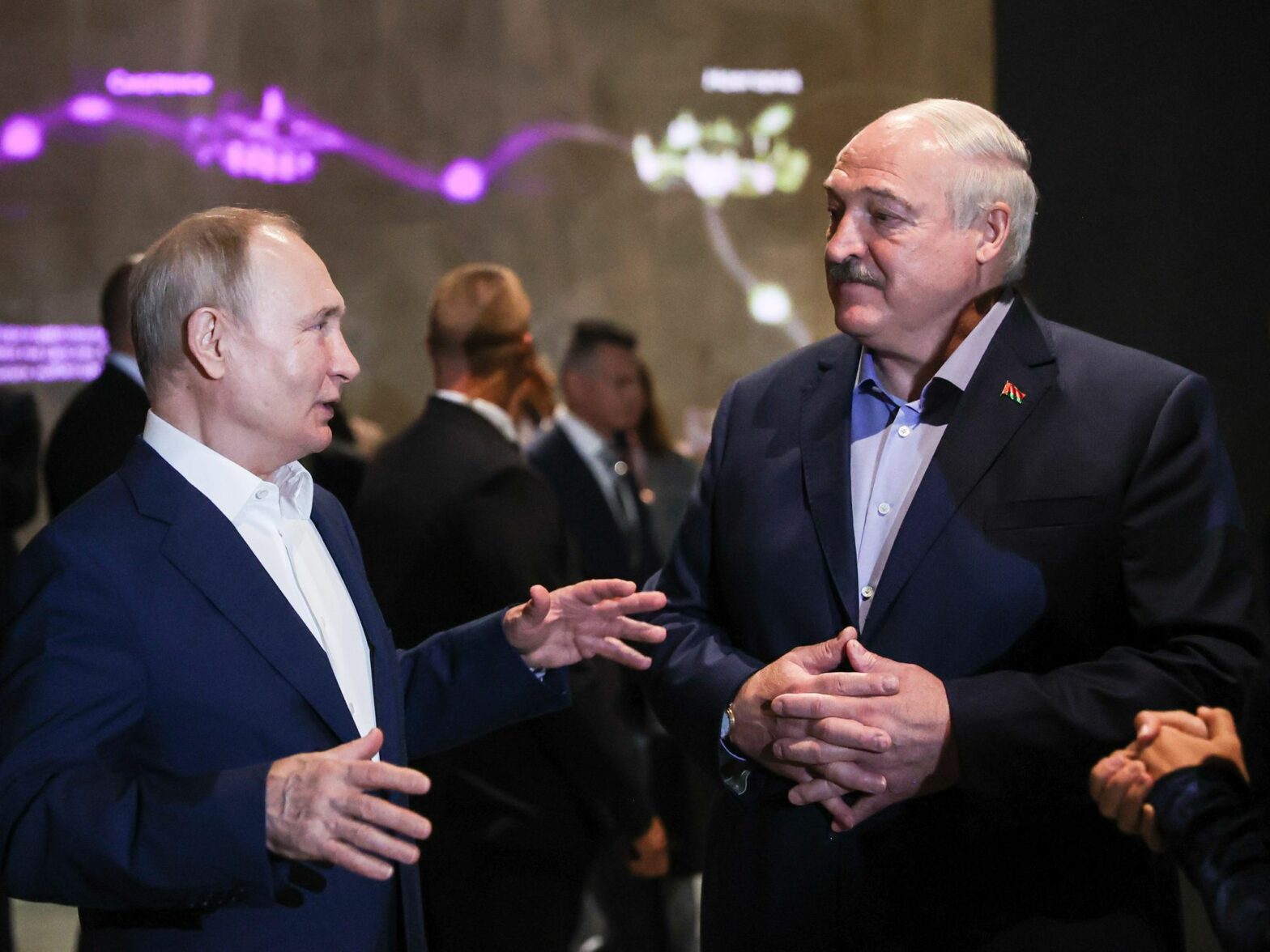
Both Russian President Vladimir Putin and longtime ally Belarusian leader Alexander Lukashenko have issued statements accusing Poland of having territorial ambitions in Ukraine. It’s a worrying development that opens the door to military confrontation with NATO — and the looming presence of Wagner troops isn’t making things easier.
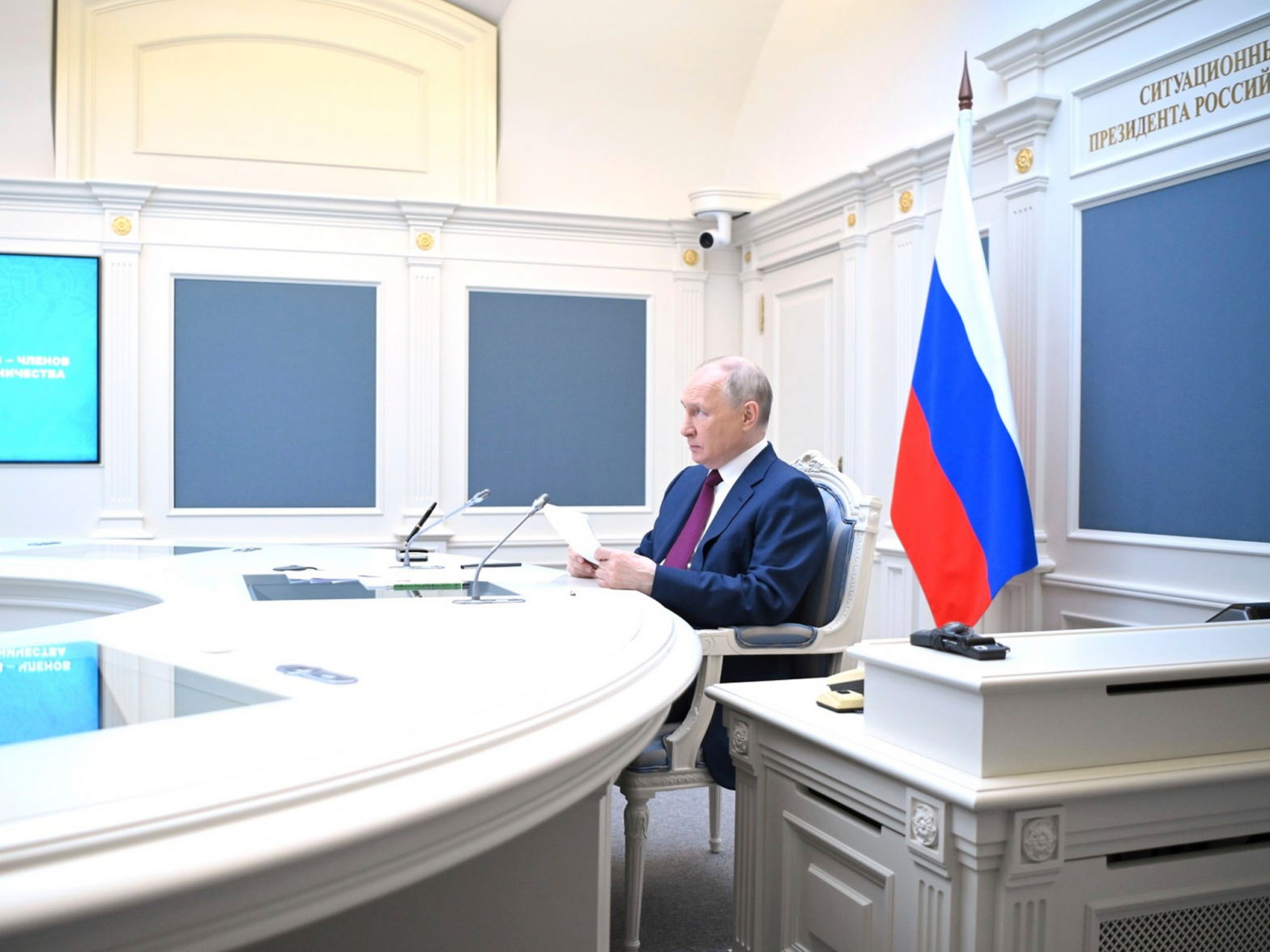
The prospect of Ukraine joining NATO has been postponed. Vladimir Putin will be pleased, knowing that Russia’s best hope is for a long war.
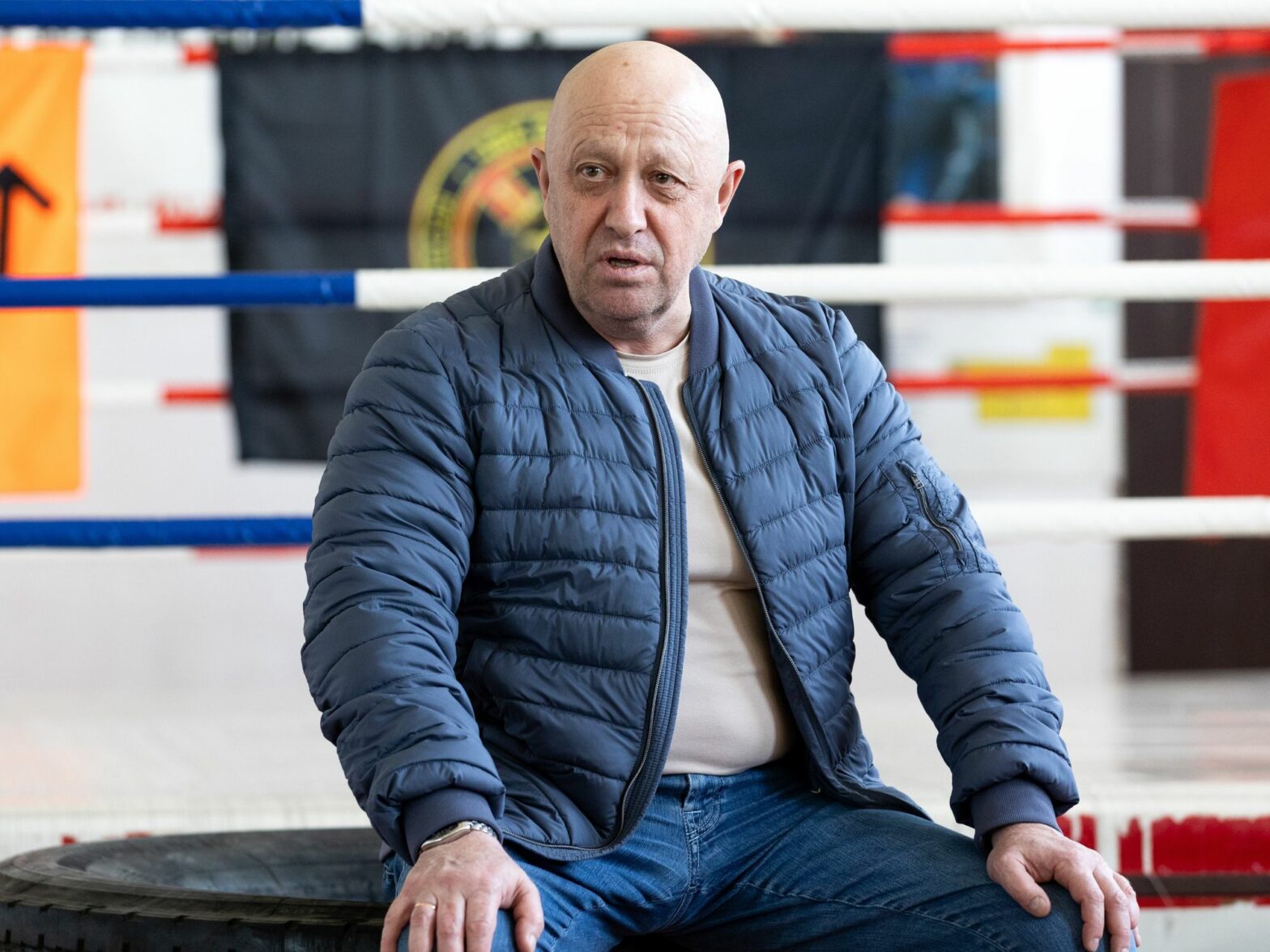
The post-coup mystery continues with reports that Wagner founder Yevgeny Prigozhin is not, in fact, in Belarus, but in Russia. A look at what it says about Vladimir Putin’s hold on power.
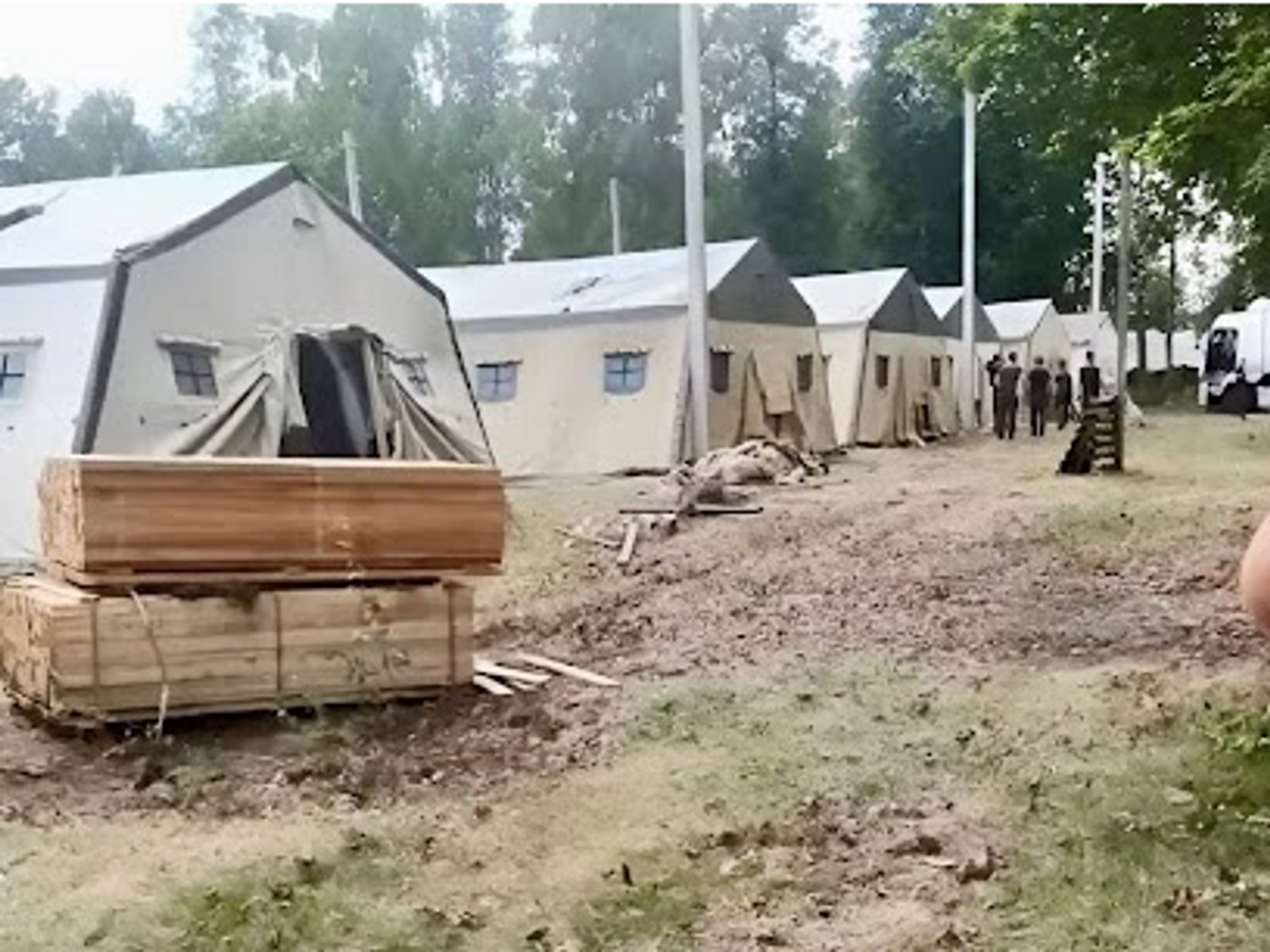
After Wagner’s aborted coup and relocation to Belarus come the first reports and images of military camps, including one in Asipovichi, a town south of Minsk. What does this mean for the still unstable situation in Russia? For the war in Ukraine? And the role of Belarus strongman Alexander Lukashenko?
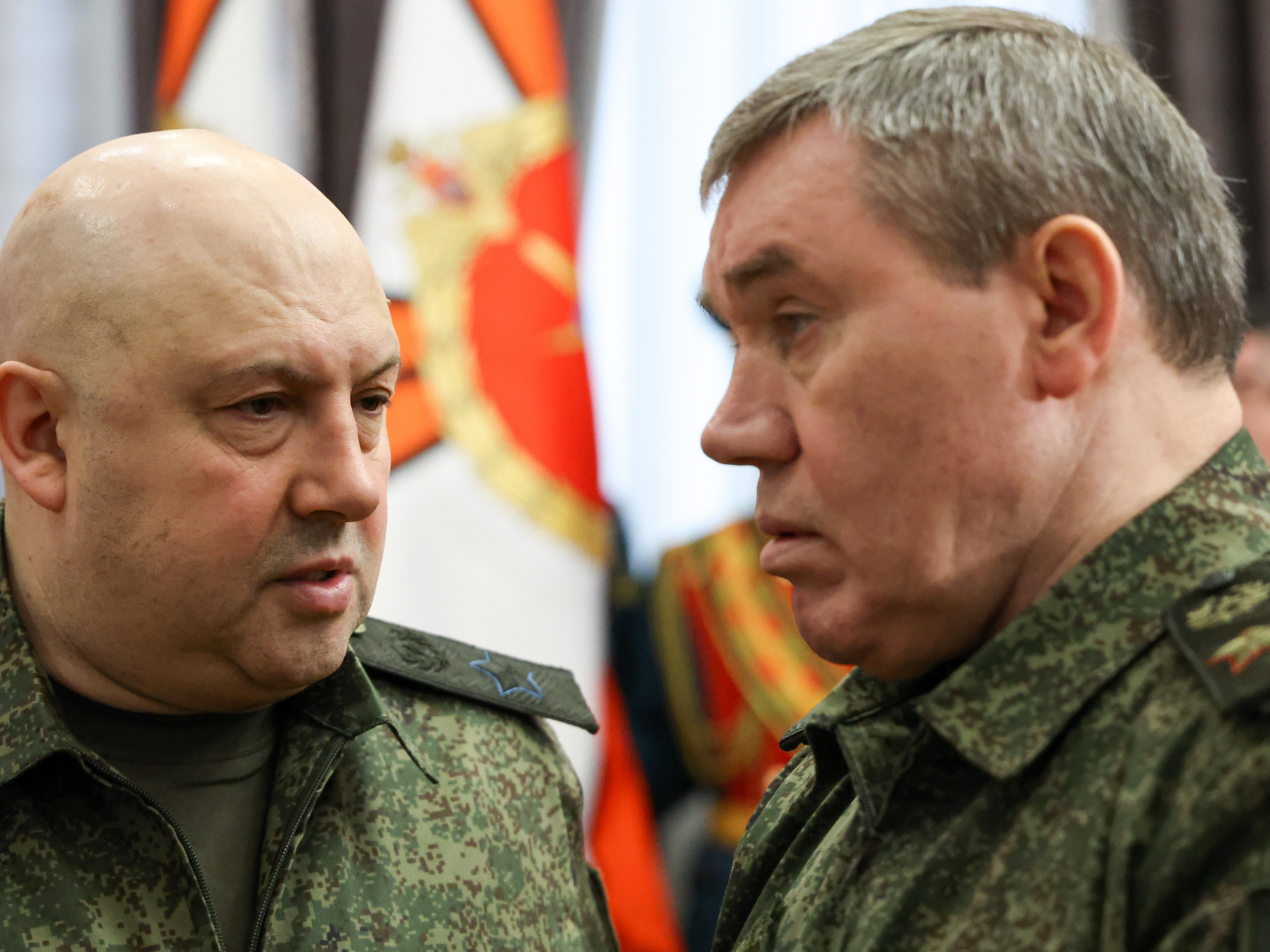
A rebel chief in exile, a top General arrested, a President waving at the crowd. While Putin is putting on a show in public, a large- scale investigation is cleaning house among the Russian military, one week after the Wagner group’s attempted coup.
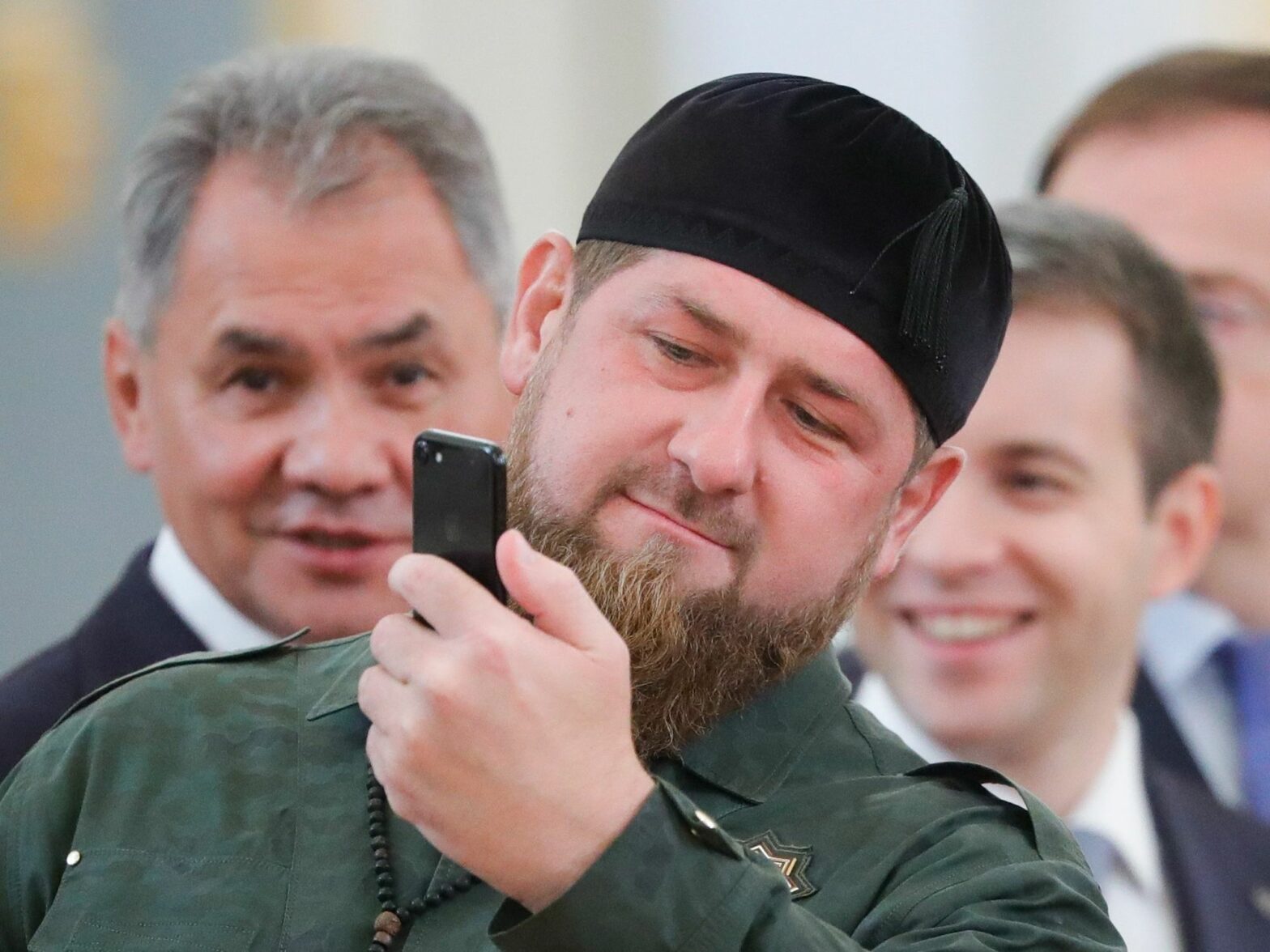
Russian President Vladimir Putin had long governed in a fragmented style, holding together multiple “gray zones” with his personal influence because he has never trusted the traditional state apparatus nor the private sector. But it comes with a predicament, exemplified by the recent Wagner insurrection: his grasp on power only goes as far as the loyalty of Russia’s elites.
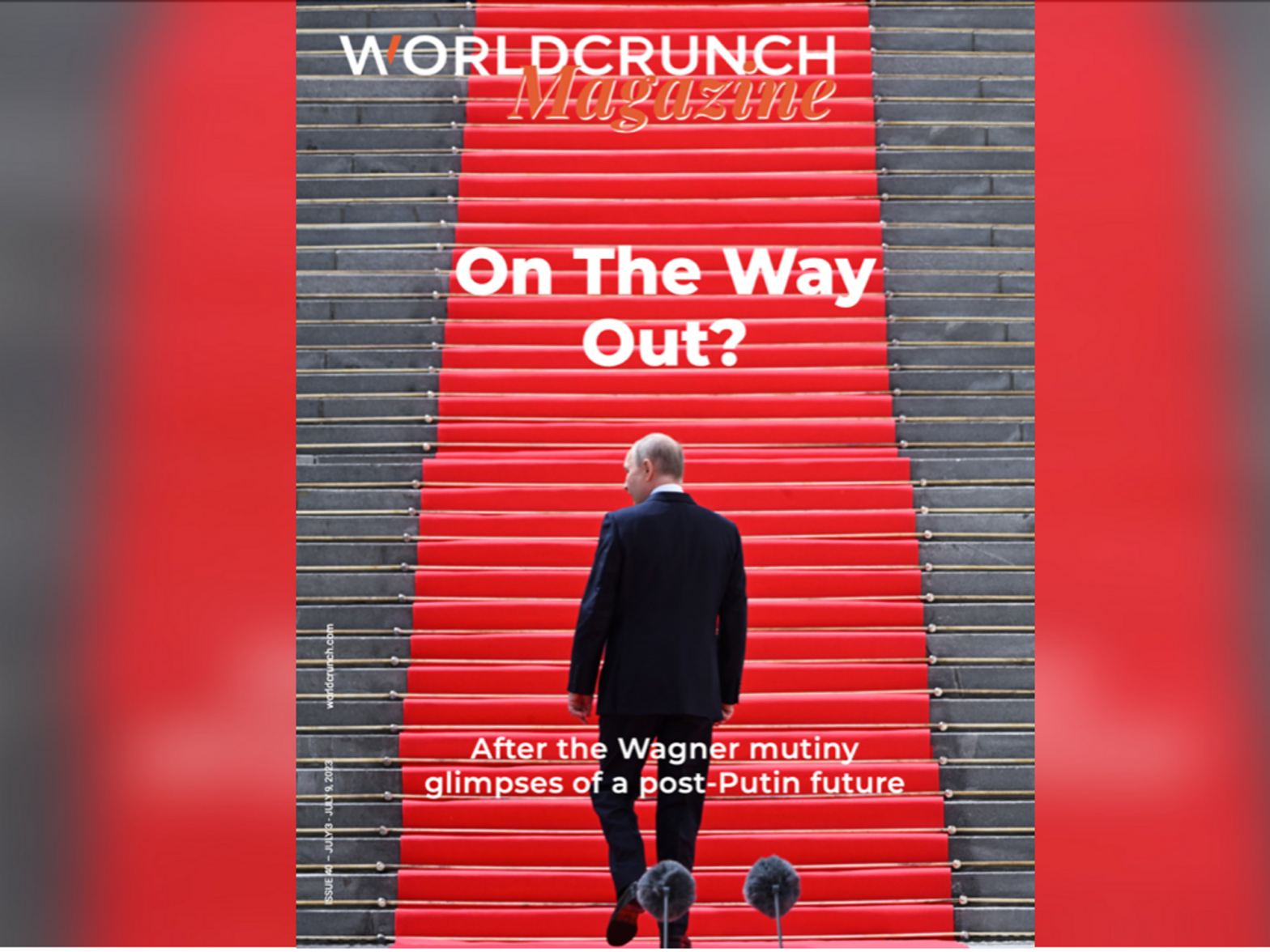
July 3 – July 9, 2023
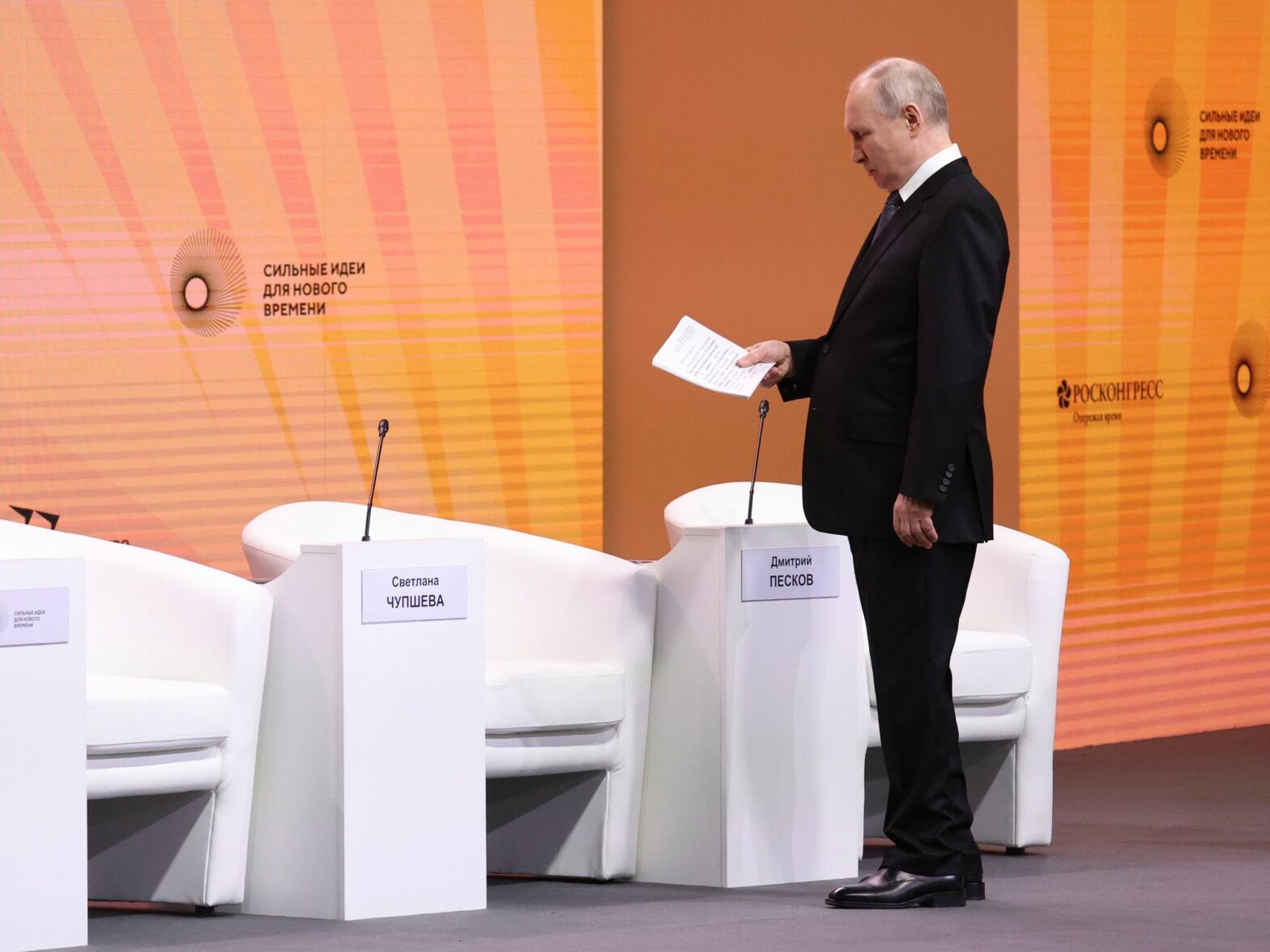
After relatively in-depth coverage beginning last weekend, Russian state-owned TV channels have suddenly stopped reporting on the consequences of the Wagner mutiny.
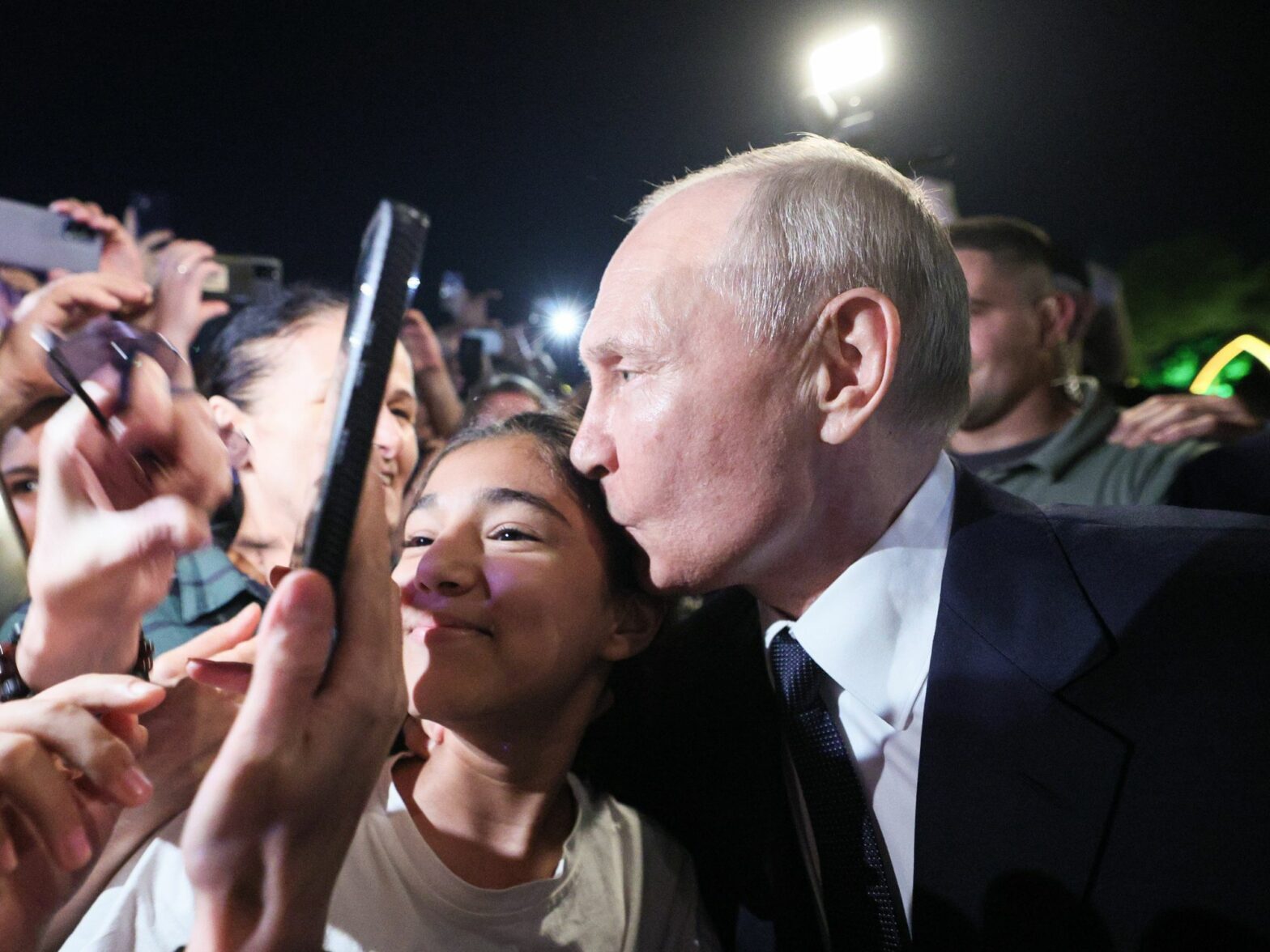
The excitement with which the West watched Prigozhin’s failed uprising reveals the delusional hopes that somehow a Russian white (or black) knight will come to overthrow Putin. No, there’s still only one way to be rid of him, argues Ukrainian writer Anna Akage.
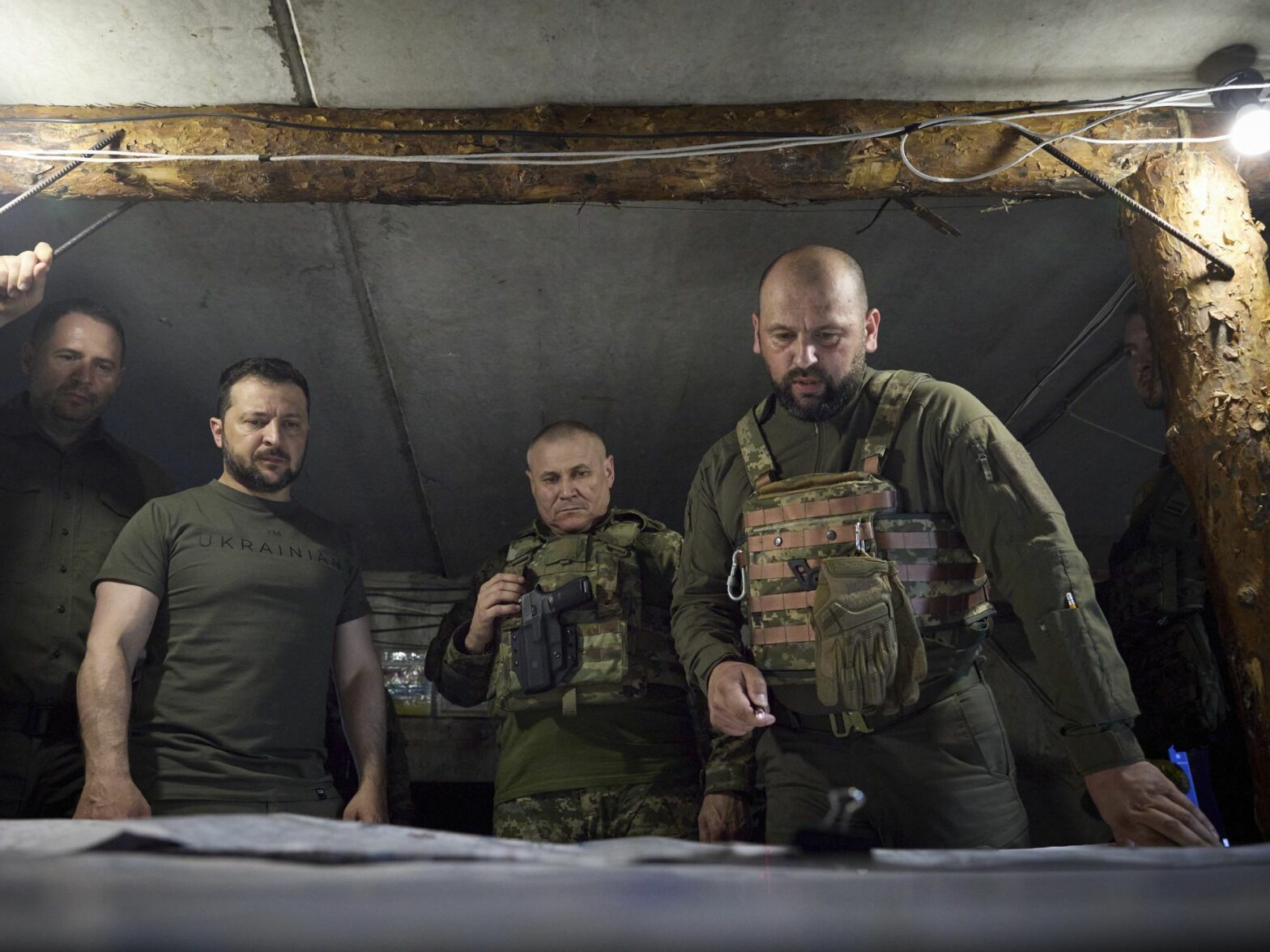
Yevhen Mezhevikin, a battle-hardened veteran with nine years of experience in the Ukraine war, sheds light on why the area around the war’s longest battle still matters in the ongoing counteroffensive.
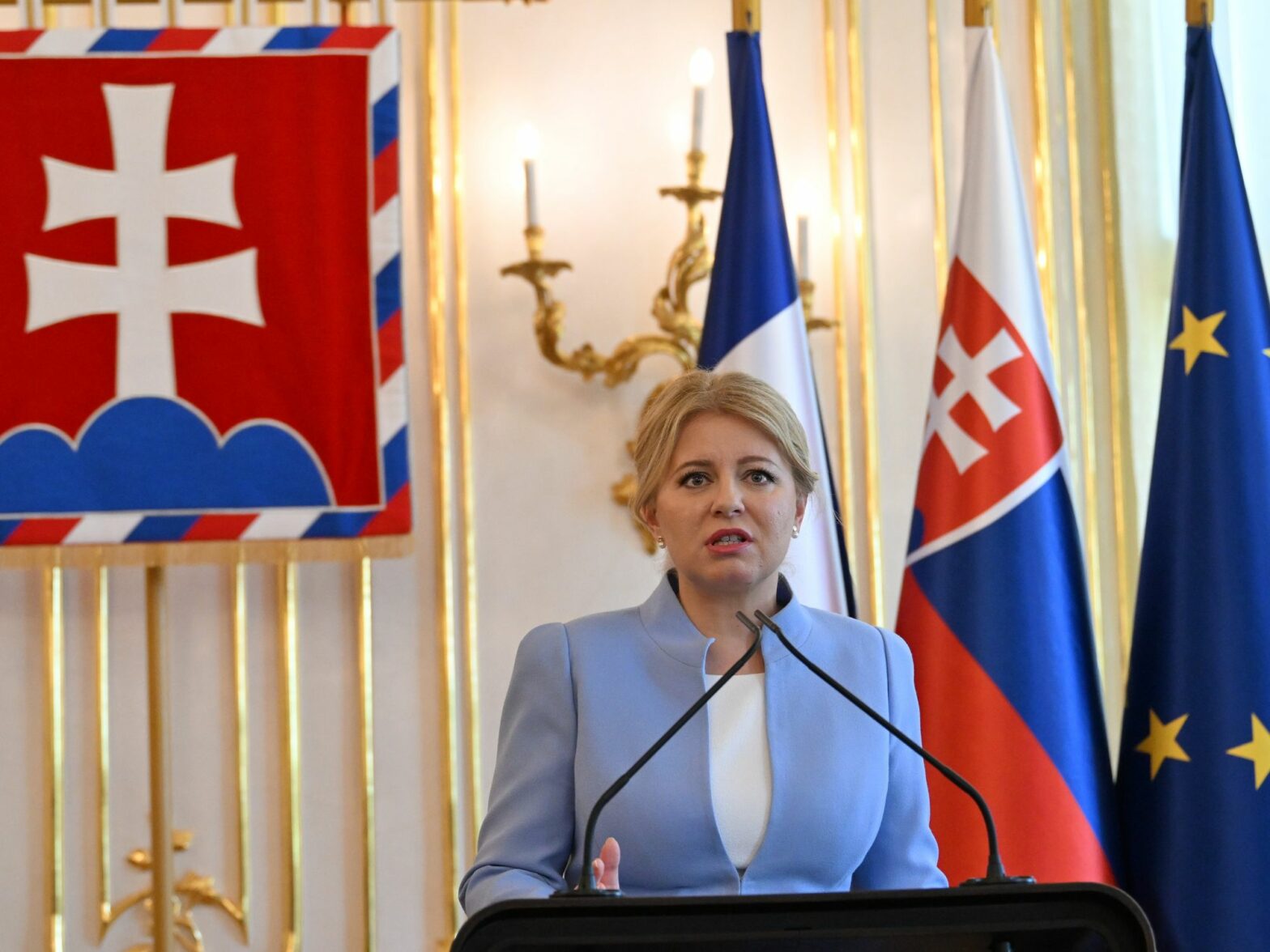
Slovakia, which shares a border with Ukraine, saw liberal President Zuzana Čaputová’s confirmation that she will not seek re-election, in part because of threats against her tough stance on Russia’s invasion. How will the war shape the future direction of Slovakian politics, and vice-versa?
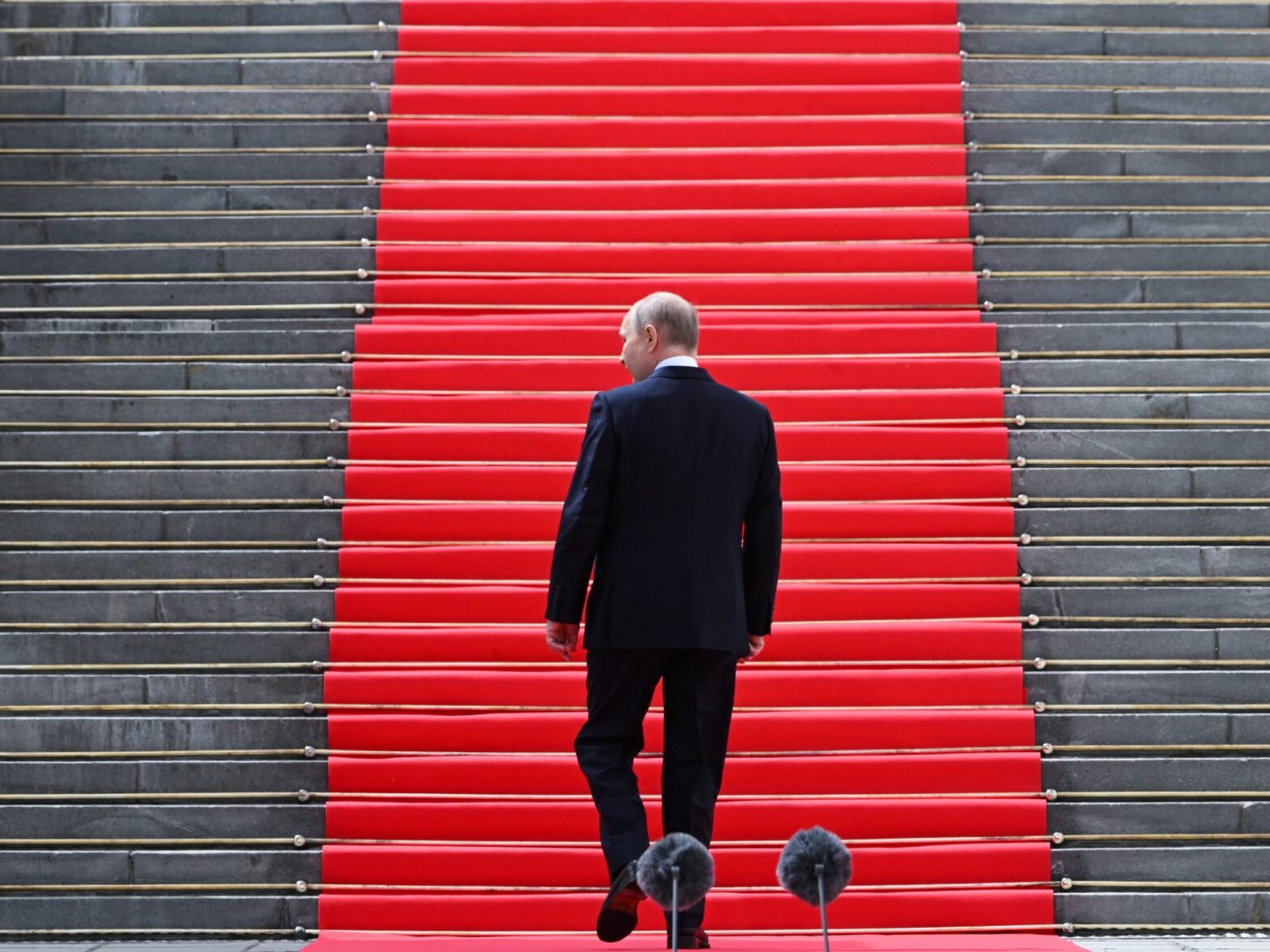
There are many lessons to be taken from Yevgeny Prigozhin’s aborted uprising in the halls of power China. Going forward, Beijing will see Russia as a model on what to avoid in maintaining stability autocratic rule.
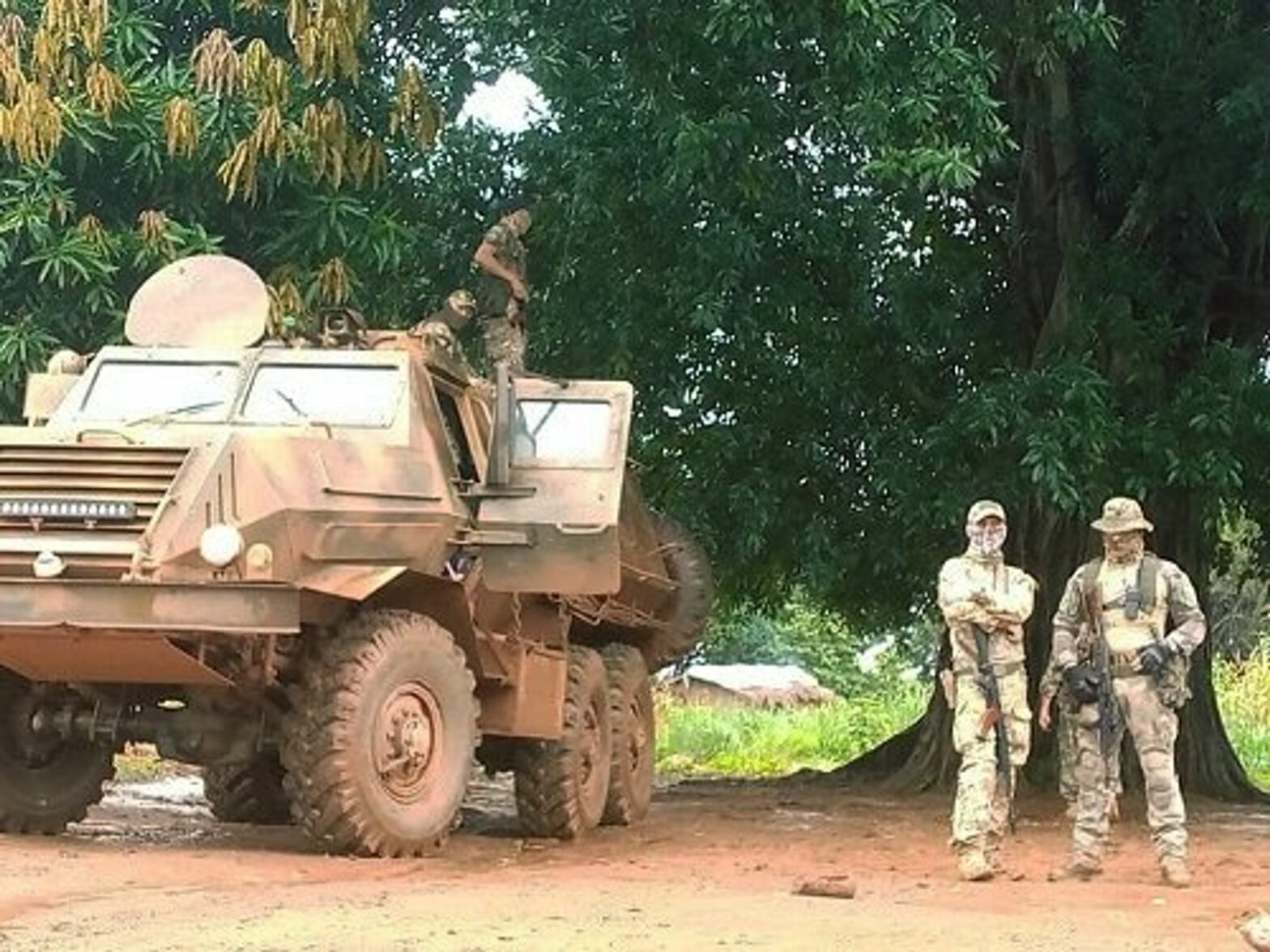
Prigozhin’s brief insurrection will be watched closely in many African countries, where Wagner mercenaries have largely been the beachhead for Russian foreign policy. Keep an eye on a key African-Russian summit next month.
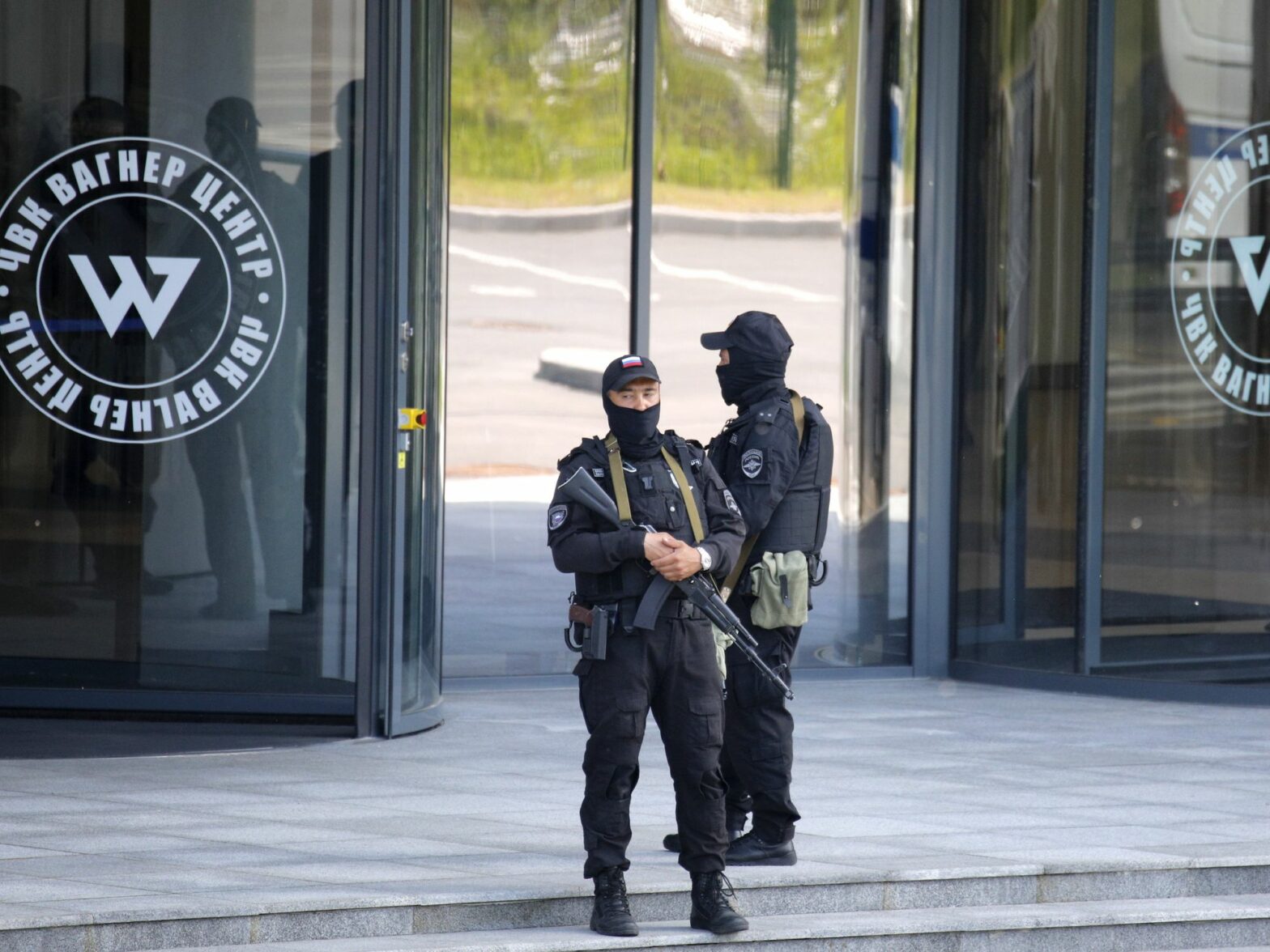
The aborted Wagner coup in Russia shows how a “war of all against all” might begin, and there are plenty of other militia factions opposed to the Kremlin, including separatist groups. Though it may appear to solve some big problems, including the war in Ukraine, history has shown that Russia exploding into civil war is unlikely to end well.
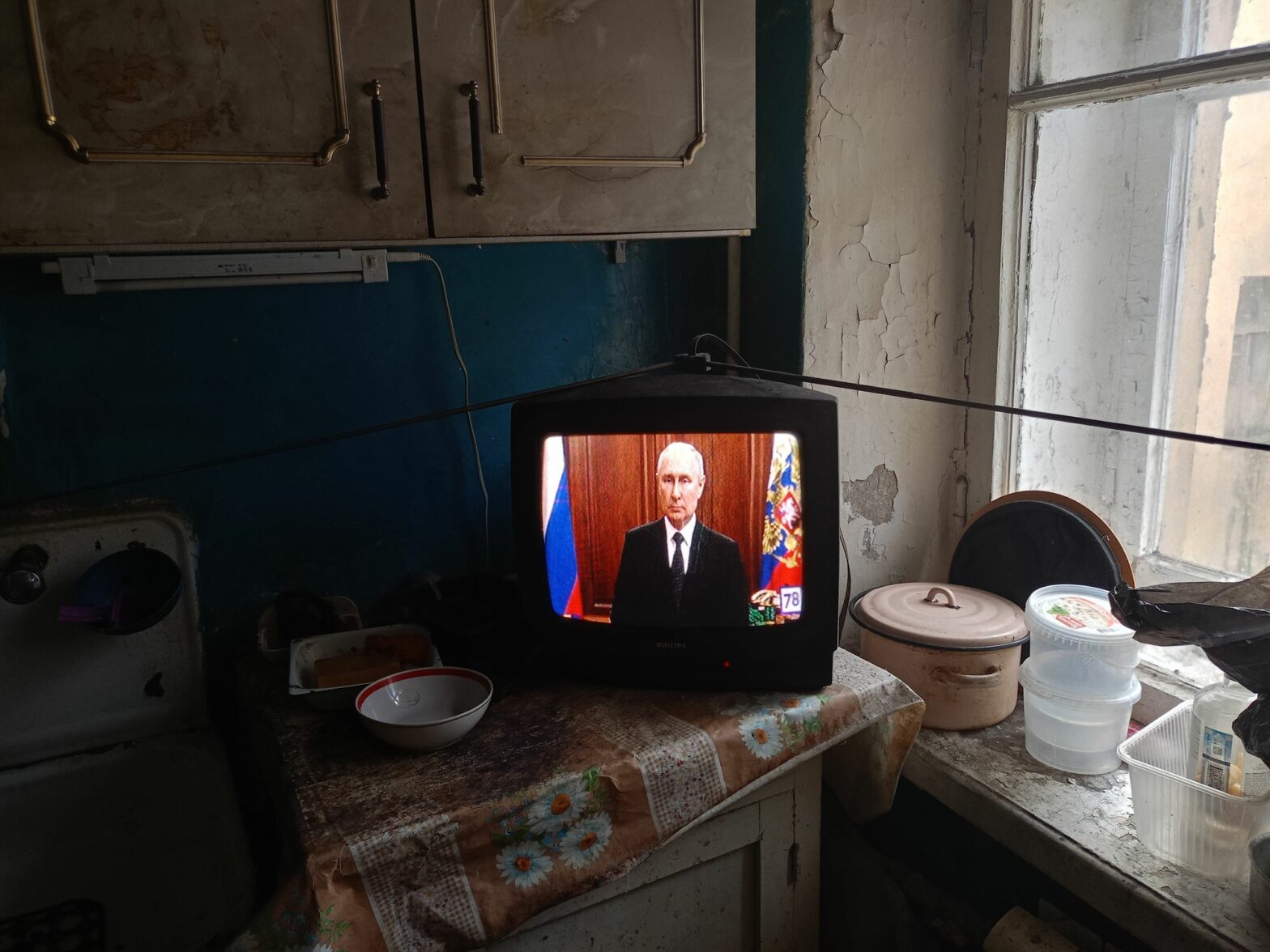
The recent revolt led by Wagner mercenary chief Yevgeny Prigozhin has opened the door to what Russia could become after Vladimir Putin is deposed.
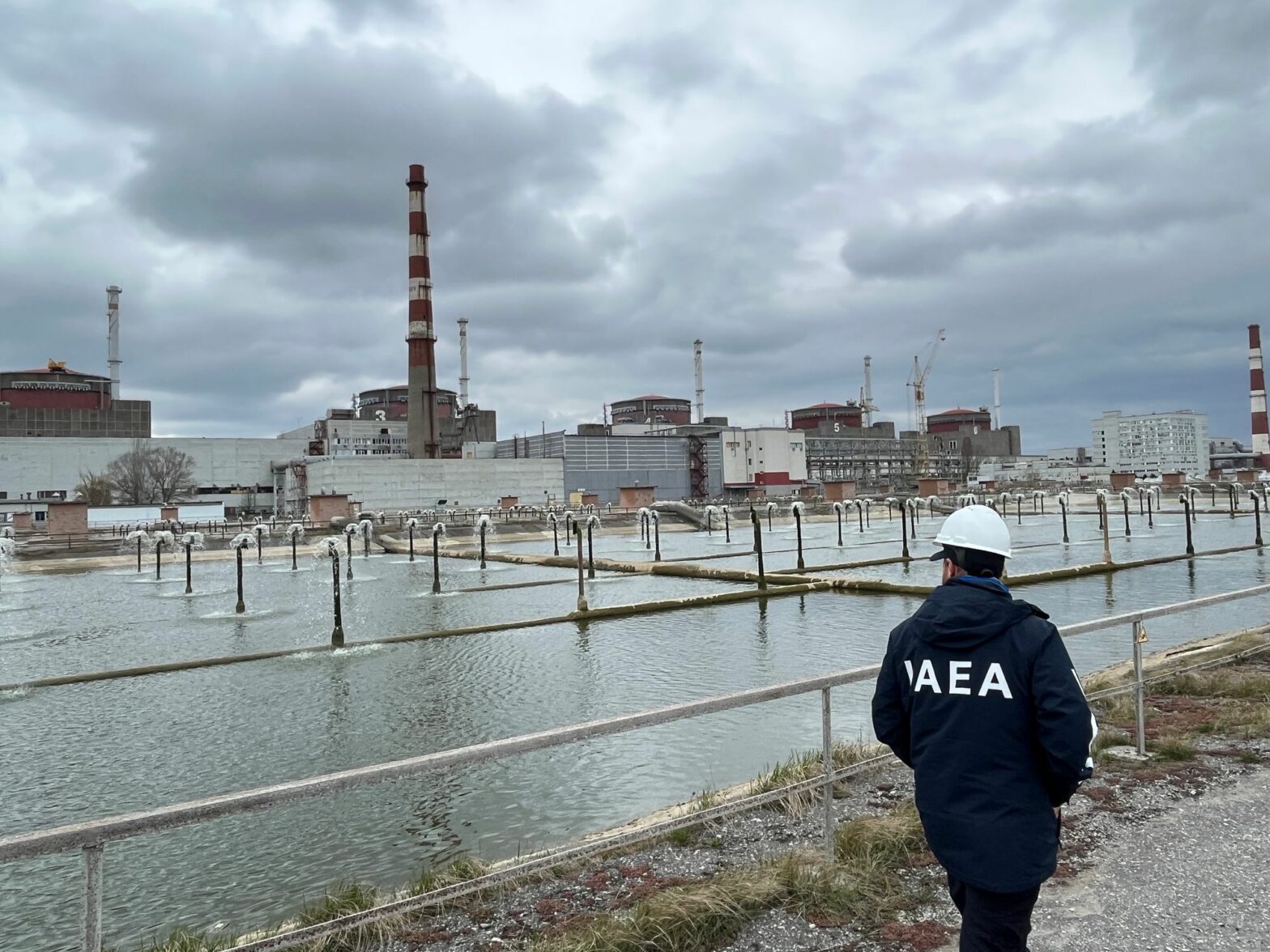
Ukraine is warning about a possible terrorist attack on the Zaporizhzhya nuclear power plant, which Moscow’s military has occupied since the early days of the invasion. The U.S. Senate warns that, in that case, NATO is ready to enter the war.
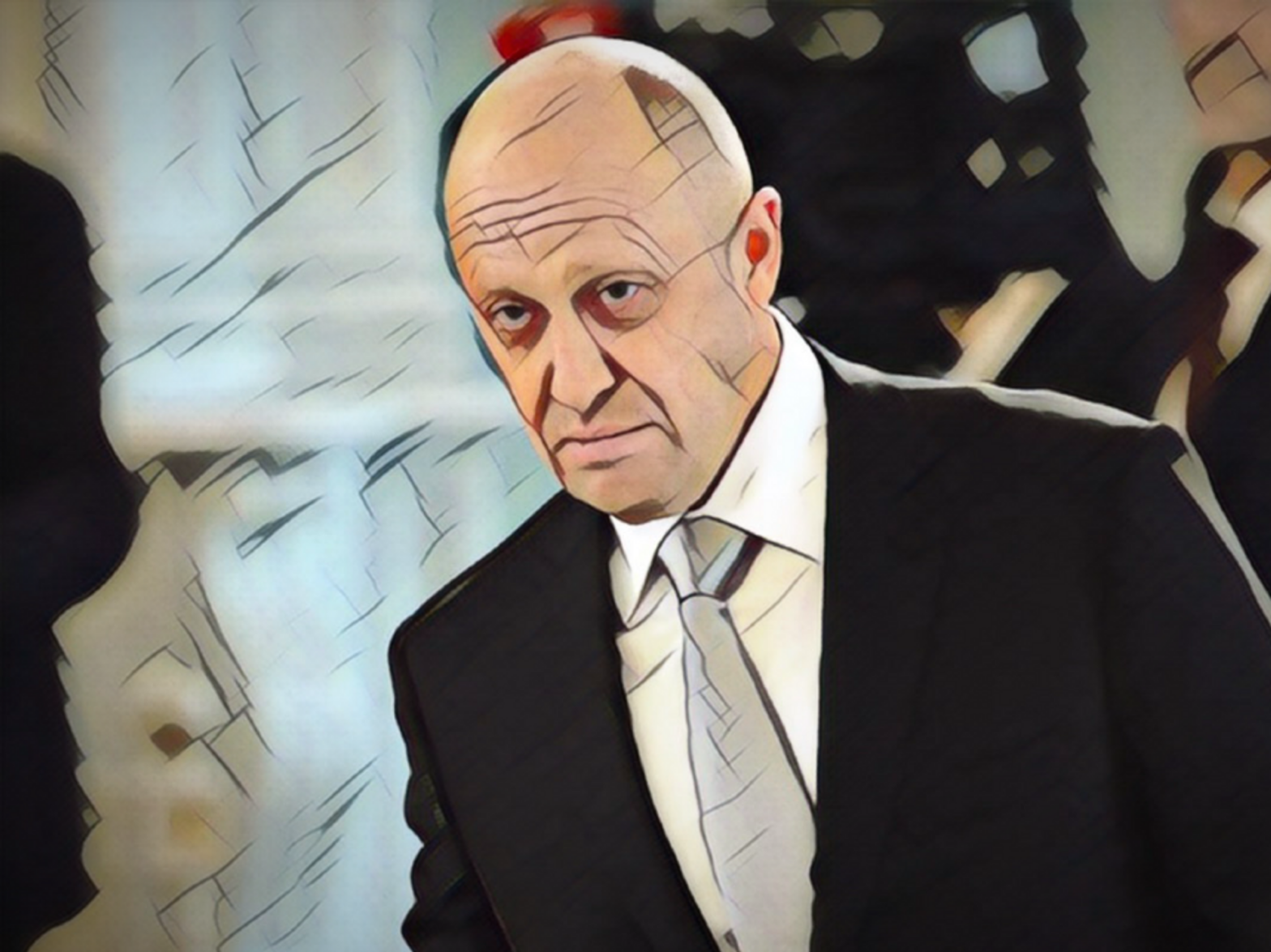
Head of the Wagner mercenary group, Yevgeny Prigozhin, has launched an apparent all-out insurrection against the Russian military. His gambit seems a long shot to succeed, but behind his audacity and aggressive rhetoric Prigozhin has acquired a powerful mix of audacity, money and media visibility that will not be easy to vanquish, says Russian political scientist Ekaterina Shulman
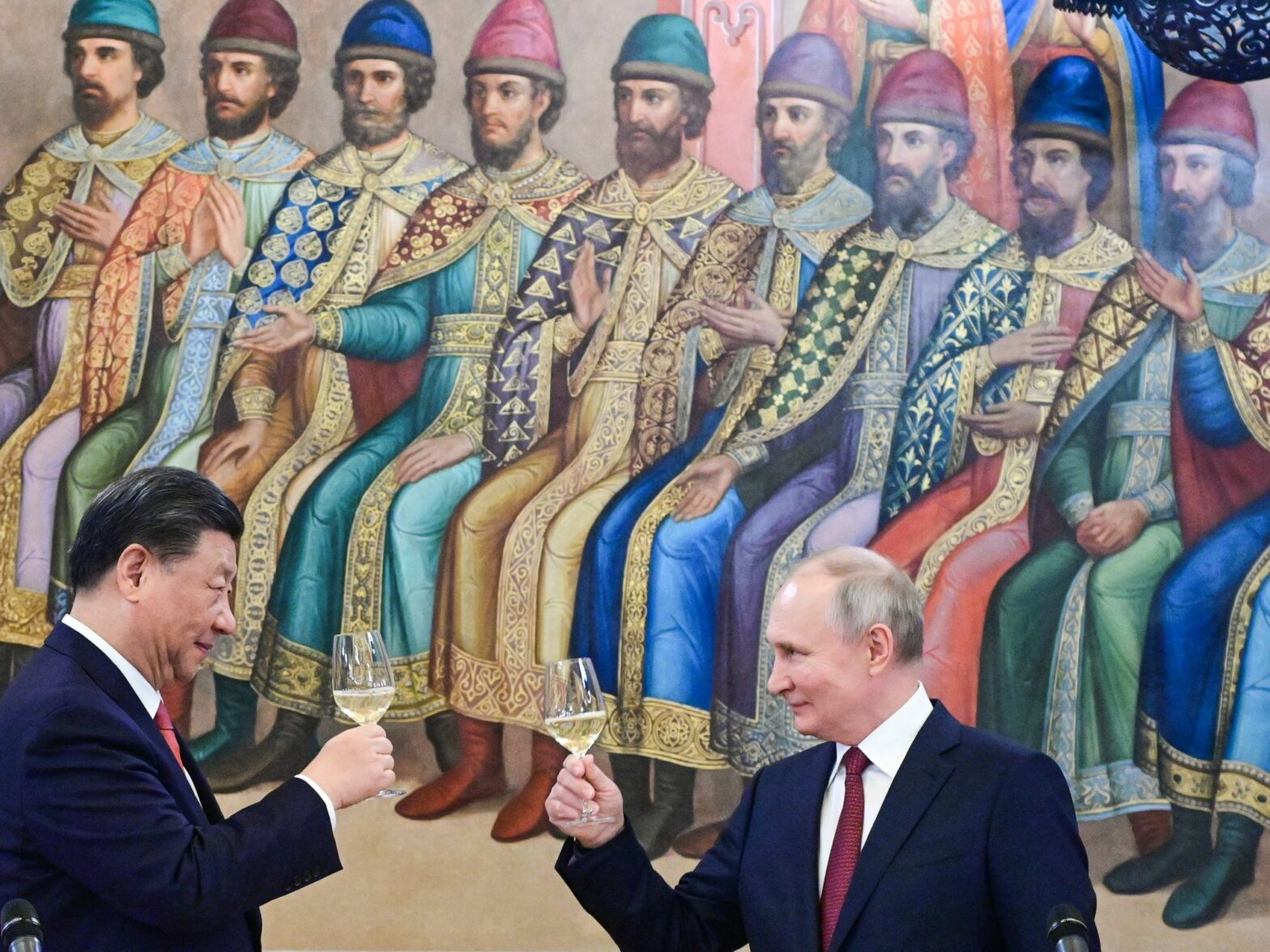
The Spief, the political-economic forum dear to the Russian president, takes place this weekend in Saint Petersburg. The West will be absent, as the Kremlin increasingly appears beholden to Beijing.
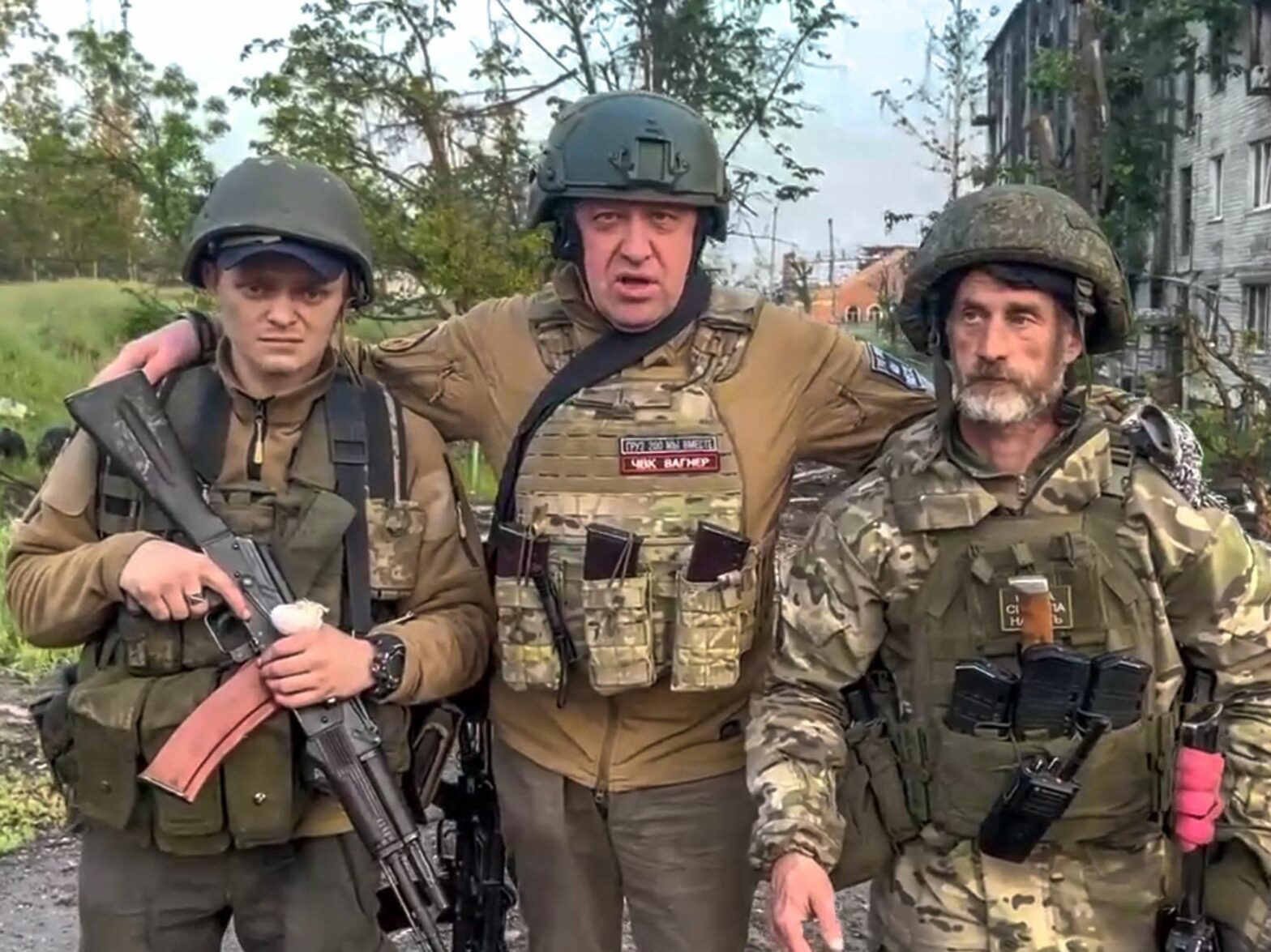
The owner of the Wagner mercenary group says he will refuse an order from Russia’s defense ministry to fold his fighters into the regular military — but it may be a sign that the Russian government finally wants to get rid of the increasingly powerful mercenary chief.
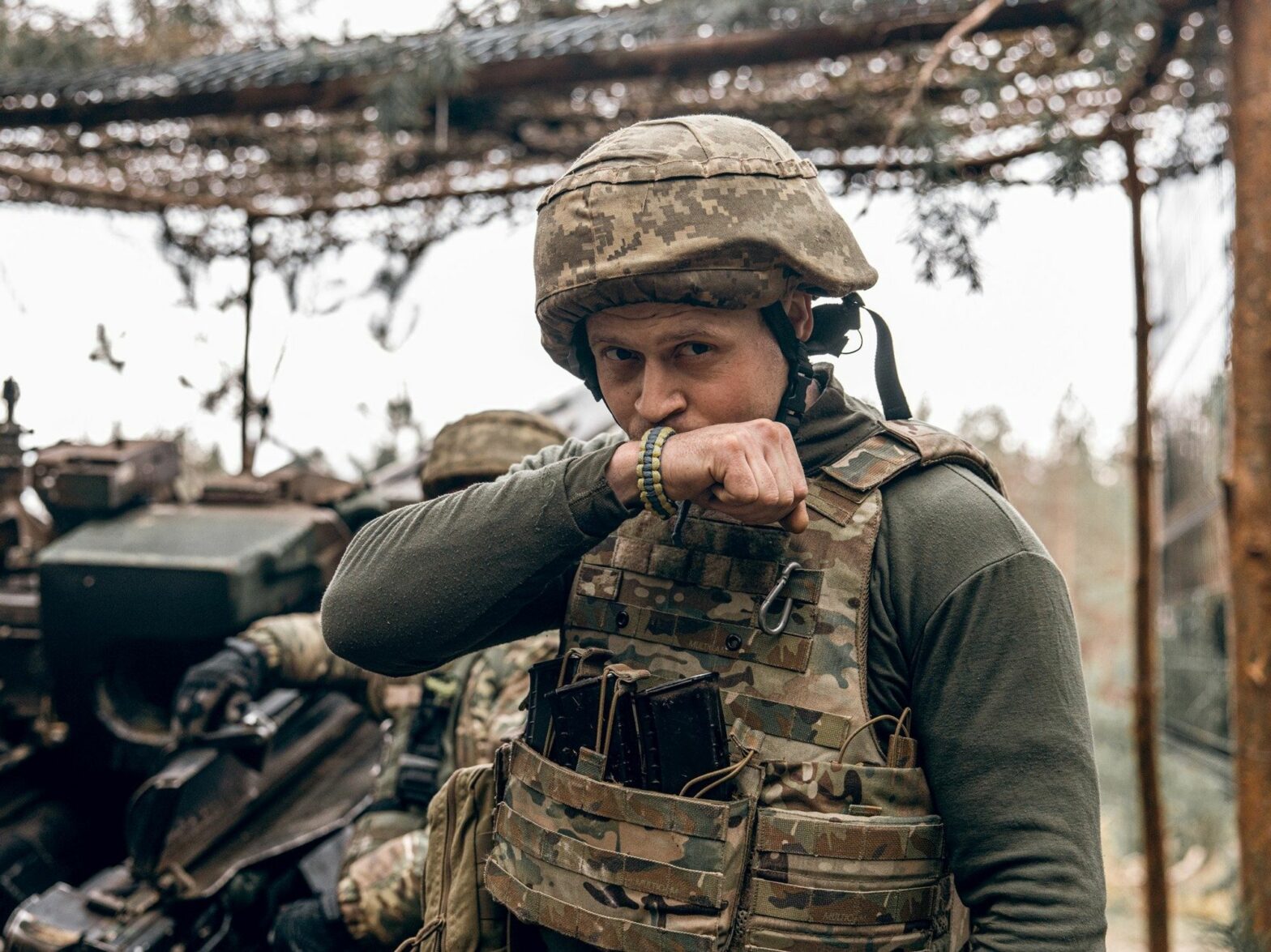
The destruction of the hydroelectric dam has caused massive flooding and is forcing mass evacuations. And while the disaster is threatening local populations, it is also bound to alter the course of the war — in more ways than one.

The Nova Kakhovka dam explosion was undoubtedly carried out by Putin, putting both Ukrainian and Russian lives at risk. The explosion makes clear that there are no limits to how far Putin will go. That has been his message since Day One of the war.
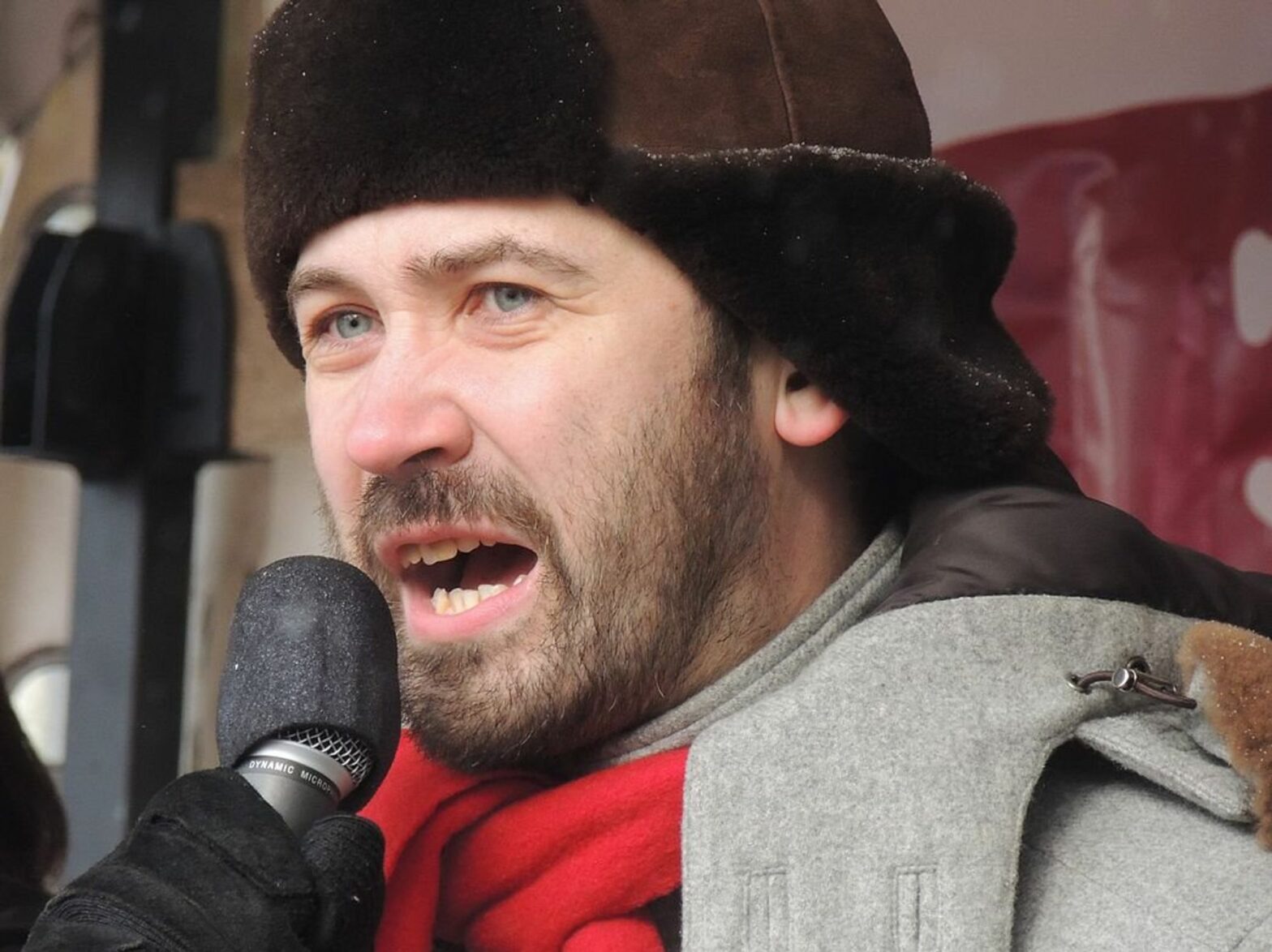
Putin is hesitant to mobilize troops for political reasons. And the Ukrainian military command is well aware that the key to a successful offensive lies in creating new front lines, where Russia will have to relocate troops from Ukraine and thus weaken the existing front.
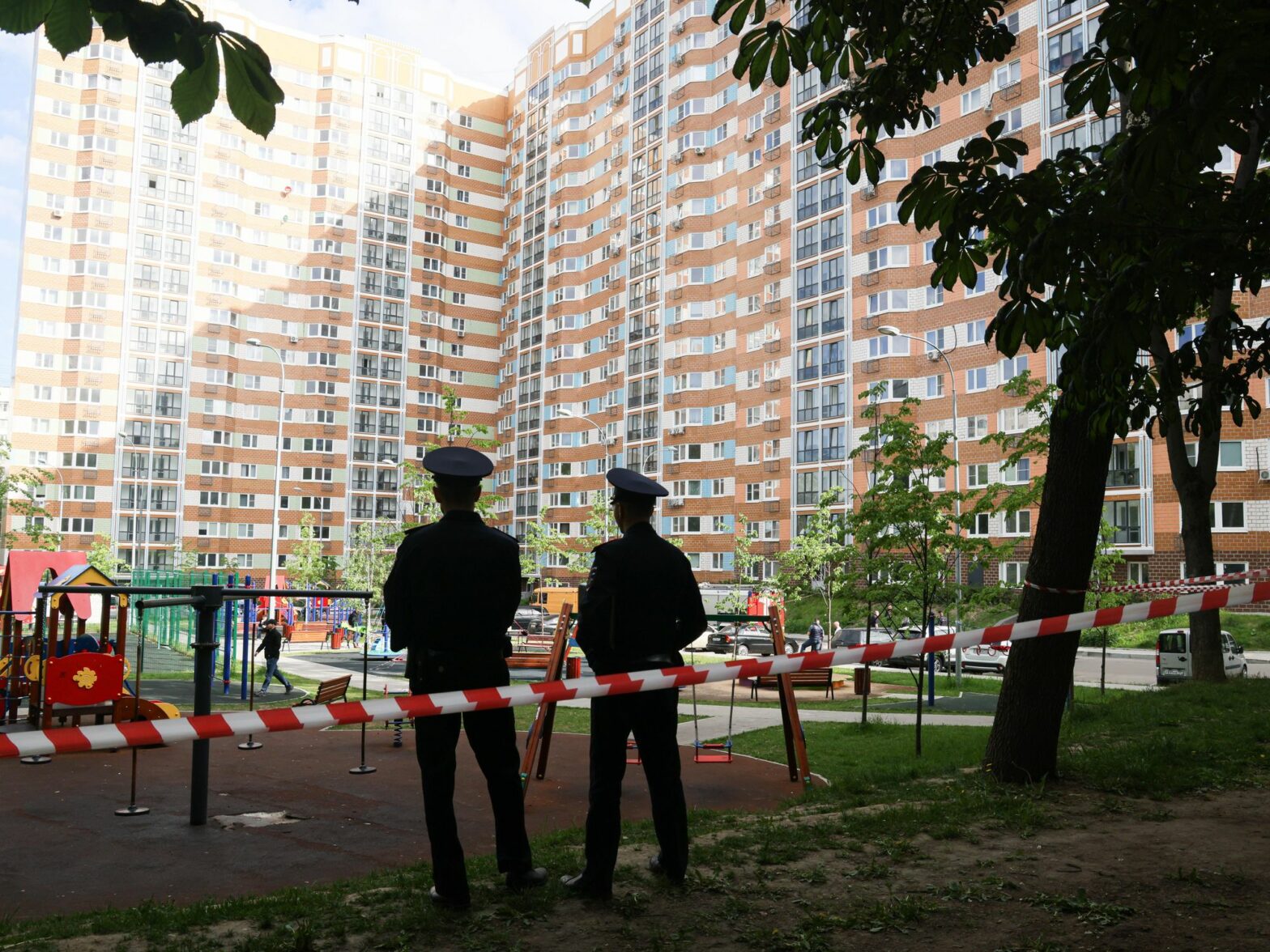
The month of May has seen a brazen drone attack on the Kremlin and a major incursion by Russian rebels across the border war into the Russian region of Belgorod. Could this lead to Russians pushing Vladimir Putin out of power? Or all-out civil war?

Since the beginning of the war in Ukraine, many Russians ordered to the front have fled to India’s scenic west coast. They enjoy sandy beaches, sun and a cheap life, but relations with pro-war Russians who have long settled there regularly disturb the peace.
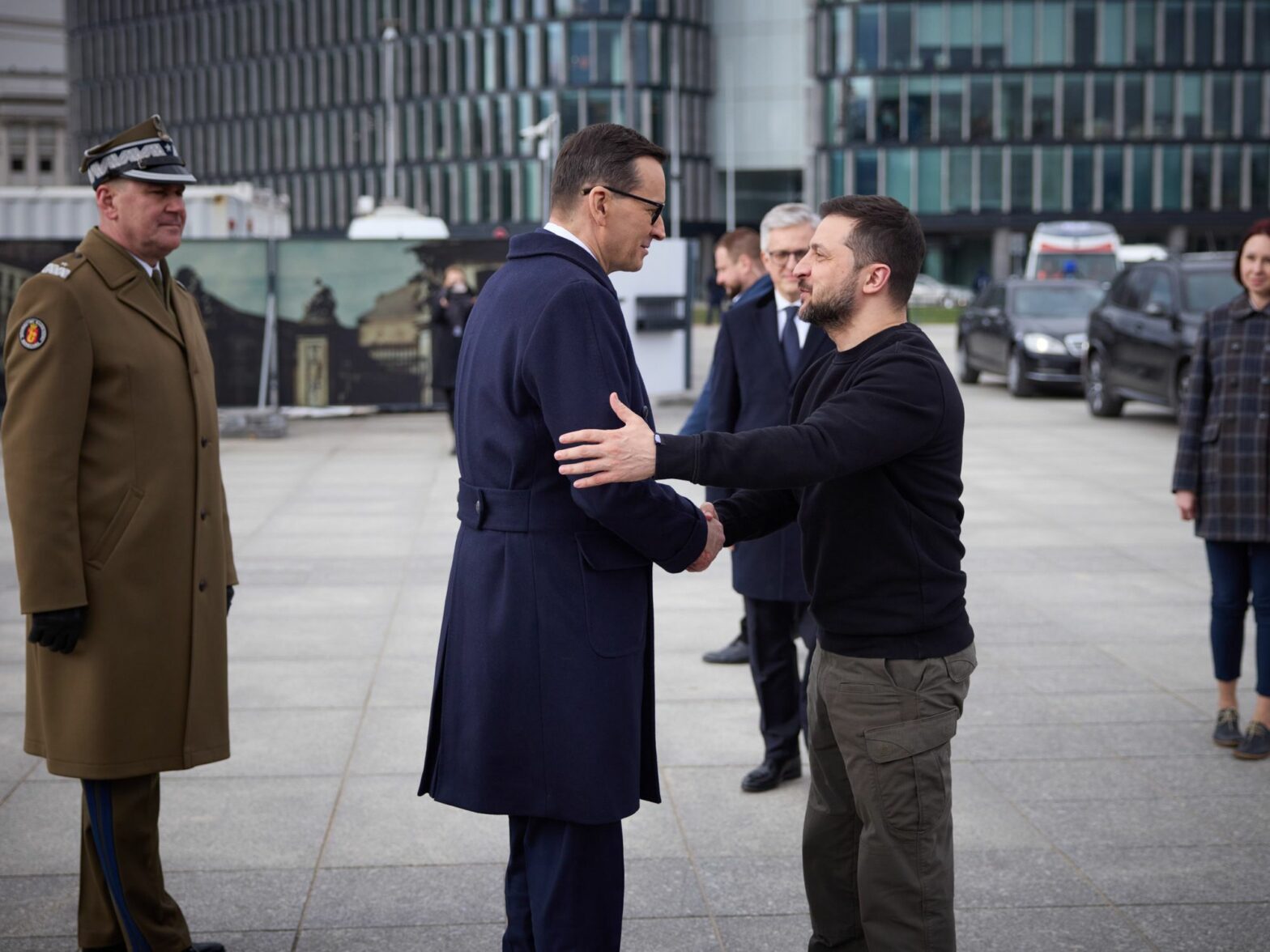
The Polish government has recently demanded official apologies from Kyiv (which is busy fighting off the Russian invasion) for historic war crimes committed by Ukrainian nationalists against ethnic Poles during World War II. The ruling PiS party is up to its old tricks of scapegoating for votes.
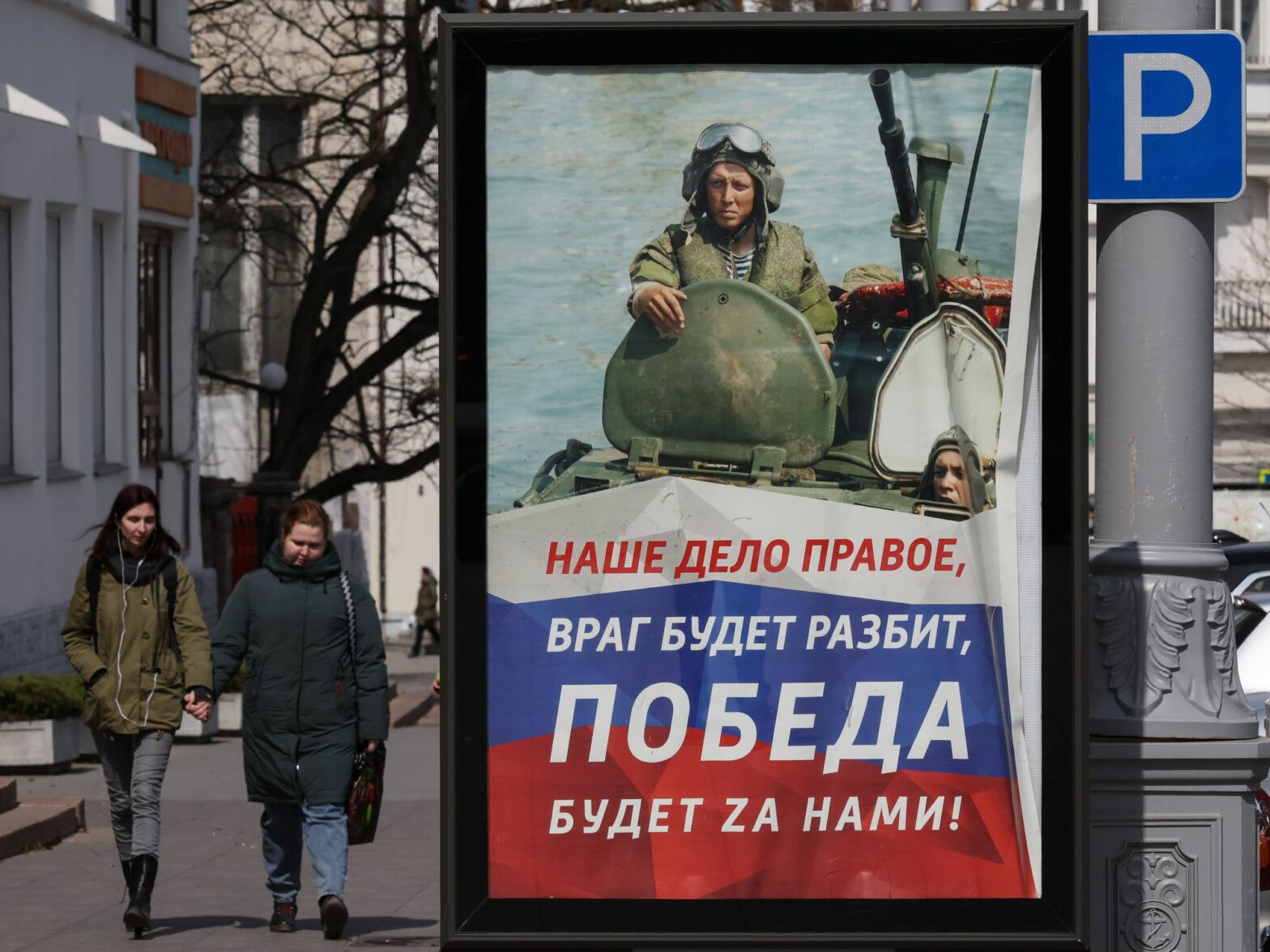
Wagner-like military groups are being formed in Crimea. Are they preparing to fight the Ukrainian army? Or to evacuate the local oligarchs?
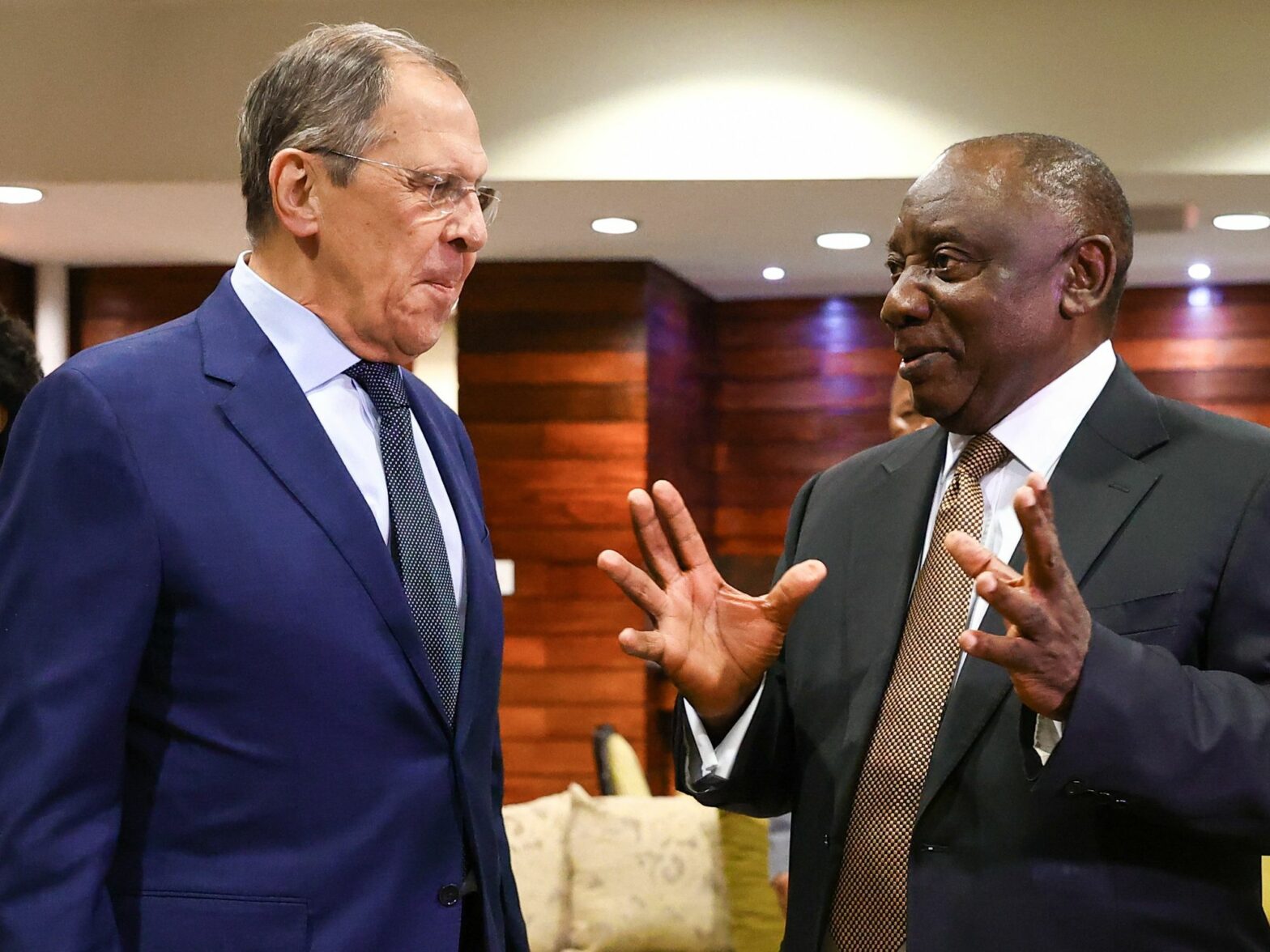
After Beijing’s dubious push to lead negotiations on settling the war in Ukraine, now it’s South Africa’s turn. But its “ambiguous” neutrality on the war — and reports of secret weapons sales to Russia — raise serious skepticism in Kyiv and the West.
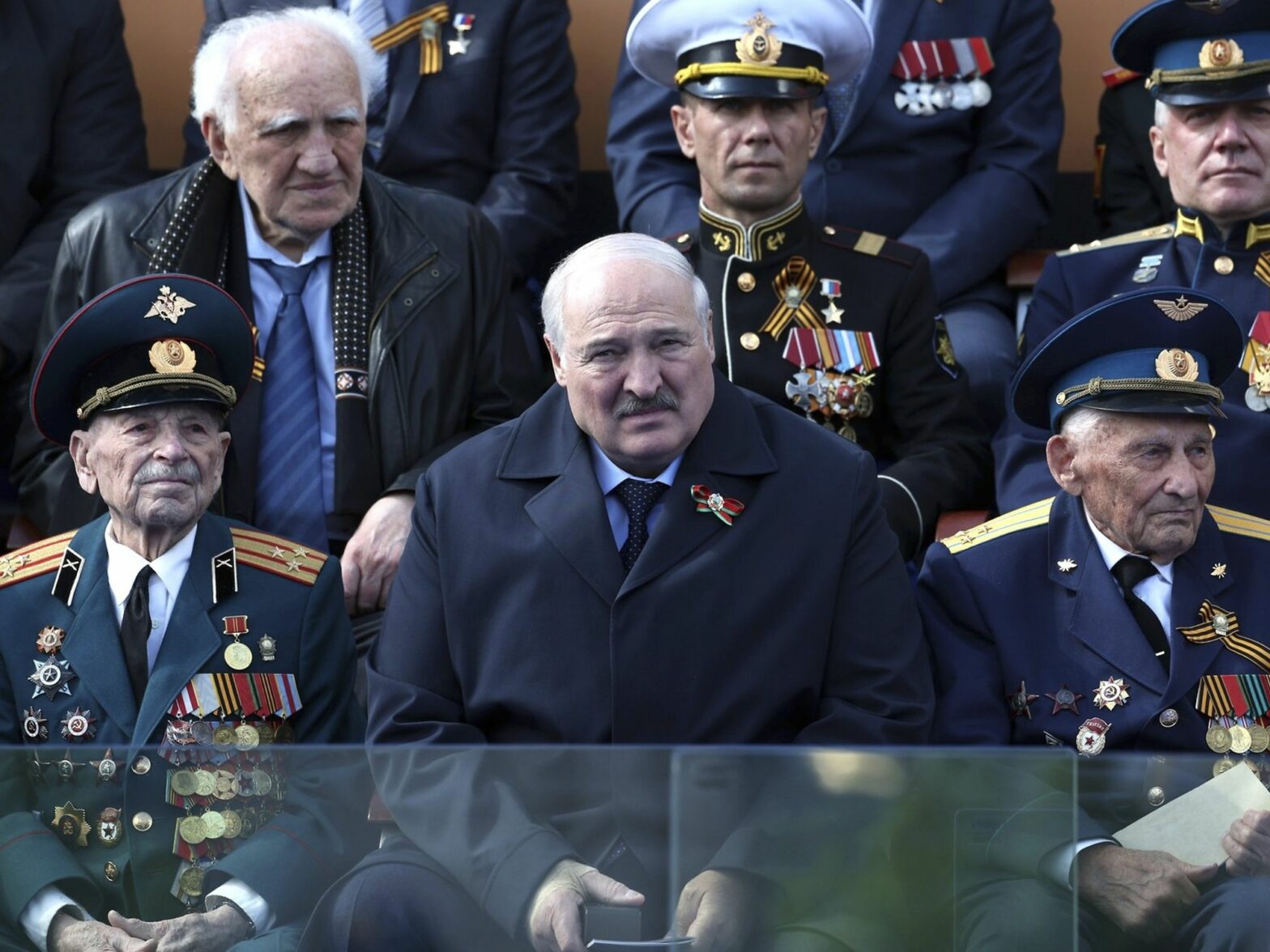
A spate of speculation on the health of Belarus strongman Alexander Lukashenko follows similar reports about would-be Vladimir Putin illnesses. Such talk feeds the hope of the Russian opposition and many in the West. Ukrainians have a different agenda — and timetable.
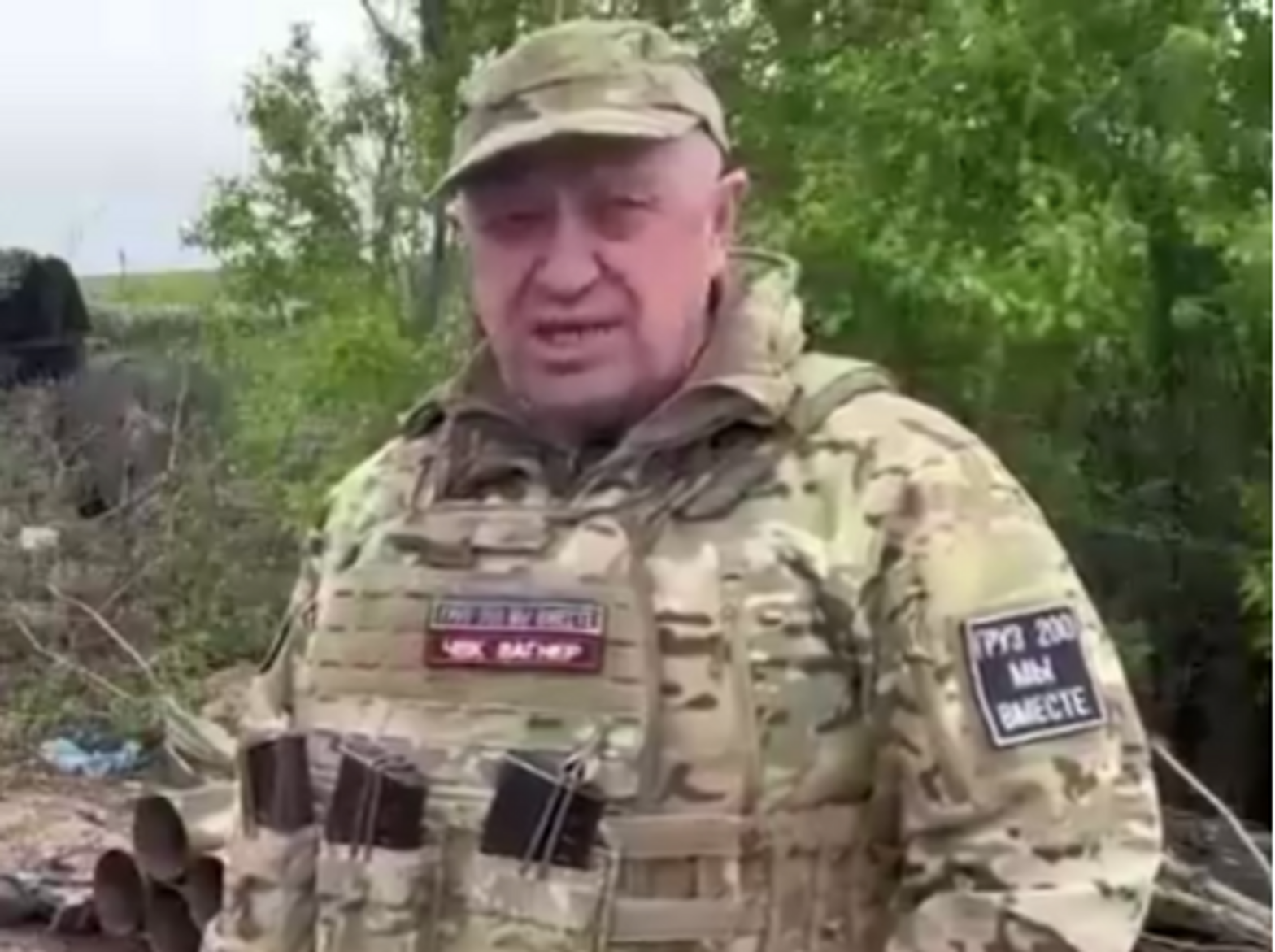
Head of the Wagner mercenary group Yevgeny Prigozhin’s furious videos have been aimed in the past at Putin’s deputies and generals. Now, he’s taking aim at the tsar himself.