Faith goes viral as Gen Z reimagines devotion through hashtags and high fashion.

 Worldcrunch
Faith goes viral as Gen Z reimagines devotion through hashtags and high fashion.
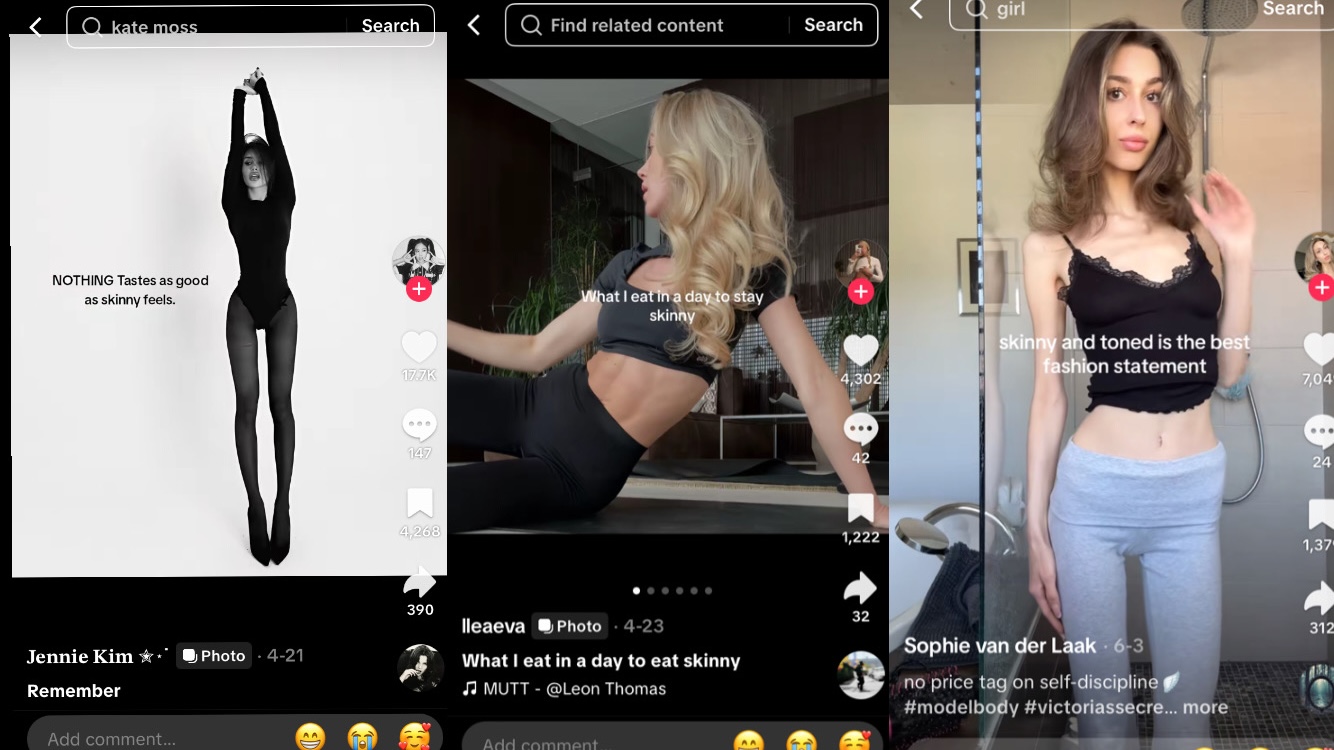
Once trapped in bulimia and anorexia, our author sees the return of fragile bodies, Ozempic glamour, and weight-loss slogans: it’s threatening teenagers all over again.
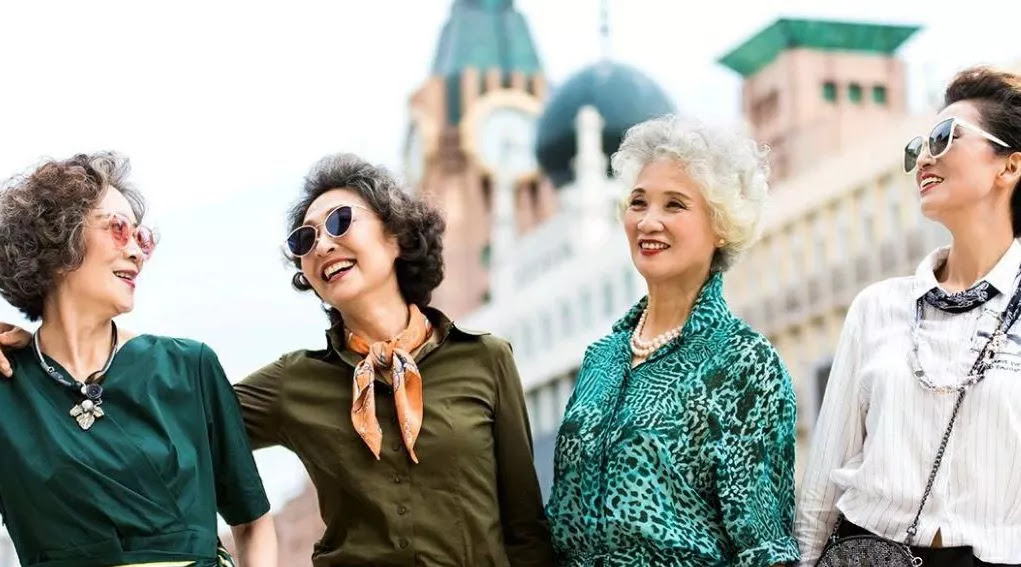
In China, “Fashion Grandmothers” on Douyin are redefining aging, blending style, storytelling, and social media stardom. Retirees in elegant cheongsams and trendy outfits are challenging stereotypes, attracting millions of young followers, and turning old age into the latest cultural trend.
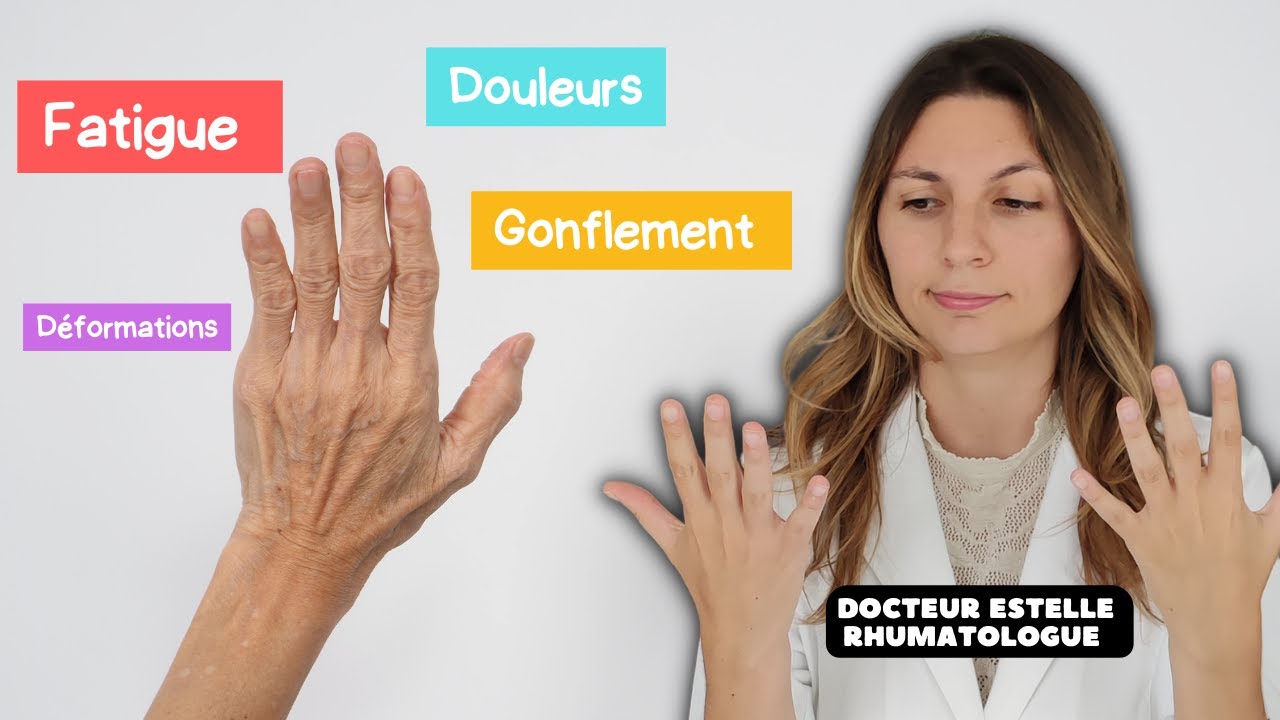
A growing number of physicians are taking to TikTok, YouTube, Instagram and X, creating their own content to fight the flood of false health information online. But faced with the scale of the problem, they say they can’t do it alone.
In an age of emotional scams and digital recklessness, older adults are increasingly vulnerable (and dangerous) online. A card-carrying member of the boomer generation is calling out himself and his peers.
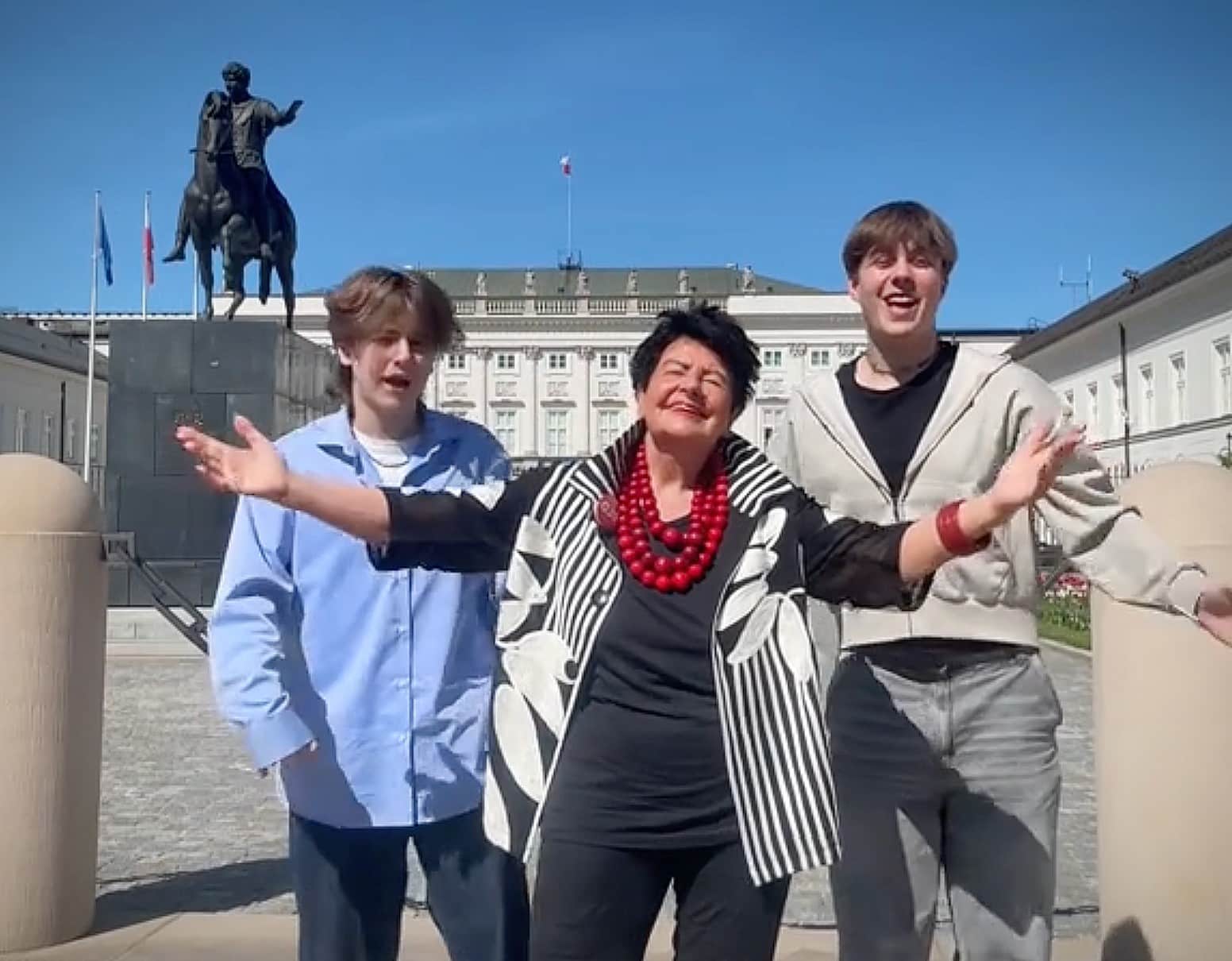
With her open-armed gestures and lack of filter, left-wing candidate Joanna Senyszyn has won the hearts and minds of many Gen Z voters preparing for Poland’s May 18 presidential elections. Can it take her to the second round?
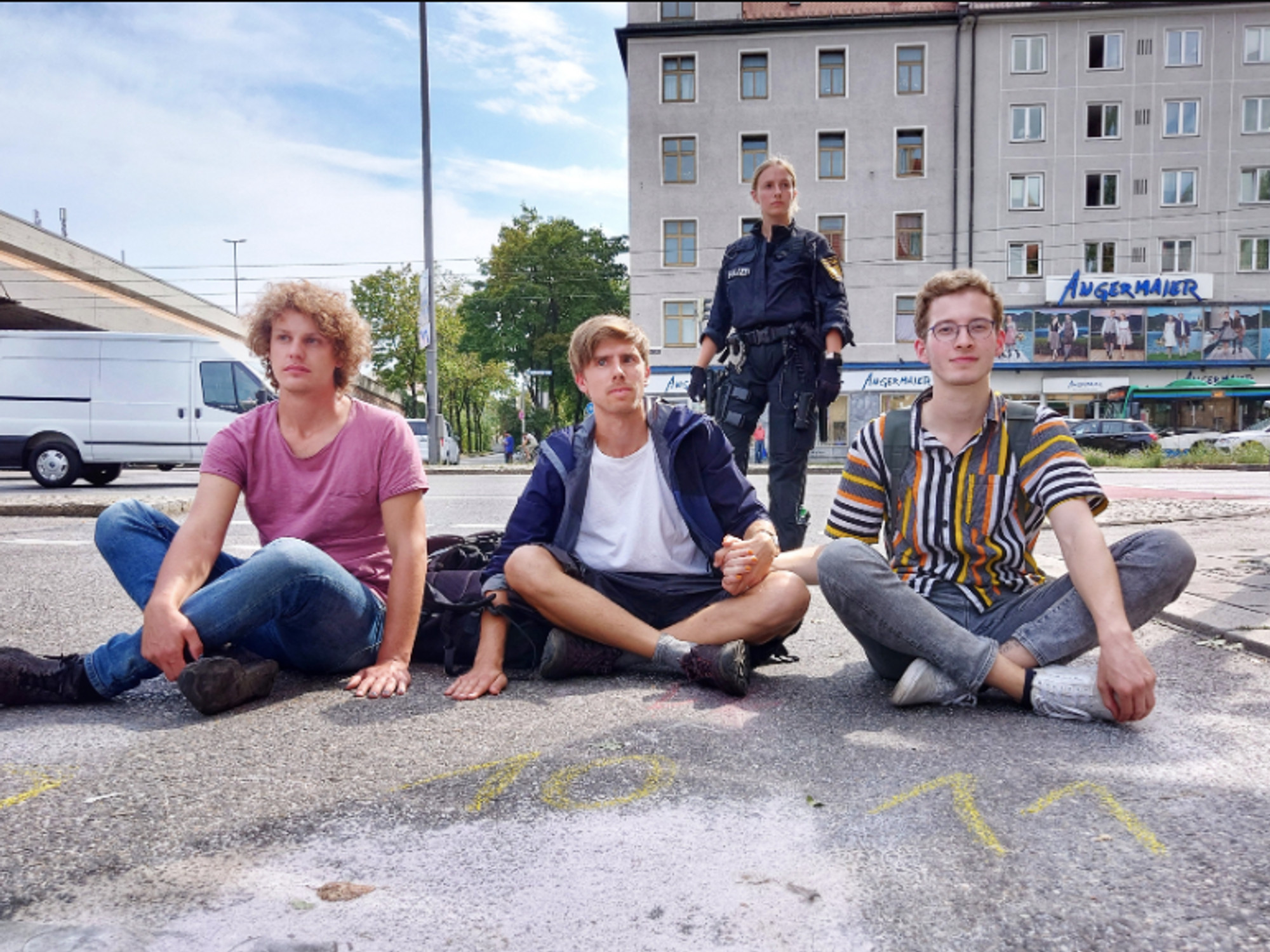
Would you fight for your country? My generation hears this question a lot these days. But my generation was taught to fight for peace — so why aren’t we holding onto that aim, especially now?
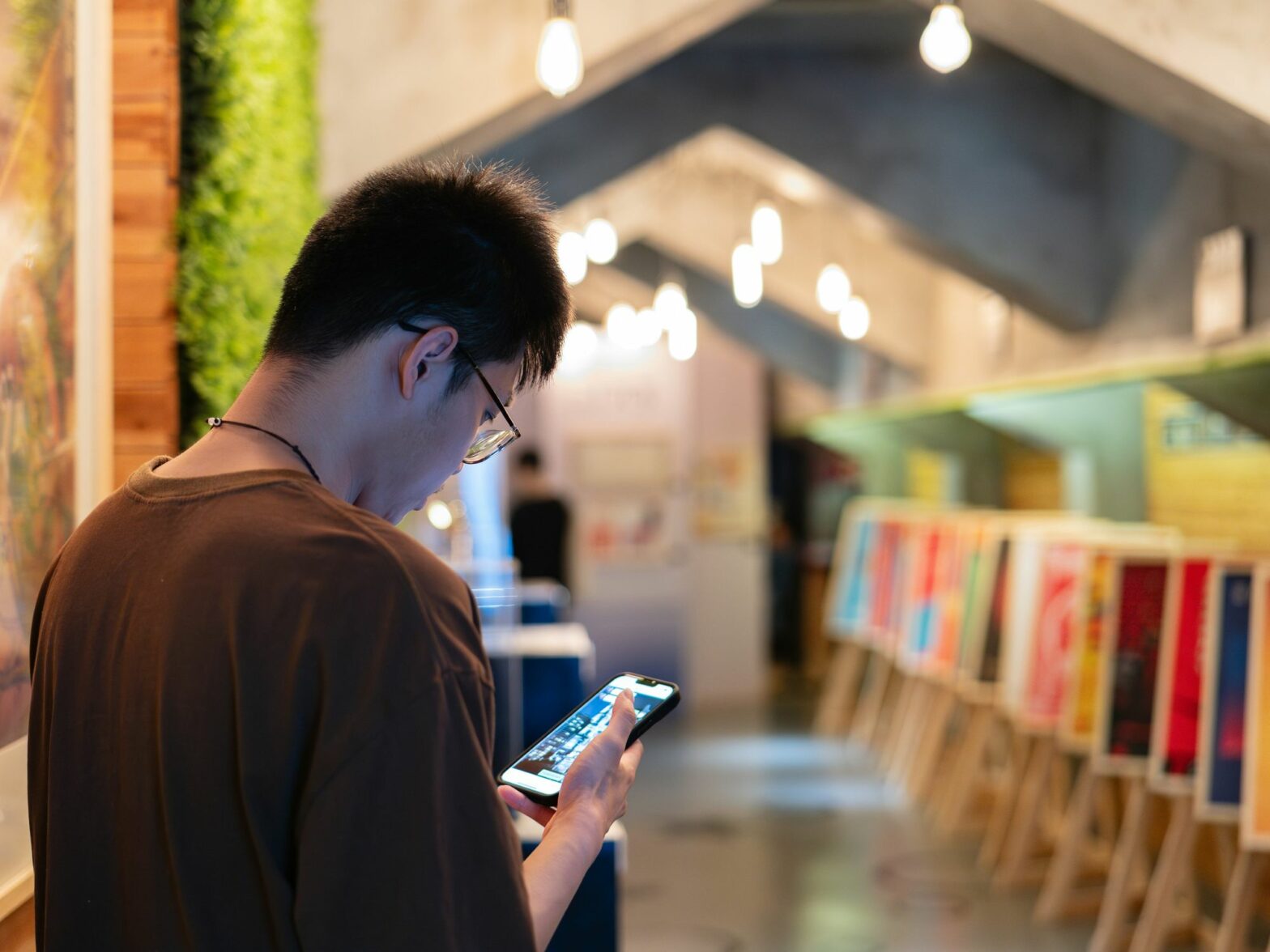
Washington once promoted an open, unrestricted internet, and criticized Beijing’s efforts to control its citizens’ access. But the recent “sell or ban” controversy over ByteDance’s social media platform TikTok shows that the United States may now be siding with China when it comes to digital sovereignty. Is internet freedom dead — and if so, who killed it?
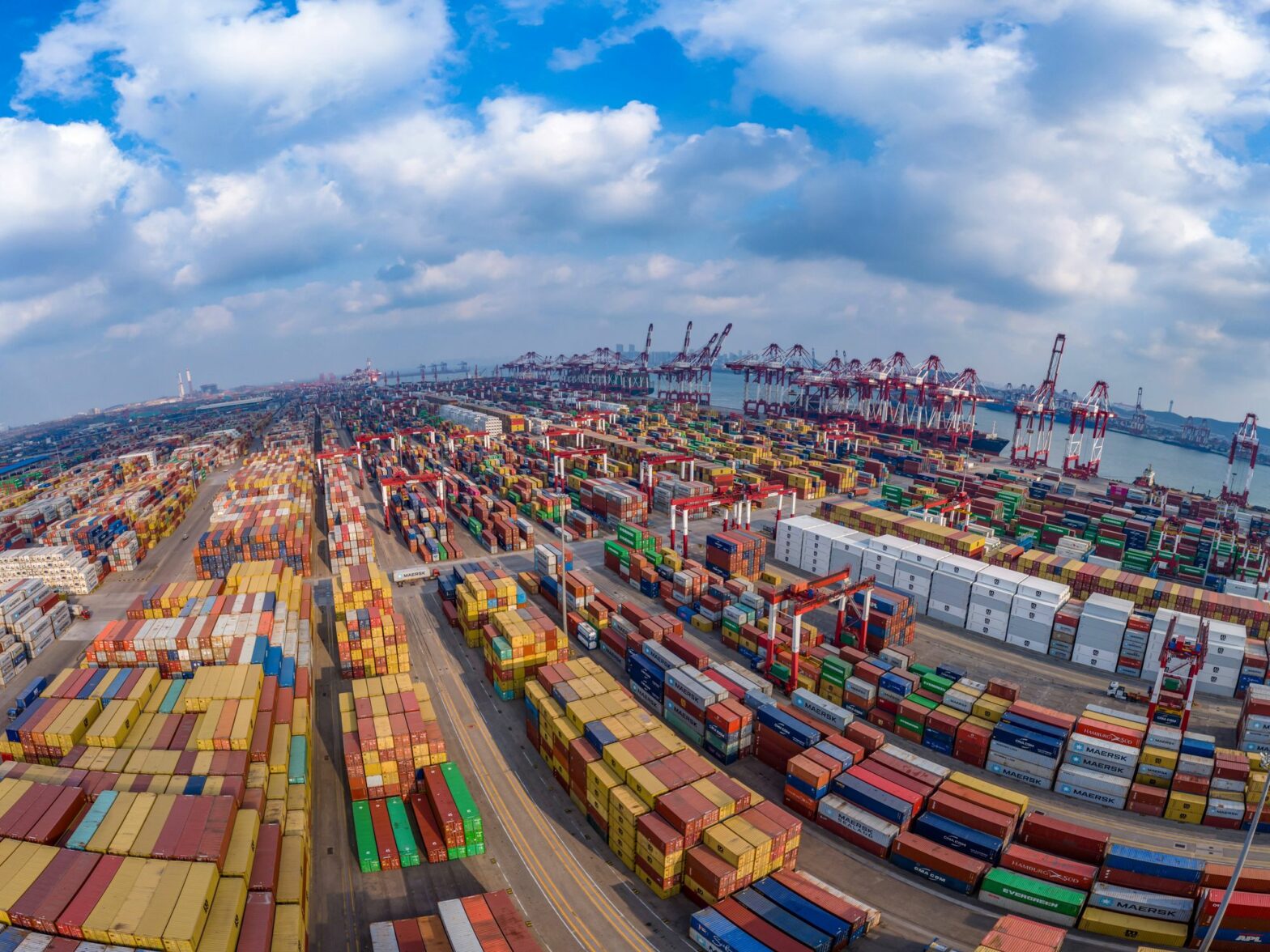
The American president had promised tariffs of at least 60% on all Chinese products. For now, it will be only 10%. Washington has other issues to negotiate with Beijing. Hitting old allies harder is part of a much different approach.
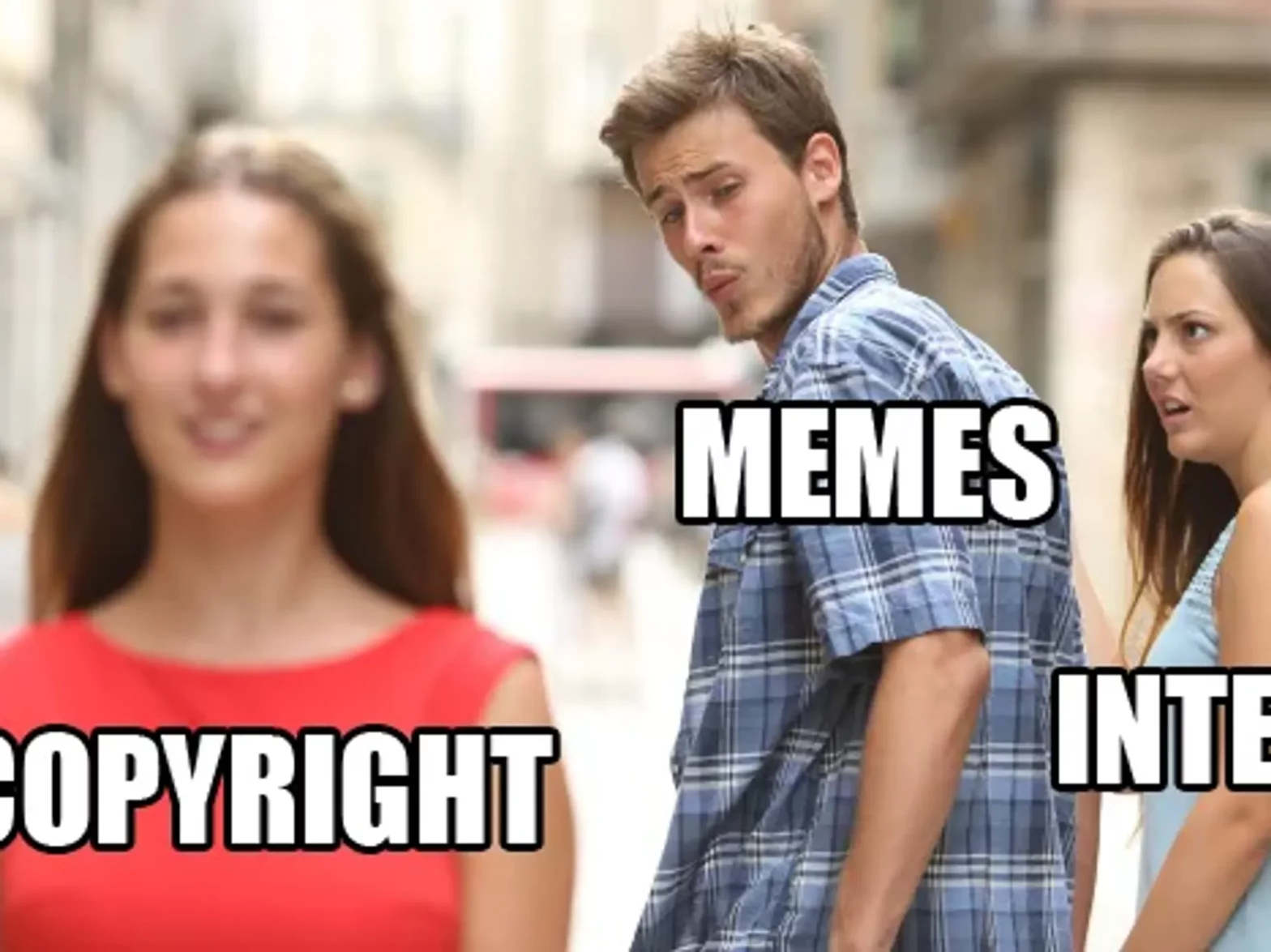
A look into how copyright laws may or may not be applicable to memes, which normally use an existing image without any consent. The question is a reminder of how the Internet has changed the basics of communication and commerce.
Misleading videos on the platform are said to have influenced the election in Romania, with accusations against Russian influence. Have we learned anything about manipulation and disinformation since Facebook faced a similar outcry in 2016?
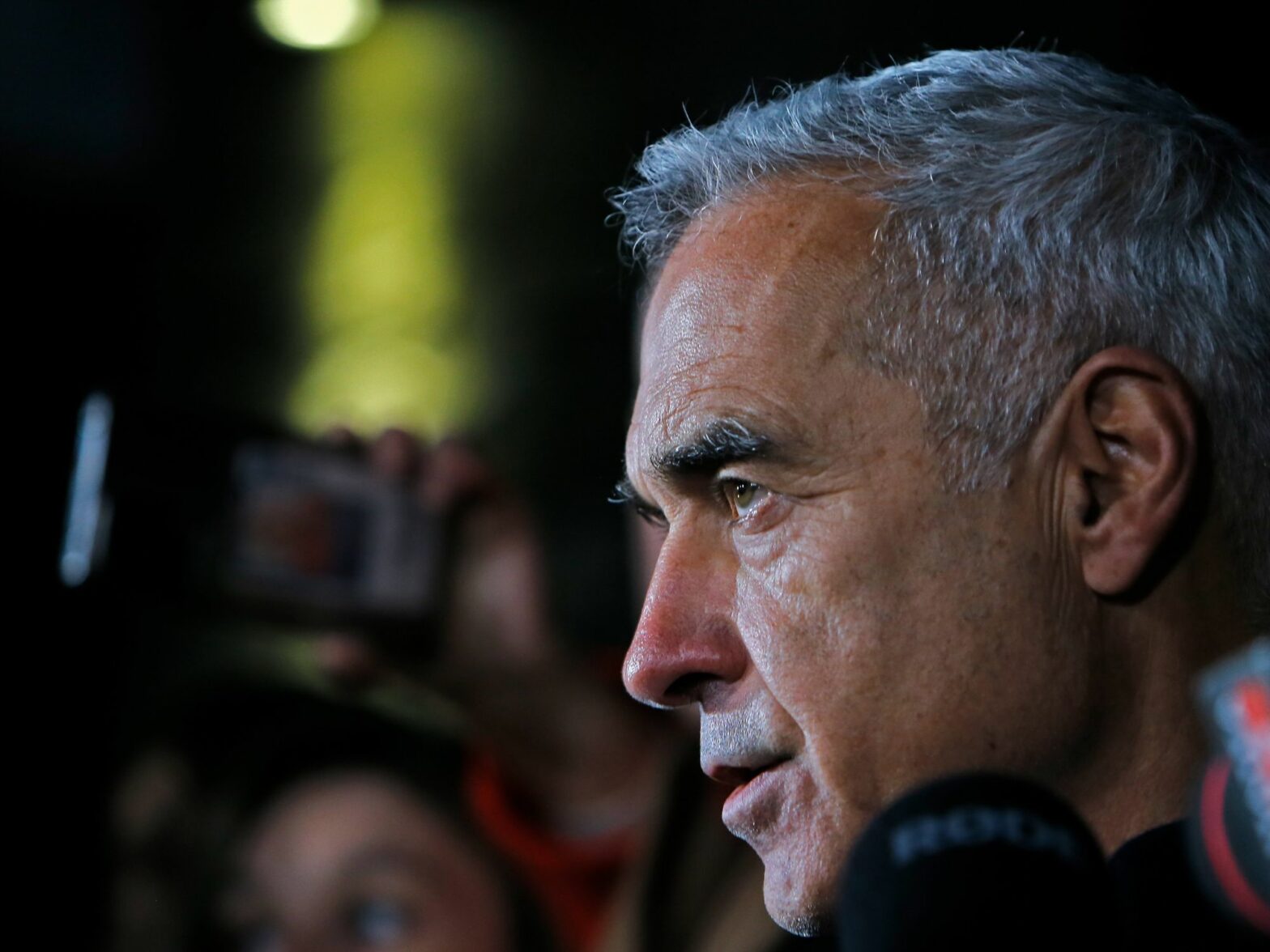
Romania’s out-of-nowhere far right presidential candidate Călin Georgescu has become the latest case study showing just how much sway social media platforms can have over elections, going even farther than Donald Trump on Elon Musk’s X.
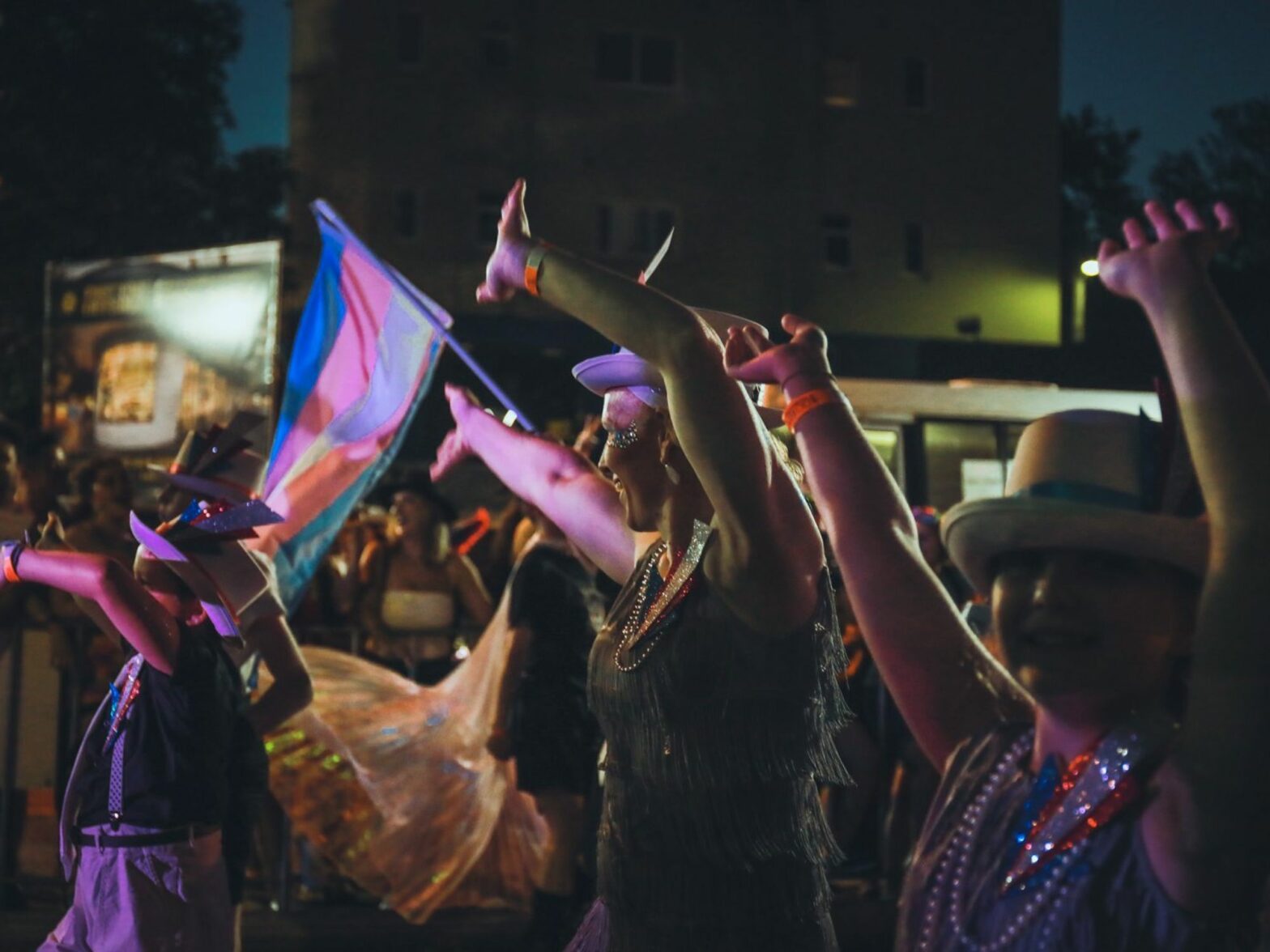
The Australia government has passed a bill that will ban teenagers under 16 from using social media, in a bid to protect children from social harm. But research shows these platforms a very specific and much-needed role in the lives of transgender youth.
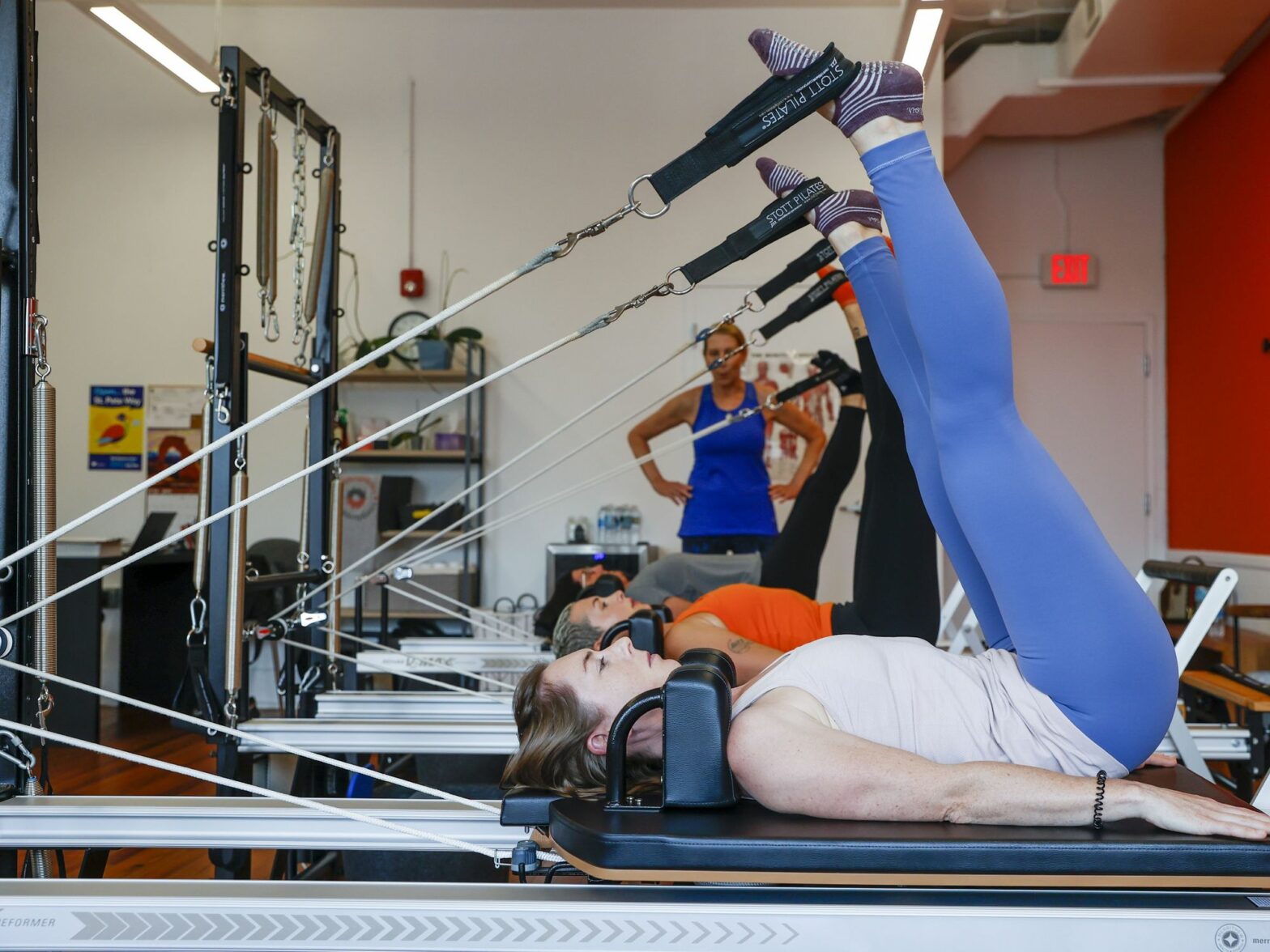
Invented 100 years ago in Germany, the Pilates Reformer is the most sought-after piece of fitness equipment at the moment. But the hype around this expensive training reveals what we are really striving for.
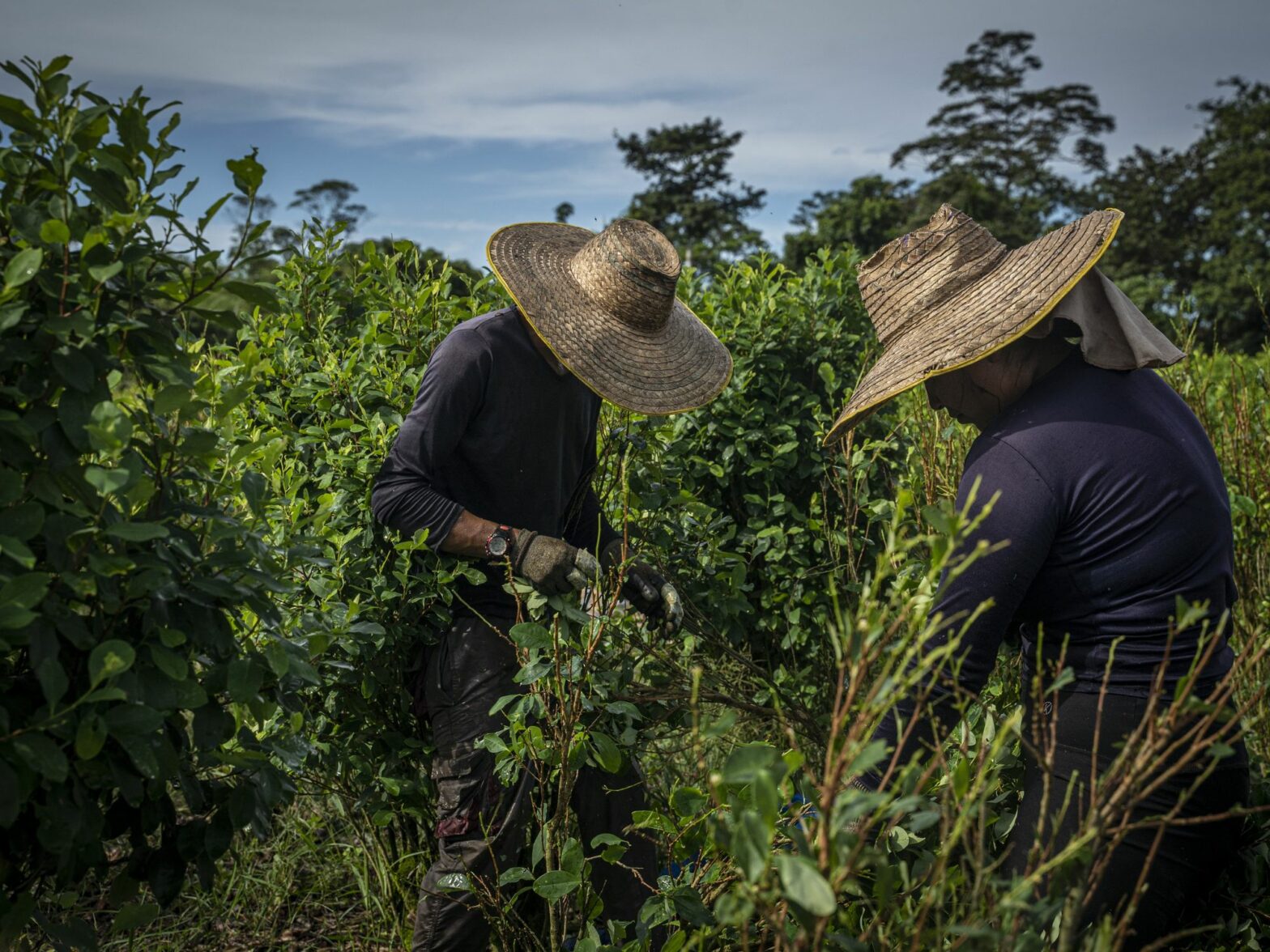
A new generation of coca leaf growers and pickers is posting video content on social media. They show their life in the fields, how the crops grow, the laboratories where they create the coca paste, and even the exit routes for drug trafficking. And while they used to be stigmatized, and threatened by armed groups, their content is escaping censorship and violence.
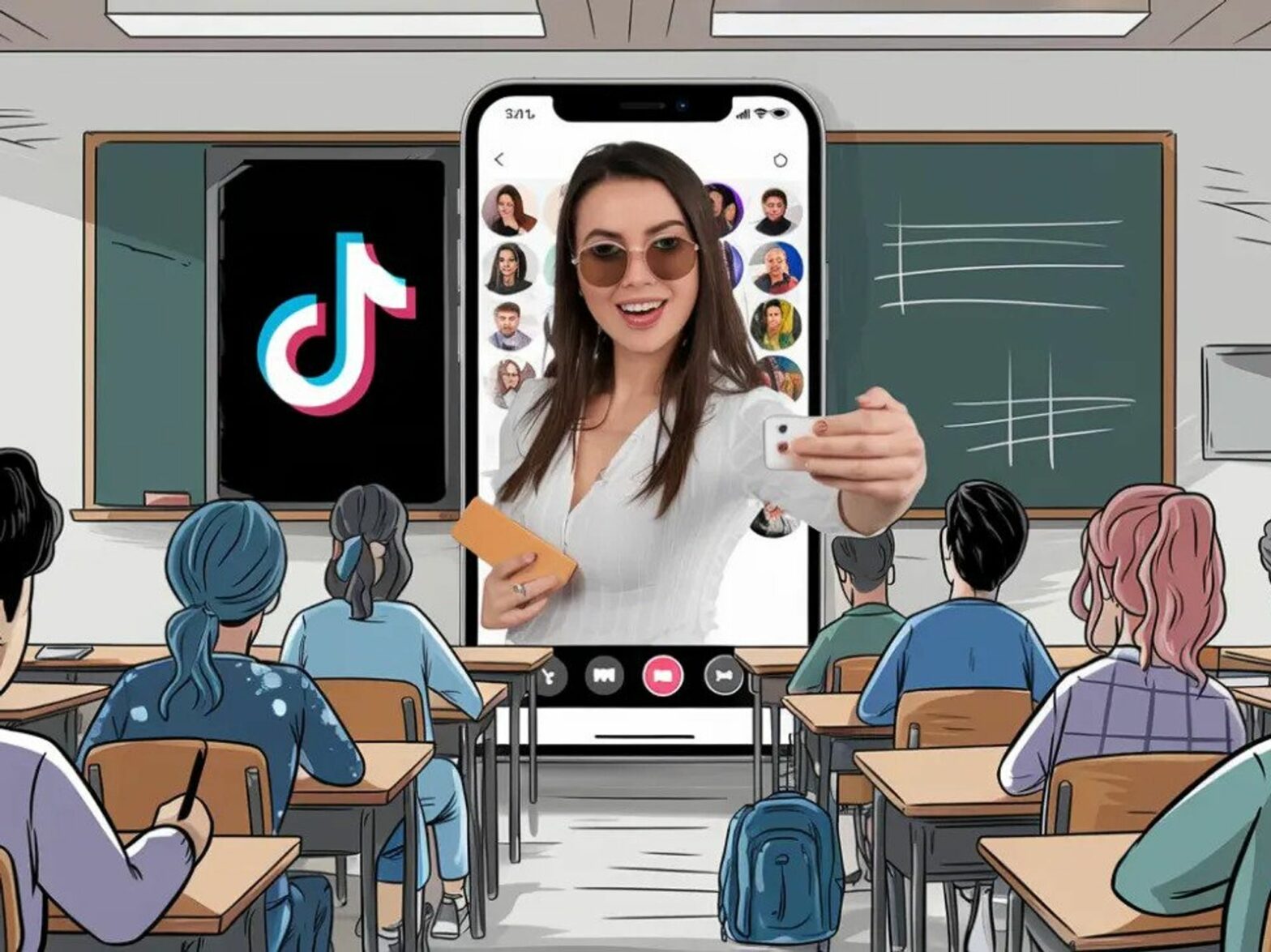
More and more teachers are finding a successful side career on social media as influencers. But commenting on exam results, dancing with students and even sharing personal stories about pupils raises ethical and legal questions.
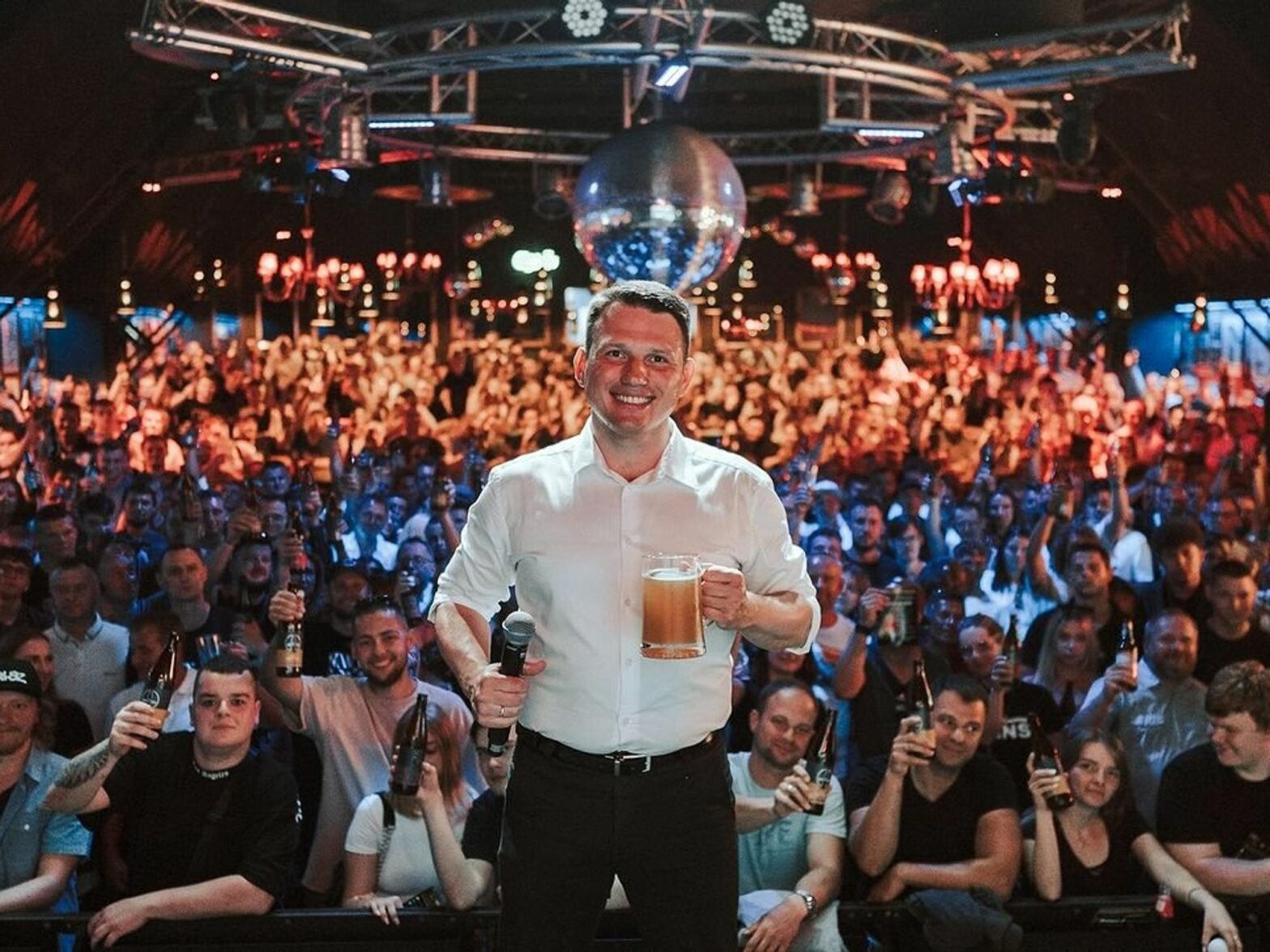
There is real generational disaffection that is pushing some young voters to the far right in Europe and the U.S.. But their skills, including on social media, is a real advantage for success among the youth.
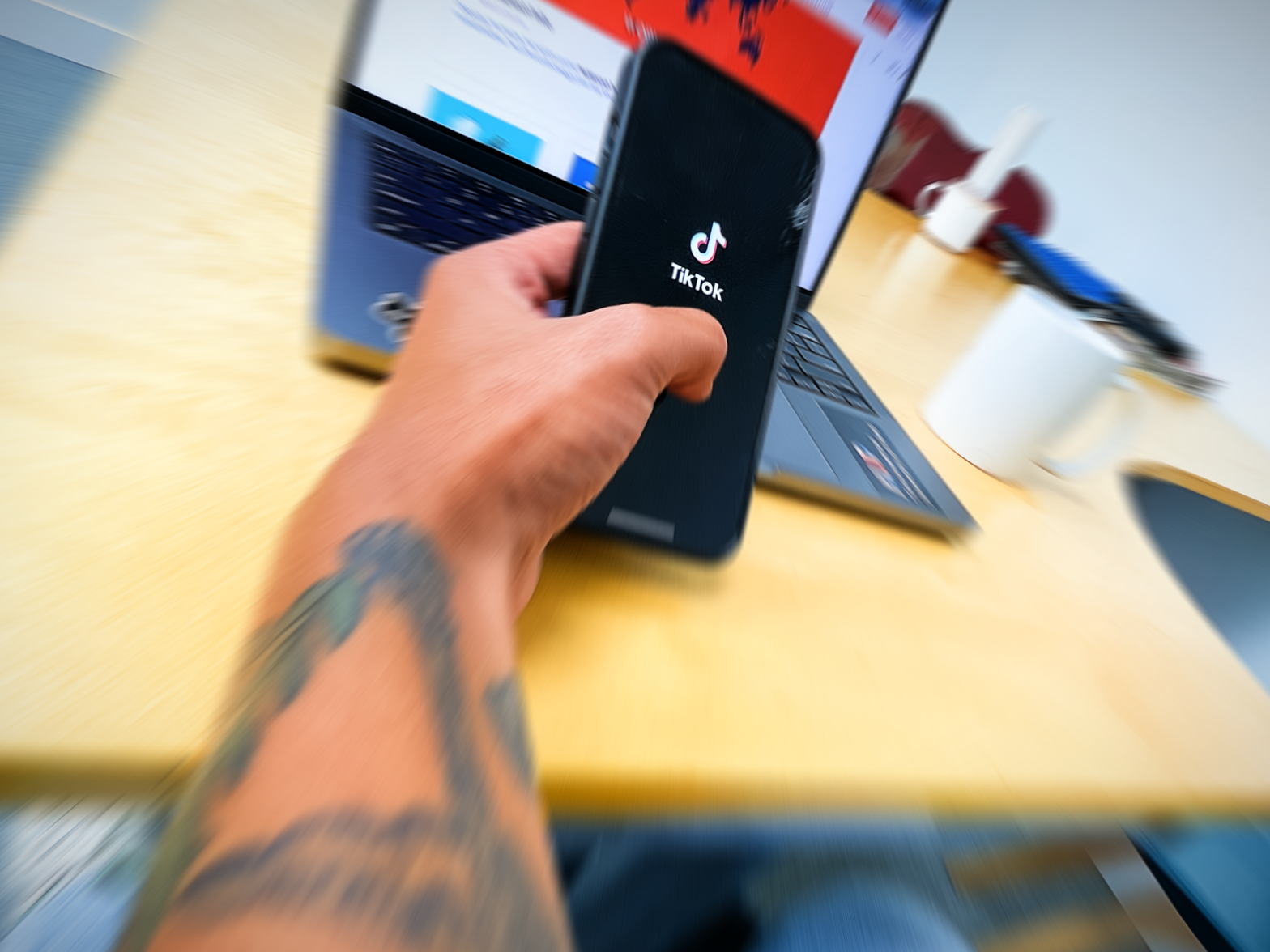
Facing a U.S. ban of the Chinese-owned social media, a TikTok power user makes his case for free speech and freedom to scroll.
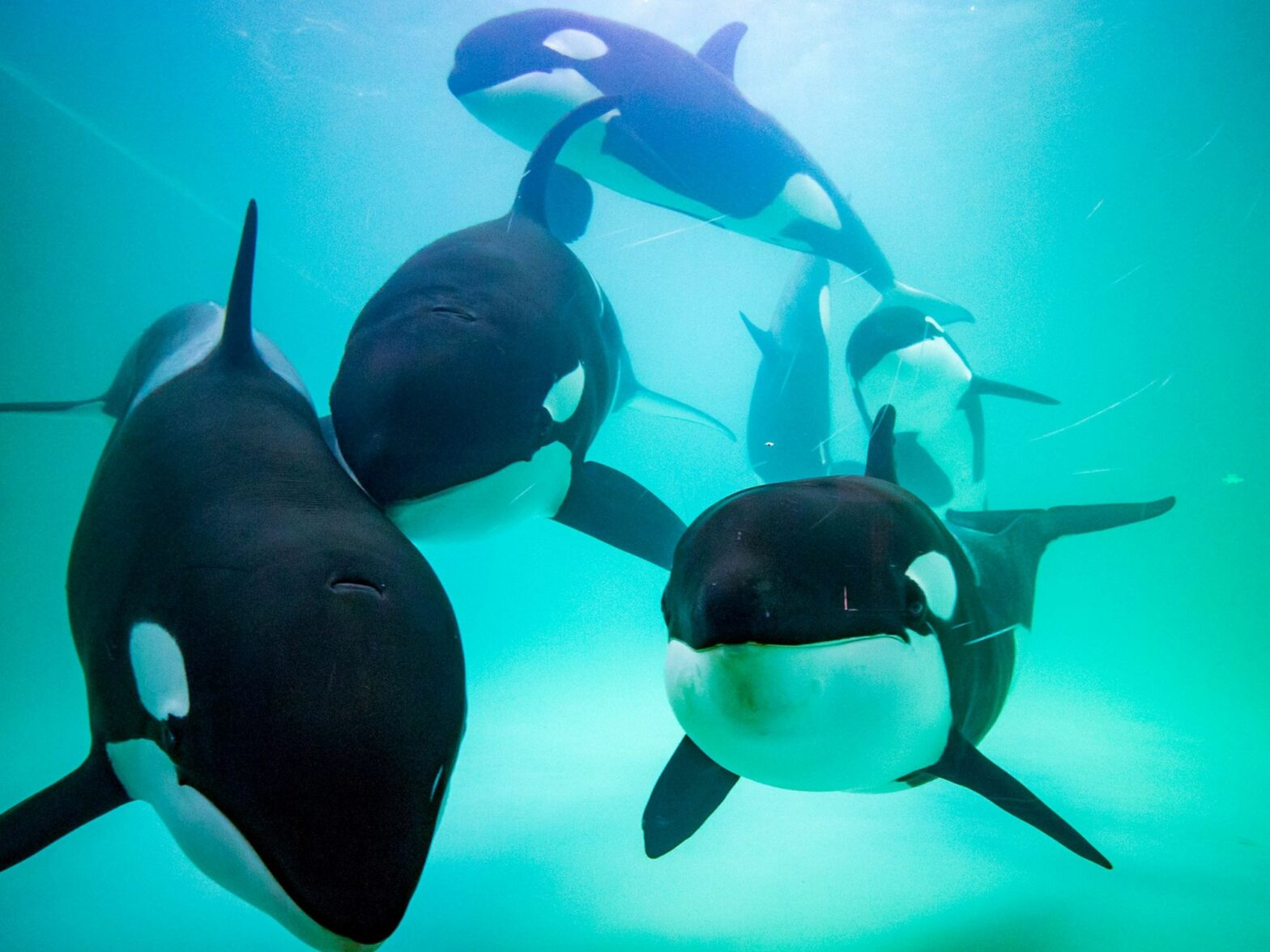
Once again, this week didn’t get any less weird.
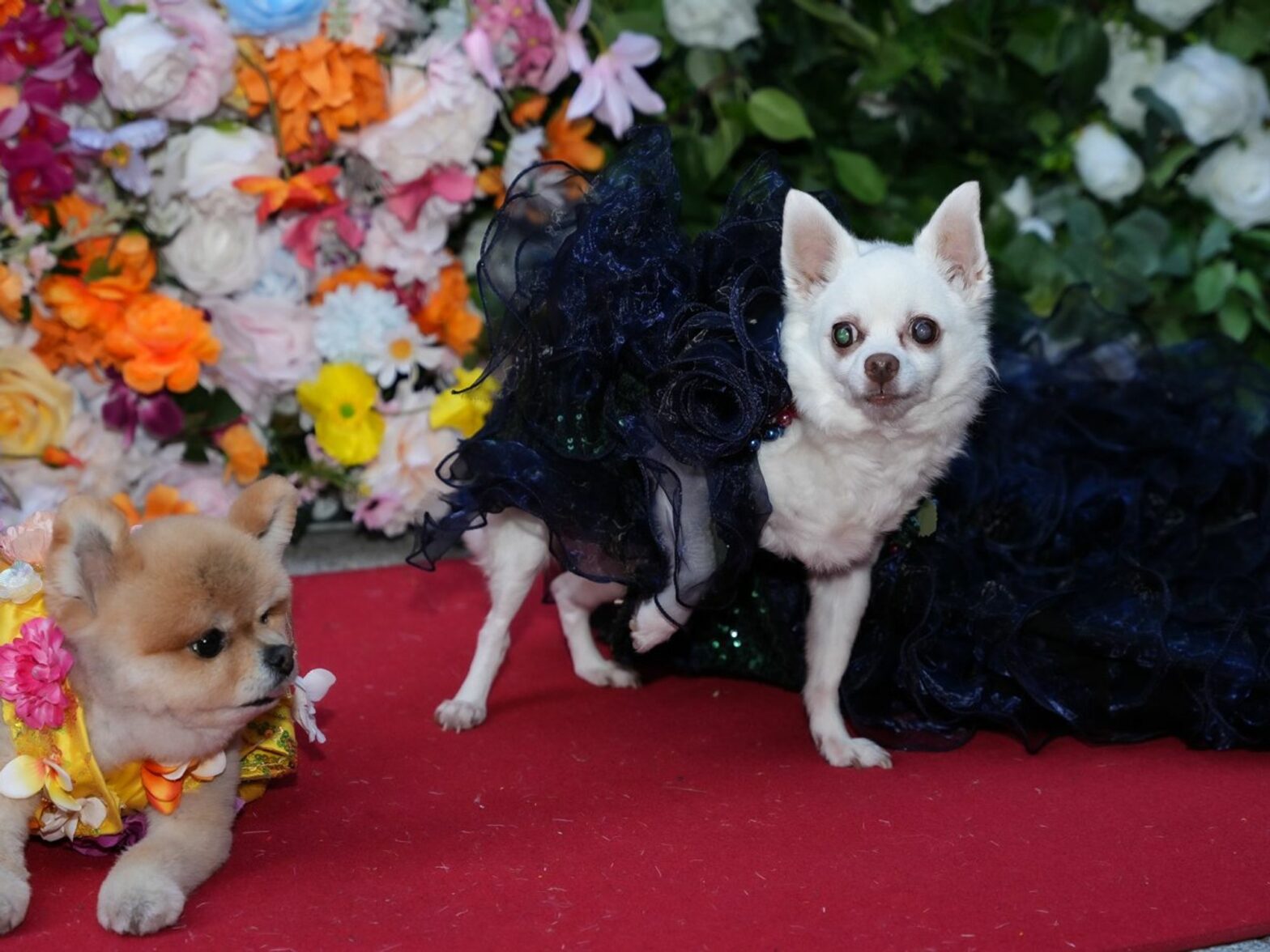
While busy delivering the best international journalism, the Worldcrunch team also stumbles on a fair deal of downright strange stuff happening around the world, reported in every language.
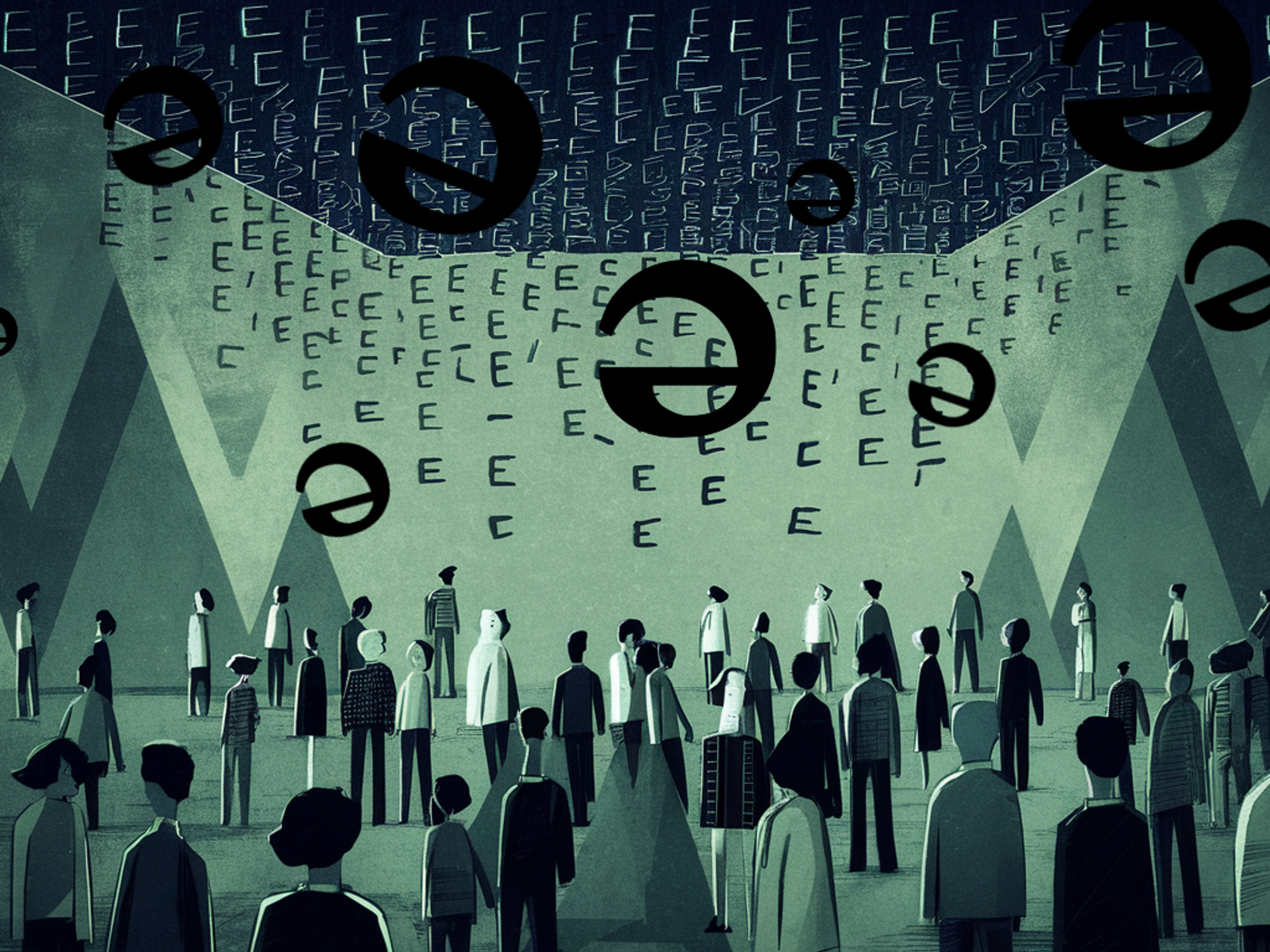
Bavaria’s ban of the schwa (ə) and other symbols used in gender-sensitive writing is yet another step in the debate over inclusive language. But language changes when society does, not the other way around.

Long the preserve of the elite, caviar is now attracting a wider audience, boosted by its ubiquitous presence on social networks. This new visibility fascinates as much as it questions big names in the sector and Michelin-starred chefs.
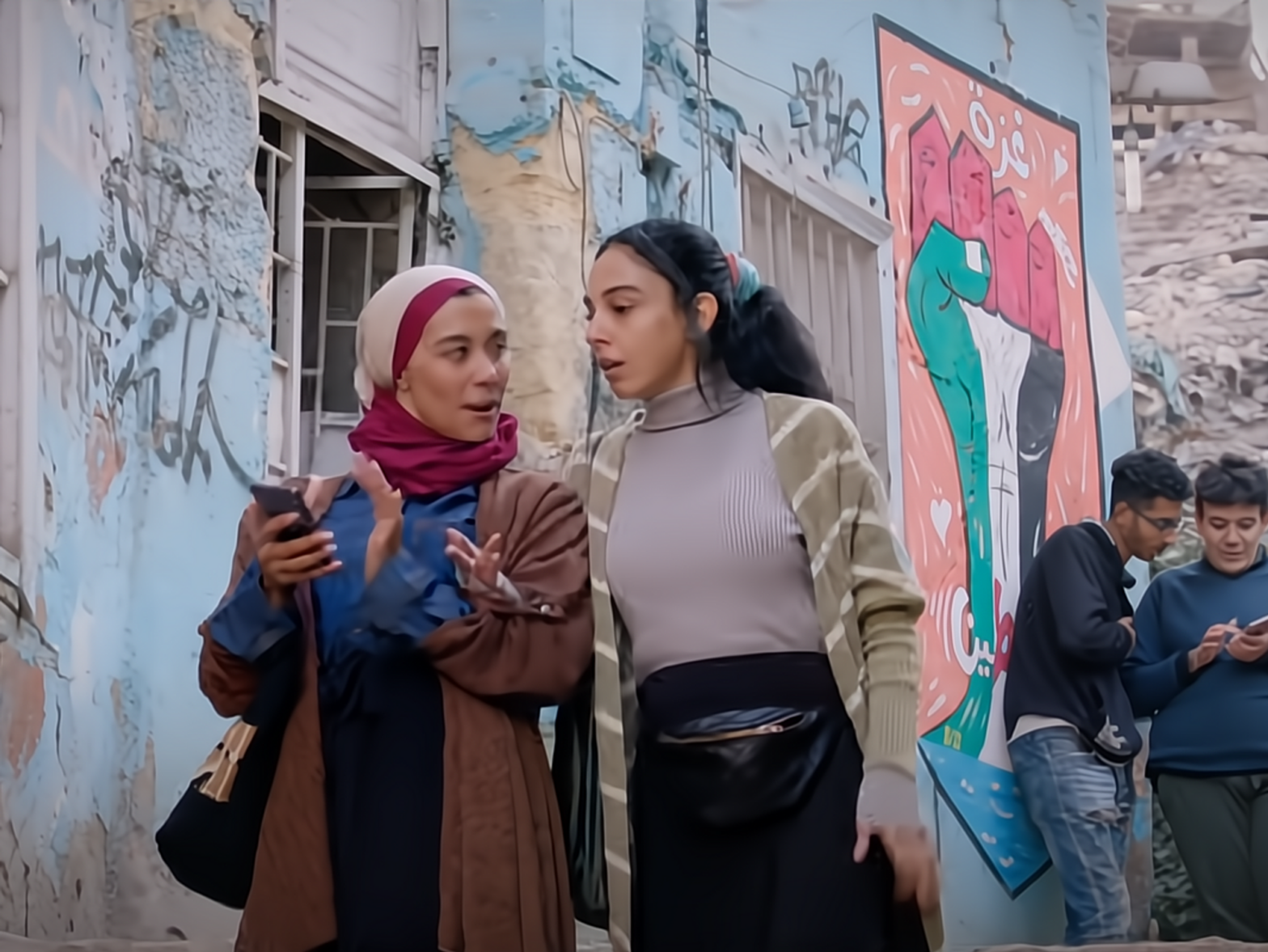
While “Most Views” which aired in Egypt during the month of Ramadan is credited with showing poverty in the country, the drama series misses an important opportunity to address the root causes of the TikTok girl trend.
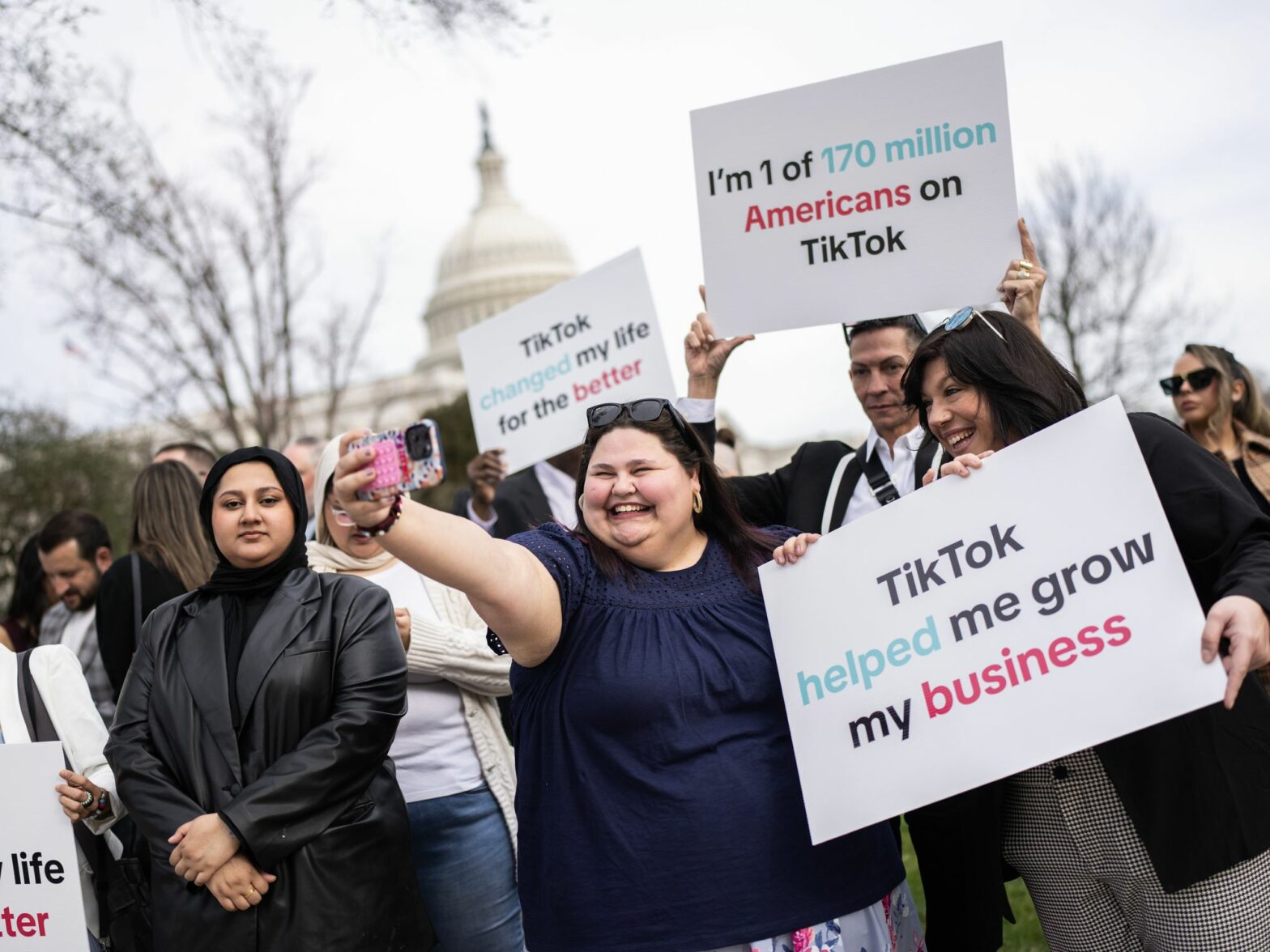
Safety or addiction concerns about TikTok are very real. But would U.S. elected officials seek to ban or control this social network if it were not Chinese? Are U.S. social networks less harmful? For France Inter, Pierre Haski warns us to take a step back when pointing the finger at TikTok.
Despite the lack of tangible evidence that the Chinese-owned social media platform poses a security risk, the recent vote at the House of Representatives in favor of banning TikTok from the U.S. shows that none of this matters, when it’s China we’re talking about.
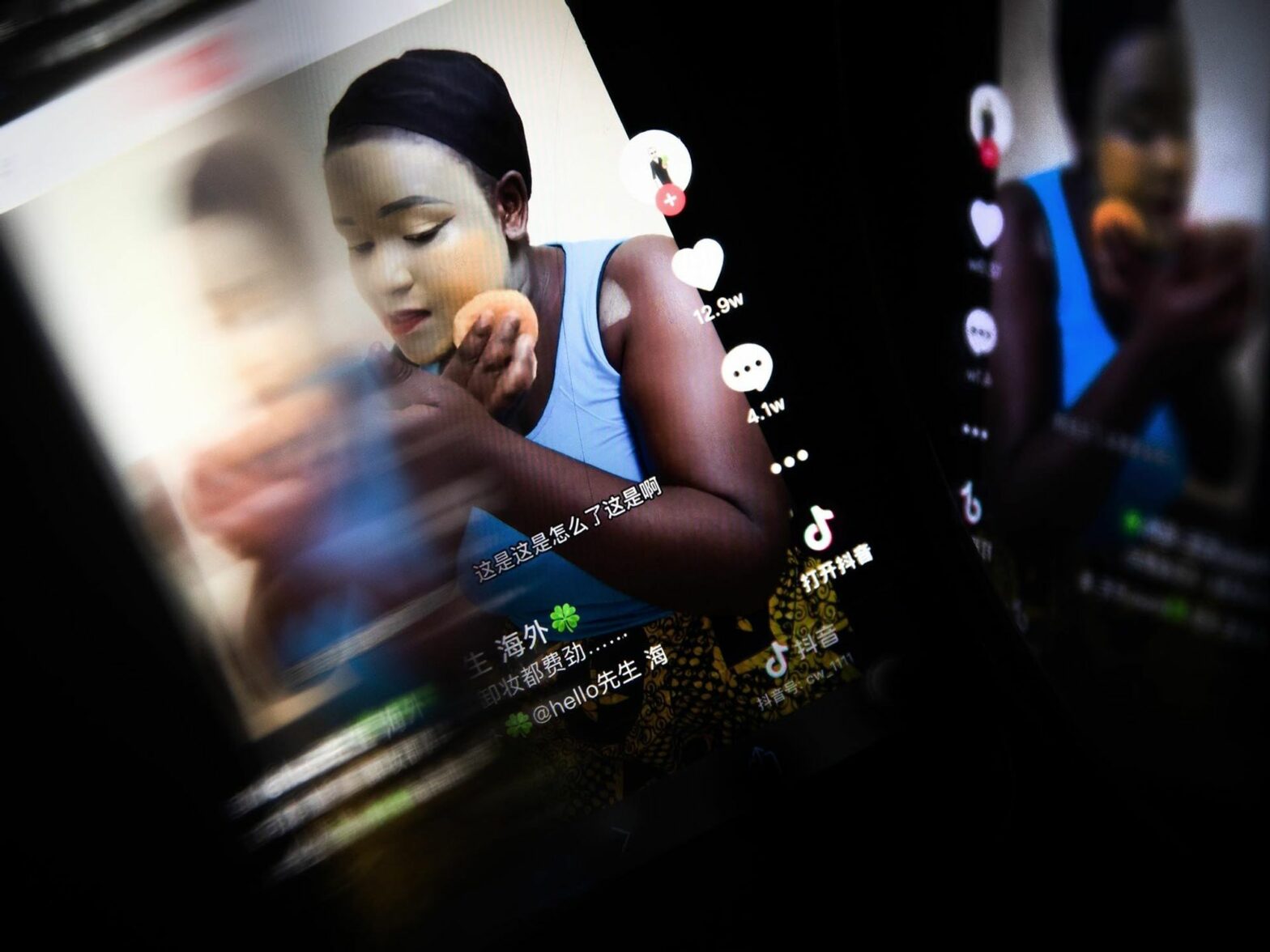
What has driven the rise and slow decline of Chinese social media influencers on the African continent? A mix of business, racism and censorship — and short attention spans of all of the above.
Italy’s highest-profile nemesis of organized crime networks, prosecutor Nicola Gratteri, discusses the mob’s use of social networks, and how TikTok allows criminal organizations to advertise their lifestyle to impressionable viewers. Sound familiar?
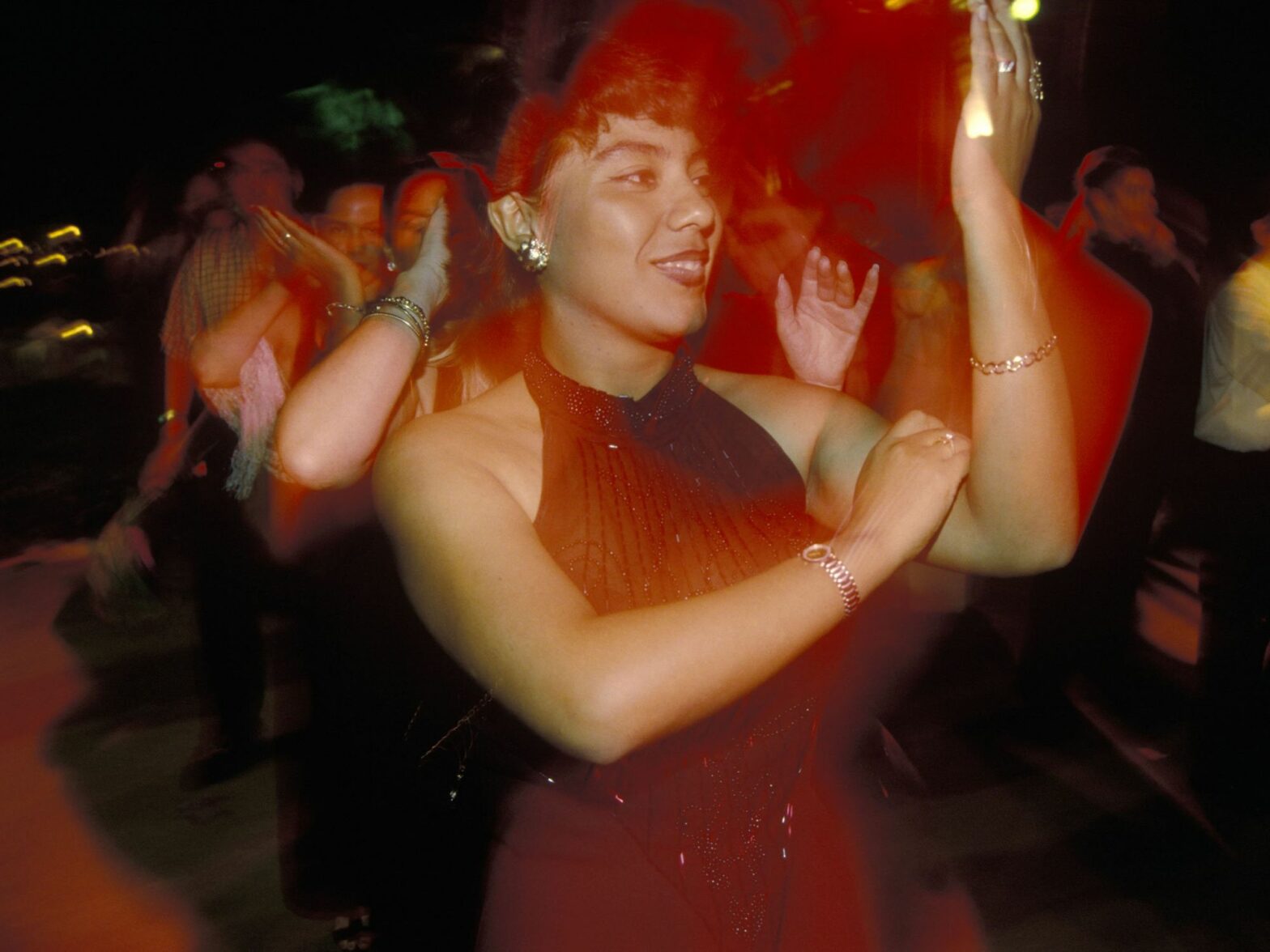
Consumer habits have changed, and with it the music industry – gone are the days when one hit song would define the sound of an entire summer. But why have we abandoned this iconic practice, and what has the race turned into in our modern day?

With the rise of influencers has come a sub-category: deinfluencers, who tell their followers what NOT to buy instead of promoting products in an effort to reduce wasteful consumption.
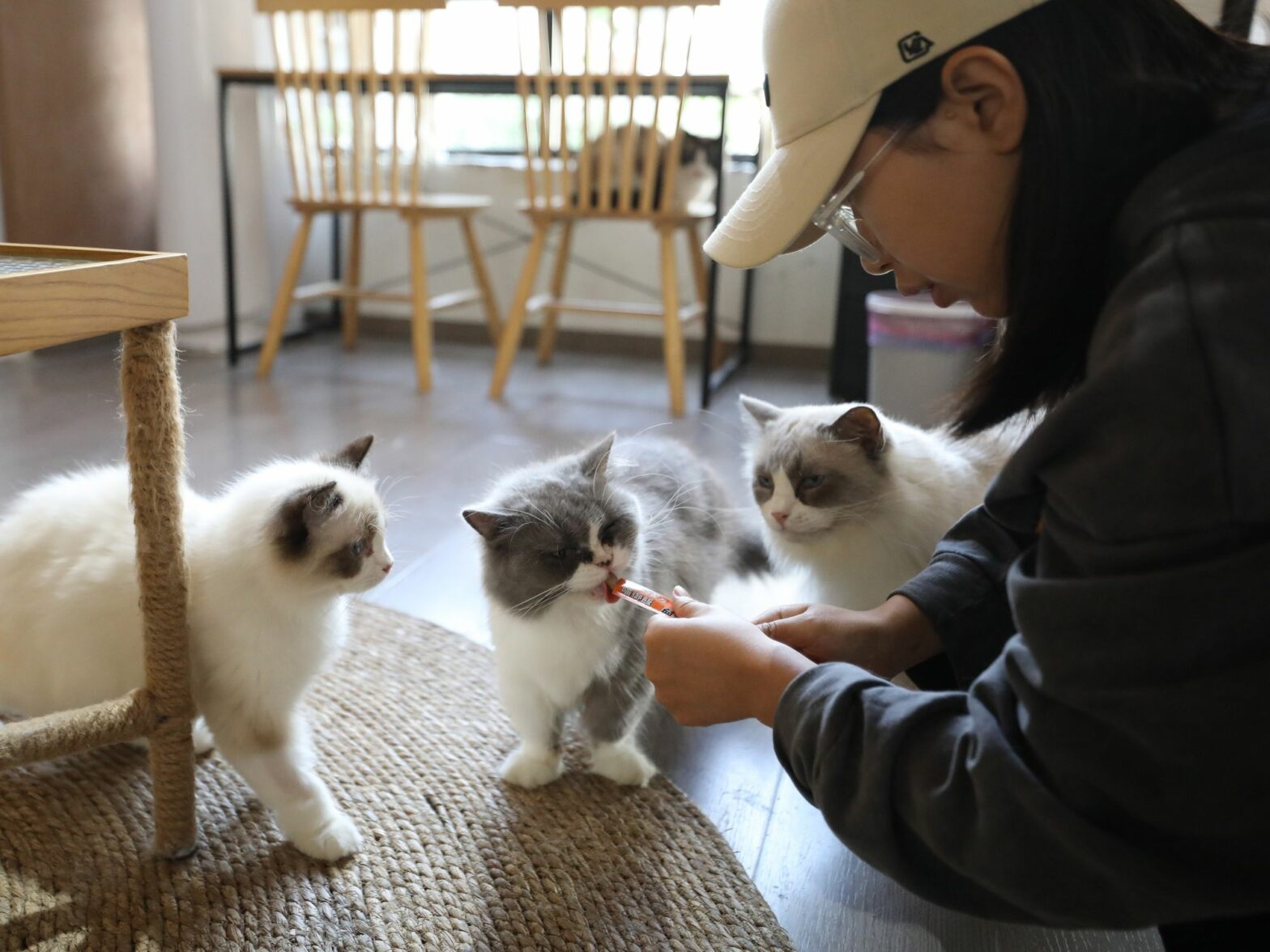
The Chinese pet market is booming, driven by young city dwellers who are increasingly reluctant to have babies. Care, food, yoga classes, strollers, specialized detectives and pet-cloning are all part of a 35 billion-euro industry.
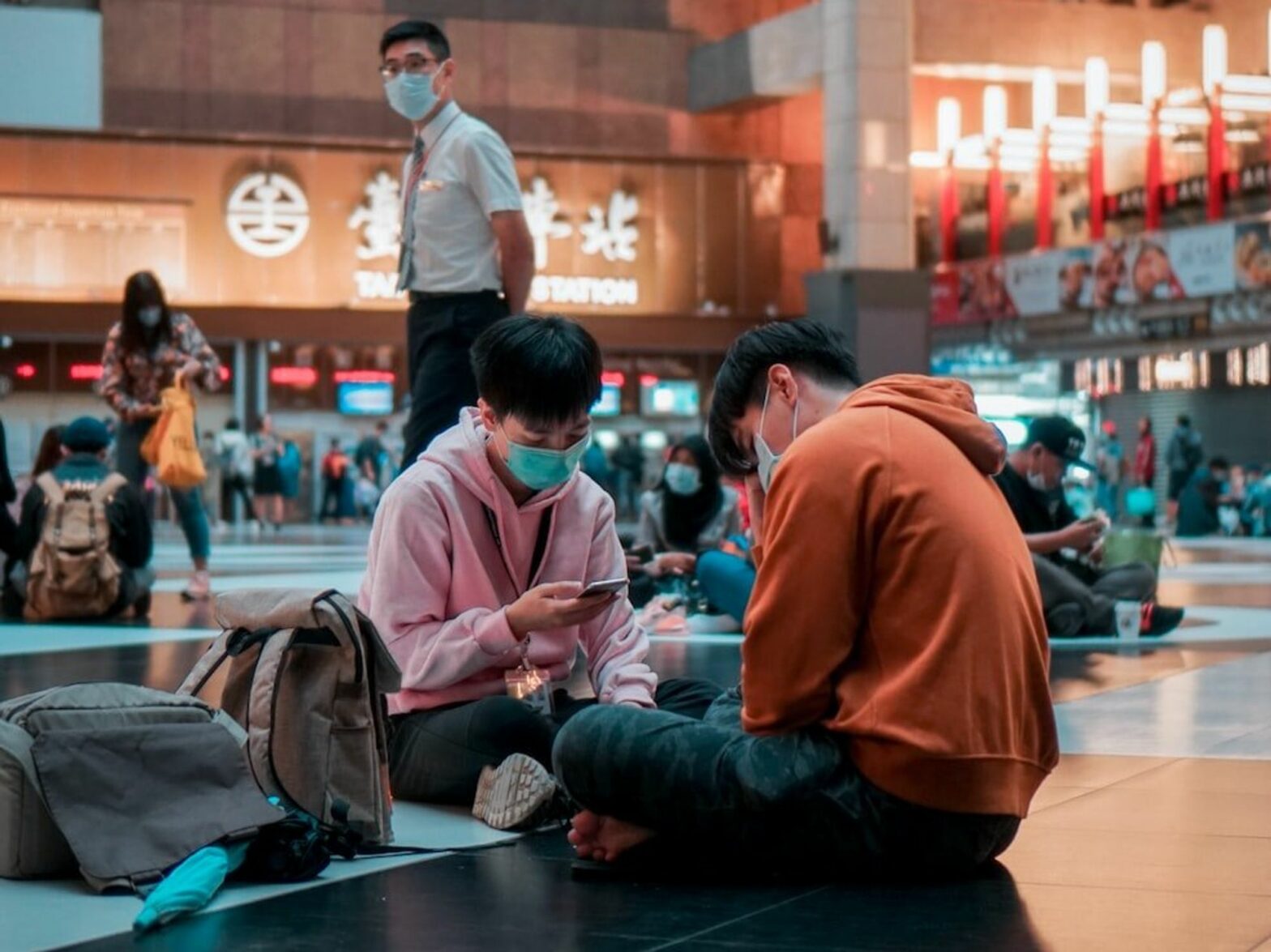
As more young people in Taiwan use Chinese social media, drawn to the fun and glitzy elements of life on mainland China, they need to learn to distinguish real life from propaganda.
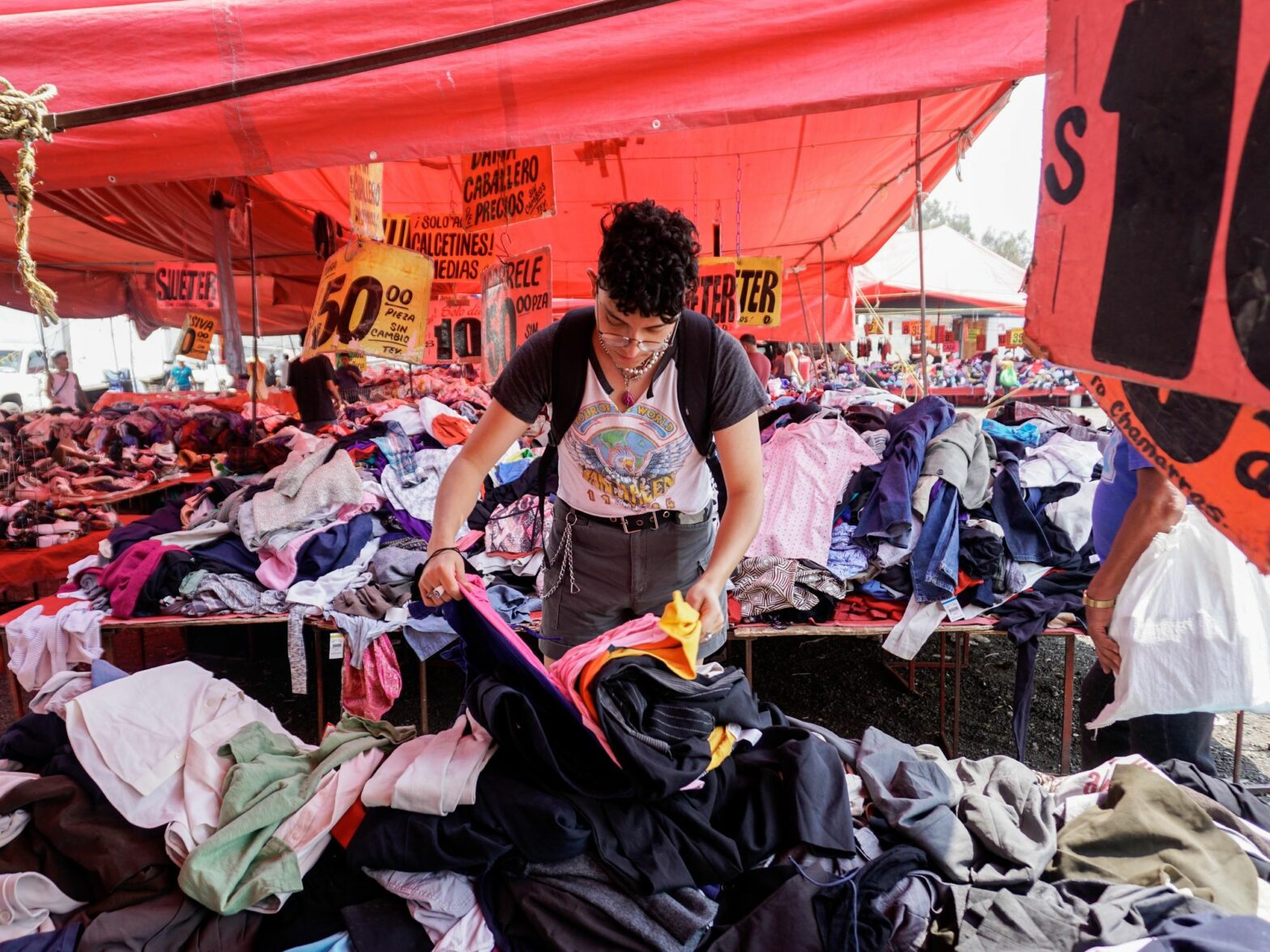
Young consumers around the world increasingly seek out secondhand and alternative clothing markets — making Mexico City’s flea markets, or tianguis, suddenly and surprisingly popular.
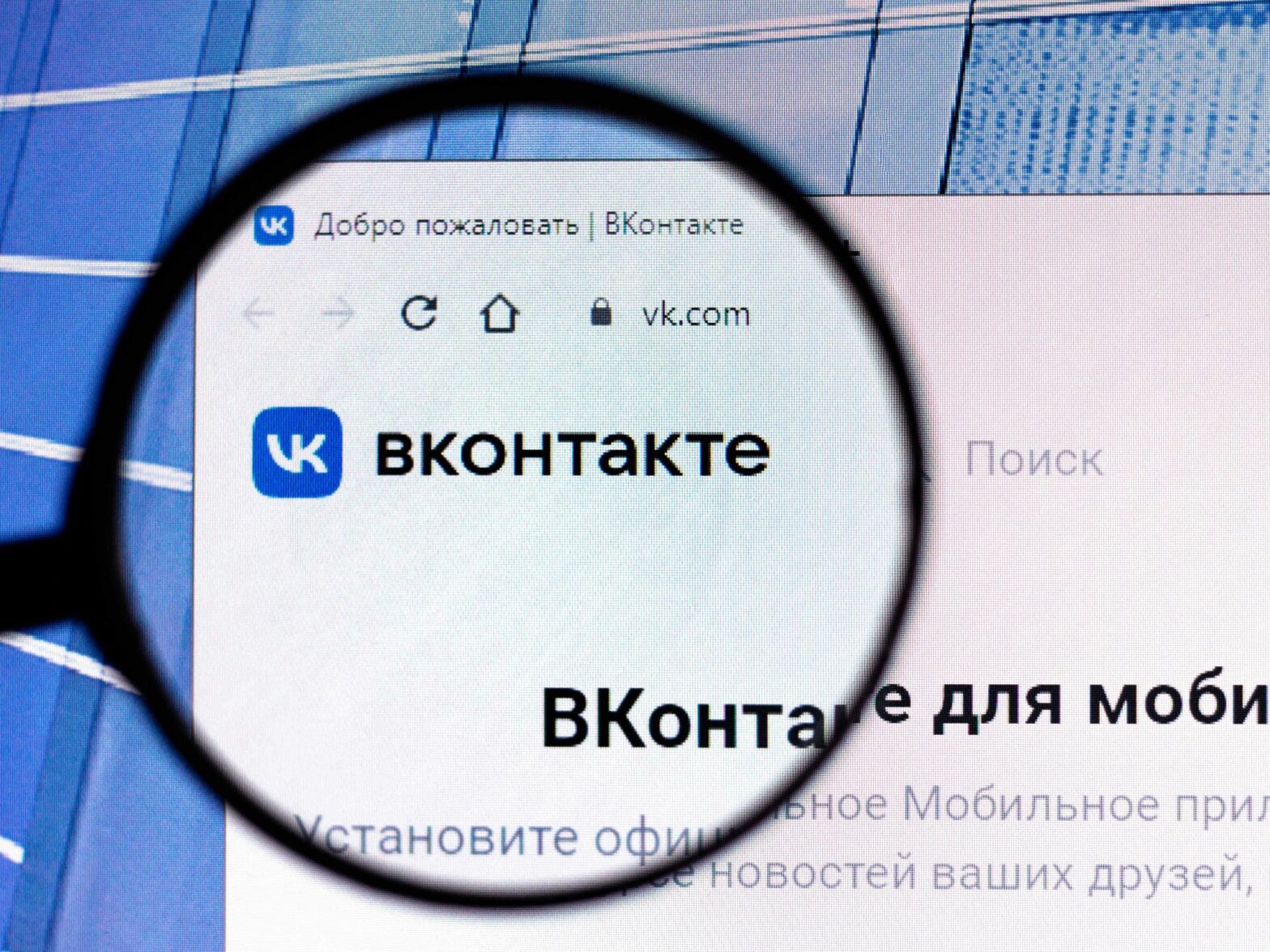
It’s a different kind of “migration” indeed, from Instagram to VKontakte, after U.S. social media were banned in Russia. It’s yet another kind of difficulty for Russians trying to continue with daily life.
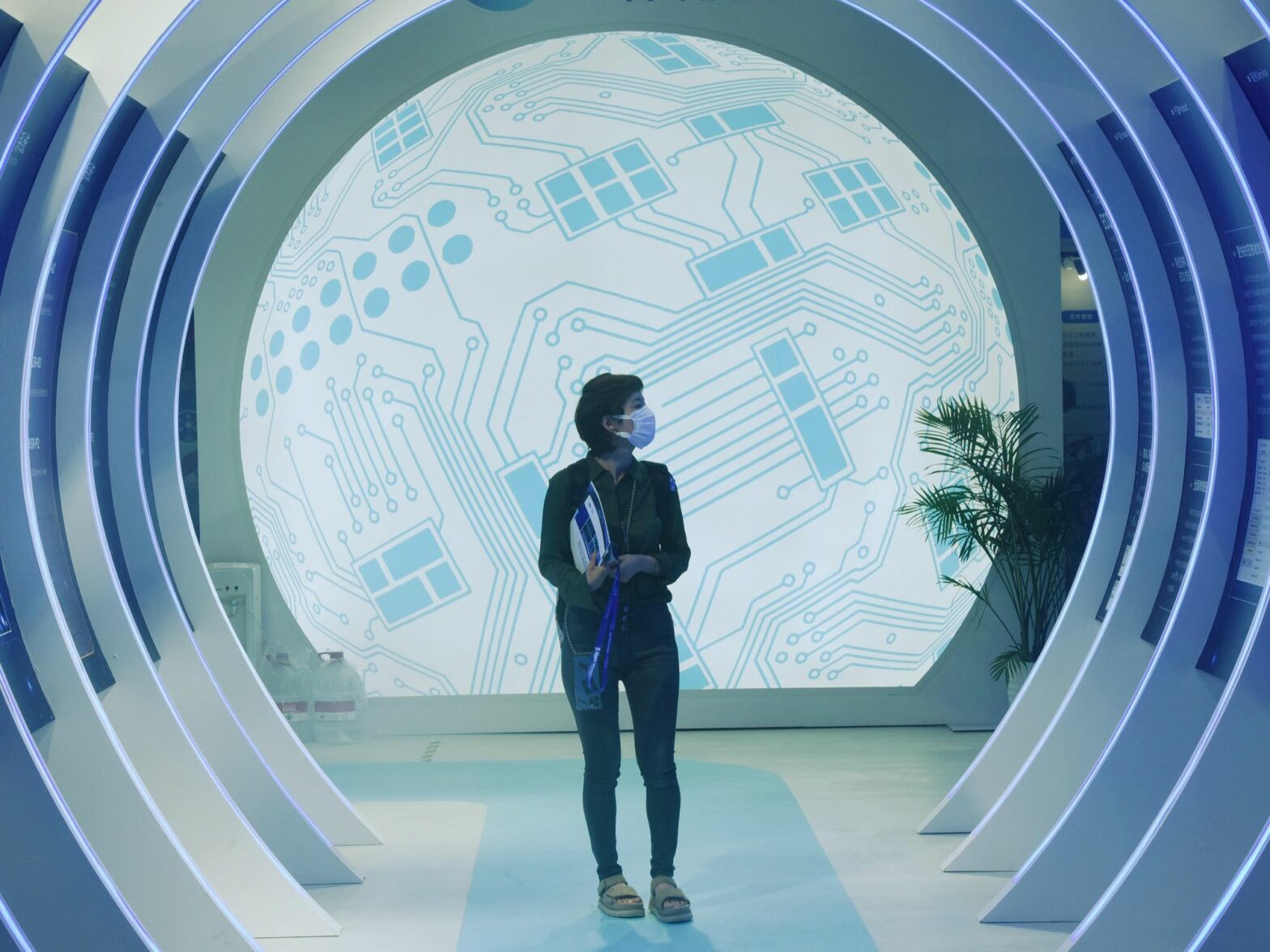
Long perceived as a country chasing Western tech, China’s business and technological innovations are now influencing the rest of the world. Still lagging on some fronts, the future is now up for grabs.

From Zoom changing the way we work to artificial intelligence changing the way we shop, we’ve gotten used to reading about how information technology influences our daily habits and drives the world economy. But lately, we’re also seeing technology make more and more front-page headlines in the realm of politics and diplomacy. U.S. President Donald […]