Ahead of Germany’s crucial national elections Sunday, Russia is actively working to destabilize the country through cyberattacks, agents, and disinformation campaigns. Can anything be done to stop or at least counter these attacks?

 Worldcrunch
Ahead of Germany’s crucial national elections Sunday, Russia is actively working to destabilize the country through cyberattacks, agents, and disinformation campaigns. Can anything be done to stop or at least counter these attacks?
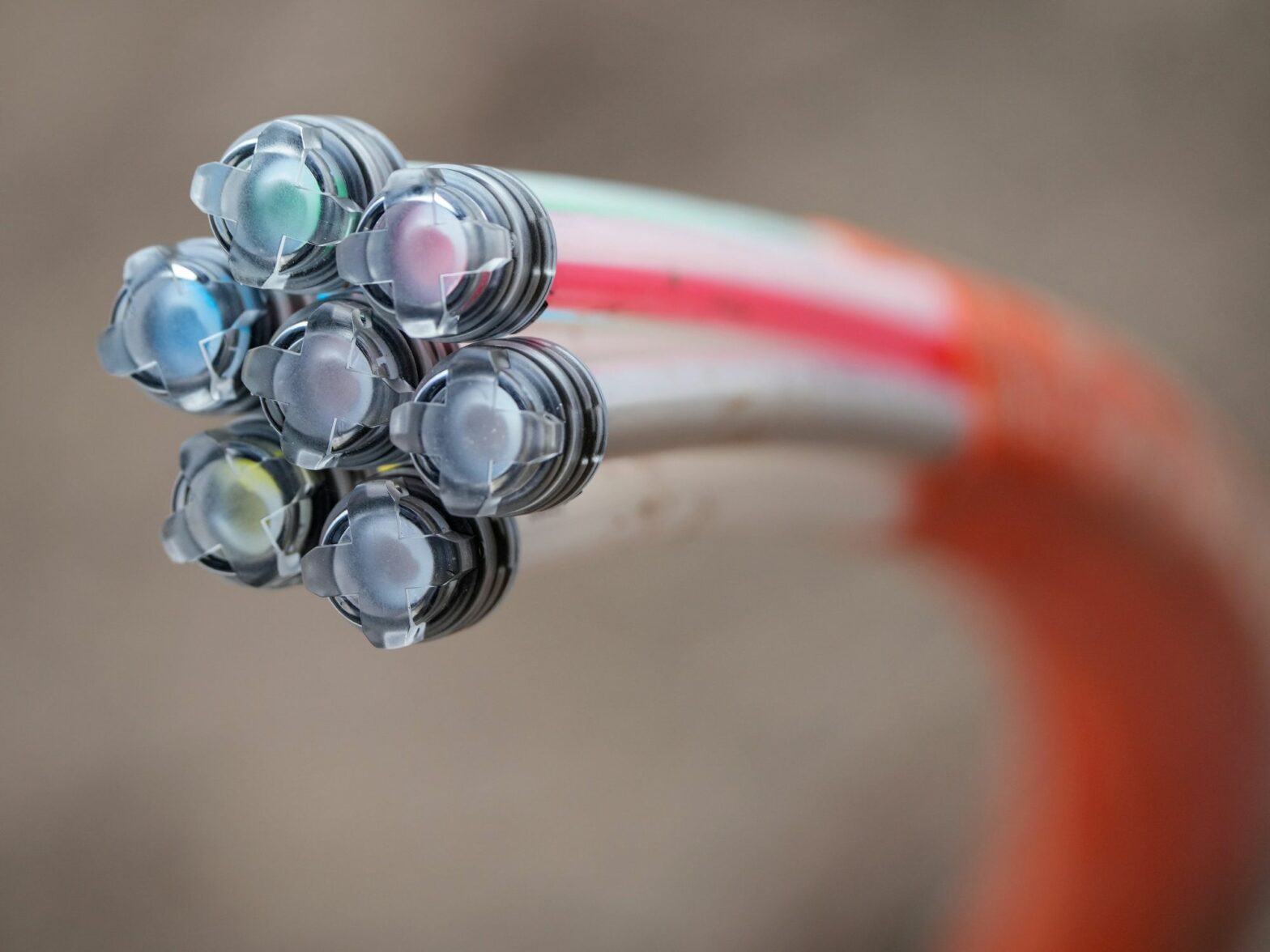
Two undersea communication cables were severed in the Baltic Sea this weekend, prompting Germany’s defense minister to say that “no one believes” it was an accident. Many suspect a new escalation of hybrid warfare in a sea where Russia is the only country not part of NATO.

As Israel pounds Hezbollah in Lebanon, after its well-orchestrated attack on the group’s remote devices, the militia’s patrons in Tehran were increasingly concerned they could become the next targets of Israel’s ruthless campaign.
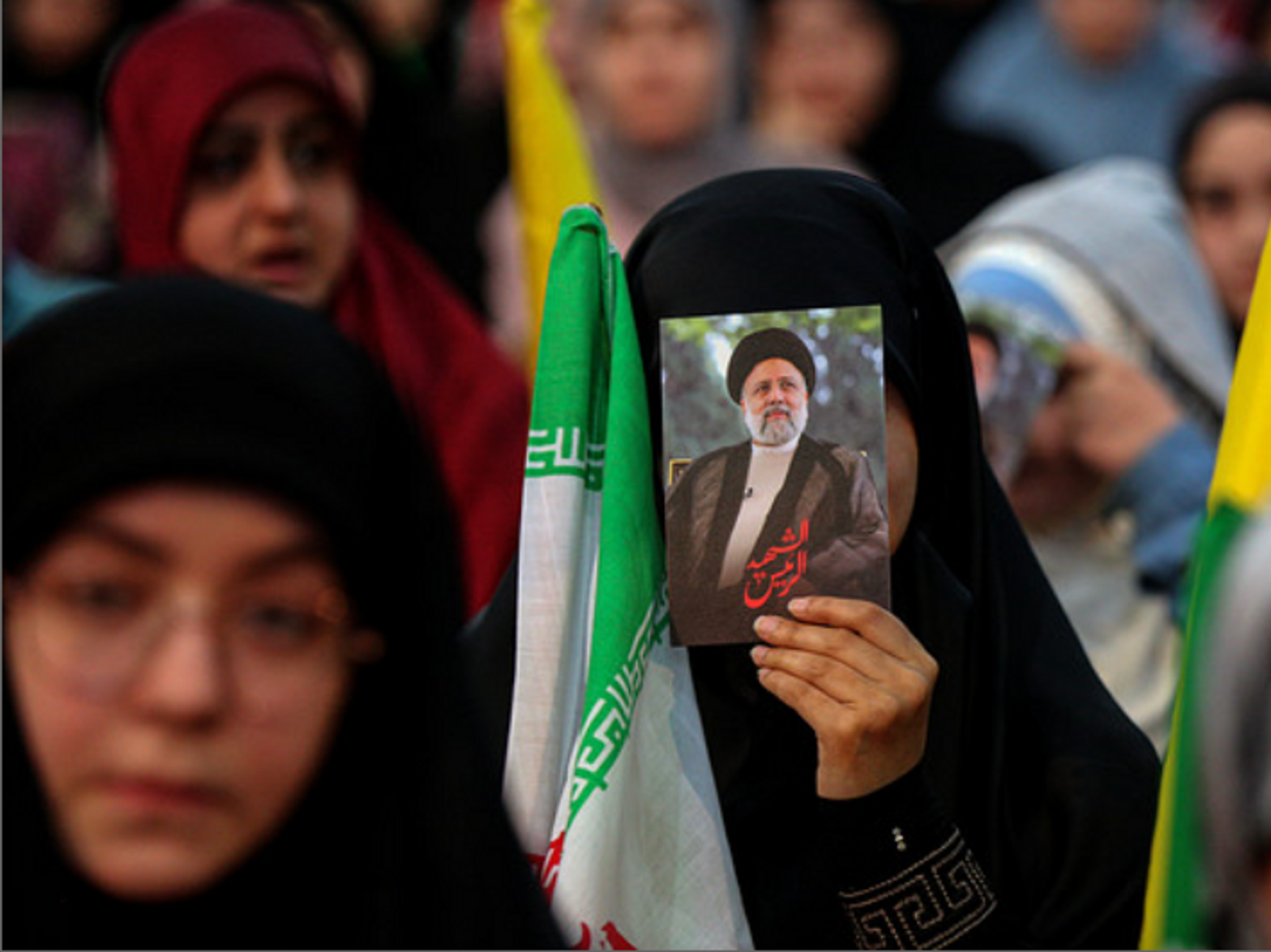
In spite of the Iranian regime’s inclination to conclude the matter of the president’s recent fatal helicopter crash, murmurs around a possible murder plot or a foreign strike are not going away.
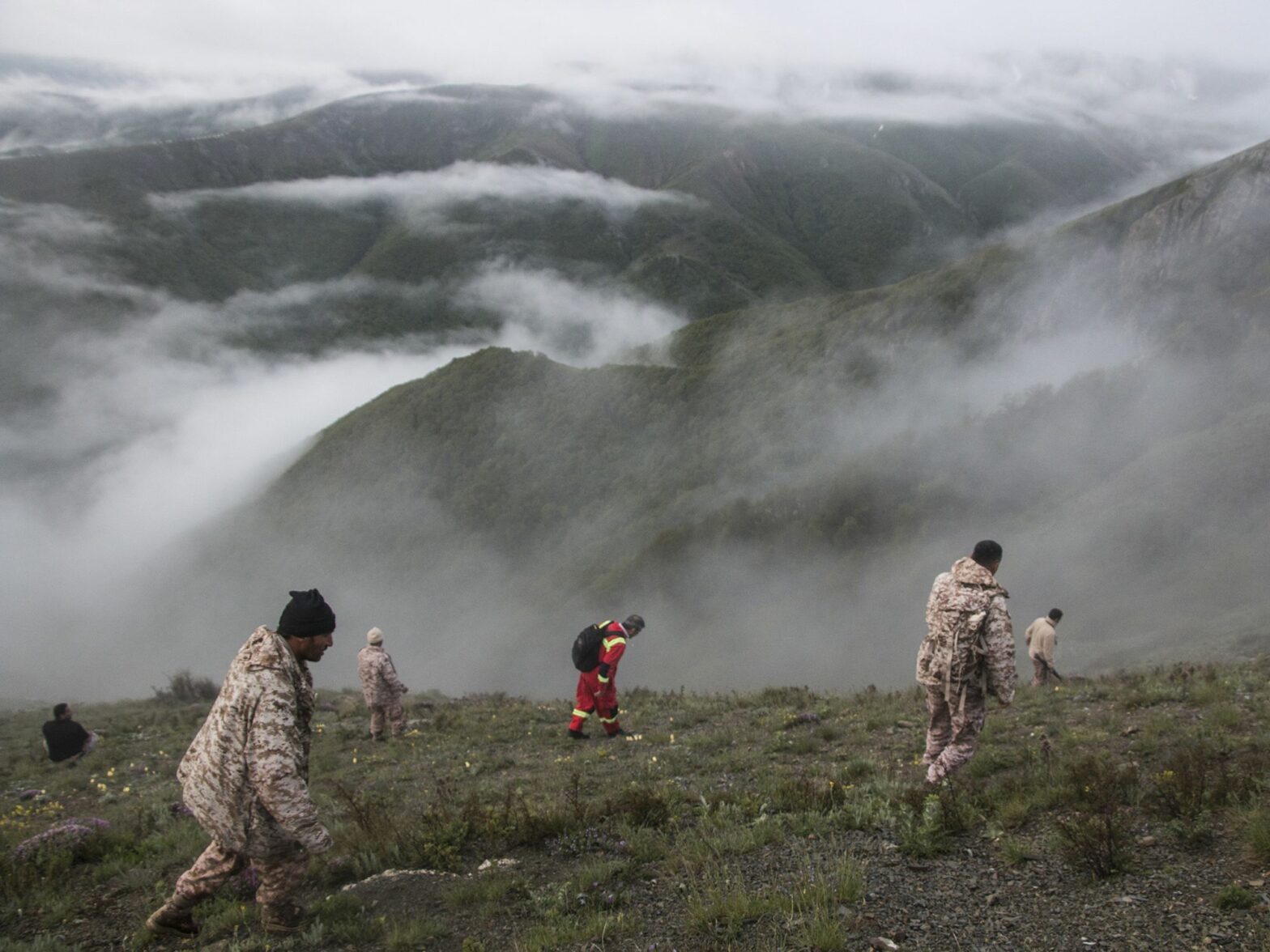
In spite of the political or diplomatic headaches this could cause, there are preliminary grounds for not ruling out foul play as causing the Iranian president’s helicopter to crash days ago, reports the leading independent Persian-language news site.
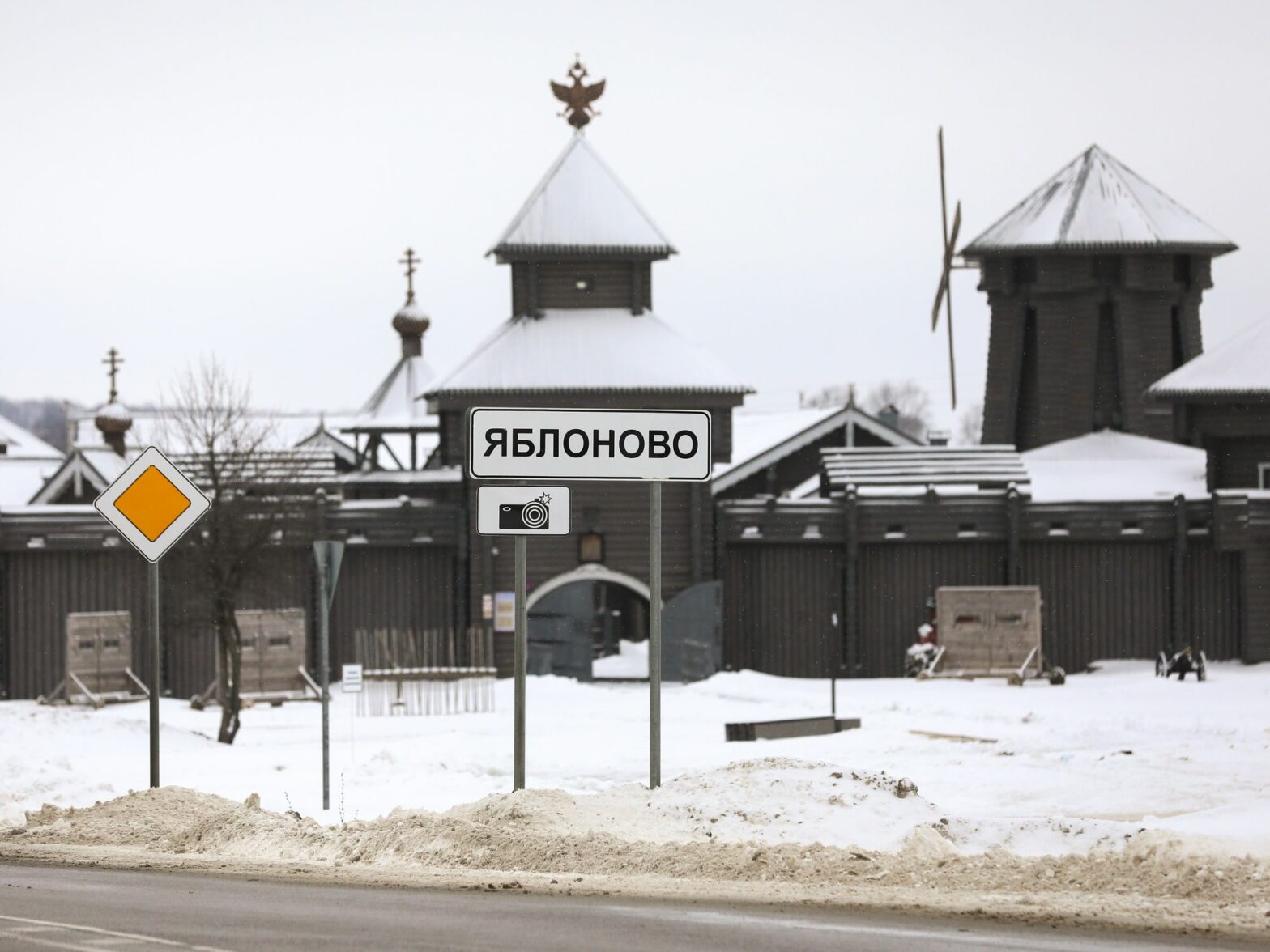
Ukraine and Russia are blaming each other for the Russian military plane crash. It will be hard to get at the truth of the accident, as either party is unlikely to release information, which is another weapon in their war.
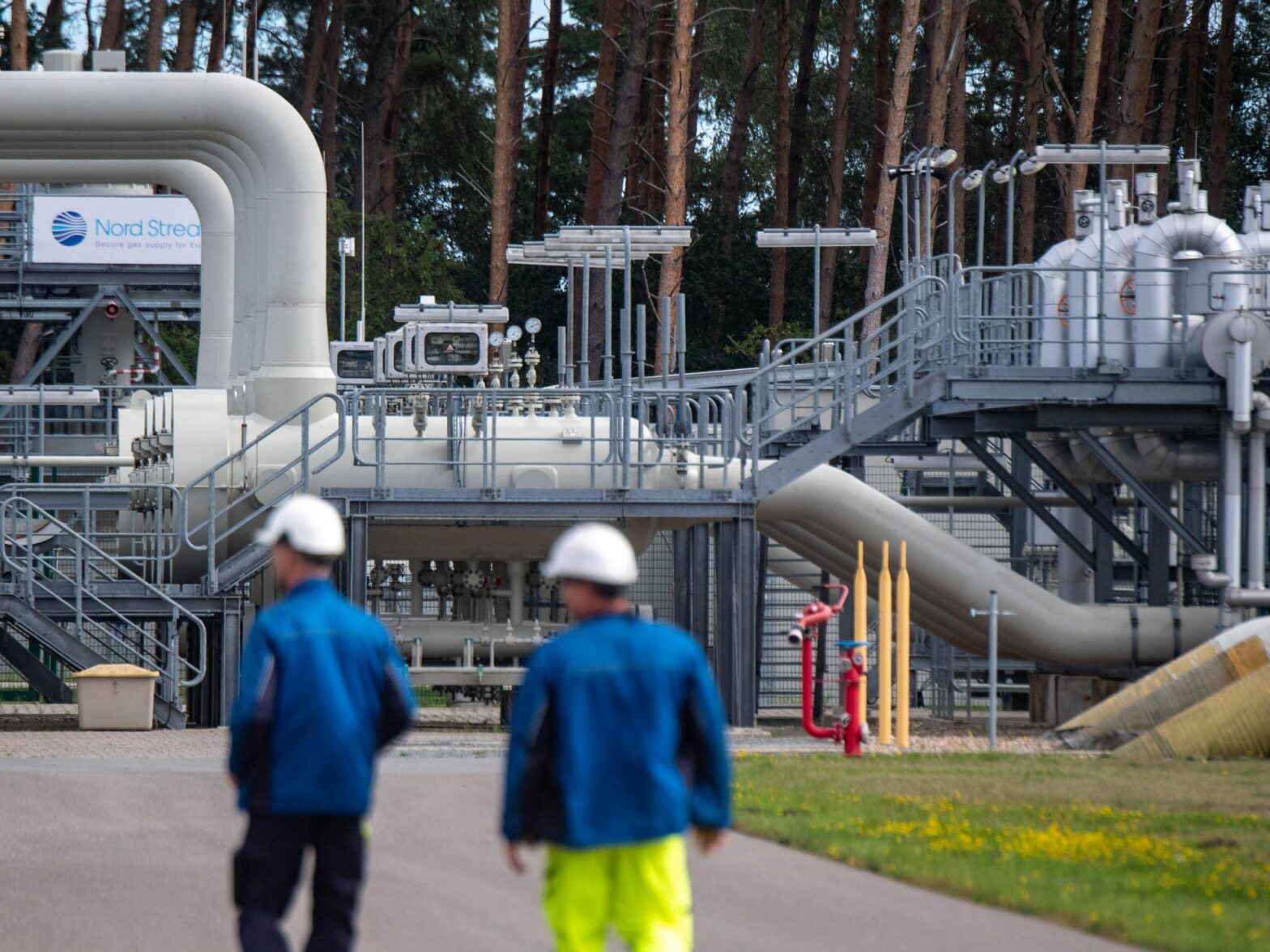
Whatever caused the damage to the Nord Stream gas pipelines in the Baltic Sea, it appears to be the first major attack on critical “subsea” (underwater) infrastructure in Europe. It’s now widely thought – not least by Nato – that the explosions that led to major leaks in the two pipelines were not caused by […]