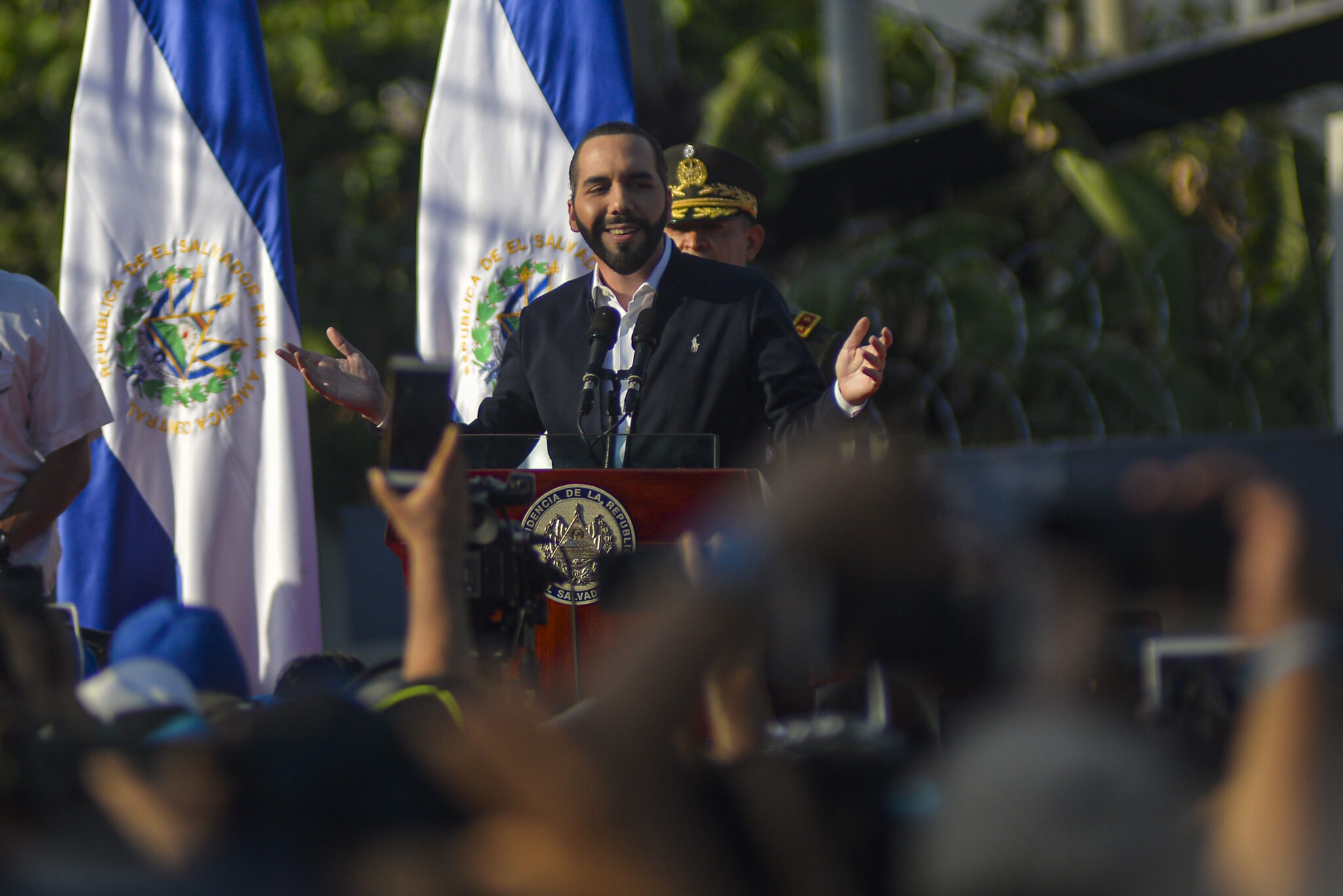
Getting El Salvador’s compliant parliament to legislate and scrap presidential term limits is the latest and sure-fire sign that President Nayib Bukele has no intention of ending his no-nonsense rule any time soon.
 Worldcrunch
Getting El Salvador’s compliant parliament to legislate and scrap presidential term limits is the latest and sure-fire sign that President Nayib Bukele has no intention of ending his no-nonsense rule any time soon.
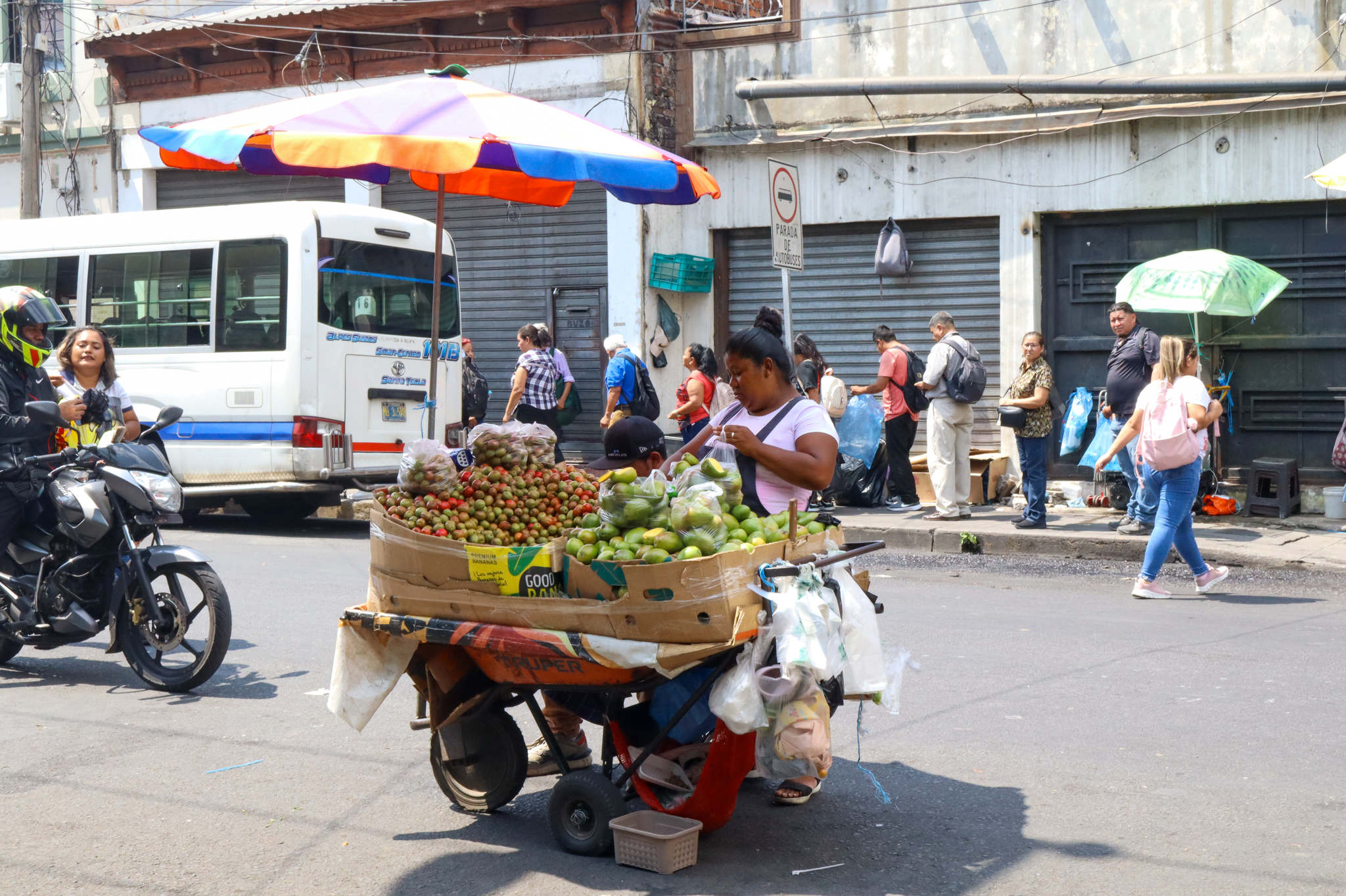
In downtown San Salvador, longtime vendors face abrupt evictions amid Bukele’s push for revitalization. For thousands of street vendors who risk centuries of history for security, the promise of safety now comes with the heavy cost of lost livelihoods.
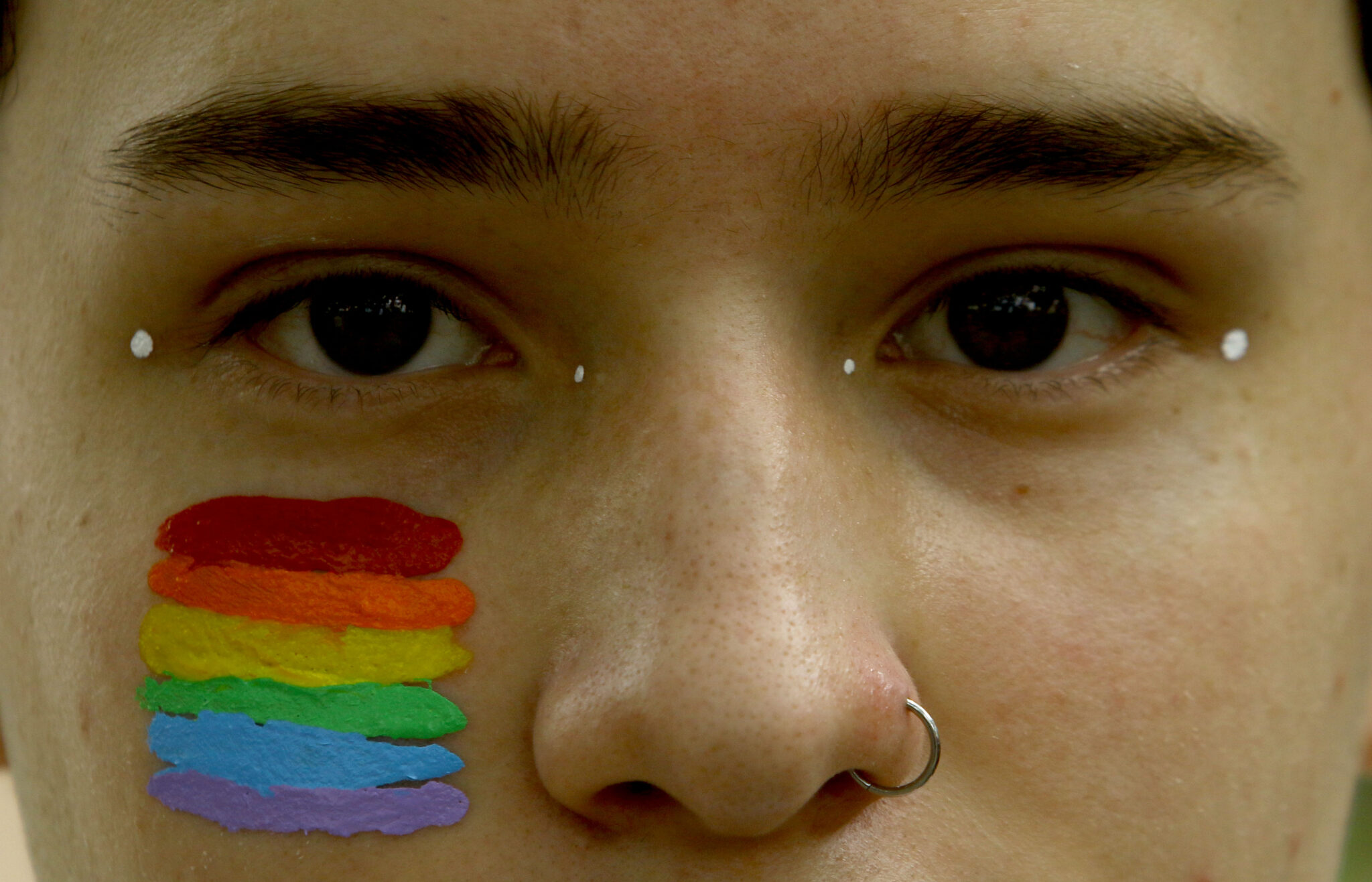
Five activists from organizations and collectives in Venezuela spoke to Latin American feminist media Volcánicas about how the anti-NGO law affects their work and puts their lives at risk.
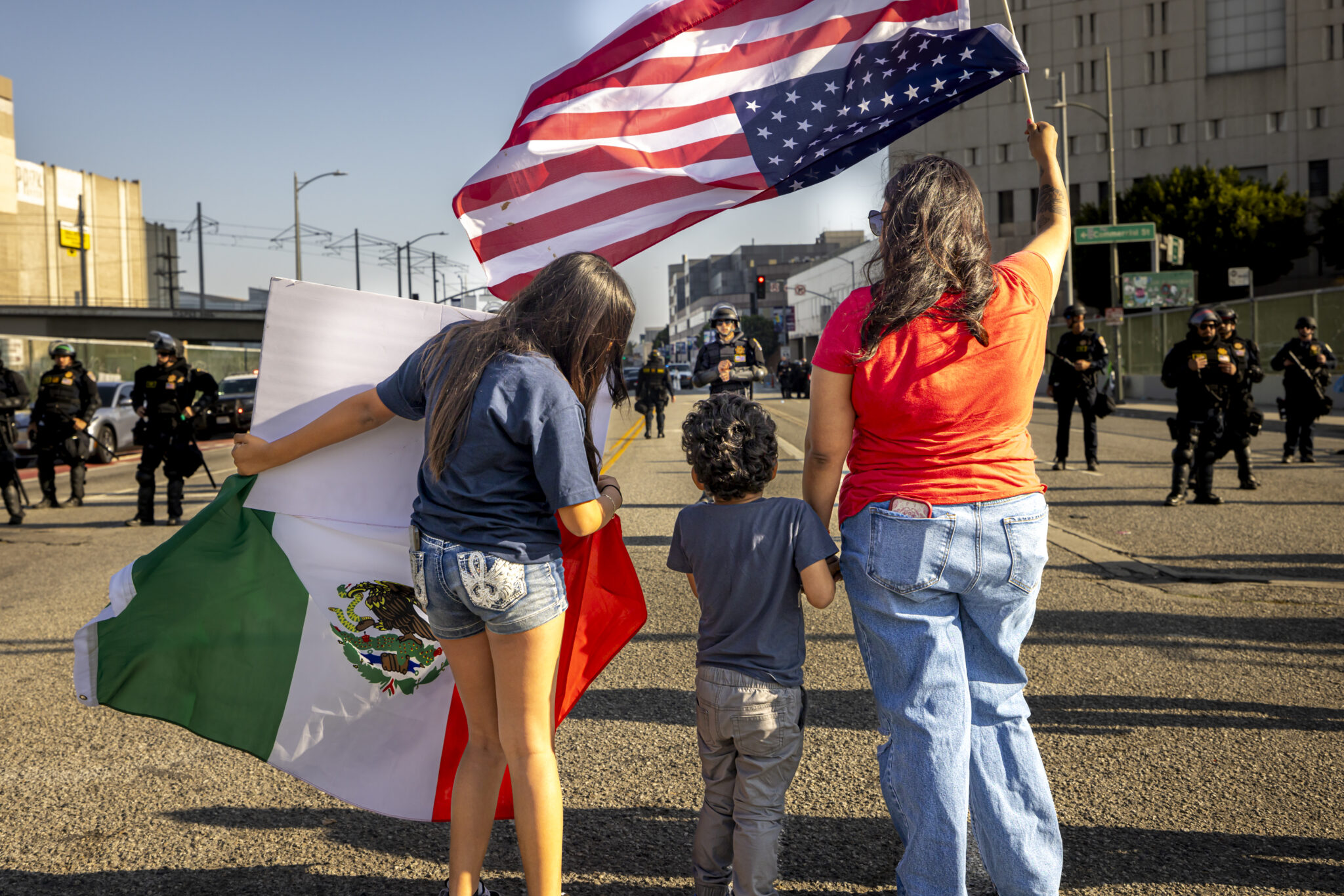
Europe’s long flirtation with anti-immigrant rhetoric is coming back to haunt it — this time with its own citizens in the crosshairs. With reports of Europeans facing detention at Guantánamo, the line between “us” and “them” begins to blur in the cruelest of ways.
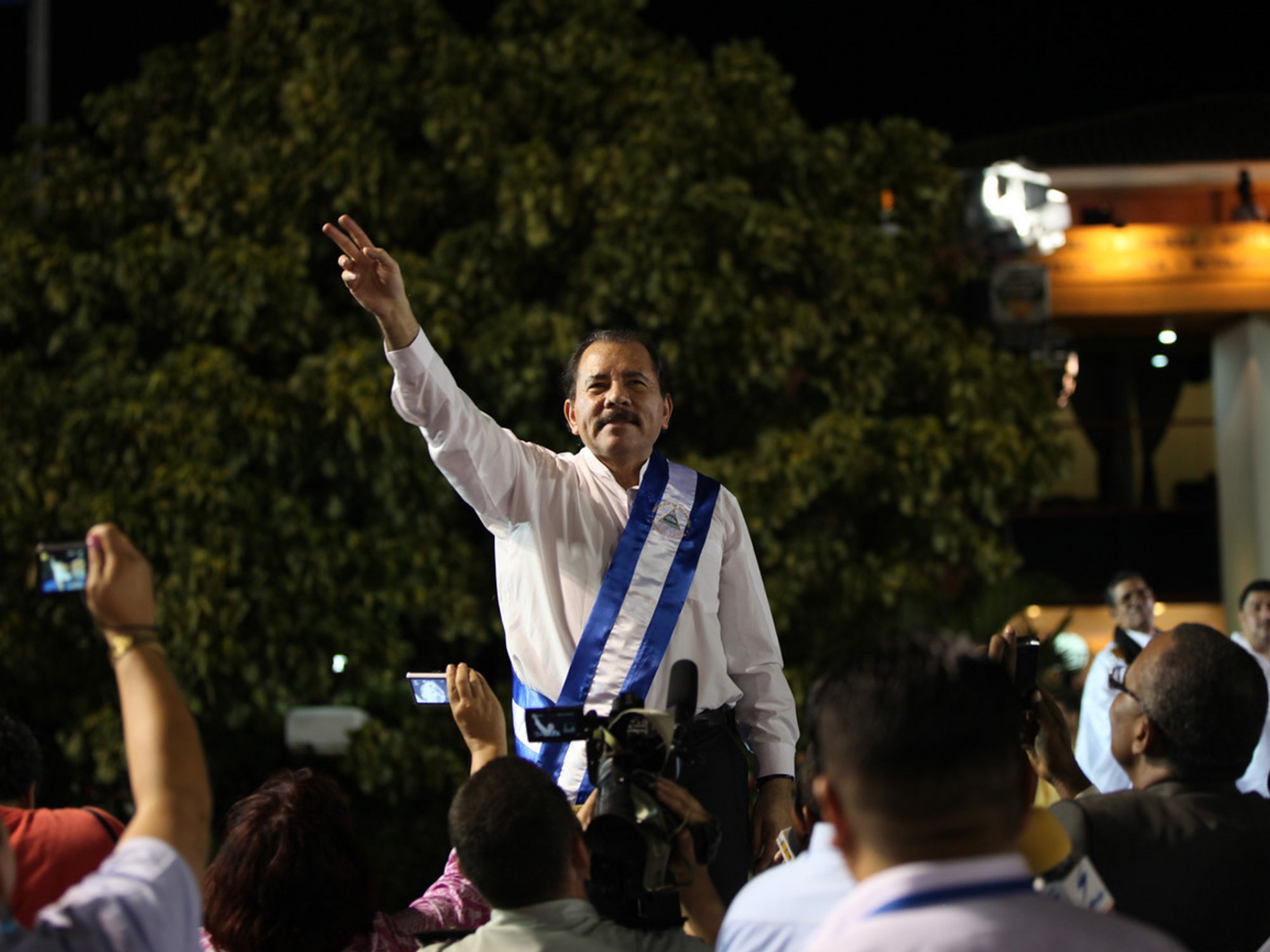
As Nicaragua’s weakened opponents expend themselves in jail or exile or in rivalries, communist strongman Daniel Ortega has amended the constitution yet again, to lock himself and his family into perpetual power. Could Donald Trump’s reelection become a miraculous glitch in his plans?
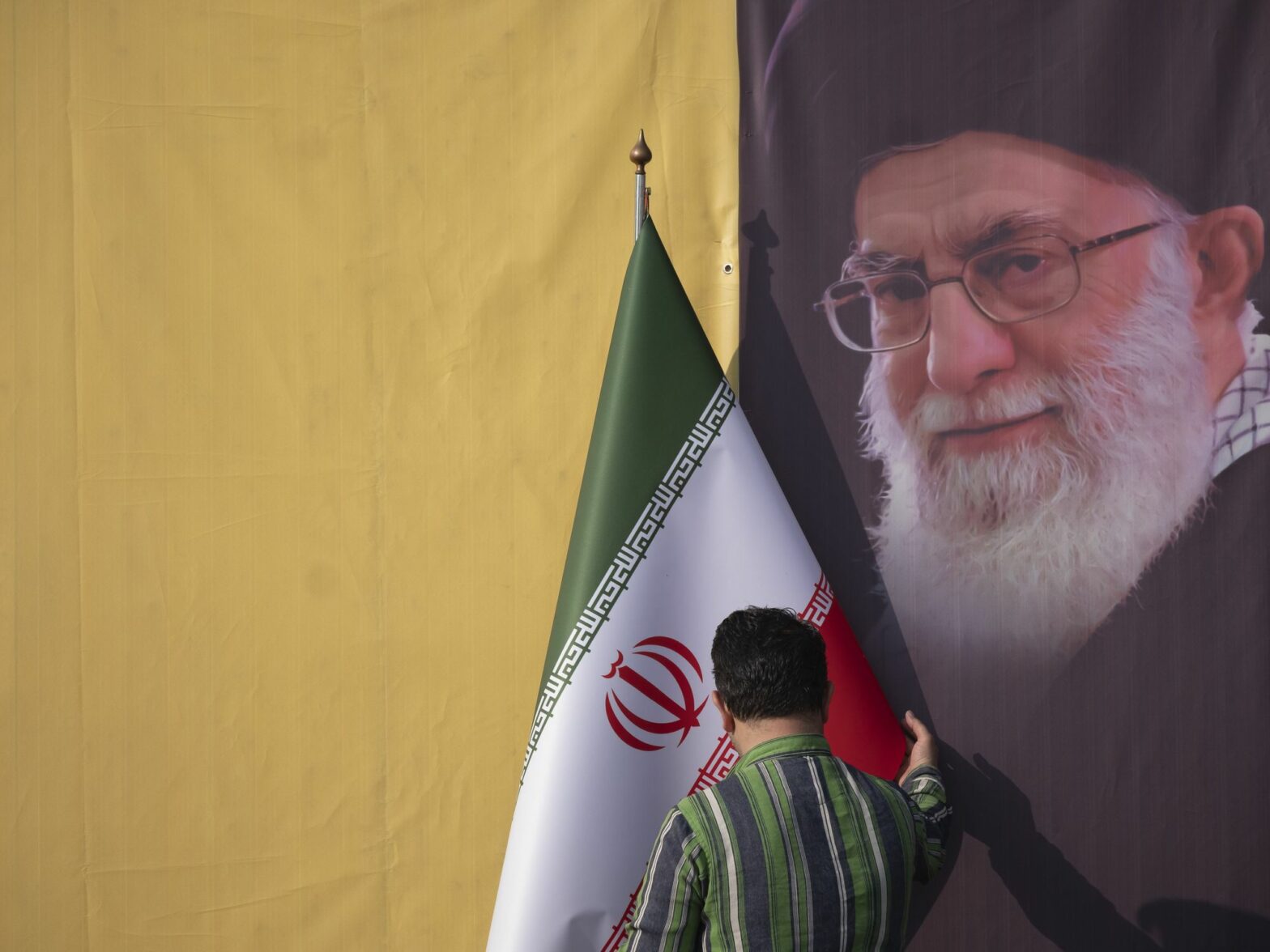
Members of the Tehran regime are cautiously broaching the question of who will be Iran’s next Supreme Leader, but is this of real public concern or a ploy to distract an exasperated population from the country’s dismal socio-economic conditions?
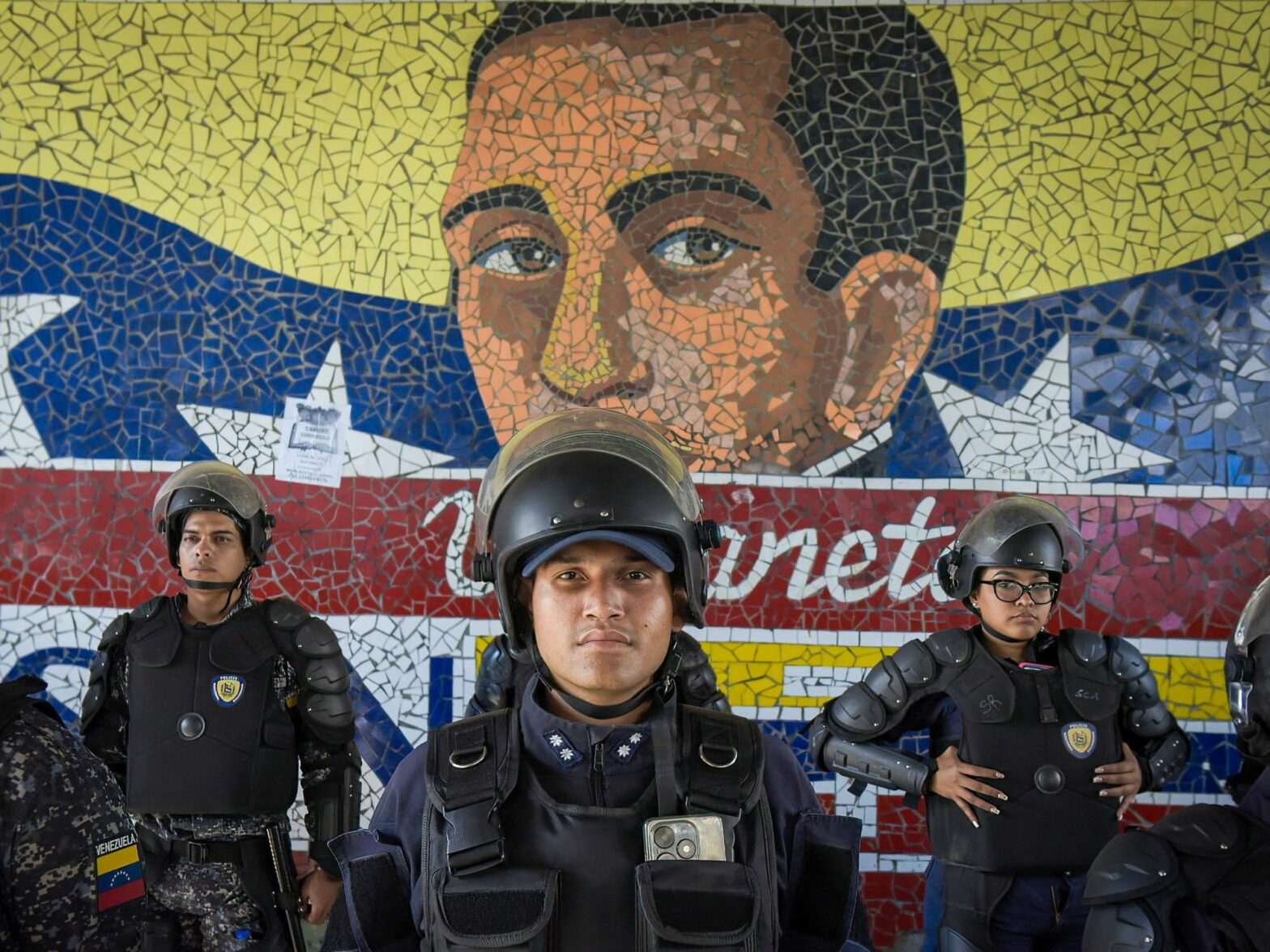
Edmundo Gonzales, the opposition candidate who should have been declared the winner of the July election in Venezuela, has gone into exile in Spain. For the time being, President Maduro has won the day, even if he is denounced by the Latin American democratic left, notably Lula in Brazil.
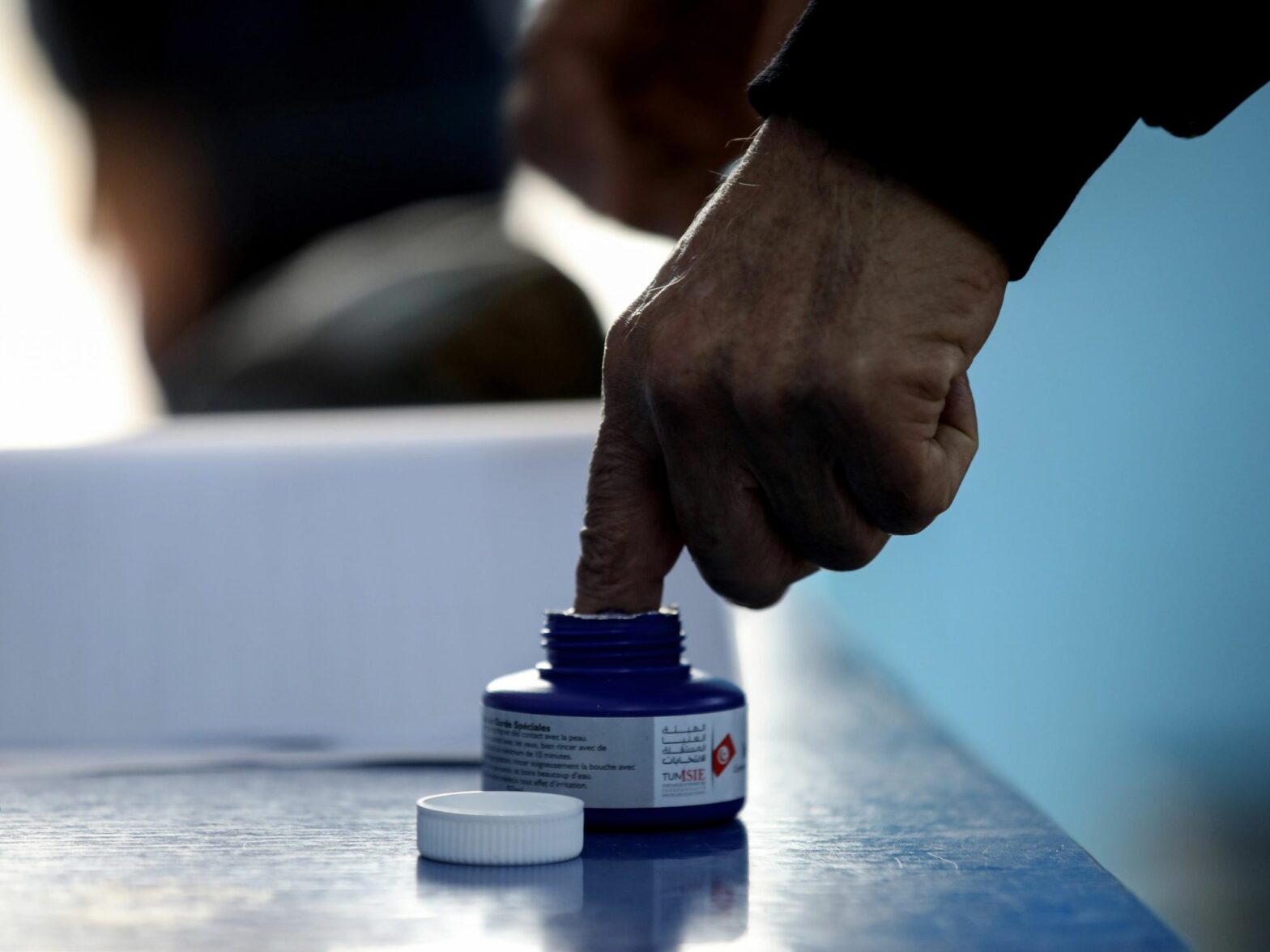
In both Algeria and Tunisia, societies were on the move to demand change. In two presidential elections scheduled so close together, on Saturday in Algeria and next month in Tunisia, the powers that be made sure that nothing would change.
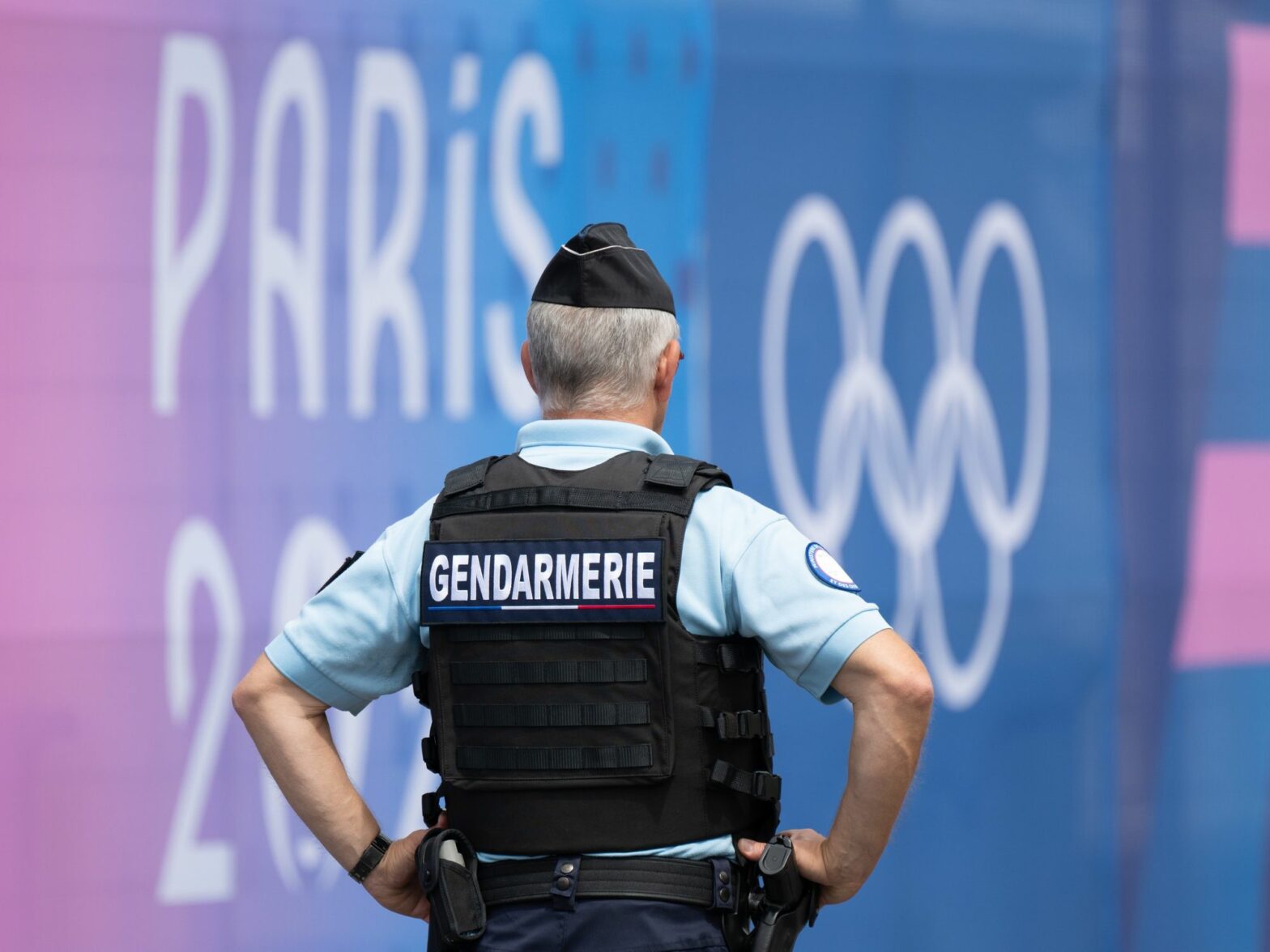
The Olympic Games in Paris will be the first in history with a video surveillance system linked to massive databases, algorithms developed by artificial intelligence and facial recognition. With bonafide security fears, as shown by Friday’s attack on rail lines, this new form of individual and collective control also raises real civil liberty concerns.
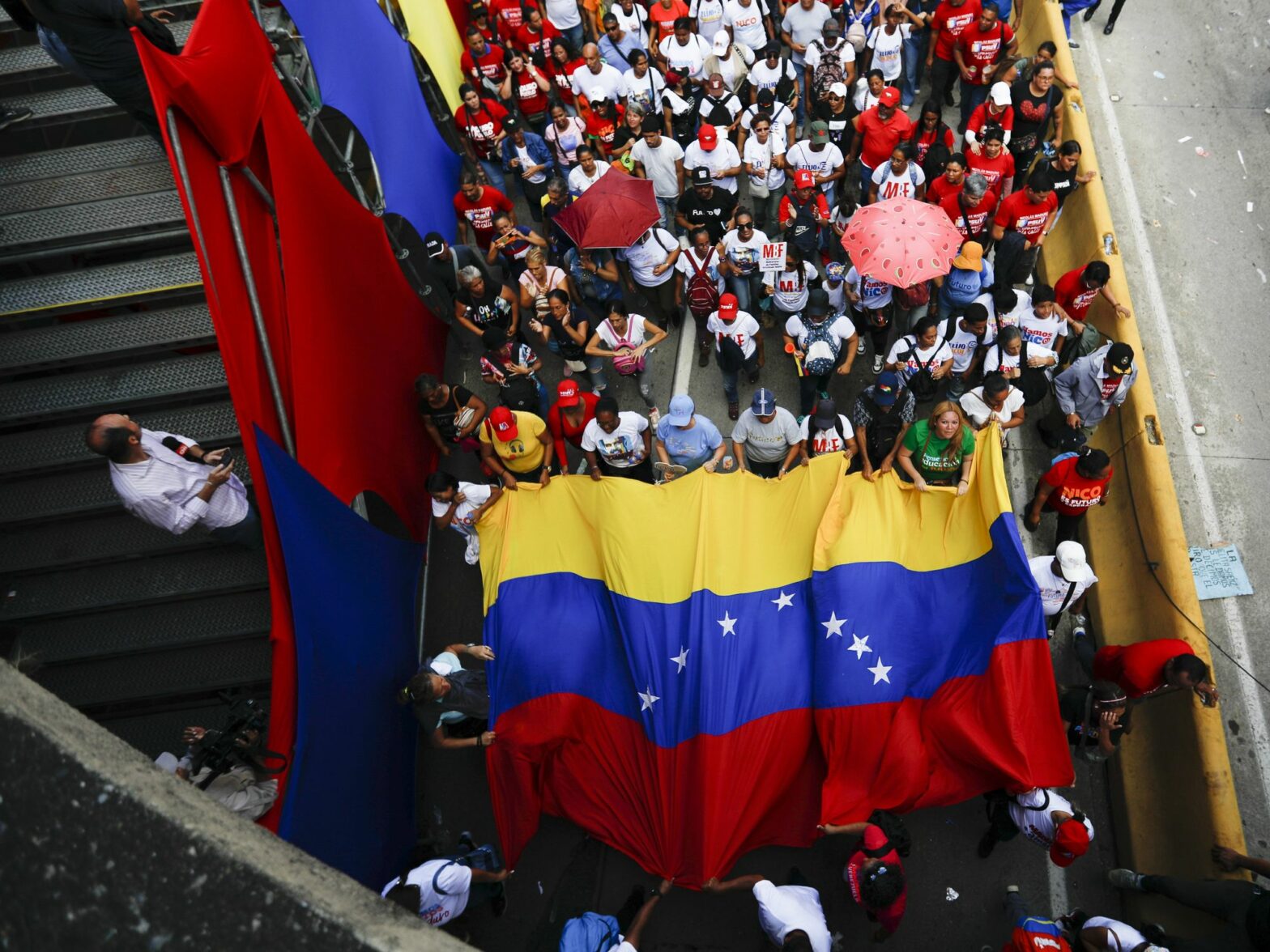
What we are witnessing is the struggle of a people against their oppressors. This electoral process, although flawed, could become a milestone for Venezuelans to regain their freedom — and it is one that should concern everyone who believes in democracy.
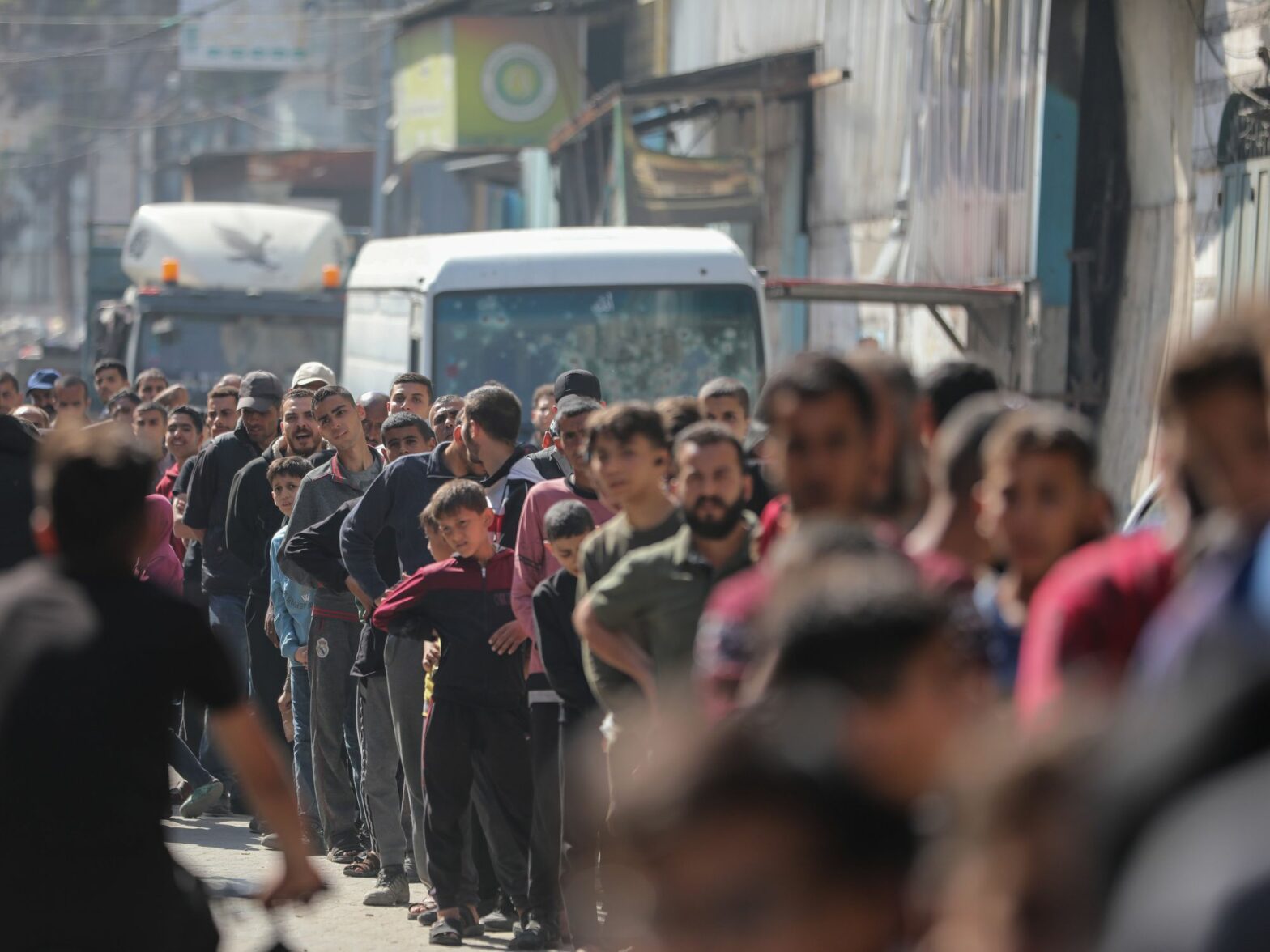
Israel’s war on Gaza, with the support of the West, is not far from the necessities of capitalist accumulation in many regions of the world, or at least about managing the crisis of contemporary global capitalism.
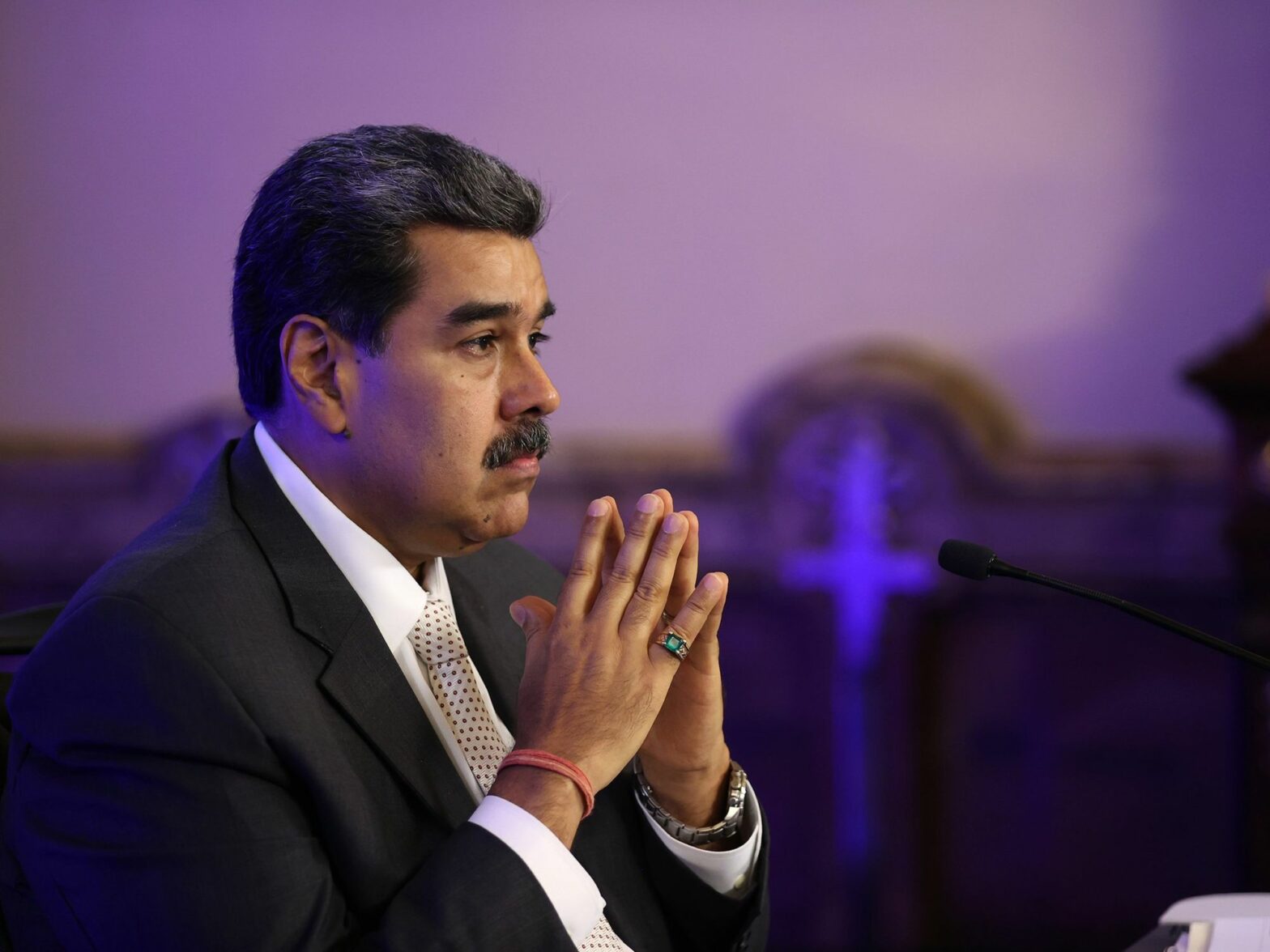
In keeping with the pseudo-democratic style of certain autocracies of our time, Venezuela’s leftist ruler is not averse to holding a general election, to be held when he says and once he has the results readied in advance.
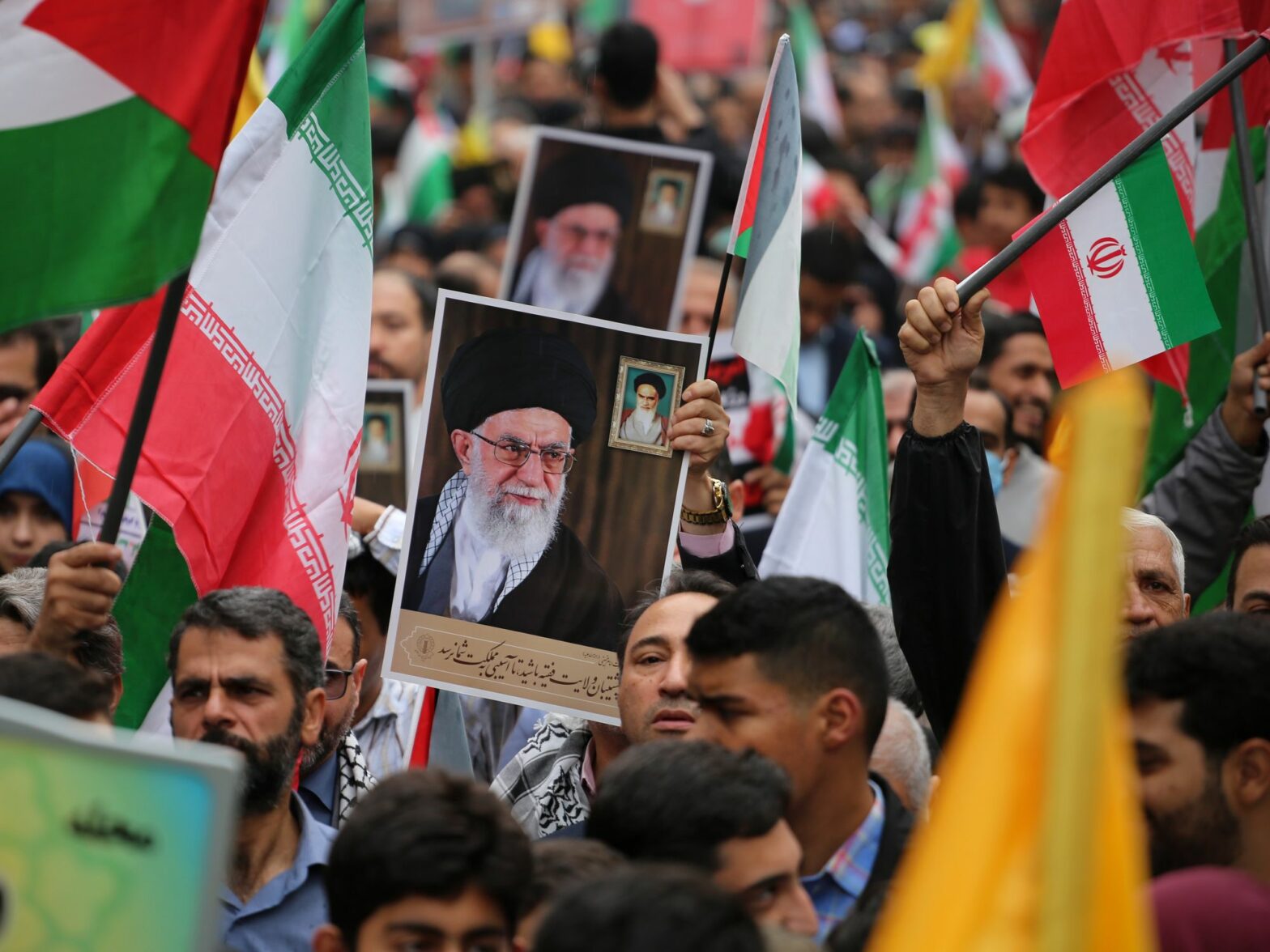
The recent repression of an old man dancing at a fish market shows how on edge Iran’s regime is domestically, writes Pierre Haski. While Iran may be stepping up its game regionally, its fragile attitude domestically can be a sign of what an irrational actor the mullah regime can be.
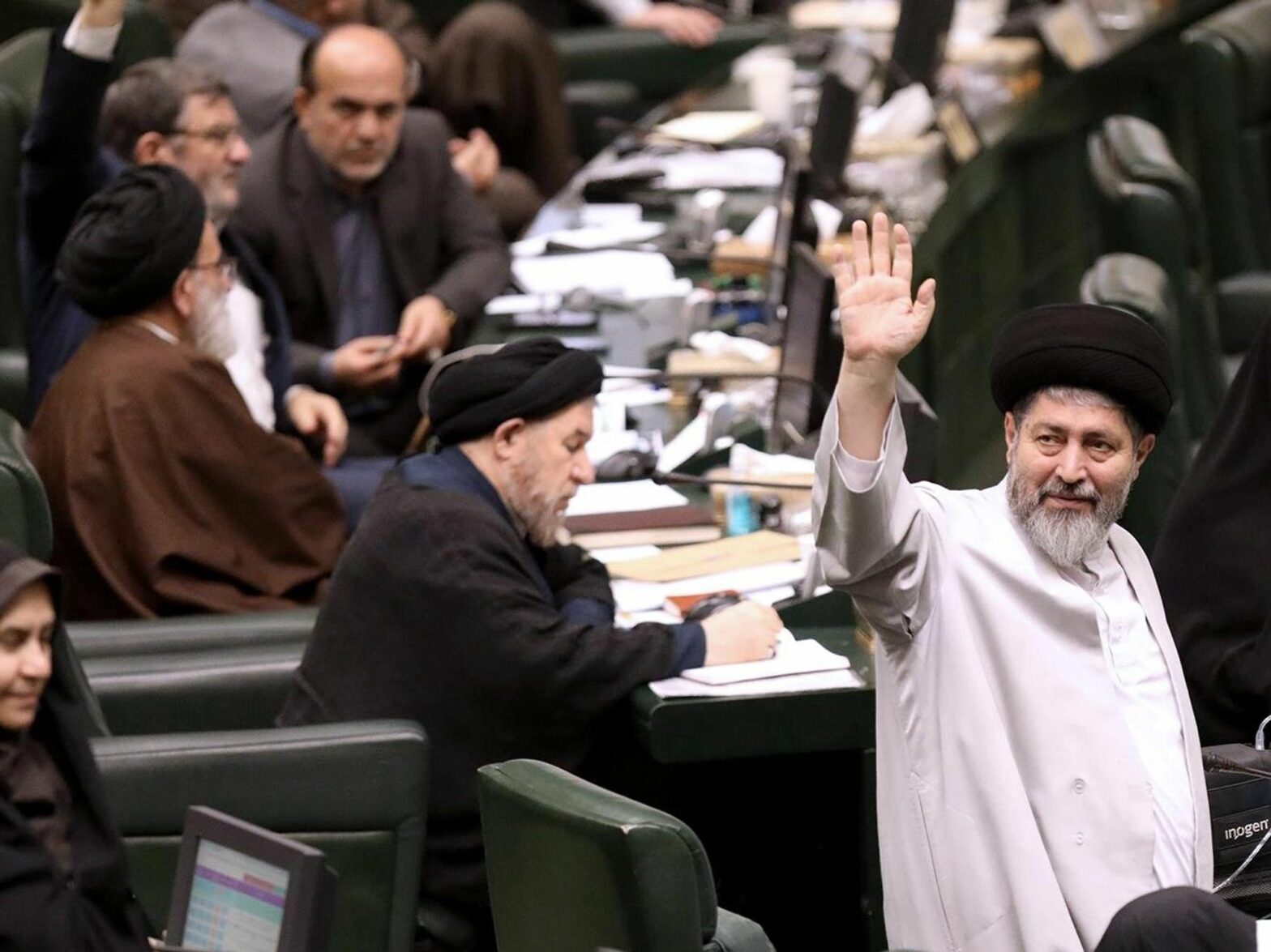
Middle East attention is focused on the war in Gaza, which has given the Iranian regime a great opportunity to lock down control on the situation at home and try to break the protest movement of the past year with extreme violence.
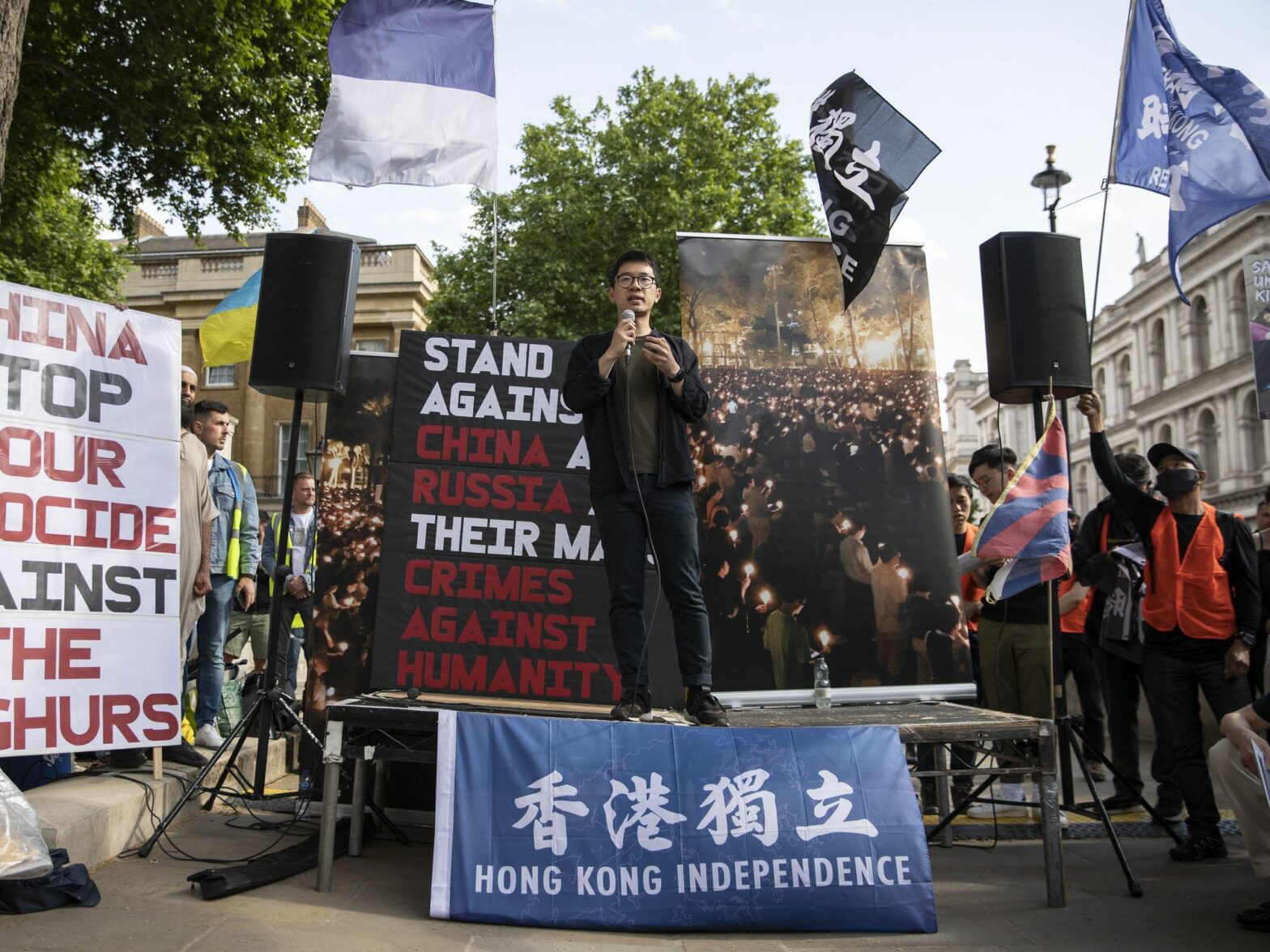
Hong Kong police have arrested five people accused of supporting eight pro-democracy activists living abroad, two days after the government put up bounties on them. As part of the sweeping national security law imposed by Beijing, the move is yet another attempt by China to stifle oversea dissidence.
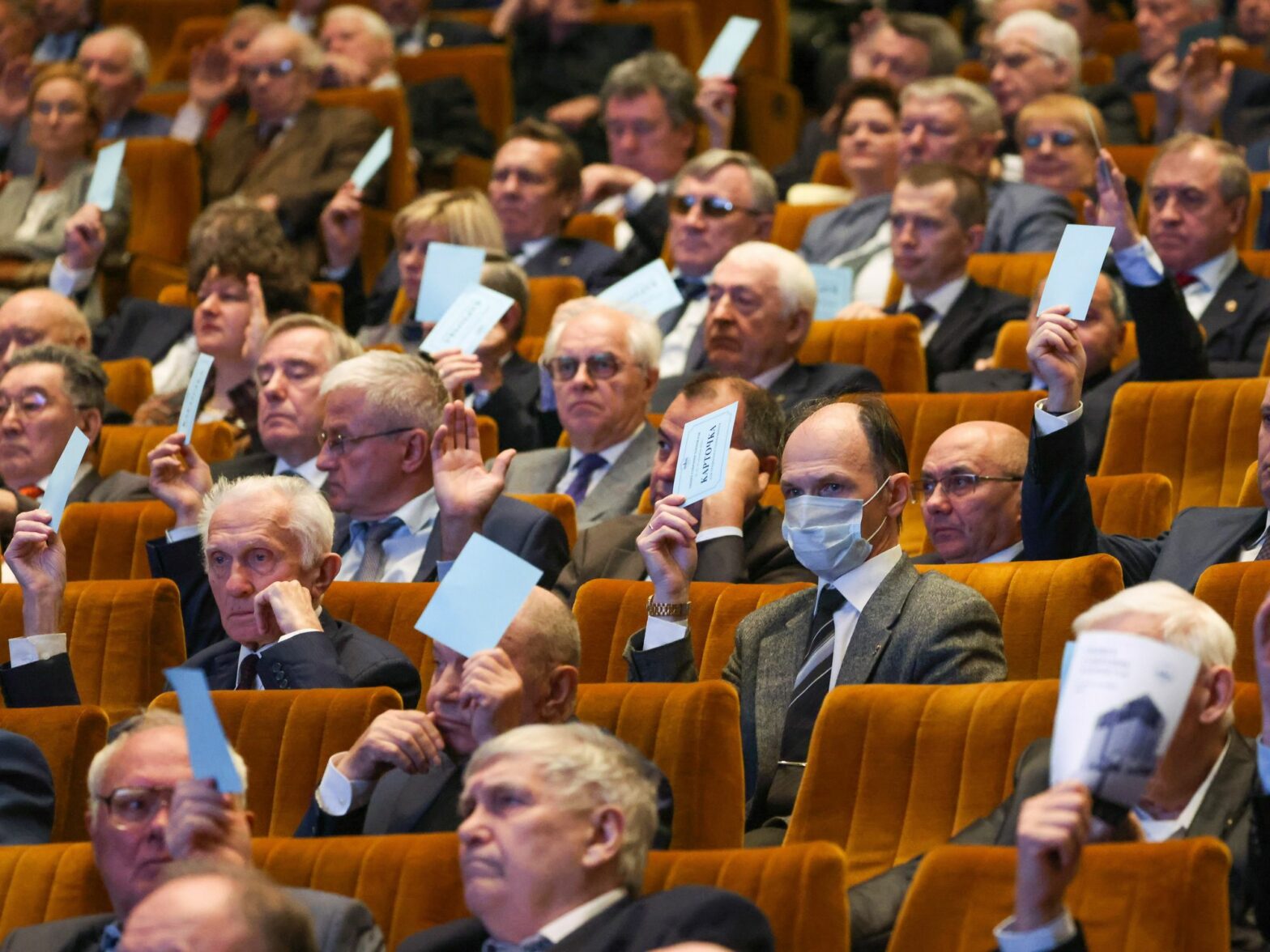
A fourth physicist from the Novosibirsk Department of the Russian Academy of Sciences has been detained on treason charges. The scientists’ research is linked to the development of hypersonic missiles, and an open letter now warns that Moscow’s arrests of its top researchers will cause Russia to fall behind in the development of such weapons.
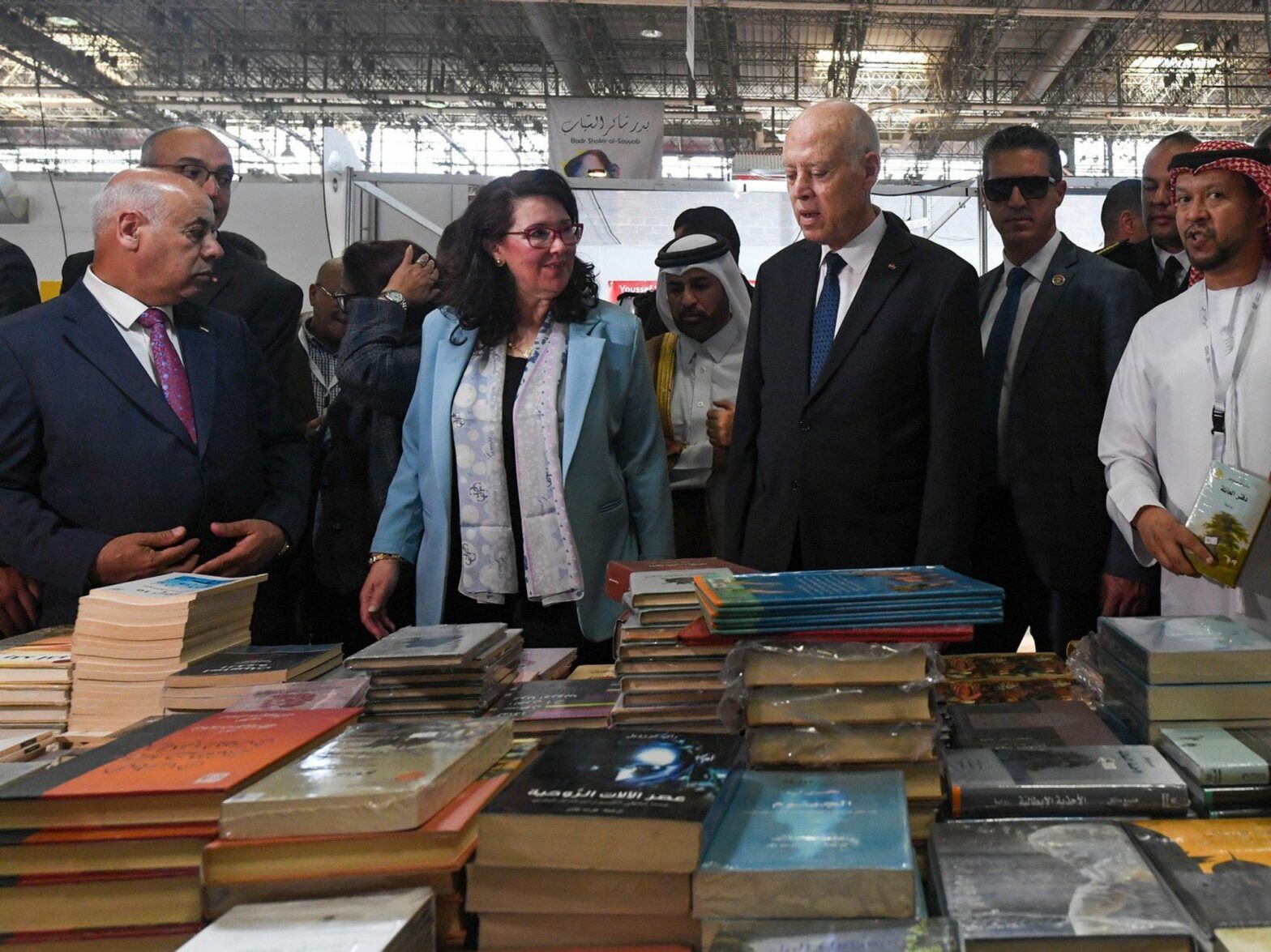
The recently completed 37th International Book Fair in Tunis became a flashpoint of growing concerns that Tunisian President Kaïs Saïed is cracking down on freedom of speech.
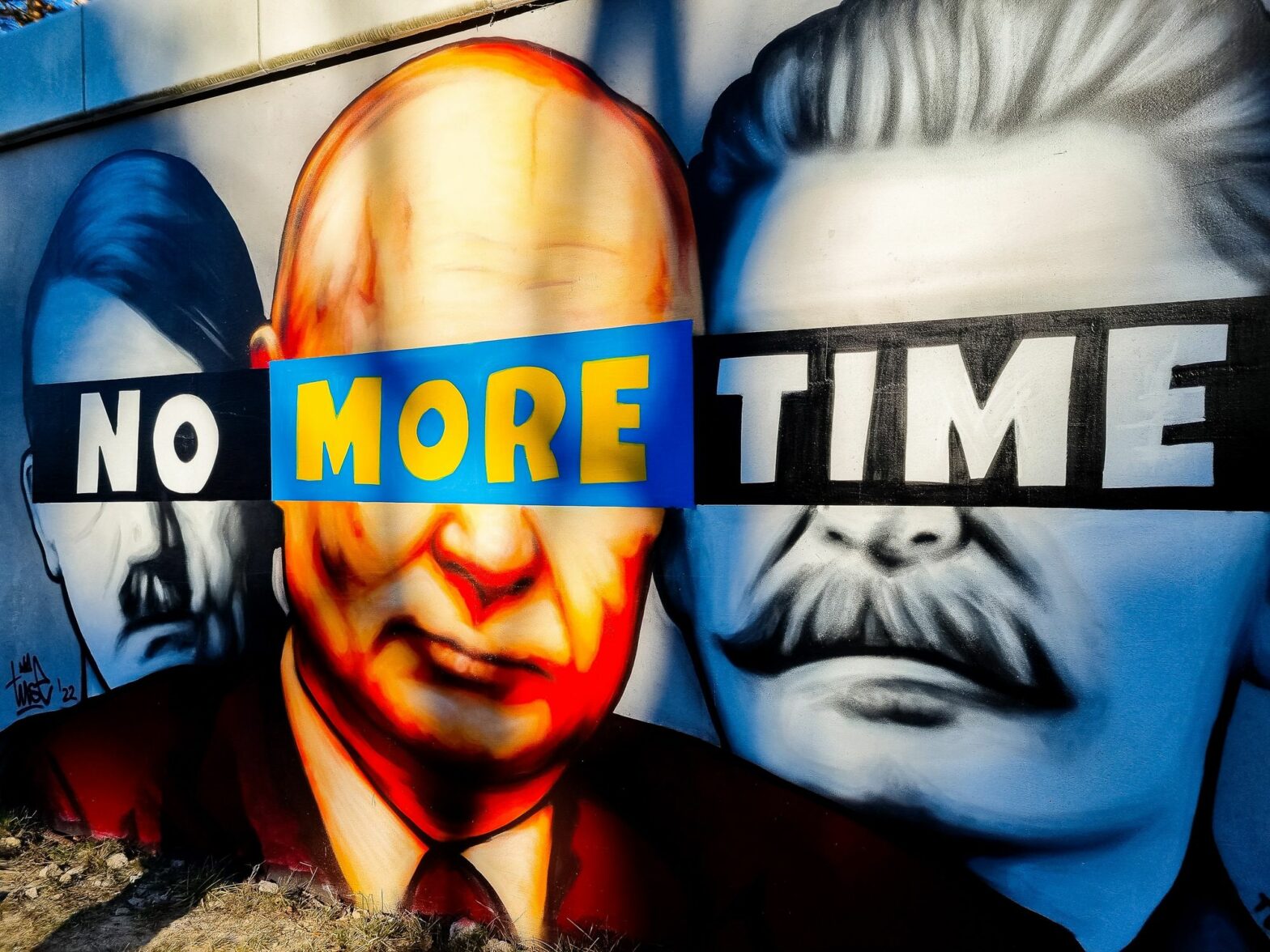
Russian President Vladimir Putin is often compared to Stalin, the Soviet leader responsible for the deaths of millions. In the West, it’s not a compliment. For Putin, it’s encouragement. Meanwhile, some Russian nationalists ask if he’s “Stalin enough.”
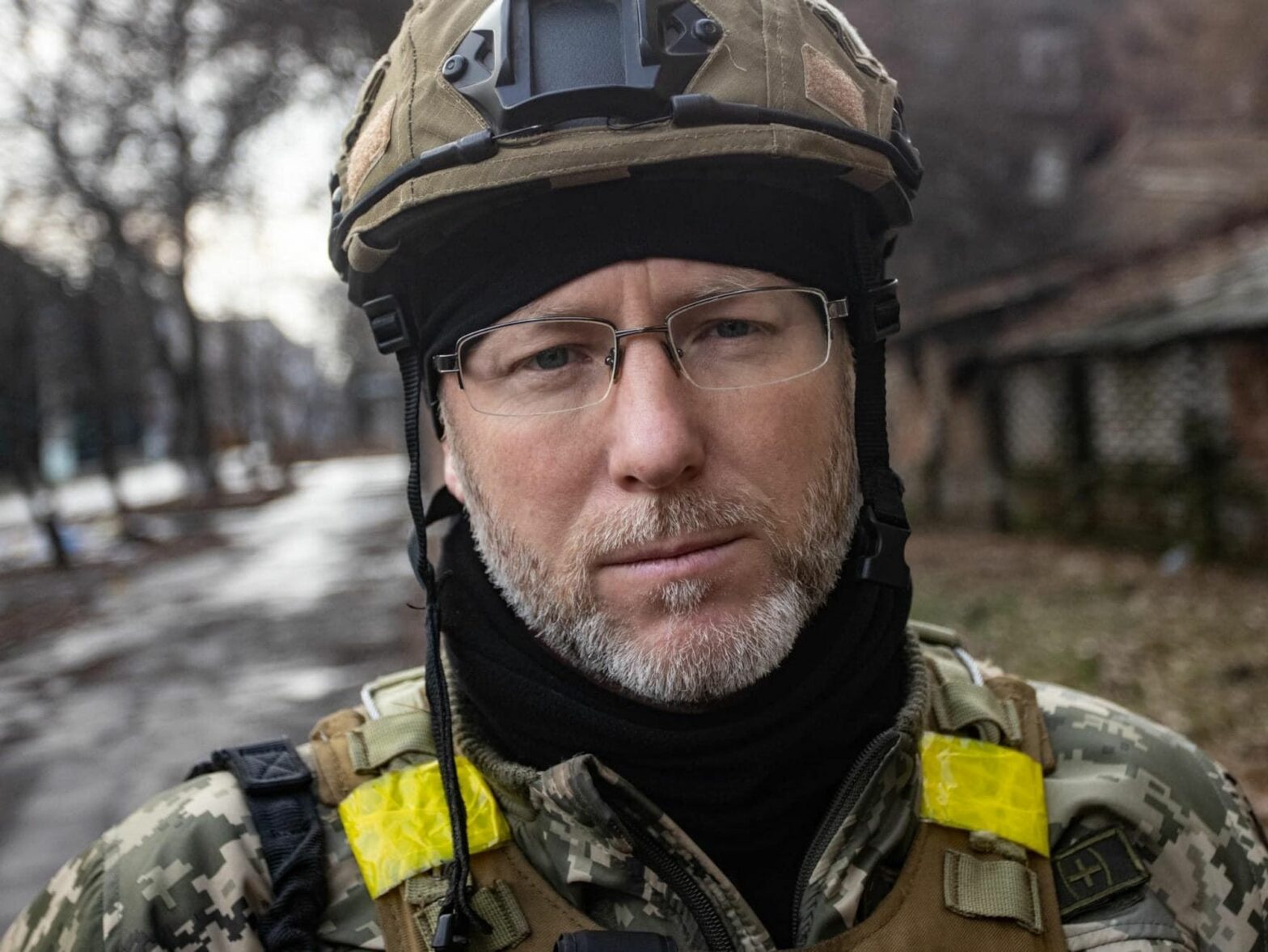
Russia has a complicated history with Islam, often built on Moscow’s repression of the religious minority. Now, Muslims in Ukraine are ever more committed to a project for a multi-religious society that Kyiv espouses. Ukrainian Mufti Said Ismagilov has taken up arms for that cause, and to defend his nation.
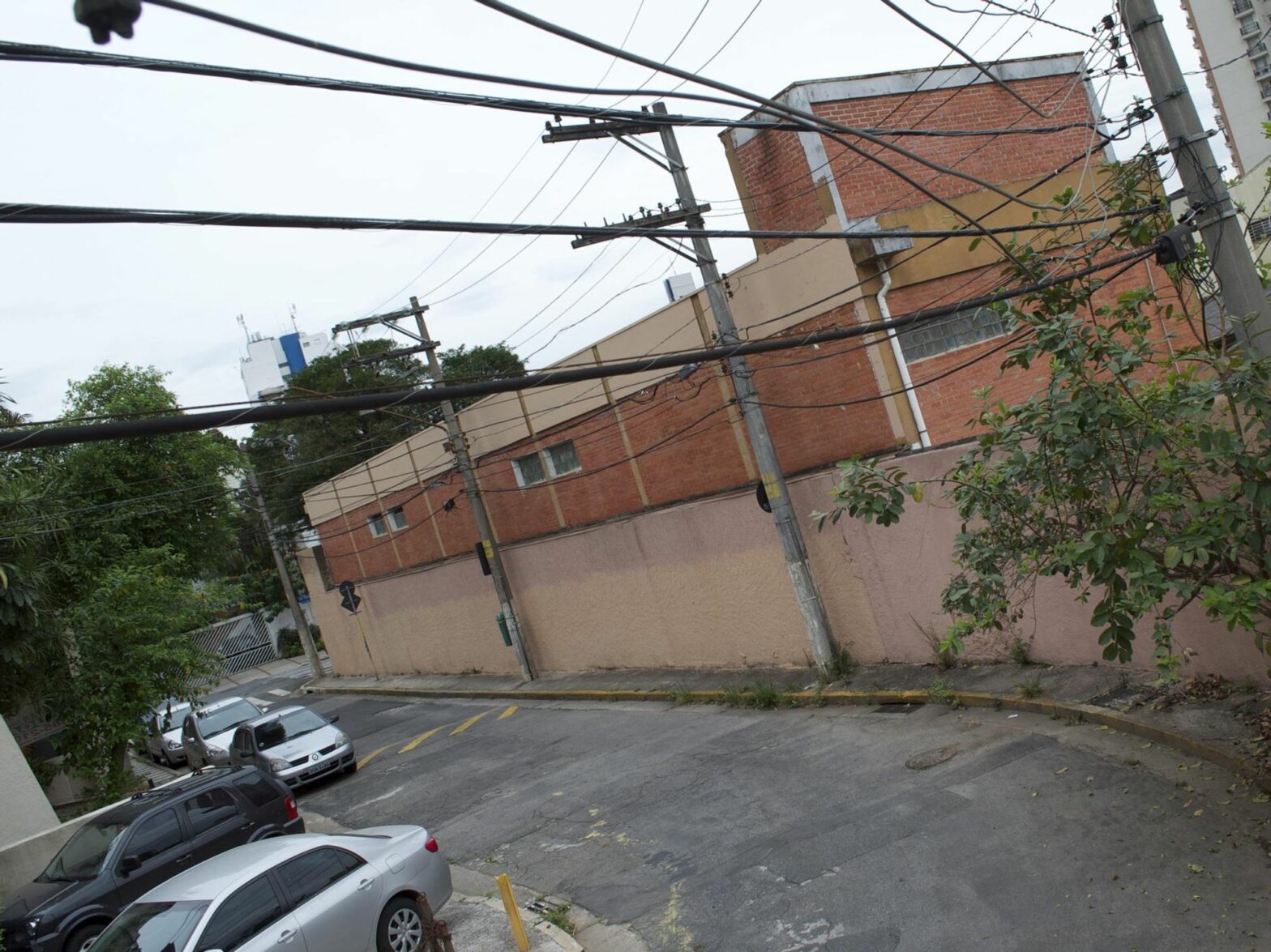
As the country gears up for a politically-charged run-off election, a team of archaeologists, historians and forensics experts are set to excavate the grounds and buildings of one of the worst torture centers in São Paulo, trying to recover the country’s painful history of torture during the military regime.
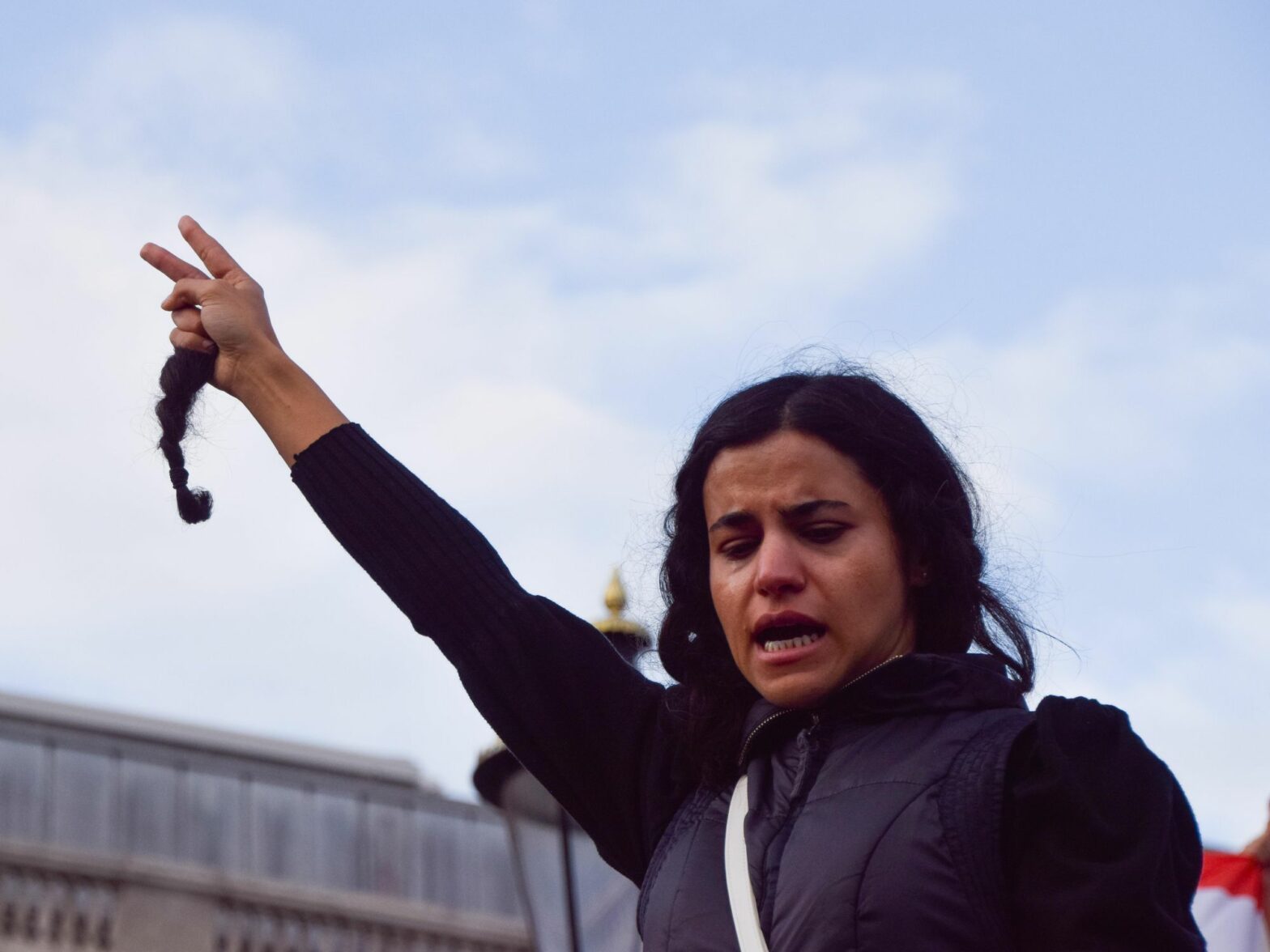
The latest round of anti-regime protests in Iran is different than other in the 40 years of the Islamic Republic: for its universality and boldness, the level of public fury and grief, and the role of women and social media. The target is not some policy or the economy, but the regime itself.
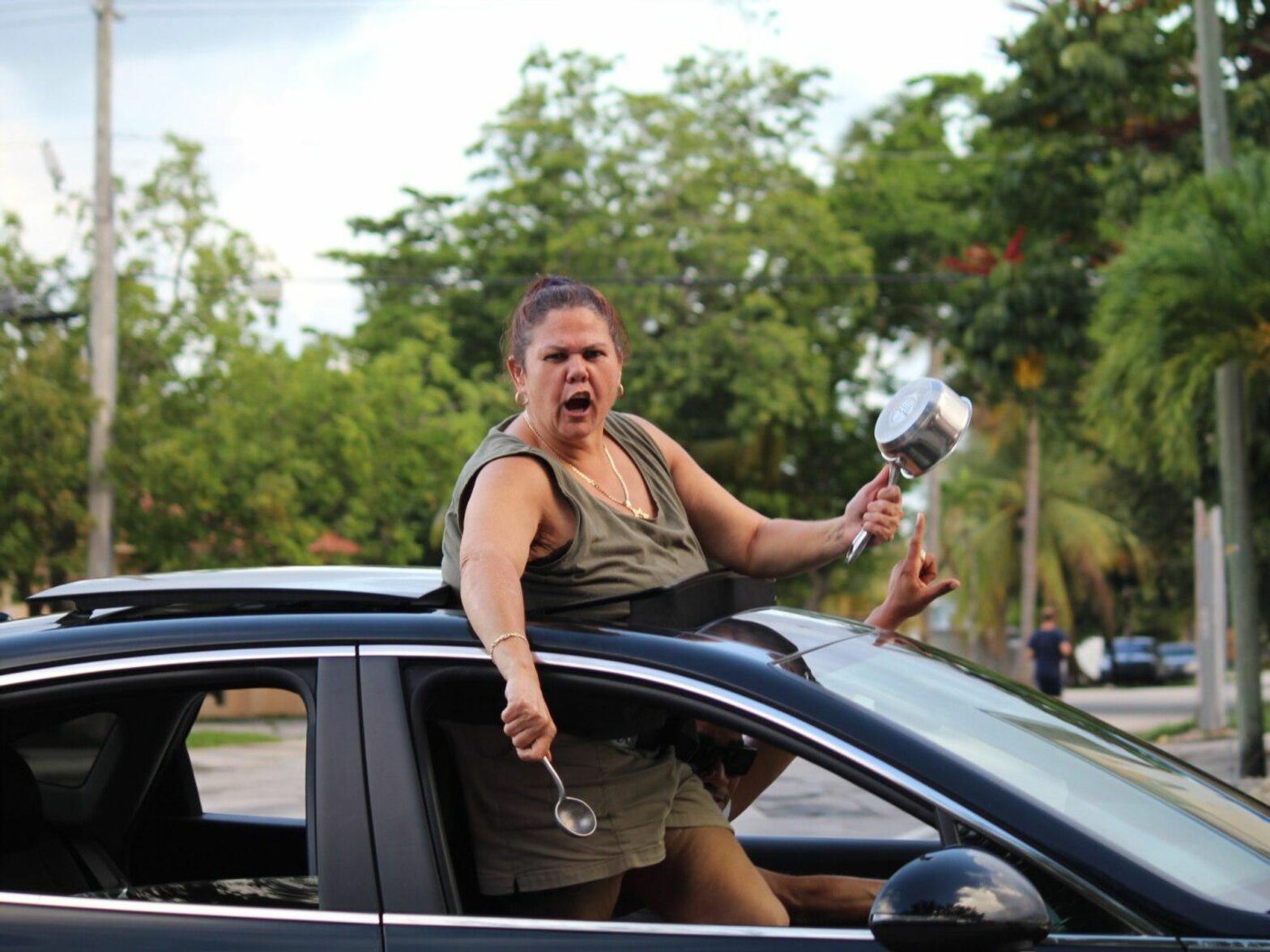
The Cuban government has once again jailed dissenting artists or forced them to flee. But anger at the 60-year dictatorship has spread far beyond artistic circles and the regime no longer has the power to silence people.
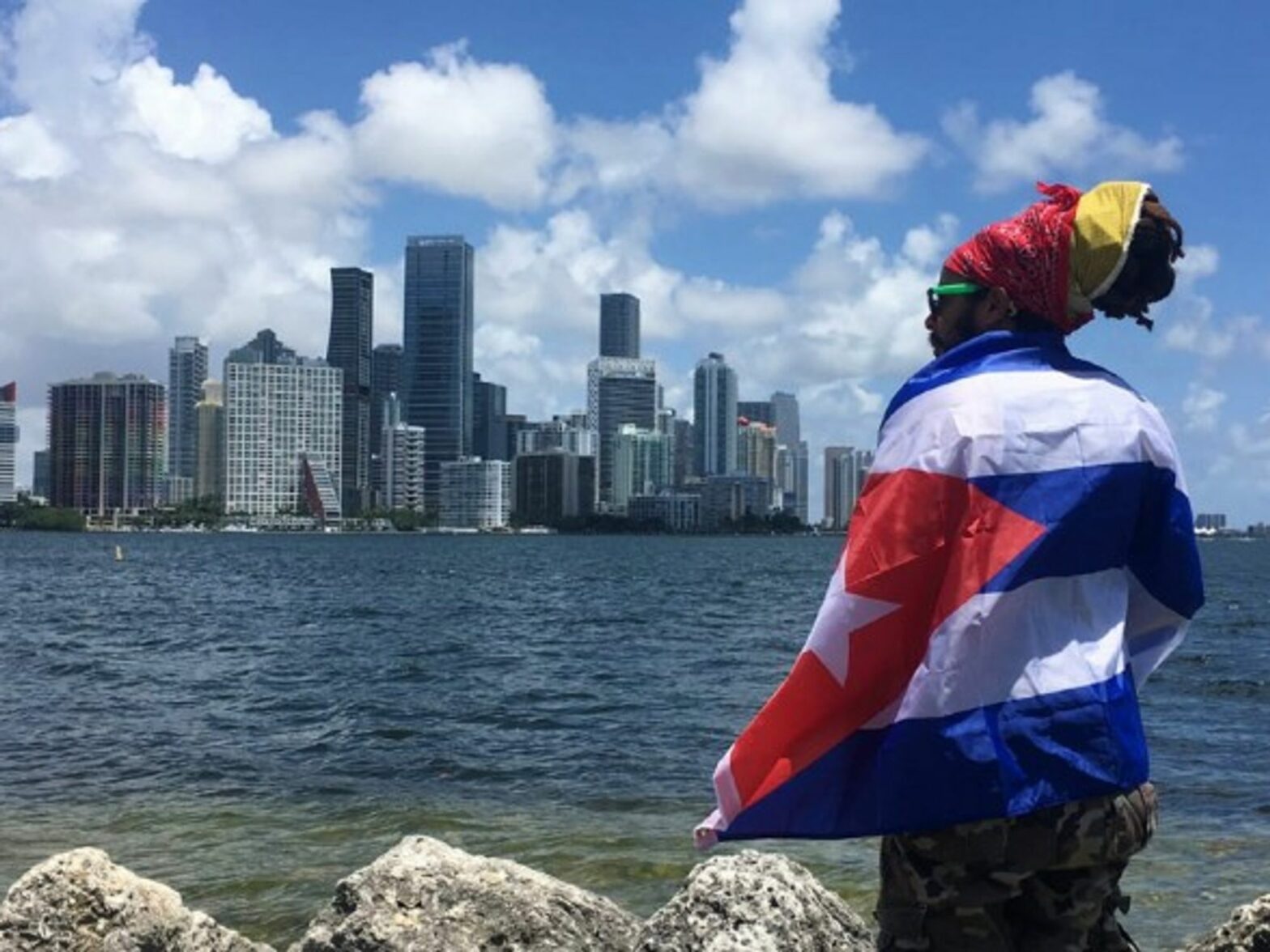
As the world is distracted by COVID-19 and regional leftists turn a blind eye, the Cuban regime relaunches its secretive practice of civil-society repression.
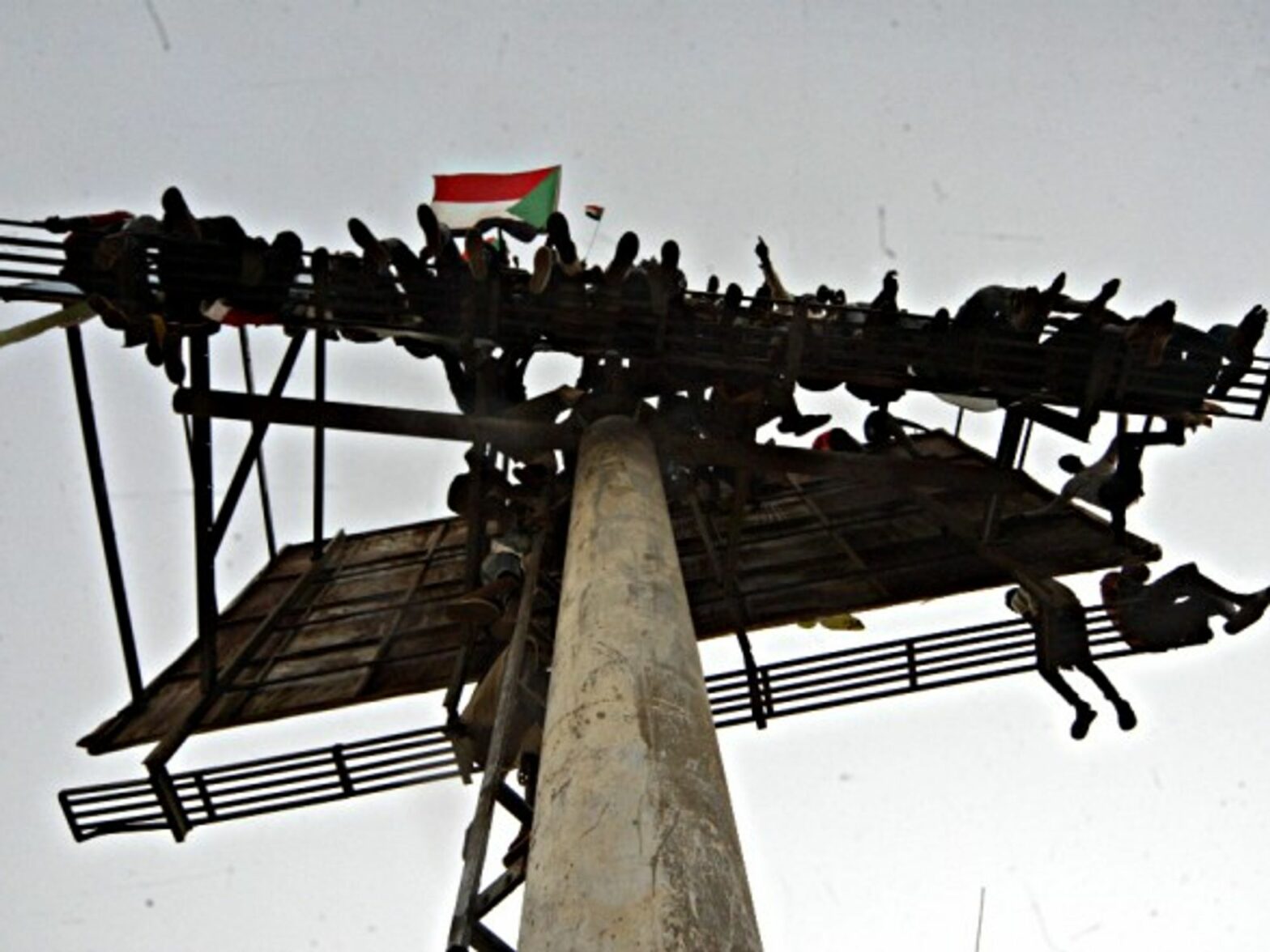
Beyond the geopolitical ramifications, what’s happening in Sudan is our problem too. Between the violence from those in charge and the meaning of citizen movements, the stakes couldn’t be higher.
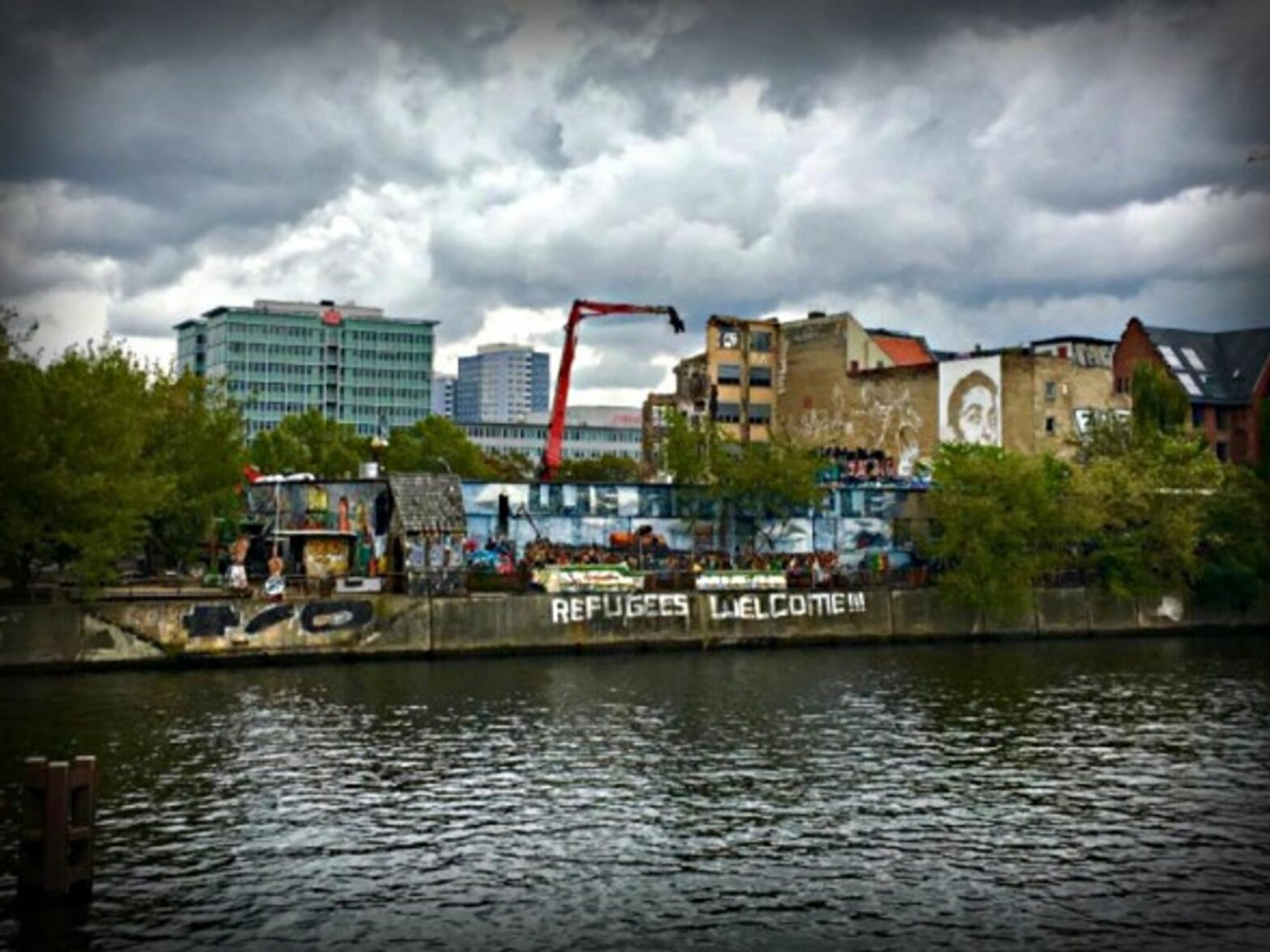
Writers, artists, journalists and others fleeing oppression in Turkey are settling in the Kreuzberg neighborhood of Berlin. But the dream is always to go back home.
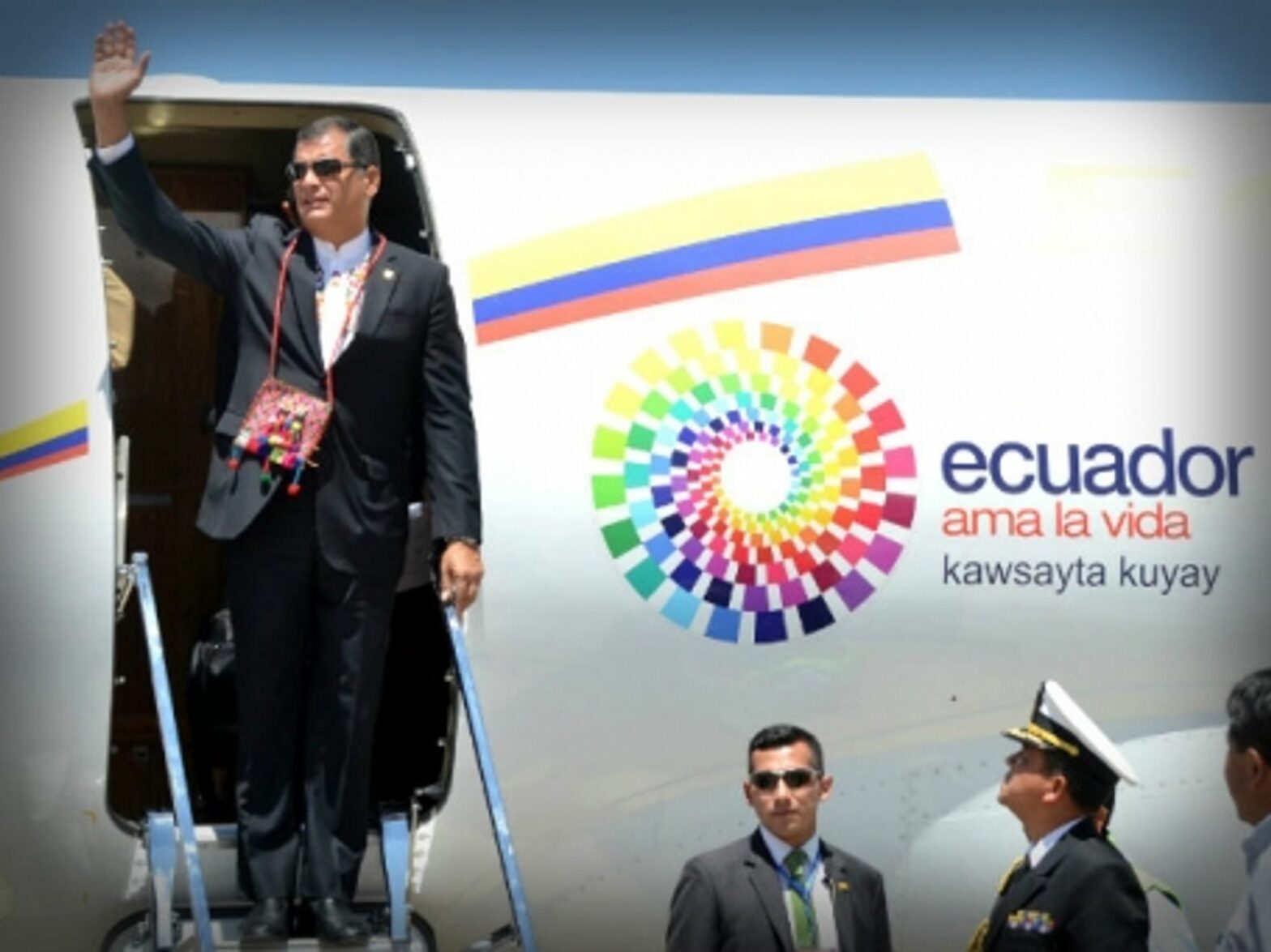
Unlike Nicolas Maduro in Venezuela, Ecuadorian President Rafael Correa manages to keep his political crackdowns below the international radar.
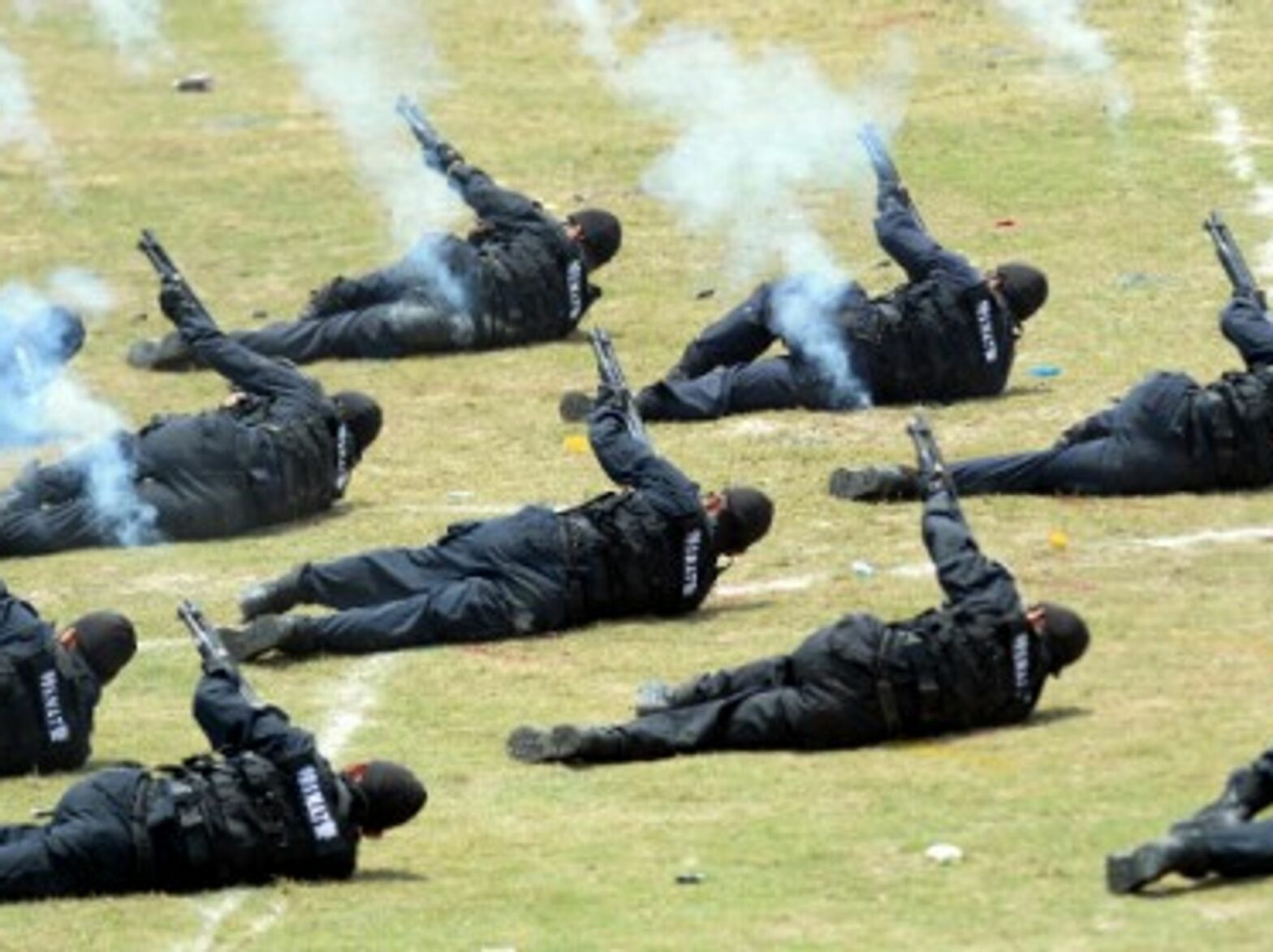
BEIJING — Recent acts of violence in China have prompted the country to step up its anti-terrorism measures, leading the Beijing government, for example, to give police more authority to use force to stop a terror attack. The capital’s public security bureau has given anti-terror units twice the normal amount of bullets, Beijing News reports. […]
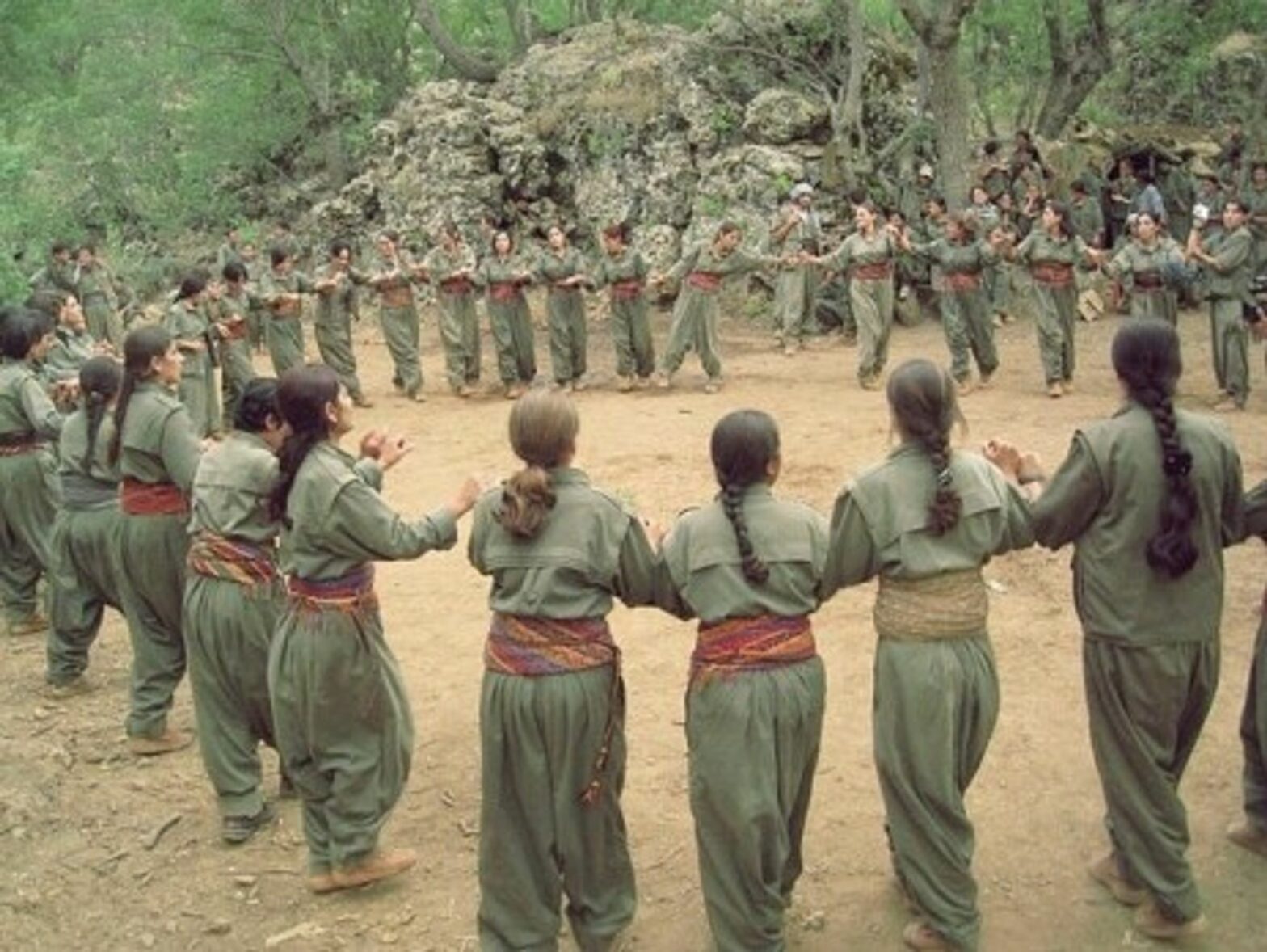
With the announcement this week of a historic ceasefire from jailed PKK leader Abdullah Ocalan, a look at the feminist side of the Kurdish fight for greater autonomy.
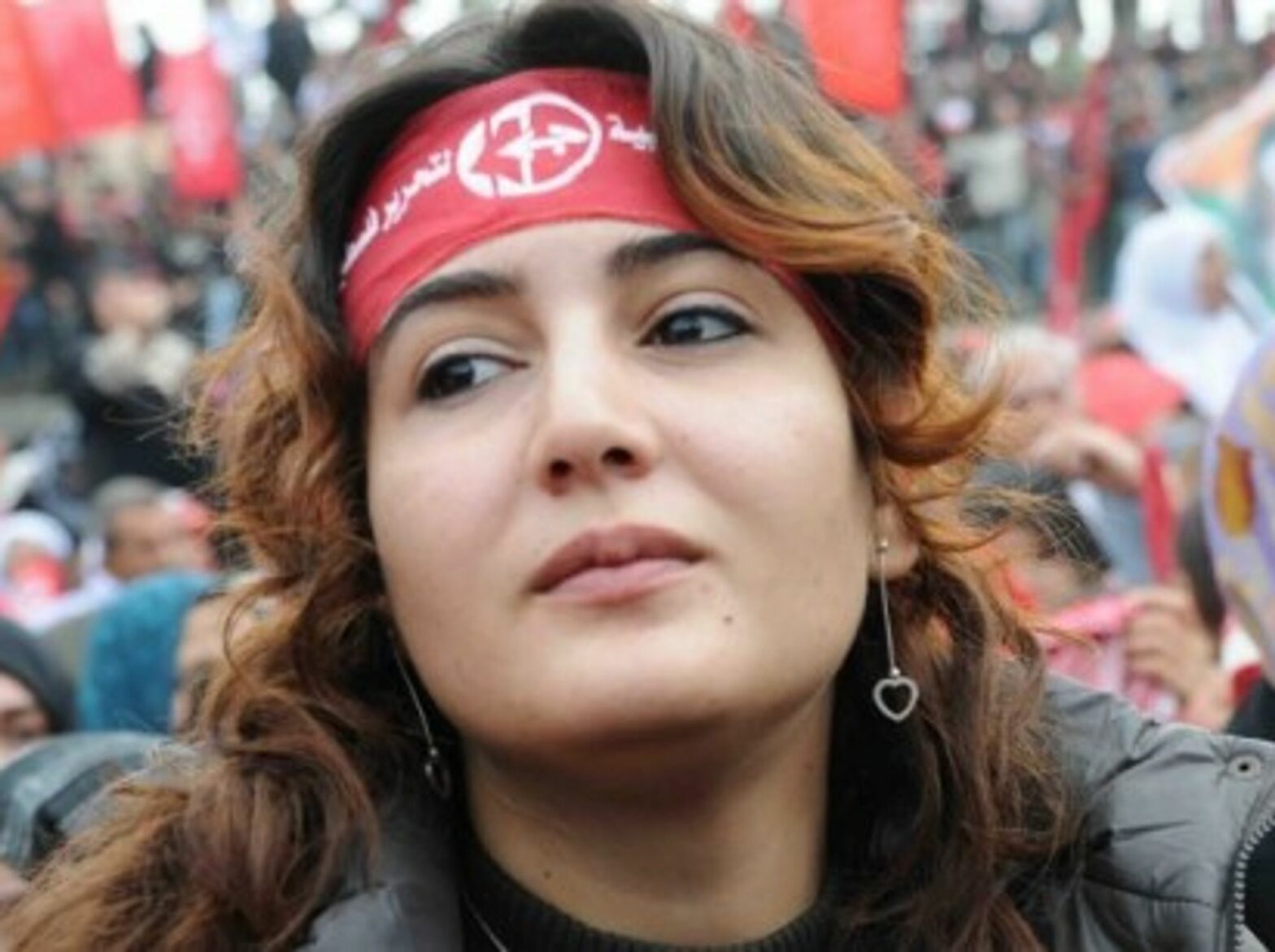
GAZA – They have almost all left: Bachar for Sweden, May for Spain, Imad for Tunisia, Mohamed for Qatar, Assad for Egypt, Adham for Belgium. Moustapha, Asmaa’s brother also left for Belgium, while Mohamed Matar, aka Abou Yazan, the leader of the short-lived March 15 Movement, that tried to bring the Arab Spring to Gaza, […]
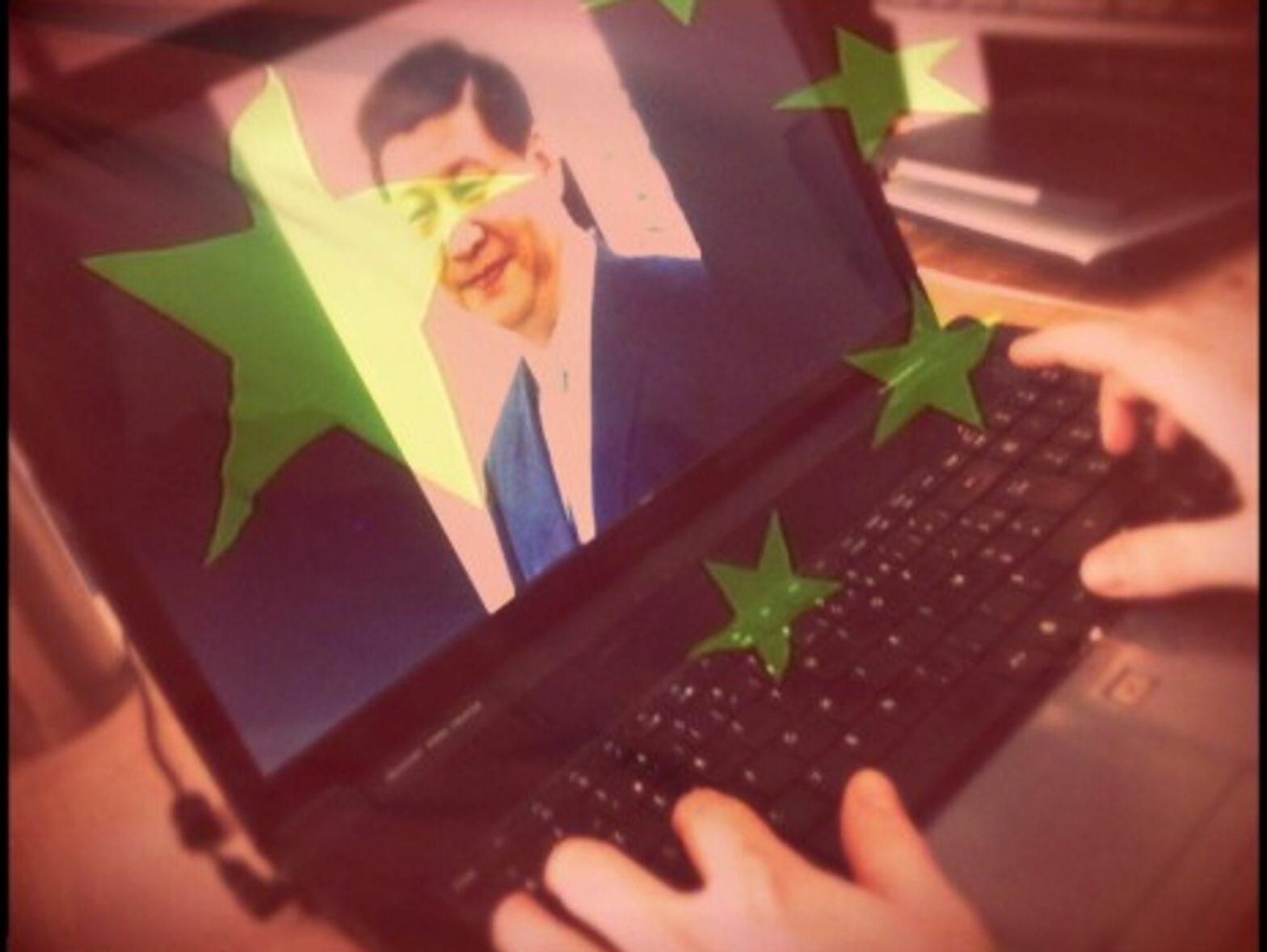
China’s incoming President has promised to tackle bribery and abuse of power. The country’s digital citizen-reporters will hold him to his word.