Refugees face challenges integrating into Portugal’s labor market, ranked as the 4th most precarious in Europe for foreign workers.
 Worldcrunch
Refugees face challenges integrating into Portugal’s labor market, ranked as the 4th most precarious in Europe for foreign workers.
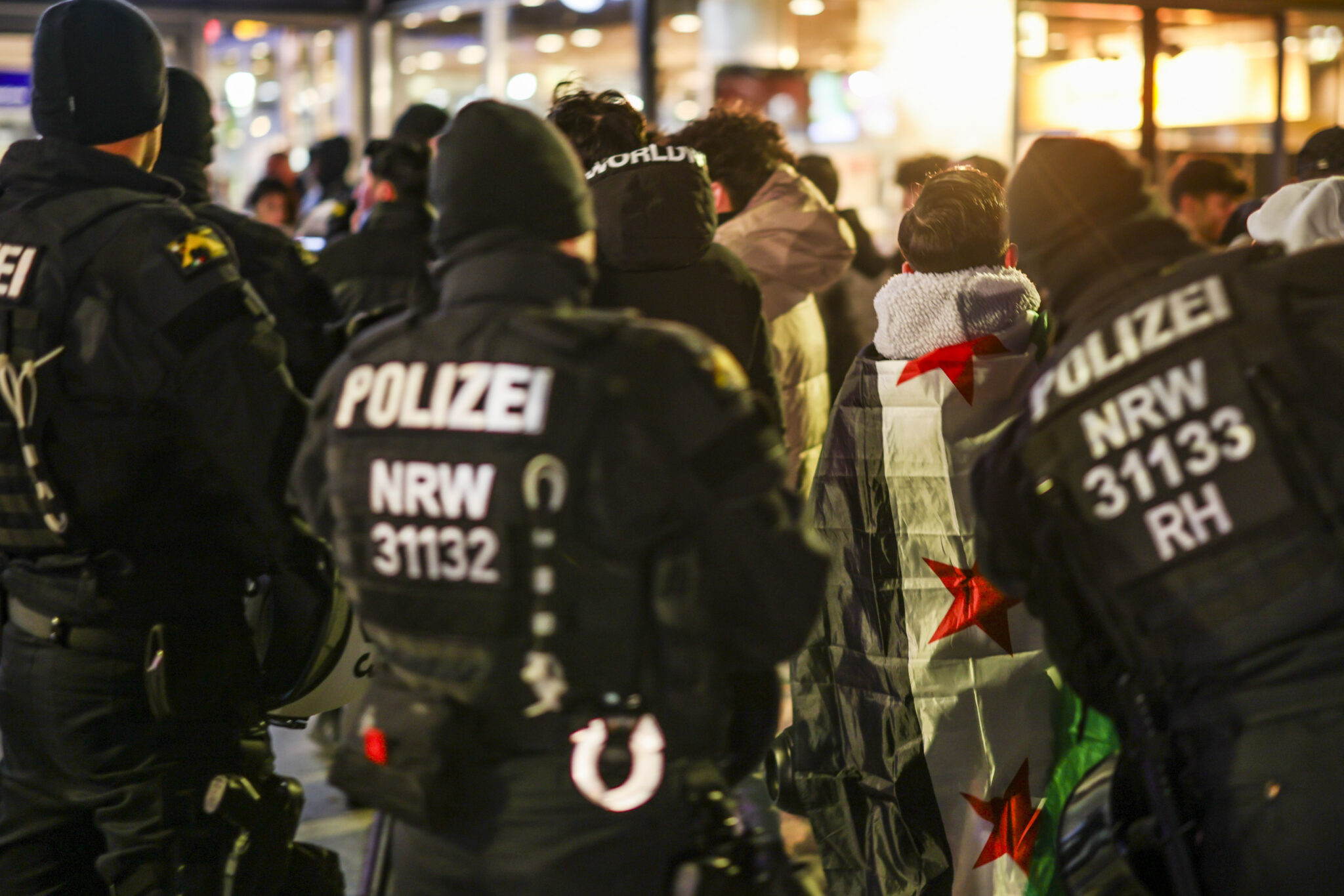
When conservative German politician Jens Spahn urges Syrian refugees to return home out of “patriotic duty,” his words reveal more about Germany’s politics than about the Syrians themselves.
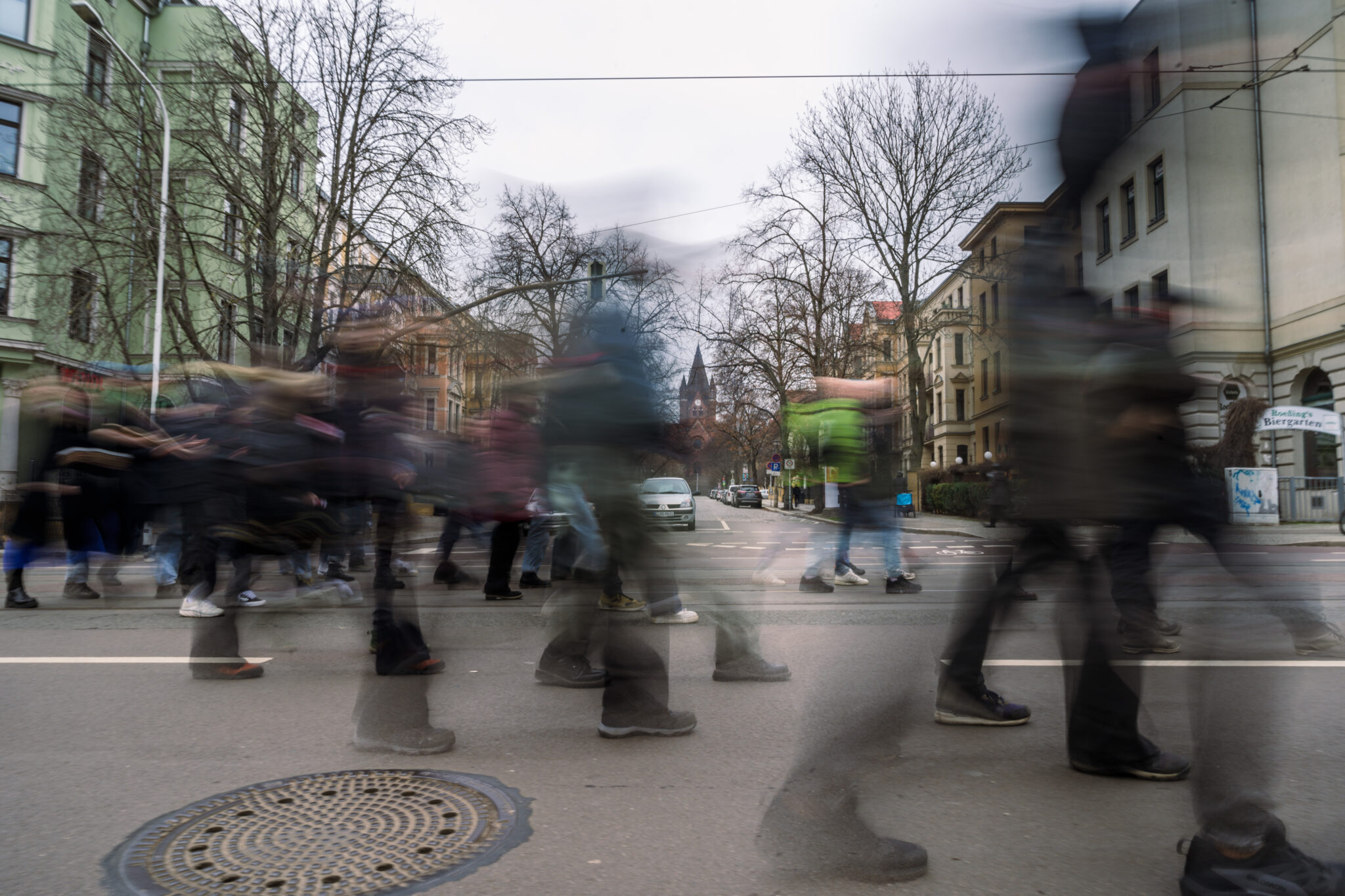
While the political debate and far right fixate on visible problems, new research shows that Germany’s everyday institutions quietly succeed in integrating refugees, often without anyone noticing.
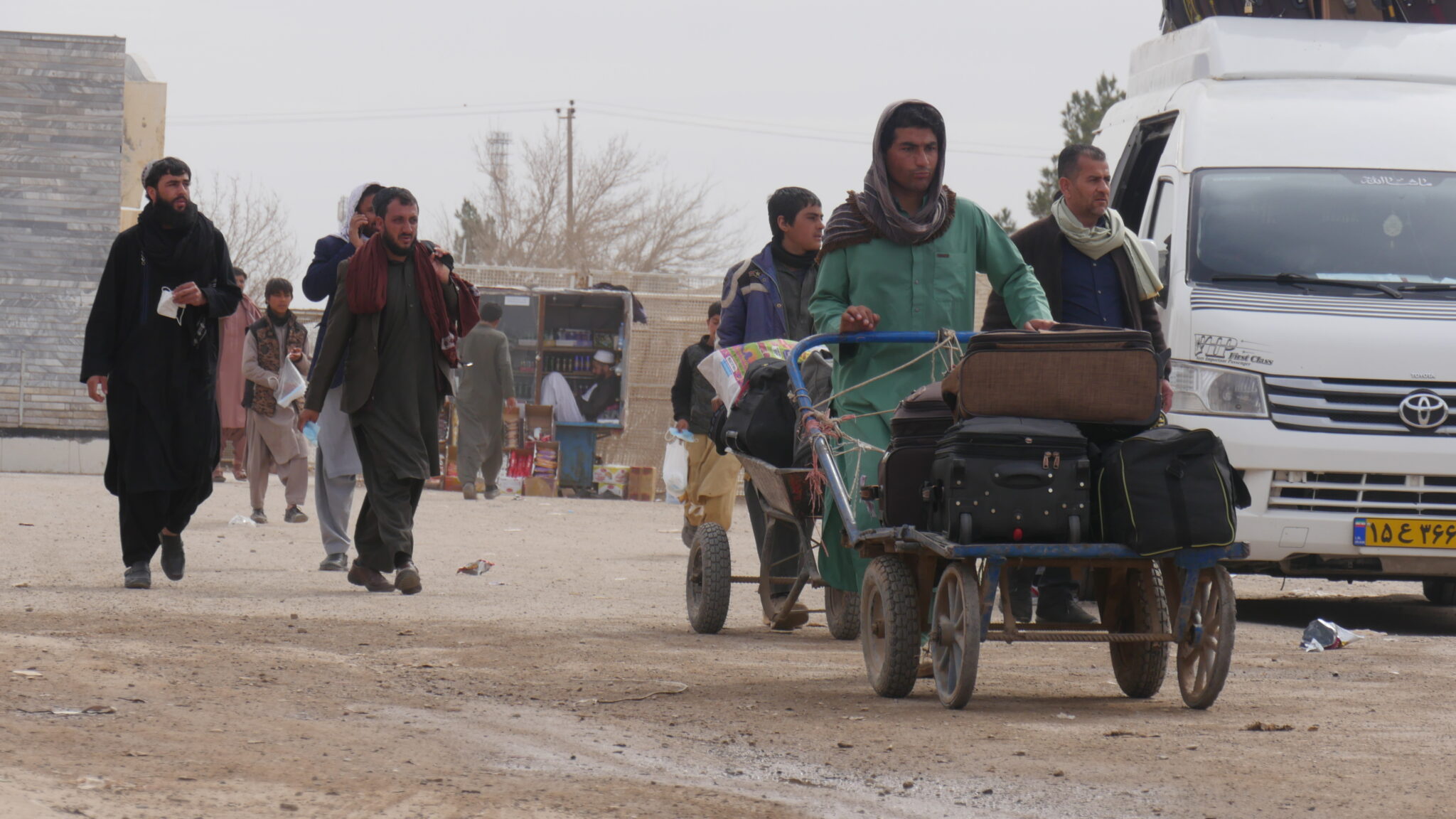
Iran is reportedly deporting thousands of Afghans — including many legal residents — claiming it can no longer afford to host millions of migrants. Witnesses describe chaotic expulsions marked by beatings and last-minute extortion at the border.

In Frankfurt, a recent trial opened the door to holding accountable those who thought themselves safe from the law by sneaking out of Syria. Meanwhile, back in Damascus, justice that is geographically closer to the crimes seems impossible to hope for.
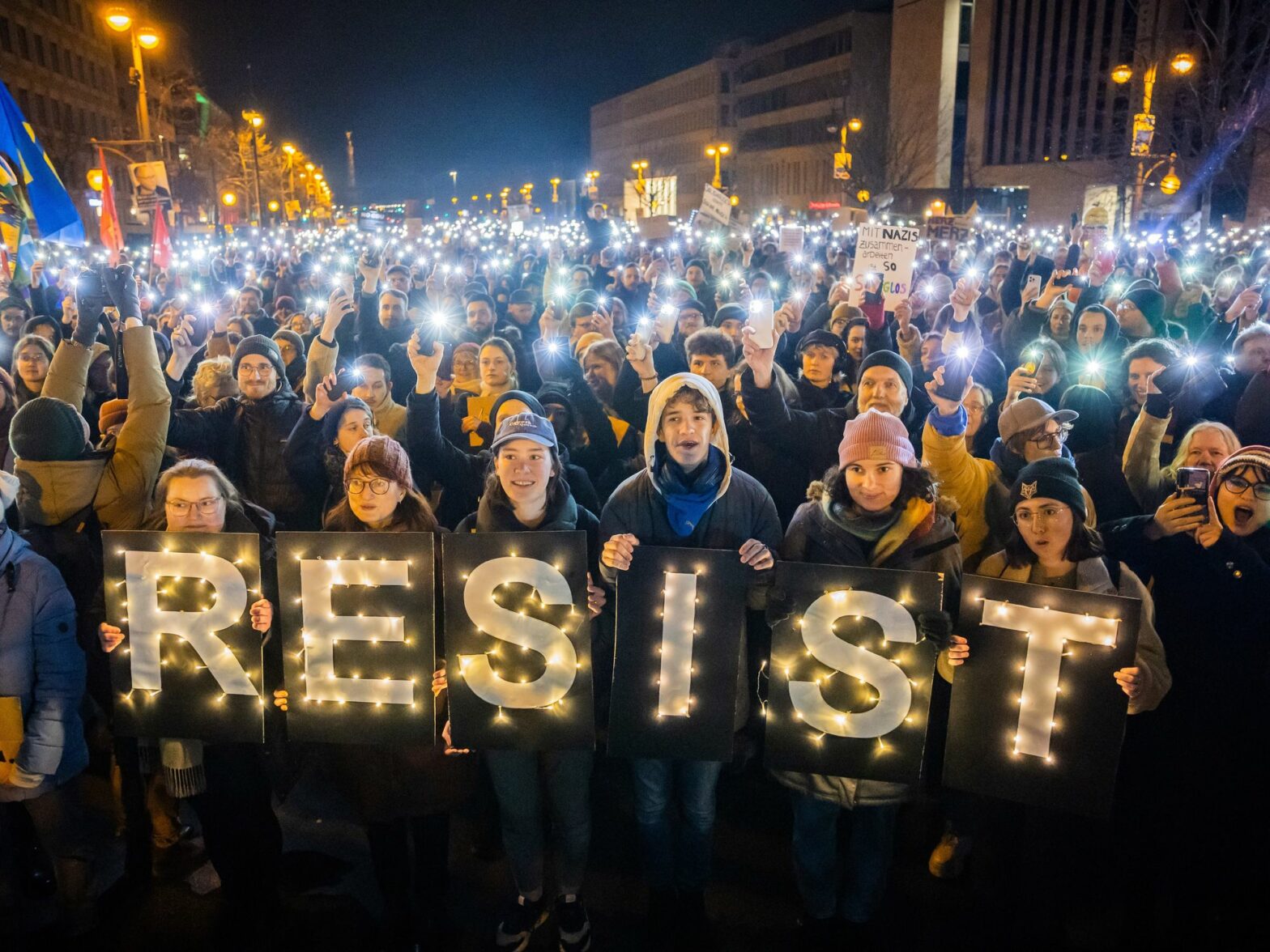
How Germany, like other countries in the West, can avoid sweeping judgments and take a clear-eyed approach to a complex reality.
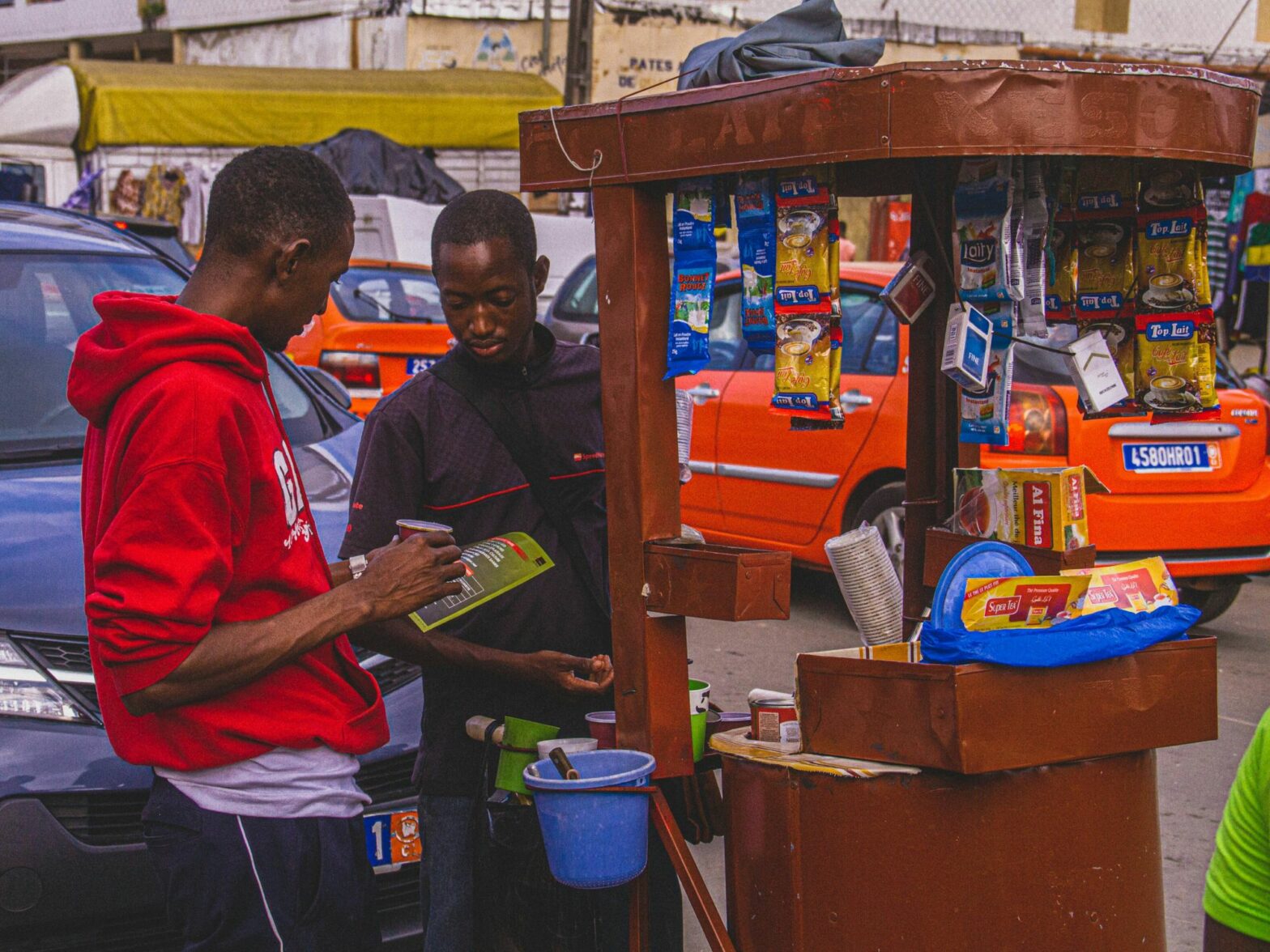
Germany needs 400,000 skilled workers from abroad every year. So why does the visa application process make it incredibly difficult for them to come to the country? For Die Zeit, Simon Langemann reports on one young Ivorian’s efforts to move legally to Germany as a migrant worker.
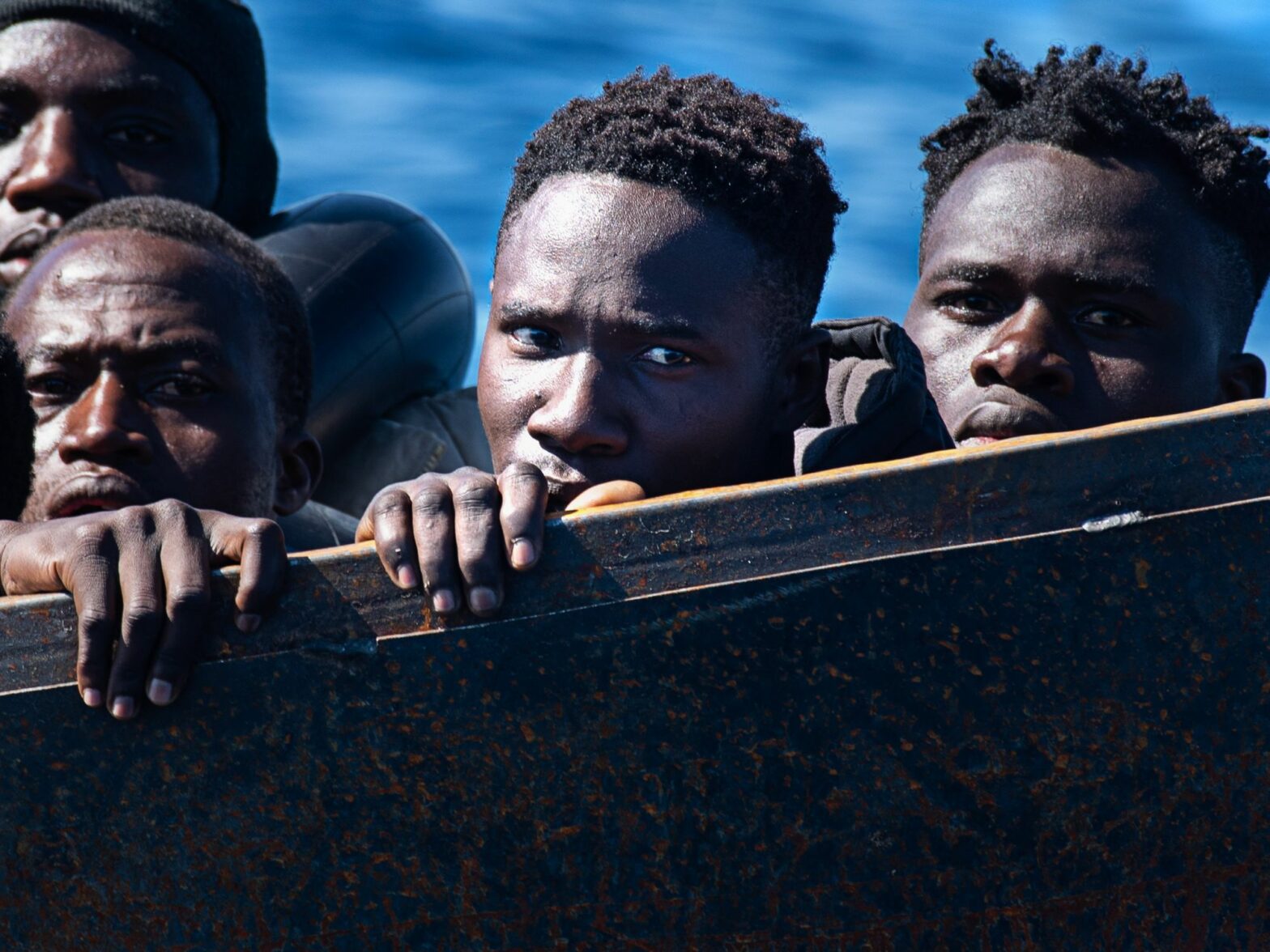
Soumaila Diawara, a refugee living in Italy, addresses Matteo Salvini’s remarks made on live television last week, where Italy’s deputy prime minister compared unregulated migrants to dogs and pigs.

The death of a 27-year-old hotel worker on the island of Kos, and the subsequent arrest of a suspect from Bangladesh, had set off a firestorm back in Poland that mixes anti-immigrant contempt with victim blaming. One year later, the storm hasn’t quieted down, as the investigation remains open.
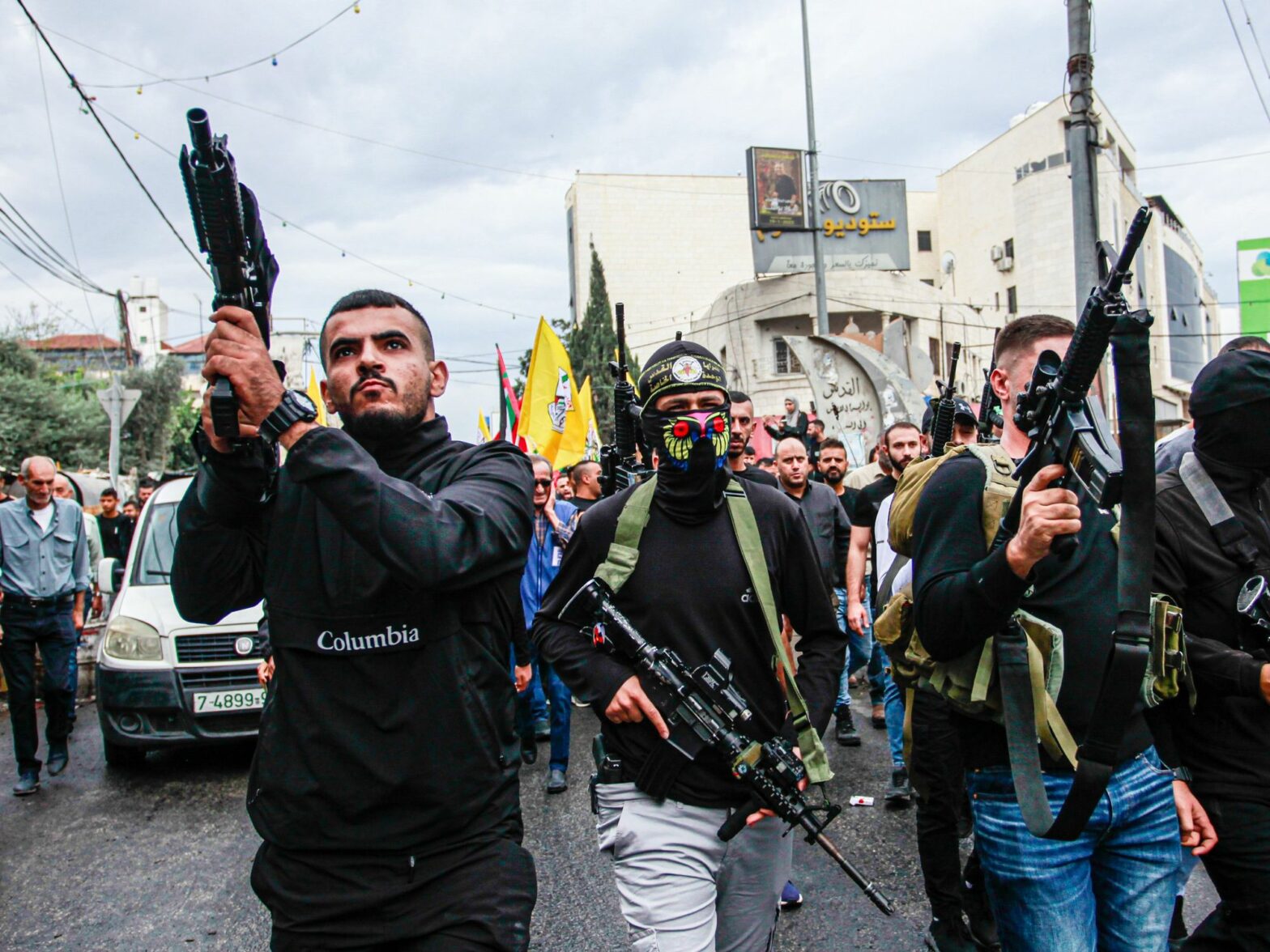
A visit to so-called “Little Gaza,” where destruction reigns and children roam with rifles in their hands. But the enemy isn’t just the IDF, it is also the Palestinian Authority — and become prime recruiting territory for Hamas.

Almost immediately after the start of the full-scale Russian invasion of Ukraine, Mariupol found itself under siege. After weeks of devastating battle, the Russians took over the city. Ukrainian news analysis and opinion website Livy Bereg spoke to Inna Shumurtova, a member of the city’s Jewish community, about her escape from Mariupol.
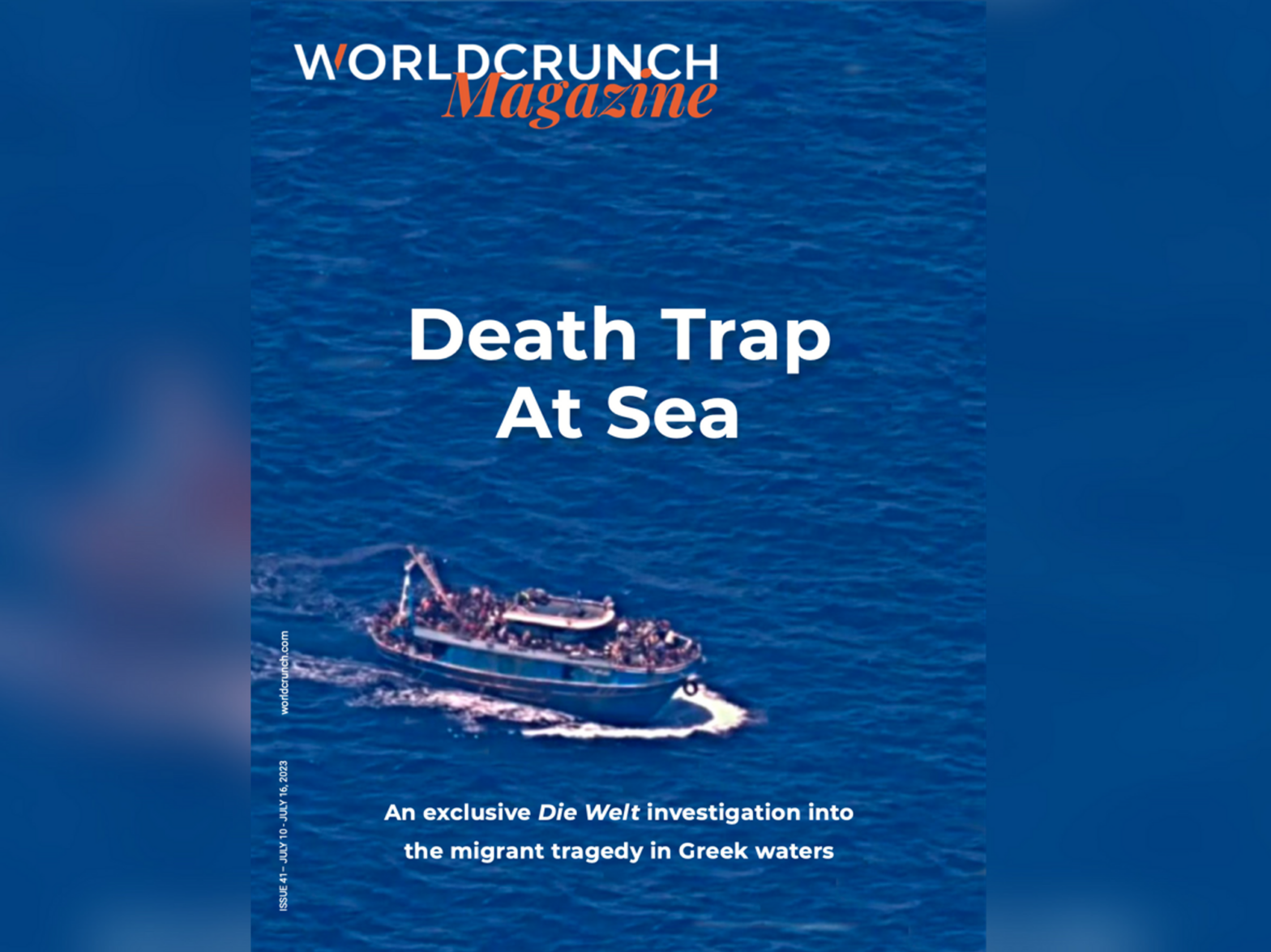
July 10 – July 16, 2023
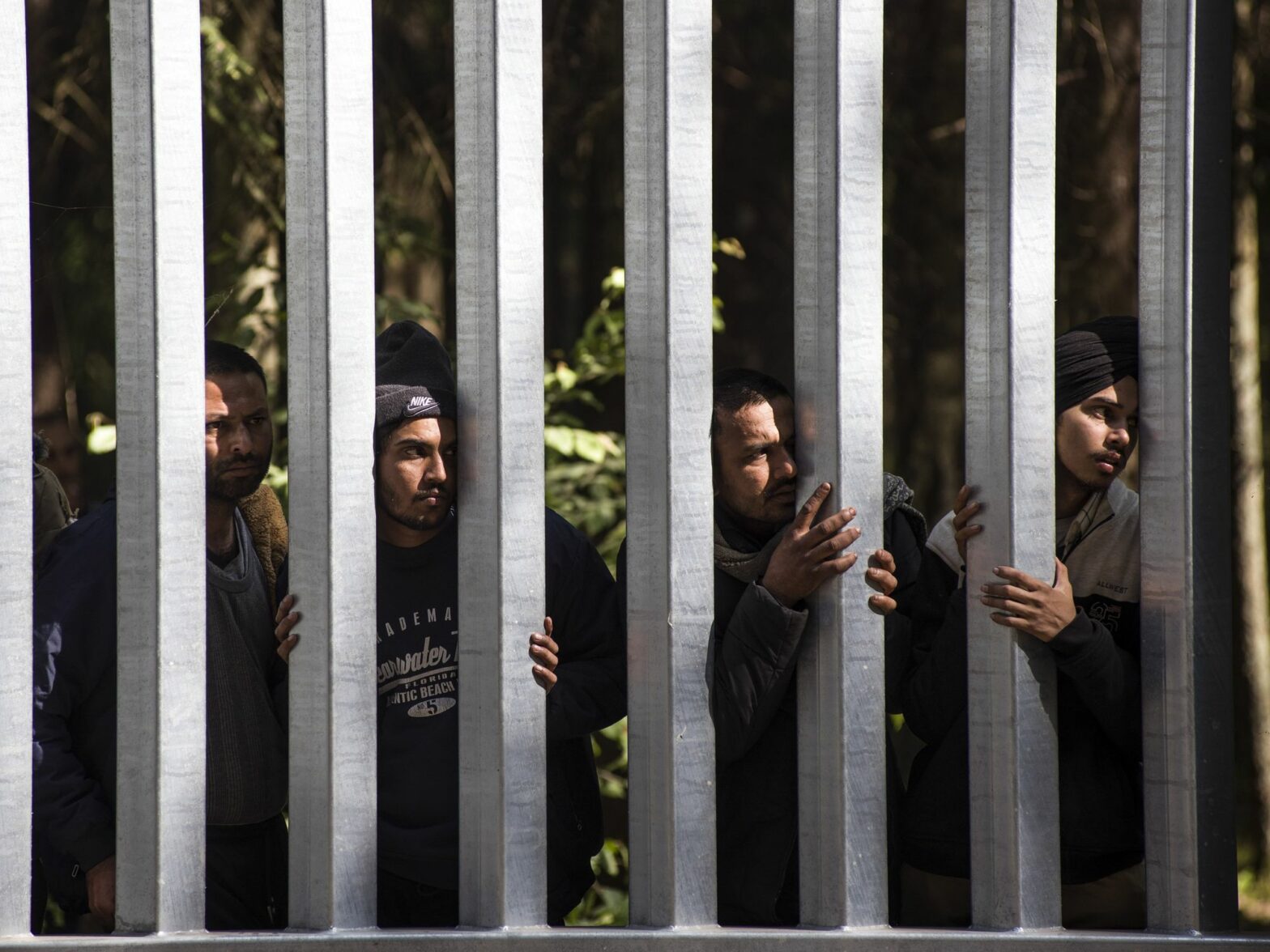
Described as everything from a “migrant invasion” to a “hybrid attack”, the crisis along Poland’s border with Belarus has been heating up for the past two months. But the conflict has now been made worse by the arrival of the Wagner mercenary grouop in Belarus. This leaves migrants, many fleeing conflict elsewhere, stuck between the two borders.
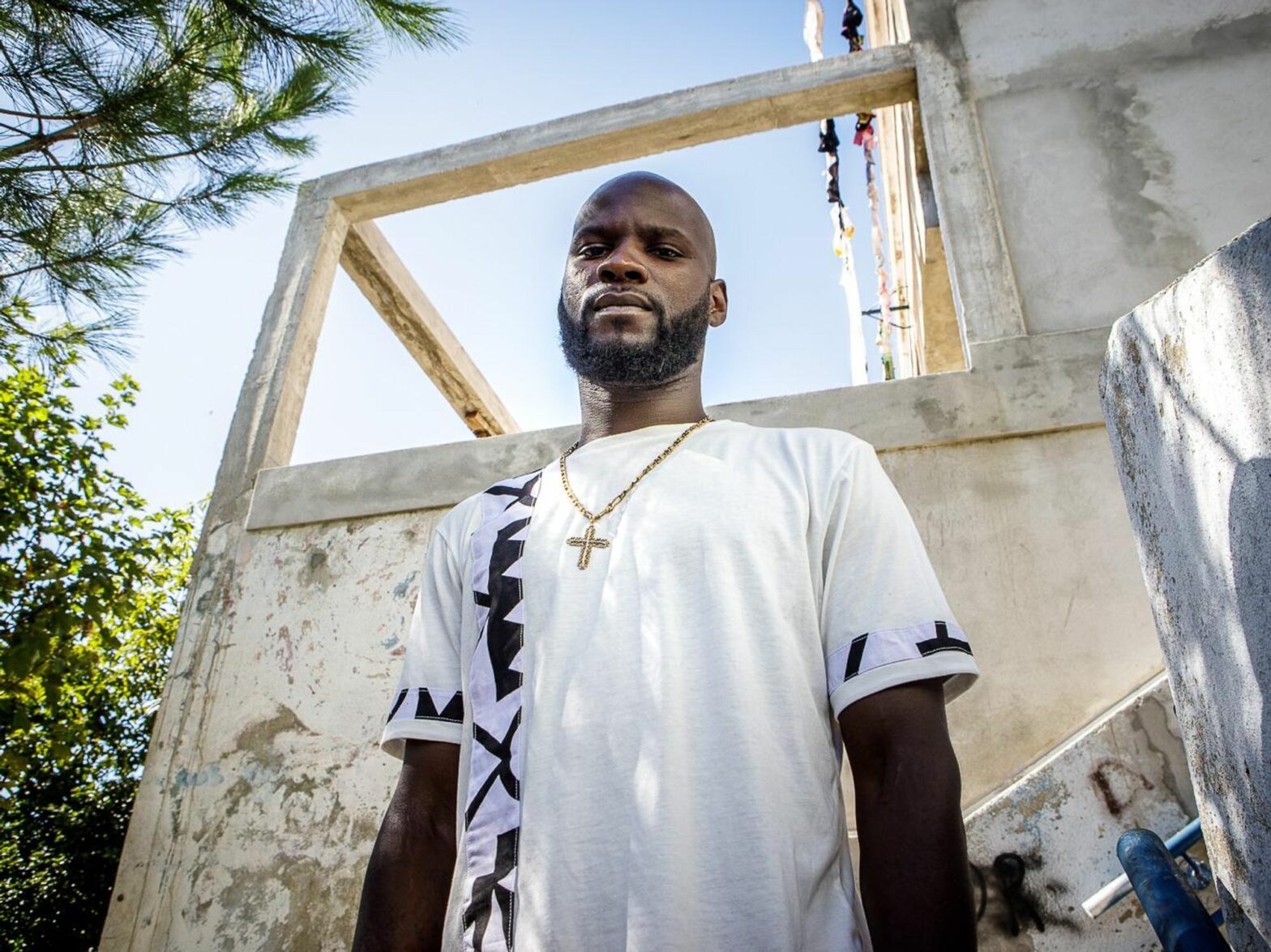
Born 32 years ago in Portugal to Angolan refugee parents, Pascoal has never been granted Portuguese nationality. Too many people like him live under the threat of being deported to a faraway country they’ve never known.
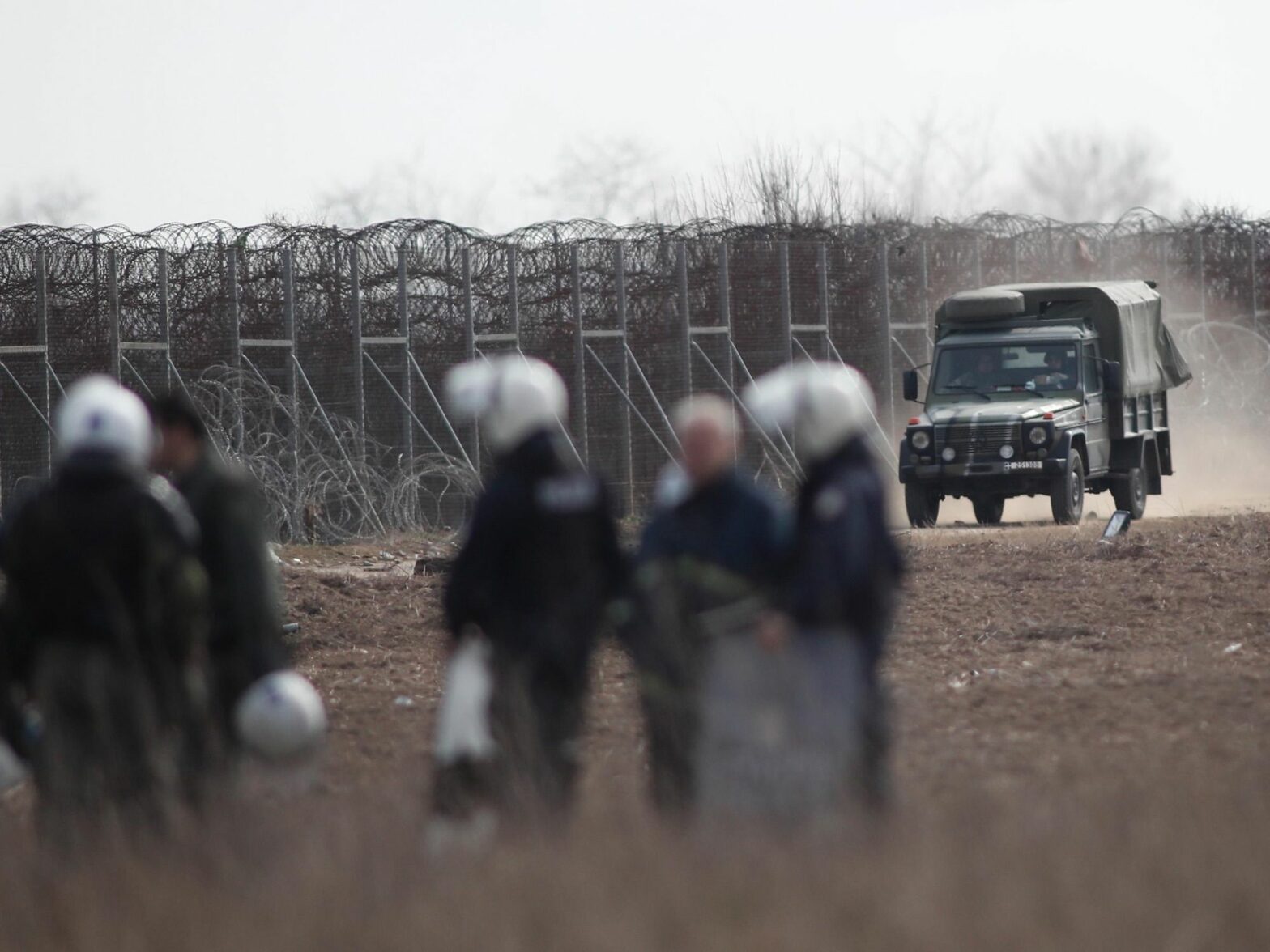
Many migrants want to enter the EU via the Greece-Turkey border. Time and again, it is the scene of violence, and the EU border guard Frontex is also said to be involved. Die Welt managed to visit a place that is off-limits for journalists and usually remains hidden from the public.
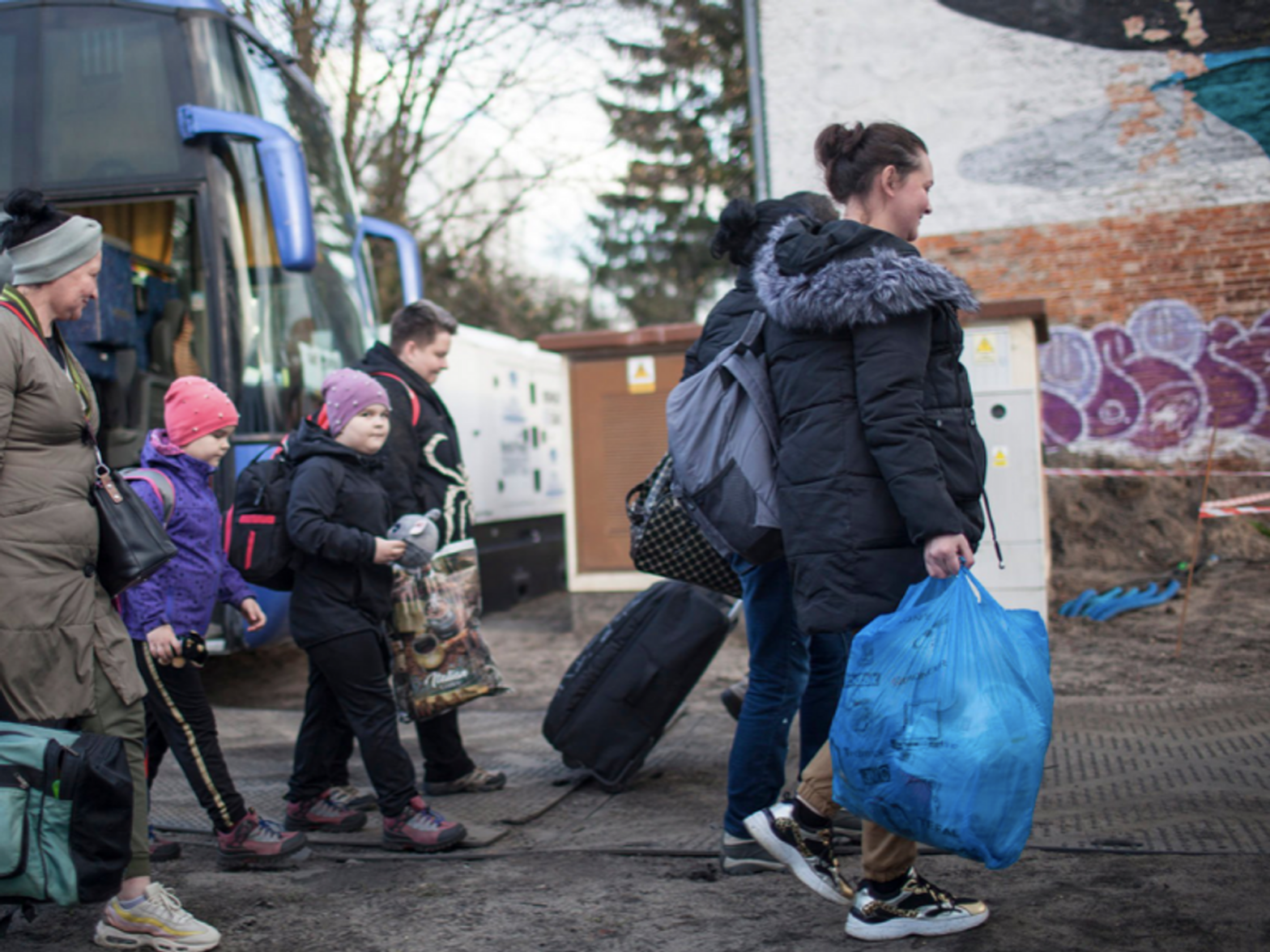
After fleeing the war, many Ukrainian teachers have found new jobs in Poland. But their work involves more than just teaching — they’re helping Ukrainian children adapt to a whole new life.
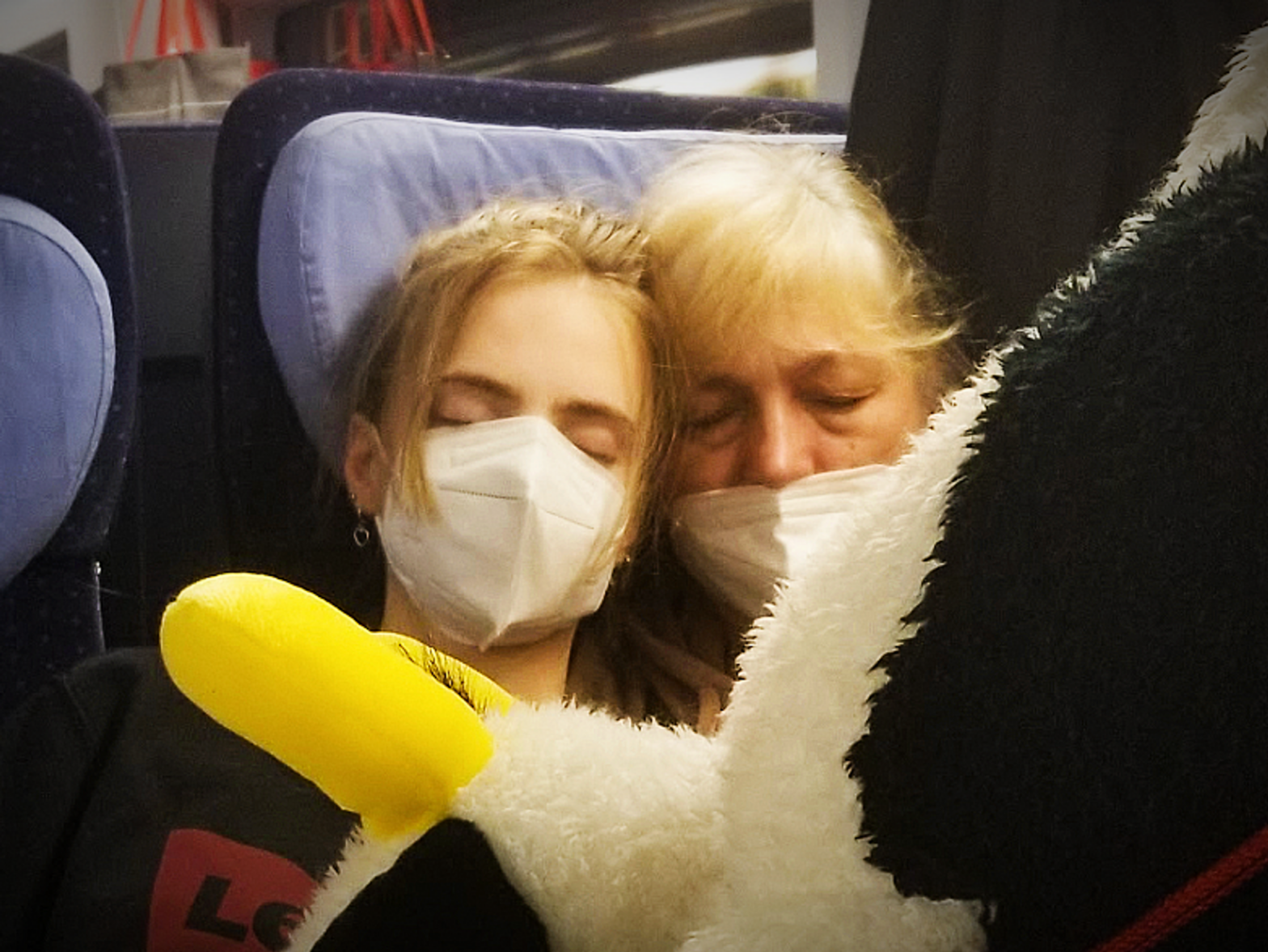
This is how Vladimir Putin’s invasion of Ukraine has looked to one 16-year-old high school senior from Kyiv, the daughter of Worldcrunch contributor Anna Akage.
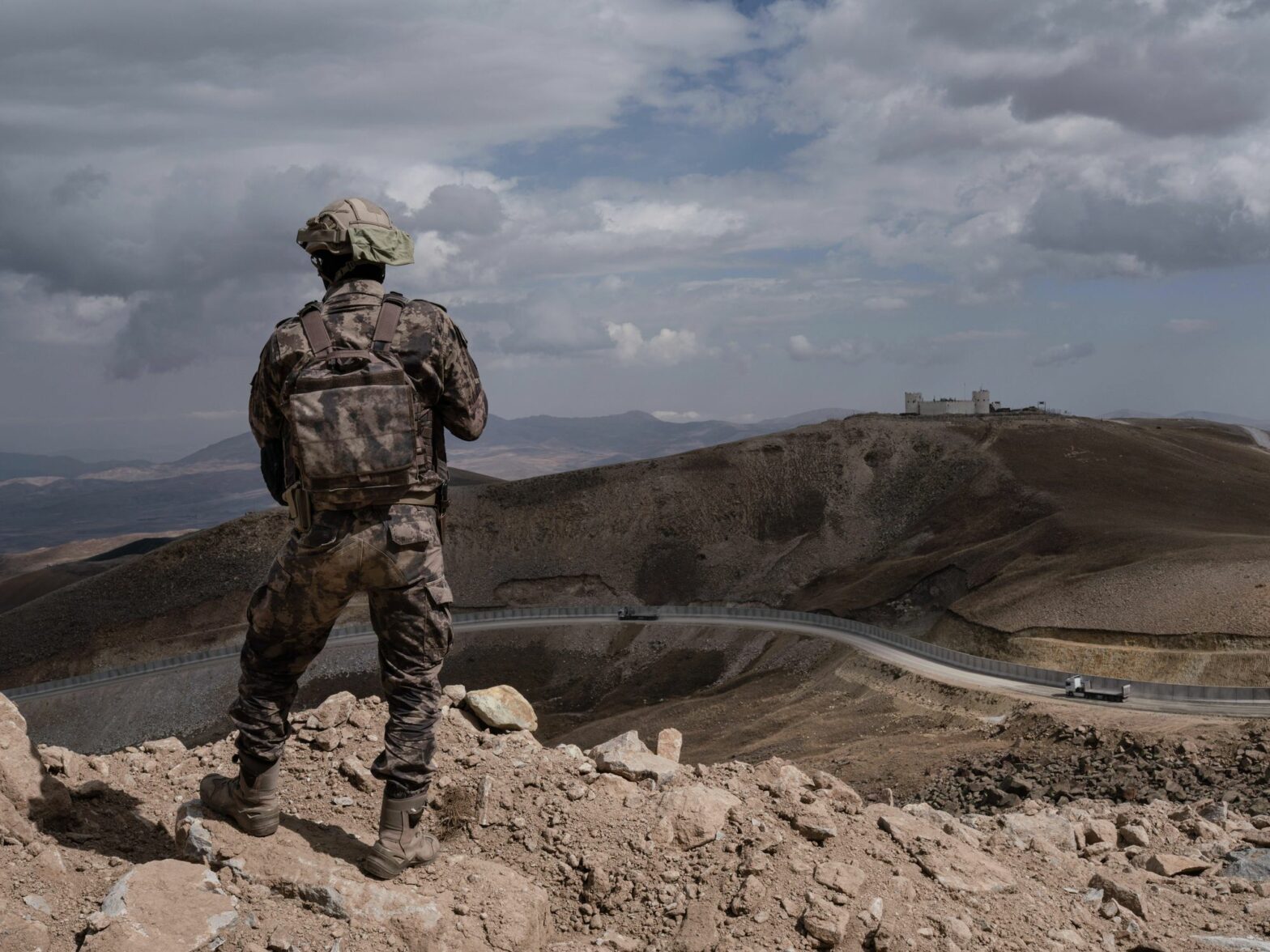
Iran’s clerical regime is able to sabotage asylum applications, prompt deportations and, failing that, beat and murder Iranian political refugees in Turkey.
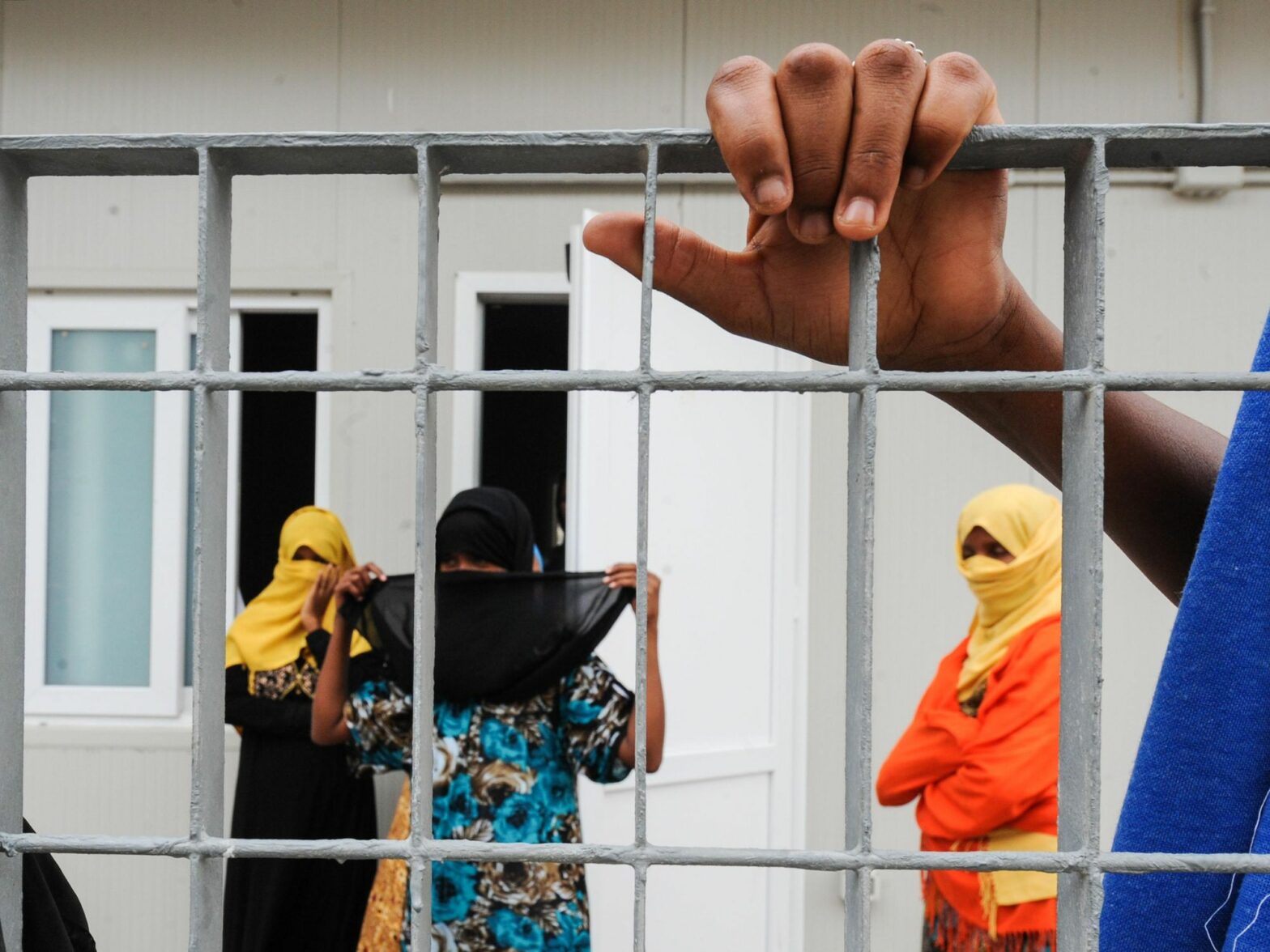
Crunch the numbers, or just look around…and we see that immigrants, wherever they may come from, are not a disproportionate cause of crime or cultural degradation across Europe.
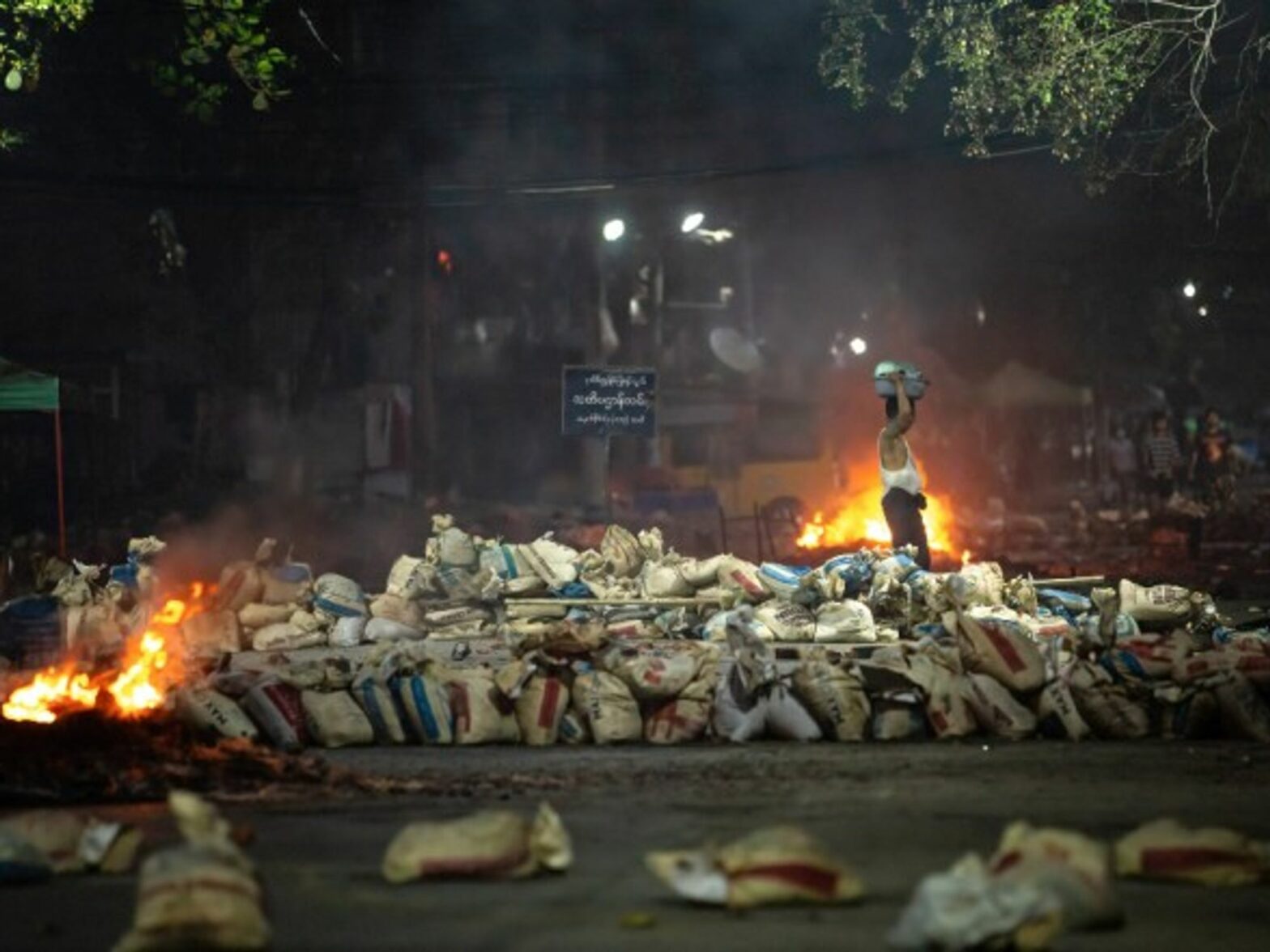
For the first time in 20 years, Myanmar regime fighter jets dropped bombs on territory partly controlled by the KNU, an armed group that has been fighting the central government for seven decades and bears the name of a large ethnic minority, the Karen.
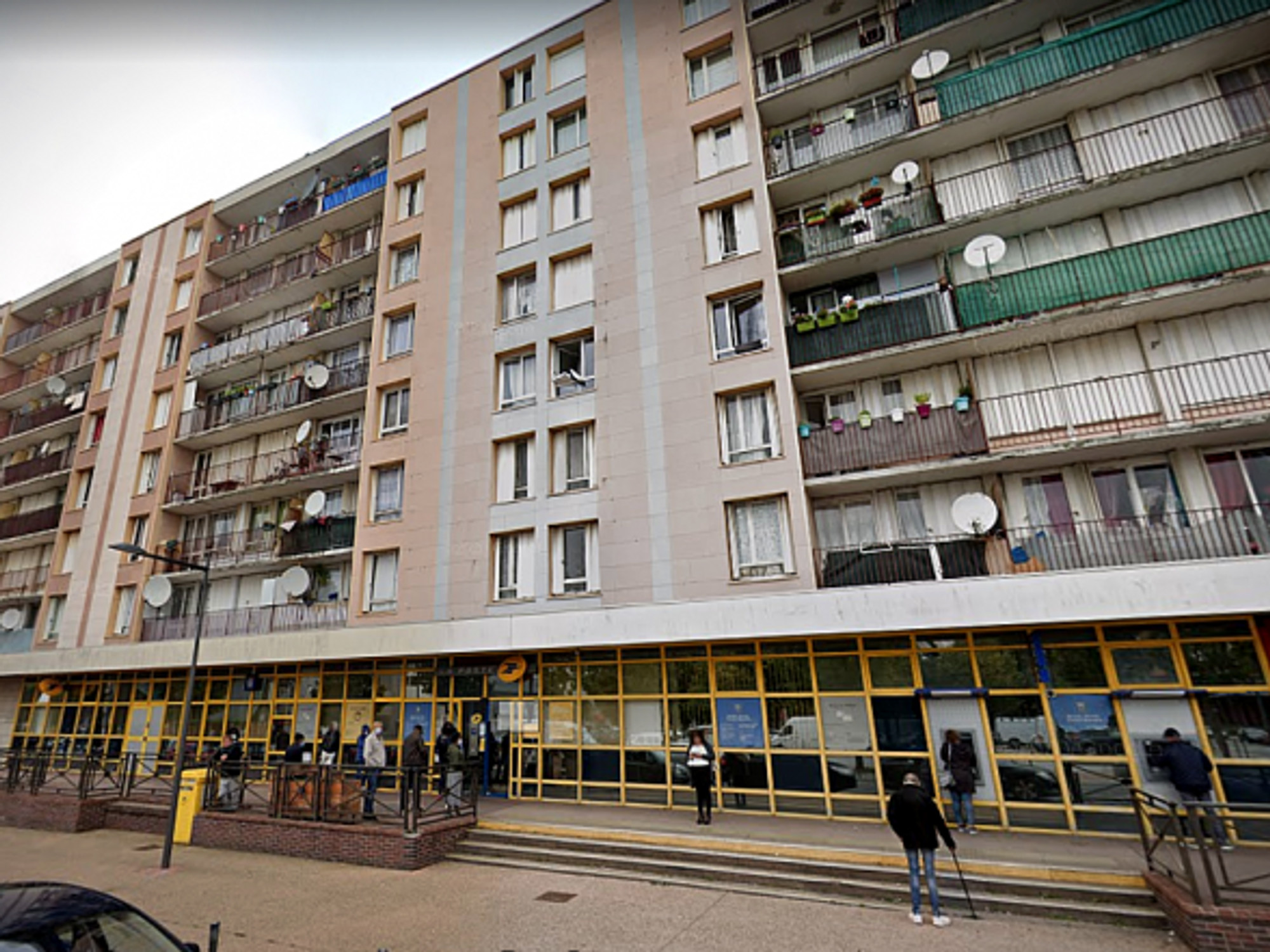
A wave of immigrants arrived in France from Chechnya during the early 2000s after the wars with Russia. A minority of this Muslim community has been radicalized, including an 18-year-old who beheaded a French schoolteacher in October.
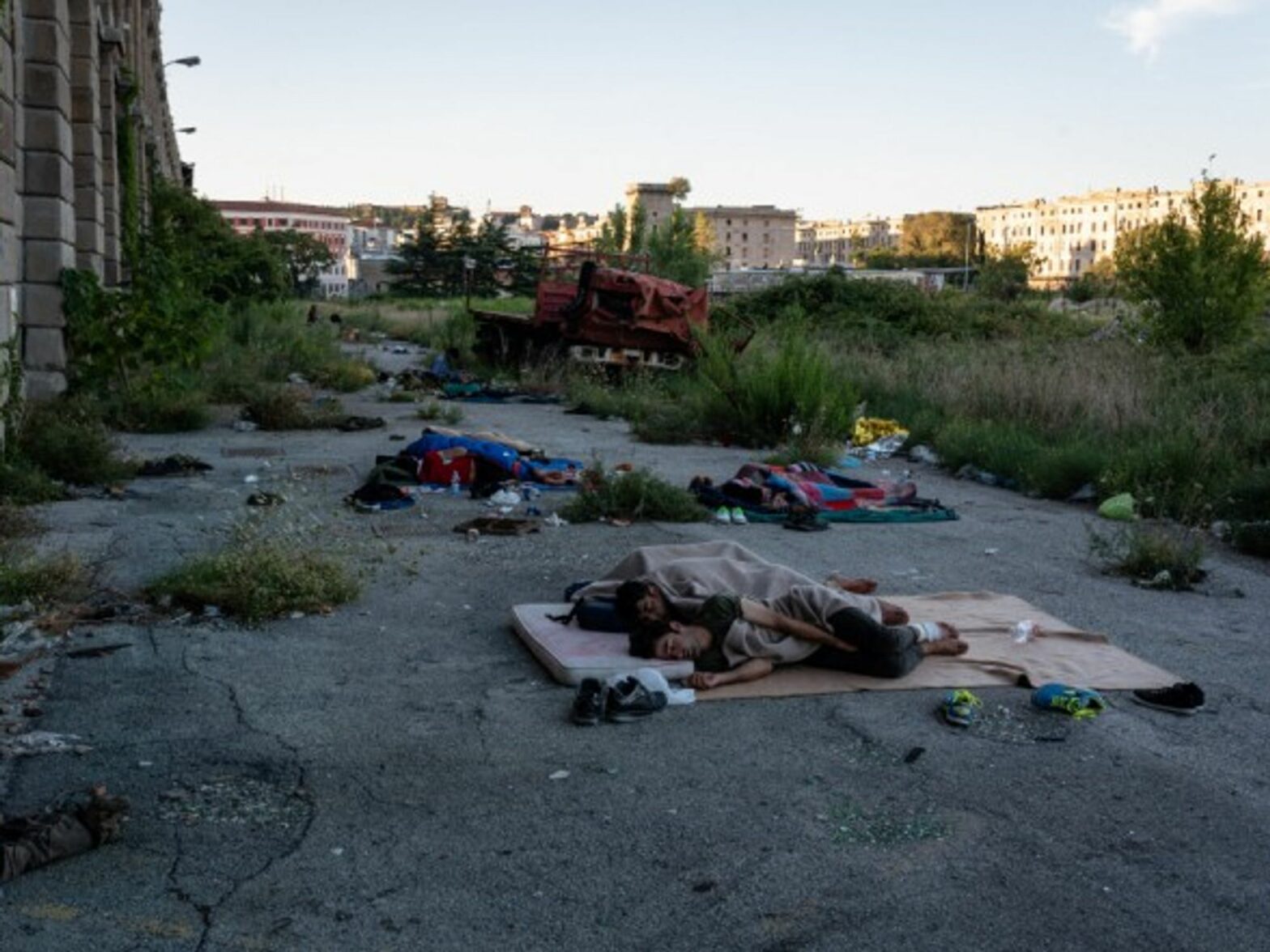
Over the past decade, as Italy has become one of Europe’s prime destinations for immigrants, stereotypes spread about those arriving from foreign lands. It’s a story that has come full circle.
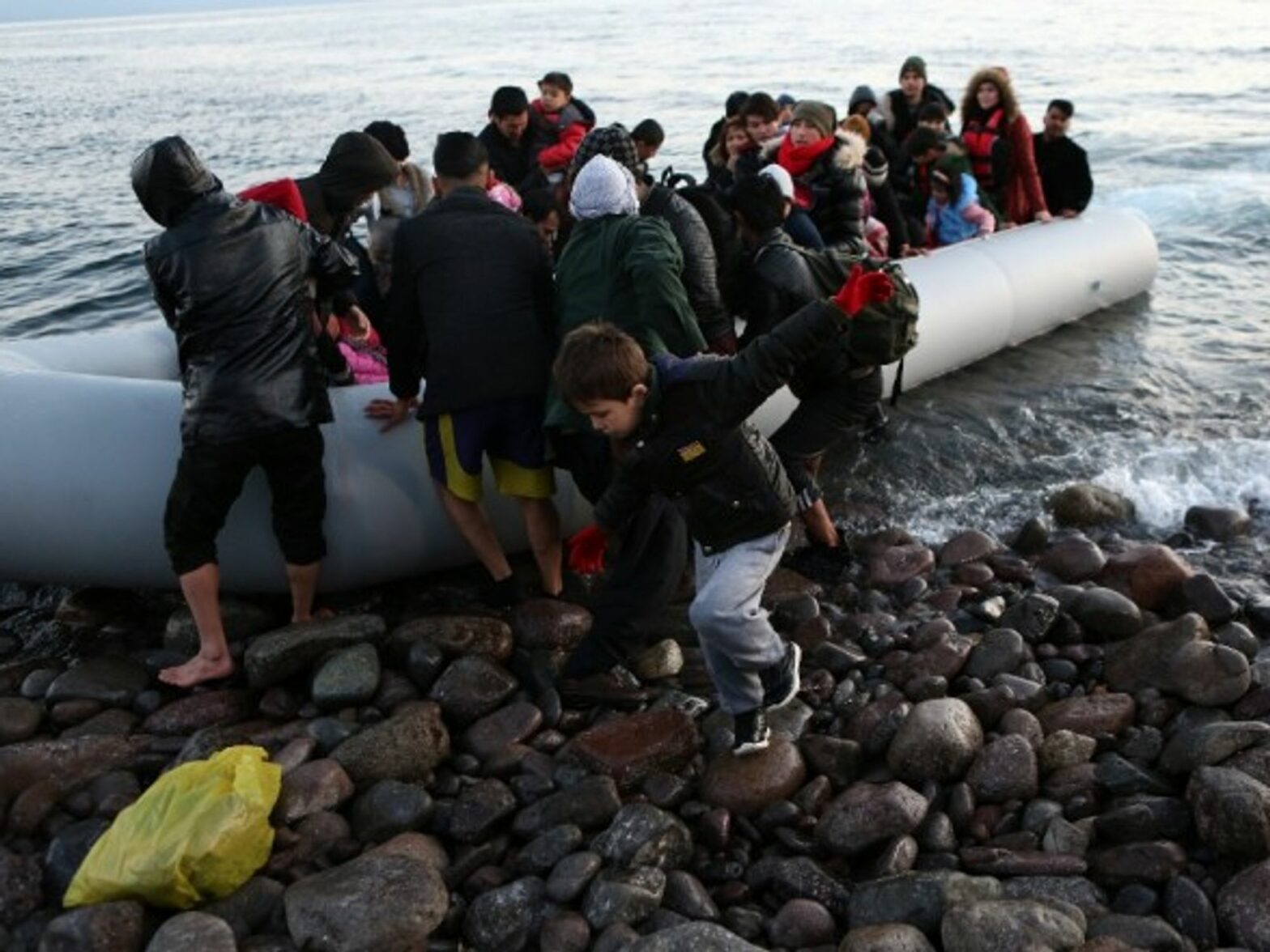
As borders closed and lockdowns were rolled out around the world, the steady flow of illegal immigration that has plagued southern Europe for years was also temporarily halted. But new arrivals are now accelerating again, and some of the countries hit hardest by the pandemic are now also forced to deal with a worsening refugee […]
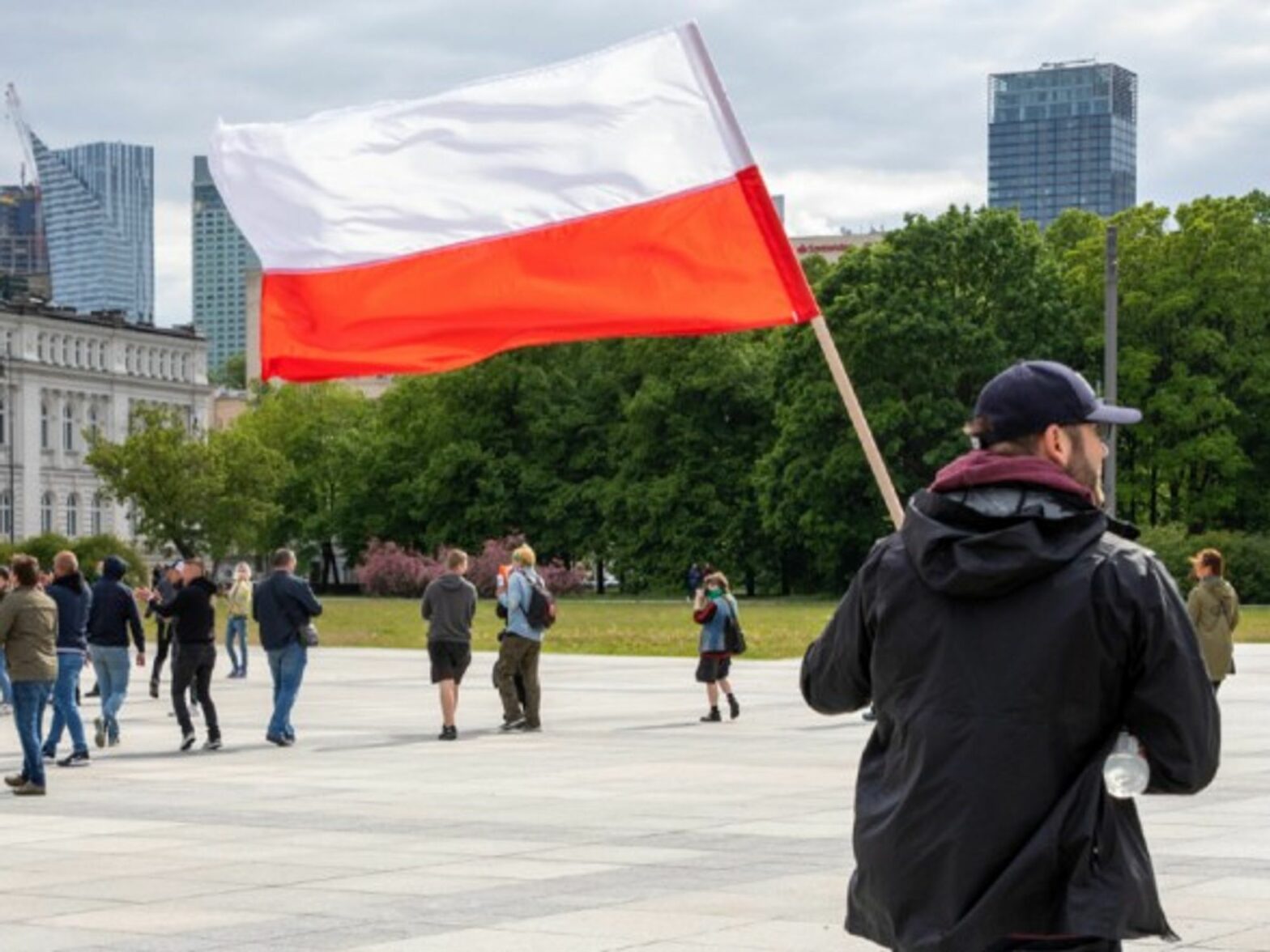
Compared to other EU member states, Poland was barely affected by the international financial crisis or the refugee crisis of 2015. Now, the country could emerge from the coronavirus pandemic in a stronger position than before.
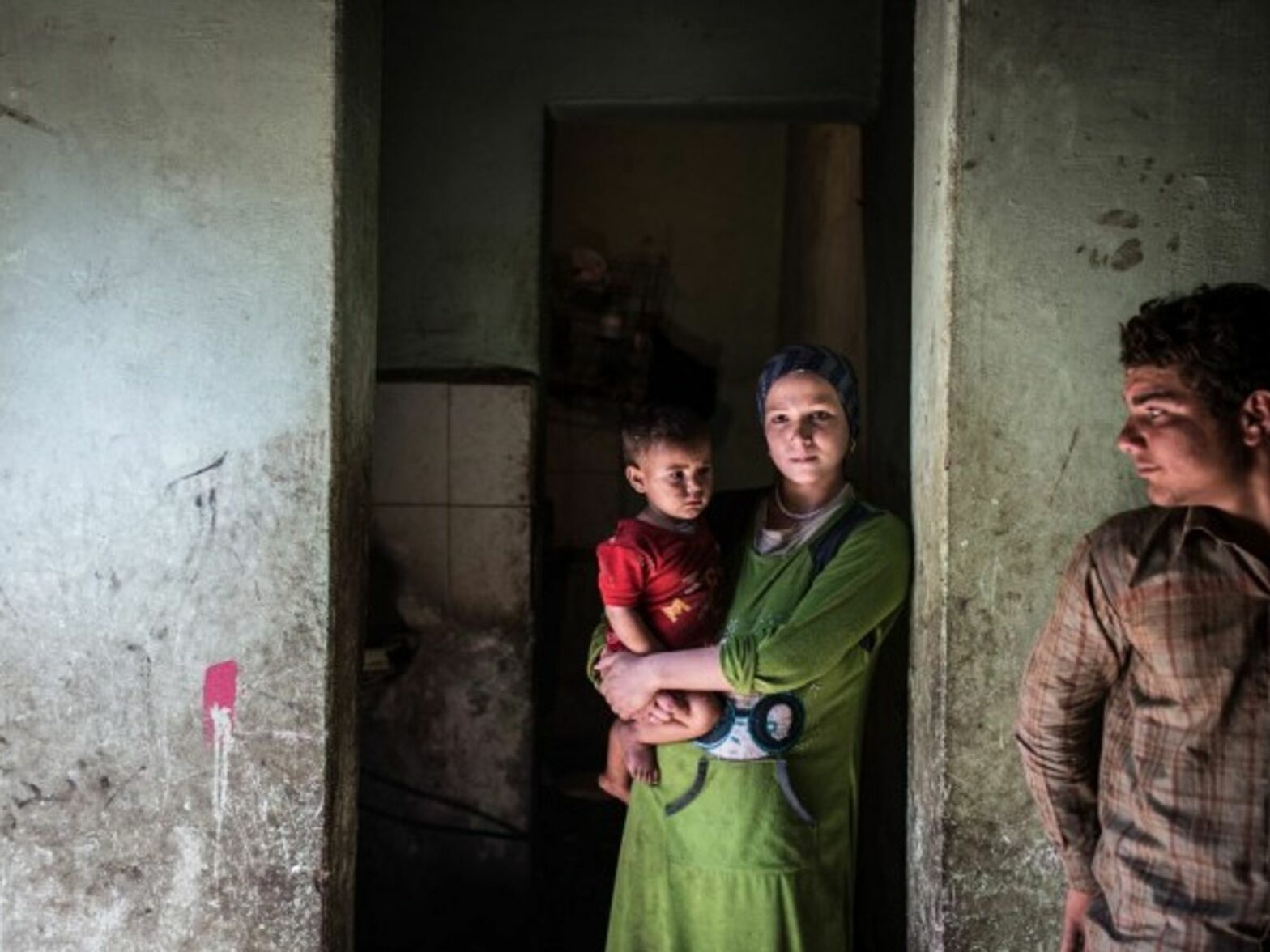
Life was difficult enough for refugees even before the coronavirus outbreak. But with the lockdown depriving them of even meager earnings, the situation has beyond dire.
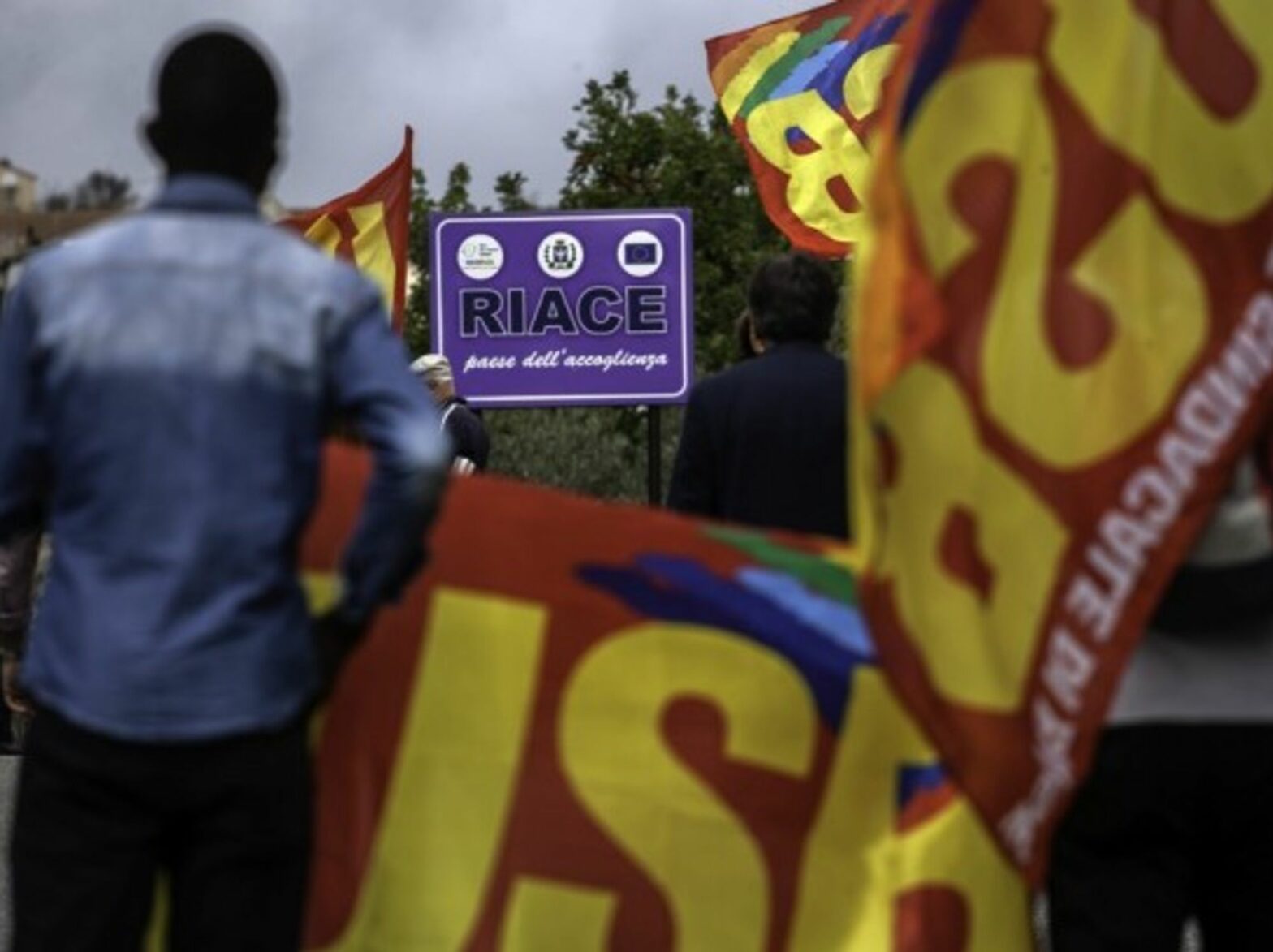
Fourteen months ago the progressive mayor of Riace, in Calabria, was arrested. Soon after, many of the refugees he’d help settle pulled up stakes and left.
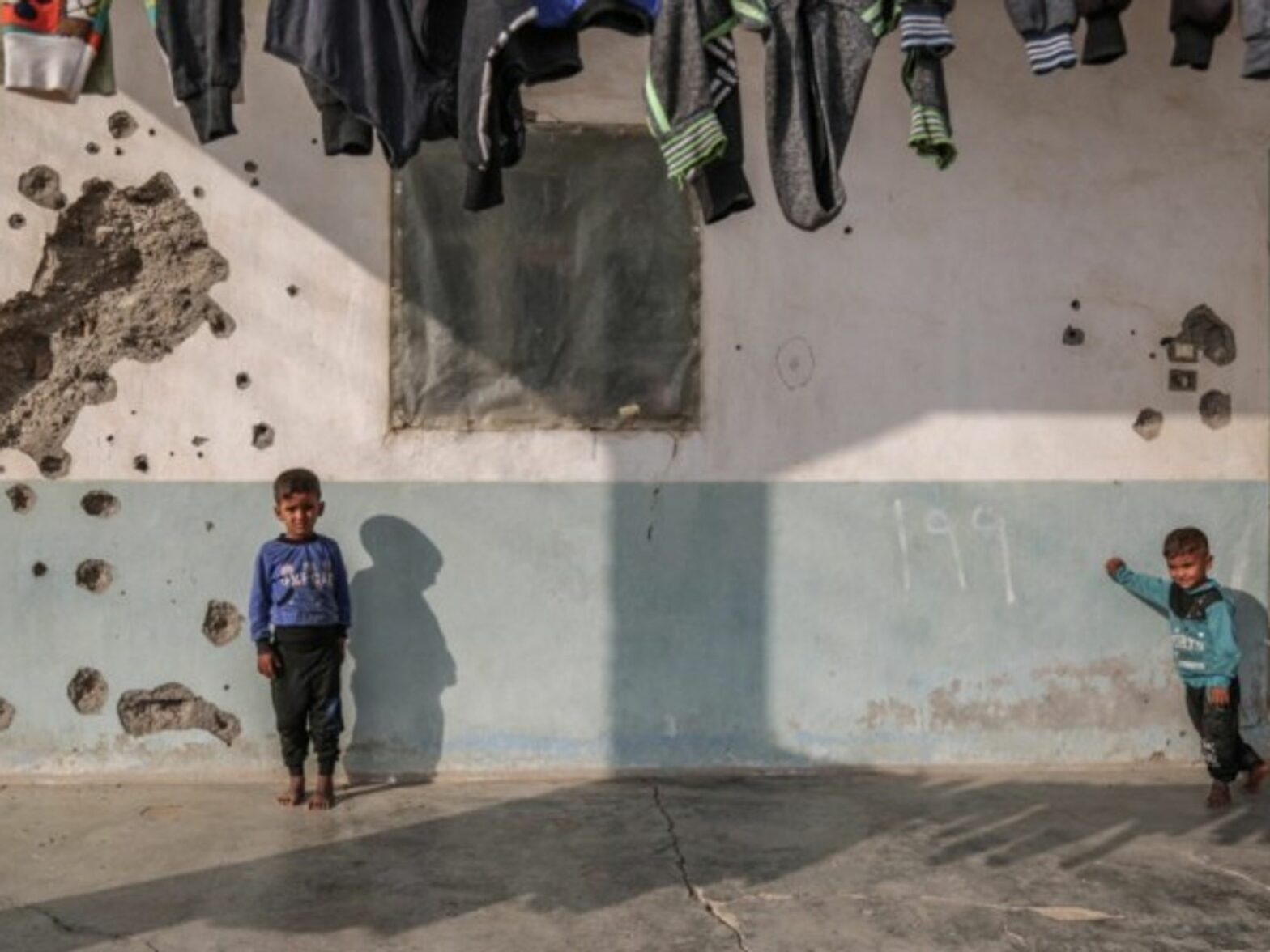
Turkey has forced the Syrian Kurds into an astonishing trap, leaving hundreds of thousands with little choice but to flee.
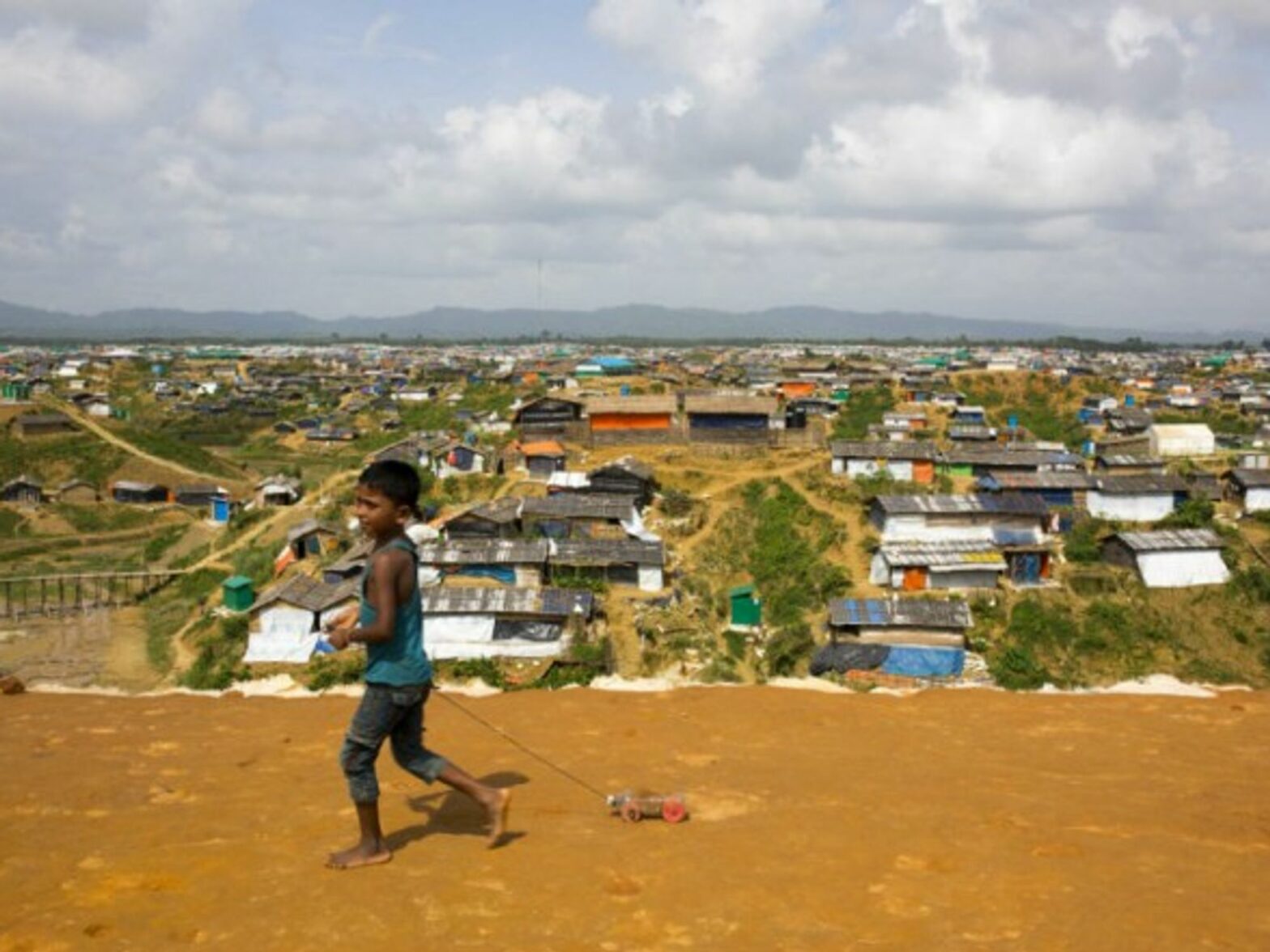
Caught between a host country trying to hinder their integration and a home country holding back their return, Rohingya children find themselves in linguistic limbo.
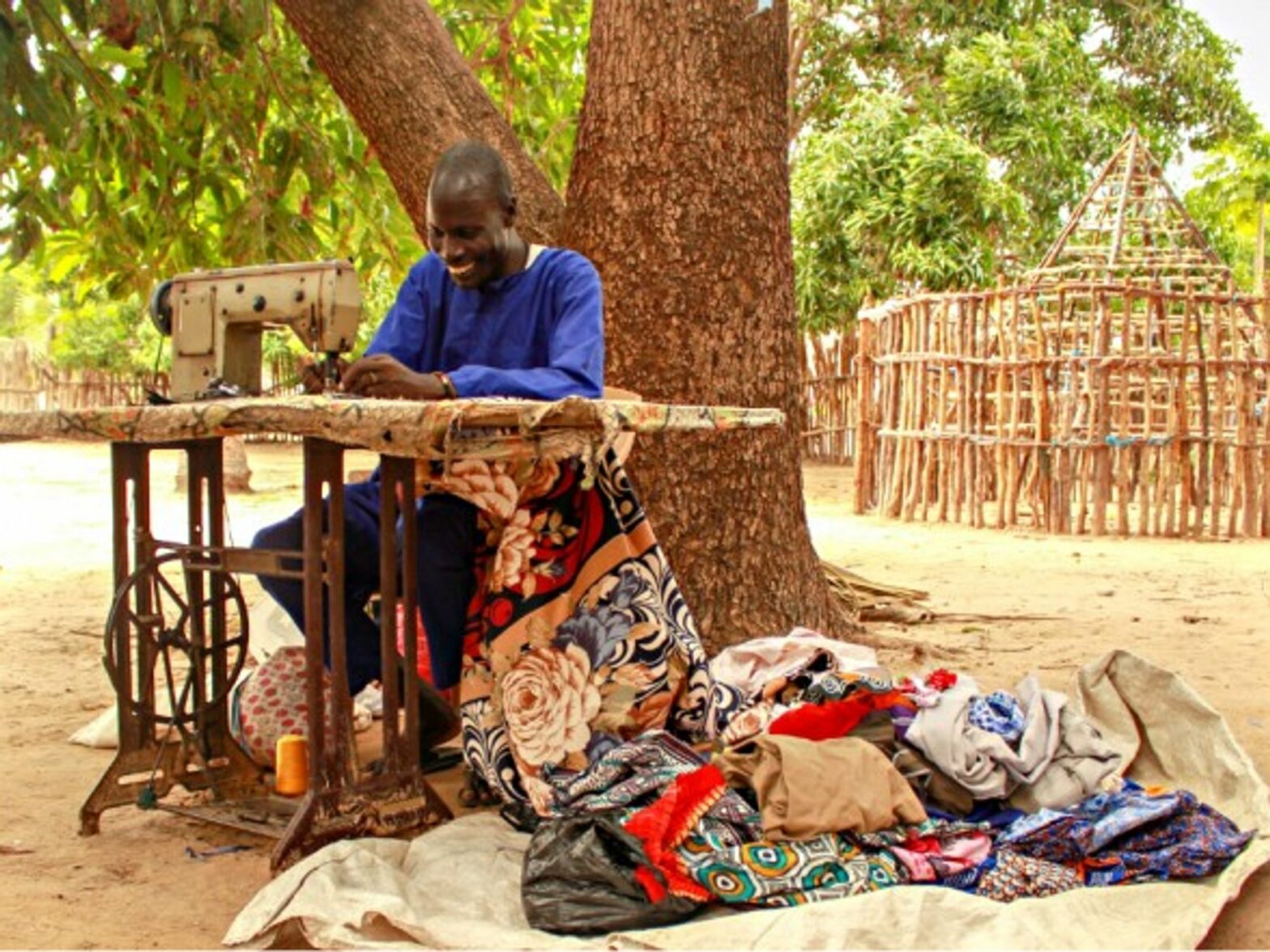
Peter Koang has been displaced three times since the war in South Sudan began. Each time, he managed to salvage his sewing machine, which now brings him a rare bit of stability at a time of fragile peace.
The Rohingya people’s long history of forced displacement tells us of the dangers of repatriation from Bangladesh before their safety and rights can be guaranteed.
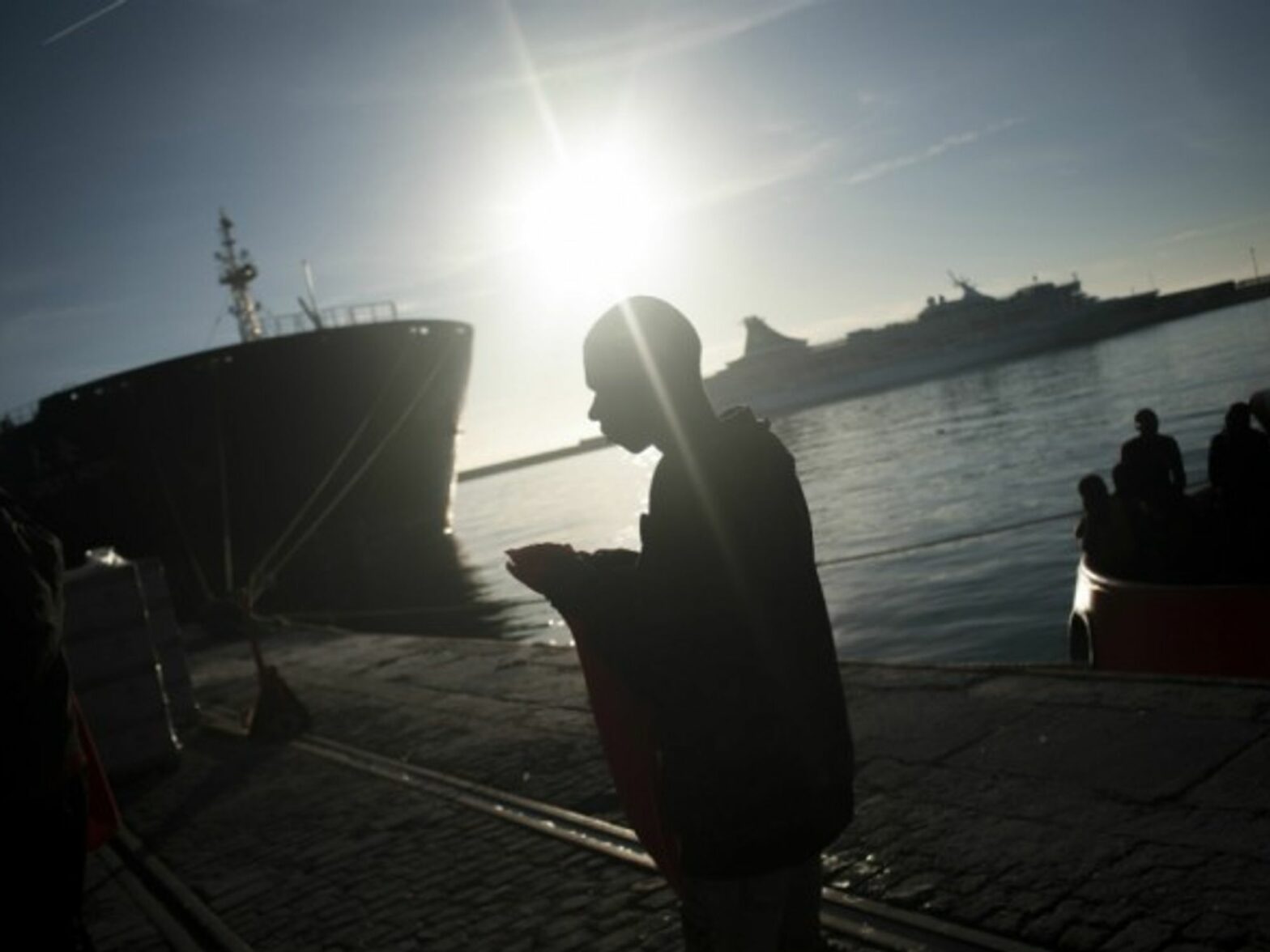
Europe’s aggressive migration policy has seen Italy dive into the obscure world of national shipping flags to sabotage rescue missions.
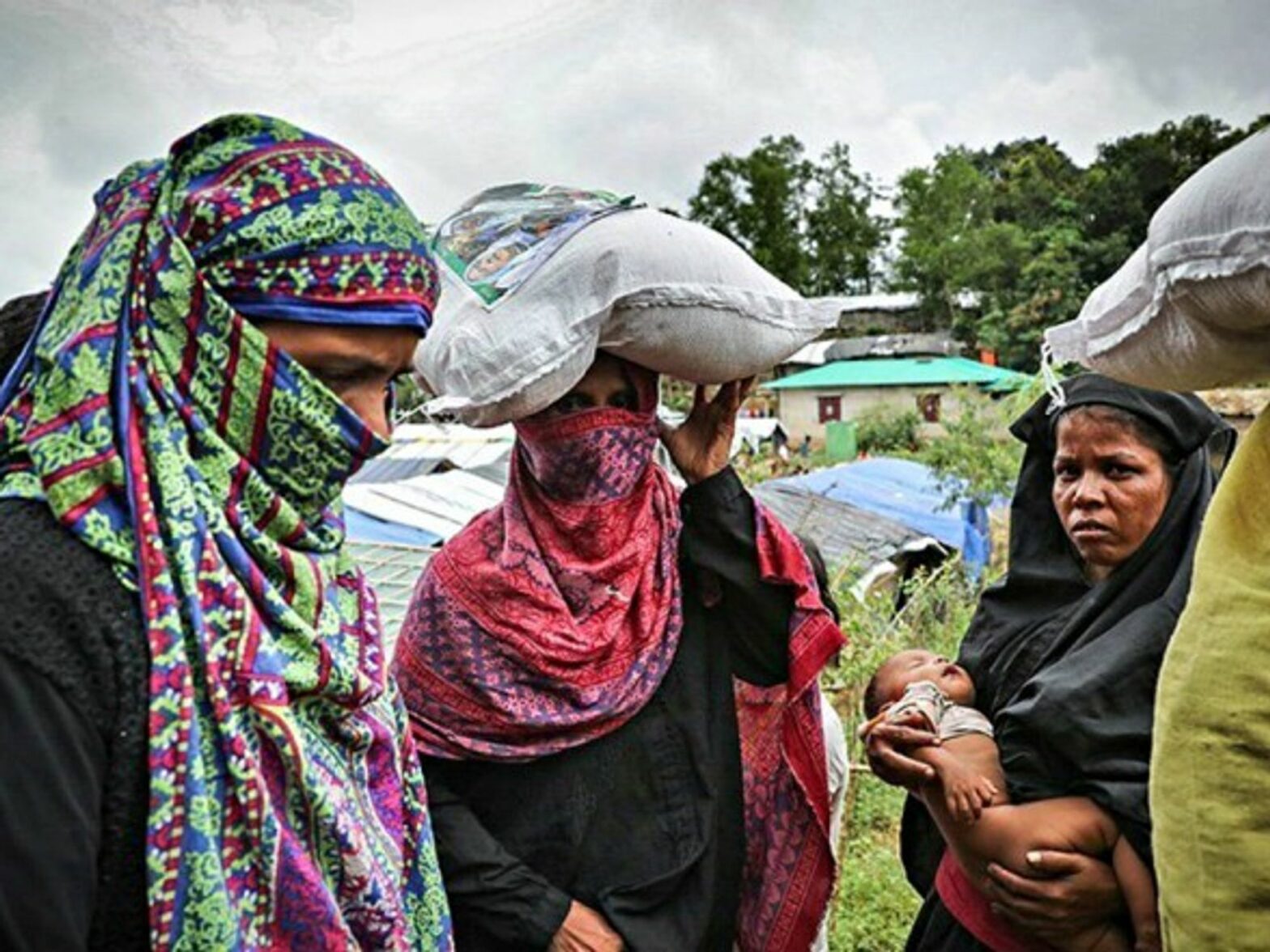
It’s time to recognize refugee women for what they are: intrepid organizers and providers, argues Liberian peace activist and 2011 Nobel Peace Prize laureate Leymah Gbowee.
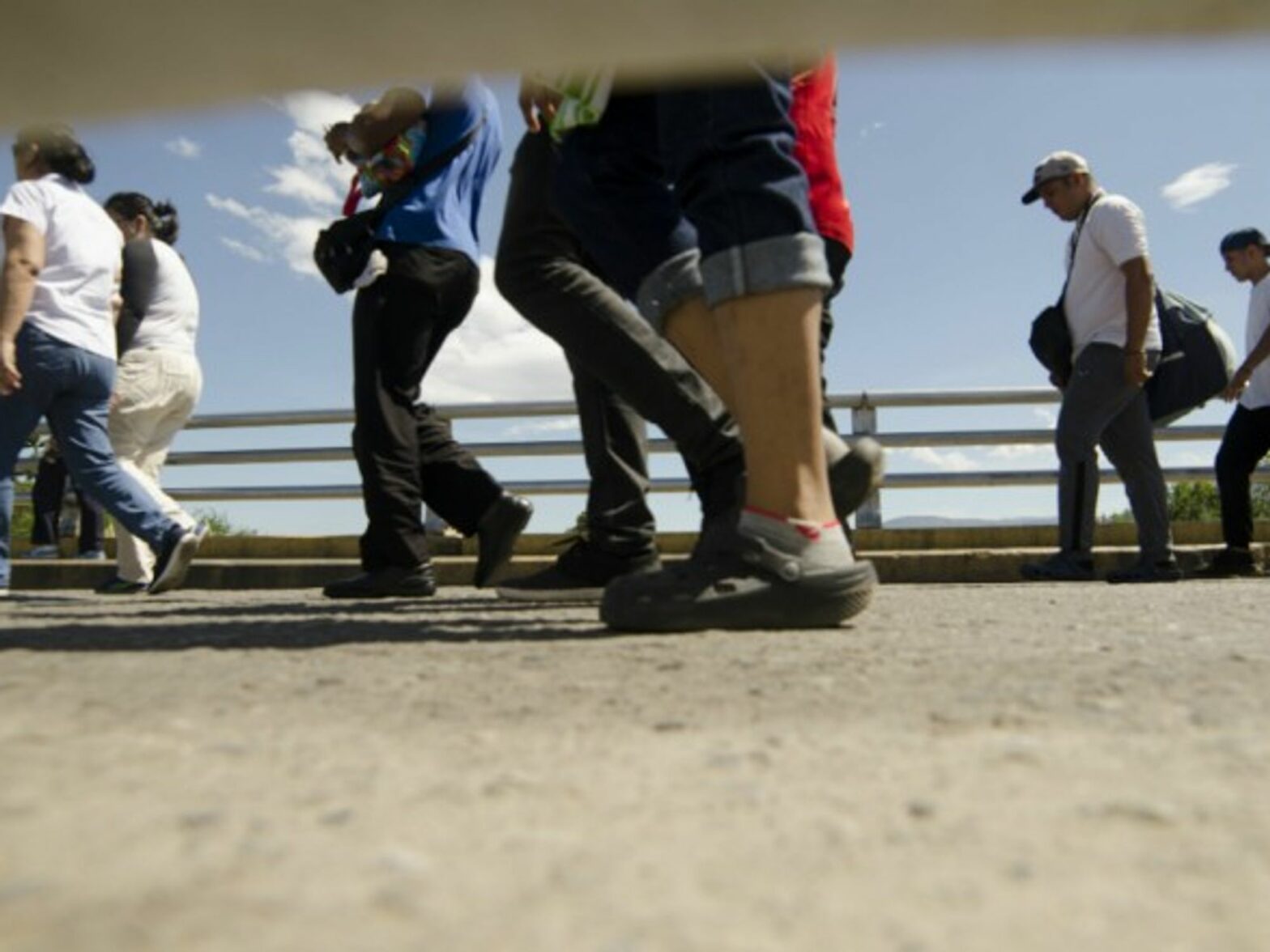
The flood of people fleeing Venezuela’s dire economic and political situation is more than any one country can handle. But so far, there’s been little effort to organize a coordinated reaction.
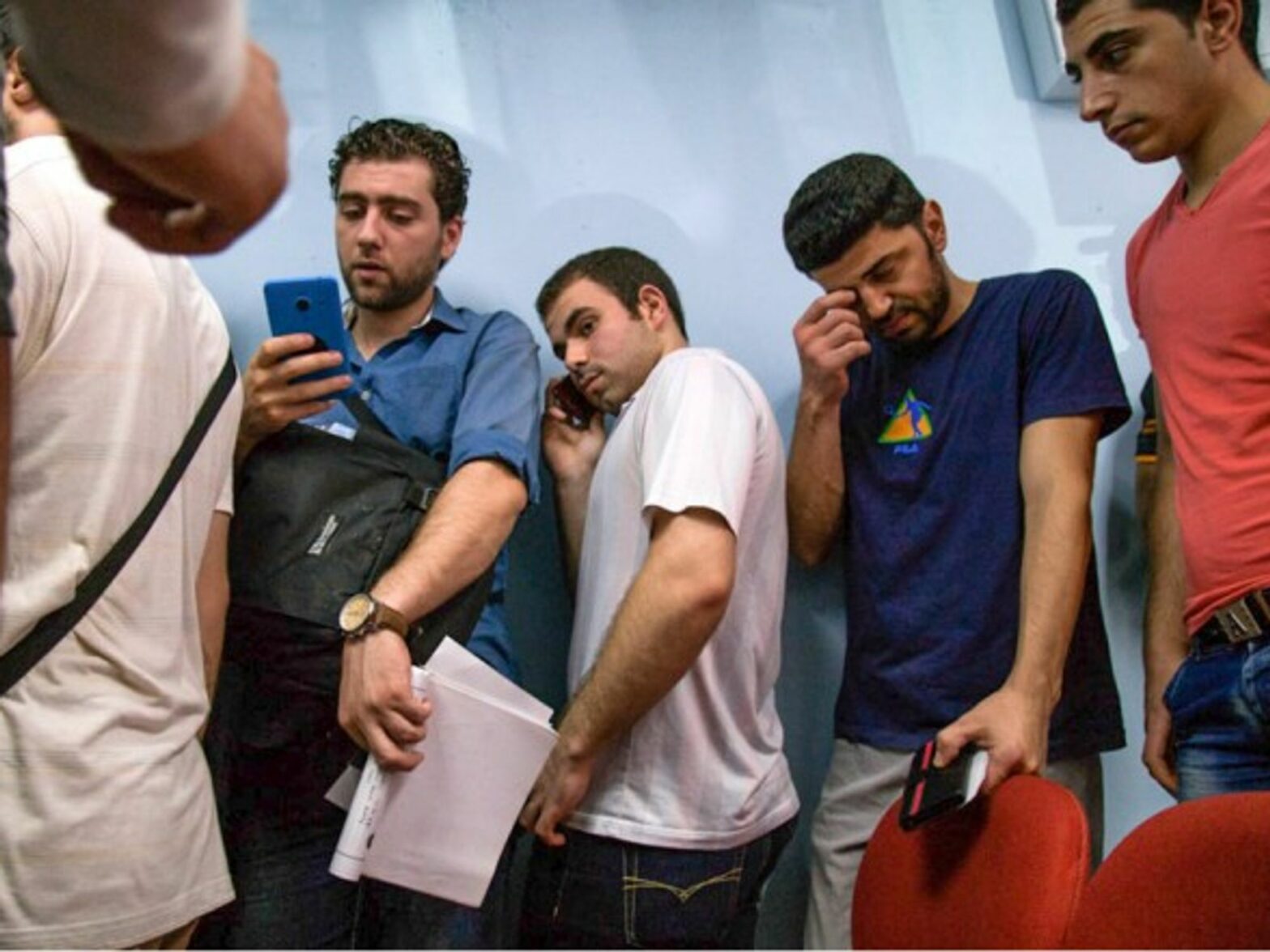
Refugees in Malaysia explain how the resettlement process creates a perverse incentive to tailor their past experiences.
[youtube https://www.youtube.com/embed/3vT6lWAXudI expand=1]
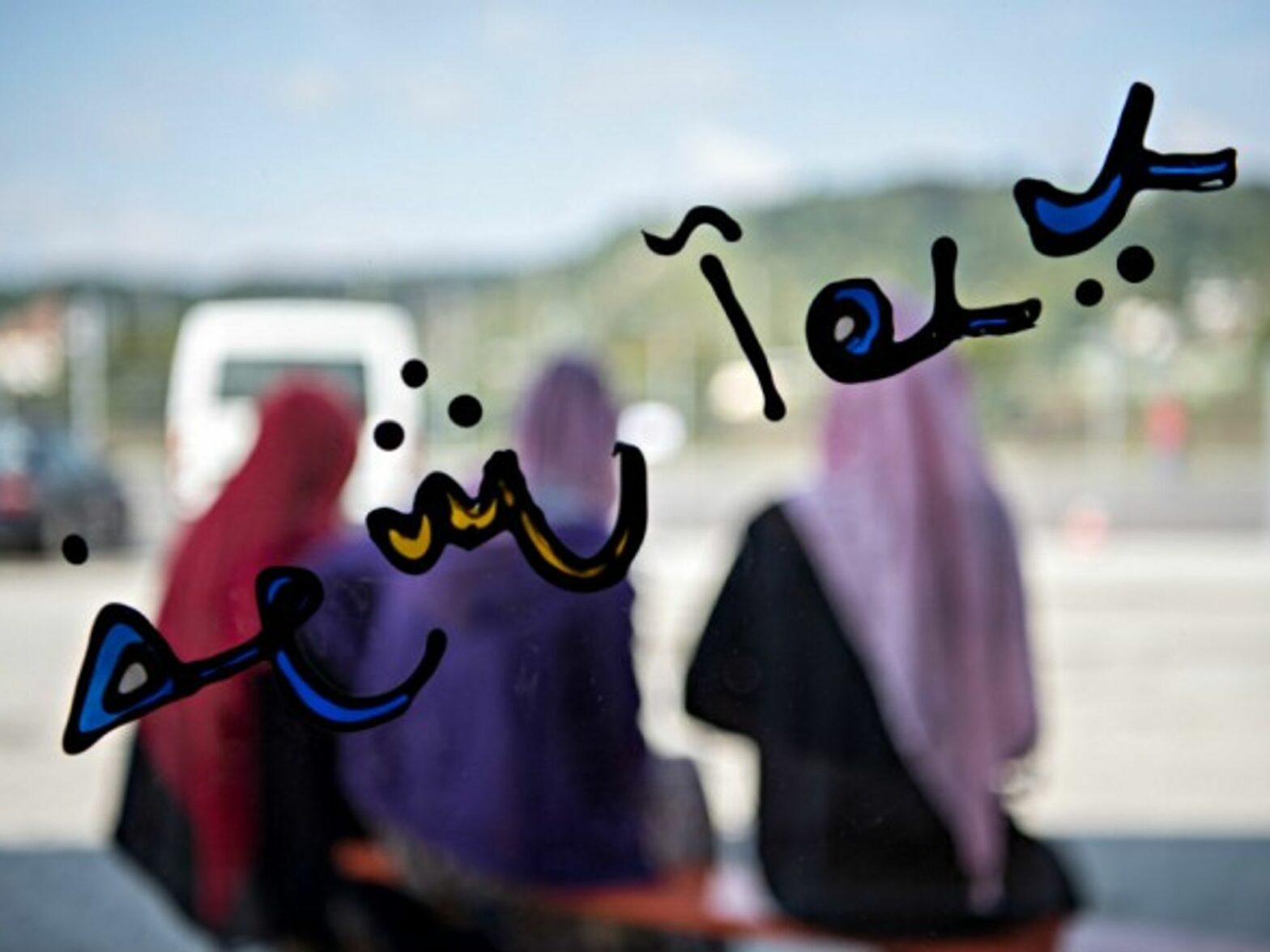
Islamists are known to target apostates. For the growing number of Muslim arrivals in Germany, a minority of those who have converted to Christianity say they are subject to attack.
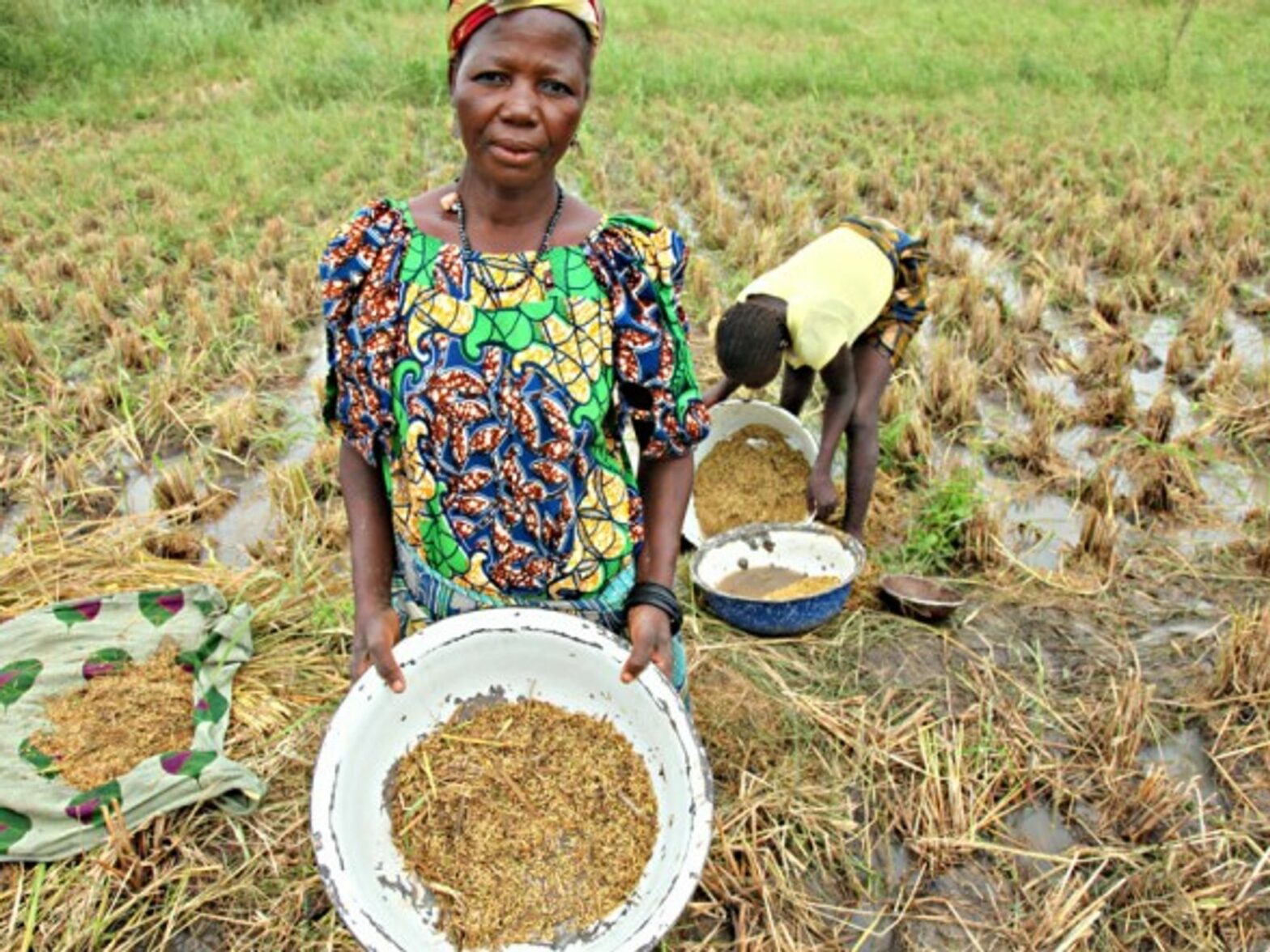
After a drop in oil prices left the Nigerian economy reeling, new government policies have boosted rice and other agricultural production. It’s a boost to stay home for Nigerians eyeing emigration to Europe.
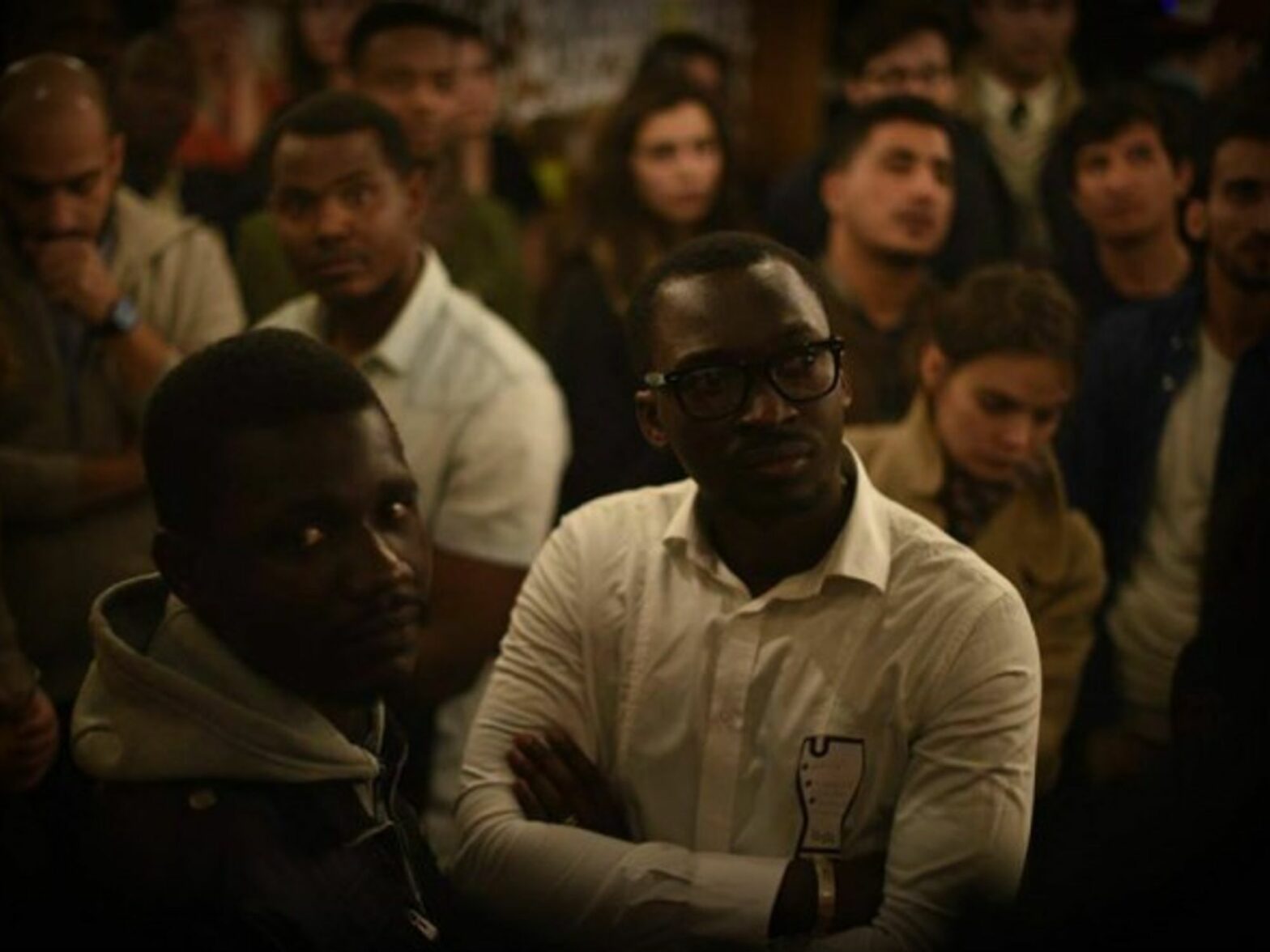
An online platform helps refugees find jobs and companies find motivated, skilled employees.
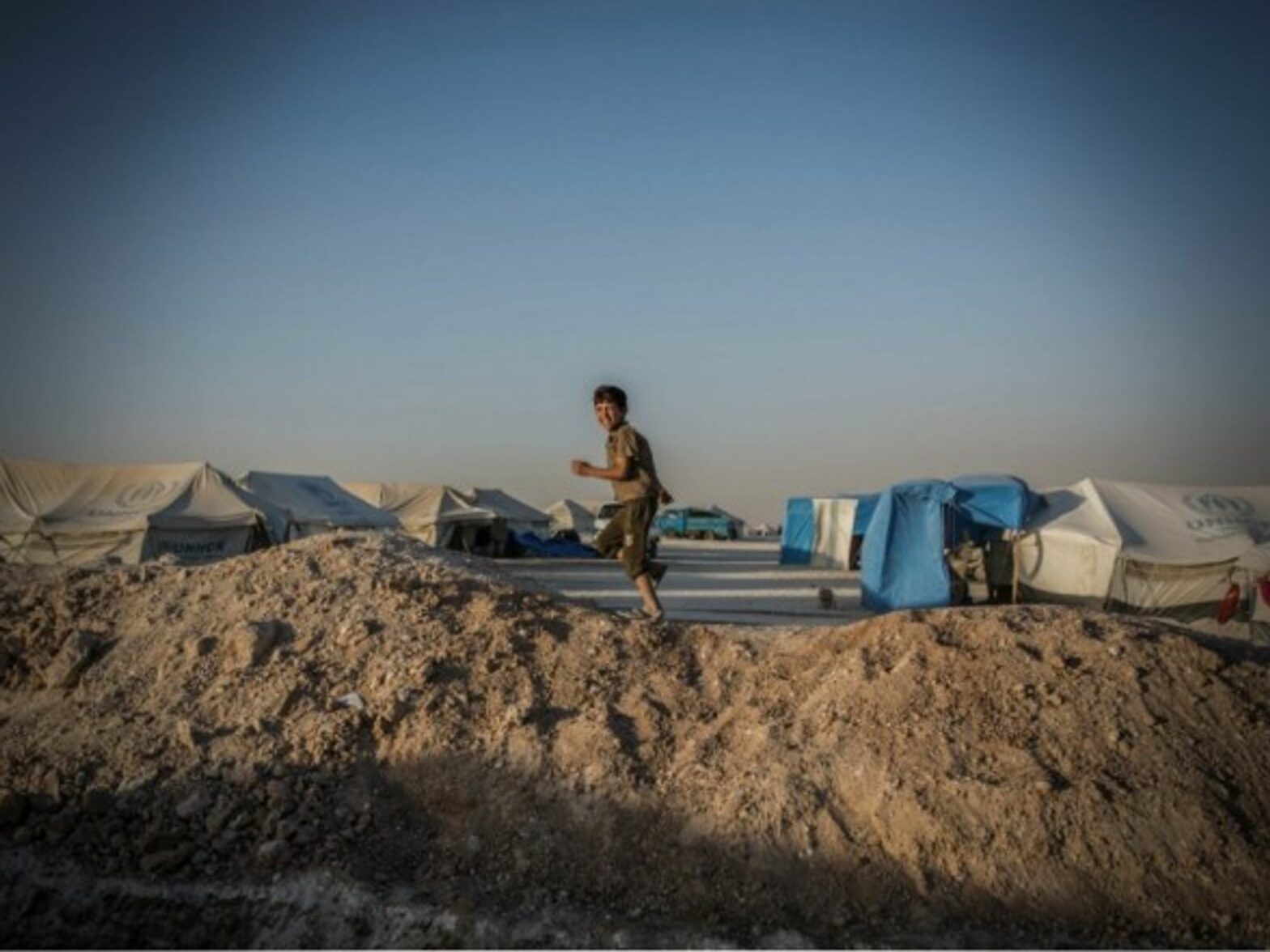
Some 31,000 Syrians have returned to their war-torn country from abroad this year and many are struggling to survive in a country they call home.
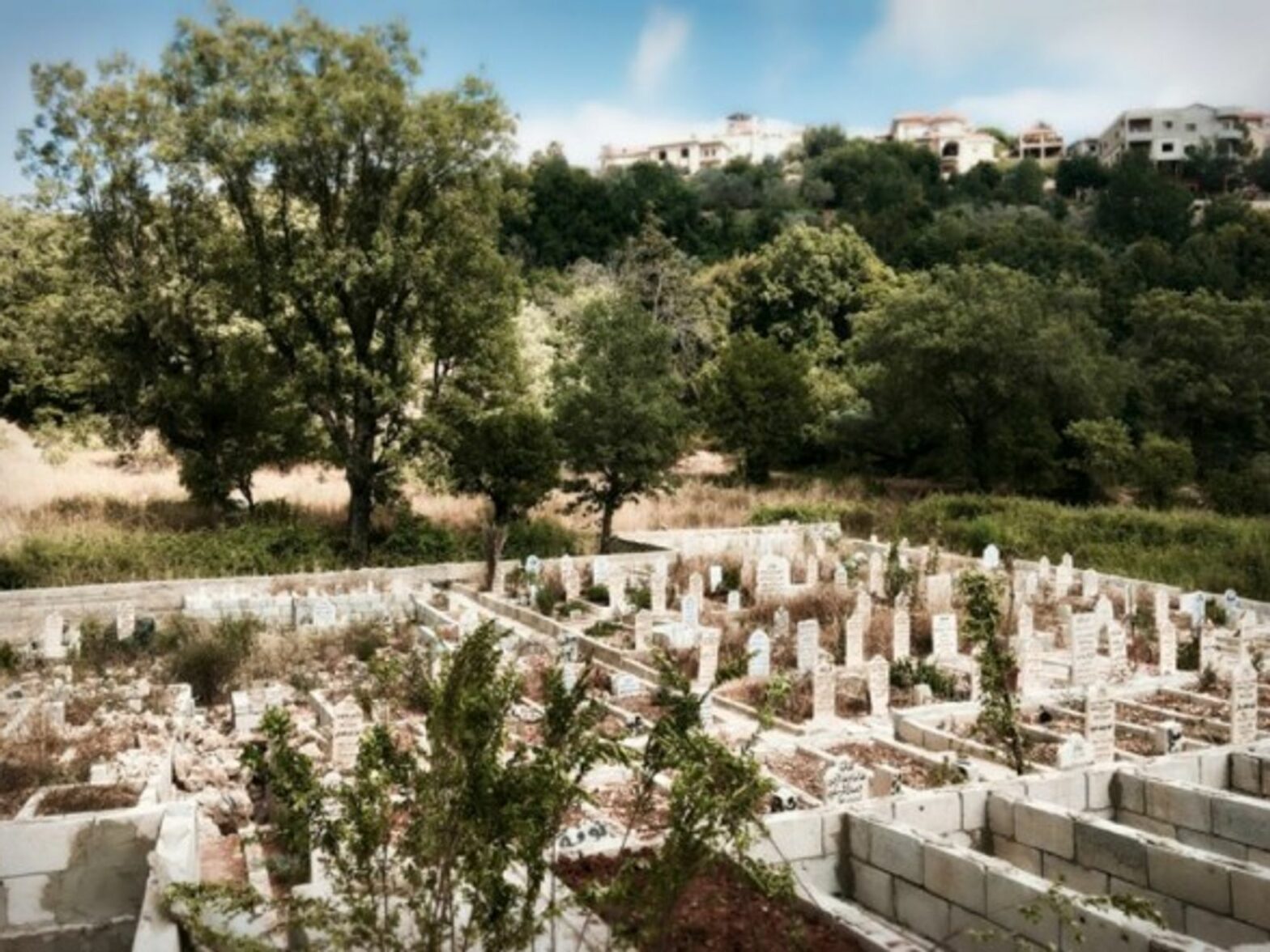
In Lebanon, the country with the highest number of refugees per capita in the world, a cemetery for Syrian refugees is running out of burial plots.