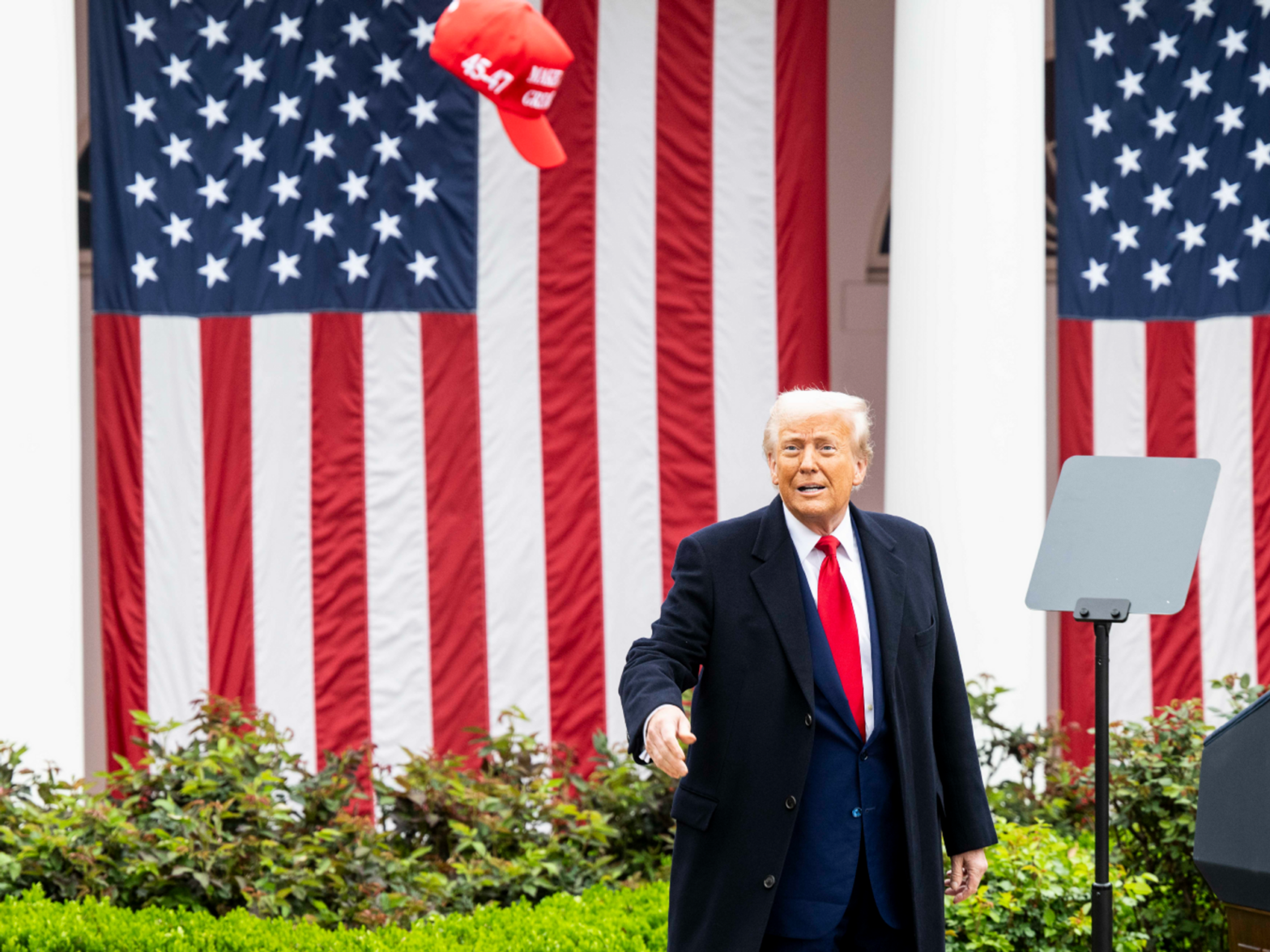
Donald Trump has cultivated his image as a “disruptor,” a term coined by tech startups. But by launching a global trade war, the U.S. president risks achieving the opposite of what he intends. What’s the opposite of “great again?”
 Worldcrunch
Donald Trump has cultivated his image as a “disruptor,” a term coined by tech startups. But by launching a global trade war, the U.S. president risks achieving the opposite of what he intends. What’s the opposite of “great again?”
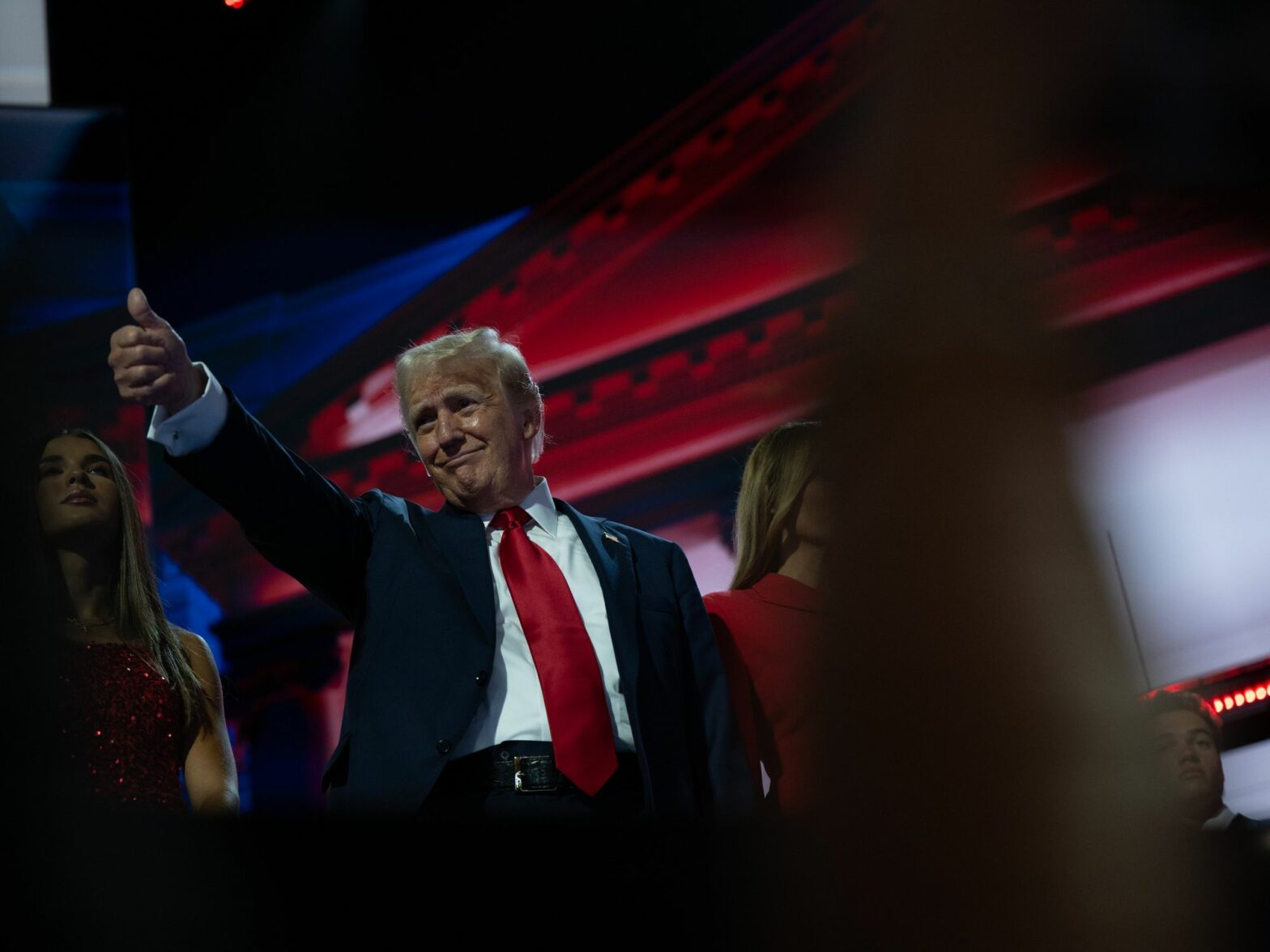
The current unprecedented political crises in France and the United States — two very different systems and political cultures — have points in common, notably that partisan issues are still taking precedence over the need to rethink the democratic system and its practices.
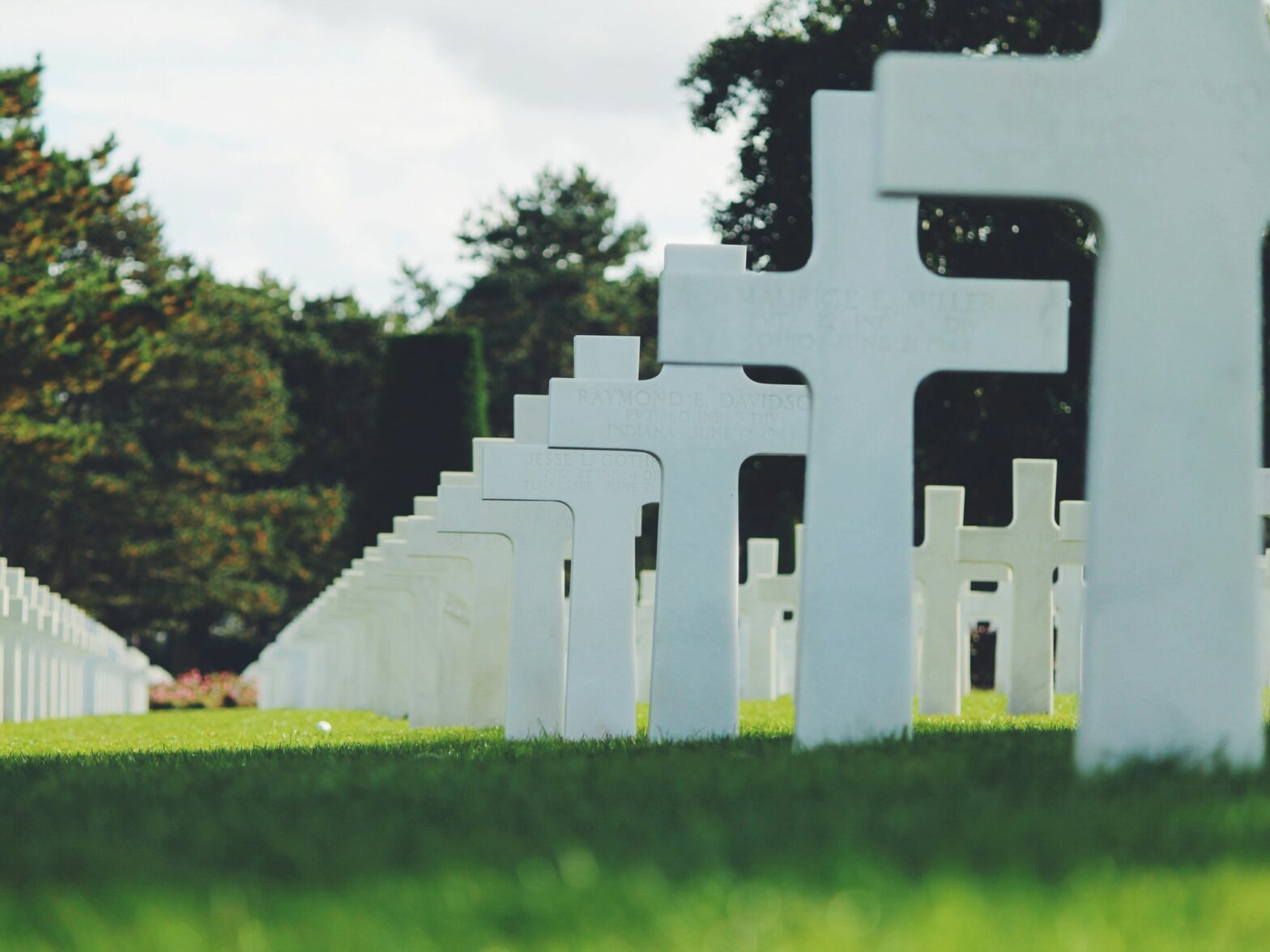
From Ukraine to the South China Sea, images of war are highly reminiscent of the horrors of the past. As the world marks 80 years since the Normandy landings of World War II, geopolitical analyst Dominique Moïsi wonders if history is bound to repeat itself.
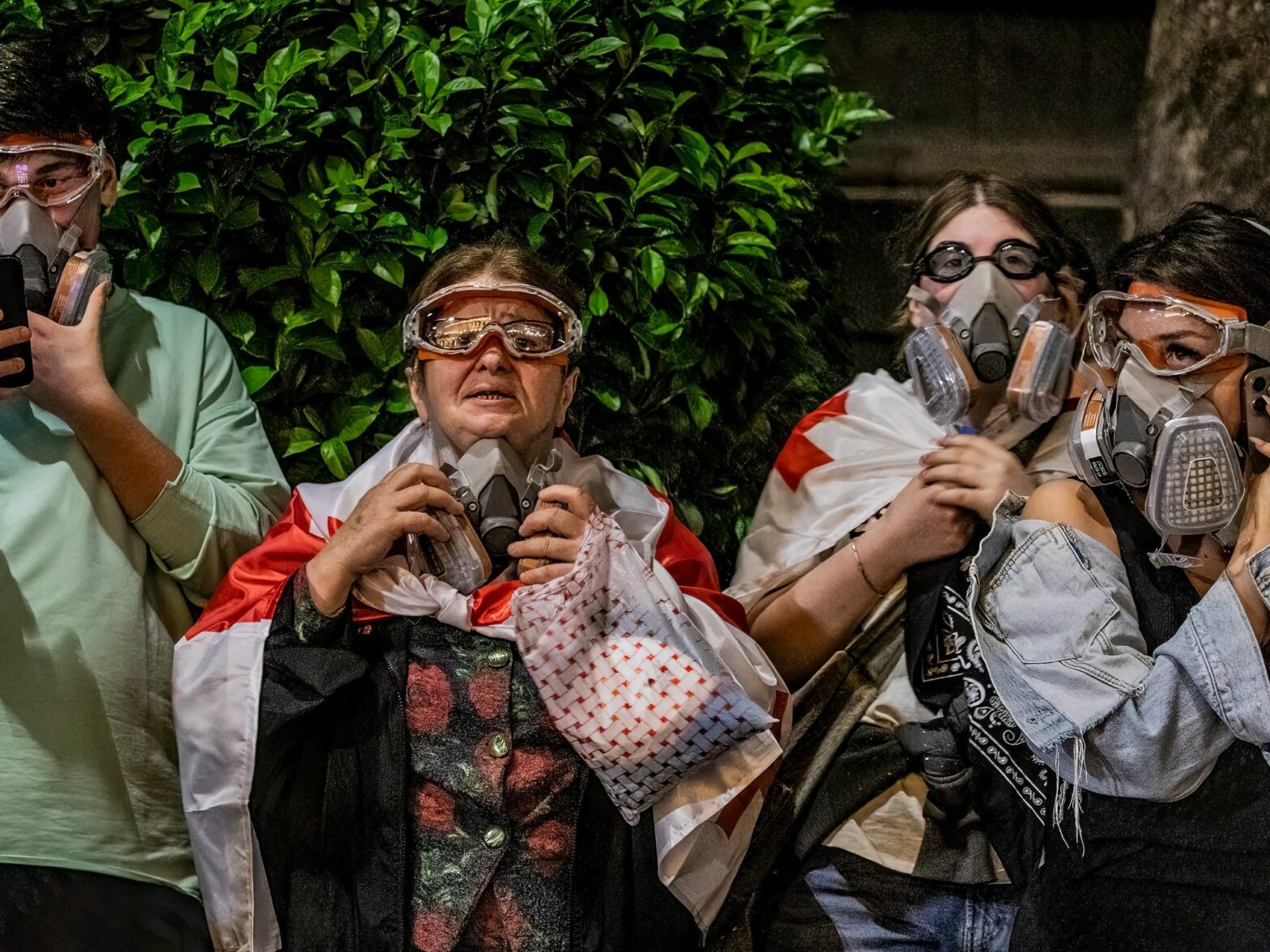
Demonstrations suppressed by the forces of order are taking place daily in the Georgian capital of Tbilisi around a draft law on “foreign interests”, considered by the protesters to be a “Russian law.” At stake is Georgia’s future, between the European Union and Putin’s Russia.
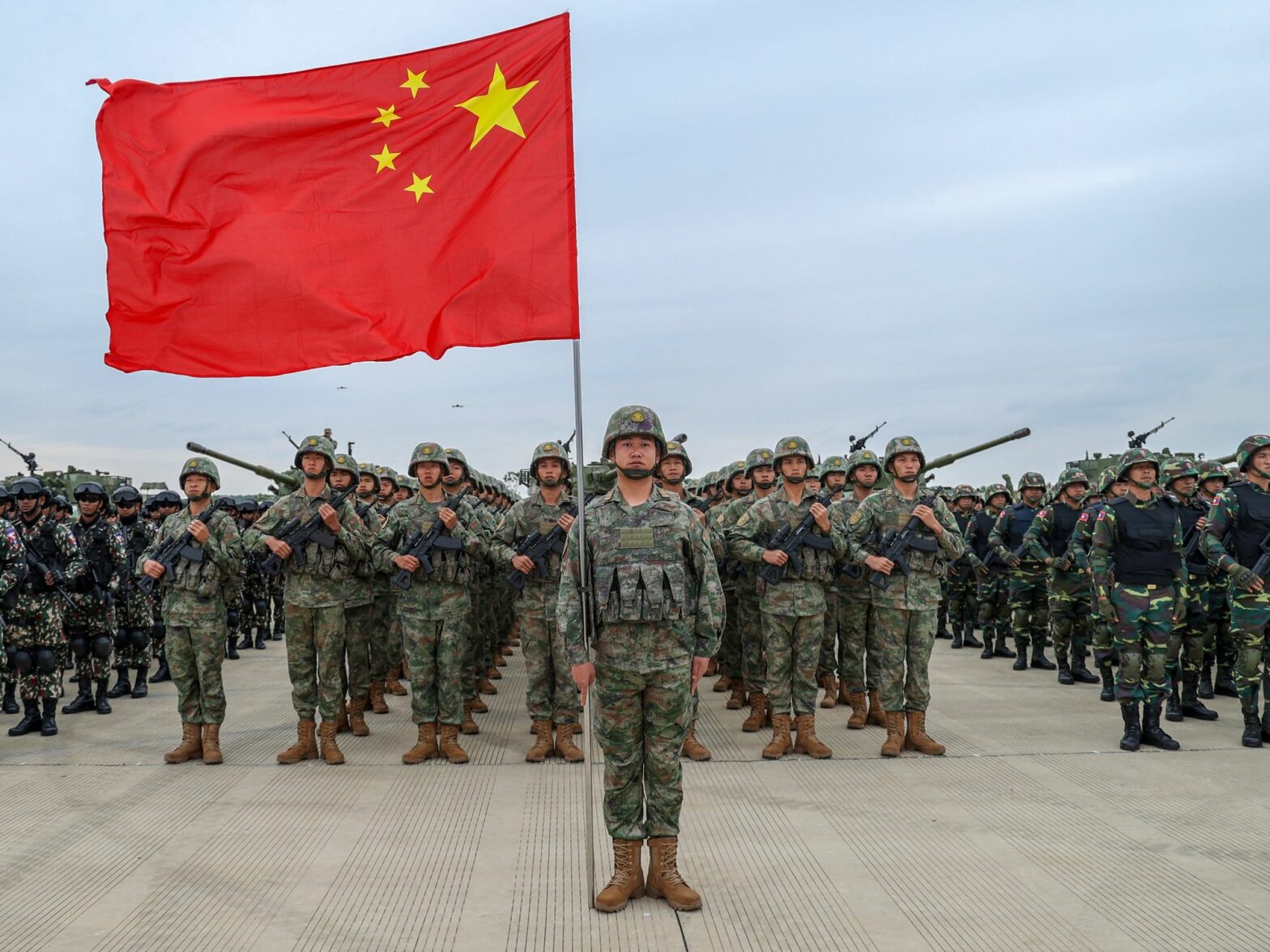
Just because war appears more likely to spread to Europe or the Middle East than Asia, we should not forget China’s enormous weight. But does Beijing want to do with it?
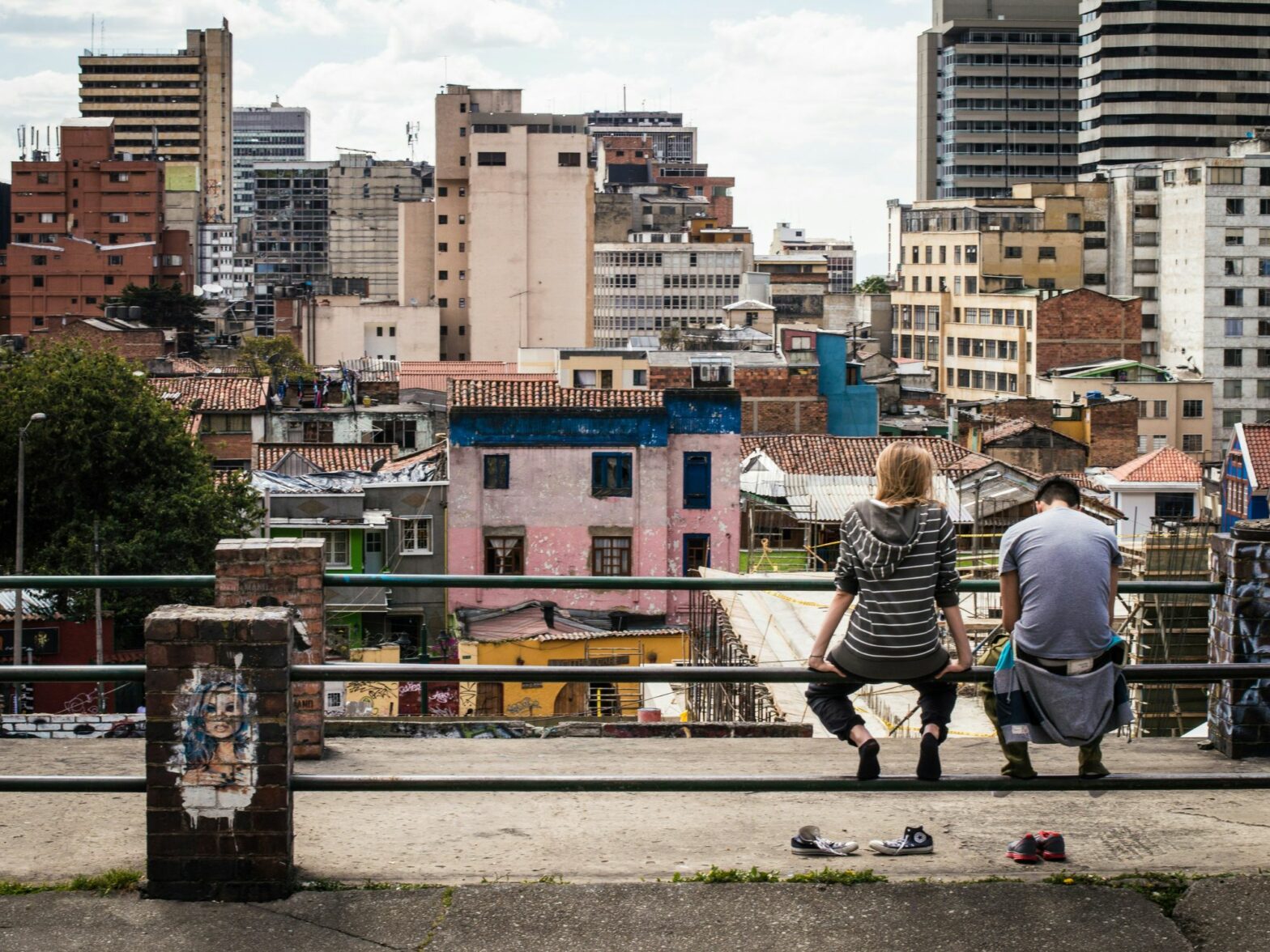
Latin American governments have barely denounced the Russian attack on Ukraine, partly for lingering distrust of the United States. But there is also a regional misperception of Russia as a new Soviet Union and friend of “lesser nations” struggling for betterment.
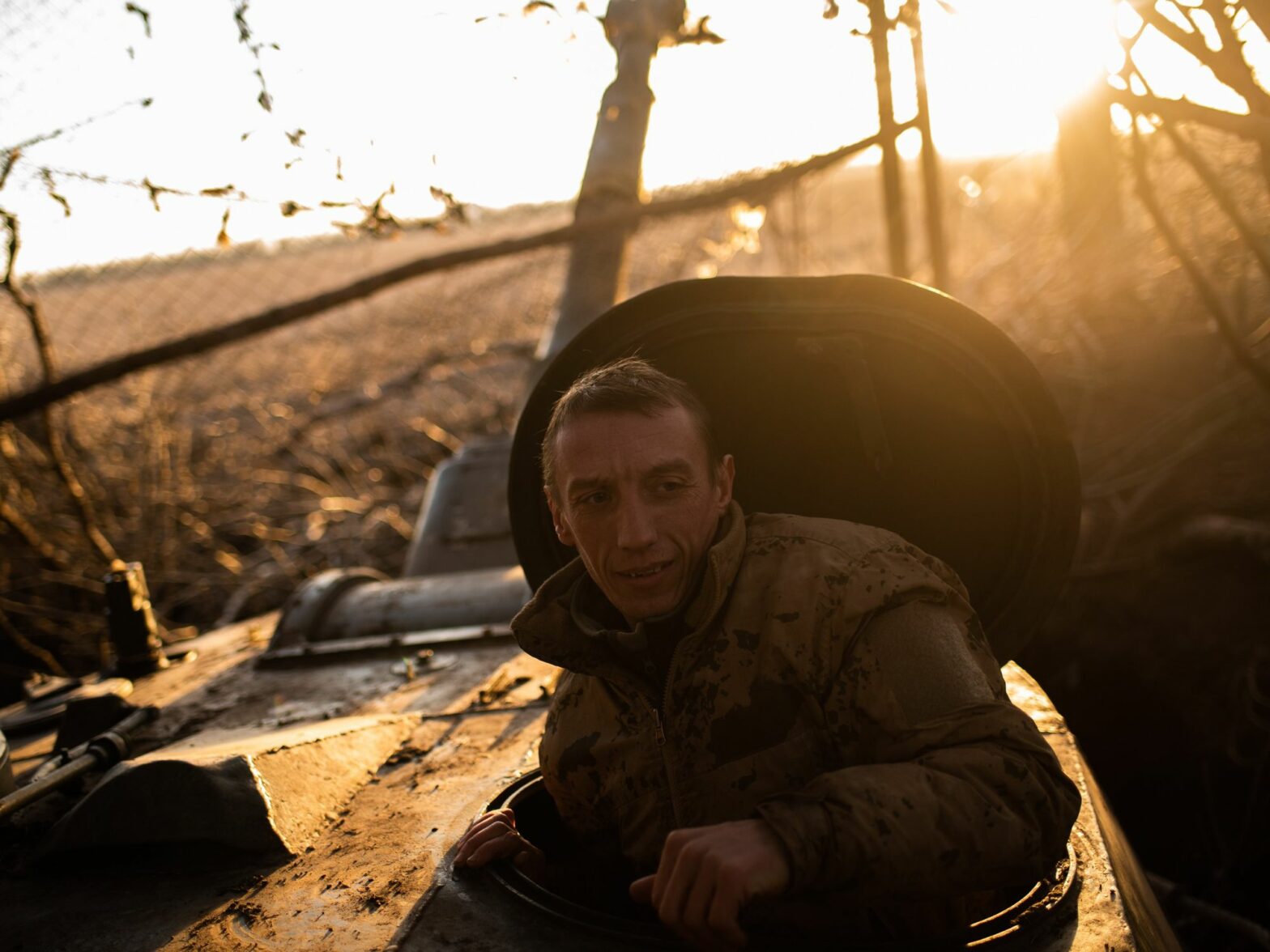
French President Emmanuel Macron crossed a line, at least rhetorically, in saying that the West doesn’t exclude sending troops to help Ukraine defend itself from Russia. Yet it may be time for the Western alliance to acknowledge that they’ve actually entered direct conflict with Moscow long before.
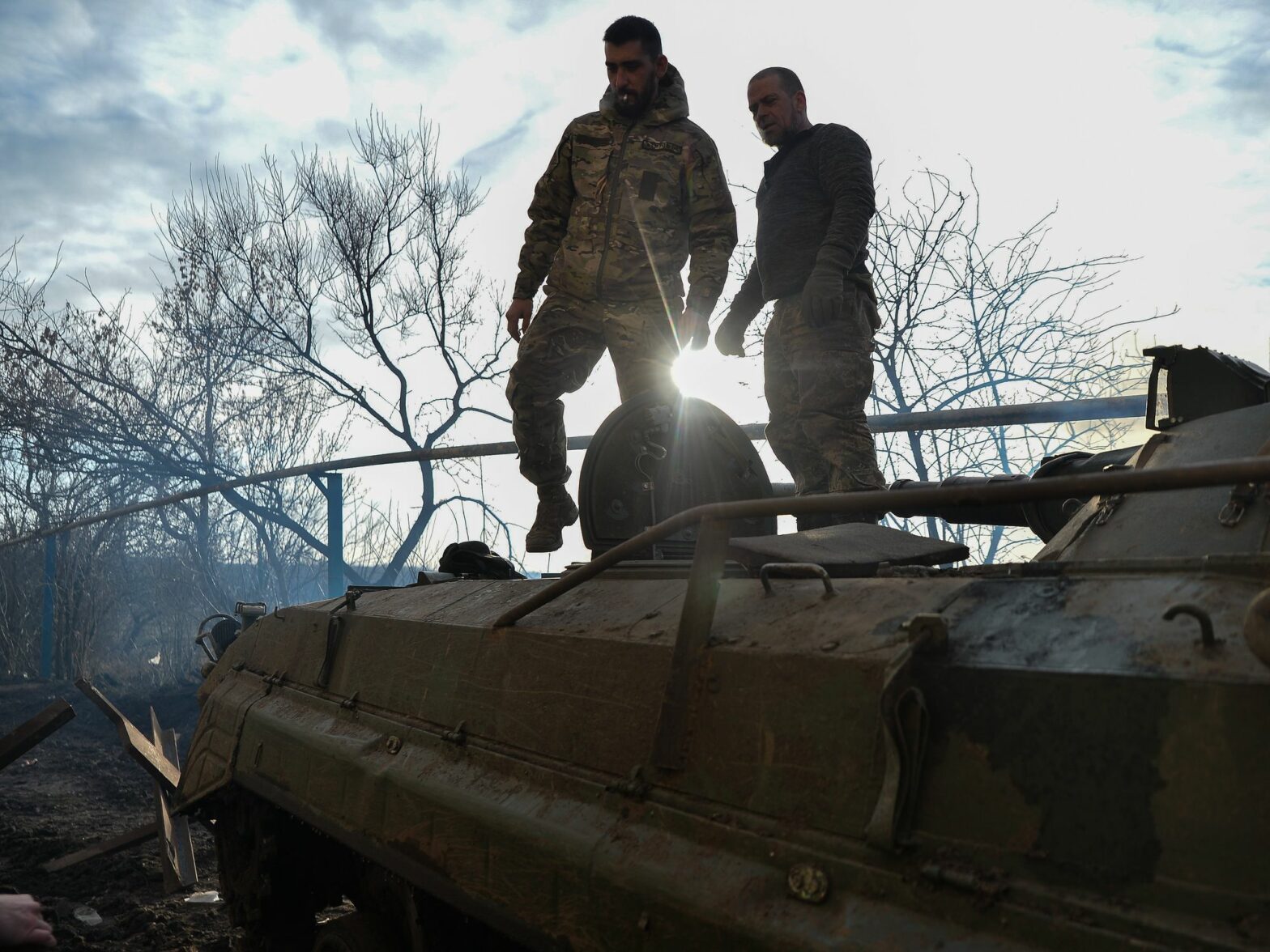
There are many analogies between 1916 and 2024, two years into World War I and the War in Ukraine respectively. It offers a clear way to try to understand what may happen next in Ukraine — and the world.