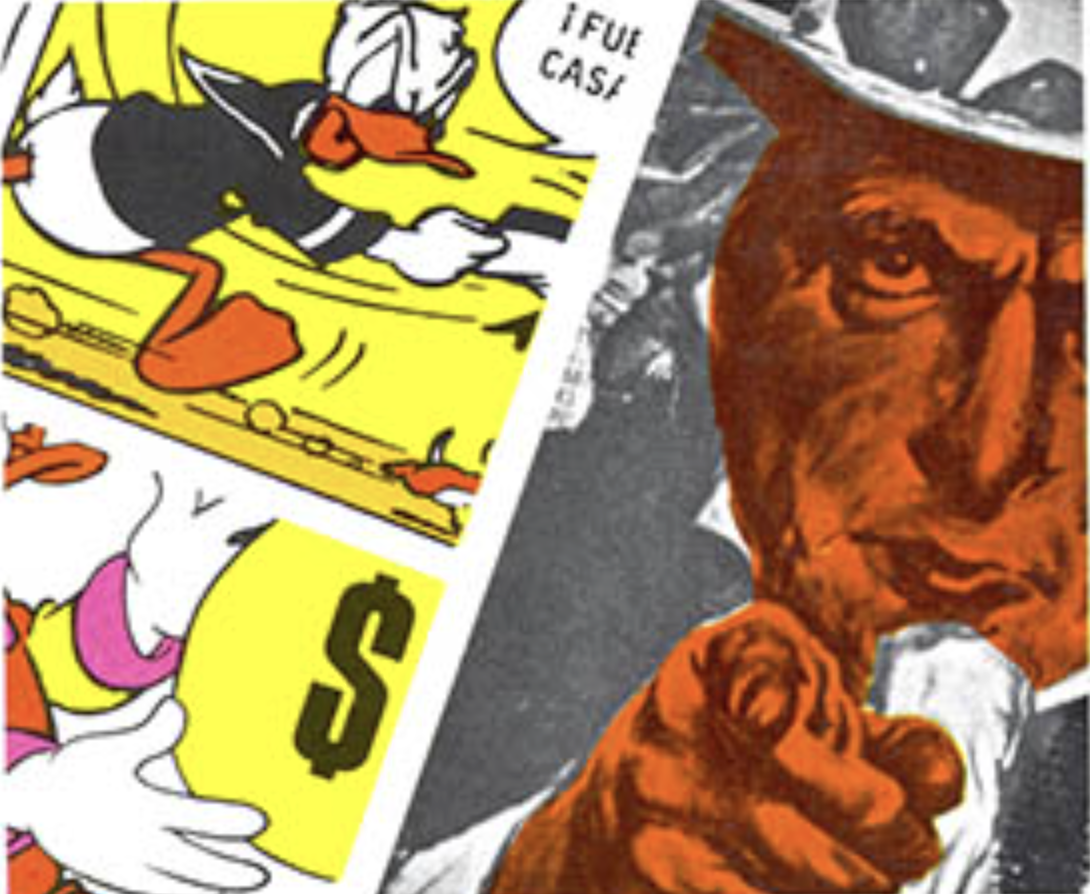
Ariel Dorfman and Armand Mattelart’s 1970s classic How To Read Donald Duck still offers a mirror to today’s politics and media circus — from Uncle Scrooge to Uncle Sam. Its thesis has been both reaffirmed and turned on its head in the Trump era.
 Worldcrunch
Ariel Dorfman and Armand Mattelart’s 1970s classic How To Read Donald Duck still offers a mirror to today’s politics and media circus — from Uncle Scrooge to Uncle Sam. Its thesis has been both reaffirmed and turned on its head in the Trump era.
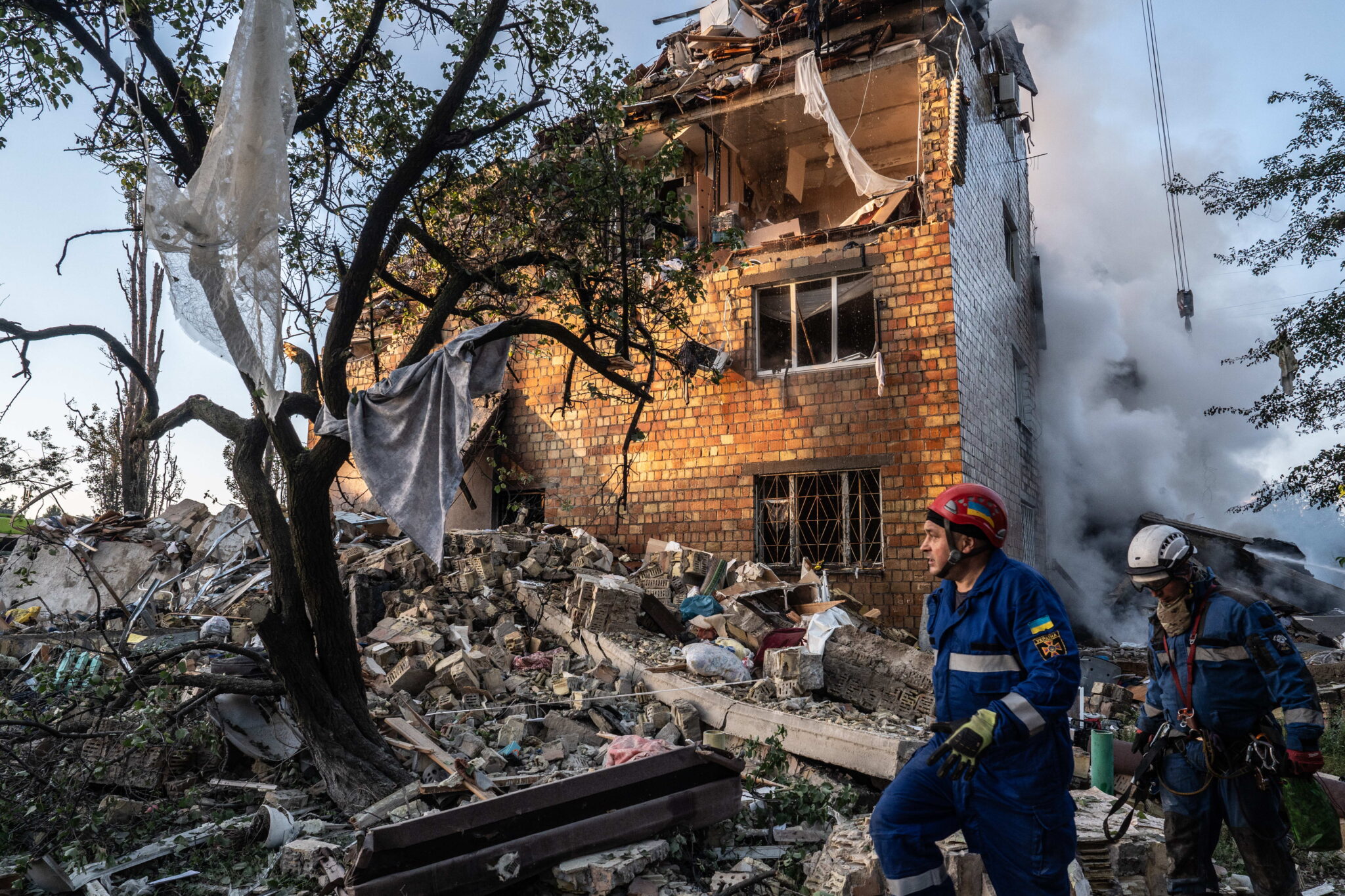
Even after diplomatic overtures and red-carpet treatment abroad, Moscow answers with one of its deadliest strikes since the invasion, showing the Kremlin has no intention of negotiating an end to the war.
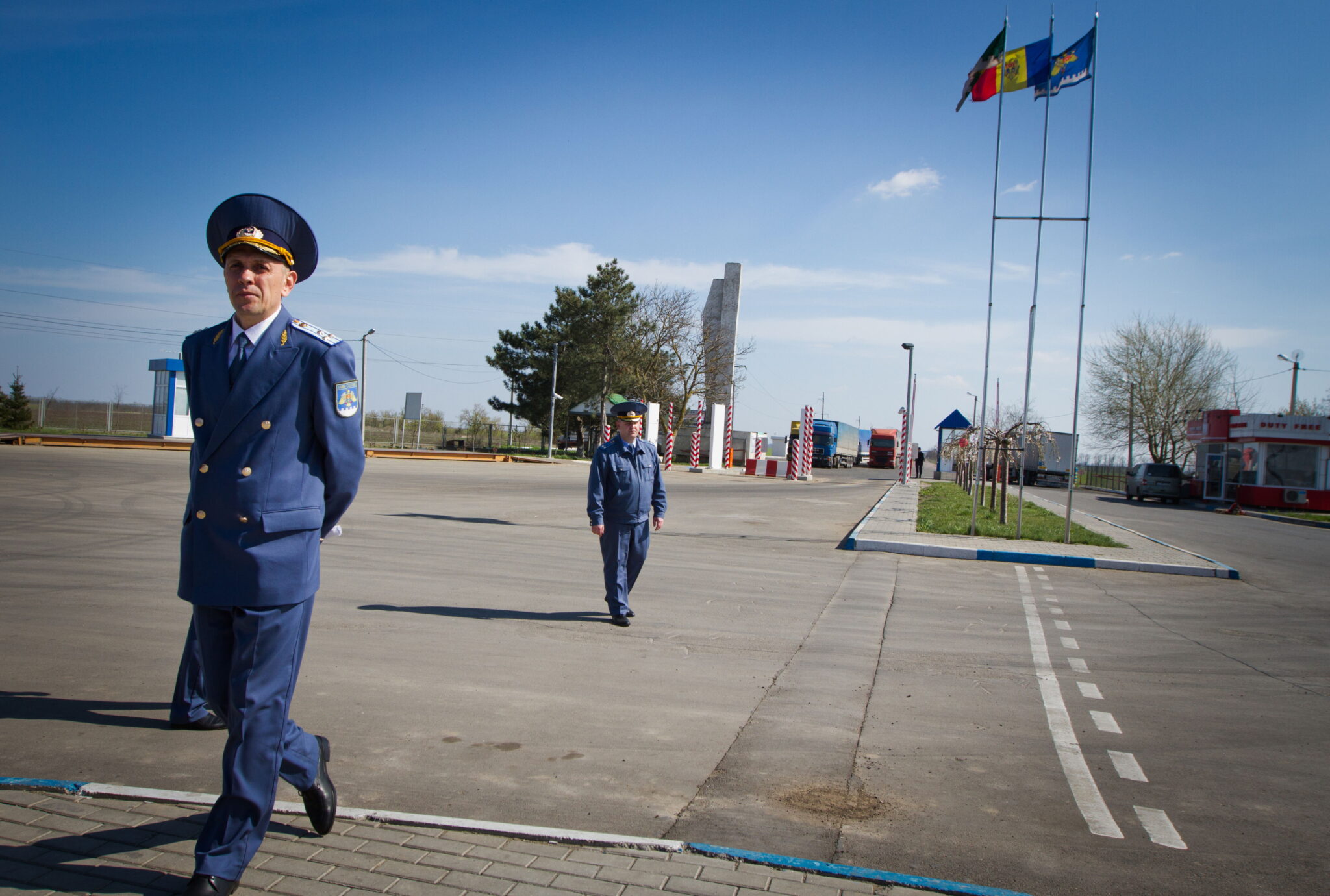
Macron, Merz and Tusk are in Moldova on Wednesday to celebrate the anniversary of its independence and to lend political support to pro-European President Maia Sandu, one month before parliamentary elections marked by a pro-Russian offensive.
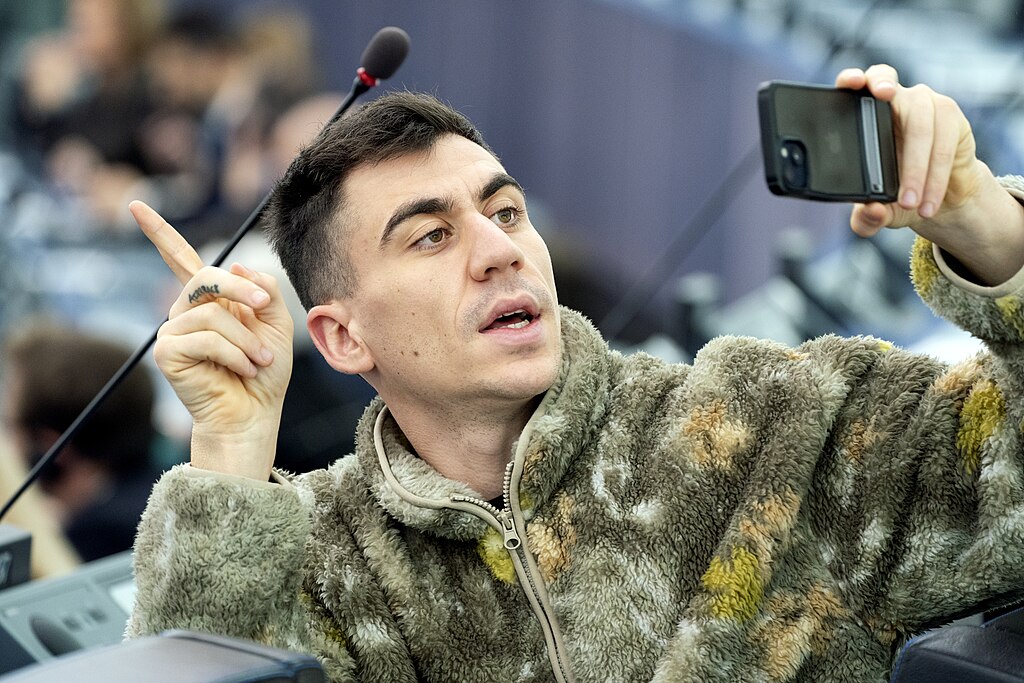
He ran “for fun,” filmed every step, and turned controversy into content. Now, from the back row of Brussels, Panayiotou is rewriting what it means to be an MEP in the age of the algorithm.
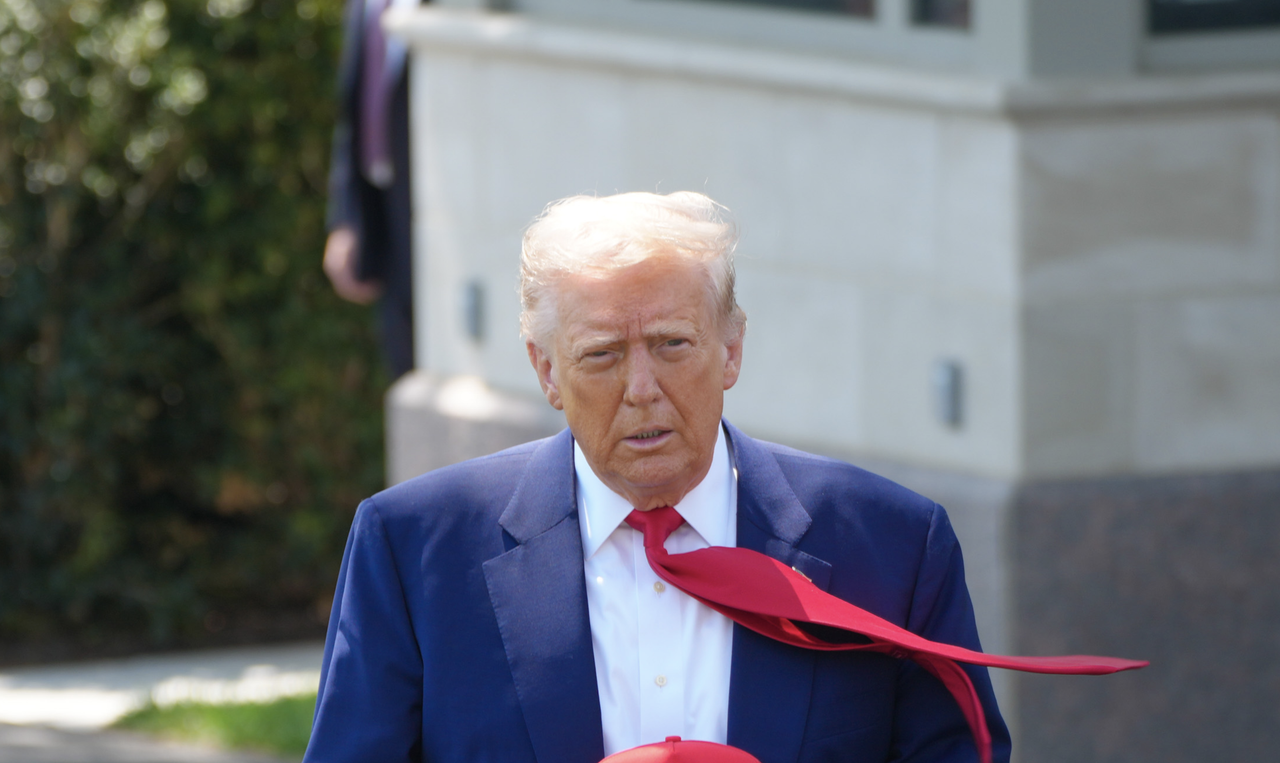
The U.S. president has tried to impress (and reshape) the world with a “tough guy” act. But it’s hardly going as planned: start by looking north of the border.
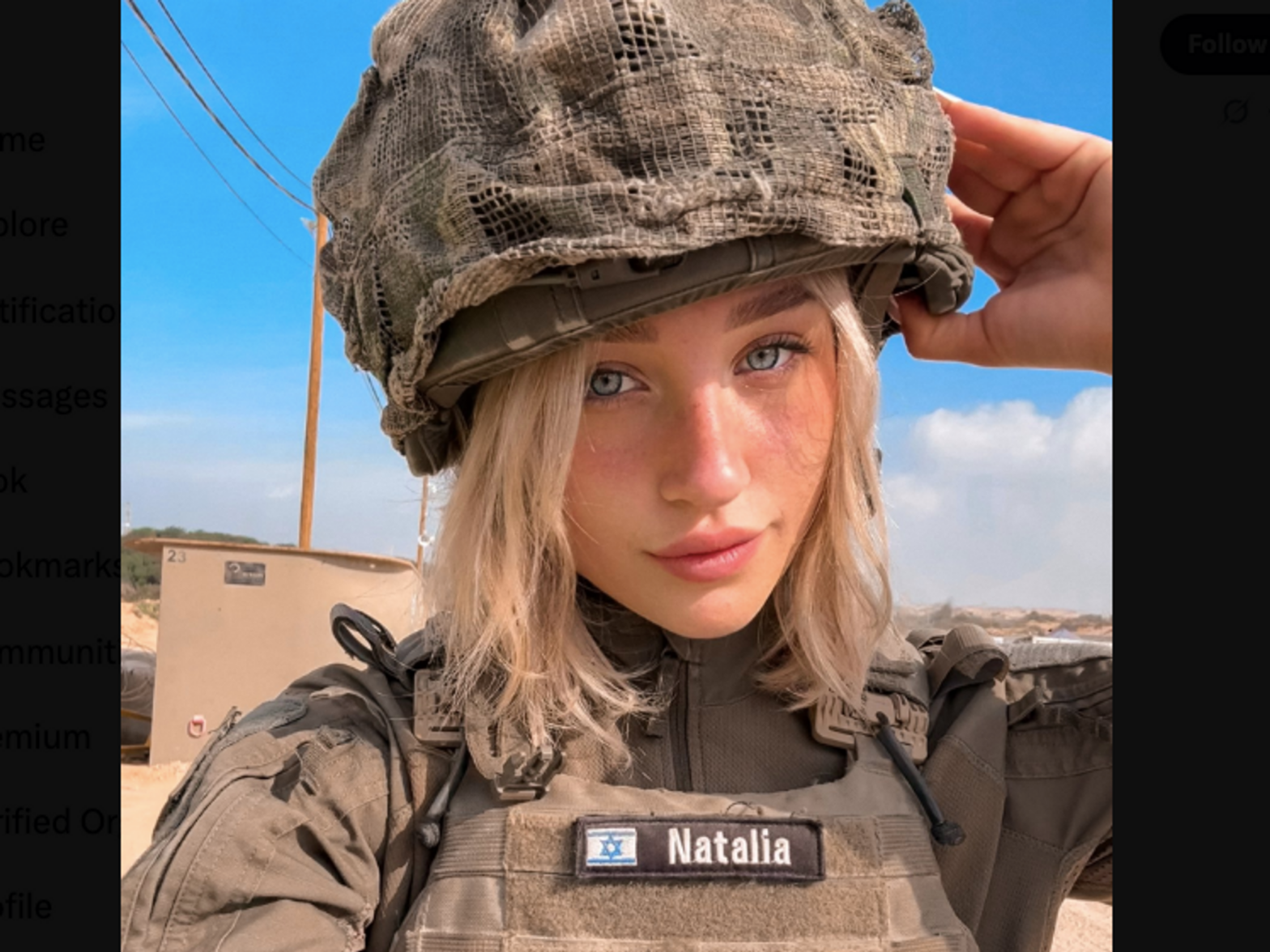
The porn industry and amateur and professional adult content plays a role in the Israeli war on Gaza. Some pornographic companies did not only provide support to Israel, but adult content also contributed to drawing a violative imagination about Israeli soldiers and their relationship with the battlefield and the Gazan victims. It is part of a long history linking pornography and war.
Ahead of Germany’s crucial national elections Sunday, Russia is actively working to destabilize the country through cyberattacks, agents, and disinformation campaigns. Can anything be done to stop or at least counter these attacks?
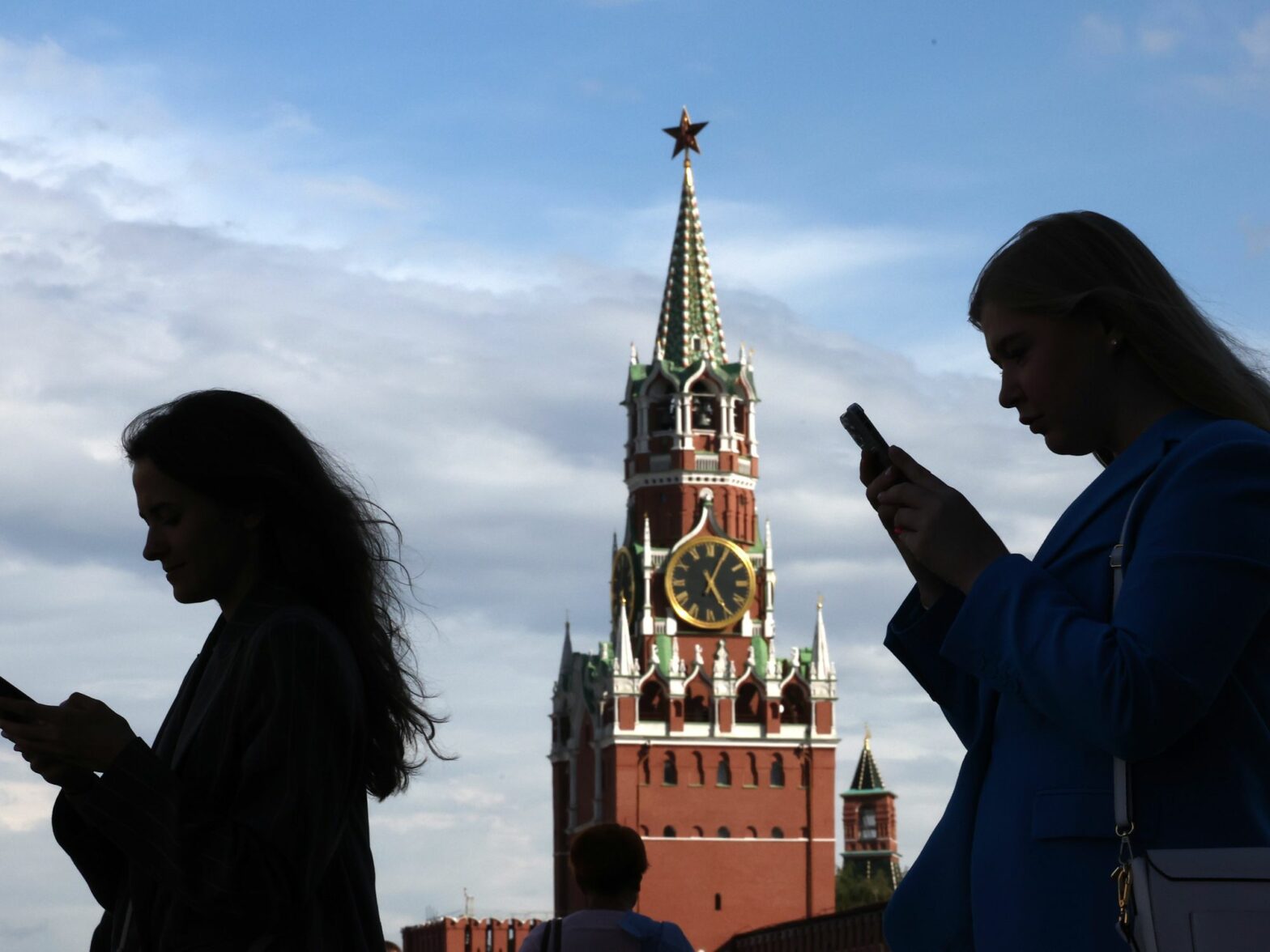
In wartime Russia, women are behaving in starkly different ways: some are fighting desperately to bring their men home, while others are actively encouraging them to go to the front — for the promise of good money.
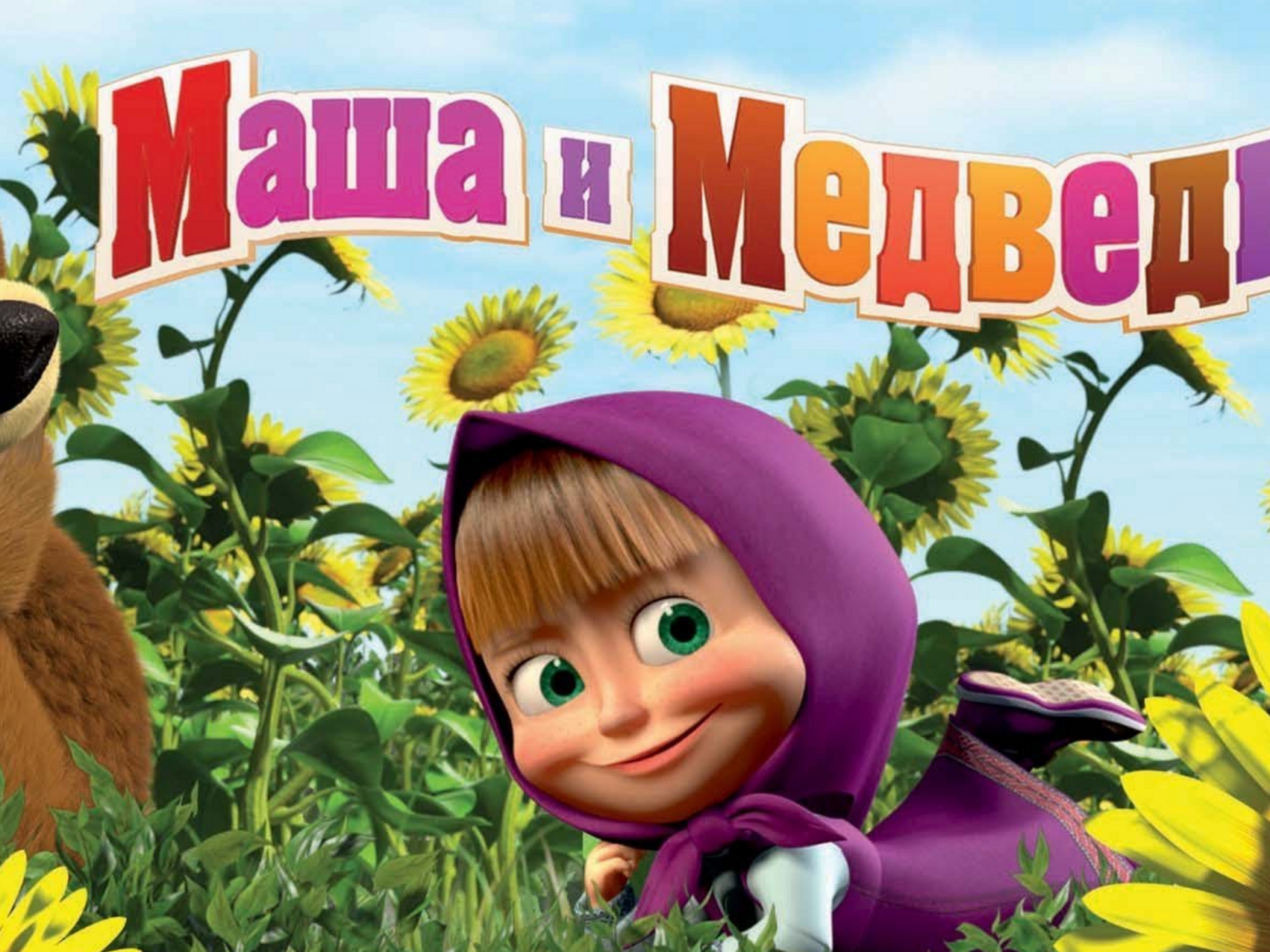
Packed full of Russian culture, the children’s cartoon Masha and the Bear is a very popular cultural export. But does that make the little girl and her furry friend pro-Putin propaganda? Reflections from a conflicted parent in Germany.
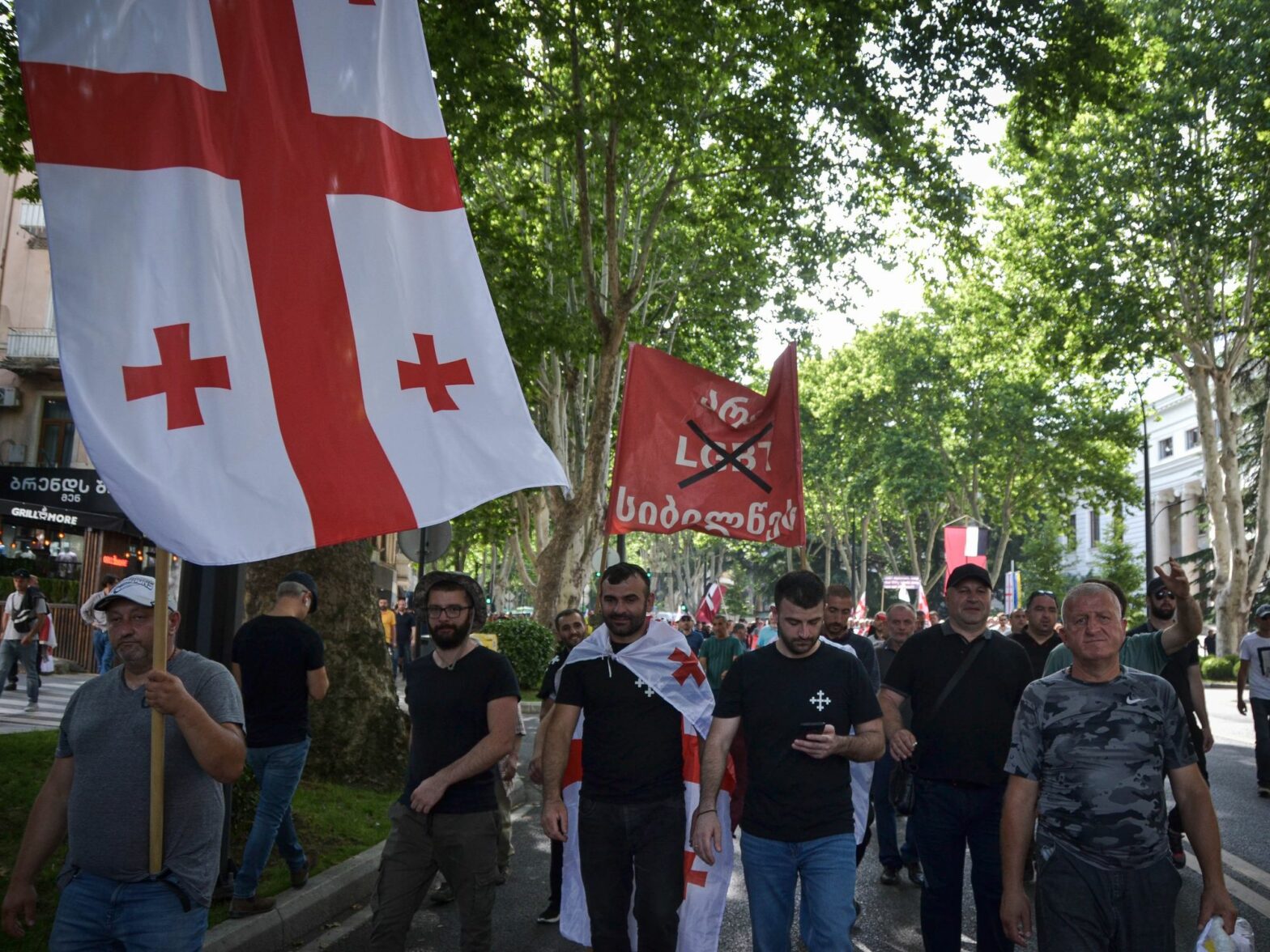
After the killing of Georgia’s best-known trans woman Kesaria Abramidze, and a harsh new anti-LGBTQ law, Holod spoke with another well-known Georgia-based trans woman, Sofi Beridze, about homophobia in the country, as well as her birthplace, Moscow.
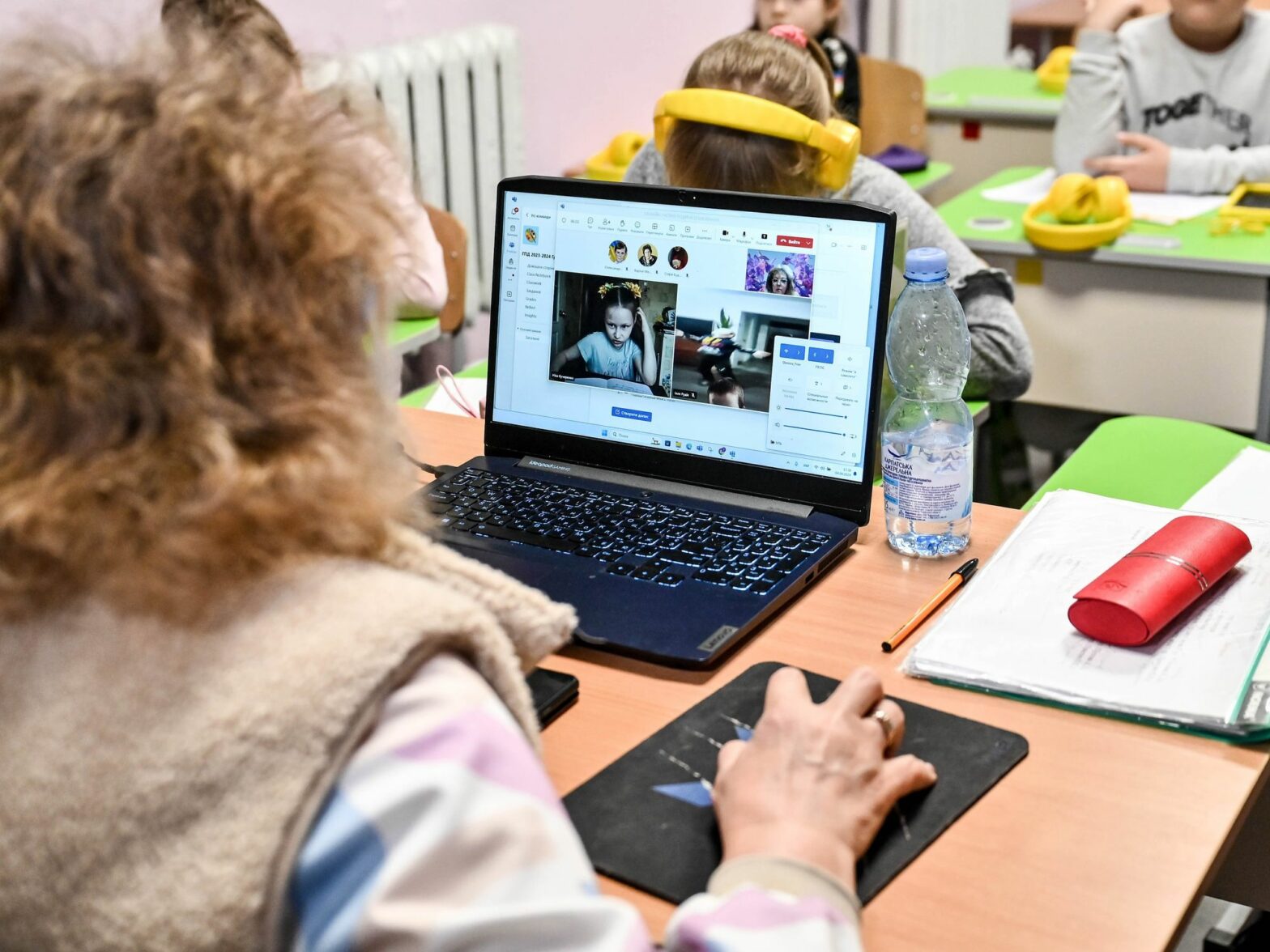
A network of Ukrainian teachers, parents and administrators teach online classes to families trapped in Russian-occupied territories. But it comes with serious consequences if they are discovered.
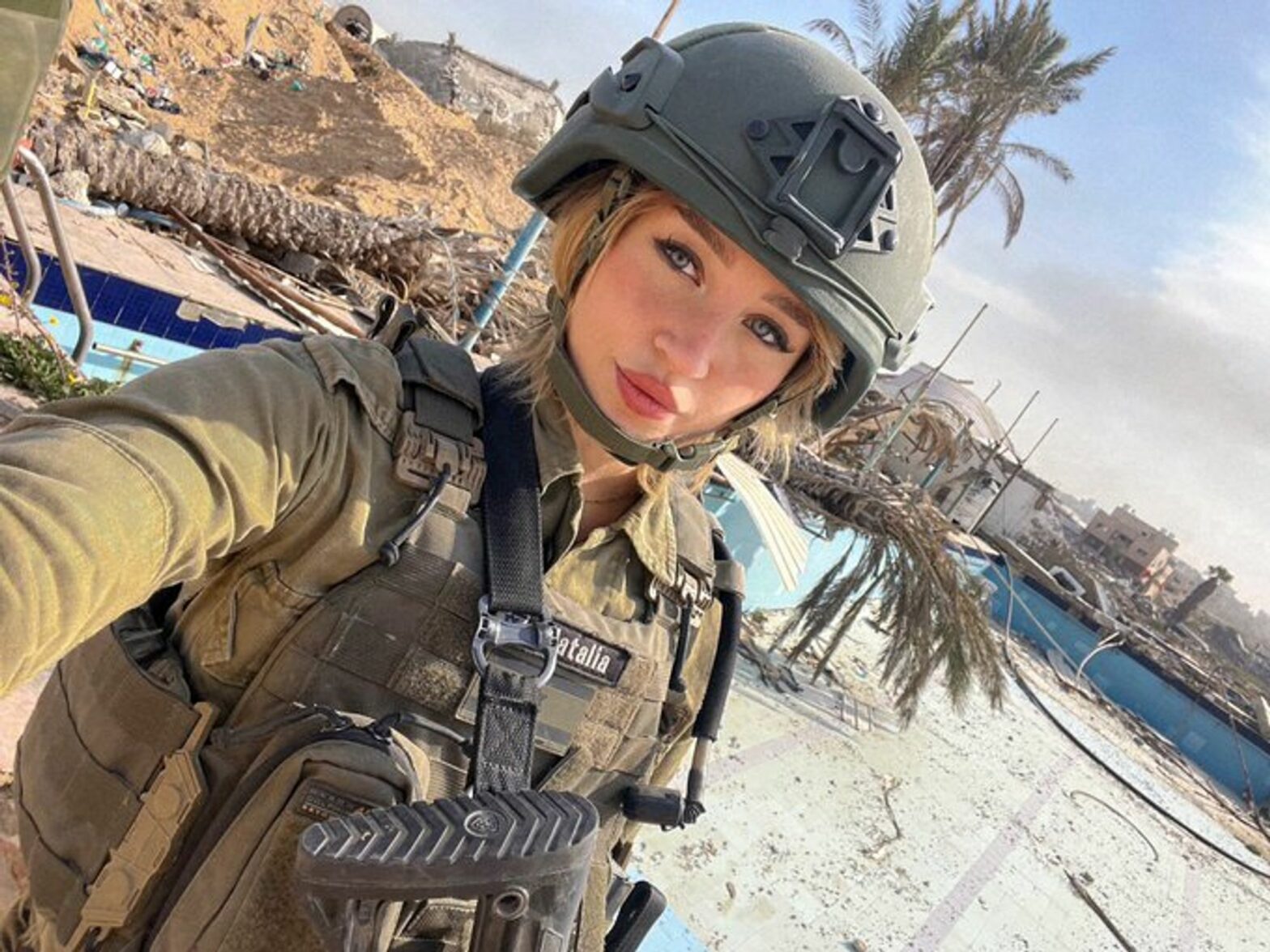
The porn industry and amateur and professional adult content plays a role in the Israeli war on Gaza. Some pornographic companies did not only provide support to Israel, but adult content also contributed to drawing a violative imagination about Israeli soldiers and their relationship with the battlefield and the Gazan victims. It is part of a long history linking pornography and war.
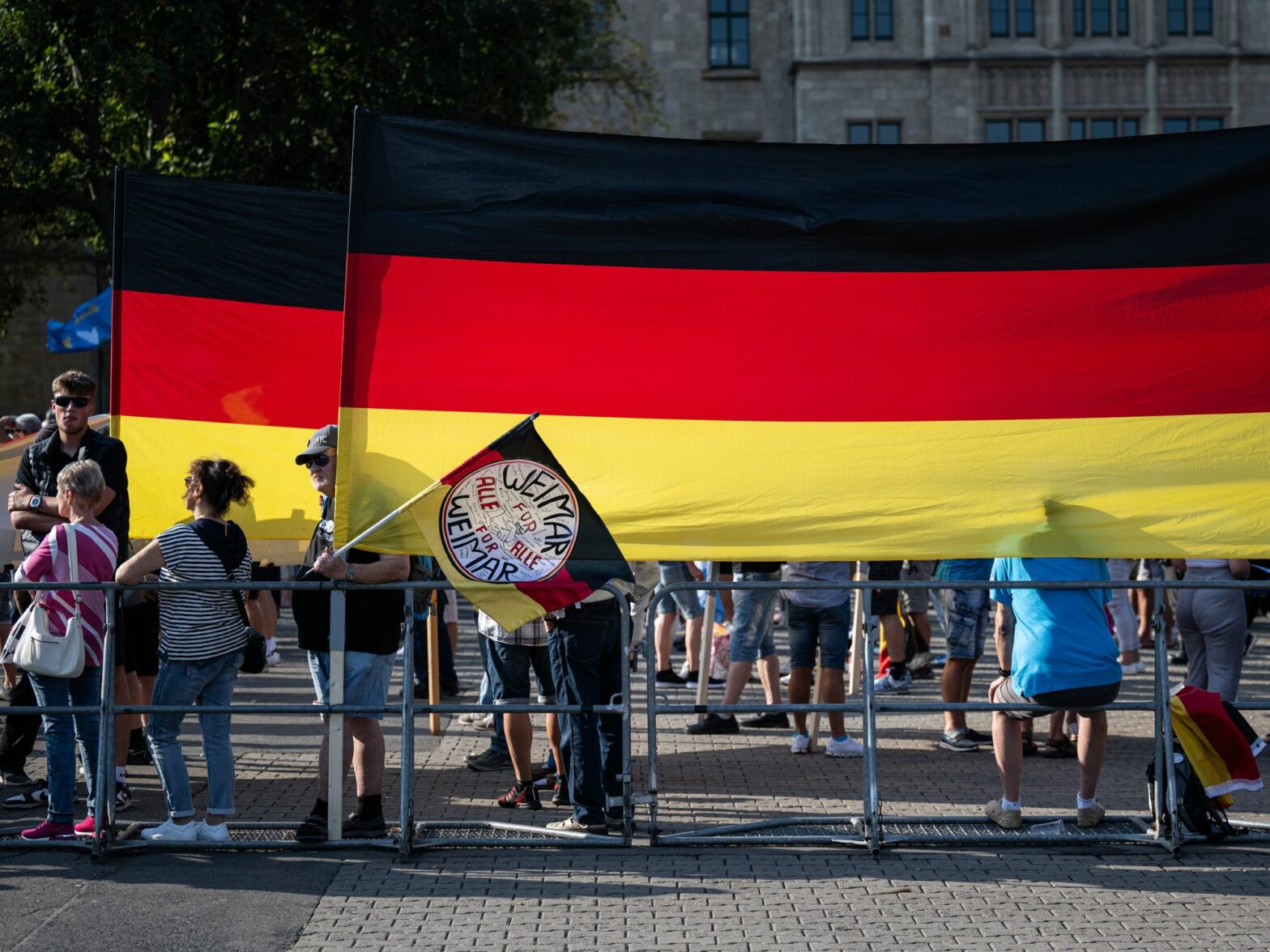
U.S. authorities have seized documents that expose a Russian-led fake news offensive in Europe. The devastating effects of this large-scale propaganda campaign are for all to see in the recent elections in Thuringia and Saxony.
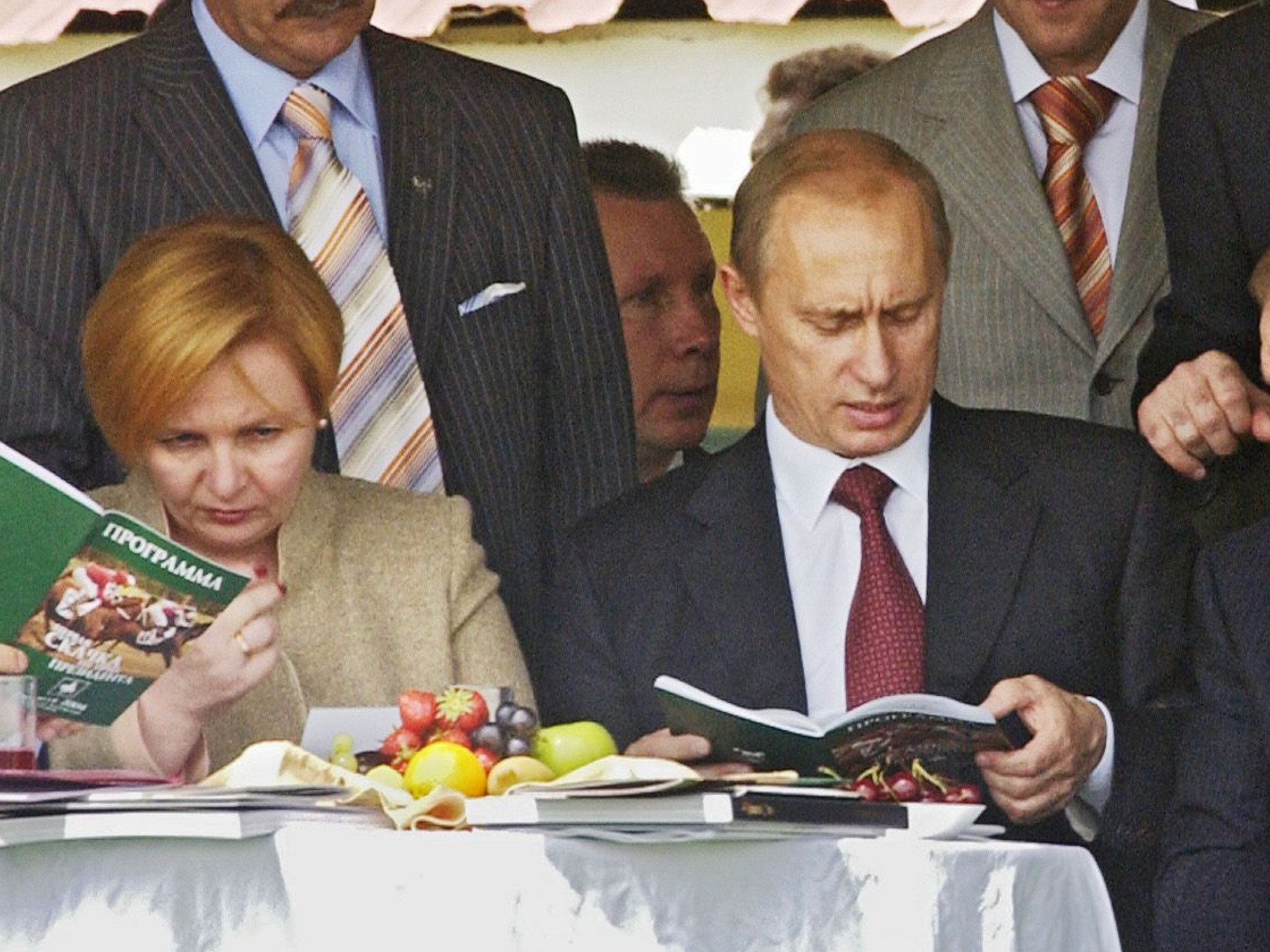
Even Russians are unlikely to have noticed that since Vladimir Putin came to power some 25 years ago, the biography the Kremlin presents of him has been repeatedly altered. A new investigation revealing details about his two sons is but an exception in a long history of authorities carefully hiding facts and evidence about Putin’s life and his relationship with his family and friends — and the Russian people.
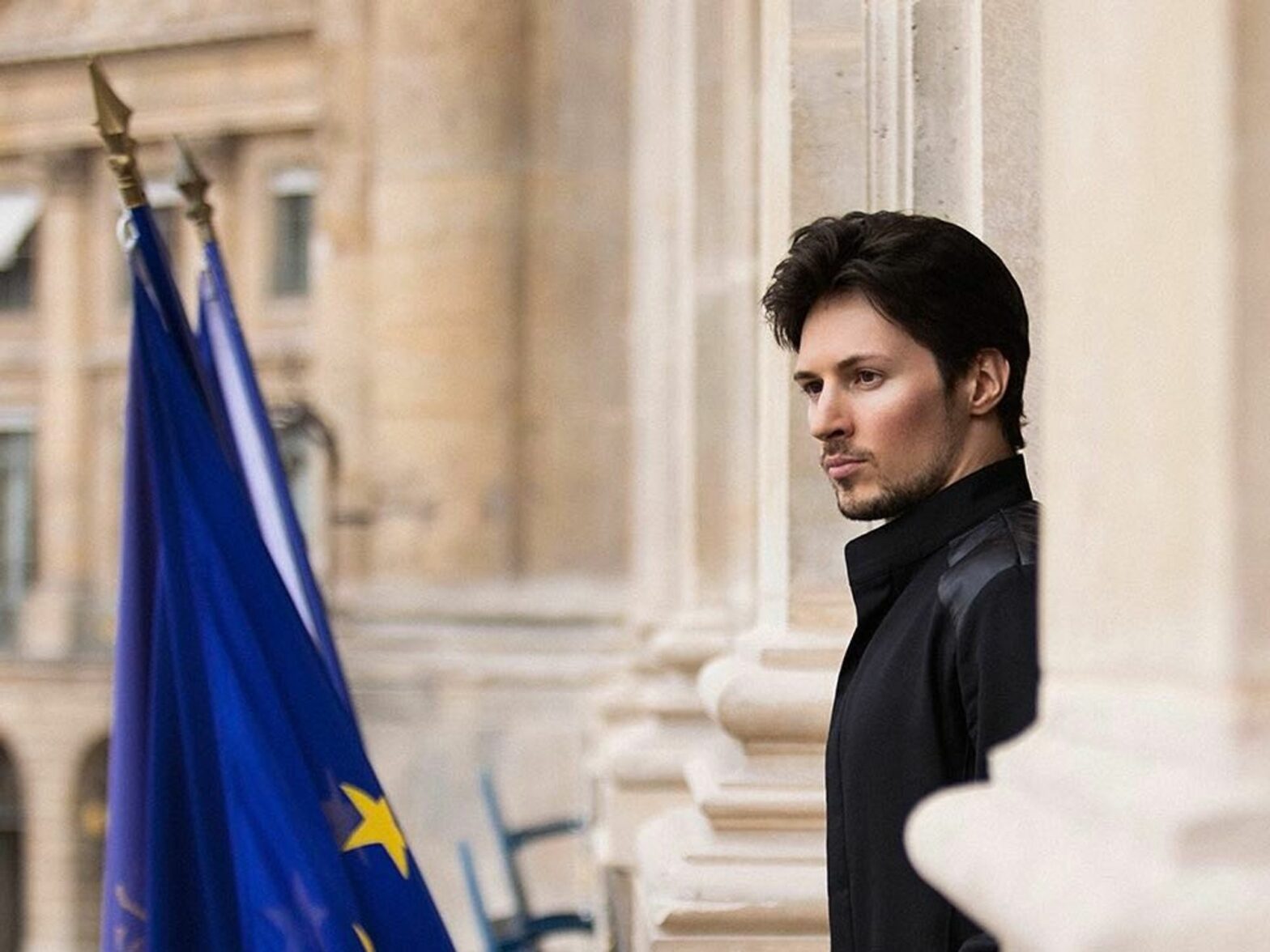
Following the arrest of Telegram founder Pavel Durov near Paris on Aug. 24, independent Russian-language media Important Stories looks into the claims Western authorities have made against Durov since the messaging application was launched in 2013, always keep its door open to the internet’s darkest corners.
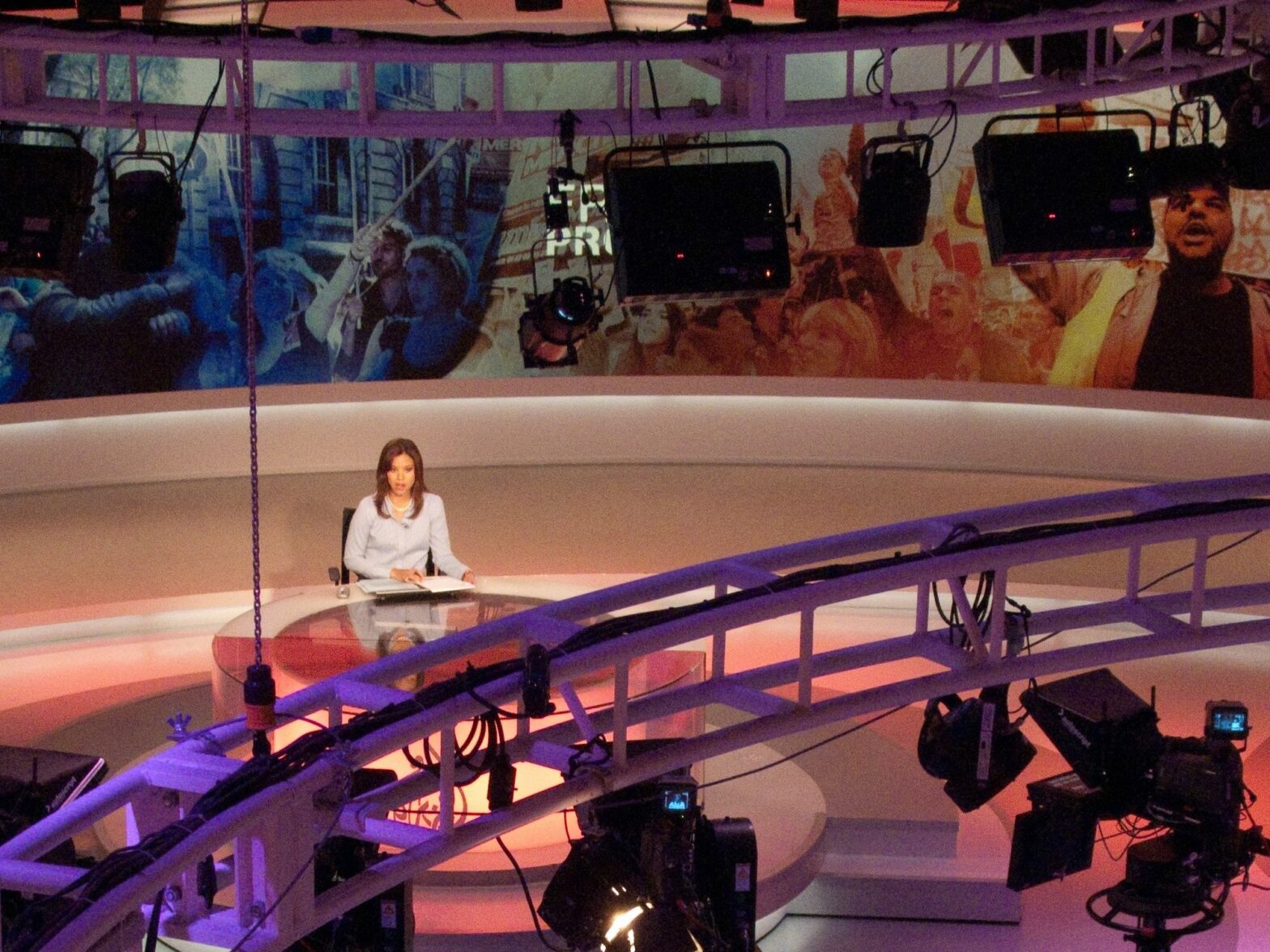
In the Arab world, it is a regional sport to blast the biases and prejudice of Western media. But voices criticizing the performance of Arab media are rare. That is a serious problem, for multiple reasons.
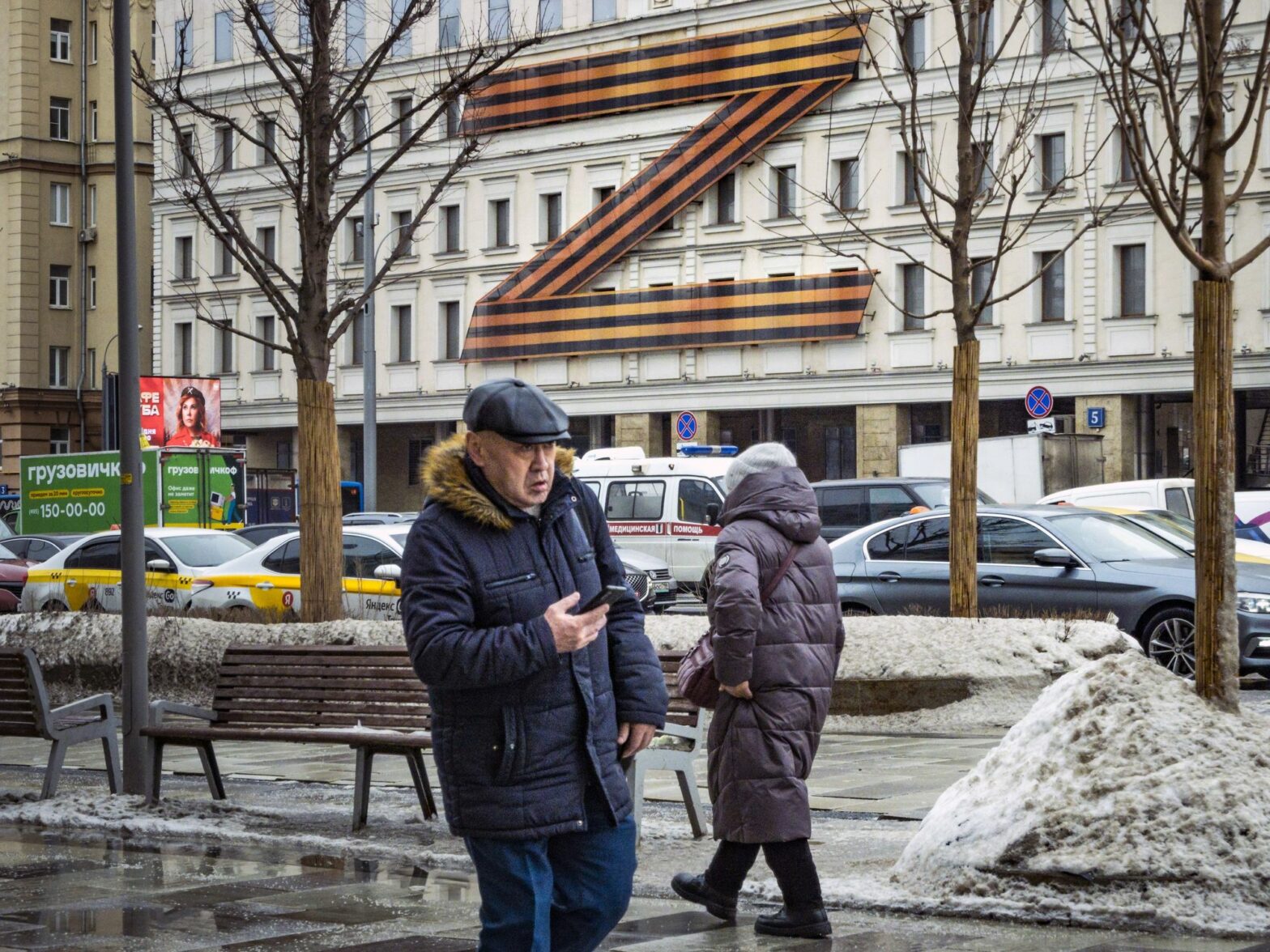
Disappointed by poor gains over the past three years in Ukraine, Russia’s pro-war Z community is blaming a new scapegoat. Russian writer and historian Ivan Philippov explains why a society that just wants to live and to work is now their main enemy.
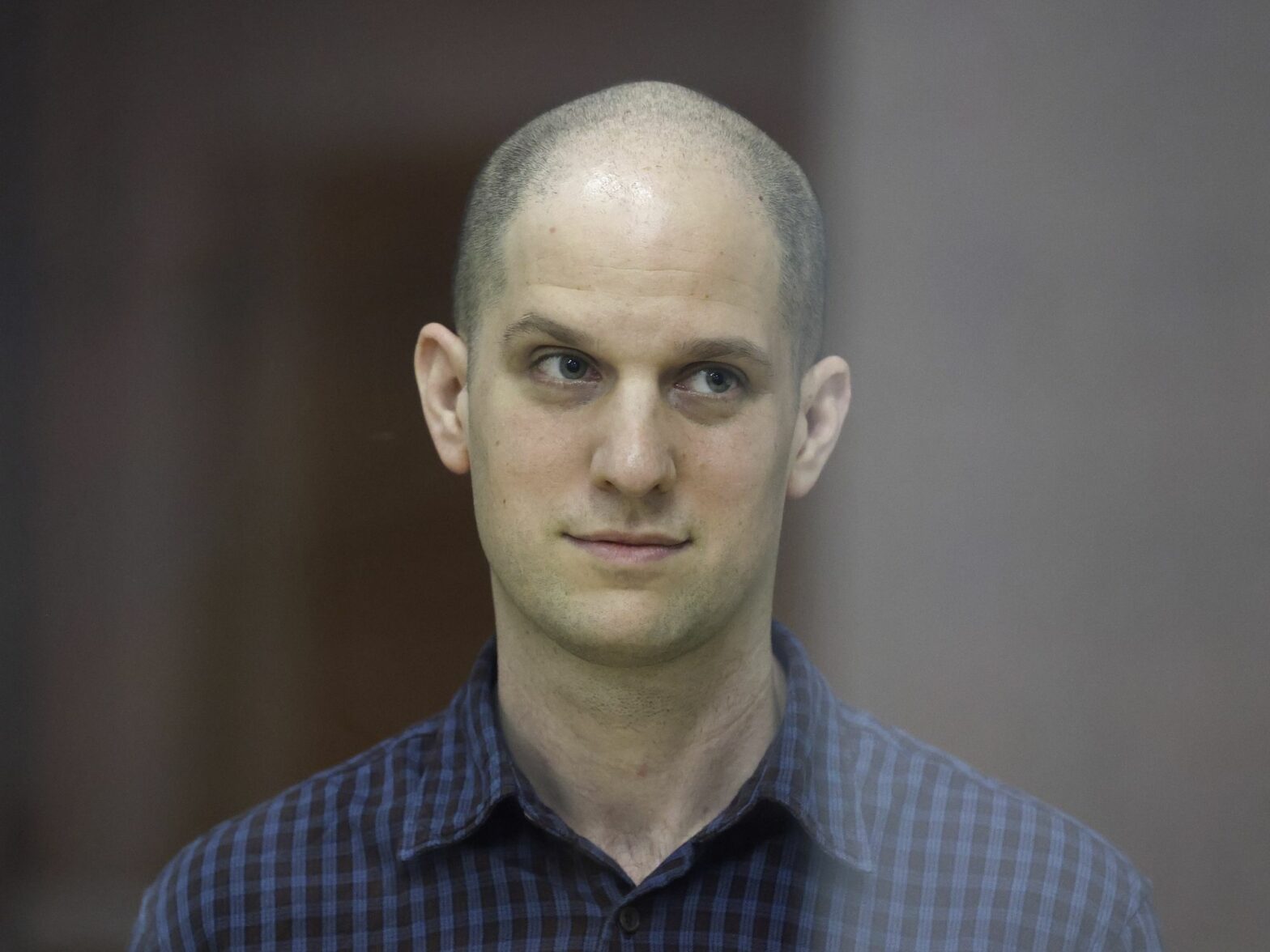
Russia announced a ban on 81 European media — in retaliation to the EU’s ban of Russian state media. The move is indicative of the prevailing Cold War climate, which limits the exchange of information between hostile worlds.
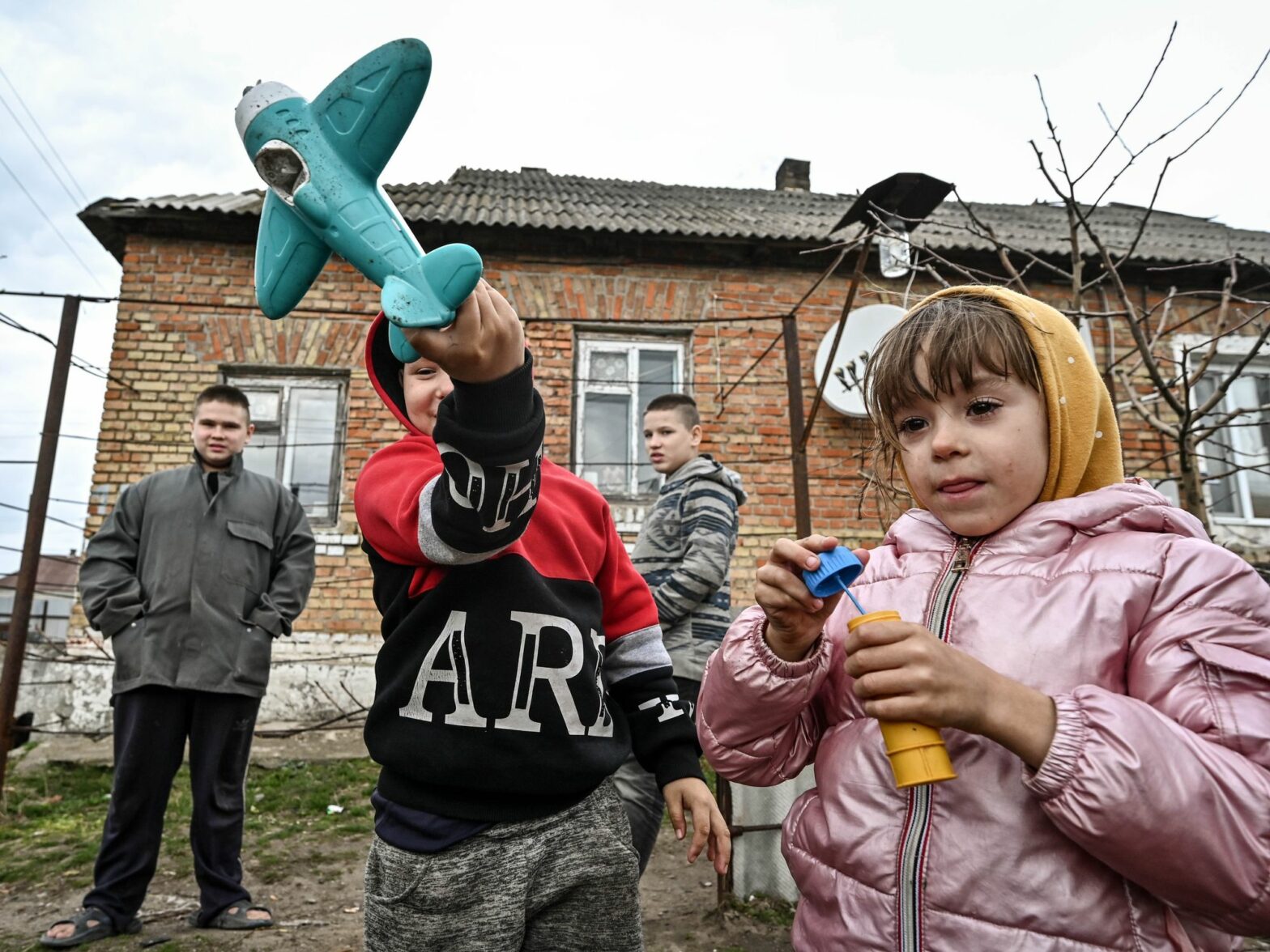
As Putin’s Russian propaganda aims at Islamist terrorists now, justifying the use of torture, Russian literary critic Ilya Kukulin takes a step back to understand how we can keep our humanity amidst such violence. Human rights are perceived as something natural, akin to a birth right. But this is not so in reality: these rights can only be established by human will.
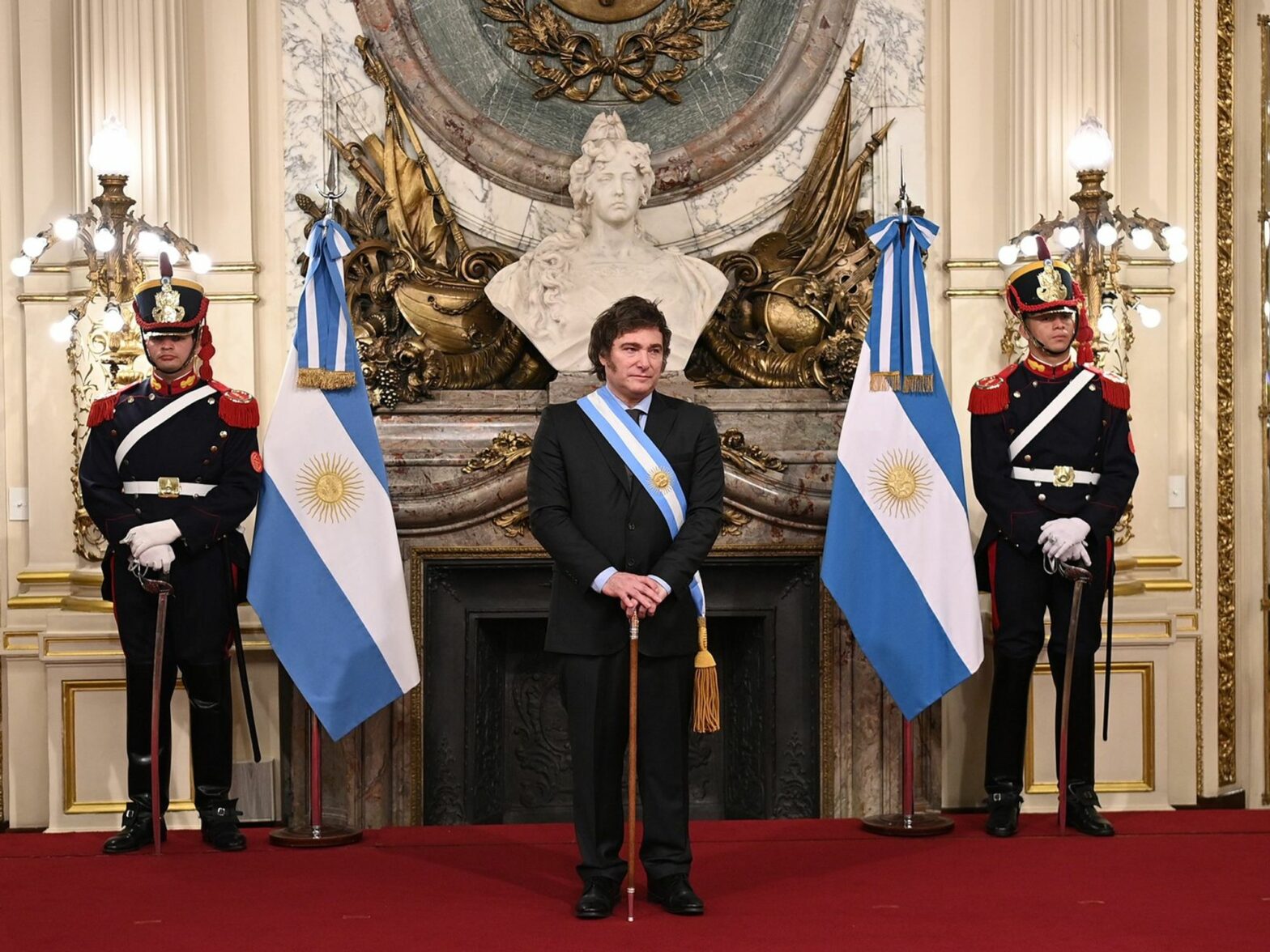
It’s the most insipid kind of historical revisionism. Both in Argentina and Brazil, far-right leaders are denying the countries’ history of human rights abuses during the brutal dictatorships of the 1960s and 70s, and using it to rally support around their causes.
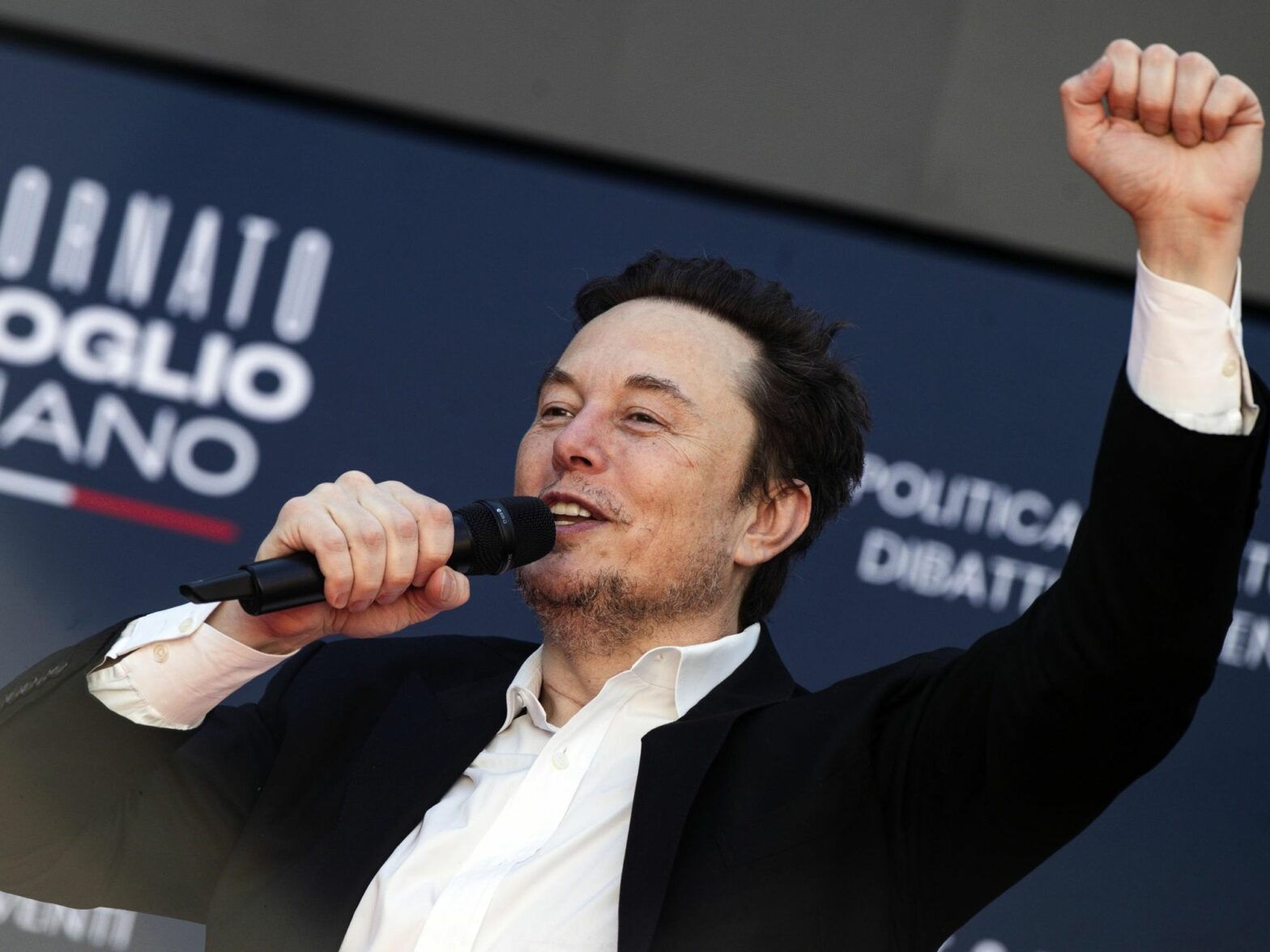
The American billionaire and founder of Tesla and SpaceX is increasingly openly supporting the ideas of the radical right and Donald Trump. Long gone are the days when Silicon Valley voted Democrat: Elon Musk is the embodiment of this openly self-assured “tech right”.
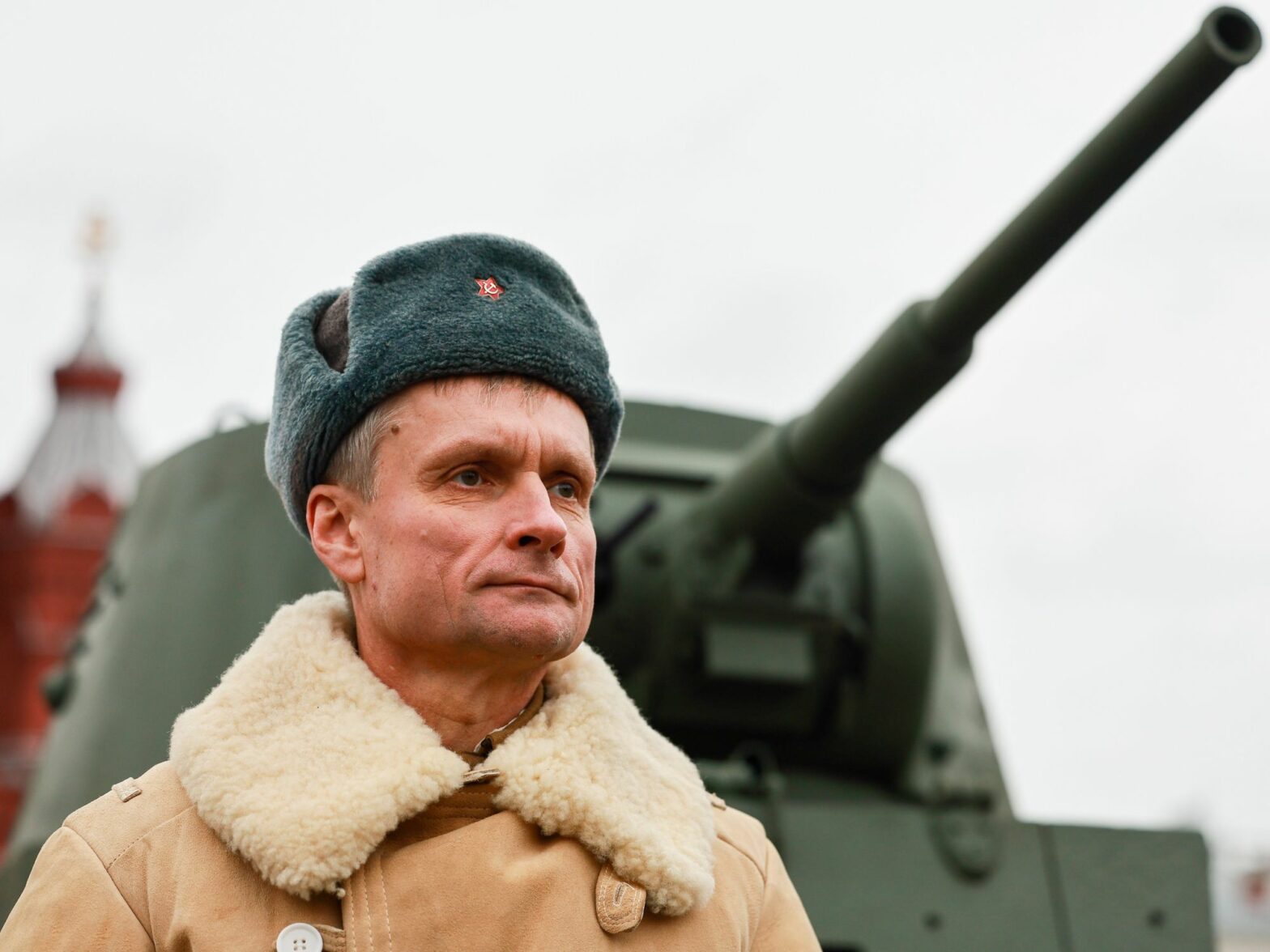
President Vladimir Putin is just a vessel for a longstanding Russian psychology that is simultaneously expansionist and worried about external threats on the Motherland.
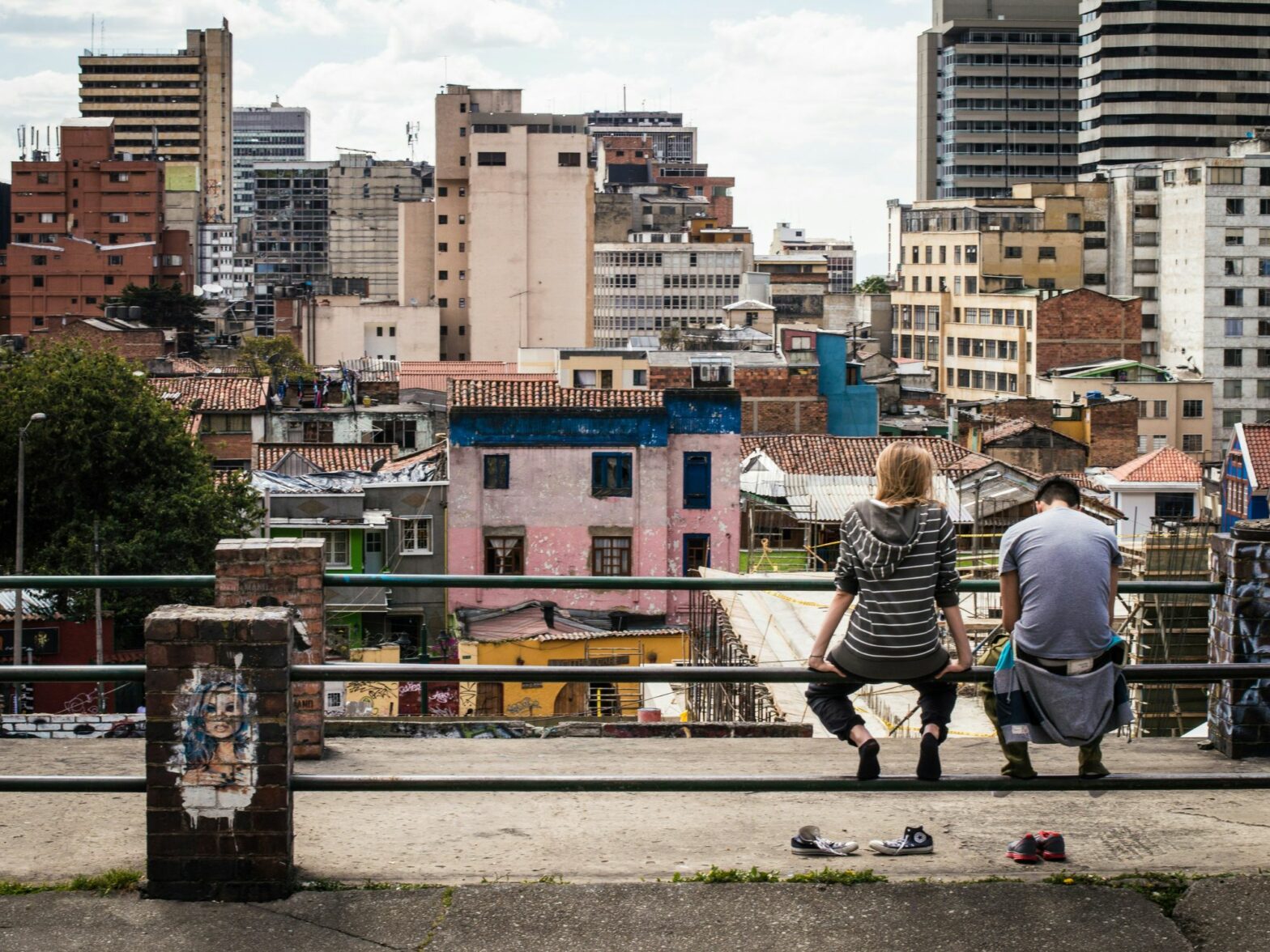
Latin American governments have barely denounced the Russian attack on Ukraine, partly for lingering distrust of the United States. But there is also a regional misperception of Russia as a new Soviet Union and friend of “lesser nations” struggling for betterment.
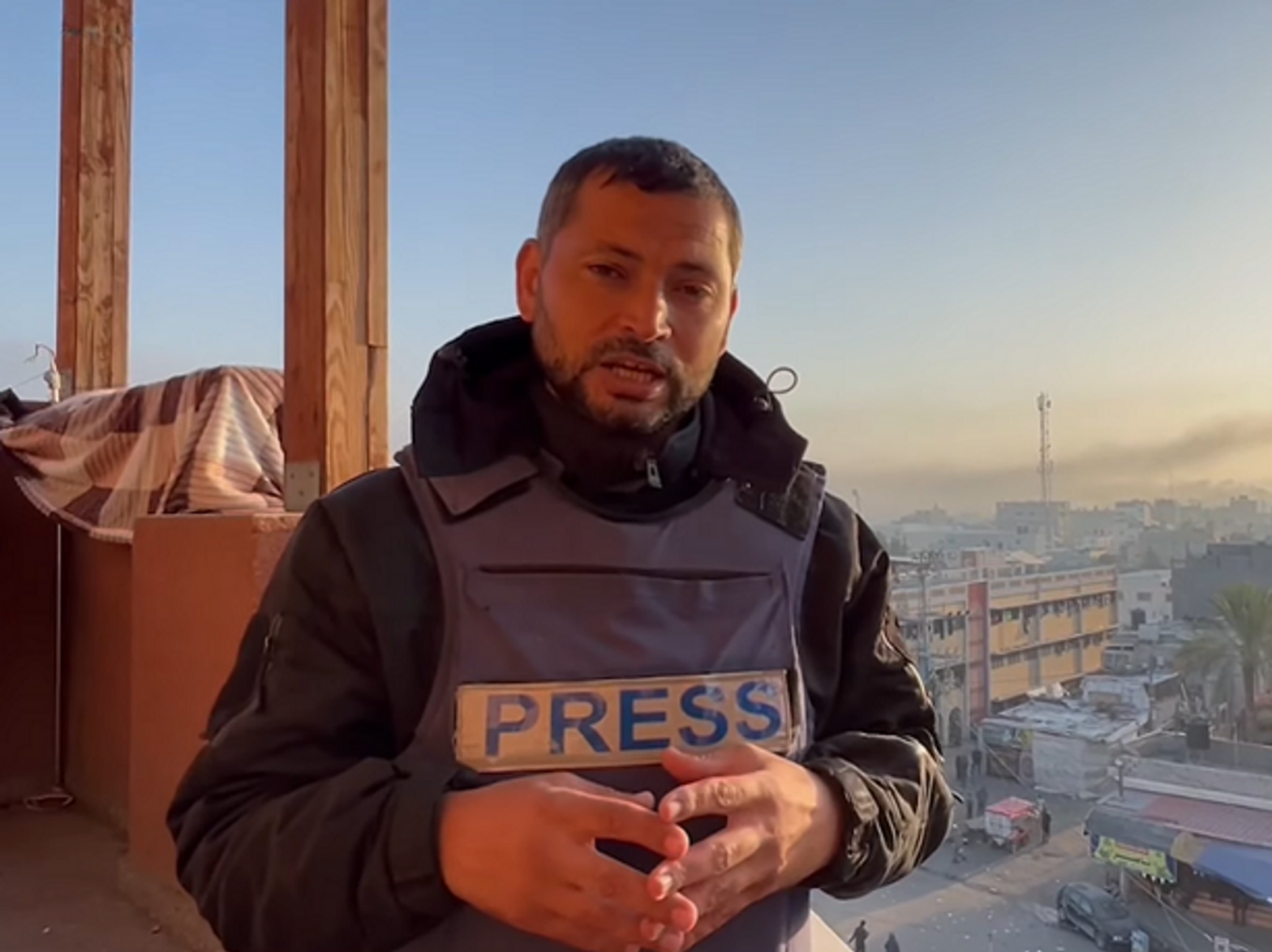
Following the strike that hit Al Jazeera journalists Ismail Abu Omar and Ahmed Matar, posts spread on social media platforms calling Abu Omar a “terrorist” affiliated with Hamas. At the same time, a campaign by Israel’s Foreign Ministry and military promoted the same allegations.
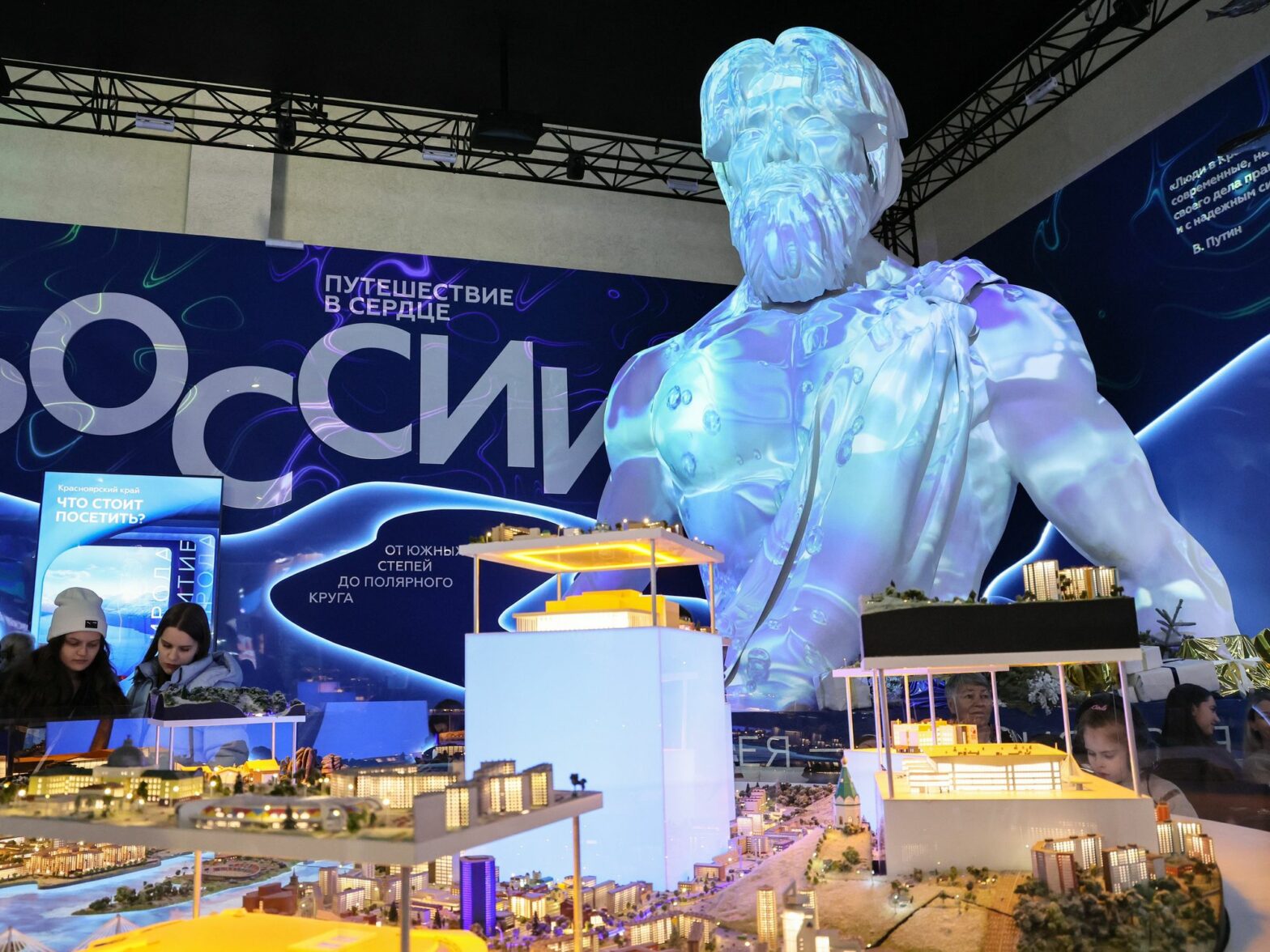
Vladimir Putin is not campaigning for the March 17 presidential election, but his message is on display at the vast “Rossia” exhibition in Moscow, which aims “to show Russians their modern Russia, a country they can be proud of.”
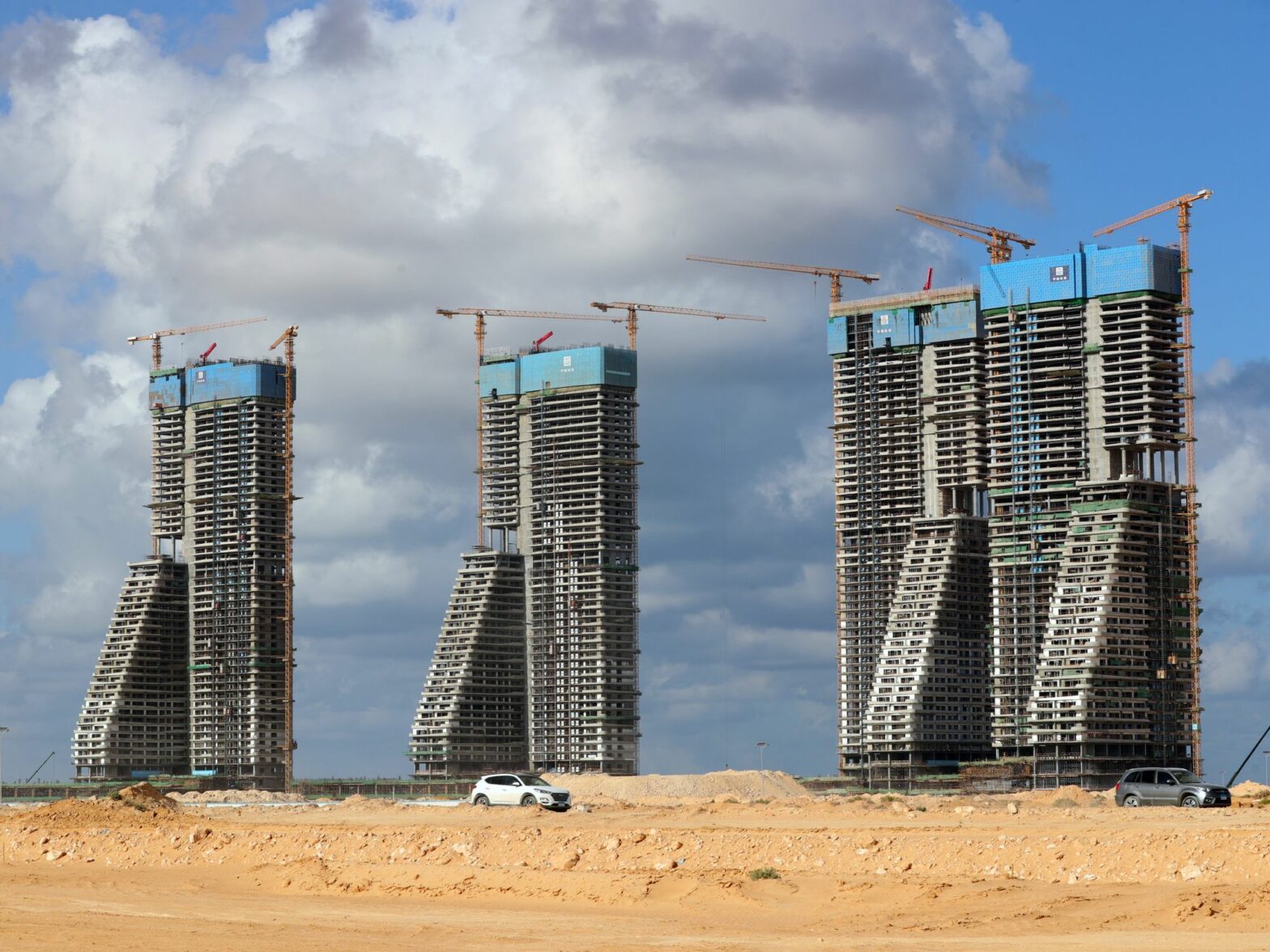
Ambition and ambiguity are the unspoken rules utilized by the participating parties in China’s much touted Belt and Road Initiative, launched 10 years ago, to expand its economic power across the world. But what has actually come of it is not so clear.
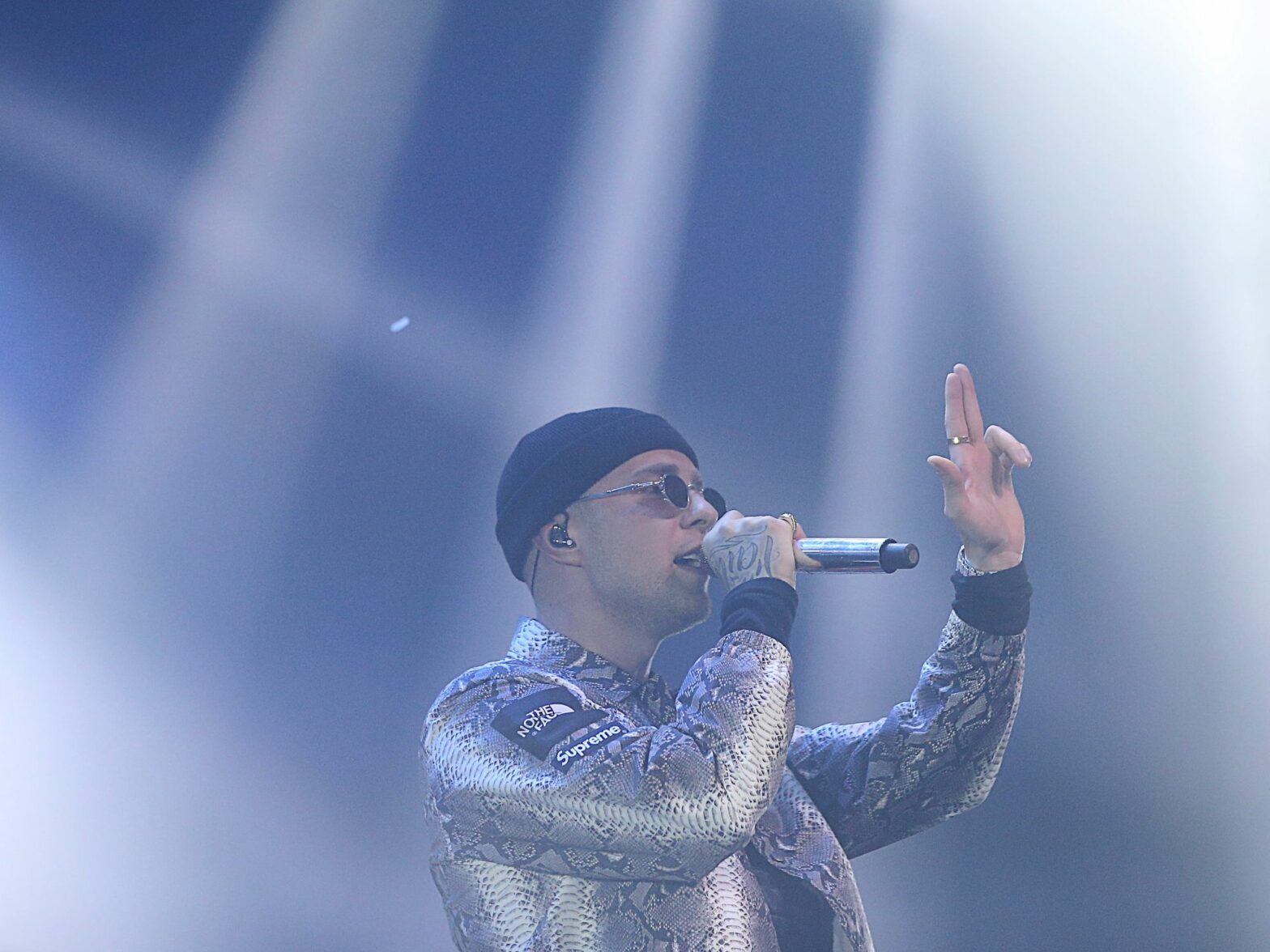
Censorship in Russia has increased rapidly over the last couple of decades, especially since their invasion of Ukraine. Russian rap, which has often challenged the politics and society of Russia, has become even more censored than before, even causing some rappers to emigrate.
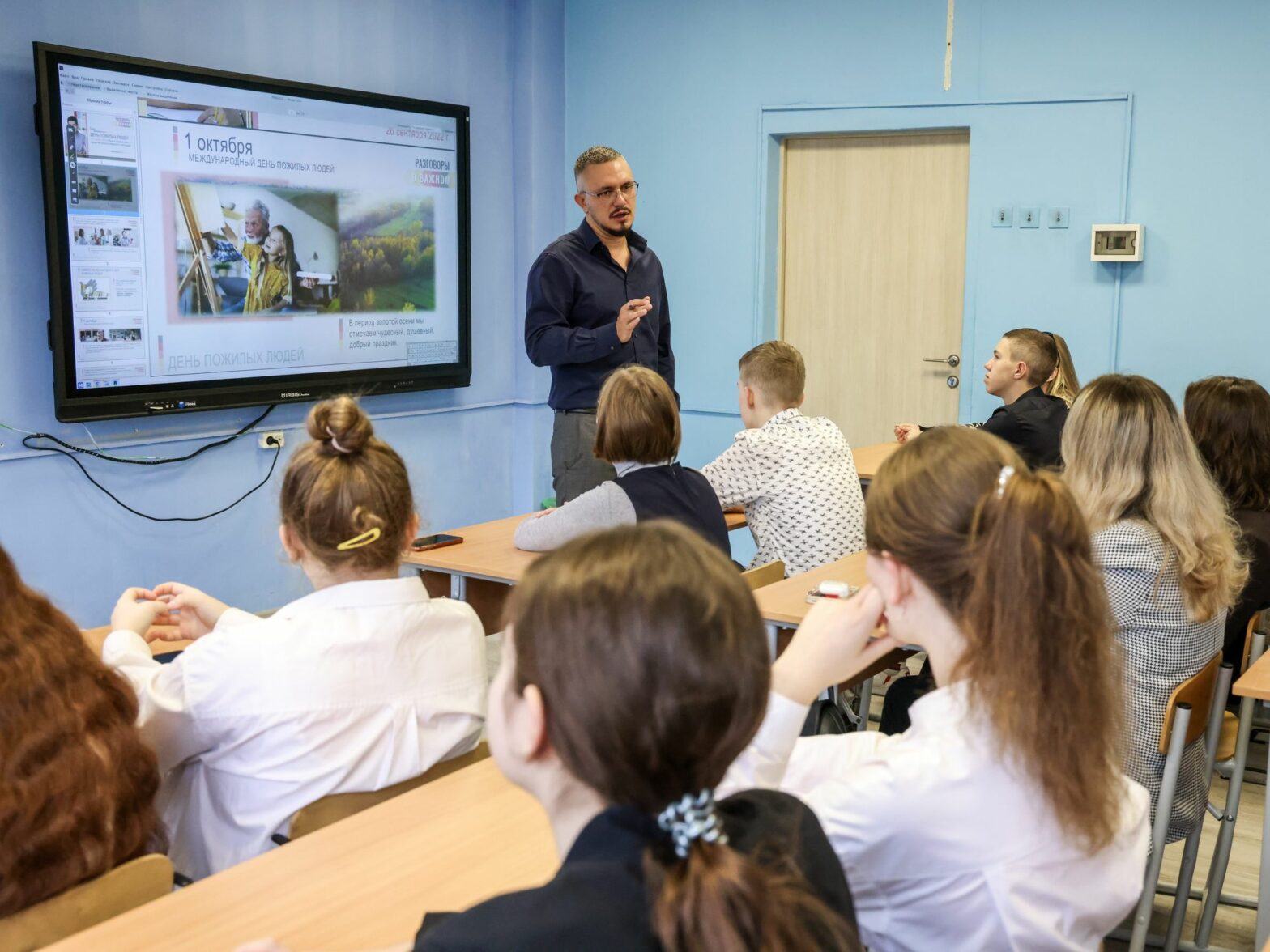
Russia has introduced new history textbooks criticized for replacing facts with propaganda. Students preparing to teach history are torn between “patriotic” and “liberal” narratives, even as they refuse to accept the state’s version without debate.
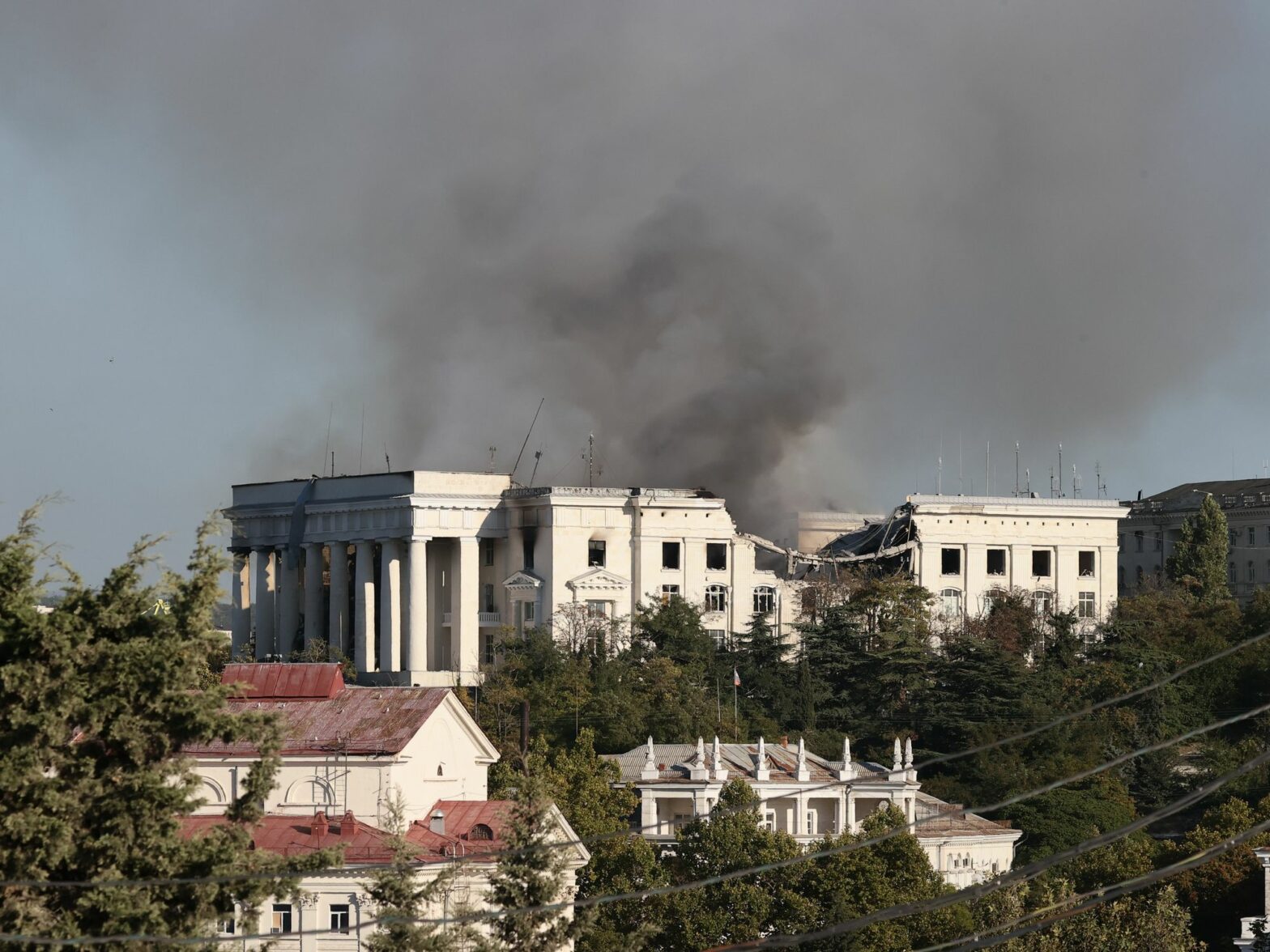
Ukraine has stepped up attacks on the occupied Crimean peninsula, and Russia is doing all within its power to deny how vulnerable it has become.
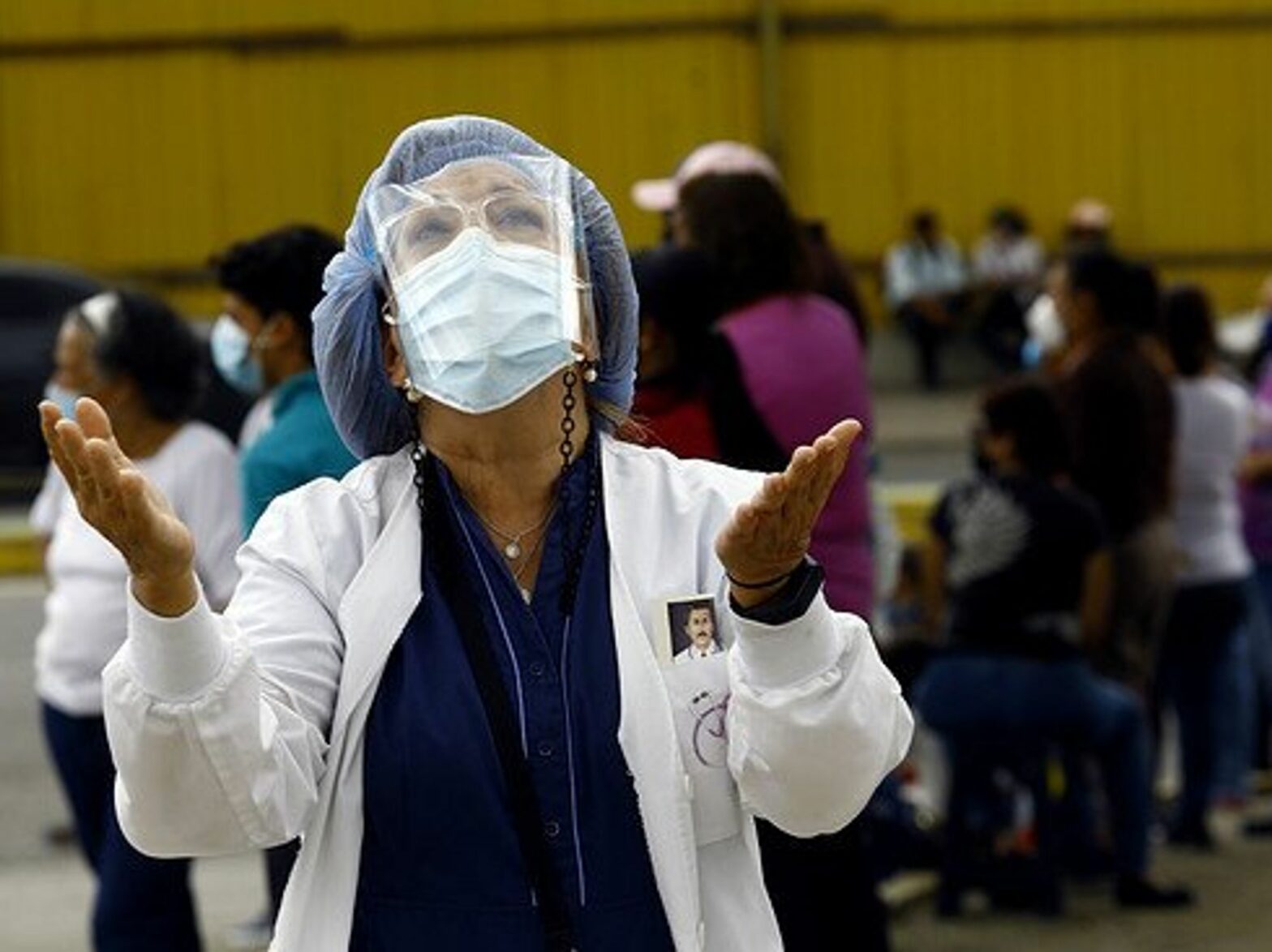
Like Cuba, Venezuela churns out doctors who are poorly trained and overworked. Colombia then lets them practice medicine in the country in yet another senseless gesture of political goodwill toward Venezuela.
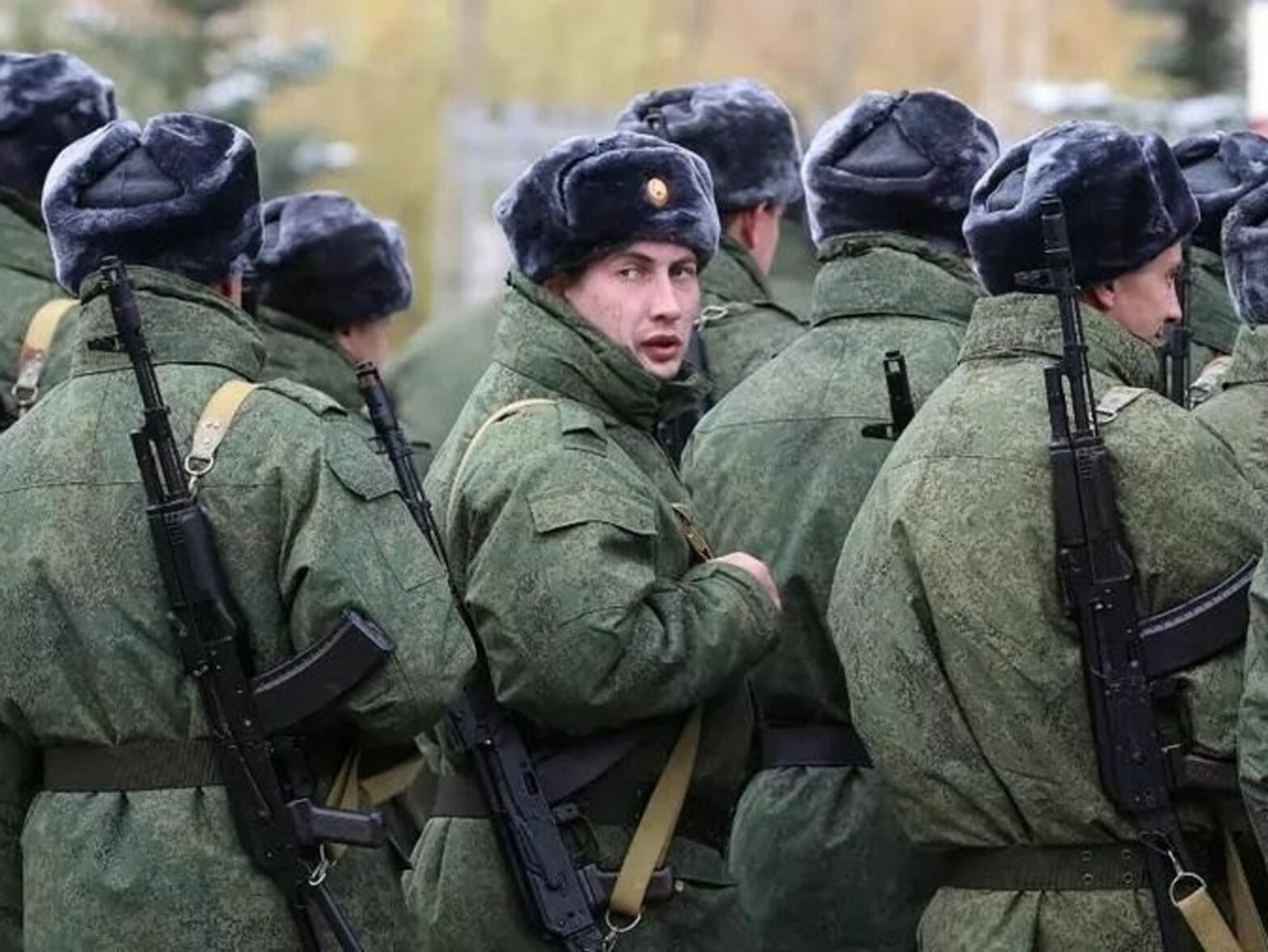
The Ukraine war is not just physical — it’s also being fought on a psychological front. Russian soldiers are subjected to complex psychological pressures at home and abroad.
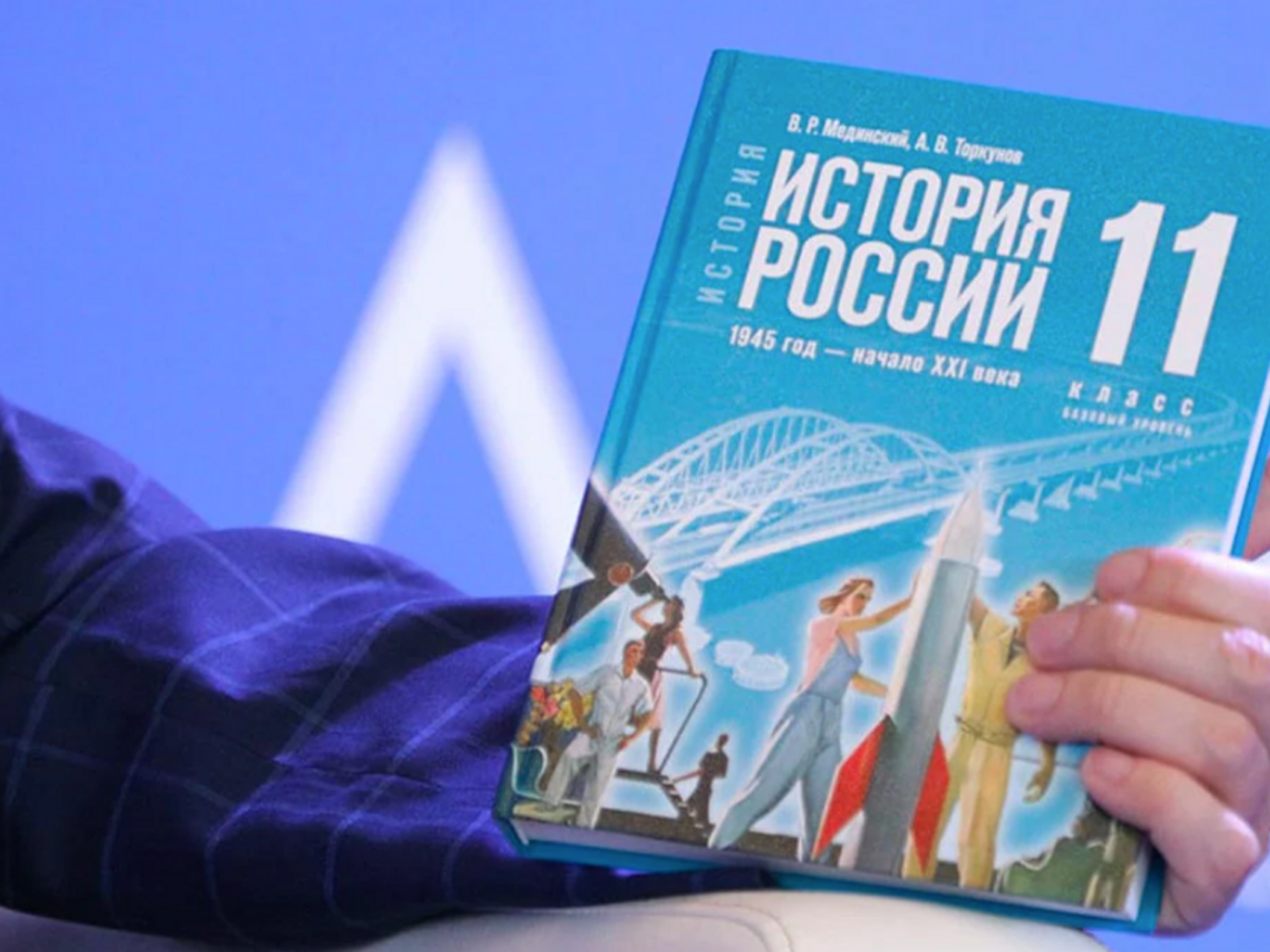
High school students will now need to know details of the Russian annexation of territories in eastern Ukraine and “reunification” of Crimea with Russia. Regular topics in the past, such as democracy and human rights, will no longer be part of the high school exam.
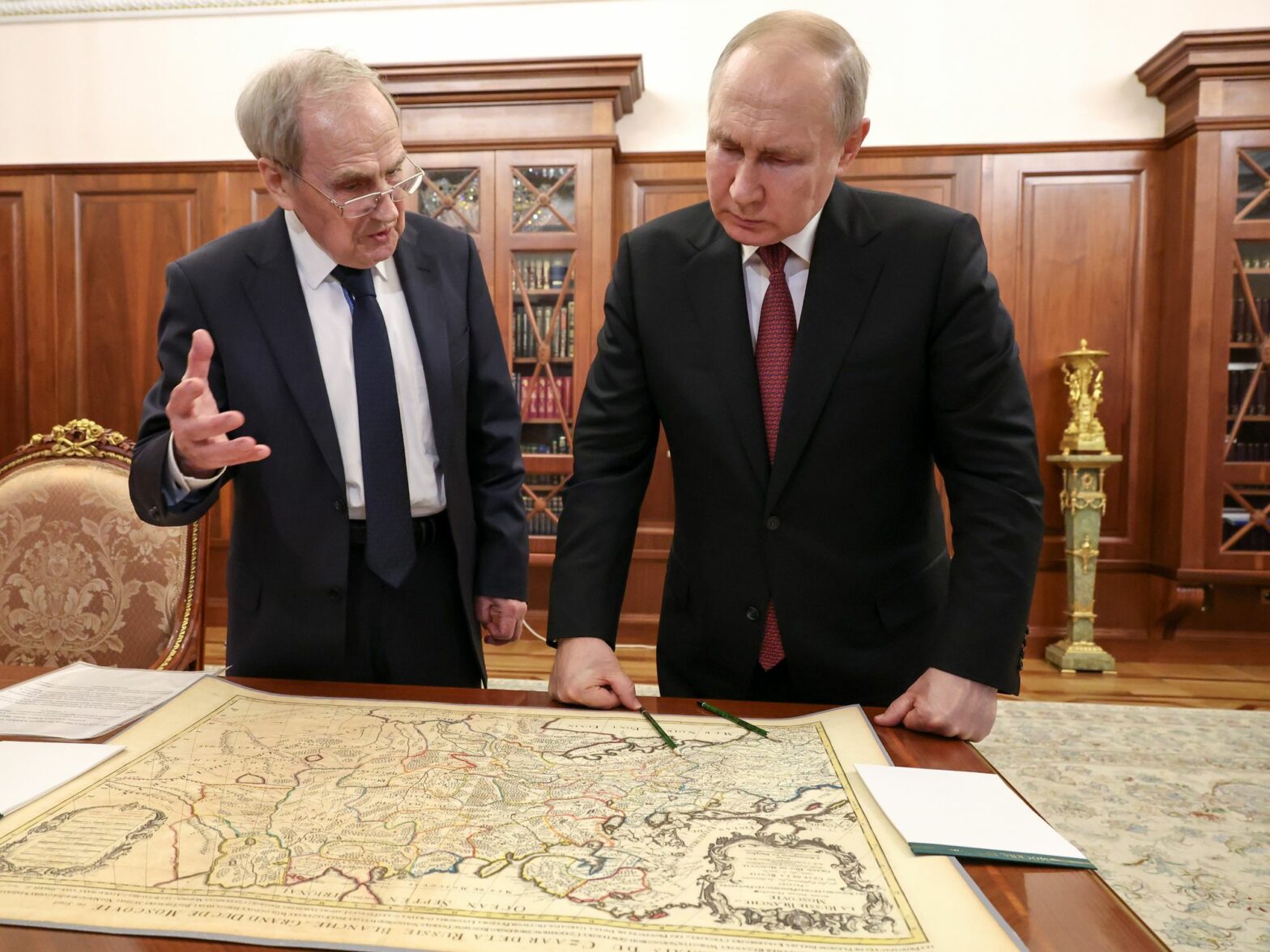
Though Russia’s intentions to take over Ukraine on the ground have failed, they are winning in the field of cartography. Maps seen in respected books and periodicals around the world offer a distorted view of who has the right to territory — and who is the aggressor. A campaign is underway to change maps to change perception of reality.
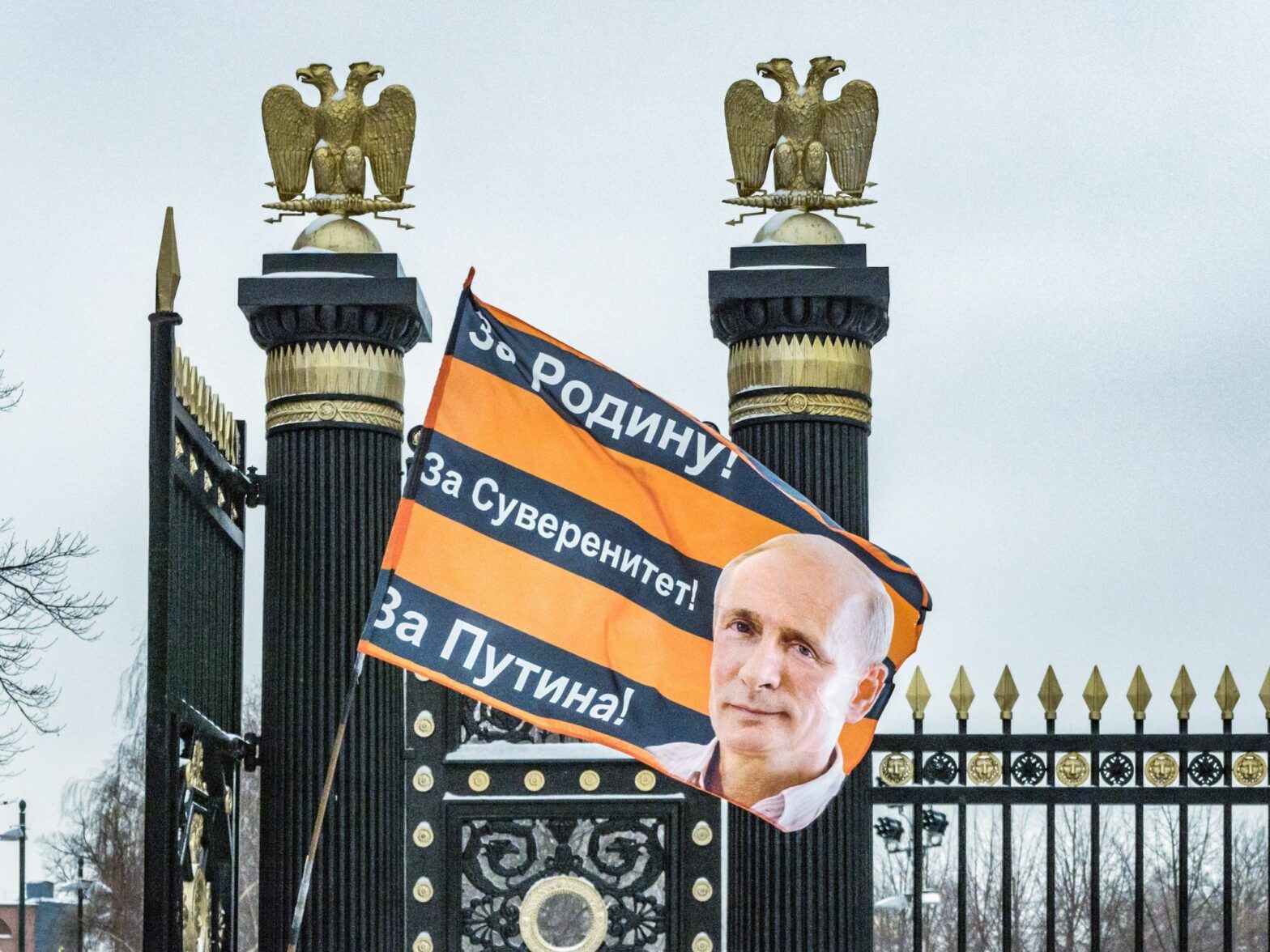
As a key regional member of NATO and neighbor of Ukraine, Poland is of particular interest to the Kremlin, and the usual misinformation weapons used by Russia also feature allusions to Jews and Americans — and may now include attempts to recruit Poles by the Wagner Group.
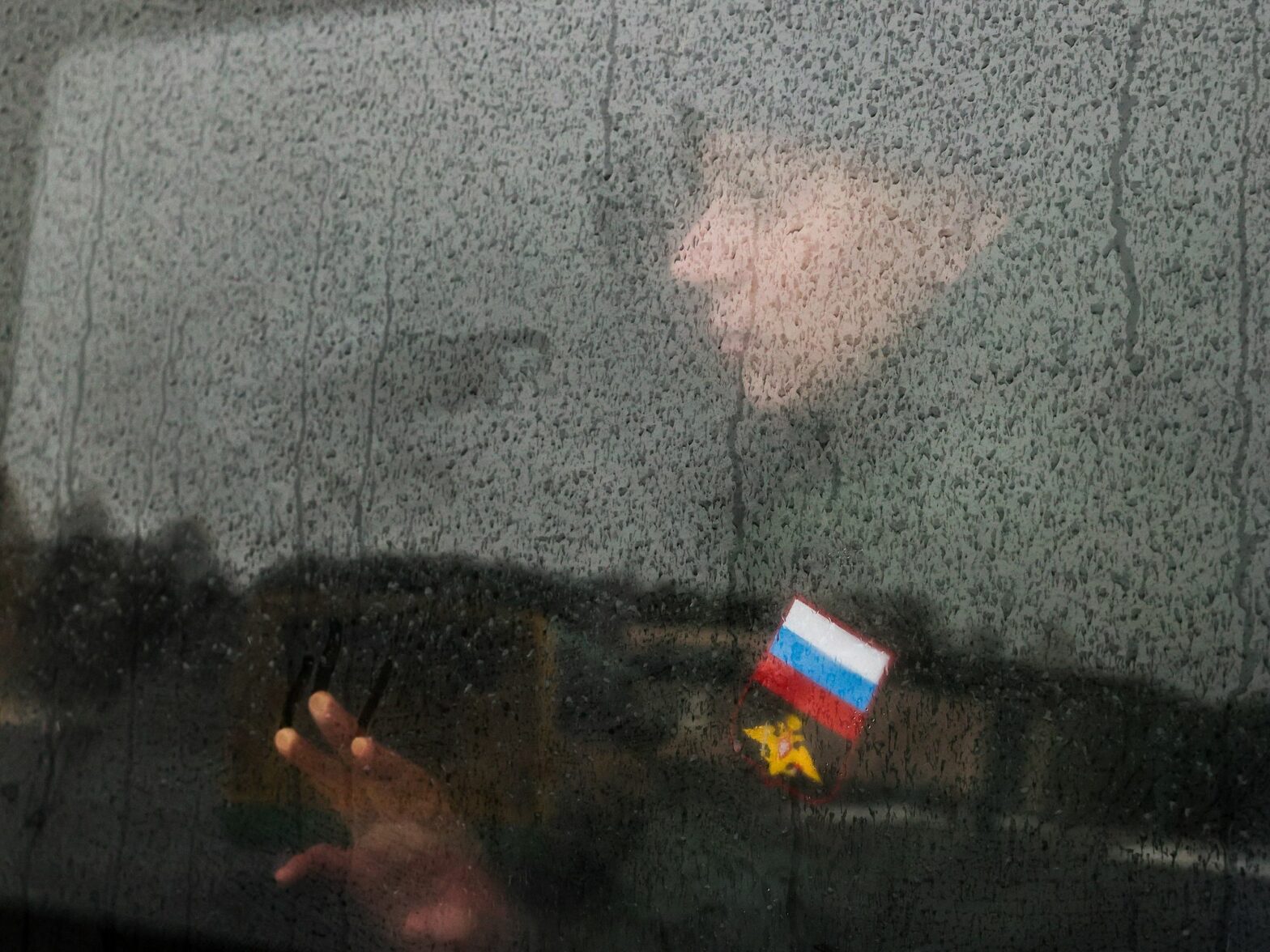
Many Russians have tried to avoid being conscripted to join the war in Ukraine, but many others believed deeply in the constant campaign of state propaganda. Here are some of the stories of the lucky ones who made it back — and those who didn’t.
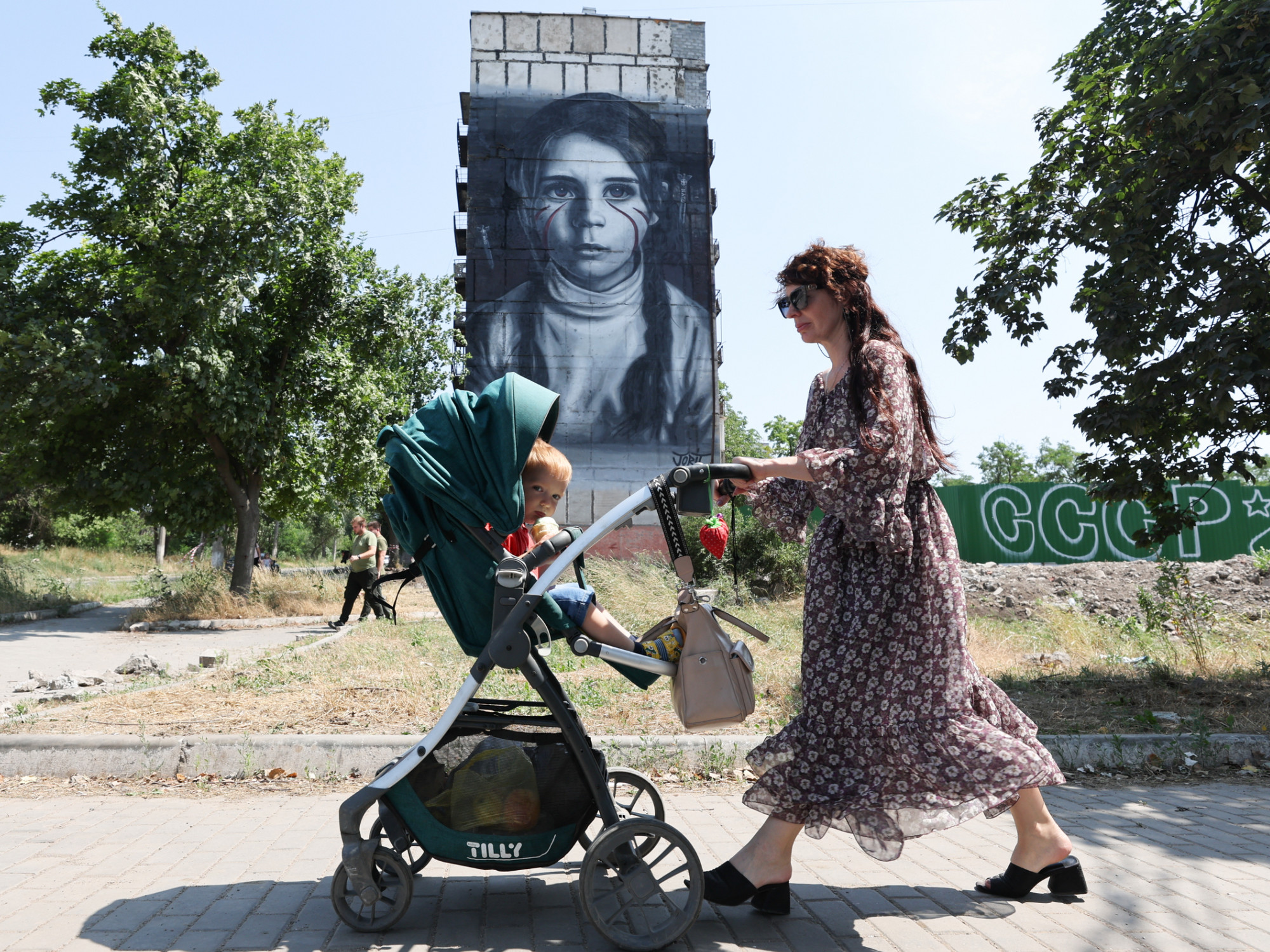
Russia has occupied of parts of Ukraine for almost a decade, busy promoting a pro-Russian narrative in those territories. Moscow’s aim is to ensure loyalty and deliberately create tensions among Ukrainians in free territories. It is a formula that has been
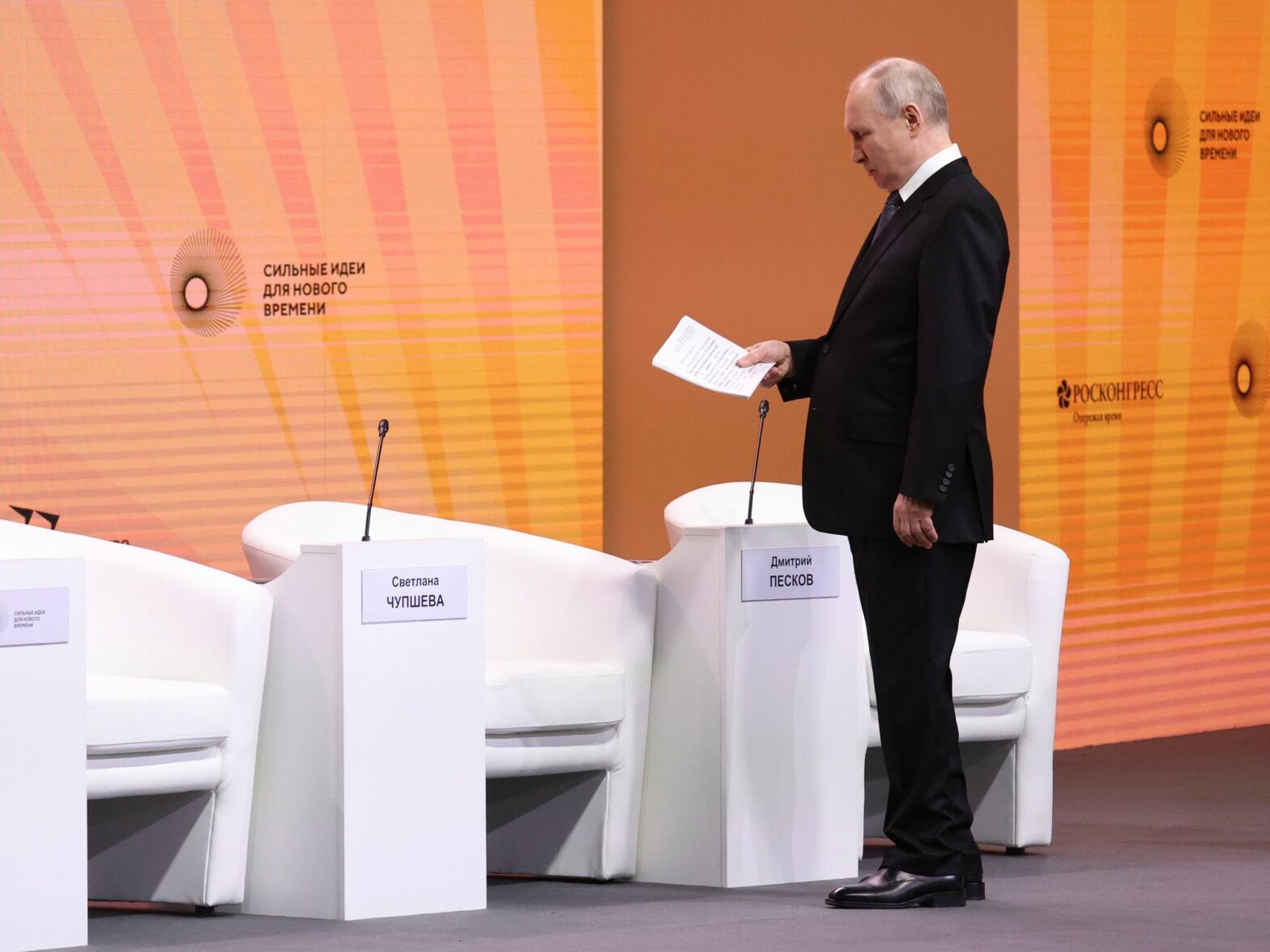
After relatively in-depth coverage beginning last weekend, Russian state-owned TV channels have suddenly stopped reporting on the consequences of the Wagner mutiny.
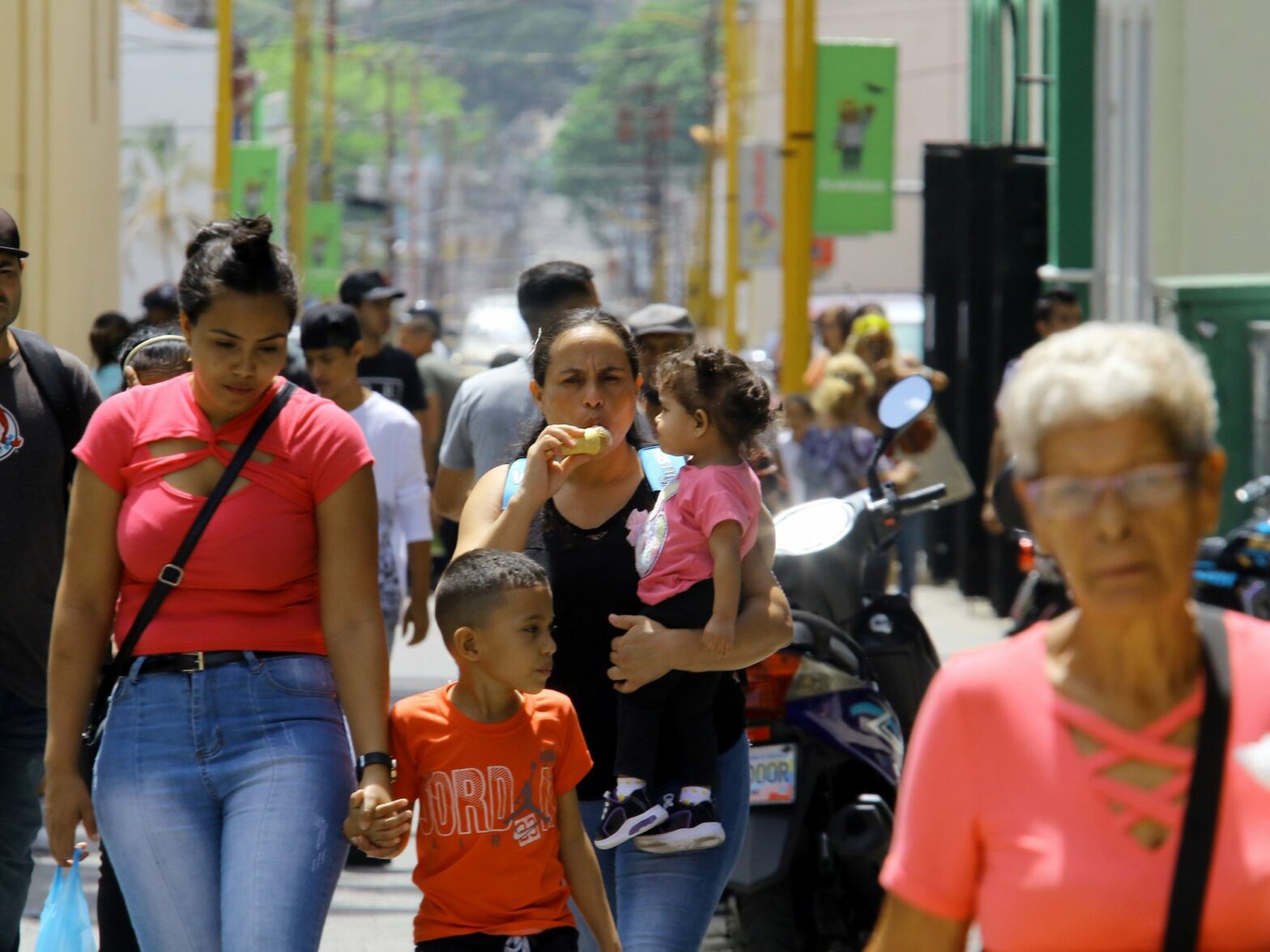
The absence of accurate official statistics in Venezuela is no accident. Rather it is a symptom of the breakdown of the rule of law and hides the regime’s criminal failures.
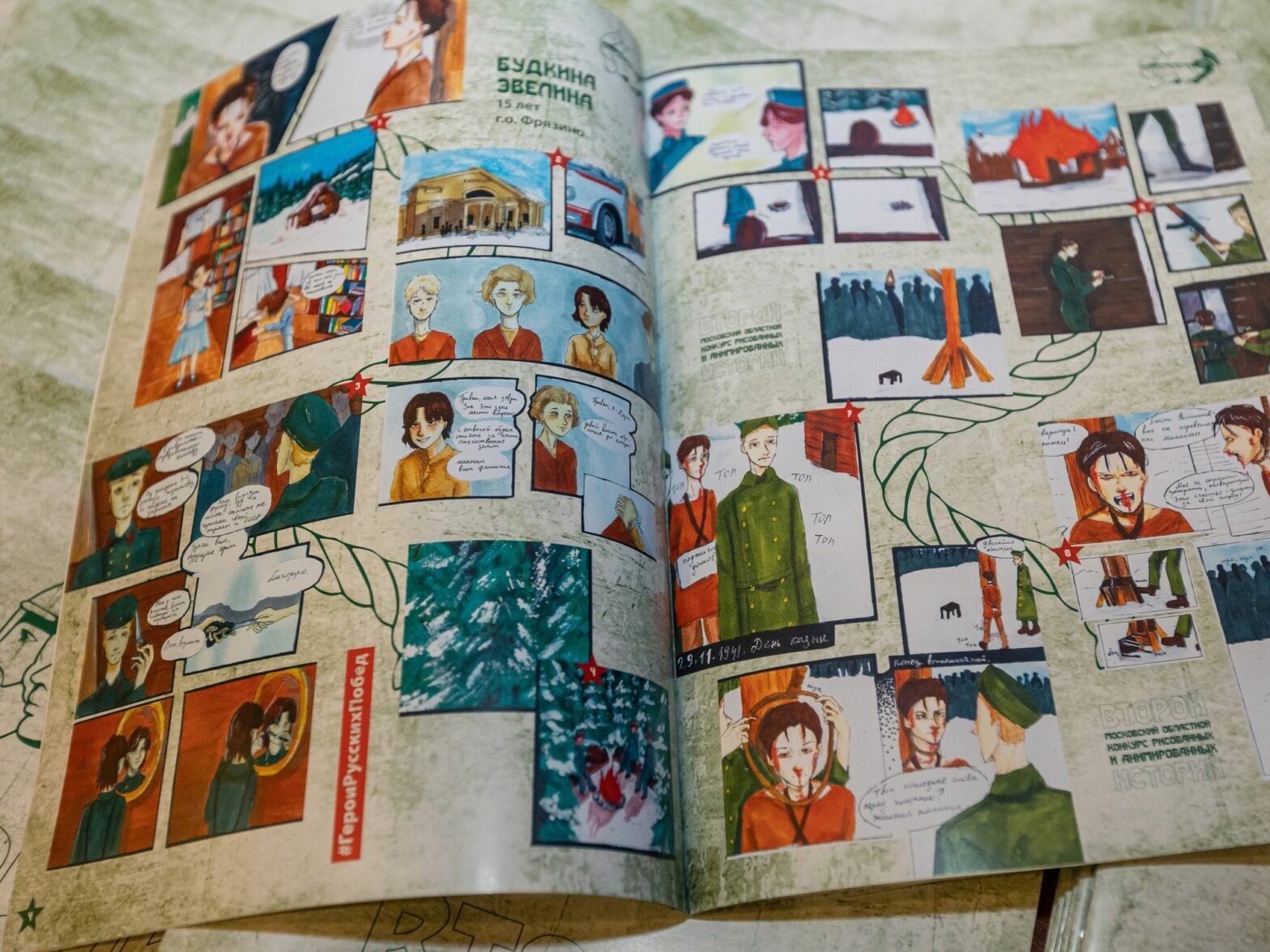
After Russia’s full-scale invasion of Ukraine, the government allocated some grant funding to various projects aimed at bolstering support for the war. One such initiative was a comic book contest, where some graphic artwork showed dead Ukrainian soldiers.
Today’s Russia is similar to Stalin’s USSR in more and more ways, including the constant search for enemies and the paranoia of betrayal. Some examples of this panic may be funny, but also help inform what Moscow might do next.