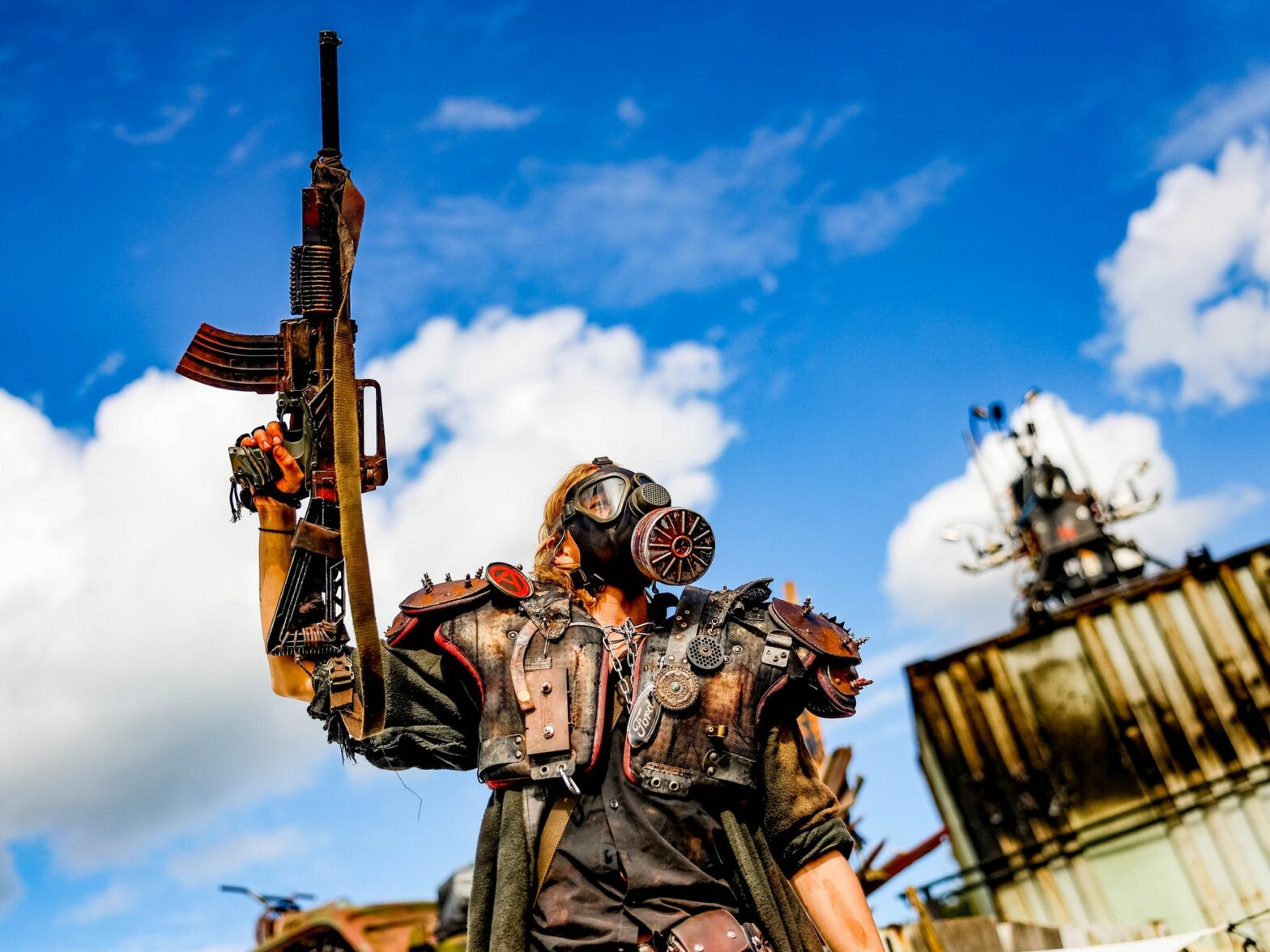
Eco-disaster fiction has changed since Soylent Green, one of Hollywood’s first eco-disaster films, came out in 1973; there has been an evolution from catastrophic fatalism to a certain optimism, with TV series like The Last Of Us.
 Worldcrunch
Eco-disaster fiction has changed since Soylent Green, one of Hollywood’s first eco-disaster films, came out in 1973; there has been an evolution from catastrophic fatalism to a certain optimism, with TV series like The Last Of Us.
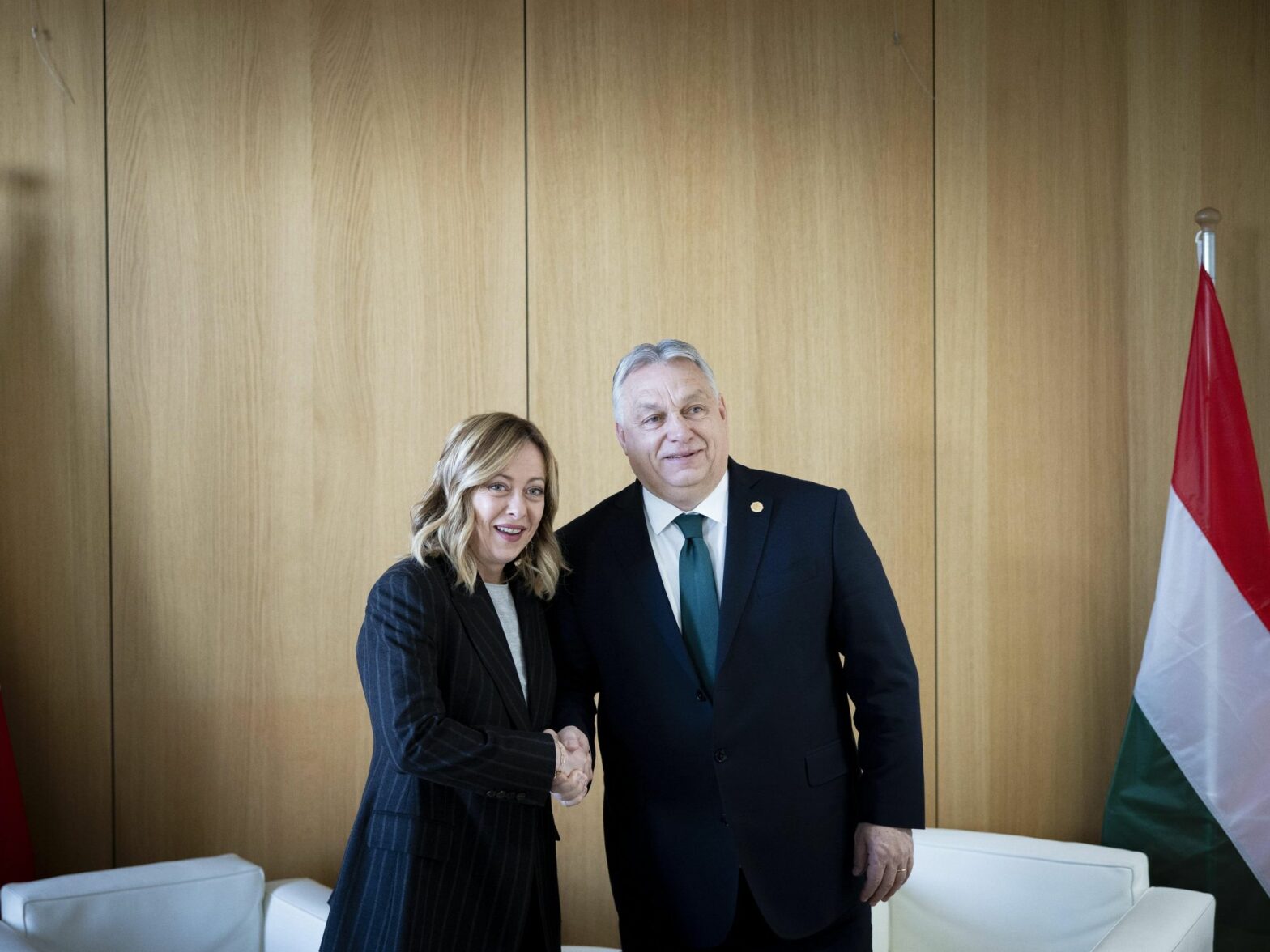
Ahead of the June’s EU elections, Europeans are deeply divided between fears of migration and of the Ukraine war, between emotion and reason. How can the EU respond in the most united and credible manner to the Russian threat?
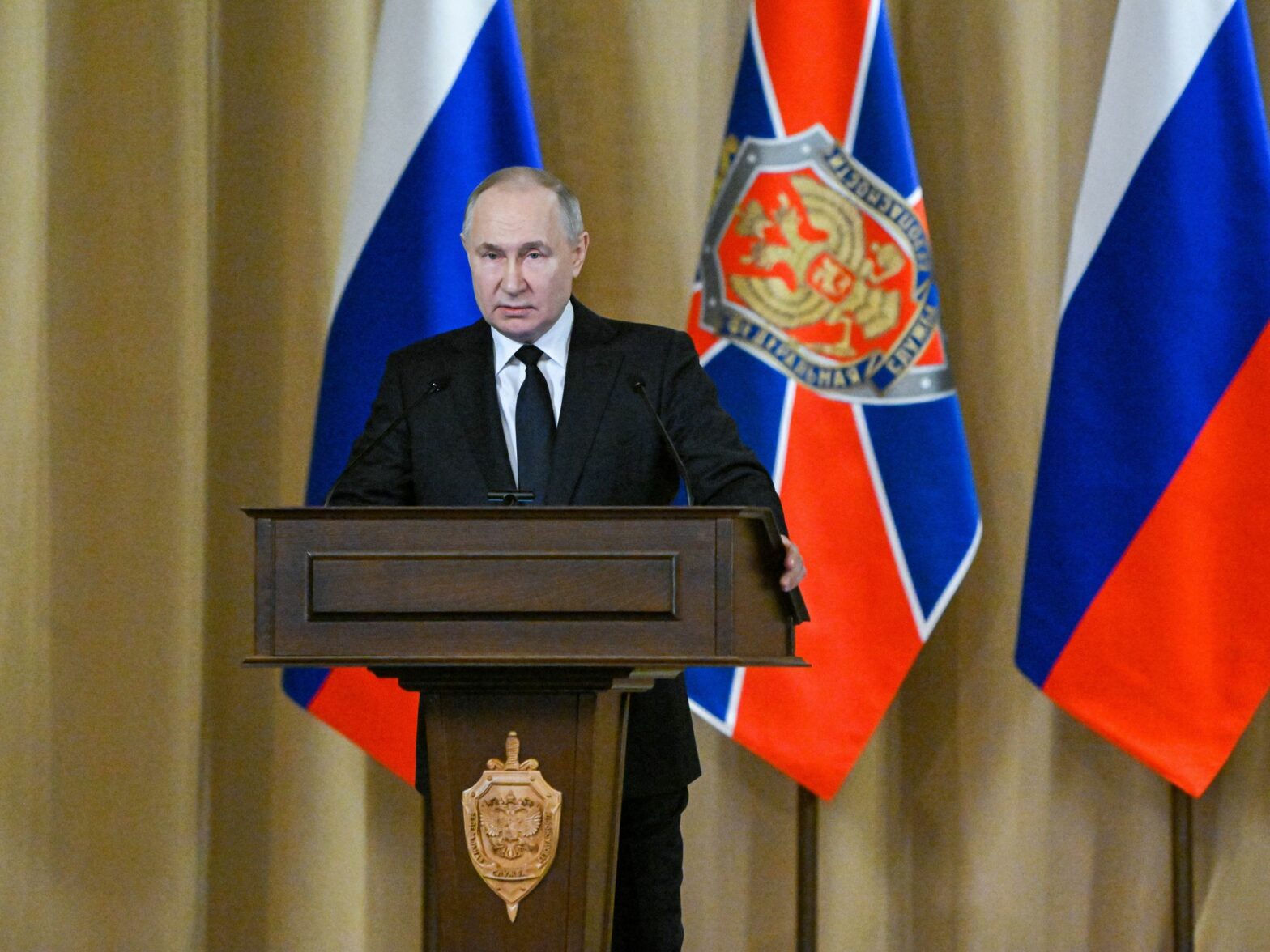
Celebrating his reelection and the 10th anniversary of the annexation of Crimea on Monday, Vladimir Putin showed that he is not backing down. And he signaled that he will redouble his efforts in the invasion of Ukraine as well as his psychological war with the West.
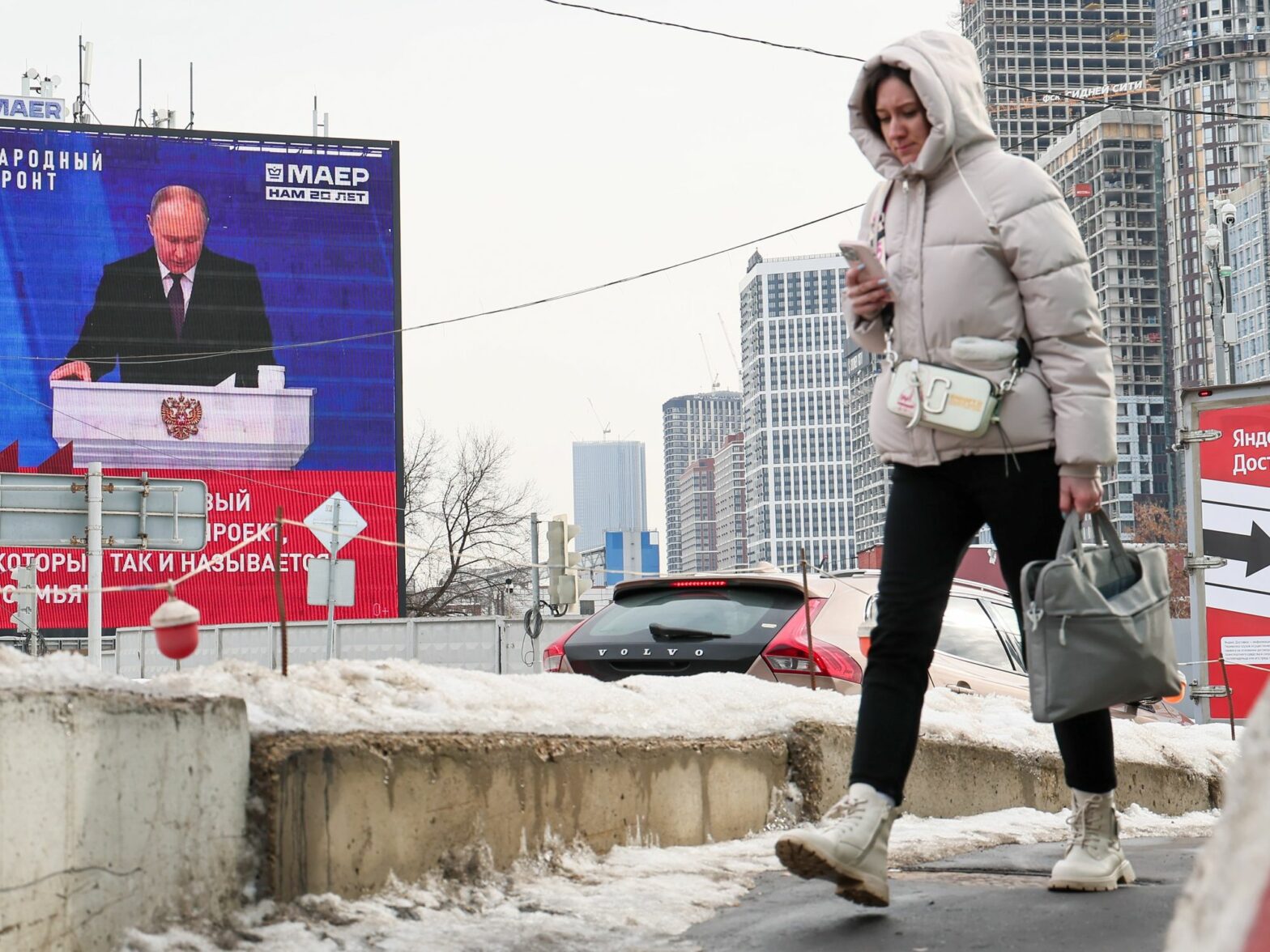
Three days after Emmanuel Macron’s statement on deploying troops to Ukraine, Putin warned that such a move could provoke nuclear war. It’s a serious threat that has regularly resurfaced over the past two years. So far, we’re all still here.
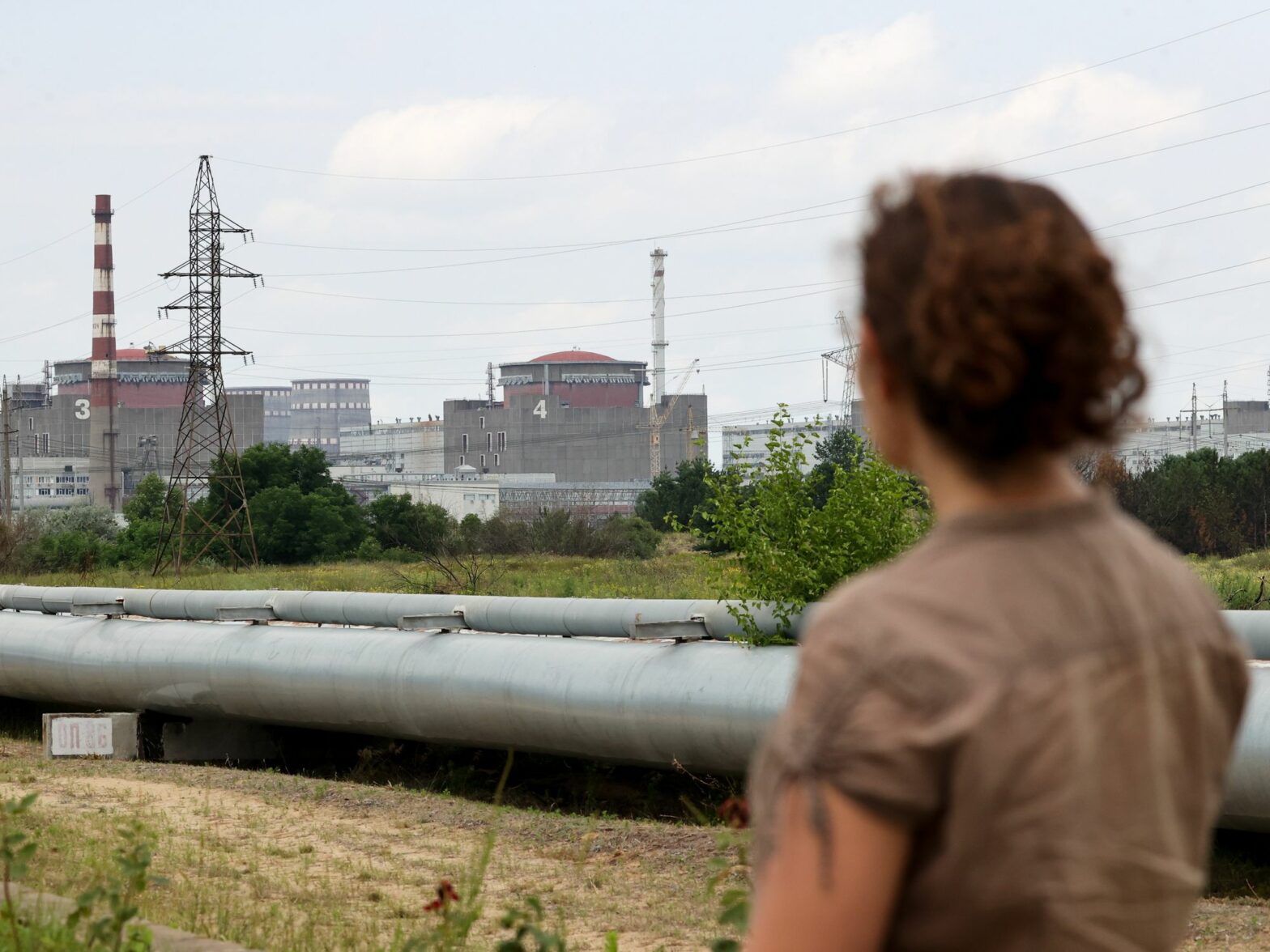
Kyiv is accusing Russia of planning to blow up the occupied Zaporizhzhia Nuclear Power Plant in eastern Ukraine, which would cause incalculable horror, and extend beyond the borders of Ukraine. But it may be messages in Beijing and Washington that can dissuade Vladimir Putin even more than exposing civilians, including Russians, to nuclear fallout.
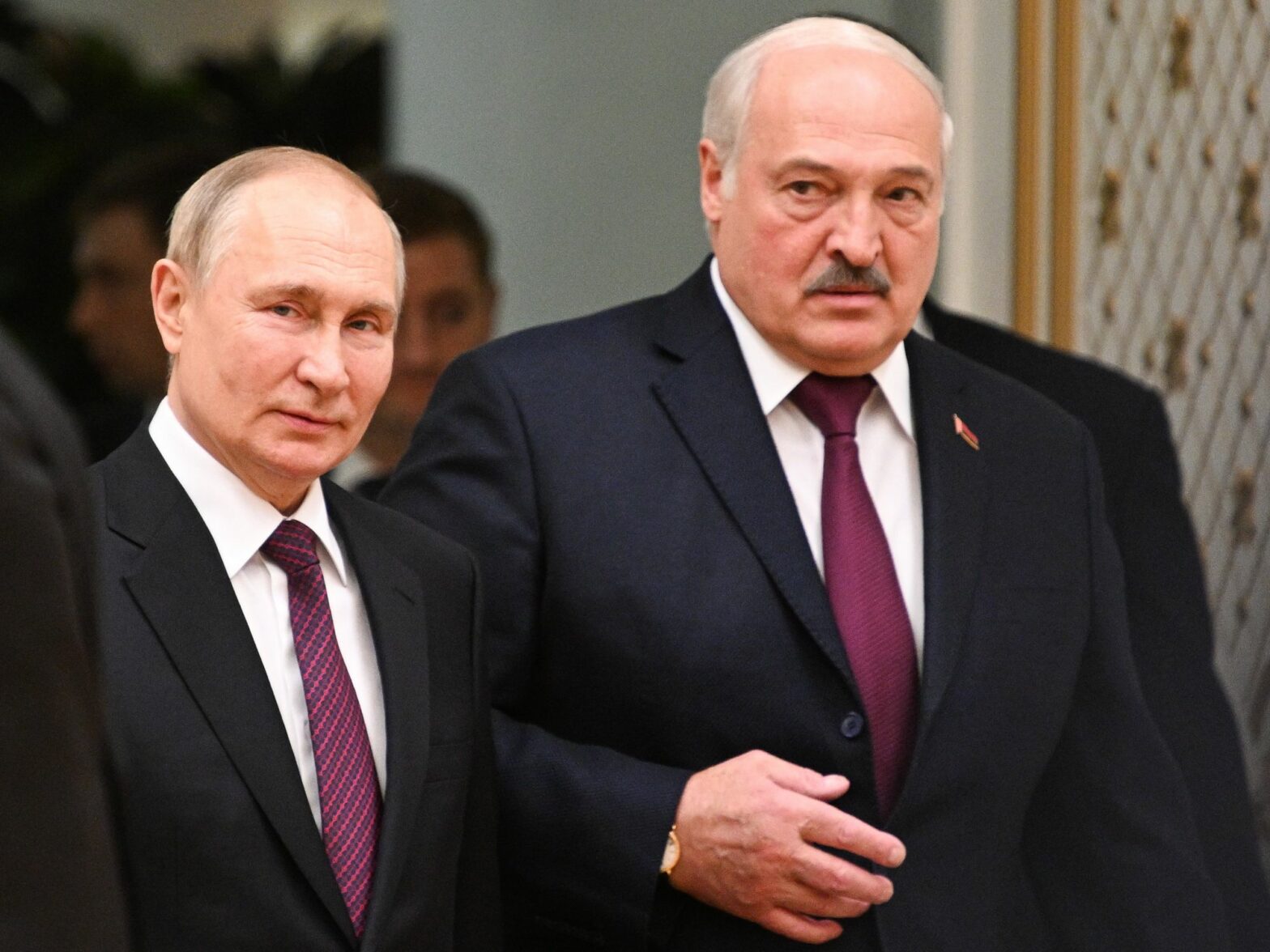
Of course Russia’s announcement of moving tactical nuclear weapons to Belarus should not be underestimated. But the reality is that, since the beginning of the invasion, Russia’s nuclear situation has not changed. We should instead look hard at where both Minsk and Beijing have wound up.
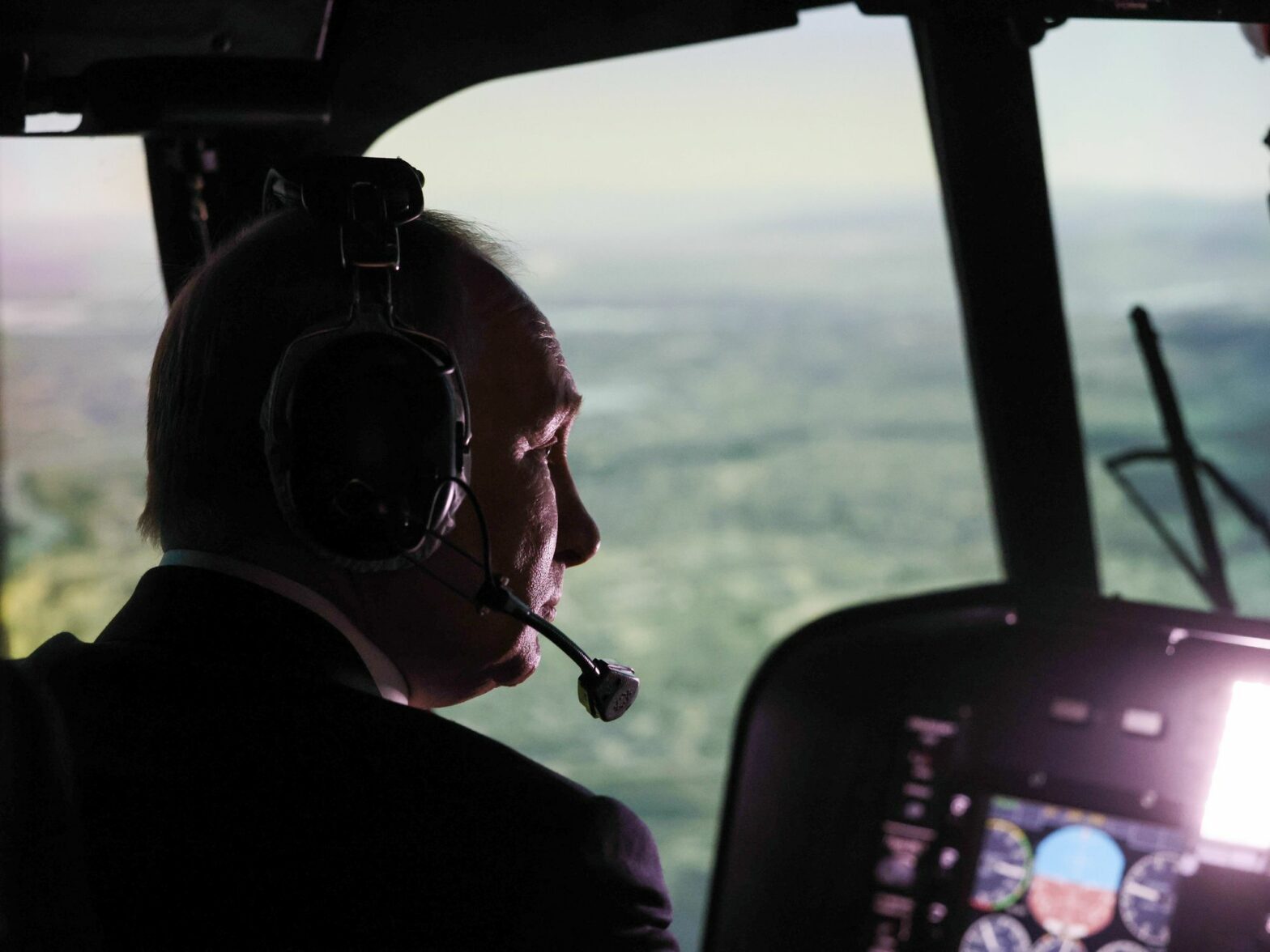
The war crimes arrest warrant issued by the Hague puts the pressure on the Russian president. Would that prompt him to follow through on his past threats to use nuclear weapons? An extensive investigation by independent Russian publication Project.Media into Putin’s life finds that he has other priorities closer to home.
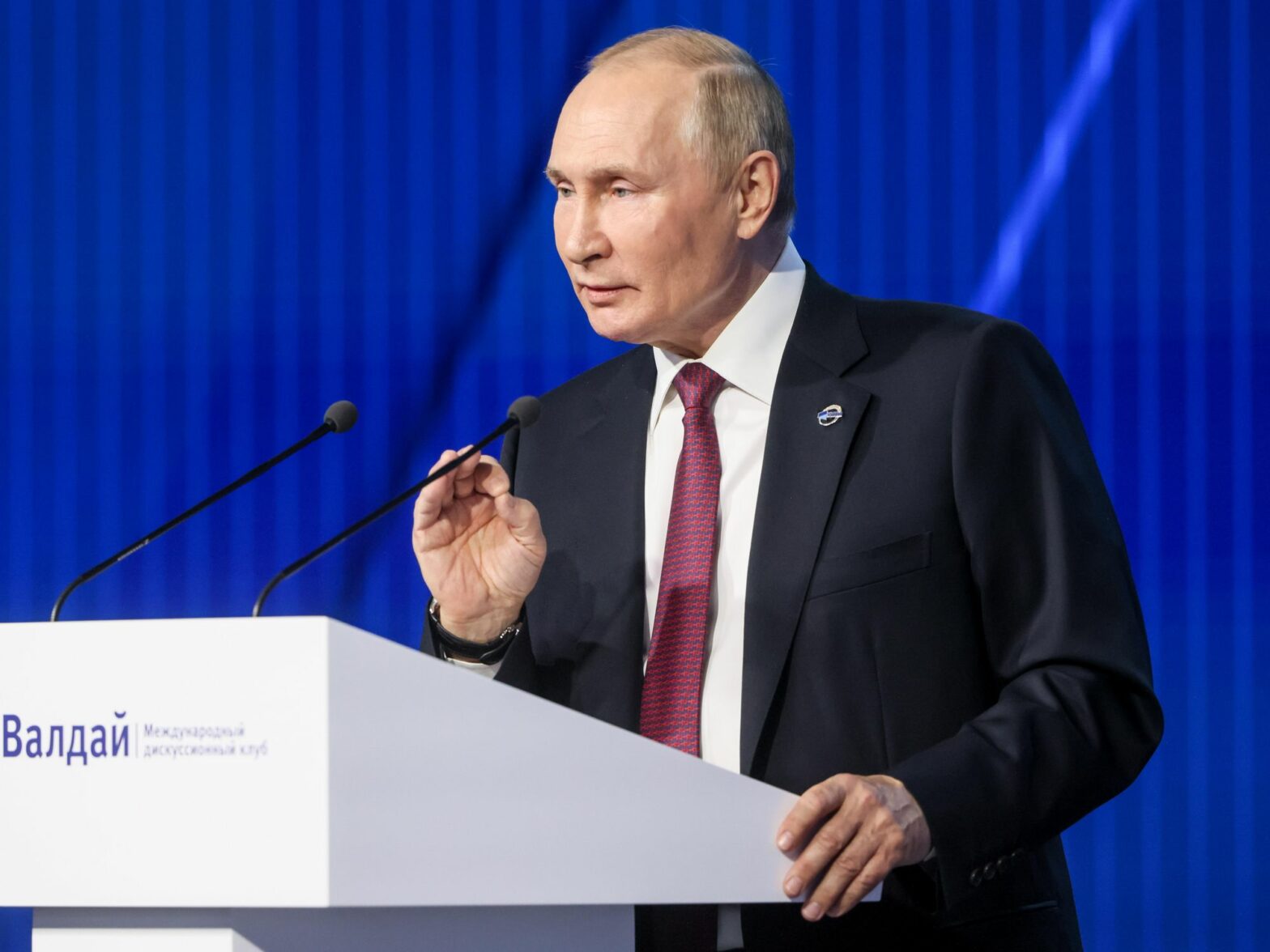
Vladimir Putin told the world yesterday “don’t worry” about a nuclear attack, even as he’s setting up a scenario that makes it more likely.
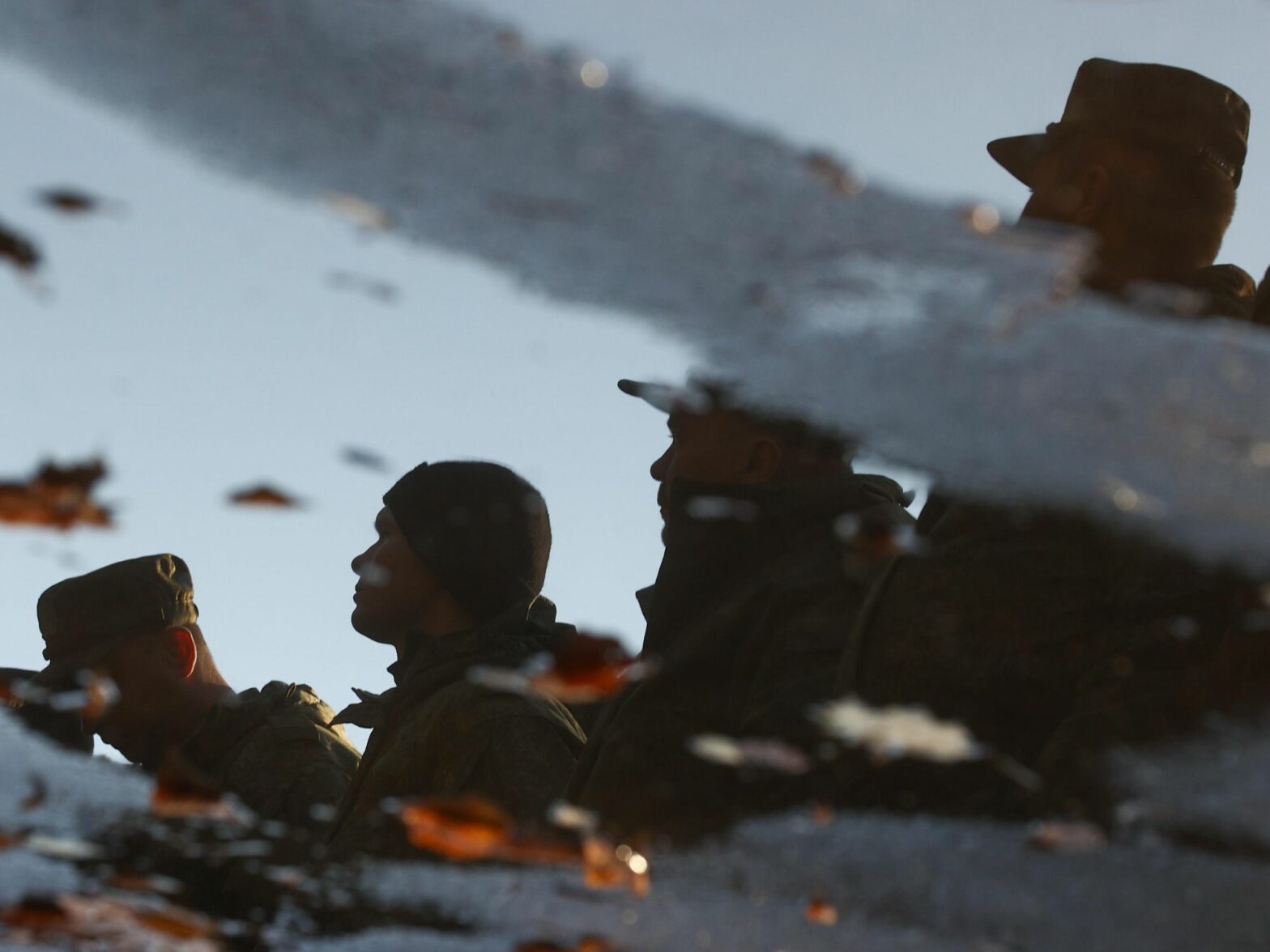
Russia has begun evacuating pro-Moscow residents in the Kherson region after a Russian official in the partially occupied area said residents should leave for their own safety.
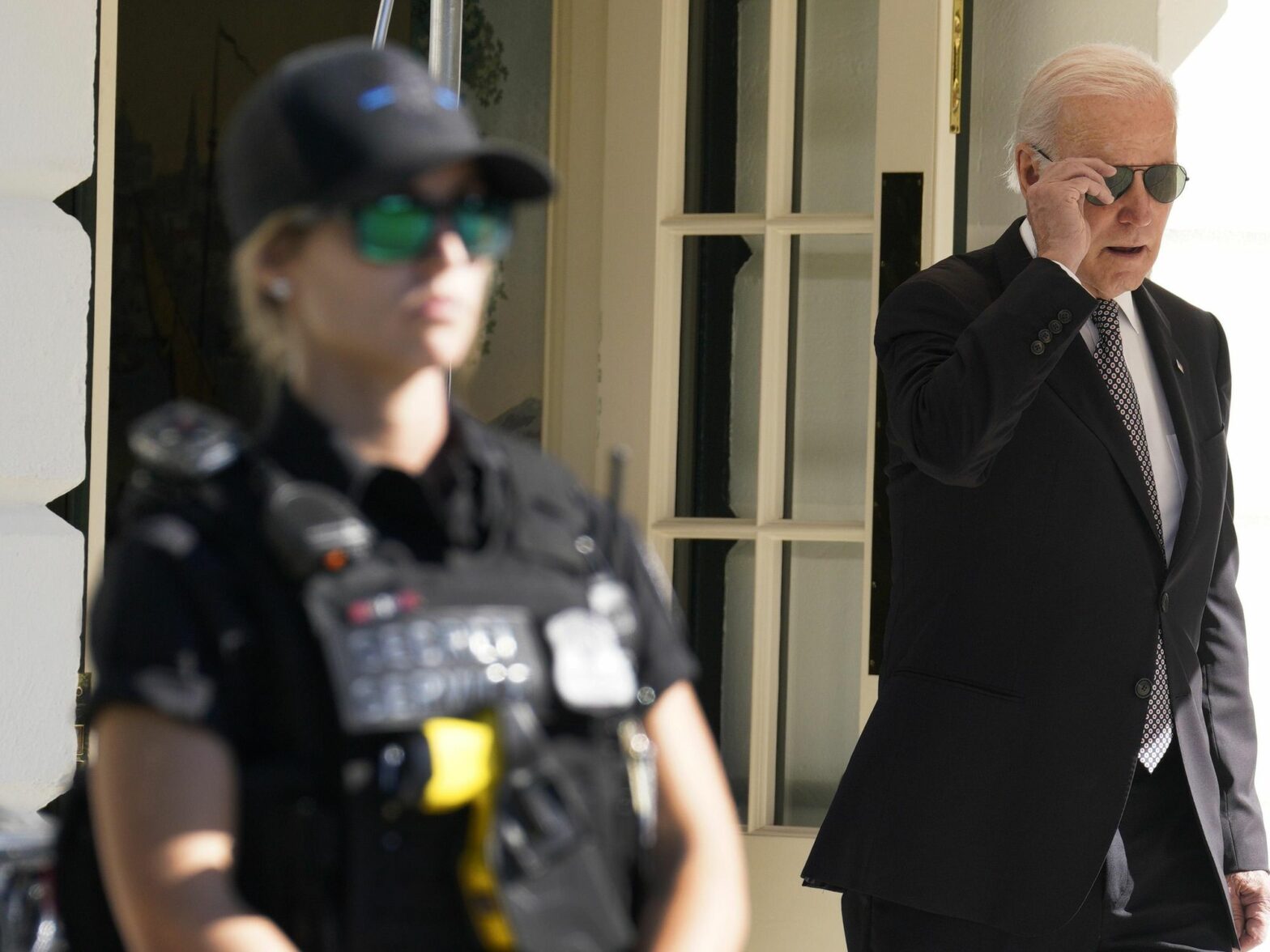
“We have not faced the prospect of Armageddon since Kennedy and the Cuban missile crisis,” U.S. President Joe Biden declared.
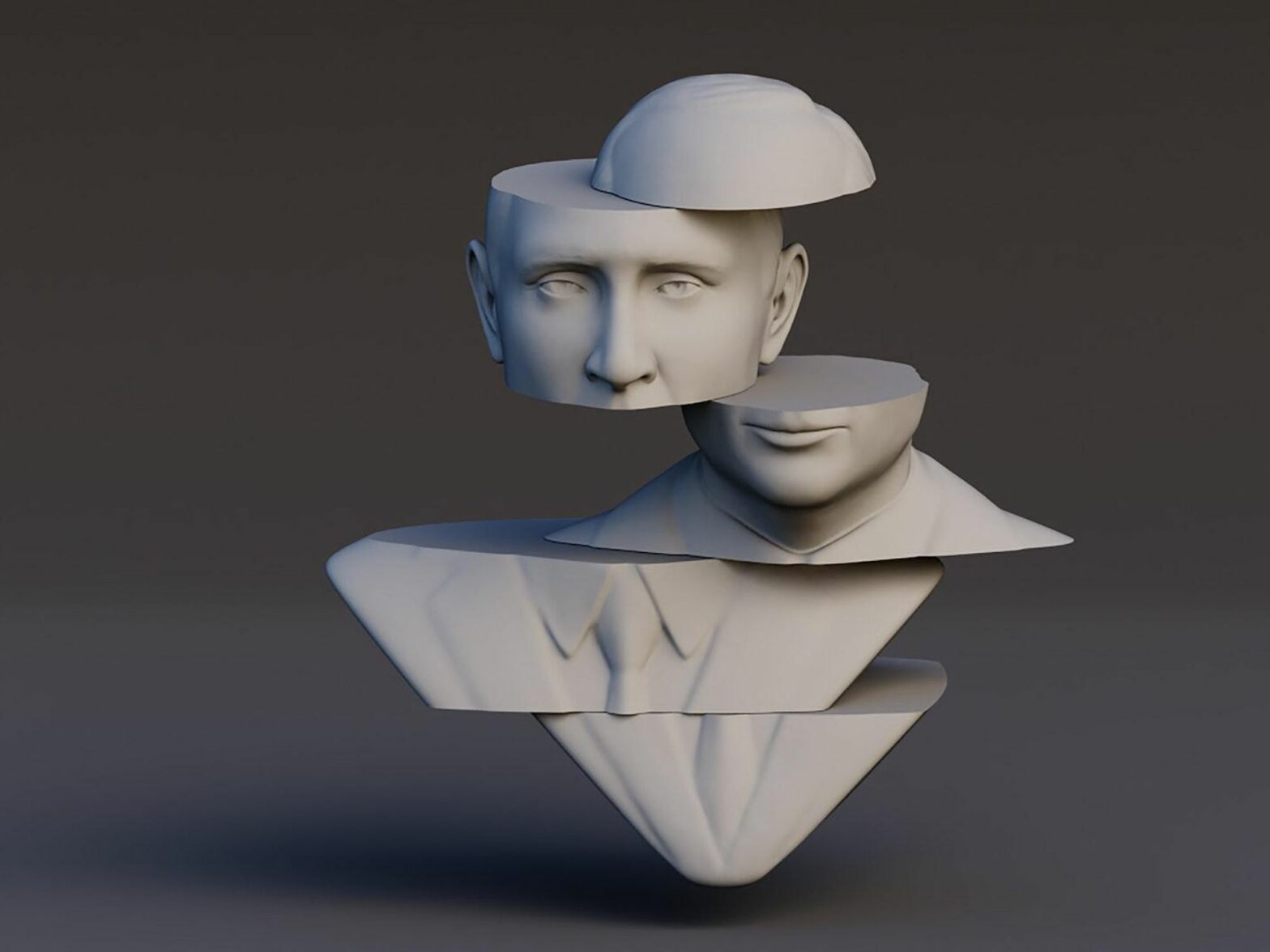
Unlike the U.S.-Soviet showdown in 1962, Vladimir Putin’s allusions to his nuclear arsenal come with no sense of rules or limits, and with a more distant memory of Hiroshima and Nagasaki.