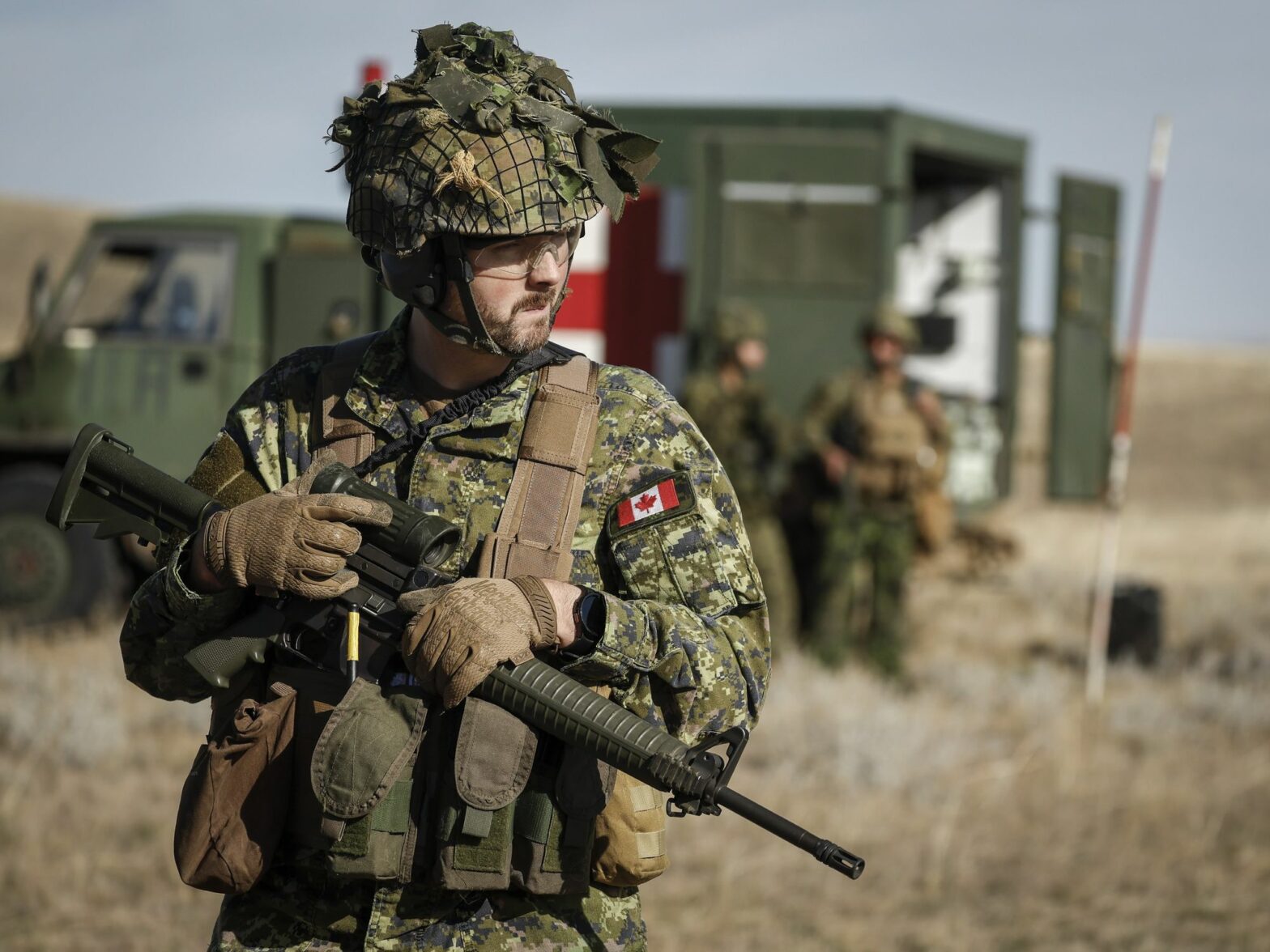
The fundamental premise of NATO is that an attack against one of its members is considered an attack on them all. These words of solidarity were written when they saw Russia as the threat. But what happens if one of its own members turns rogue?
 Worldcrunch
The fundamental premise of NATO is that an attack against one of its members is considered an attack on them all. These words of solidarity were written when they saw Russia as the threat. But what happens if one of its own members turns rogue?
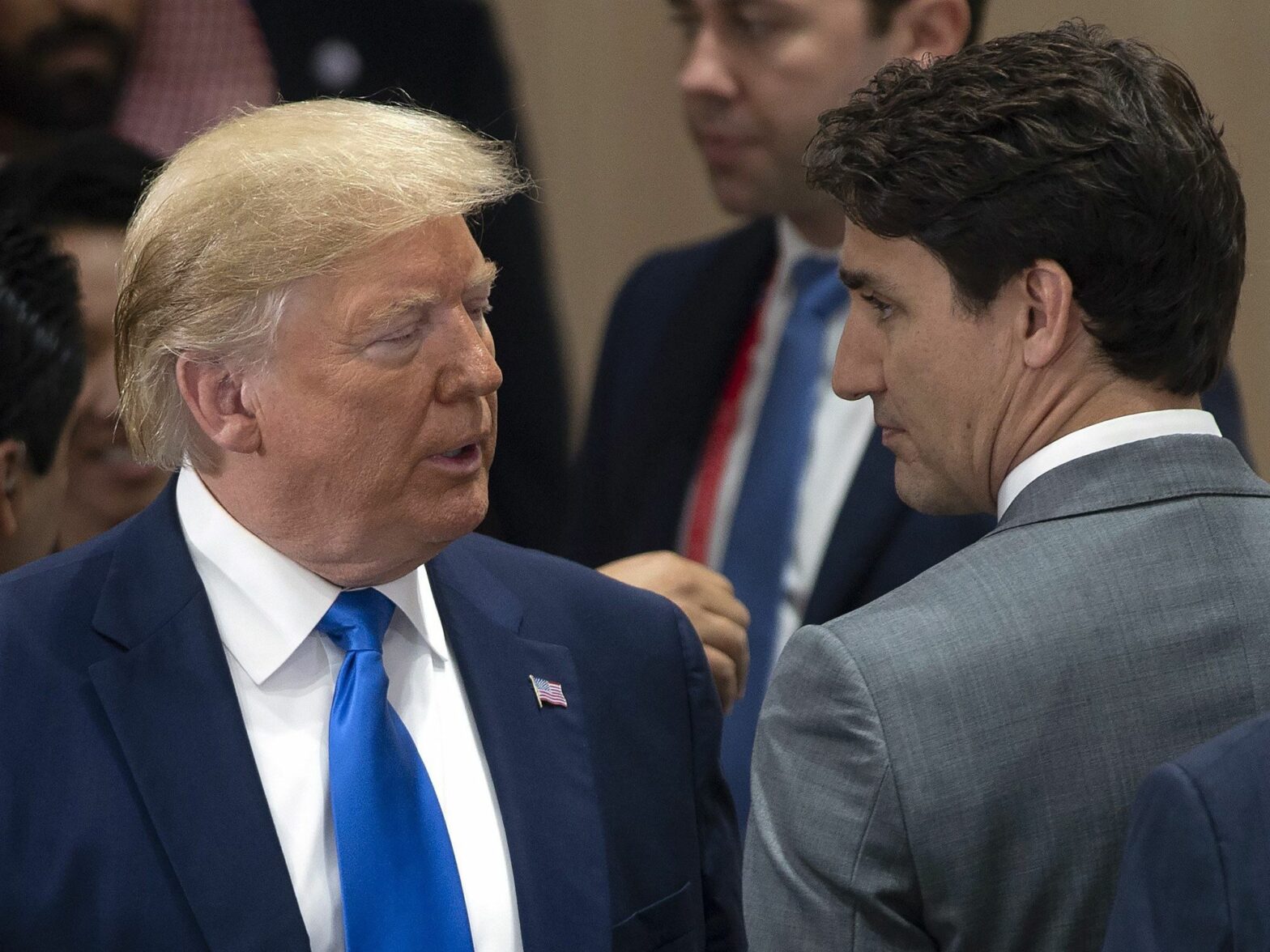
The fundamental premise of NATO is that an attack against one of its members is considered an attack on them all. These words of solidarity were written when they saw Russia as the threat. But what happens if one of its own members turns rogue?
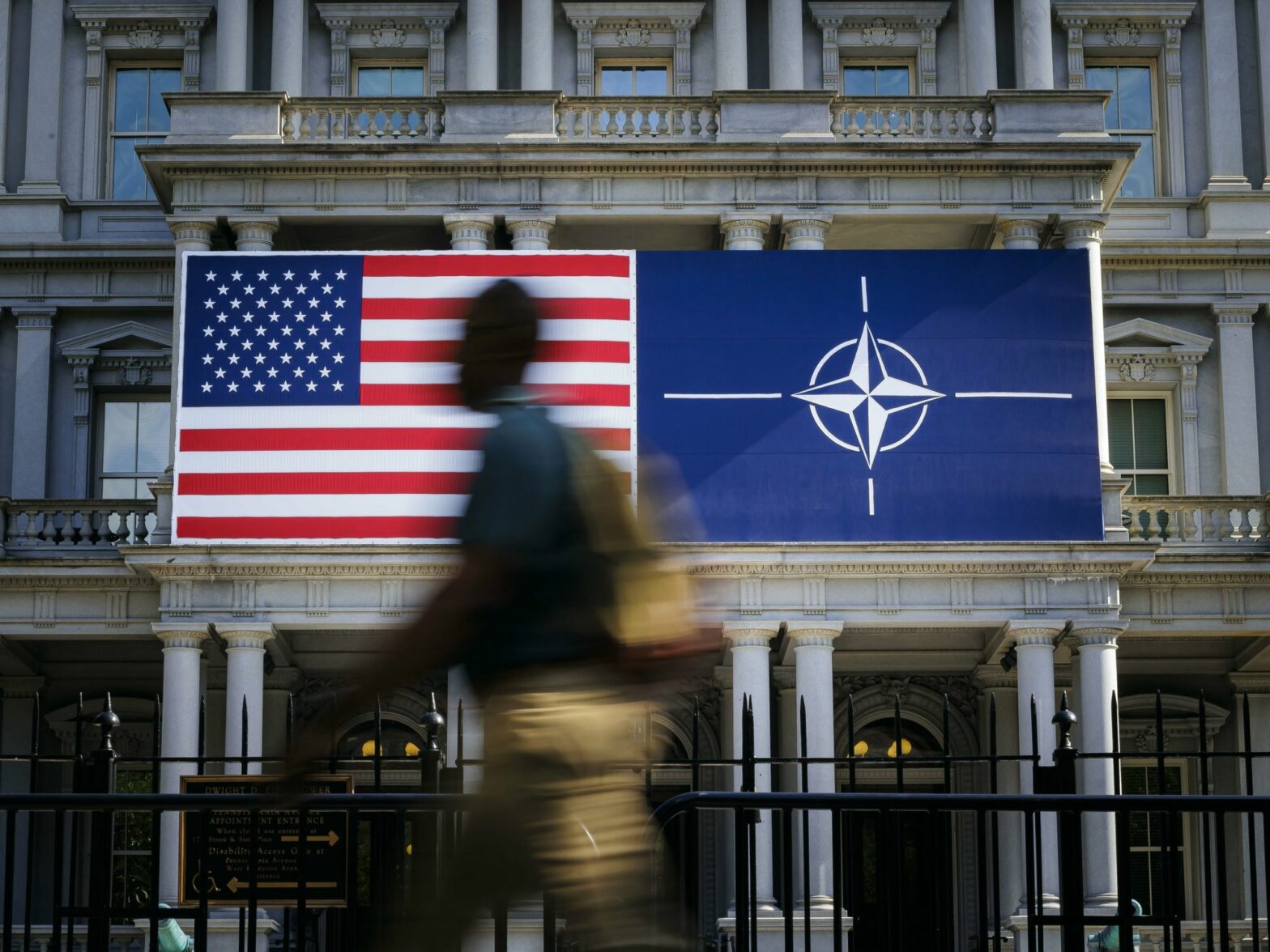
As the alliance’s 32 countries celebrate their 75th anniversary at a summit in Washington, uncertainties over the possible reelection of Donald Trump in November, and dark clouds over Europe and France are raising serious questions about NATO’s future.
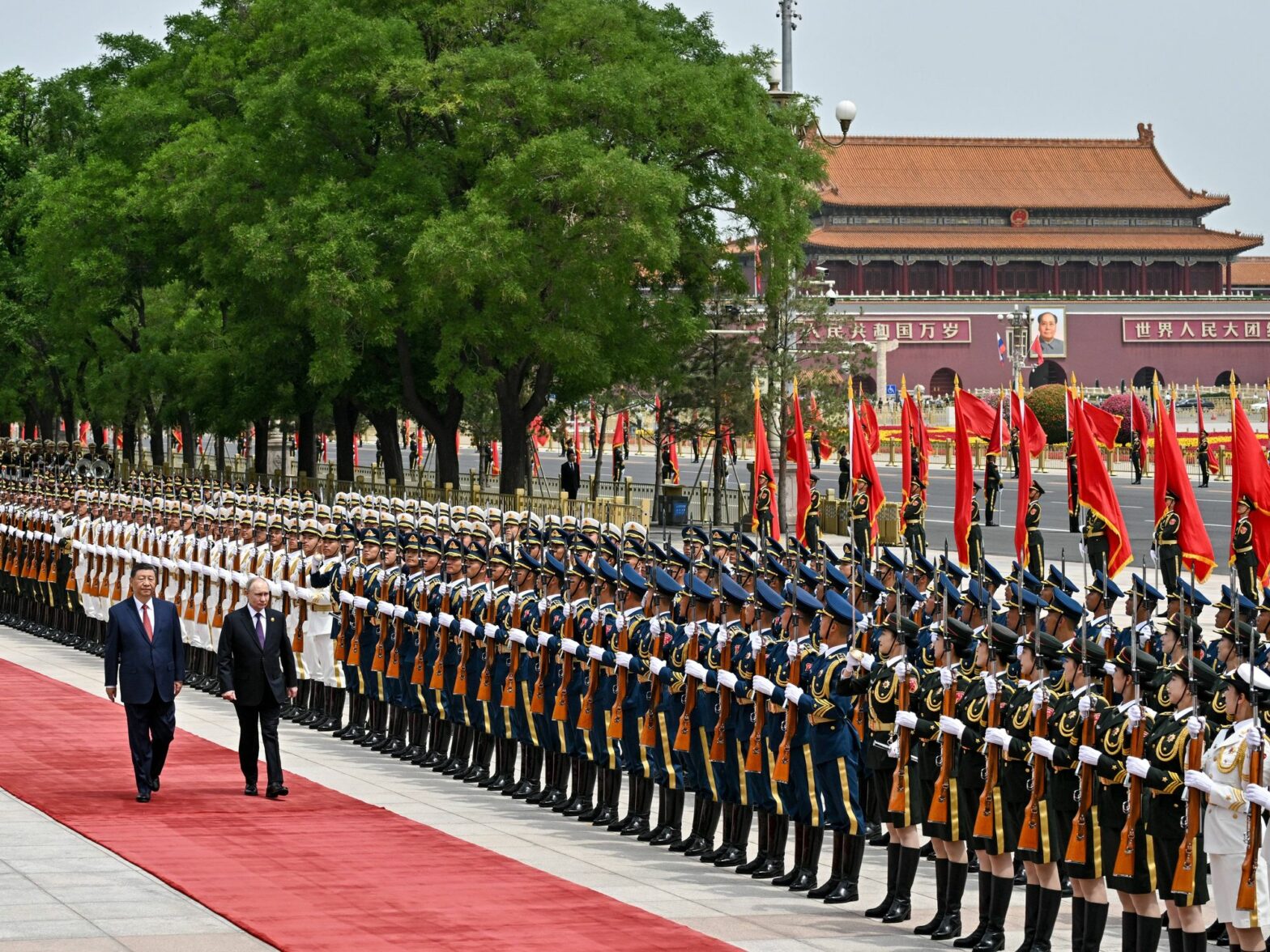
The Russian president is in Beijing on Thursday and Friday, his first foreign trip since his re-election. Beijing and Moscow have their differences, but share the same long-term objective of changing the international order.
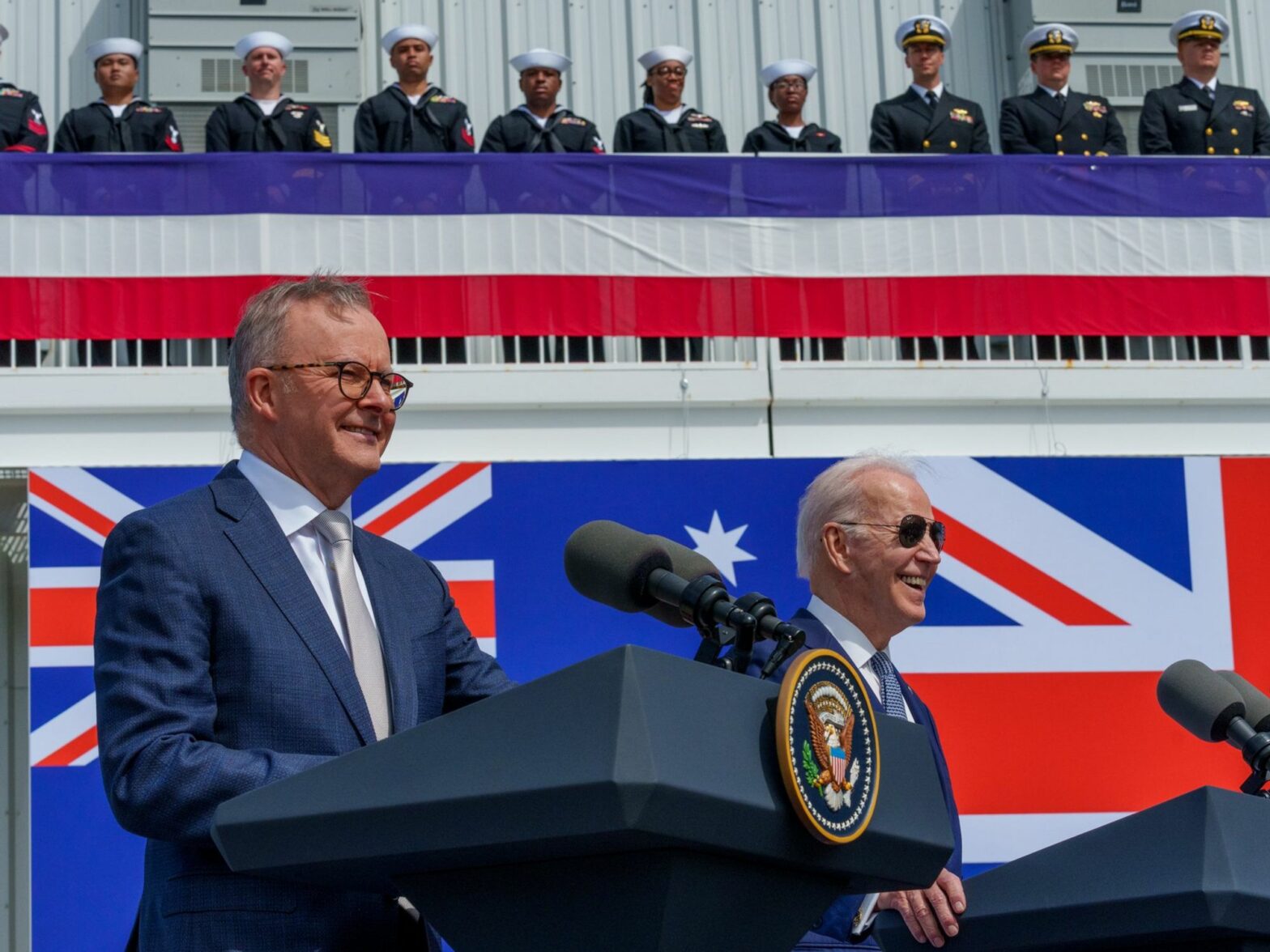
AUKUS, the security pact between the US, the UK, and Australia, is beginning to take shape. Its aim is to deter China, but it risks drawing the Indo-Pacific region into a military conflict.
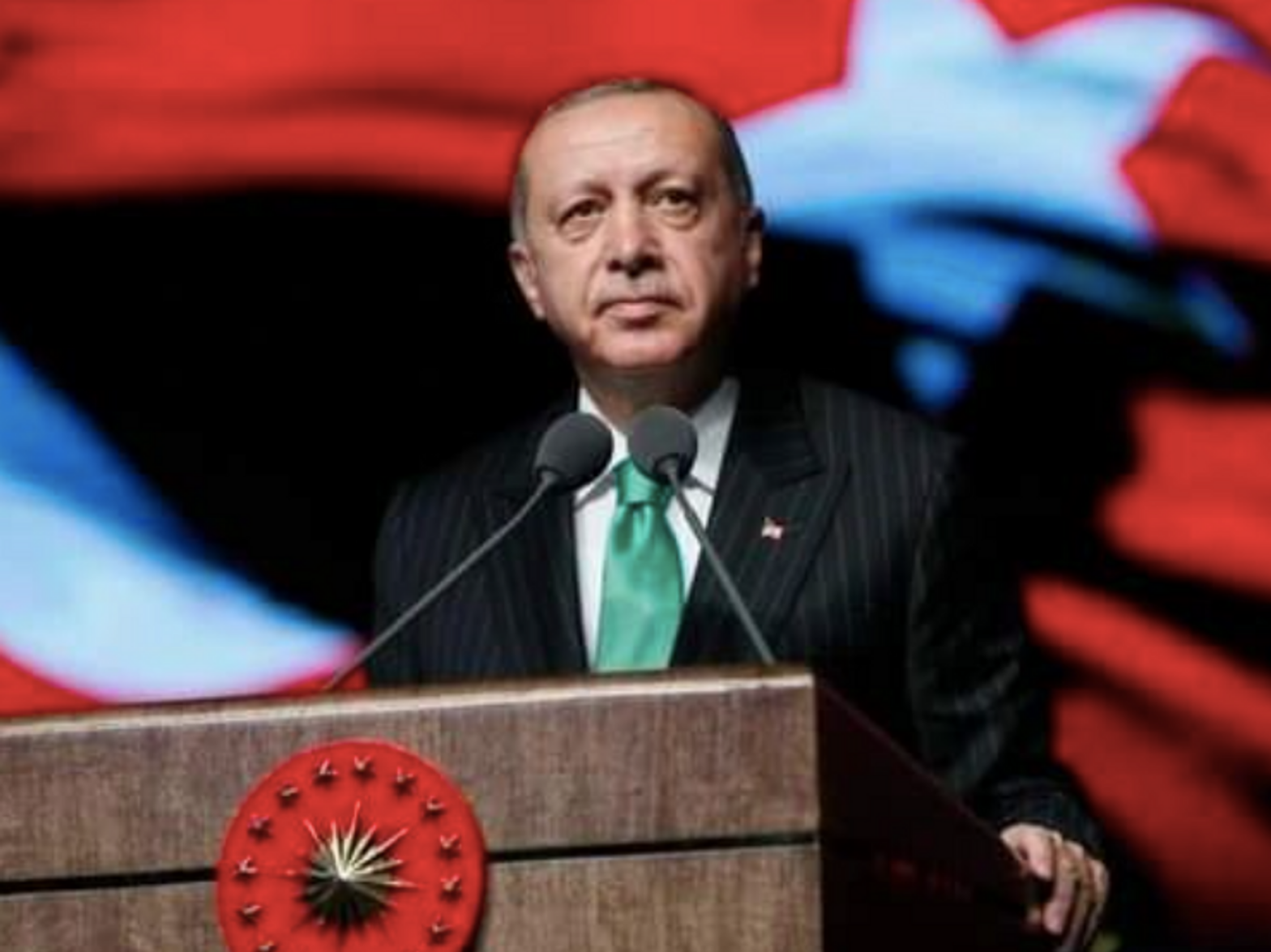
When the two Nordic countries confirmed their intention to join NATO this week, Turkish President Recep Tayyip Erdogan repeated his plans to block the application. Accusing Sweden and Finland of’ “harboring” some of his worst enemies may not allow room for him to climb down.
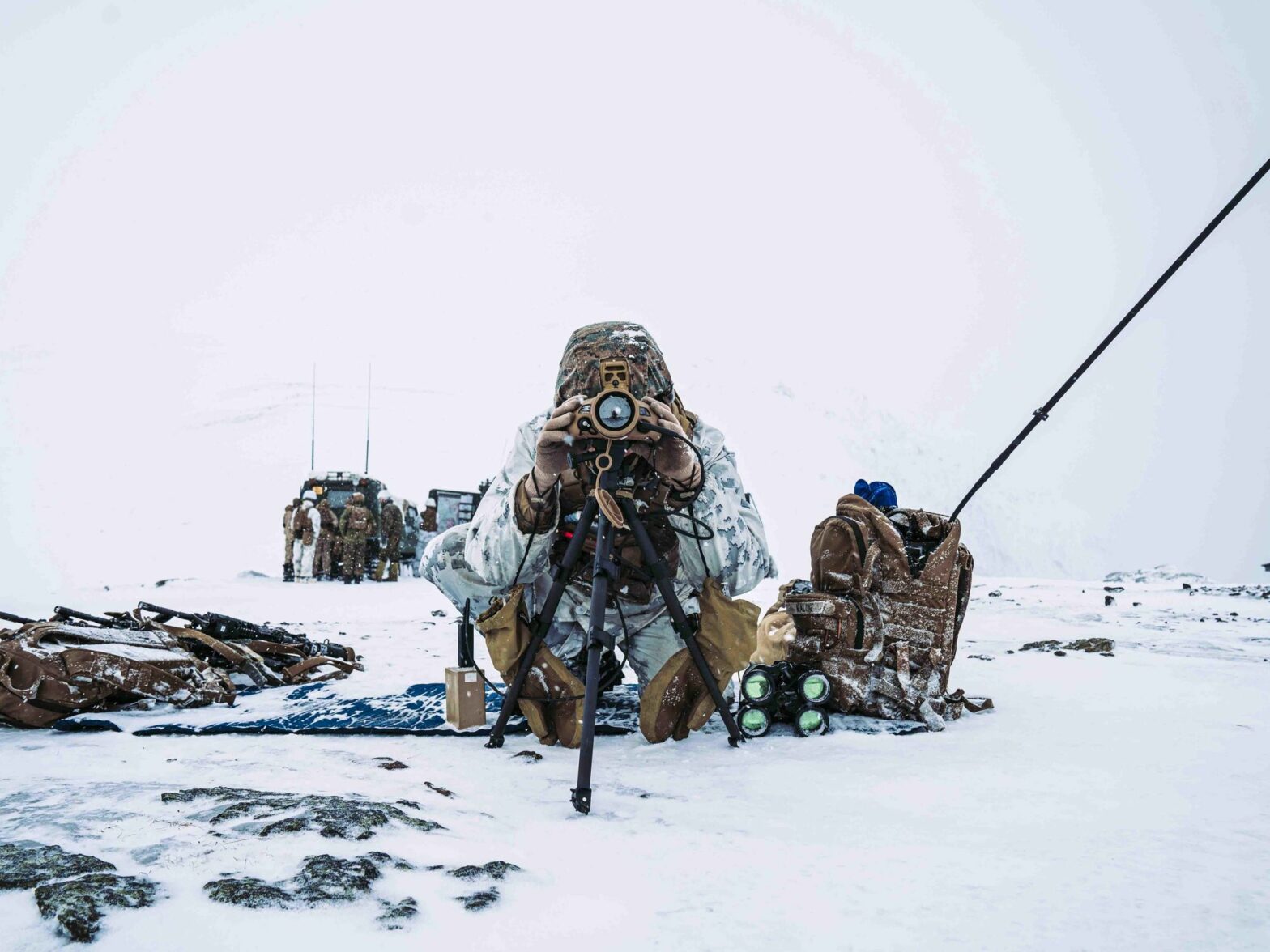
One month into Russia’s invasion of Ukraine, President Joe Biden is in Brussels for an emergency meeting of NATO’s leaders. But for current and potential future members, the very purpose of the alliance is in doubt.
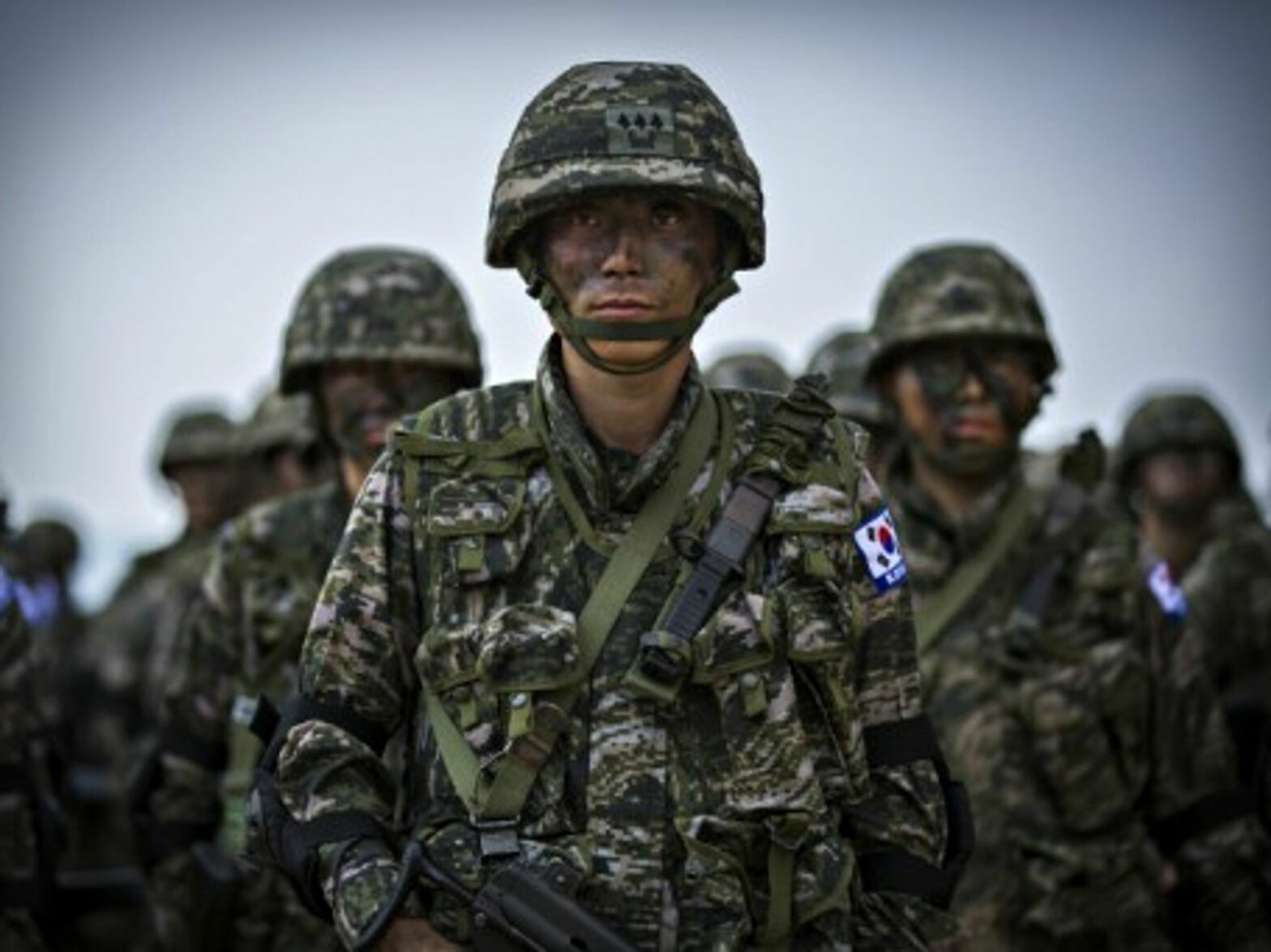
-OpEd- BERLIN — Among the rituals that North Korea’s young dictator Kim Jong-un has embraced is saber rattling. And in the run-up to annual military maneuvers between South Korea and the U.S., he was at it again. He threatened an “unimaginable holocaust” or “catastrophe” that would destroy inter-Korean relations if the traditional army operations went […]