Chronic pain affects millions and often resists medical treatment. German researchers are exploring how the brain’s pain matrix can be retrained, offering hope to those trapped in cycles of constant pain.

 Worldcrunch
Chronic pain affects millions and often resists medical treatment. German researchers are exploring how the brain’s pain matrix can be retrained, offering hope to those trapped in cycles of constant pain.

Some patients “come back to life” shortly before dying: they regain consciousness and control of their minds and interact with their families as they normally would. It is an illusion, but one with interesting scientific implications.

A hot-mic chat between the Russian and Chinese leaders echoes a century of utopian schemes to defeat mortality.
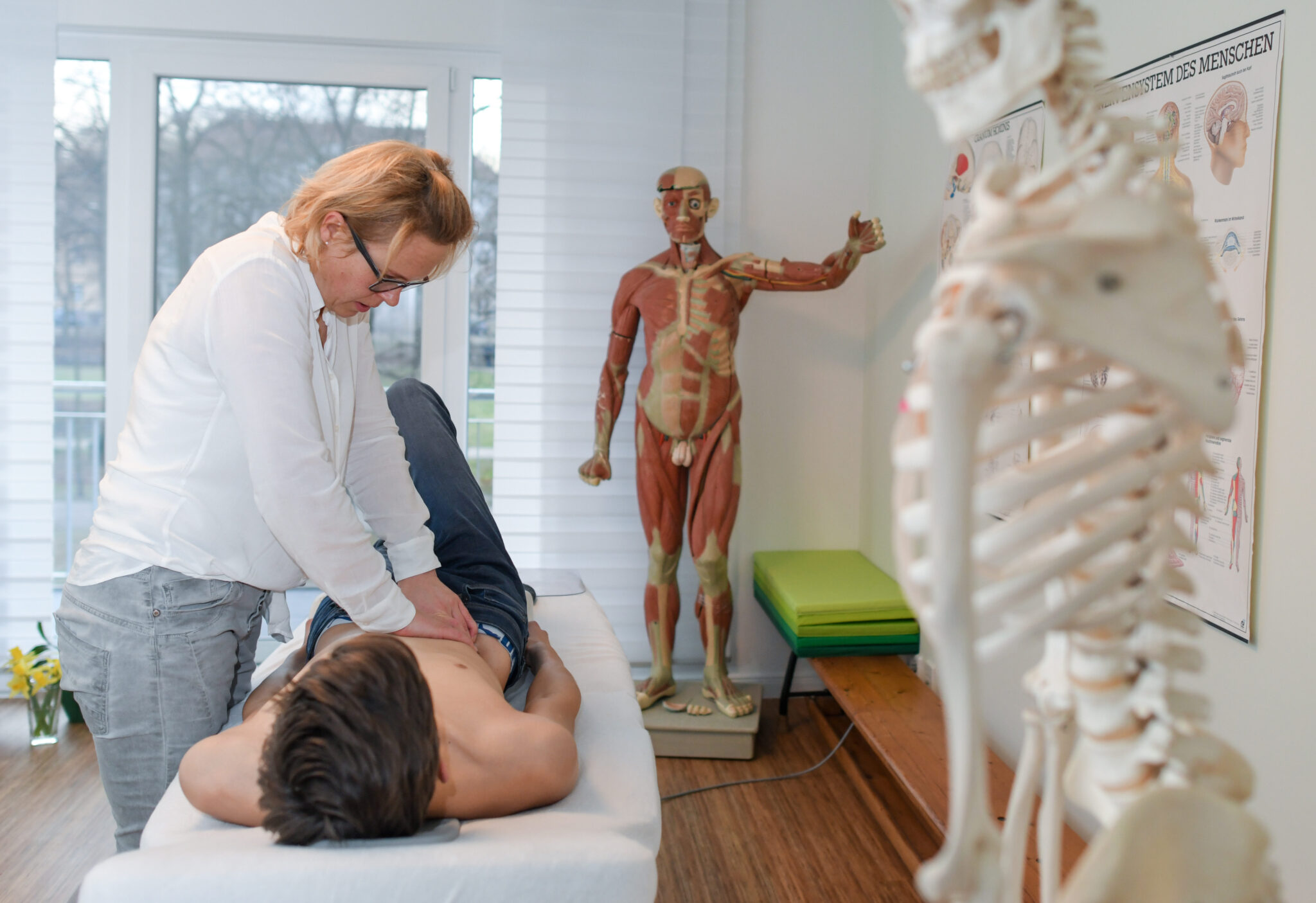
Practitioners want legal recognition, critics call it pseudoscience. Can osteopathy really heal? The problem is that evidence is not always consistent.
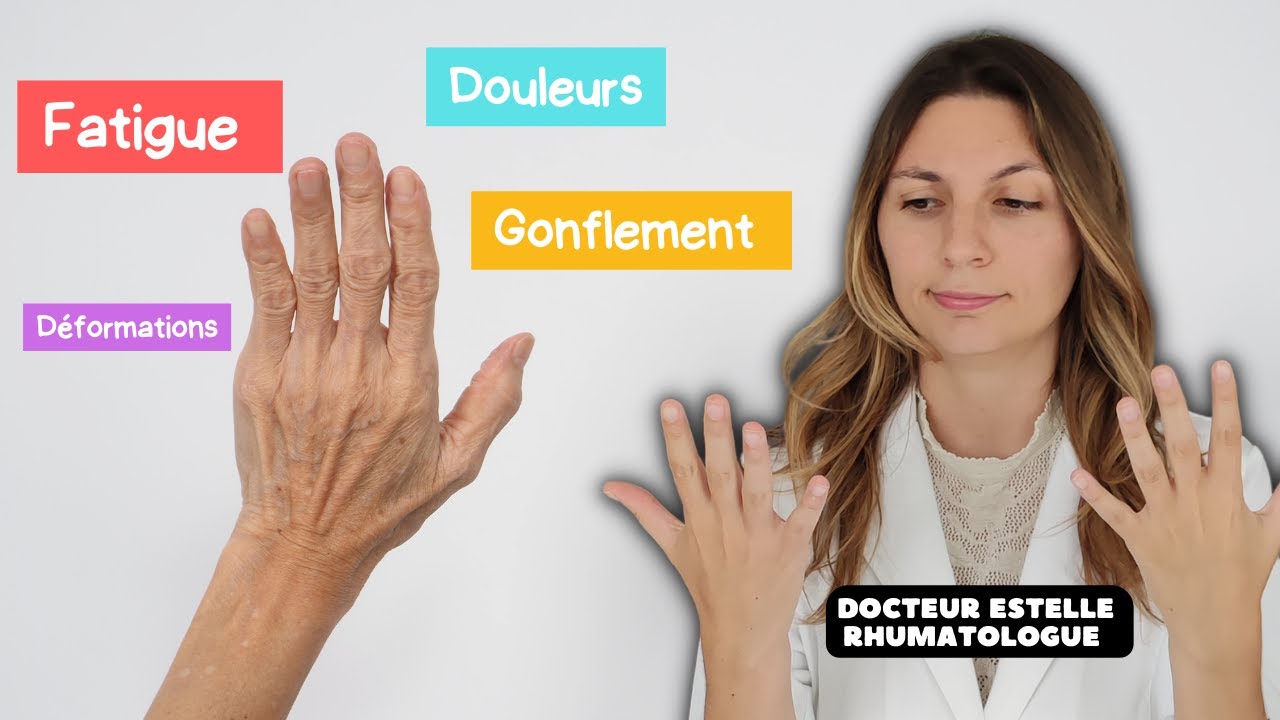
A growing number of physicians are taking to TikTok, YouTube, Instagram and X, creating their own content to fight the flood of false health information online. But faced with the scale of the problem, they say they can’t do it alone.
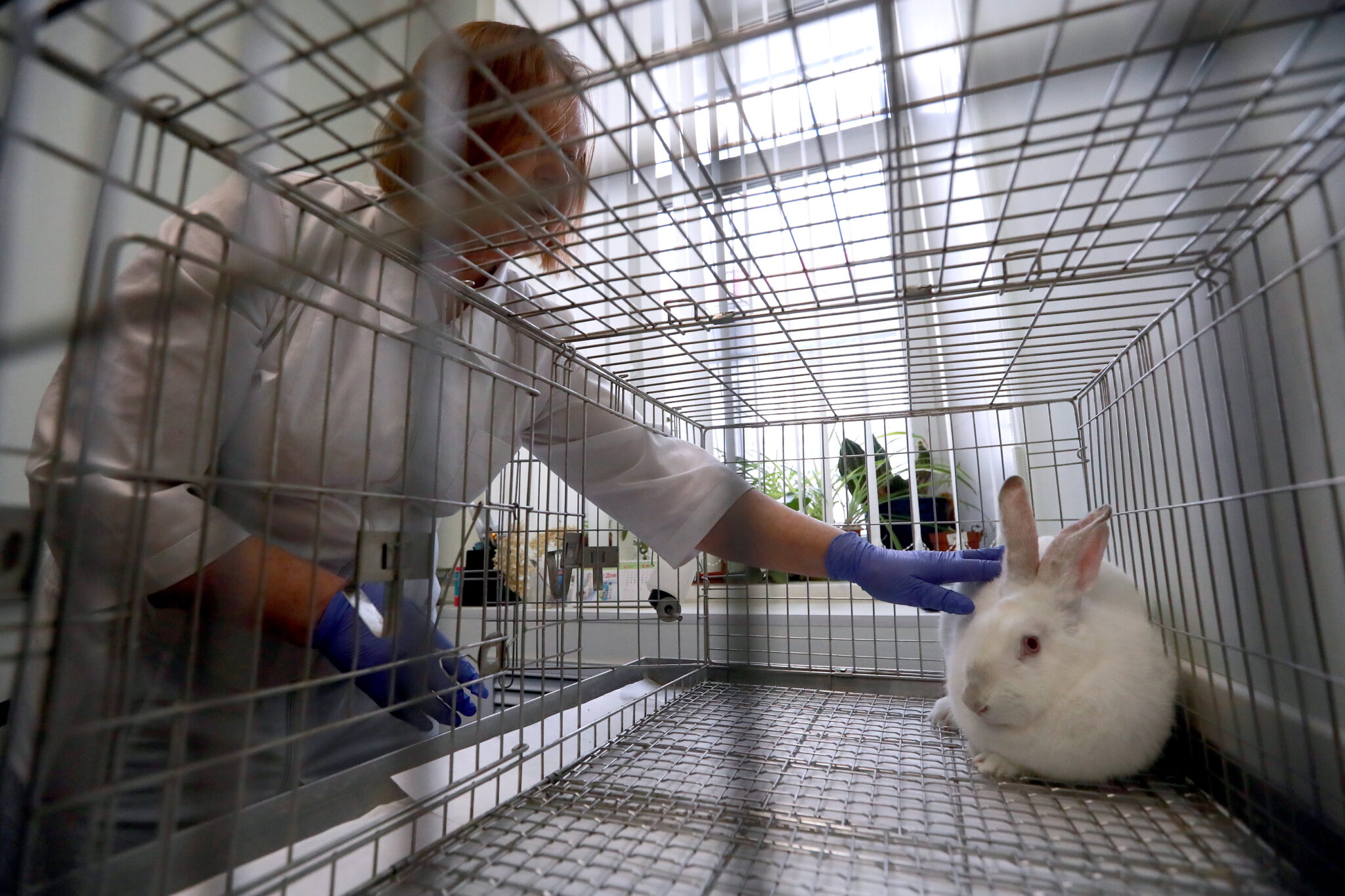
Most of us can accept that animal experiments are ok before allowing new drugs on the market. But allowing such animal testing is important even when no specific application is at stake. They are also crucial for understanding complex biological processes to help treat diseases like Alzheimer’s, Parkinson’s and depression.

New studies from Finland, Denmark and Norway suggest that mental health disorders might spread through social contact. But how strong is the effect — and should we call it an epidemic?
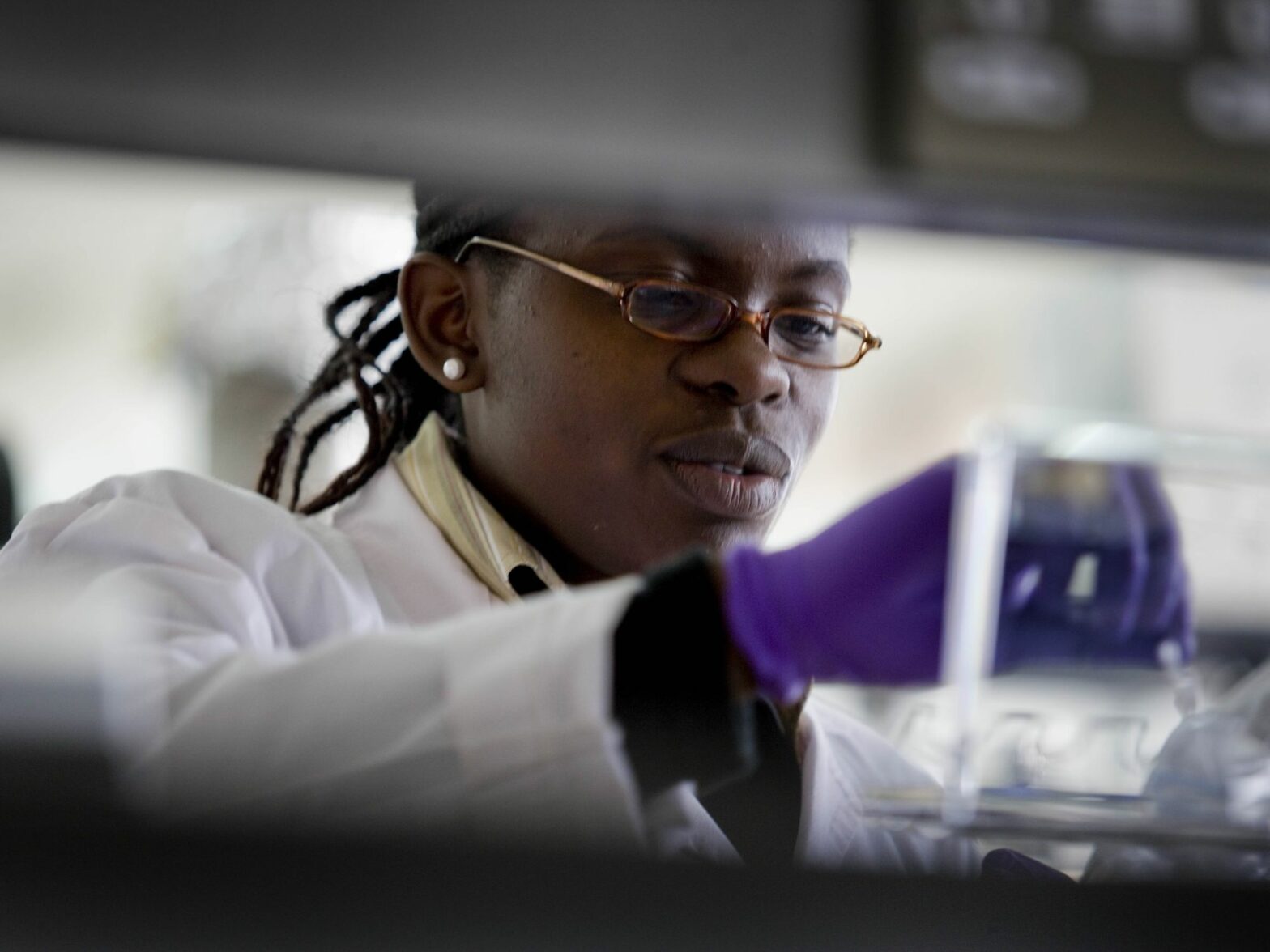
Organizations that advocate against DEI programs in education are suing universities and research facilities that seek diversity in their scholarship and research grant practices. The Supreme Court fired the starting gun.
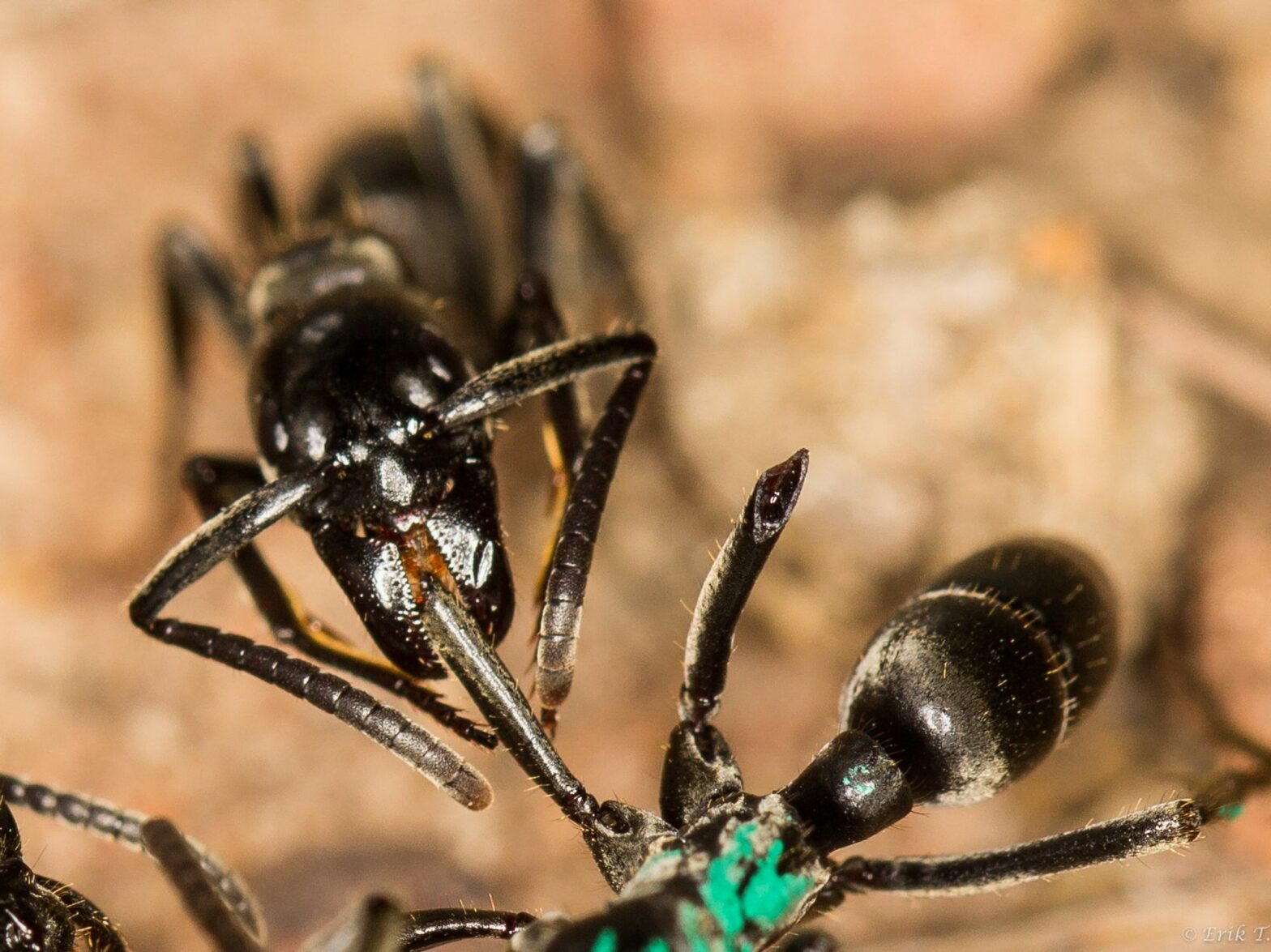
Insects like ants heal their fellow species, and they even perform surgeries. Biologist Erik Frank is researching their methods. He believes that humans can also benefit from them.

Food companies fatten us up only for Big Pharma to let us inject ourselves slim again. Crazy? Perhaps it’s the beginning of the end for a destructive business model.
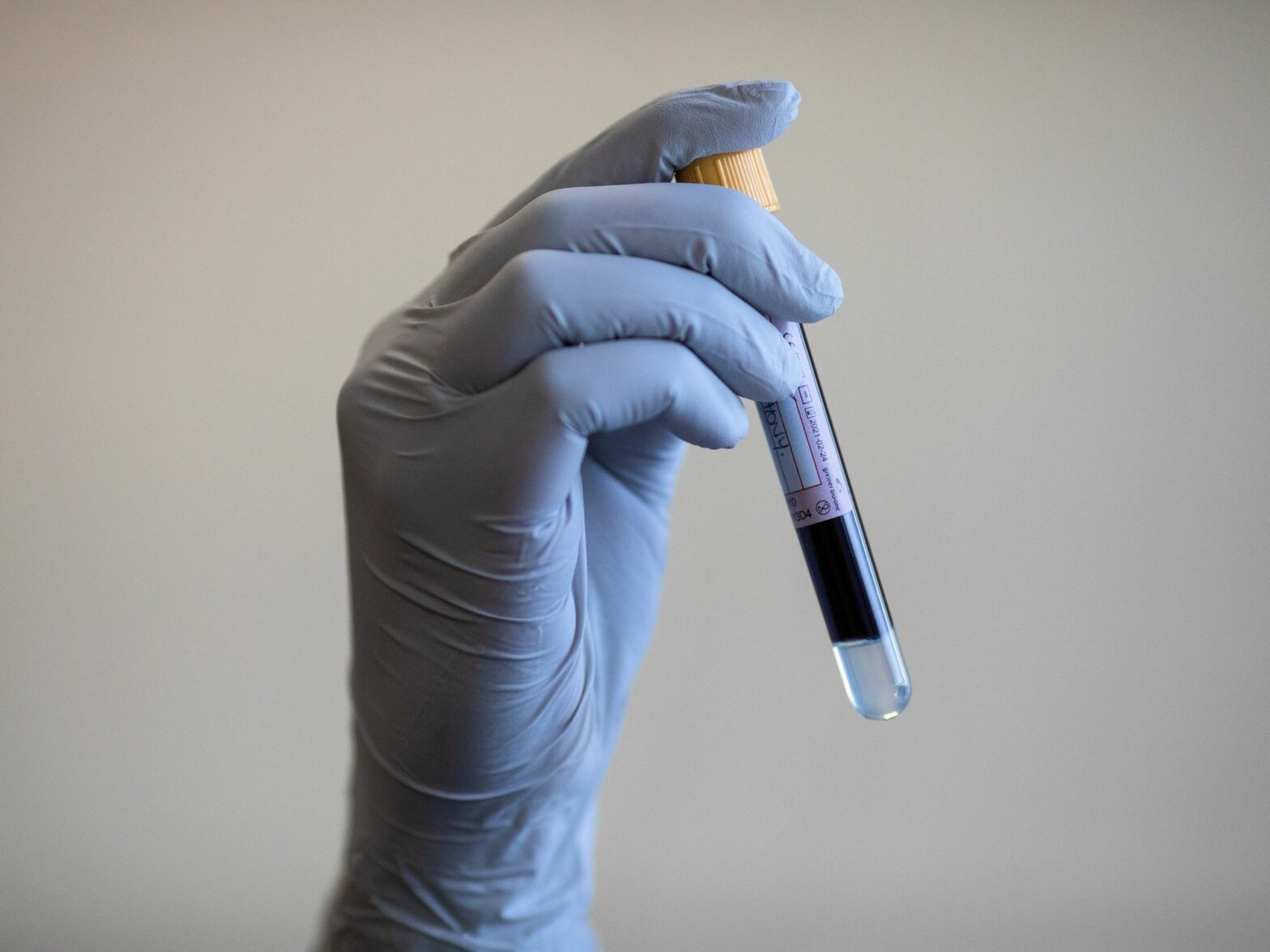
A new blood test, designed to detect more than 50 types of cancer, could be the future of early cancer detection. Is it the next big thing, or just another marketing gimmick?
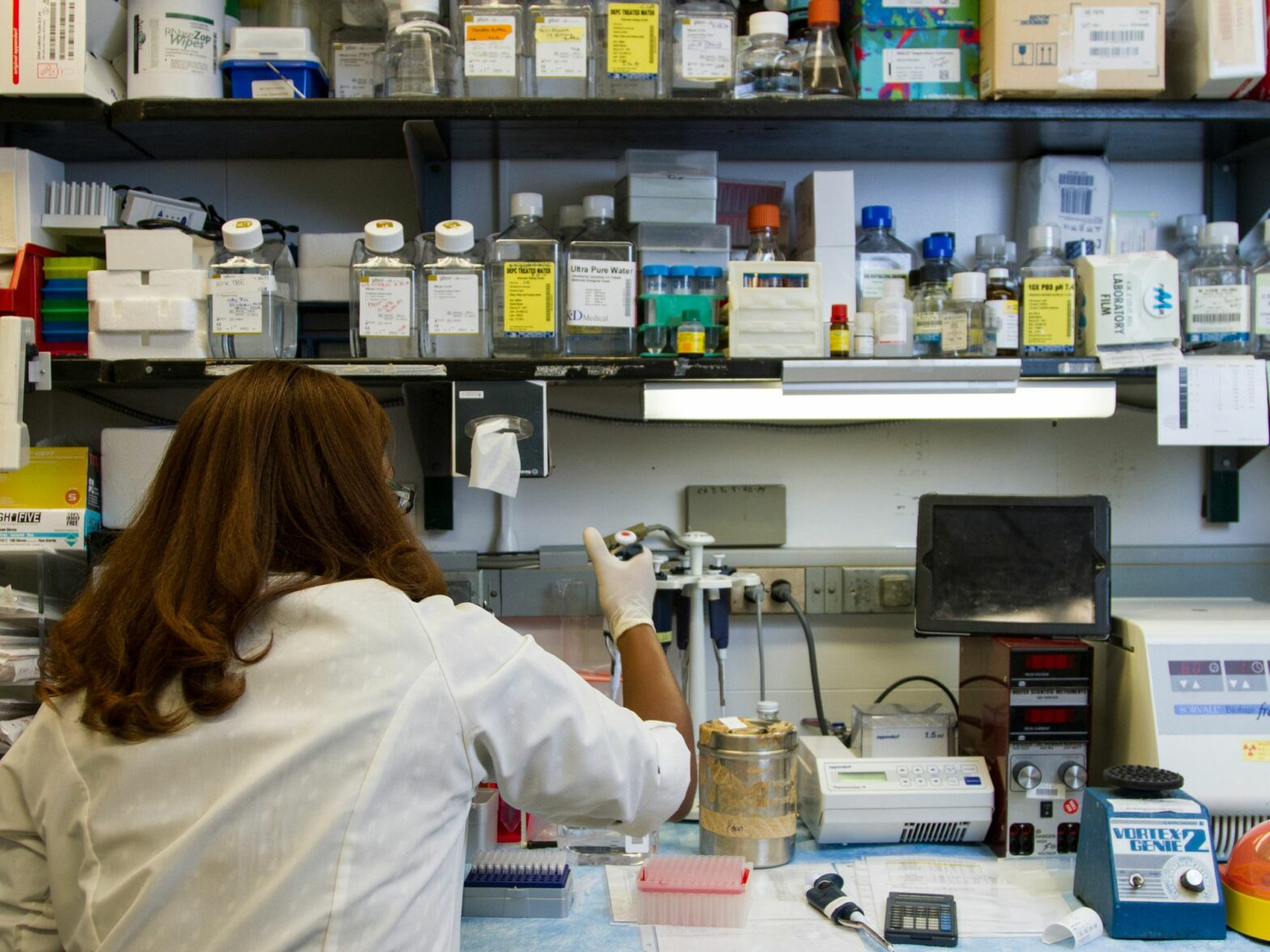
Beata Halassy’s aggressive form of breast cancer kept returning, until she chose to conduct a self-experiment. A molecular biologist, Halassy explored an untested treatment and injected herself with viruses to successfully fight off her cancer. It raises ethical debates, but also provides a glimpse into the future of personalized medicine.

Lecanemab, marketed as Leqembi, is the first drug targeting the root cause of Alzheimer’s disease to be approved by the European Medicines Agency. Despite its side effects and limited efficacy, it finally offers a glimmer of hope for effective therapies.

In Lebanon, as in many countries in the Arab world, abortion is criminalized, leaving women with few safe options to end a pregnancy. In the Beirut-based independent digital media Daraj, Nour, 20, shares her story of learning she was pregnant out of wedlock and seeking a secret medical abortion.

Tools that use AI will help doctors work smarter and faster. But not all patient care can be improved by an algorithm.

Our Naples psychiatrist on the difficulty of convincing her patients that no, sometimes a nice cup of chamomile tea won’t fix everything.

Updated Dec. 22, 2023 at 11:45 a.m. In 1895, Wilhelm Conrad Röntgen took the first X-ray ever. What was the first X-ray taken of? Röntgen’s experiments revealed that this new type of ray was capable of passing through most substances, including the soft tissues of the body, but left bones and metals visible. How did […]
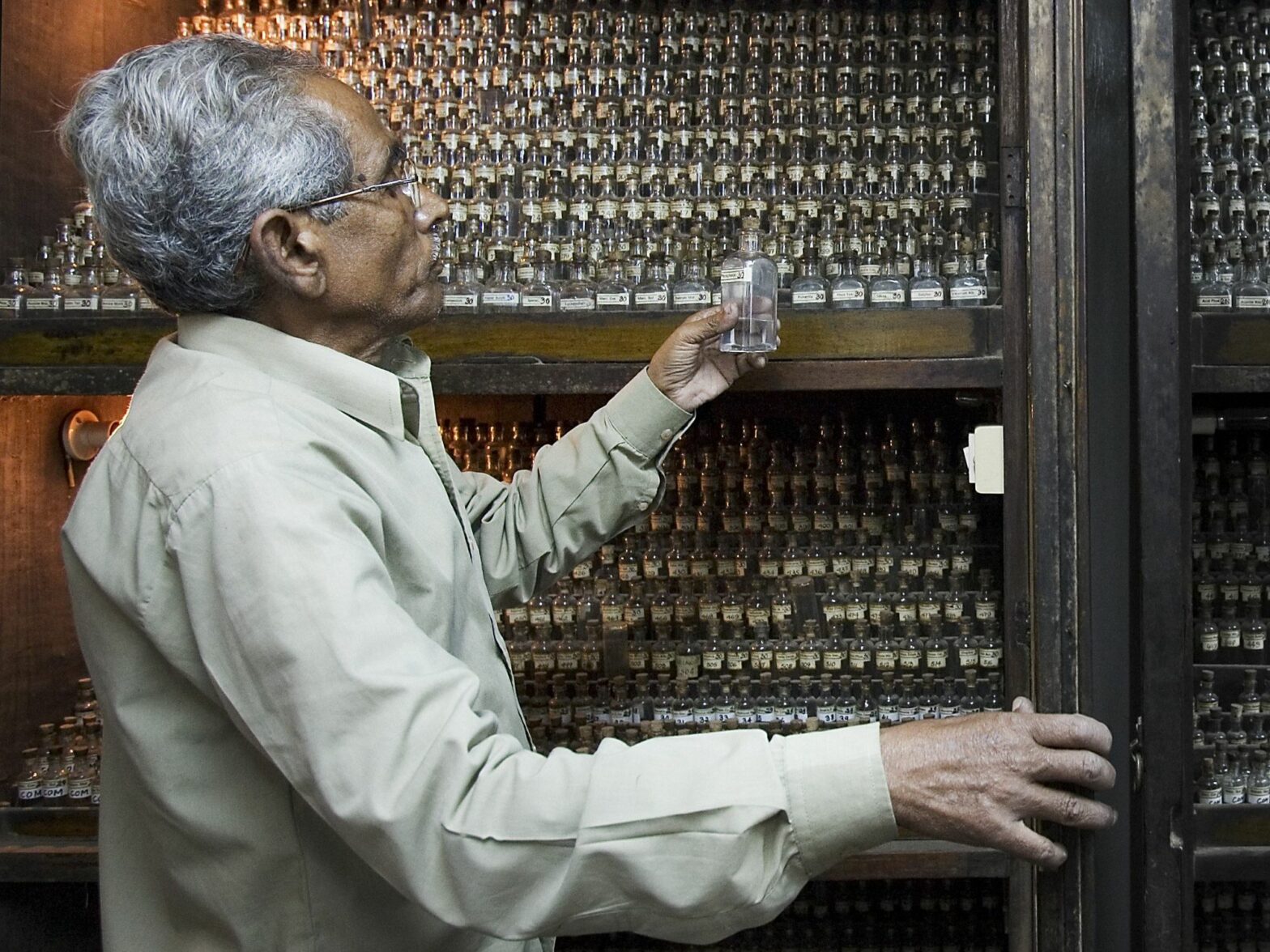
The World Health Organization has long walked the uneasy tightrope between evidence-based and traditional medicine. It is time to dismantle this unrealistic balance.
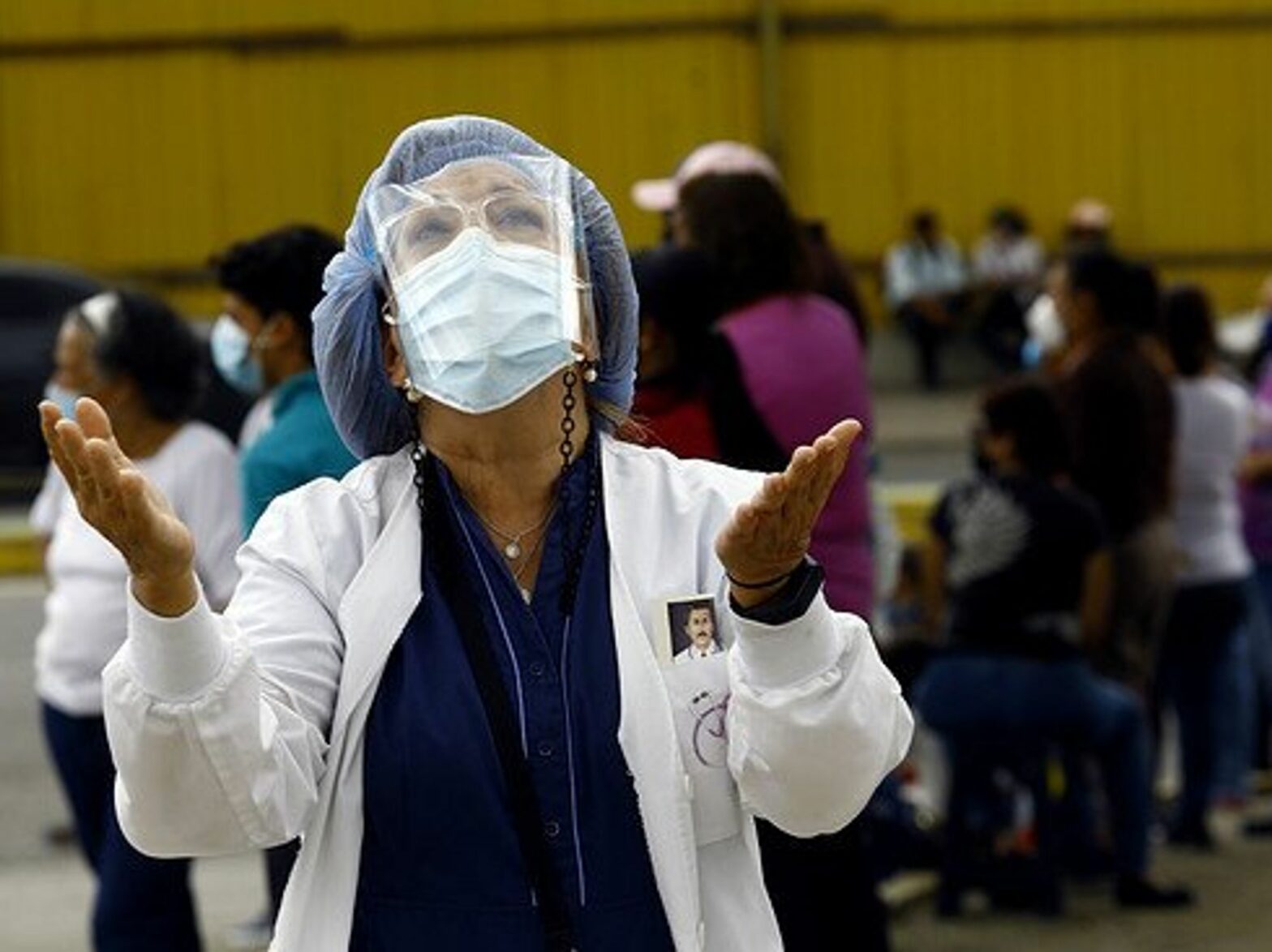
Like Cuba, Venezuela churns out doctors who are poorly trained and overworked. Colombia then lets them practice medicine in the country in yet another senseless gesture of political goodwill toward Venezuela.

There are currently supply bottlenecks for around 500 medicines, including the antibiotic penicillin. Every second box of the active ingredient in Europe comes directly or indirectly from one place: a factory in the Tyrolean town of Kundl, Austria. Die Welt takes a look at the factory and what’s causing the supply problems.
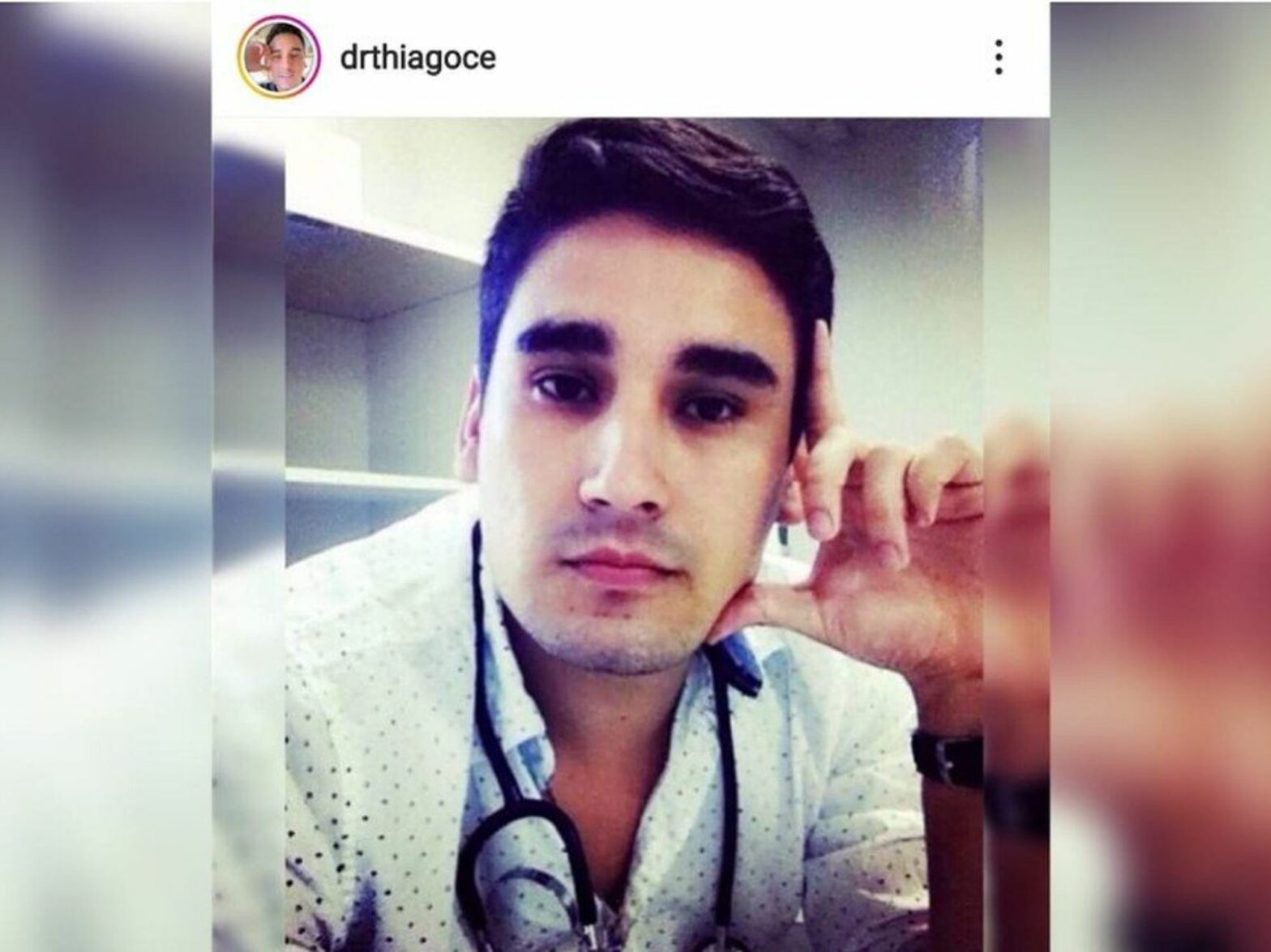
Fear and anger spread in Brazil after a man posing as a doctor was found treating patients. But it raises the question of the dangers of those openly using “alternative medicine.” Who should be regulating these practices?
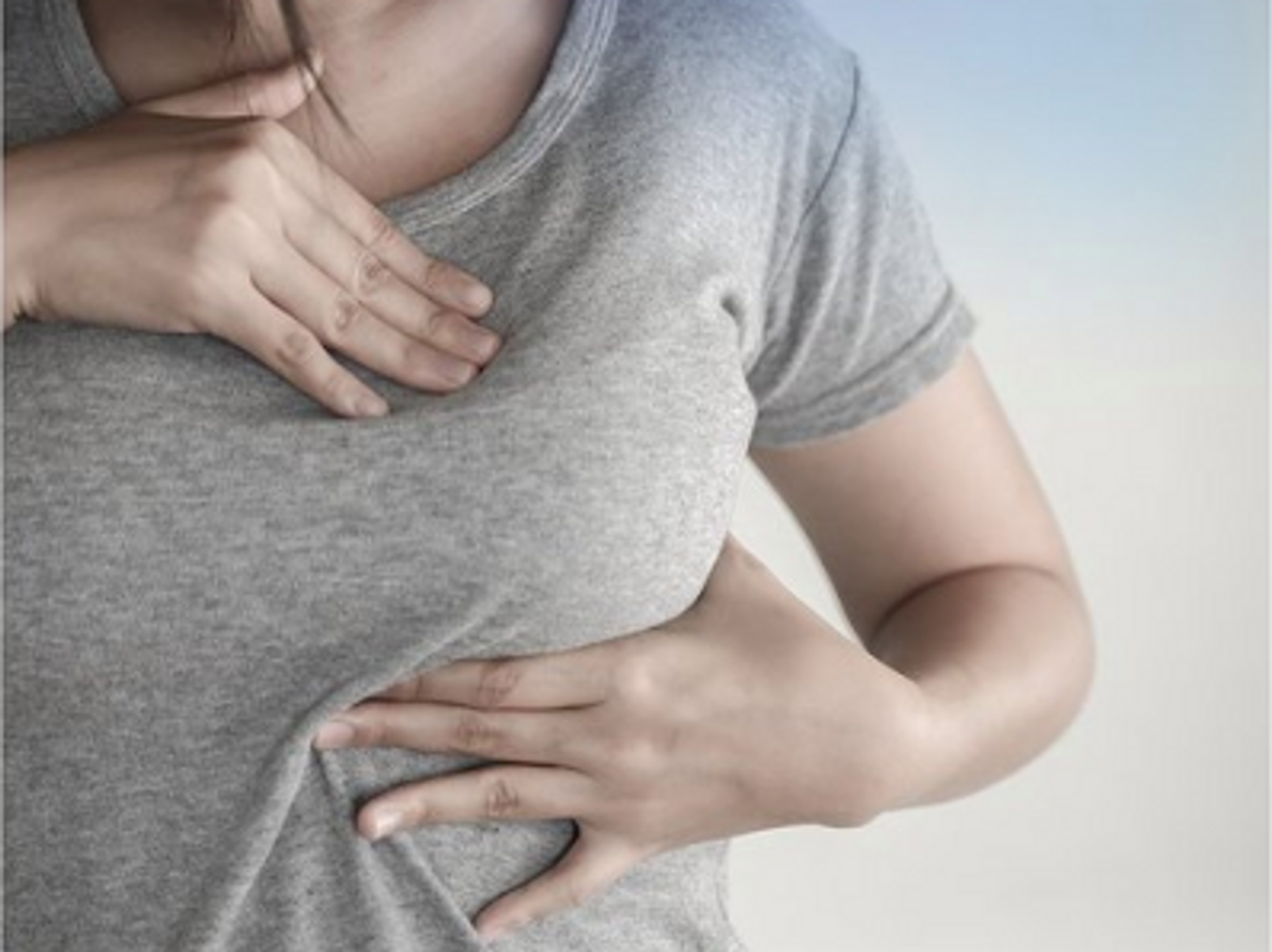
Developed in Krakow, Poland, the new AILIS detection machine relies on artificial intelligence to detect breast cancer in Stage I, well before it is visible with mammograms or ultrasounds. It is set to undergo clinical trials.

Contributing biologically to a child’s creation no longer directly implies parenthood. Surrogacy has shaken up traditional ideas and beliefs about sexuality, reproduction and filiation. The author poses key questions that must be answered to ensure that surrogacy is driven by both science and ethics.

No one knows the true number of coronavirus infections in China, but it could be up to 4 million a day. Experts fear that new variants could emerge undetected that may prove dangerous for the rest of the world. Time is ticking.

Teas, colon cleansing, and even ear candles… the market for alternative detox solutions has never been more lucrative. But as one expert explains, not only are their reported benefits unproven, the treatments can also be dangerous.

The West is insisting on reviving a nuclear pact with Iran. However, this will only postpone the inevitable moment when the regime declares it has a nuclear bomb. The only solution is regime change.
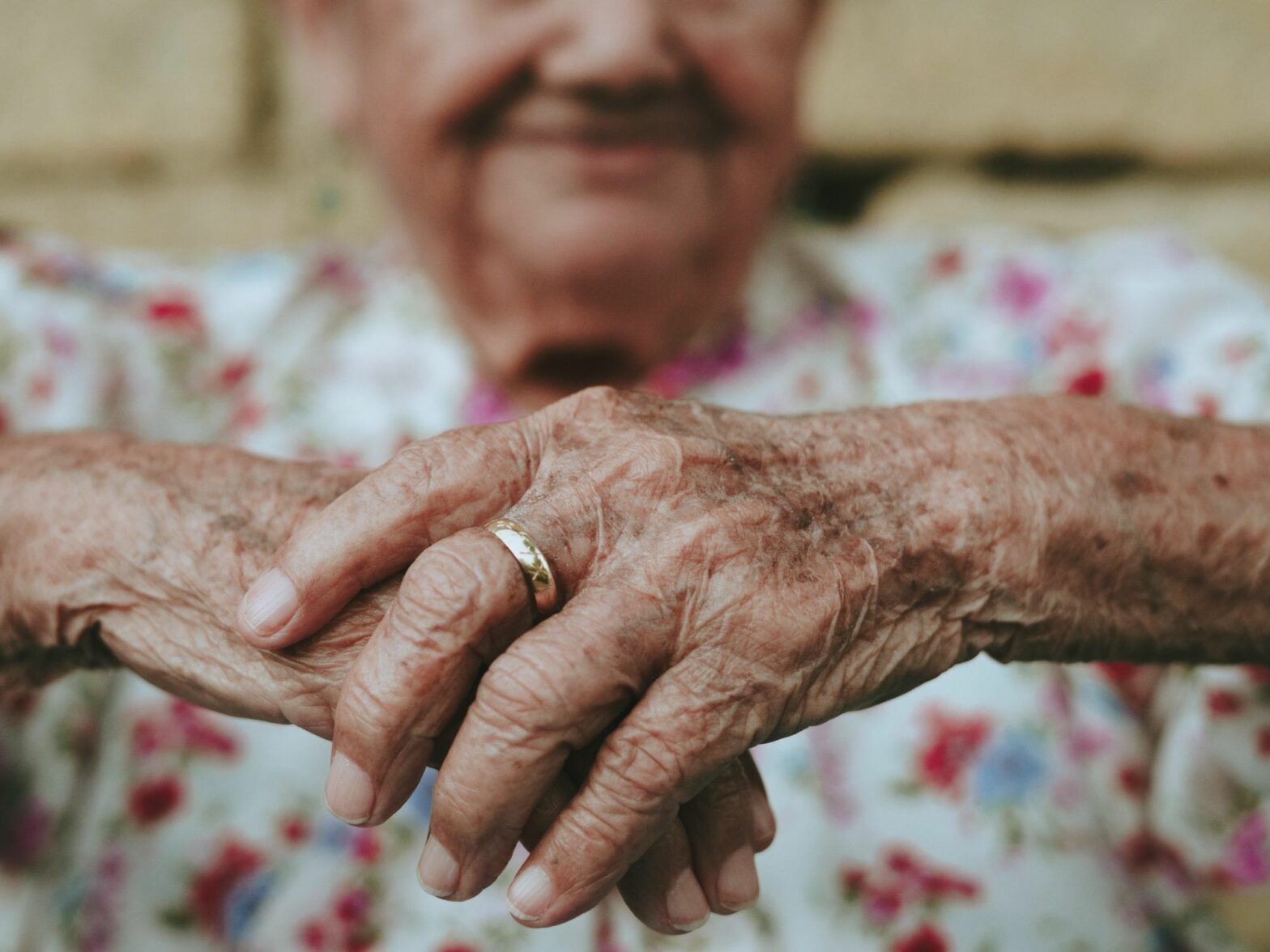
The discovery that earned Japan’s Shinya Yamanaka the 2012 Nobel Prize in Medicine has paved the way for new research proving that aging is a reversible process. Currently just being tested on lab mice, will the cellular reprogramming soon offer eternal youth?
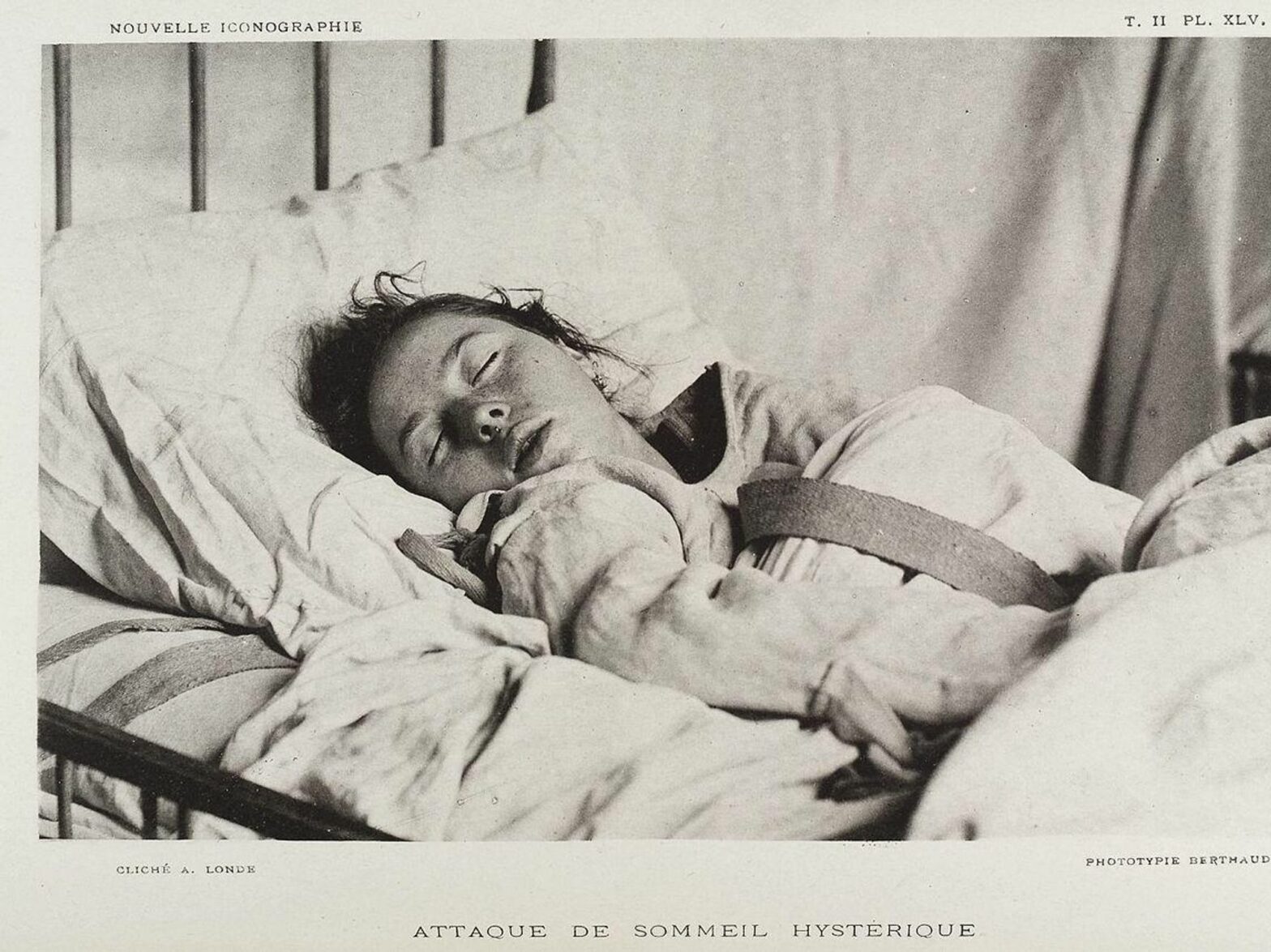
Throughout history, women have been overdiagnosed with mainly psychiatric ailments and syndromes that have already been ruled out, from hysteria to nymphomania. This distorted portrait, which had its golden age in the 19th century, has been questioned in recent decades by the research community.
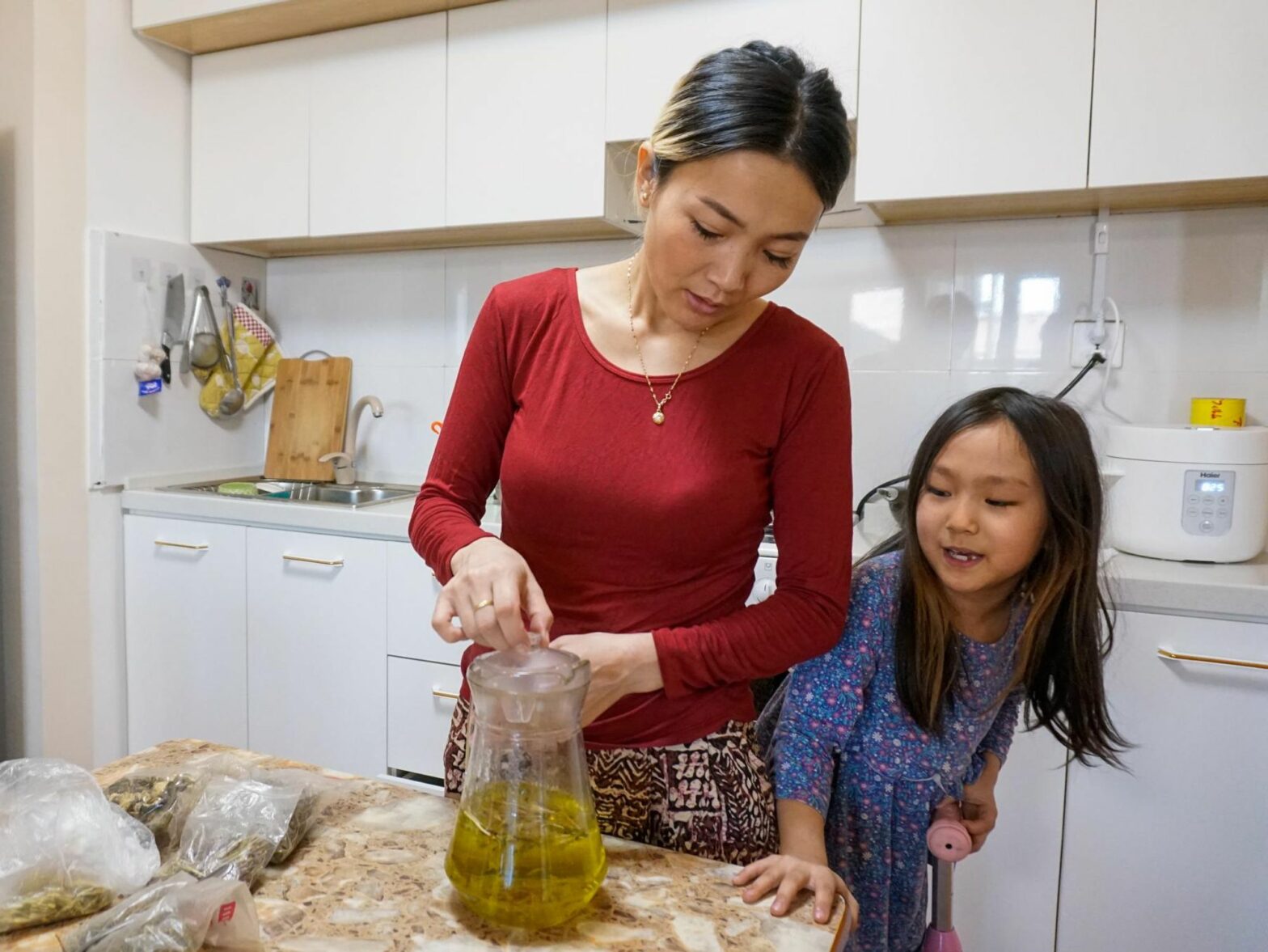
Traditional medicines, once banned, have regained favor. Government and health officials are endorsing them alongside COVID-19 vaccinations.

Ciro was waiting for me at the hospital entrance. He had been told the psychiatrist was coming. “Dottoré, please let me come up with you, I need to see him and tell him I love him.” Two days earlier, he had found his father lying in a pool of blood. He did not understand why […]
Trying to put the “health” in “mental health” …

Trained practitioners warn that unregulated yoga can be detrimental to people’s health. The government in India, where the ancient practice was invented, knows this very well — yet continues to postpone regulation.

“What am I supposed to do with this, Dottoré?”
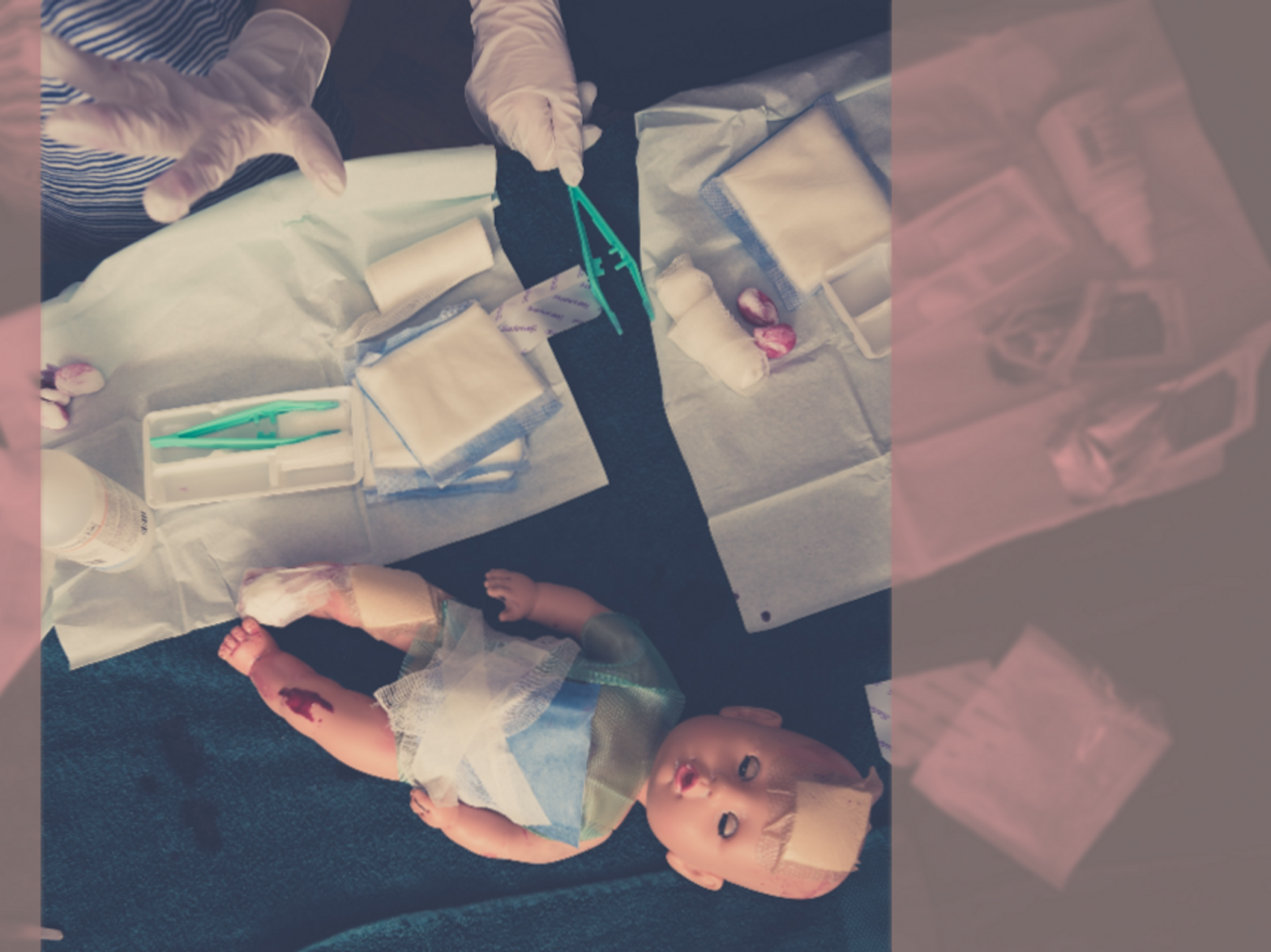
“Mamma, do you know that when I grow up I want to be a surgeon?” “And wouldn’t you like my job instead?” “Mamma, fixing broken heads is impossible. That doesn’t interest me at all!” Elias is 5 years old. He has already understood everything. Learn more about Worldcrunch’s exclusive Dottoré! series here.
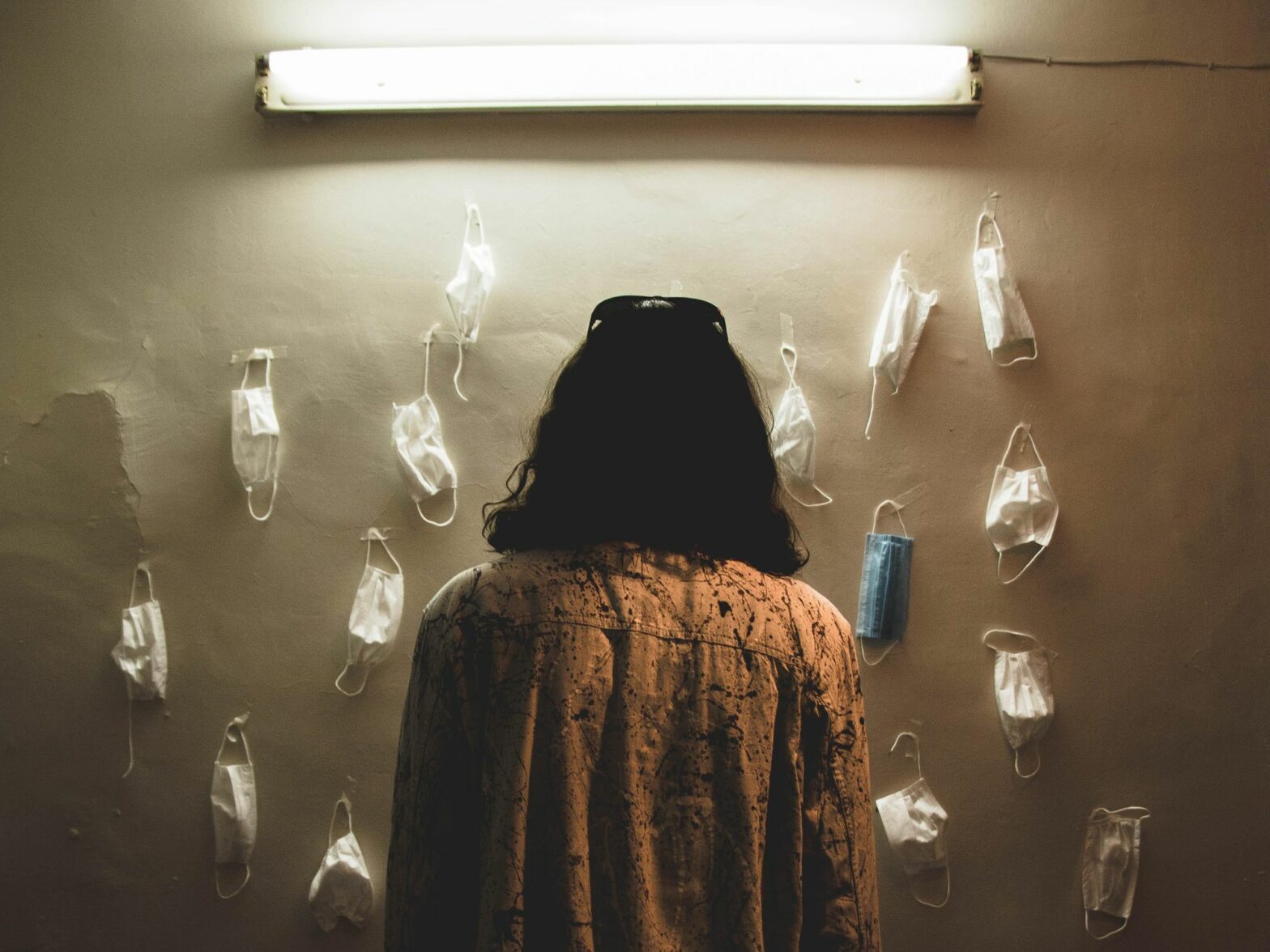
Death rates are down, masks are off, but many who have been infected by COVID have still not recovered. Long COVID continues to be hard to diagnose and treatments are still in the developmental stage.
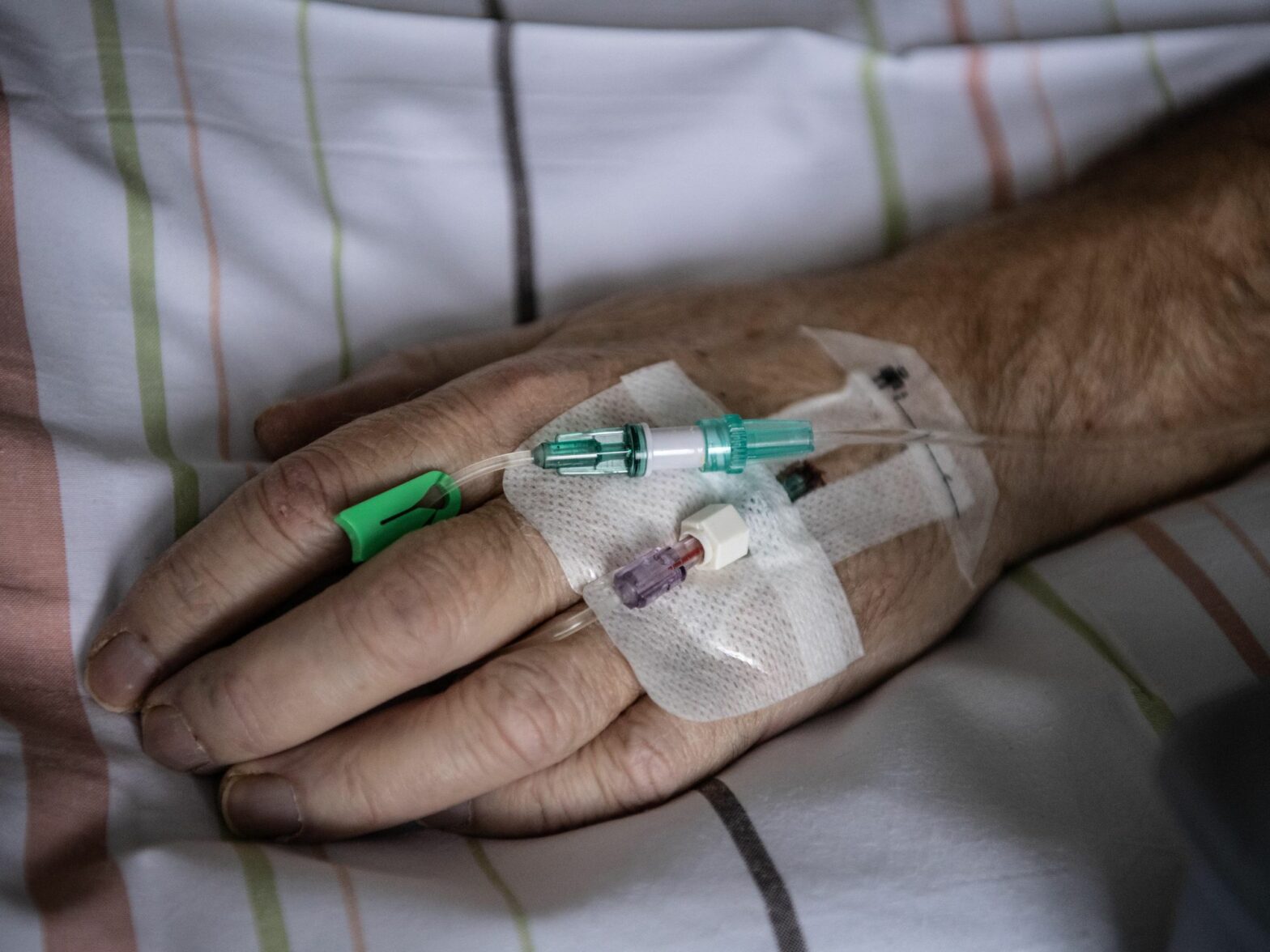
Instead of ending ICU treatment and allowing relatives to say goodbye peacefully, doctors often keep patients alive for too long. The pandemic has forced us to revisit eternal dilemmas and shown that Intensive Care Units are often unprepared to confront tough ethical questions.
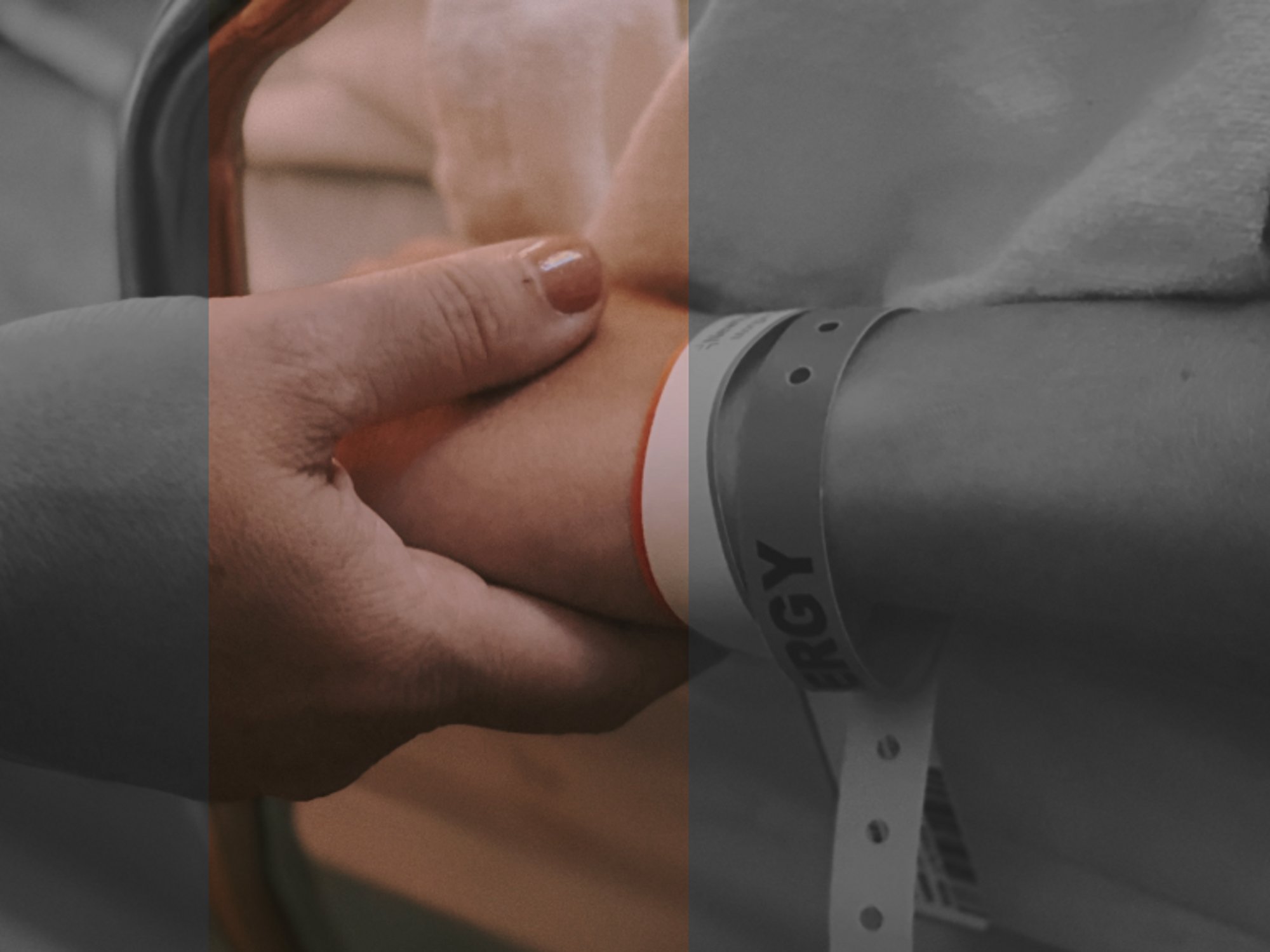
The battle over abortion rights continues around the world, including Italy, where many doctors and nurses refuse to carry out the procedure on religious grounds.
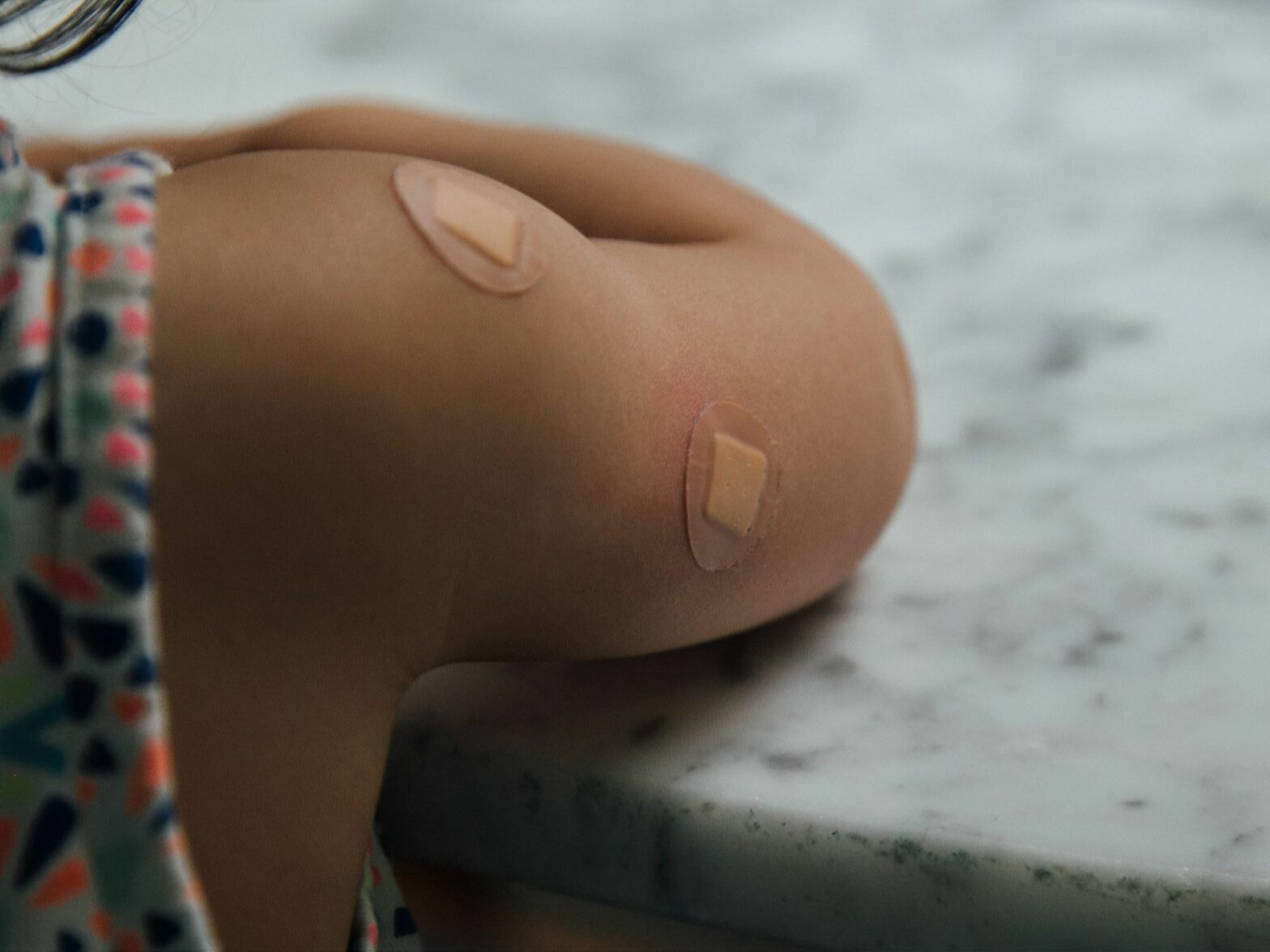
With trials still underway in Europe, and Pfizer awaiting FDA authorization in the U.S. to vaccinate under-5-year-olds, an association in Germany has decided not to wait, connecting parents who want to vaccinate their babies and toddlers with doctors willing to go “off-label” and defy national regulations.
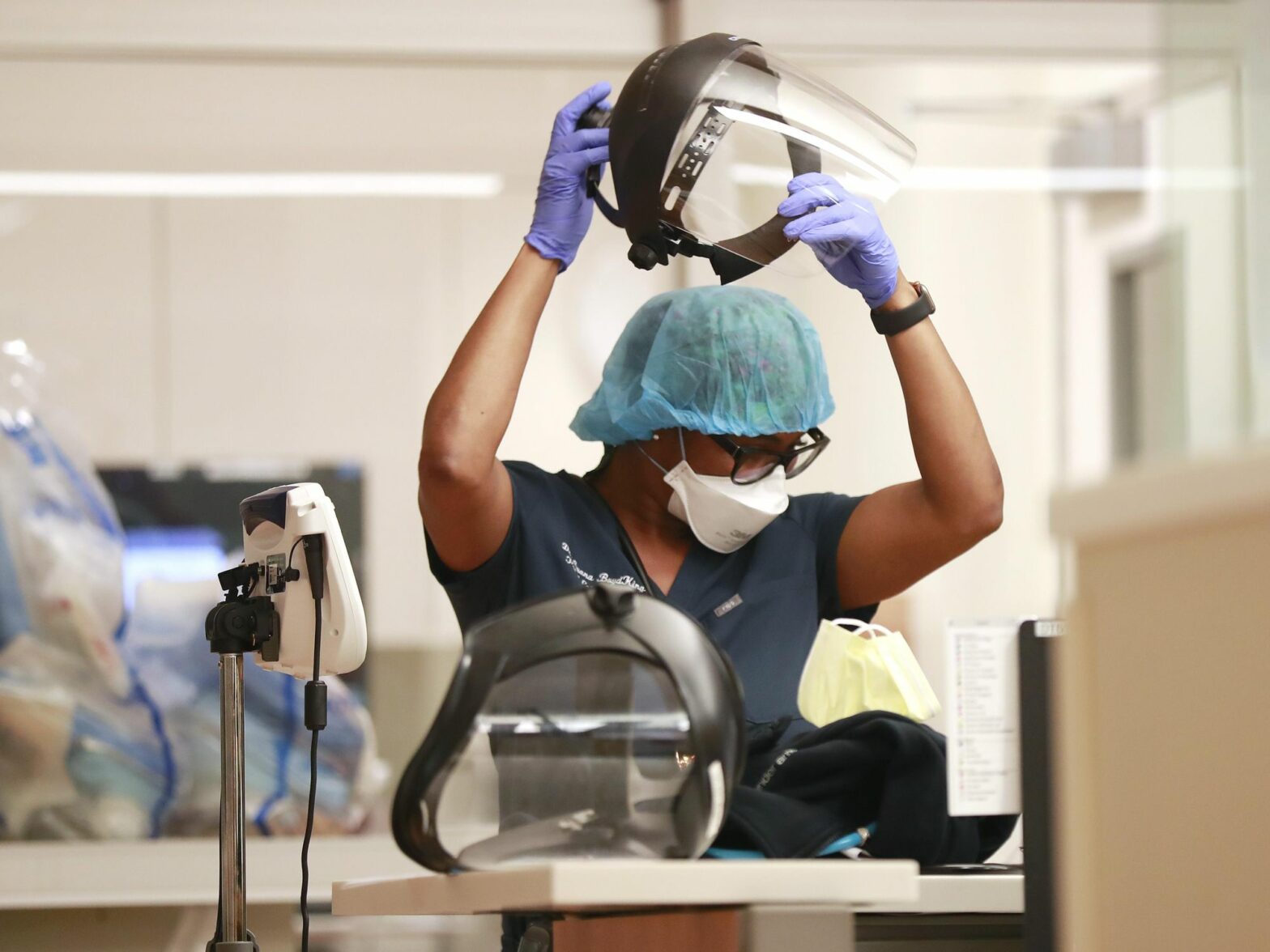
The long toll of the pandemic is the final straw for many burned out healthcare workers in the West. But the Great Resignation in the medical field is global, with developing countries already struggling to contain the pandemic in the face of a doctor brain drain.
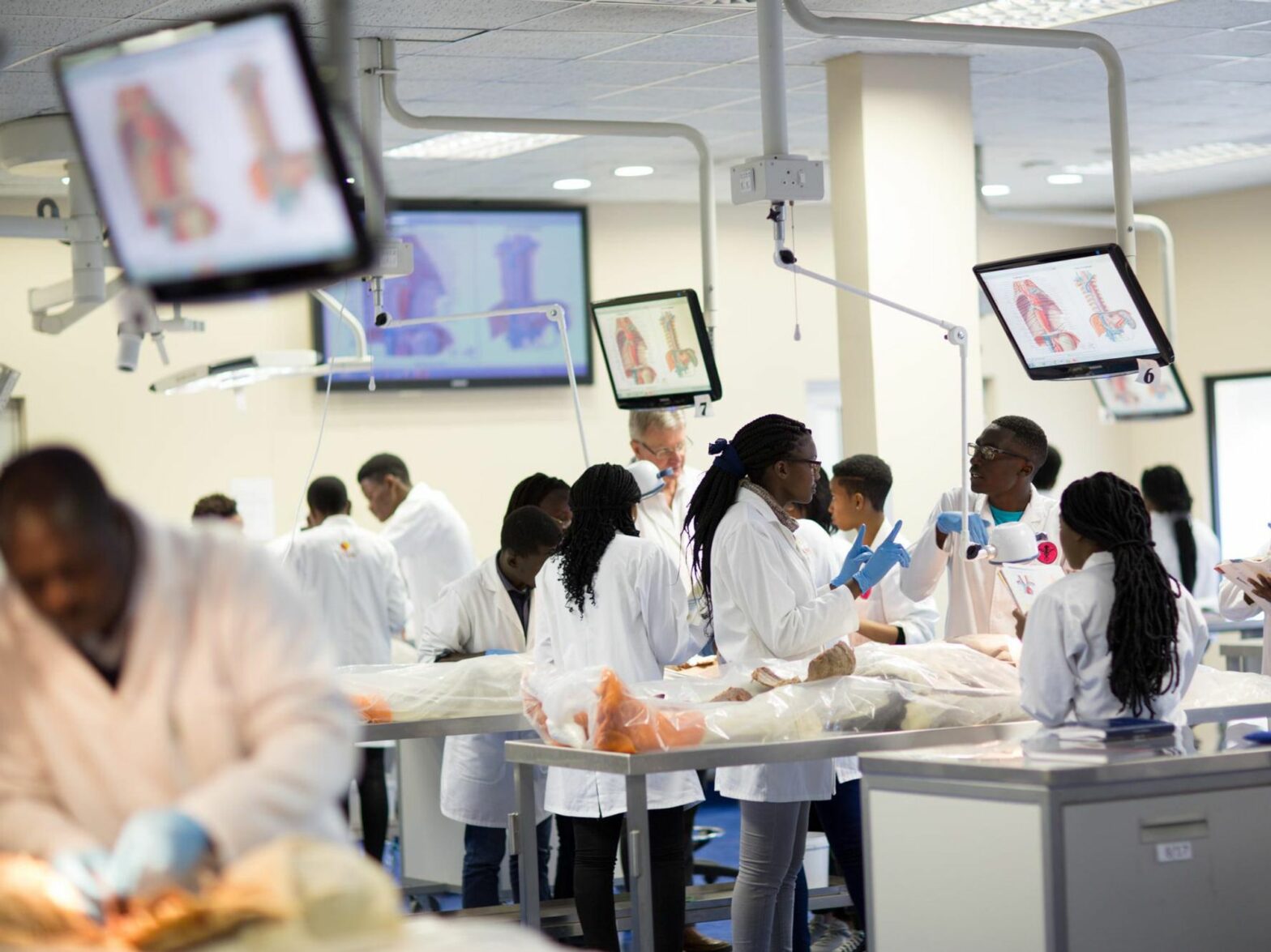
Even as it celebrates this year’s literature prize going to Tanzanian author Abdulrazak Gurnah, Africa is again completely absent from the list of Nobel winners in science. In research as elsewhere, money is the key.