Why do the autocrats of this first quarter of the 21st century from Donald Trump to Jair Bolsonaro hate women so much? It may have something to do with the role of female activism in strengthening and expanding democracy.

 Worldcrunch
Why do the autocrats of this first quarter of the 21st century from Donald Trump to Jair Bolsonaro hate women so much? It may have something to do with the role of female activism in strengthening and expanding democracy.
A writer revisits his own machismo as the discourse between the genders evolves.
Crime would plummet, billions would be saved, and society could redirect resources toward care, education, and health instead of managing the costs of male violence.
Action movies or comedies for very masculine men, which are far away from the “woke dictatorship,” actually show guys in crisis who are constantly getting corrected by their daughters or female equivalents and are always scared of being replaced by younger versions of themselves.
Leave policies for new fathers differ widely around the world — and some men still worry they’ll be perceived as less masculine if they take time off after having a kid. But change iis coming, and in some places where you might not expect.
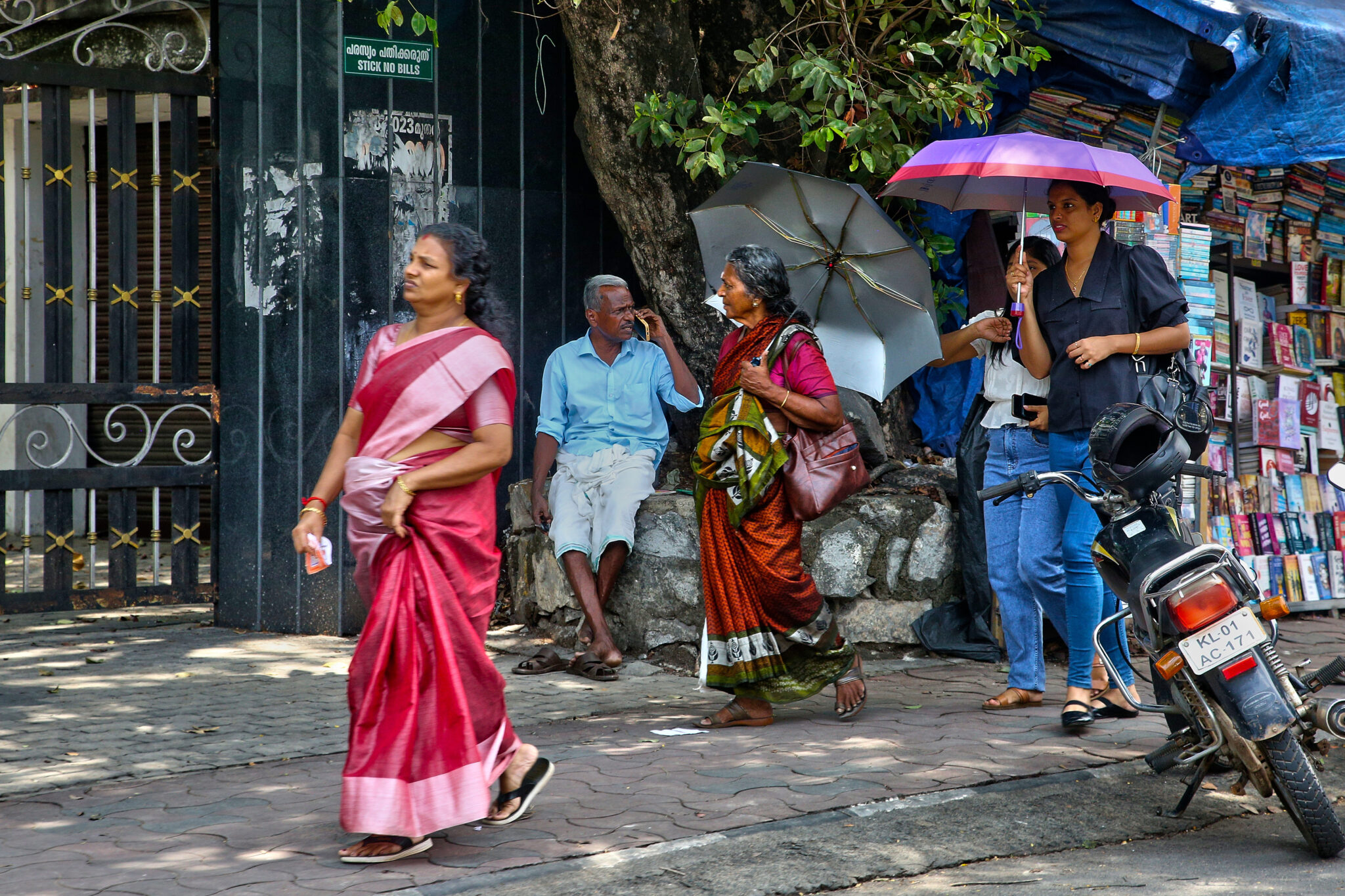
In Gurgaon this month, a professional tennis player was slain by her own father after neighbors jeered, “The house runs on your daughter’s money,” exposing how community shame can turn deadly when masculinity is tied to income earning.

From unpaid caregiving and beauty routines to the hidden burden of emotional support, some women are starting to demand compensation for the work they do in relationships — work that often benefits men for a lifetime.
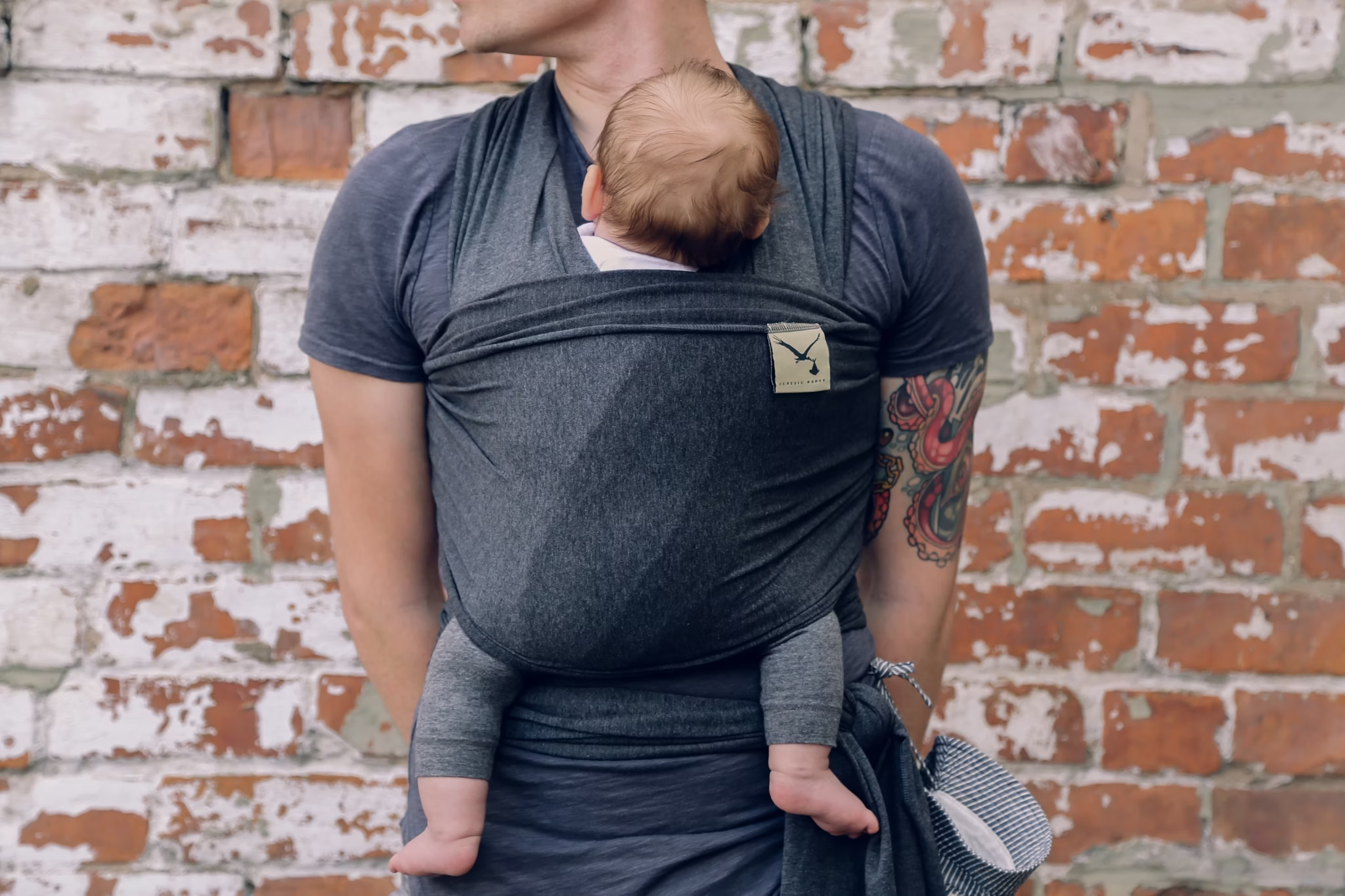
Caregiving is still culturally framed as exceptional when done by men, even though true gender equality requires it to be routine — not praised, but expected. Despite growing awareness, women still shoulder the majority of care work, and shifting this imbalance means redefining care as a shared human responsibility, not a gendered role.

Long seen as a gesture of male camaraderie, the humble back pat may hold unexpected power. Why women should start doing it too, and how it could reshape success in the workplace.
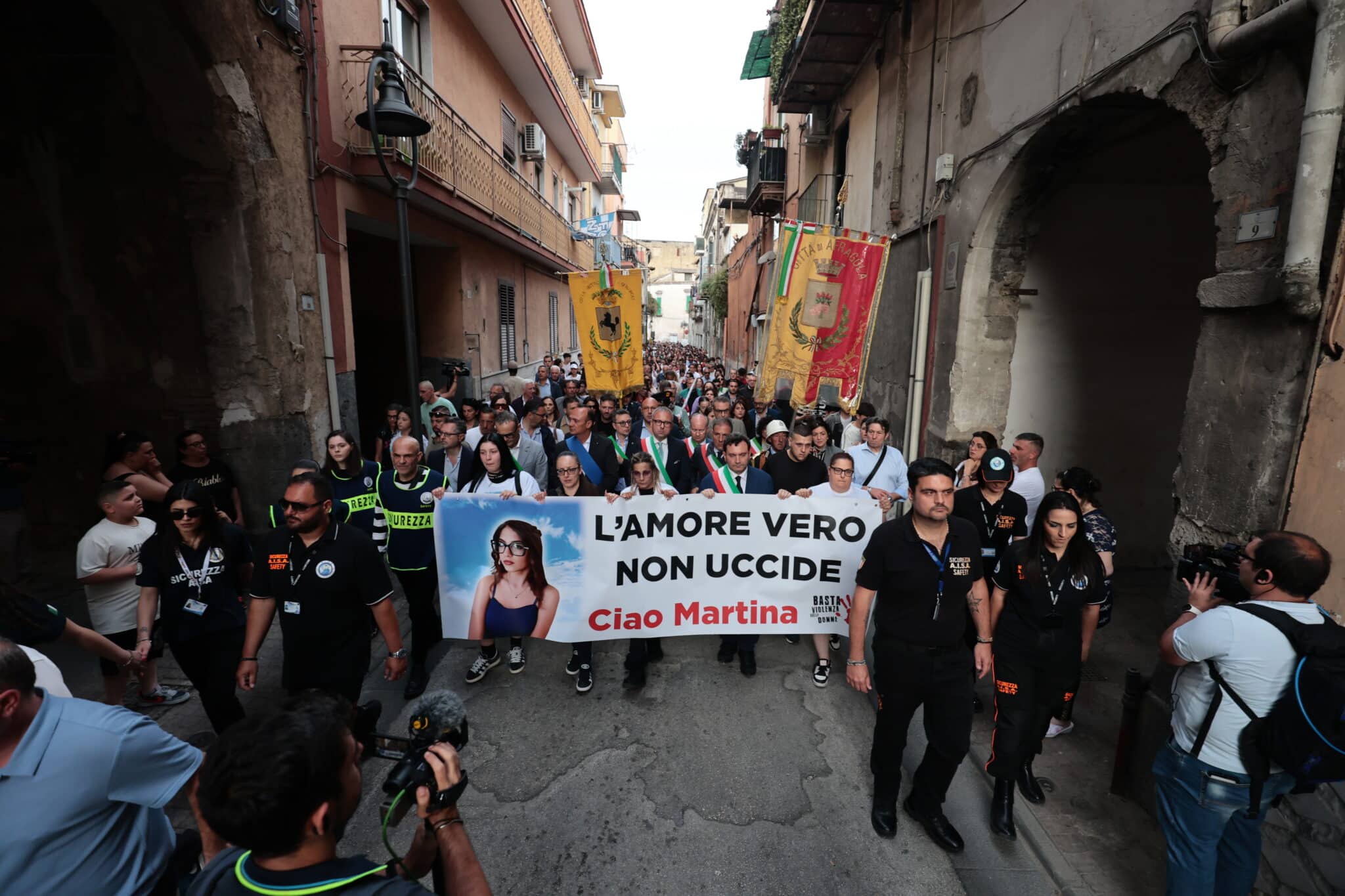
The murder of an 14-year-old girl in Italy by her ex-boyfriend has sparked reflection on how patterns of control and possession, long associated with adult relationships, are now increasingly present among adolescents.
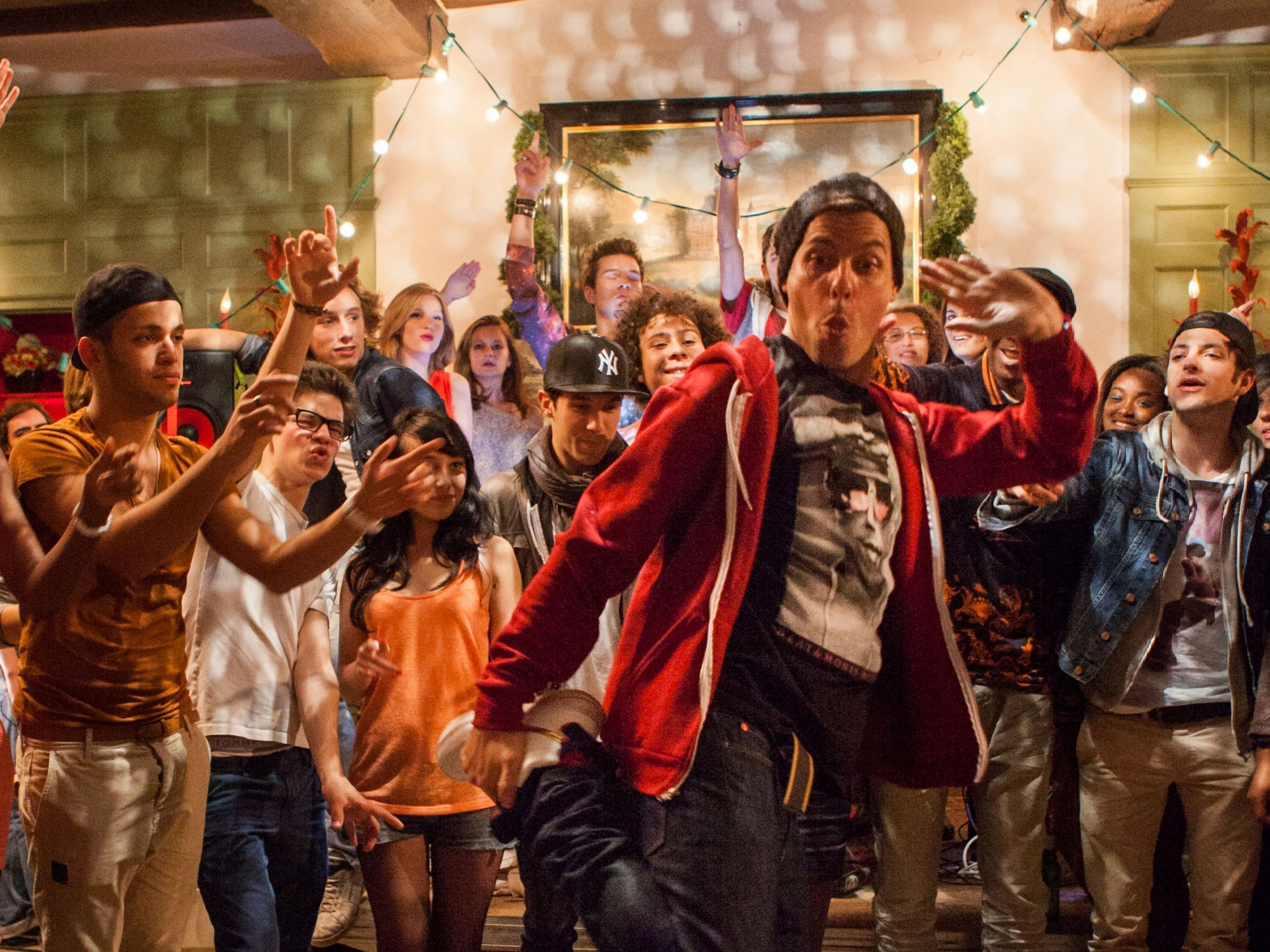
Those obsessed with wanting to stay young, free and wild can be embarrassing at best. There’s something basic about life that they’re missing.
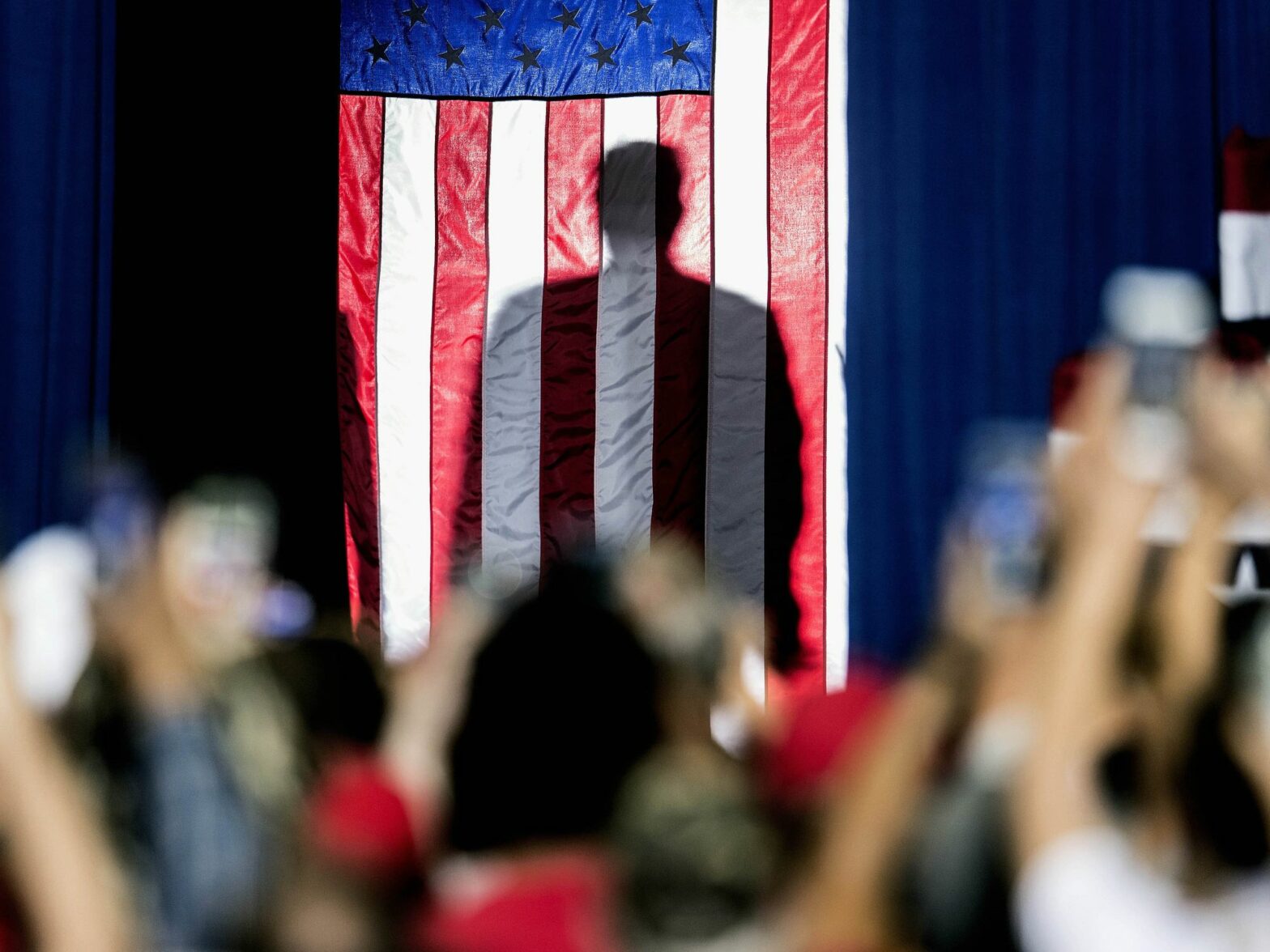
Opponents and former supporters are issuing urgent warnings about Donald Trump, saying he is a fascist. But is he really a new Mussolini or Hitler? What should we be looking for in the months to come? Christian Staas of Germany’s Die Zeit asks historians on both sides of the Atlantic.
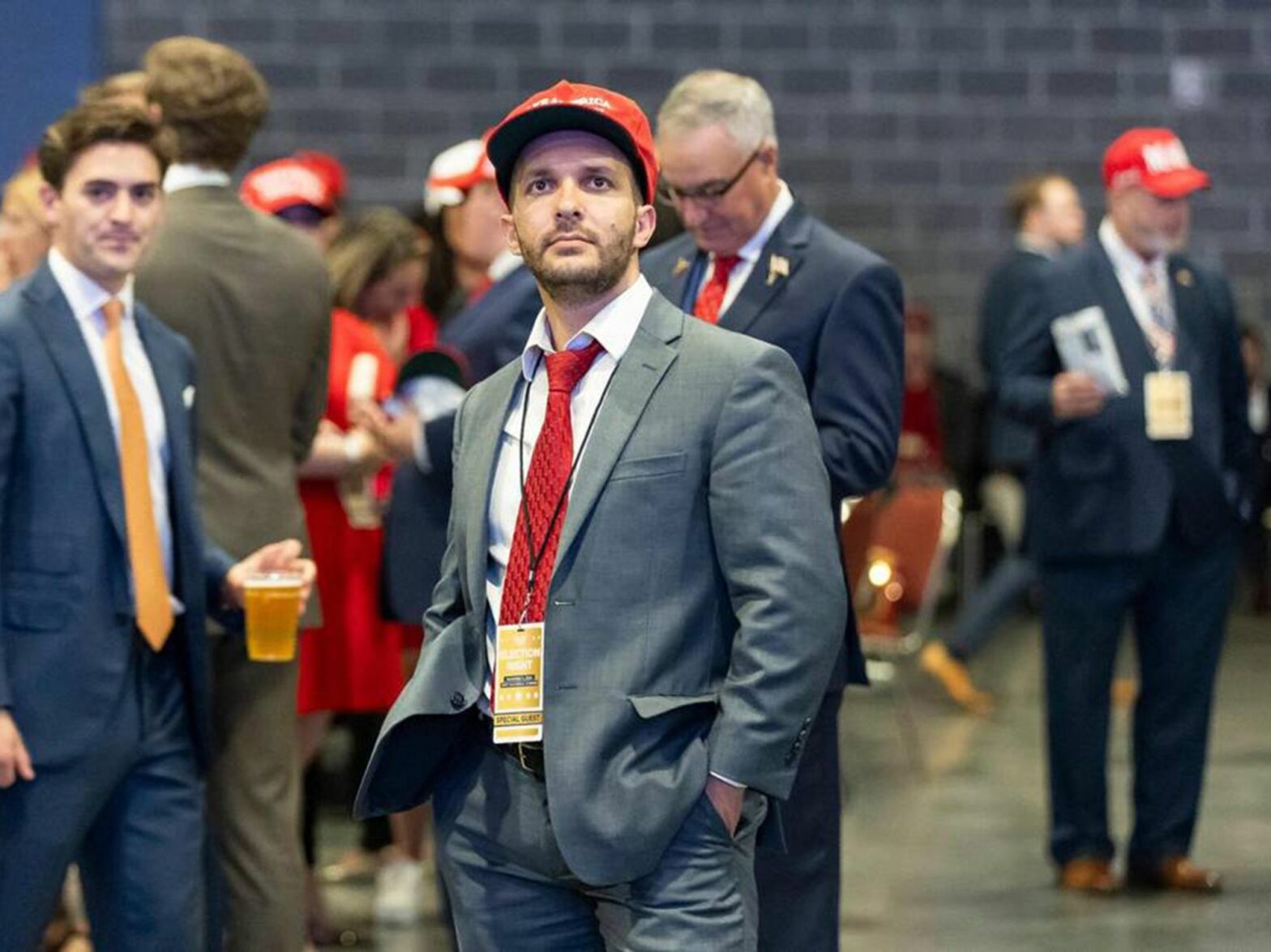
Donald Trump set out to win over young, disengaged heterosexual men as a core constituency. And he succeeded. As he embarks on a second mandate, German journalist Alice Hasters asks what it means for the #MeToo movement.
Being aware of our own vulnerabilities is not a sign of weakness — it’s what makes us human. But as Ignacio Pereyra writes, reflecting on his own experience as a man and a father, there’s still a fairly long way to go before the “club of men” understands the value of opening up about their fears.
It is not not gray-haired men who feel uncomfortable with feminism, but rather Gen Z boys. So what is causing young men, witnesses of #MeToo, to take sides against feminism?
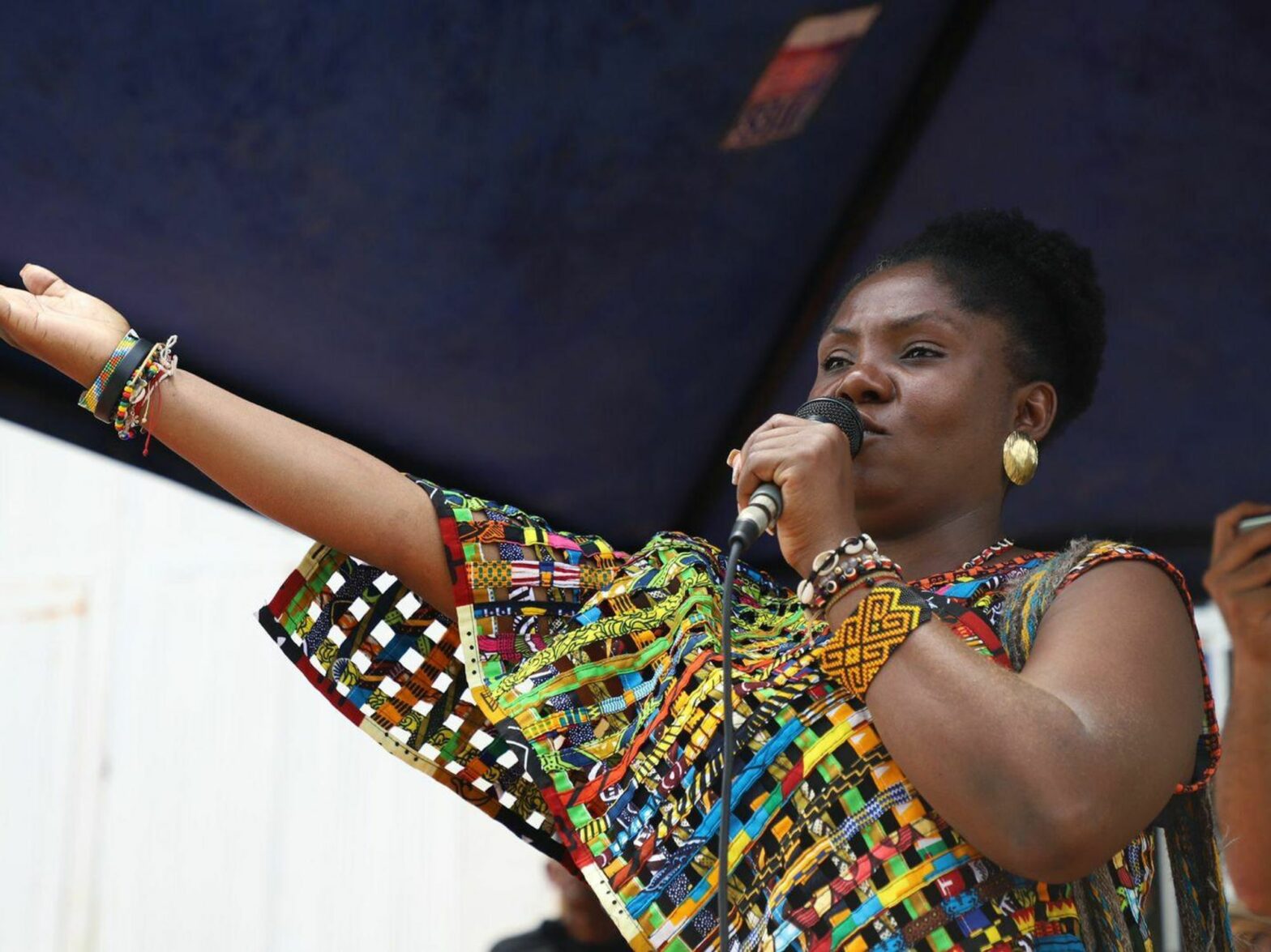
Politics has always been associated with image. This is especially true in Latin America, where white men in suits have dominated the field for years. But a new generation of women are shaking up politics — as well as how female politicians are expected to dress.
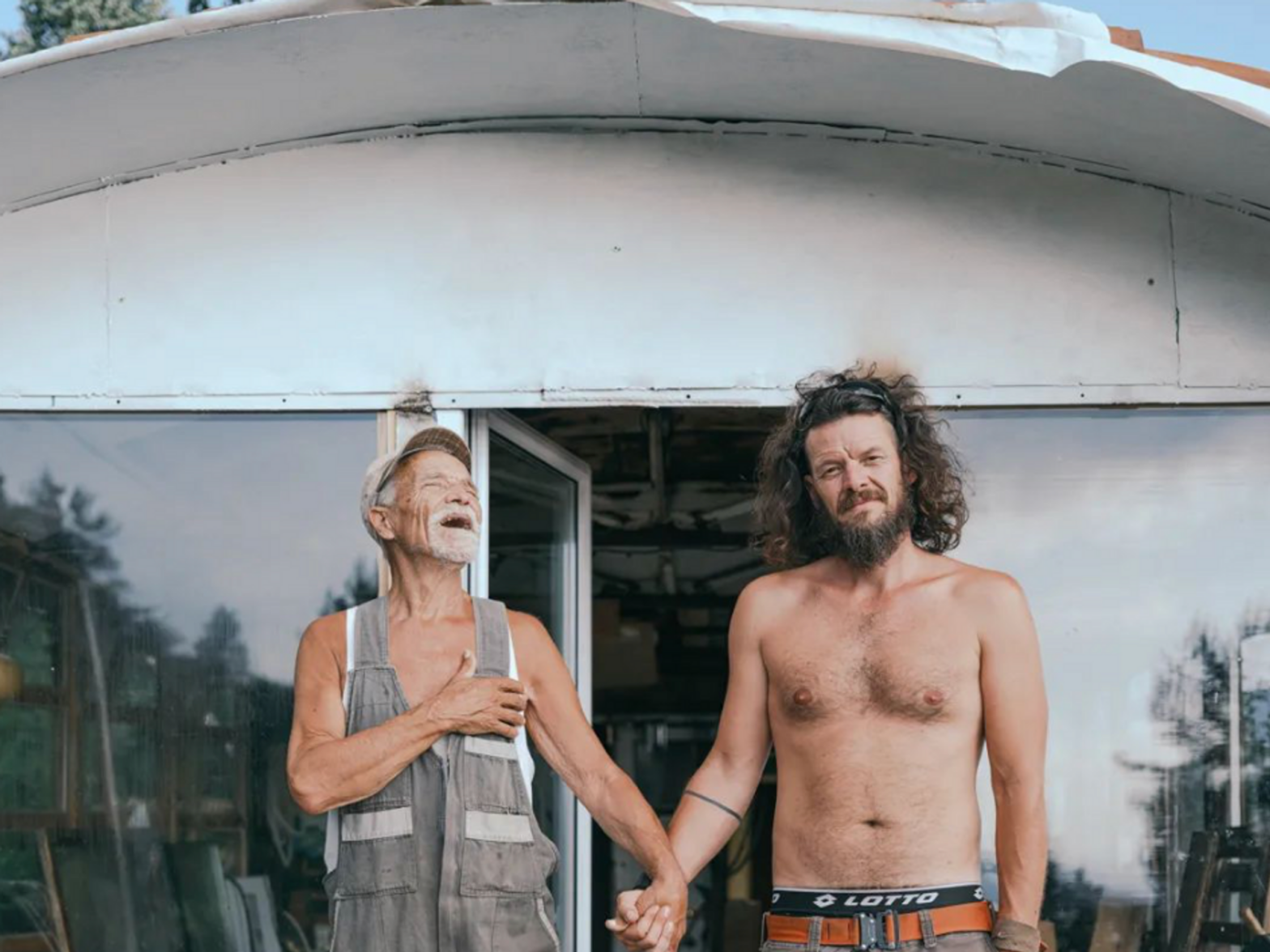
Fathers are not usually home alone for weeks with their children. As Argentine journalist Ignacio Pereyra reflects on his own experience, and what he gained from it, he also asks himself what it takes for a society to recognize how much becoming a parent can change a person.
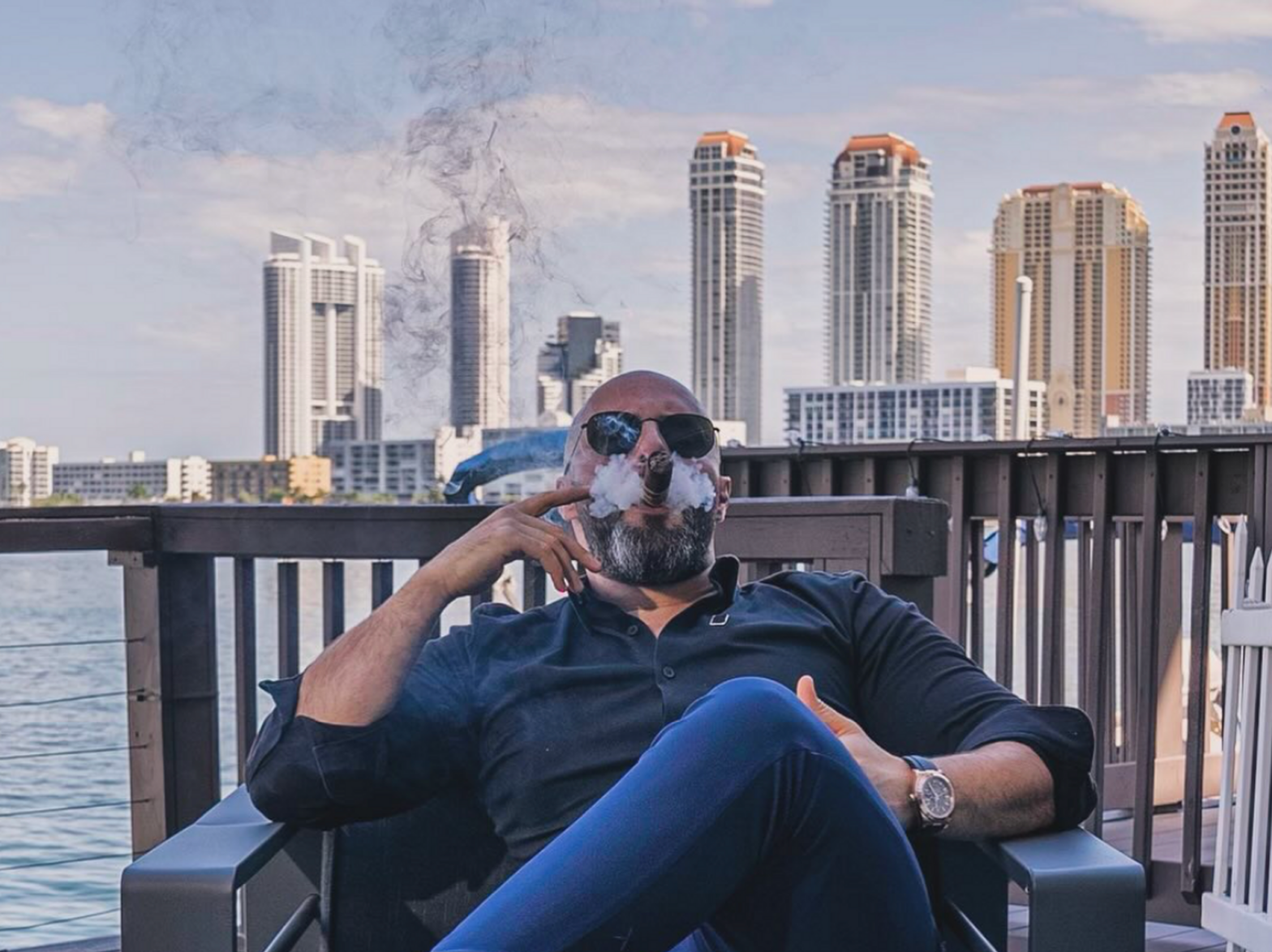
This phenomenon appeared late on the Arabic-speaking internet. It began with the translation of Andrew Tate’s videos into Arabic, some began copying his appearance, as the Miami-based Jordanian Jalal Abu Muwais does.
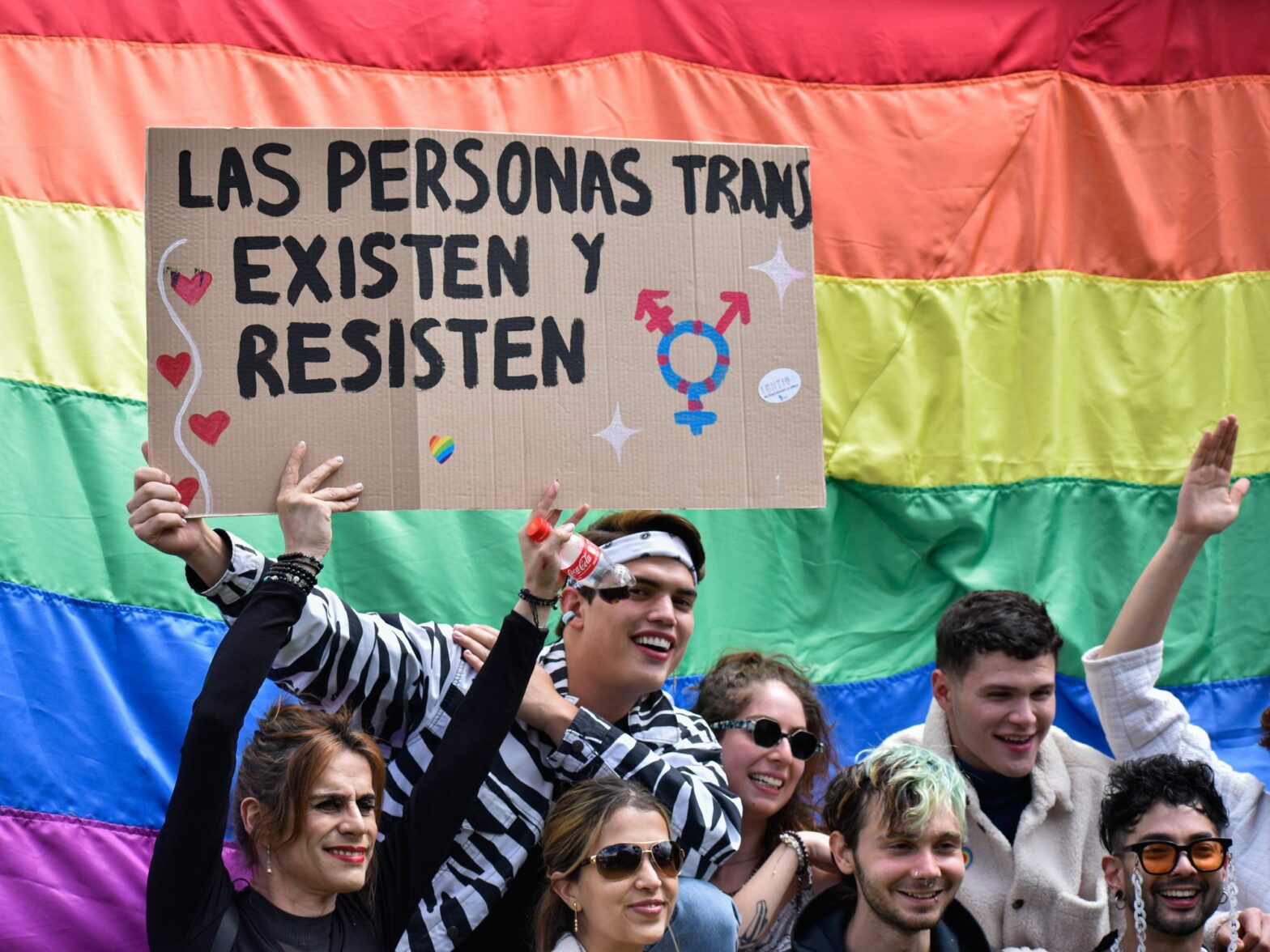
For the Colombian trans activist Álex Rodríguez Pineda, there is no single way to be a person with trans life experience; our gender identities and our bodies are in constant construction. He speaks with Colombian daily El Espectador about masculinity and trans activism.
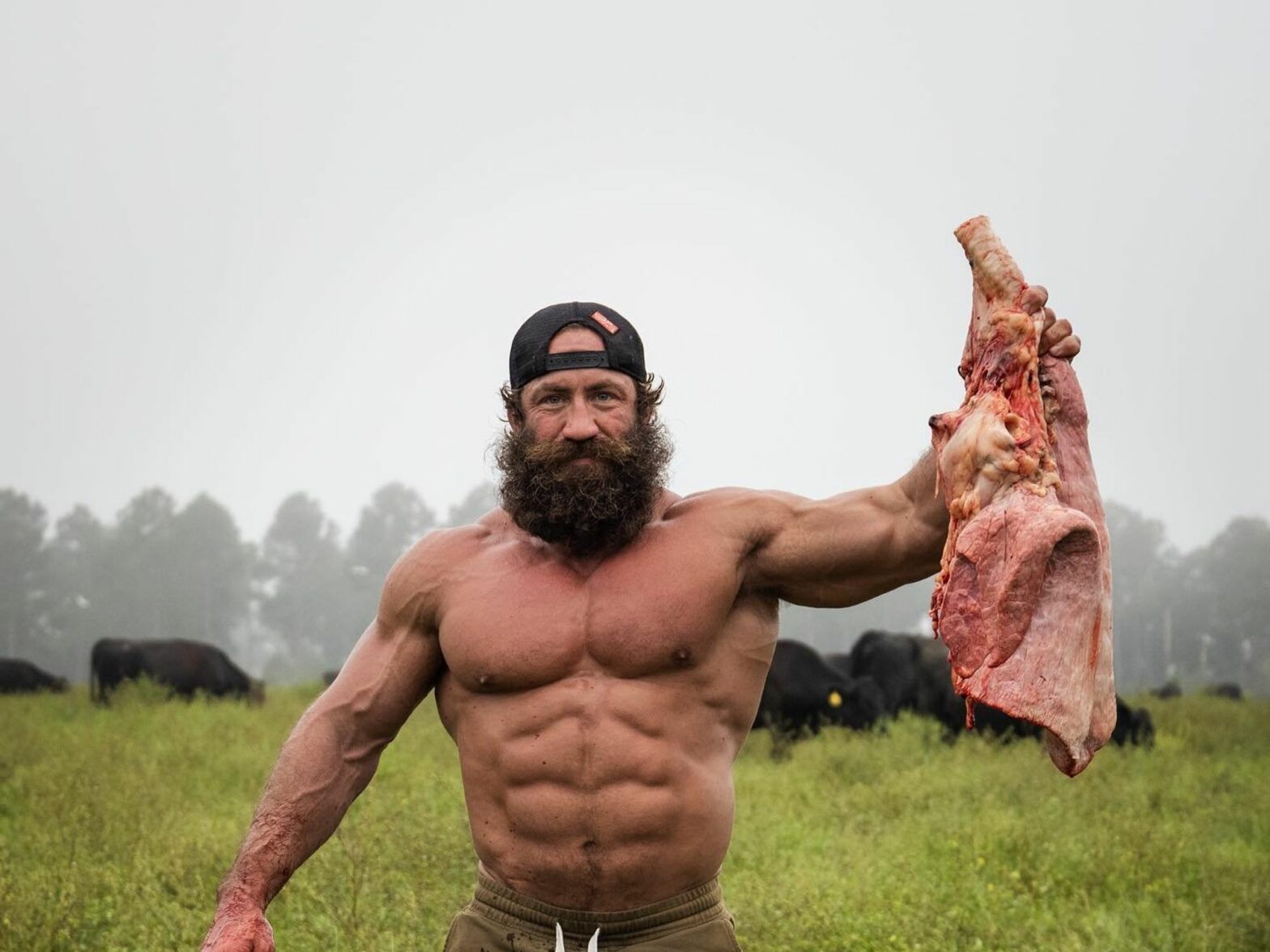
“Meatfluencers” are telling their followers to eat a carnivorous diet — ideally including raw liver and animal testicles — to cure so-called “diseases of civilization.” Yet even the Roman legionaries and German soldiers they hold up as examples of masculinity might have had something to say about that.
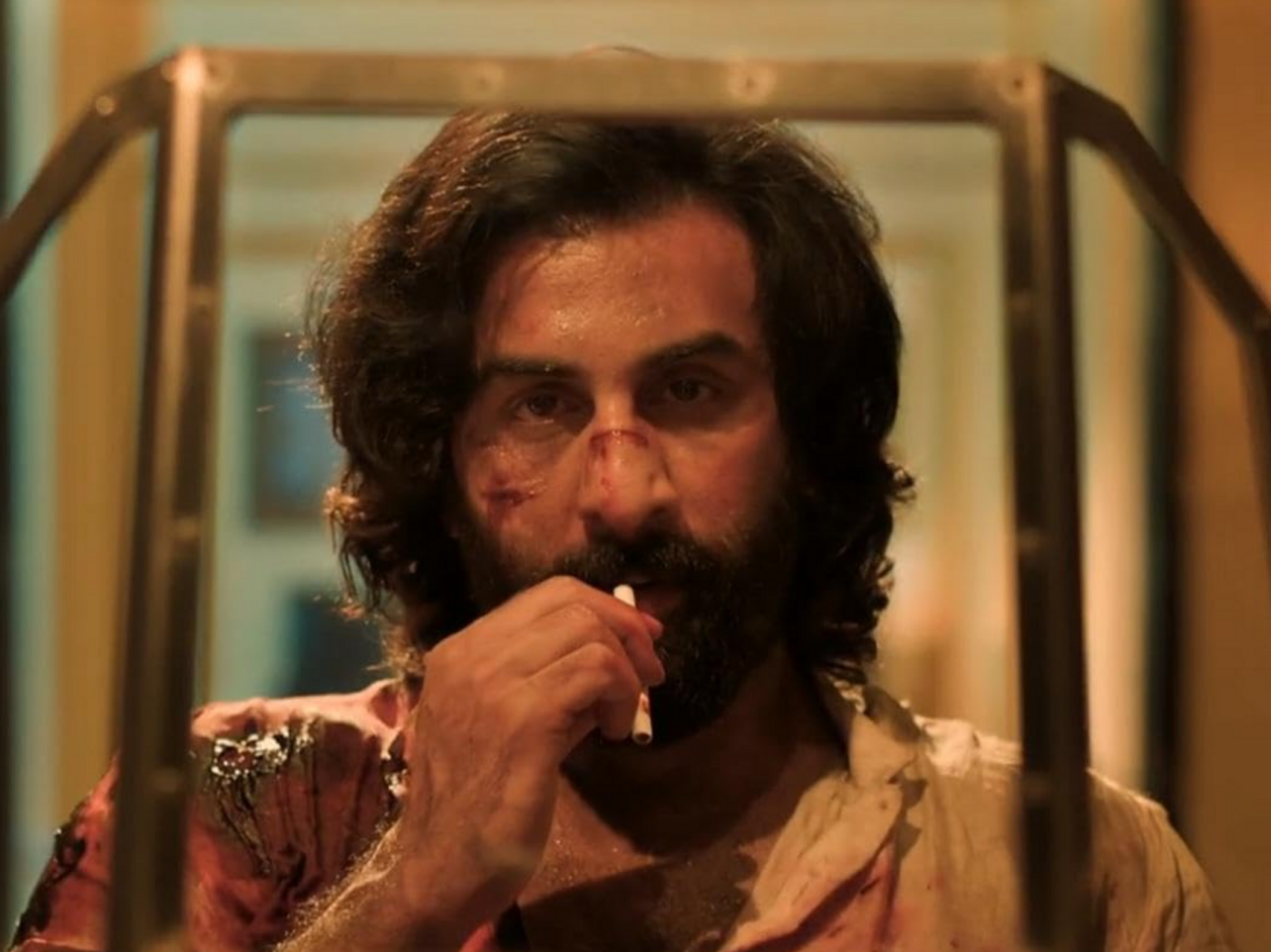
The violence and anger depicted in films, such as RRR, Pushpa, Kabir Singh, or Animal, prompt contemplation on the underlying reasons for the increasing appeal of such violently toxic masculine representations in Indian cinema.
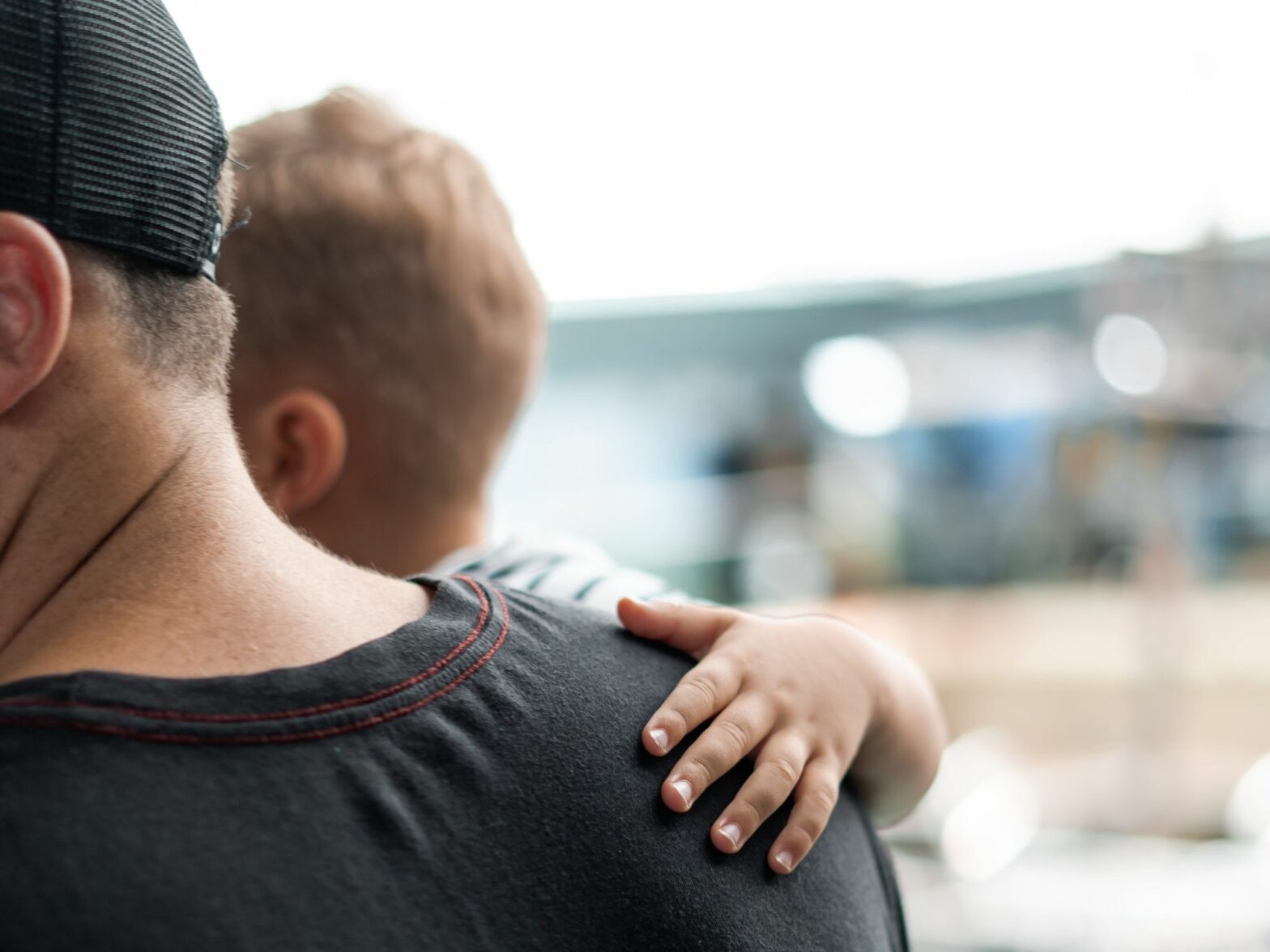
In fatherhood, like in life in general, reality often surpasses our expectations, writes Argentine journalist Ignacio Pereyra. Whenever we have a feeling that we know what is going to happen, life proves us wrong — often for better.

An increasing number of male teens and young adults who’ve experienced feelings of rejection wind up in what’s been dubbed the “incelosphere,” a place where they can find mutual understanding in a world they think is against them. Two women Polish journalists spent two years on the online servers these “beta males” are flocking to in ever greater numbers.

Just like ideas about racial theory, the notion of seeking purebred dogs is a relatively recent human invention. This animal eugenics project came from a fantasy of recreating a glorious past and has done irreparable harm to canines.
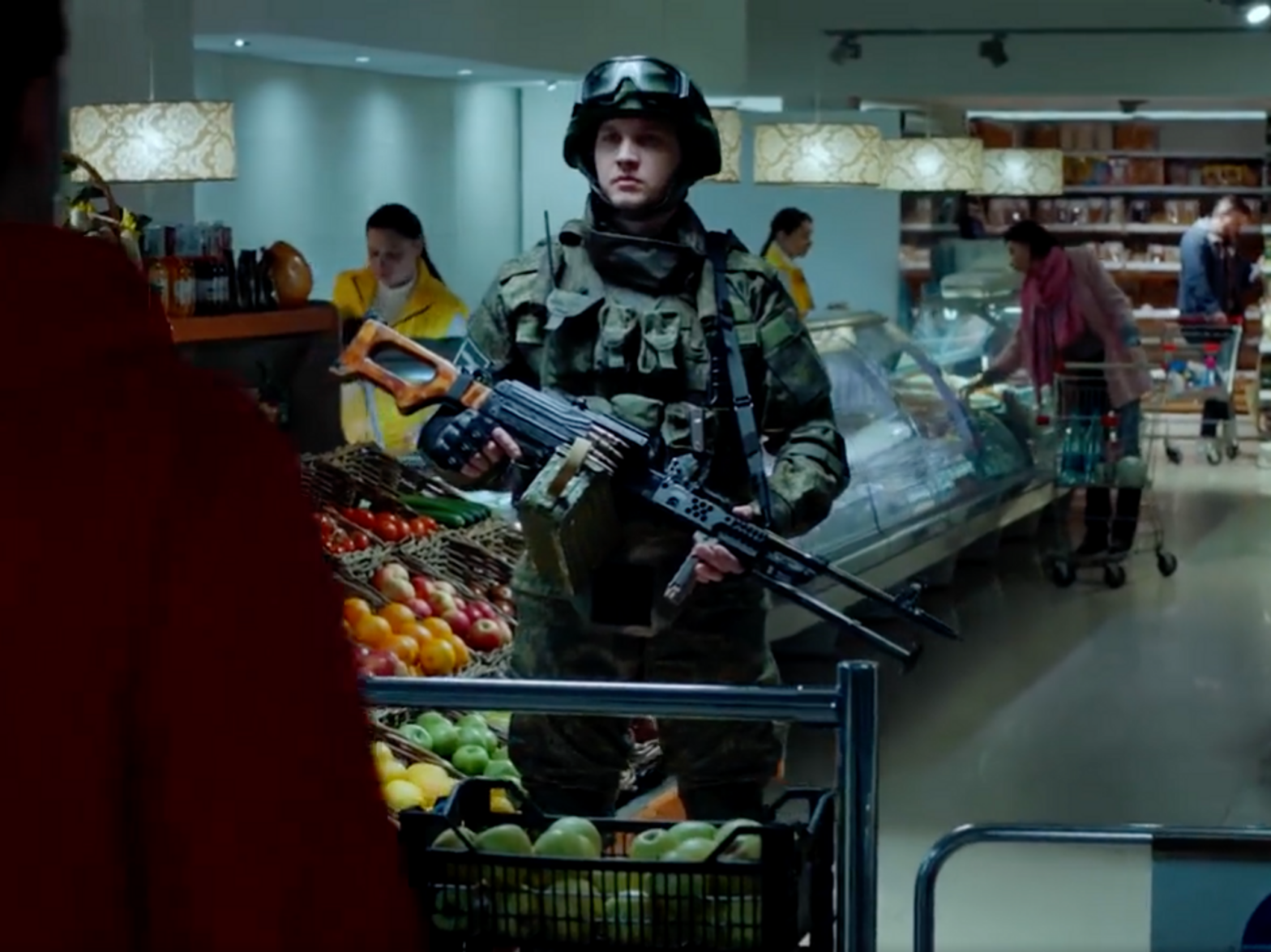
Suffering heavy losses, the Russian army is undertaking an intensive recruitment drive. We take a look at the heavy-handed adverts and offers that encourage men to go to war.
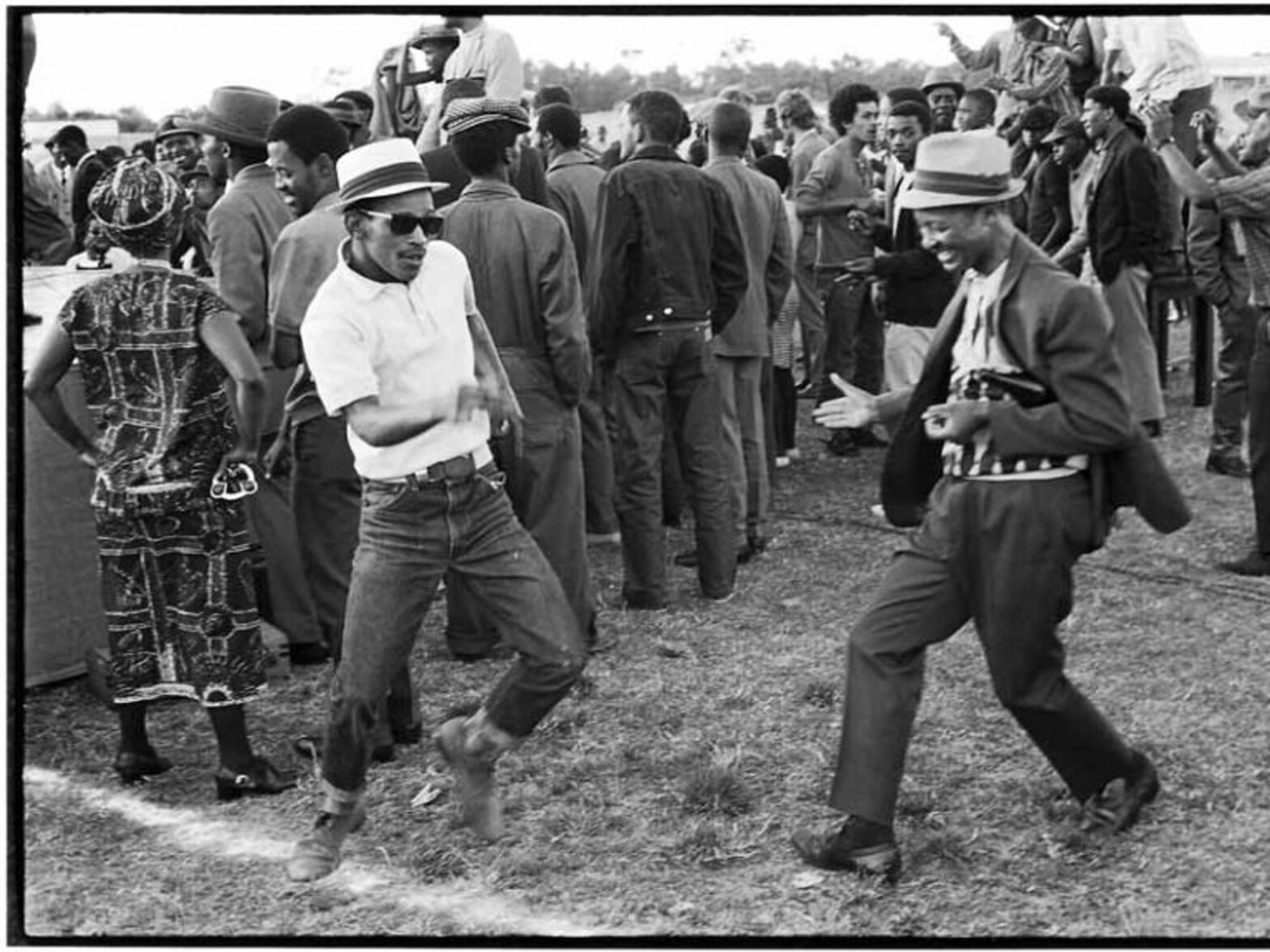
Why do we get so embarrassed about dancing? A fleeting thing that happened to me when I was younger haunts me more than I thought it would.
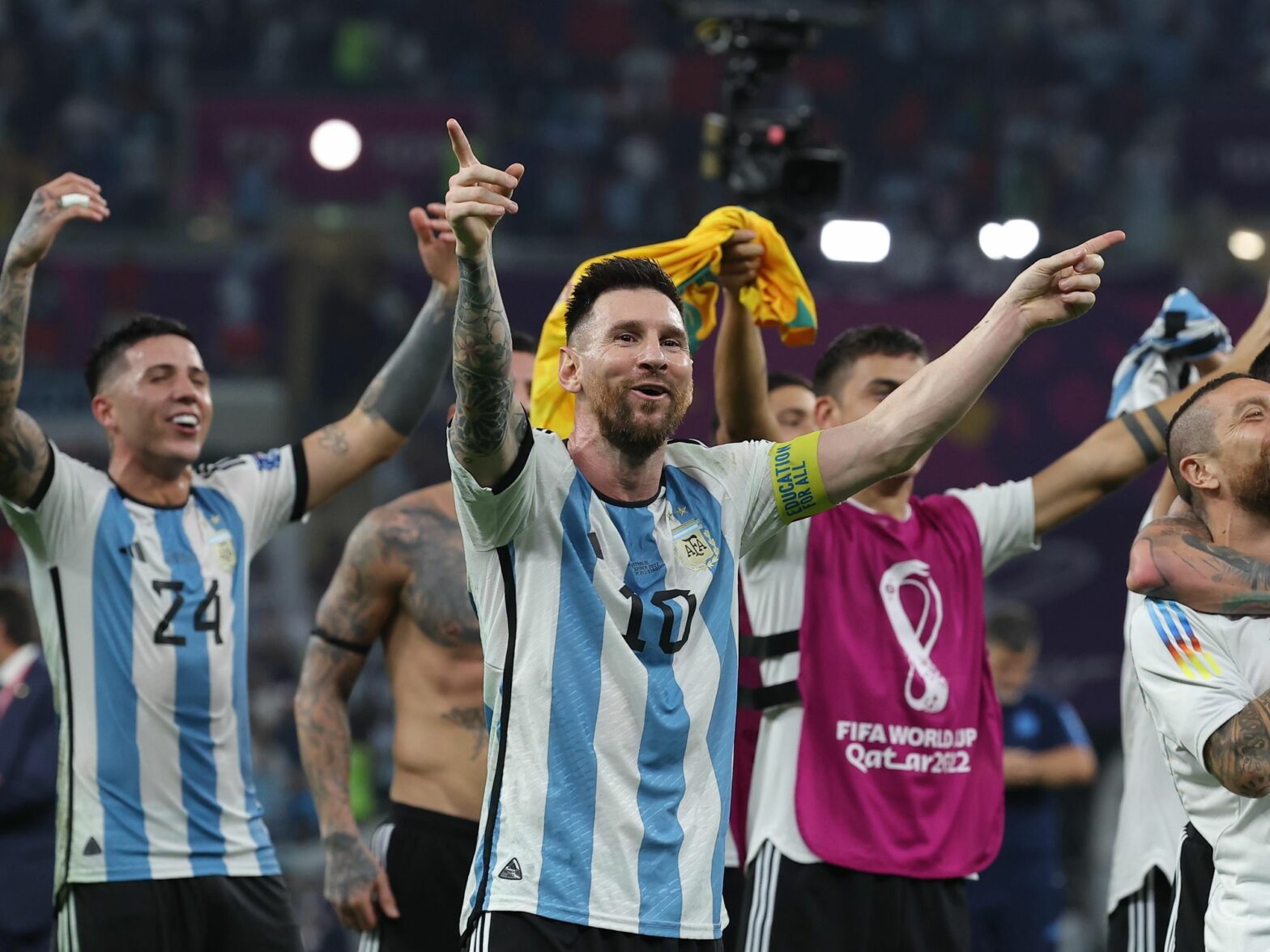
This is the Argentine author’s fourth world cup abroad, but his first as the father of two young boys.
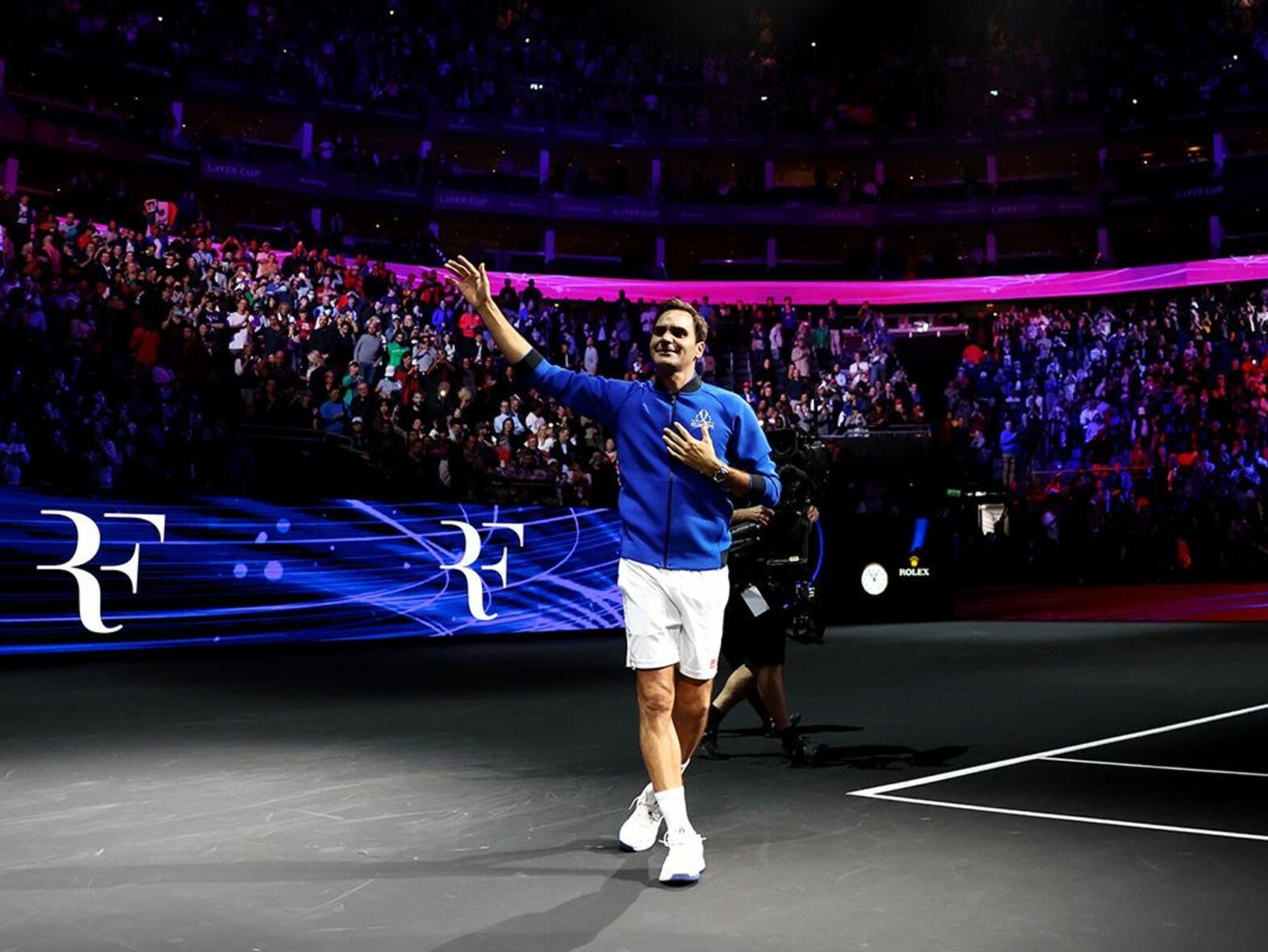
The picture of the two tennis stars holding hands and crying has already become iconic. Is there a risk that we are glorifying the gesture of two privileged, heterosexual, white men? Or can it also show a way forward for men to show vulnerability?
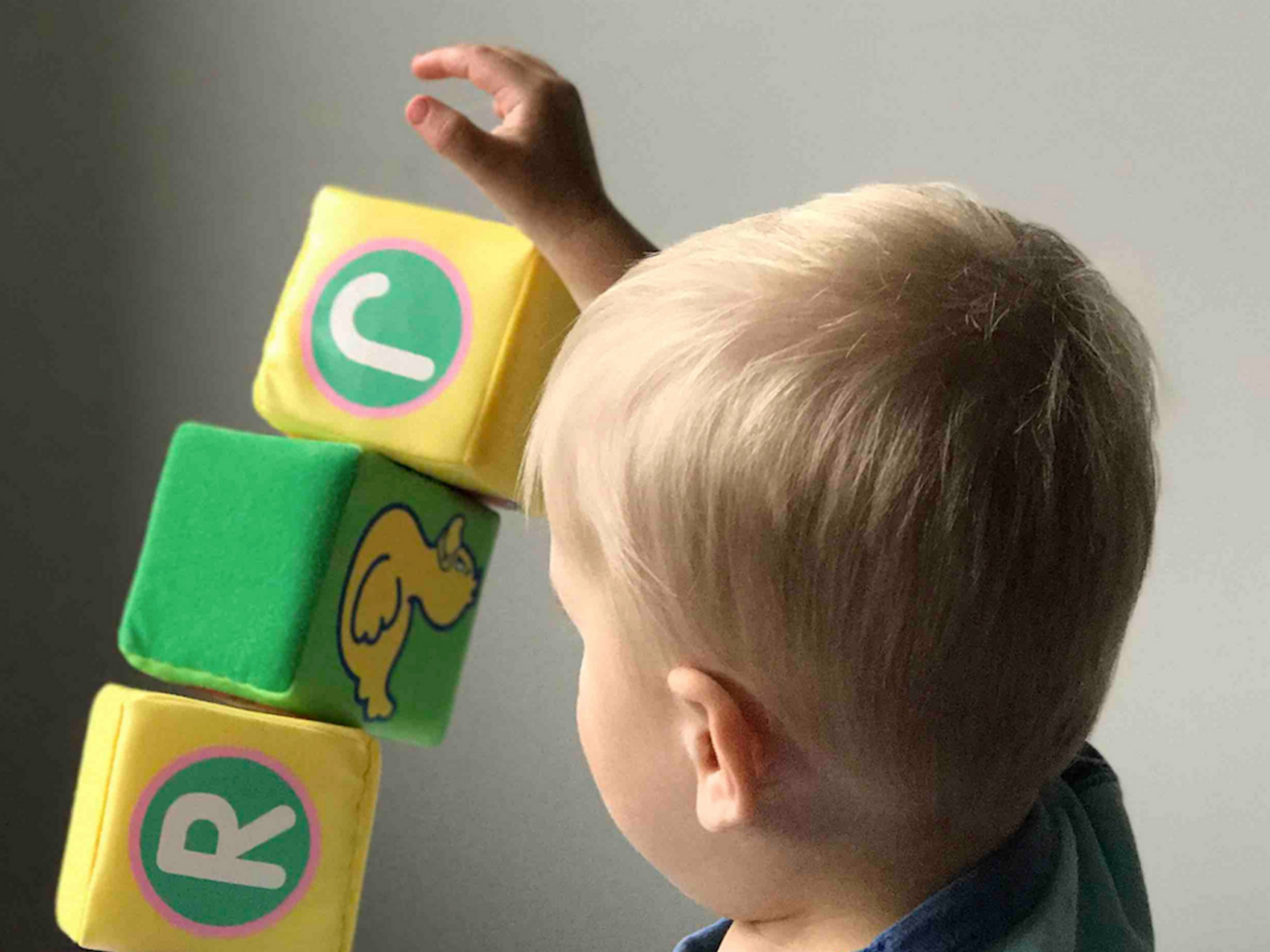
How many men are willing to change their lives when they become fathers? For Argentine journalist Ignacio Pereyra, becoming his son’s main caregiver showed just how difficult caring for a child can be.
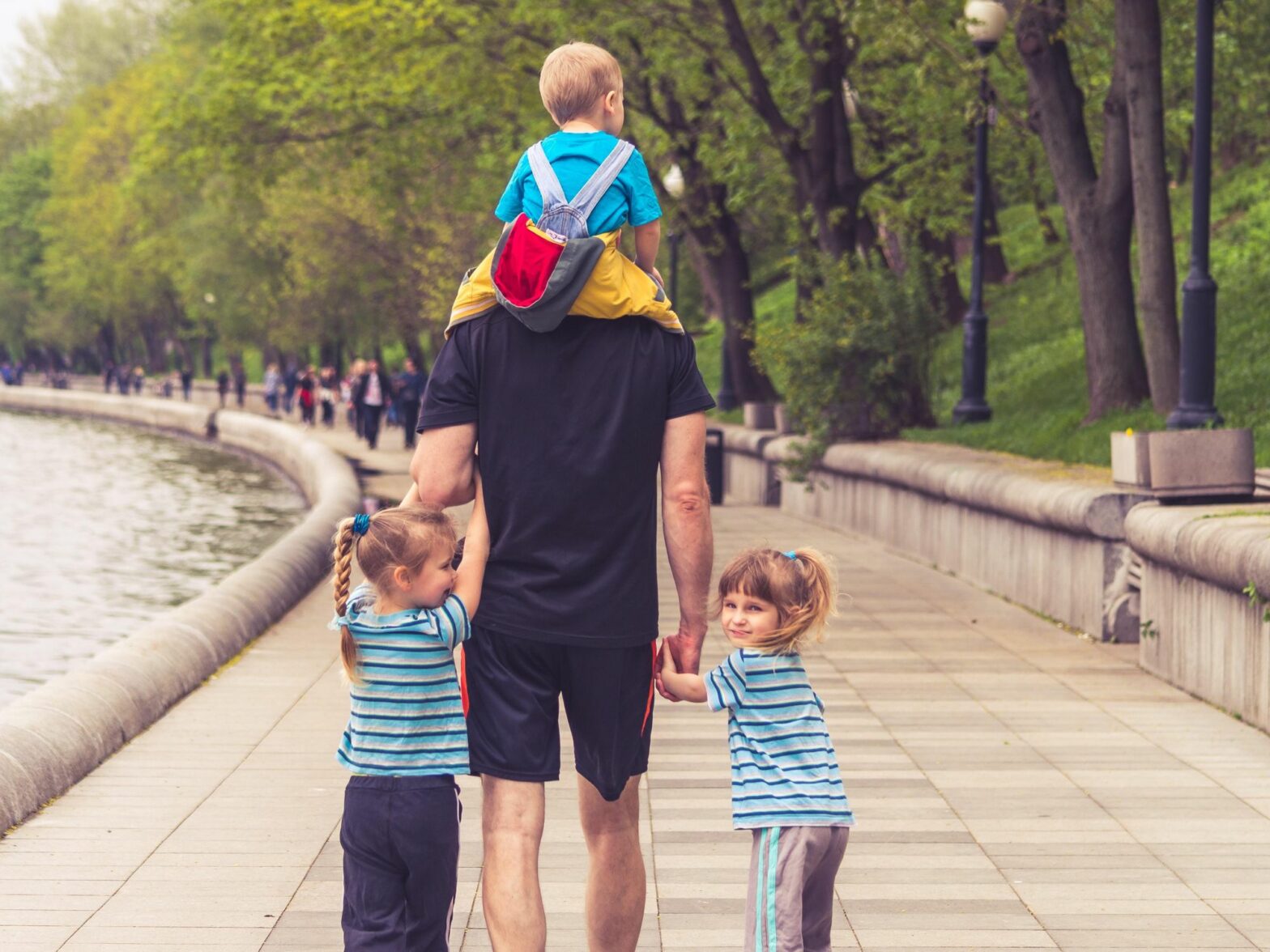
A father’s role is not to help the mother out, but to take on the “mental load” of knowing what needs to be done.
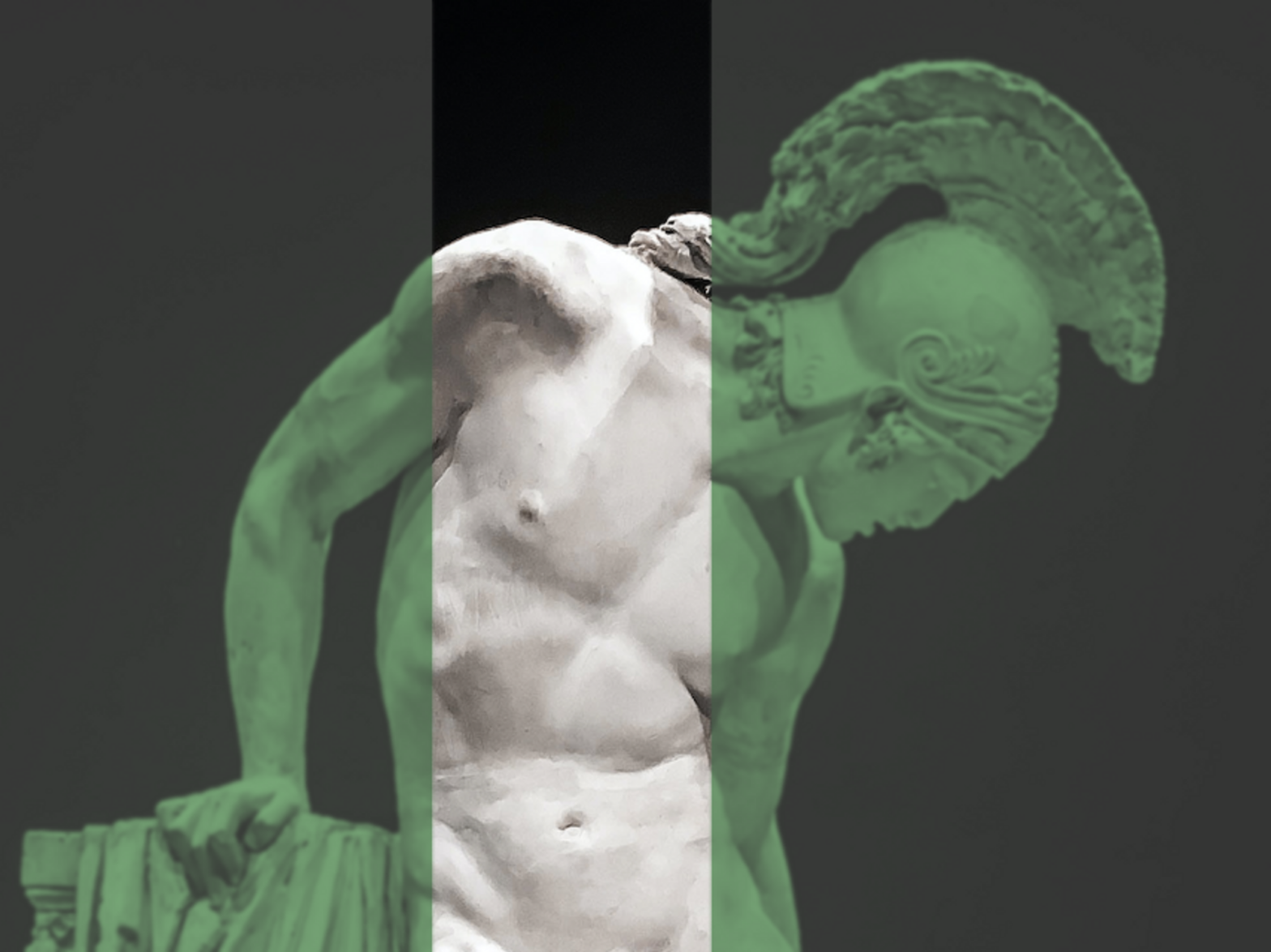
“What am I supposed to do with this, Dottoré?”
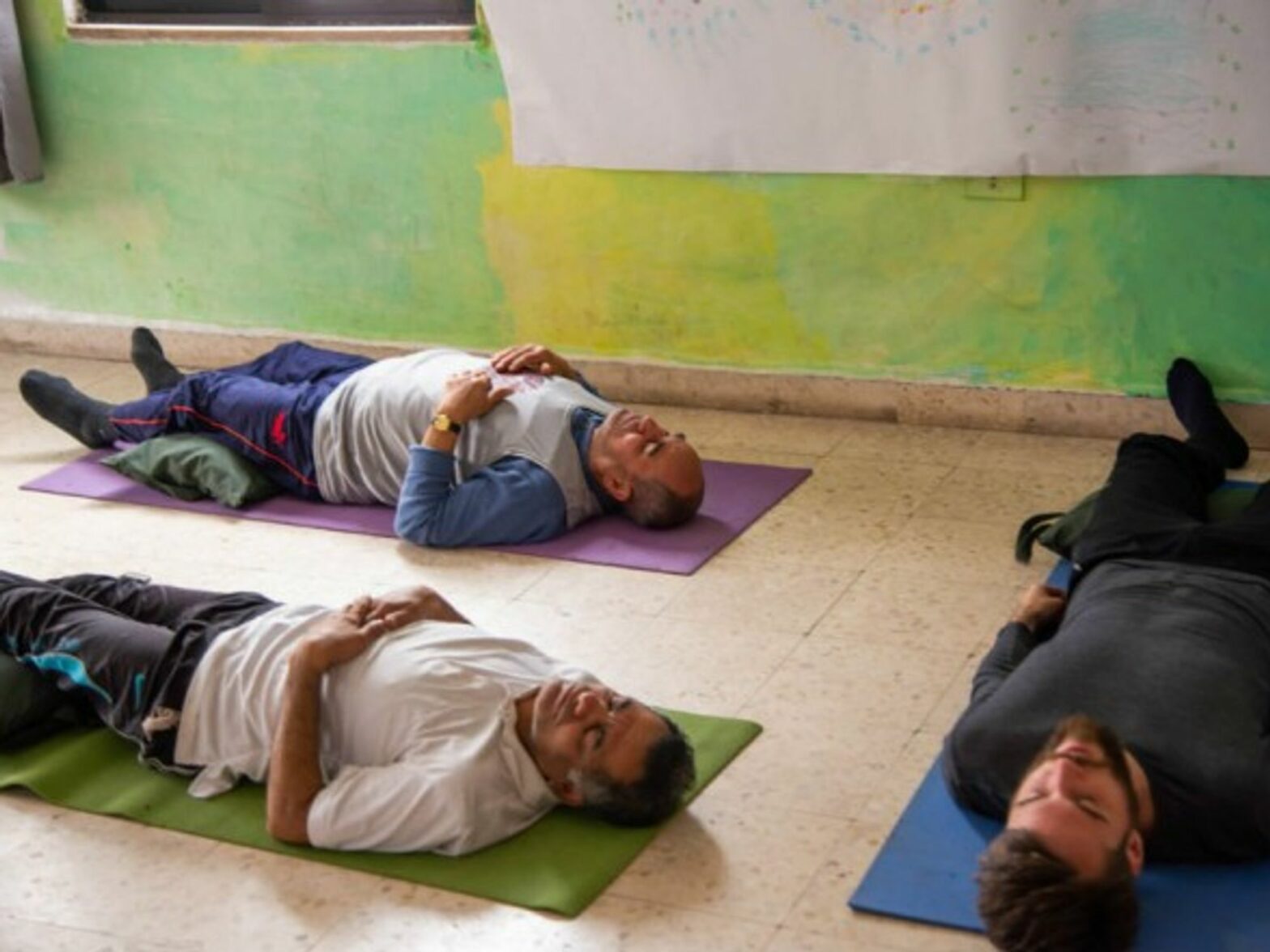
A group in East Amman gives men from Syria and other conflict zones an opportunity to open up and talk through the many ways they struggle.
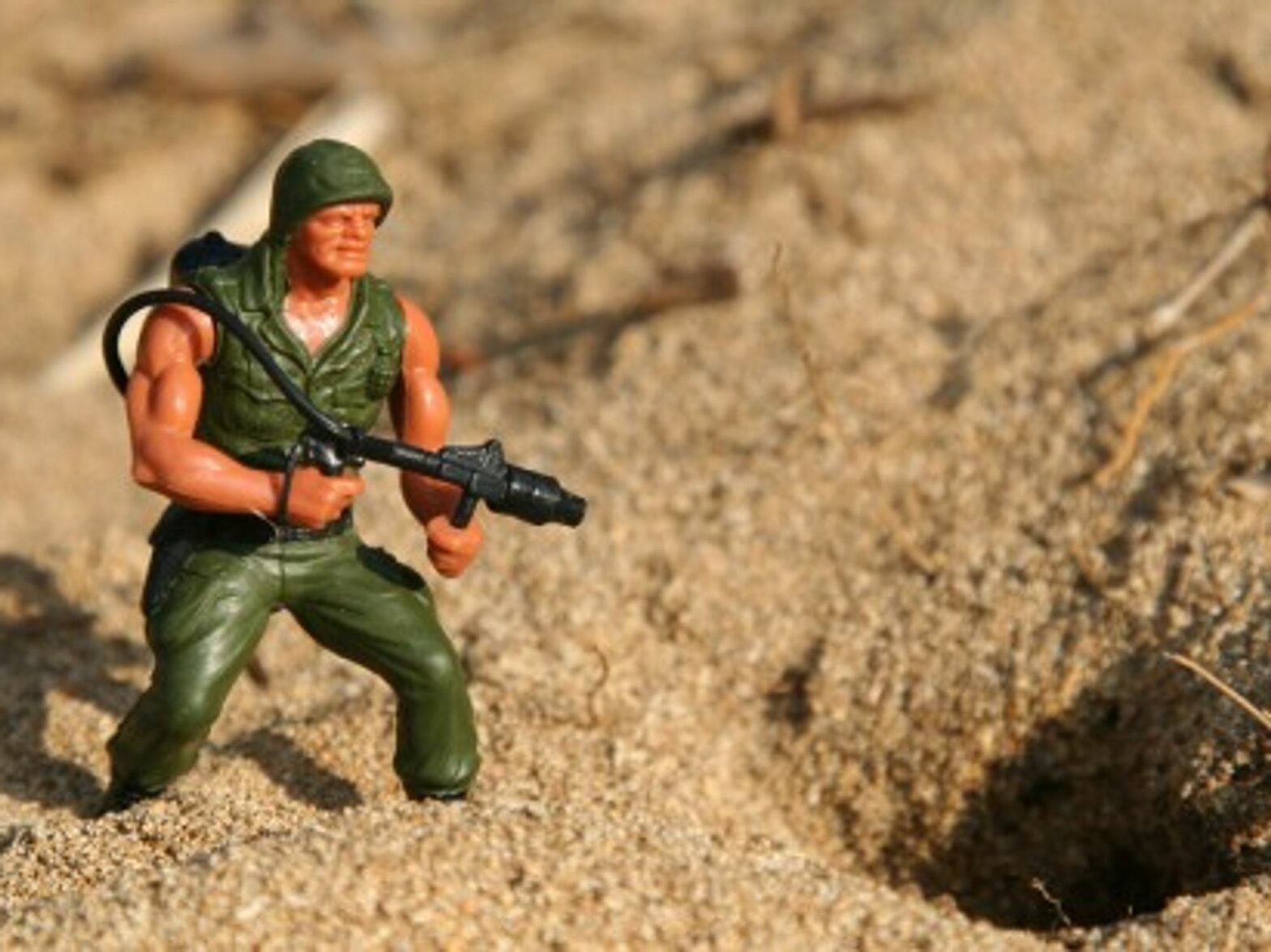
Gender, virility, violence and fear: warmaking has long been thought to have a very specific and masculine identity. But a French researcher has shown that it’s not so simple.