Parenting in a world in crisis. The dissonance between intimate and global. Daily resilience facing hyper-normalized chaos — and thinking that the idea of heroism as the horizon of fatherhood is unbearable.
 Worldcrunch
Parenting in a world in crisis. The dissonance between intimate and global. Daily resilience facing hyper-normalized chaos — and thinking that the idea of heroism as the horizon of fatherhood is unbearable.

A jellyfish sting, a rock to the head, and a child struggling to breathe. What begins as a beach camping trip ends in the emergency room. In the haze of exhaustion and unanswered questions, one father reflects on parenting, fear, and the quiet loneliness of raising kids without a net.
Argentine journalist Ignacio Pereyra reflects on six years as the primary caregiver to his two sons while his partner advanced her career. Though his decision has sparked praise — and skepticism — it’s also unraveled assumptions about masculinity, fairness, and what we call “normal” parenting.
Caregiving is still culturally framed as exceptional when done by men, even though true gender equality requires it to be routine — not praised, but expected. Despite growing awareness, women still shoulder the majority of care work, and shifting this imbalance means redefining care as a shared human responsibility, not a gendered role.
Becoming a parent doesn’t just change your life — it rewires your brain. Science is showing that both mothers and fathers experience profound neurological shifts, with emotional, mental, and social consequences that go far beyond biology.
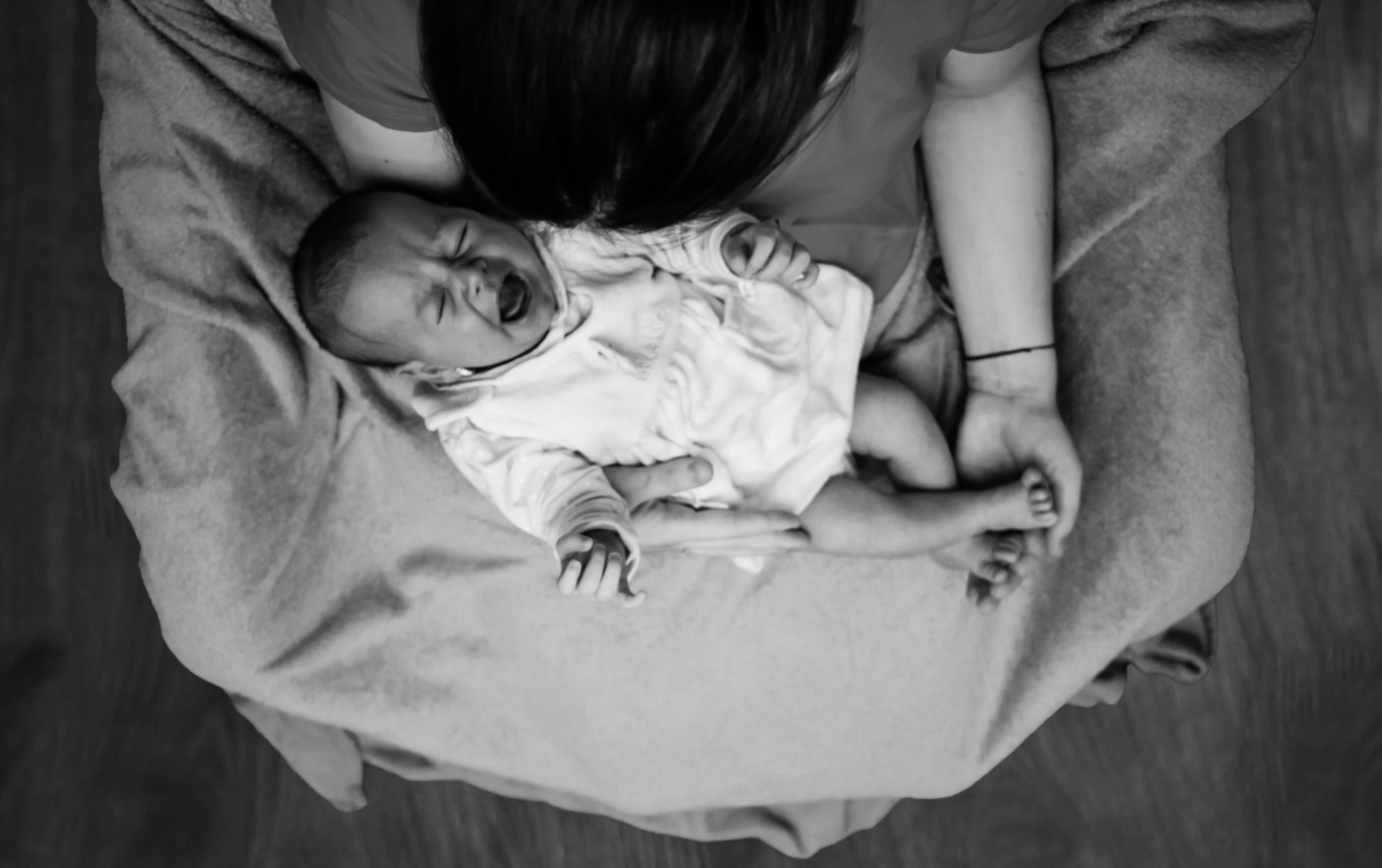
The maternal instinct scam. What changed with fatherhood? That we don’t have sex like before. Seriously? Yes, she doesn’t want to. Why is it like that?
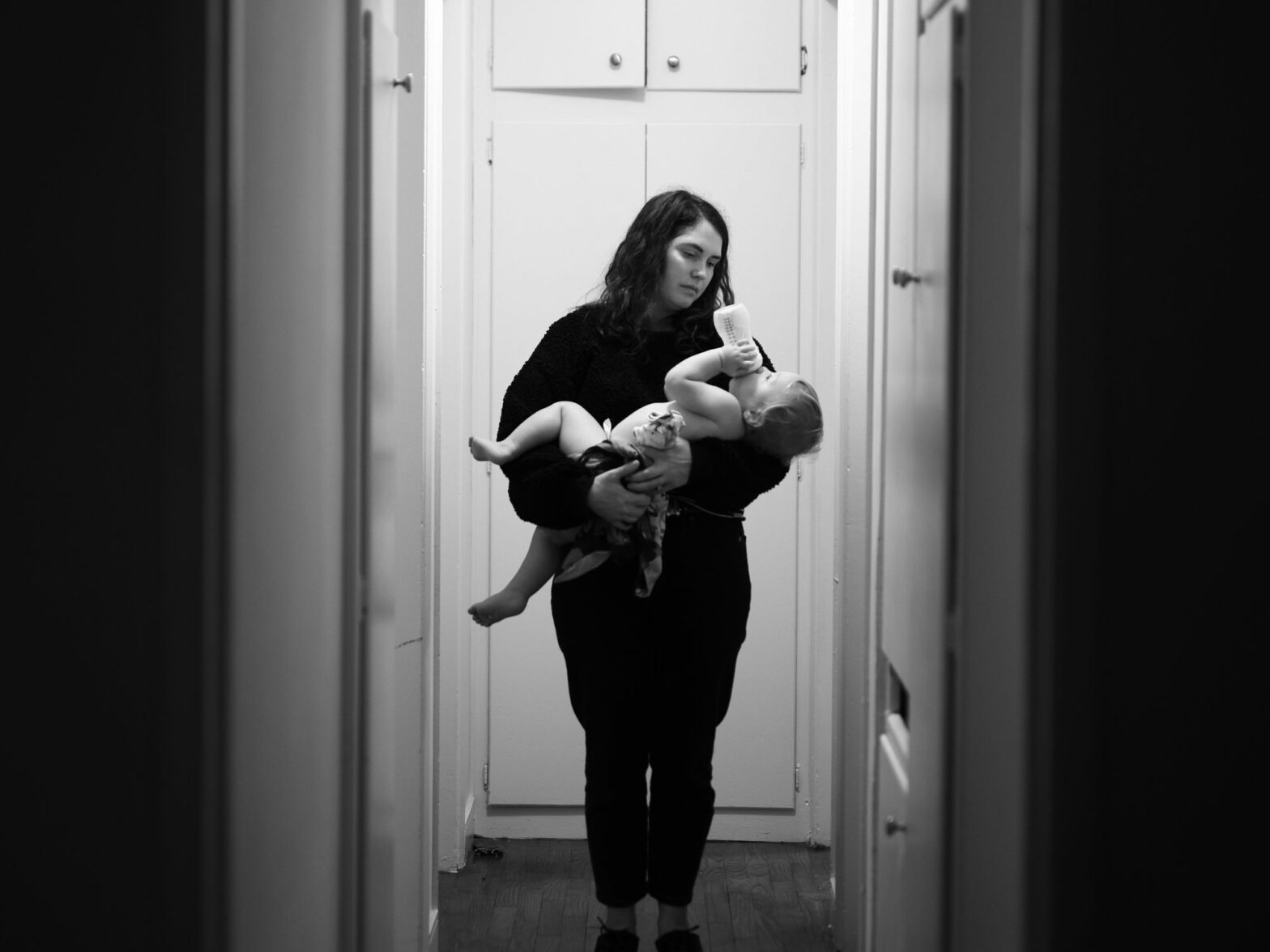
When it comes to parental burnout, you don’t have to feel alone or isolated. Theories on how couples make it. A trip out to the cinema, and a wager.
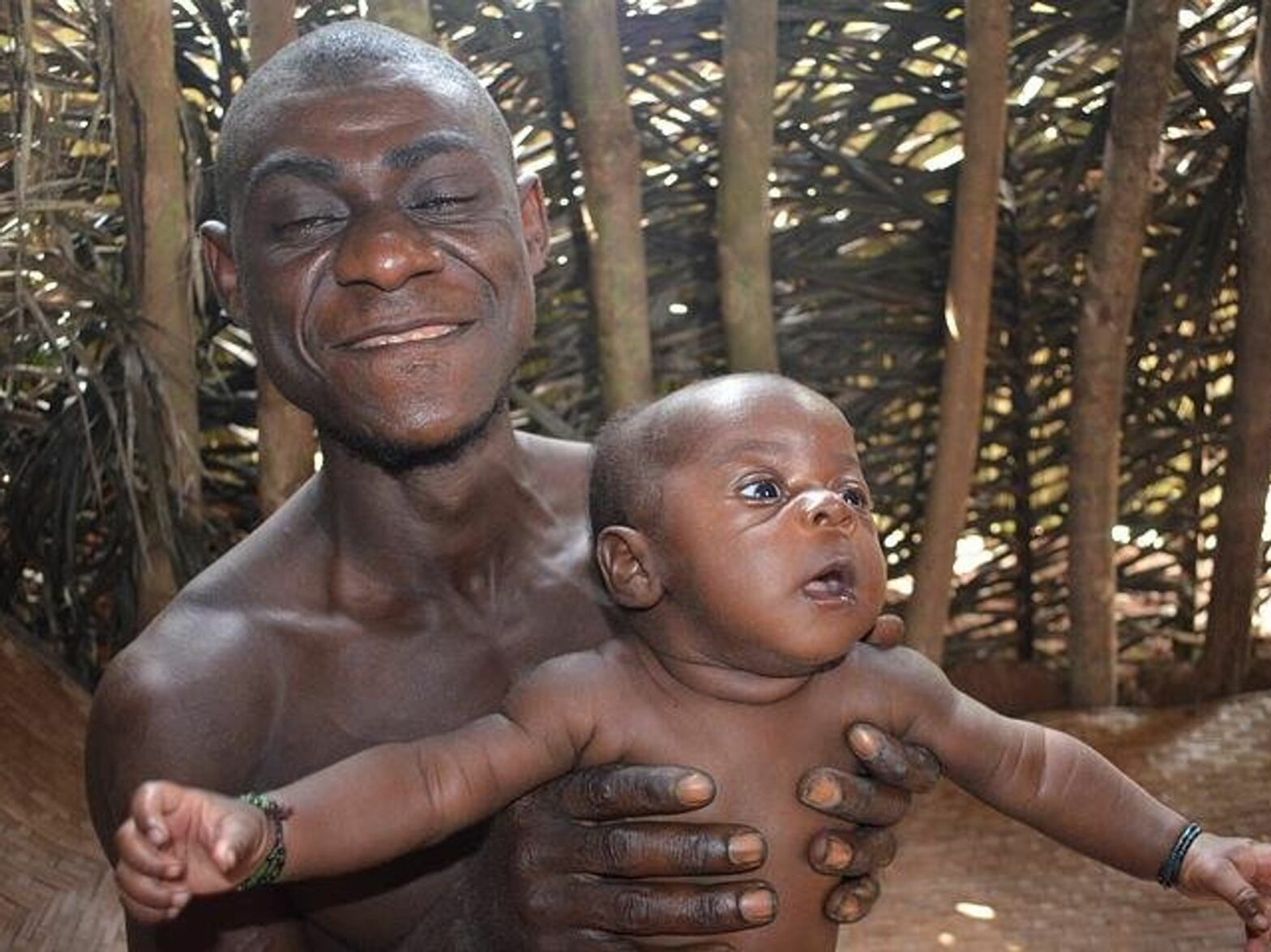
In a tribe in central Africa, male and female roles are practically interchangeable in caregiving to children. Even though their lifestyle might sound strange to the West, it offers important life lessons about who raises children — and how.
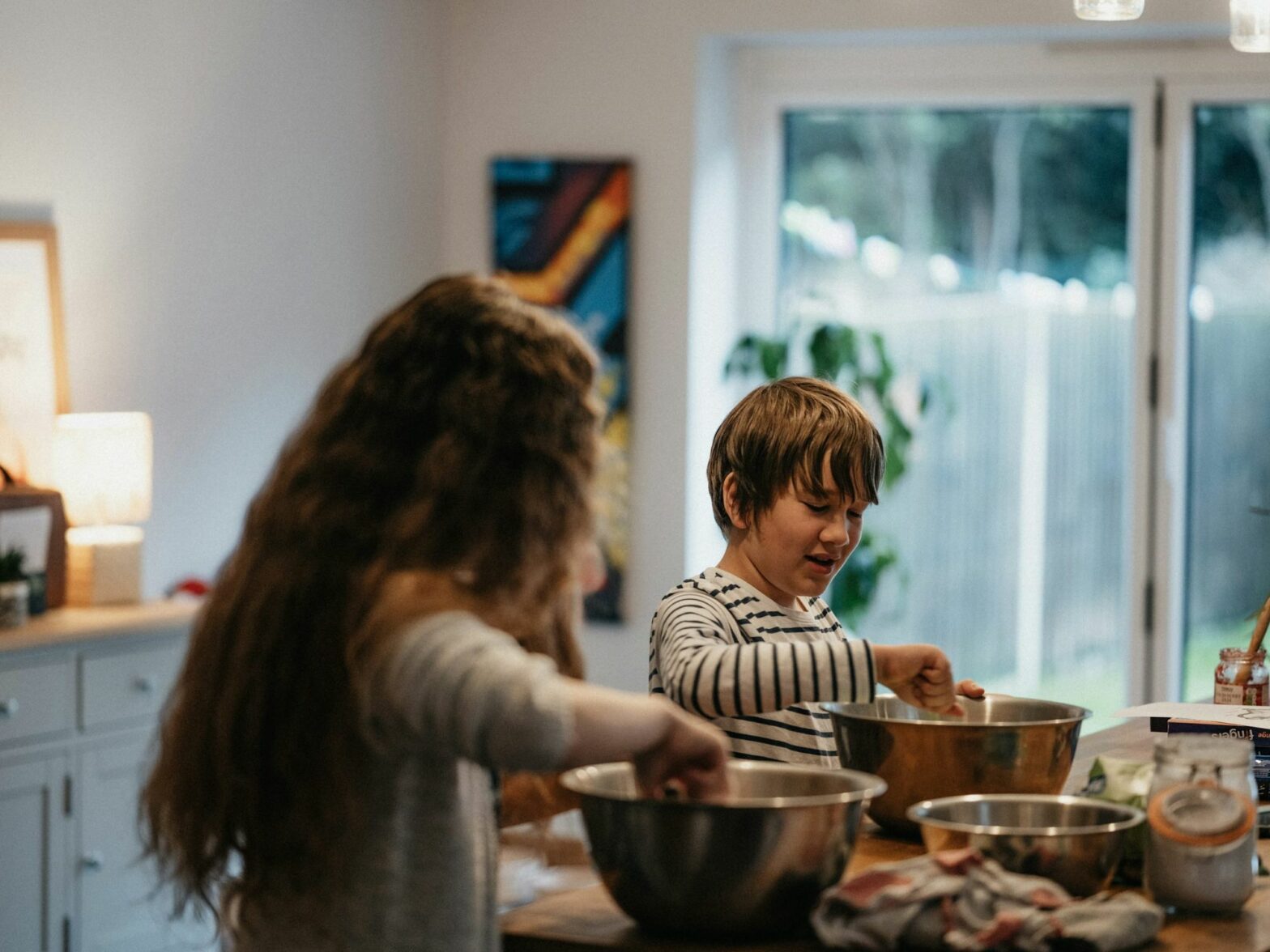
The idea may sound callous, bordering on irresponsible, but sometimes what you need is to let your kids figure it out — they’ll thank you later.

Moments of terrifying anxiety for a father and – no need for superfluous suspense here — a happy ending.
Questions, doubts, challenges, imaginary friends, linguistic habits, privileges, reflections, setbacks and anecdotes: in his latest fatherhood-focused newsletter, the author shares fragments of 2024 in the form of a personal diary.
After an eventful weekend, the author finds himself in need of reconnecting with the most important things in life — with a little help from an Argentine rock ‘n’ roll musician.
How can parents find balance in the face of societal pressure and expectations? What can we do to re-confer prestige and value to parenting roles? Those are questions both parents ought to ask themselves — not only women.
In a world fixated on visible outcomes, we often overlook the hidden talents and unseen efforts that shape our daily lives. But less visible skills, and the complex journeys behind every achievement, are equally important.
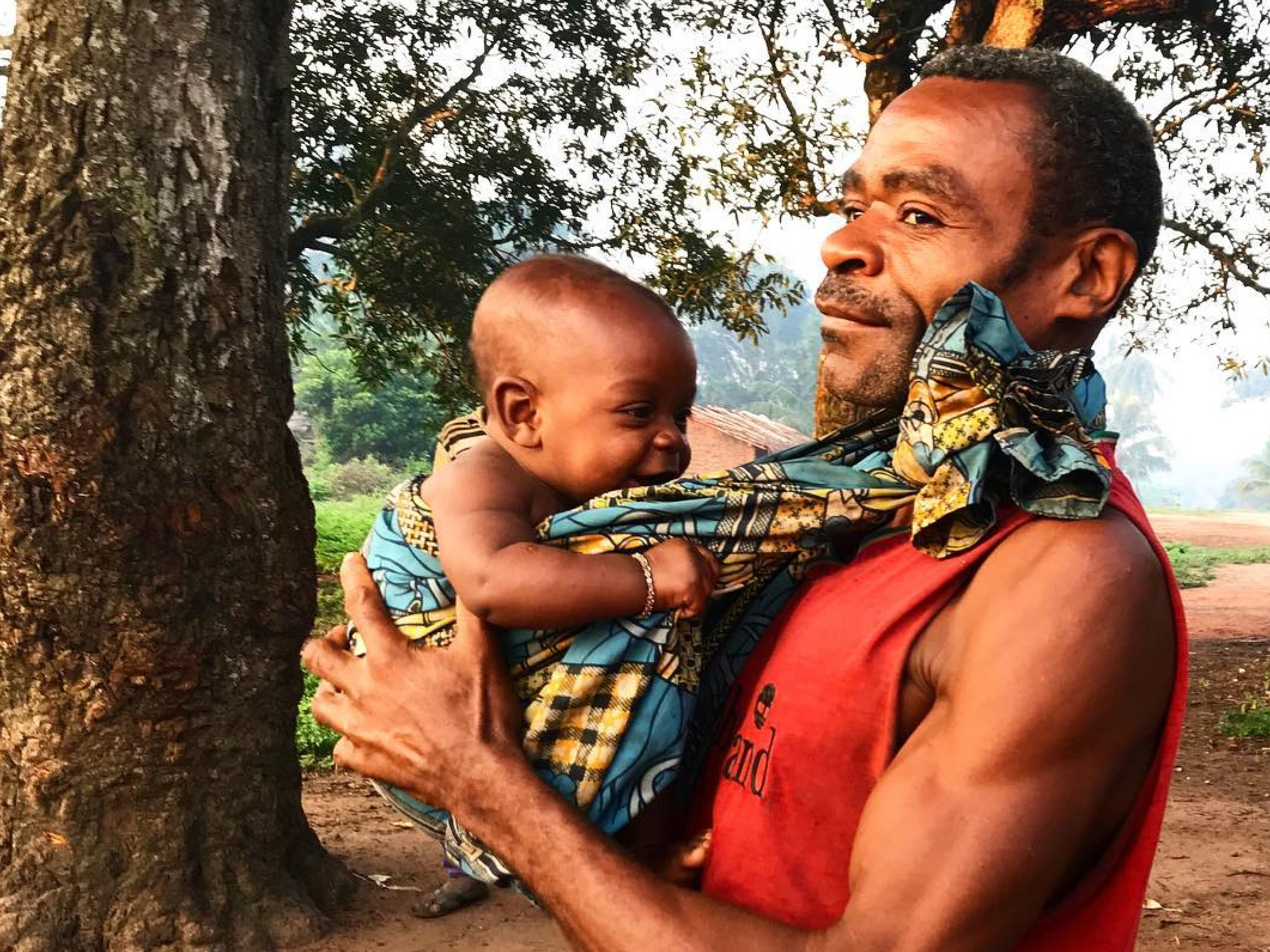
In a tribe in central Africa, male and female roles are practically interchangeable in caregiving to children. Even though their lifestyle might sound strange to the West, it offers important life lessons about who raises children — and how.
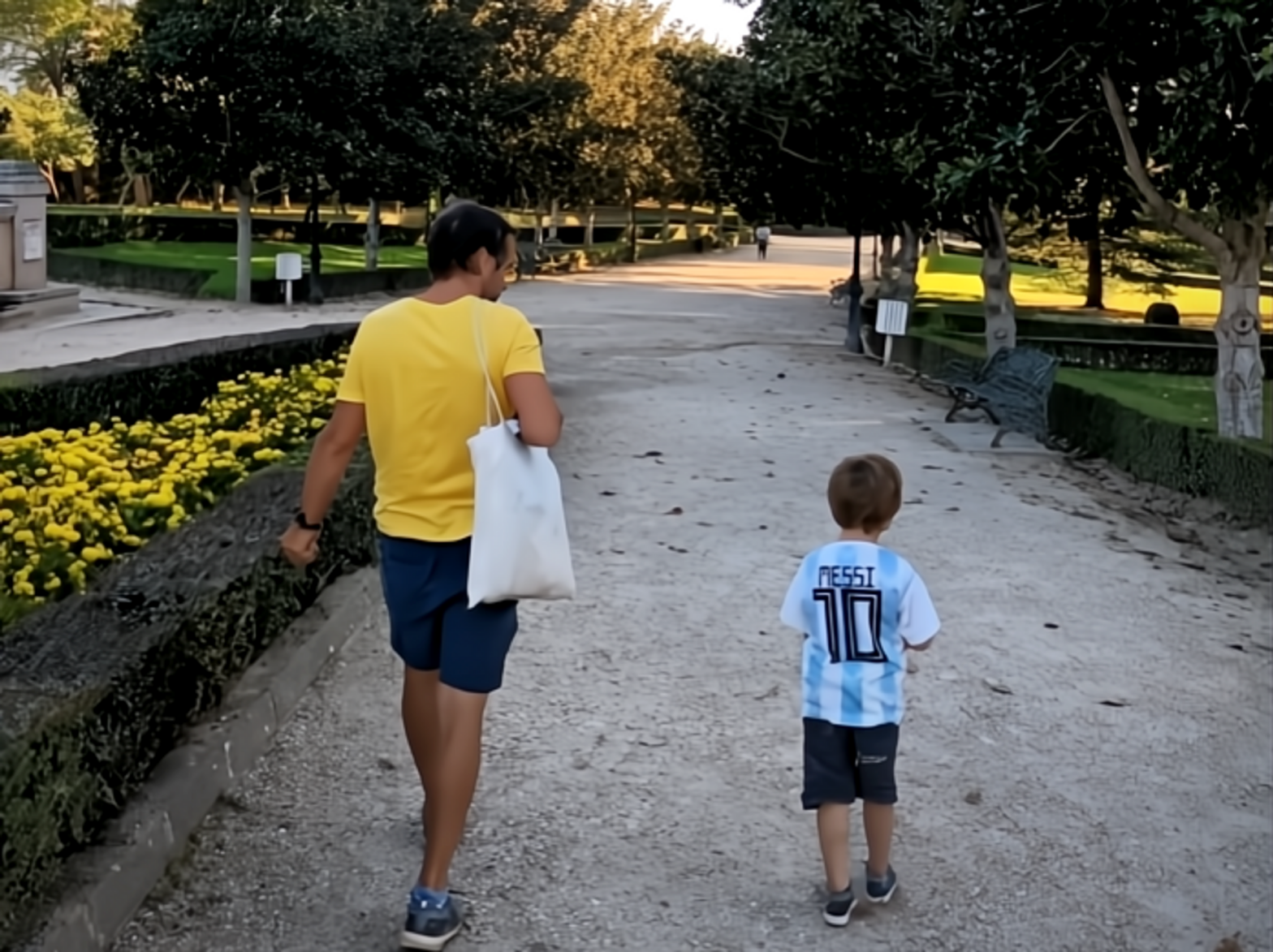
My eldest told me he wanted to quit going to football training. “When something feels hard, the mind and body resist because they seek comfort”.
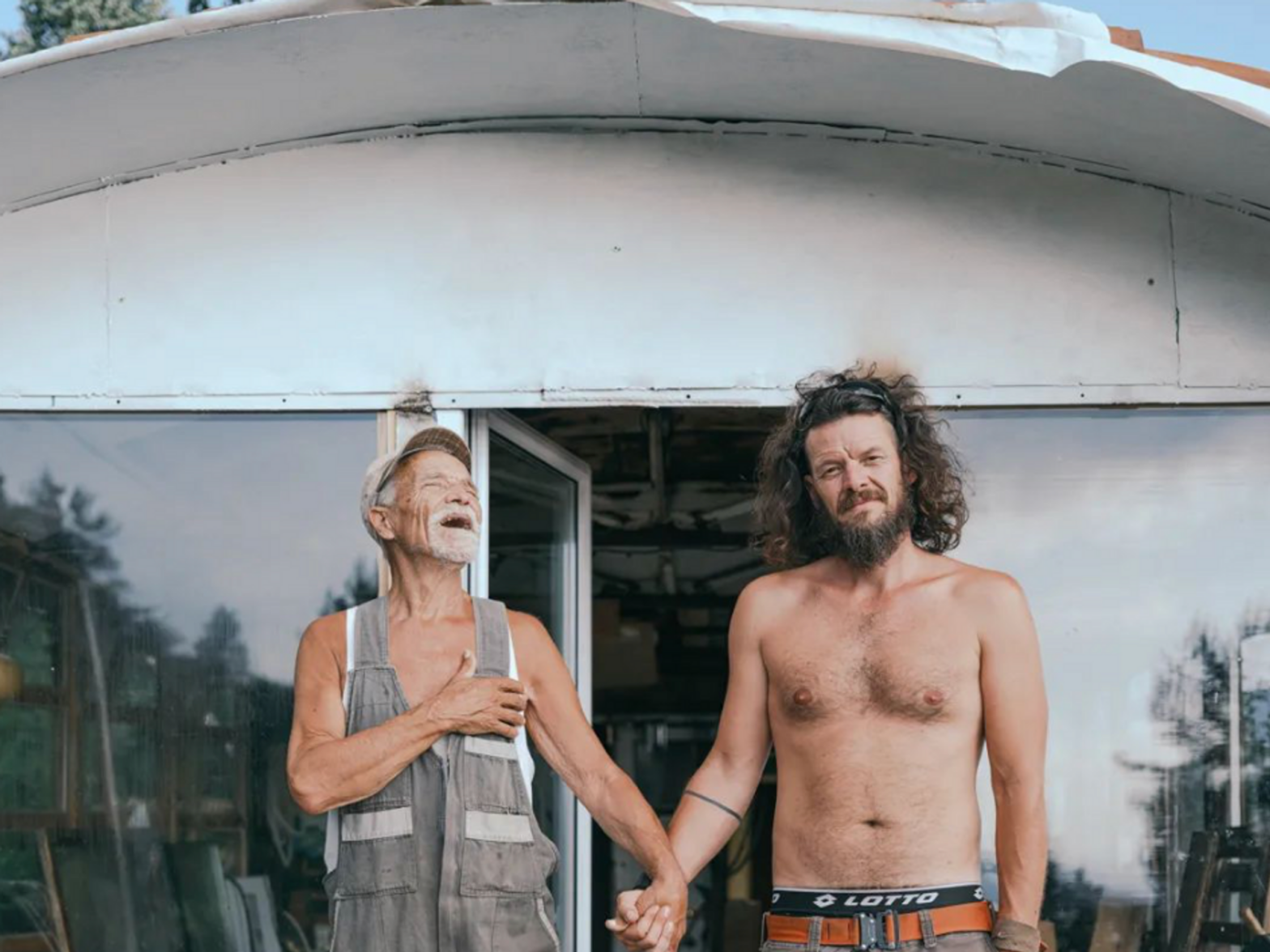
Fathers are not usually home alone for weeks with their children. As Argentine journalist Ignacio Pereyra reflects on his own experience, and what he gained from it, he also asks himself what it takes for a society to recognize how much becoming a parent can change a person.
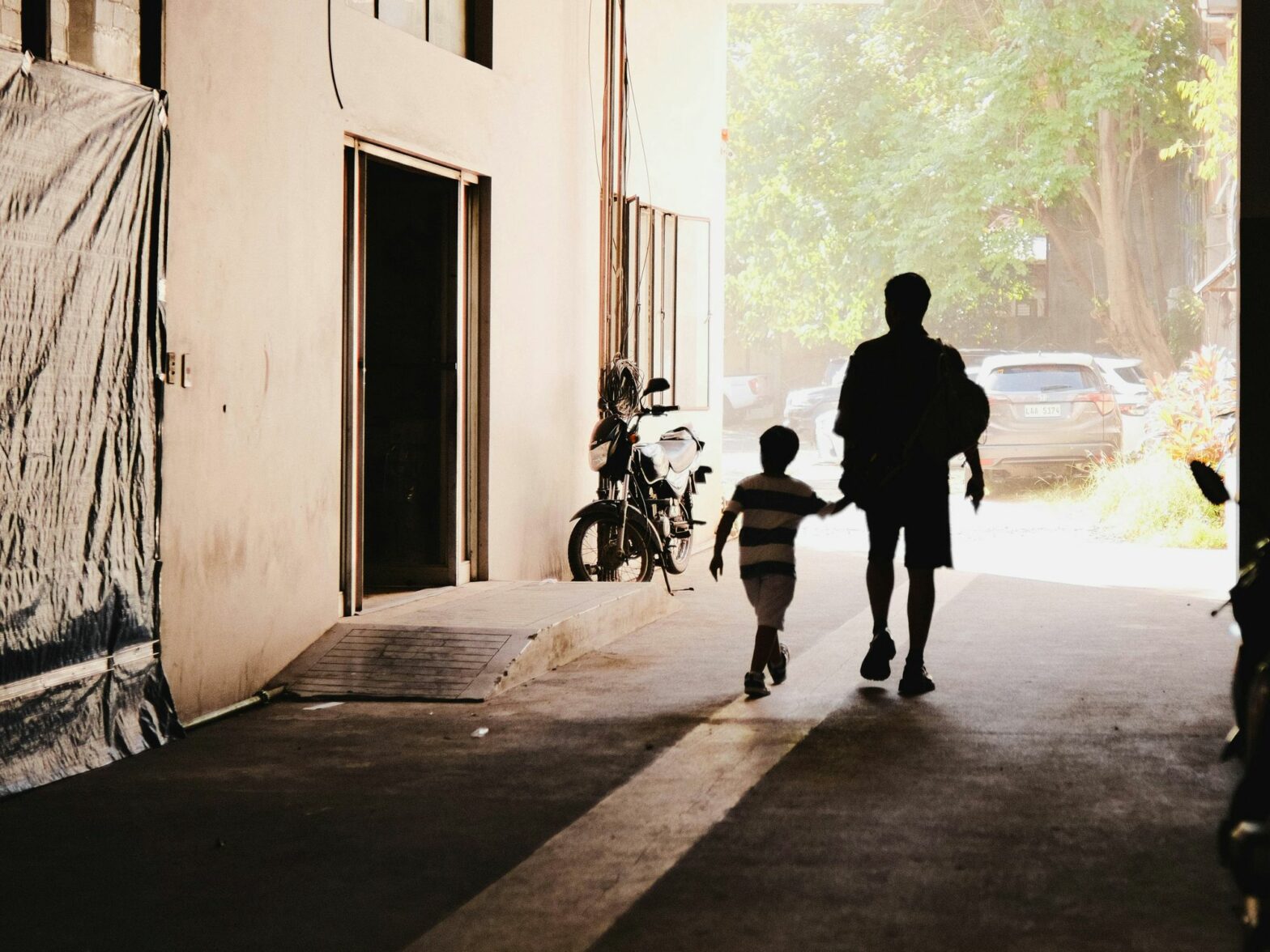
Uncomfortable moments in daily life mixed with a child’s gaze and a struggle to let go of unhelpful male habits. What is this discomfort for?
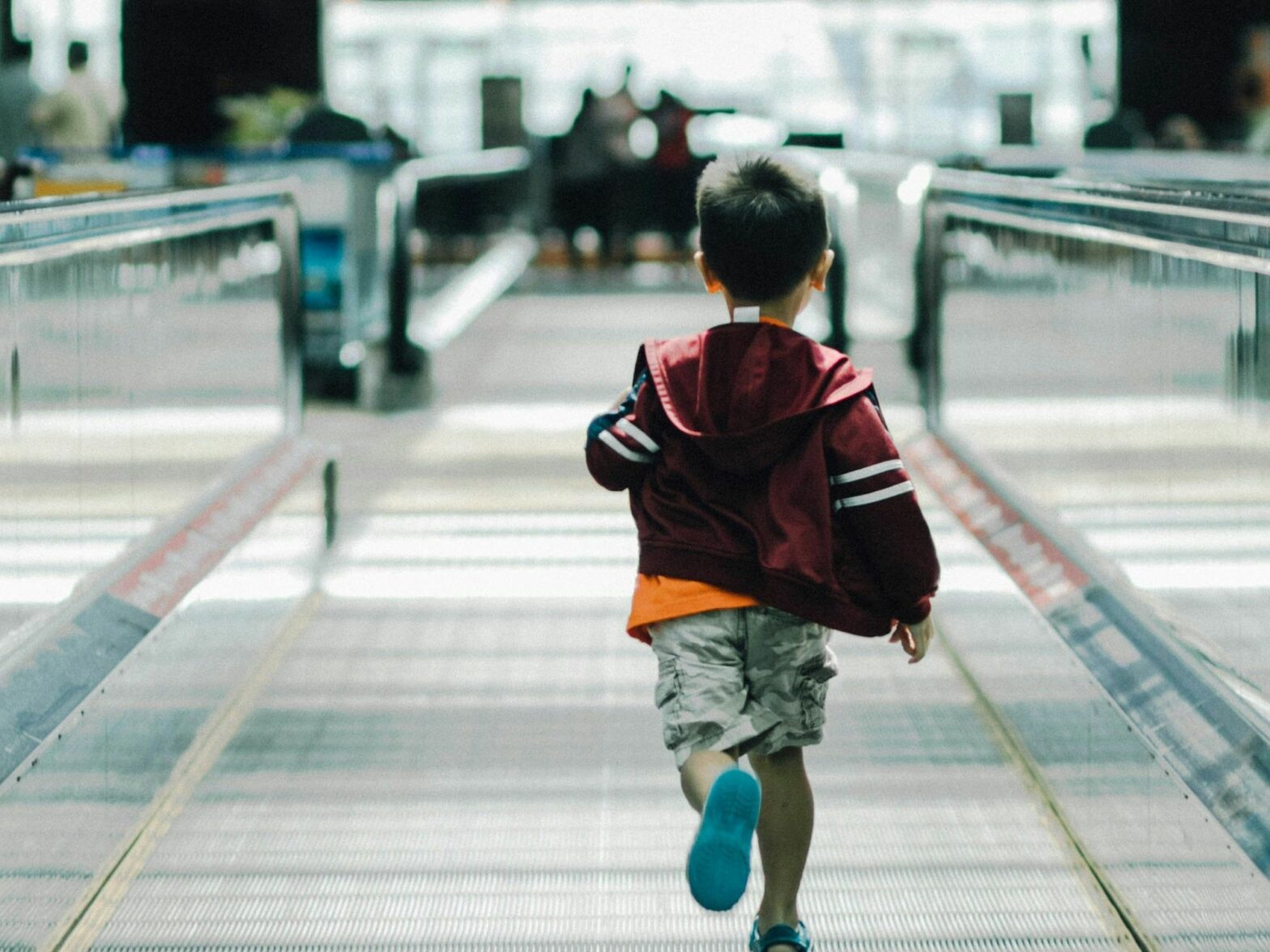
Taking an international trip with small children can be a source of stress, but that shouldn’t overshadow the larger life lessons of such an adventure.
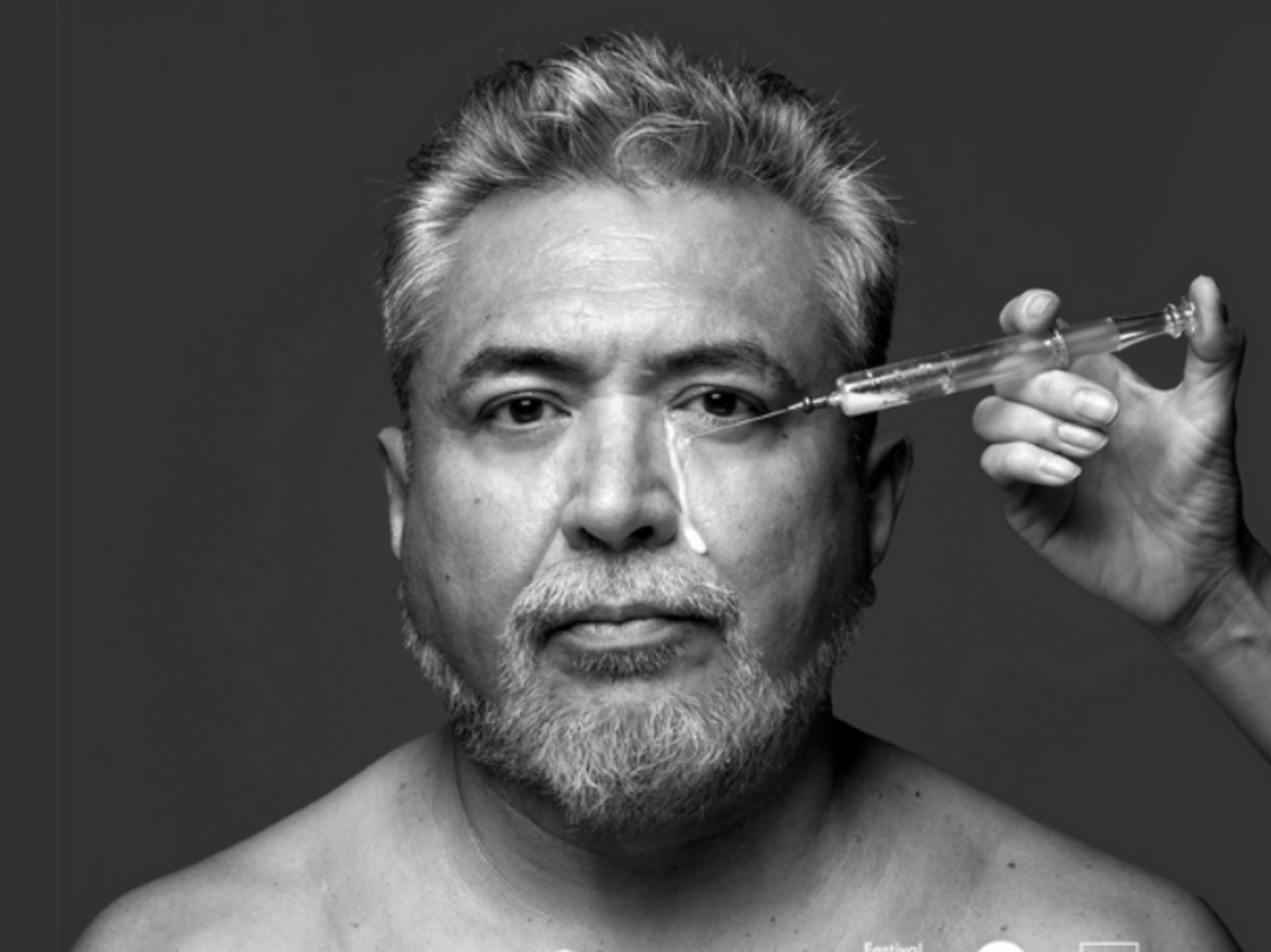
Chilean-born, Buenos Aires-based writer Cristian Alarcón says it took 30 years of therapy to get over his parents’ bid to “cure” him of being gay as a child, but insists it’s too late to be angry with them.
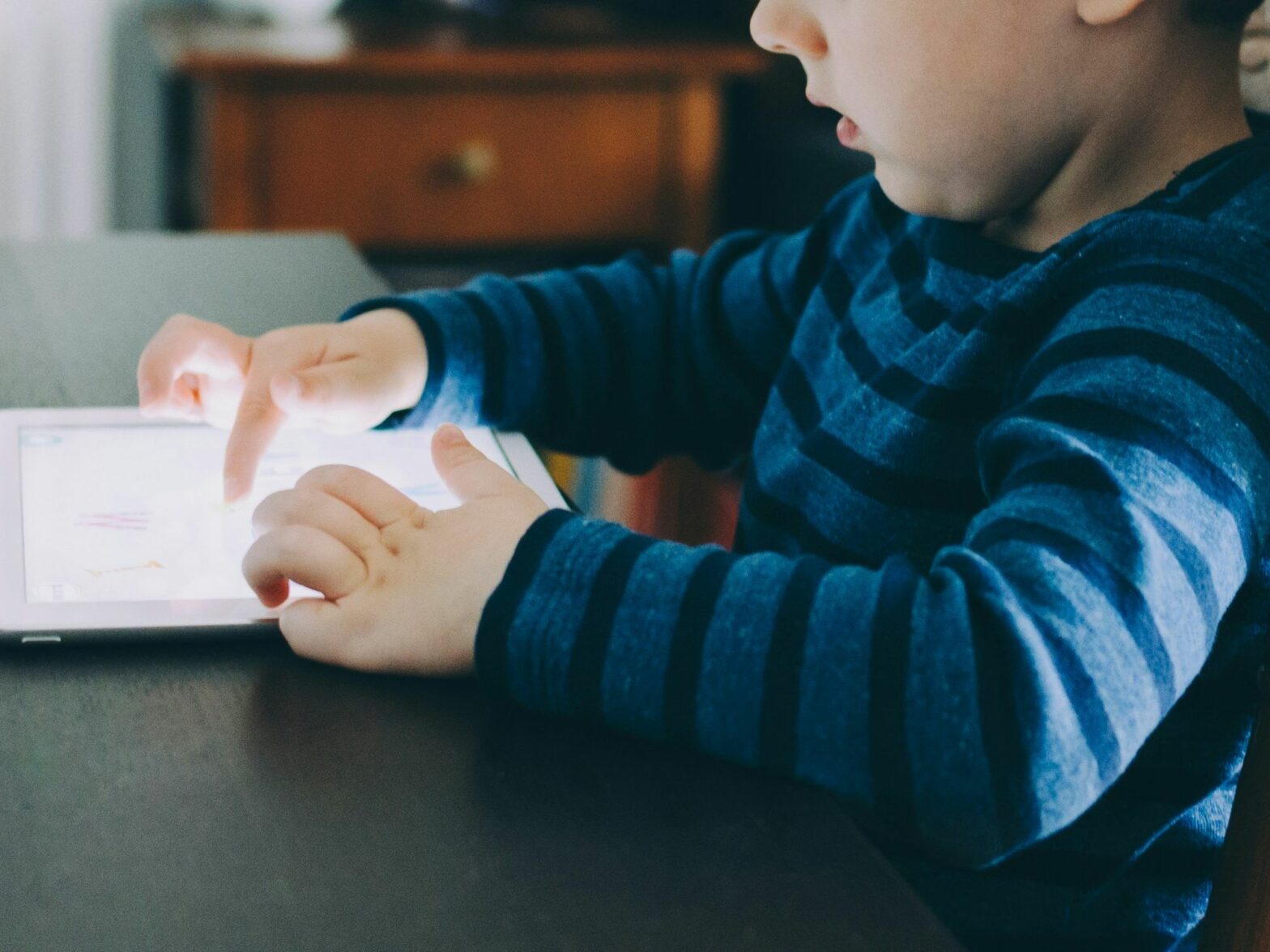
Whether we’re kids or adults, with different risks and problems posed, we share the same challenge: how to use screens, and use them well.
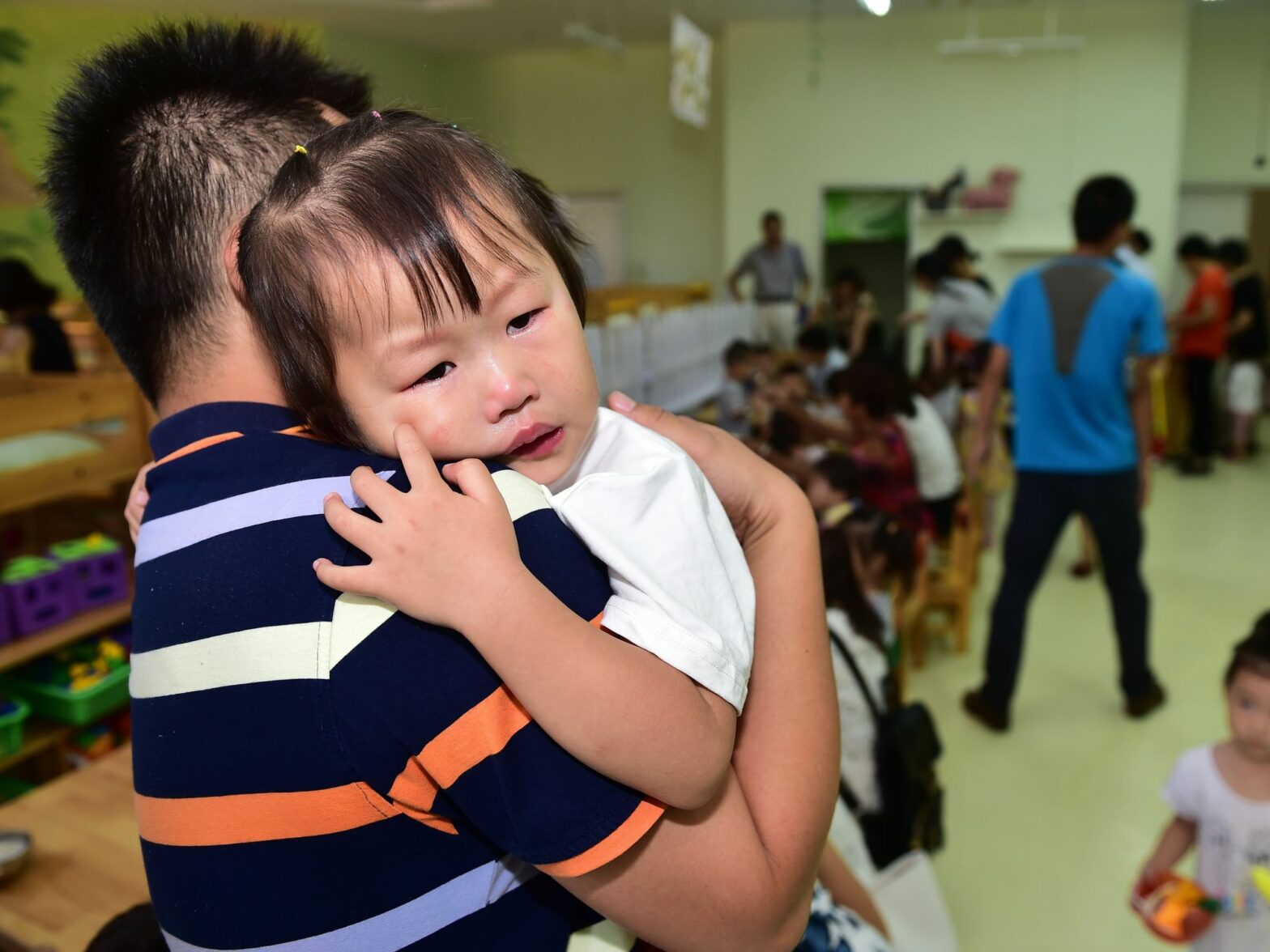
An emotional rollercoaster for parent and child alike.
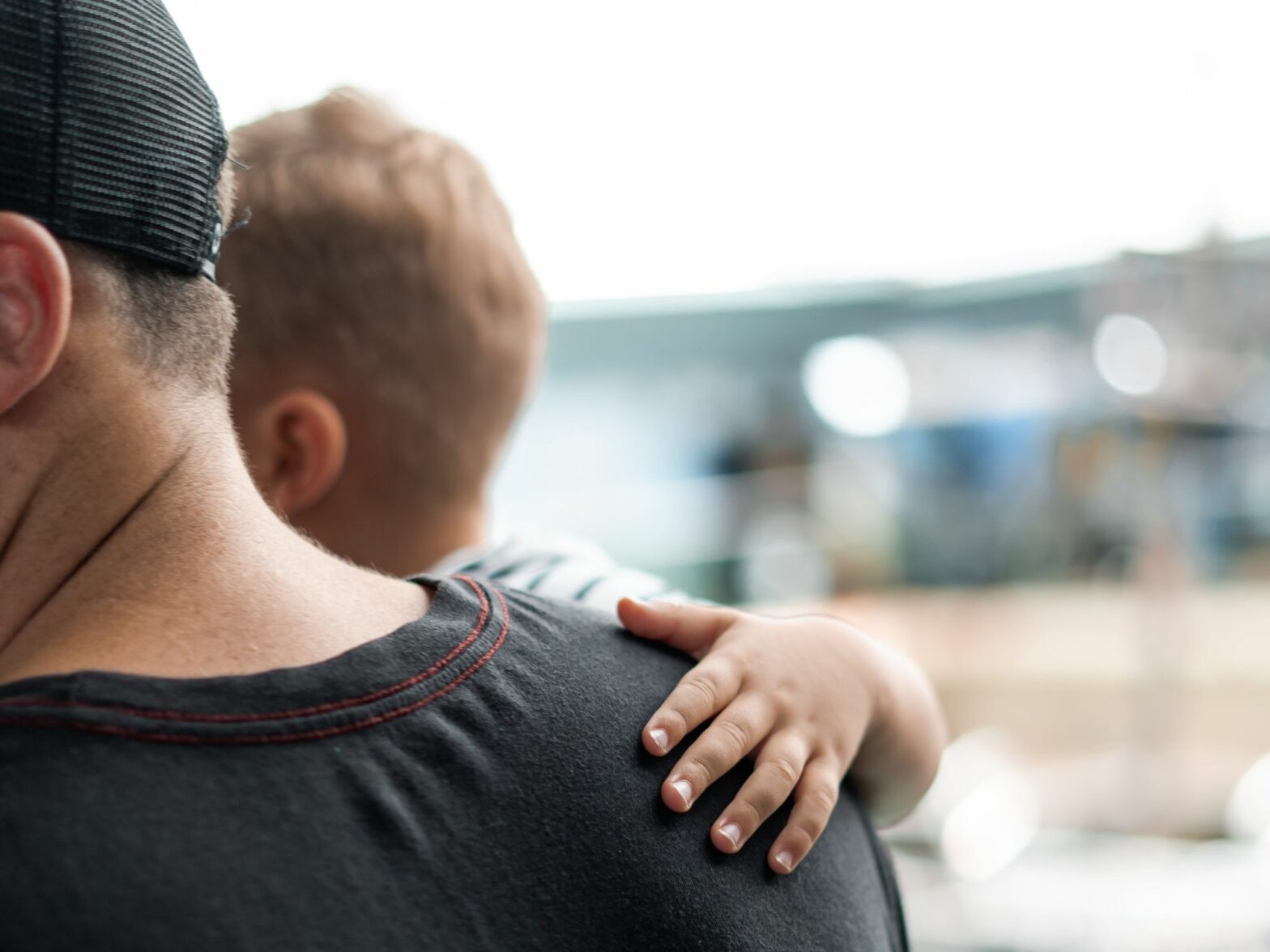
In fatherhood, like in life in general, reality often surpasses our expectations, writes Argentine journalist Ignacio Pereyra. Whenever we have a feeling that we know what is going to happen, life proves us wrong — often for better.

One thing’s for sure, whether you have children or not: You are bound to make mistakes, experience frustration and learn things the hard way. The key is to gradually understand how to live with it.
There are obvious and not-so-obvious reasons that adult men tend to do a bad job in taking care of their health and well-being.
Between breastfeeding, playdates, postpartum fatigue, birthday fatigues and the countless other aspects of mother- and fatherhood, a Cuban couple tries to find new ways to explore something that is often lost in the middle of the parenting storm: sex.

From sick kids to kindergarten and travel. The everyday realities of paternity operate in the extremes. In the latest iteration of his “Recalculating” newsletter on parenthood, Argentine writer Ignacio Pereyra examines what it means to be a father.
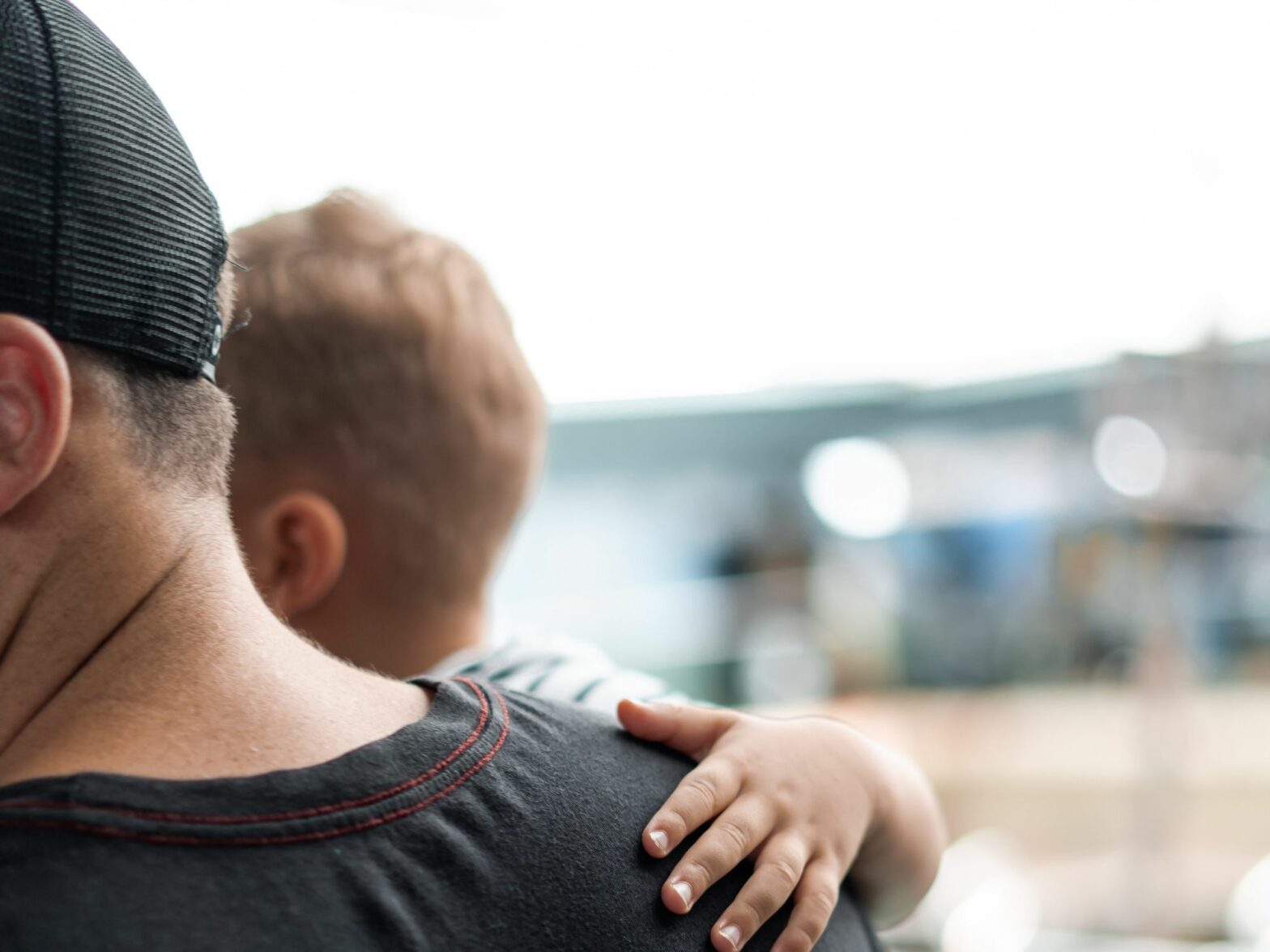
As his son grows older, Argentine journalist Ignacio Pereyra wonders when a father is no longer necessary.
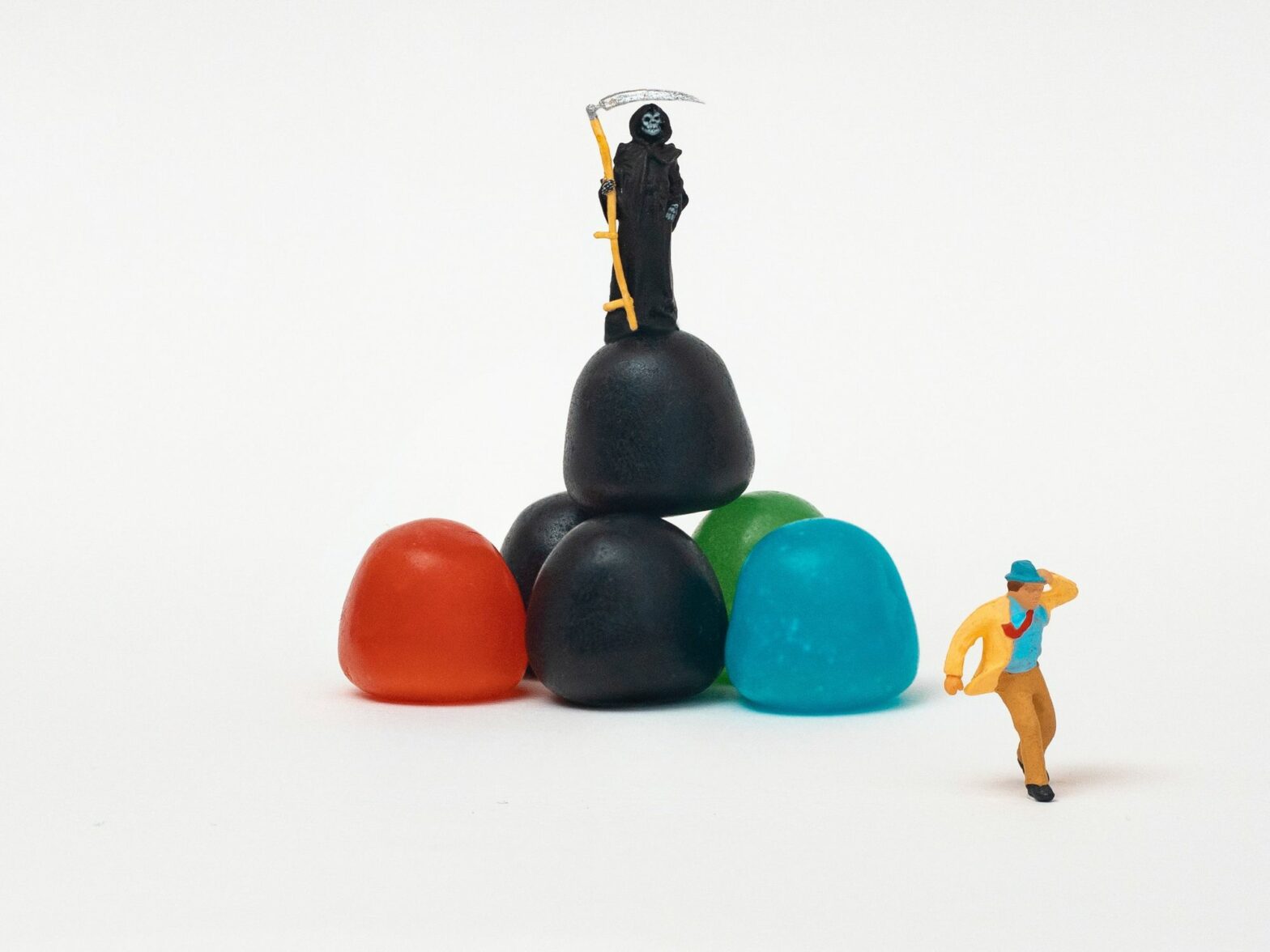
As he is faced by questions about death from his 4-year-old son during a family visit to Argentina, Recalculating author Ignacio Pereyra replies honestly. “I can only tell him the truth, at least the little truth that I know…”
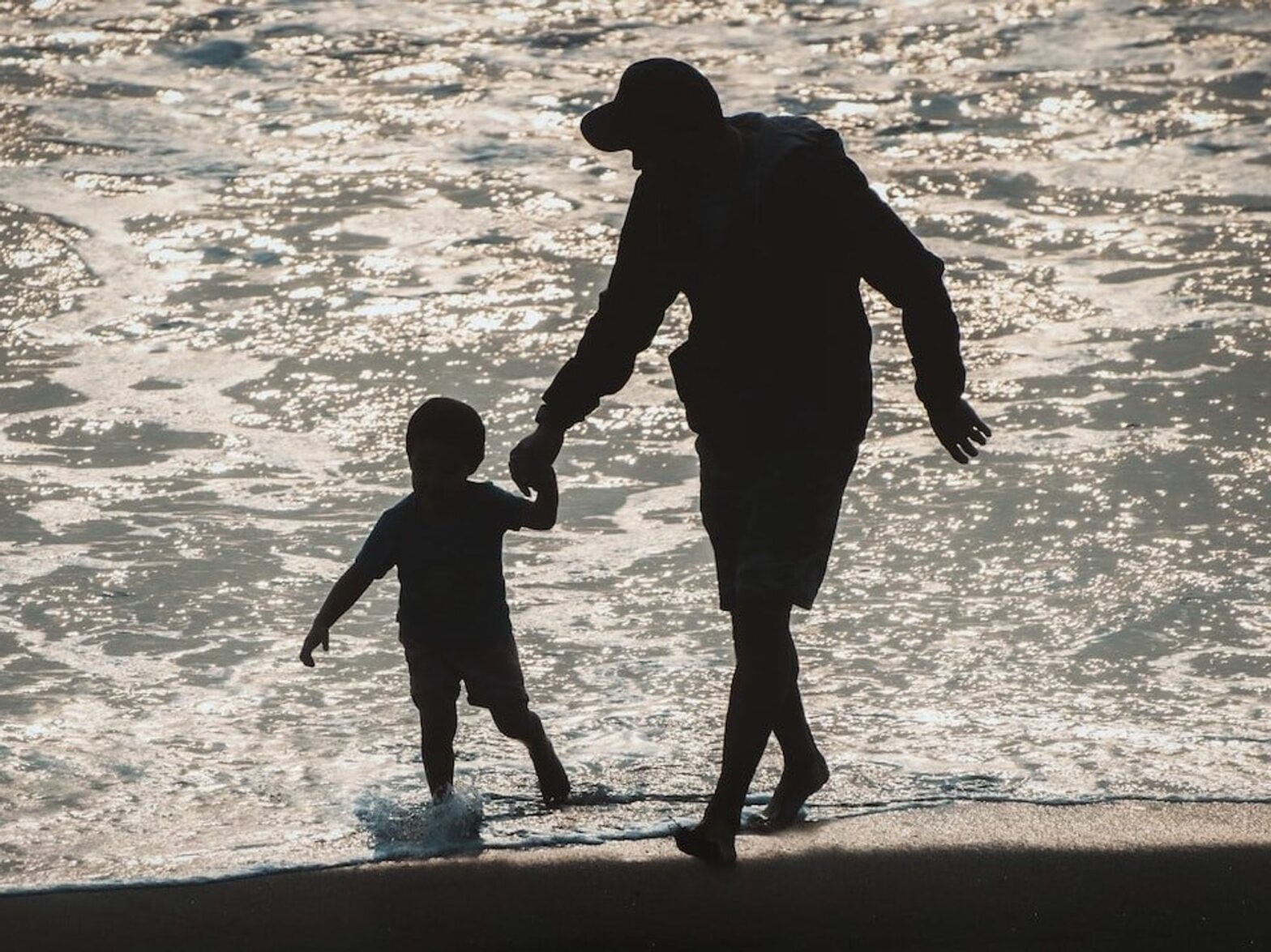
Visiting family in Argentina for the first time since the pandemic, Greece-based Argentine journalist Ignacio Pereyra sends some thoughts, from across the ocean, on raising children far from a family and community support network.
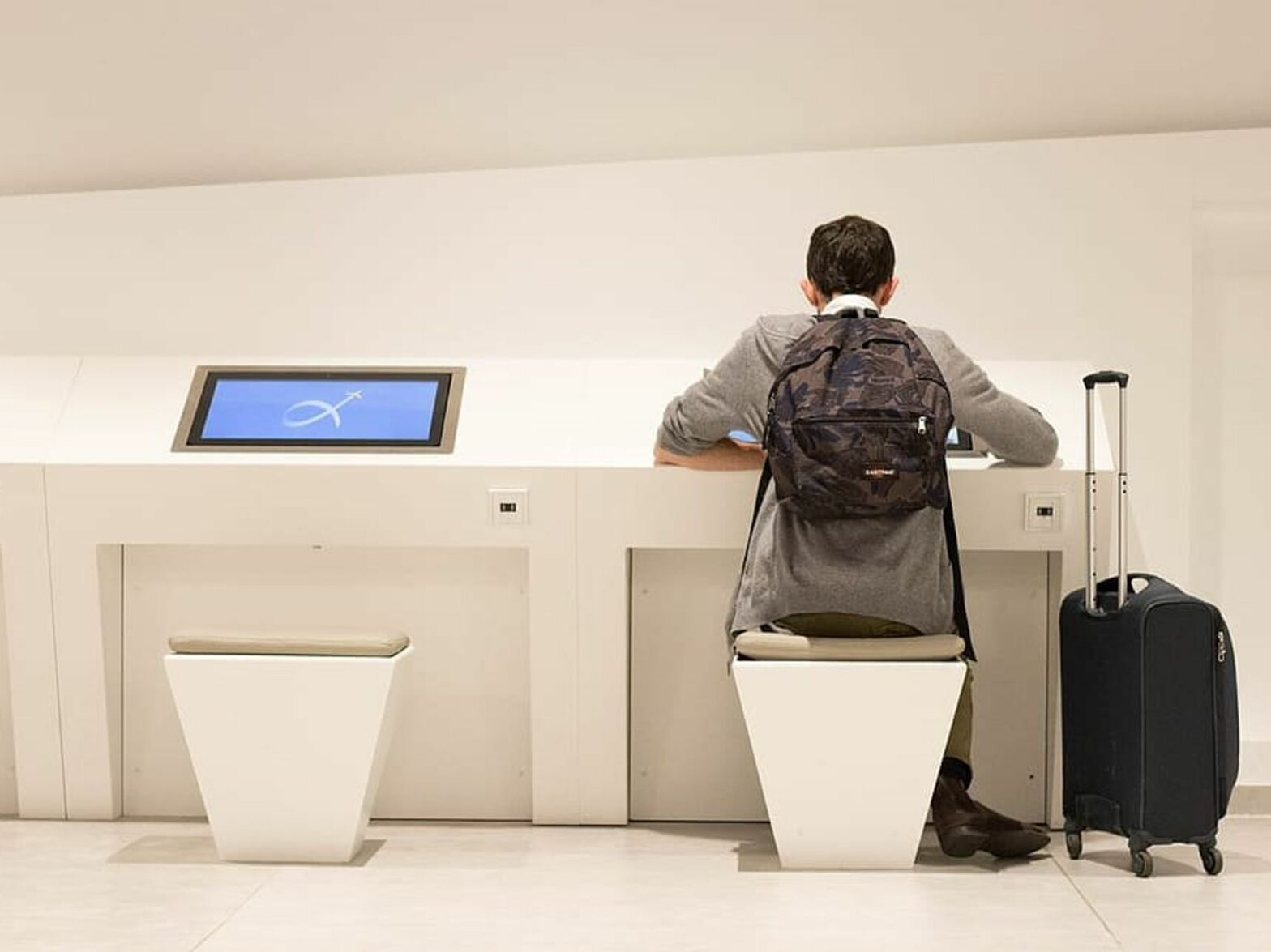
Argentine journalist Ignacio Pereyra travels to Italy alone to do some paperwork as his family stays behind. While he walks alone around Rome, he experiences mixed feelings: freedom, homesickness and nostalgia, and wonders what leads people to desire larger families.
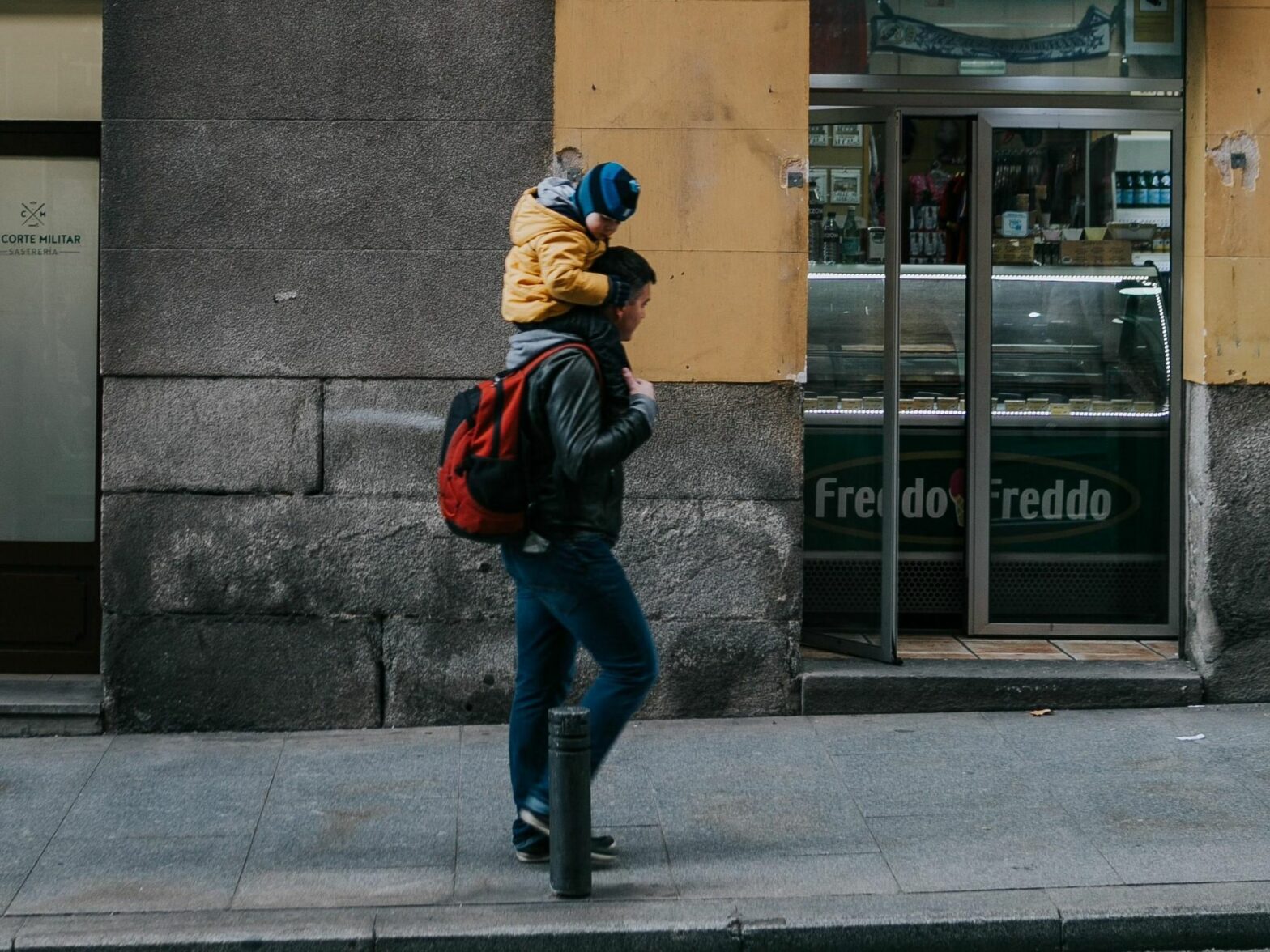
As a father myself, I’m now better able to understand the pressures my own dad faced. It’s helped me face my own internal demands to constantly be more productive and do better.
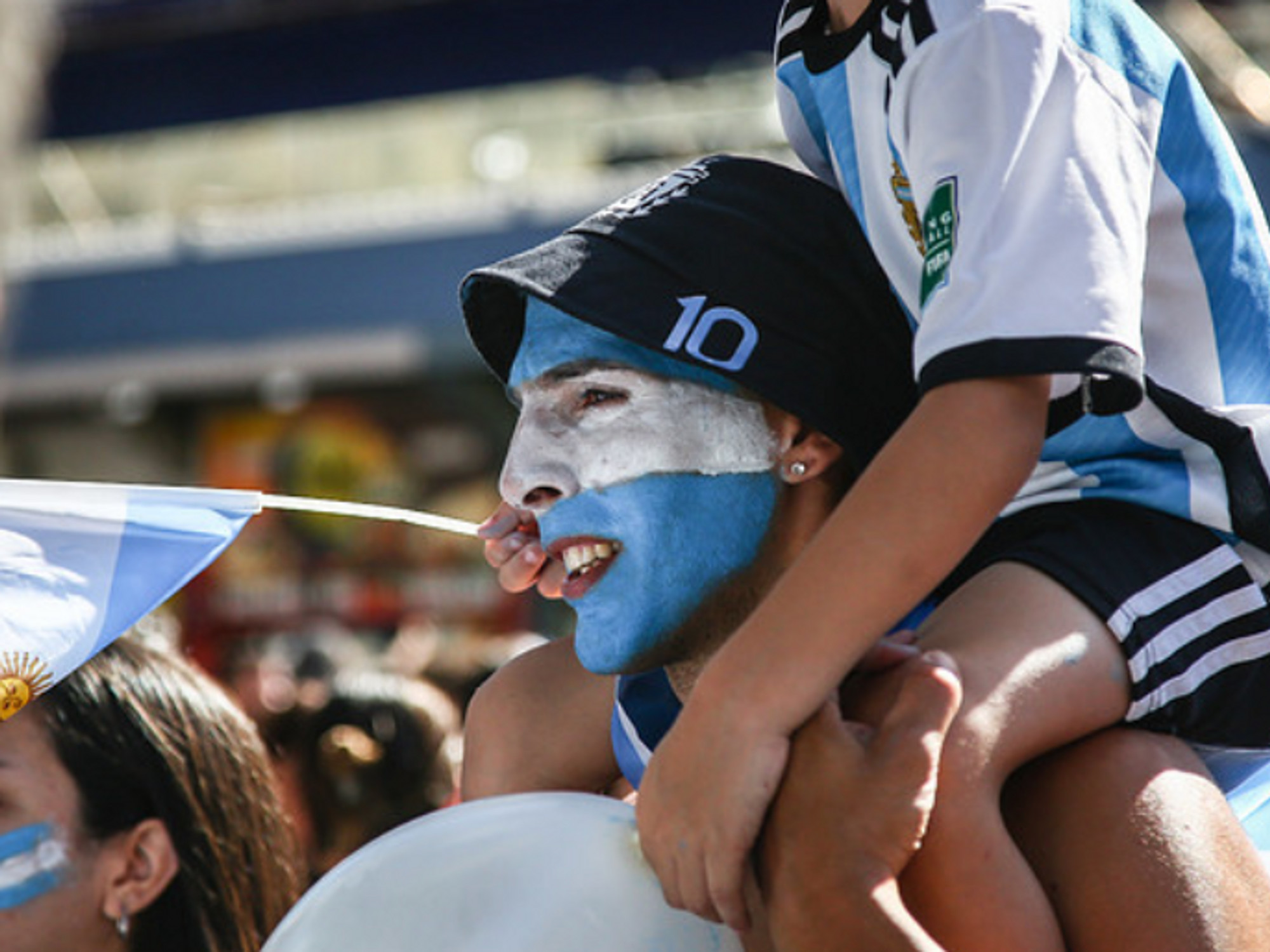
Reflections from a still celebrating padre …
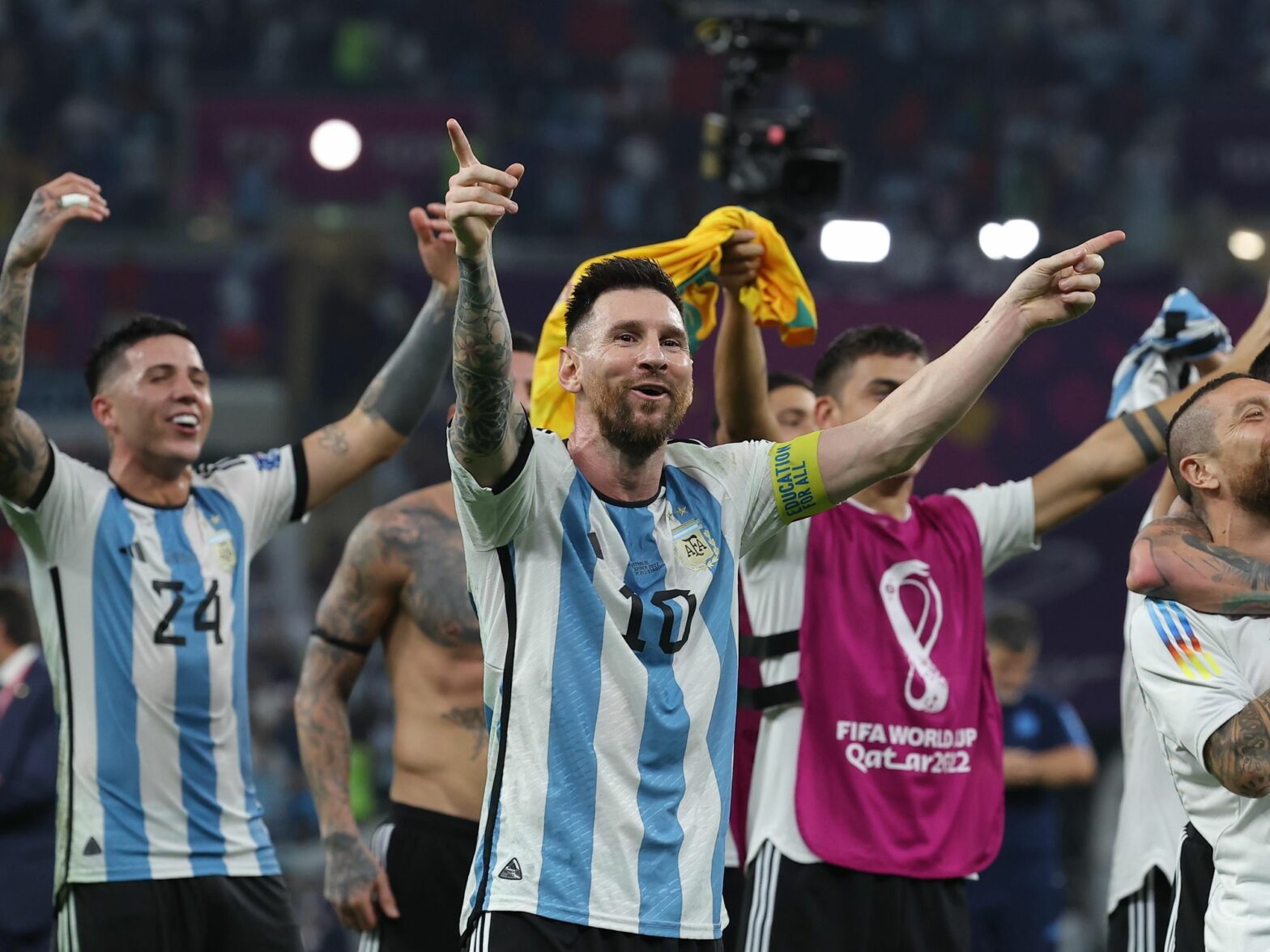
This is the Argentine author’s fourth world cup abroad, but his first as the father of two young boys.
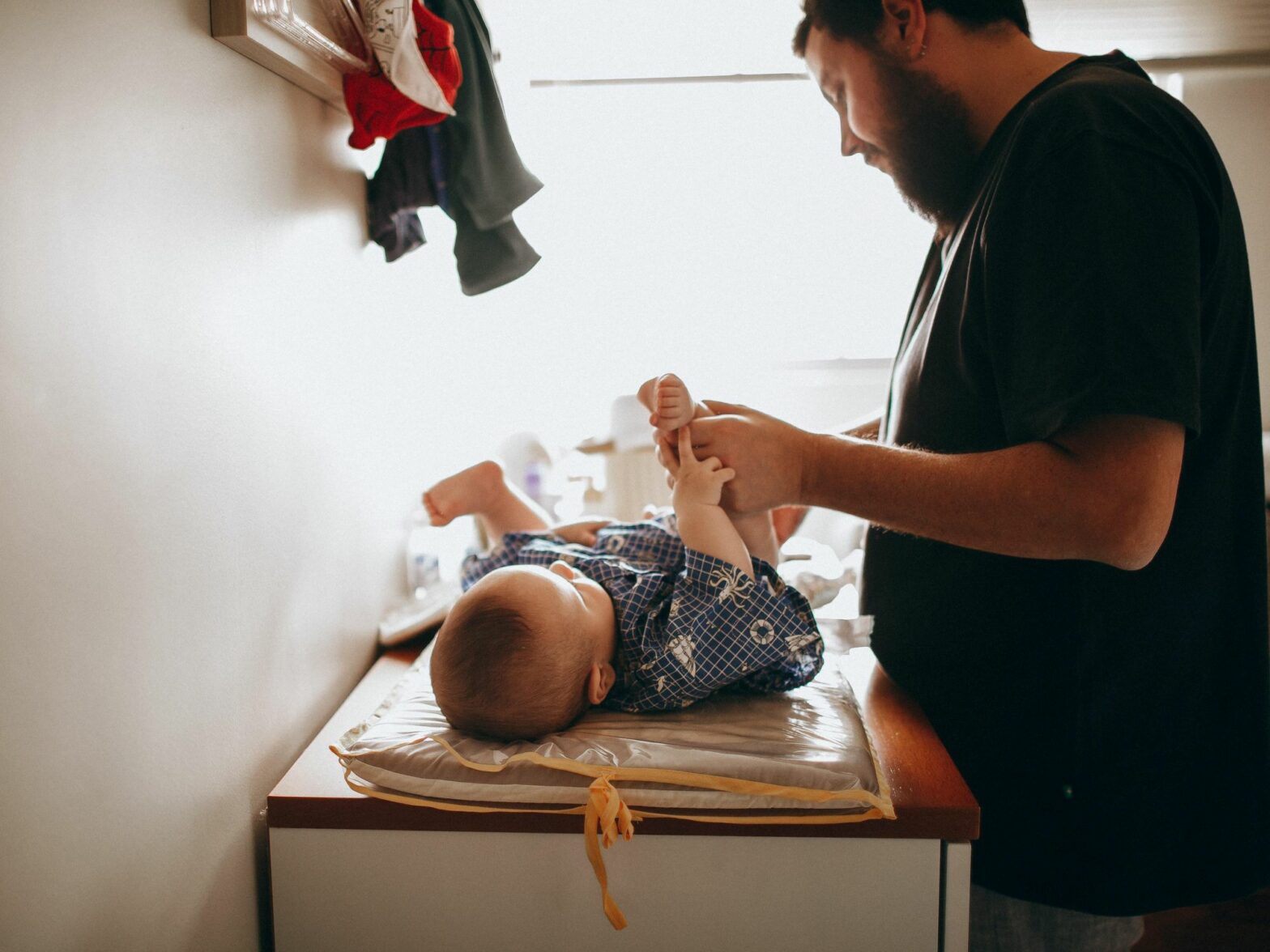
Why are men still avoiding tasks that women don’t want to do either?
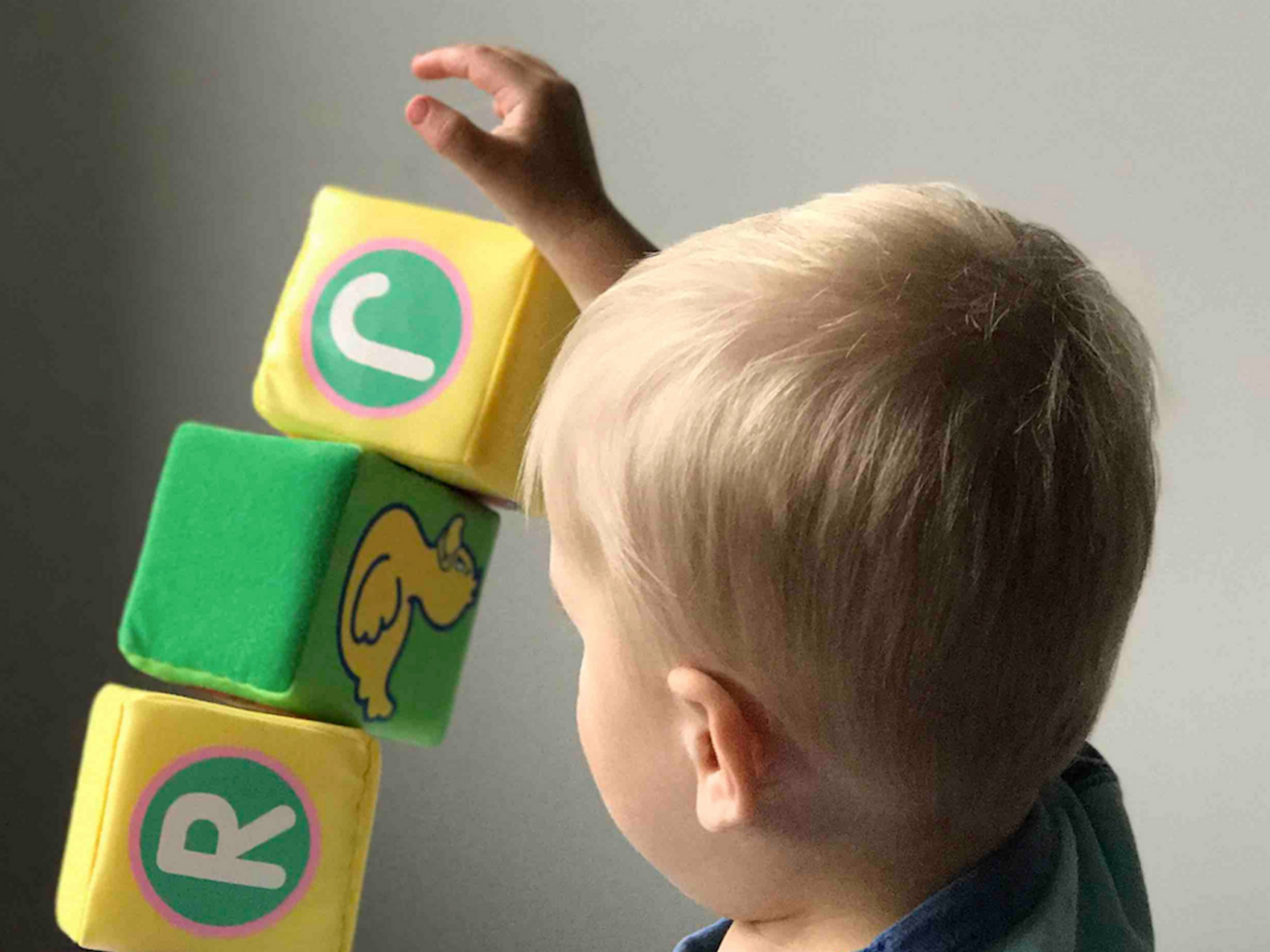
How many men are willing to change their lives when they become fathers? For Argentine journalist Ignacio Pereyra, becoming his son’s main caregiver showed just how difficult caring for a child can be.
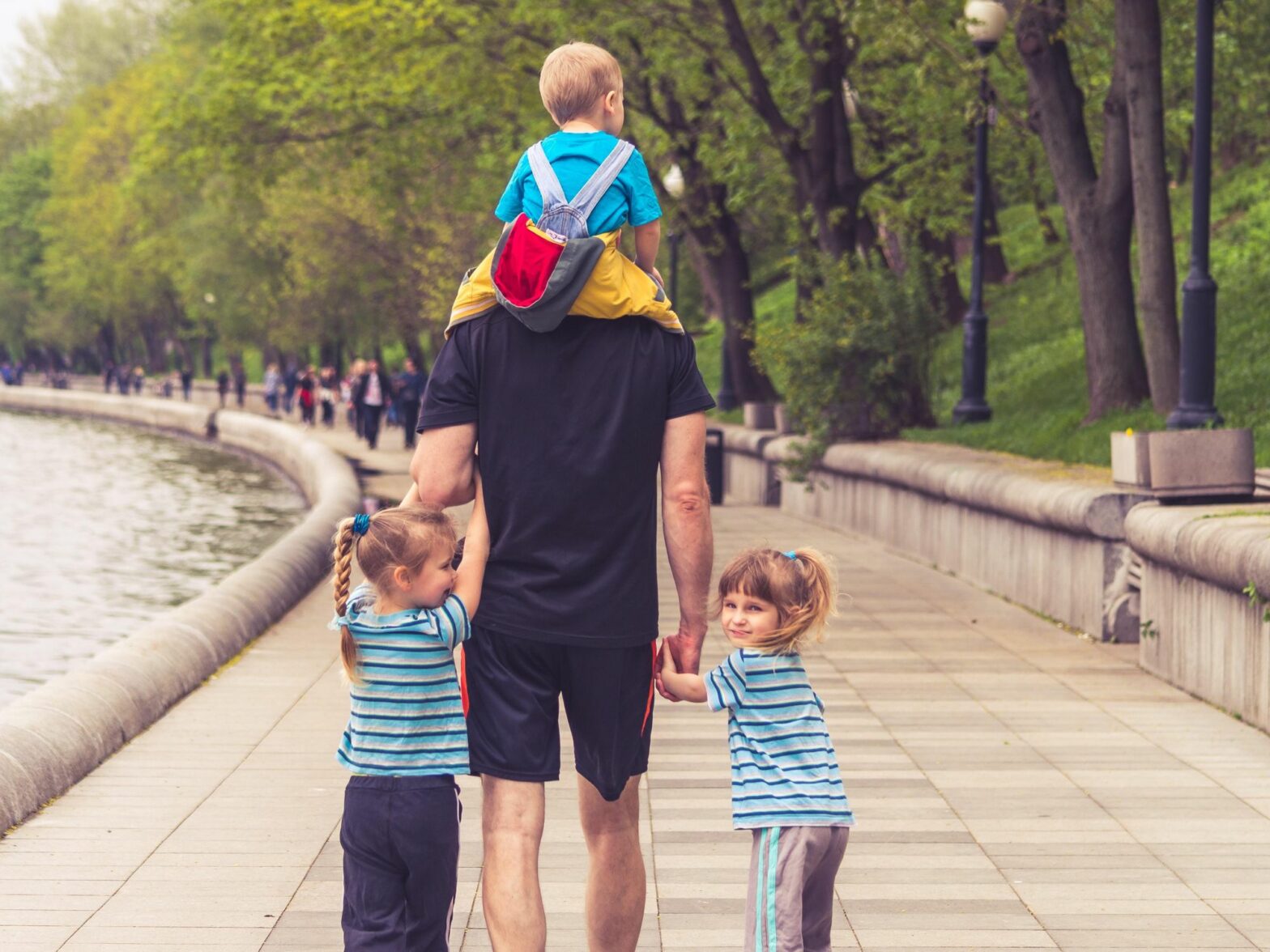
A father’s role is not to help the mother out, but to take on the “mental load” of knowing what needs to be done.
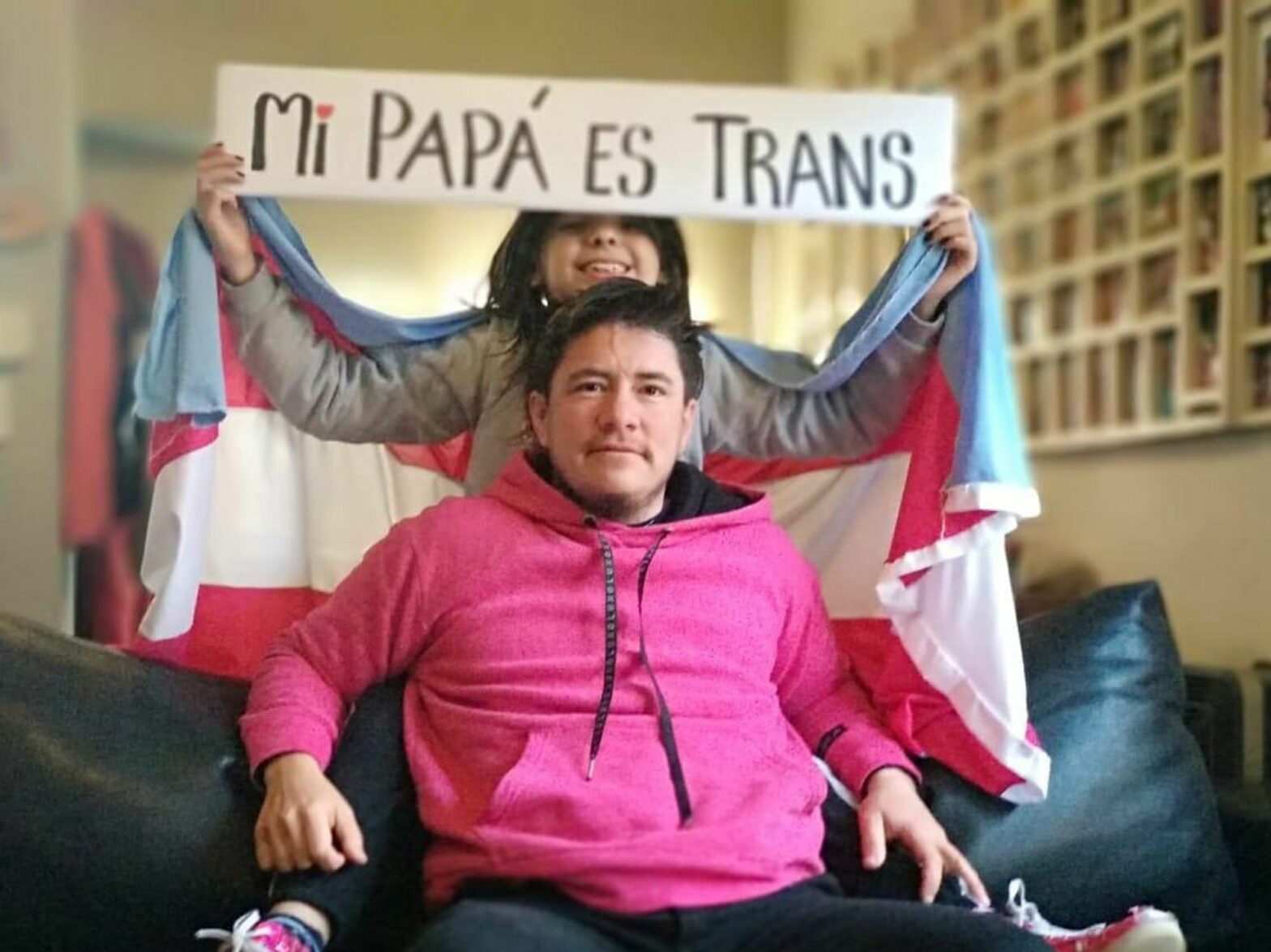
News coverage about trans fathers tends to be sensationalist. In Argentina, a group of trans dads founded a network to fight the stigma and raise awareness of their struggles.
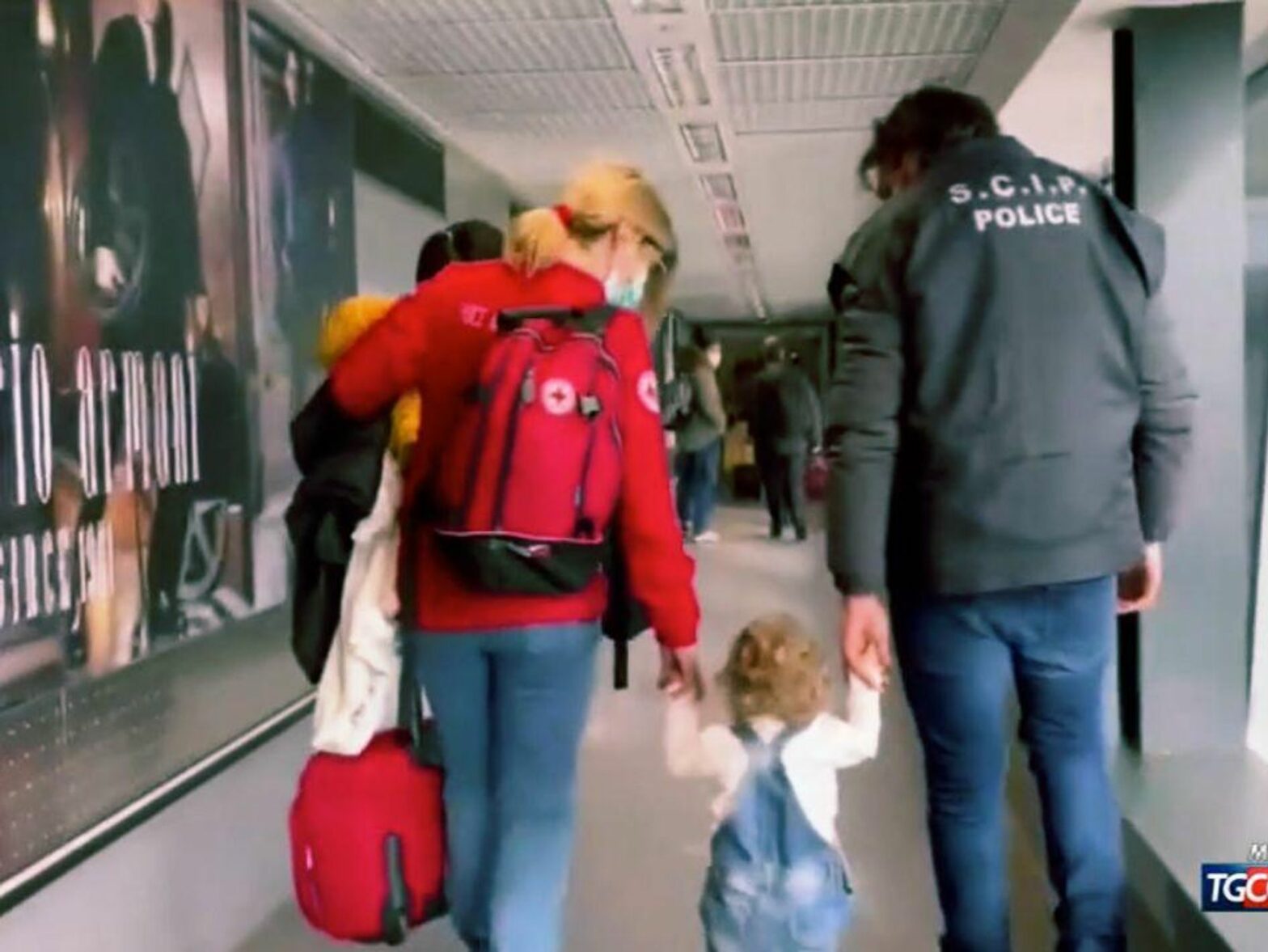
Surrogacy is still considered quite controversial, especially in Italy where a story has made headlines after would-be parents renounced a baby born in Ukraine. The author says we must face the ethical (and other) questions rather than dismiss the practice as “uterus for rent.”
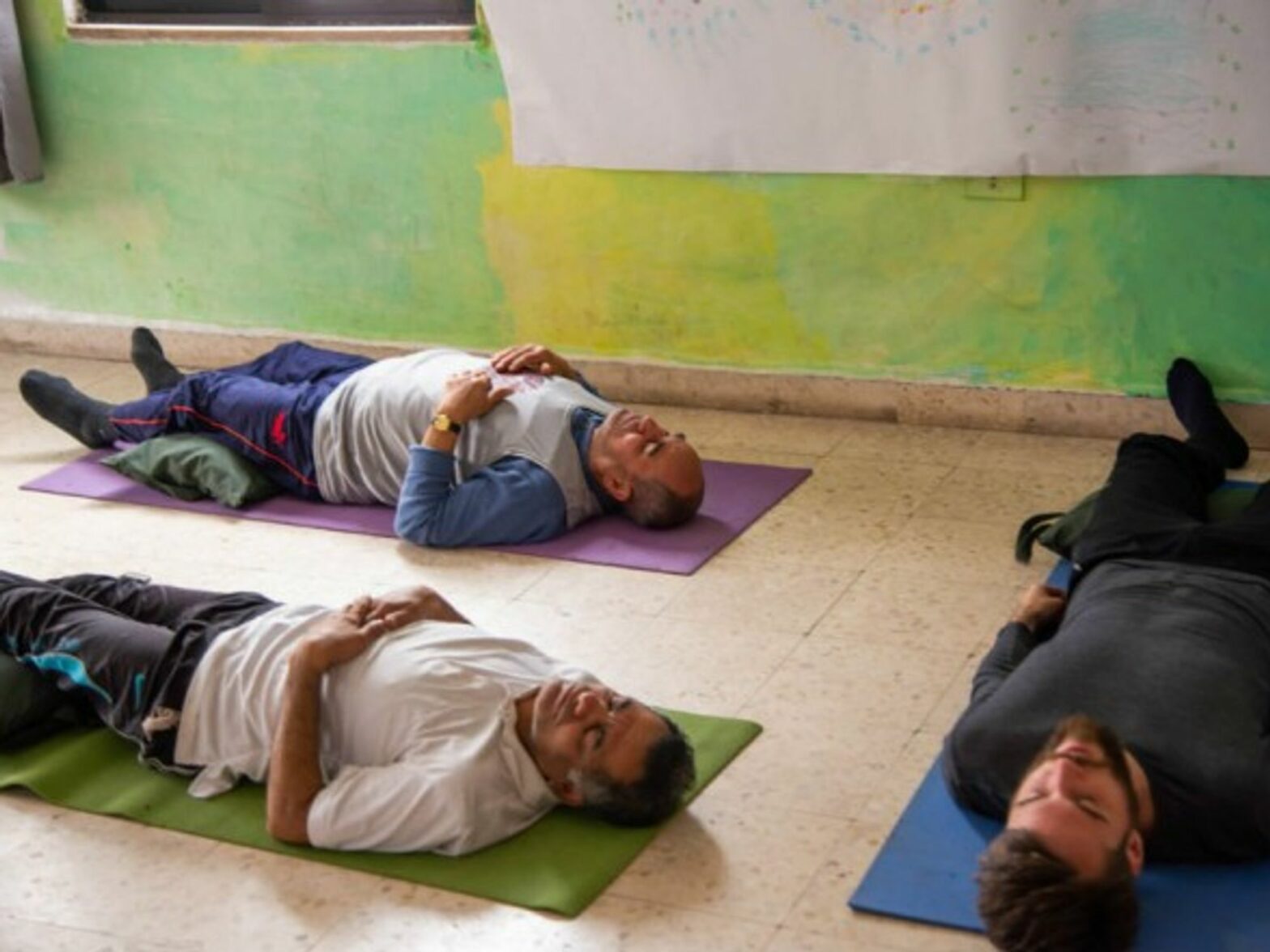
A group in East Amman gives men from Syria and other conflict zones an opportunity to open up and talk through the many ways they struggle.