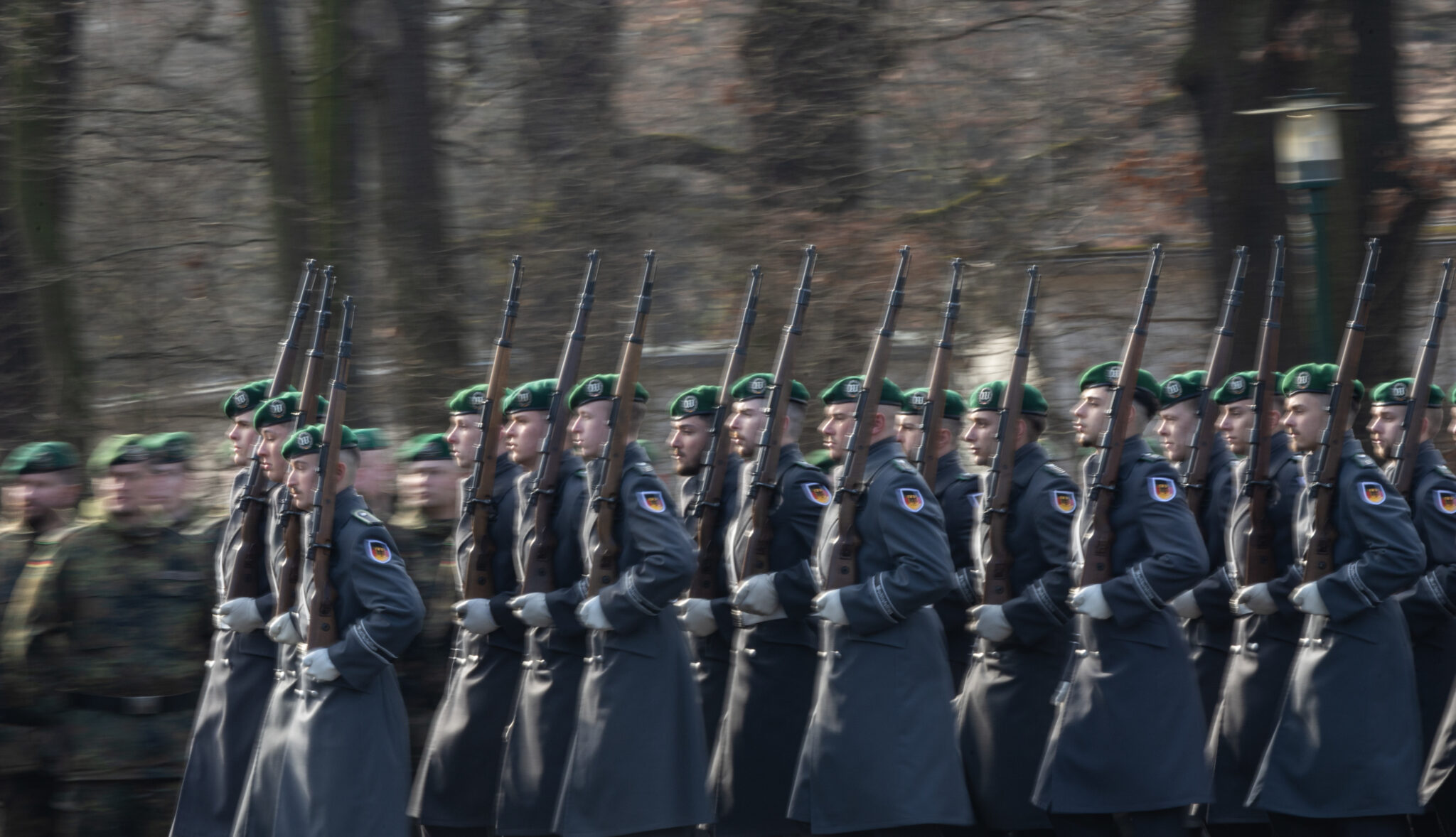
Obsessed with the military as a child, then a pacifist as a young man, Die Zeit columnist Andreas Öhler explores what it now means to defend peace in a world that may no longer allow it.
 Worldcrunch
Obsessed with the military as a child, then a pacifist as a young man, Die Zeit columnist Andreas Öhler explores what it now means to defend peace in a world that may no longer allow it.
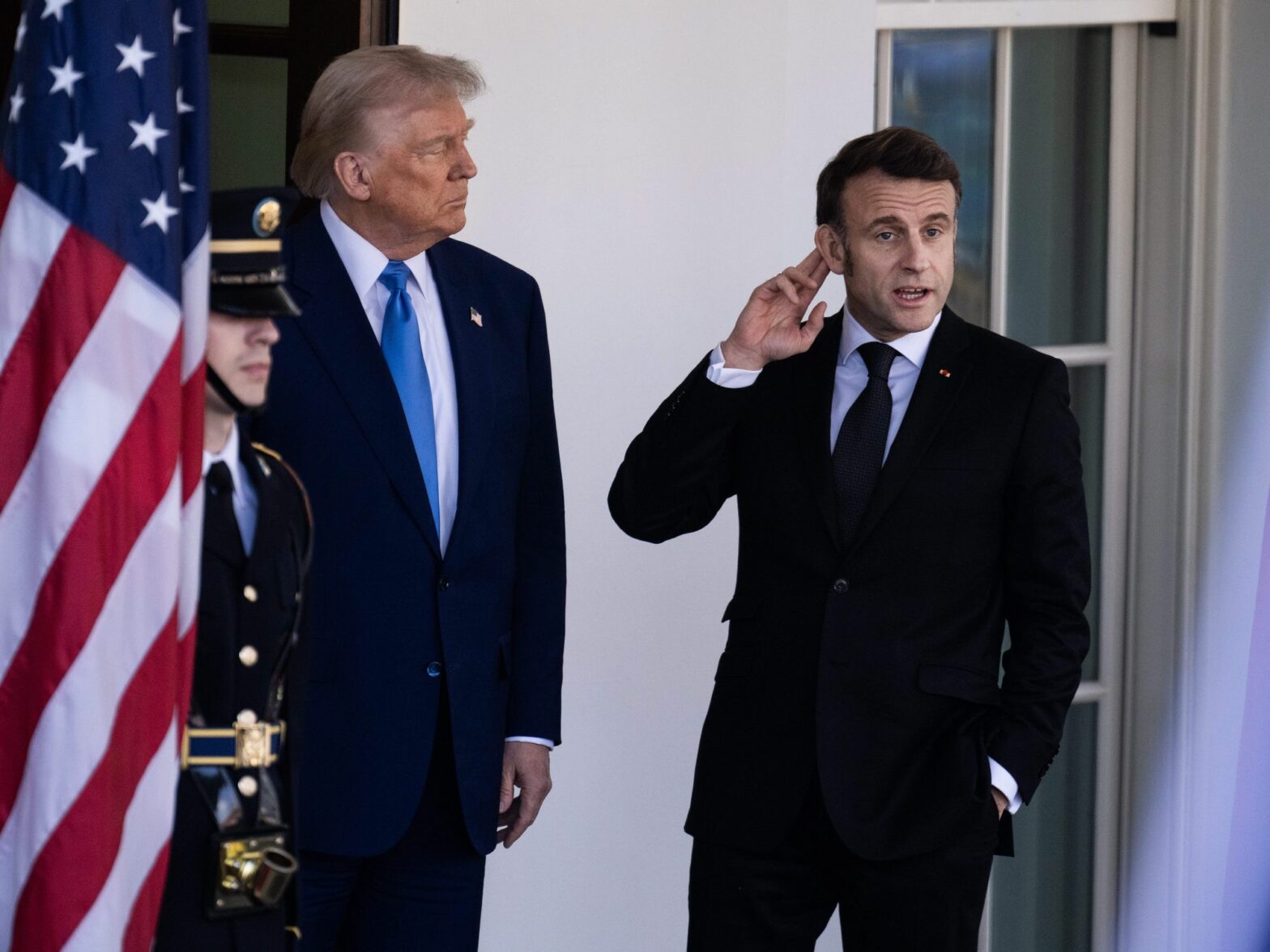
A survey conducted in nine European countries reveals strong opposition to Donald Trump and his policies, along with fears of a conflict on European soil. This has led to overwhelming support for an independent European defense — even in traditionally pro-U.S. nations. A turning point.
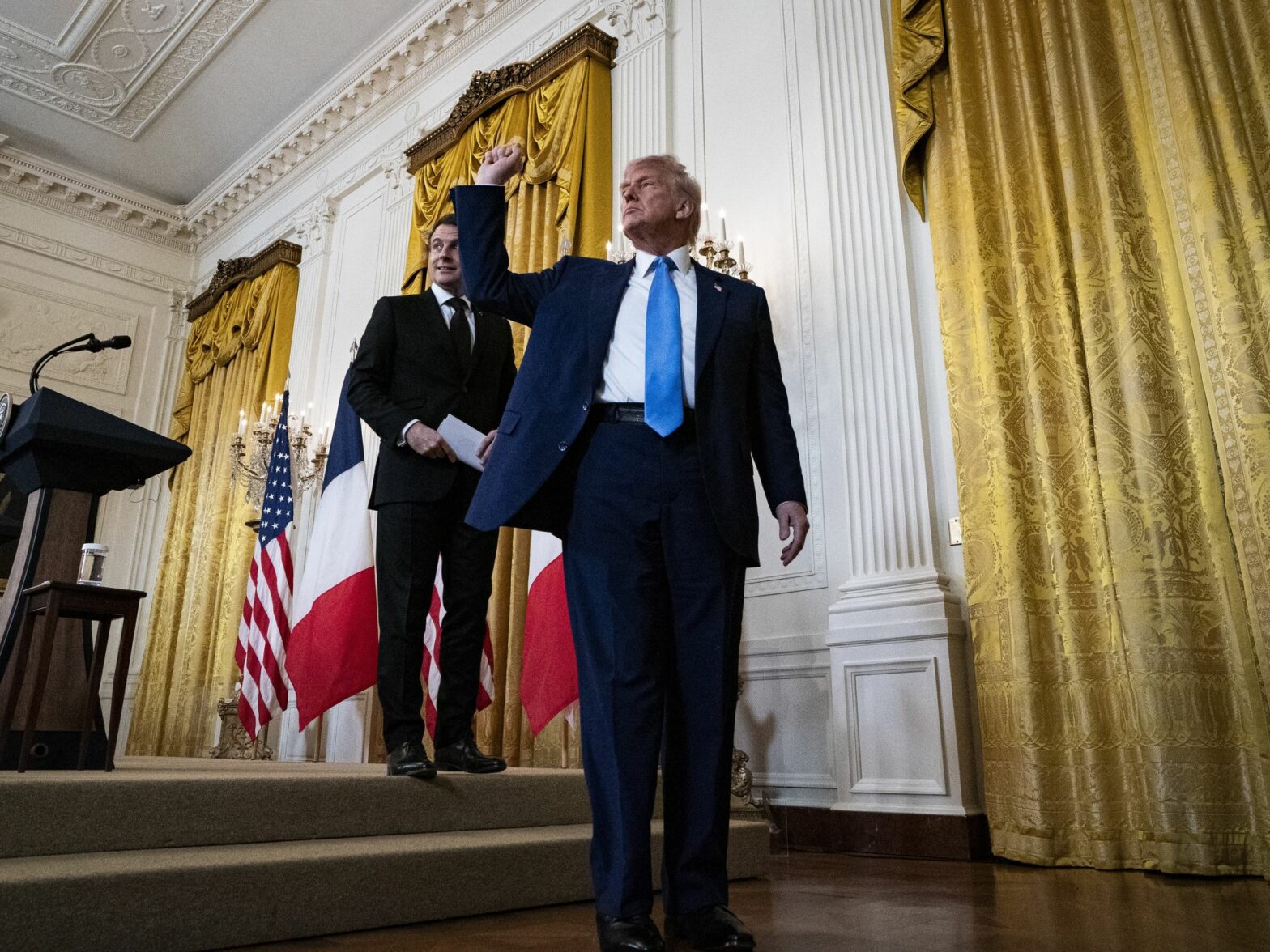
Europeans are coming to grips with a harsh reality: The United States is no longer the guardian ensuring the continent’s security — worse, it may have even turned into an outright adversary. Nothing underscores this shift more than the U.S. vote at the United Nations on Ukraine, siding with Russia and standing against EU nations.
The bulldozer approach Donald Trump has deployed since his inauguration on Monday discards an American foreign policy approach in place since 1945. Who will survive, particularly in Europe, a purely transactional U.S. President?
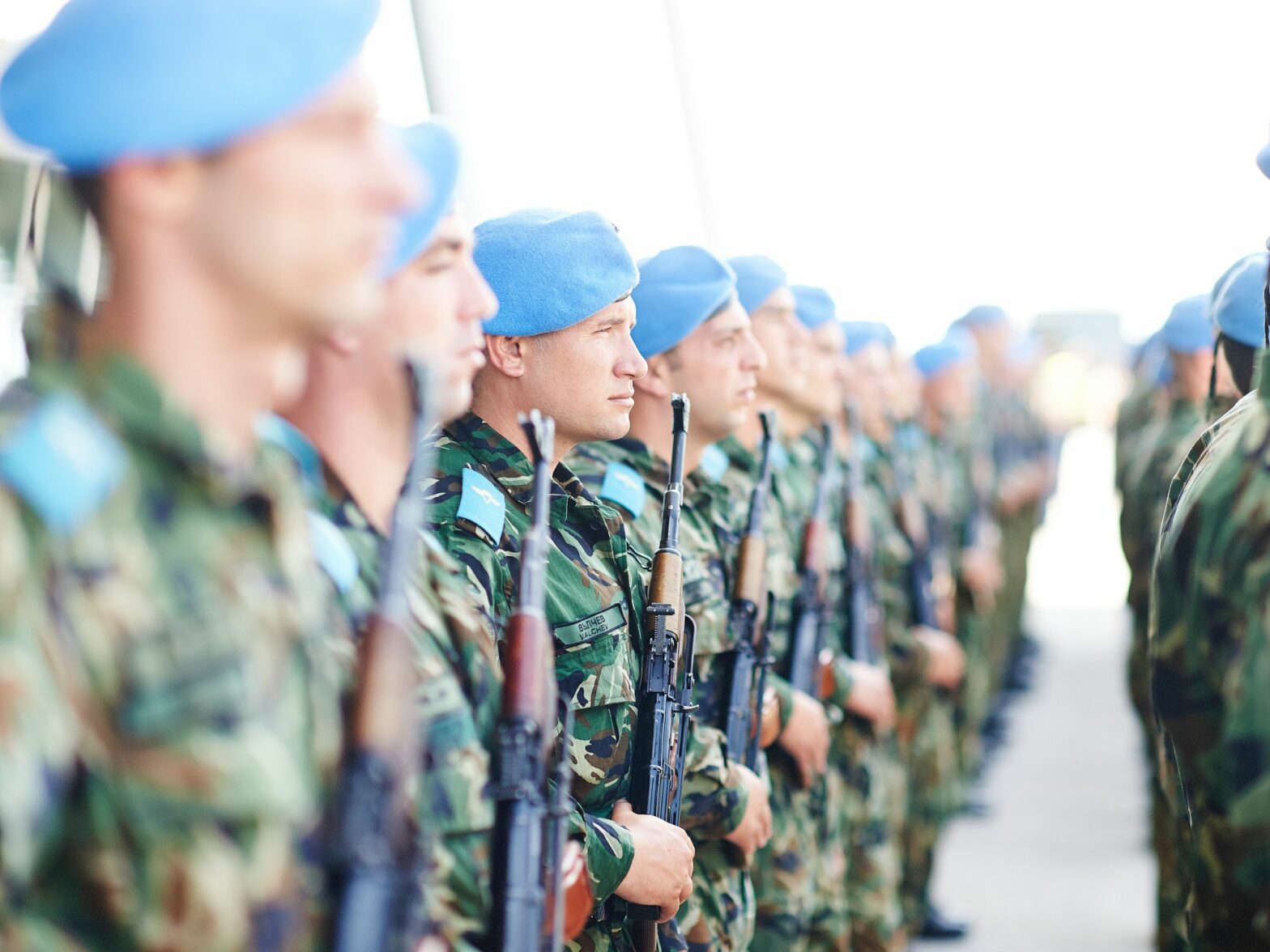
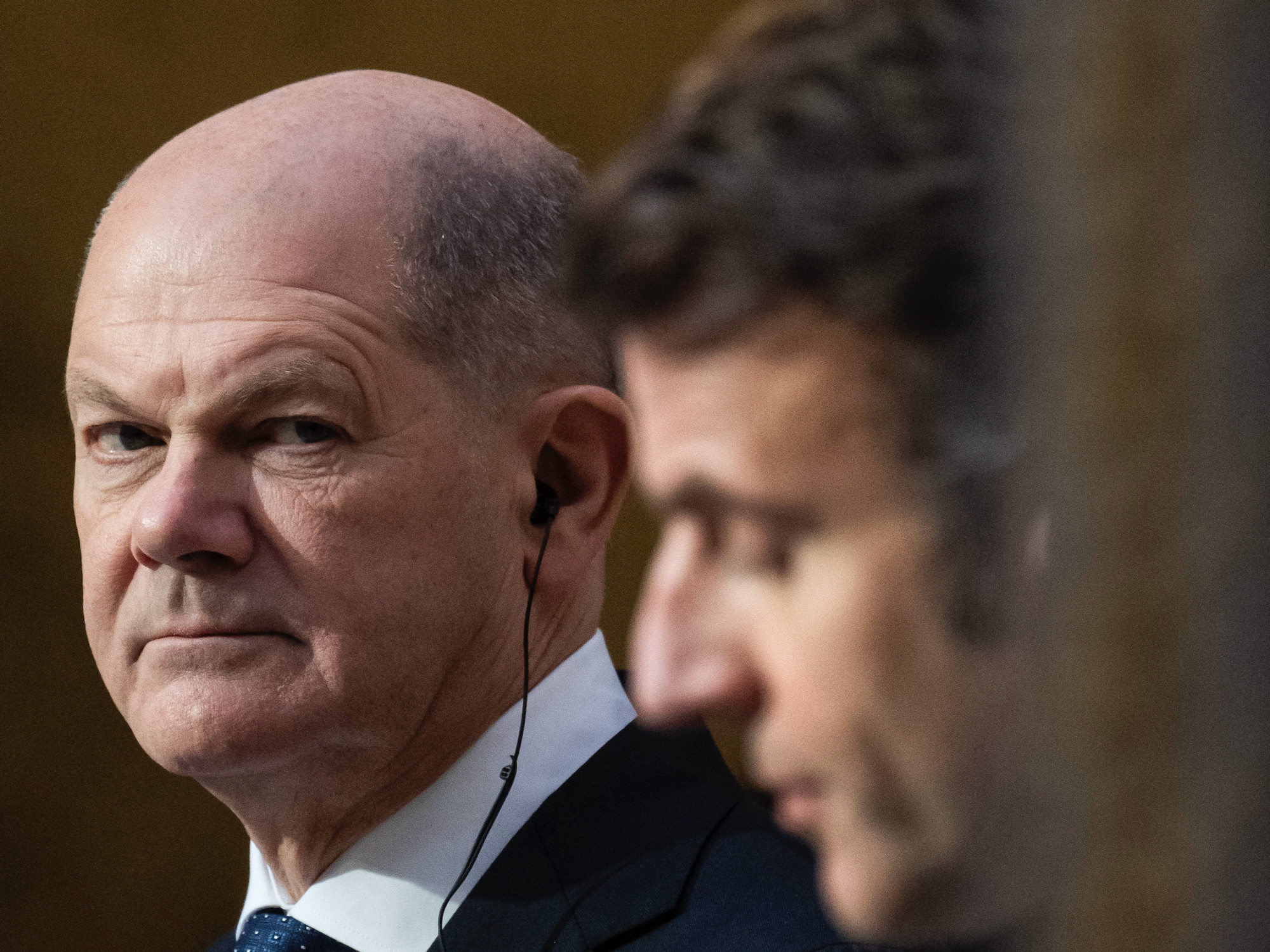
With the World Economic Forum in Davos going on, French President Macron is launching with urgency the debate on a common defense for European countries, in light of Ukraine, the Middle East — and a possible return of Trump.