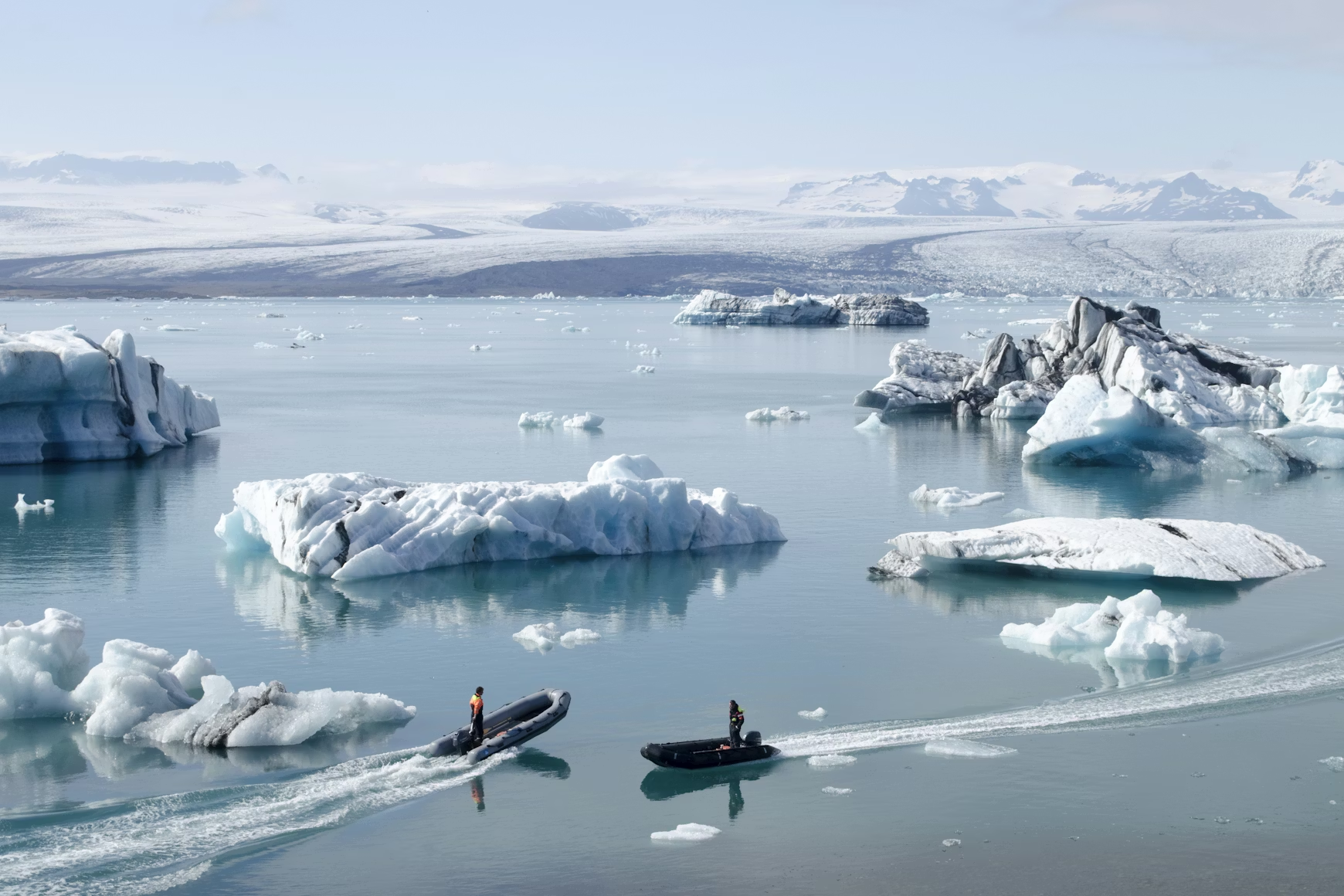
From volatile volcanoes to fragile winter landscapes, Icelanders live between wonder and risk as scientists race to understand a land that both sustains and endangers them.
 Worldcrunch
From volatile volcanoes to fragile winter landscapes, Icelanders live between wonder and risk as scientists race to understand a land that both sustains and endangers them.
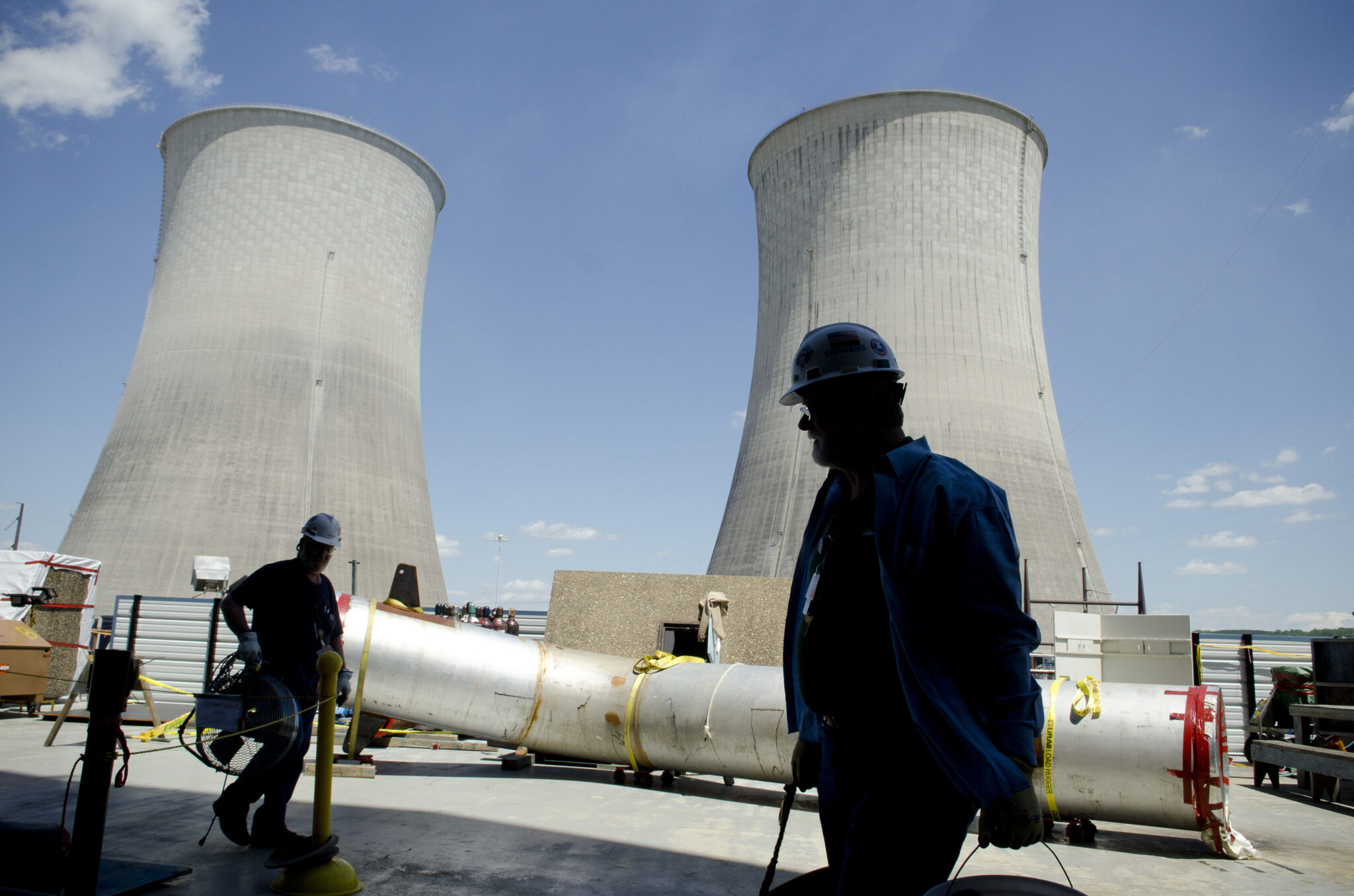
President Trump’s push to revive nuclear energy relies on deregulation, but experts say that strategy is misplaced.
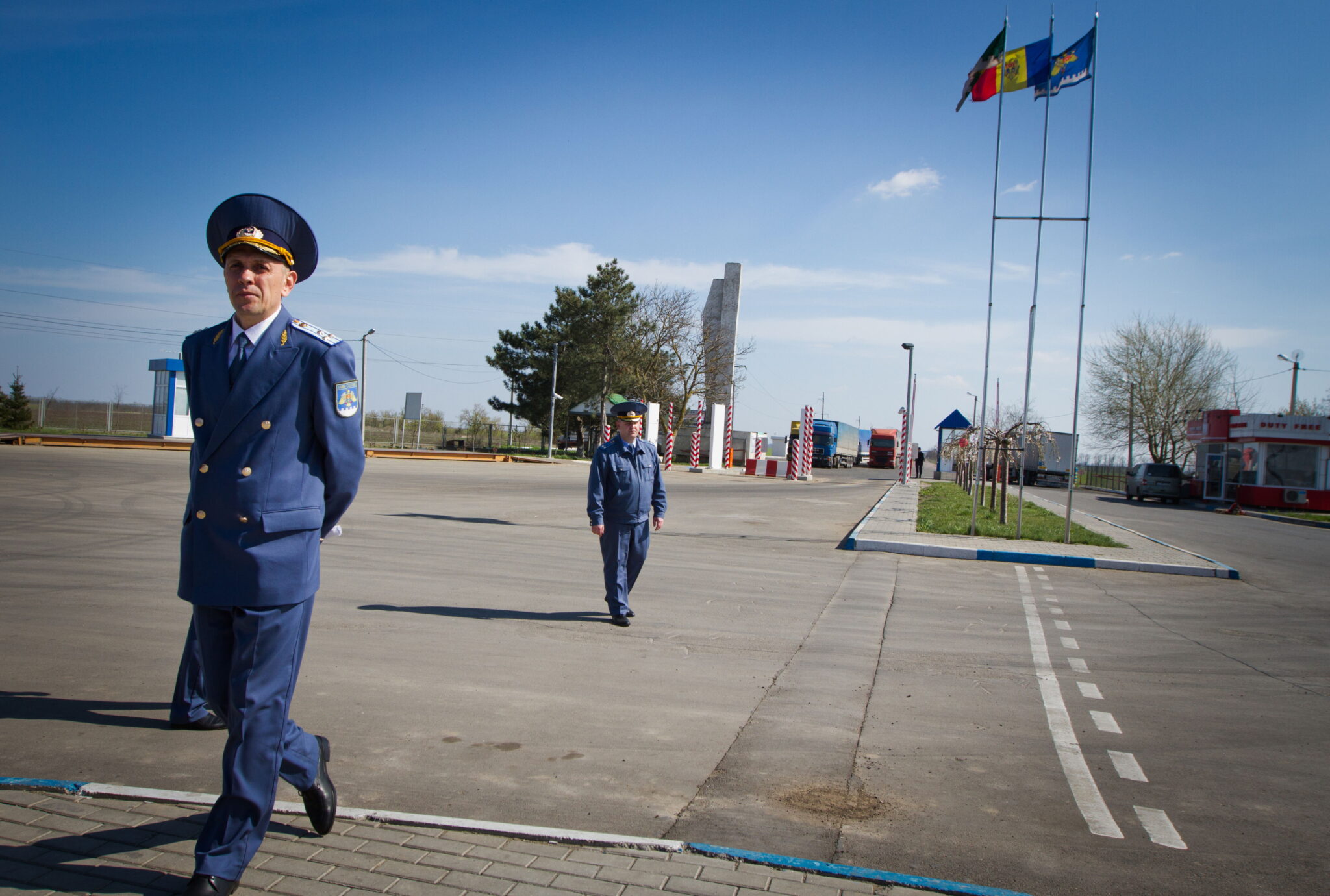
Macron, Merz and Tusk are in Moldova on Wednesday to celebrate the anniversary of its independence and to lend political support to pro-European President Maia Sandu, one month before parliamentary elections marked by a pro-Russian offensive.
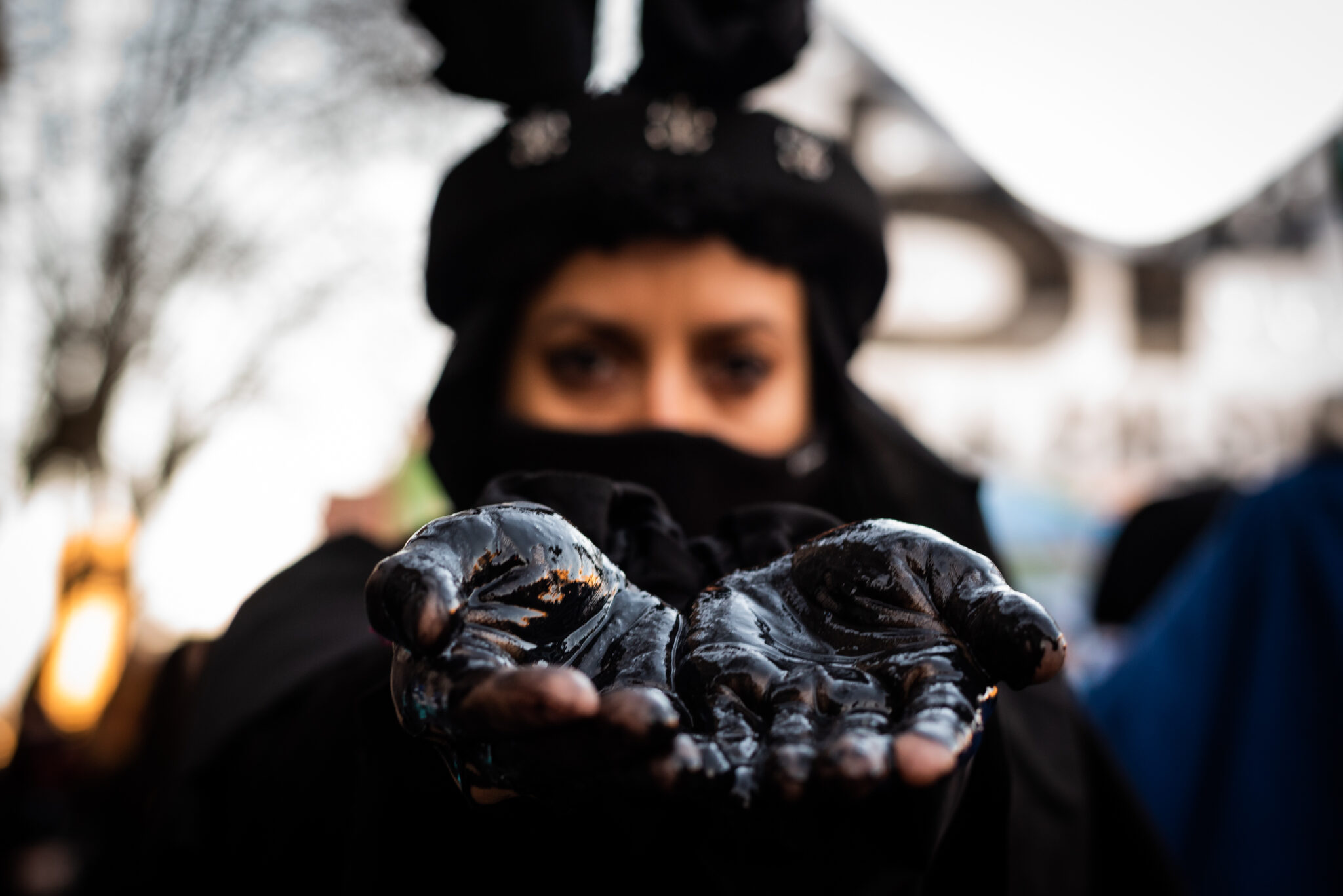
In Argentina, gas and oil are more than fuels — they’re sacred words, woven into the nation’s identity. But this devotion is not just economic, it’s linguistic: The way Argentinians talk about hydrocarbons builds a cultural fortress, which makes any shift toward cleaner energy all the more difficult.
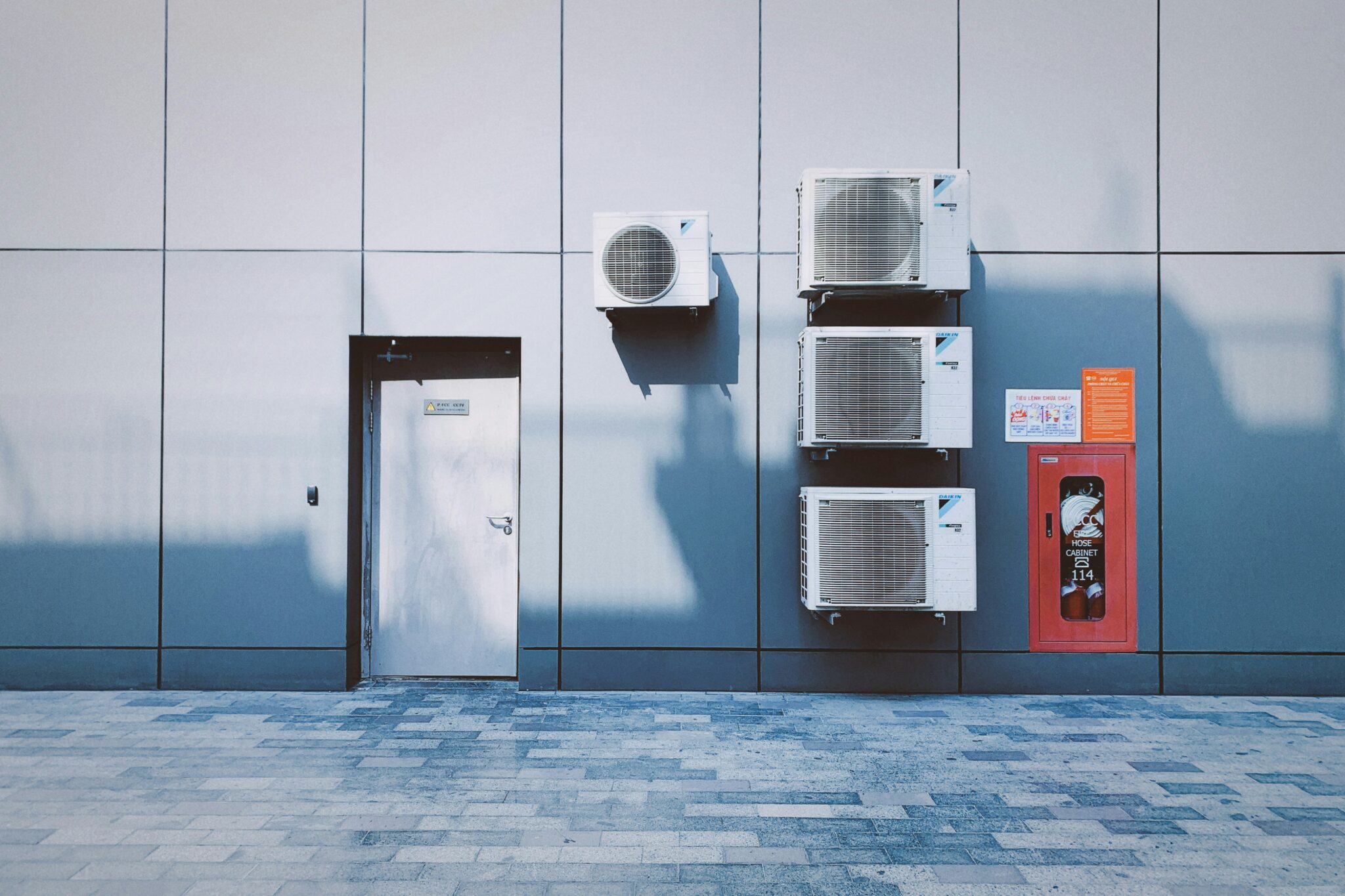
Environmentalists crusading against air conditioners are mistaken: excessive heat actually harms economic growth and, indirectly, the decarbonization of our society.
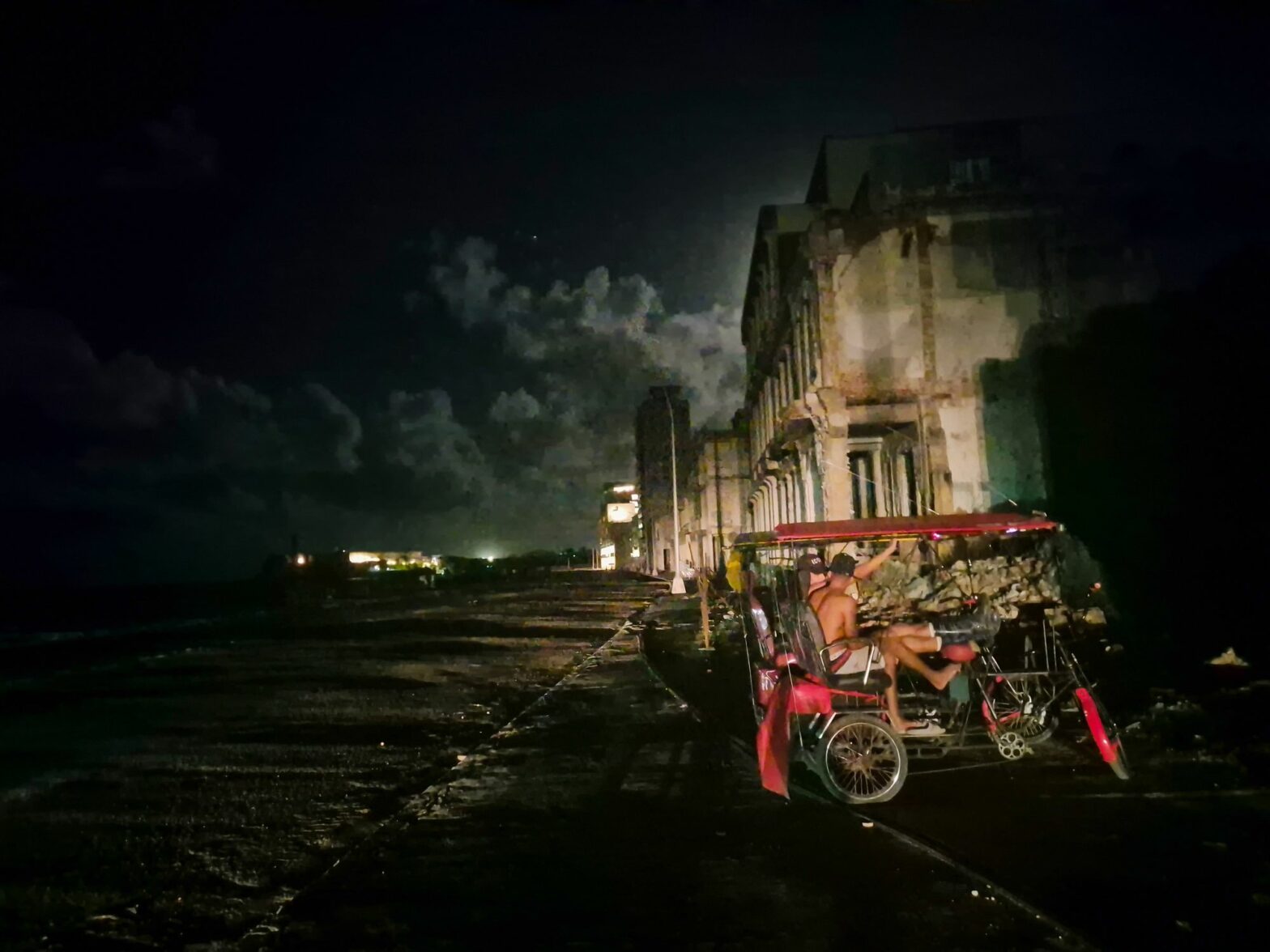
Cuba’s current energy crisis is a dramatic illustration, symbolic and otherwise, of the overall downfall of a country that could have followed the successful models of its Asian cousins. Faced with a socioeconomic dead-end, record numbers of Cubans are fleeing the country.
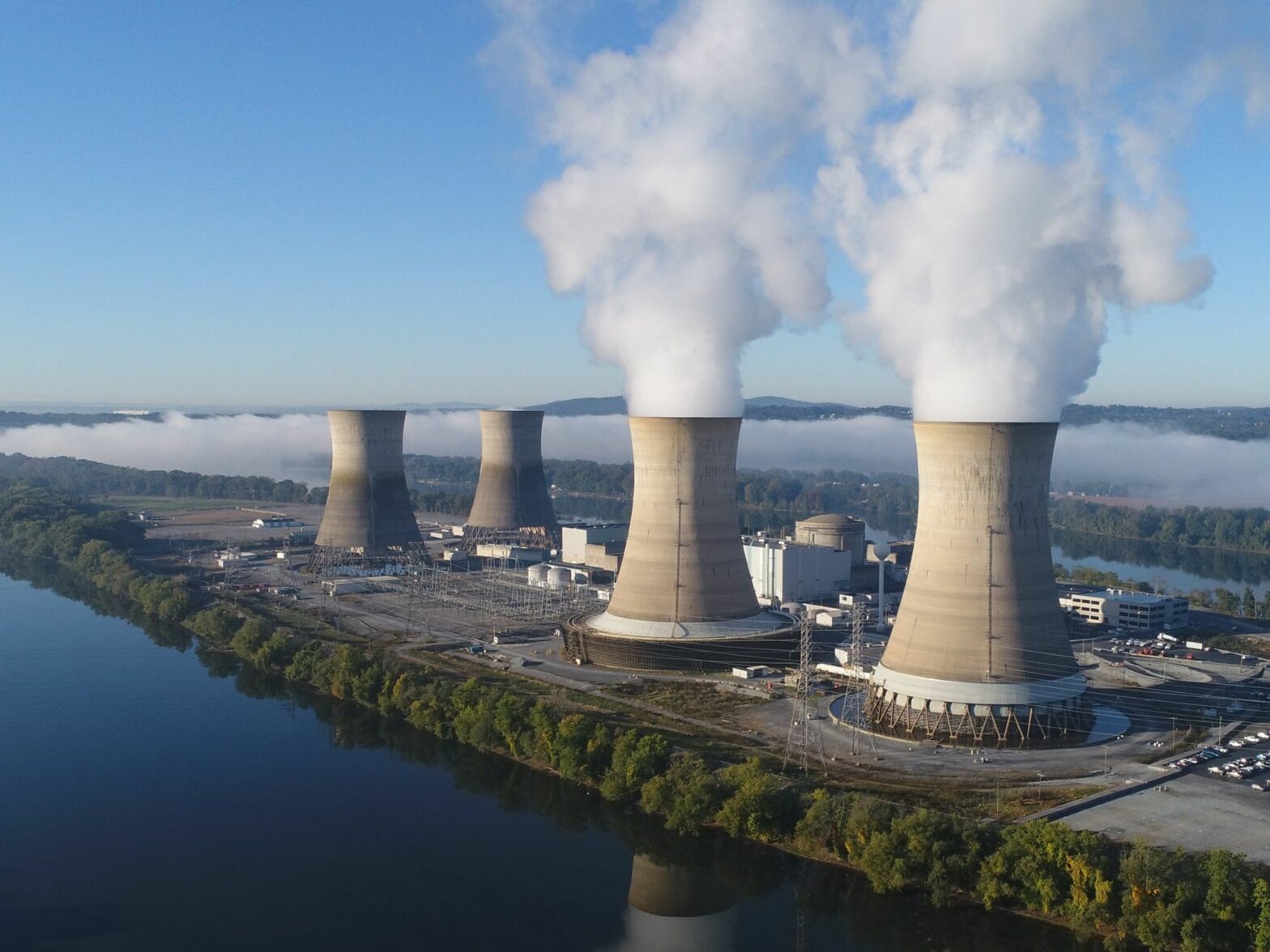
Should the U.S. revive nuclear power to satisfy the growing electricity demands of artificial intelligence? The Three Mile Island nuclear power plant offers a cautionary tale of technology outpacing expertise.
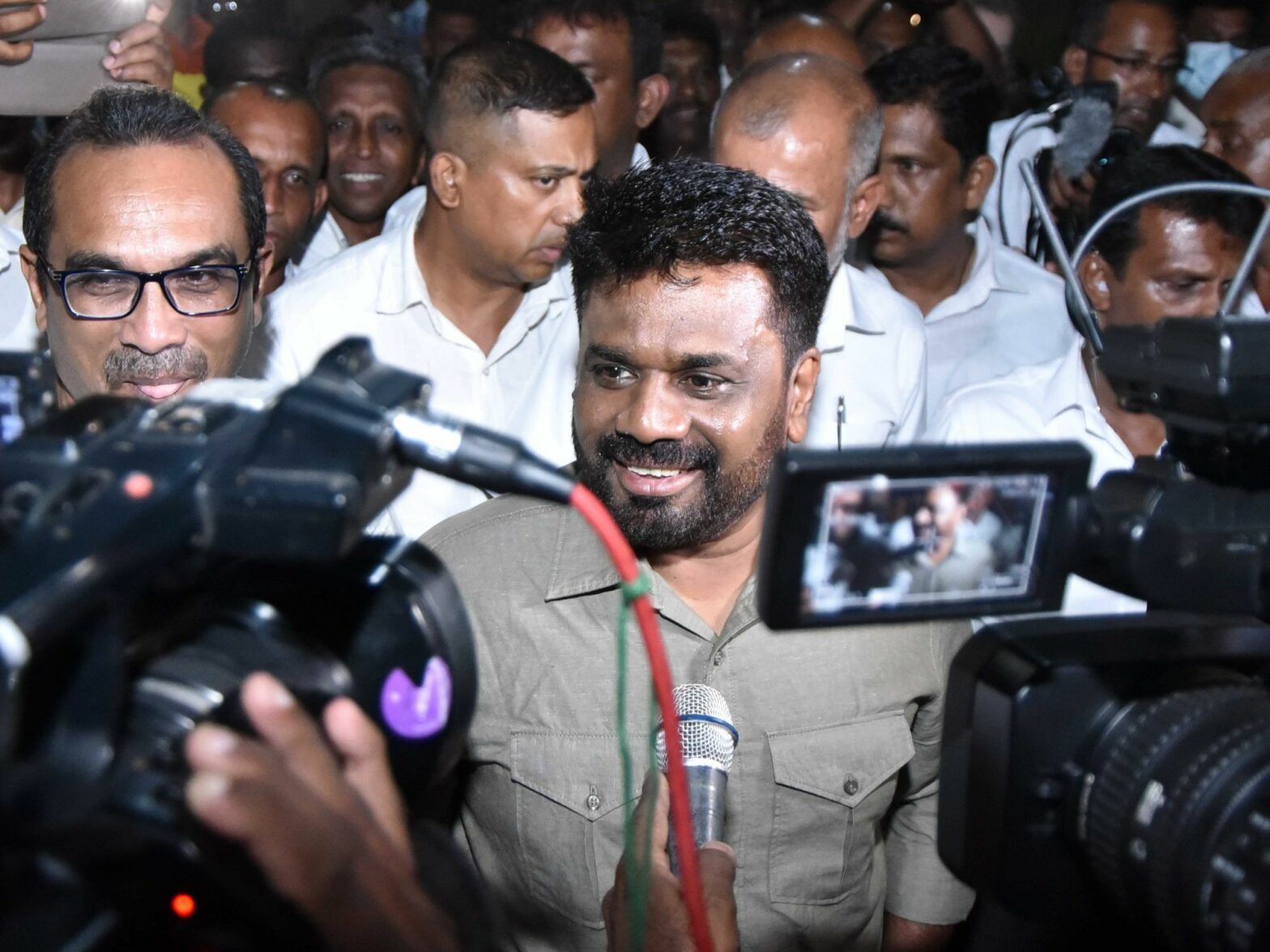
The outgoing Sri Lankan government had signed an agreement in secret for the Indian conglomerate Adani to build a wind farm in the north of the country. Now the newly elected President Anura Kumara Dissanayake arrives with plans to scrap the massive project.
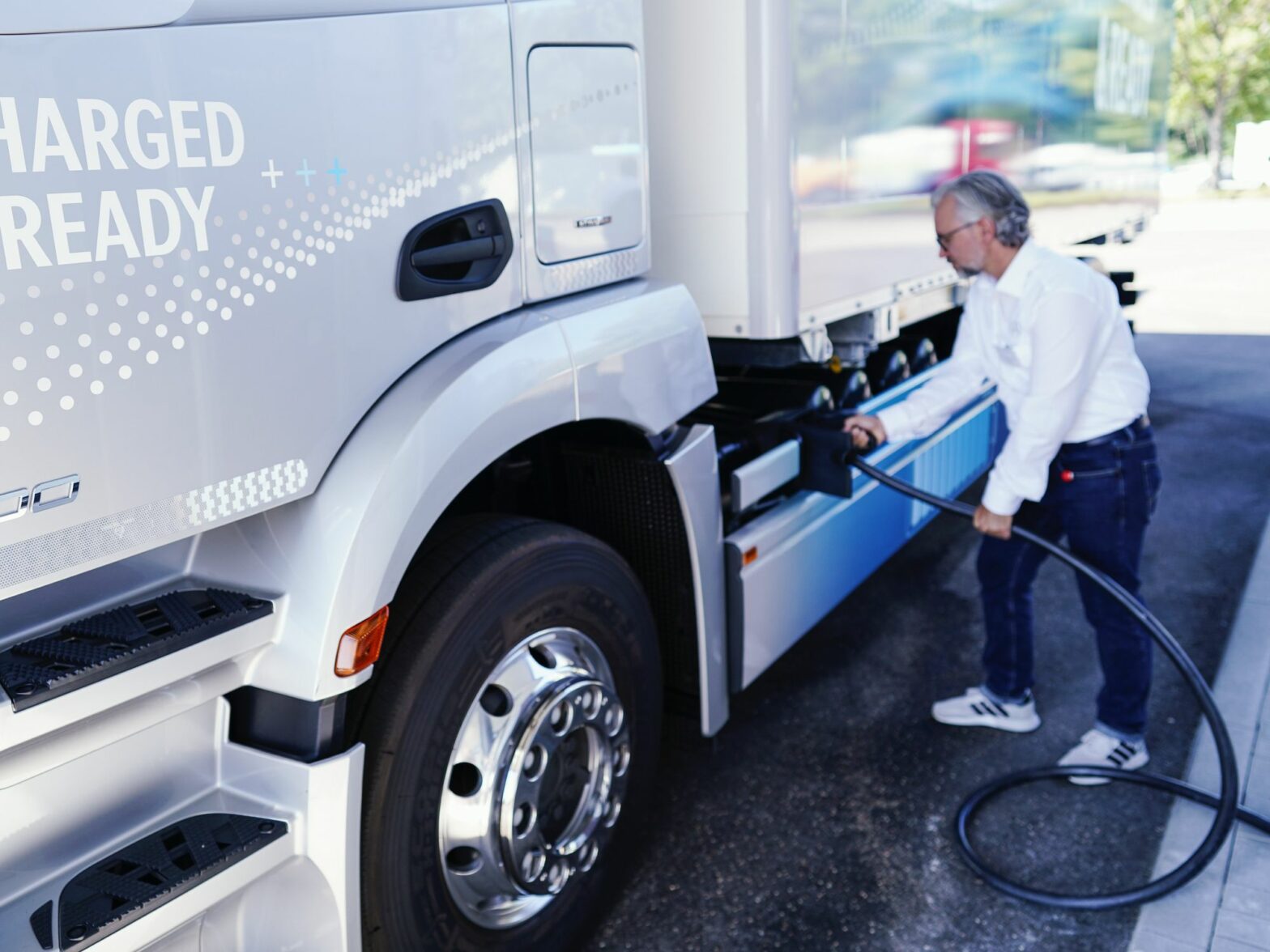
How can trucks be powered in a non-polluting way? The industry has been looking for good solutions for a long time. Now, electric trucks are gaining ground. The shift towards electric could actually happen faster than with cars.
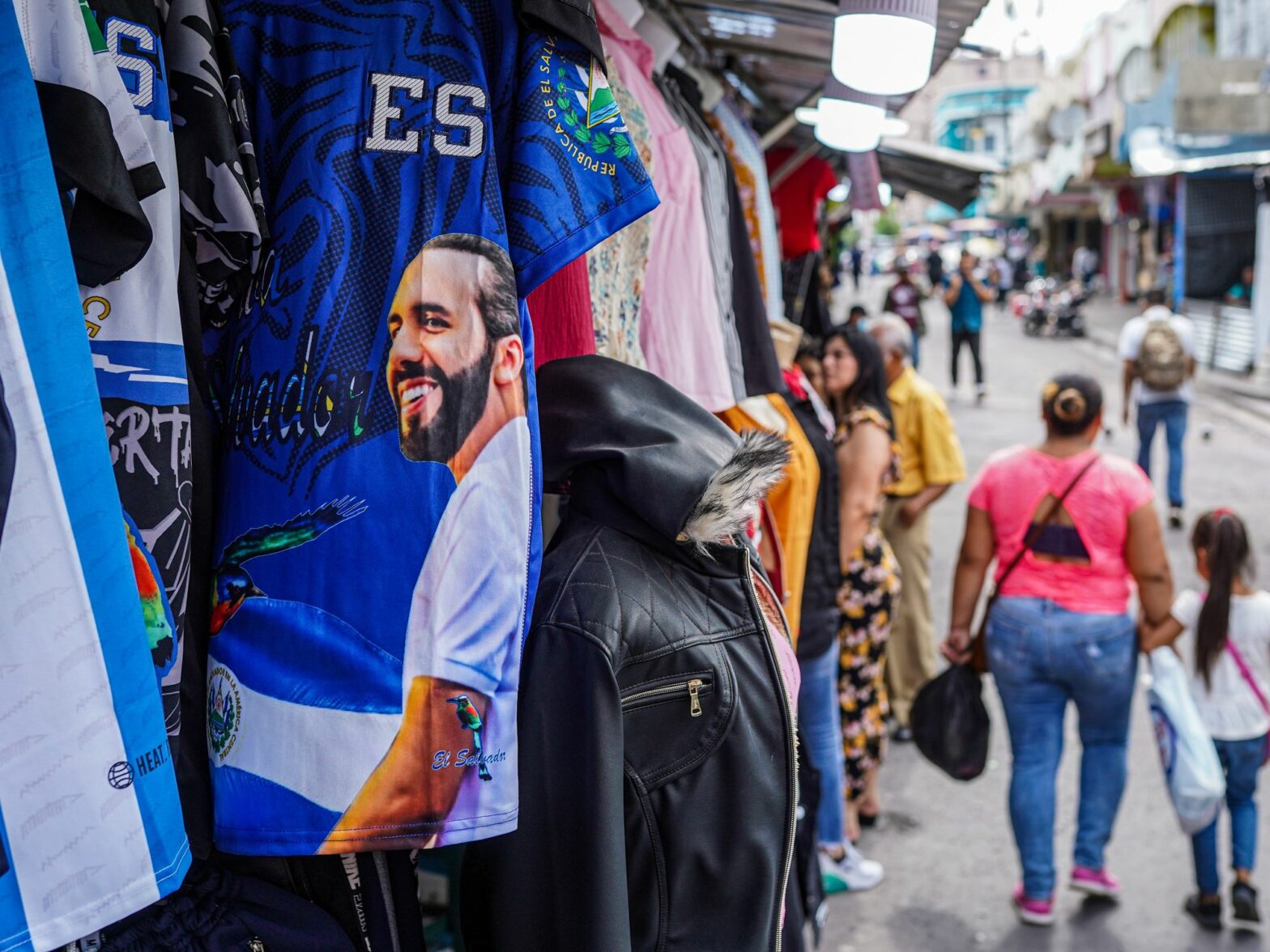
Through quiet diplomacy, Russia may be courting the rising star of Latin American populism, El Salvador’s President Nayib Bukele. In time, he must decide between international respectability and a bear hug from Vladimir Putin.

Located between Marrakech and Casablanca, the Mohammed VI Polytechnic University is trying to replicate the recipes that have made the United States’ Silicon Valley successful, fusing research and business — with special attention given to green energies and food sovereignty.
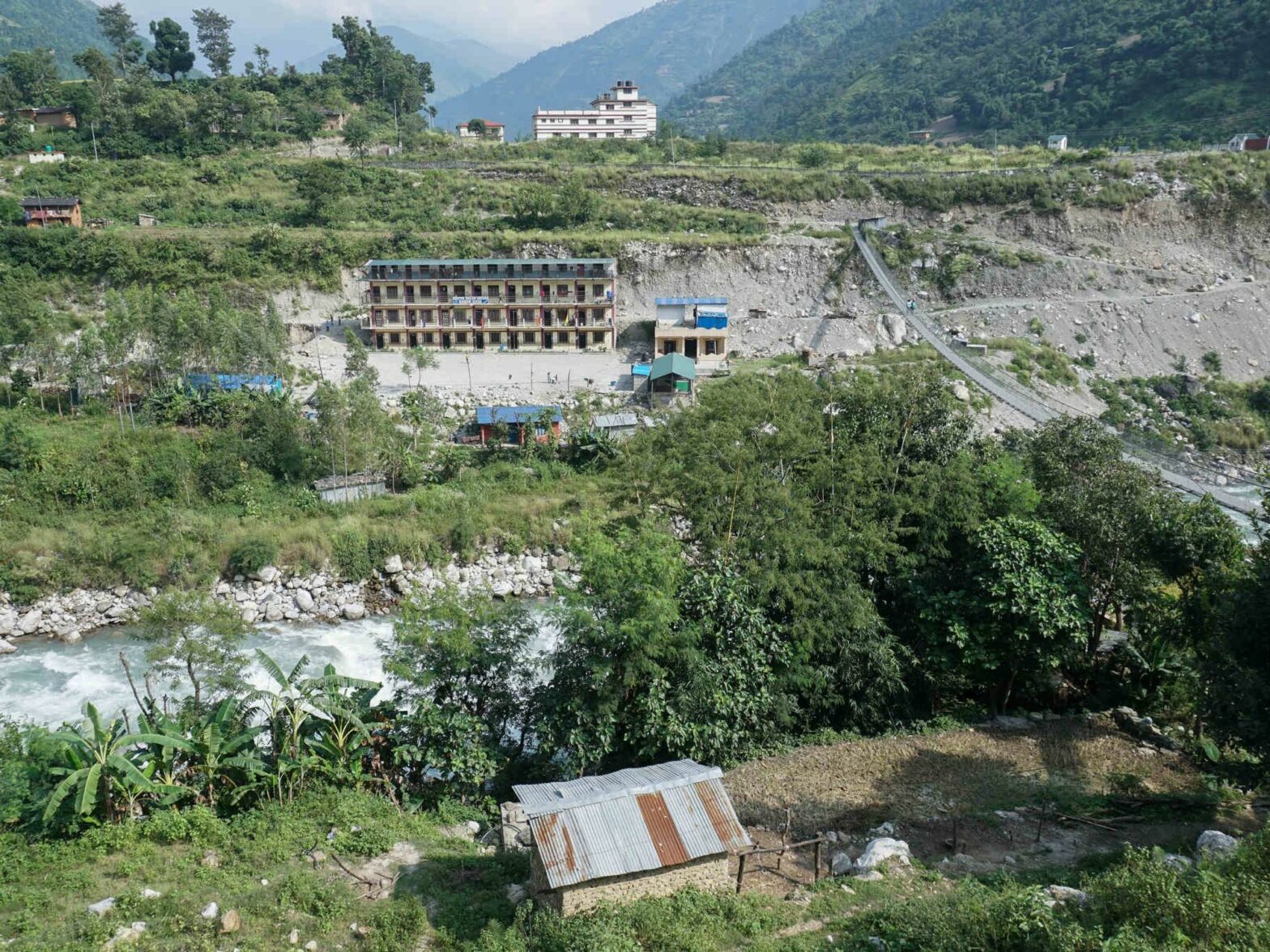
On paper, the river-rich Karnali province is perfect for hydropower. In reality, the disaster-prone and far-flung region struggles to turn on the lights.
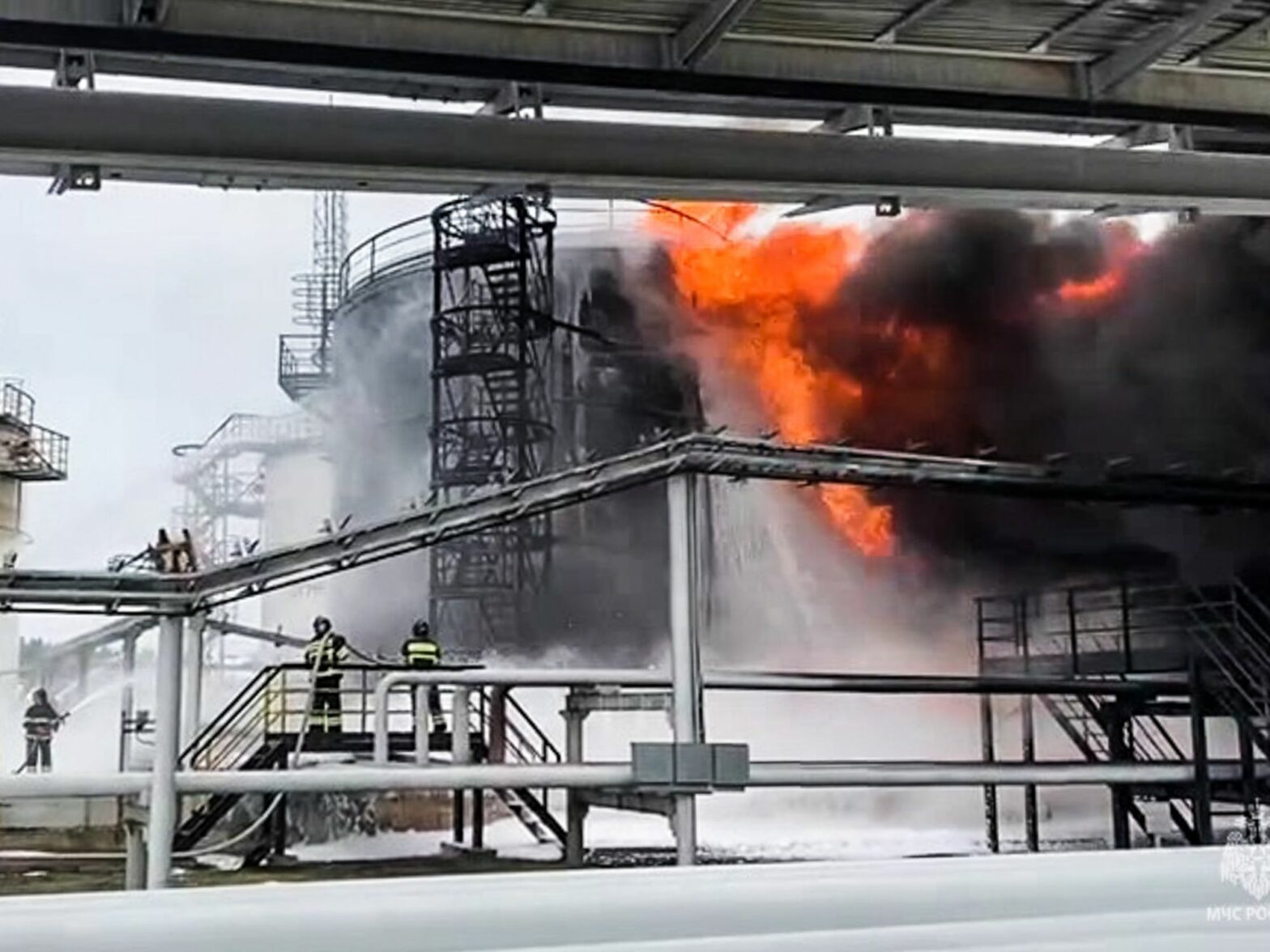
The targeting of oil industry sites in occupied or border regions has now been replaced by a series of drone strikes of energy-producing structures deep inside Russian territory. These attacks aim to cripple Russia’s economy, which could turn the tide on the war.
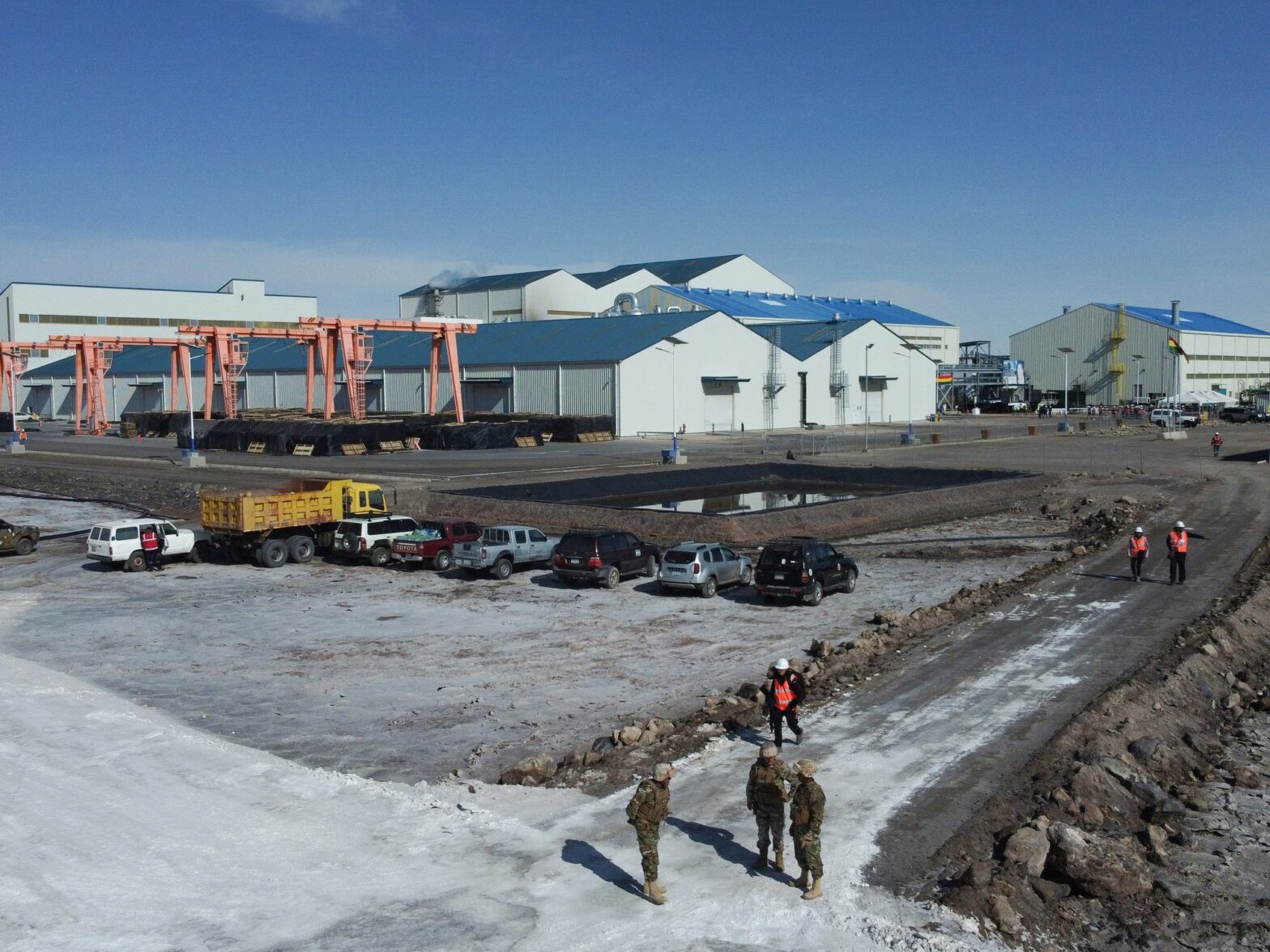
Bolivia believes lithium is the new “white gold,” for its role in fueling new technologies. Distrusting Western investments and technology, it’s counting on collaborations with Russia and China. But there will be problems at home that could block it all.
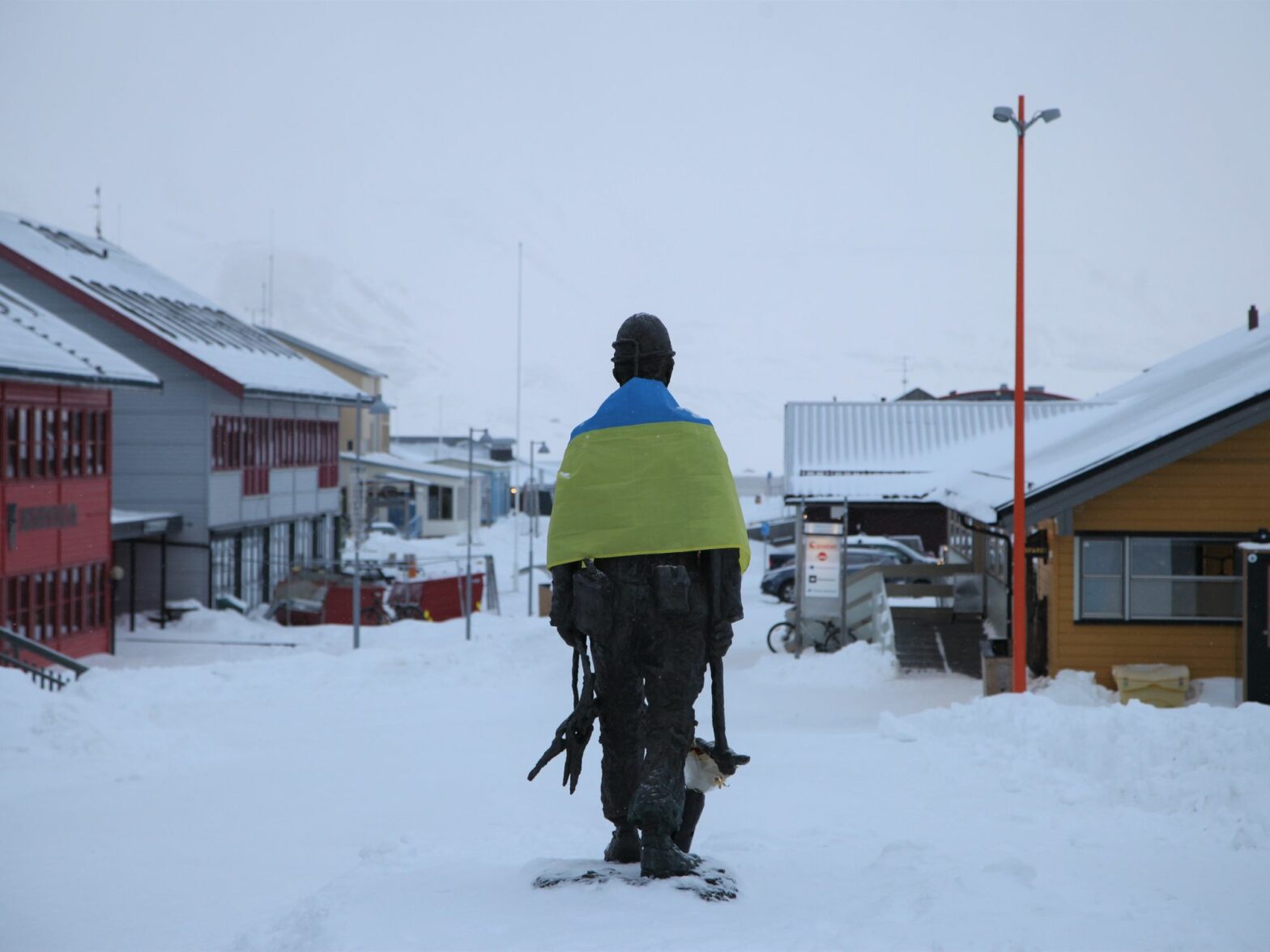
The melting of the sea ice in the Far North has accelerated in recent years. The Norwegian archipelago of Svalbard has become the focal point of the environmental drama gripping the Arctic as well as the geopolitical tensions it is causing there, with Russia in particular.
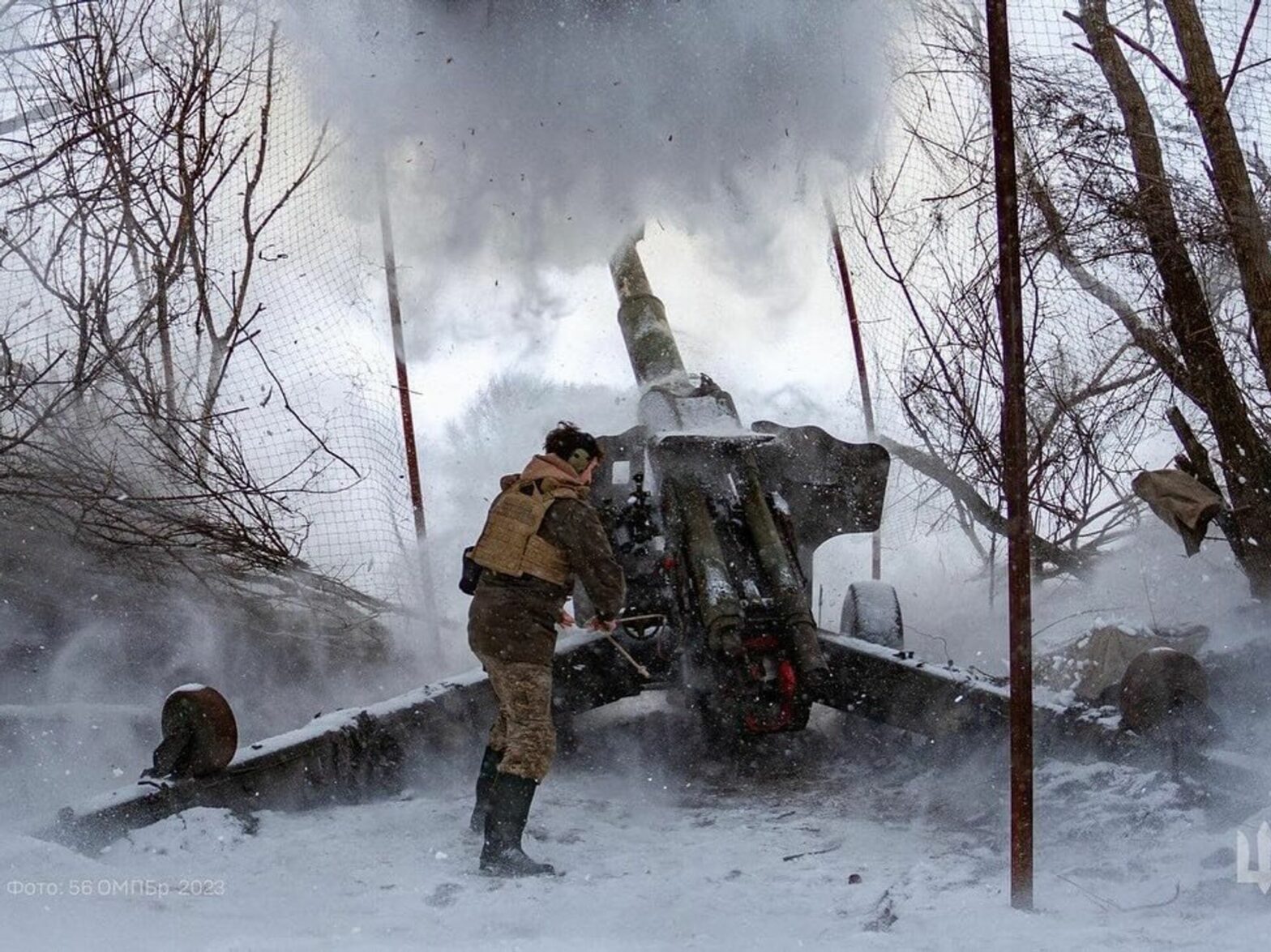
Kyiv’s troops are facing bitter cold and snow on the frontline, but the coming season also poses longer term political questions for Ukraine’s allies. It may be now or never.
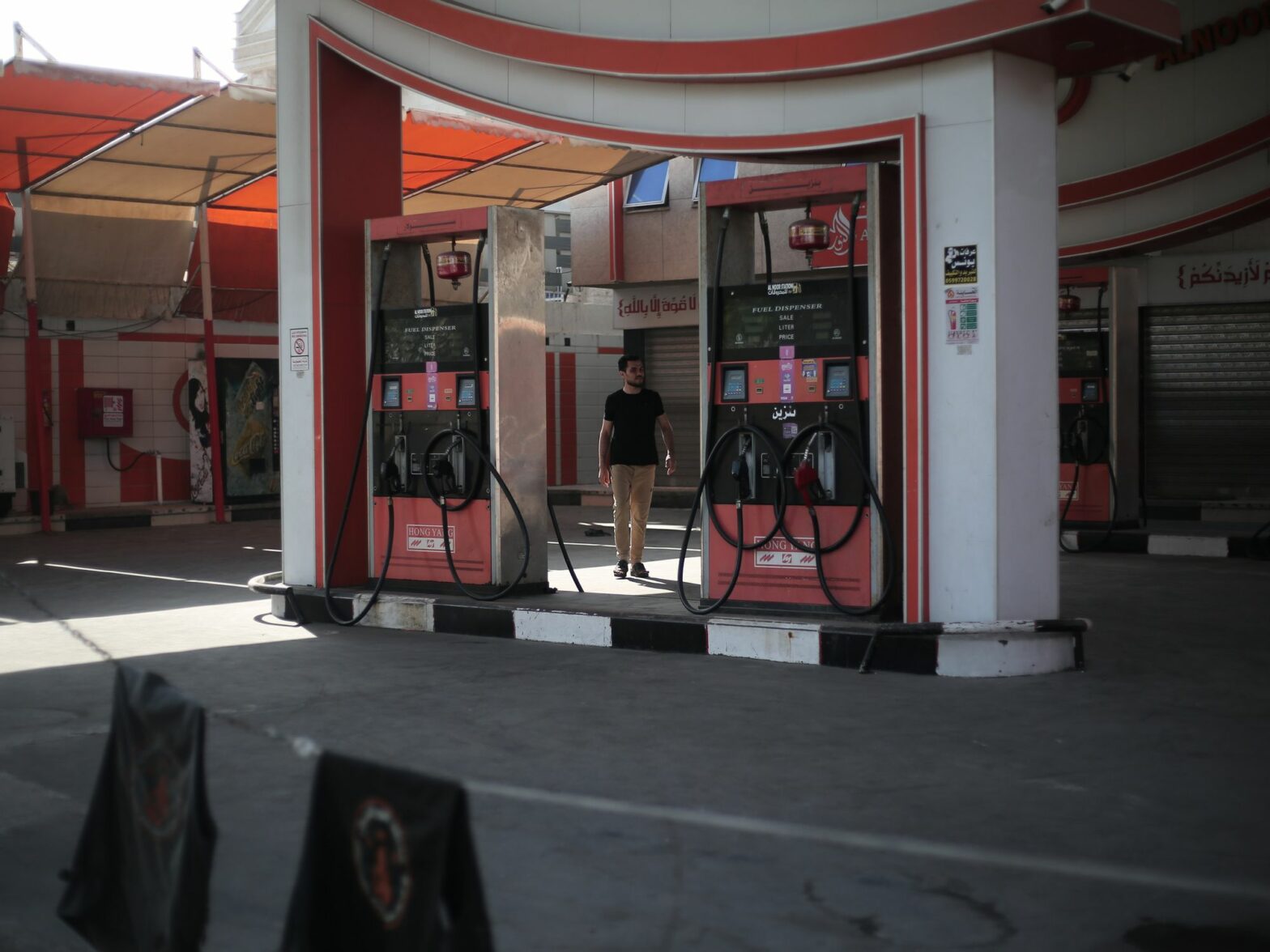
Hydrocarbons continue to drive nations’ economies and politics around the world, creating both corruption, stagnation and — sadly as we’ve seen again — all-out war.
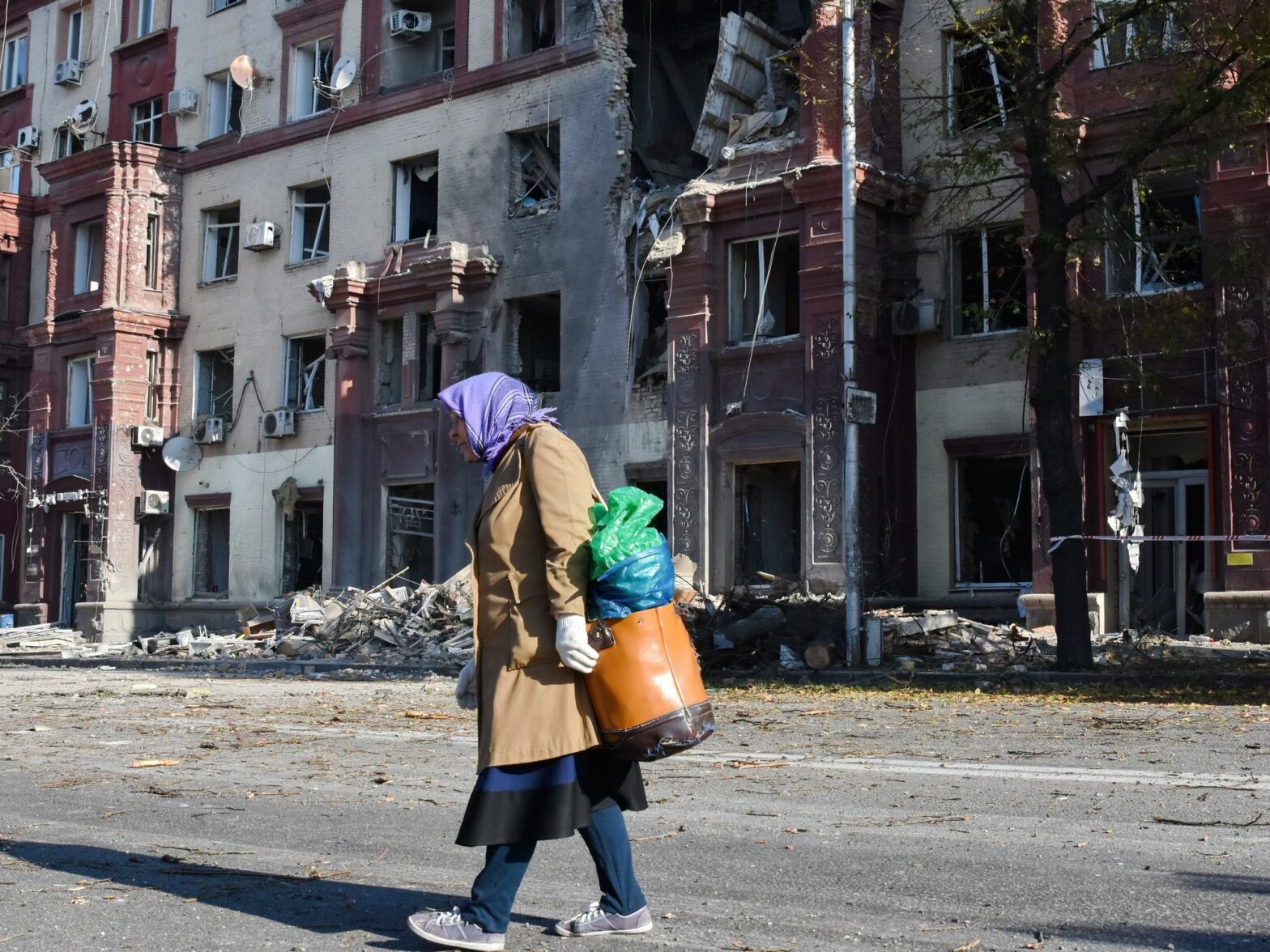
The country is scrambling to shore up production and distribution amid the inevitability of continued Russian attacks, questions around the pace of restoration of damaged facilities, and the possibility of a harsher winter than last year’s.
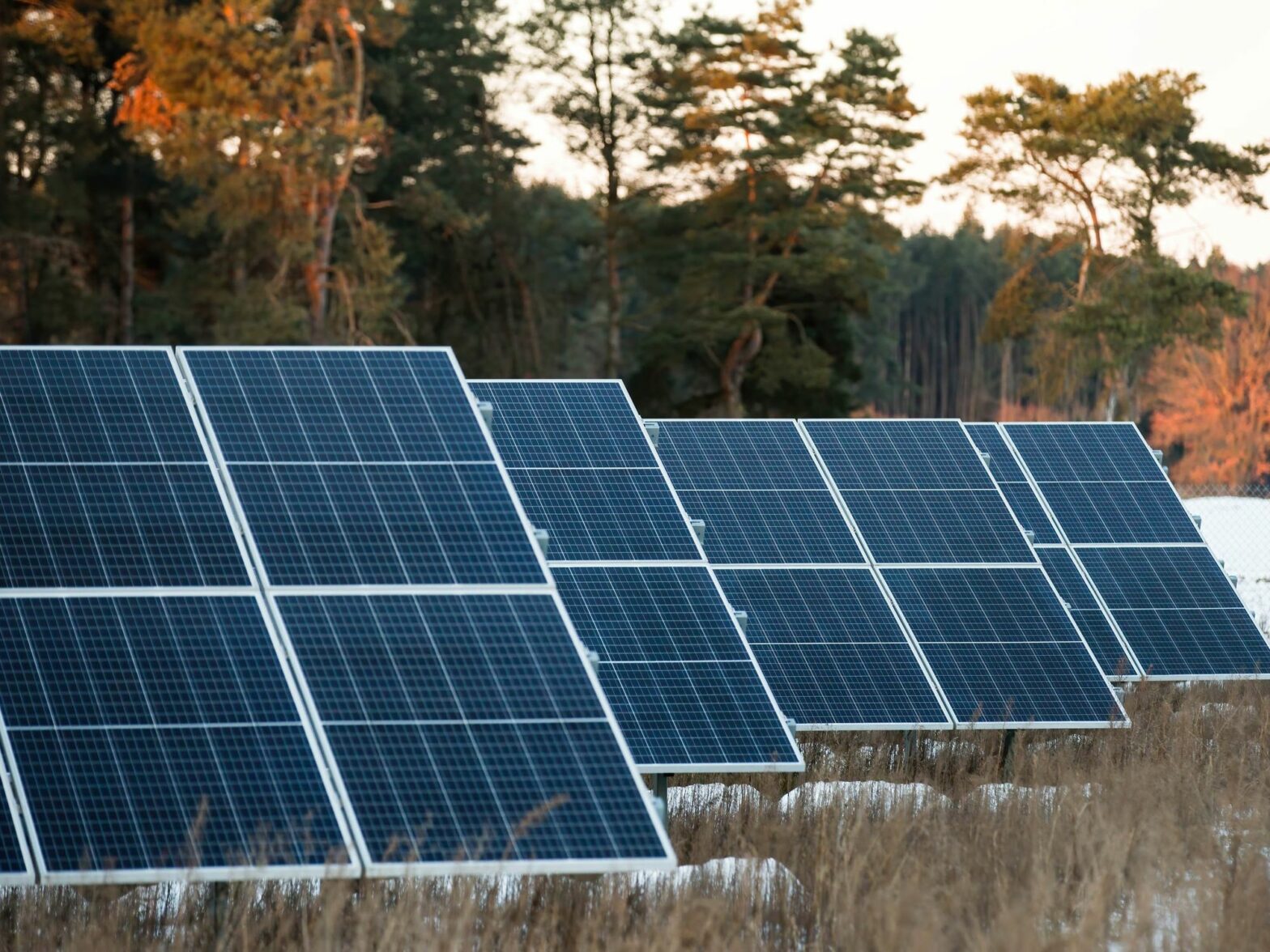
The country known for the highest coal dependency in Europe has been experiencing a marked shift towards renewable energy sources, many on the micro scale.
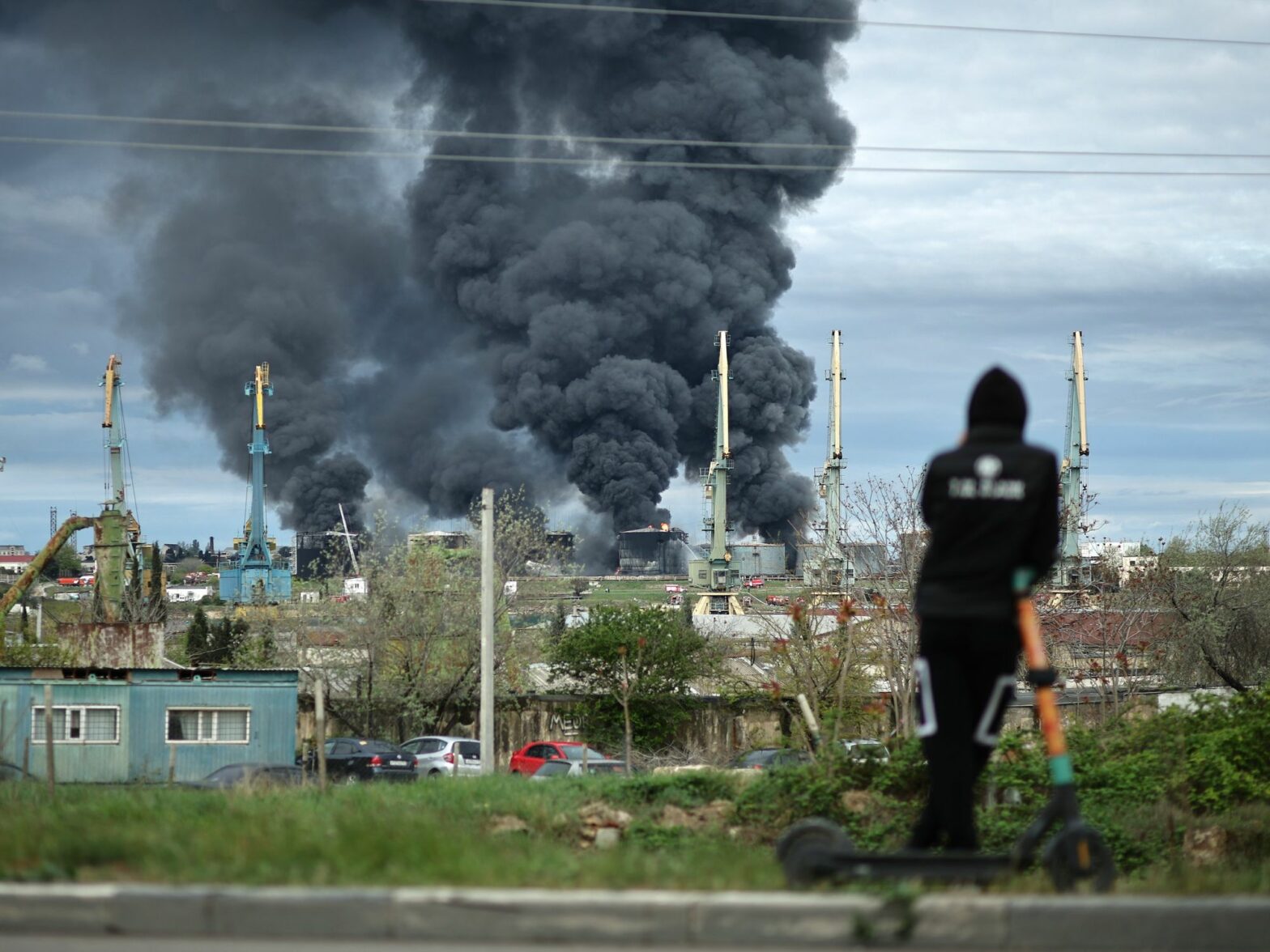
Ukraine, Israel, Azerbaijan: the three conflicts highlight energy vulnerability.
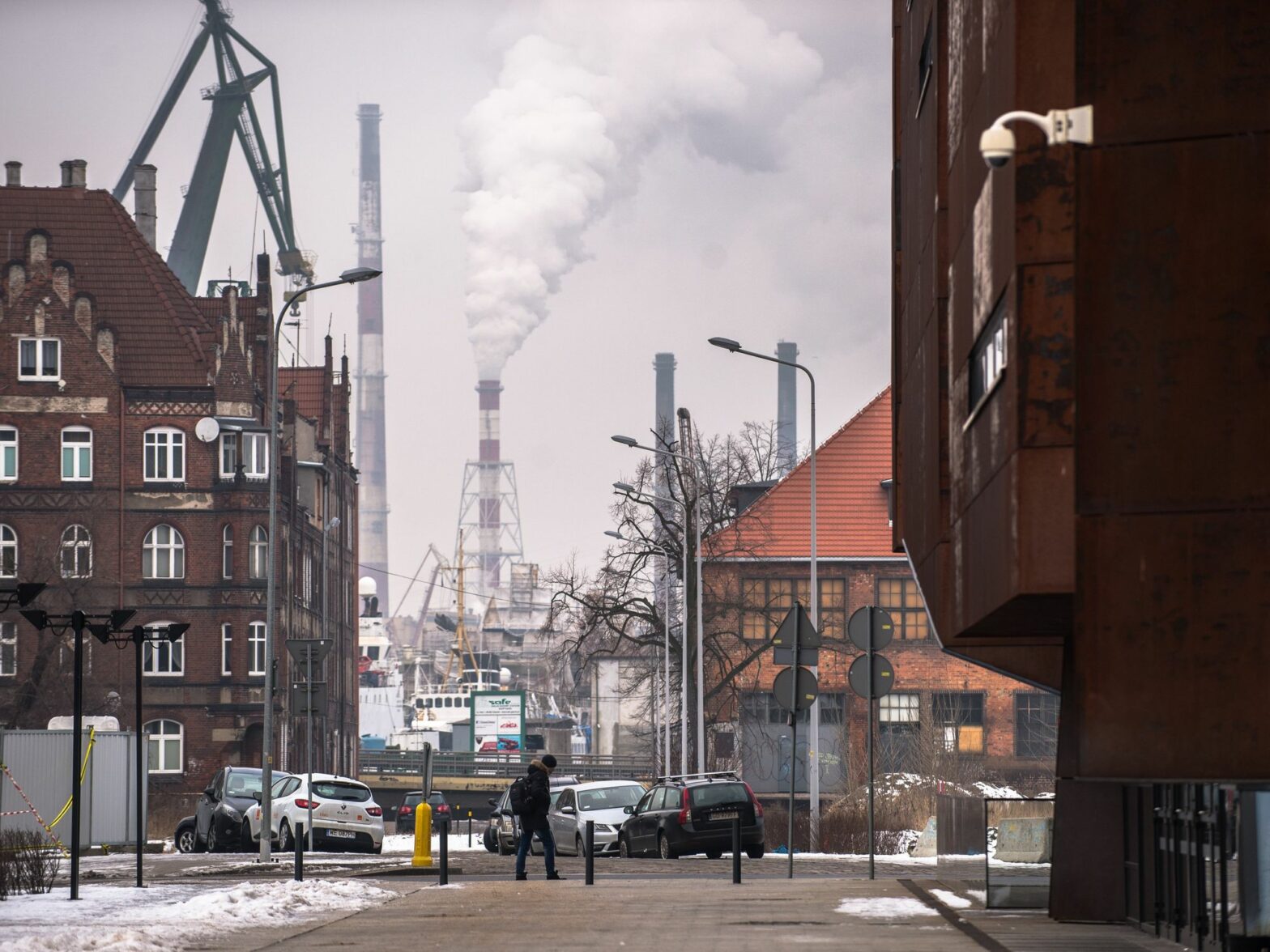
In Gdansk, year-long waits for medical care, empty playgrounds and windows dirtied by smog have caused this Polish coastal city’s residents to deem it “Chernobyl”. But Europe’s most coal-dependent country does not plan to stop importing it anytime soon.
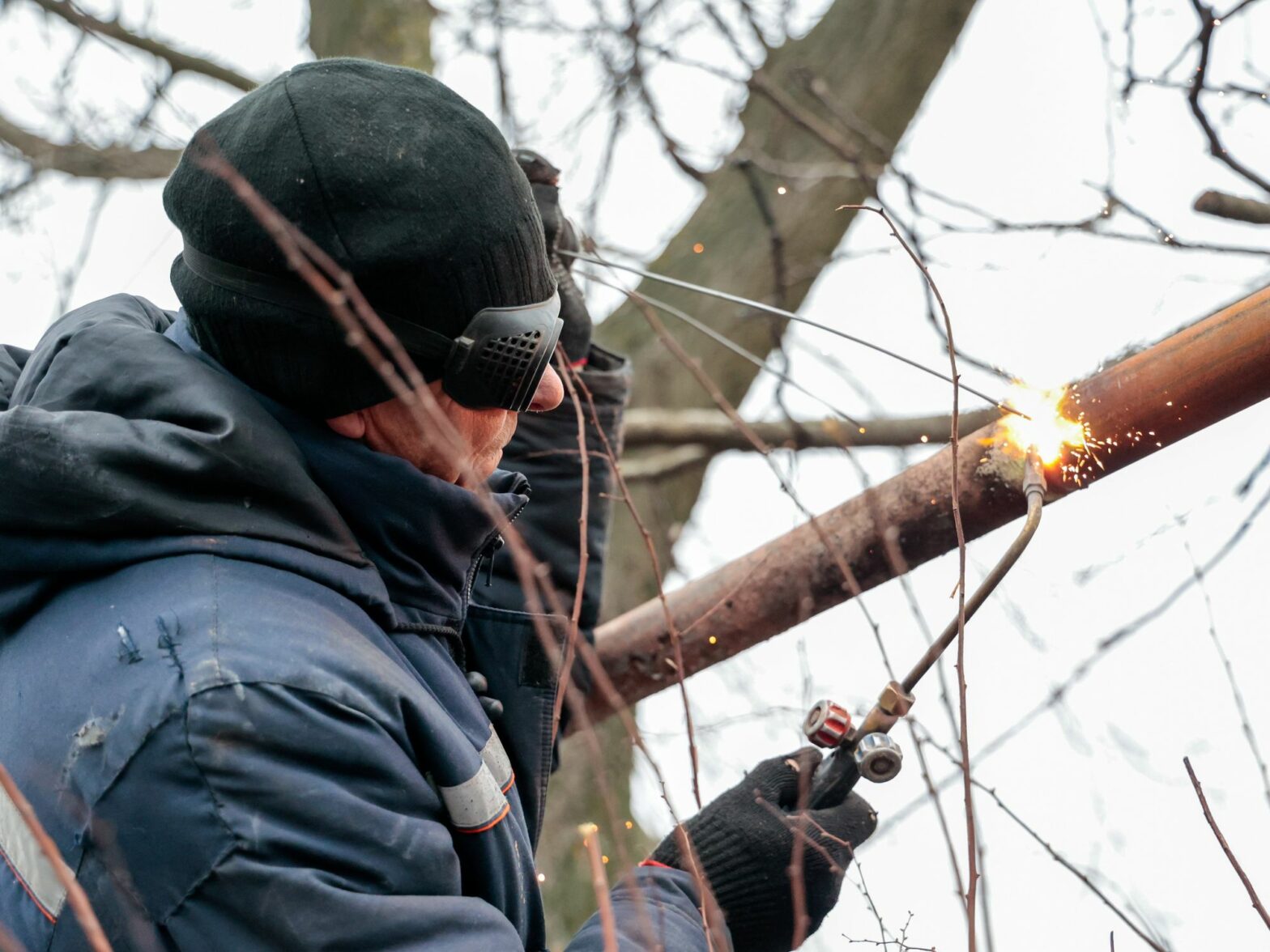
The West is deceiving itself if it hopes for a quick end to the Ukraine war. Above all, it must consistently implement an energy transition — otherwise, it will remain at Putin’s mercy, writes prominent Kremlin critic Mikhail Khodorkovsky, in German daily Die Welt.
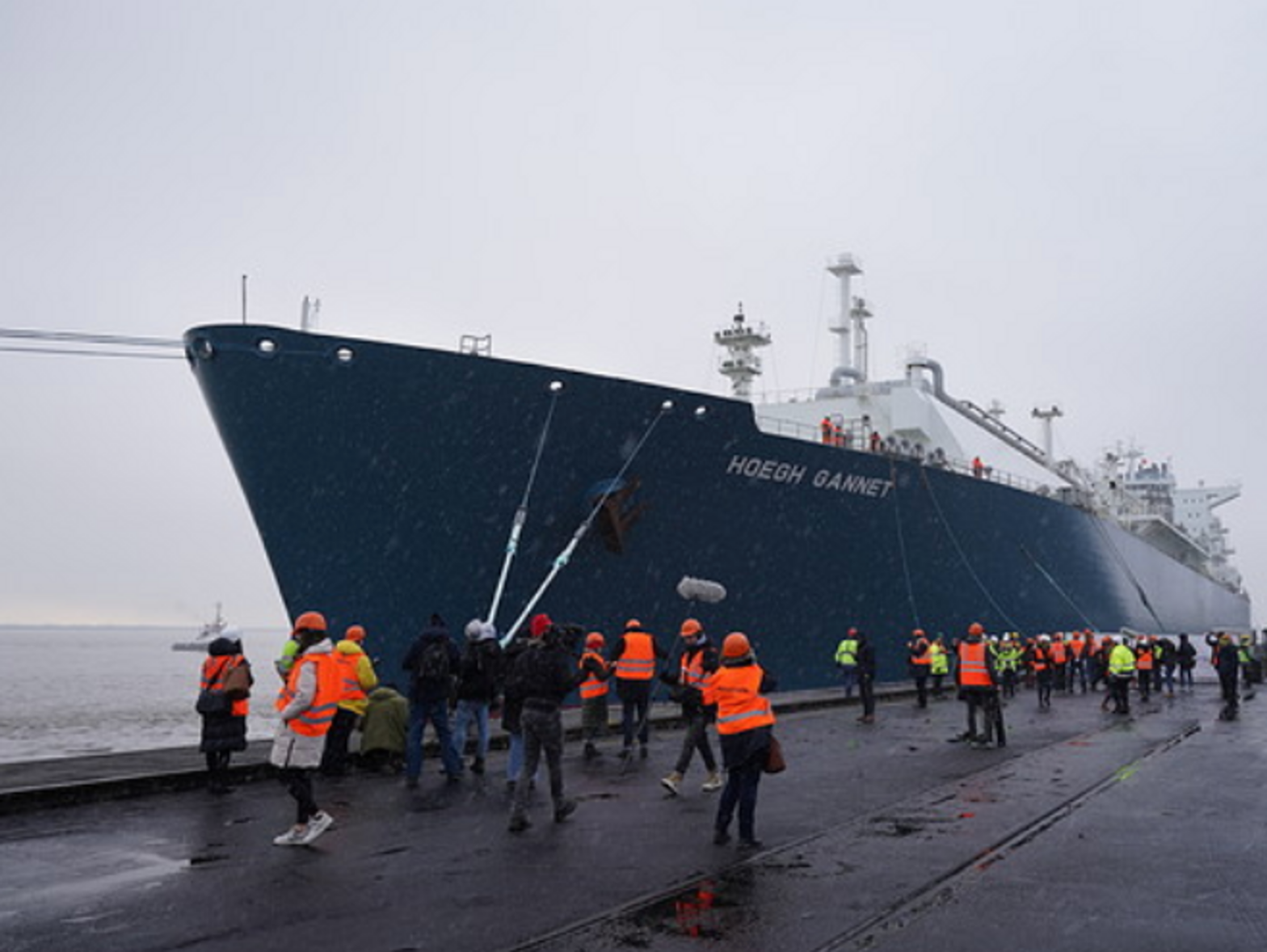
From Croatia to Spain, Portugal, Germany and France, revamped LNG gas routes are providing an agile European energy response to the cutting off of Russian gas since the war in Ukraine began.
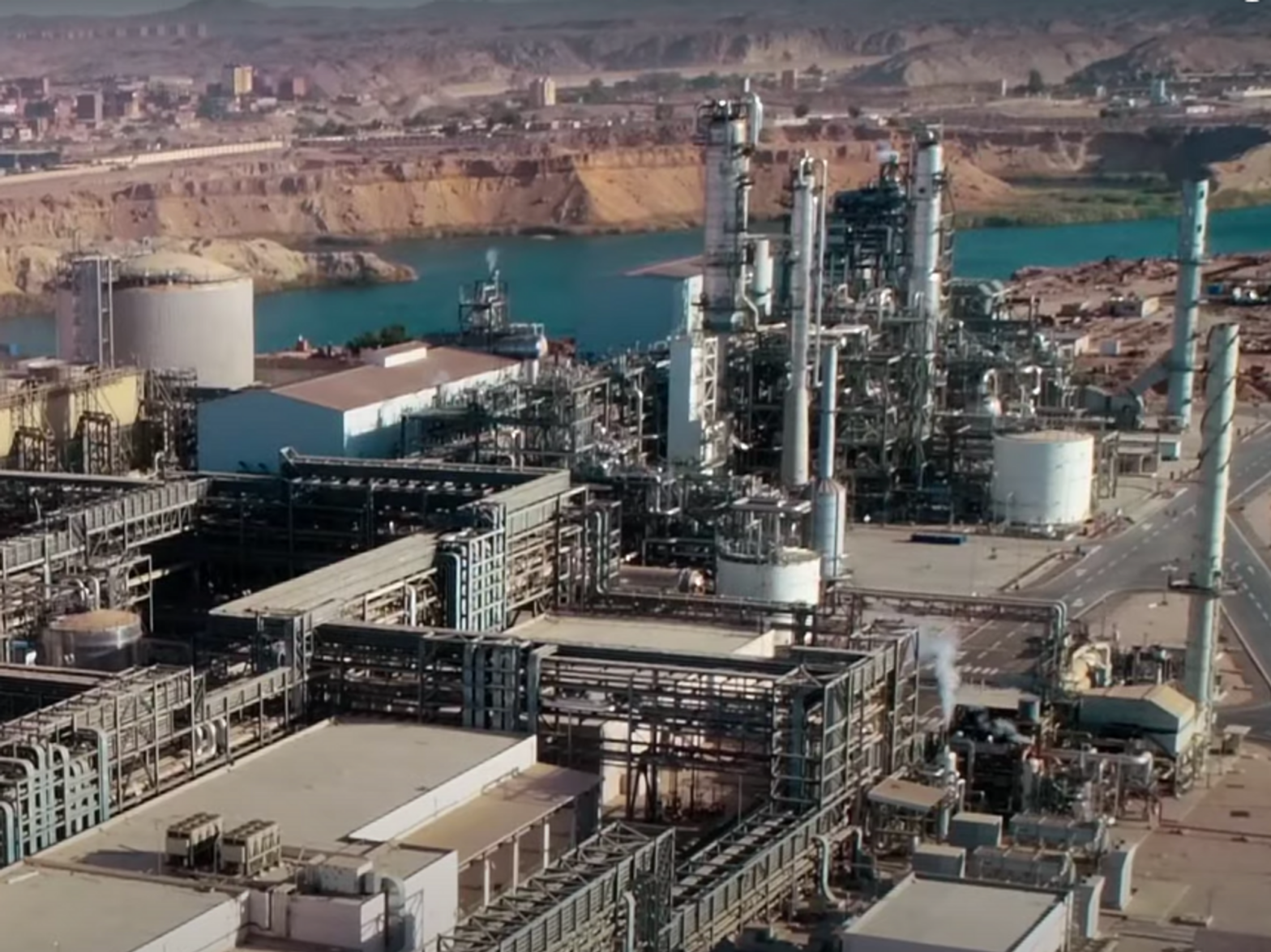
As the Mediterranean region awakens to the potential of green hydrogen as a clean alternative, Egypt is still hesitant to invest heavily in the sector. For good reason?
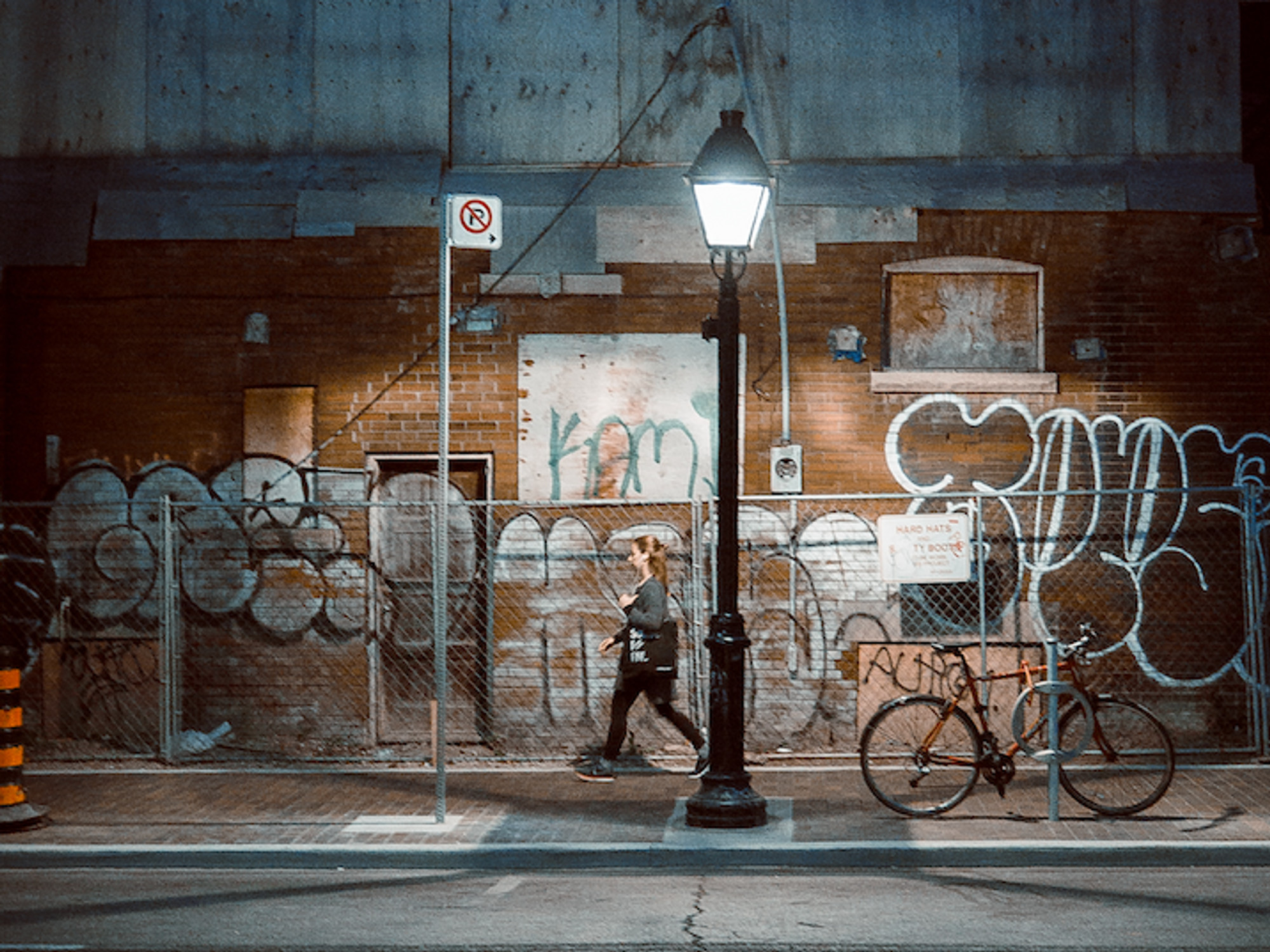
Keeping the lights out at night may be a good measure both for the environment and in the context of an energy crisis – but it may have repercussions on people’s sense of security, in particular for women.
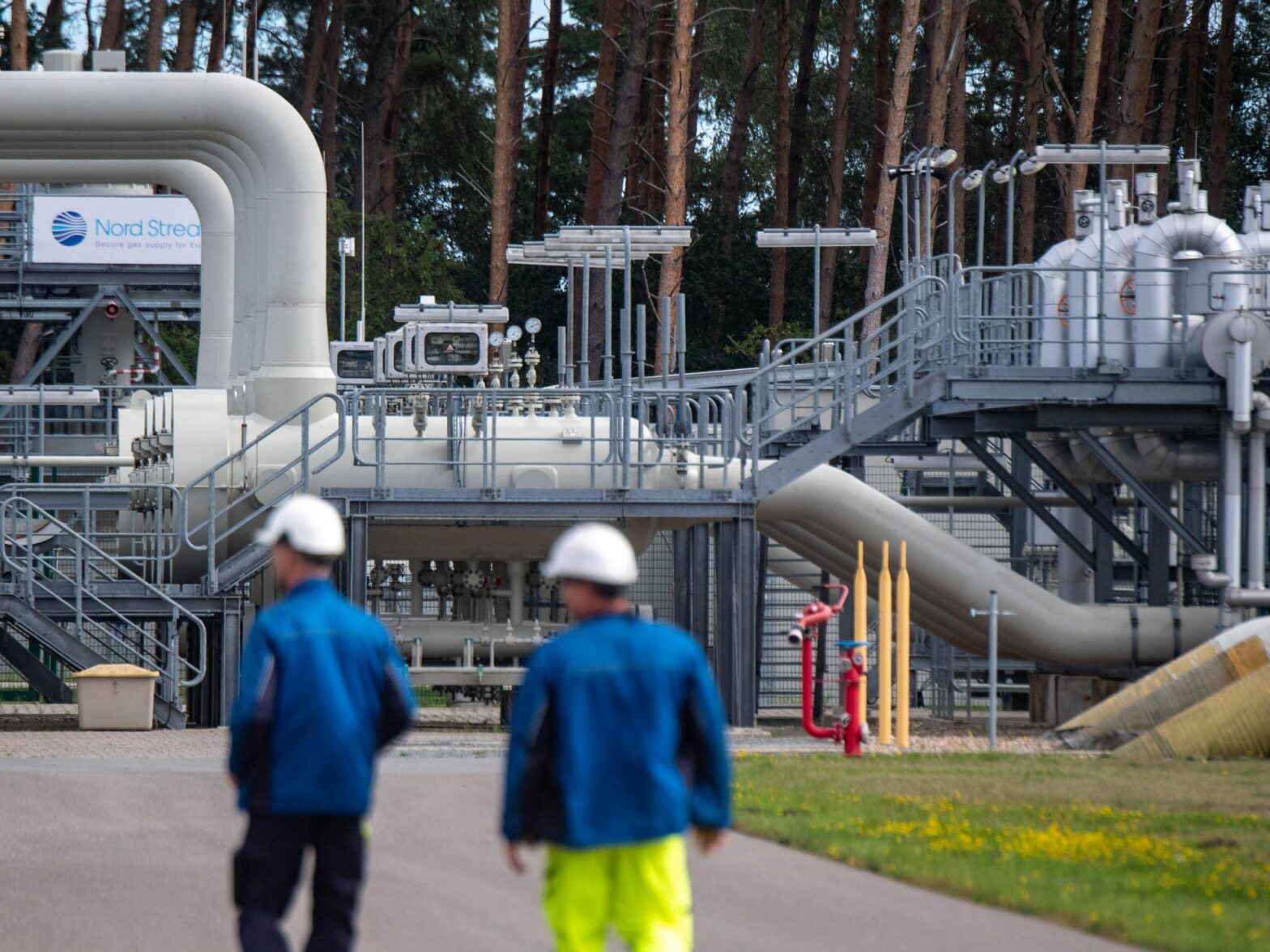
Whatever caused the damage to the Nord Stream gas pipelines in the Baltic Sea, it appears to be the first major attack on critical “subsea” (underwater) infrastructure in Europe. It’s now widely thought – not least by Nato – that the explosions that led to major leaks in the two pipelines were not caused by […]
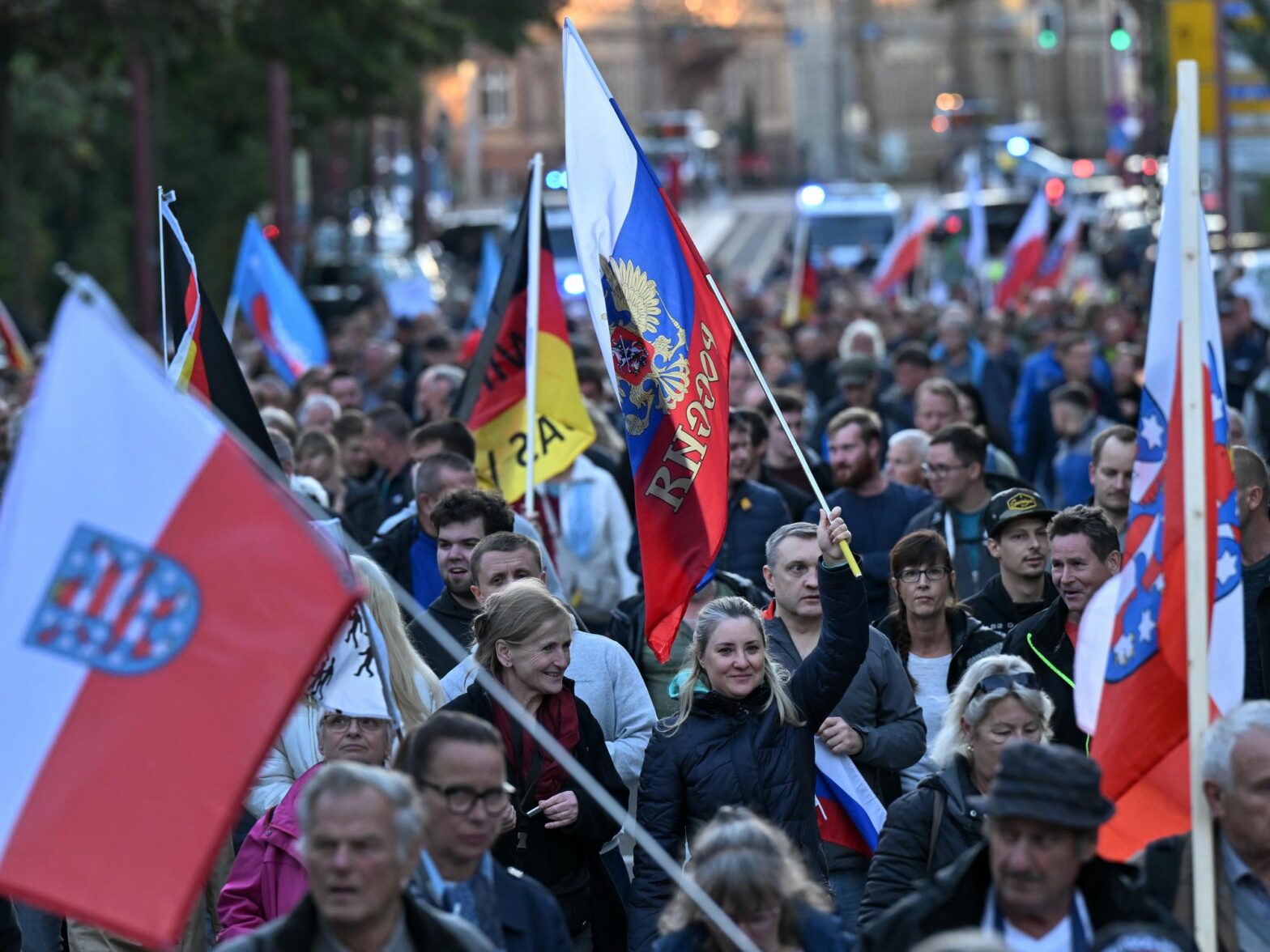
In the face of Russia’s stranglehold over supplies, the European Commission has proposed support packages and price caps. But across Europe, fears about the cost of living are spreading — and with it, doubts about support for Ukraine.
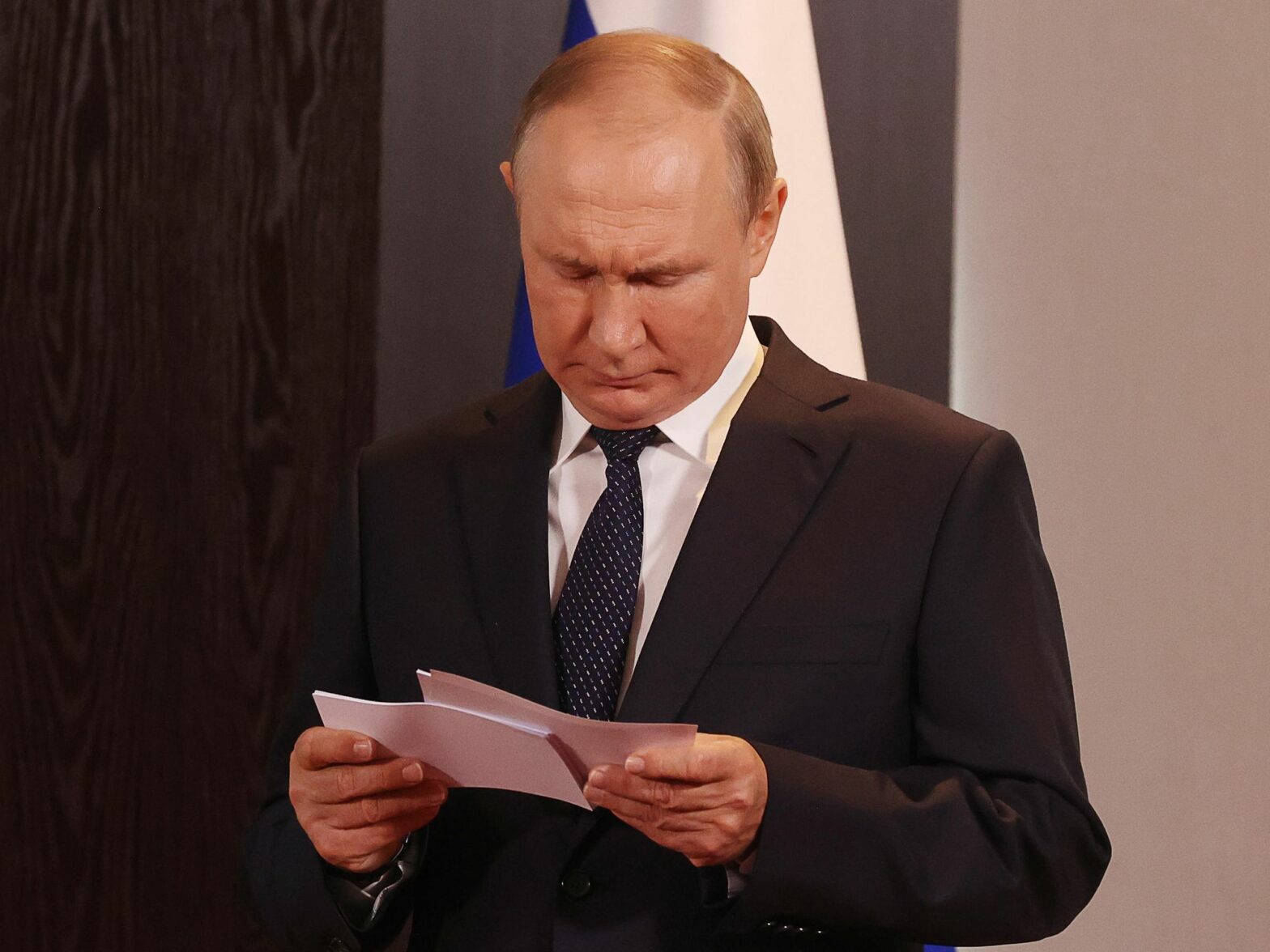
Negotiate? Stall? Double down? The Russian leader suddenly finds himself in front of a situation that offers no obvious good choices. Doing nothing, however, is not an option.
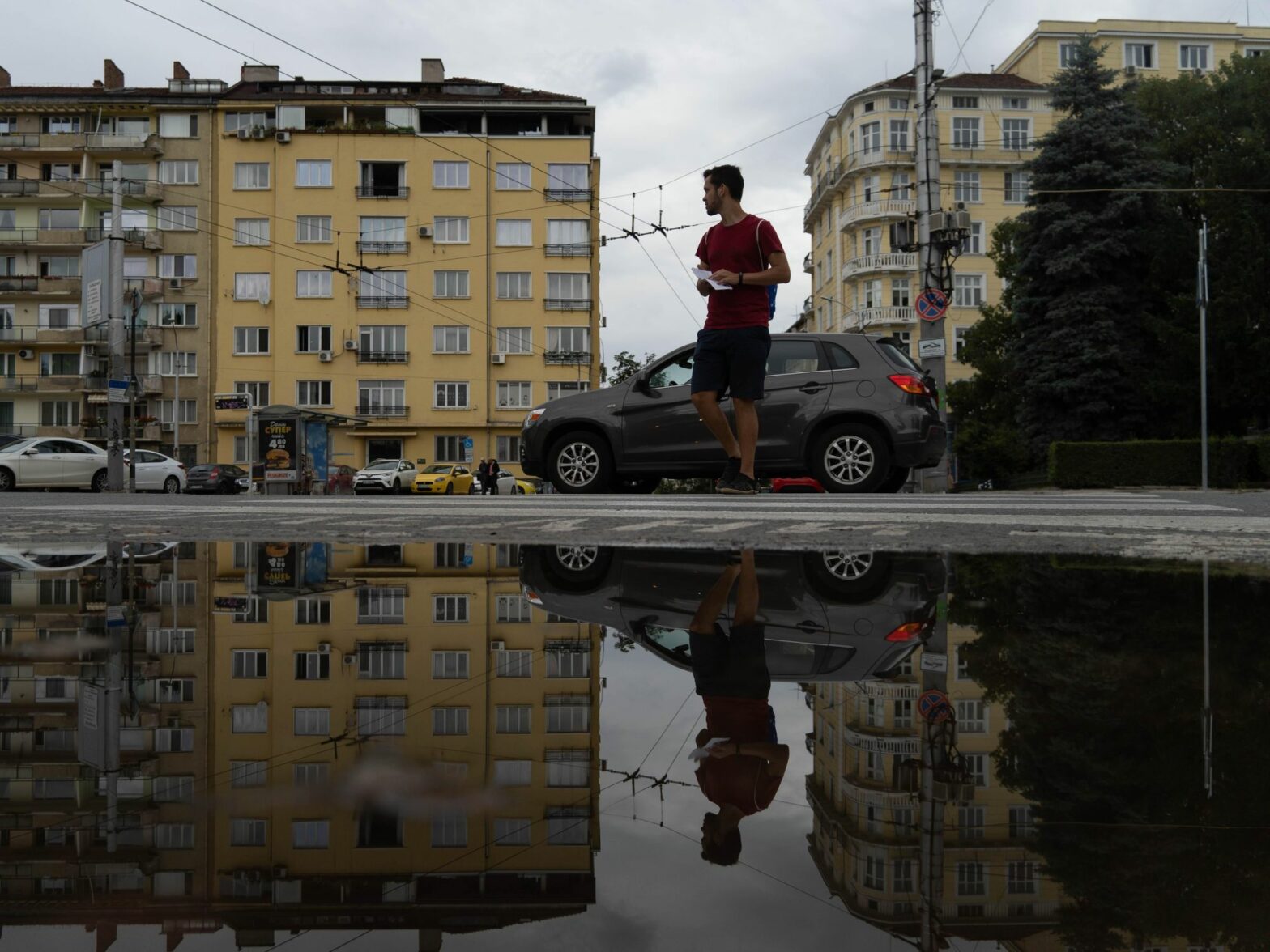
Bulgaria had sworn off Russian gas imports, but then its government collapsed. Now pro-Russian politicians are in power, which for the European Union means there is much more at stake than just energy supply.
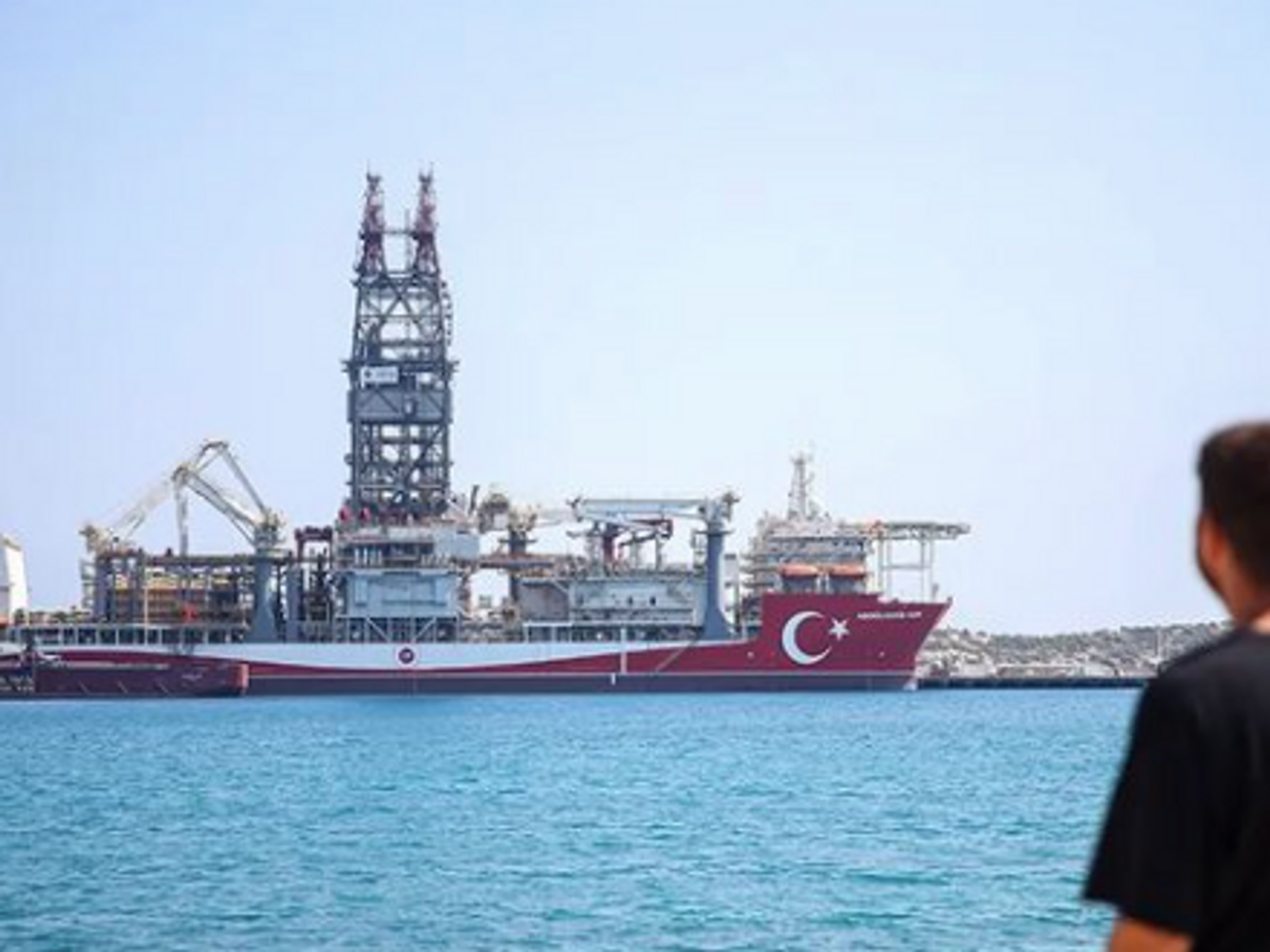
Europe needs new energy sources. One alternative to Russian gas could be in the eastern Mediterranean. But with Turkey also actively exploring the region for reserves, the potential for conflict is high.
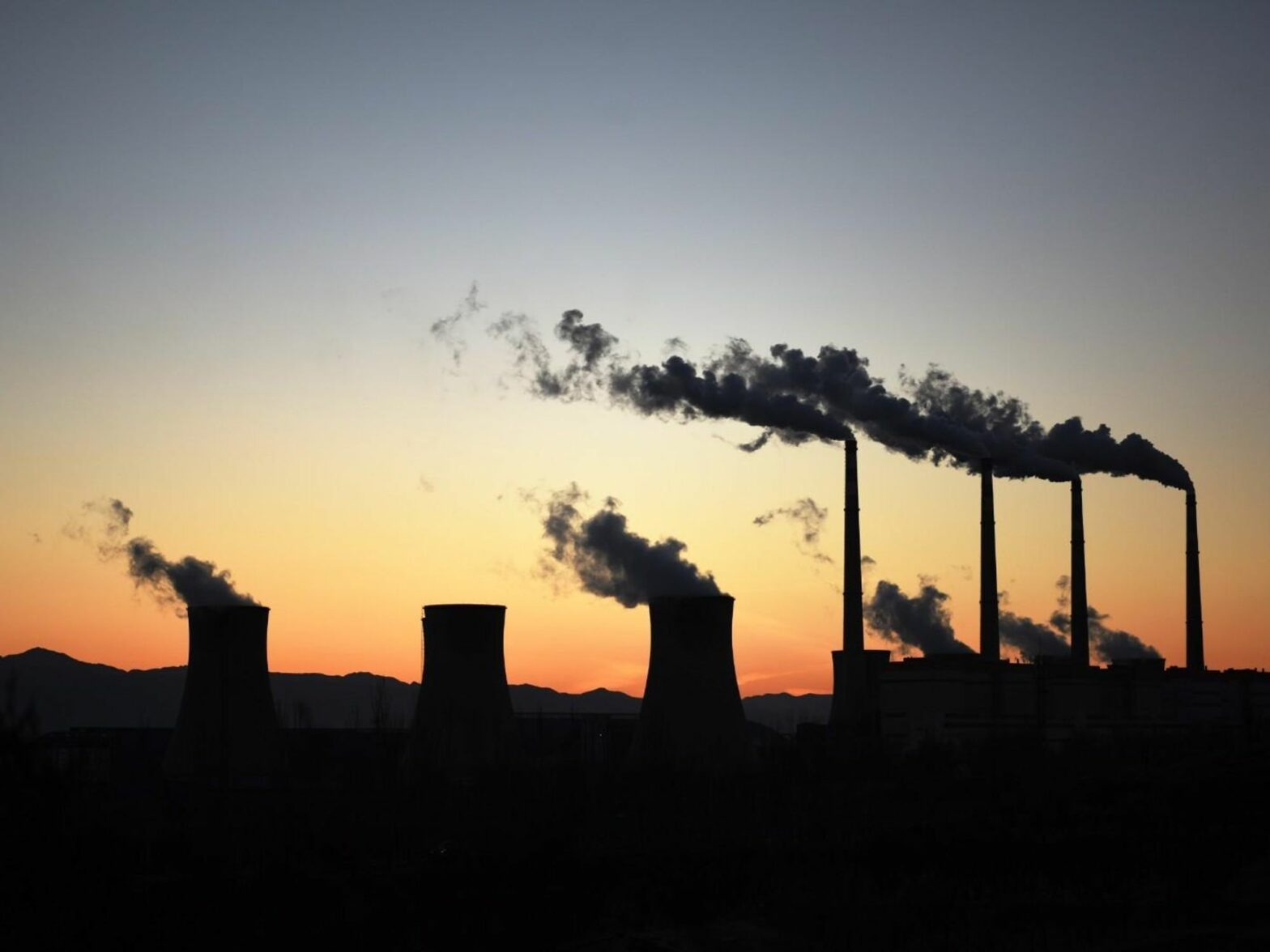
China has endured two months of scorching heatwaves and drought that have affected power supply in the country. Spooked by future energy security, Beijing is reinvesting heavily in coal with disastrous implications for climate change.
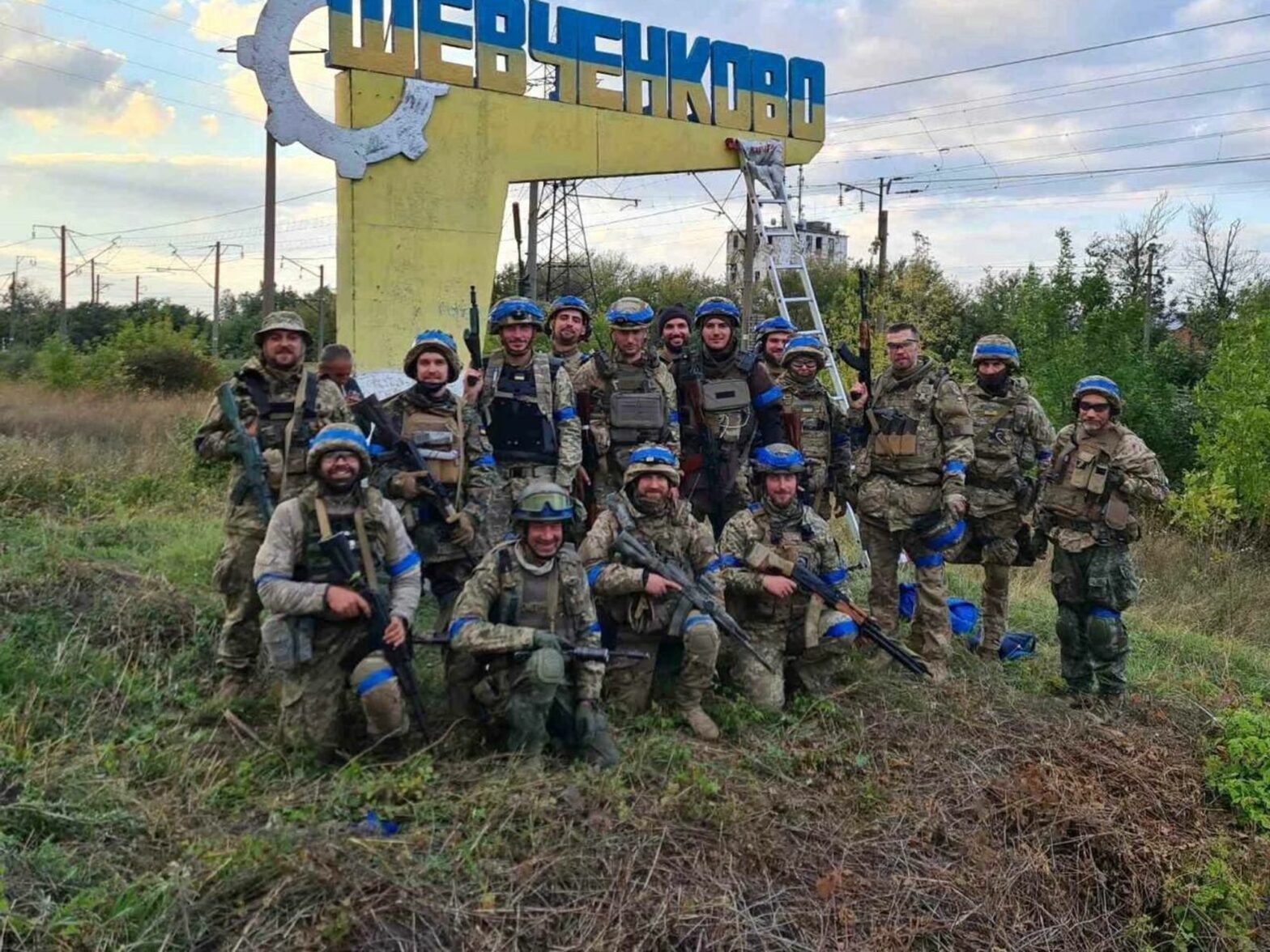
Ukrainian President Volodymyr Zelensky said that Ukrainian forces reclaimed 1,000 square kilometers (385 square miles) of territory in the south and east since launching their counter-offensive on Sept. 1. The troops continue to advance in both the Kharkiv and Kherson regions. Stay up-to-date with the latest on the Russia-Ukraine war, with our exclusive international coverage. […]
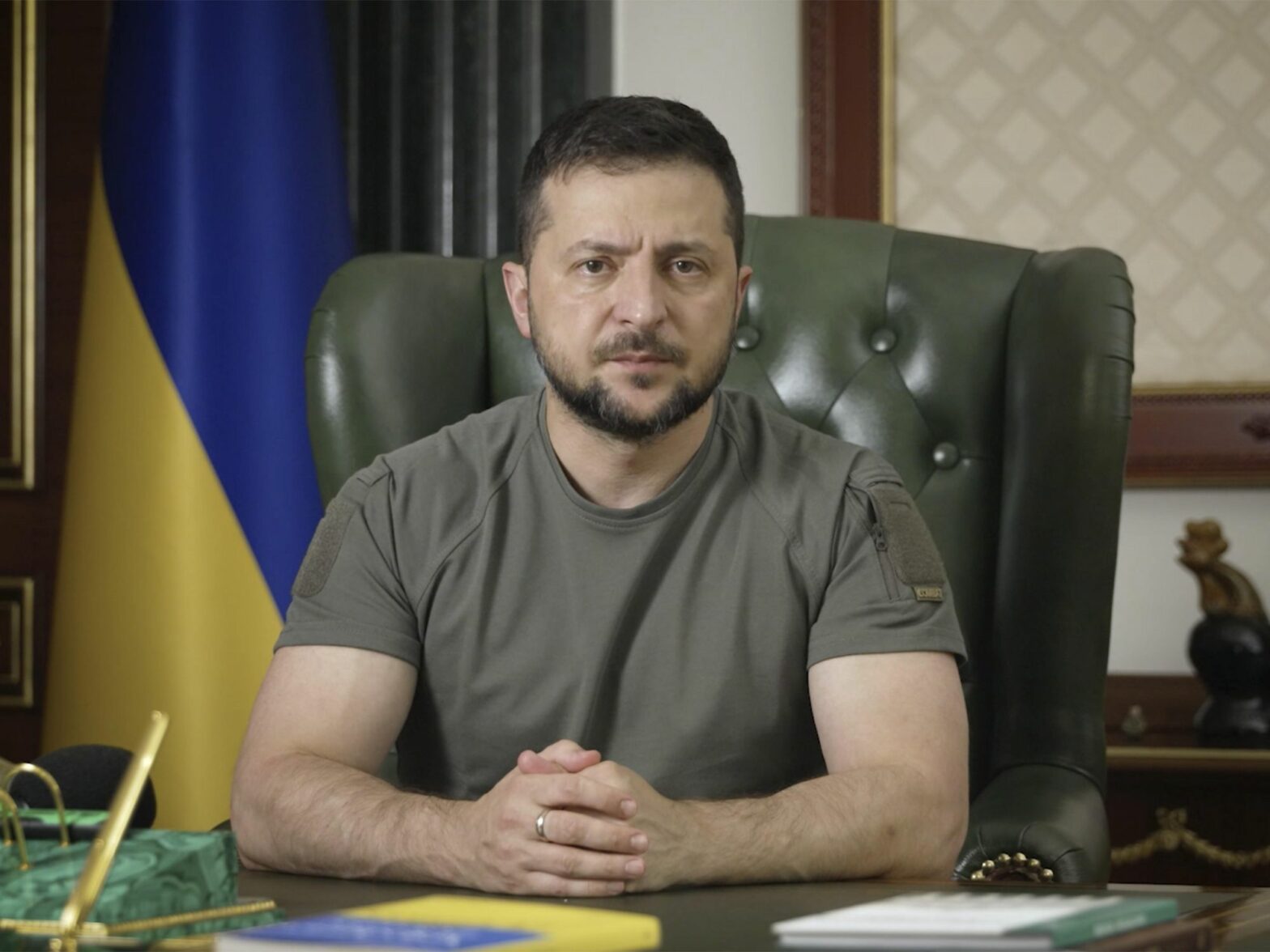
Ukrainian President Volodymyr Zelensky has warned Europeans that Russia was preparing “a decisive energy blow” during the next few months. He also praised his troops for the advances being made with the counteroffensive launched in southern Ukraine to reclaim Russian-occupied territories. He said that two settlements in the south of the country as well as […]
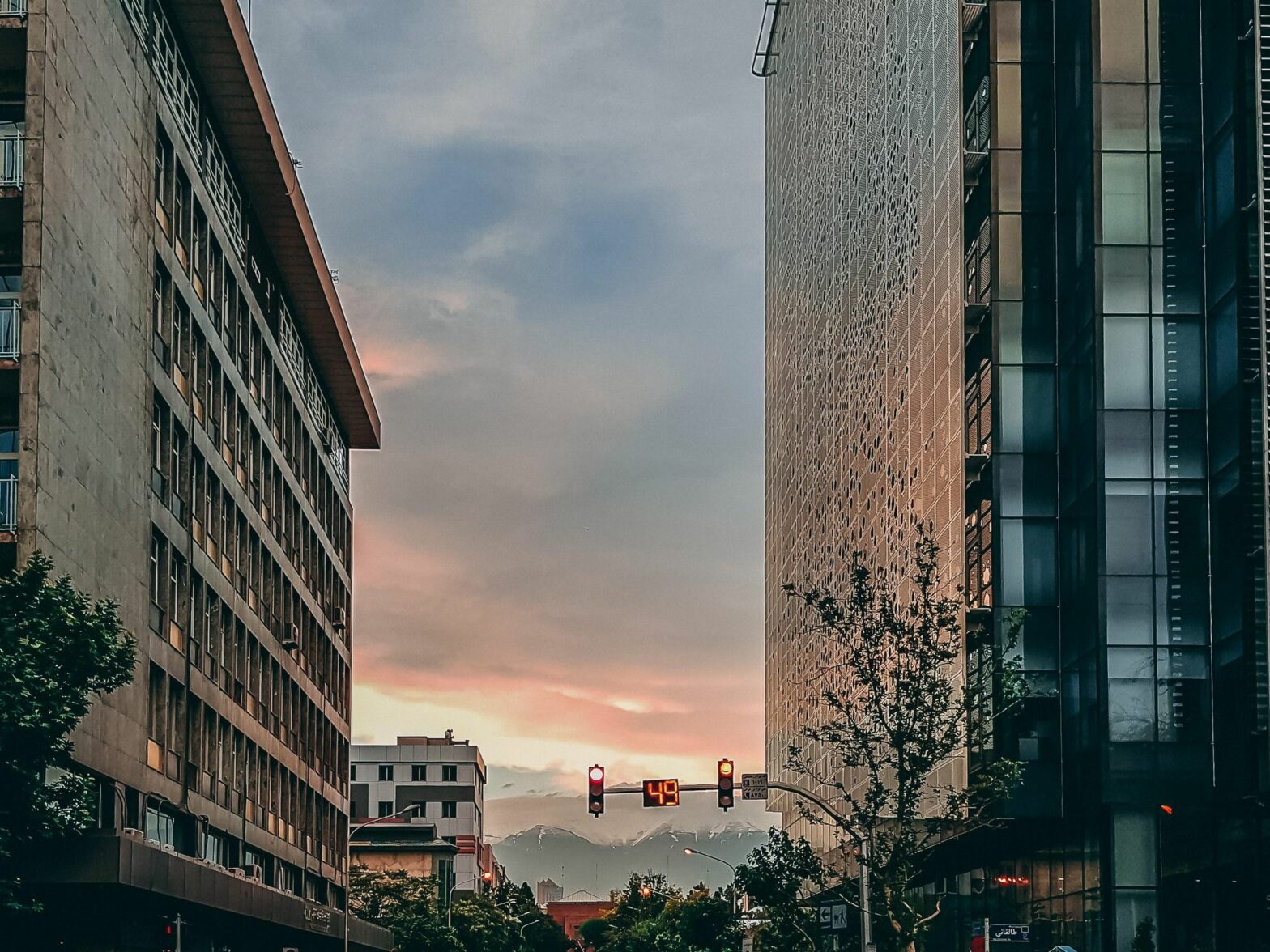
Ordinary Iranians are hoping for a speck of economic relief and nothing more, if Tehran can sign a nuclear deal with world powers that could alleviate longstanding sanctions.
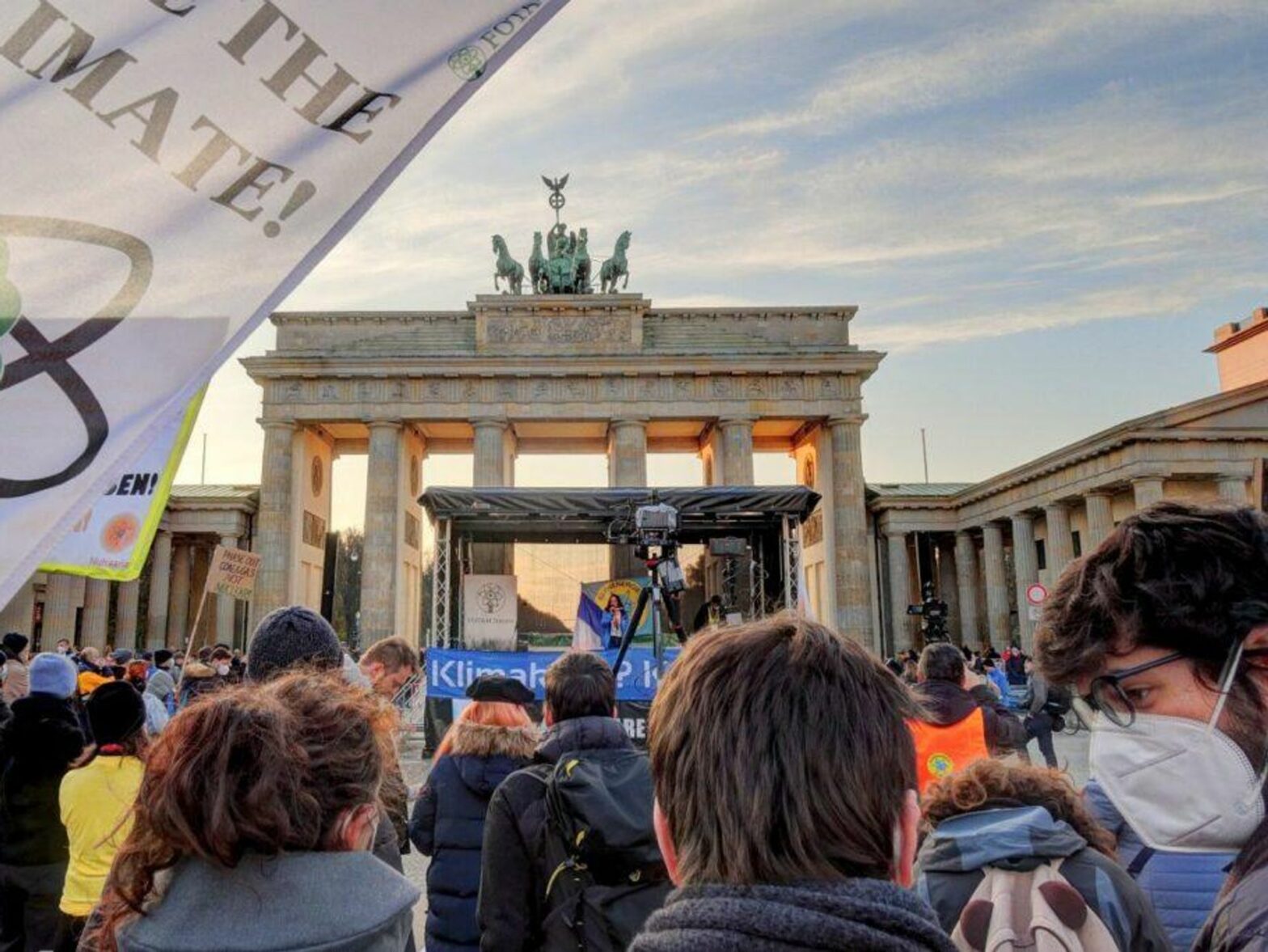
As the youngest generations worry about the effects of climate change on their lives, some are turning to nuclear power as a “cleaner” source of energy — marking a significant shift from the previous generation of anti-nuclear environmentalists.
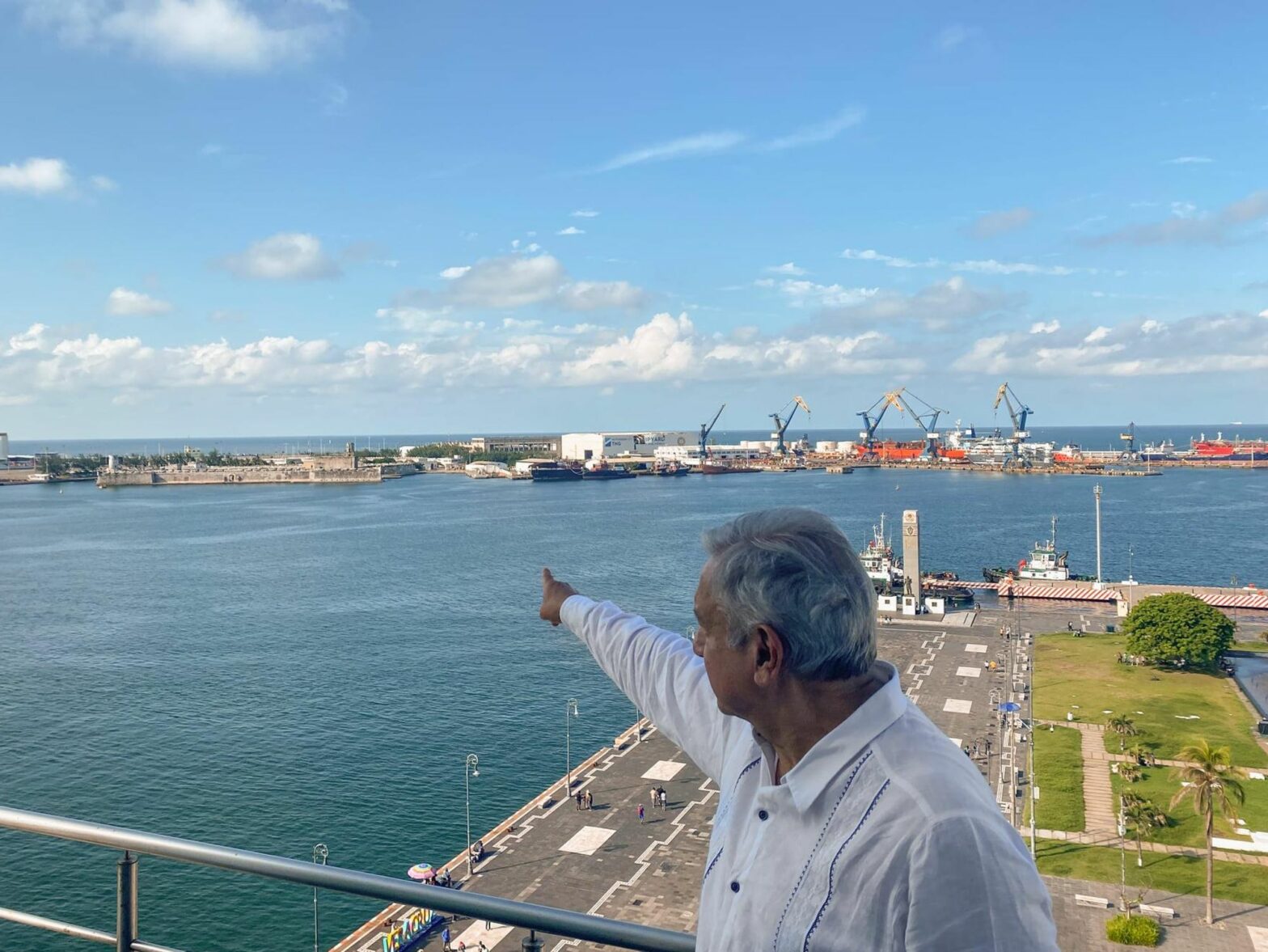
In irking Mexico’s chief trading partners with decisions affecting energy firms, the country’s leftist President Andrés Manuel López Obrador is tinkering with the free-trade pact that is the very engine and ballast of Mexico’s vast, and vulnerable, economy.
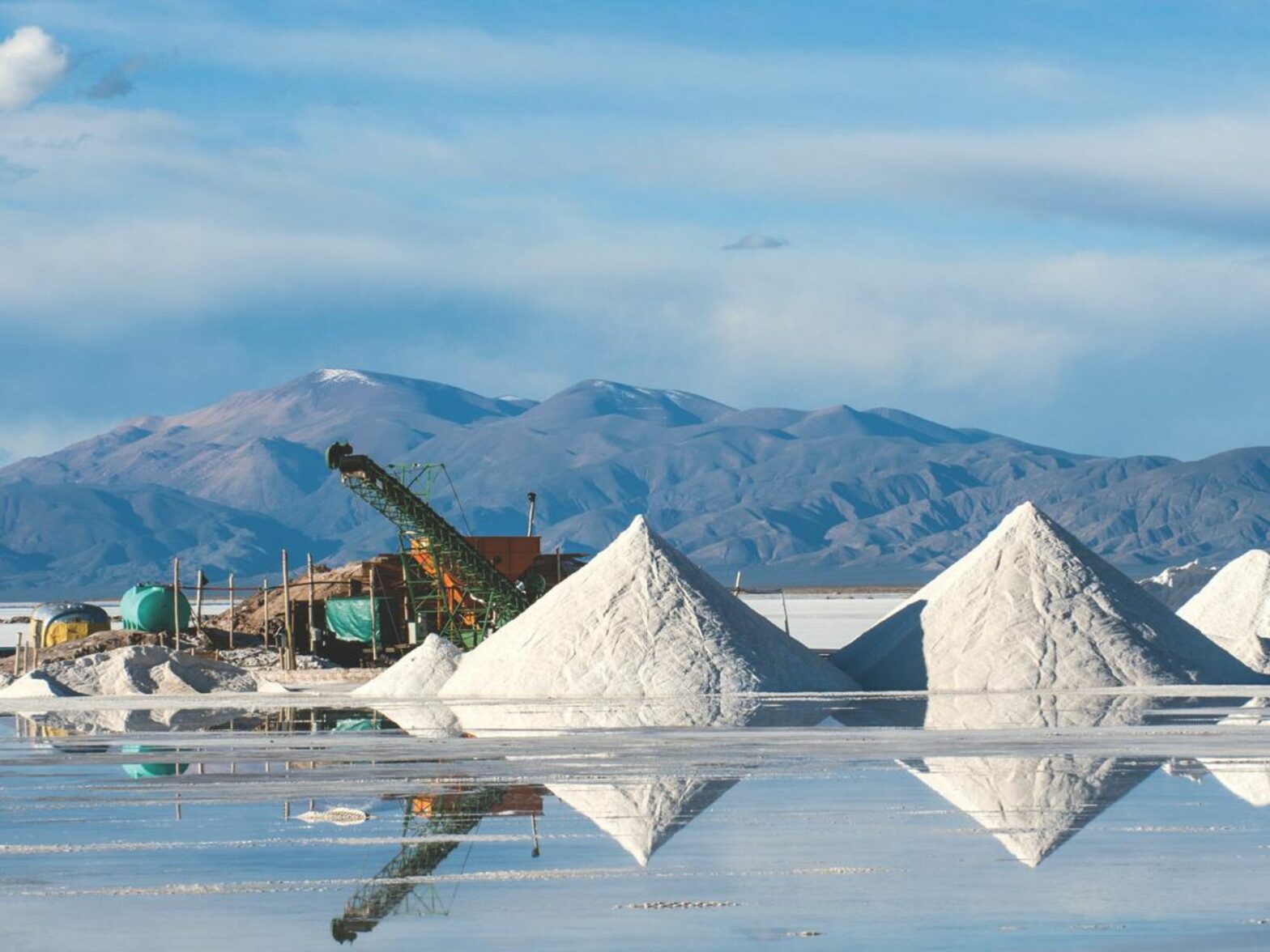
As the world moves to renewable energy, demand for lithium has surged. But the race to extract the precious mineral comes with hidden costs for local communities and the environment. So just how green is the energy transition after all?
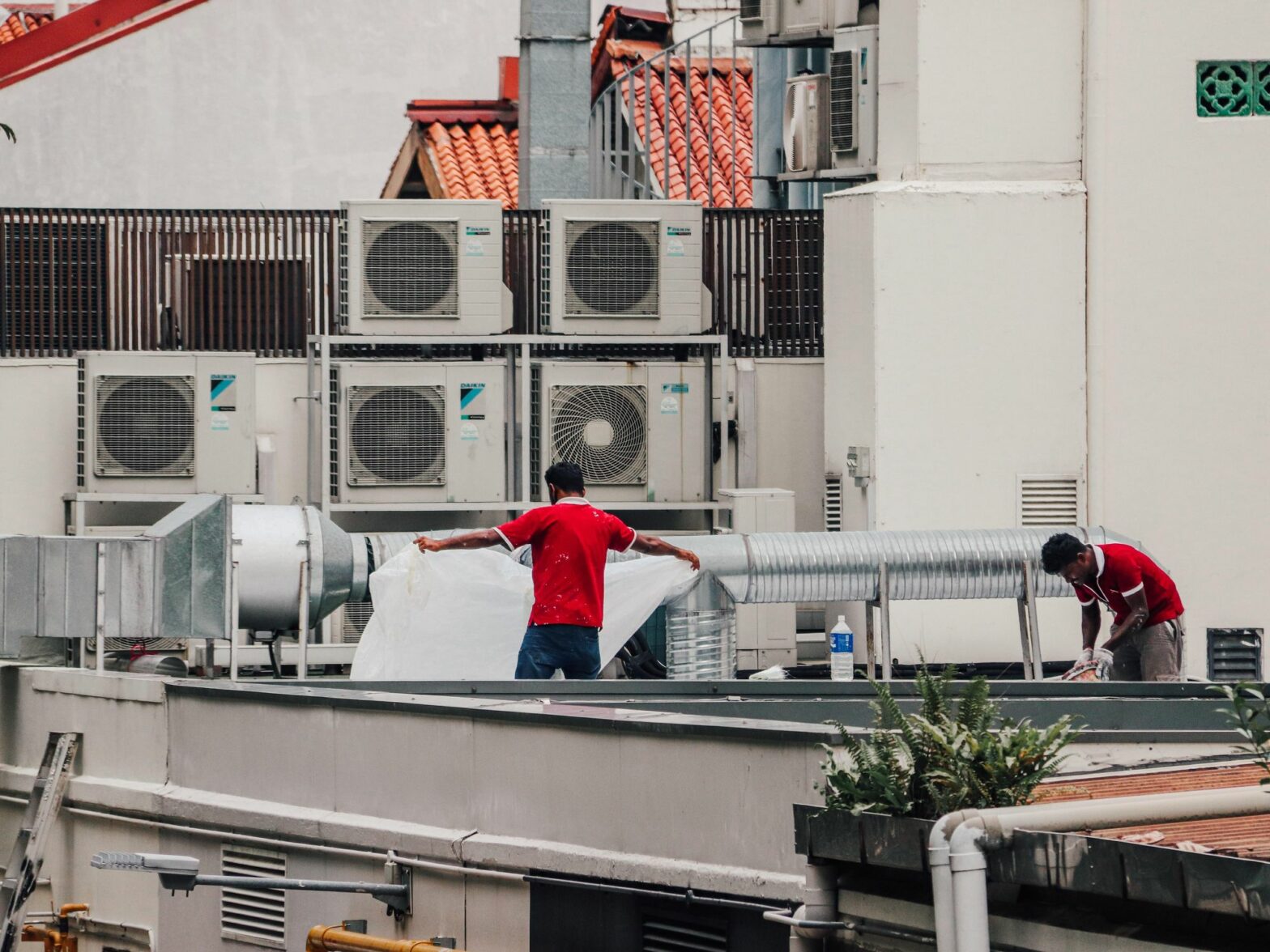
Misguided arguments about air conditioning’s environmental impact are stopping people from installing systems in homes and offices. But in the age of solar power, there’s no need to stew in your own sweat “for the sake of the planet.”

In the northern Italian region of Veneto, drought has forced half the municipalities to ration water resources. In contrast, the region’s Coca-Cola plant has upped production, using even more water that it gets for a cheap price.
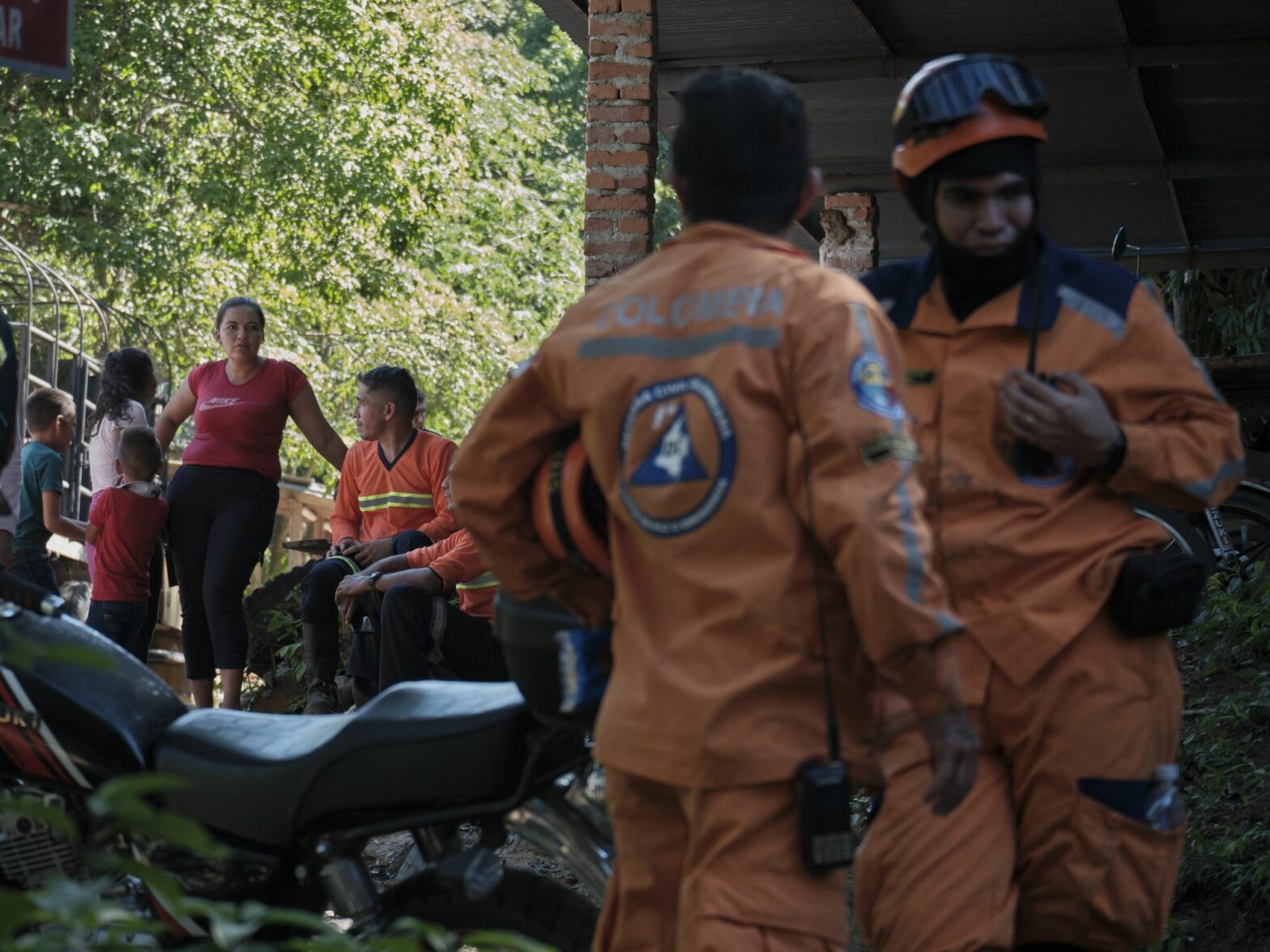
Green technologies are crucial to reducing carbon emissions, but they require ramping up the need for mining of minerals. And since mineral extraction can cause grave natural destruction, how can we ensure renewables are truly good for the environment?