Far from being a threat, migration has contributed to maintaining the balance between workers and retirees, delaying a demographic collapse that would otherwise already be underway.

 Worldcrunch
Far from being a threat, migration has contributed to maintaining the balance between workers and retirees, delaying a demographic collapse that would otherwise already be underway.
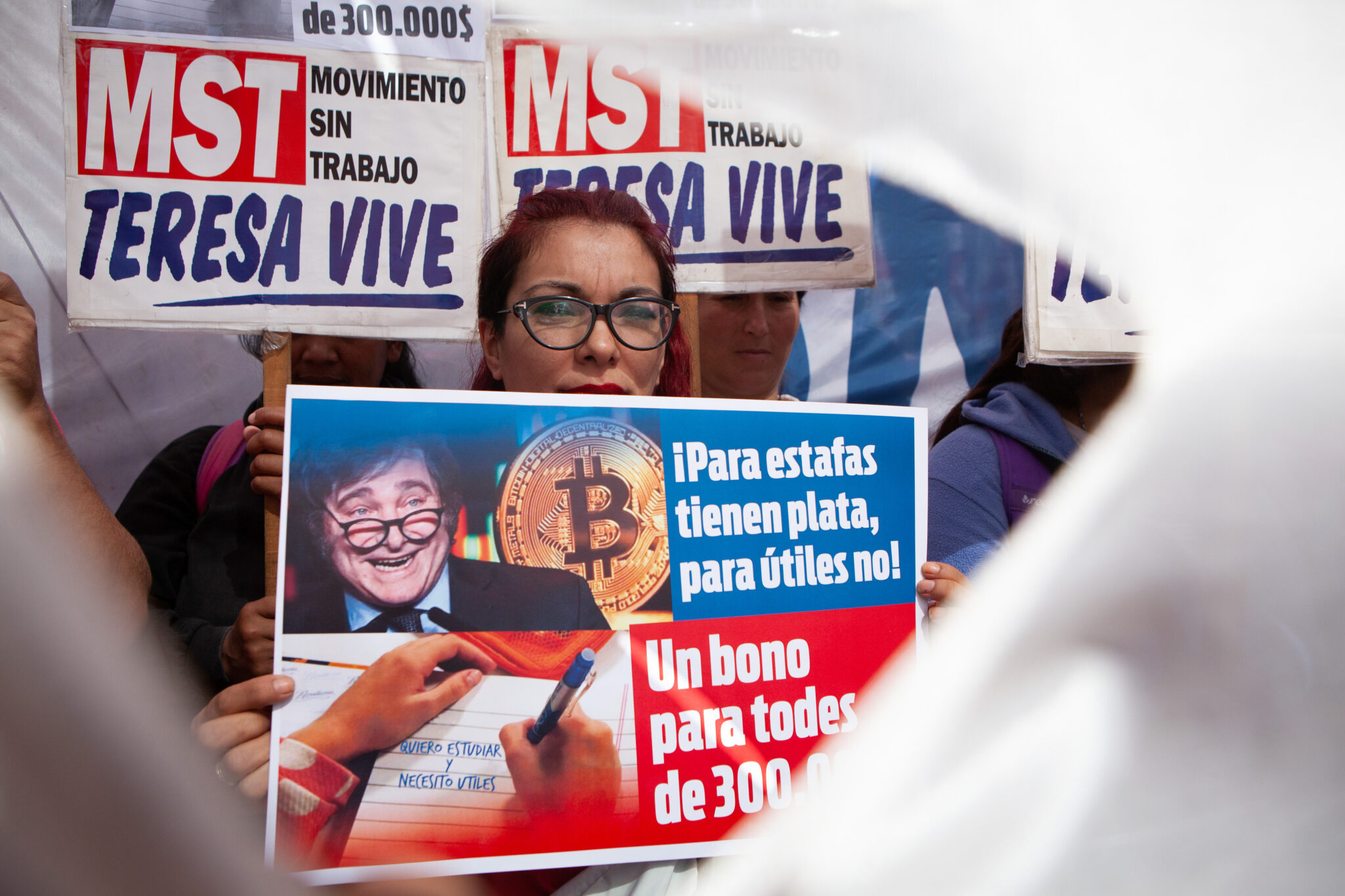
From the ancient Greeks to modern times, thinkers and economists have pointed to the economic virtues of sympathy. So what role should empathy — and even social equity — have in Argentina’s economy?
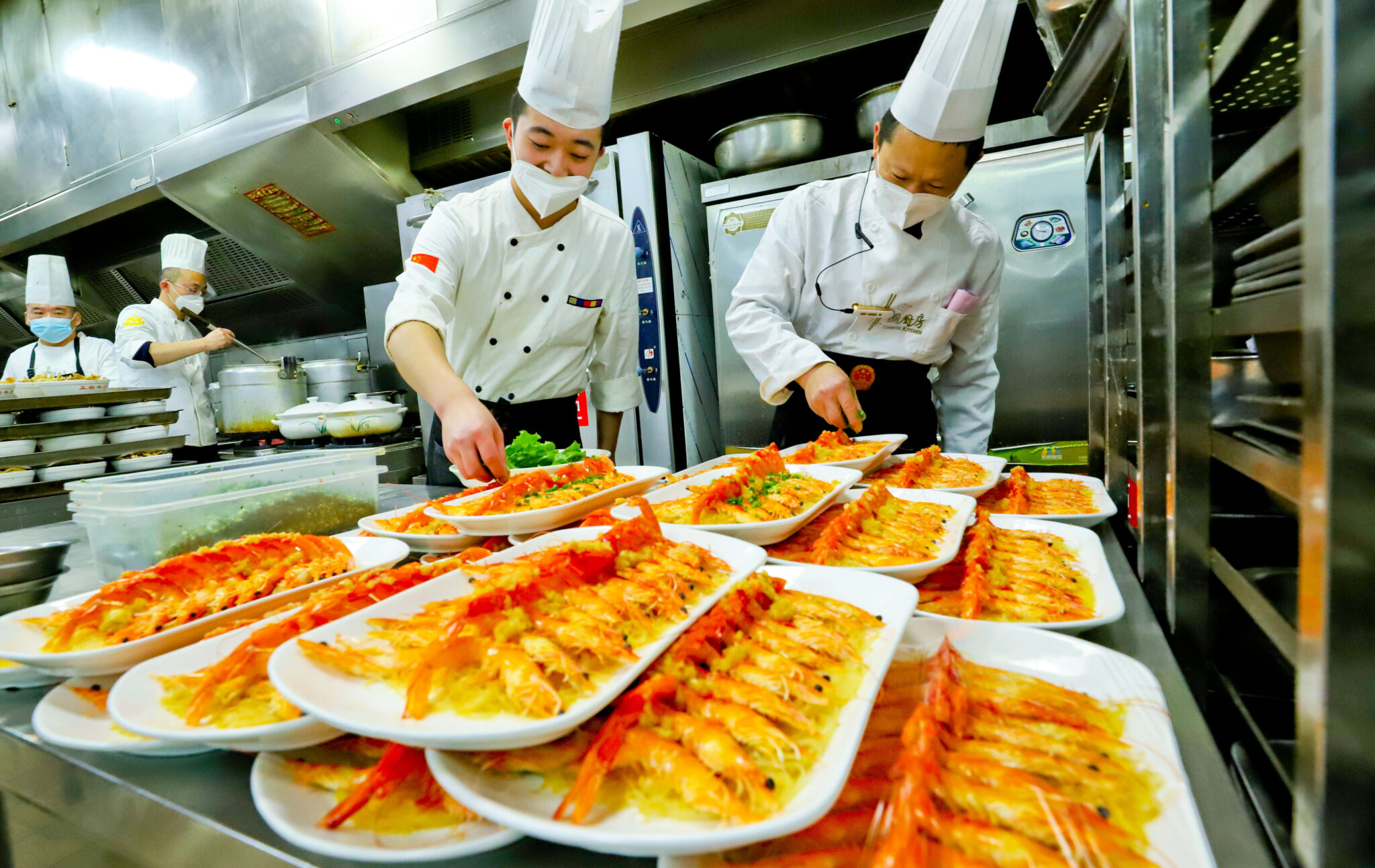
Lavish dinners and alcohol-fueled networking among China’s civil servants face strict new limits, as Beijing imposes austerity measures to curb rising public debt — leaving the catering sector reeling.
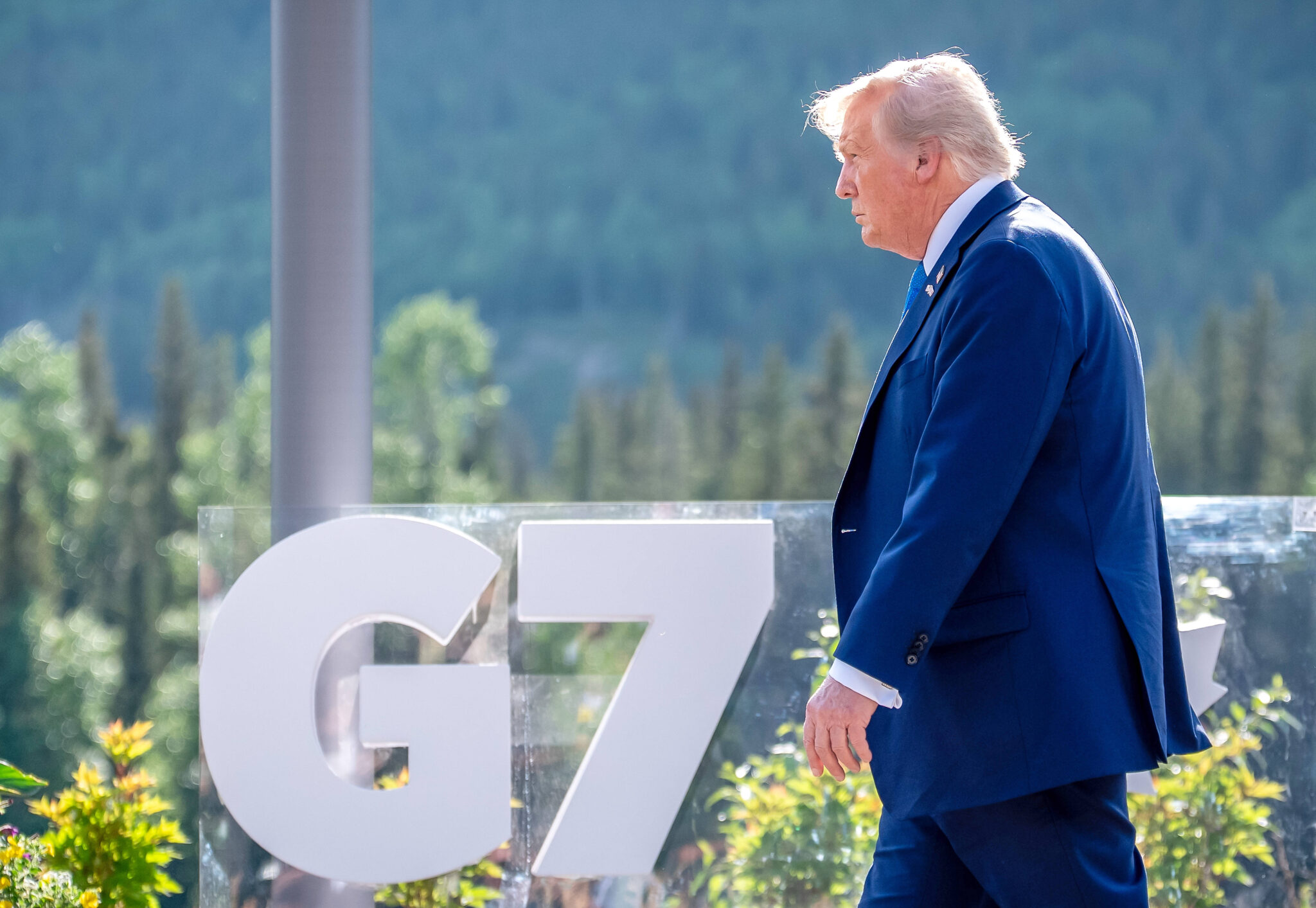
Donald Trump’s early departure from the G7 Summit highlighted his contempt for this type of meeting, but also had the virtue of pointing out that this institution has become an empty shell, embodying a world that has become obsolete. But what should replace it?
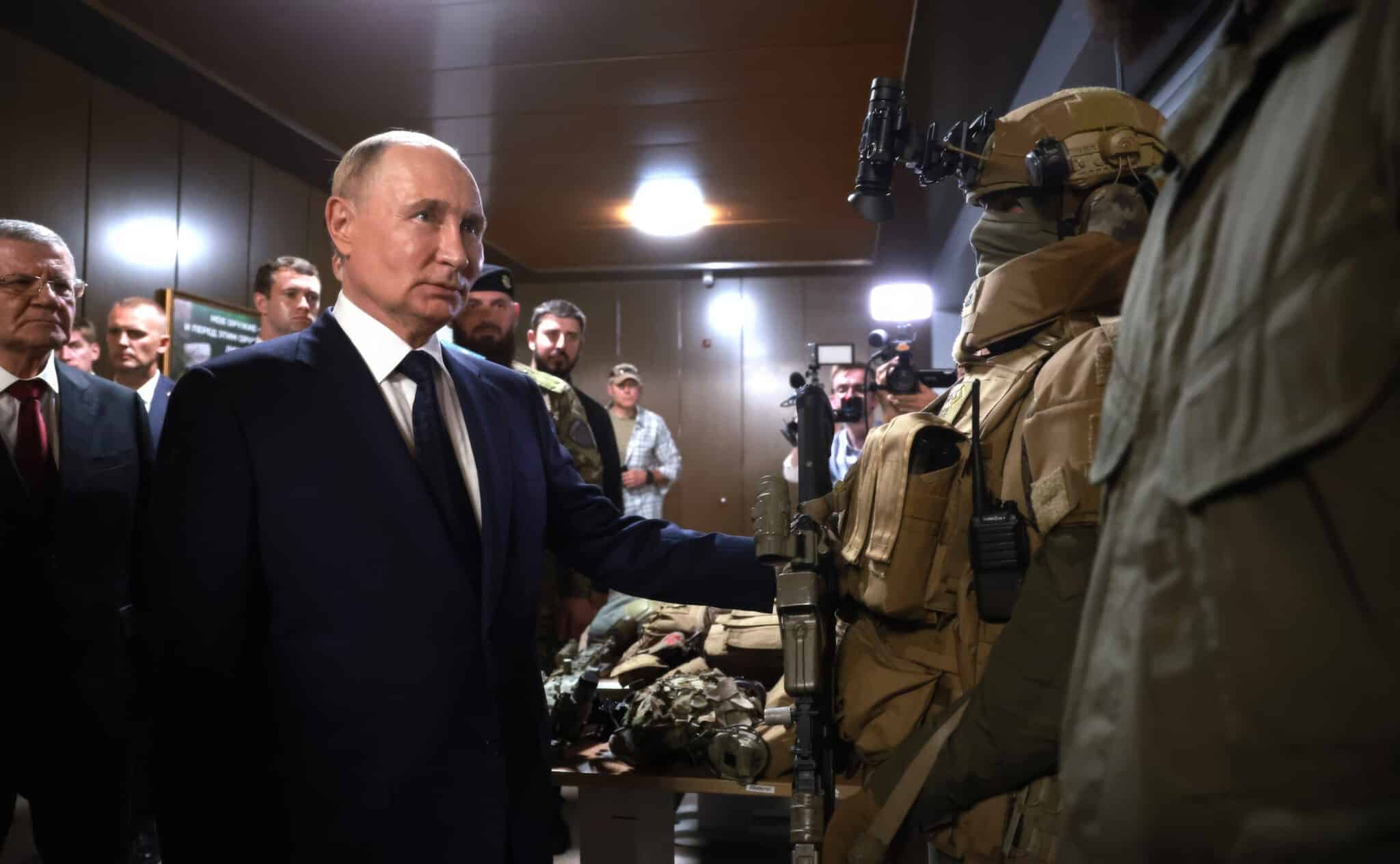
Despite heavy international sanctions from the West, Russia has taken a lighter economic hit than expected. Rather than suffering from war, it’s become dependent on it — like Germany in the 1930s.
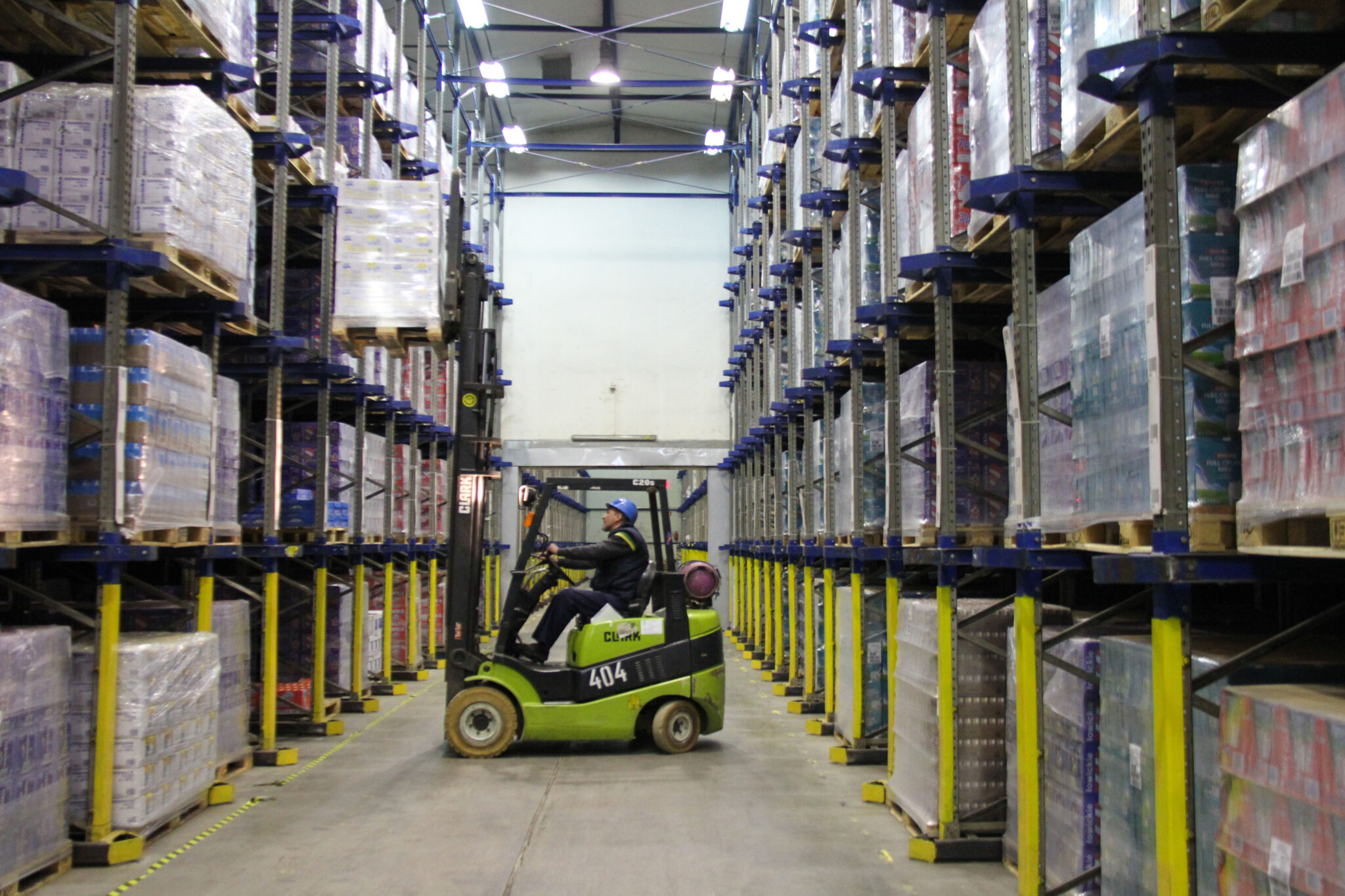
Since the 1990s and the fall of communism in Poland, the country’s economic life has changed drastically, moving from a command economy focused on national production to a global one, which is now becoming an increasingly important player in Europe and the world. In the face of Donald Trump’s protectionist inclinations, Witold Gamoski argues that globalization is exactly what economies need to grow.

Zambia is as generous with patients from neighboring Zimbabwe as it is with its own citizens. That could mean problems for both countries.
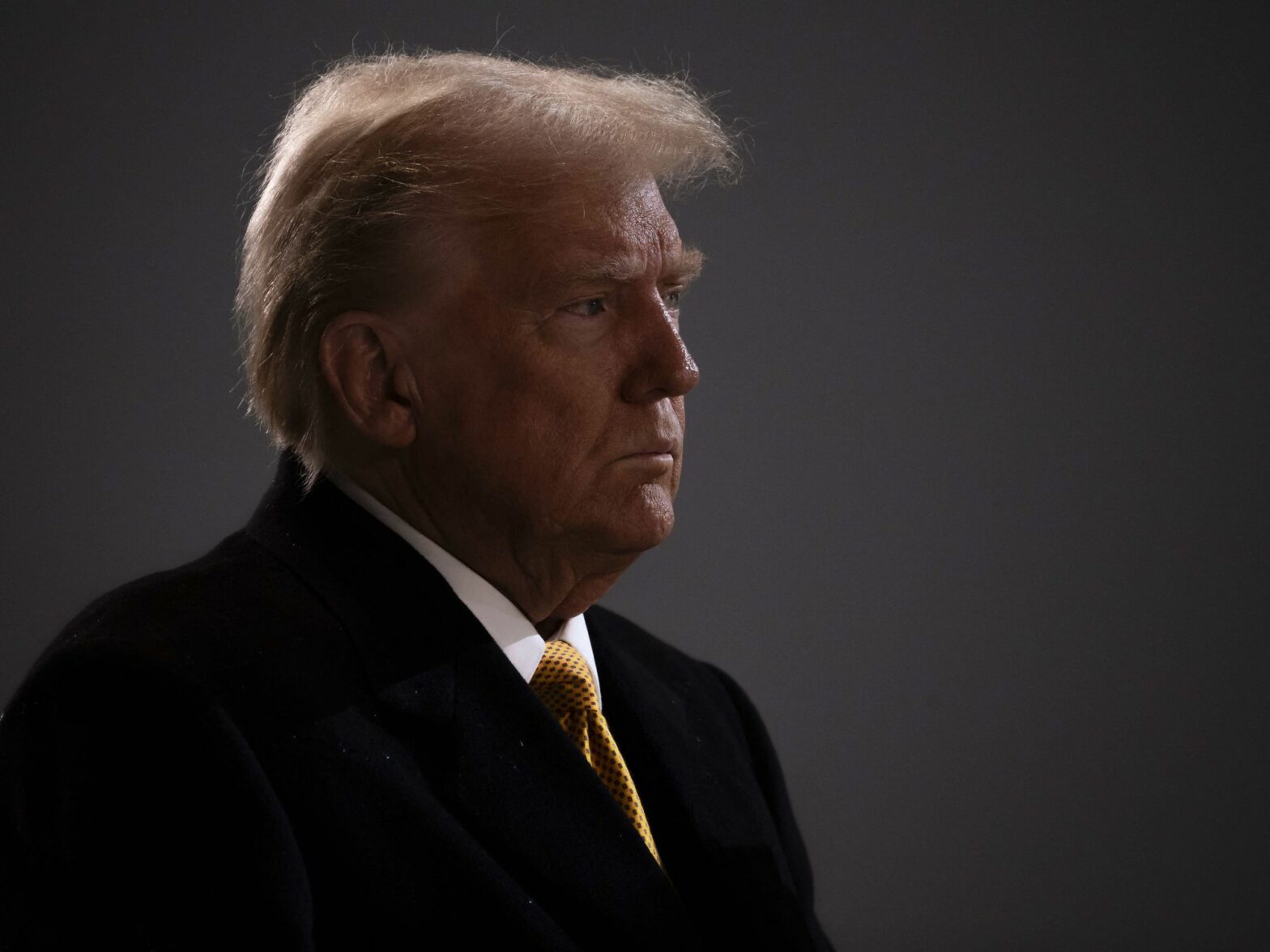
Donald Trump’s second term as U.S. president will undoubtedly bring about a transformation in geopolitics and the world economy. With a businessman rather than a politician in the White House, the country will take a more transactional approach based on negotiations.

Updated Oct. 29, 2024 at 12:20 p.m. The New York Stock Exchange crashed in what was later dubbed “Black Tuesday”, beginning the Great Depression, on this day in 1928. What led to Black Tuesday? The Crash of 1929 was the result of a complex set of factors, including excessive speculation in the stock market, overvalued […]
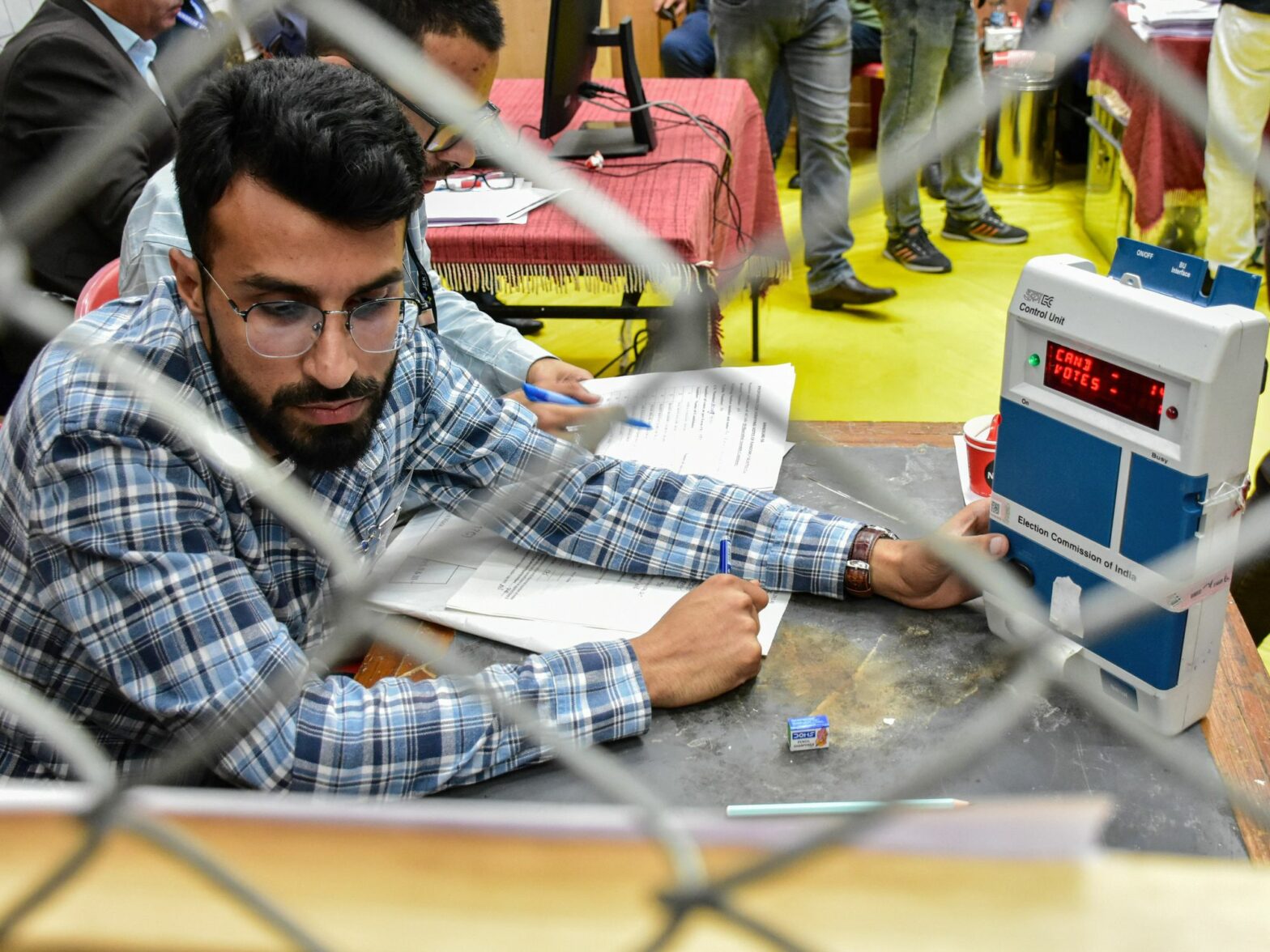
Honoring the research of Daron Acemoglu, Simon Johnson and James Robinson marks a comeback for the importance of public institutions in economics.
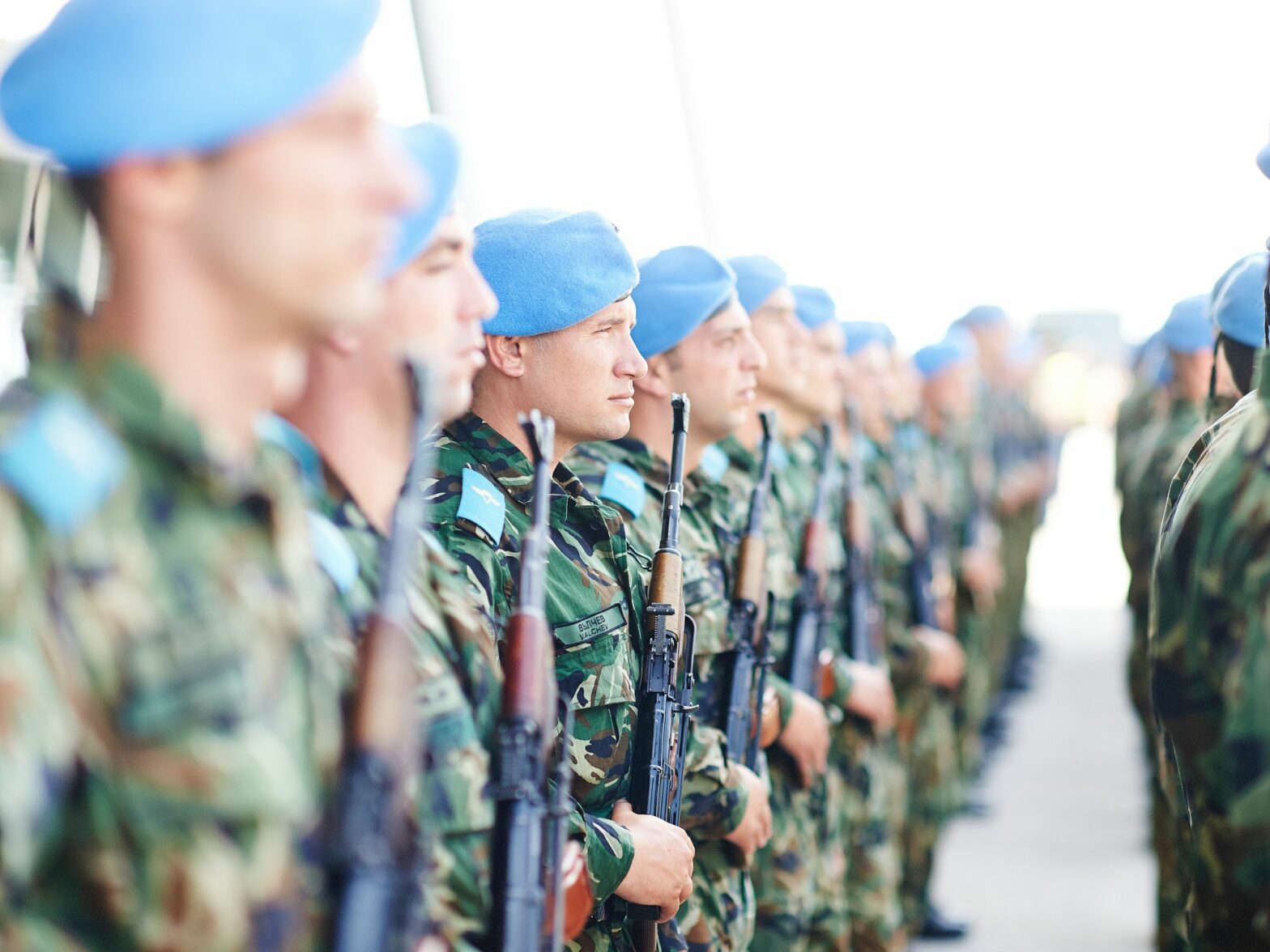
With the World Economic Forum in Davos going on, French President Macron is launching with urgency the debate on a common defense for European countries, in light of Ukraine, the Middle East — and a possible return of Trump.
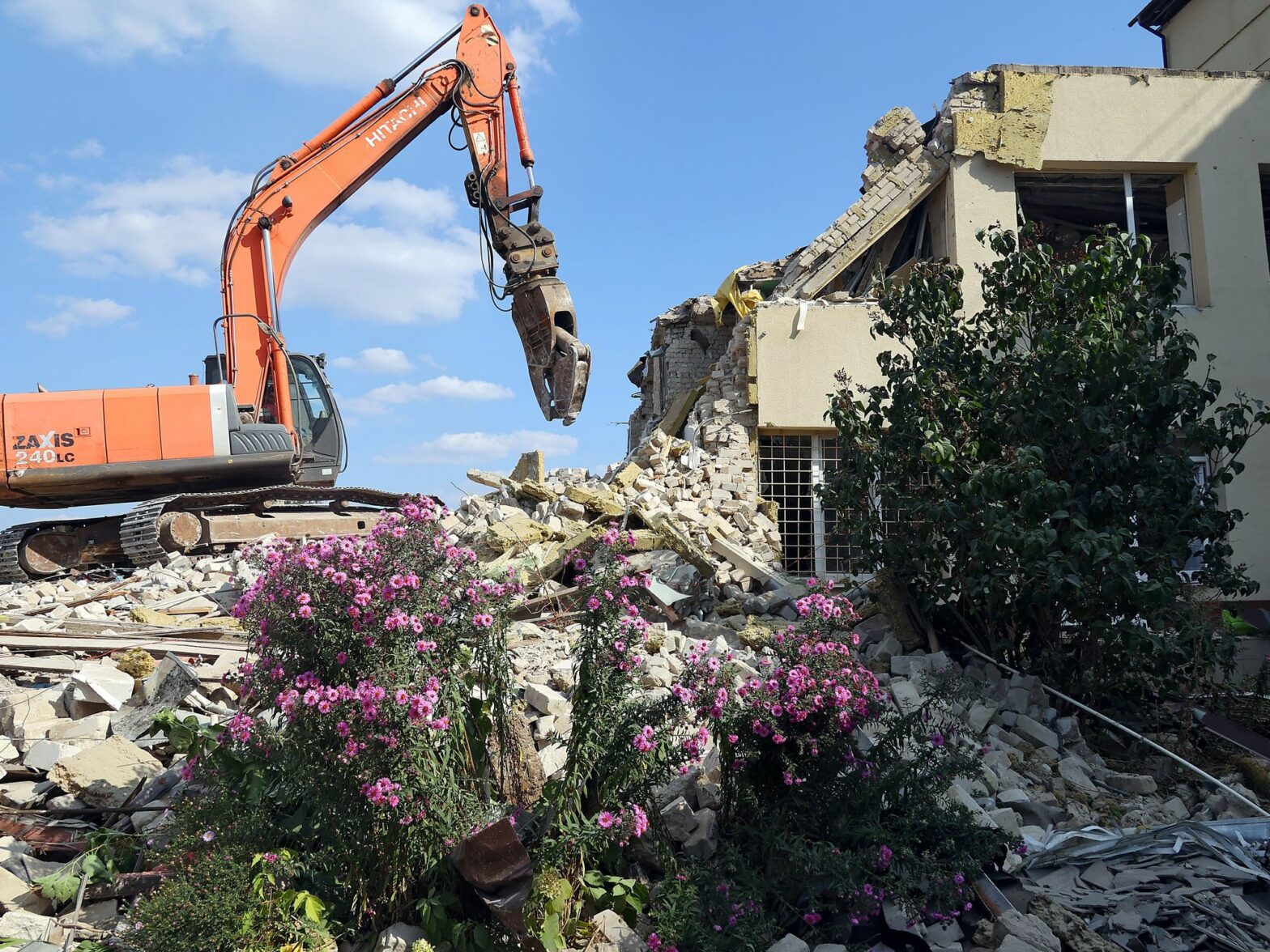
The war is far from over, but on the other side of the Atlantic, preparations are already underway to ensure American businesses access to this promising market. In Europe, no one is making such necessary preparations, worries Jacques Attali.
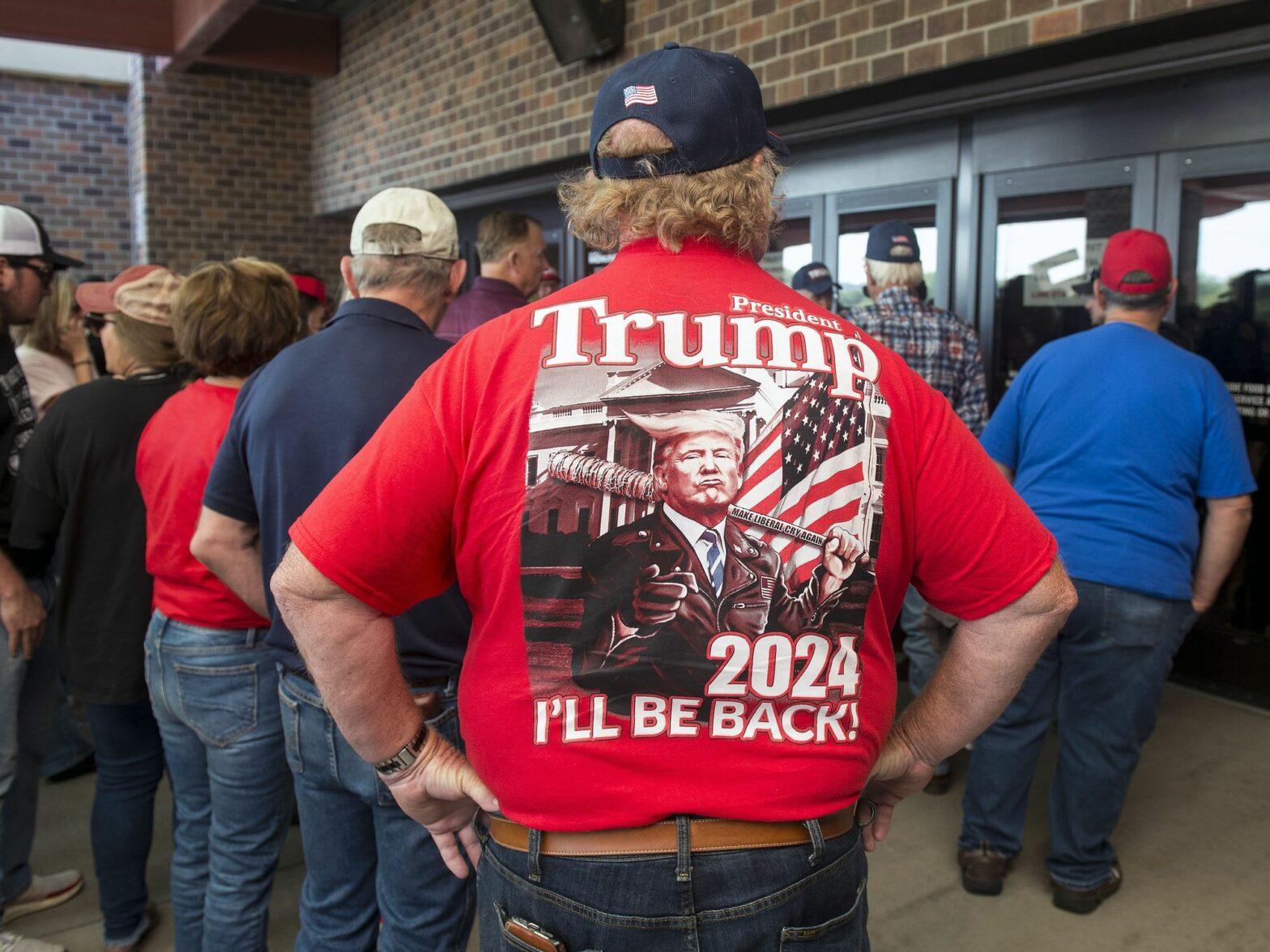
Despite facing a growing number of charges, Donald Trump continues to rise in the 2024 presidential election polls. His most likely opponent, current President Joe Biden, is raising fears of a worst-case scenario due to his deteriorating health and old age, despite his solid economic record. A French political analyst weighs in from abroad, and from experience….
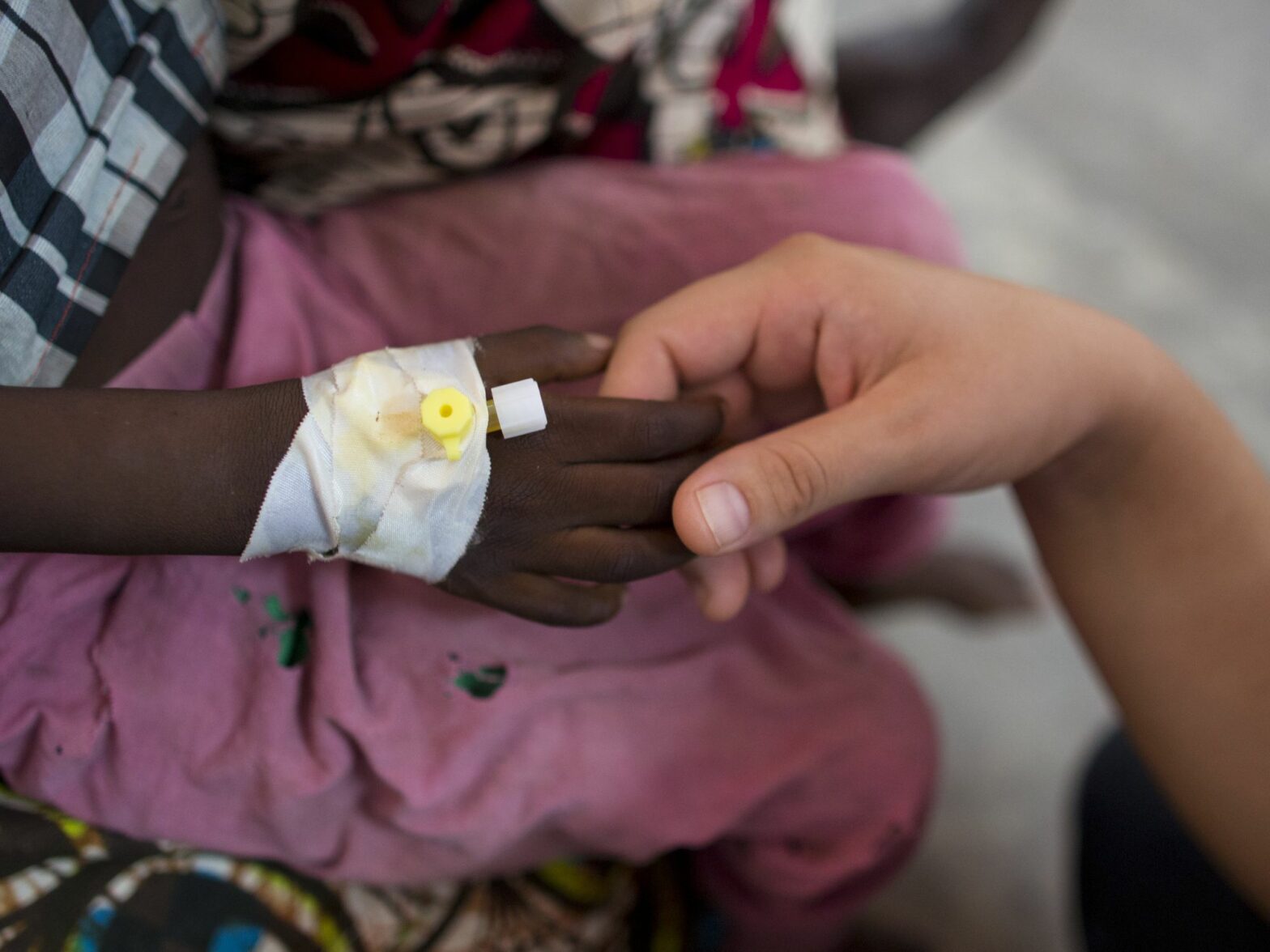
Tracing back to Christian colonialism, which was supposed to somehow “civilize” and save the souls of native people, White Savior Syndrome lives on in modern times: from Mother Teresa to Princess Diana and the current First Lady of Colombia, Verónica Alcocer.
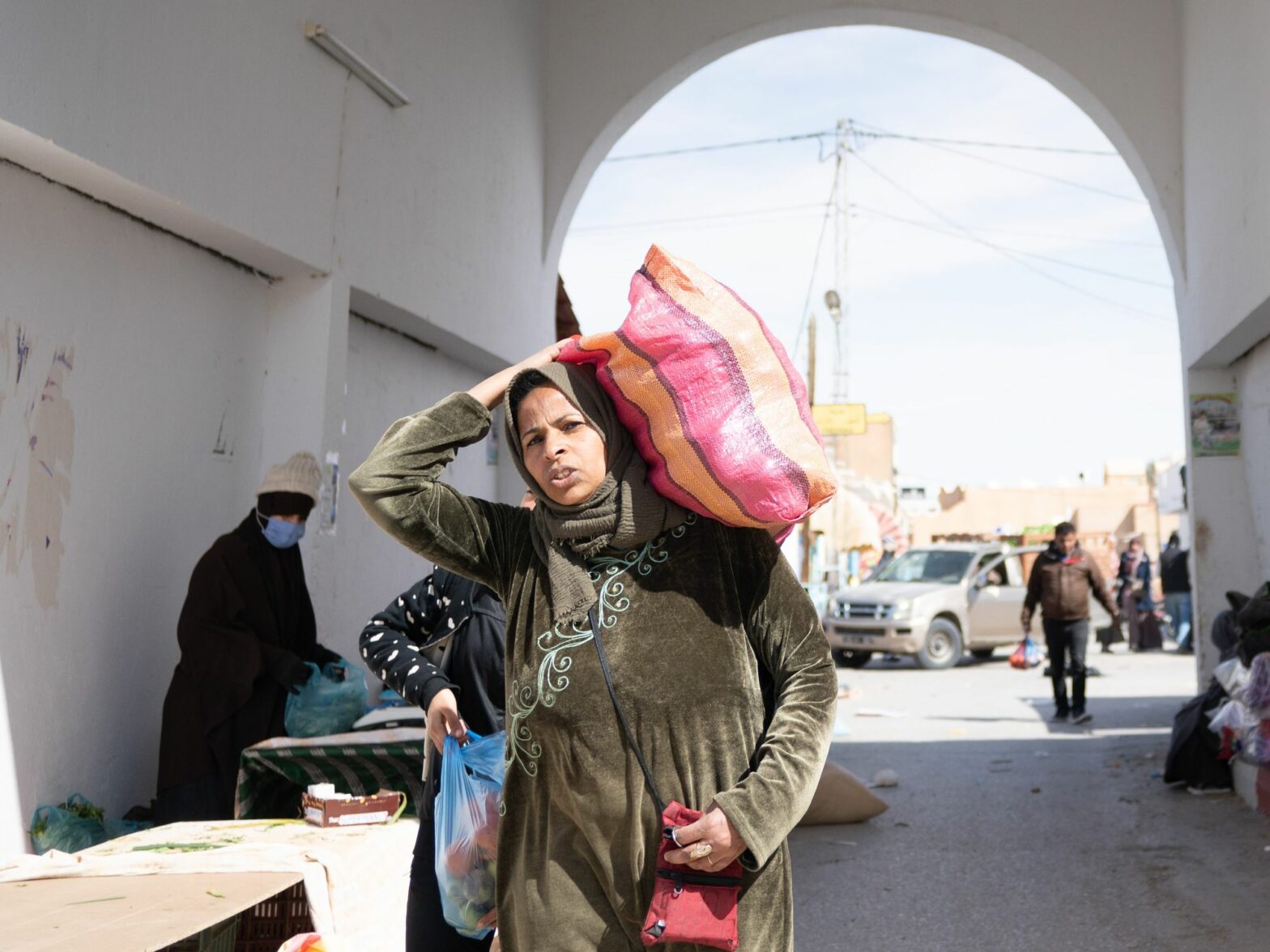
The European Commission has committed €100 million to support Tunisia in the effort against migration, with an affectional €900 million in funding for the country. But how does the agreement expect to find success with a formula that has long held a reputation of failure?

Lehman Brothers, a global financial services firm, filed for Chapter 11 bankruptcy on this day in 2008. This event was significant in the 2008 financial crisis and had far-reaching implications for the global economy and financial markets. What is Chapter 11 bankruptcy? Chapter 11 bankruptcy is a legal process in the United States that allows […]
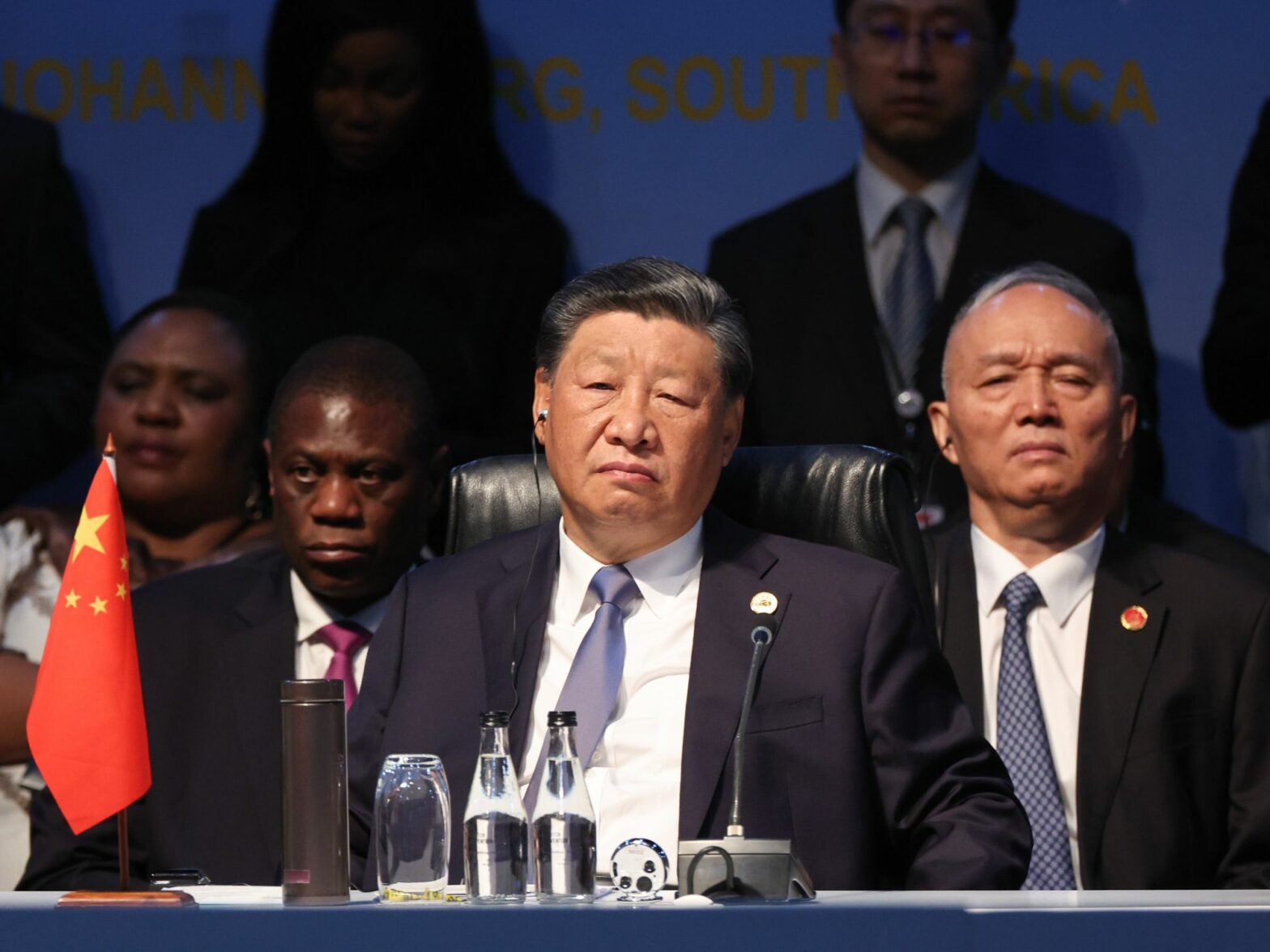
There will be no Vladimir Putin or Xi Jinping at this weekend’s summit of the world’s 20 leading economies in New Delhi: a symbol of the fragmentation of the world that has accelerated since Russia’s invasion of Ukraine.
The largest companies in the fossil fuel sector are responsible for financial costs valued at $209 billion annually from 2025 to 2050, according to a new study published in the scientific journal One Earth.
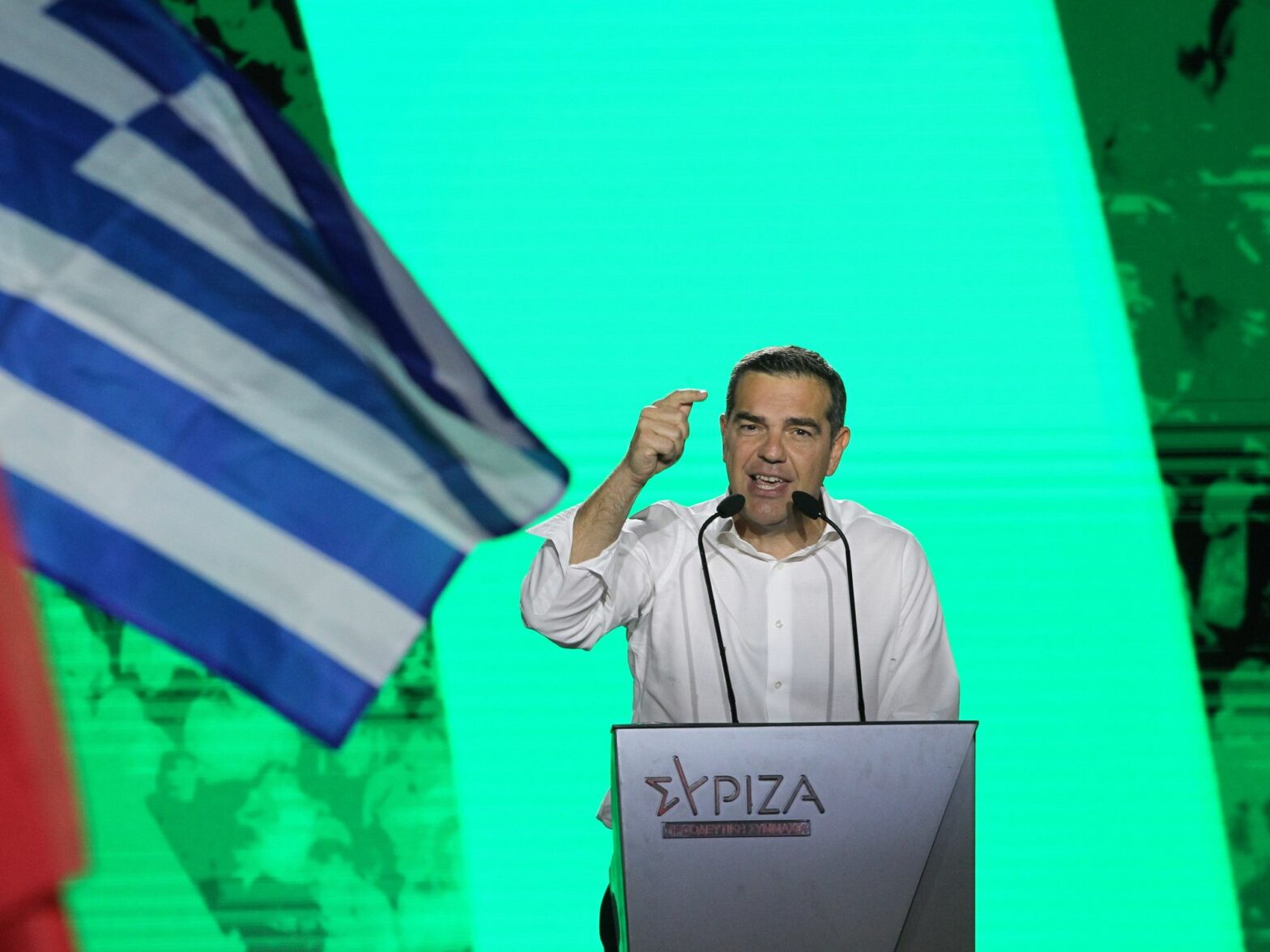
With the opposition Progressive Alliance ‘Syriza’ trailing in the polls for the May 21 election, they’ll need to convince their potential core left-wing voters that they are true progressives. Tspiras’ controversial bailout deal of 2015, however, still hangs in the air.

Mass consumption is encouraged in the West, but people, particularly women, and the planet pay the price for exploitative capitalism. So, we need to be clear that taking care of each other and tackling the climate crisis are inextricably linked.

As recession predictions abound, stakes are higher than ever for the number crunchers at the world’s top central banks, who must also contend with the whims of the political class.
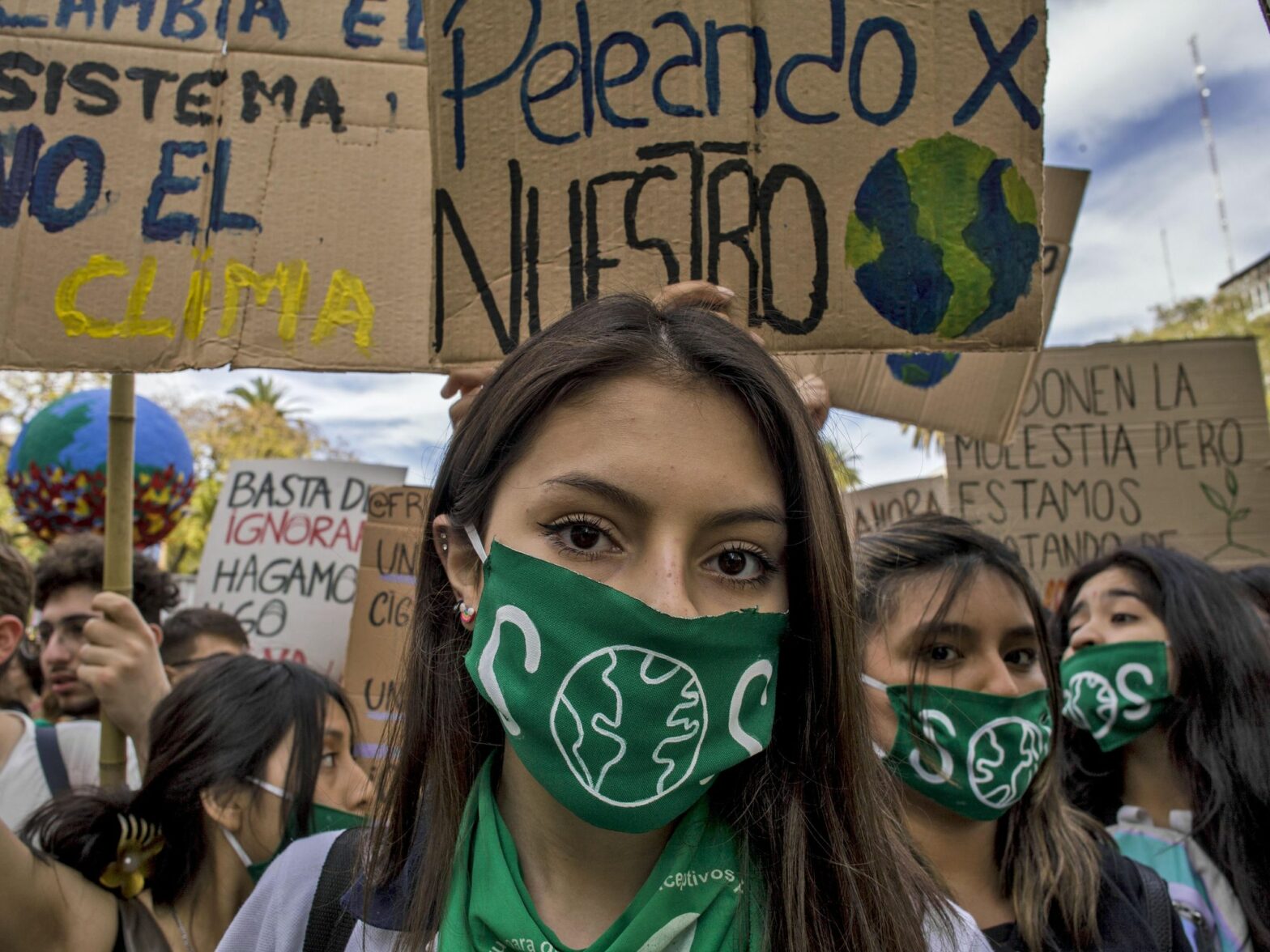
I am part of a generation whose quality of life will be worse than those who came before us. This should encourage society to realize that the idea of infinite growth is a myth, and that time is of the essence when it comes to saving the environment.
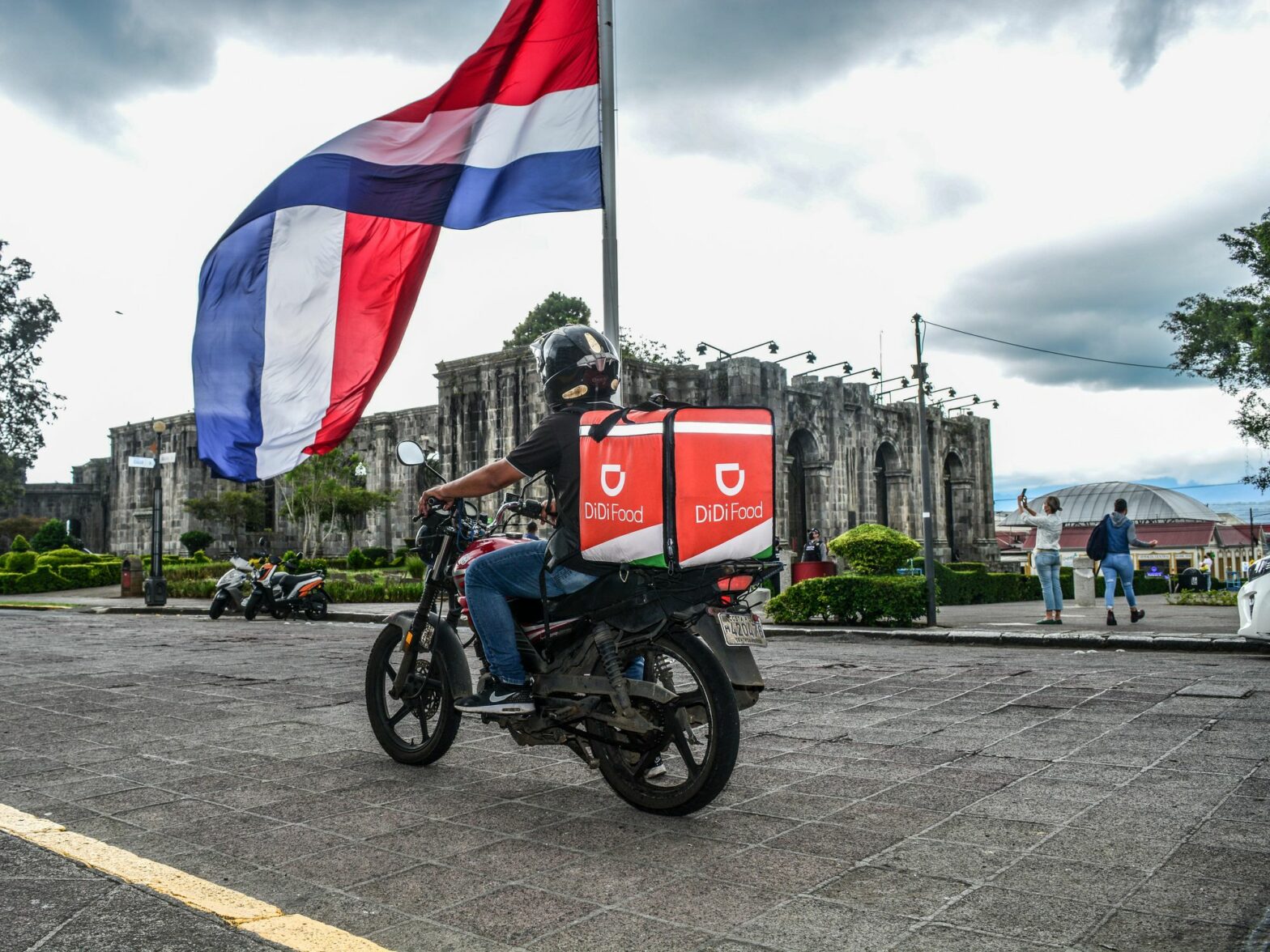
Didi Food, a delivery startup that struggled in East Asia, has found a growing market in Latin American cities, where appetite for home deliveries has yet to be fully satisfied.

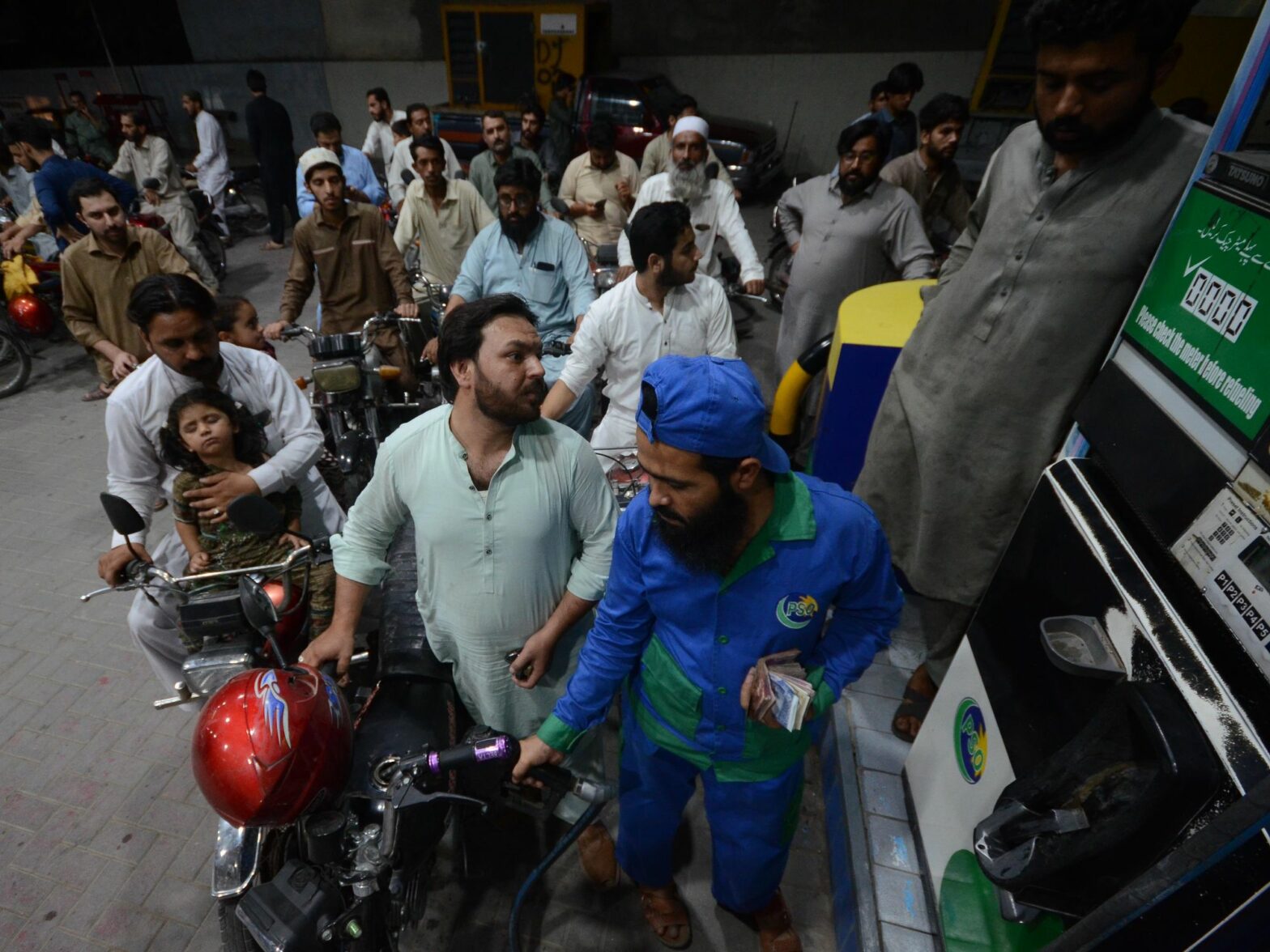
Both Pakistan’s and Sri Lanka’s leaders have resigned recently. Their fates should be a reminder to politicians in Asia and around the world: good economics might not be enough to get re-elected but bad economic decisions can hasten your fall.
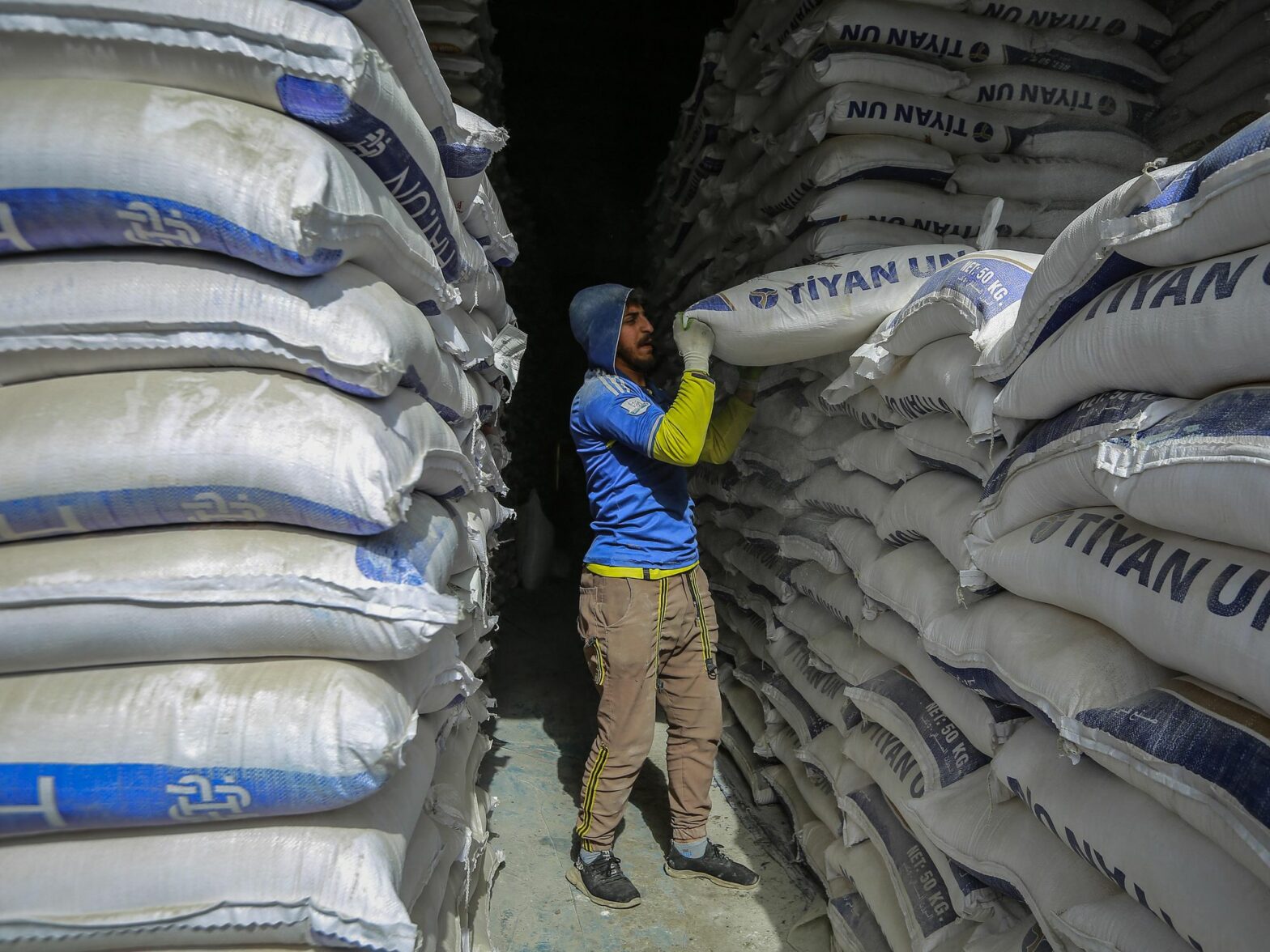
First, the COVID-19 crisis, and now the need to respond to Russia’s invasion of Ukraine, are forcing countries to confront the risks of global interdependence. In its place comes a rush to establish national autonomy for crucial resources, from masks to oil and gas. But at what price?
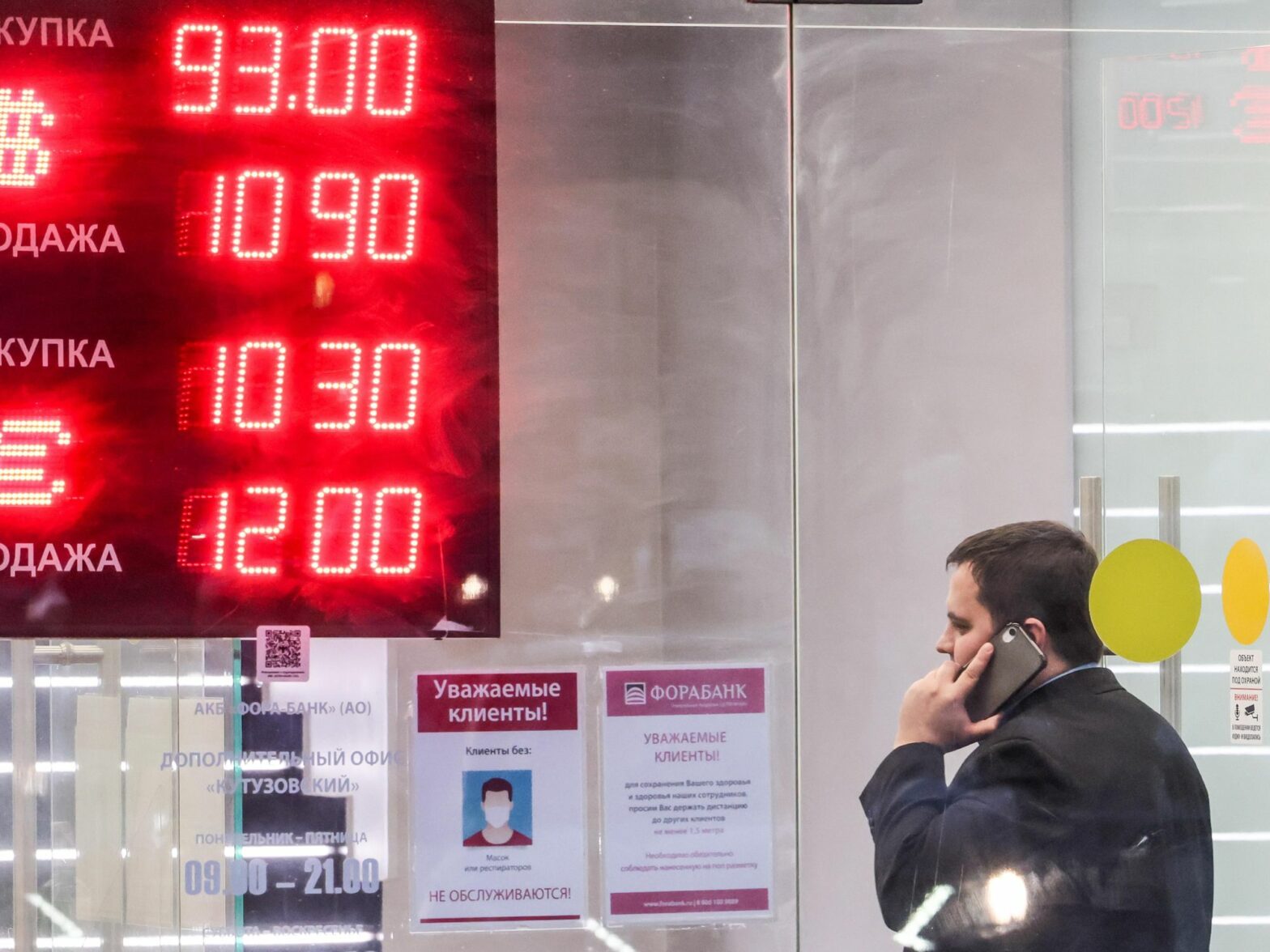
By deciding to invade Ukraine, the President of Russia did so believing that money would protect his country. By trying to prove him wrong, the West is facing its own potential crash.
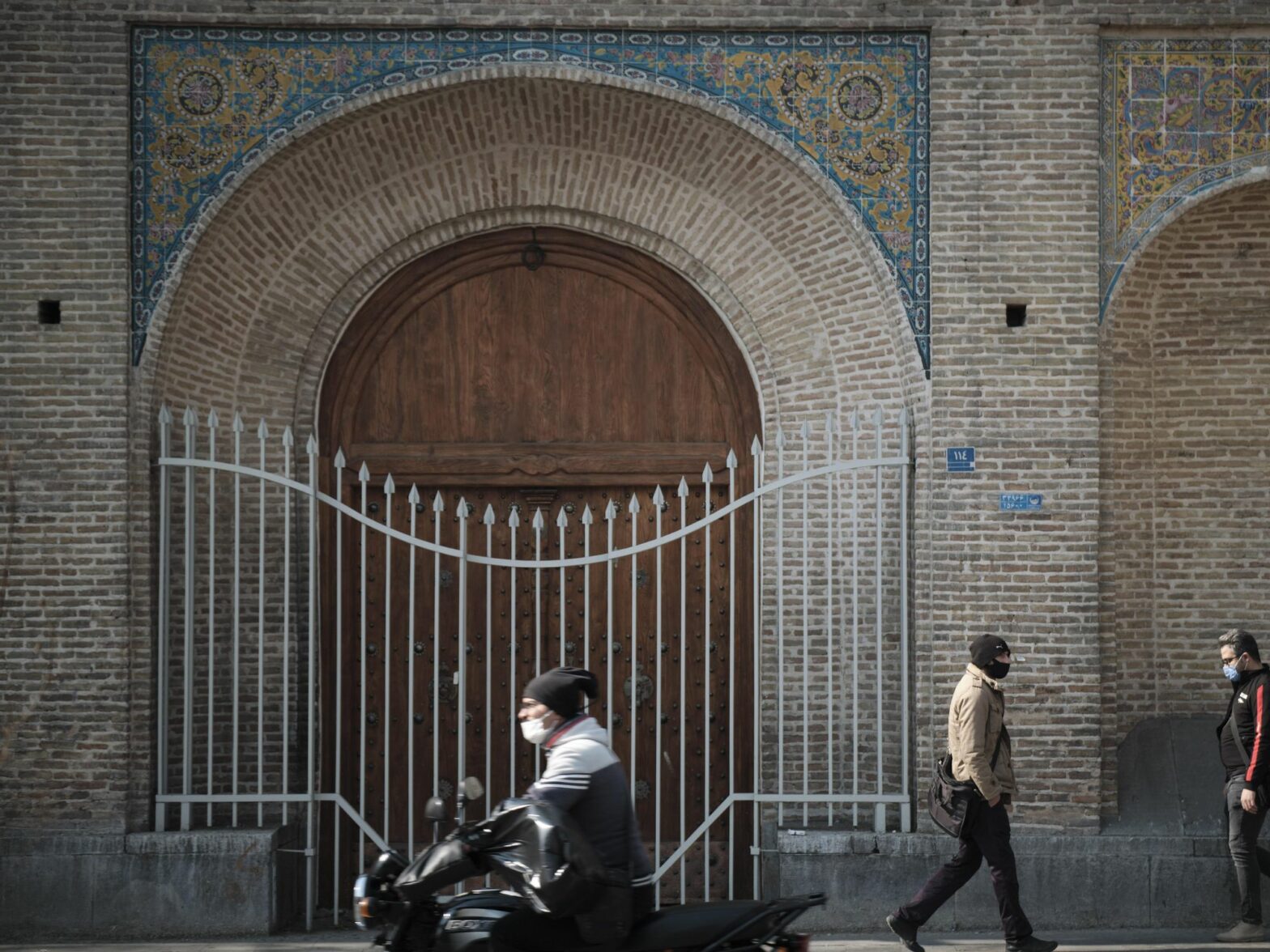
The desperation to leave Islamic Iran has spread from writers, dissidents and minority groups to hundreds of thousands of Iranians willing to live and work “anywhere that isn’t Iran.”
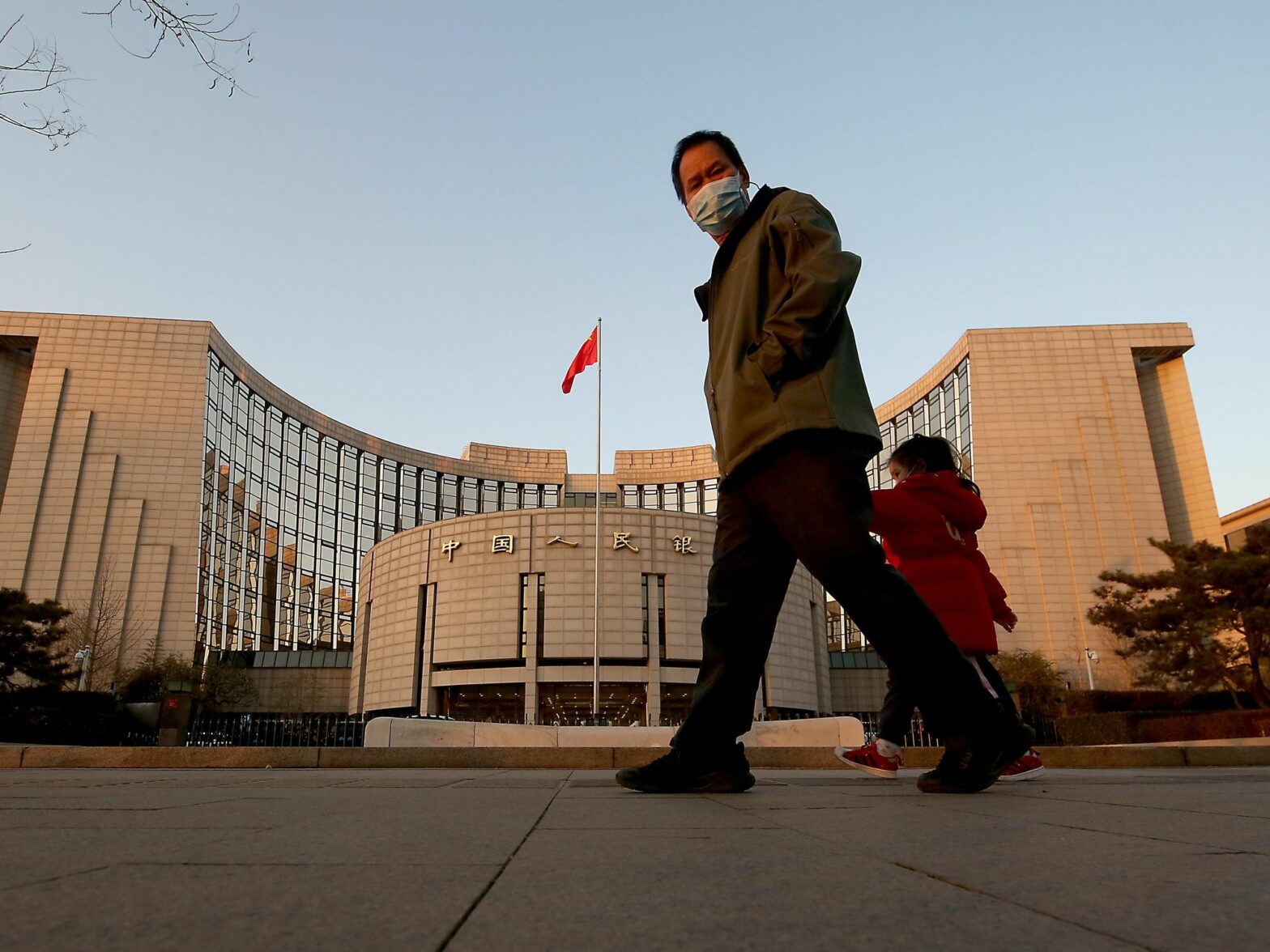
While other major economies are taking steps to tighten credit, China is acting to cheapen it, in order to revive its economic activity and help big firms repay their debts. But will it fuel global inflation, or worse, stagflation?

The recent electoral victory of a youthful leftist in Chile has inspired the left in Latin America and around the world. But the country’s unique political and economic history means it is not necessarily a model for the rest of the world.

Economic stagnation, a polarized society, politicians losing the plot – German citizens’ opinion of their country seems to be going downhill, and we’re warned that many are planning to emigrate. However, the facts paint a very different picture.
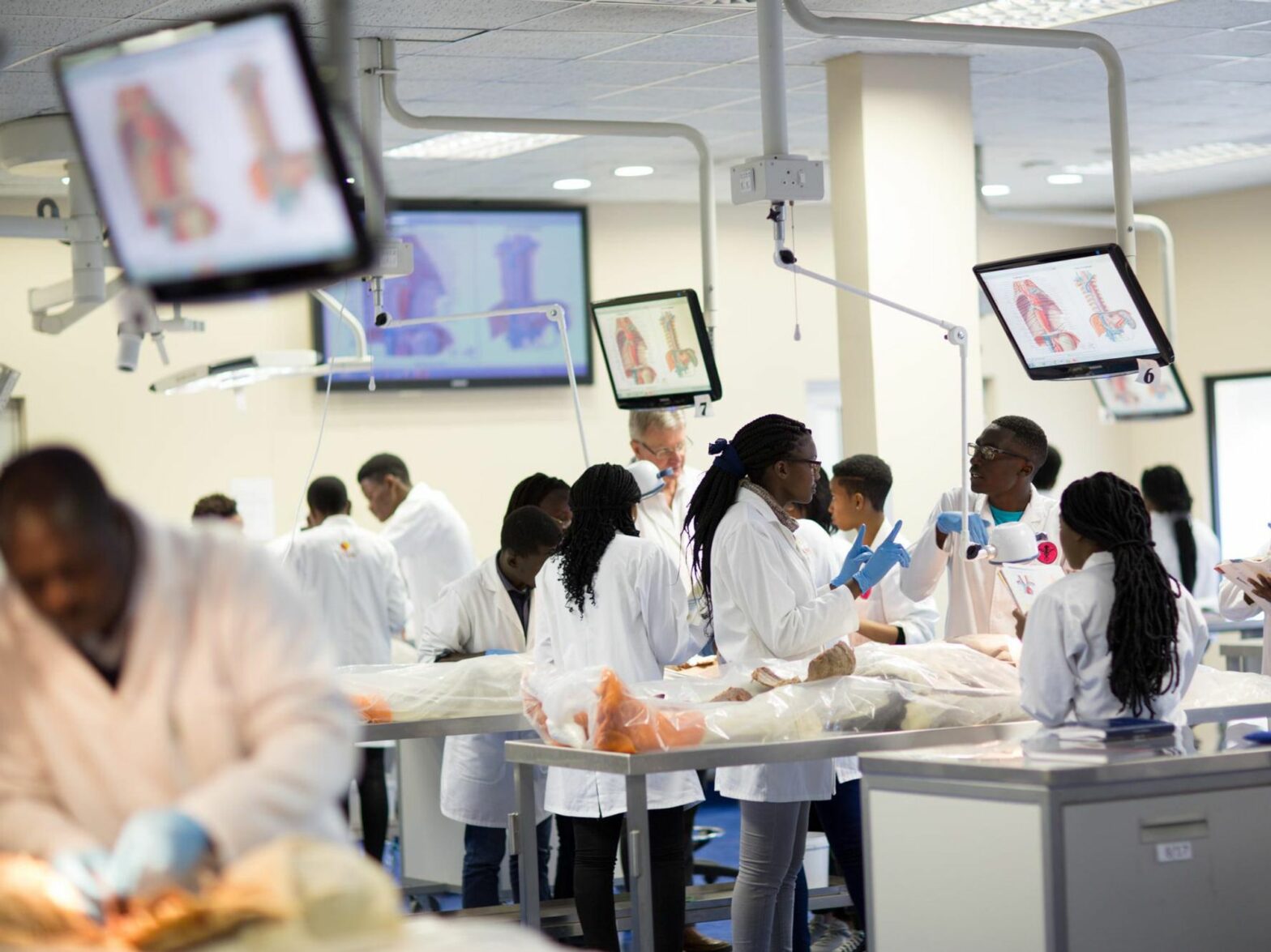
Even as it celebrates this year’s literature prize going to Tanzanian author Abdulrazak Gurnah, Africa is again completely absent from the list of Nobel winners in science. In research as elsewhere, money is the key.
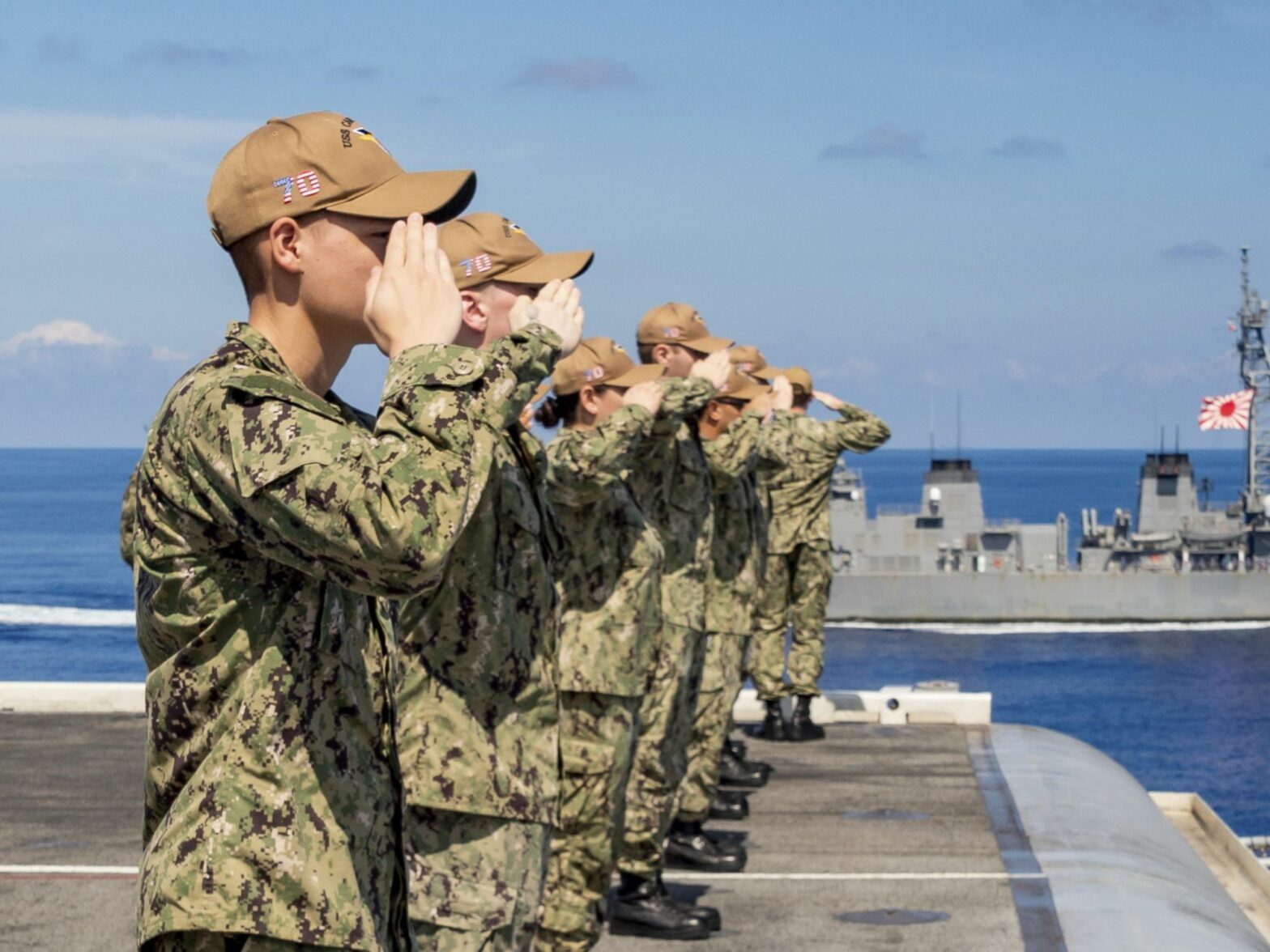
Asia has become the new center of the world because of China’s growing power, which in Washington’s eyes has turned Japan from an important ally to the most important. But is Tokyo ready for the newfound responsibility?
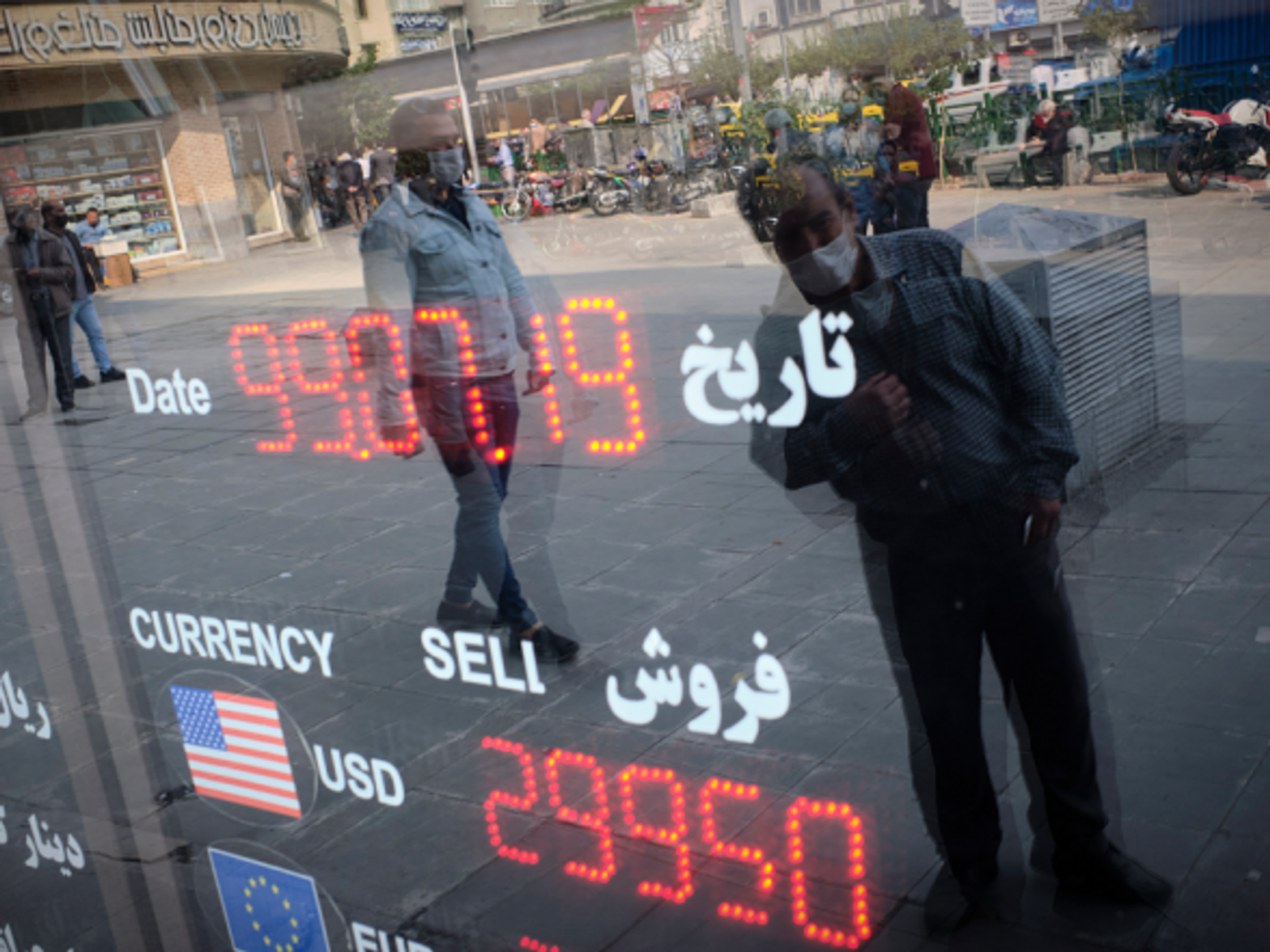
The leaders of the Islamic Republic say the economy will soon improve. But the numbers — the result of sanctions but also decades of economic mismanagament — paint a far more dismal picture.

Eight months after cutting itself off from the world, the Chinese megalopolis is coronavirus-free and back to business as usual, albeit with a healthy dose of propaganda.
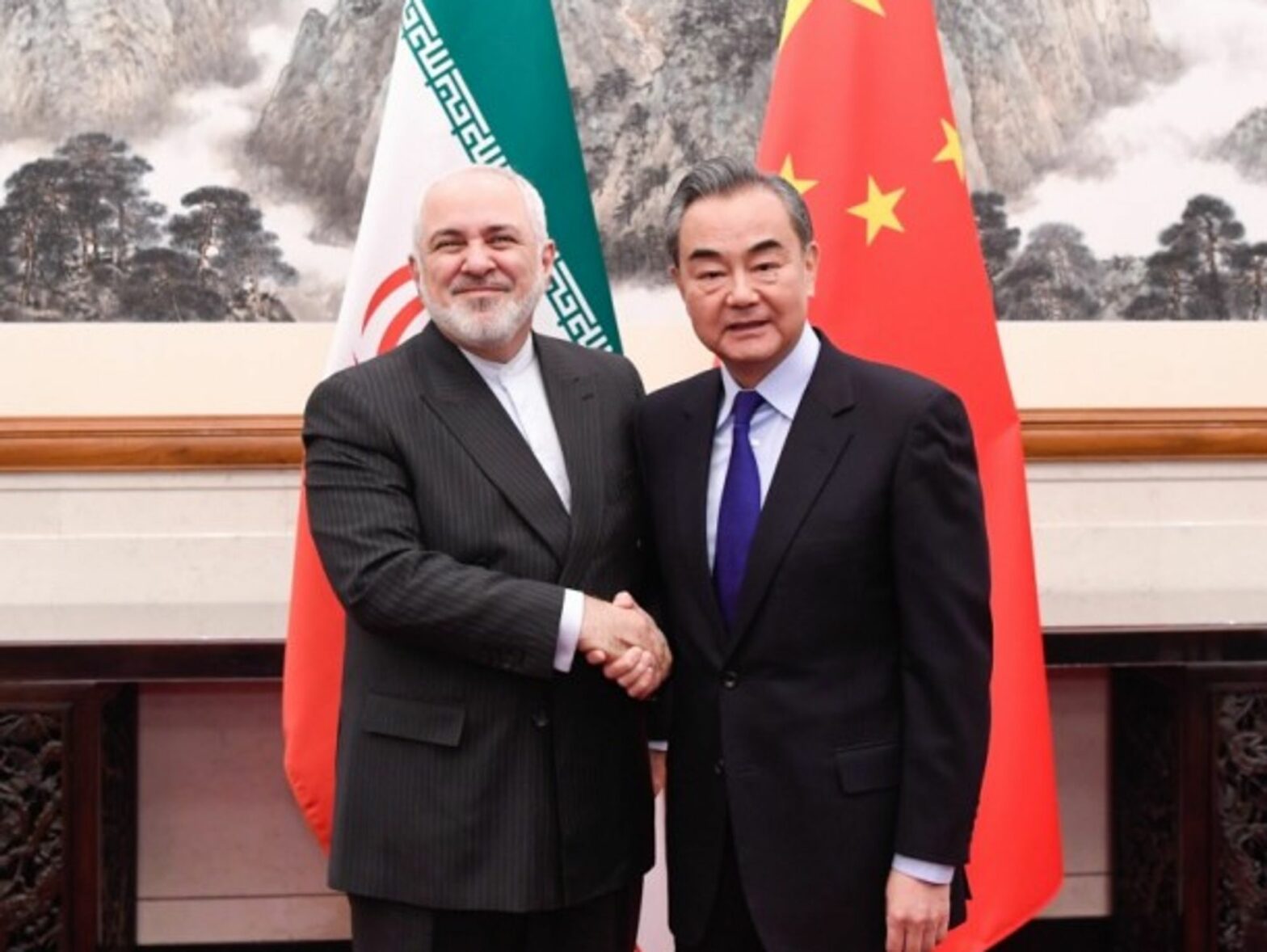
There are some signs that China may be gaining economic concessions from Iran in exchange for giving it diplomatic, and perhaps military and security, backing against regime opponents.
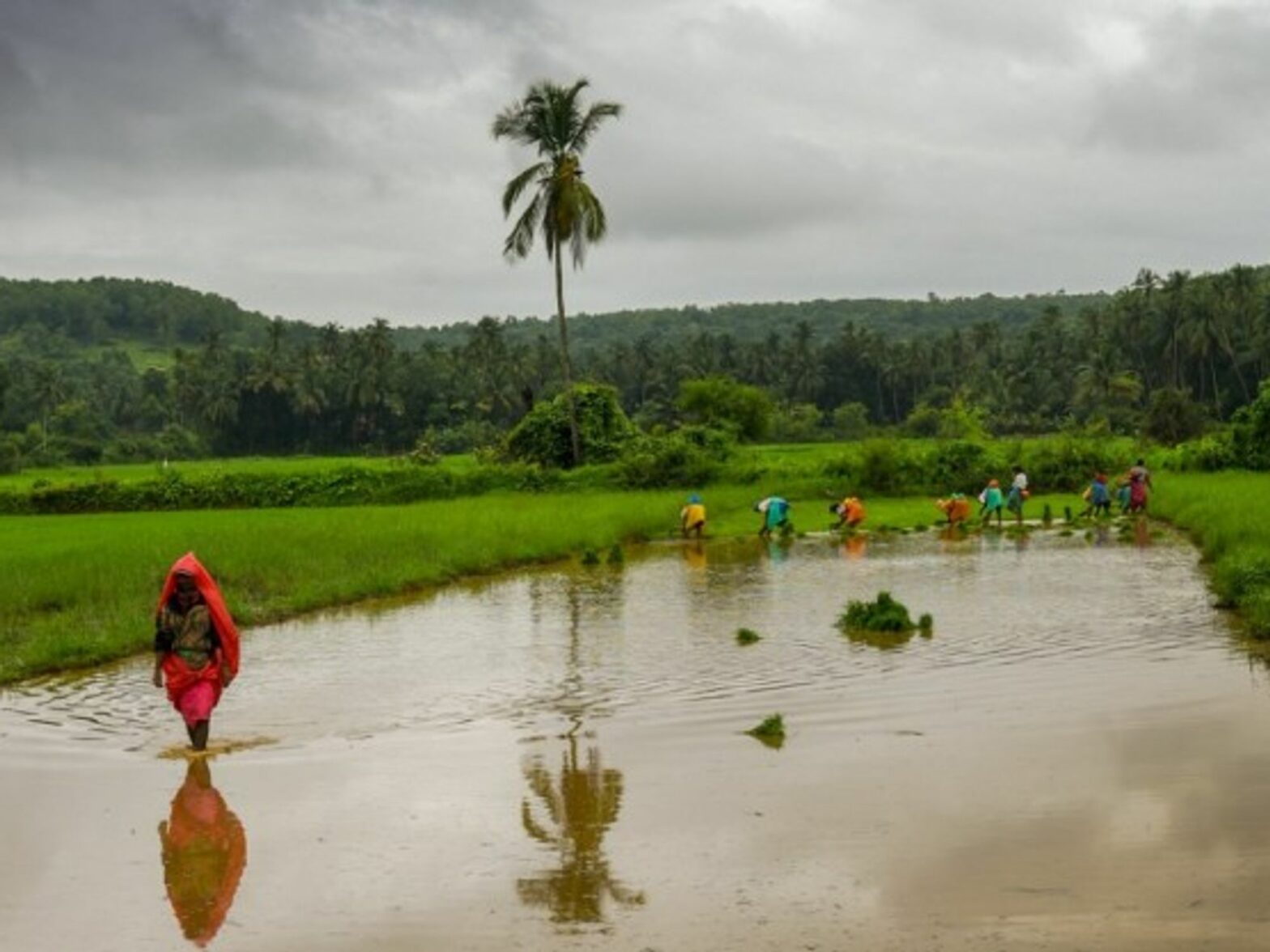
Economist Abhijit Banerjee’s win is a non-cricketing triumph on the global stage. So why aren’t Indians more excited?

Partisans of political moderation are mistaken if they are looking for the ideals of the European liberal tradition in today’s neoliberalism.

The trend of what the French dubbed décroissance (degrowth) overlooks how progress and technology are bound to improve our lives.
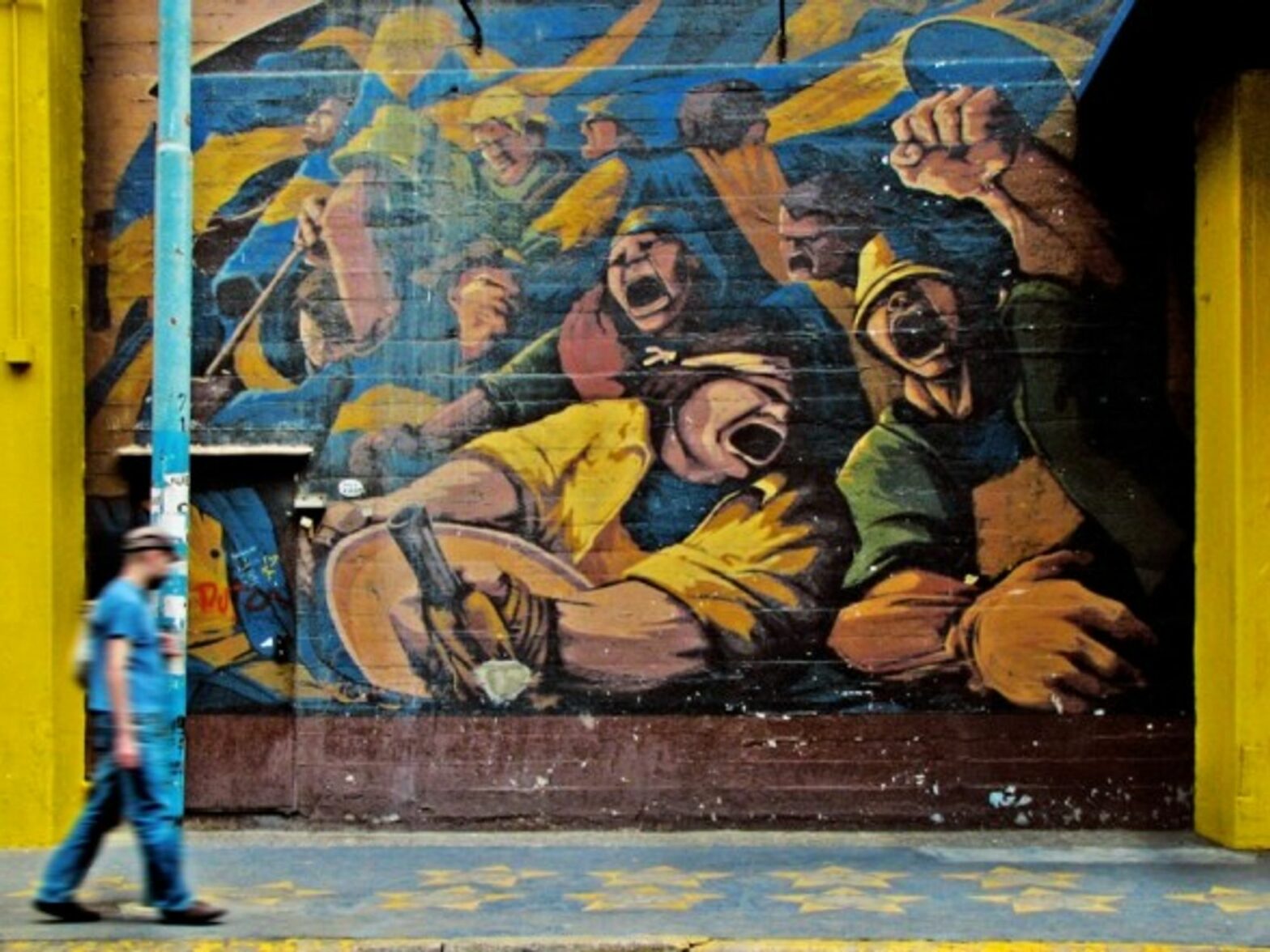
For all its resources, the South American country still struggles with high inflation and extreme poverty. The solution must be both deep and long-term changes.