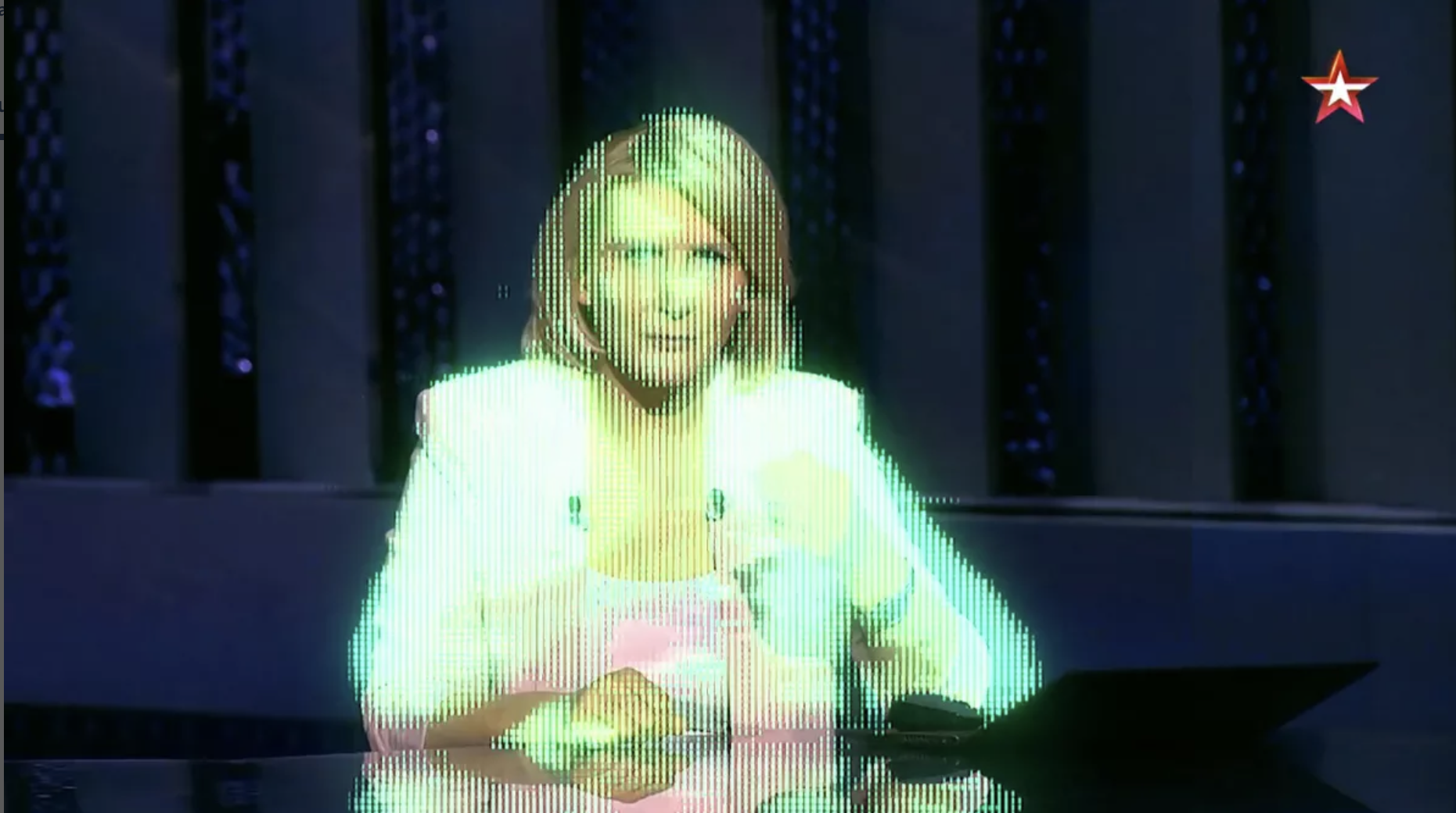
On the Russian army’s channel Zvezda (“Star”), a program entirely generated by algorithms takes fierce aim at Western leaders.
 Worldcrunch
On the Russian army’s channel Zvezda (“Star”), a program entirely generated by algorithms takes fierce aim at Western leaders.
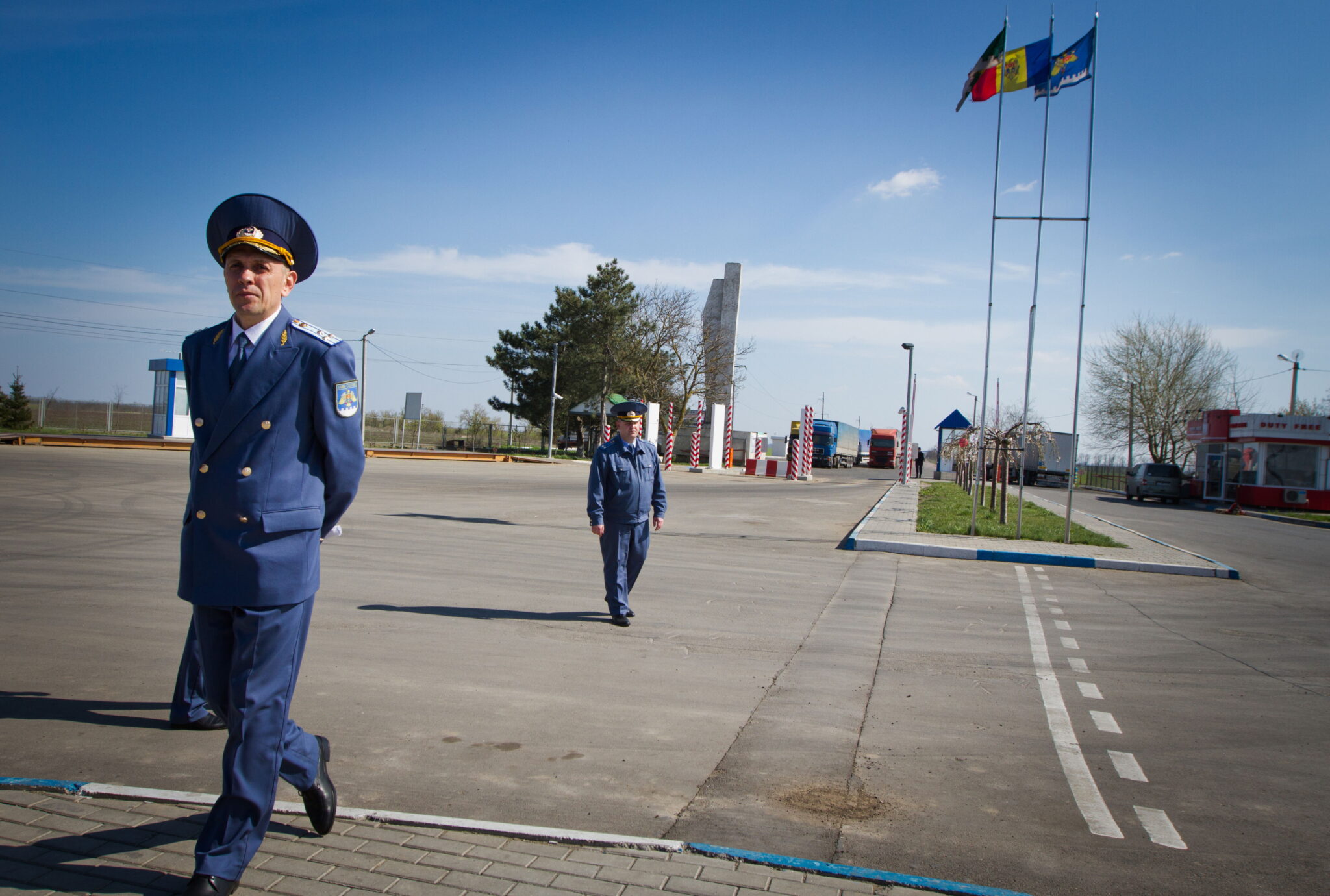
Macron, Merz and Tusk are in Moldova on Wednesday to celebrate the anniversary of its independence and to lend political support to pro-European President Maia Sandu, one month before parliamentary elections marked by a pro-Russian offensive.
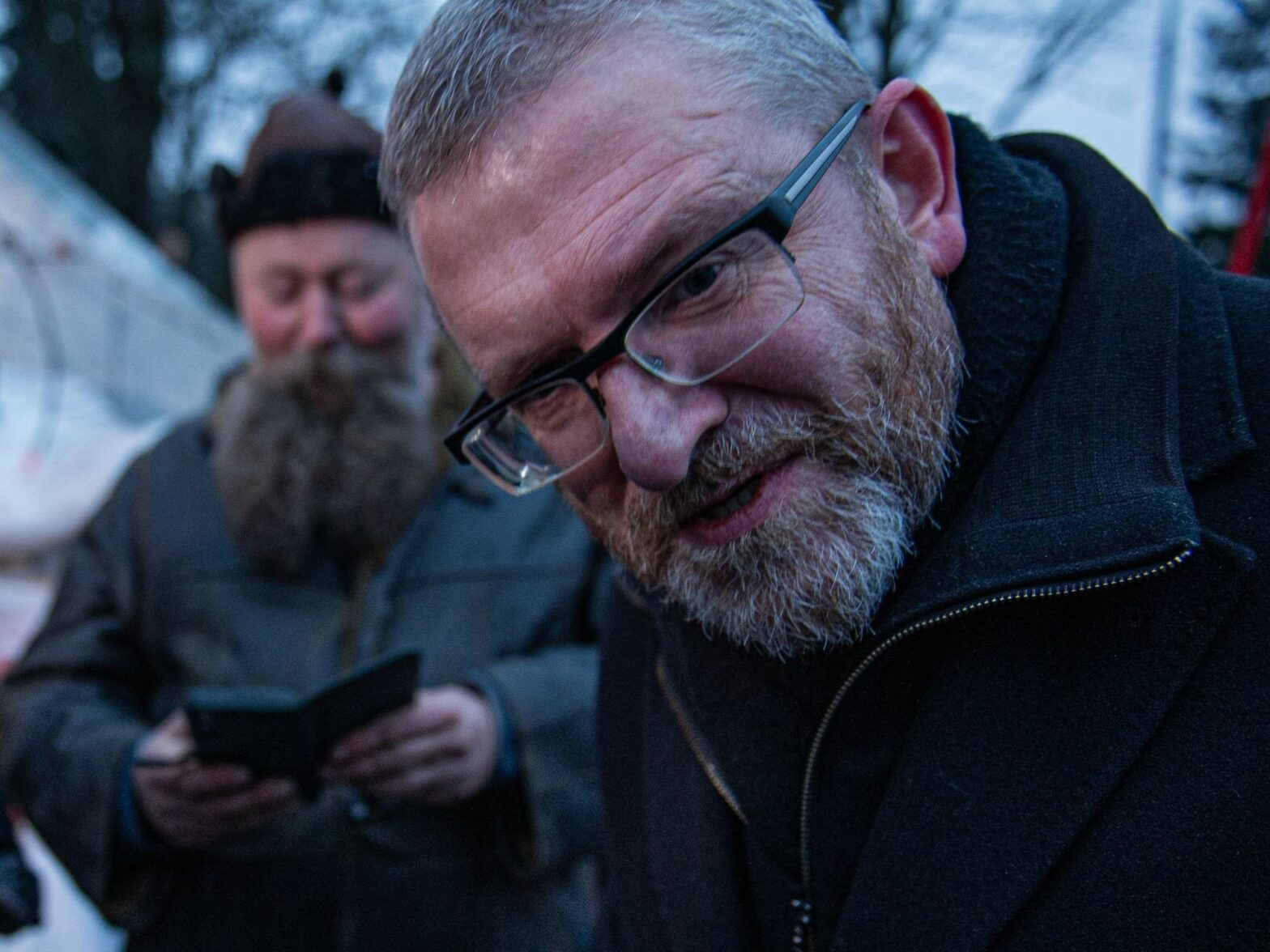
Although Poland is known as a key supporter of the Ukrainian cause, public opinion is beginning to shift, especially among the far-right. Leading the charge is far-right presidential candidate Grzegorz Braun.

Natalia Viana, of Brazil’s leading investigative platform Agência Pública, writes that Zuckerberg’s attack on fact-checkers may be cynical and vile, but the practice is here to stay, and gets at the core of maintaining a healthy democracy.

The dramatic shift by Meta, which announced it will abandon its fact-checking program, does not bode well for the fight against the spread of misinformation and disinformation online.

In Colombia and elsewhere in the Western world, parents worried about the horrors of the modern world hurting their children have turned to keeping their children on a leash and, worse, overexposing them to Internet garbage. They must let go, so their children can function as social beings, educator Julián de Zubiría Samper writes in El Espectador.

Misleading videos on the platform are said to have influenced the election in Romania, with accusations against Russian influence. Have we learned anything about manipulation and disinformation since Facebook faced a similar outcry in 2016?

Has social media become a breeding ground for racism ? Elon Musk has turned Twitter (now called X) into his own opinion platform, giving free rein to disinformation and weakening fact checking and user moderation. Meanwhile, the AI feeding the platform’s algorithm is built on harmful, racist bias, writes Cem Say for independent Turkish daily Oksijen.
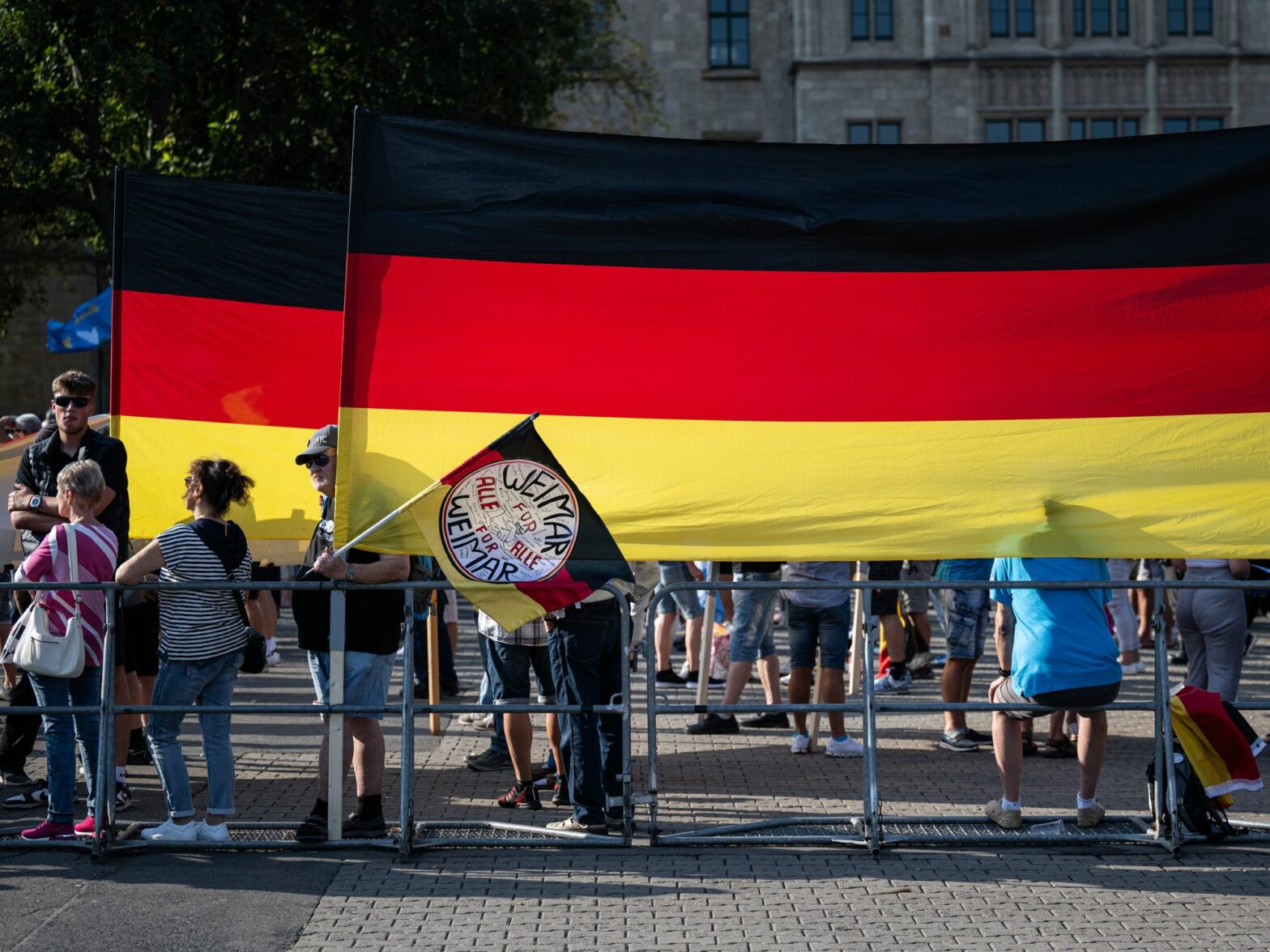
U.S. authorities have seized documents that expose a Russian-led fake news offensive in Europe. The devastating effects of this large-scale propaganda campaign are for all to see in the recent elections in Thuringia and Saxony.
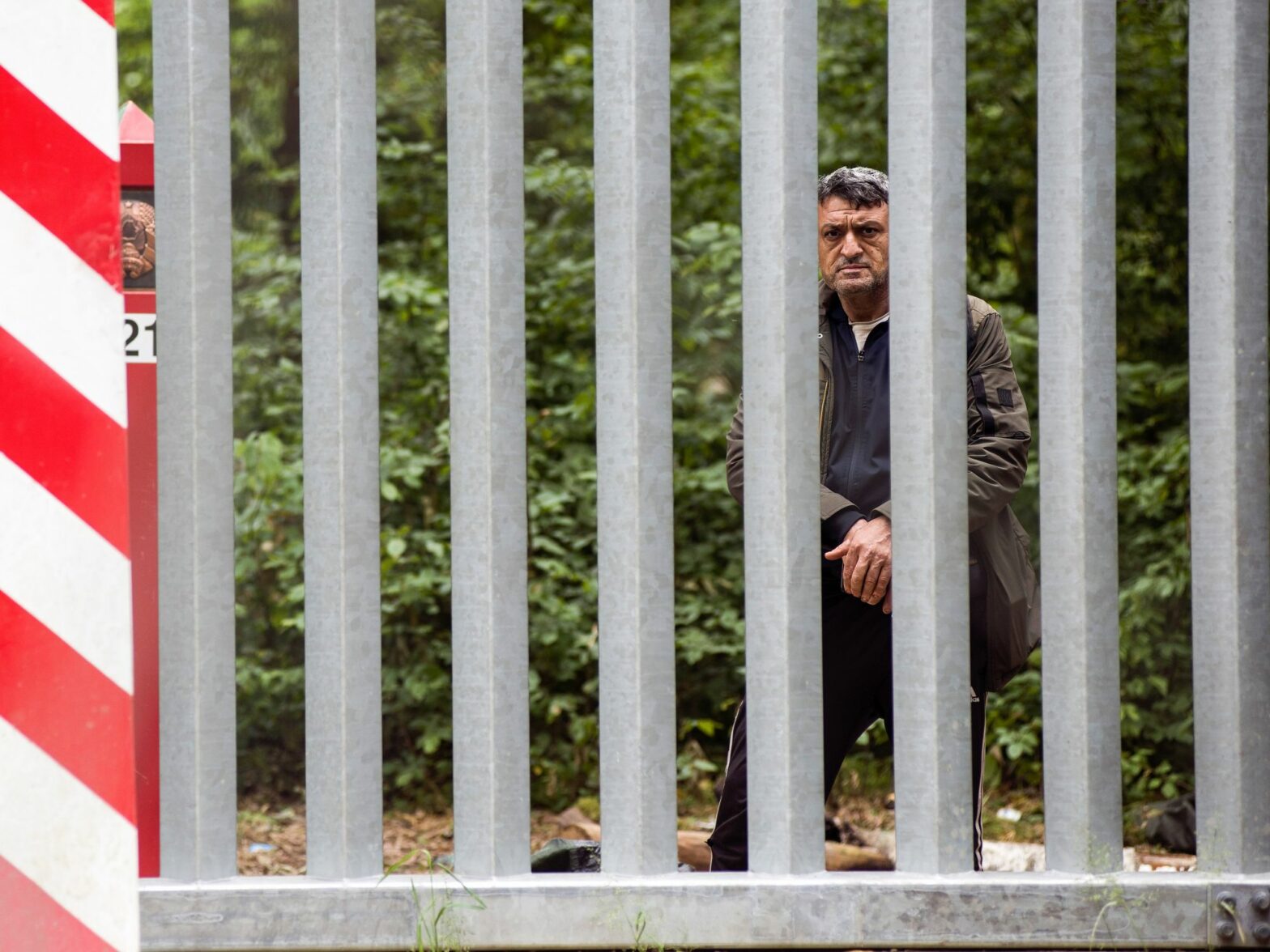
Ongoing since 2021, the Polish-Belarusian border crisis has escalated in recent months. As some want to push all migrants away and others say let them all in, Poland must have a system for allowing people to apply for entry — both for humanitarian and economic reasons.
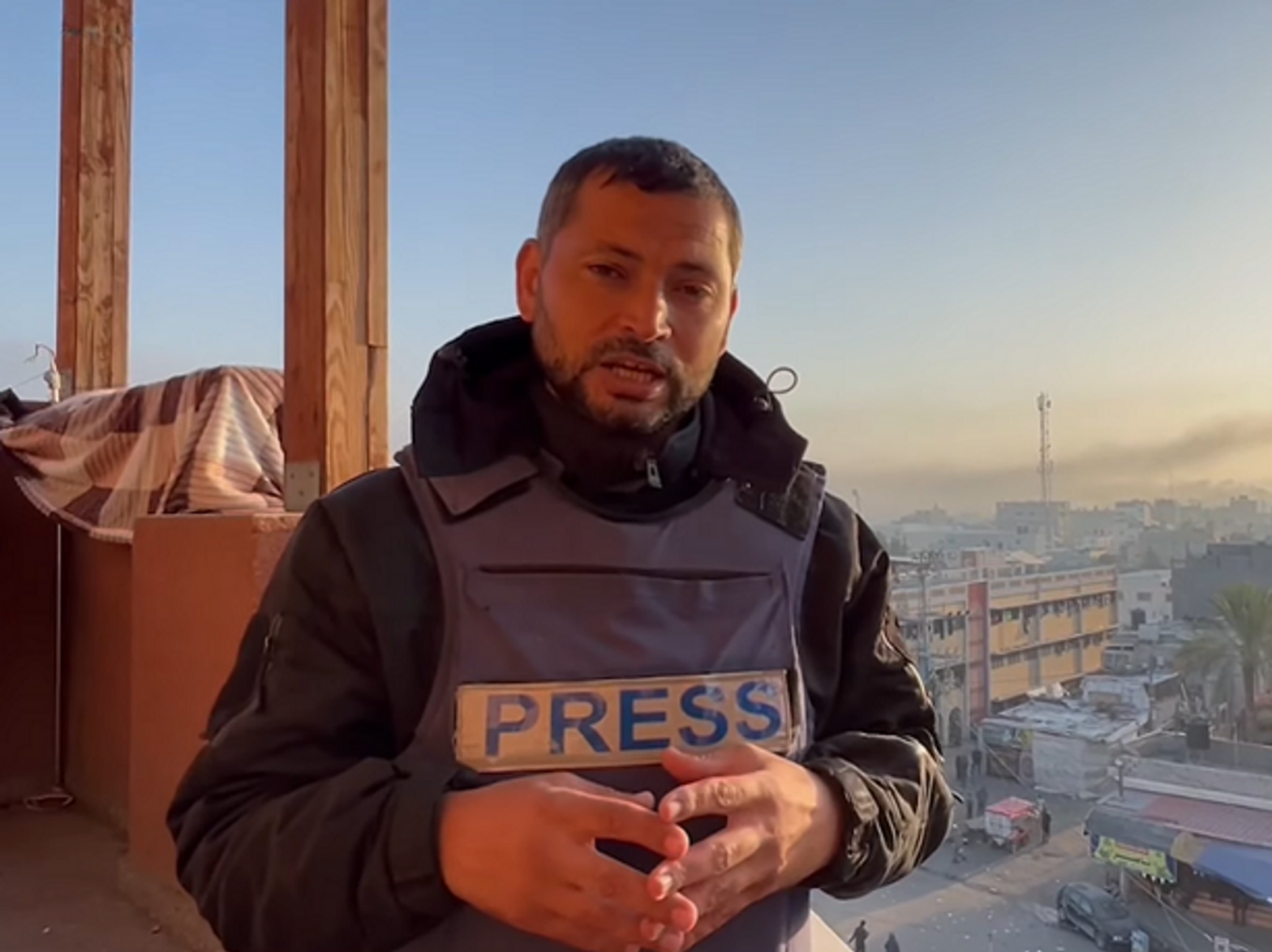
Following the strike that hit Al Jazeera journalists Ismail Abu Omar and Ahmed Matar, posts spread on social media platforms calling Abu Omar a “terrorist” affiliated with Hamas. At the same time, a campaign by Israel’s Foreign Ministry and military promoted the same allegations.
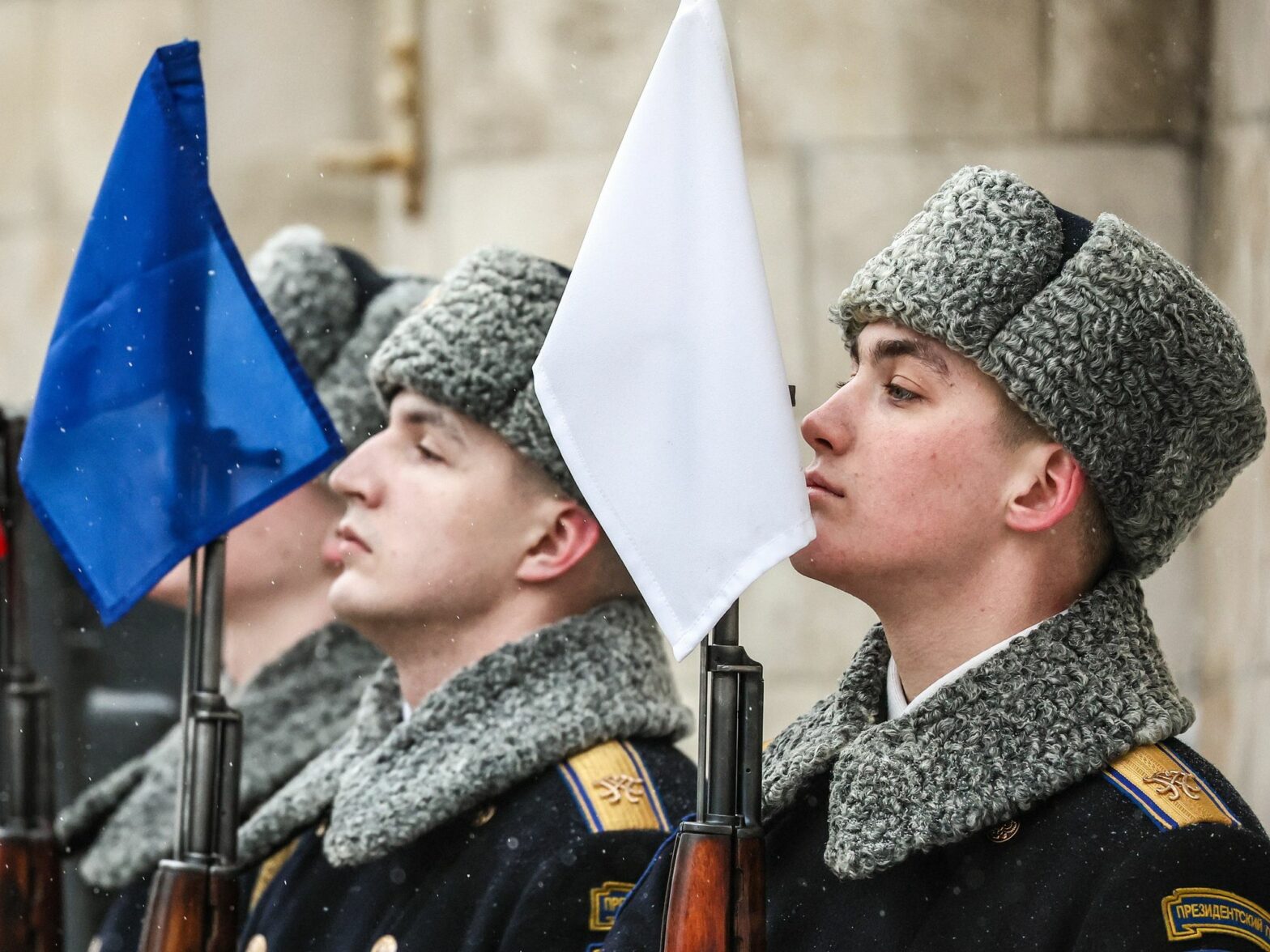
Wikipedia remains one of the few independent platforms accessible in Russia, but since the war in Ukraine started, the online encyclopedia has come under increasing pressure. Stanislav Kozlovsky, the director of Wikimedia.ru, the nonprofit organization supporting the Russian segment of Wikipedia, explains how he manages (barely) to keep the Kremlin censors at bay.
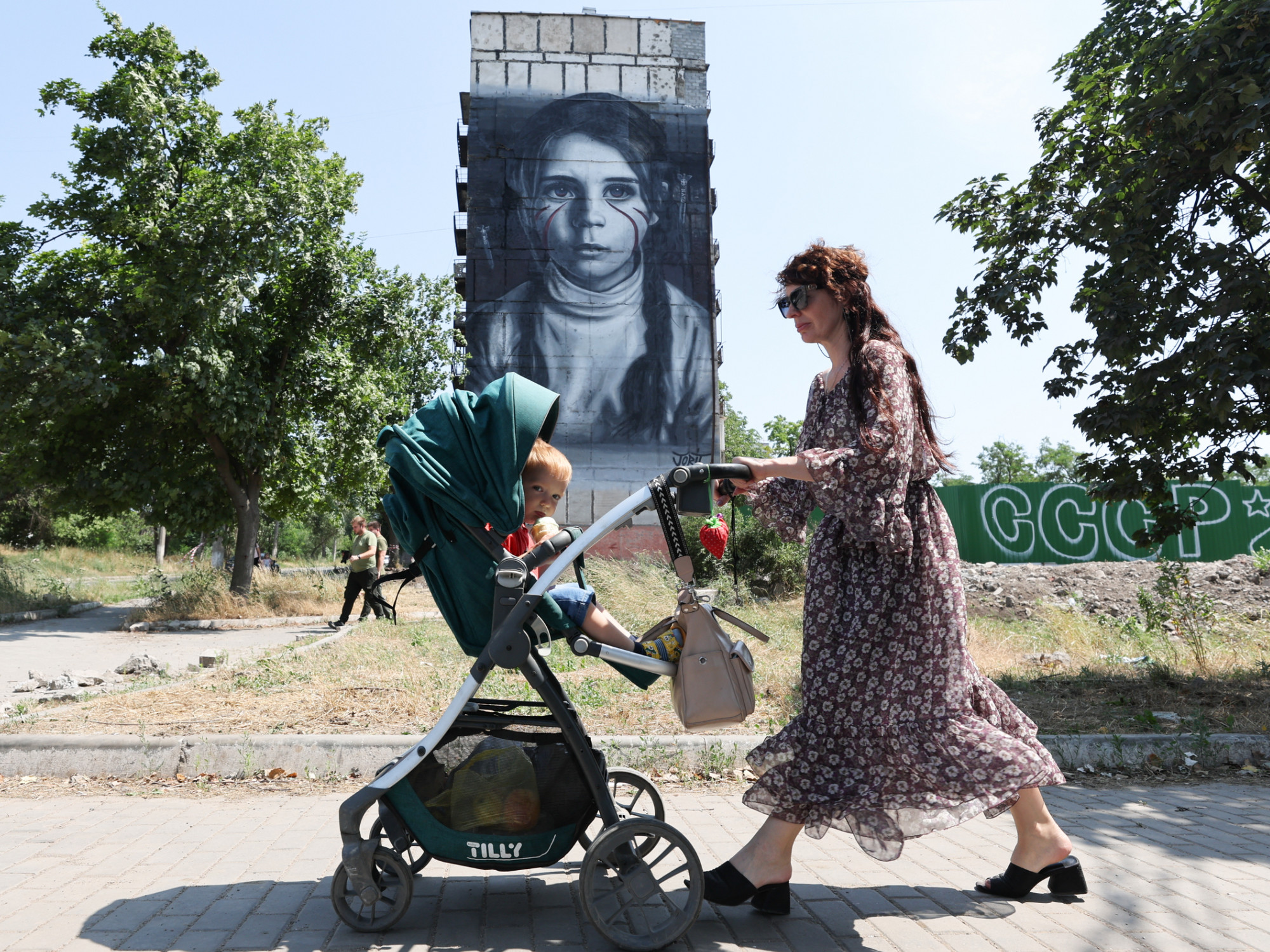
Russia has occupied of parts of Ukraine for almost a decade, busy promoting a pro-Russian narrative in those territories. Moscow’s aim is to ensure loyalty and deliberately create tensions among Ukrainians in free territories. It is a formula that has been
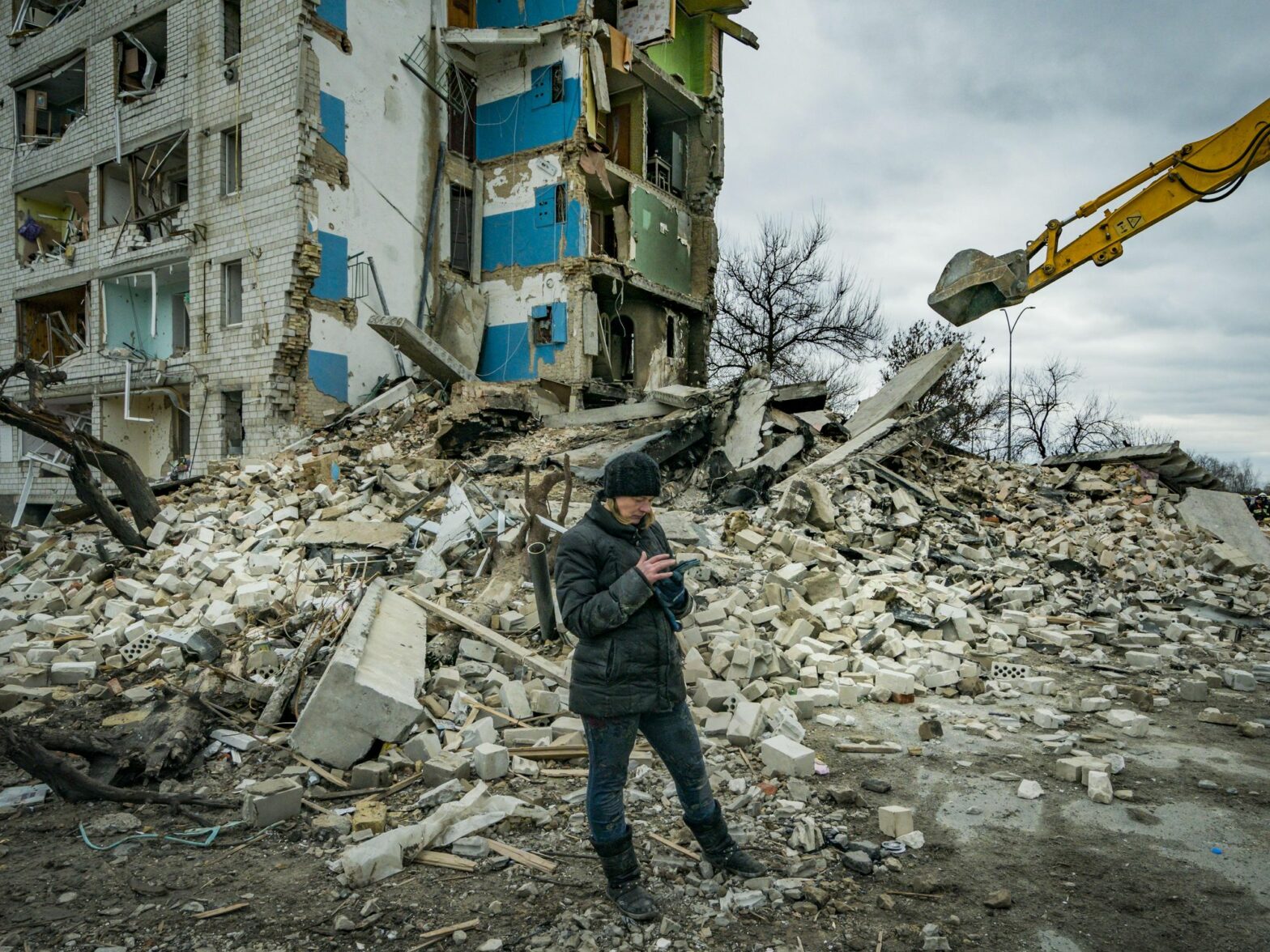
Since the beginning of the war in Ukraine, journalists and citizens have used open source online intelligence to help the war effort and fight disinformation. NGOs and amateur investigators are even using it to look for evidence of human rights abuses.
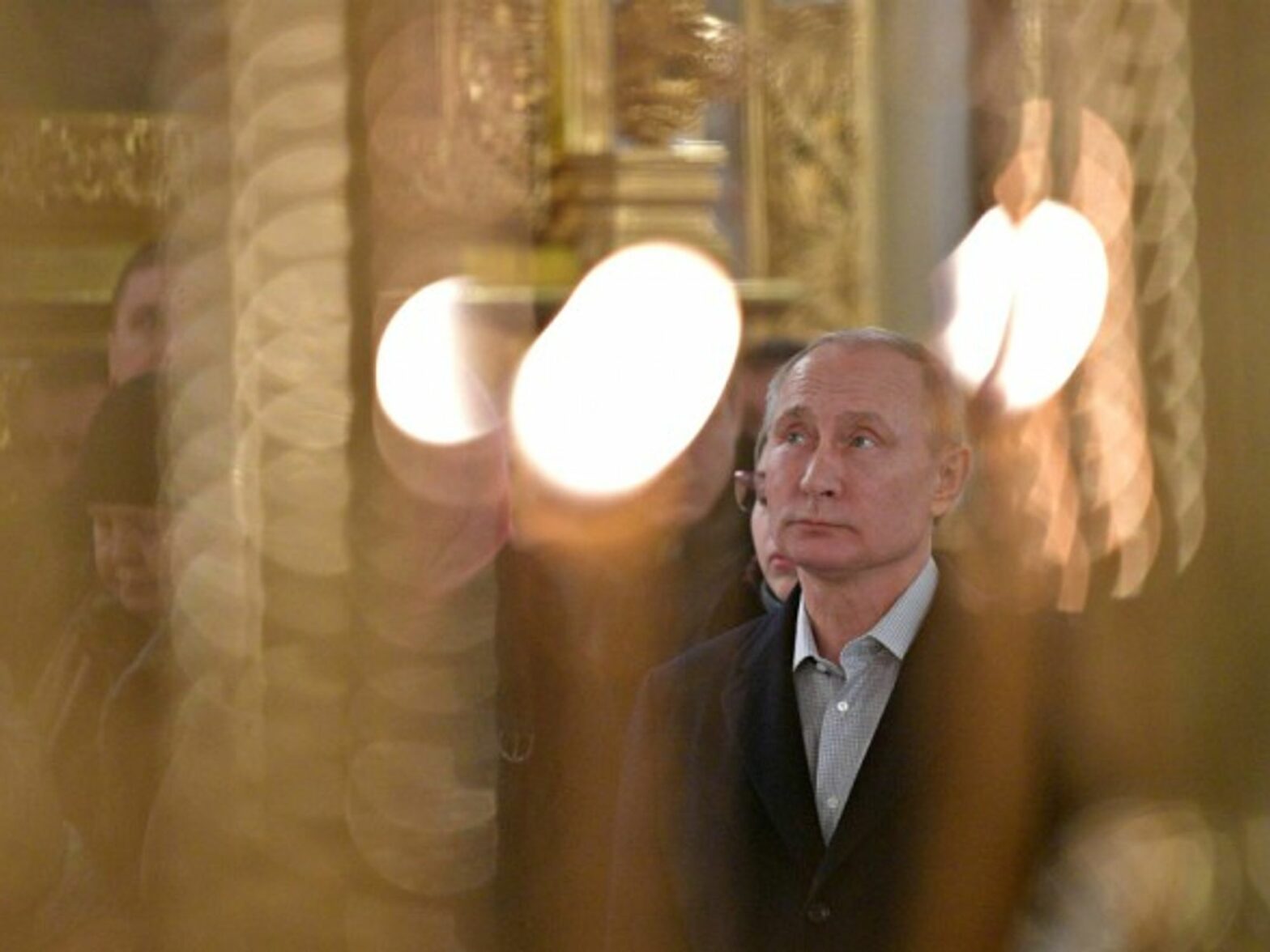
There are still plenty in the European Union taking a hardline against the Kremlin. But a counter bloc is emerging from the corridors of the European Parliament.