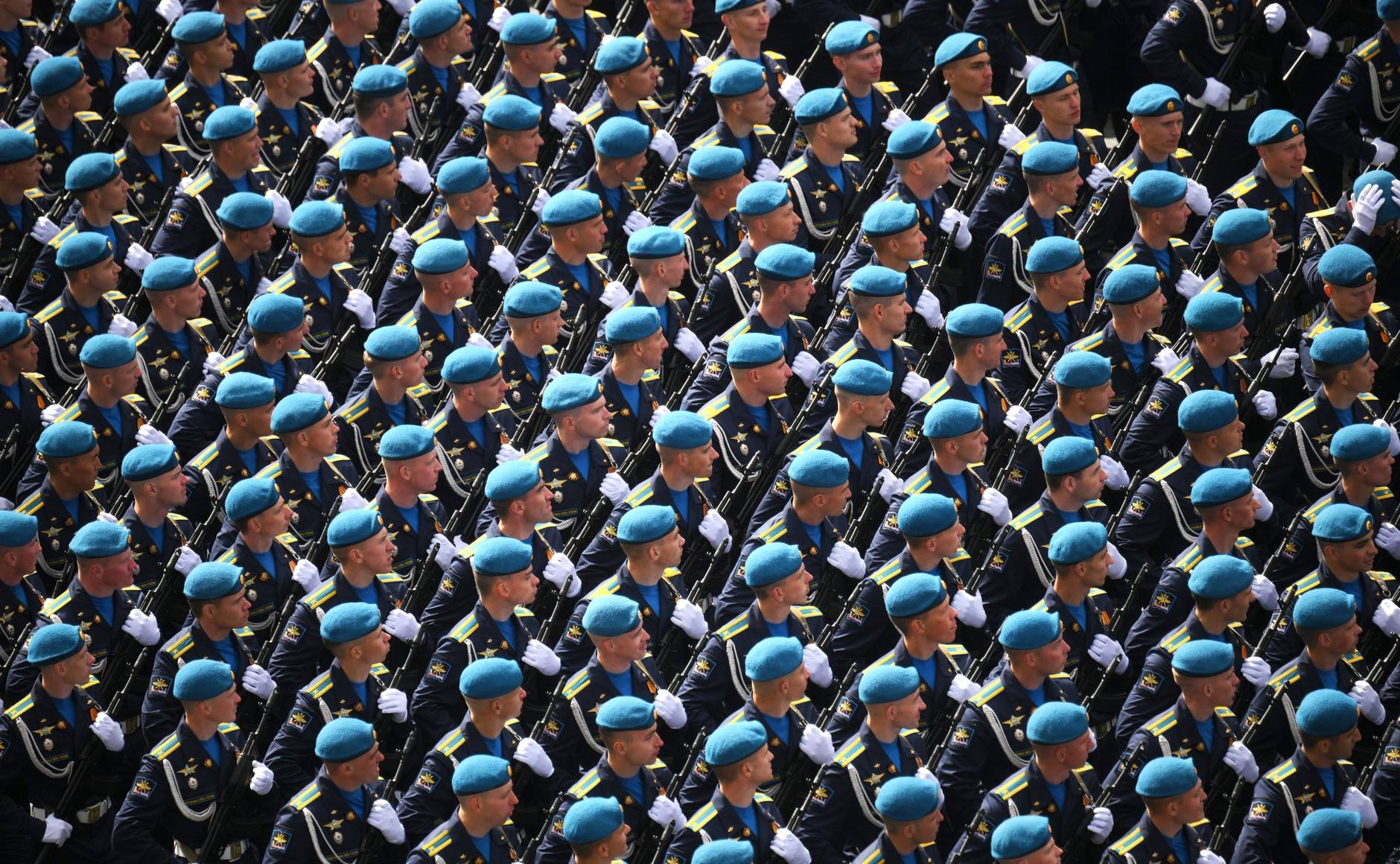
NATO’s warning signals a shift in how Europe must confront Russian cyber attacks, sabotage, and pressure on critical infrastructure, as Moscow turns sub-threshold conflict into a strategic weapon.
 Worldcrunch
NATO’s warning signals a shift in how Europe must confront Russian cyber attacks, sabotage, and pressure on critical infrastructure, as Moscow turns sub-threshold conflict into a strategic weapon.
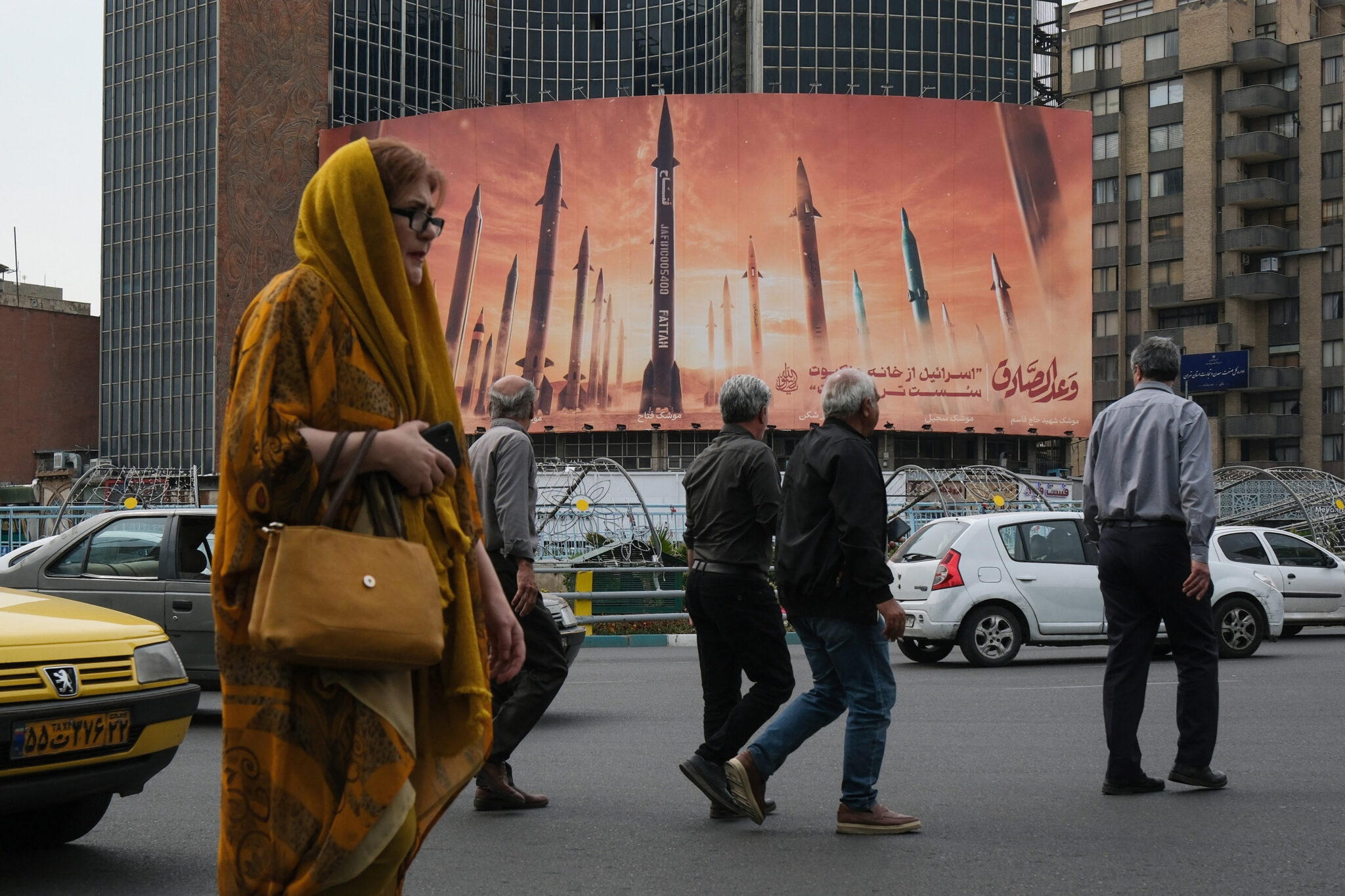
After 12 days of intensive conflict, President Donald Trump declared a ceasefire halting the most dramatic direct confrontation between Israel and Iran in decades. Both nations agree to abide by the truce, yet each vows retaliation if any breaches occur.
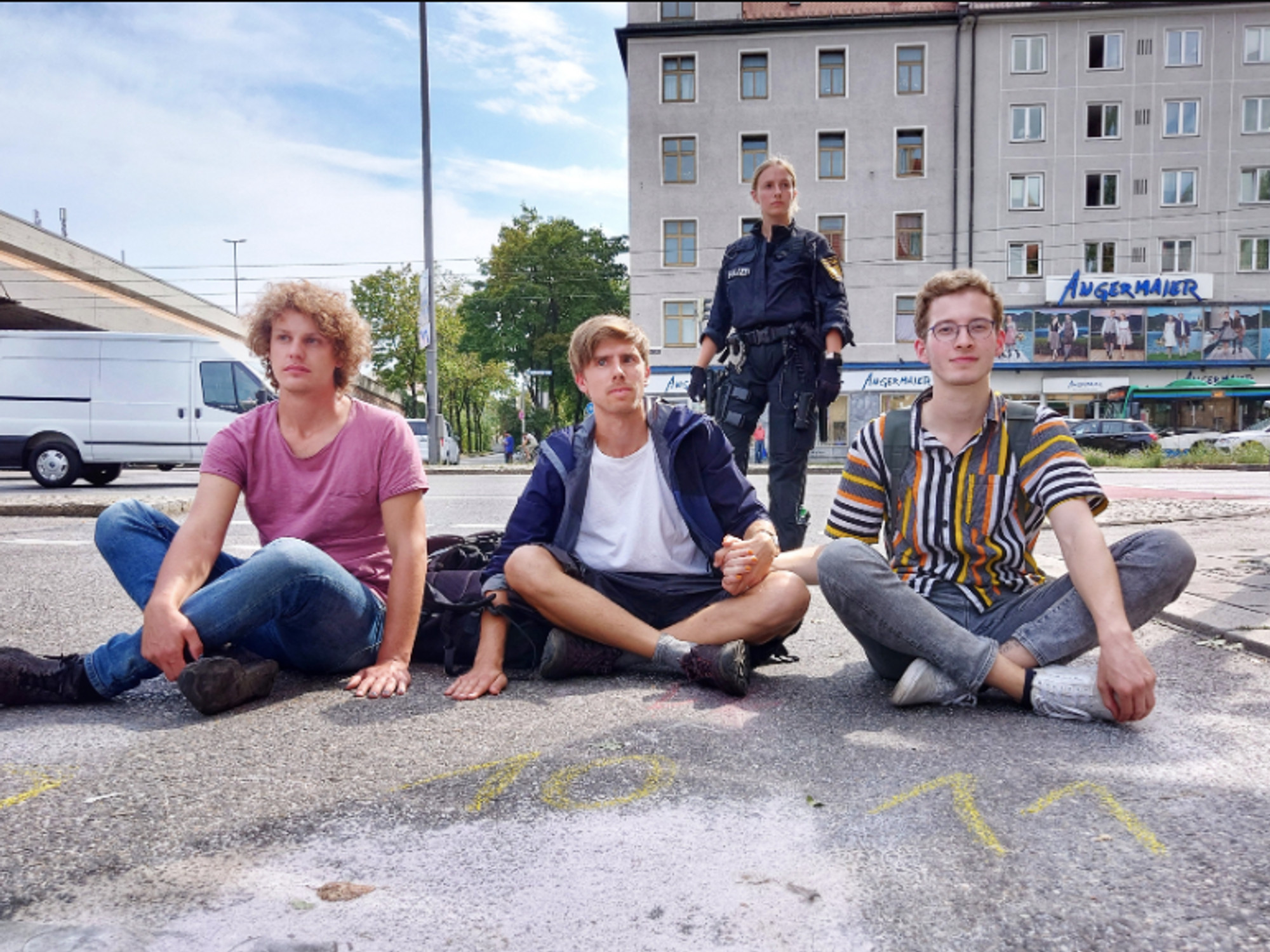
Would you fight for your country? My generation hears this question a lot these days. But my generation was taught to fight for peace — so why aren’t we holding onto that aim, especially now?
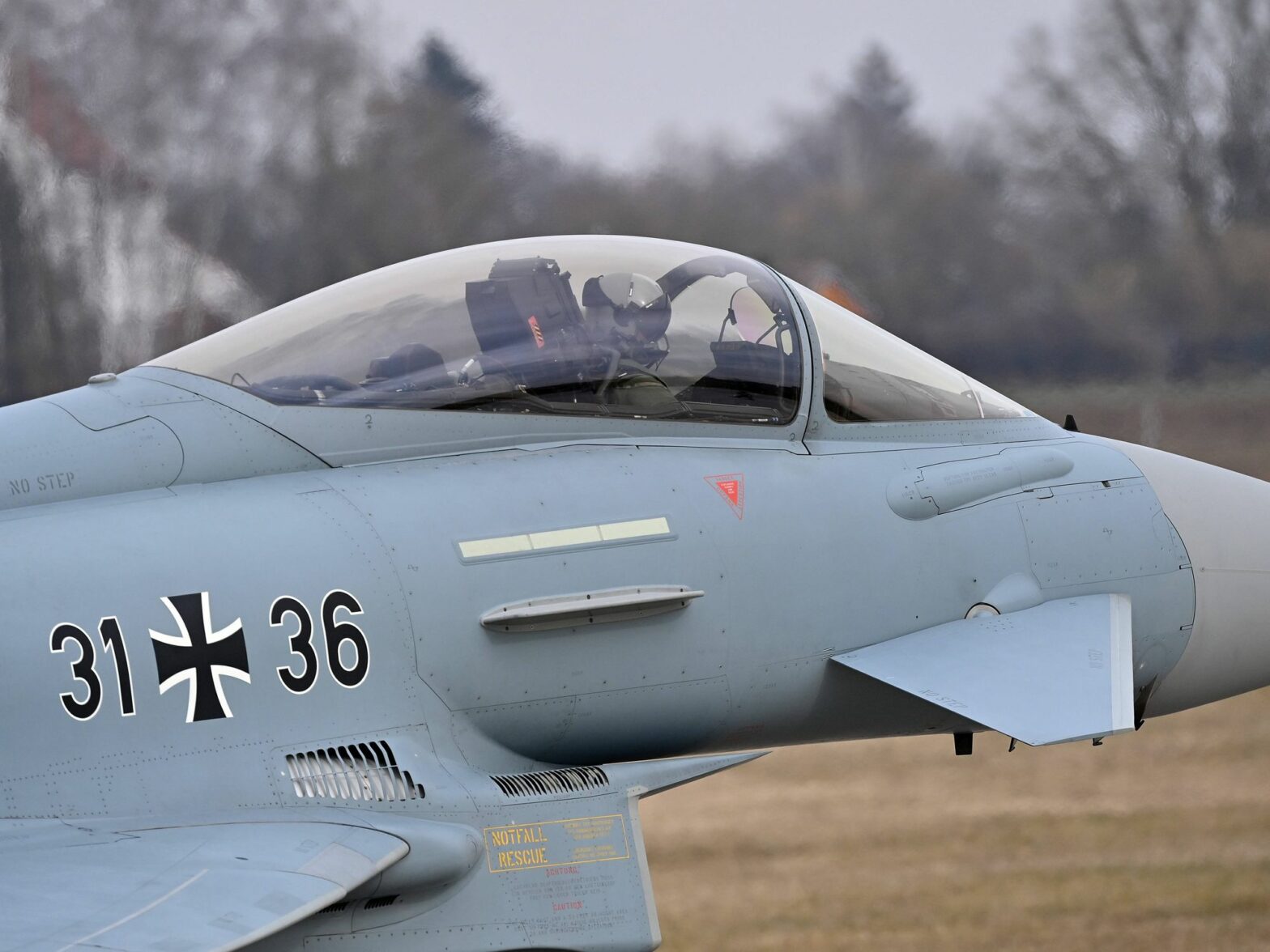
As the U.S. turns its back on security commitments, Germany faces one of the most profound shifts in its post-war defense policy. Can it still rely on nuclear guarantees from France and the UK? Or is it time to, finally, go nuclear?
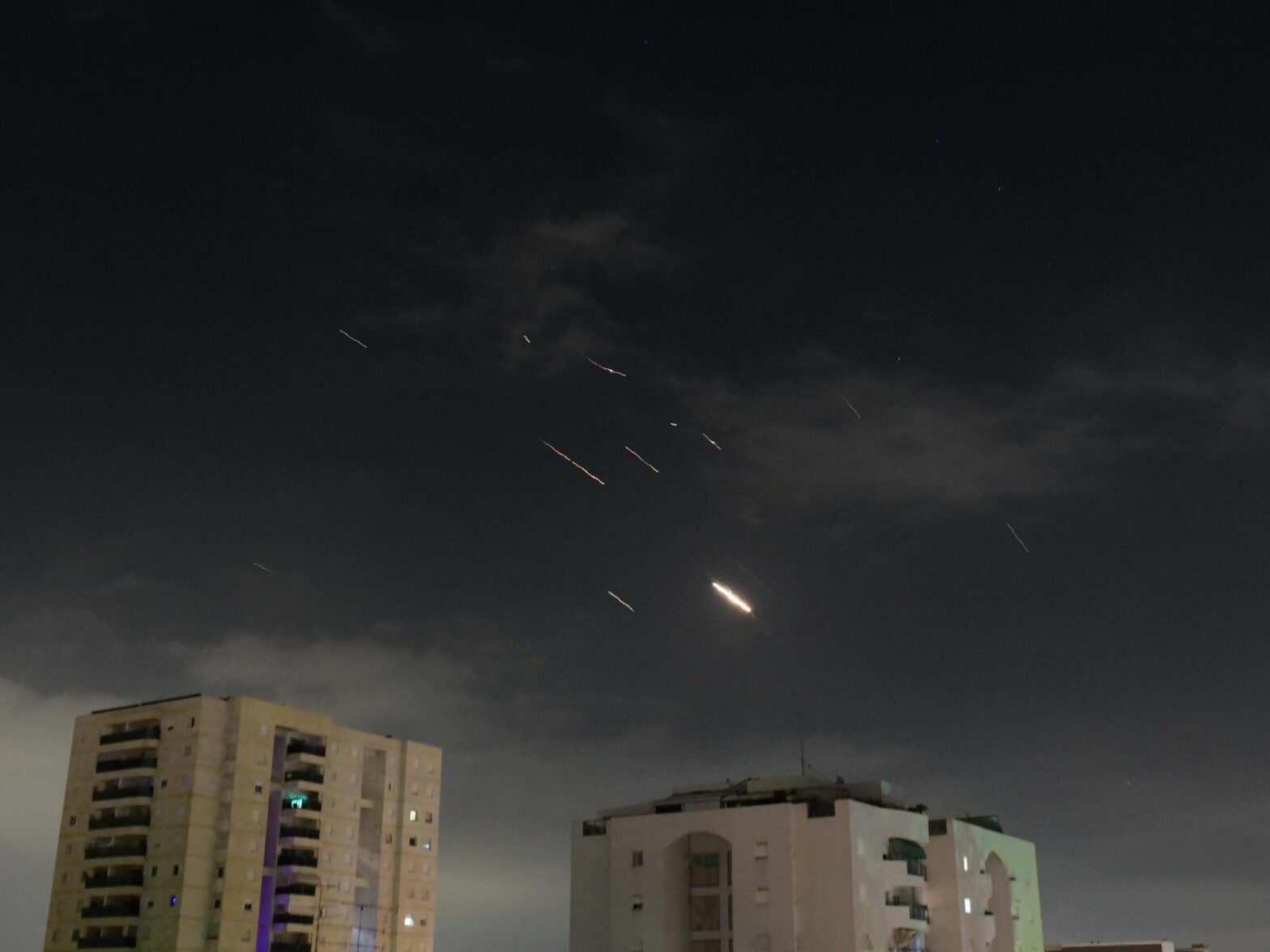
The world watches as Netanyahu walks that fine line between deterrence and escalation.
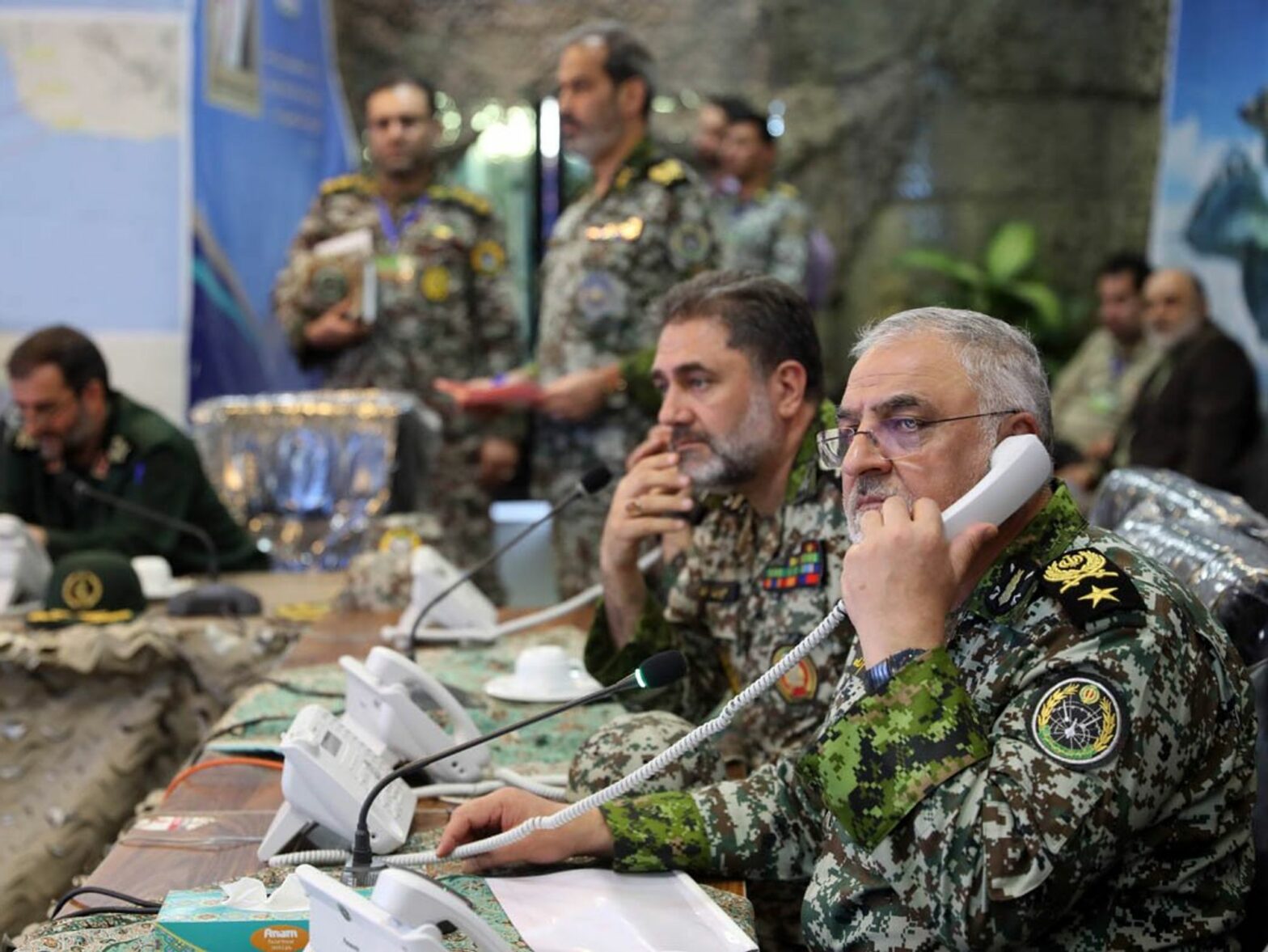
The death of three U.S. soldiers has raised the stakes in a low-simmering, but constant escalation between Washington and Tehran that could explode from the shadows of the war in Gaza — even if by pure accident.
Nuclear policy in the age of Trump (and Kim) is a scary proposition. But deterrence should still be front and center in light of Moscow’s aggressive posture.