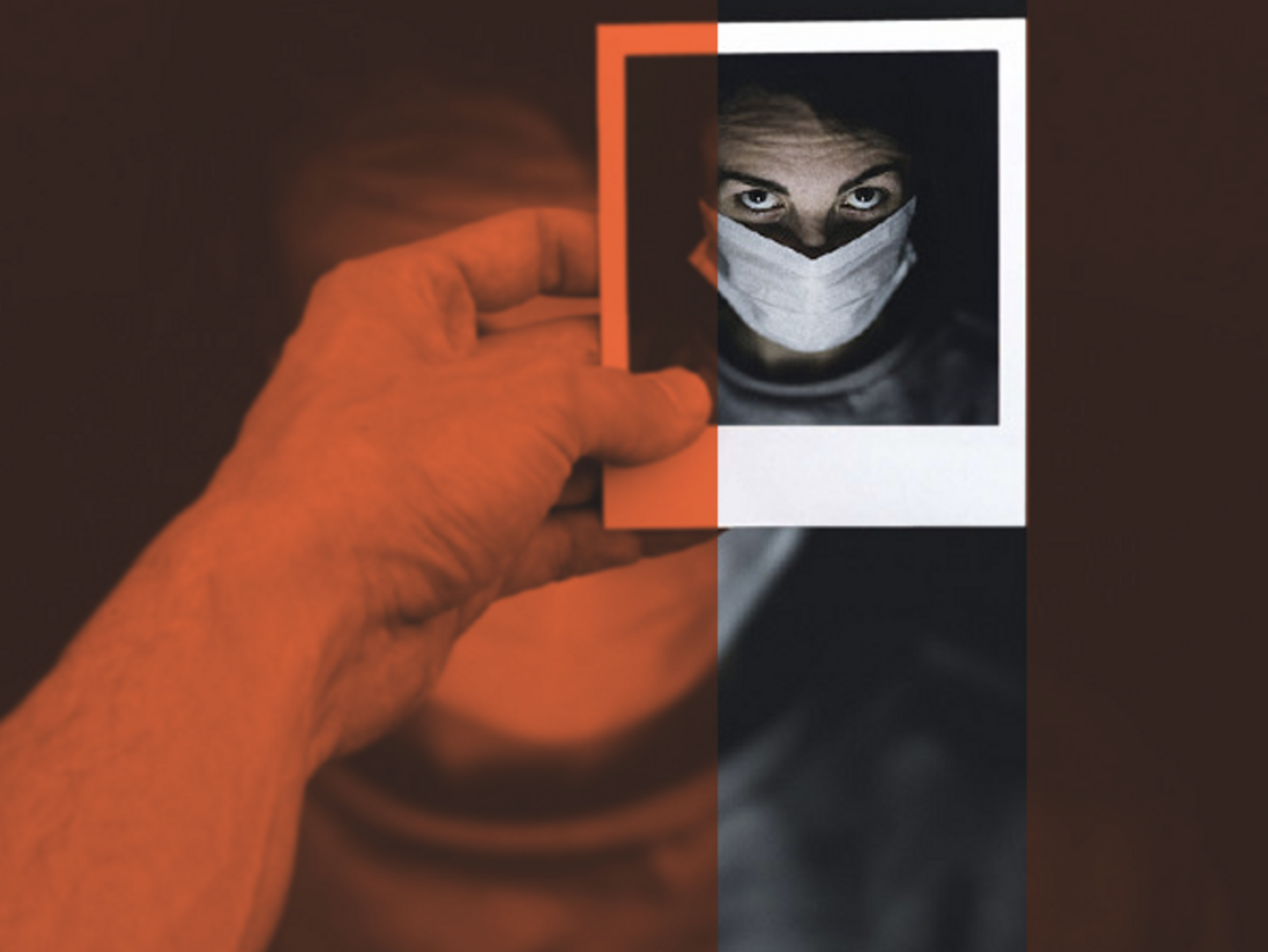
Last week, our resident psychiatrist explained the delusions of anti-vaxxers. This week, a patient has a theory of why nobody is wearing masks in movies and television.
 Worldcrunch
Last week, our resident psychiatrist explained the delusions of anti-vaxxers. This week, a patient has a theory of why nobody is wearing masks in movies and television.


With trials still underway in Europe, and Pfizer awaiting FDA authorization in the U.S. to vaccinate under-5-year-olds, an association in Germany has decided not to wait, connecting parents who want to vaccinate their babies and toddlers with doctors willing to go “off-label” and defy national regulations.
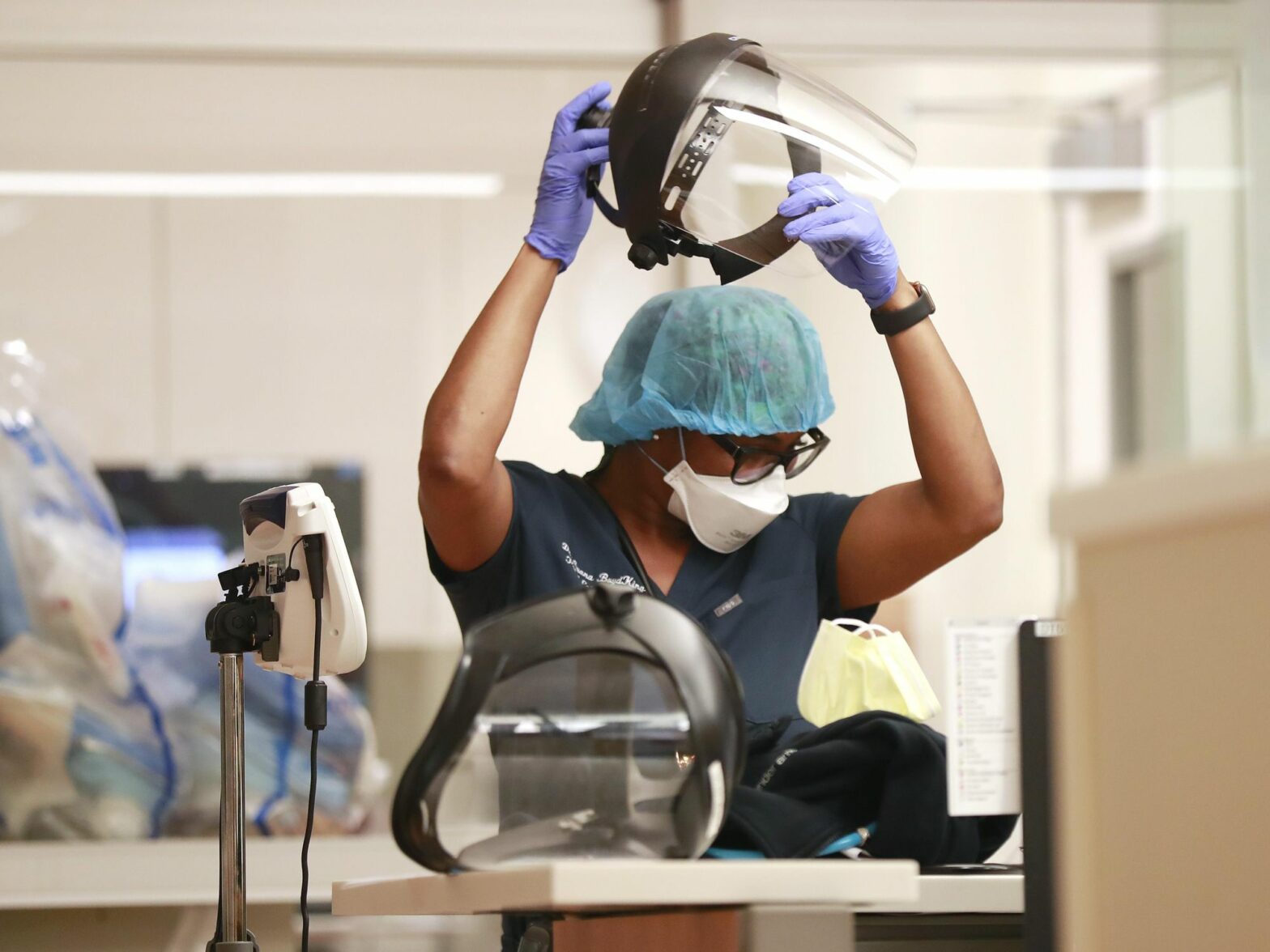
The long toll of the pandemic is the final straw for many burned out healthcare workers in the West. But the Great Resignation in the medical field is global, with developing countries already struggling to contain the pandemic in the face of a doctor brain drain.
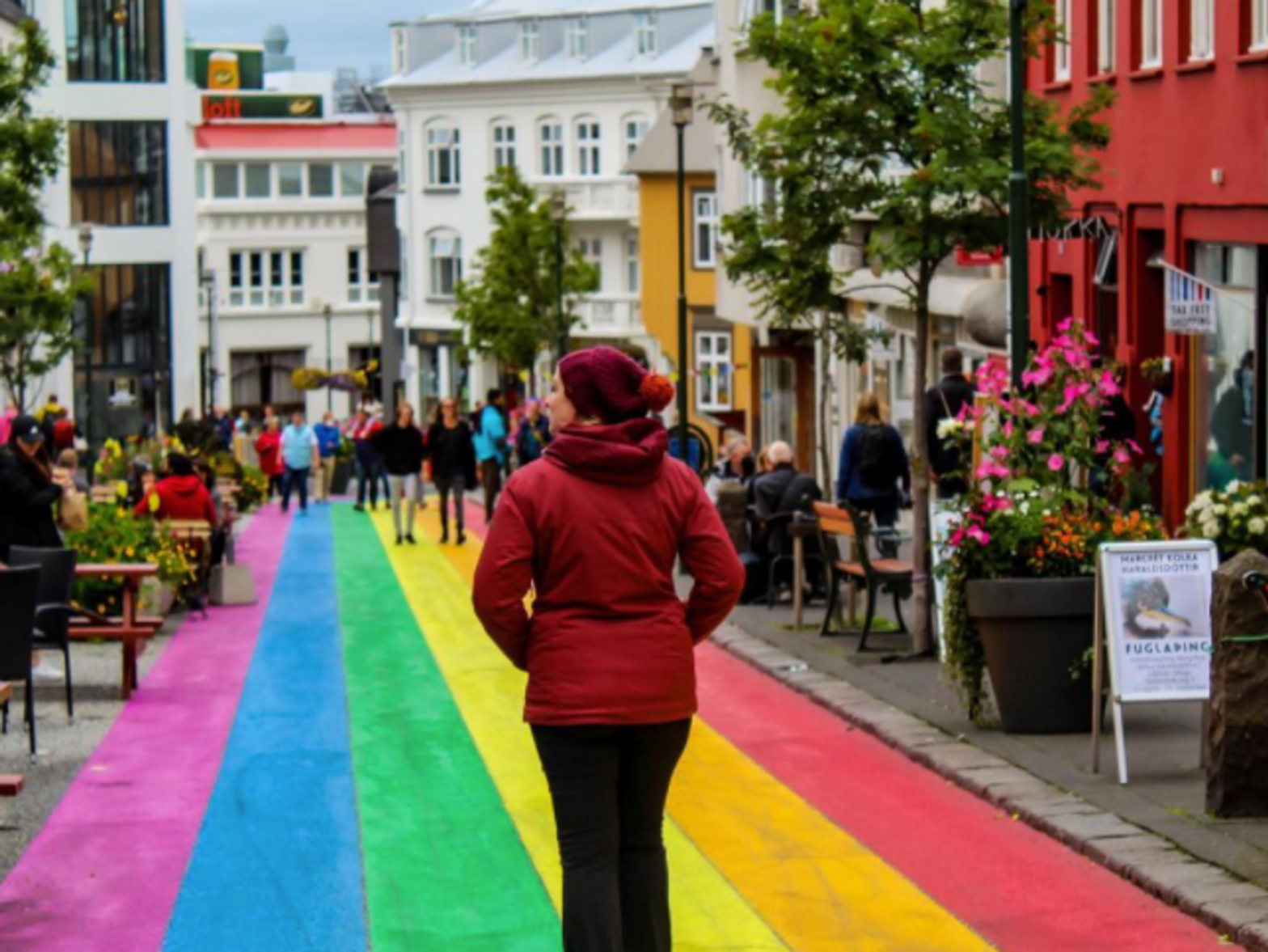
Iceland has been one of Europe’s COVID-19 hot spots the past few months, but citizens’ vaccination status doesn’t affect their access to public spaces. It is a conscious choice in a small nation to try to avoid conflict in society, and it seems to be working. But death rates are being kept down for one main reason: so many people were already vaccinated anyway.
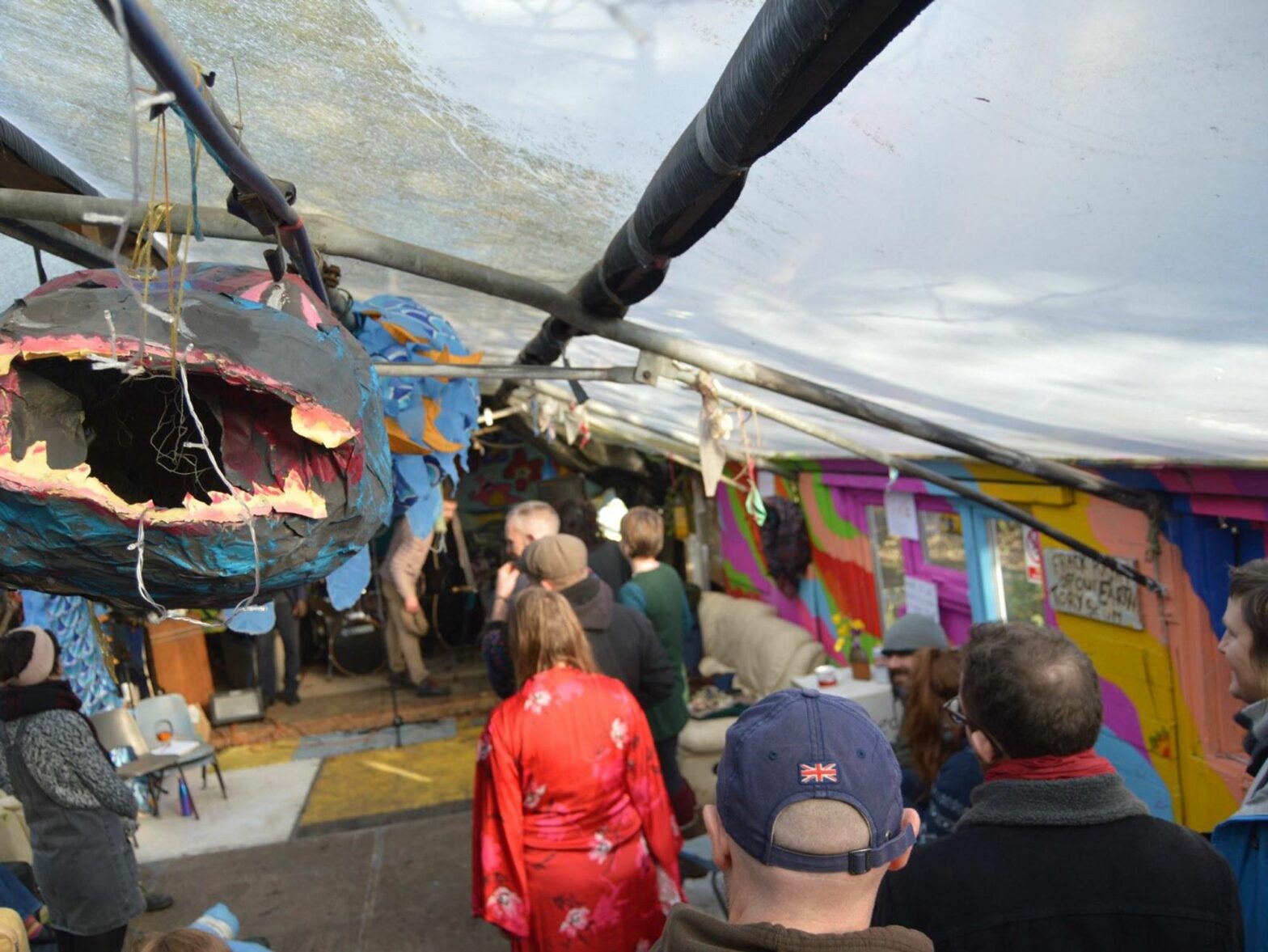
Imagine self-organized forms of building, from remodeling existing structures to building entirely new spaces to accommodate individual liberty and radical change in social organization. It’s a movement whose time may be coming.
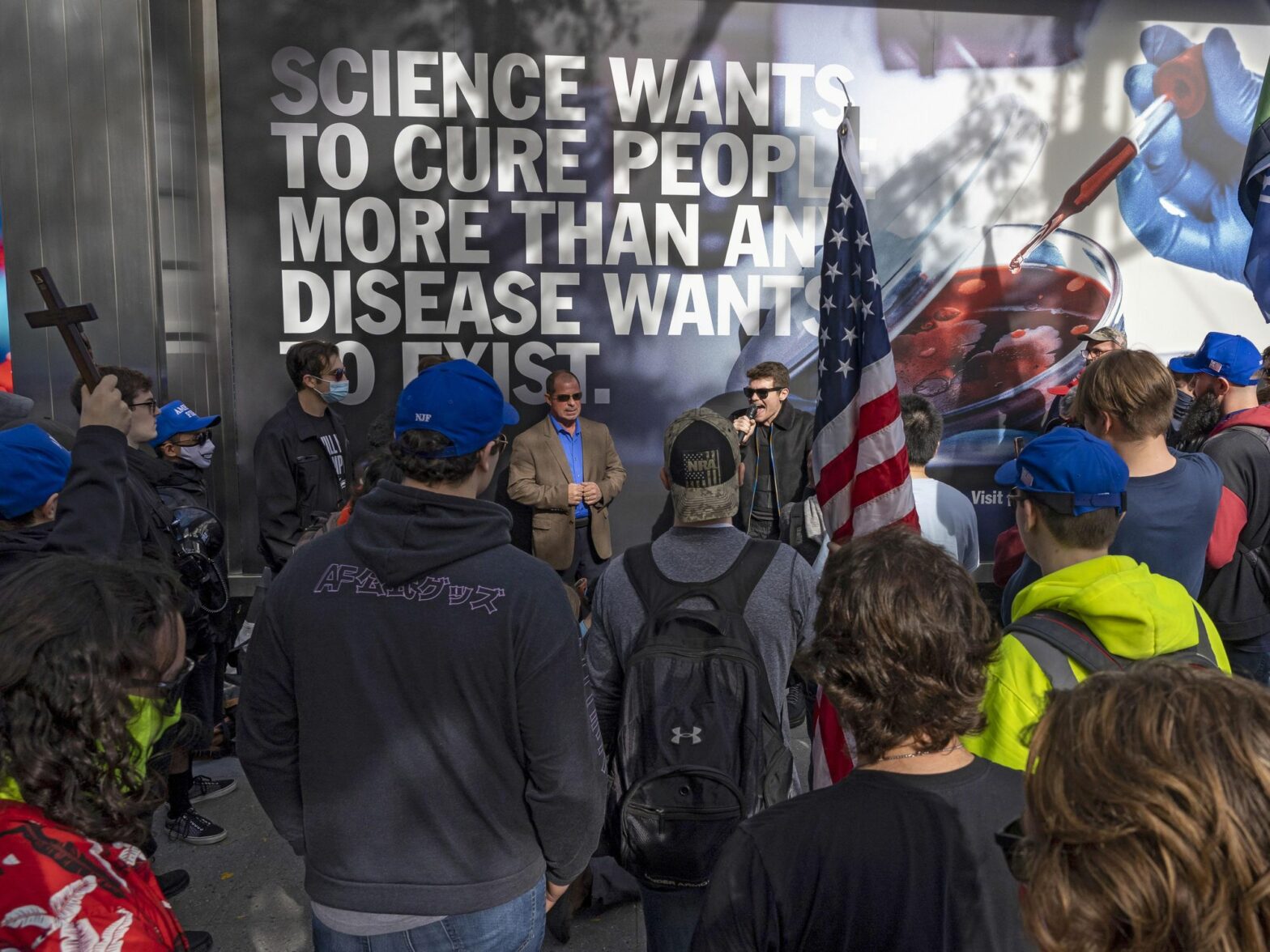
The number of political leaders who have science or technology backgrounds is disturbingly low. It’s not just the specifics of issues such as climate change, cybersecurity and COVID-19, but rather democracy itself and being able to dialogue with those who have lost trust in the facts that the governments are giving us.
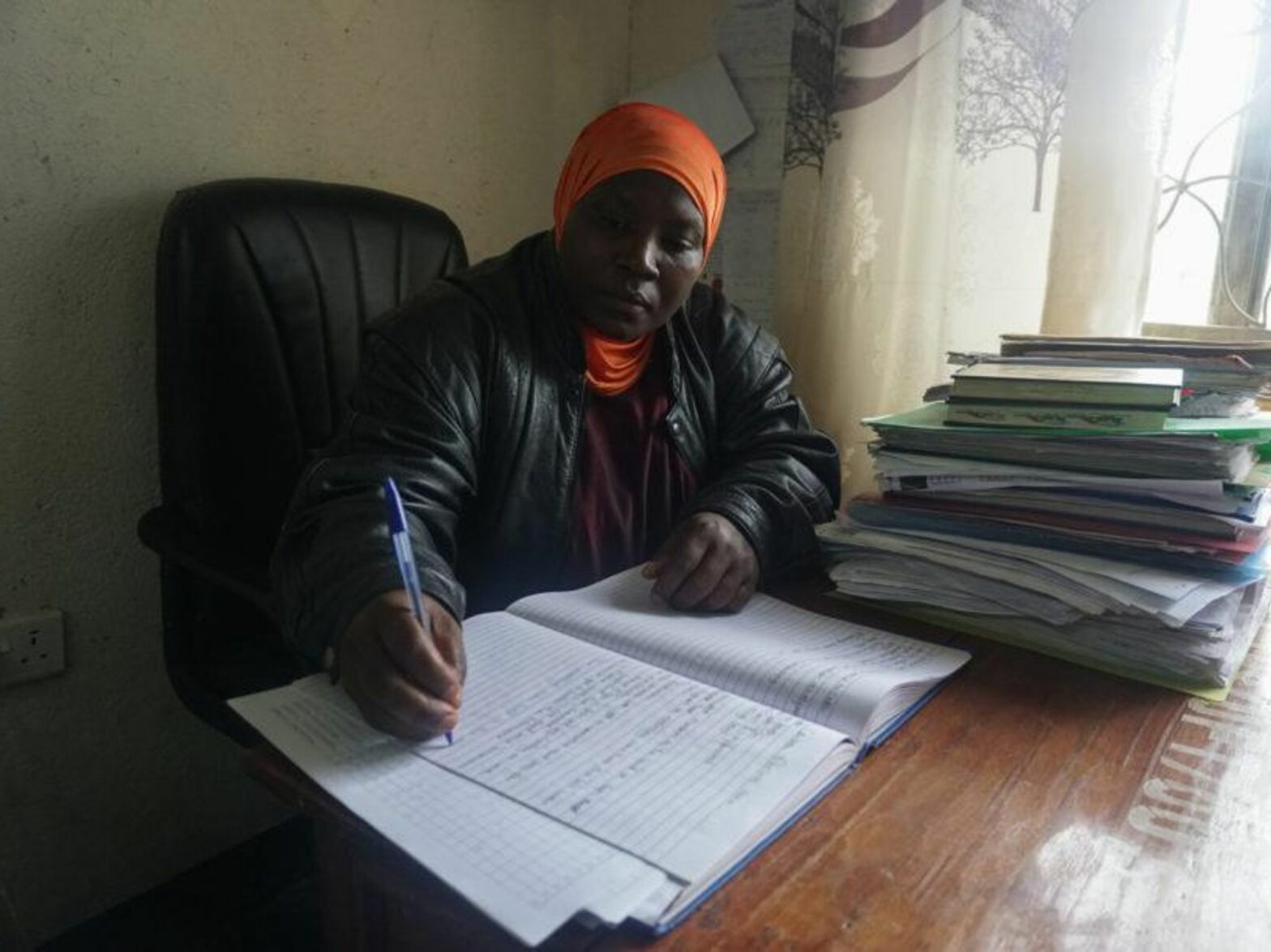
KAMPALA — Allen Asimwe has dedicated more than two decades to teaching geography at a large public high school in southwestern Uganda. Her retirement age, as a public servant entitled to benefits, is just six years away. She doubts she will wait that long. “I am determined, I want to quit,” she says, calculating that she could earn more by shifting full time to the salon she opened six years ago to supplement her income. “Given the frustration, I cannot continue in class anymore.” For years, she hoped the Uganda National Teachers’ Union would succeed in lobbying for better wages. […]
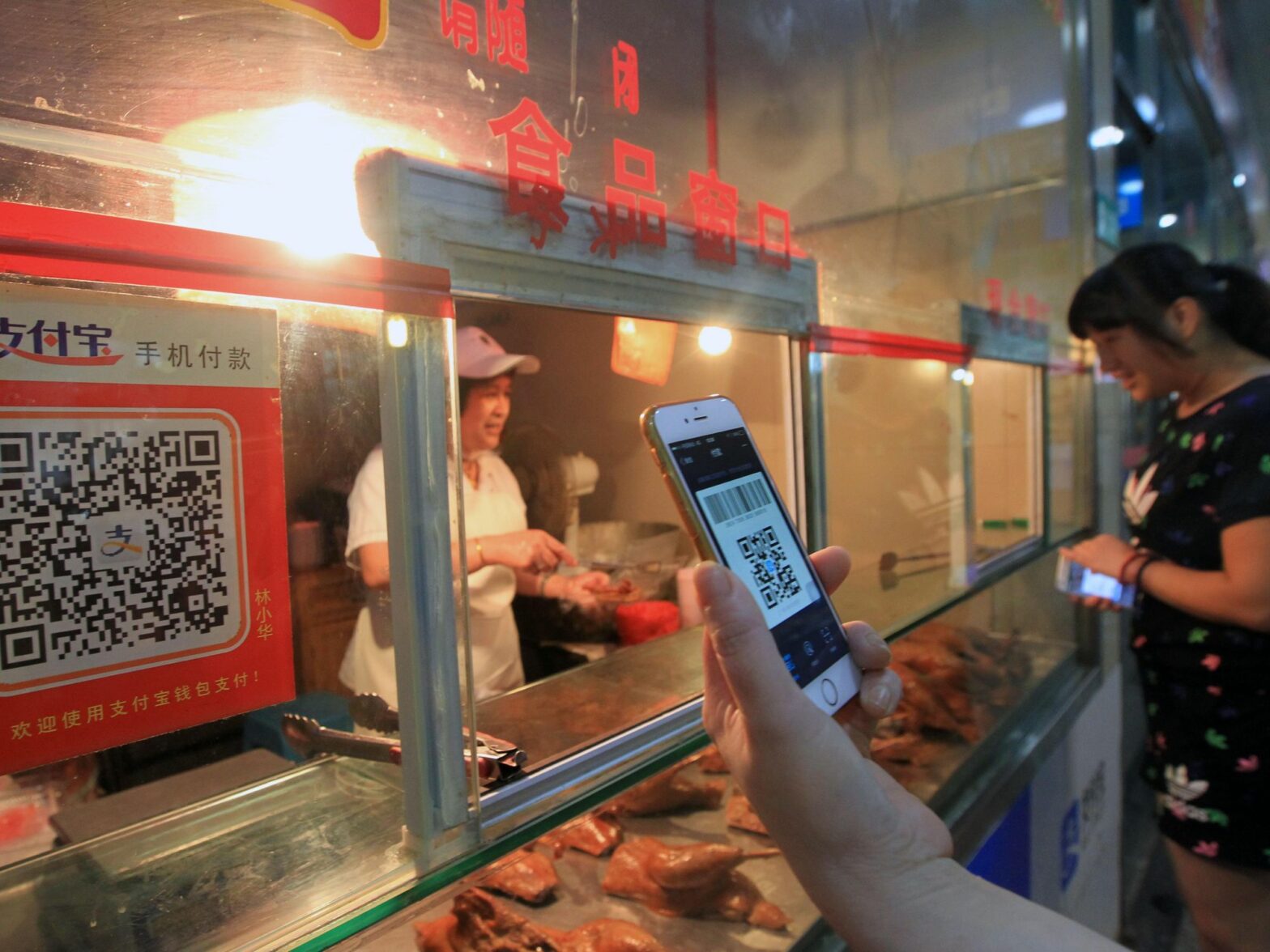
Conceived in the early 1990s, the QR Code has spread exponentially during the pandemic. Its creator, Masahiro Hara, is one of the many continuing to innovate his most famous invention, which has changed everything from medicine to how we dine.
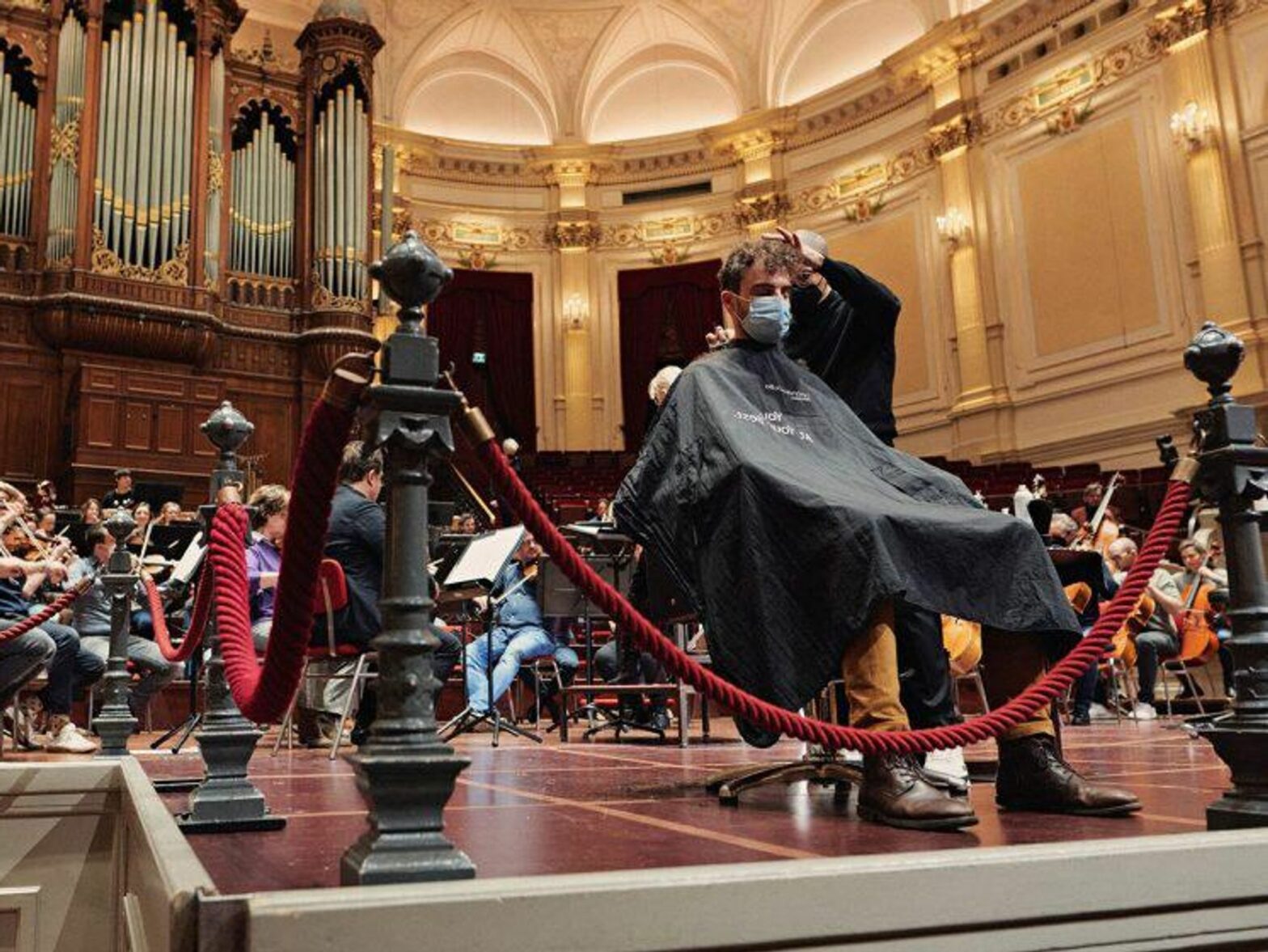
Theaters, museums and cinemas welcomed “essential services” on their stage floors to make a point about the industry’s struggles during the latest COVID lockdown.
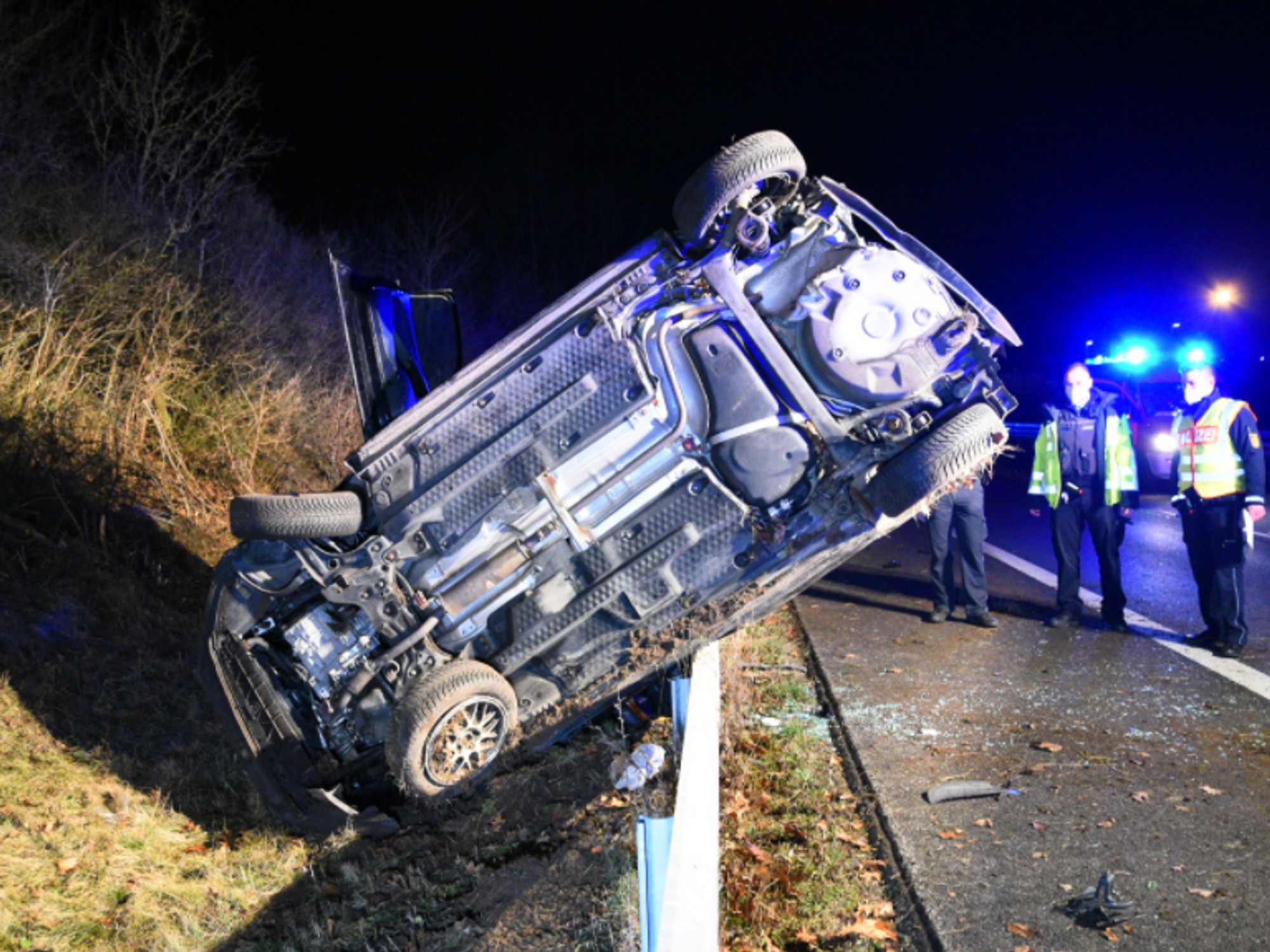
The unexpected rise in highway deaths, even with far fewer drivers on the road, is a reminder of the many ways the virus is killing us even if it doesn’t enter your body.
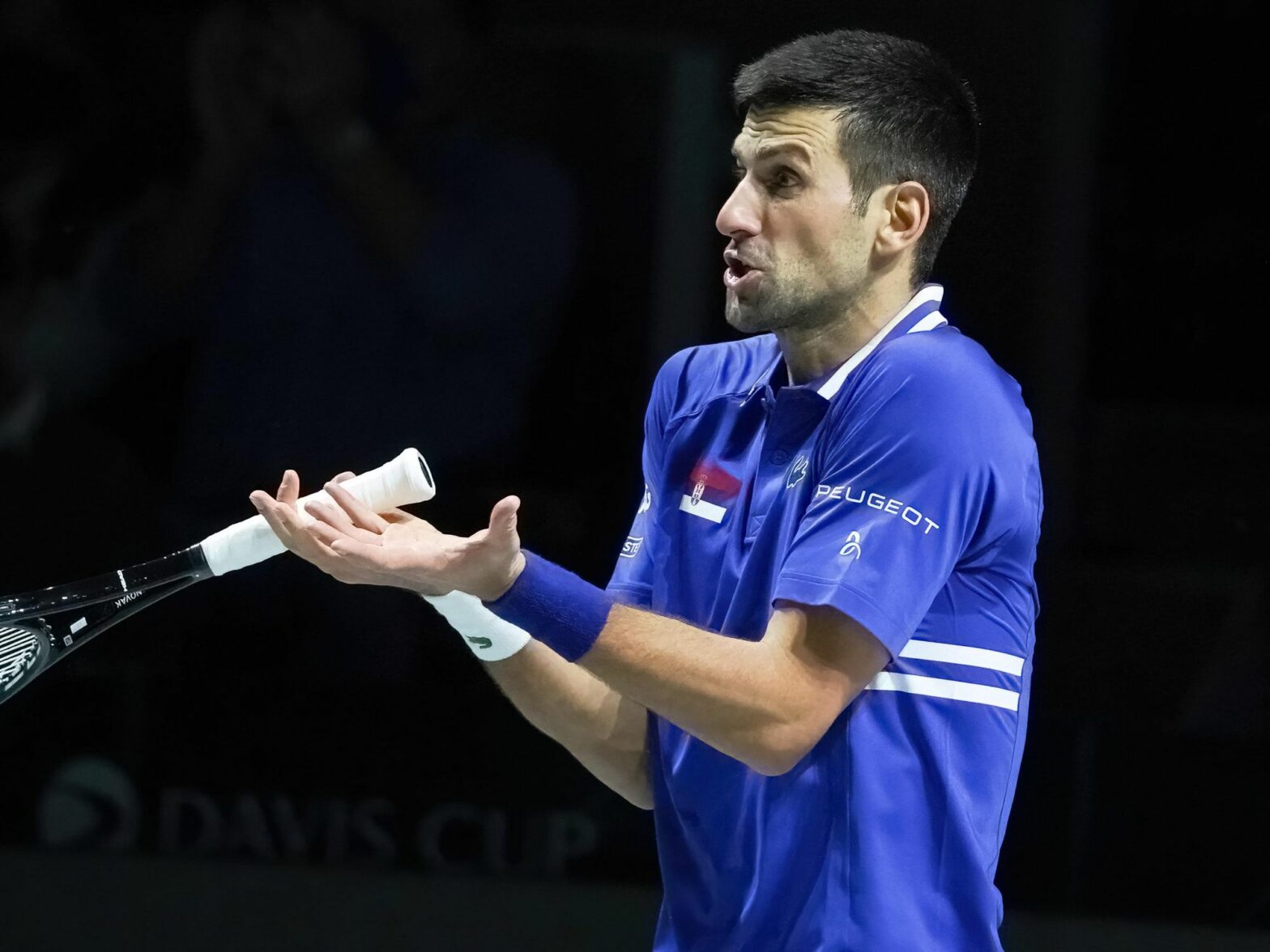
The Serbian tennis star is neither a victim nor a heavy, writes Serbian journalist Tatjana Đorđević Simić. But back home in Serbia, he is a hero who risks to turn in to a puppet of Serbia’s nationalistic government.
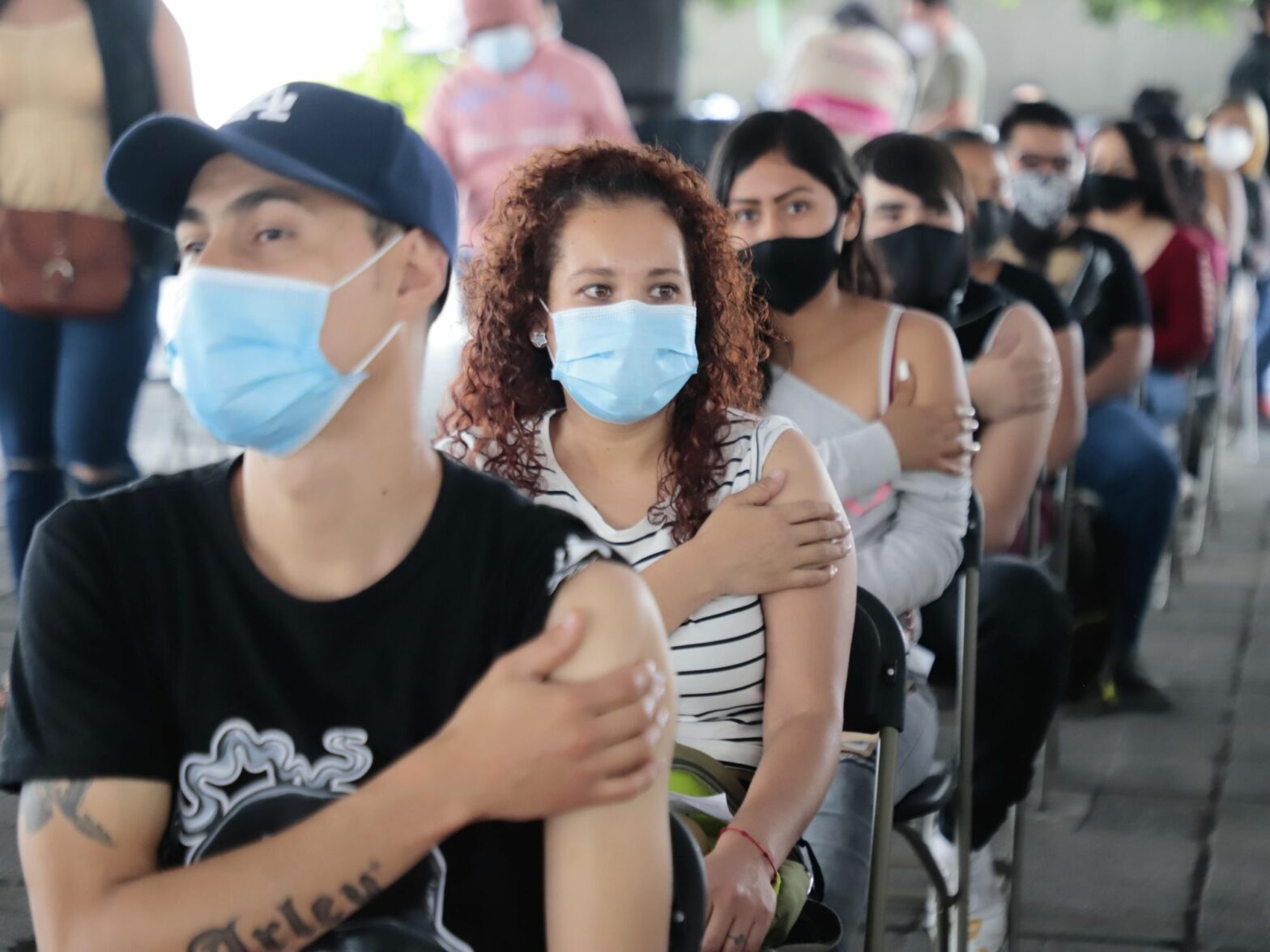
Echoing its cultural diplomacy of the early 20th century, the United States is gifting vaccines to Latin America as part of a renewed “good neighbor” policy.
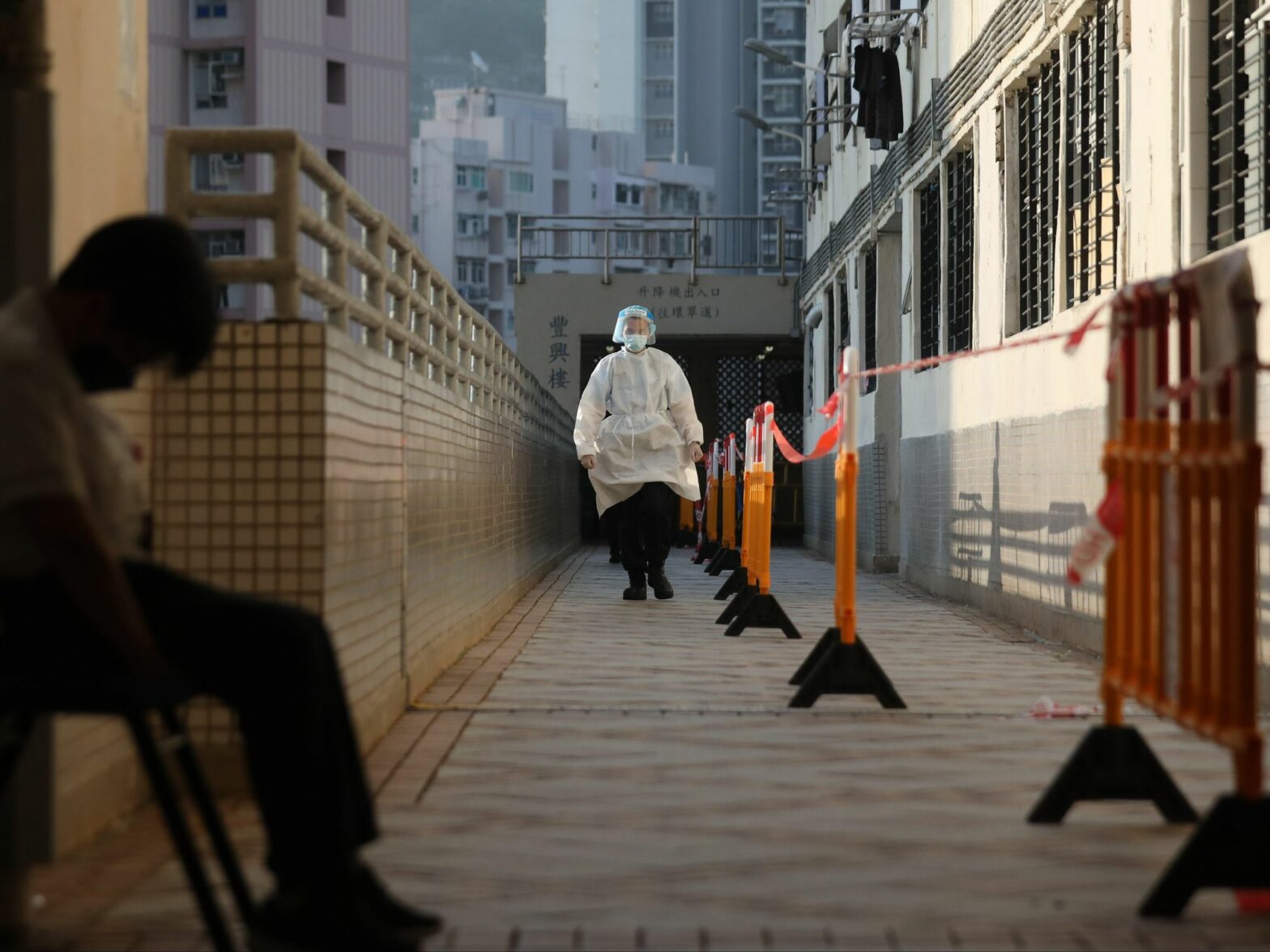
The COVID-19 outbreak has reshaped the world’s emerging superpower both at home and abroad, making China emerge as a more efficient power and helping Chinese overcome their inferiority complex vis-a-vis the West.
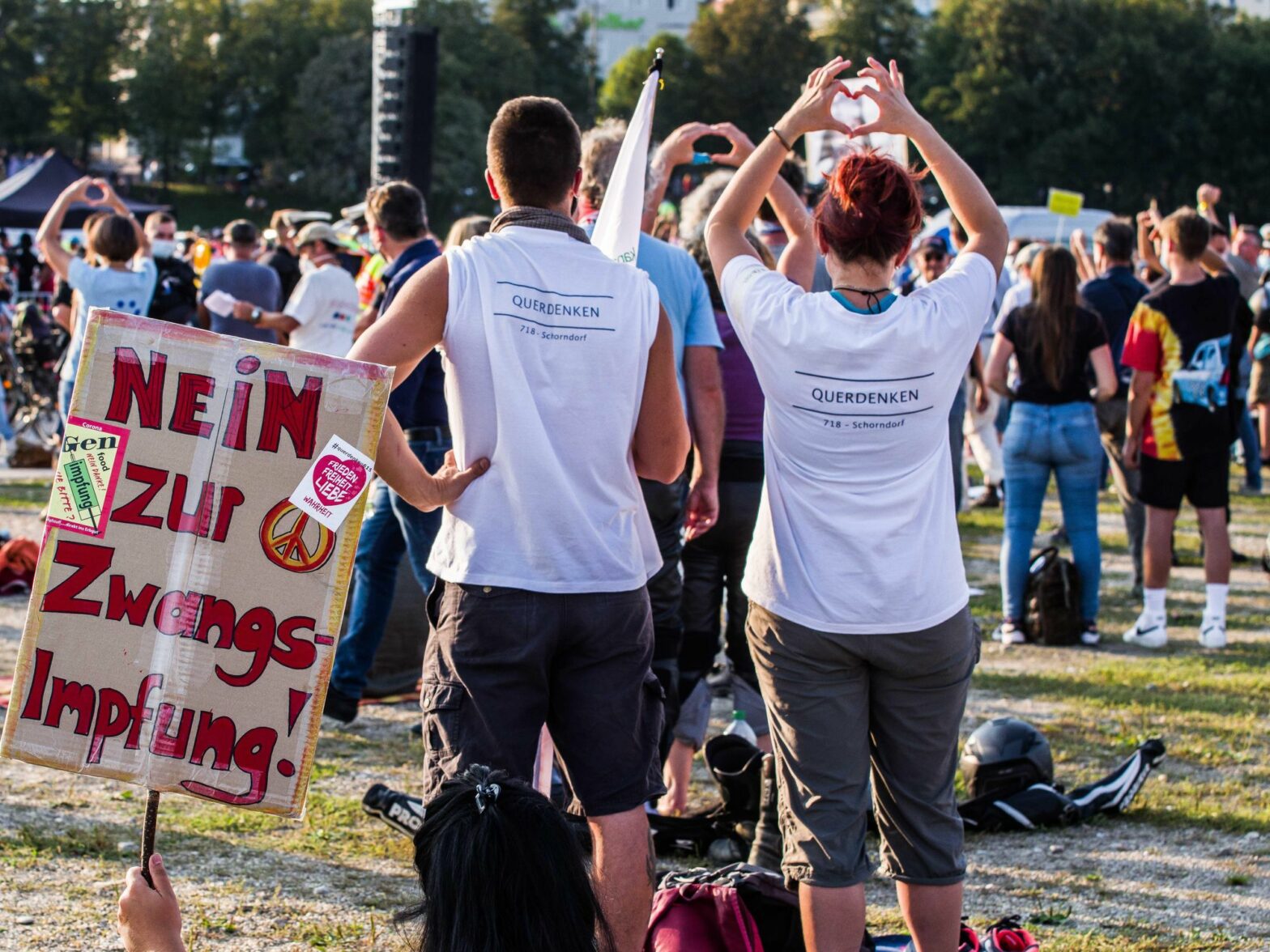
A Swiss-German anti-vax dating app is the latest tool for COVID-19 skeptics. As the pandemic becomes increasingly politicized around the world, will it permanently change how and who we date?
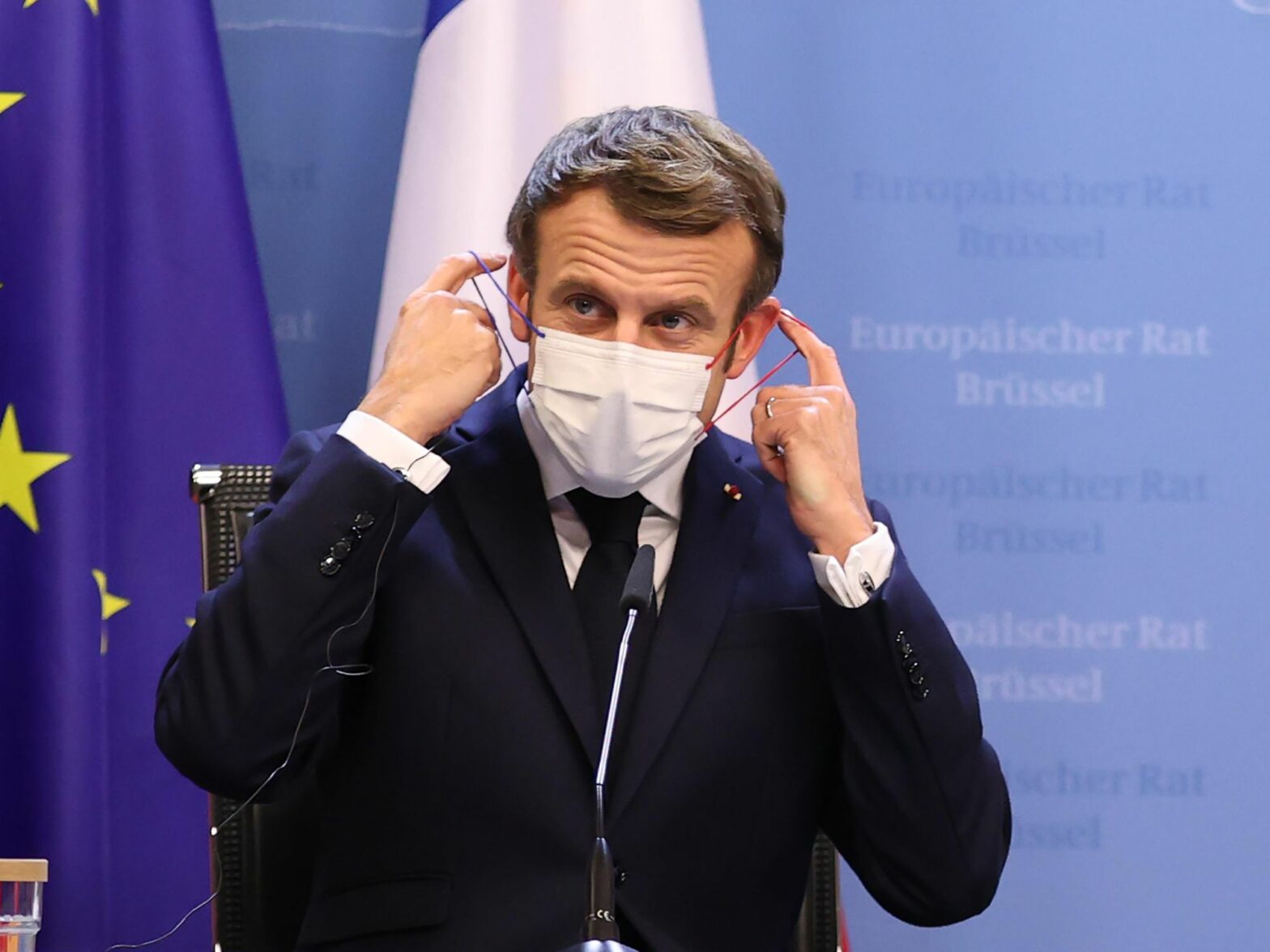
The French President used a rather vulgar verb to tell us how he feels about those who refuse to get the COVID vaccine. It’s a linguistic and political stink bomb with a message that has a history of its own.

The Omicron variant is again forcing event organizers to weigh whether to cancel, postpone or forge ahead in the face of superspreader risks.
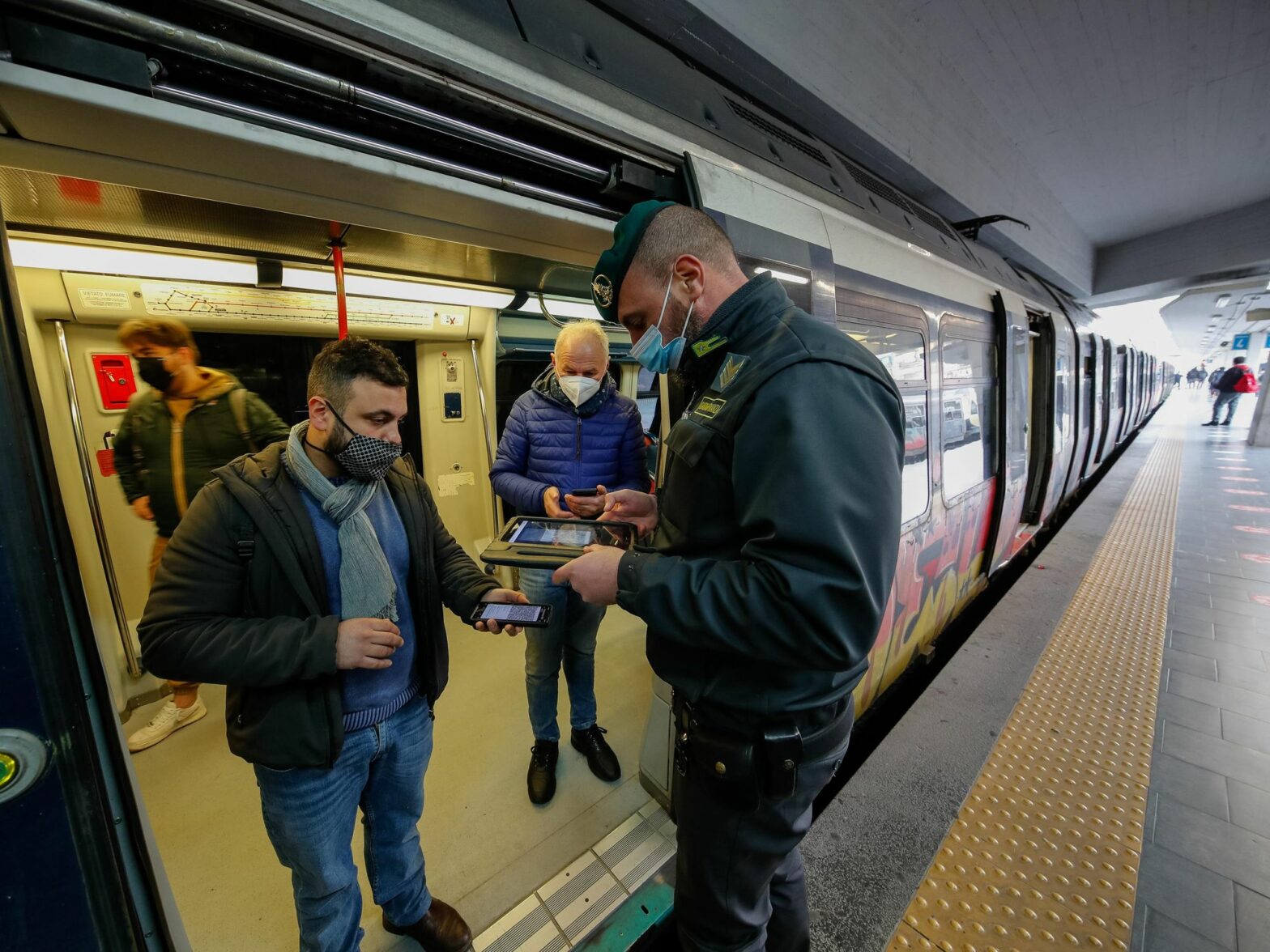
Countries are going all-in on virtually forcing citizens to get vaccinated: From the French President openly acknowledging his readiness to make life unpleasant for the unvaccinated to un-jabbed Canadians not qualifying for unemployment benefits to Greeks imposing monthly fines on the unvaccinated.

Two years on, even if they’ve still not given us the definitive answers to COVID-19, scientists are our best hope. But they can’t do it alone.
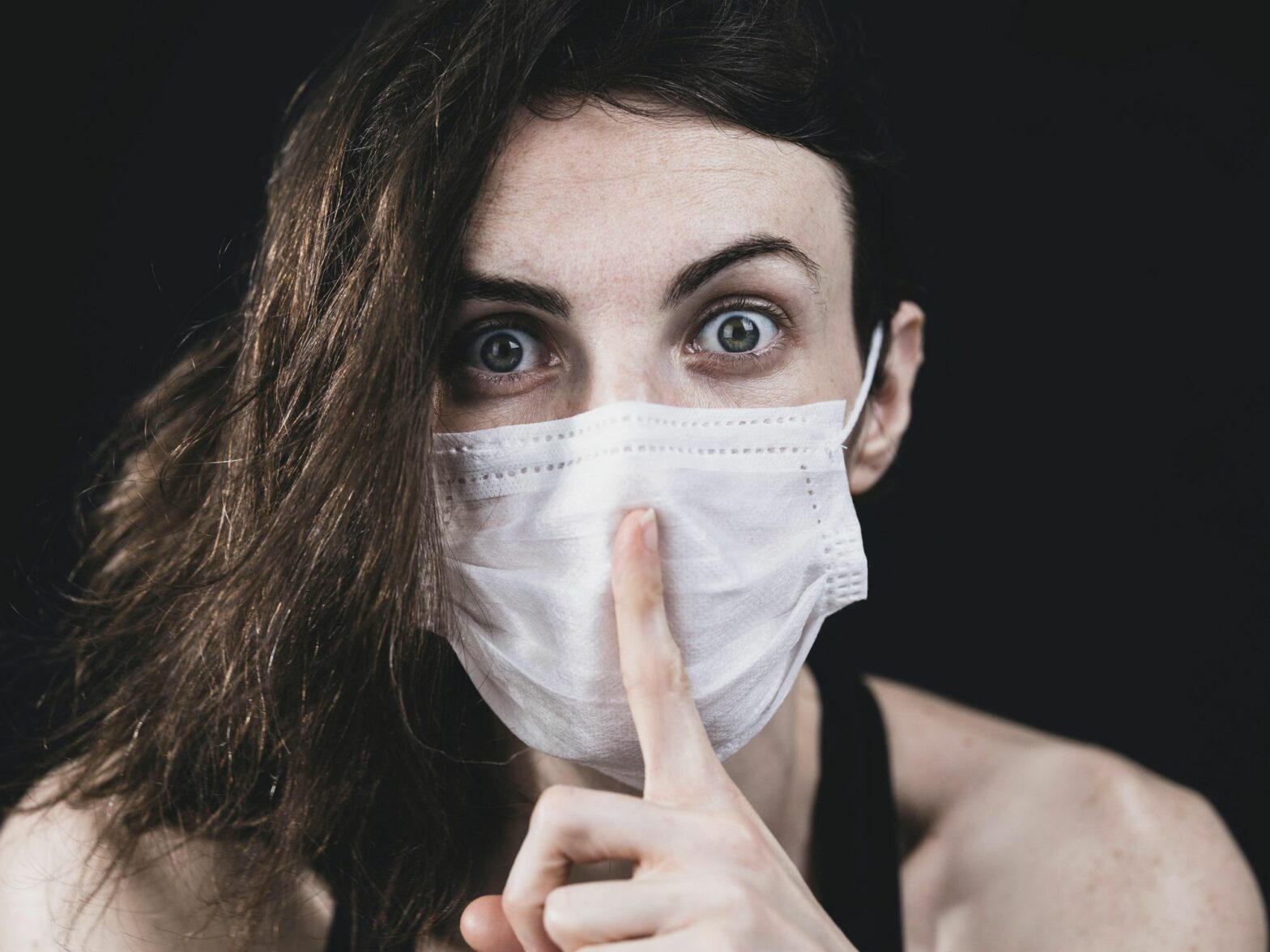
The topic of COVID is dividing siblings, old friends and parents at daycare centers. So maybe we need an experiment and stop sharing opinions, from the dinner table to your local news outlet.
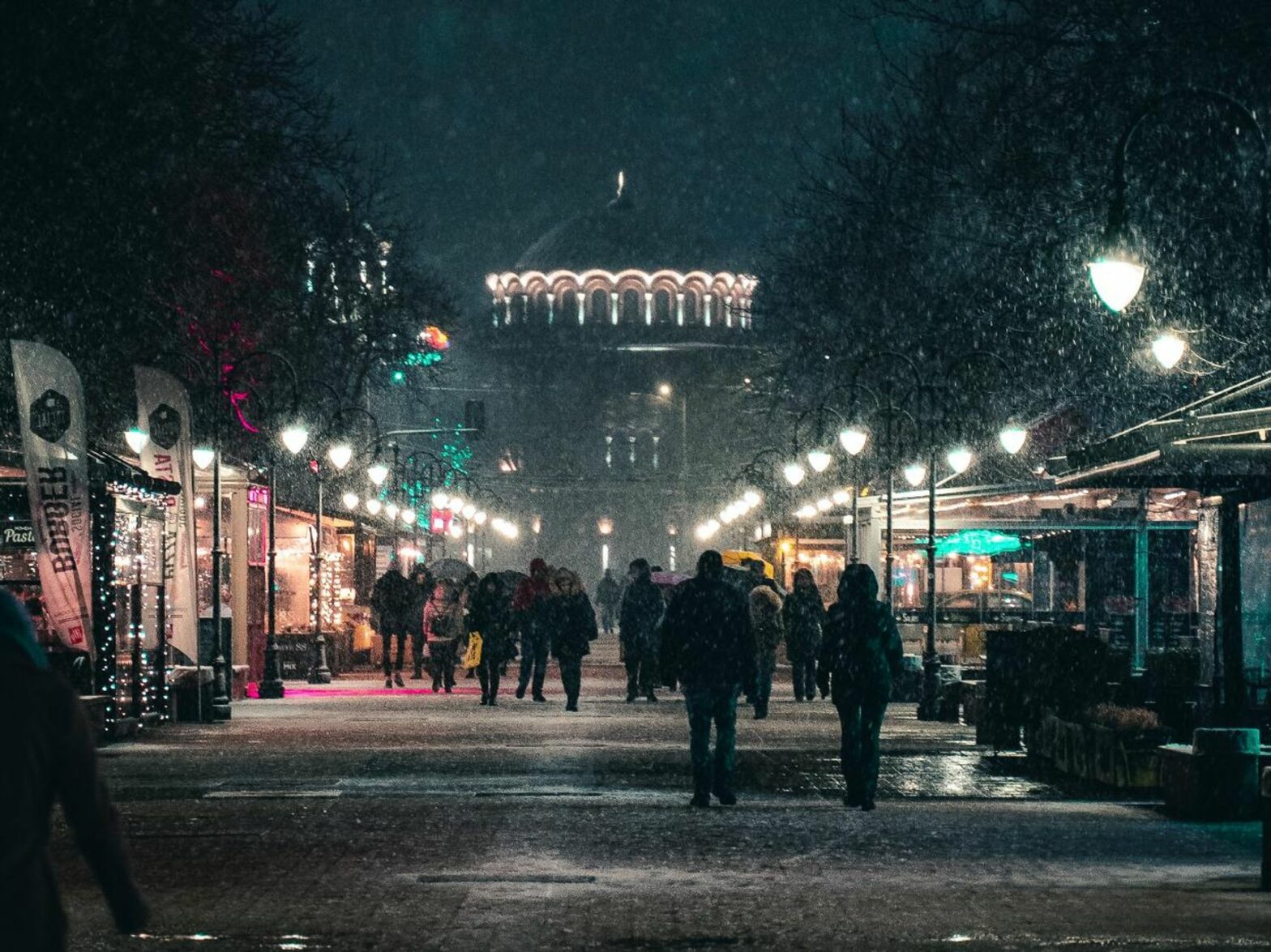
Our roving Swedish reporter’s darkish holiday dispatch from Sofia, Bulgaria.
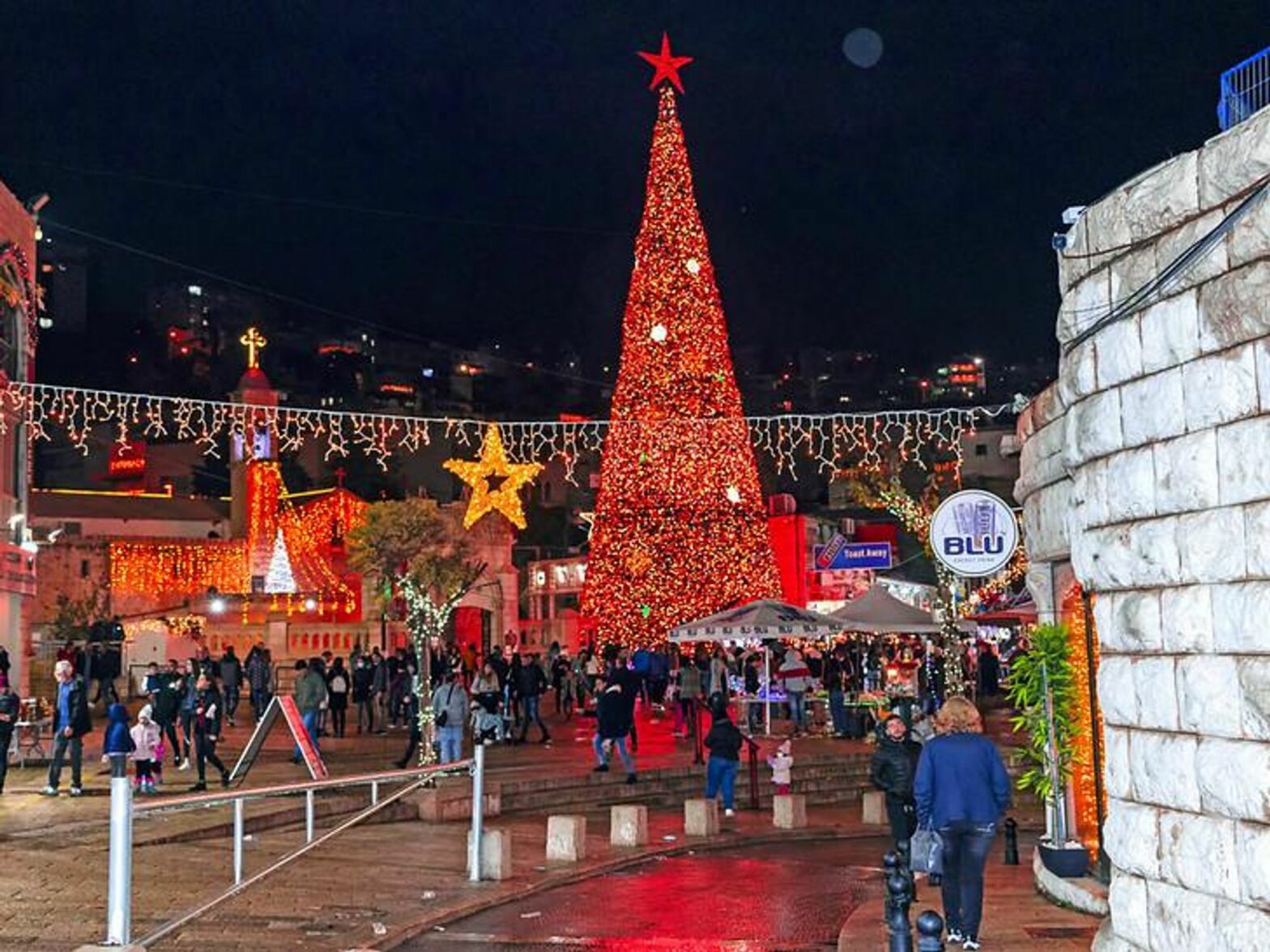
On the same day that Bethlehem’s Mayor Anton Salman inaugurated the Christmas holiday season earlier this month with an impressive fireworks display and tree lighting in the town square, residents of the West Bank city’s three refugee camps — Aida, Dehaishe and Jibrin, also known as Azza Camp — continued their daily protesting against the Palestinian Authority. The protests, which have included burning tires and blocking roads, aim to gain the release of several Palestinians arrested by Palestinian security forces for waving banners of Hamas and the Popular Front for the Liberation of Palestine during the funeral of 14-year-old Amjad […]
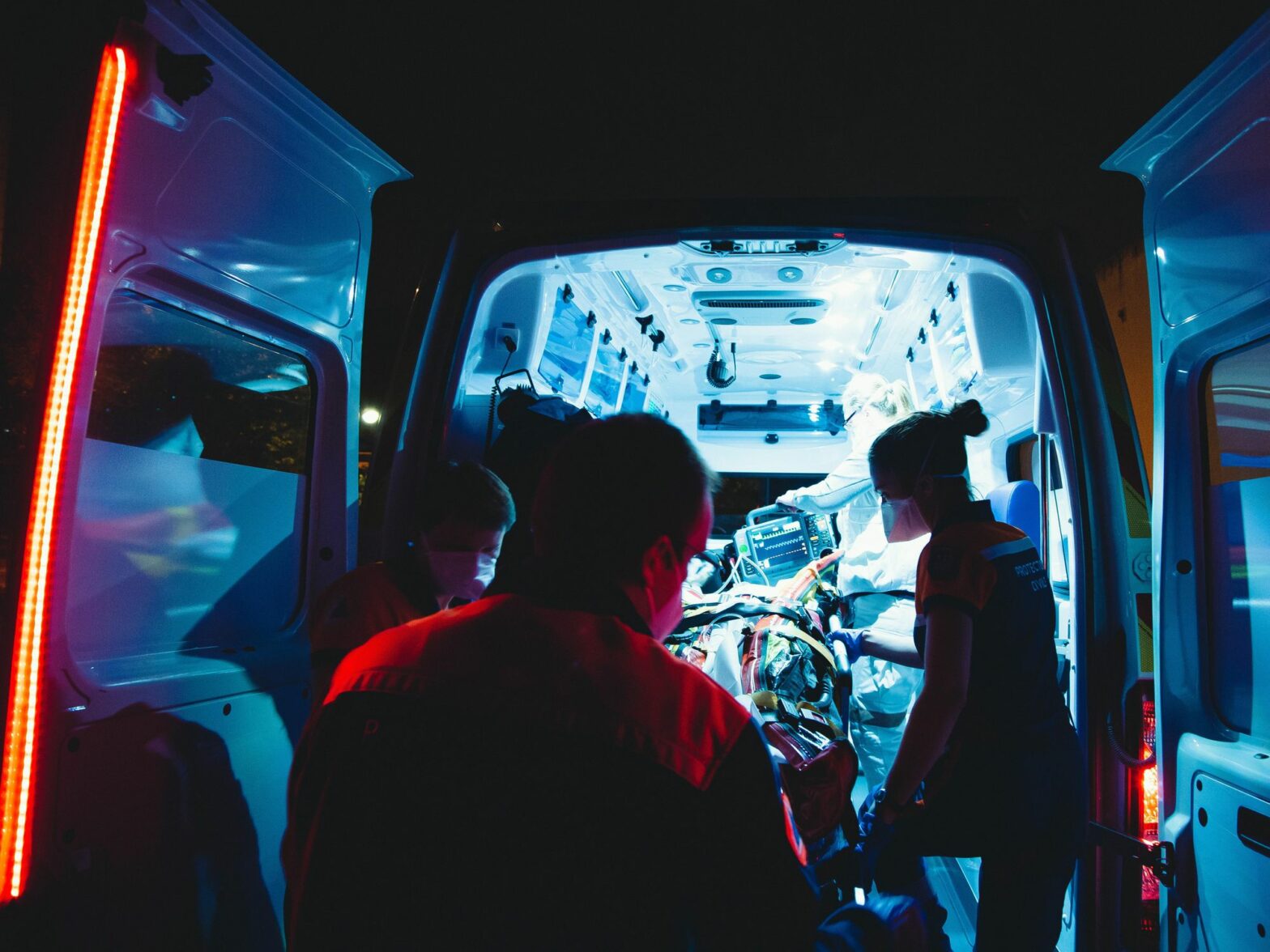
In Canada’s Western province of Alberta, hospital beds are running out and forcing officials to “triage” to decide who does and doesn’t get care. The same formula should not apply to those who have chosen not to get the COVID vaccine.
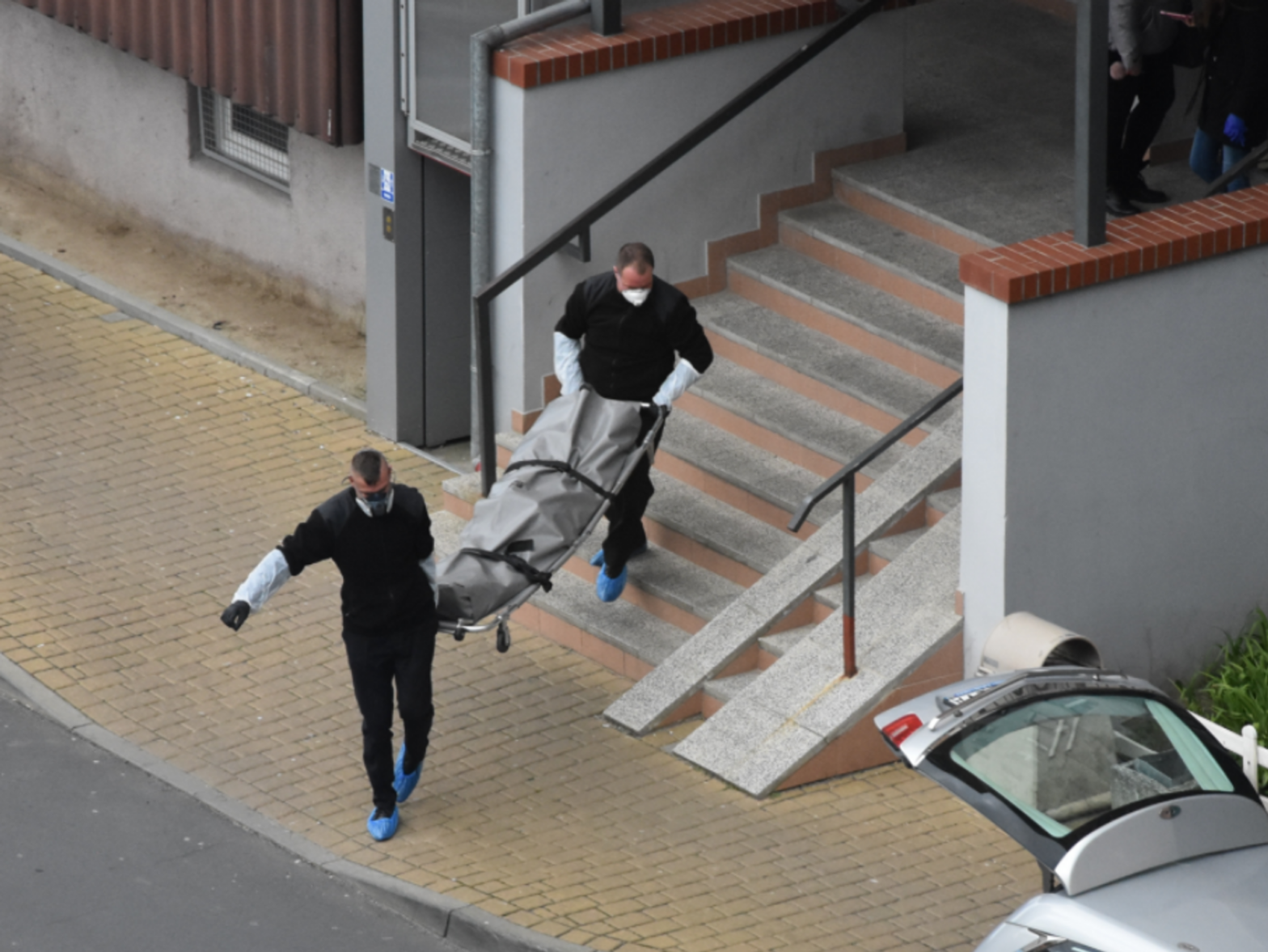
A total lack of regulation has meant that virtually anyone can sell funeral service, even people without refrigerated rooms, hearses or pandemic safety measures.
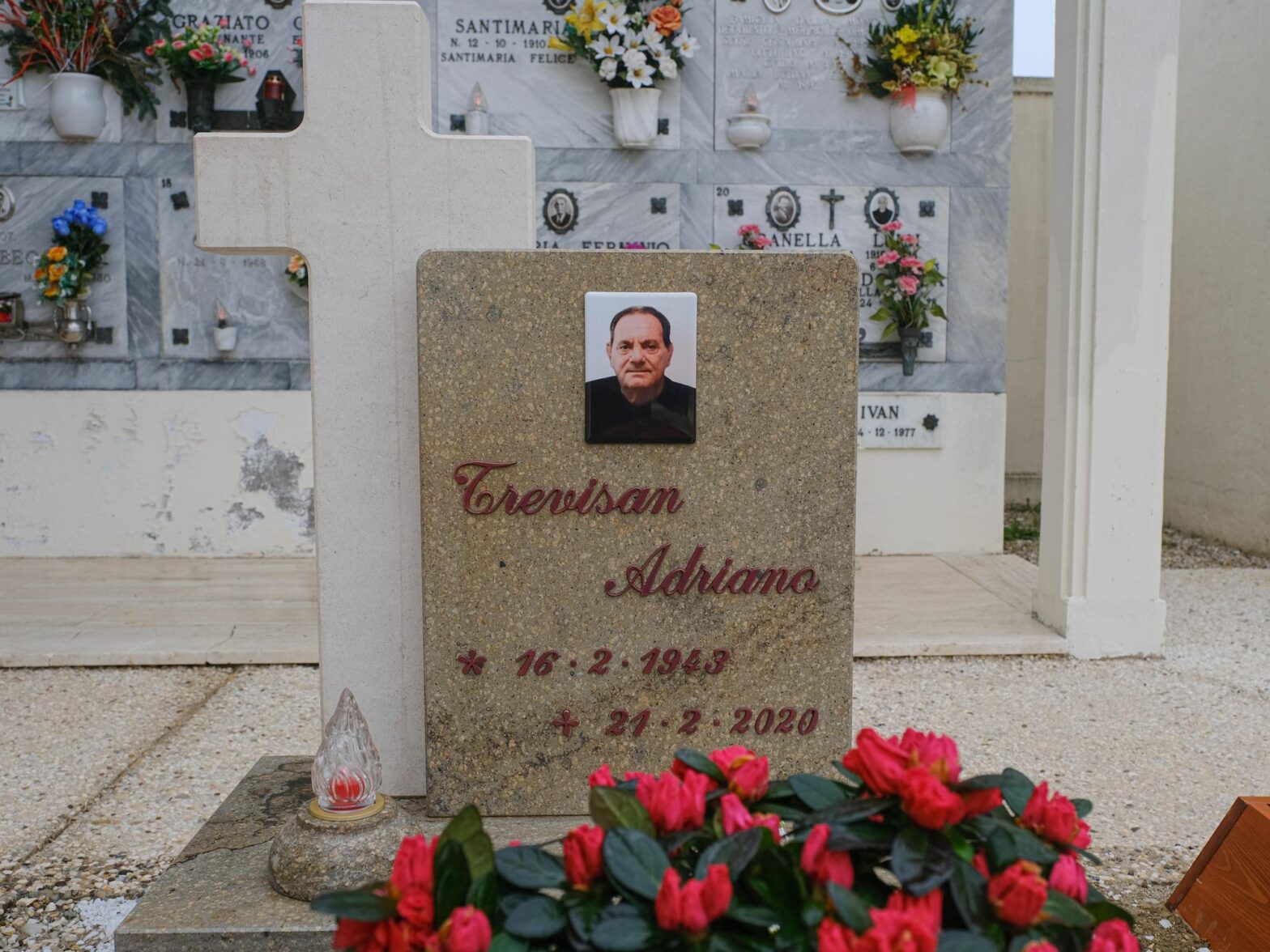
This small Italian town is remembered well for being on the front line in the fight against COVID-19. Now it faces vaccine hesitancy.
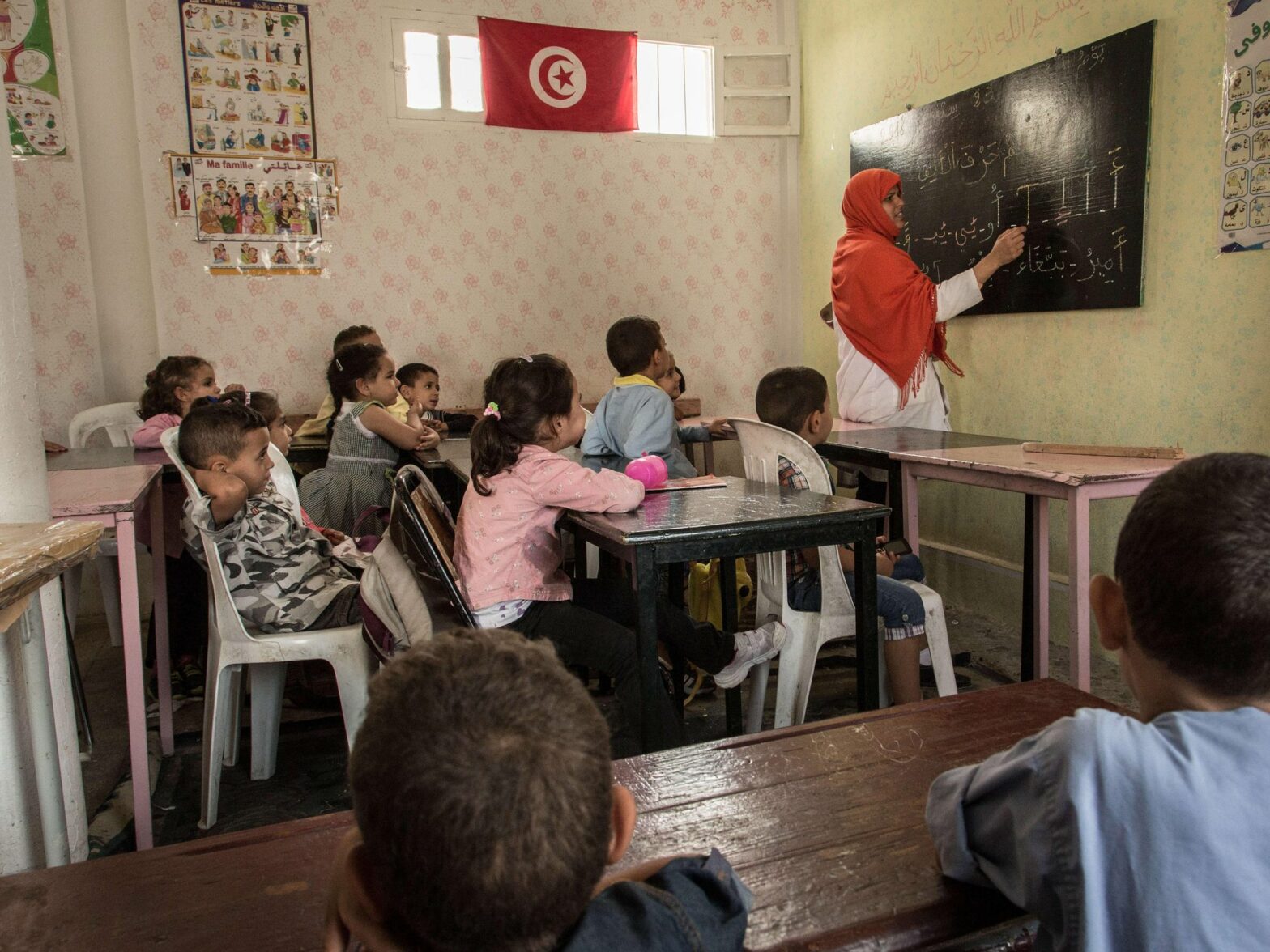
Violence against teachers, poorly received educational reforms, conflicts with parents: In Tunisia, the entire education sector is in crisis.
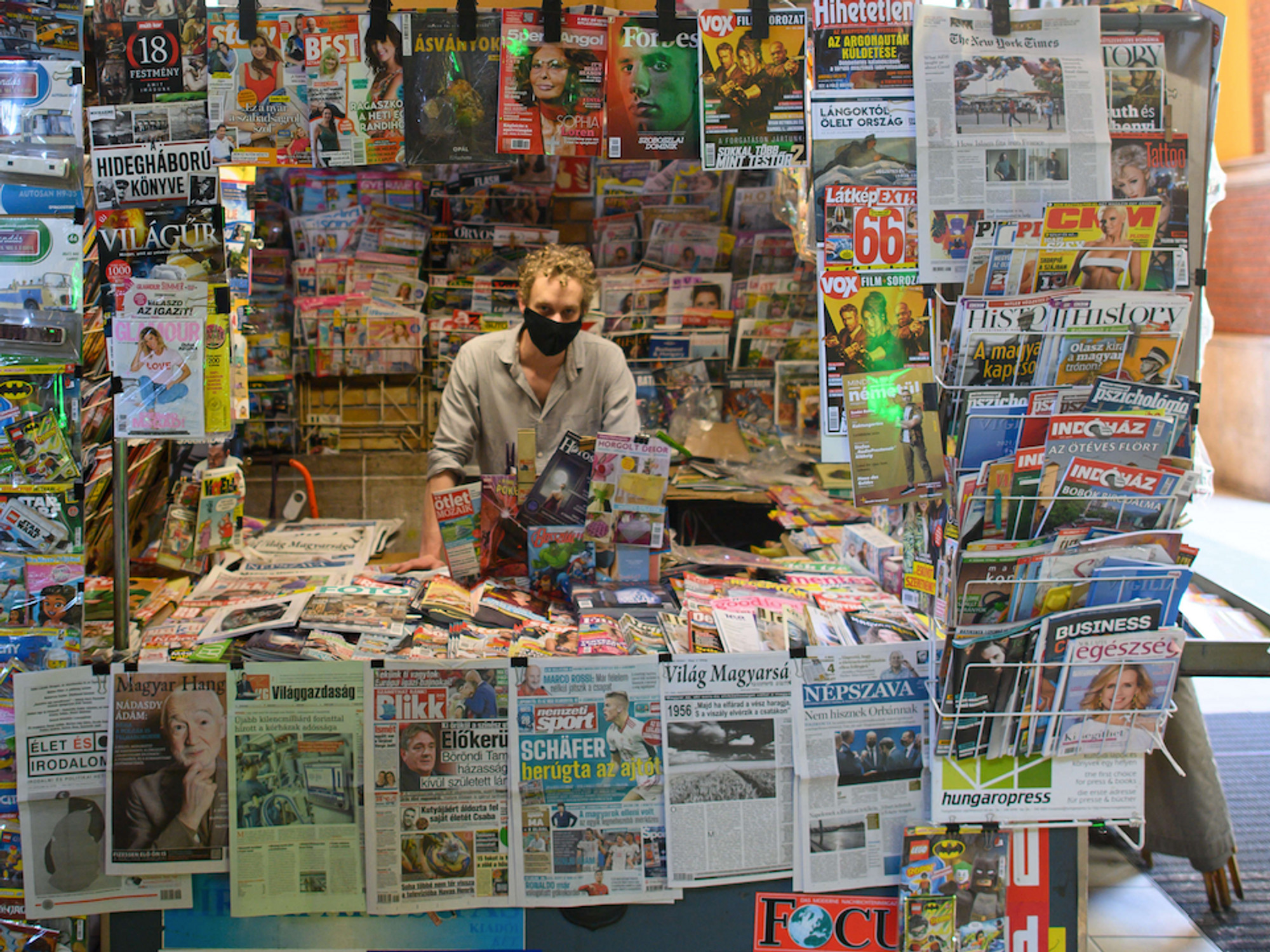
The ominous Omicron COVID-19 variant has made a splash on international dailies and weeklies alike.
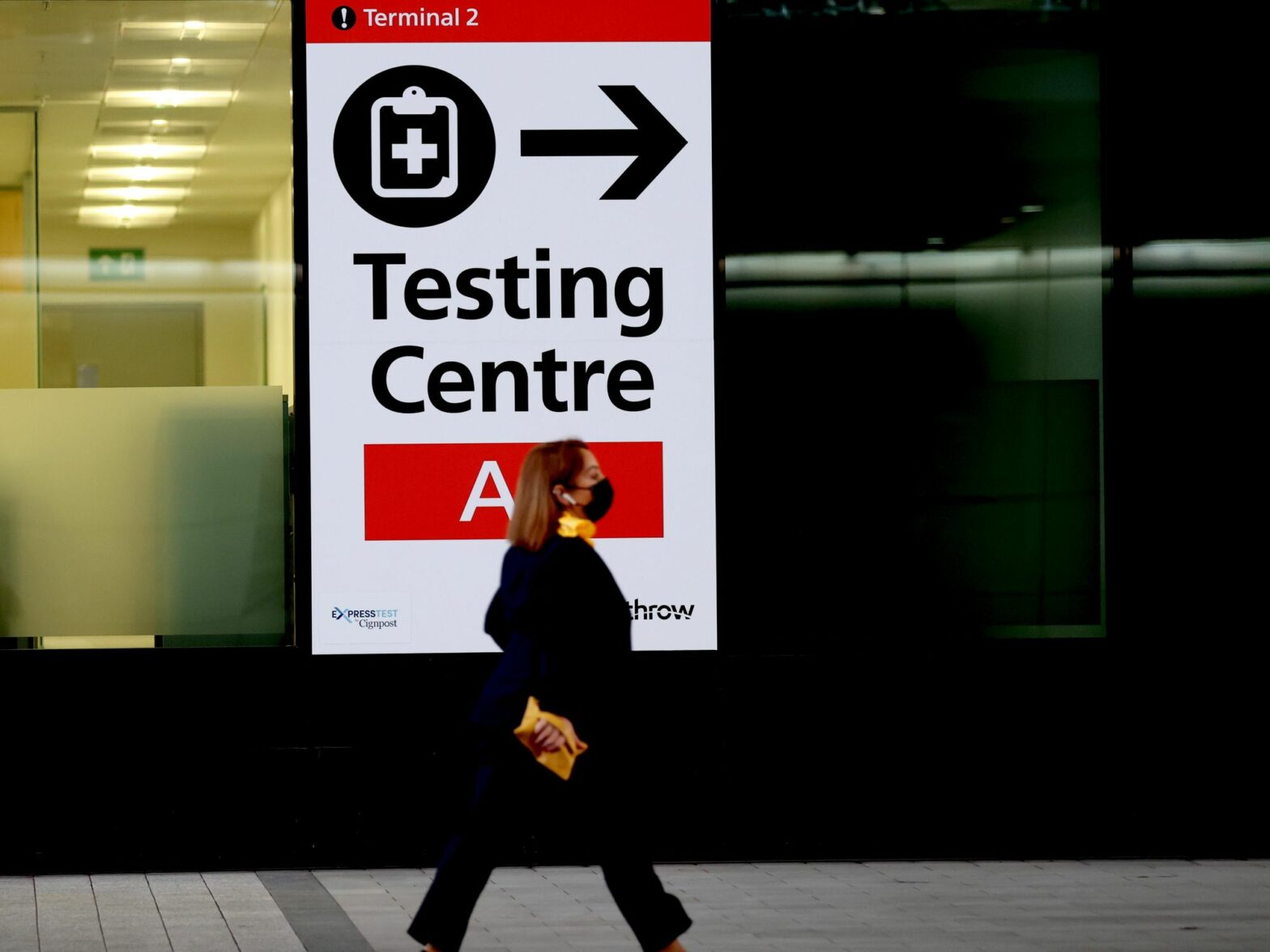
The Omicron variant has sparked a new wave of COVID-19 travel restrictions, but the chances of returning to worldwide shutdowns are slim for a series of reasons.
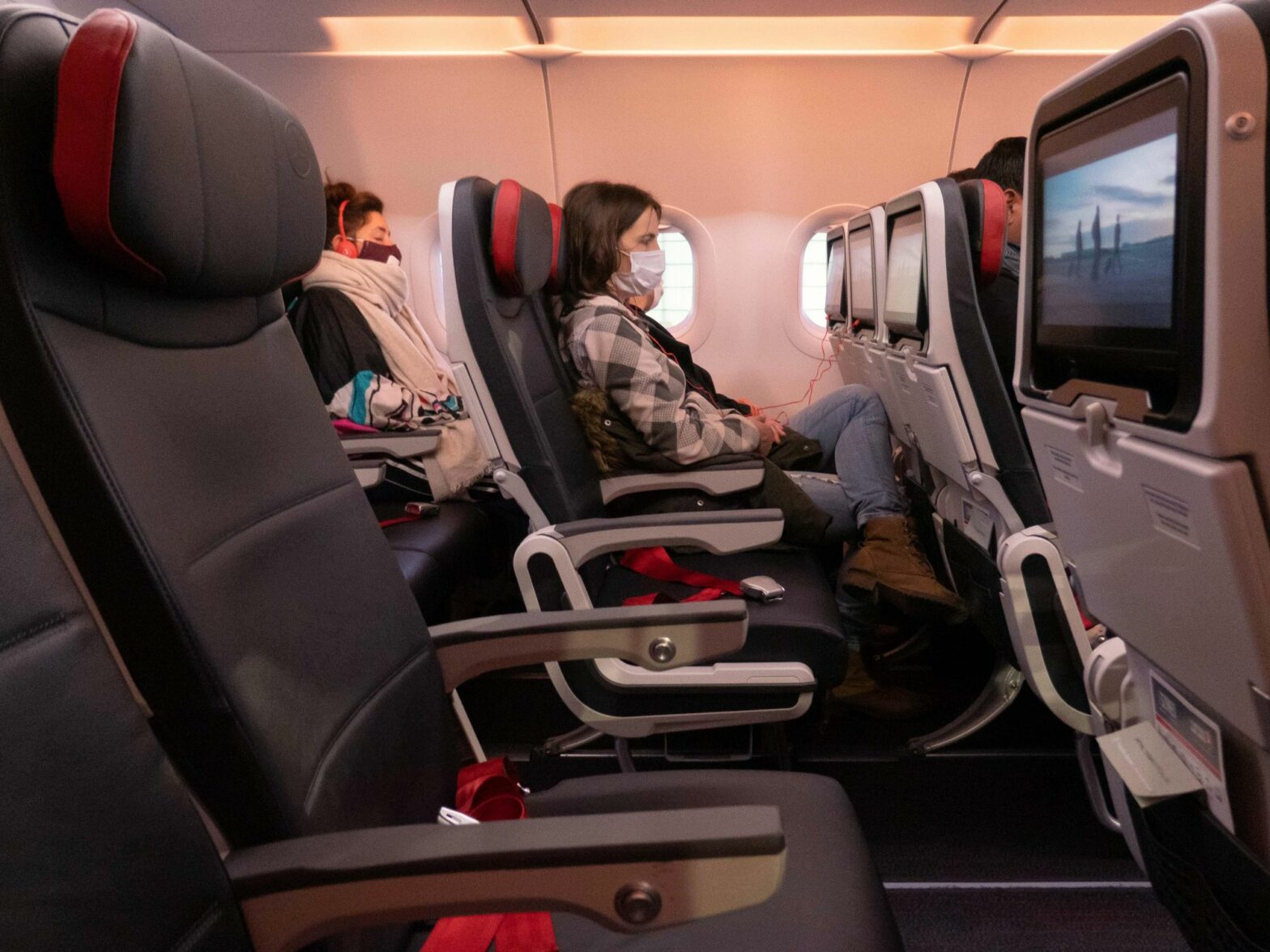
Airlines are eyeing premium economy seating options to woo money-conscious business class travelers, and possibly weary economy passengers, back to air travel.
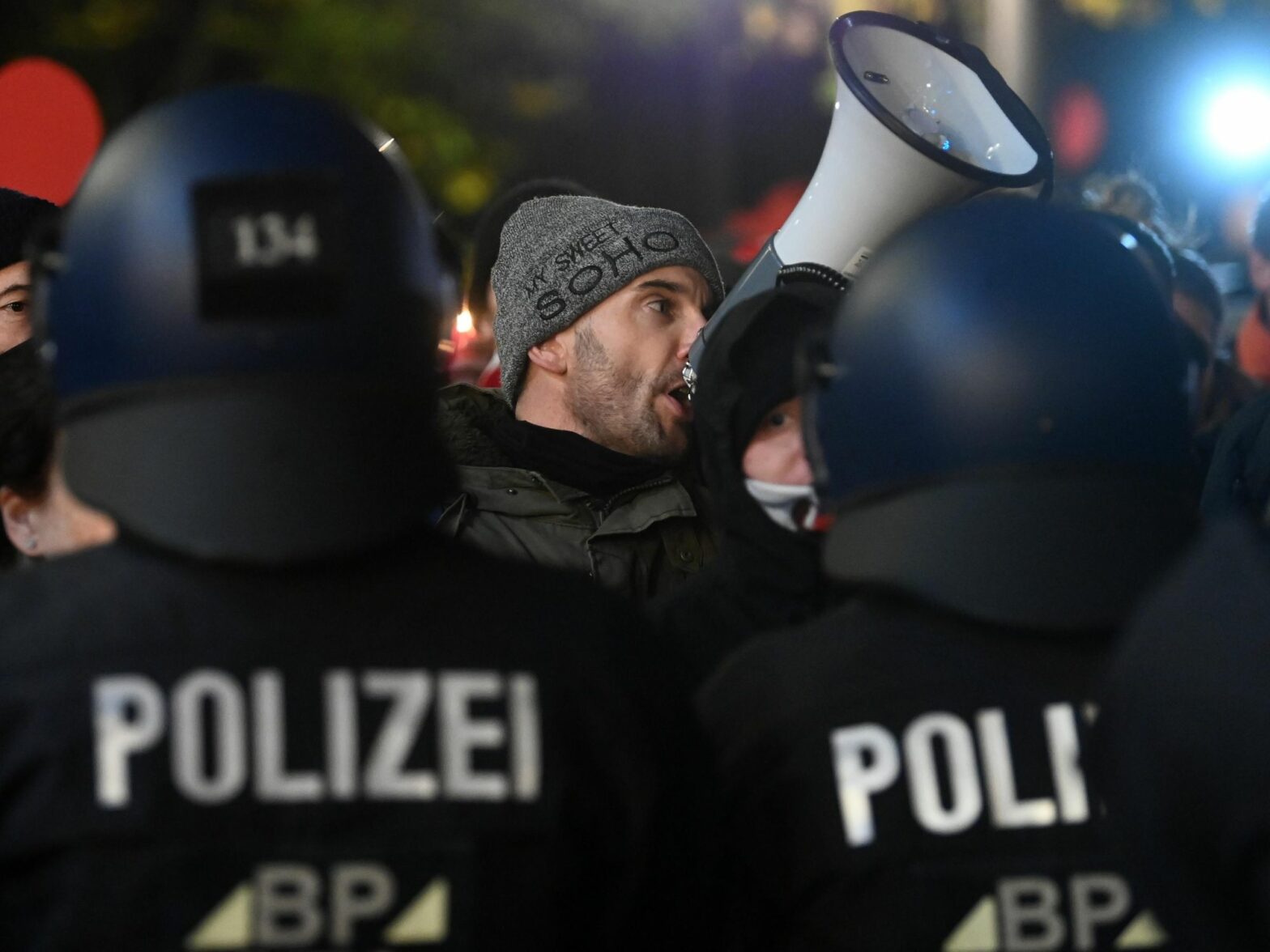
When it comes to vaccination rates, there are striking parallels between Germany and the United States. The states with the most opposition to vaccines differ politically from those with the highest vaccination rates. Now the consequences for booster shots are starting to become visible, especially in the United States.
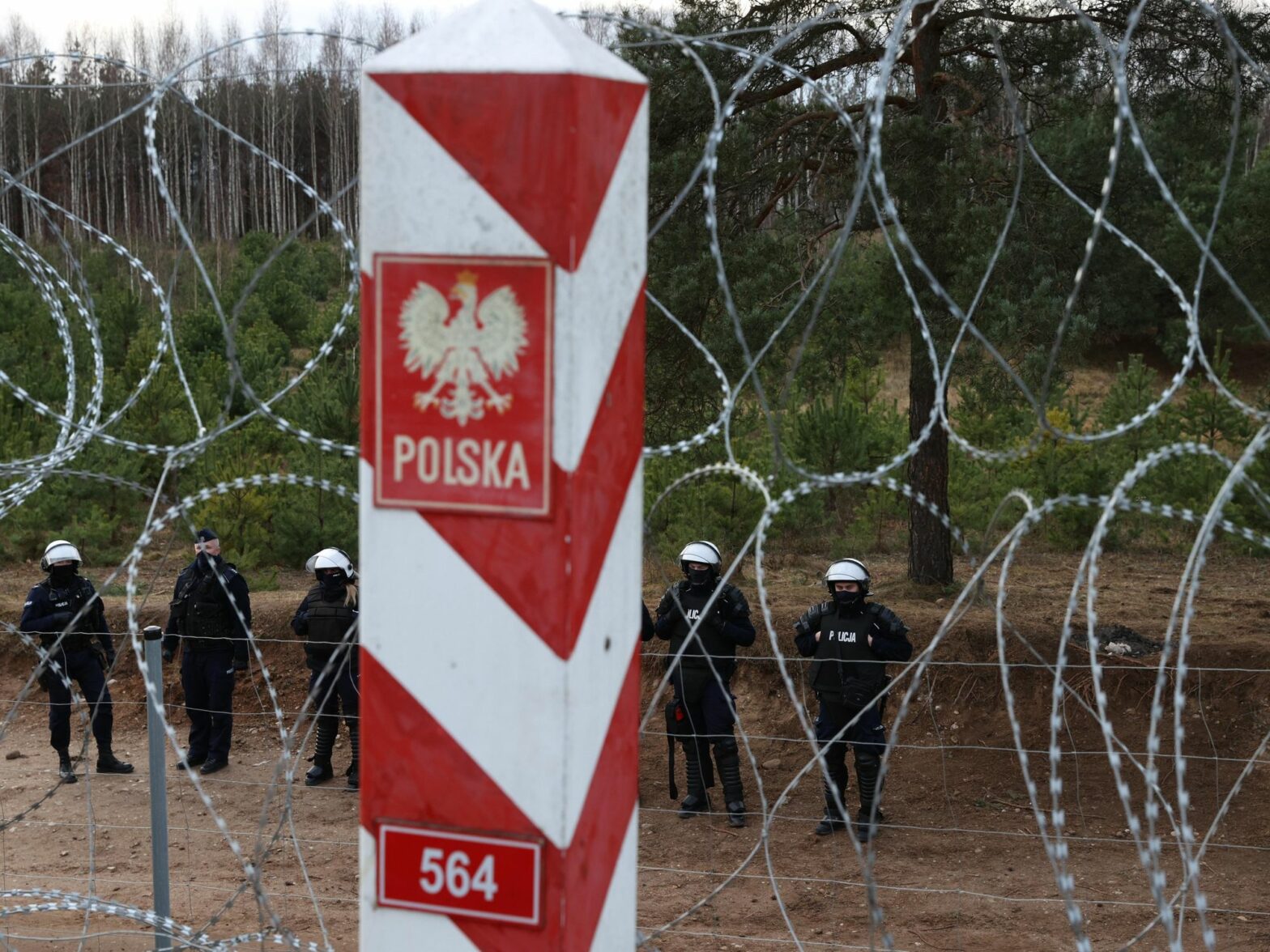
Everything is collapsing: The zloty is sinking, a virus is spreading, diplomacy has disappeared, and so has the rule of law. And the government claims everything is going just fine.
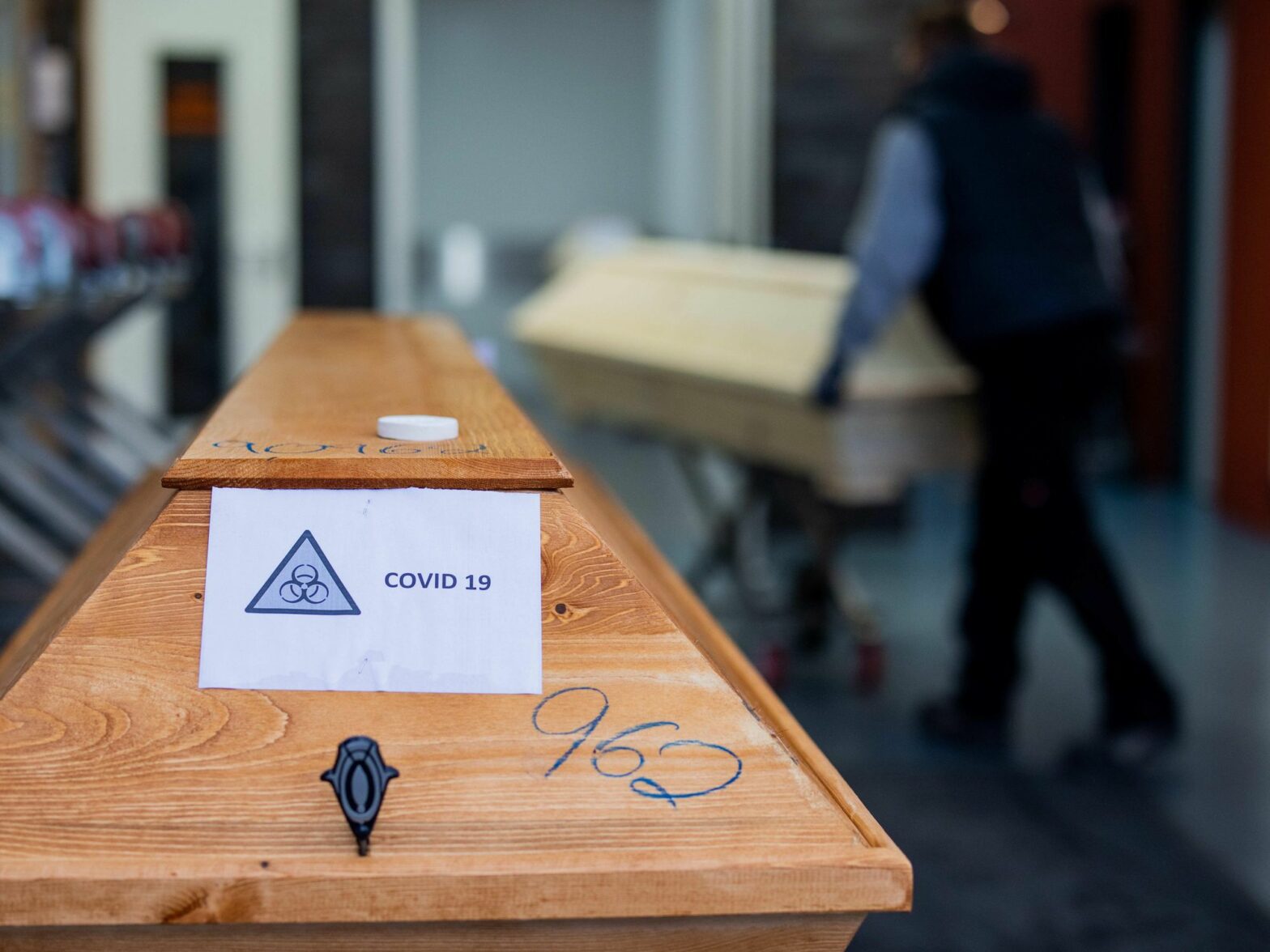
Funeral homes are getting ready to deal with more infectious bodies this winter as Germany has become a COVID-19 hotspot. They require more time and money for safety measures — the cost of which is passed on to relatives. But the true cost for friends and family lies elsewhere.
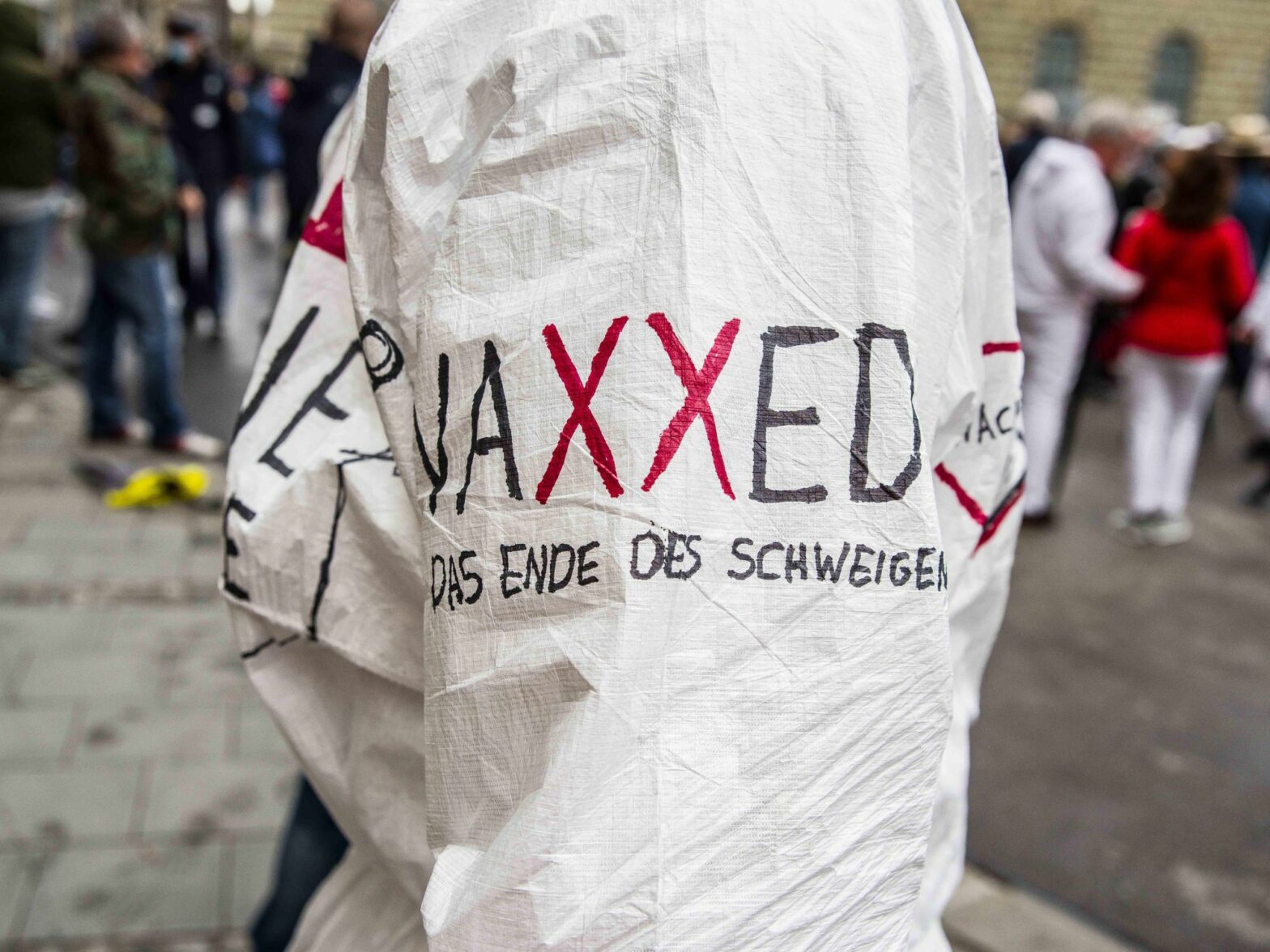
The unusual public remarks by Germany’s First Husband comes as the country faces a new wave of COVID-19 infections and trails European neighbors in vaccination rates.
Revelations of slavery-like conditions for migrant workers in Malaysia manufacturing hospital supplies says much about how worker exploitation has extends across the supply chain through the pandemic.

Portugal has become the first place in the world where it is illegal for managers to contact their employees after hours. Will other countries follow suit?
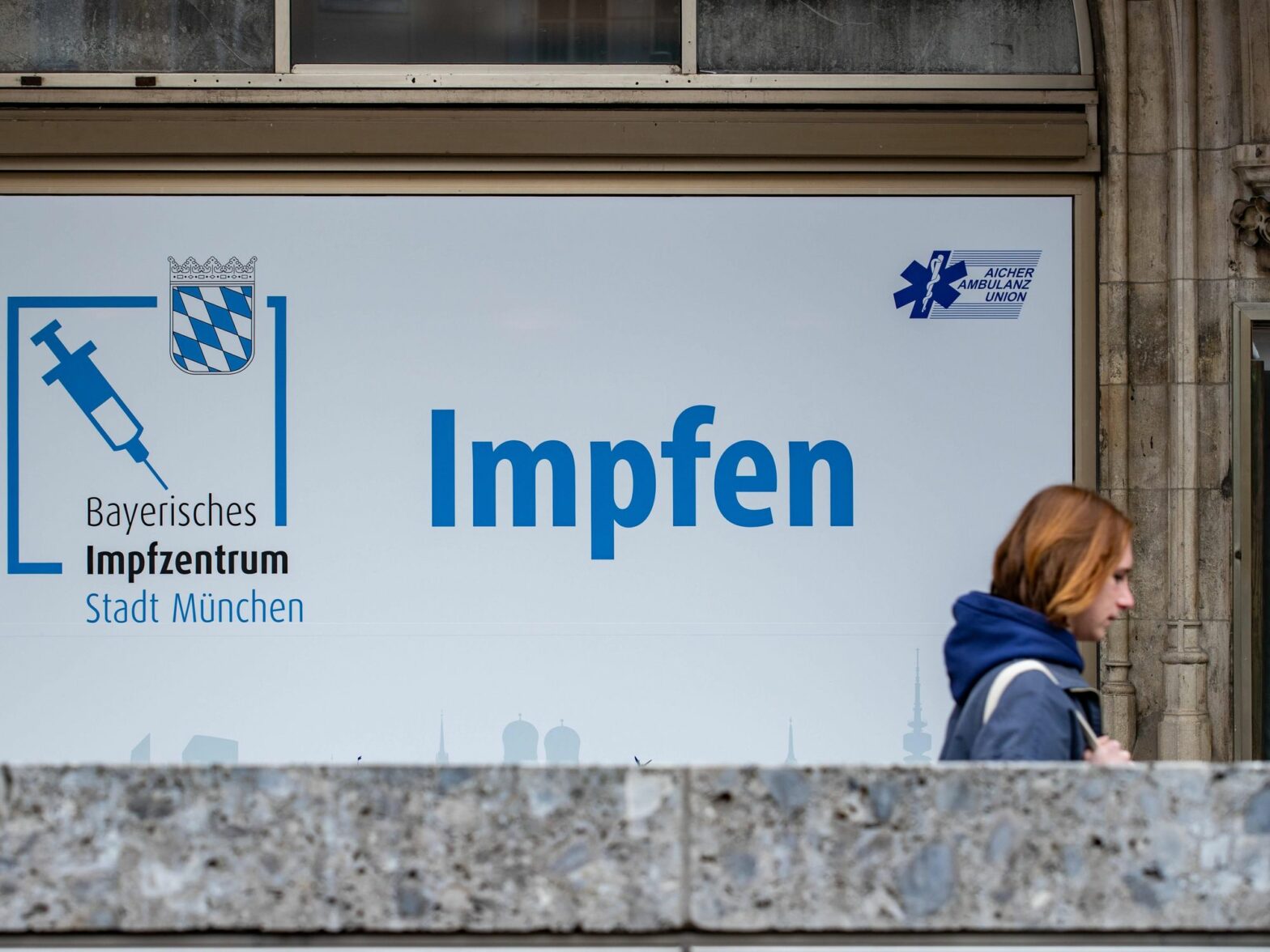
If you compare vaccination rates in European countries, you immediately notice huge differences. And this is despite the fact that the EU has provided all members with sufficient coverage. There are clear reasons of culture, history and attitudes for the gap.
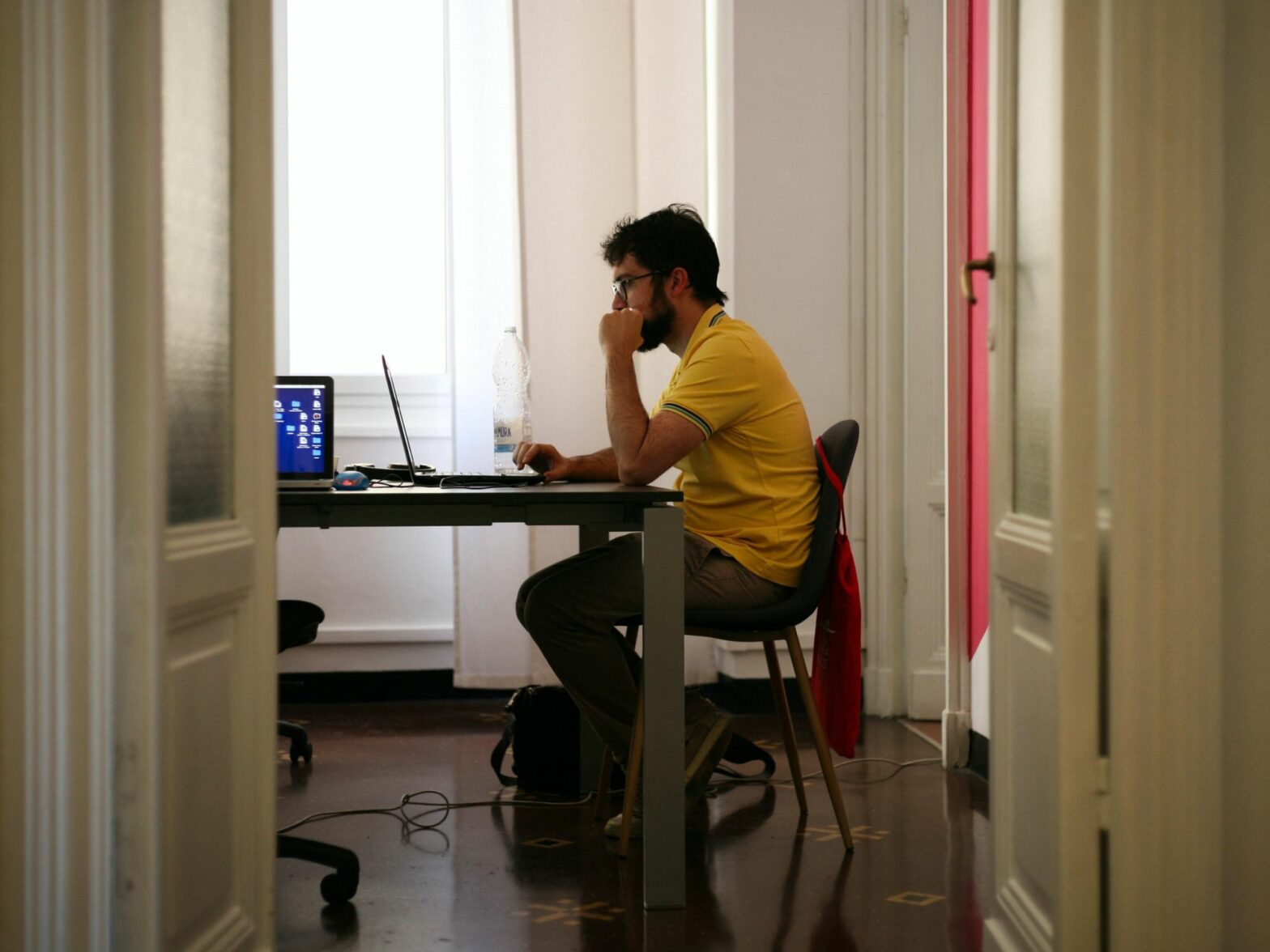
Casual Friday? Or Casual Monday-through-Friday? In Argentina and elsewhere, confinement completely upended work routines — and may lead to the end of “dressing up” to go in the office.
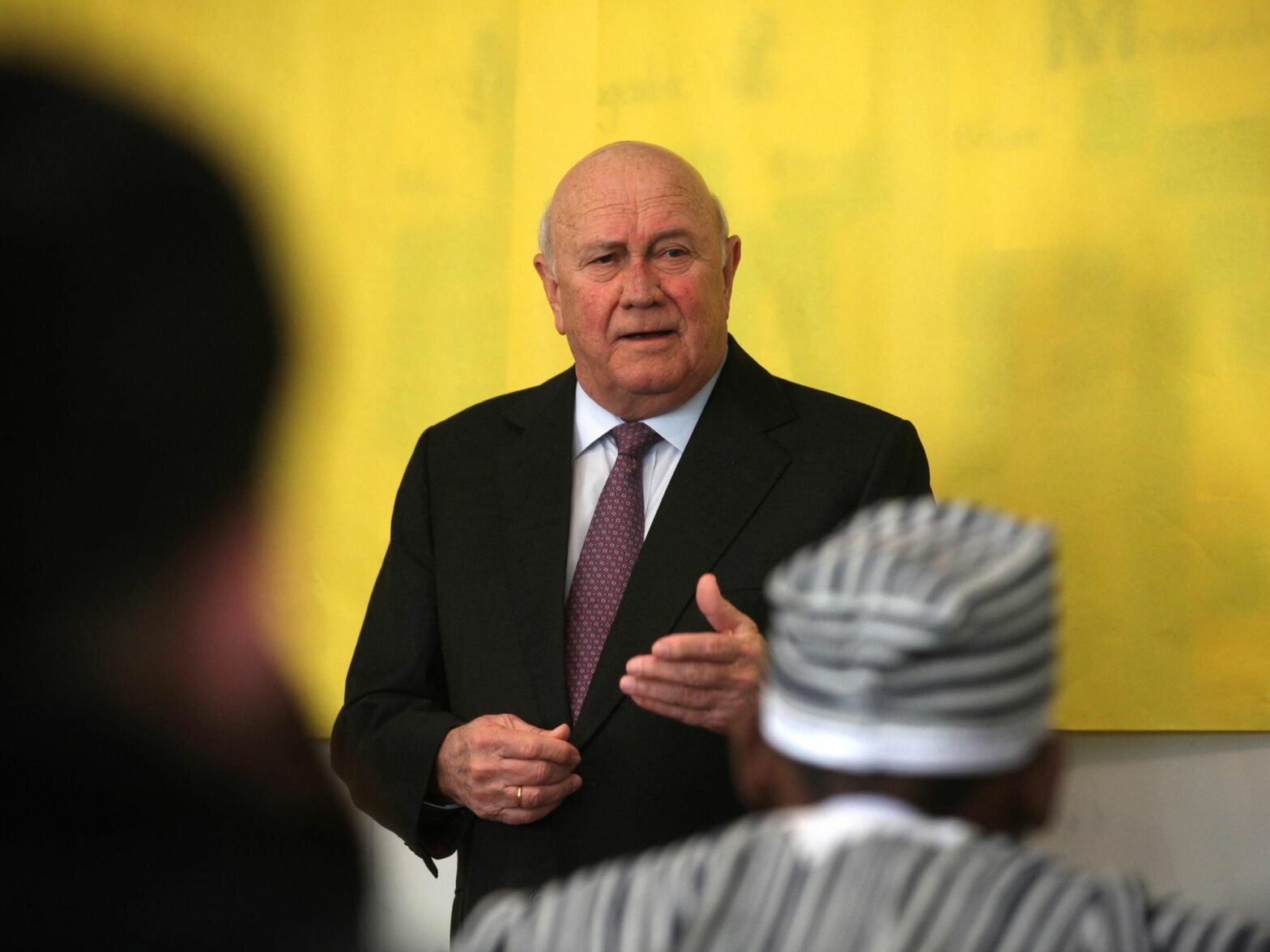
Having shared the Nobel Peace Prize with Nelson Mandela, former President Frederik Willem de Klerk was largely credited with courageous leadership and a key role in dismantling apartheid. But his legacy, both before and after the transition, is decidedly mixed.
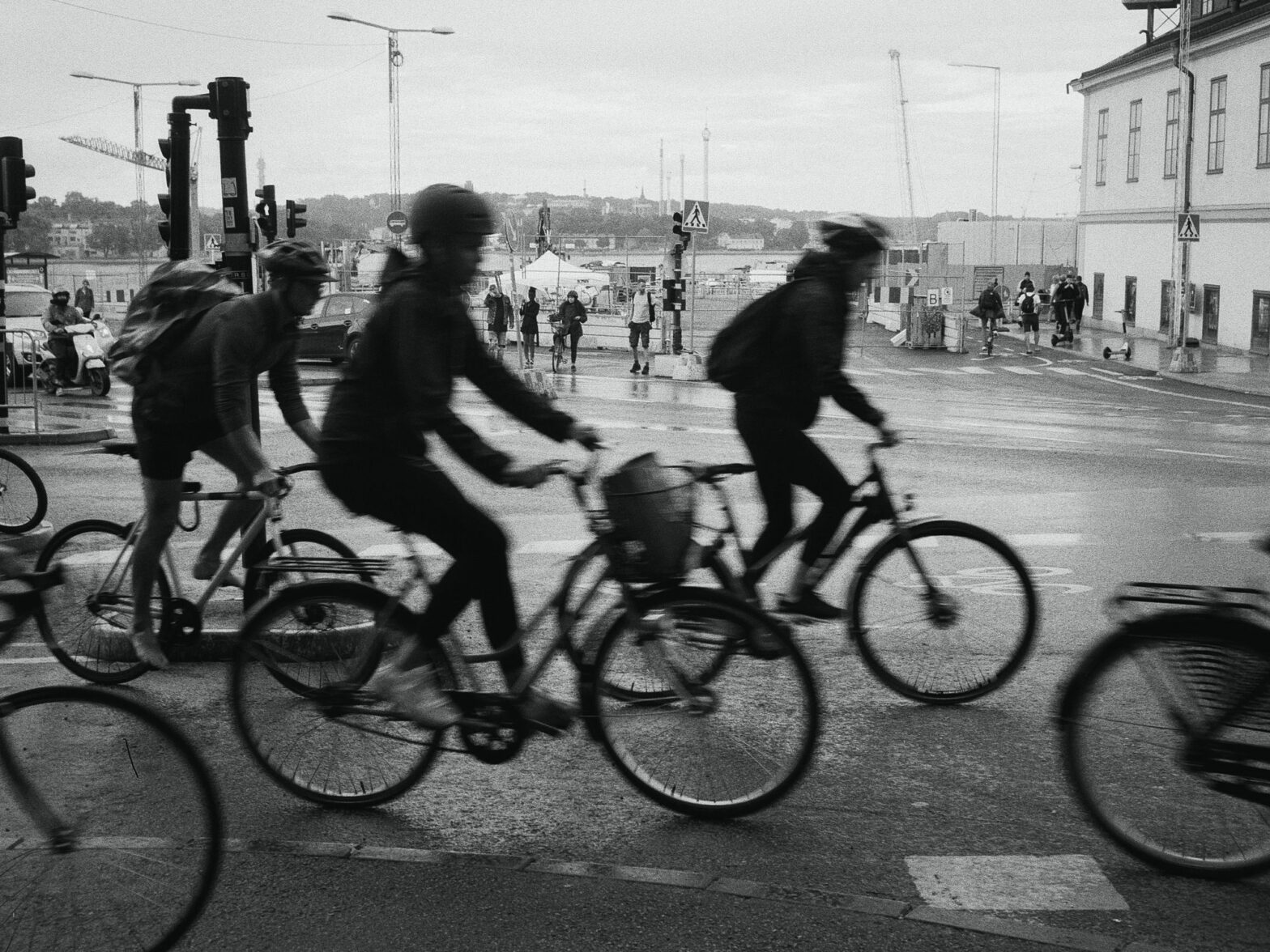
After slowly shifting in some cities to a more bicycle-centric model, the pandemic has accelerated the shift from cars to bikes in cities around the world. Here are some prime examples
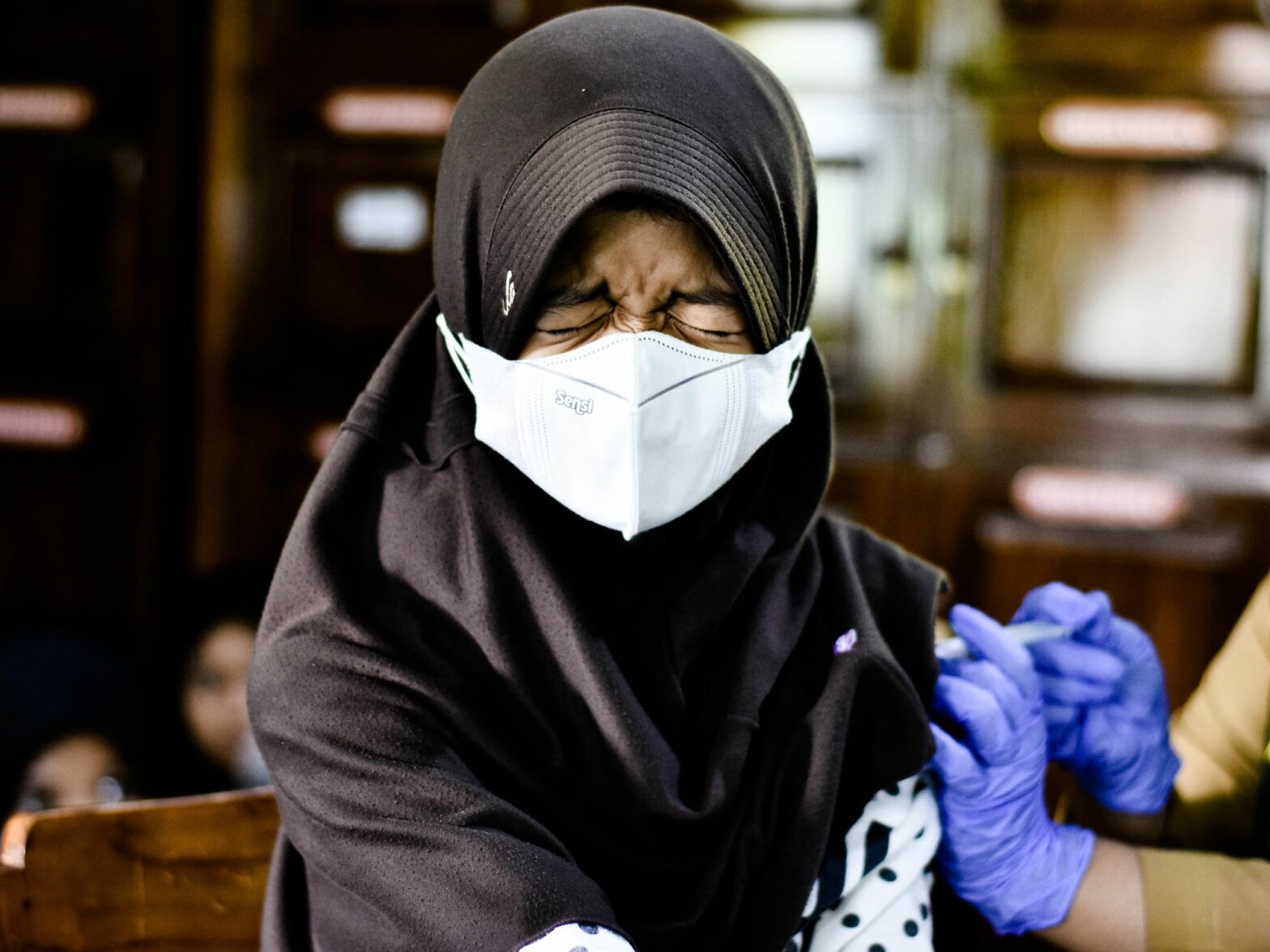
? Habari!* Welcome to Tuesday, where tensions escalate as hundreds of migrants at the Poland-Belarus border, Austria reintroduces restrictions to curb a new COVID wave and an 83-year-old sets a new record on the Appalachian Trail. Meanwhile, Worldcrunch’s Hannah Steinkopf-Frank (a human) takes a look at rad robots around the world. [*Swahili] 7 THINGS […]