Applying Artificial intelligence to vocal cues is increasingly being used to detect a range of illnesses from COVID-19 to asthma and even depression. But such technology also comes with serious ethical concerns.

 Worldcrunch
Applying Artificial intelligence to vocal cues is increasingly being used to detect a range of illnesses from COVID-19 to asthma and even depression. But such technology also comes with serious ethical concerns.
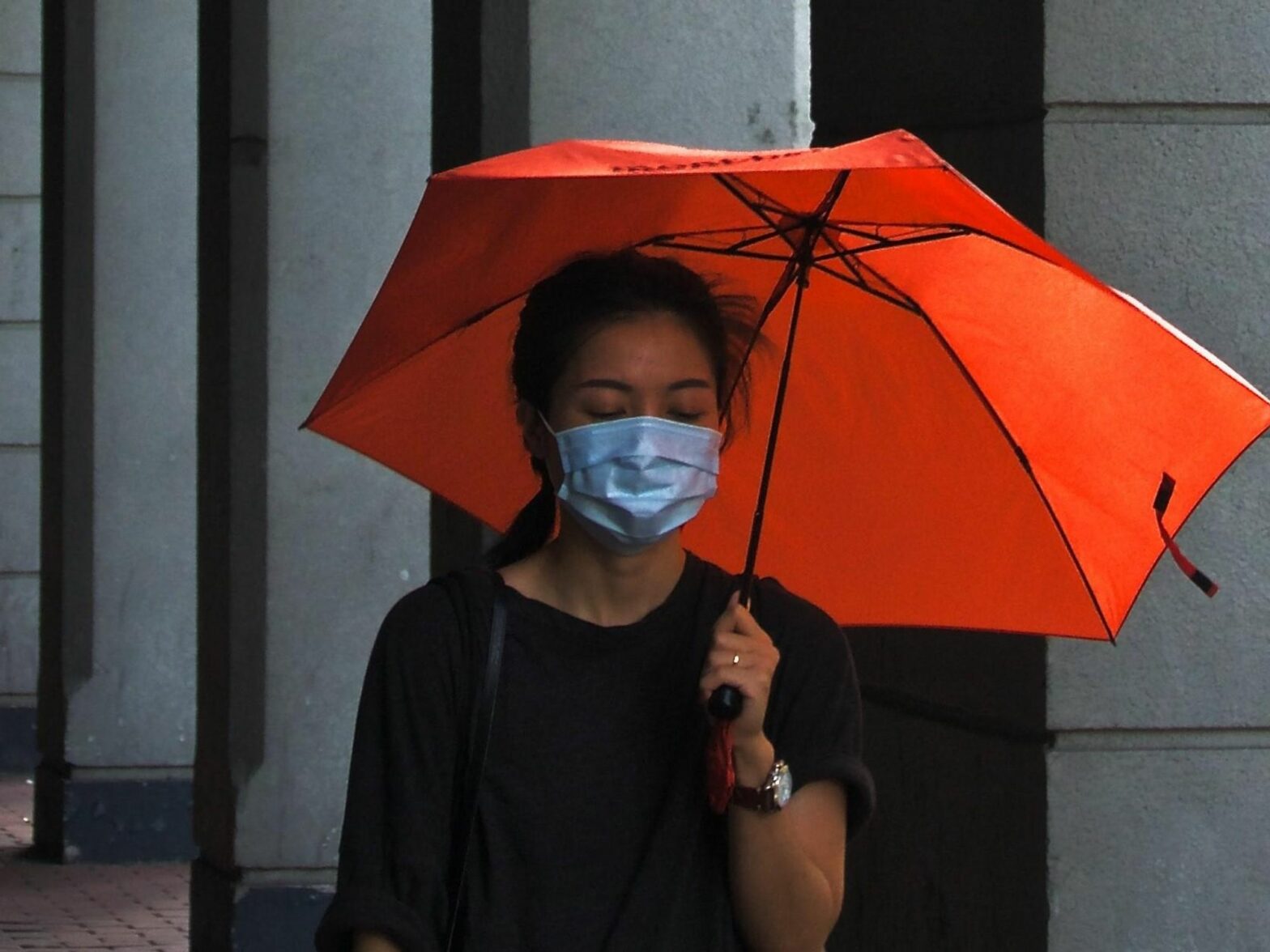
Both long and post-COVID are still misunderstood by the general public and the scientific community. This can cause even more suffering for those affected, who already fear their symptoms being dismissed as psychosomatic.
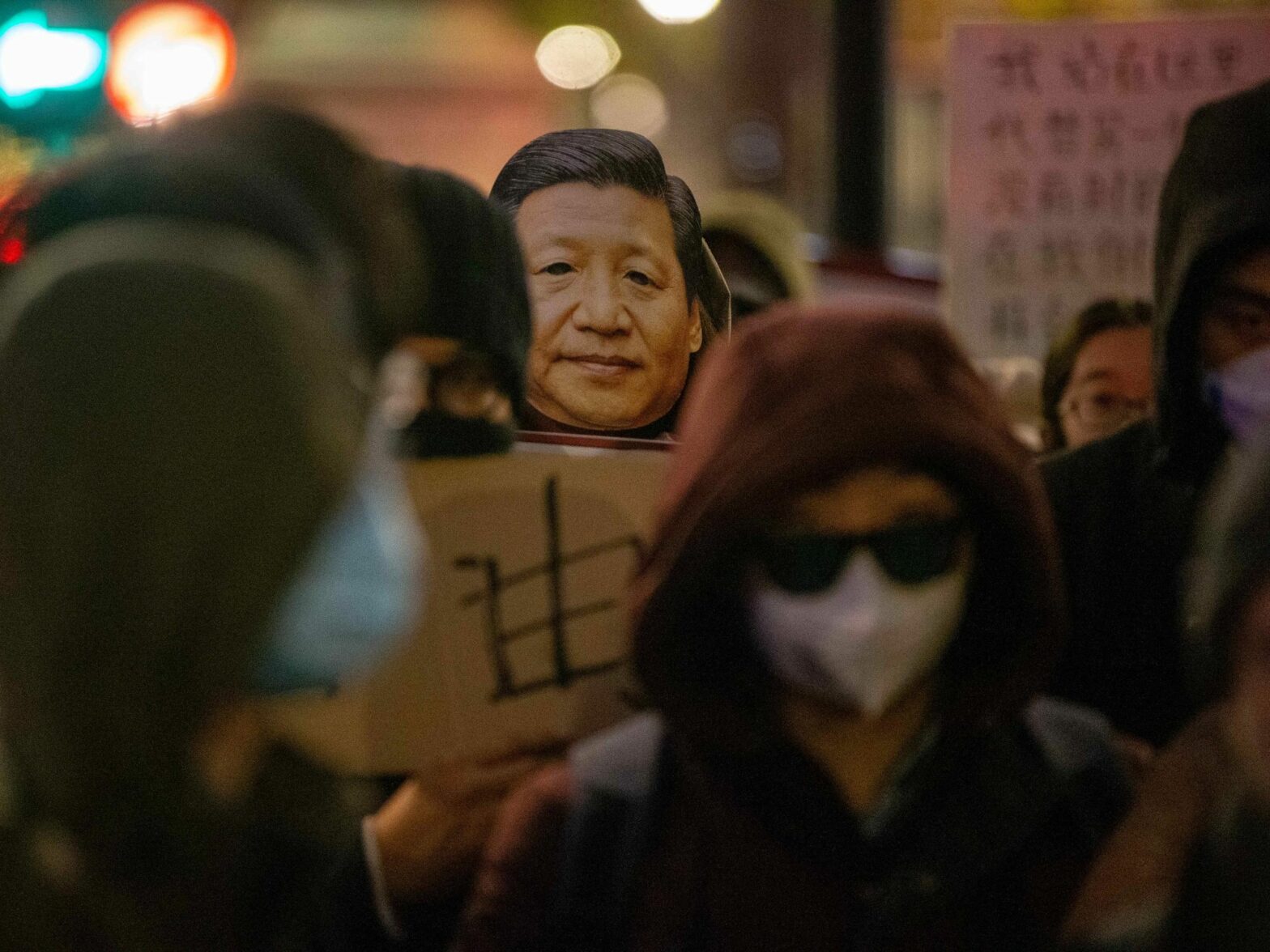
Like unpopular leaders in democracies, Chinese President Xi Jinping has decided recently to increase his trips abroad to project an image of power and distract from the ills at home. But the debacle of the country’s strategy on the pandemic is not going away, and there may be real long-term consequences.
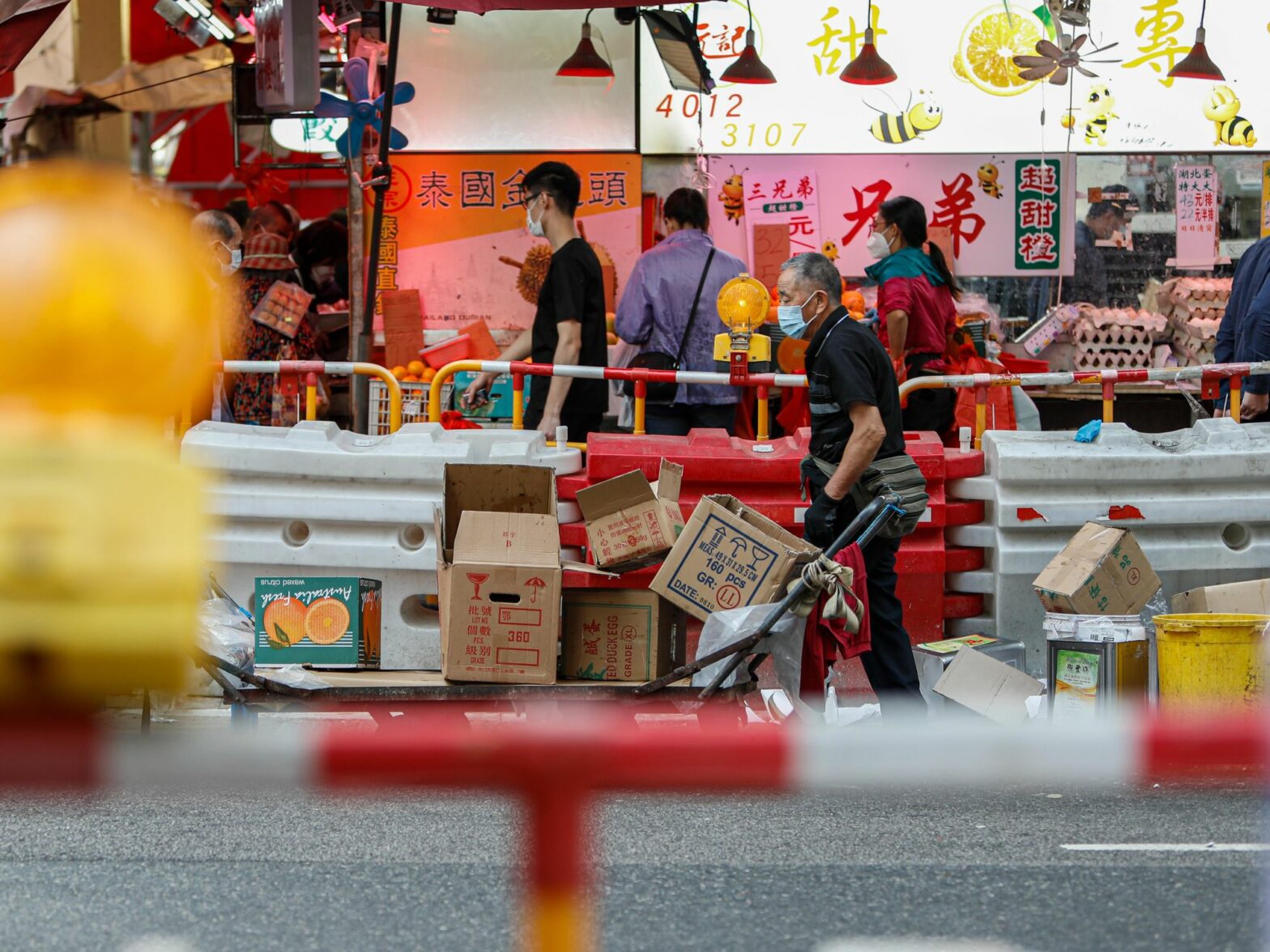
Protests that engulfed China quickly faded as the government made a U-turn on its strict Zero-COVID policies, even as police sweeps of demonstrators have left families where their vanished loved ones are. Still, the “Blank Paper Revolution”‘s cry for democracy may have quietly left its mark.
The world of work is at a crossroads. A new French study published last week shows that in the span of four years, jobs offering remote work have increased tenfold since 2017, as the world grapples with the long-term impact of COVID-19. The profound questioning of the necessity to “go to the office” that the […]
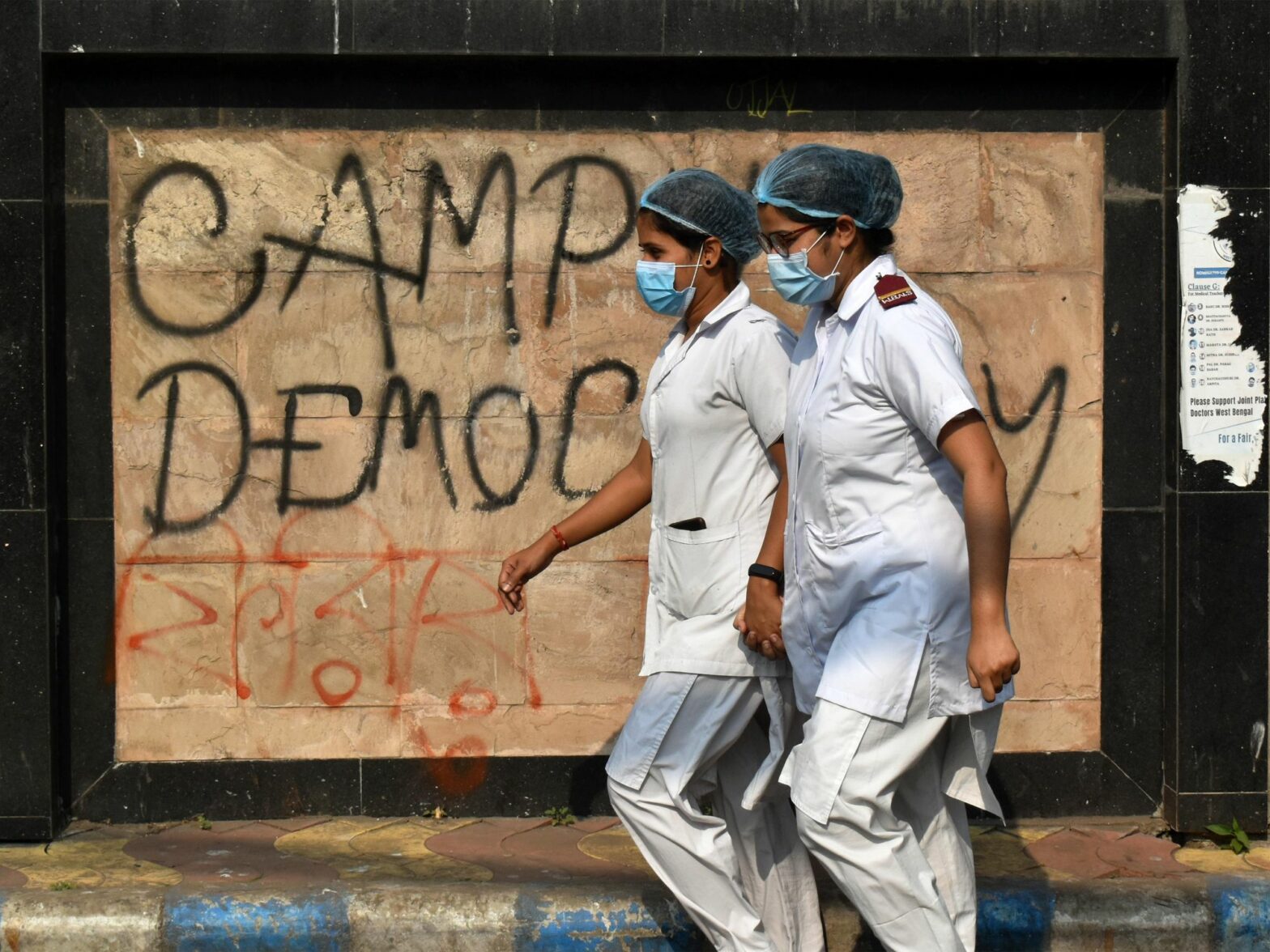
The public sector has seen a revival in response to COVID-19. This can be a good thing, but must be checked carefully because history tells us of the risks of too much control in the government’s hands.
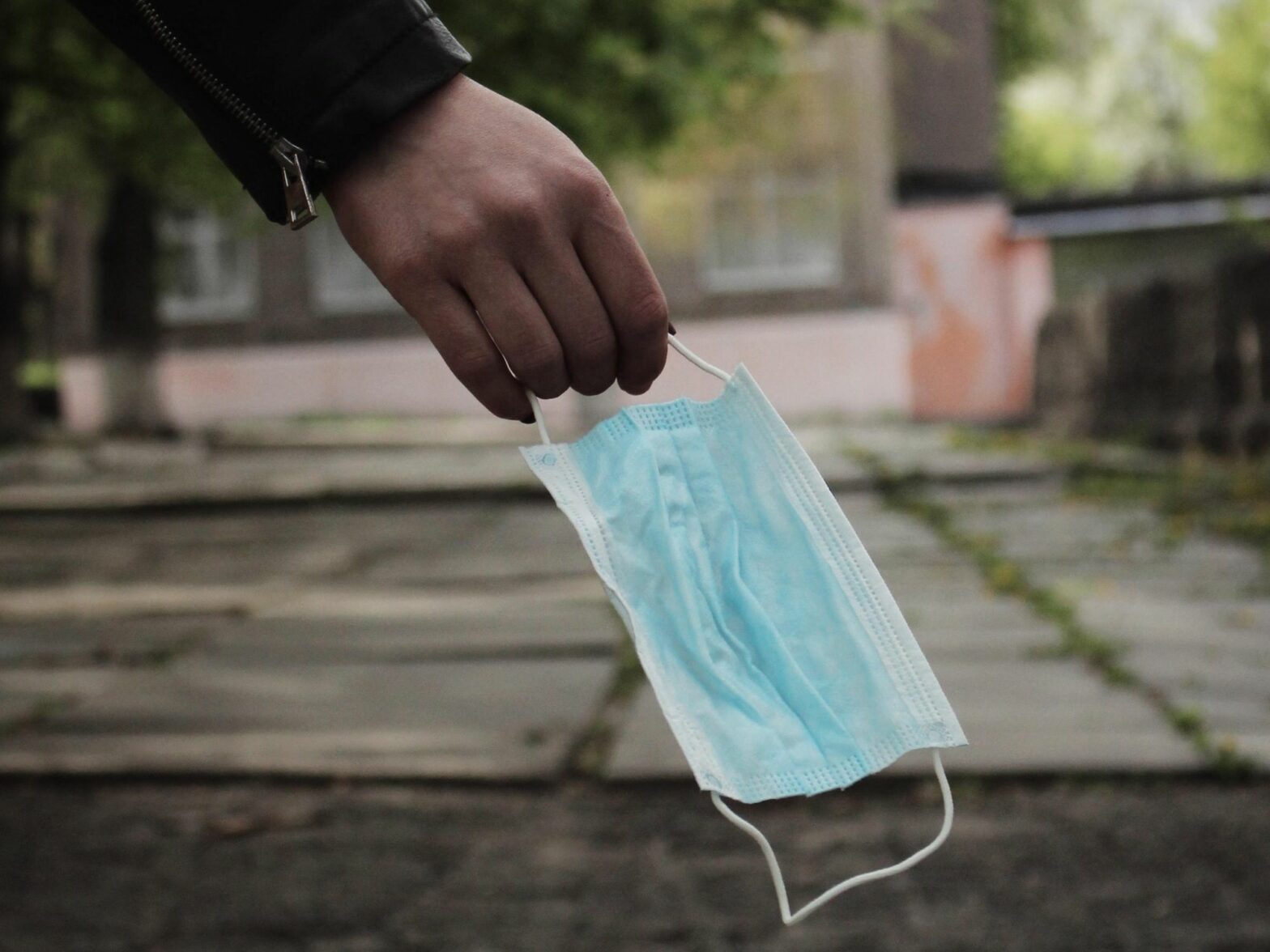
Even if COVID cases are rising again, the author isn’t ready to mask up again. But she’s also not quite ready to say goodbye forever…
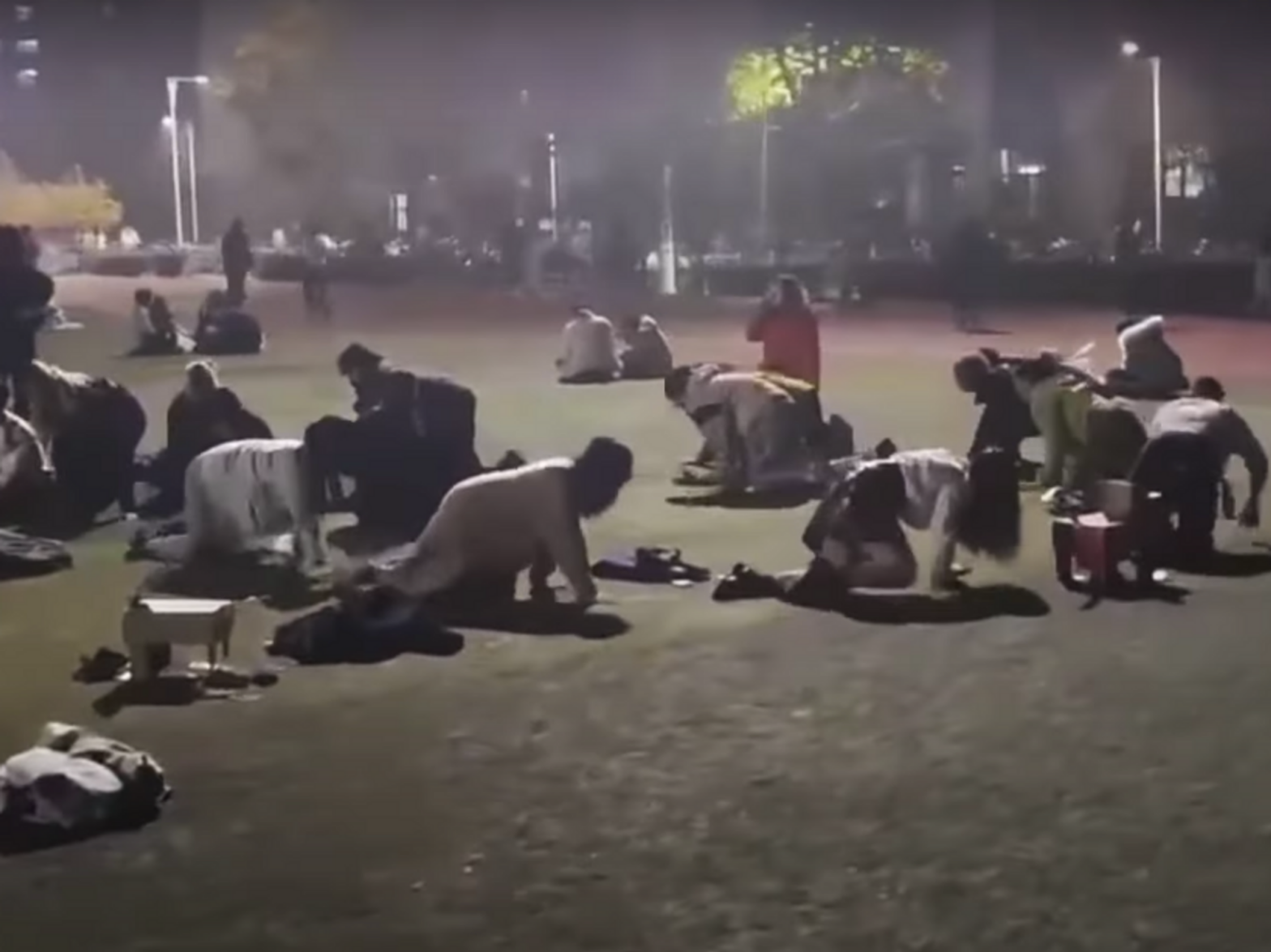
While street demonstrations have spread in China to protest the strict Zero-COVID regulations, some Chinese university students have taken up public acts of crawling to show what extended harsh lockdowns are doing to their mental state.
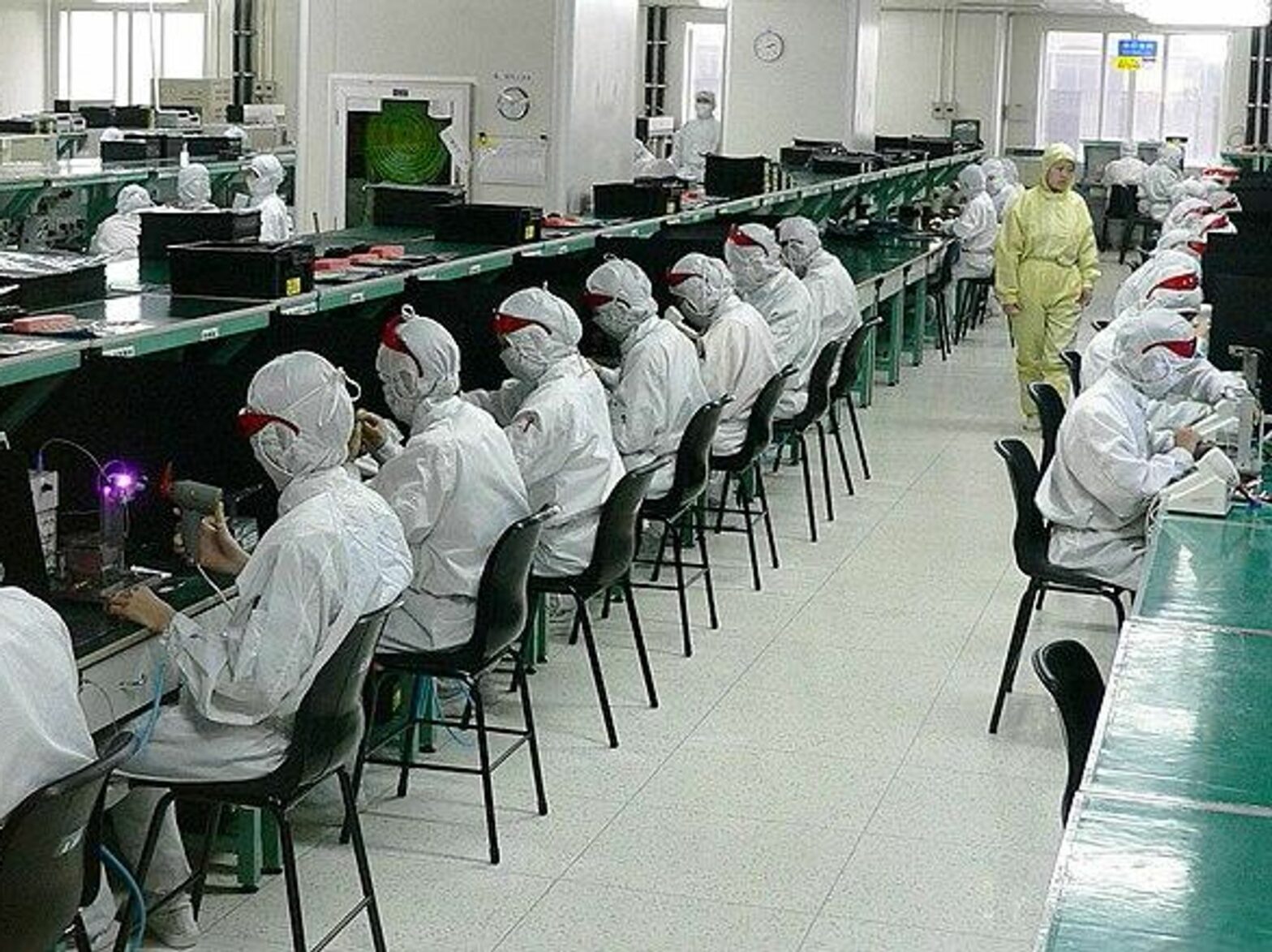
Around China, Zero COVID policy has shut down entire towns and workplaces. But in the high-tech Foxconn factory in Zhengzhou, famous for cranking out iPhones, employees were forced to work even if they tested positive. Exclusive testimony from some of those who fled Foxconn premises last week.
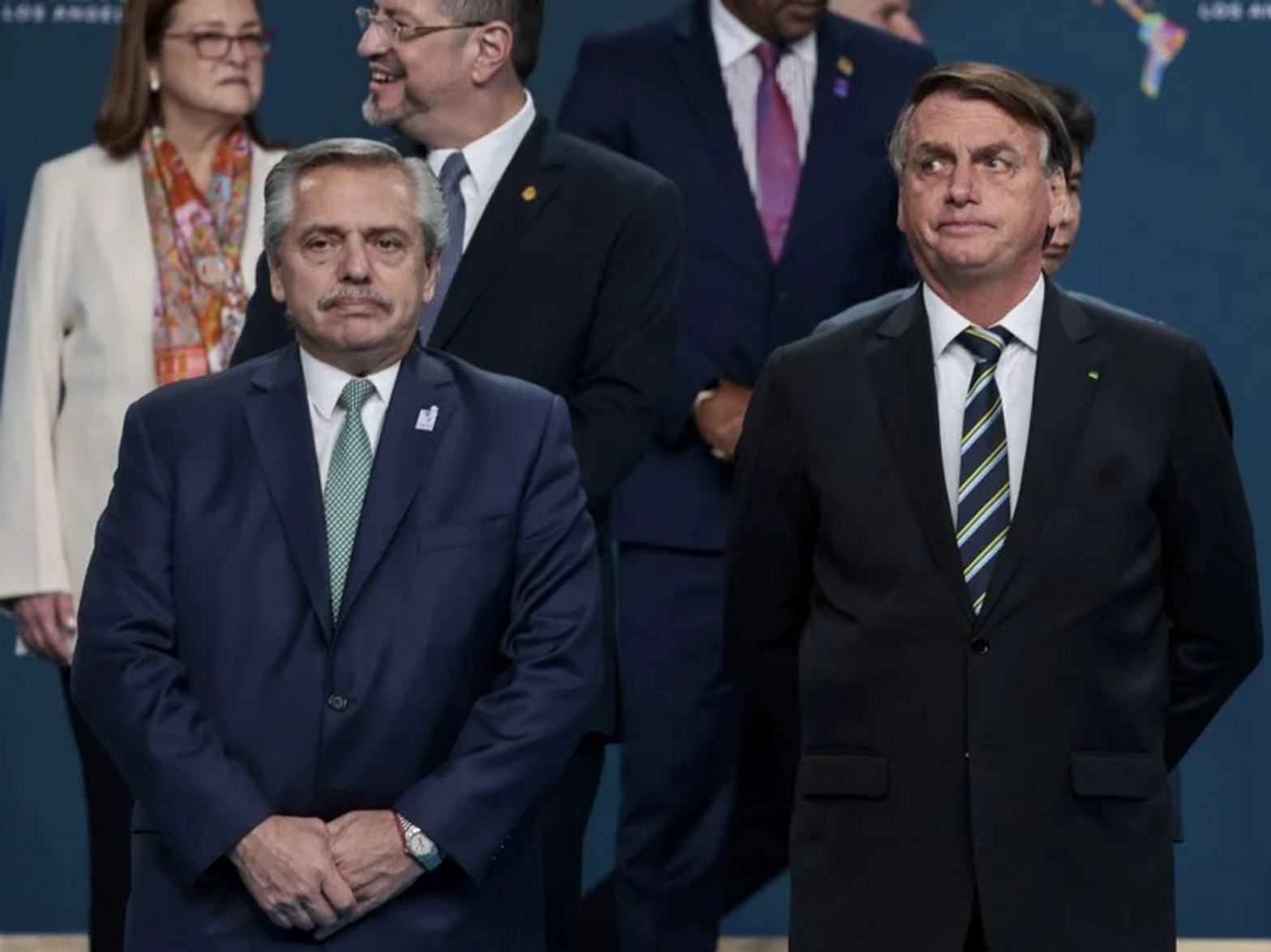
Amid rising global tensions, Brazil and Argentina must form a strategic economic alliance that will help them interact with the world’s chief powers.
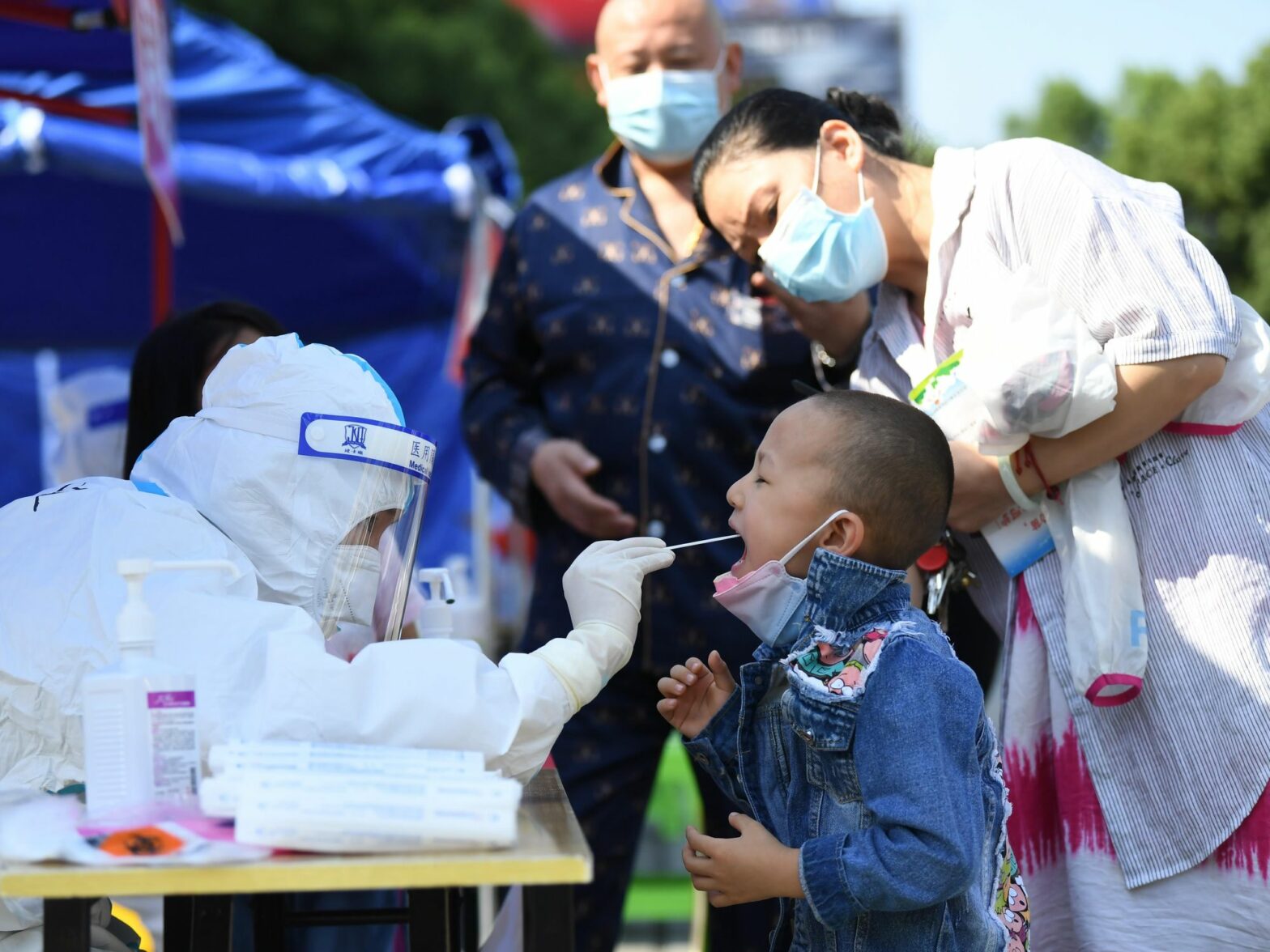
Too much has been put in to the state-sponsored truth that minimal spread of the virus is the at-all-cost objective. Xi Jinping may eventually have no choice but to renounce the harsh measures, but at this week’s Communist Party Congress, the Chinese President was giving no ground.

The U.S. will stop funding vaccines but says it wants equitable access. That’s not possible in a predatory system.

Feminists have generated a set of tools to make science less biased and more robust. Why don’t more scientists use it?

Society sees friendships as far less important than love and life partnerships. But psychologists warn that the end of a close friendship can leave the “grieving” side in need of therapy.
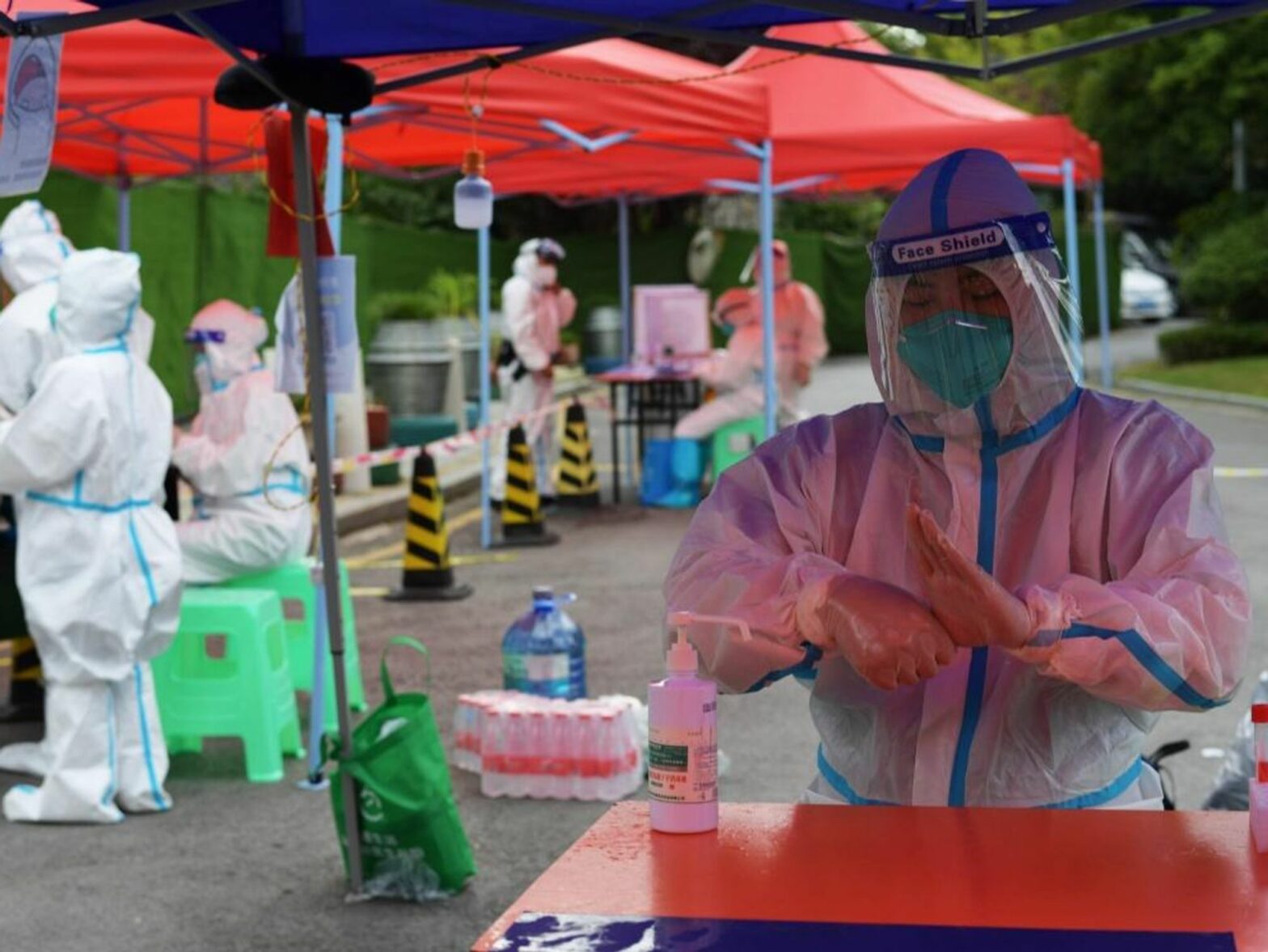
The city in southern China was put under harsh lockdown earlier this month after just a few positive COVID tests. Then a bus carrying quarantined residents crashed, killing 27. The senseless accident left residents more fearful and suspicious of each other than ever.
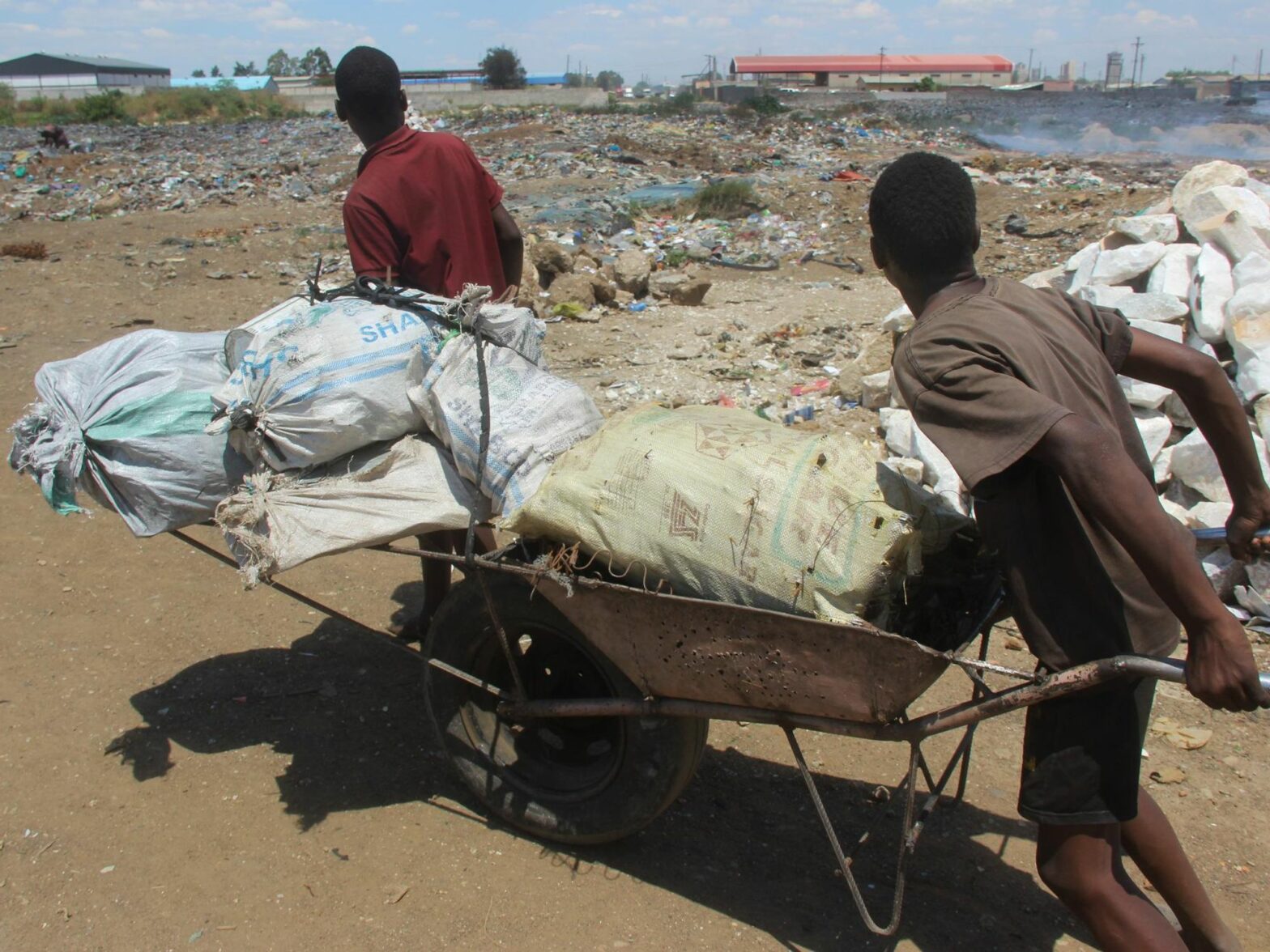
The pandemic has scuttled Zambia’s efforts to combat child labor and keep kids in school. The result is a generational cycle of poverty.
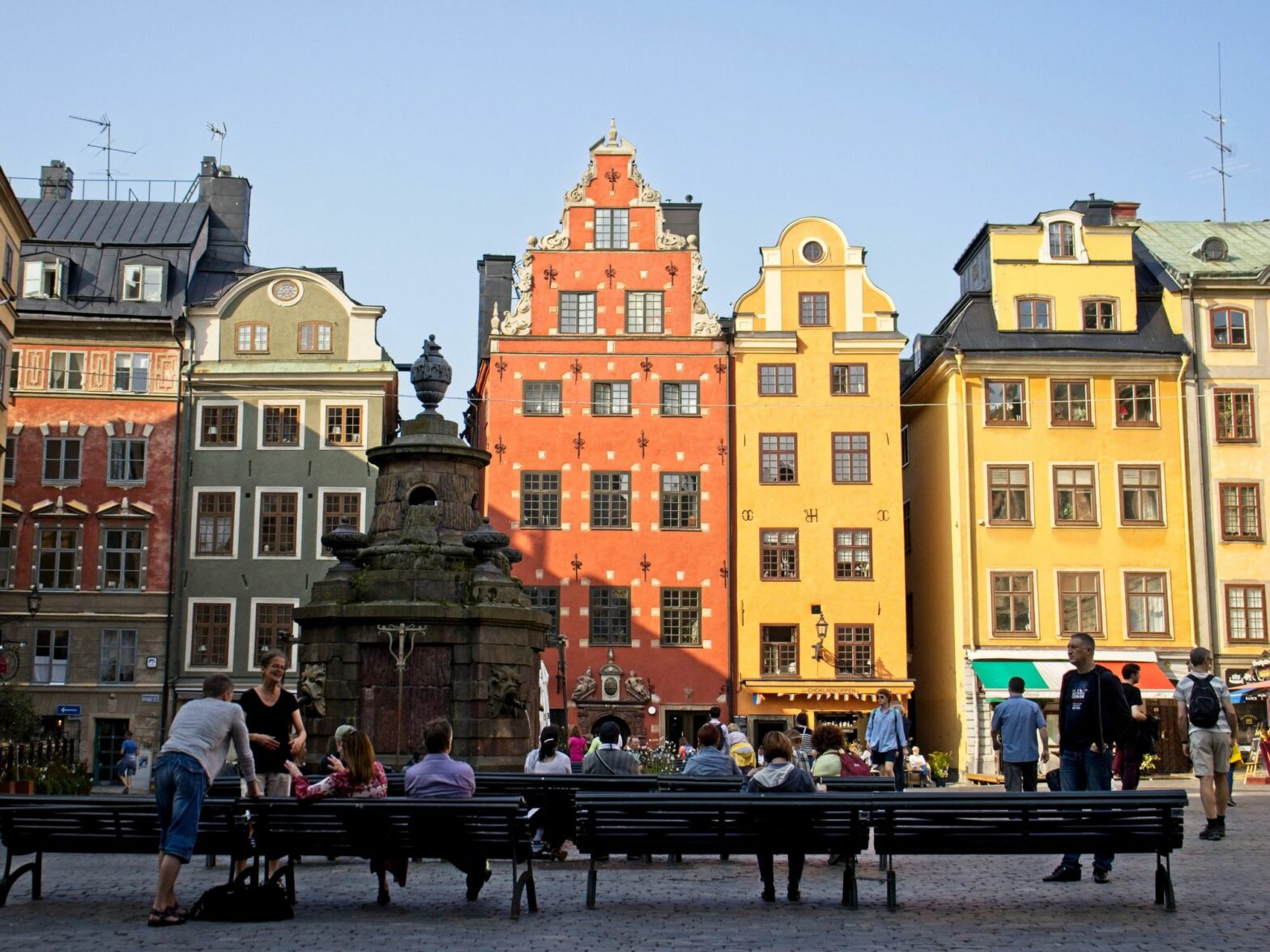
During the pandemic, the world watched as Sweden carried out a unique approach to combat the COVID-19 virus, relying on social distancing instead of lockdowns. Although labeled a “disaster” at the time, the strategy worked well for all — except one key group.
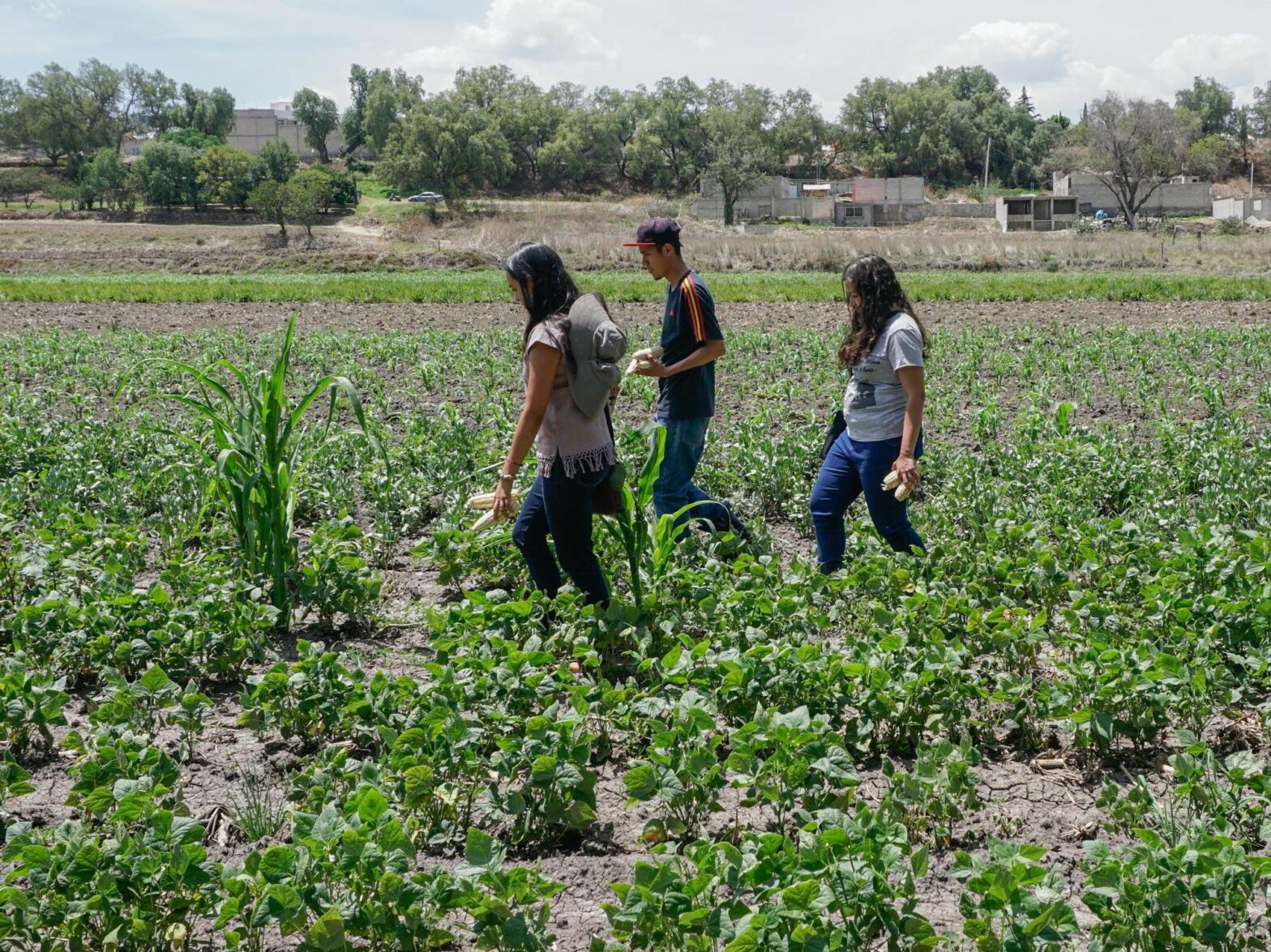
When the pandemic disrupted livelihoods and supply chains, young urban Mexicans decided to learn to grow food themselves.

Severe weather and a lack of upkeep during pandemic shutdowns wreaked havoc on school facilities. Officials and parents are scrambling to rebuild.

Frenzy has replaced frustration, and some have dubbed it “revenge travel.” But far away or nearby, people want to move, move, move…to travel! Beyond the ridiculous moniker, “revenge travel,” this never-before-seen rush may bring on lasting changes for tourism.
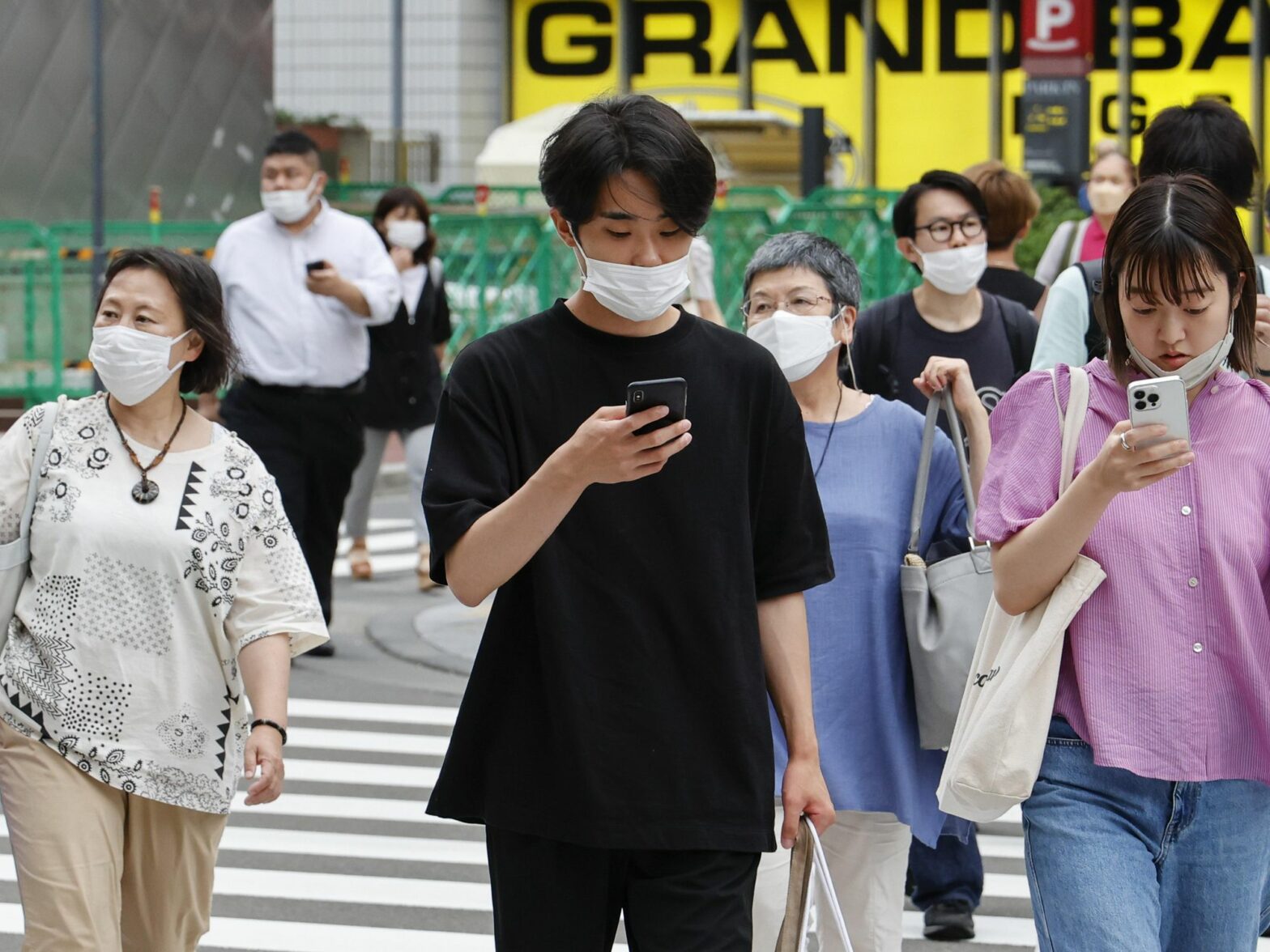
Too many people no longer follow basic protocol: mask wearing, physical distancing and avoiding crowded events. The consequences are an increase in both daily case numbers and long COVID.
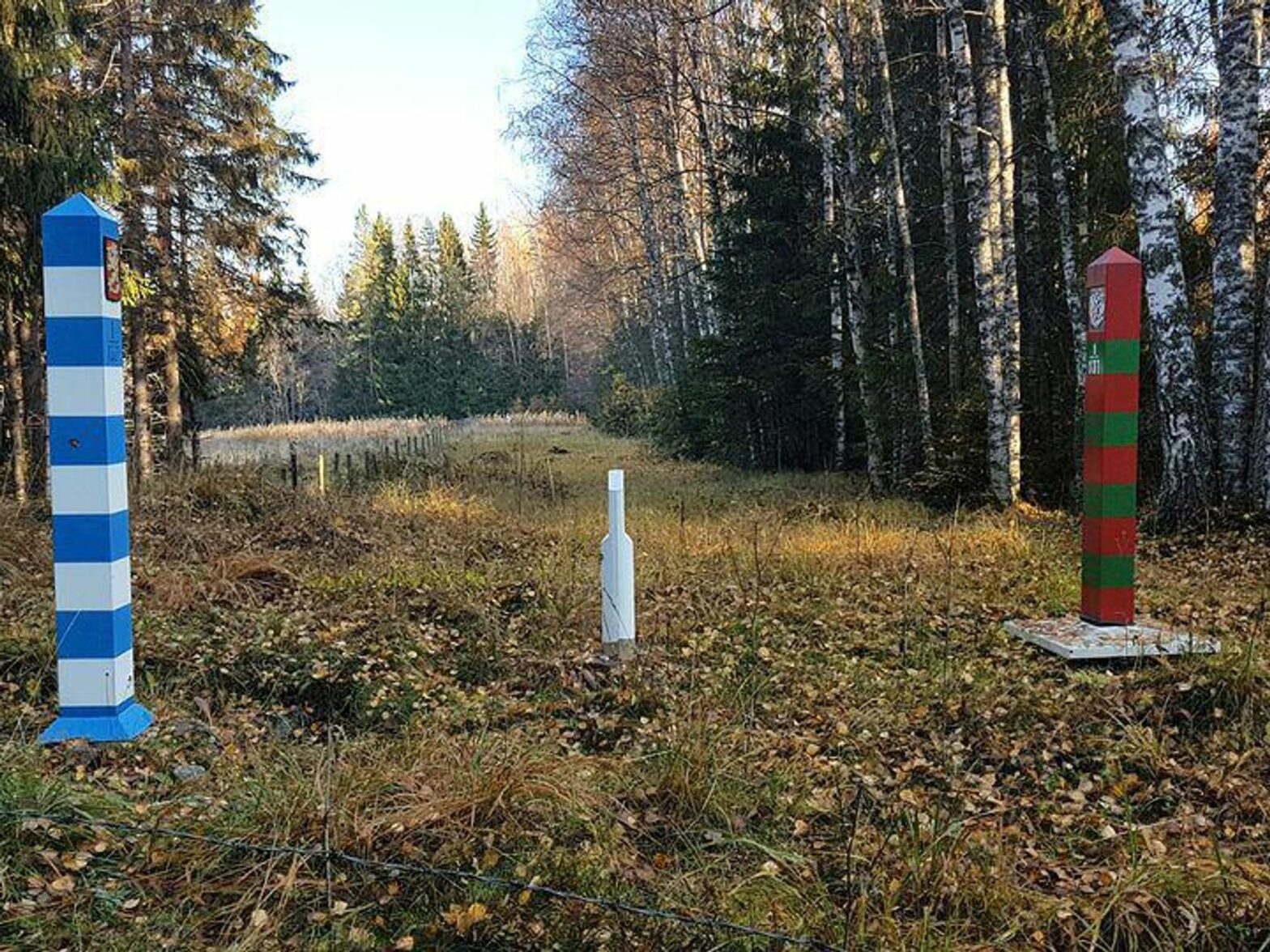
Finland has recently joined Sweden in seeking NATO membership in response to Russia’s war in Ukraine. Now Finnish politicians say they also support blocking Russian tourists from coming across the 1,340-km-long border the two countries share. It would be a bold move.
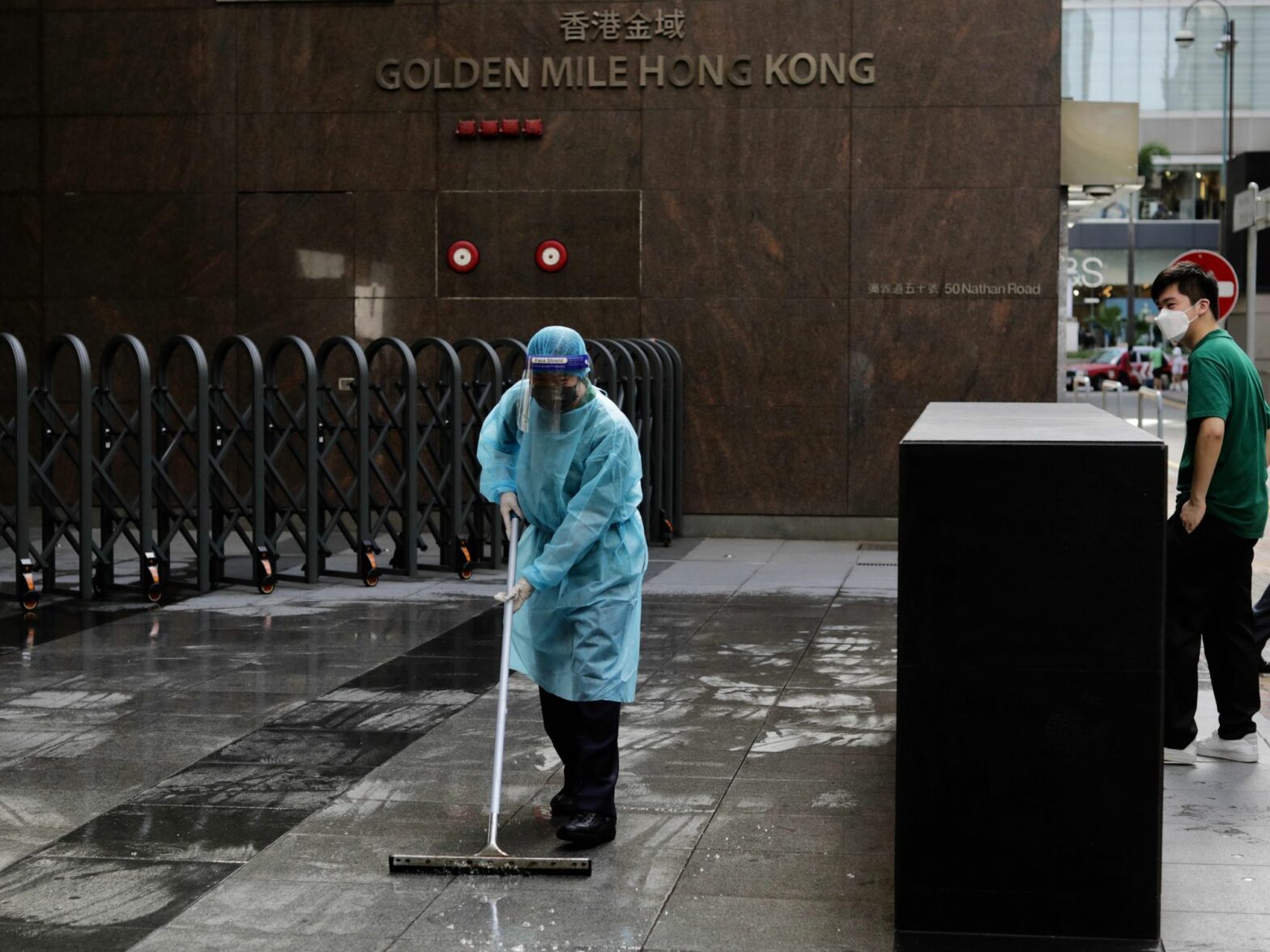
As China holds firm in its zero-COVID approach, discrimination against those who have tested positive is rampant. Some even find themselves homeless and jobless. Now, the government is trying to tackle the stigma, but it won’t be easy.

Traditional medicines, once banned, have regained favor. Government and health officials are endorsing them alongside COVID-19 vaccinations.
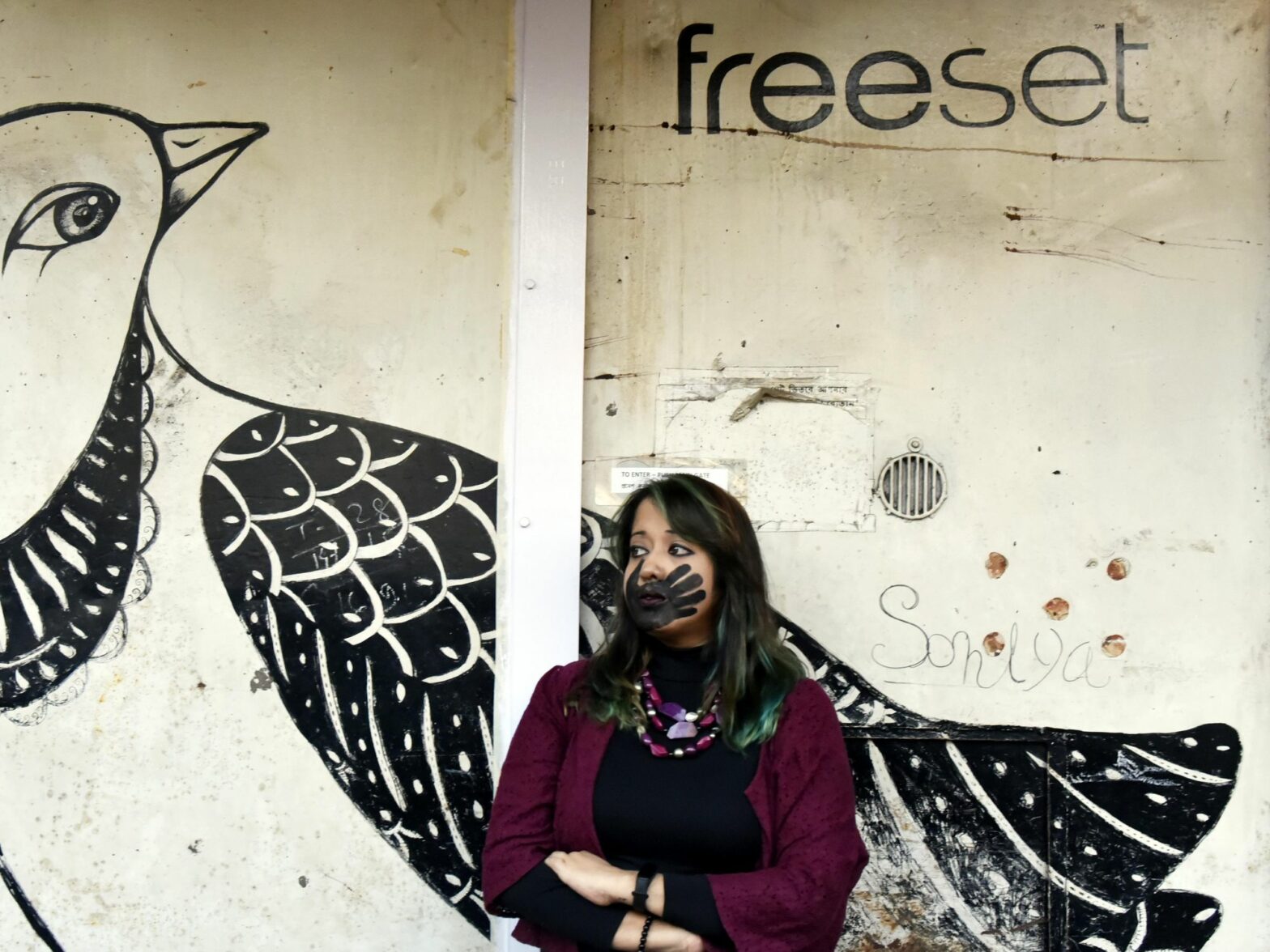
The confinement experience could turn brutal for those forced to live with relatives who would not tolerate a member of the family living their sexual orientation openly as a young adult. Here are stories from urban and rural India.

Ciro was waiting for me at the hospital entrance. He had been told the psychiatrist was coming. “Dottoré, please let me come up with you, I need to see him and tell him I love him.” Two days earlier, he had found his father lying in a pool of blood. He did not understand why […]
Trying to put the “health” in “mental health” …
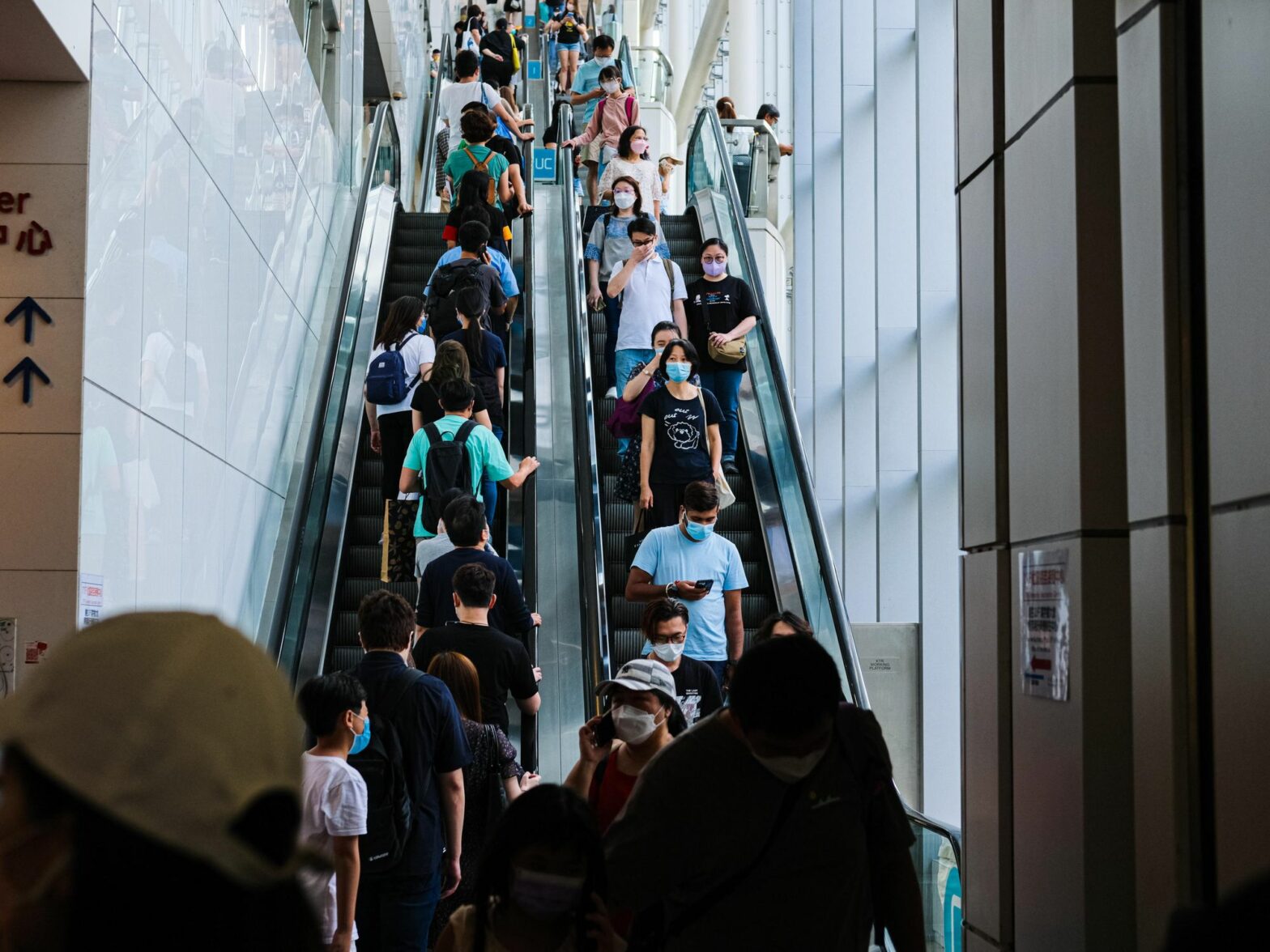
Enduring COVID restrictions are the final straw for many expats in Hong Kong. They’re leaving by the thousands, threatening the city’s reputation as a financial hub.
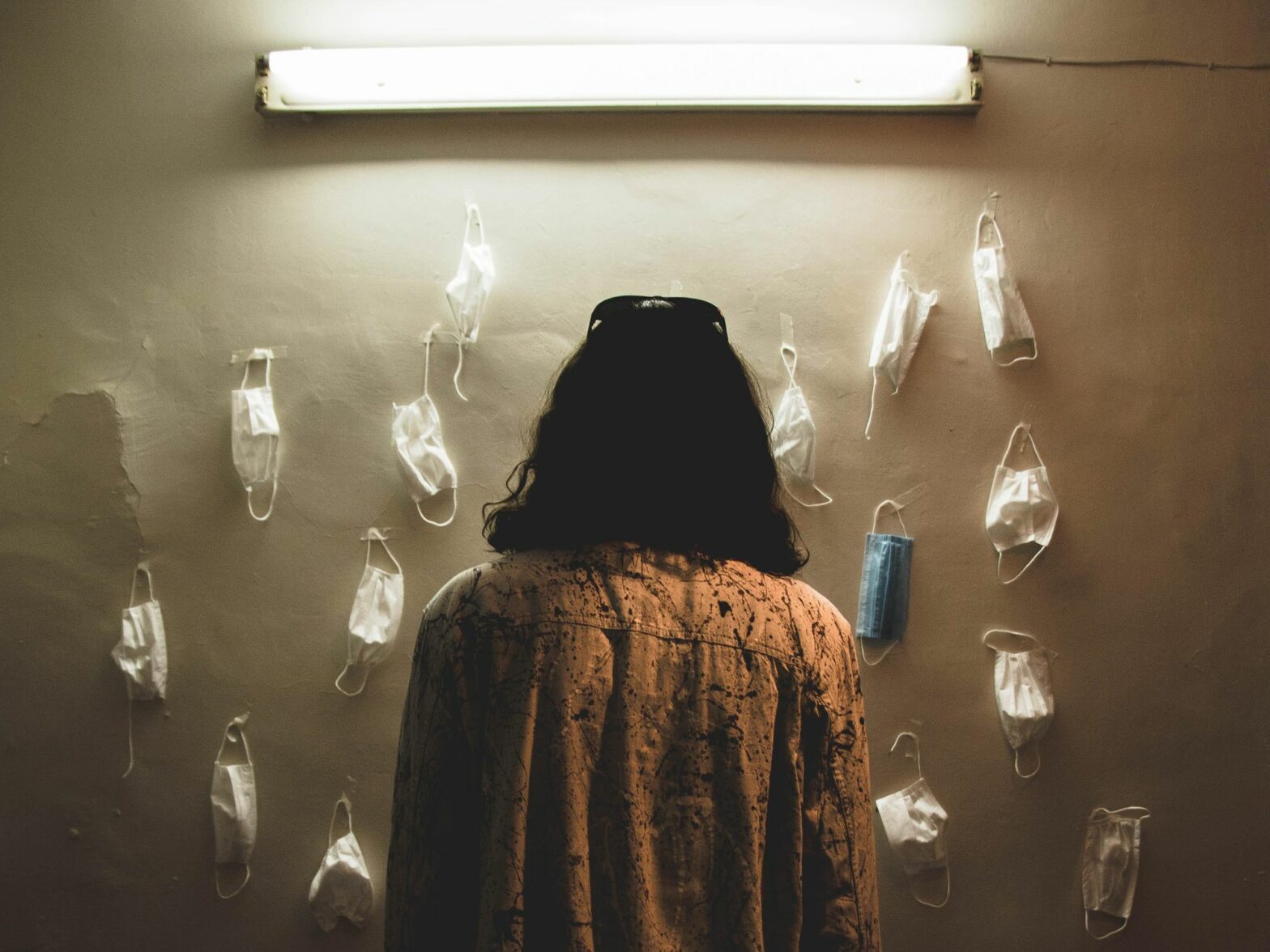
Death rates are down, masks are off, but many who have been infected by COVID have still not recovered. Long COVID continues to be hard to diagnose and treatments are still in the developmental stage.
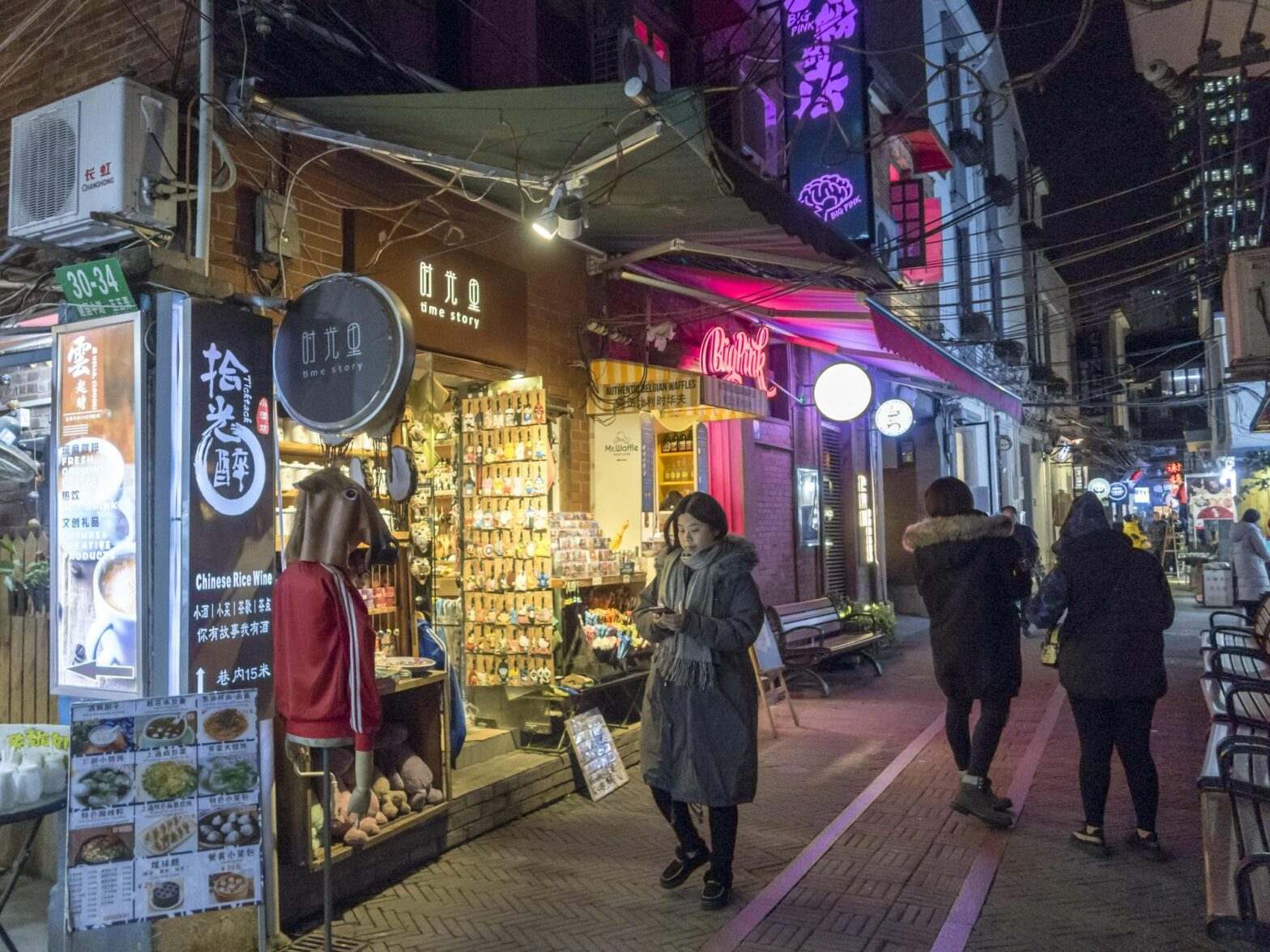
Not only strict rules of freedom of movement as part of Zero-COVID policy but also an increase in censorship has raised many questions for the expat population in the megacity of 26 million that had long enjoyed a kind of special status in China as a place of freedom and openness. A recent survey of foreigners in the Chinese megacity found that 48% of respondents said they would leave Shanghai within the next year.
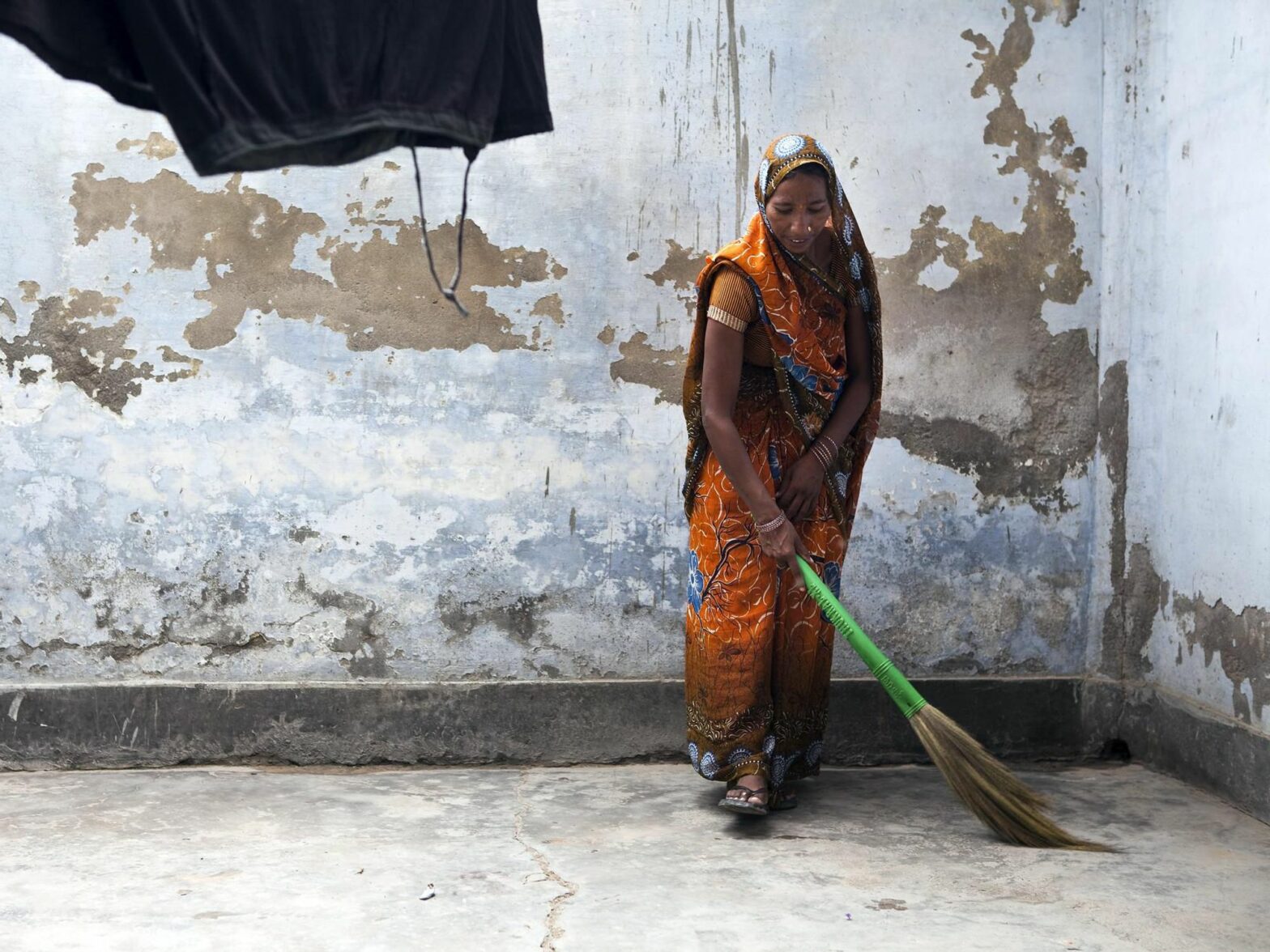
Lower-caste cleaners must wear GPS-enabled smartwatches, raising questions about their privacy and data protection.
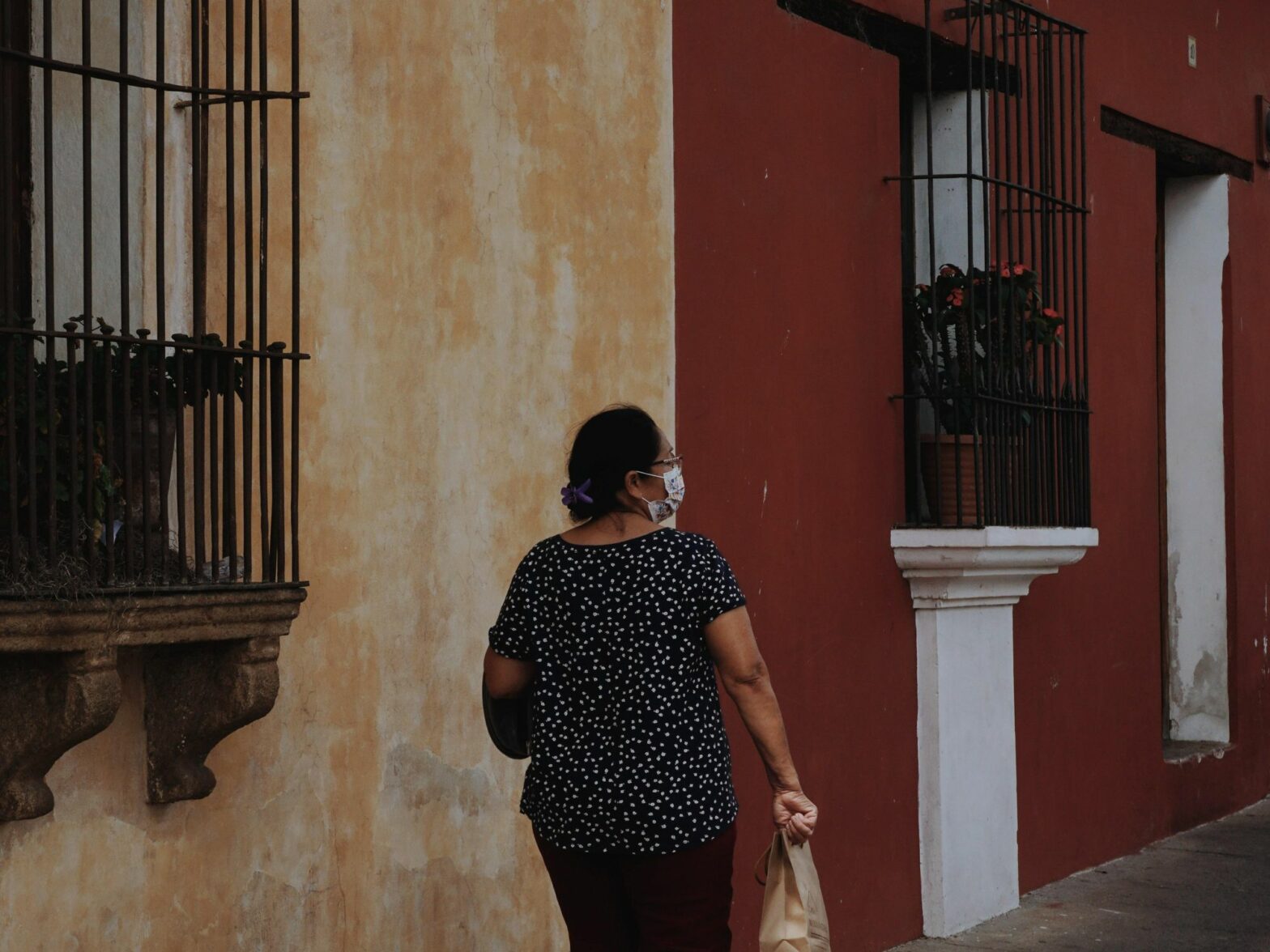
Vaccination rates in Guatemala are among the lowest in the Americas, and misinformation plays a key role. From their pulpits, some religious leaders spread messages against the use of masks and the efficacy of vaccines.
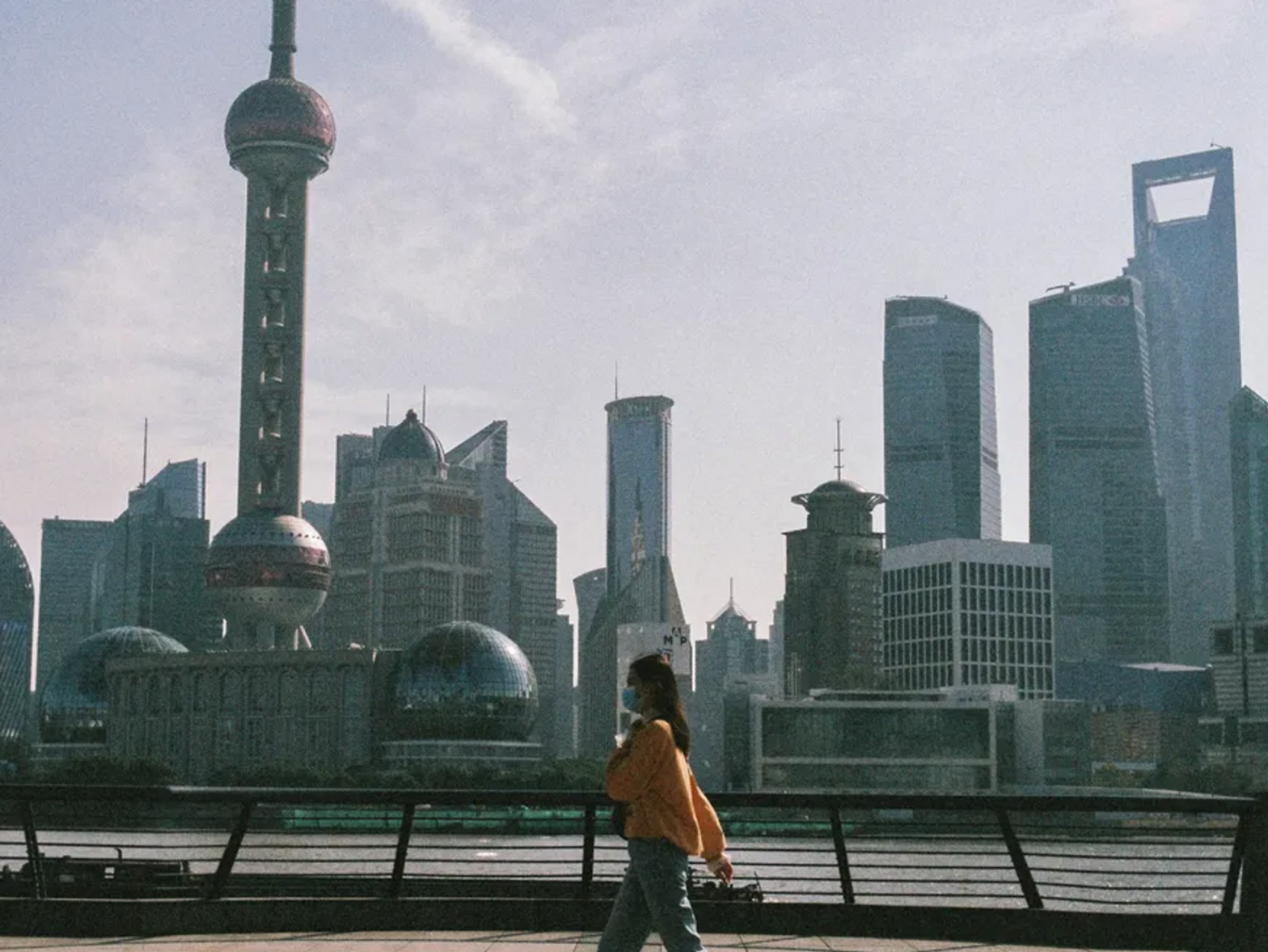
The port city is China’s most international and cosmopolitan, which helps explain the ongoing culture clash between its residents and Chinese authorities aiming to enforce a strict Zero-Covid policy of restrictions on movement and freedom.
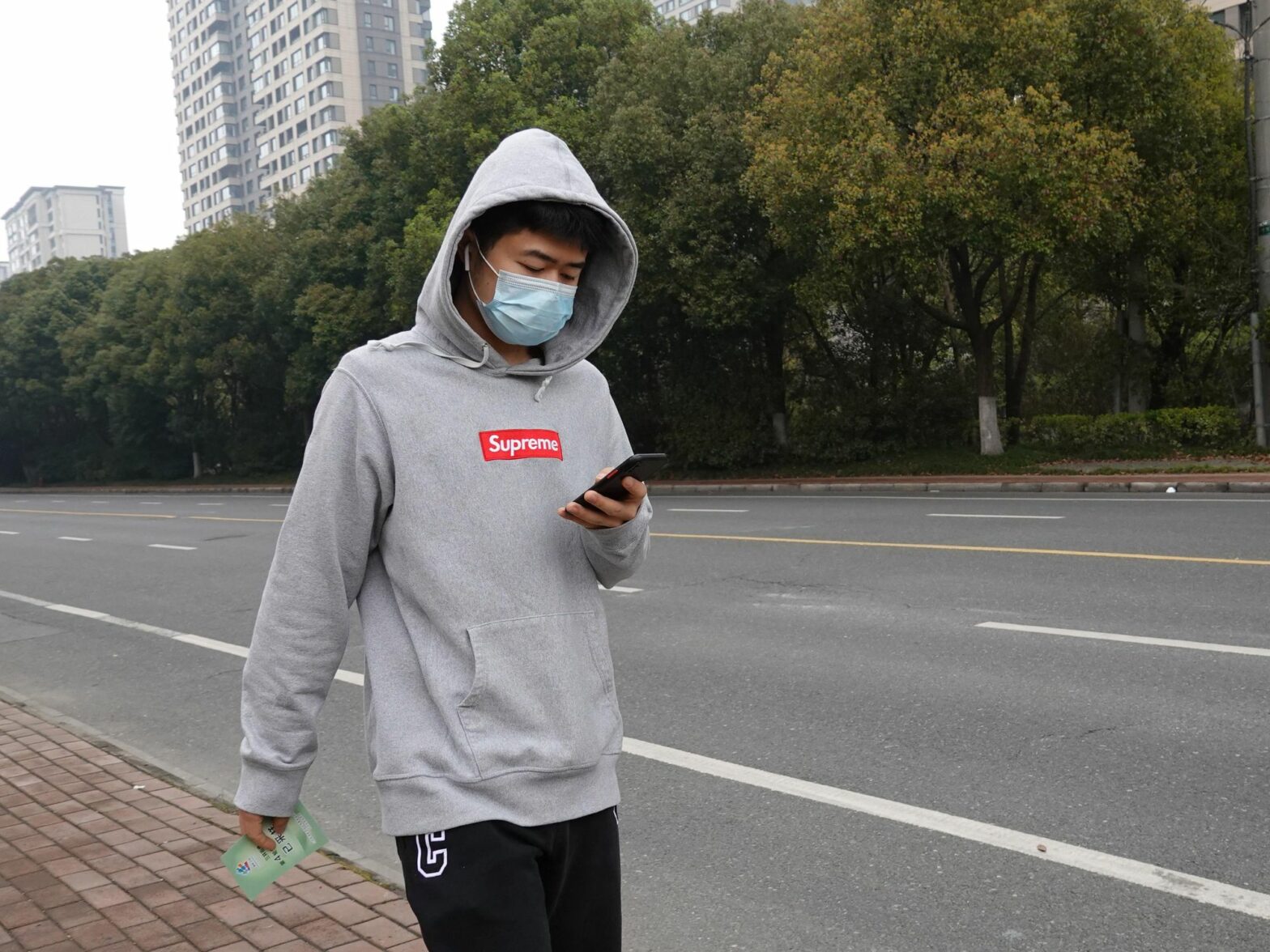
On social media and at universities, with sarcastic videos and graffiti, young people are showing they are sick and tired of Zero COVID policies. People are still waiting to see how the Xi Jinping regime might react.
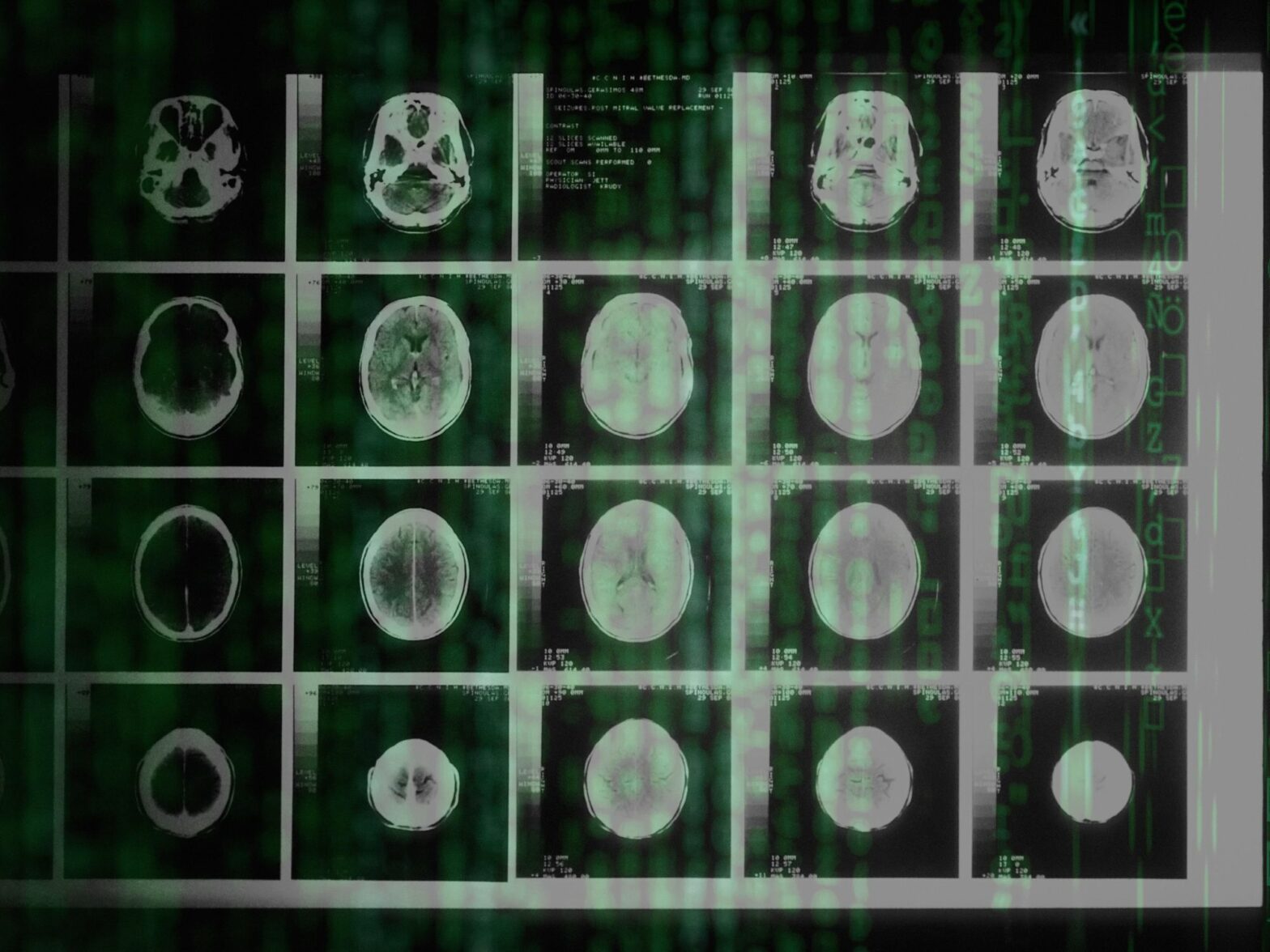
From testing for COVID through WhatsApp to taking selfies to check heart risks, AI programs are being used in Argentina to complement early-stage diagnoses. The technologies are in their early stages but are able to detect what the human eye might miss.
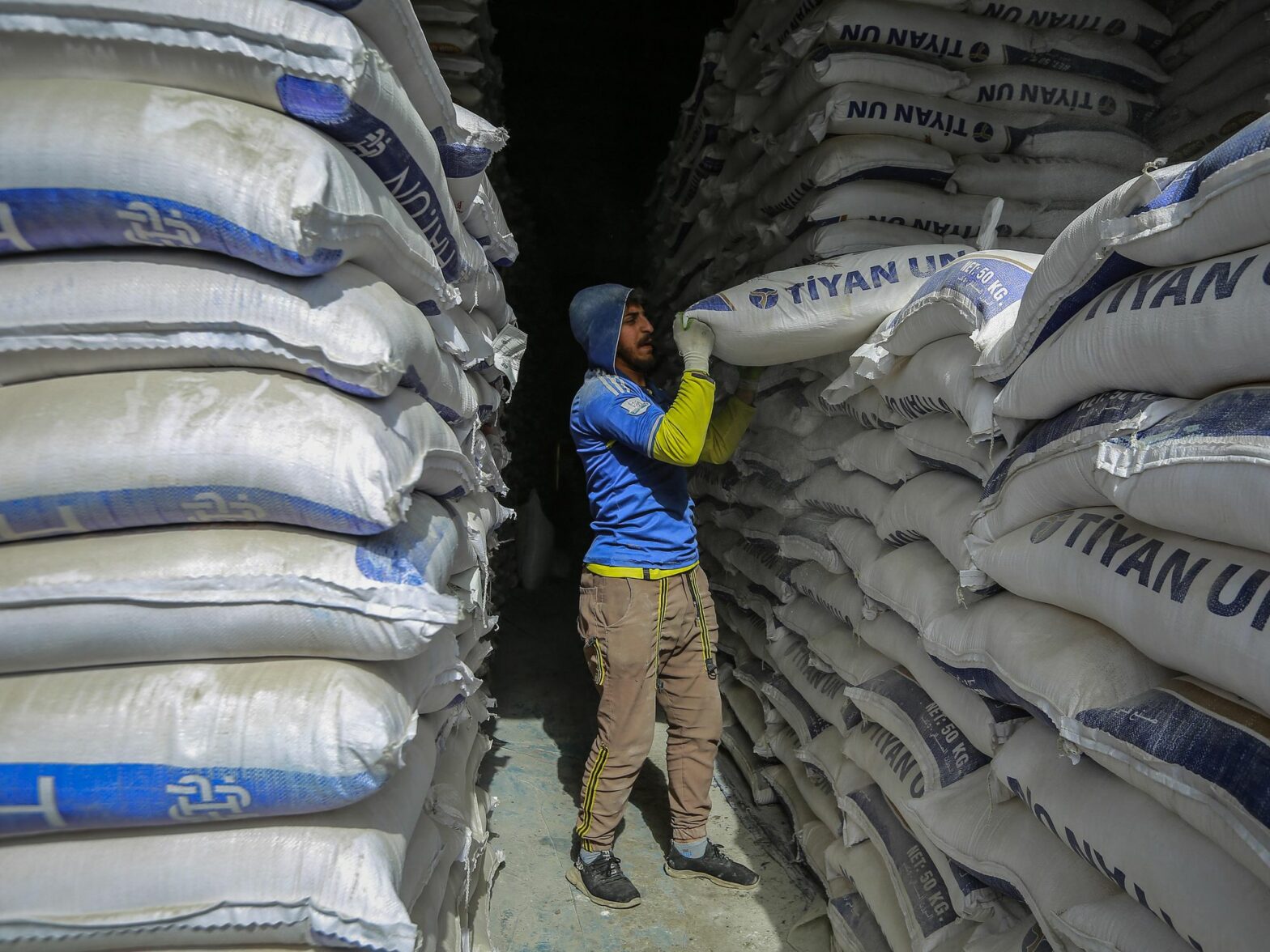
First, the COVID-19 crisis, and now the need to respond to Russia’s invasion of Ukraine, are forcing countries to confront the risks of global interdependence. In its place comes a rush to establish national autonomy for crucial resources, from masks to oil and gas. But at what price?
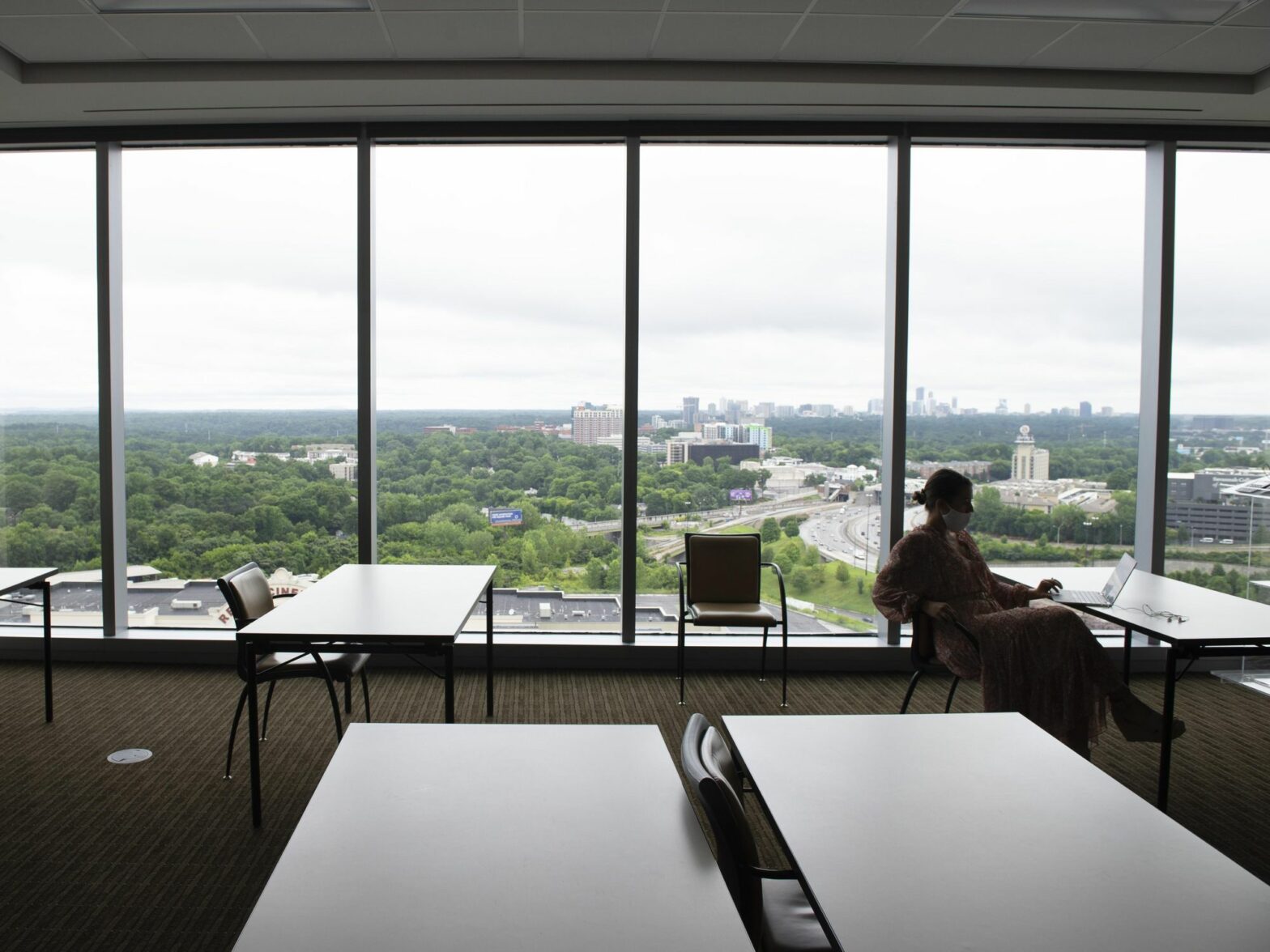
Most workers want to keep the flexibility they had during the pandemic. And they no longer have any qualms about changing jobs if this isn’t possible.

Debates around COVID-19 are now fueled by conspiracy theories, fake news and scapegoats. But as the story of Quebec in the 19th century makes clear, pandemics have always been linked to outbreaks of mass skepticism and witch hunts.
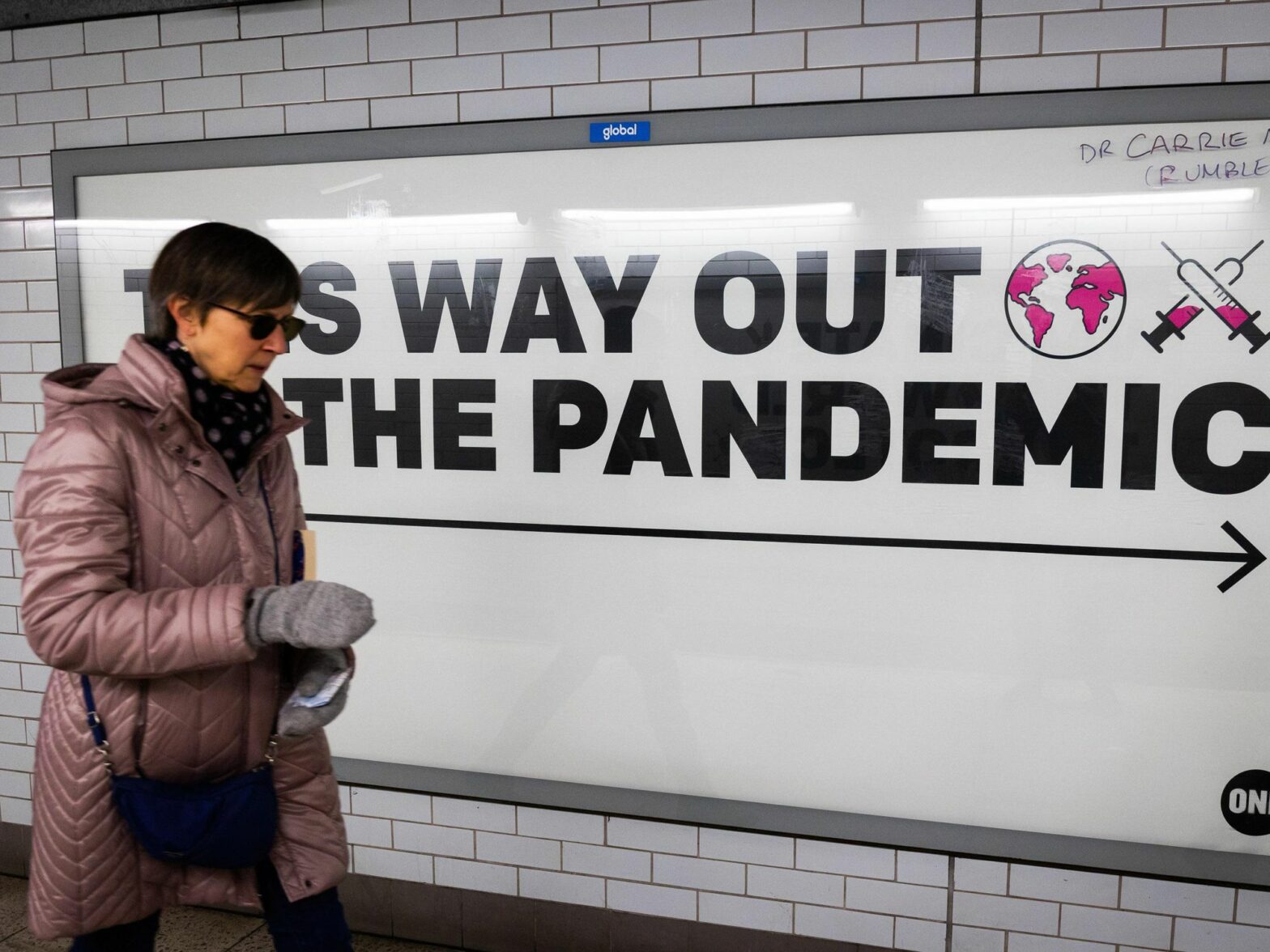
Yes, COVID fatigue is real, as are the deep impact of restrictive measures on everything from the economy to mental health to education. But we should remain vigil in making sure we minimize the worst health effects of a still aggressive and deadly virus.

With both fans and diplomatic dignitaries missing, it’s an Olympics that recalls politically combustible Games of the past. COVID-19, like it did for the Summer Games in Tokyo, will also help haunt the premises. The good news is that the athletes will most likely take over our attention as soon as they hit the ice and snow.