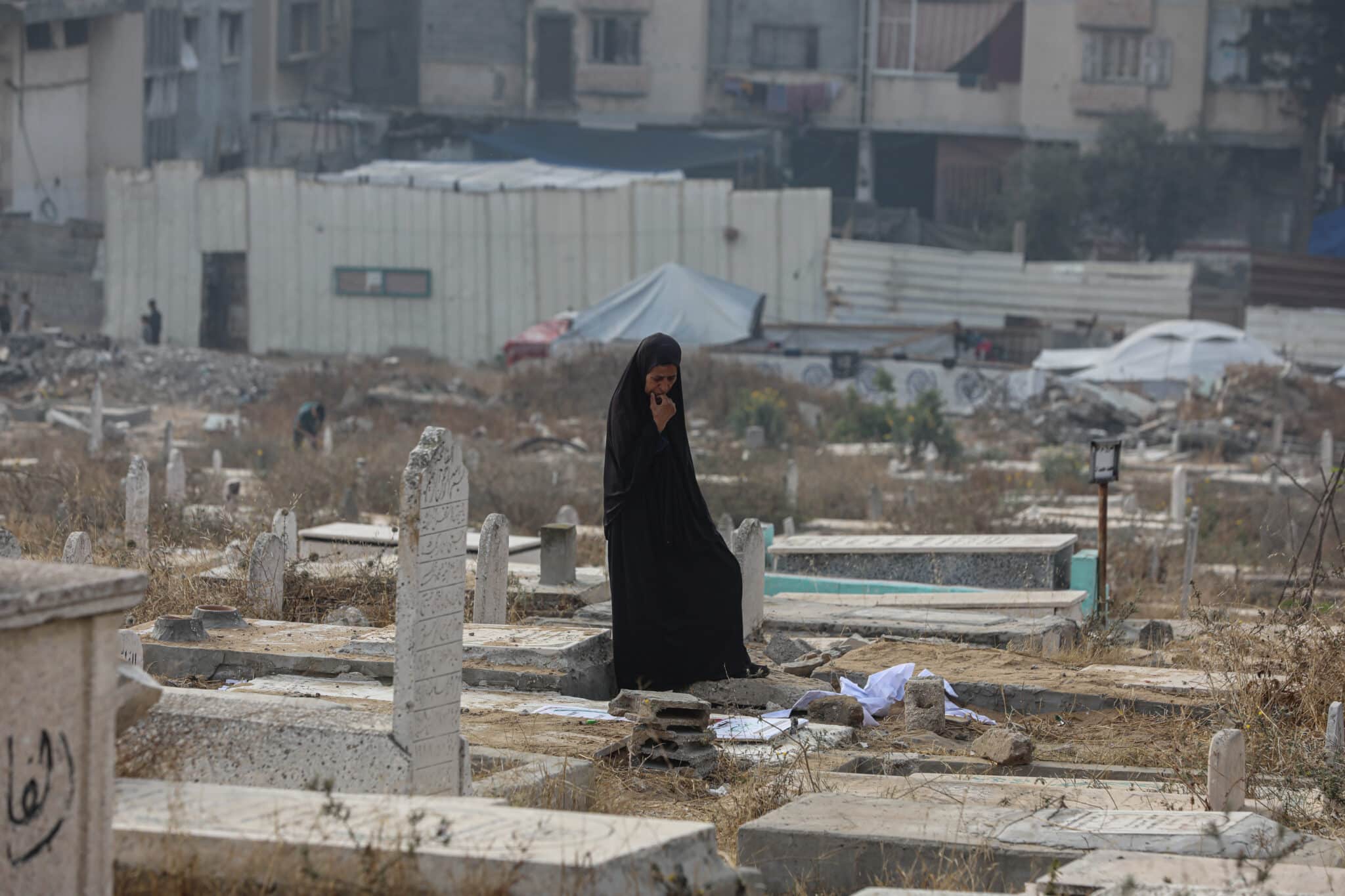
Neither Israel nor Hamas has any interest in declaring victory or defeat. Yet, as a moral obligation, Hamas must preempt the Israeli mission and agree to withdraw from Gaza.
 Worldcrunch
Neither Israel nor Hamas has any interest in declaring victory or defeat. Yet, as a moral obligation, Hamas must preempt the Israeli mission and agree to withdraw from Gaza.
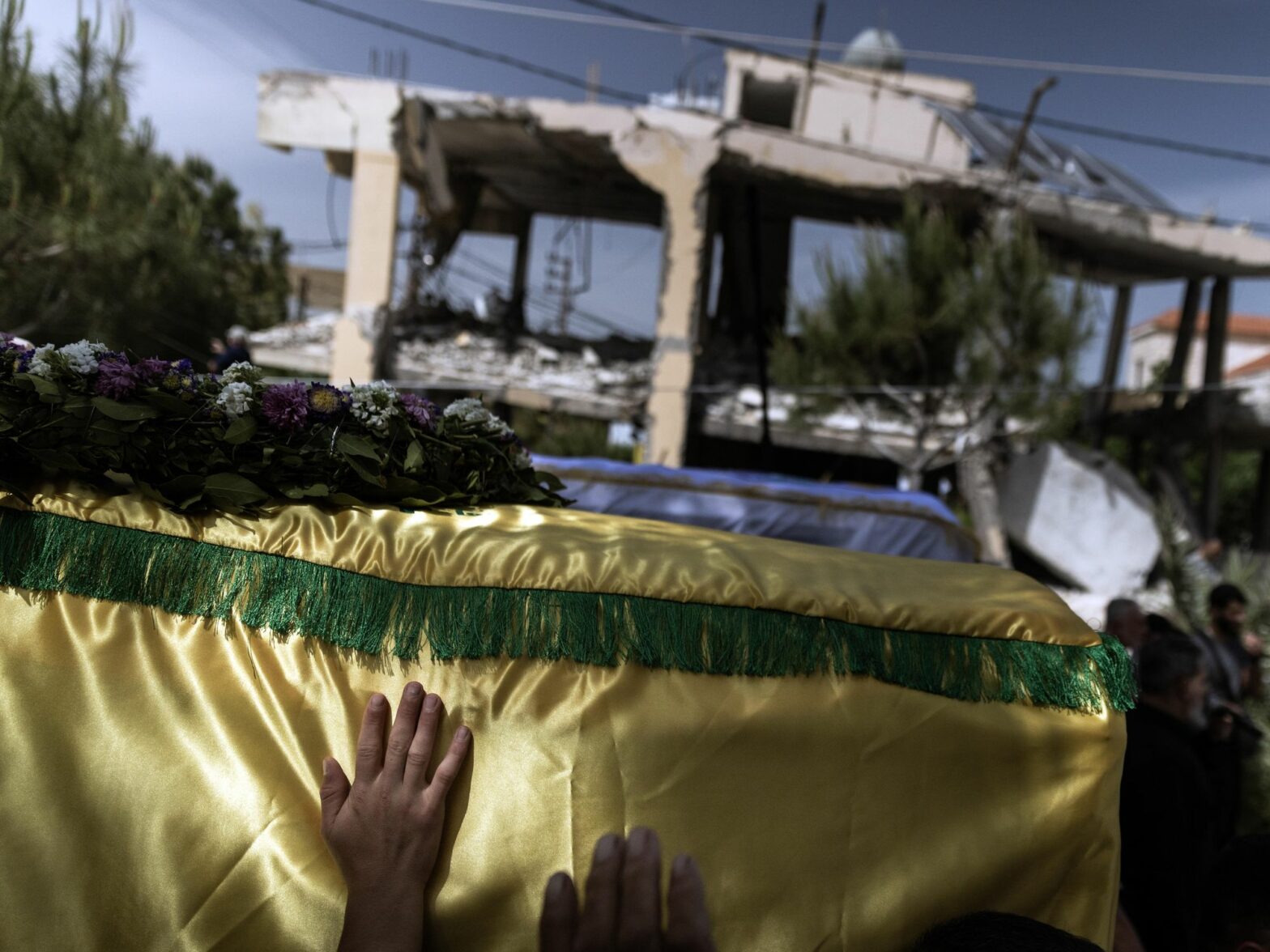
We, the children of “front edge” villages, have seen thousands of homes disappear into rubble. Our loss is not limited to memories and dreams, but also to the stories of our villages.
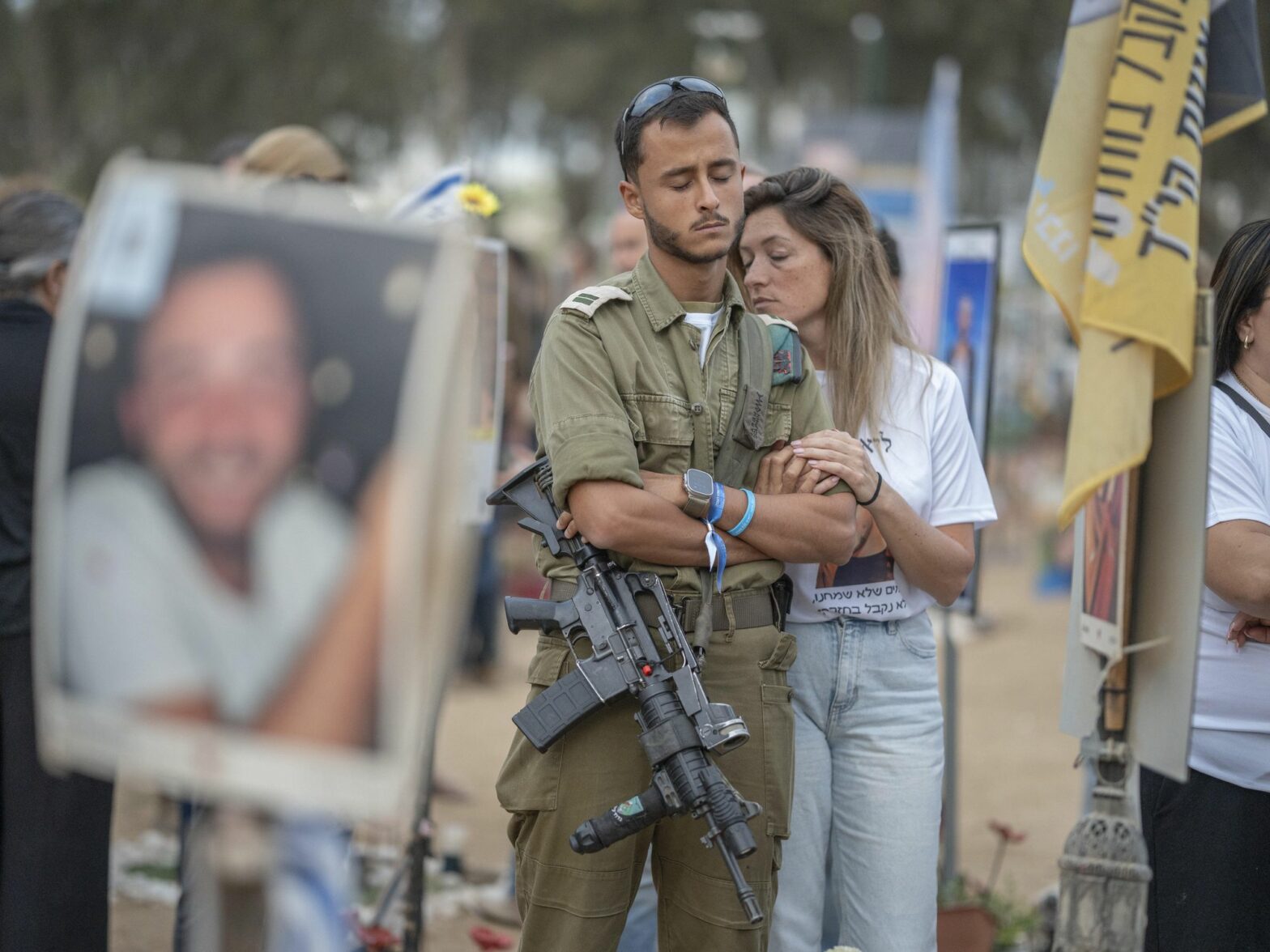
One year after the massacre of October 7, the wars continue (and expand) across the Middle East, and may currently look like Israel is achieving its military and security goals. But it will be a failure without any political solution.
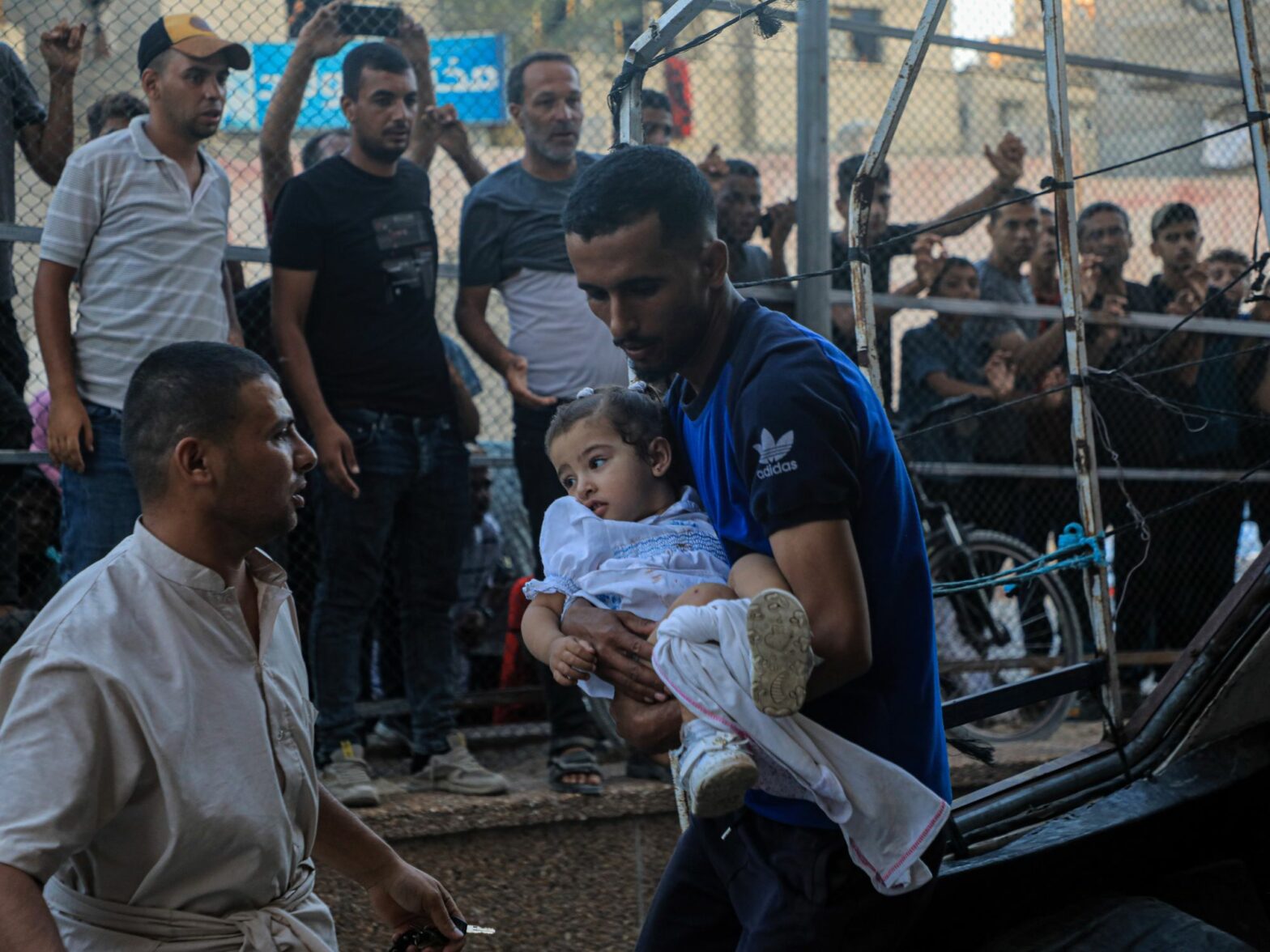
An Israeli missile struck children playing soccer in a schoolyard a day after international outrage at Russia’s bombing of Ukraine’s largest children’s hospital. As the Israel-Hamas war drags on, ceasefire negotiations get harder as the rest of the world looks away.
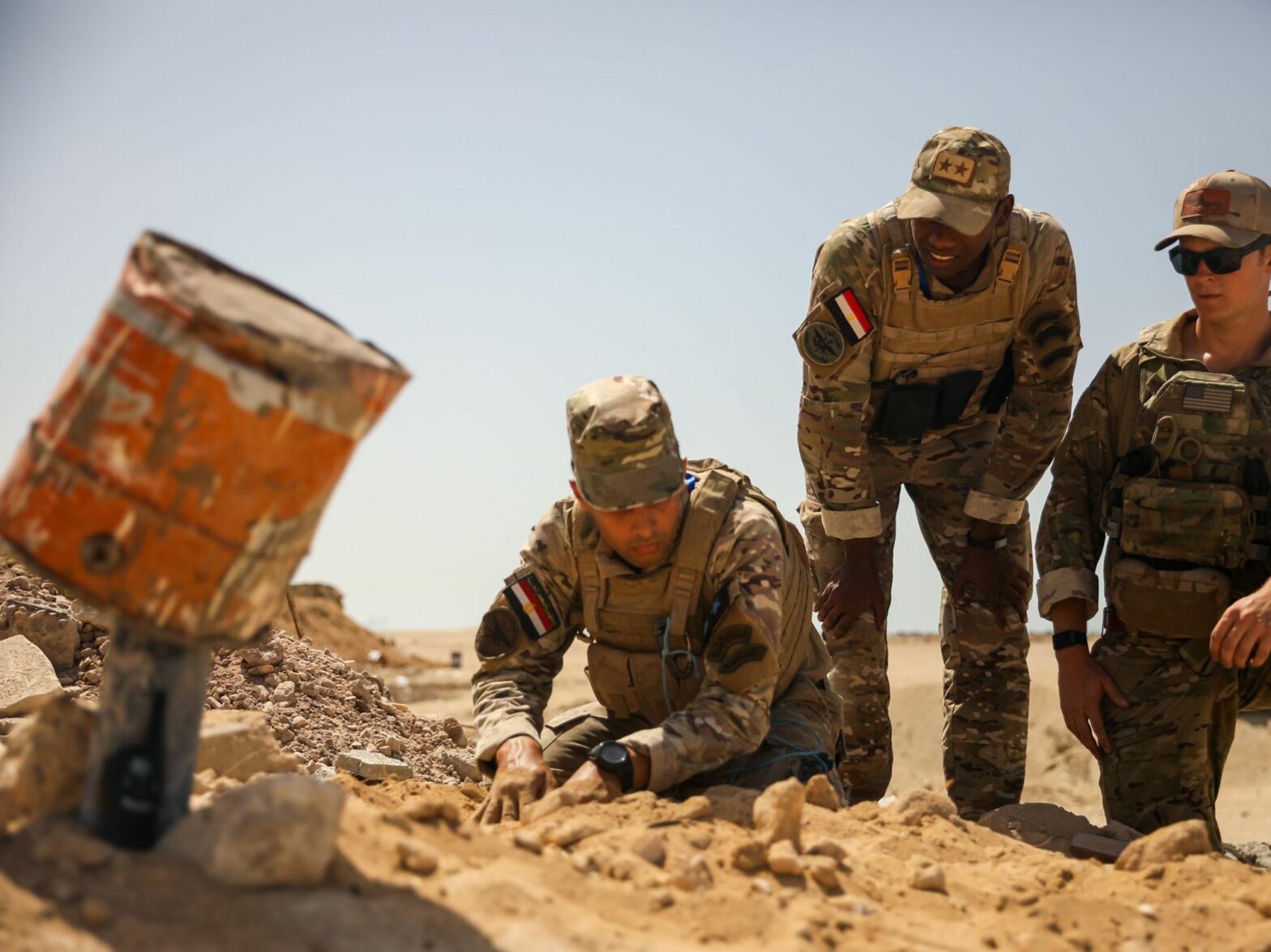
A young man was killed in northern Egypt on Sunday by an improvised explosive device, the latest tragedy that reminds us that once a war has ended, there is still much to be done before we can put it in the past.
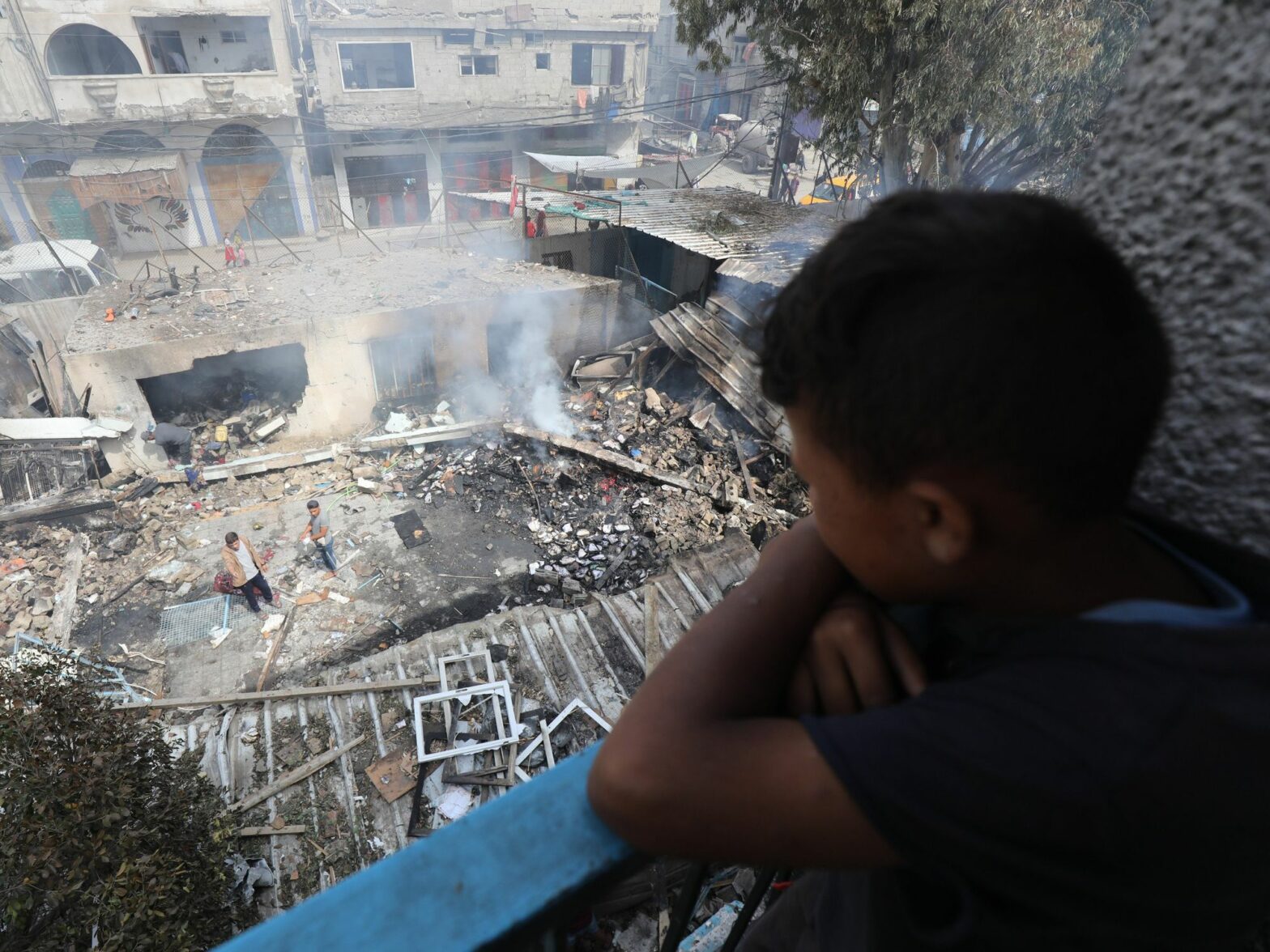
Israel’s special forces rescued four hostages on Saturday, an apparent major success of the war in Gaza. Yet, paradoxically, the operation has created a political crisis for Benjamin Netanyahu, leading to protests and the resignation of several war cabinet ministers.

The Israeli Prime Minister appeared on French television to try to convince European audiences of his war aims. But his main weakness is his lack of vision for the “aftermath”: he has nothing to offer the Palestinians.
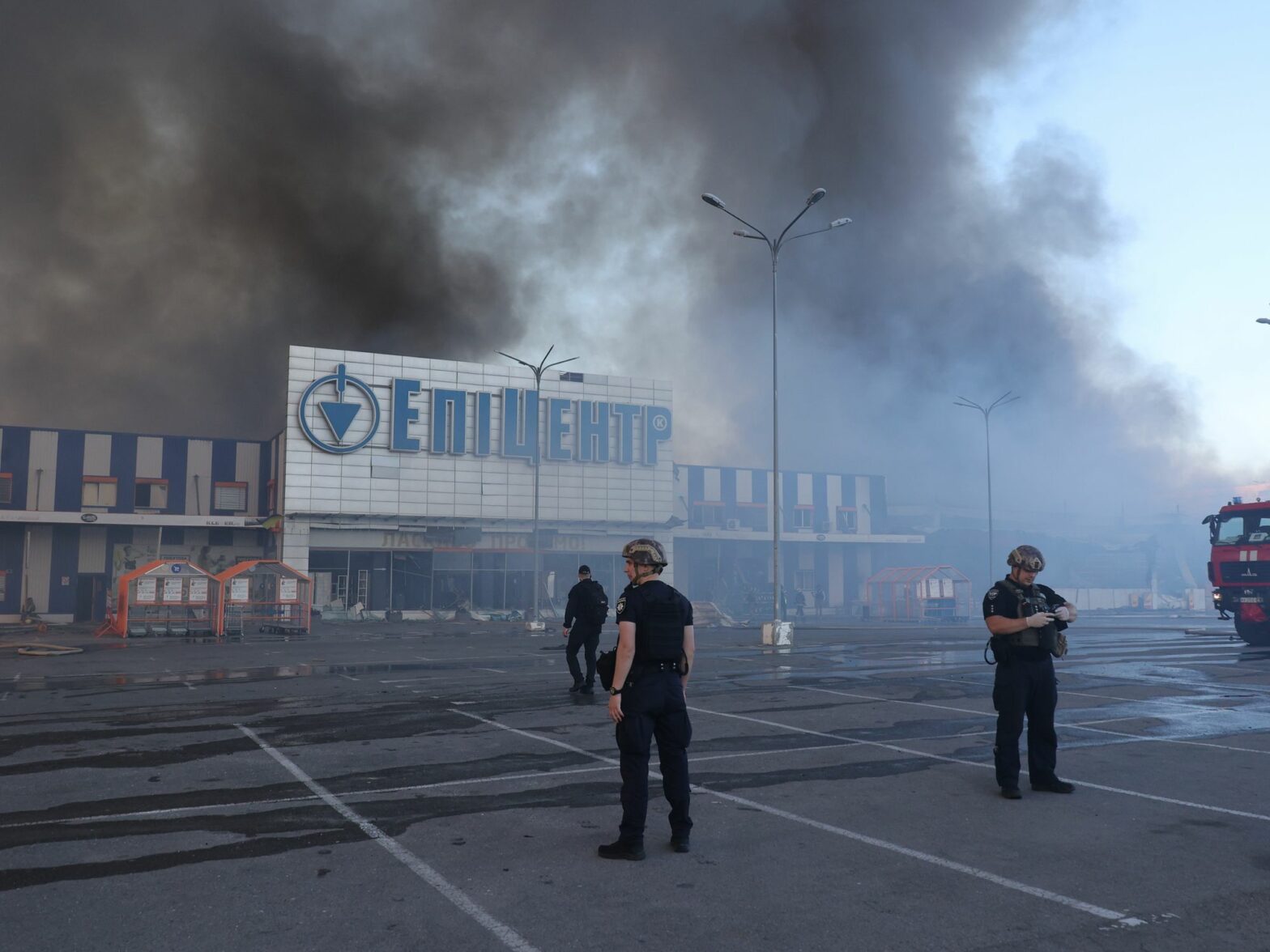
Ukraine is not allowed to attack Russian territory. Israel, on the other hand, has free rein. These are the would-be restrictions of Western weapons in two wars that might seem to have little in common.
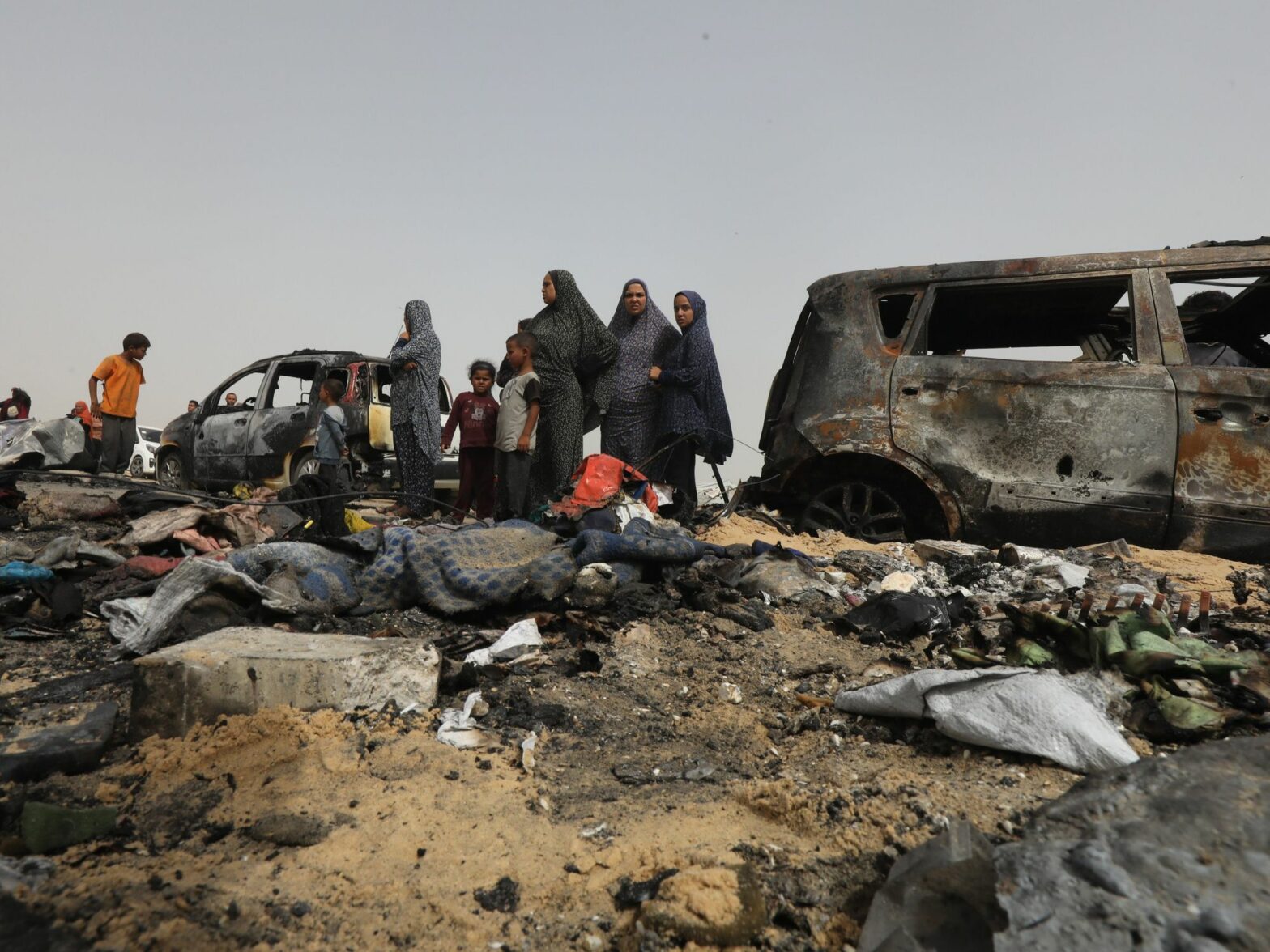
Benjamin Netanyahu spoke of a “tragic accident” after the deadly bombing of a camp for displaced Palestinians near Rafah; but this rare act of contrition does not mean the Israeli leader has changed his strategy, despite the indignation of the rest of the world at the number of civilians killed.
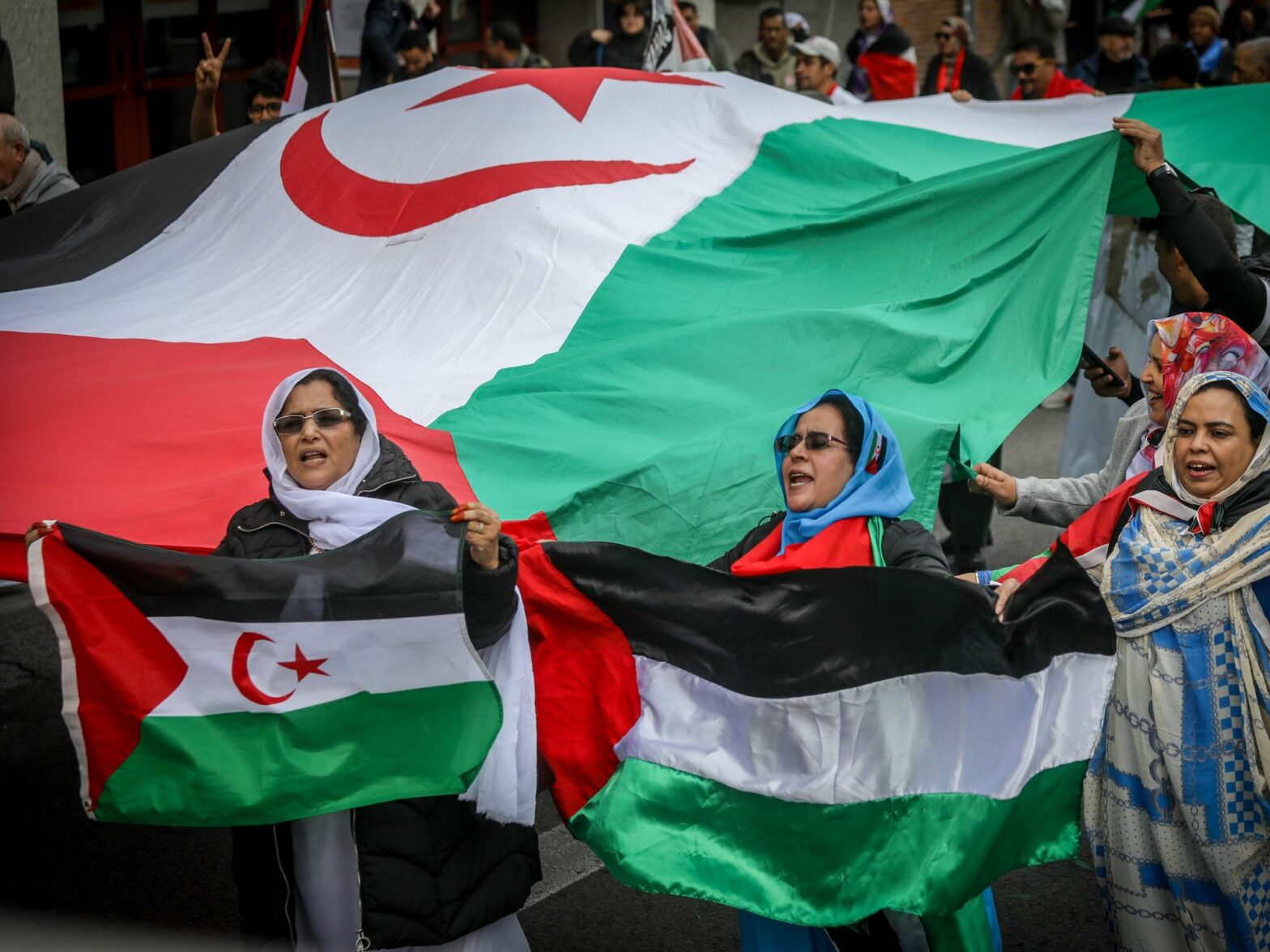
Even while Morocco has repeatedly called for a ceasefire in Gaza, it has been crafting one of the most careful diplomatic positions in the Arab World on the Israeli-Palestinian conflict, in part because of a significant Jewish-Moroccan population. But its stance puts the monarchy in conflict with most of Morocco’s population.
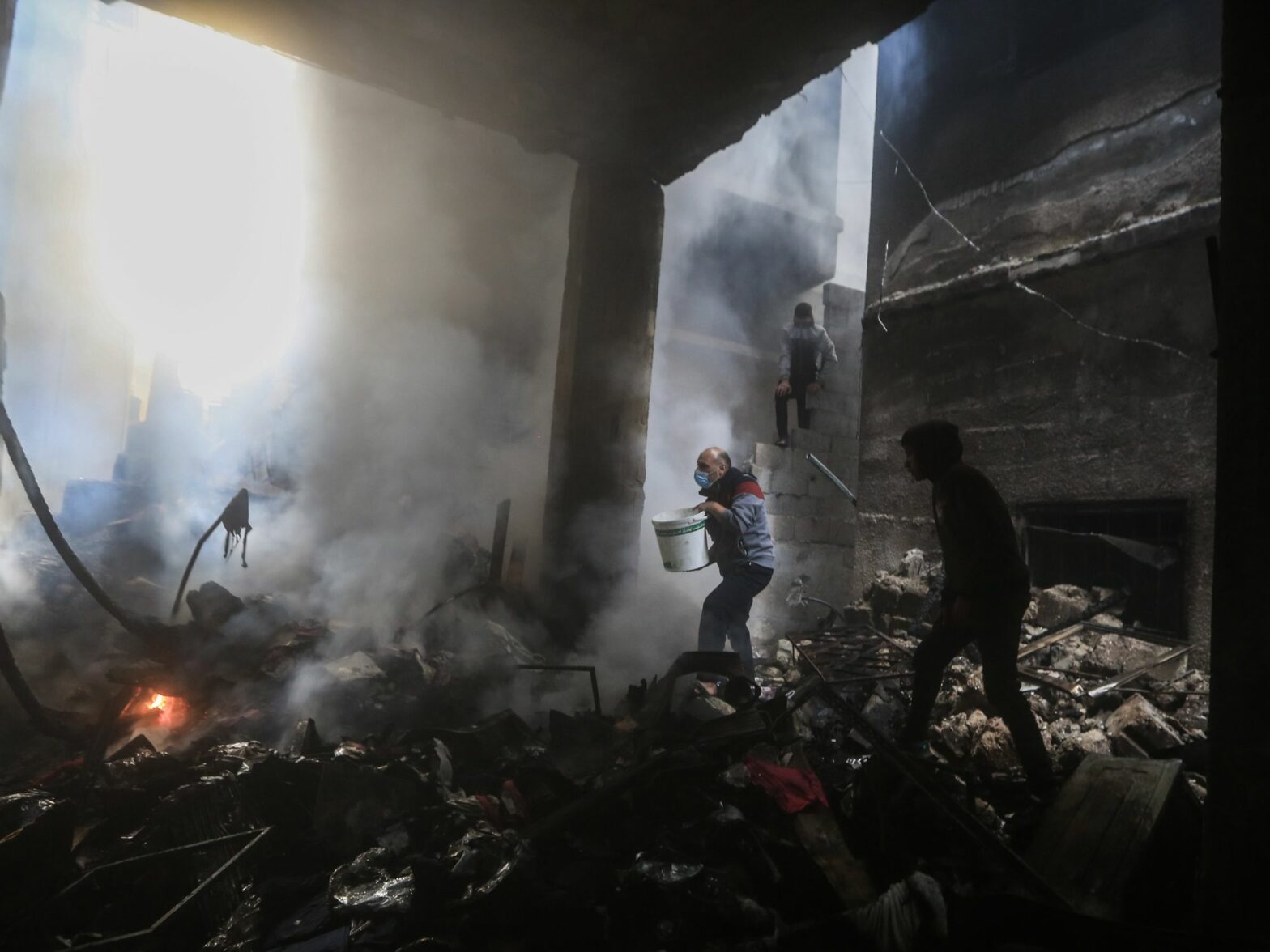
Daraj looks at the long-term deadly effects of Israeli munitions which will threaten Gaza for years after the current war ends.
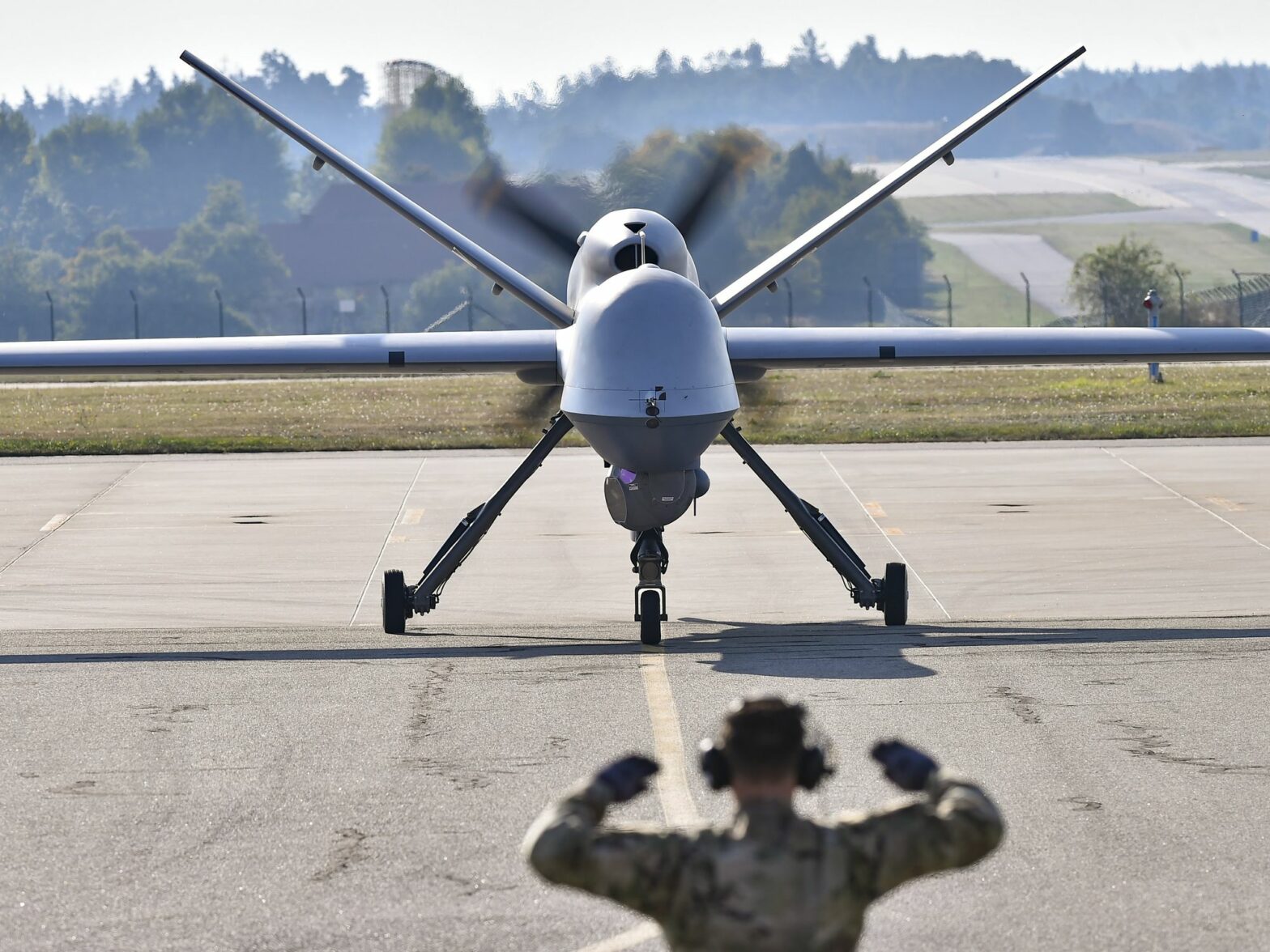
Putting the latest AI breakthroughs at the service of national security raises major practical and ethical questions for the Pentagon.