The Israeli government has declared it is opposed to any ceasefire with Hamas. But one of its key objectives — and the top priority for Israelis — is to recover hostages. And only the ceasefire can achieve that…

 Worldcrunch
The Israeli government has declared it is opposed to any ceasefire with Hamas. But one of its key objectives — and the top priority for Israelis — is to recover hostages. And only the ceasefire can achieve that…
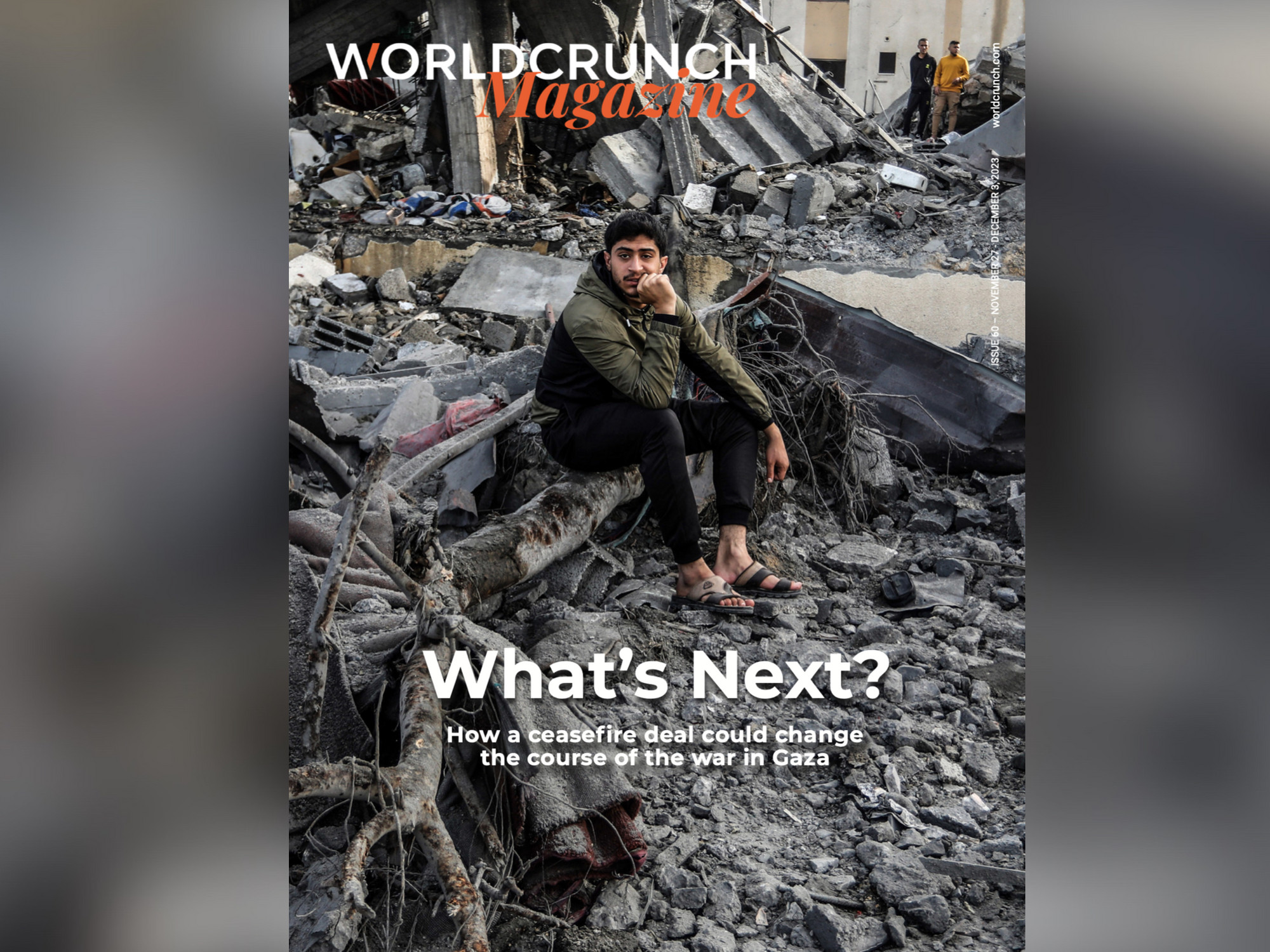
November 27 – December 3, 2023
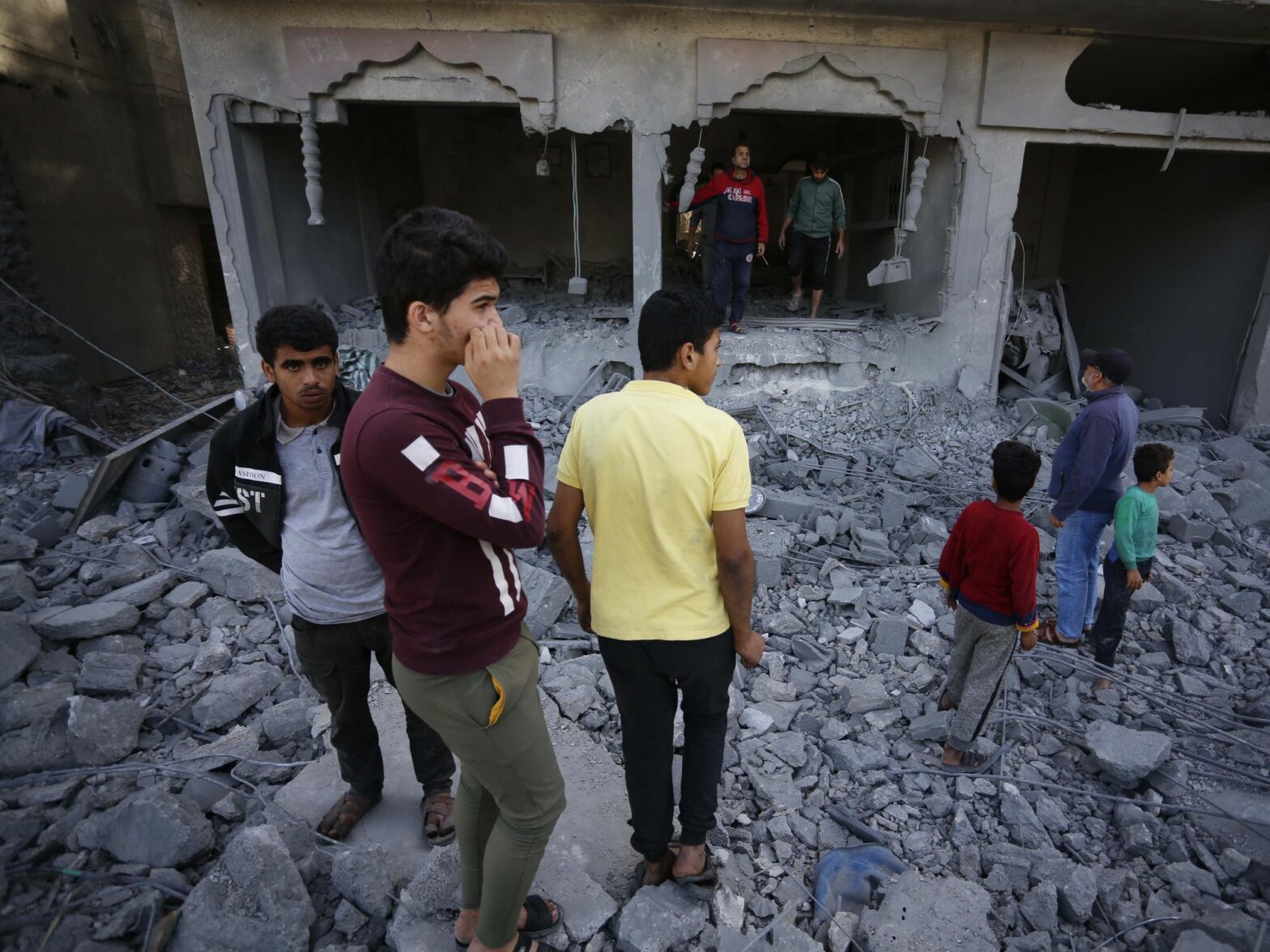
With Qatar now confirming that the temporary truce will begin Friday morning, ordinary Gazans may be able to breathe for the first time since Oct. 7. But for most, the task ahead is a mix of heartbreak and the most practical tasks to survive. And there’s the question hanging over all: can the ceasefire become permanent?

Israeli Prime Minister Benjamin Netanyahu has pushed ahead a deal negotiated via Qatar, for a four-day truce and an exchange of 50 hostages for 150 Palestinian prisoners. Though the humanitarian and political pressure was mounting, Israel’s all-out assault is suddenly halted, with unforeseen consequences for the future.
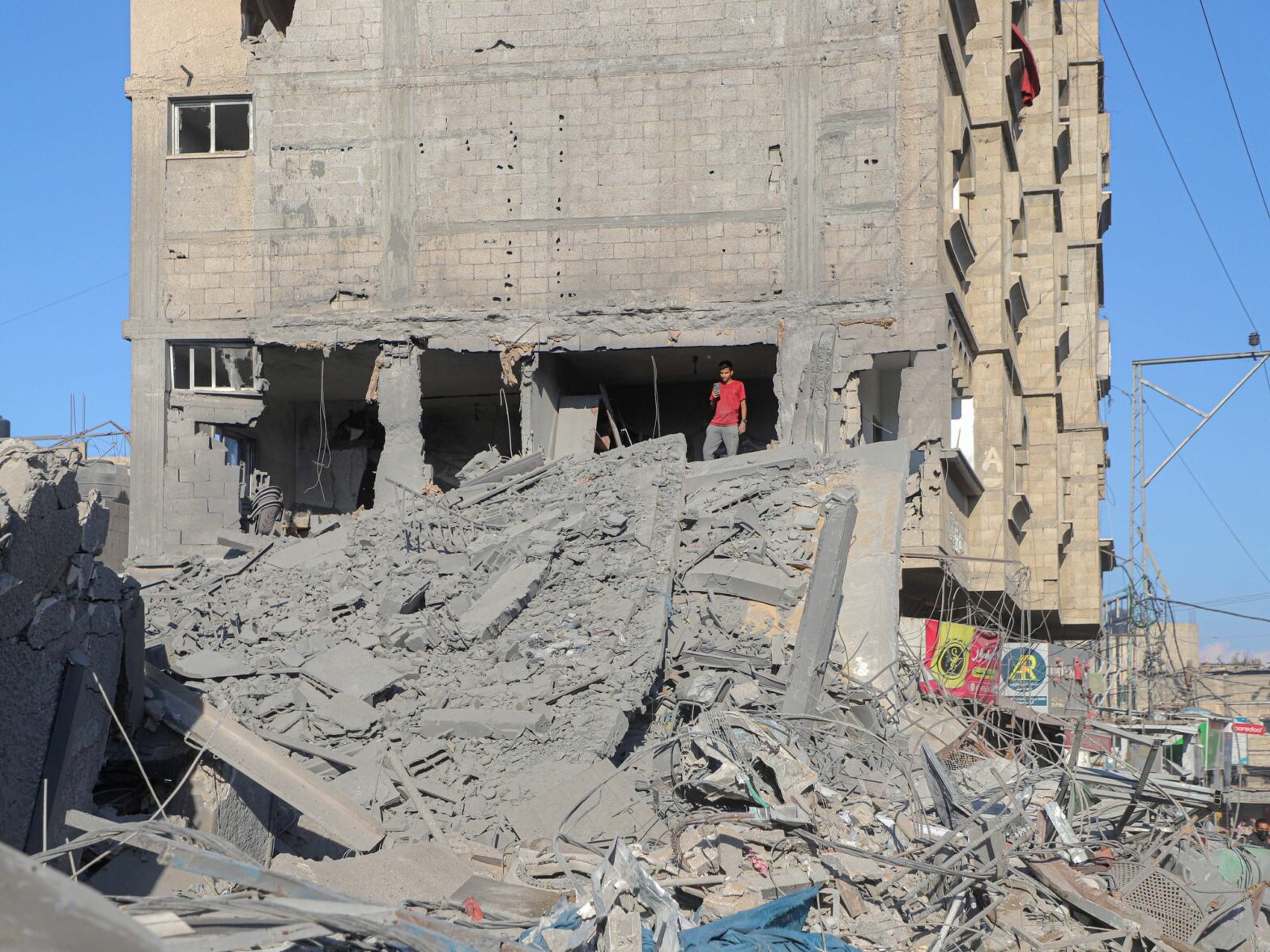
A five-day ceasefire deal in the Gaza war appears imminent. In the past, such provisional truces sometimes turned permanent. But is this time different?
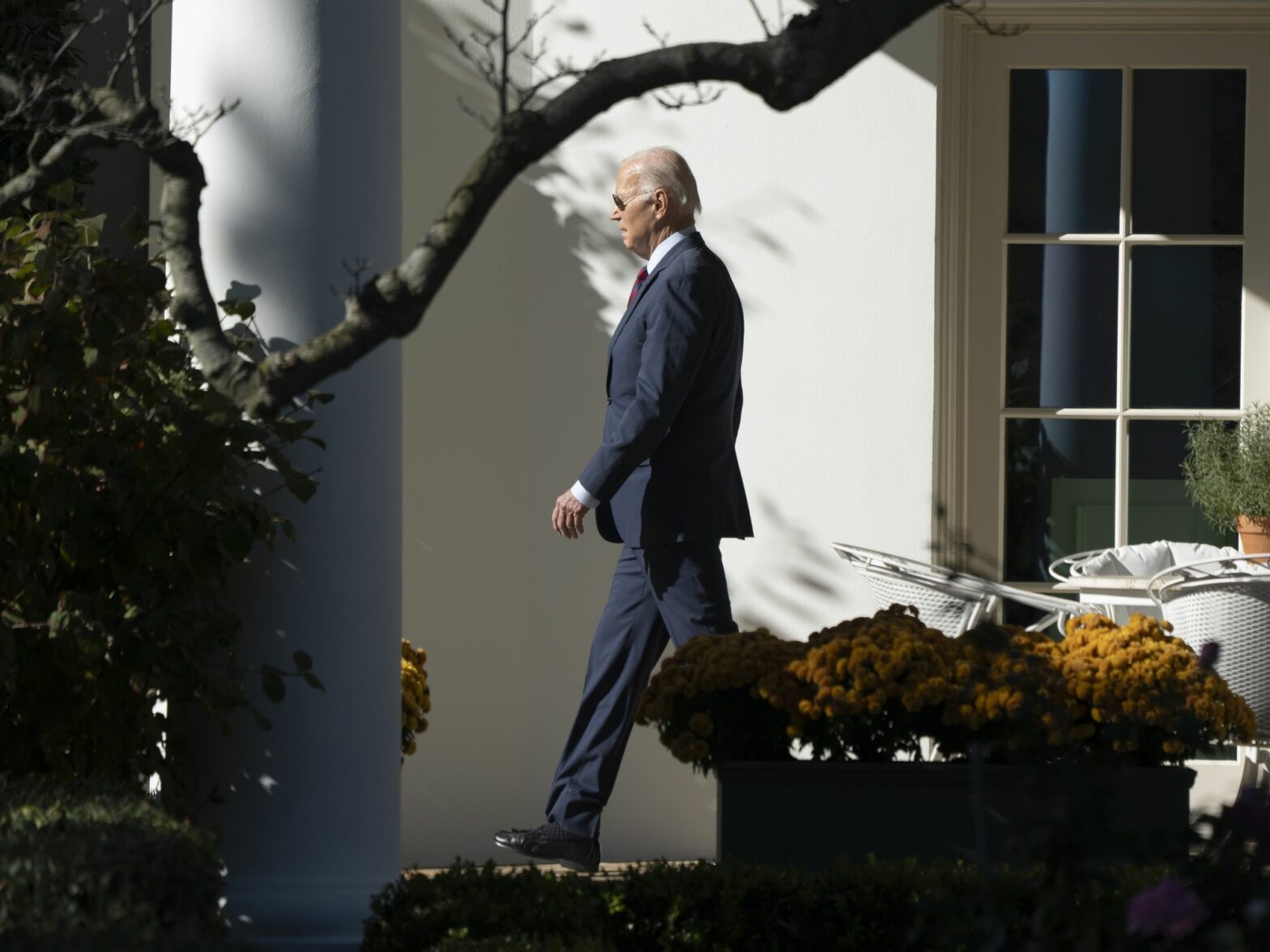
Challenged back home, U.S. President Joe Biden has just published an op-ed in the Washington Post in which he outlines a future for the Palestinian territories that’s different from the one envisaged by Israeli Prime Minister Benjamin Netanyahu, and threatens violent settlers in the West Bank with sanctions. But where are the teeth?
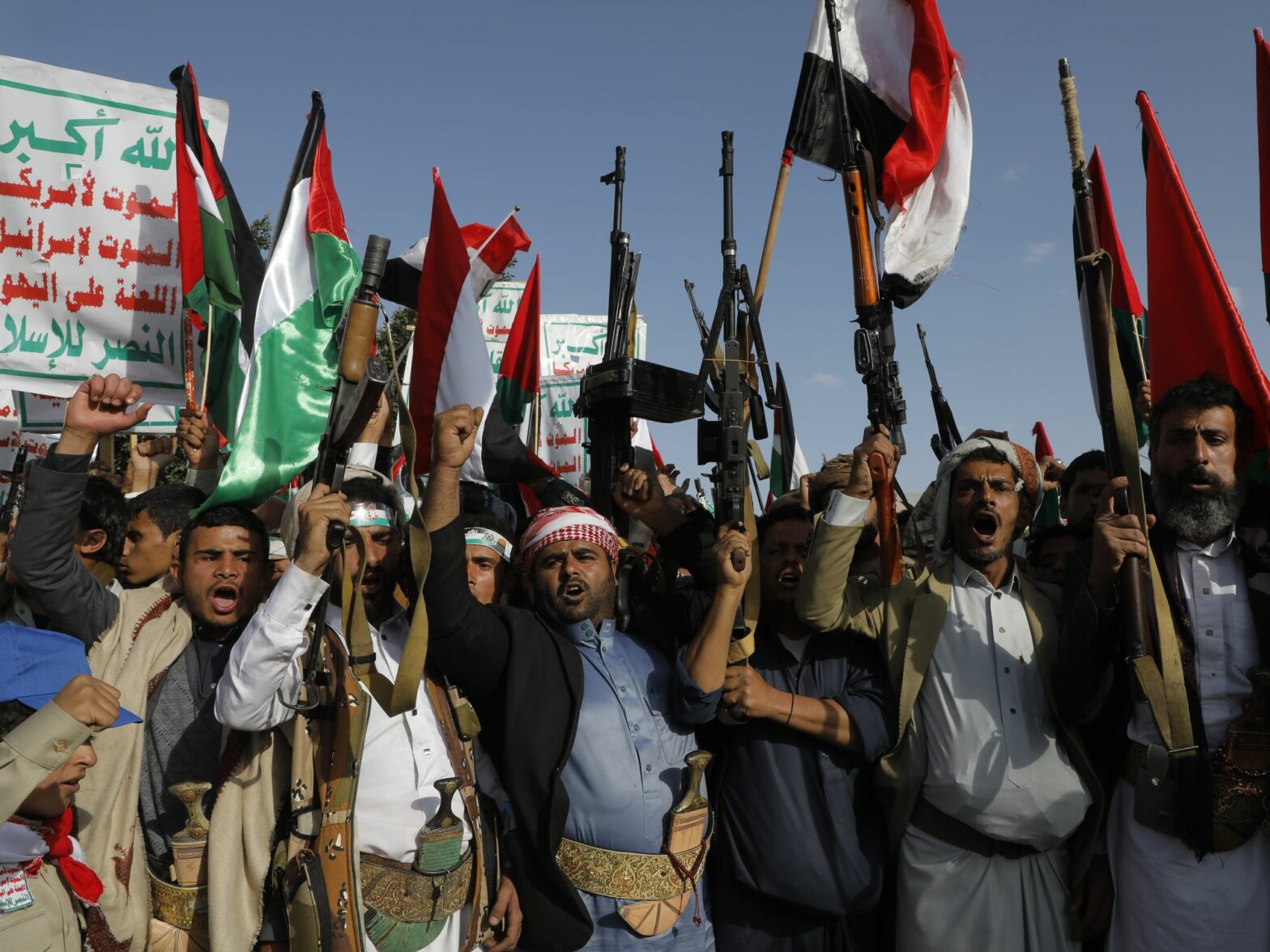
The Iran-backed Yemeni rebel group Houthis have seized a vessel in the Red Sea’s shipping route and took the ship’s 25 crew members hostage. It’s just the latest sign that the spillover from Gaza may arrive first from the south.
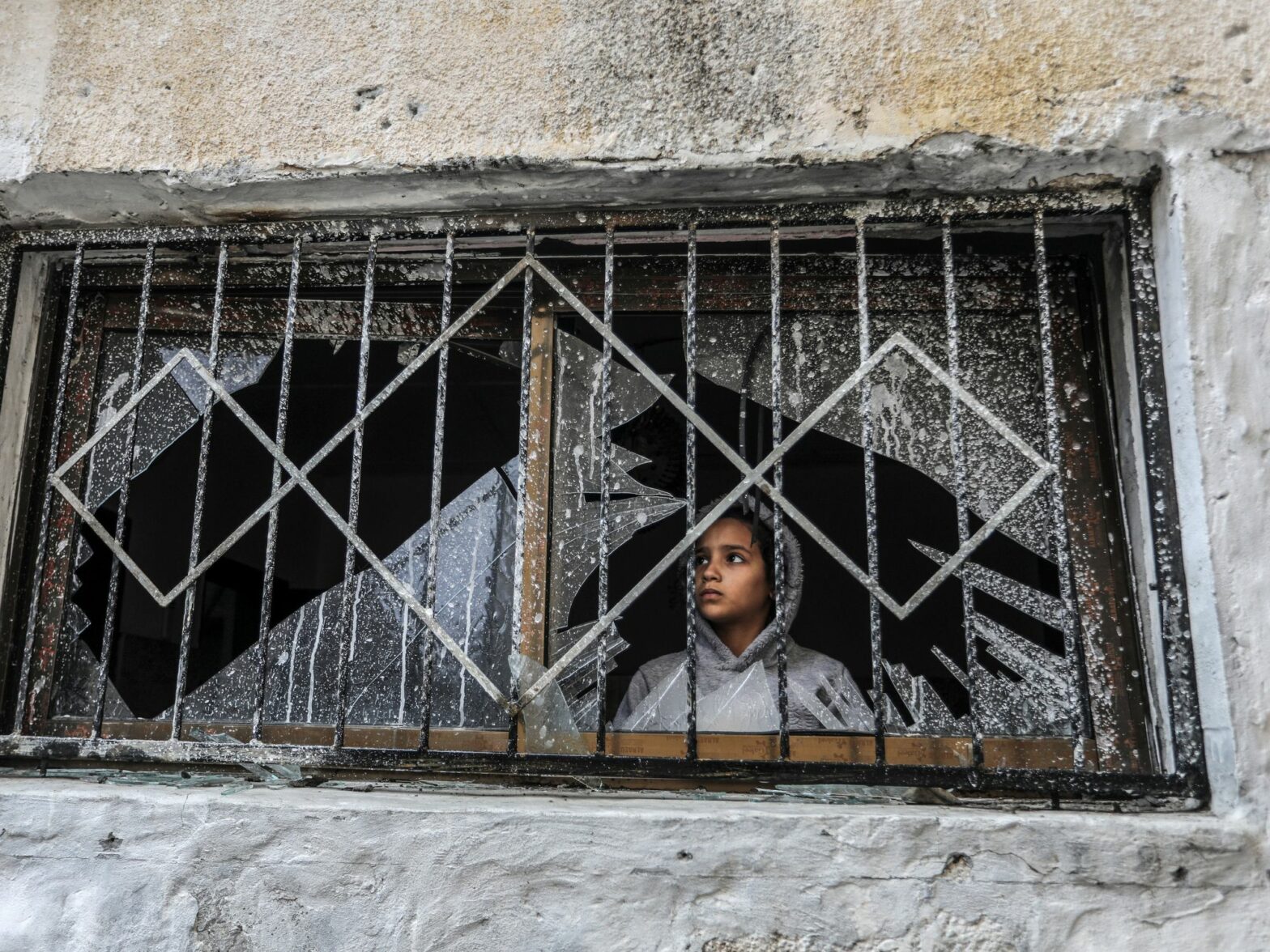
Launching a ground invasion in the south of Gaza, where residents have been forced to flee, will be virtually impossible for the Biden Administration to accept.
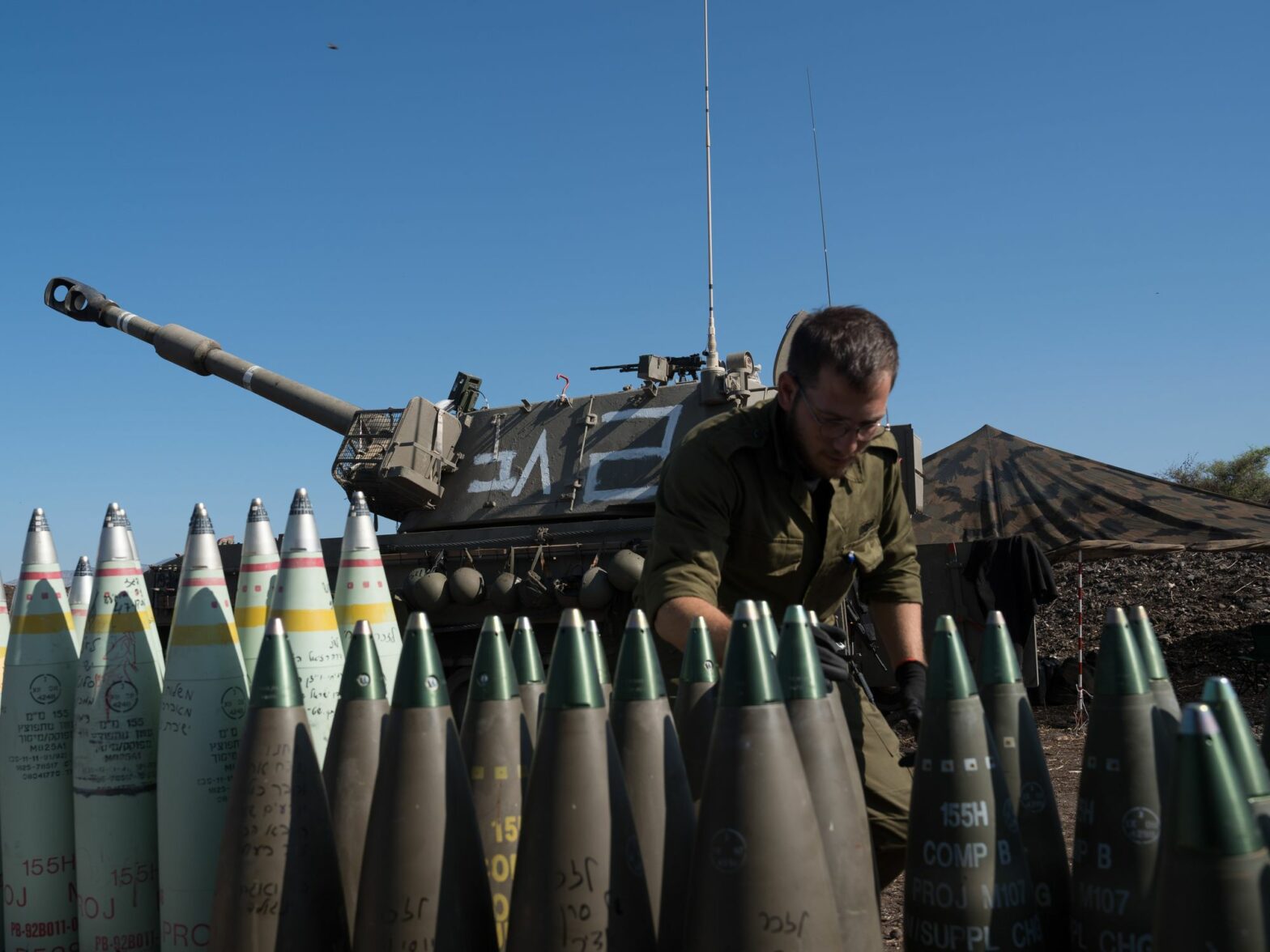
Israel has reacted sharply to the French president’s criticism of the IDF continued bombing of civilians in Gaza. France is the first country to break with Western unanimity on Israel since October 7, which explains the virulence of the reaction.
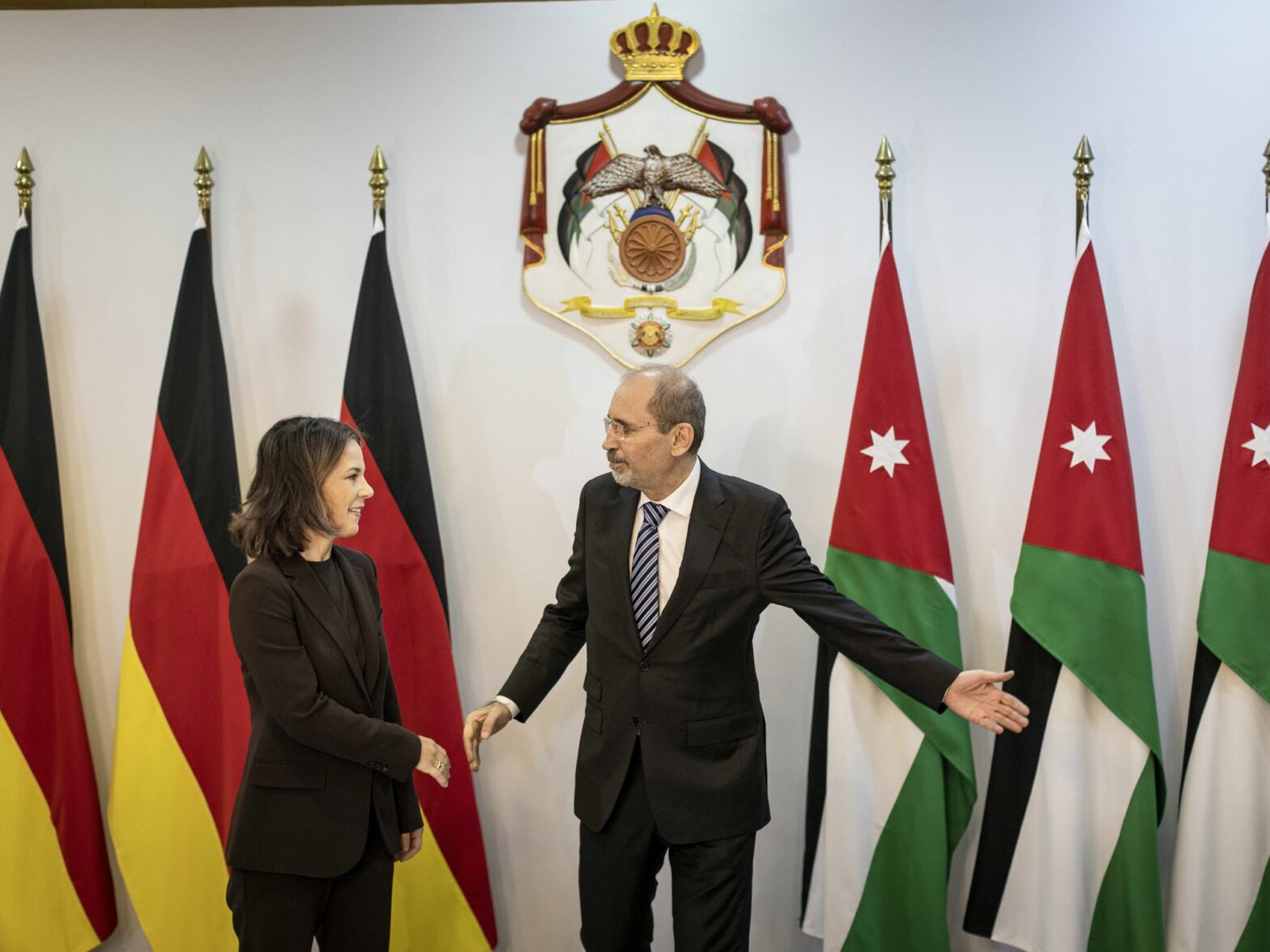
In Qatar, Egypt, Paris or on the phone, negotiators are busy trying to secure the release of hostages, push for “humanitarian pauses”, and prepare for the political aftermath of the war. Meanwhile, the war rages on in Gaza.
Prime Minister Netanyahu’s mention of “indefinite” control of security in Gaza does not sit well with Washington. Biden has a growing number of reasons to start pushing back against Israel’s war and post-war aims.
Calls for a “humanitarian pause” are multiplying as the war rages on for almost a month, but the West is careful not to talk about a ceasefire, which Israel totally rejects. Where does that leave us in a search for a way out?

The French president expressed his solidarity with Israel while calling for a political solution for the Palestinians; but he also made a surprise proposal for an international coalition against Hamas, which faces several obstacles — but is also a way to “frame” the conflict so that the dormant two-state solution can return.

The American president succeeded in obtaining humanitarian corridors through Gaza, and supported Israel’s claims that it wasn’t responsible for bombing a Gaza hospital. But in the Arab world, he consolidated his image as Israel’s main supporter, and lost the political battle for public opinion.

Also, Egyptian president appears to threaten war with Israel over Palestinian refugees, and German chancellor forced to evacuate his plane amid air raid alert.

After extending its complete support to Israel in the wake of the October 7 attacks, the West has started to soften its stance and demand that the state follow international law. But there are scant signs that Israel will let up its all-out assault in Gaza.
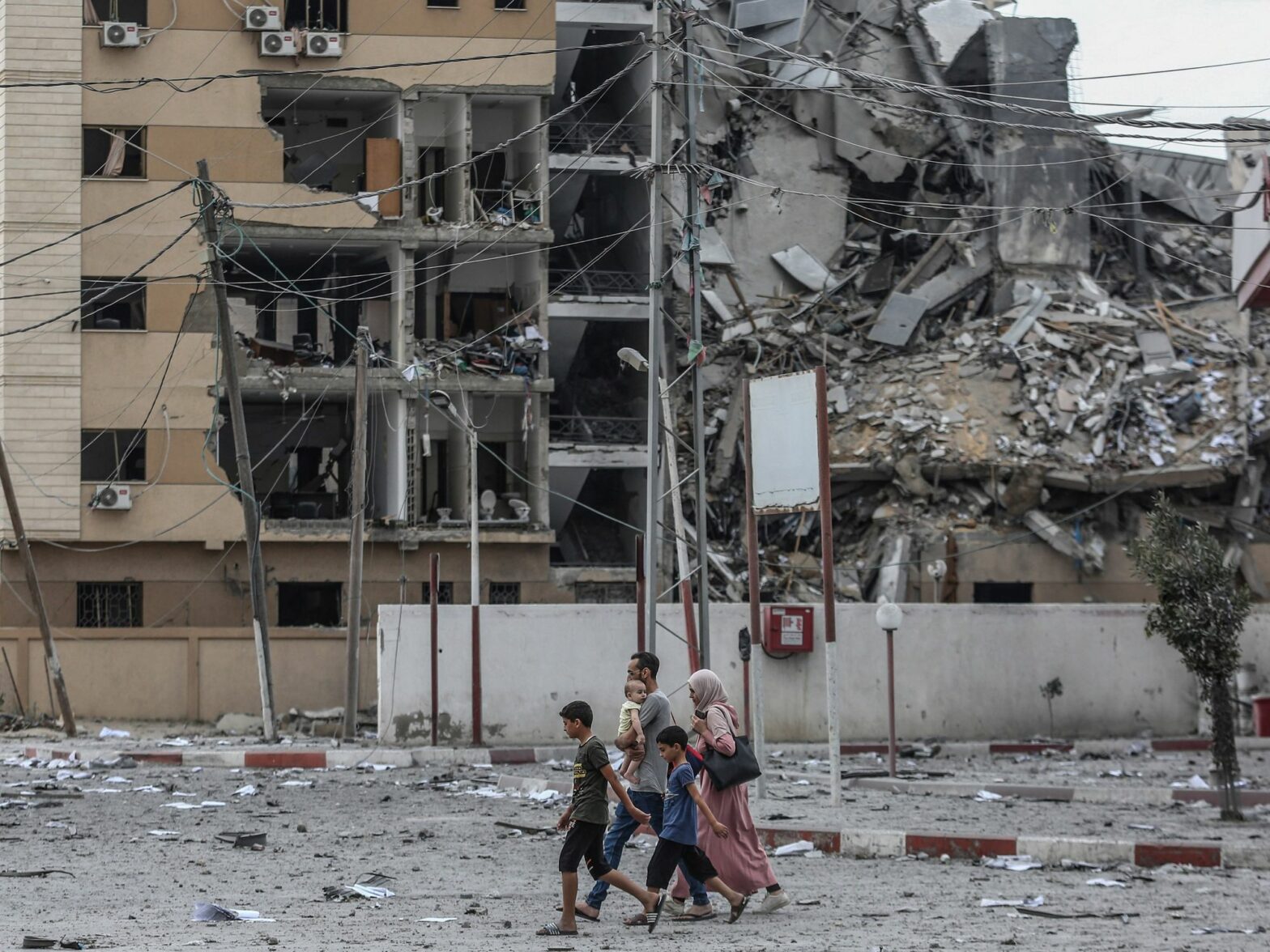
Even as the borders close and the siege tightens, most of the Palestinians also deeply fear leaving, convinced that (like their forebears) they’ll never return.

The Hamas attacks leave Israel with no choice but to launch a ground offensive in Gaza. This is the only way Jerusalem can truly debilitate the terrorist organization. And so a race against time begins with any such assault, as casualties would be high, international support will weaken, and the question of the ultimate “end game” lurks behind.
Blaming intelligence and military failure for the Oct. 7 assault diverts attention from Israel’s real weakness — a distracted and divisive political leadership that ignored the fact that people just a few miles across the border are confined in a living hell.

Hamas has launched an unprecedented attack against Israel, killing at least 700, mostly civilians, and taking scores of hostages. Even if the Islamist group has always made clear it sought Israel’s destruction, the questions loom as to why now, and how it managed to pierce the enemy’s defenses.

The vast majority of newspapers around the world are dedicating their front pages to the sudden escalation of violence in the Middle East.

There will be a before and after to October 7, 2023, so unprecedented and traumatic have the events of the last 48 hours been for Israel, followed by massive retaliation. We can already draw several lessons from this.
The signing of the Oslo Accords 30 years ago was followed by a failure that set back the very idea of peace between Israelis and Palestinians. A look back at this historic episode and the lessons we can learn from it today.
Former Mossad chief Tamir Pardo joins a handful of former military and political leaders who have decided to break the taboo on using this infamous word, as a result of the political radicalization of Israeli Prime Minister Benjamin Netanyahu’s governing coalition.

August 7 – August 13, 2023

The Israeli government’s aggressive bid to curb judicial powers fits into a bigger picture of the degradation of liberal democracy worldwide.

A Palestinian has died from a hunger strike in an Israeli prison, exacerbating the cycle of violence in the region. Israeli’s protesting Benjamin Netanyahu”s right-wing government have little to offer to resolve the eternal crisis of the Occupied Palestinian Territories.

Praise in the West has been heaped on the popular protests in Israel that have halted undemocratic judicial reform proposed by the Netanyahu government. But this supposedly noble fight for democracy doesn’t apply to 20% of its citizens, not to mention the policies carried out in the Occupied Territories.
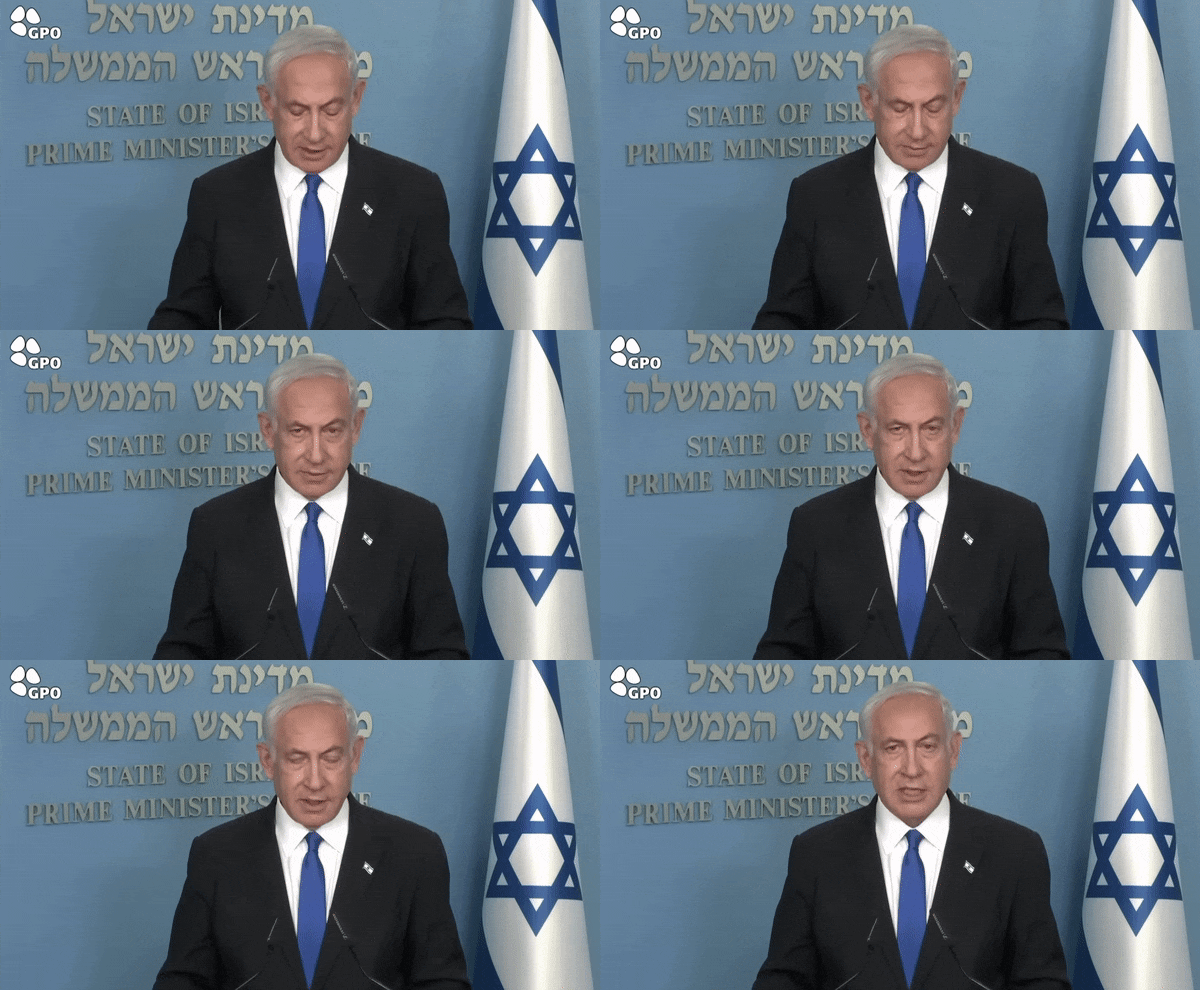
Israeli Prime Minister Benjamin “Bibi” Netanyahu has backed down in the 11th hour on his plans to push forward on a major judicial reform bill that had sparked massive protests.

France, Israel, United States: these three democracies all face their own distinct problems. But these problems are revealing disturbing cracks in society that pose a real danger to hard-earned progress that won’t be easily regained.
… and it runs much deeper than Benjamin Netanyahu’s new government.

Less than a week after being sworn in for the sixth time as Prime Minister, Benjamin Netanyahu was defied by a highly charged visit his far-right coalition ally, Itamar Ben-Gvir, made to the al-Aqsa Mosque compound, that has enflamed the entire Muslim world. Netanyahu has a choice to make.

-Analysis- What do South Korea, Taiwan, Israel, Italy, France, Portugal, and Iceland all have in common? They’re all wealthy democracies that have charged and prosecuted former heads of state or heads of government for criminal acts committed while in office. The United States is not a member of this club — at least, not yet. […]

French writer and political scientist Dominique Moïsi was in Israel last week for the country’s latest elections, which saw the victory of a hard right coalition led by Benjamin Netanyahu. He warns that there is an inherent conflict between the self-declared “start-up nation” and the anti-science, anti-liberal program of the new government.
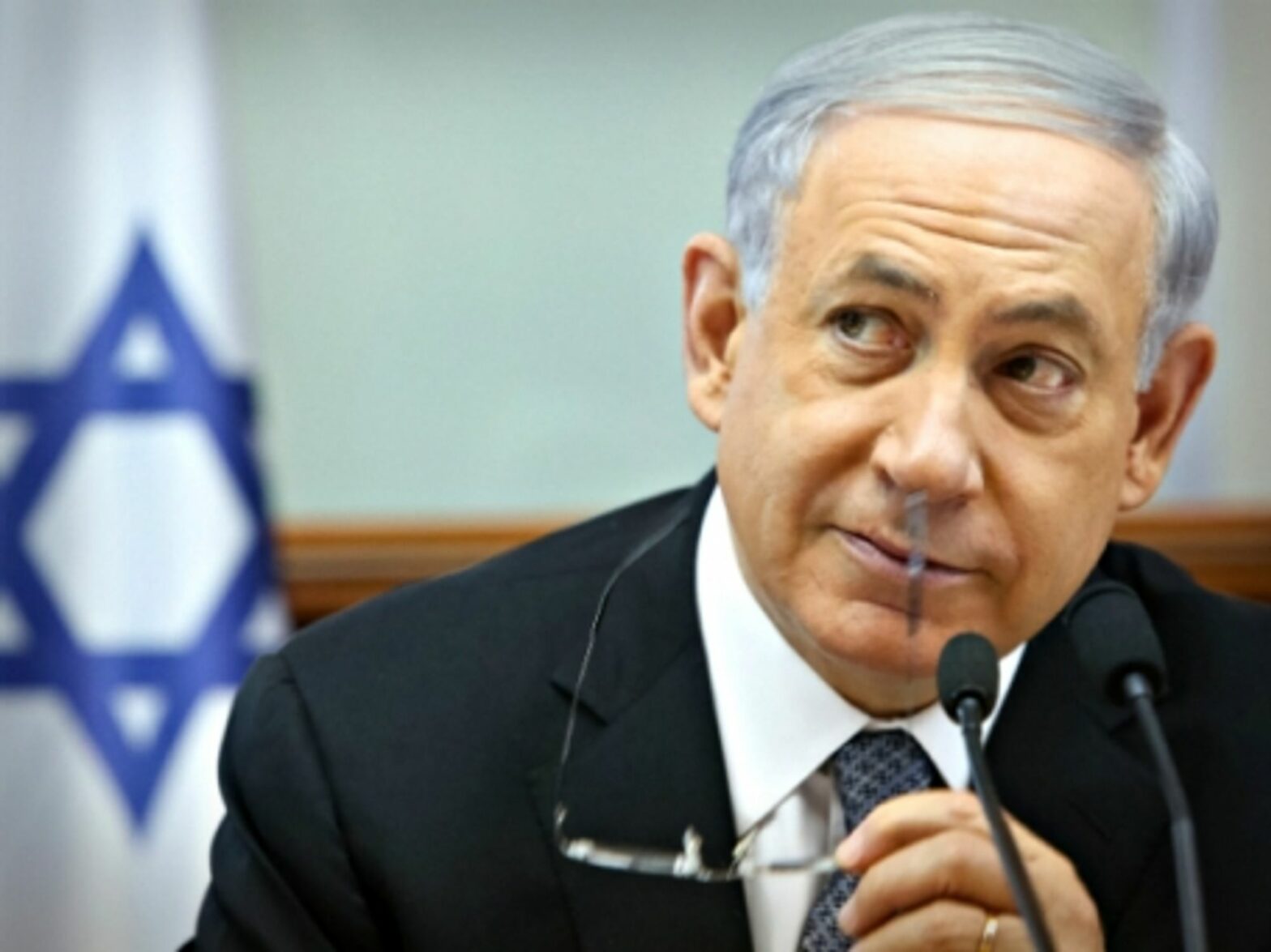
Israeli Prime Minister Benjamin Netanyahu has sparked outrage with his thesis that a Palestinian gave Adolf Hitler the idea to annihilate the Jews. It is, of course, utter nonsense. But from a German perspective, there is another problem.

NATO READY TO TO “DEFEND” TURKEY NATO is prepared to send troops to Turkey to defend its ally against any threats along its southern border, Secretary General Jens Stoltenberg said during a press conference before a meeting with defense ministers in Brussels today, Reuters reports. His comments come after Russian jets operating in Syria violated […]
Like most Israeli dailies, the Wednesday edition of Haaretz went to print too early to call Tuesday’s election results, even as Prime Minister Benjamin Netanyahu was declaring victory. The 65-year-old is indeed heading to a fourth term as his Likud party defied final polls that had showed him trailing the centrist Zionist Union party led […]
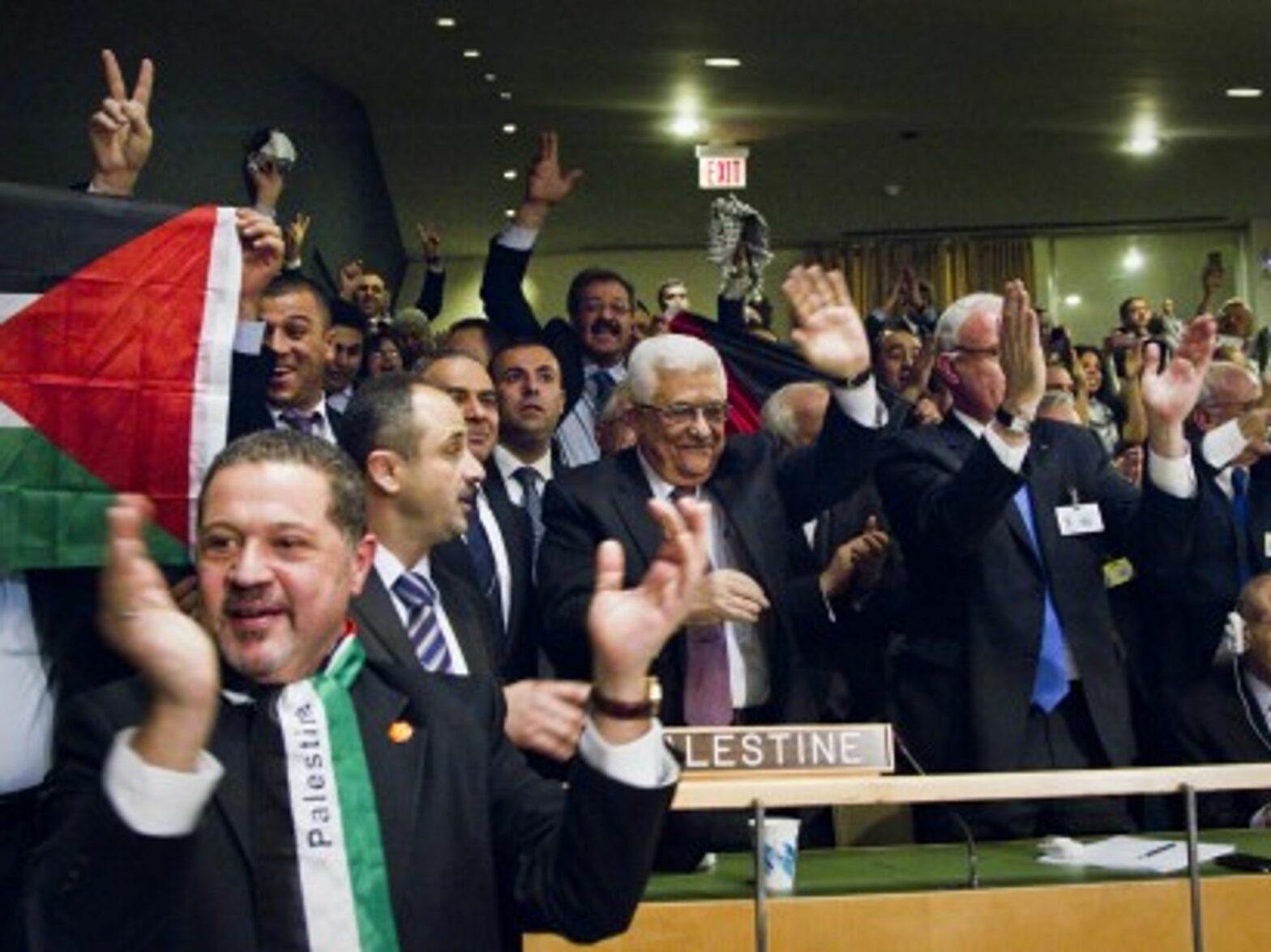
Let’s be real, says this commentator, Israeli settlers on the West Bank aren’t going away, UN statehood for Palestine notwithstanding. Here’s another way to imagine a two-state solution.