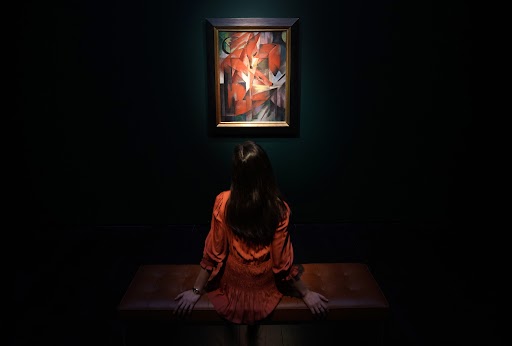
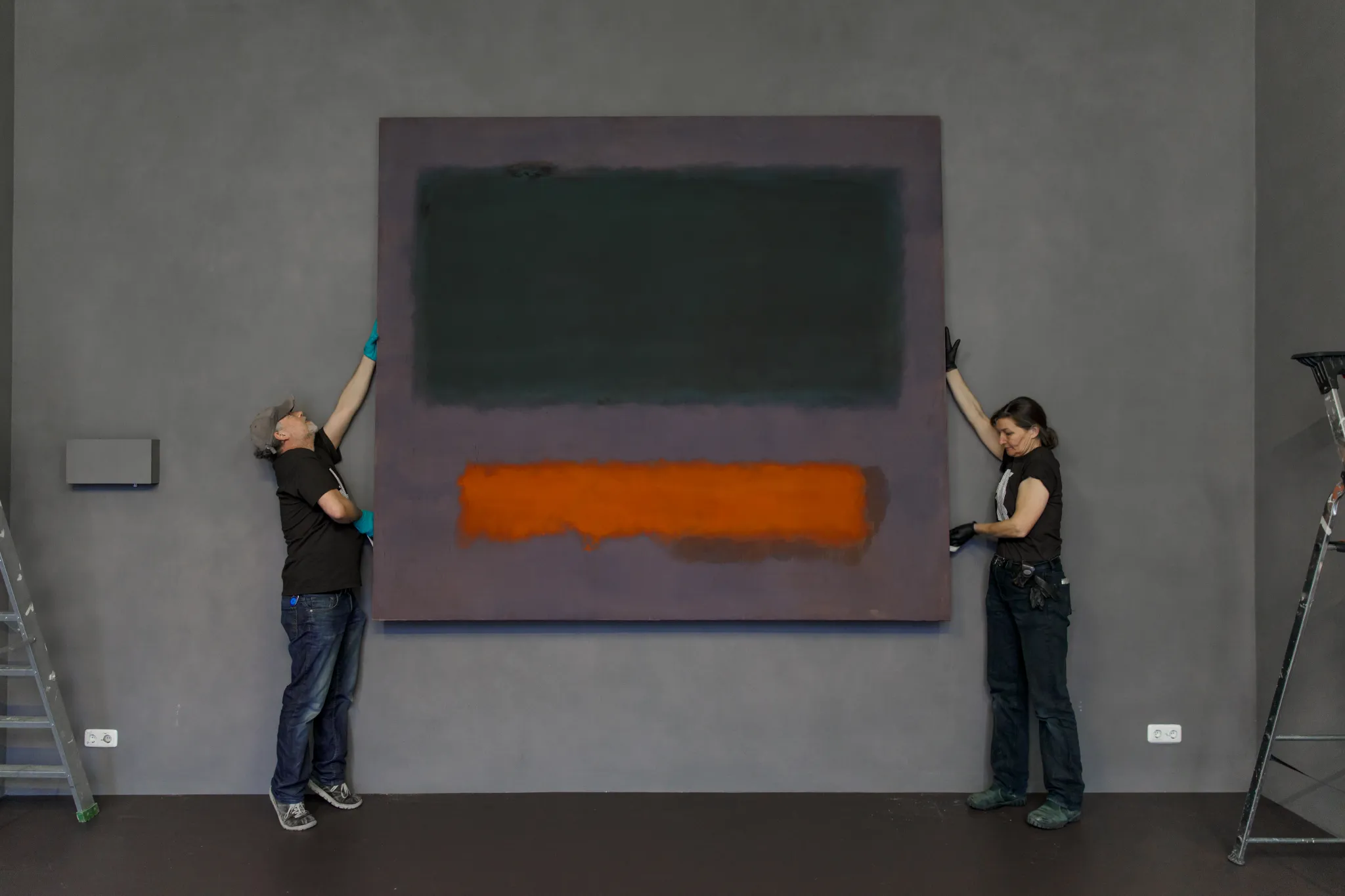
Who owns a work of art that was looted or sold under duress during the Nazi era? This question has remained unresolved in many cases since the end of World War II. A new arbitration panel will now decide on ownership.
 Worldcrunch
Who owns a work of art that was looted or sold under duress during the Nazi era? This question has remained unresolved in many cases since the end of World War II. A new arbitration panel will now decide on ownership.
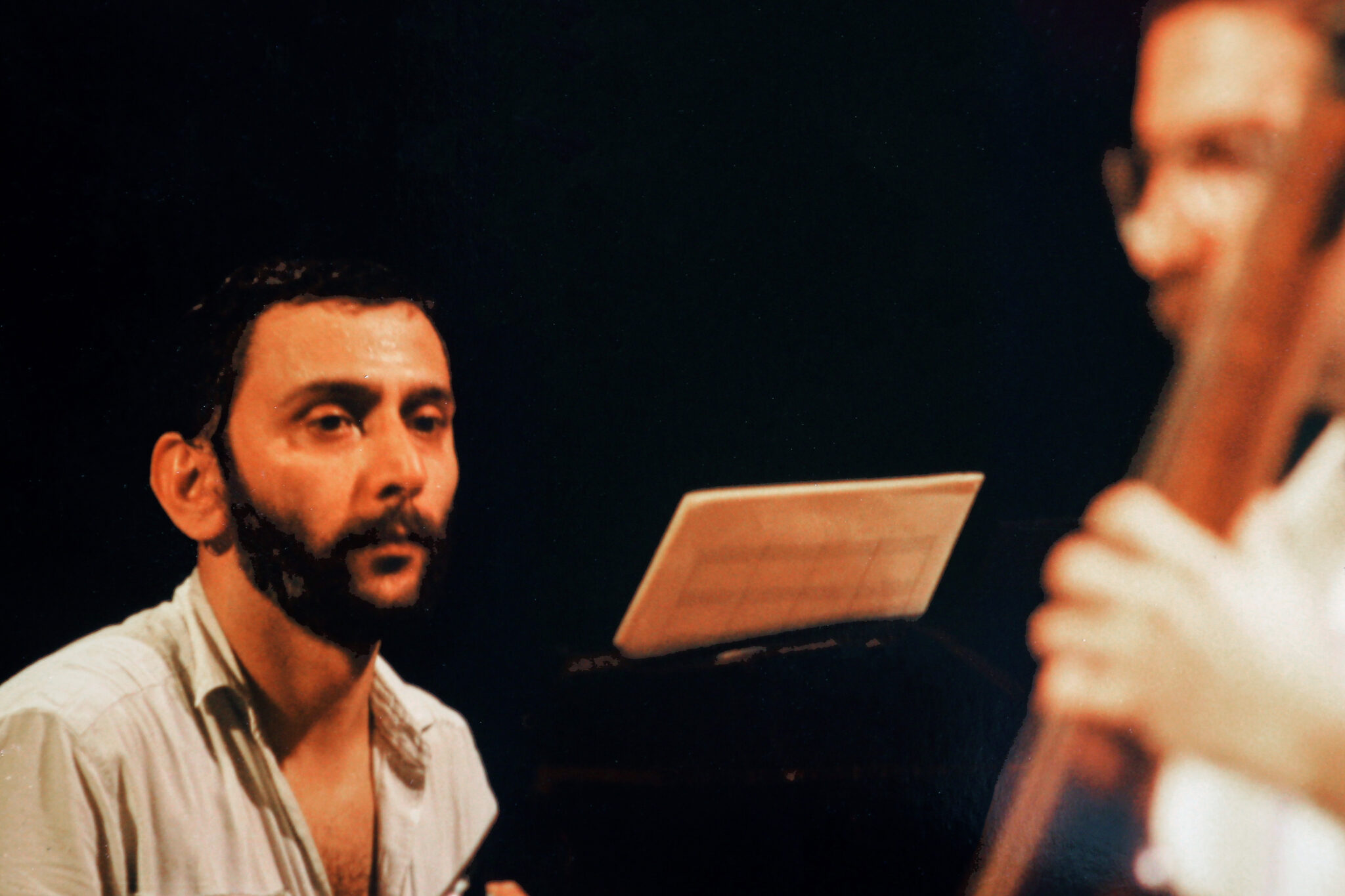
The death of Ziad Rahbani, Lebanon’s legendary composer, playwright, musician, and political provocateur, leaves a profound cultural and emotional void. His plays and songs expressed the nation’s tragedies, anger, and resilience, making him a “living echo” of Lebanon’s struggles that will continue to resonate for generations.
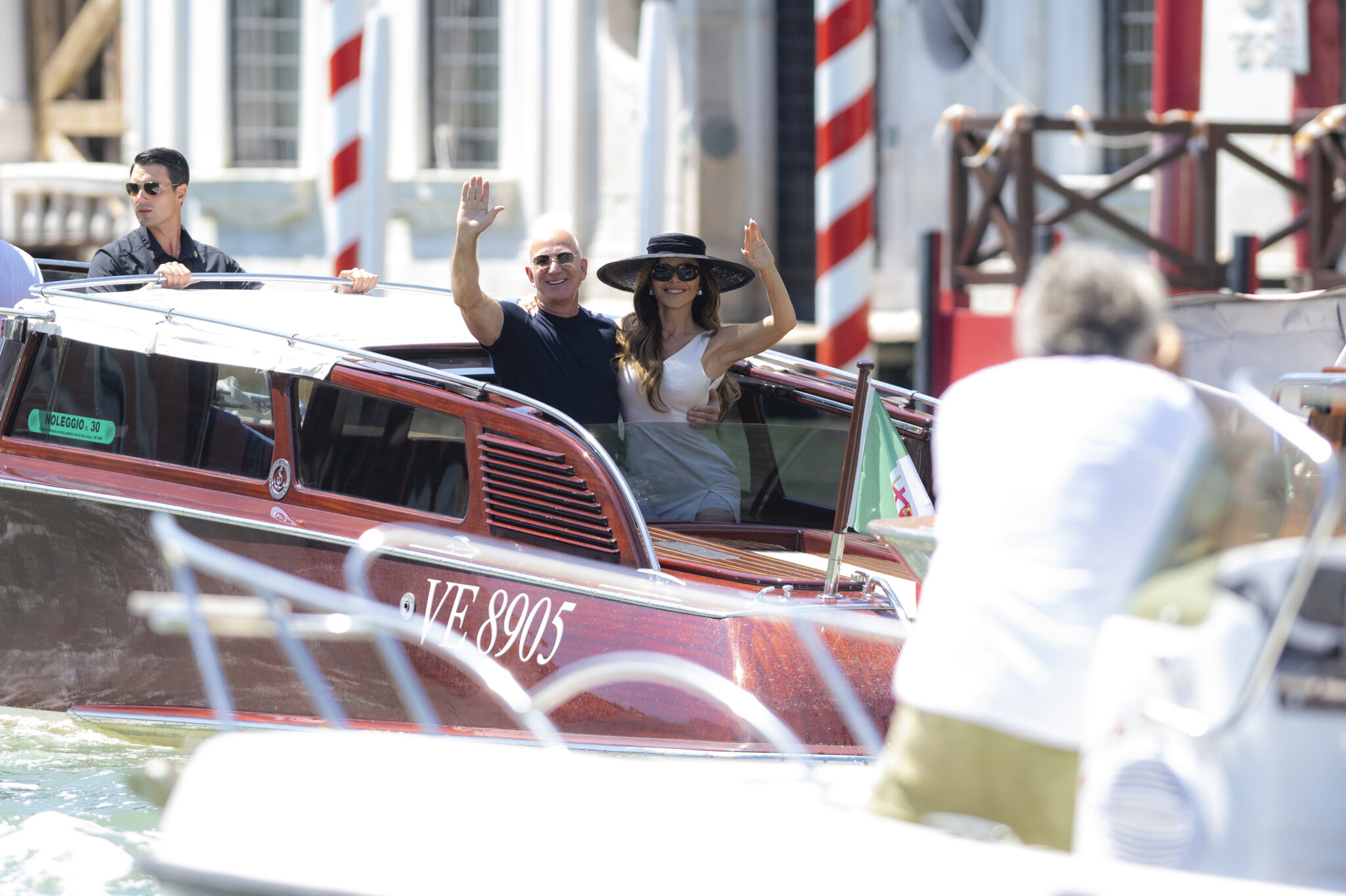
While billionaire Jeff Bezos turns Venice into a vanity set, the Prado museum in Madrid is currently featuring a major exposition of legendary Venetian painter Paolo Veronese. What was true in the Renaissance is almost true today: Art, power and decadence intertwine in the city that learned to live from its own sinking.
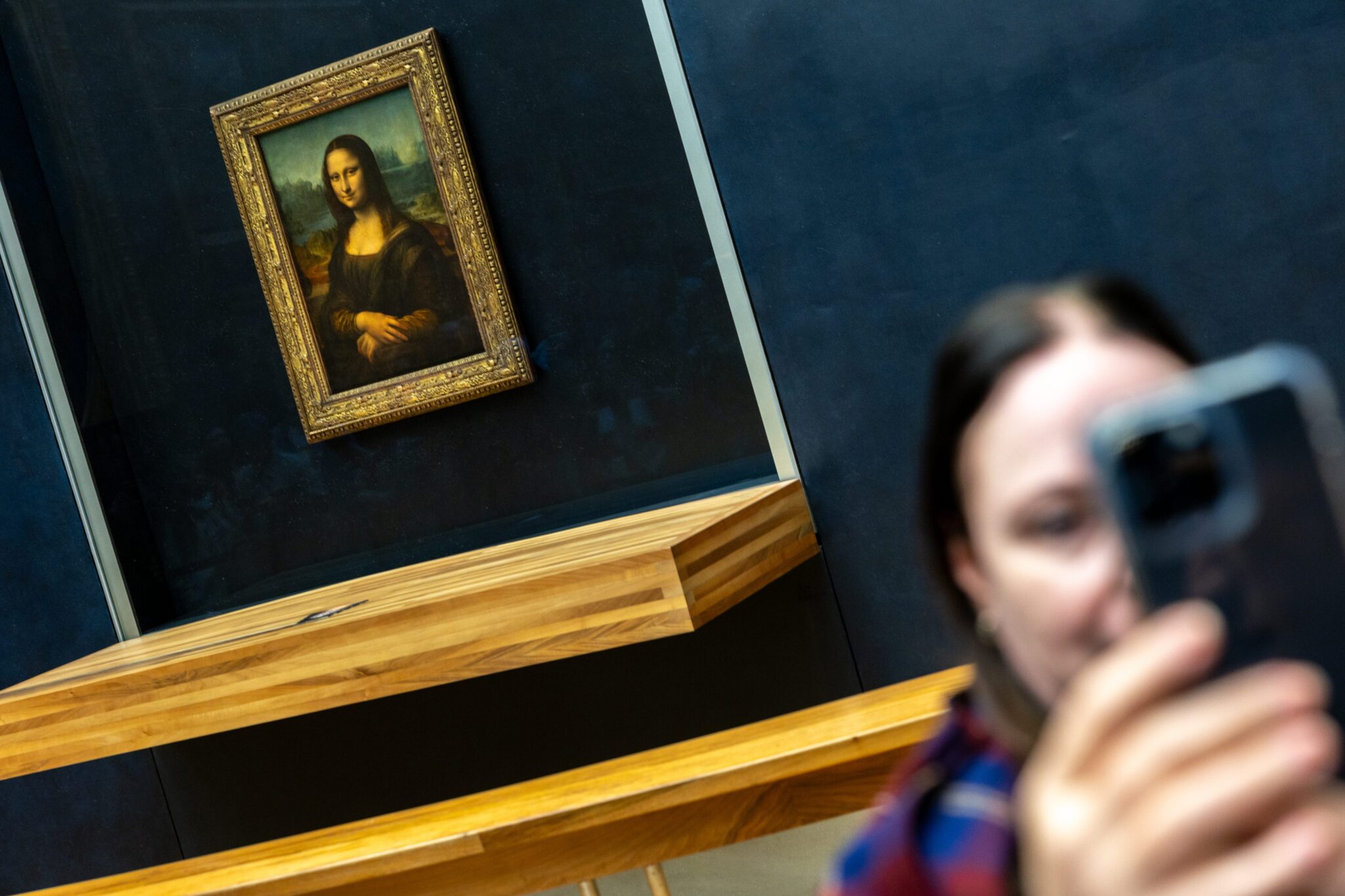
When French president Emmanuel Macron unveiled a dedicated passage for the Mona Lisa, the Louvre promised relief from crowds. Instead, it offered a stark preview of museums’ surrender to spectacle: galleries as curated stages where art is secondary to the social-media moment.
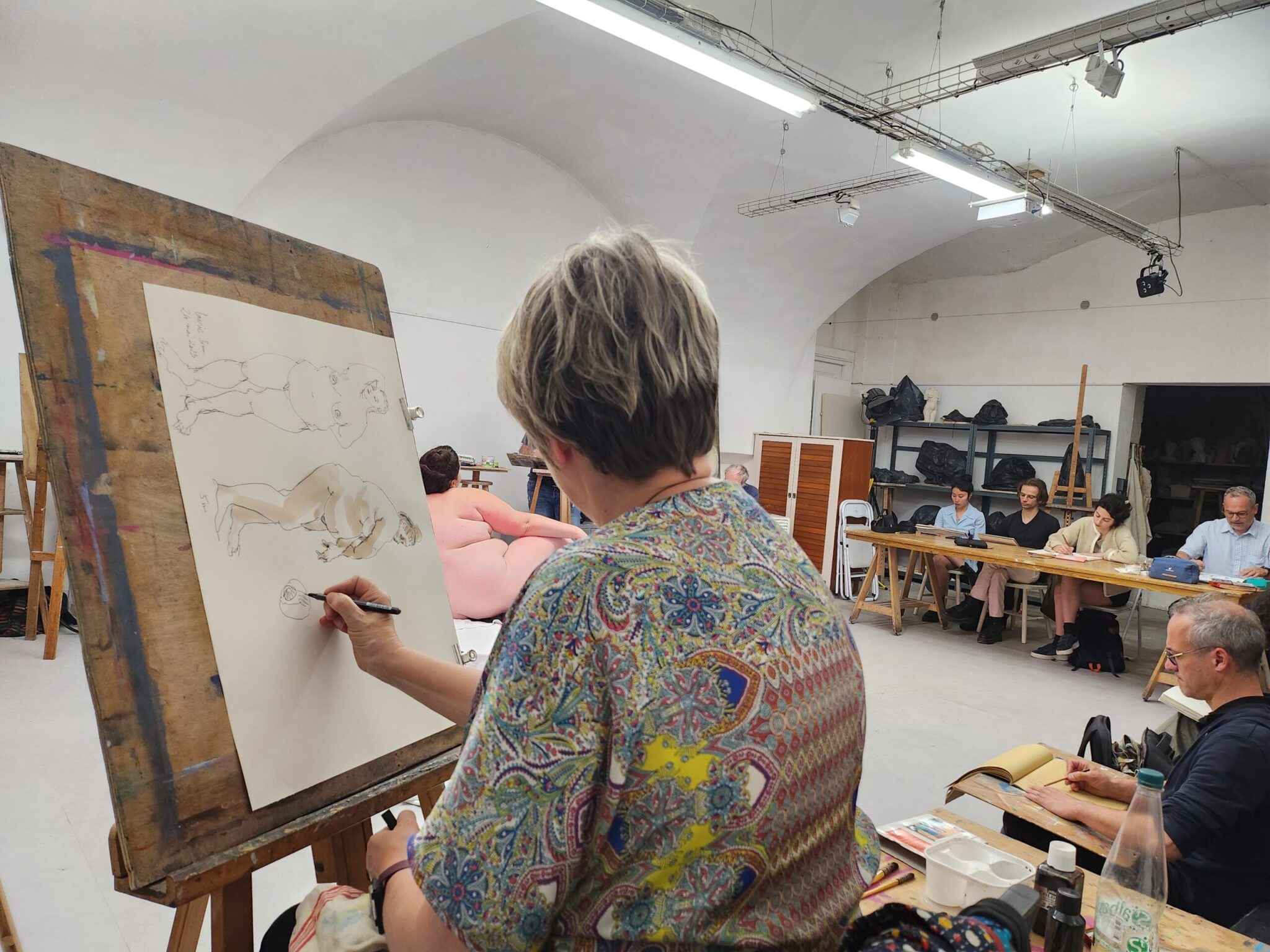
Nude modeling in Paris is a demanding, underpaid job clinging to relevance as figurative art fades. Despite its decline, many still see it as essential to preserving artistic tradition.
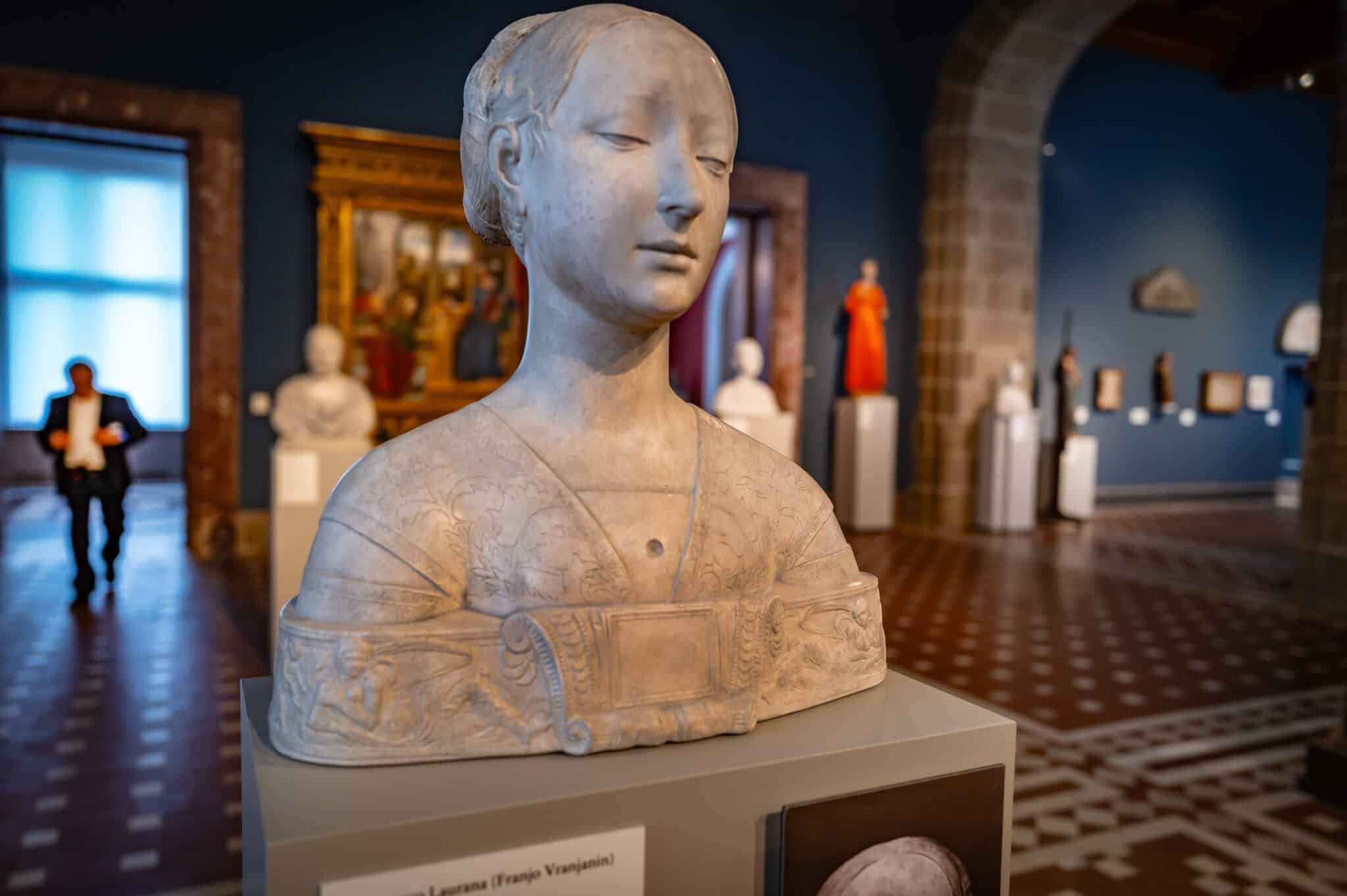
Once sites of shock and provocation, museums are reinventing themselves as places of calm and care. From meditation cushions to medical studies, art is now being prescribed for everything from burnout to chronic illness. But what happens when comfort replaces critique?
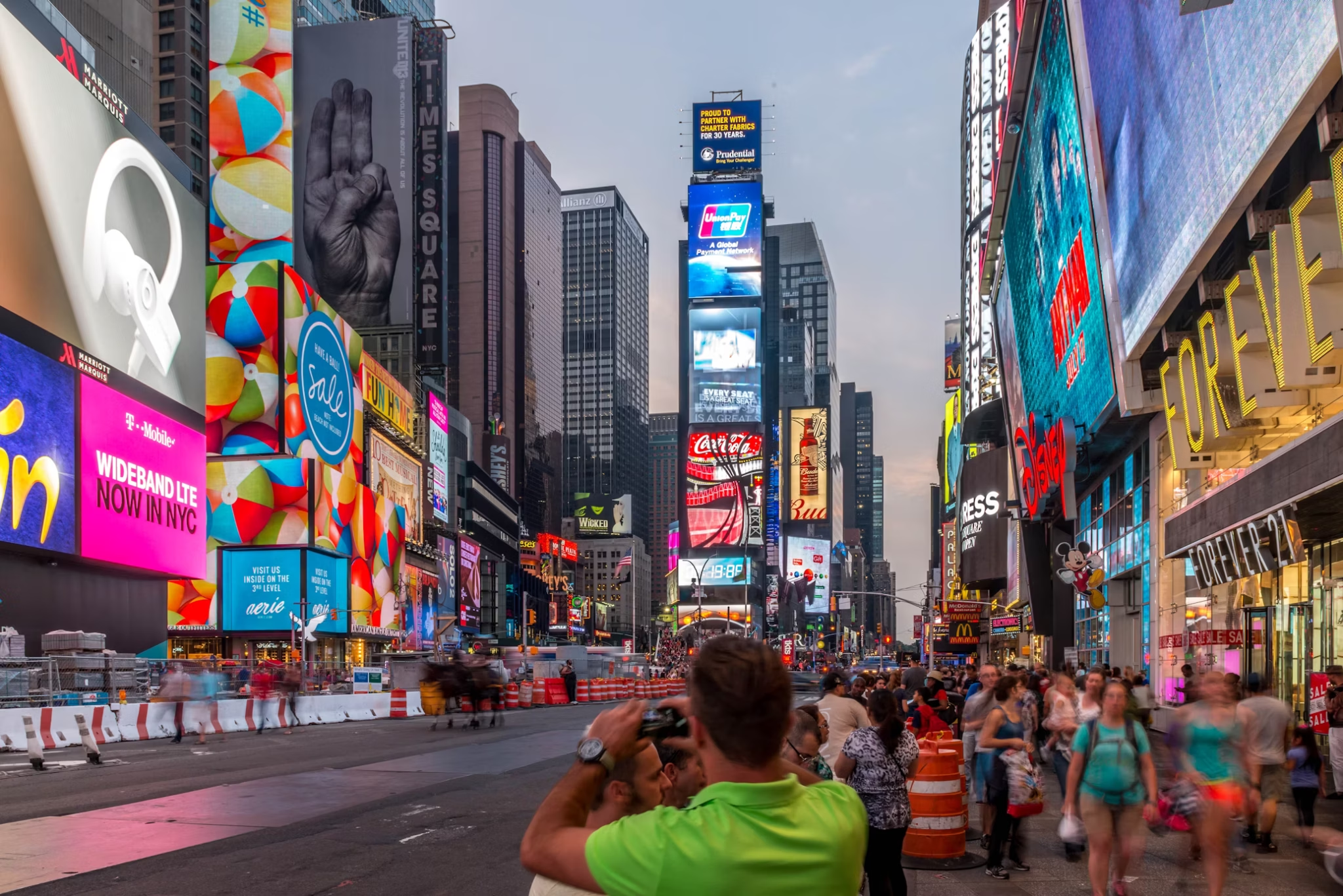
As digital facades and minimalist design dominate the urban landscape, architect Florent Auclair argues for the revival of ornamentation as a cultural language that connects buildings to their time, their place, and the people who live among them.
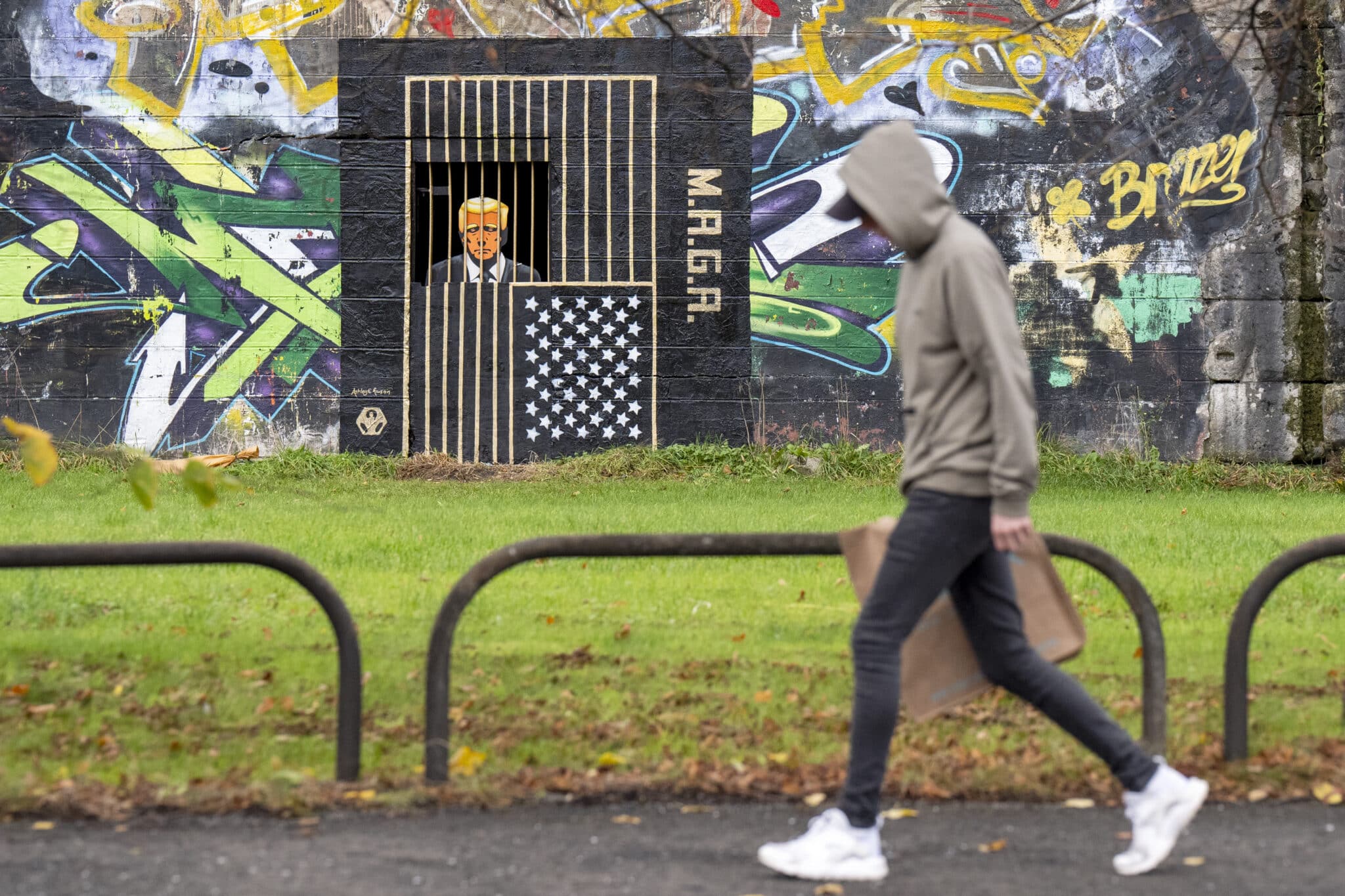
As Trump’s administration ramps up attacks on civil rights, diversity efforts, and climate initiatives, artists across the U.S. are transforming urban spaces into places of resistance. From anonymous culture jamming to pointed gallery installations, the creative community is mobilizing in protest — and grappling with how best to respond to the current political landscape.
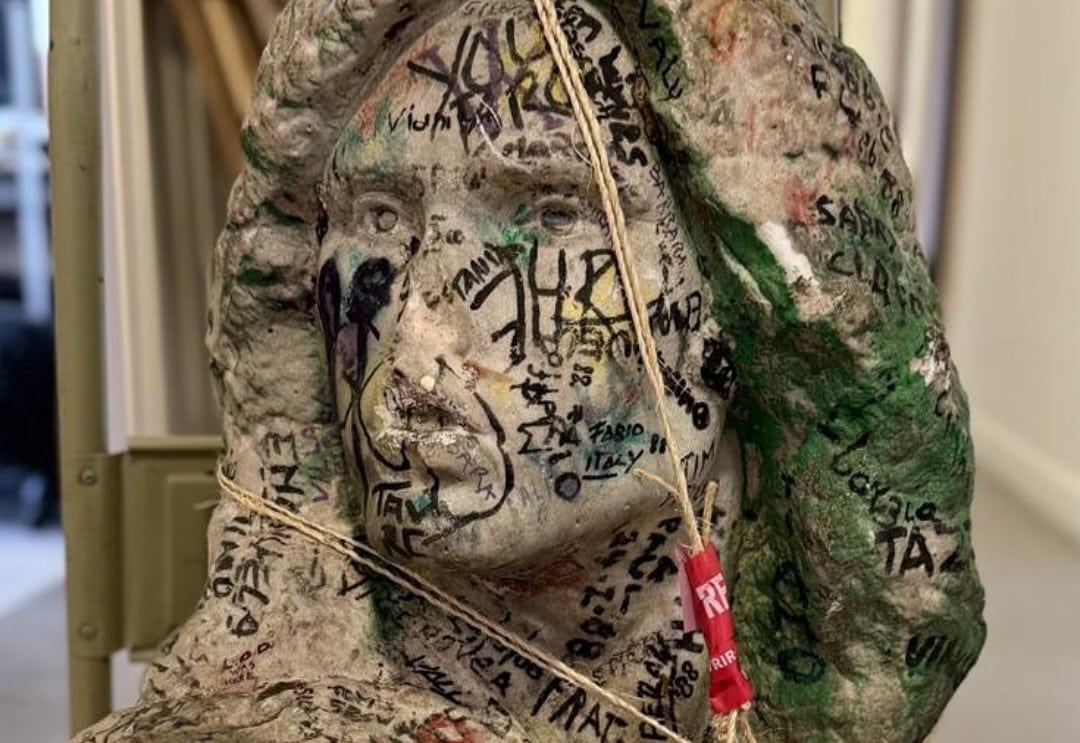
Yerba mate to-go, innovative phone app, Jim Morrison’s stolen bust and much more.
Airbnbing with the stars, Pope on social media, AI audiobooks and much more.
Conclave speculation, urinal innovation, “Italian brainrot”… and much more.
Conclave speculation, urinal innovation, “Italian brainrot”… and much more.
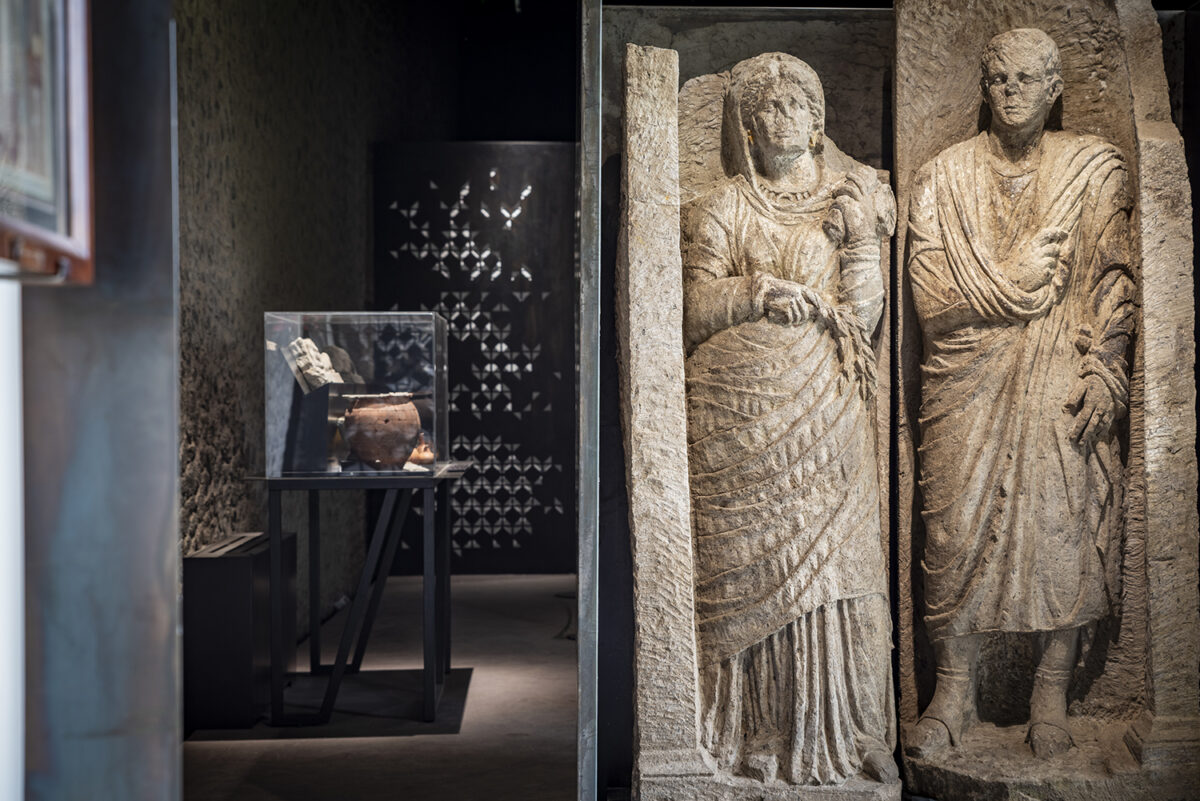
Central Asia’s first Chocolate Museum, AI-powered cheating, a balancing act… and much more.
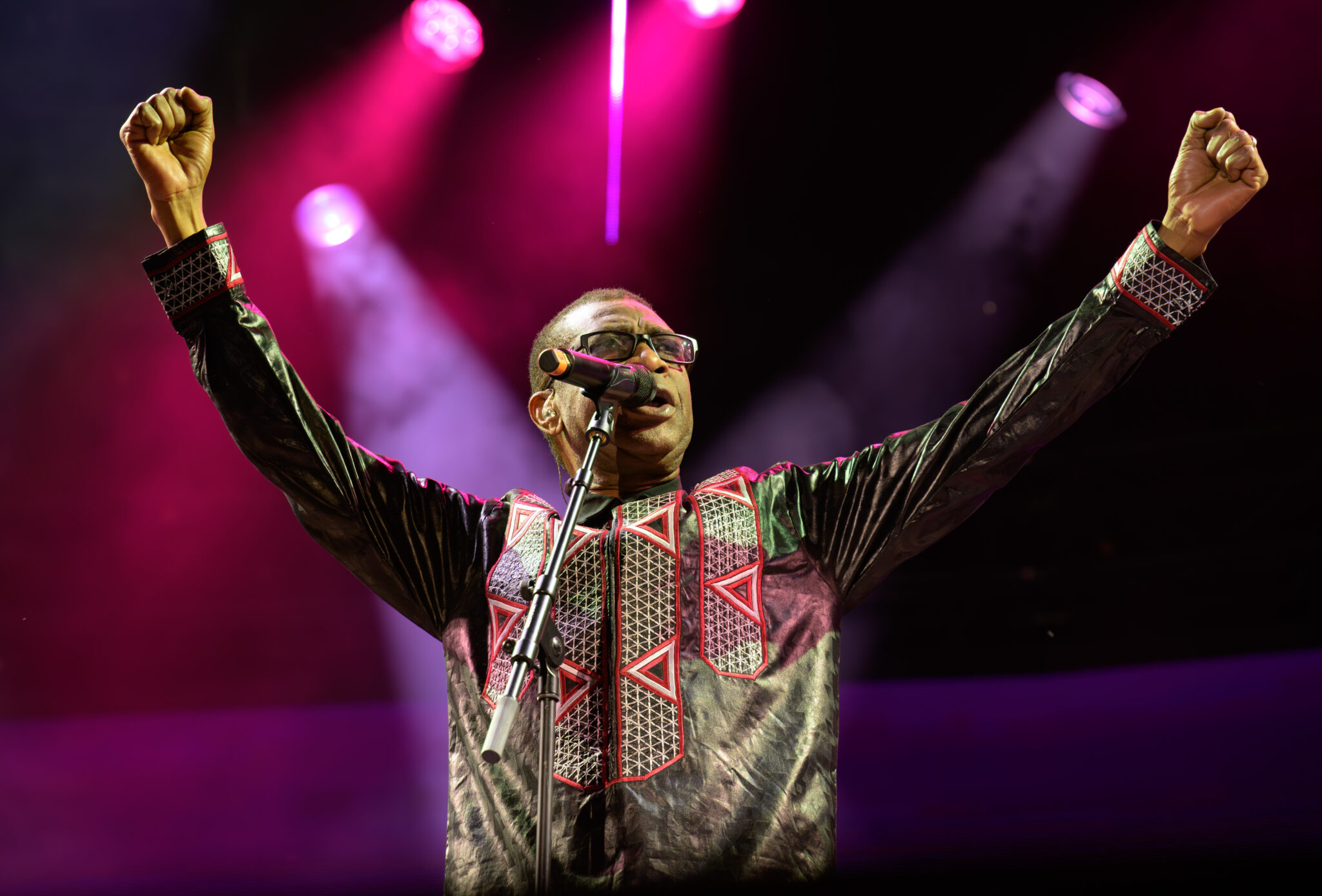
A new exhibition of stolen artifacts, UK plays in decline, a deodorant row… and much more.
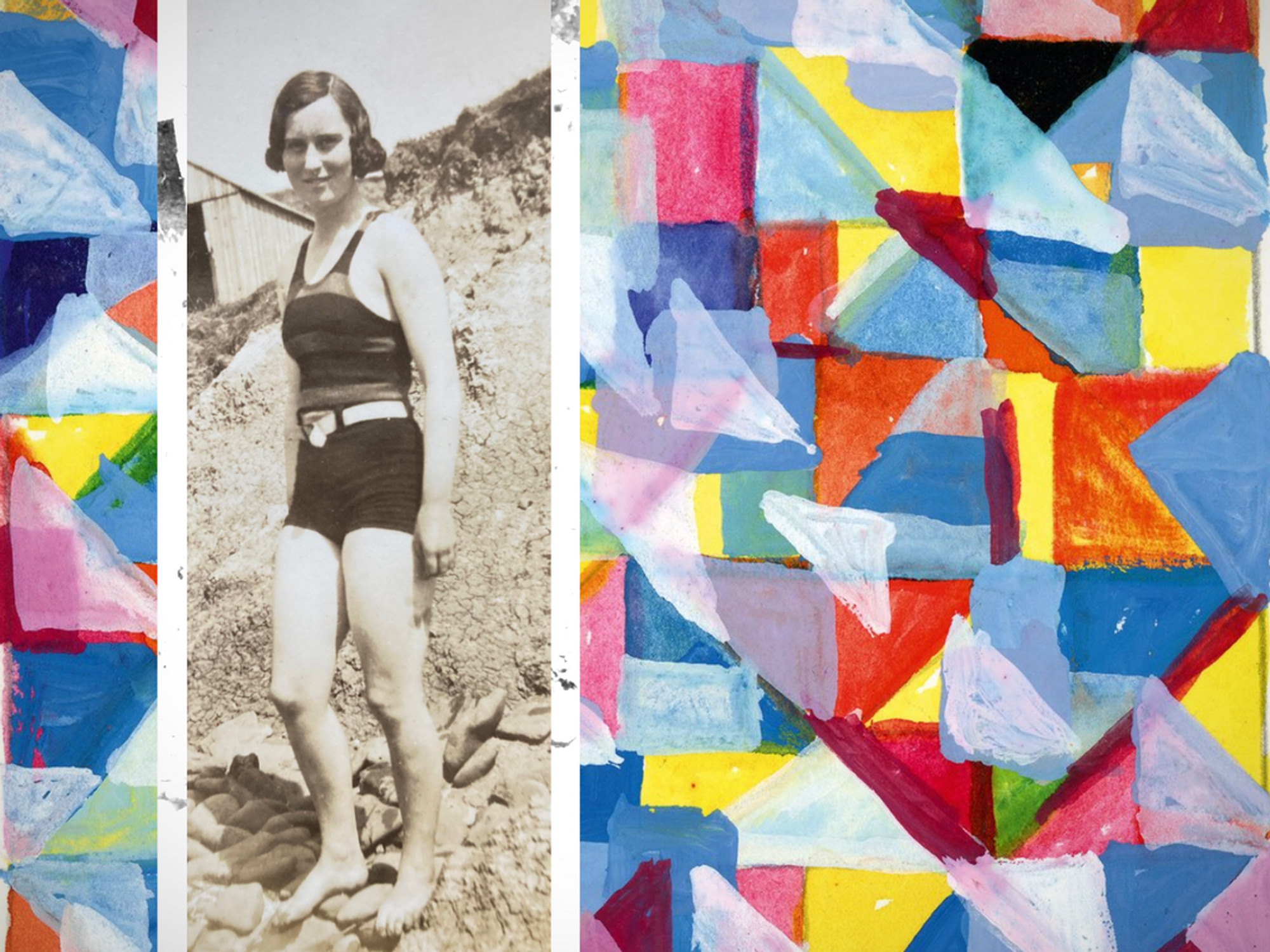
As the art world celebrates 100 years of Surrealism, a spotlight falls on Mary Wykeham, an artist whose journey from avant-garde experimentation to religious devotion reveals a profound connection between creativity and faith.
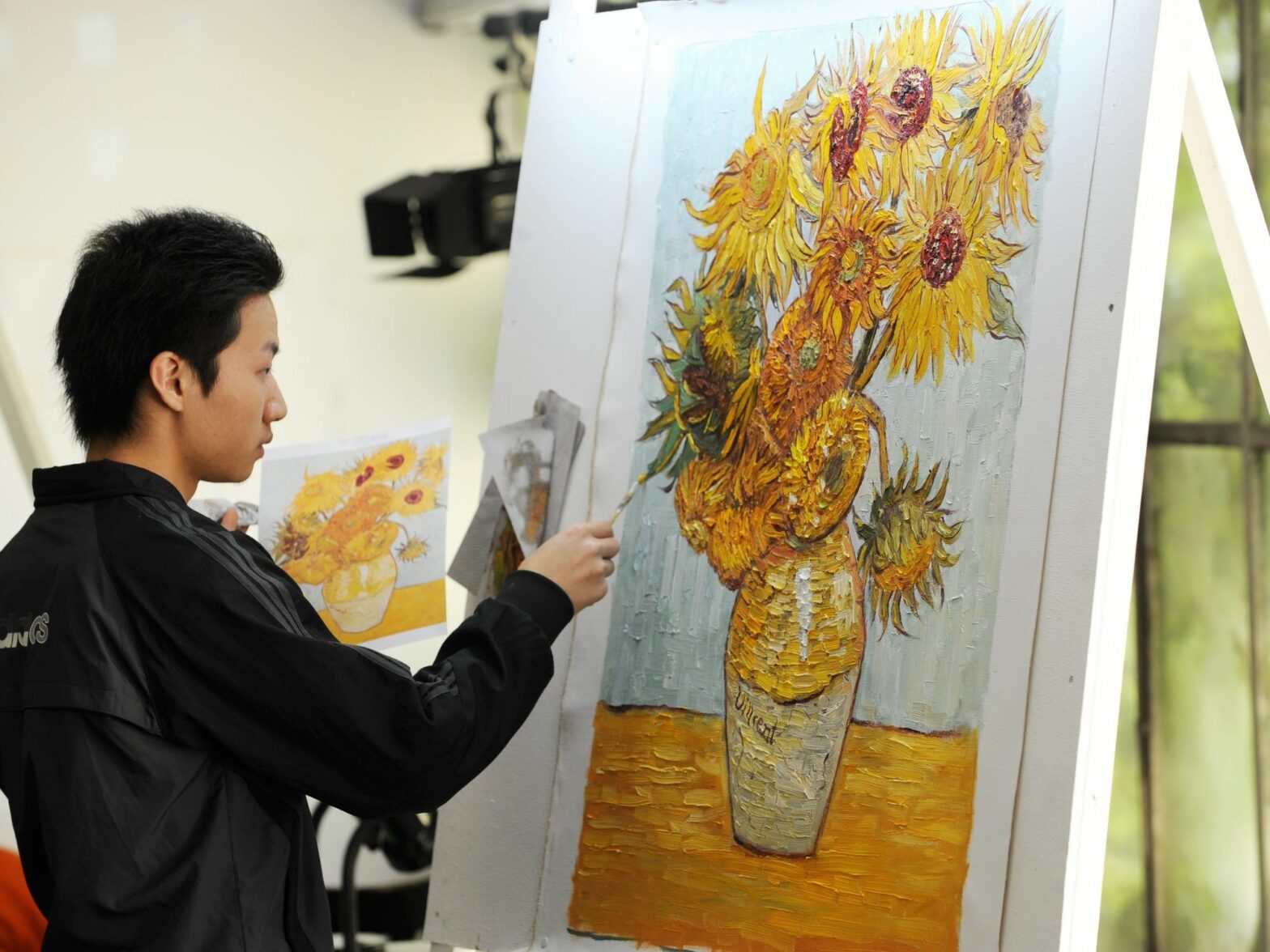
Dafen has long been the world capital of oil painting copies. After years of reproducing masterpieces on an assembly line, these painters would now like to be considered true artists and make a living from their creations. But in this ancient village in southern China, copies pay more than originals.
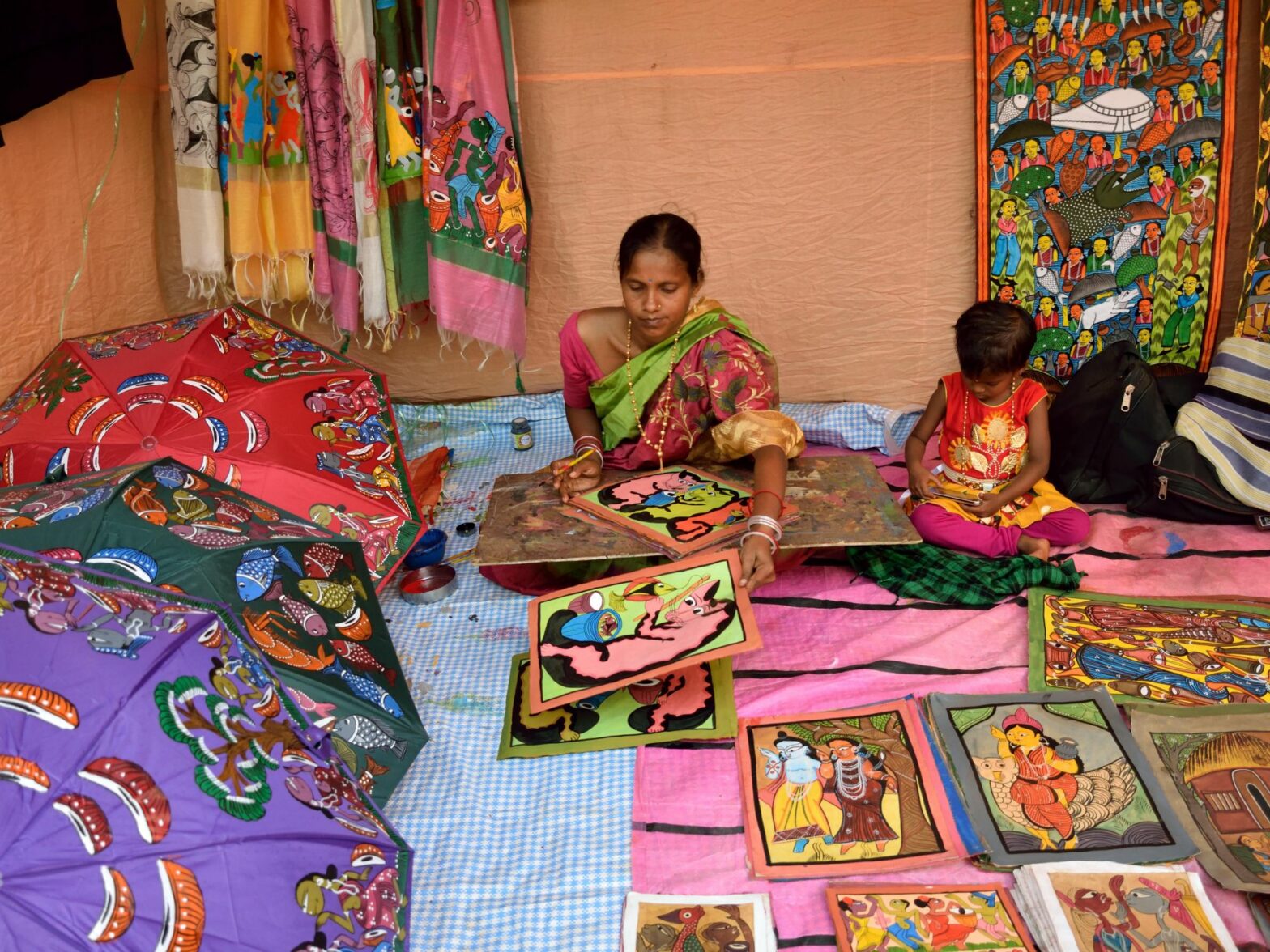
In Nayagram, every resident is an artist earning a living by showcasing their talent through the traditional art form of Indian scroll painting called ‘Patachitra’.
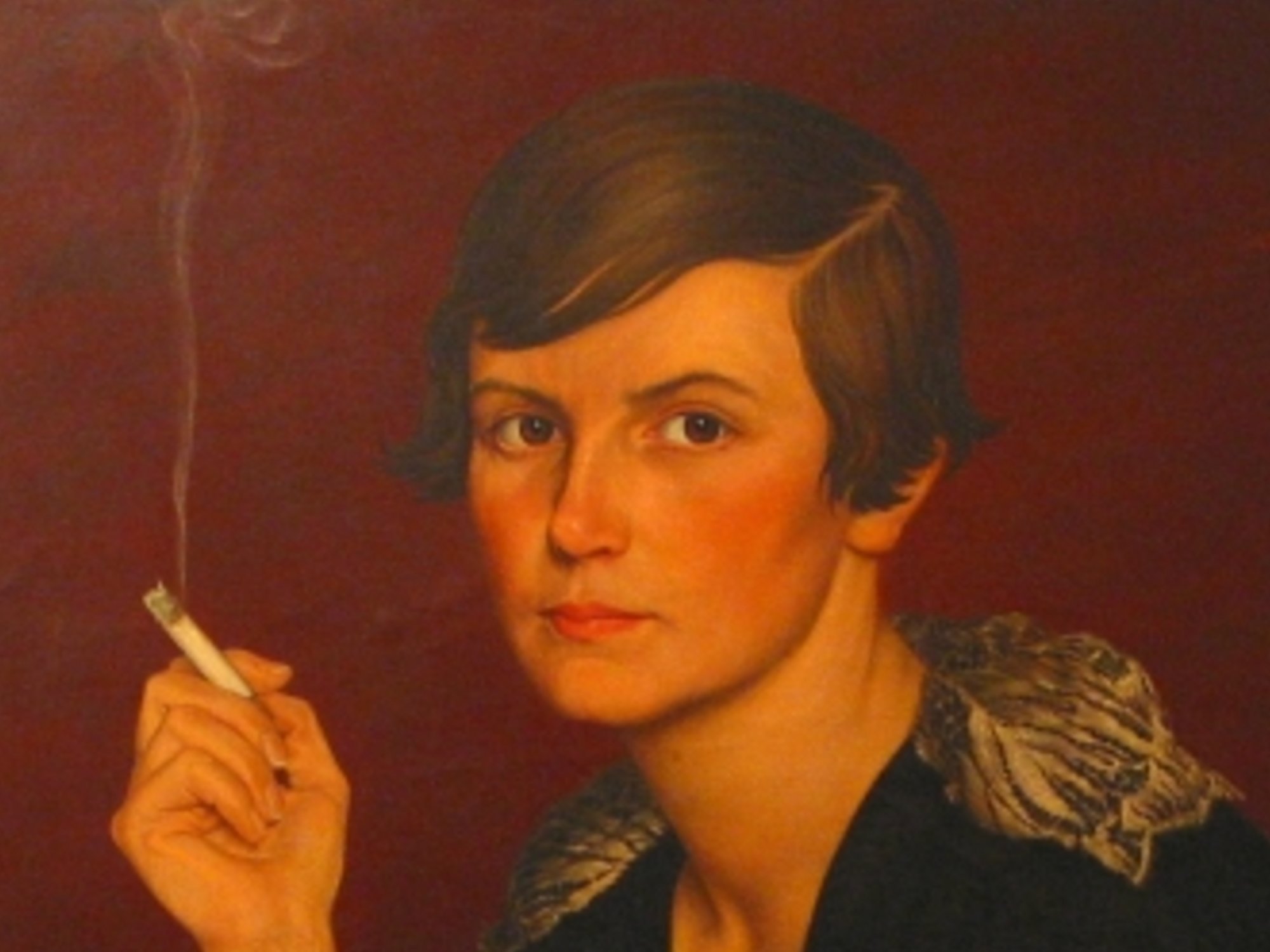
In the German city of Mannheim, the museum of modern and contemporary art is re-staging its iconic 1925 exhibition on the art movement. One hundred years on, it resonates strongly with our current era. Does our restless present demand a New Objectivity? Or does it serve as a warning?
From an Italian take on Hawaiian pizza to gay rodeo, Sam Altman’s eye-scanning “orb”… and more!
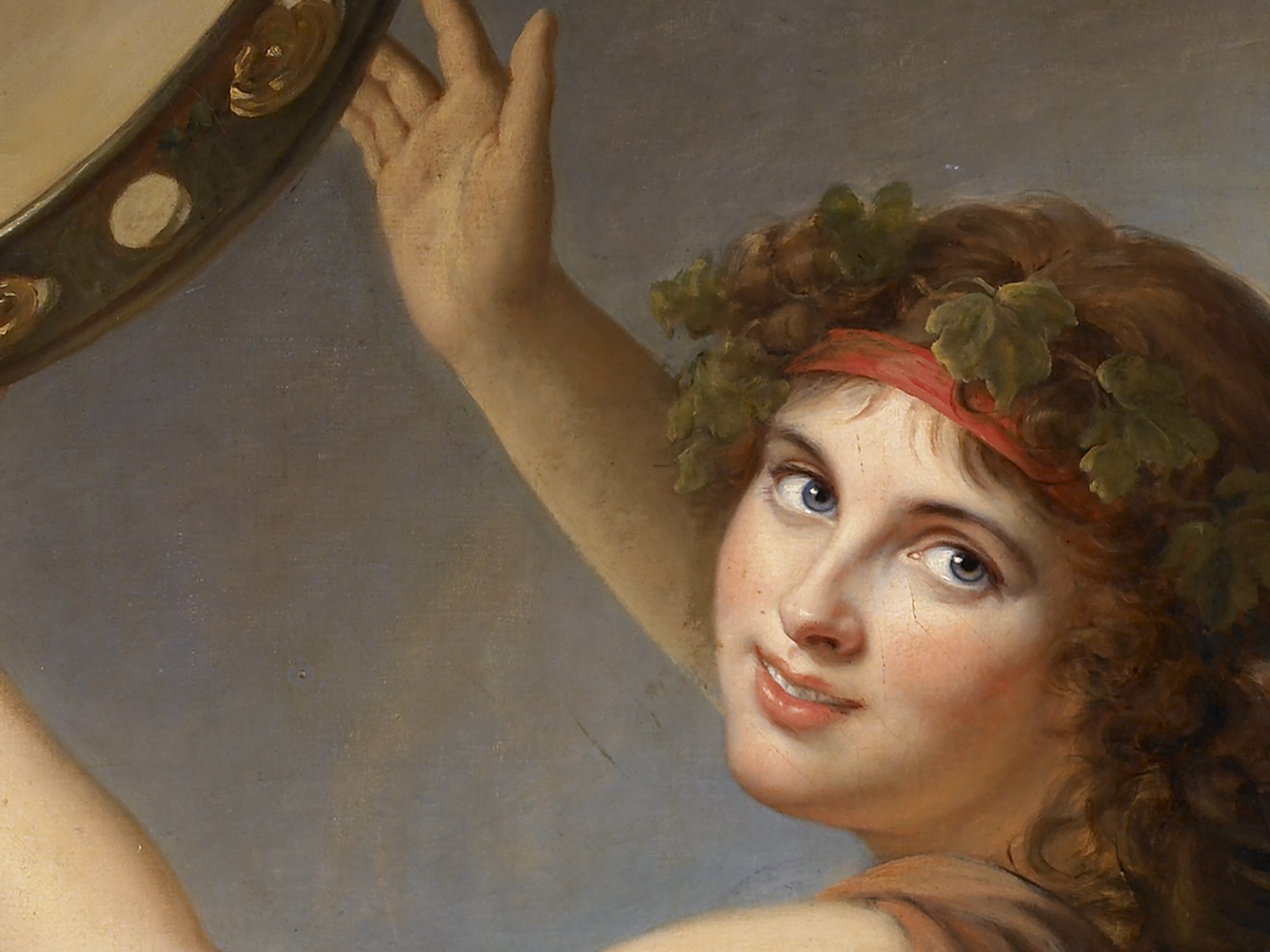
Until the Enlightenment, smiling and showing teeth was not fashionable — or socially acceptable — in a Europe where dental health had not yet become widespread. But then the perception of smiles changed, shifting from a serious demeanor to an embrace of open expressions.
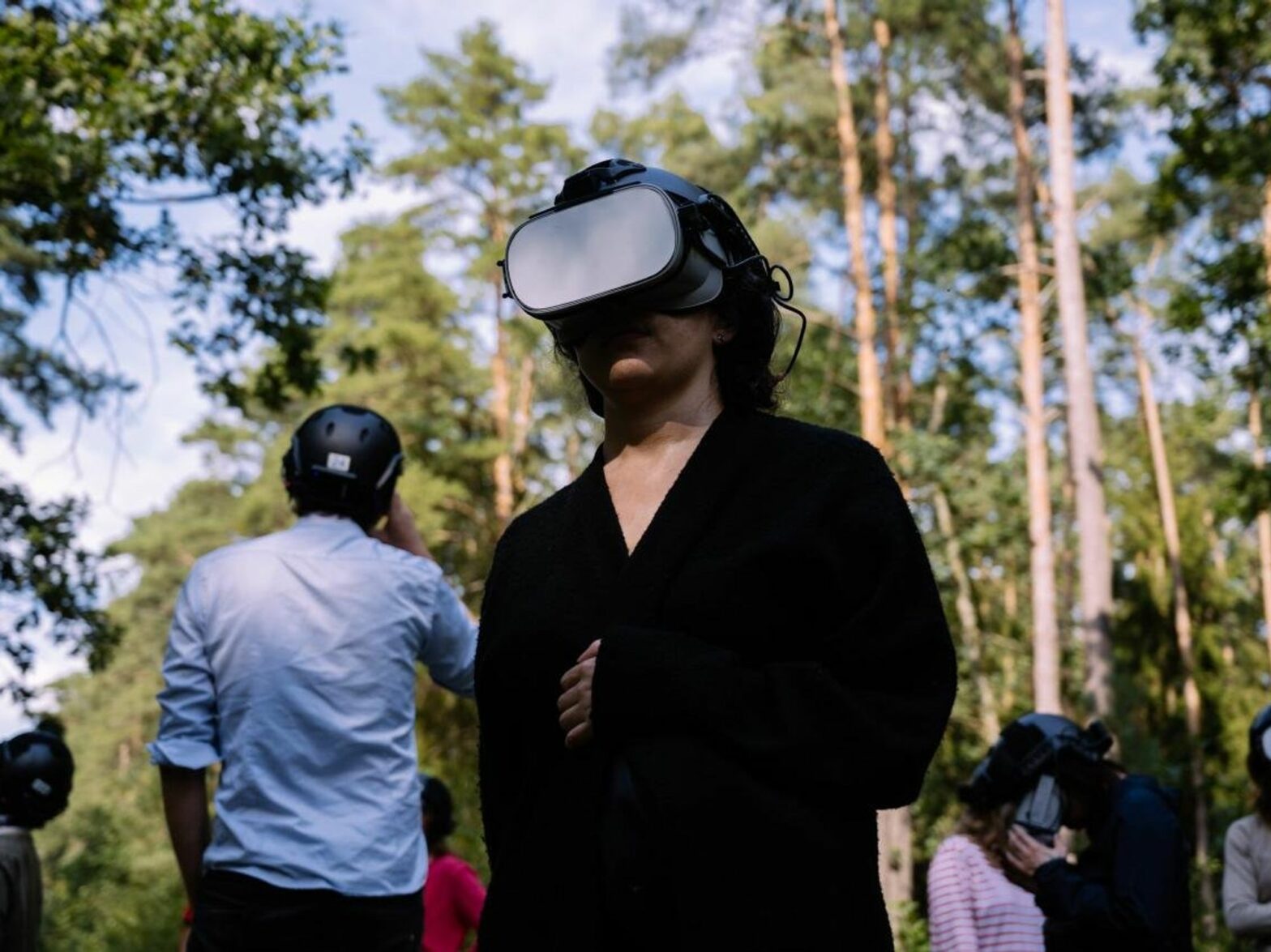
The International Festival of Performing Arts Temporada Alta is hosting the Spanish premiere of this European project that explores our links with nature and the landscape.
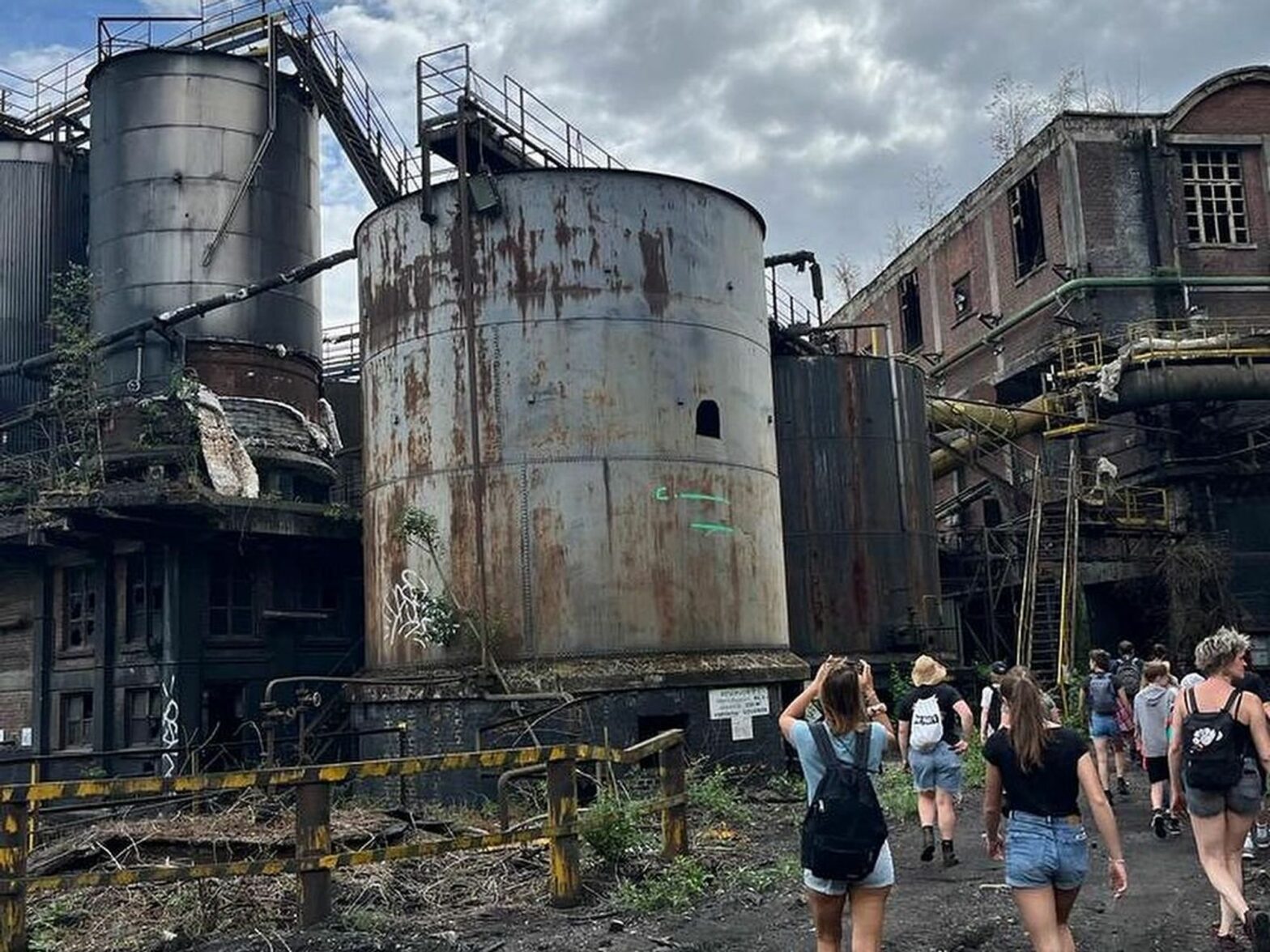
For 15 years, Nicolas Buissart has been guiding curious visitors through the industrial ruins of Charleroi, the largest municipality in Wallonia, Belgium. With his storytelling skills, he has transformed the supposed ugliness of this urban landscape into a tourist attraction.
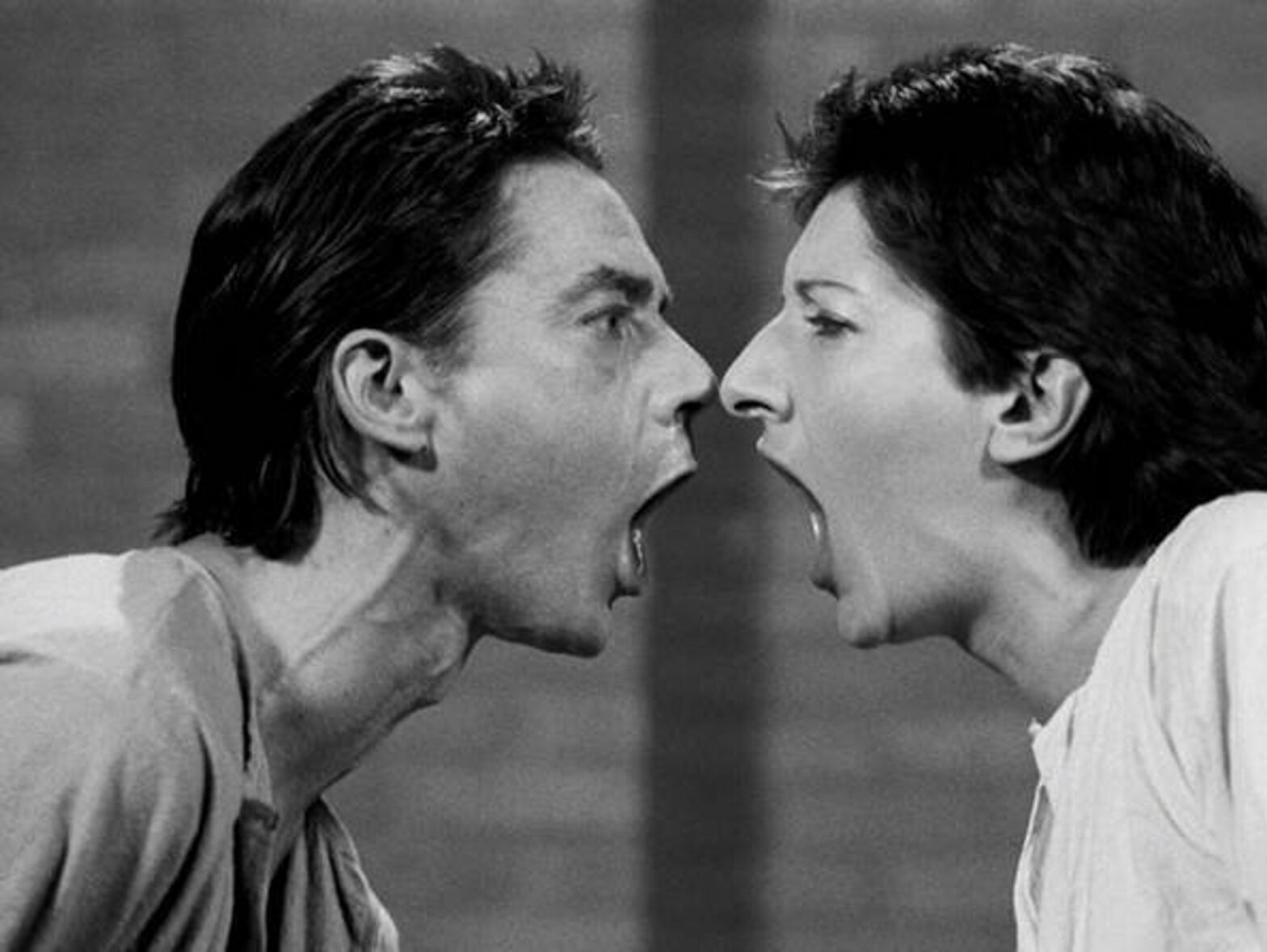
For a long time, contemporary art was the rage room of a conformist society. Now, it is filled with educational purposes. Where have all the angry artists gone?
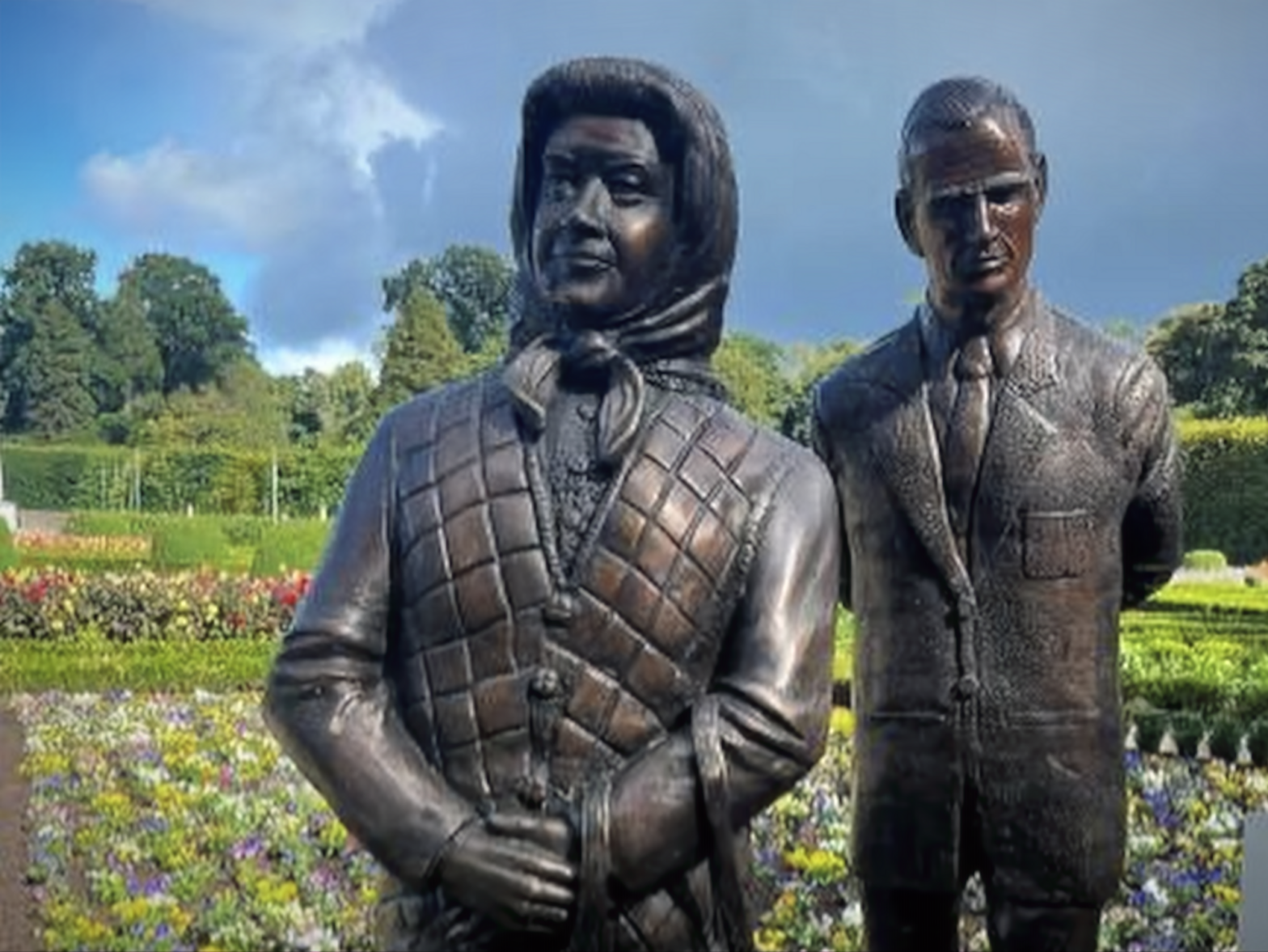
This giant chicken will attract tourists! Let’s honor Queen Elizabeth with a statue that looks nothing like her! And other very visible bad ideas around the world…
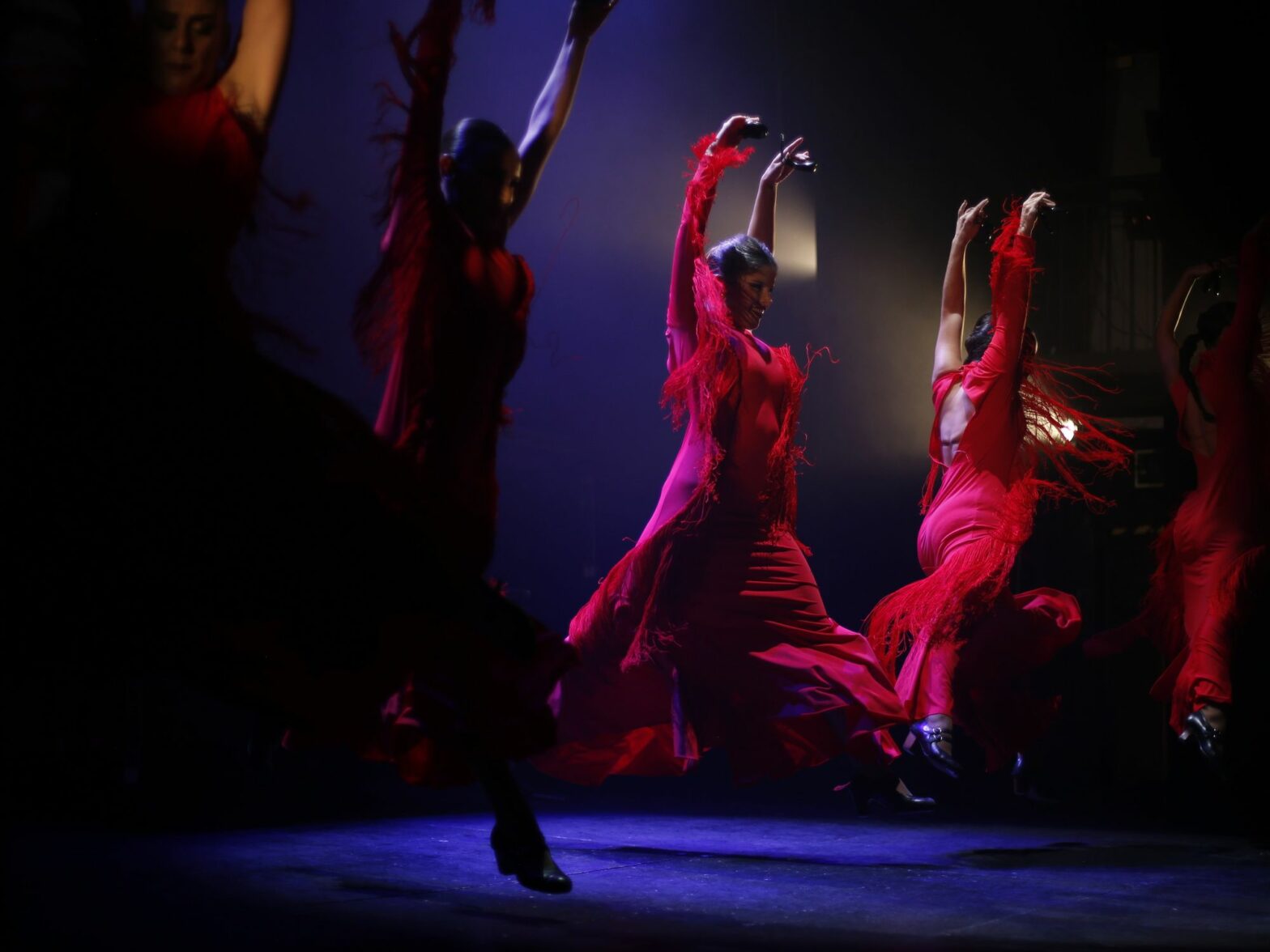
Few artistic disciplines have as many women as leading figures as flamenco does. Madrid-based media Ethic takes a look at some of the most representative names — from Carmen Amaya to Rosalía — of this cultural expression and their contribution to the history of music.
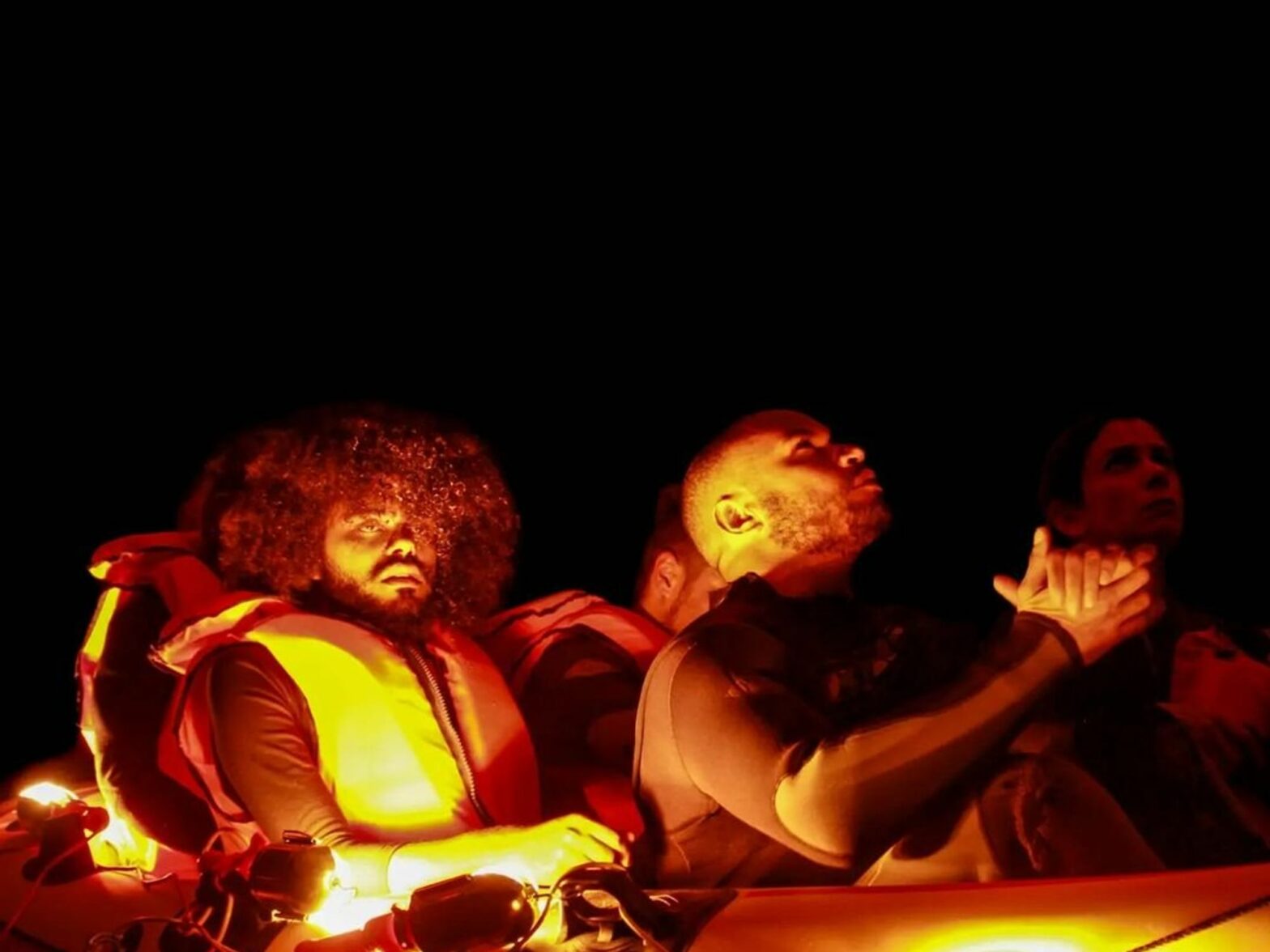
A new group theater in Lisbon — made up by a majority of Brazilian migrants — has set out to explore the idea of migration through plays. They started with putting in scene a story about the concept of nationhood — because every migration story looks different, but it also has some universal basis, the artists tell independent media Mensagem.
July 6, 2024 at 11:10 a.m. Frida Kahlo was a renowned Mexican artist known for her distinctive and vibrant self-portraits. She was born on this day in 1907. Kahlo is considered one of the most influential artists of the 20th century. What was Frida Kahlo’s childhood like? During her childhood, Frida contracted polio, which left […]
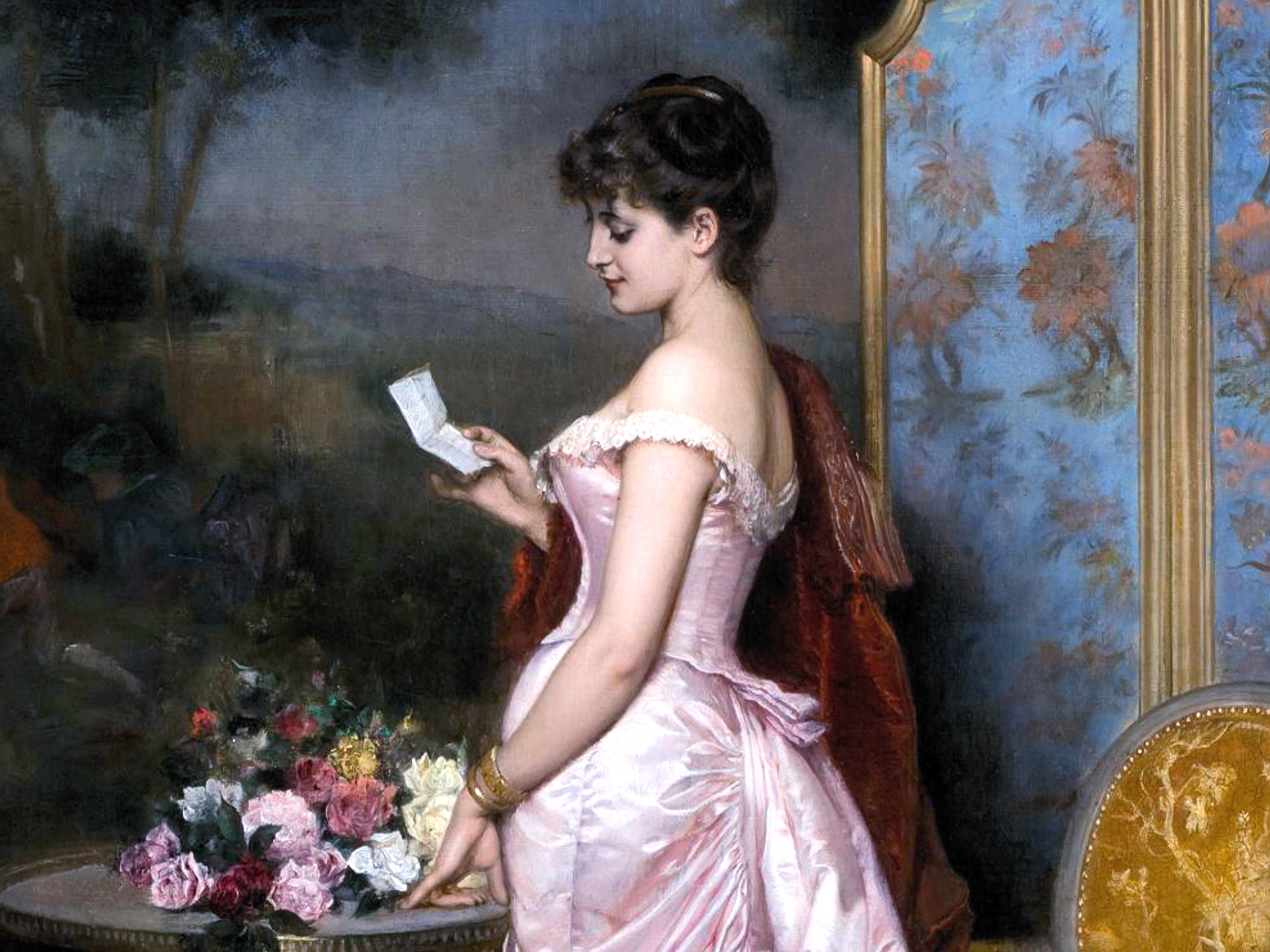
Whatever happened to the love letter? Many are sitting in literary archives, while today’s youth prefers WhatsApps and emojis.
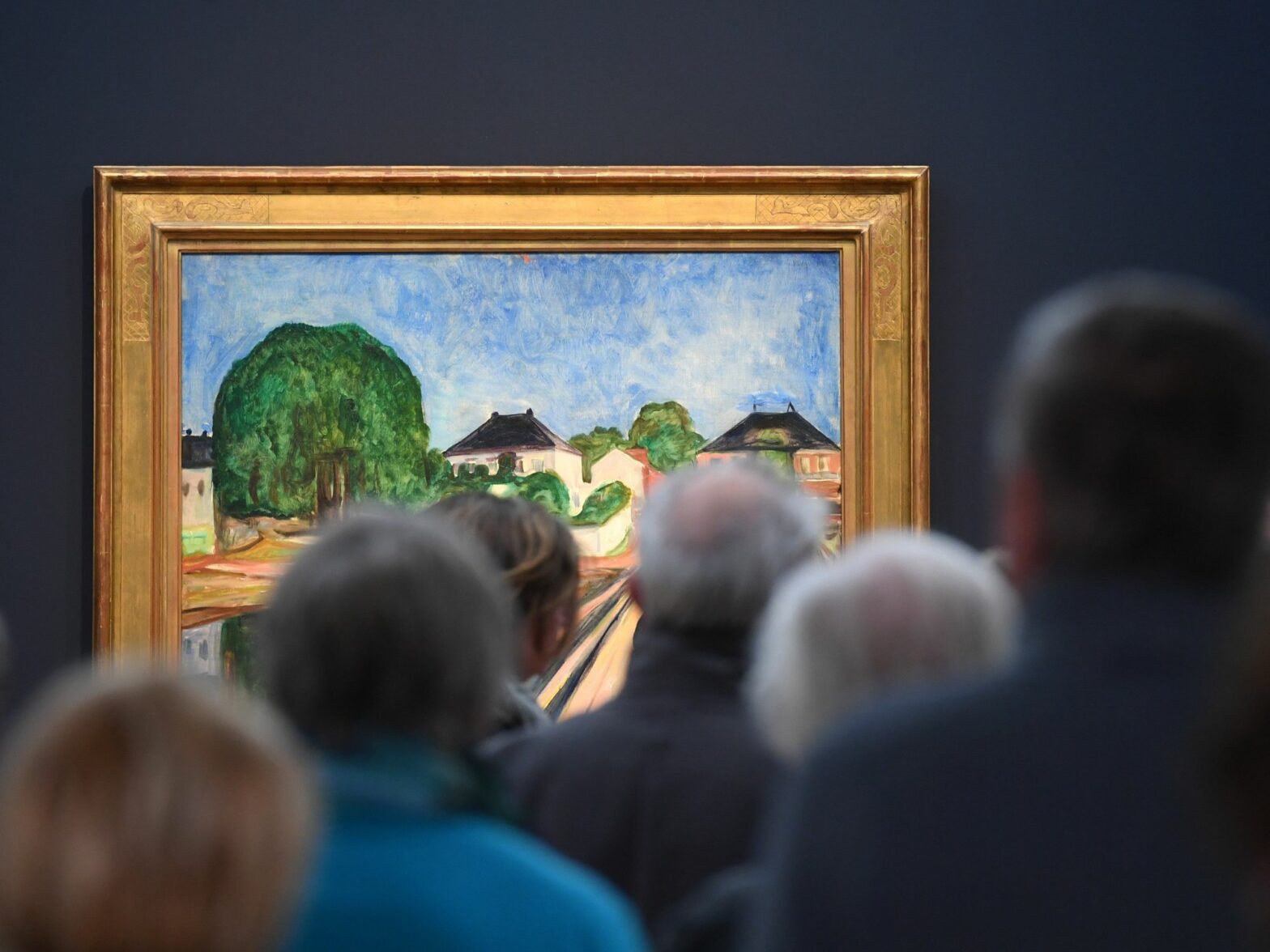
In his latest book, Spanish meteorologist and author José Miguel Viñas traces the history of painting, observing the skies of artists from different times and latitudes. Walking through a Madrid museum, he explains different types of clouds and historical climatological events.
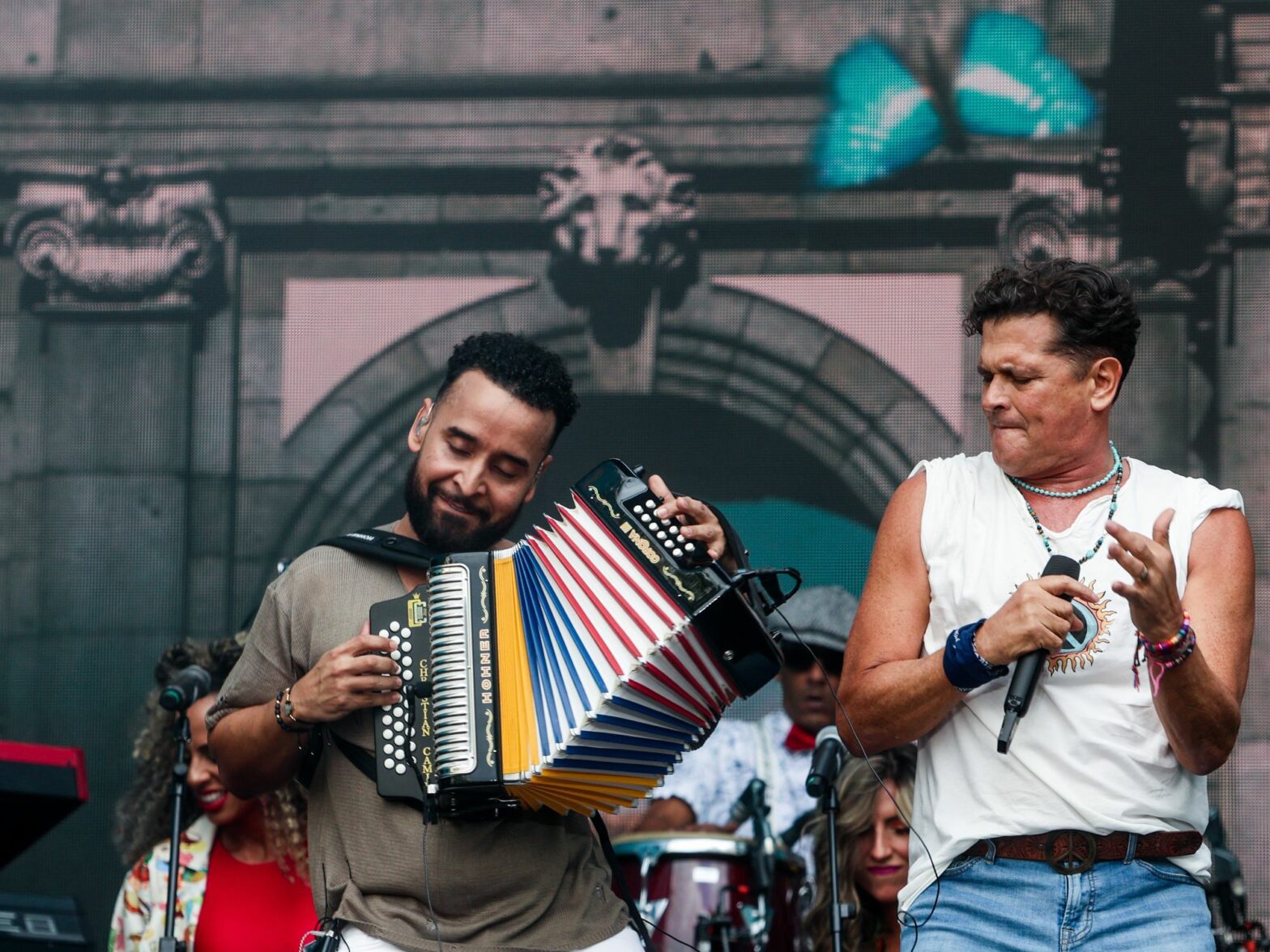
The recent outrage of Colombians online over a singer’s reported criticism of the country’s late, great novelist García Márquez, showed perfectly how jingoism and a primitive hatred of freedom go hand in hand.

Ahead of Notre Dame Cathedral’s reopening in December 2024, a proposal by President Macron to replace six 19th-century stained glass windows with new panels has sparked outcry. Yet stained glass is not new to controversy in France, where even Matisse, Chagall, Garouste and Soulages have managed to unite the sacred and the contemporary.
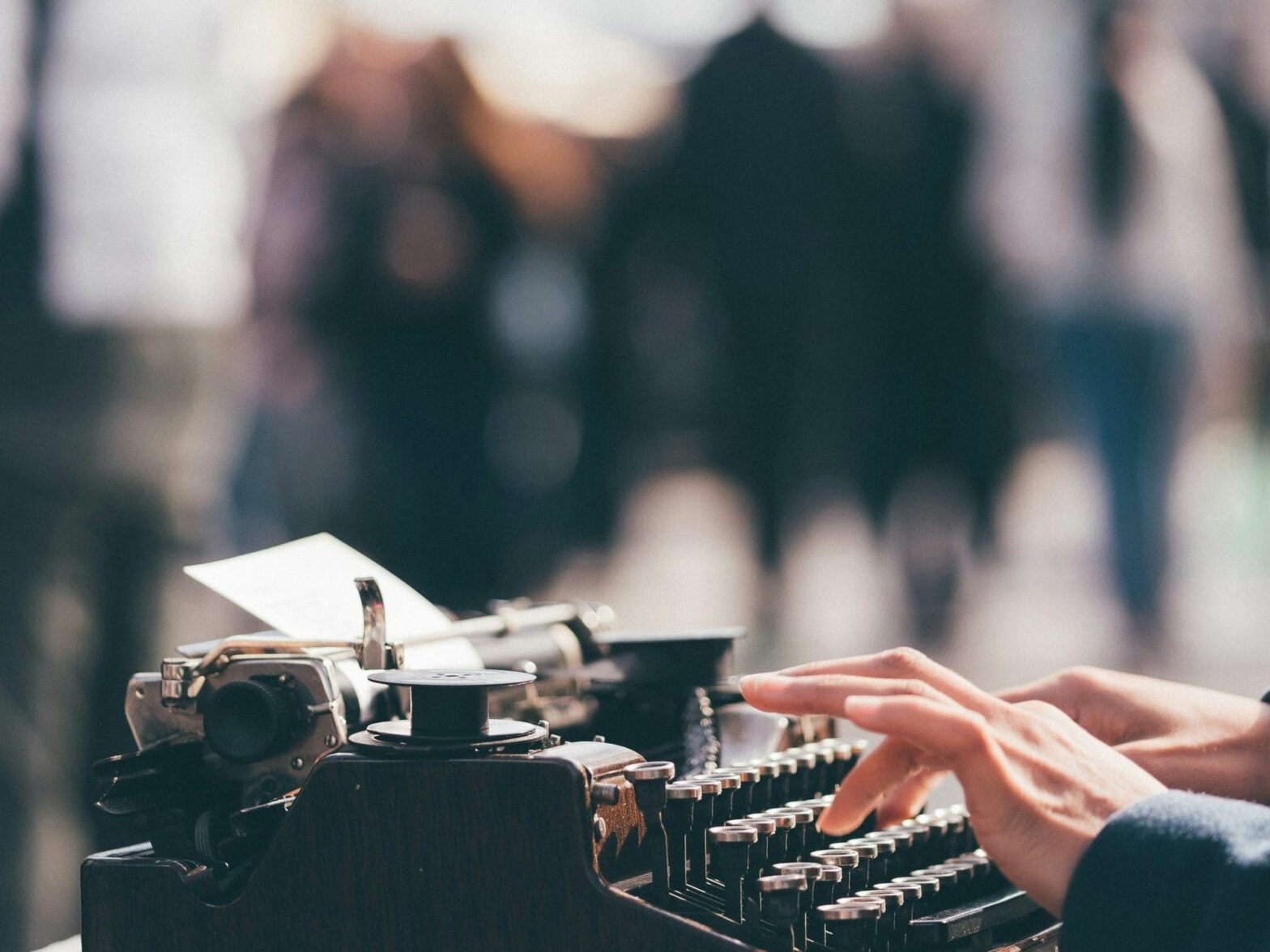
Certain contemporary writers may be deluded and even deceived in claiming there is nothing subjective in their fictional writings, forgetting that their literary “realities” are, inevitably, the fruit of a personal vision.
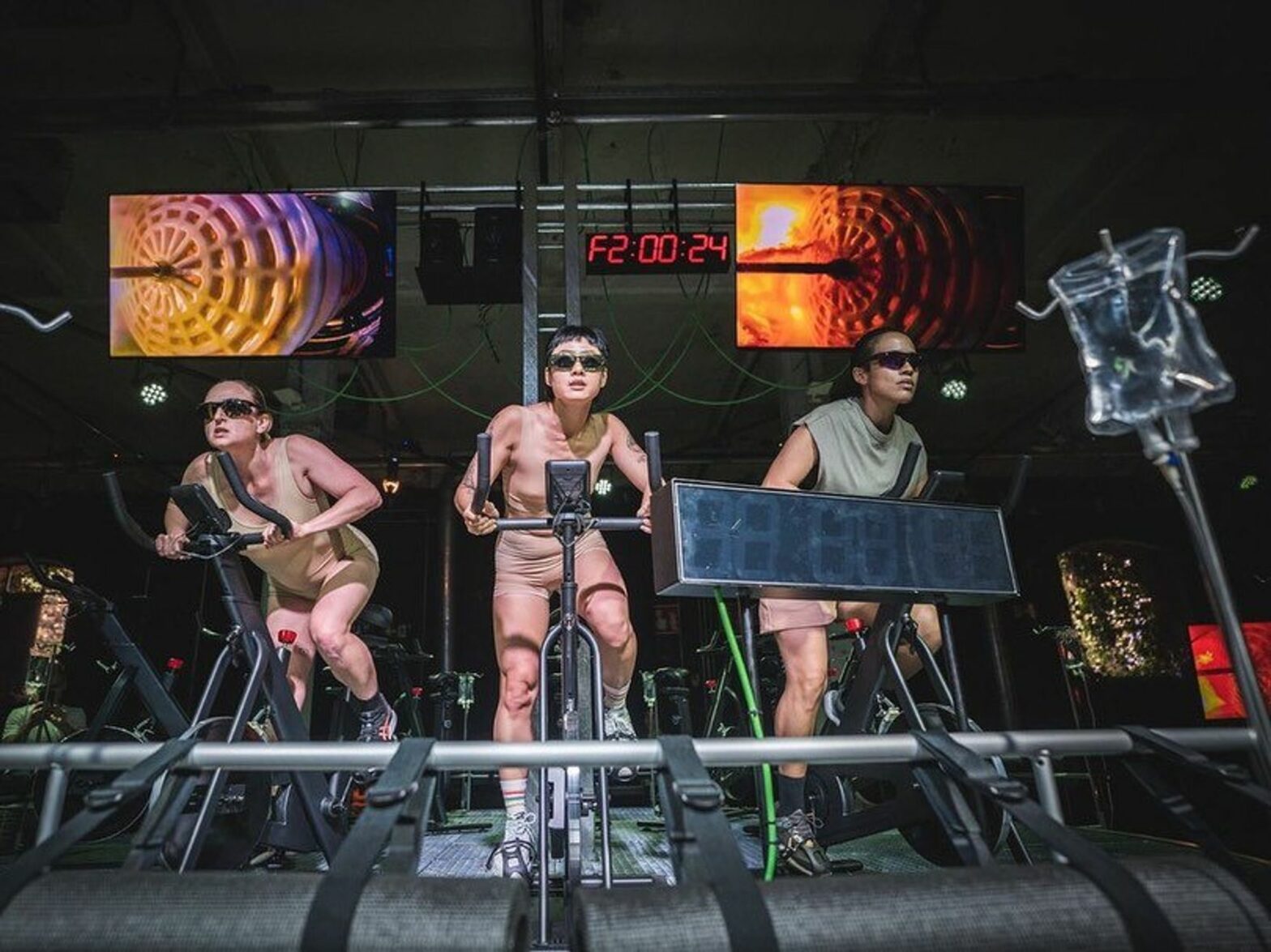
Presented at Madrid’s Matadero cultural center until late July, “Climate Fitness, Rituals of Adaptability” features five works that invite visitors to question the social and economic structures that have led to the climate crisis and consider other possible futures.
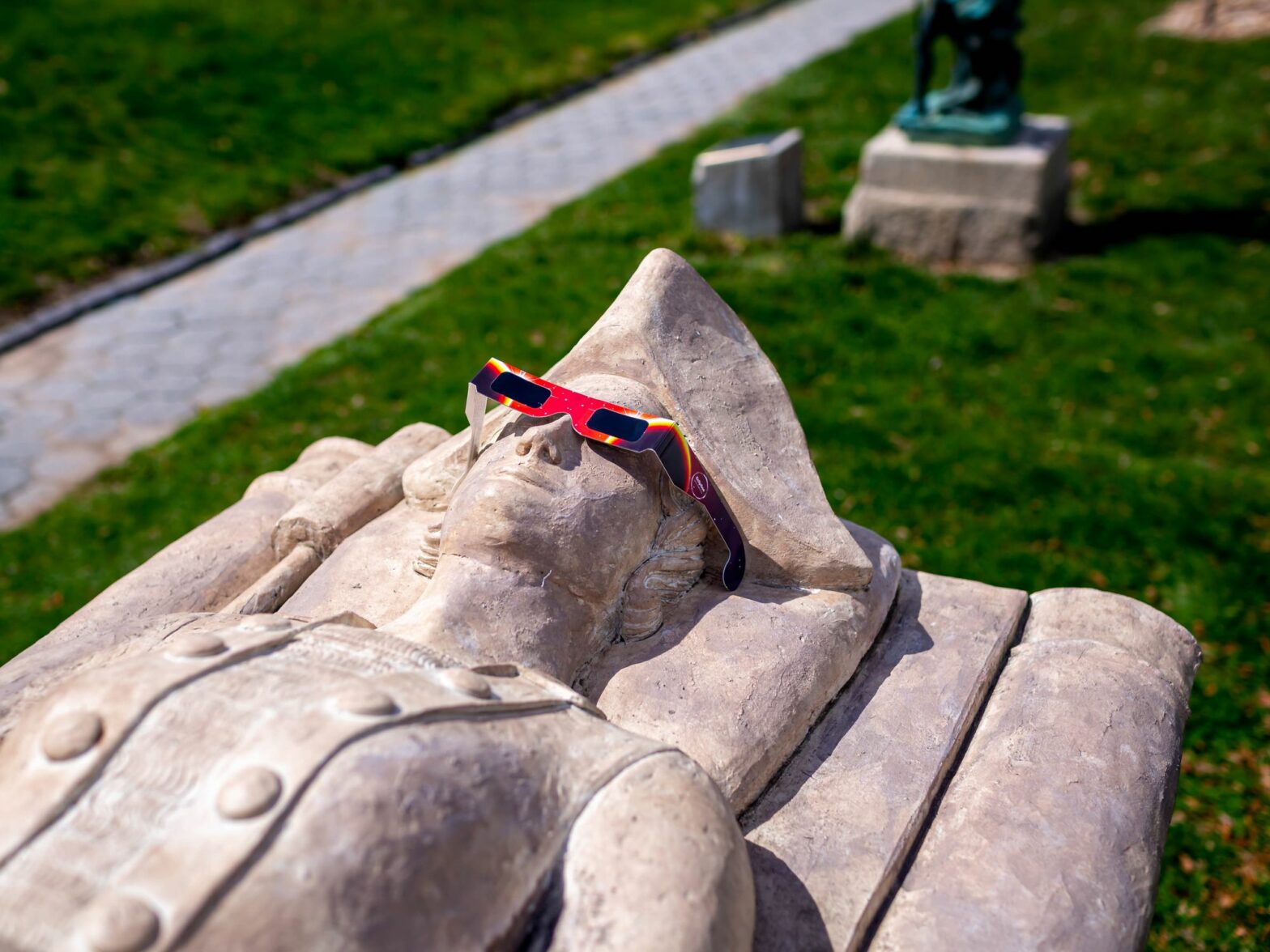
While busy delivering the best international journalism, the Worldcrunch team also stumbles on a fair deal of downright strange stuff happening around the world, reported in every language. Here’s our weekly collection of this weird, weird world.
Updated March 29, 2024 at 12:30 p.m. The Louvre pyramid was inaugurated on this day in 1989, after nearly four years of construction. Who designed the Louvre pyramid? The Louvre pyramid was designed by the Chinese-American architect I.M. Pei. The pyramid is made of glass and steel, and consists of 603 rhombus-shaped and 70 triangular […]
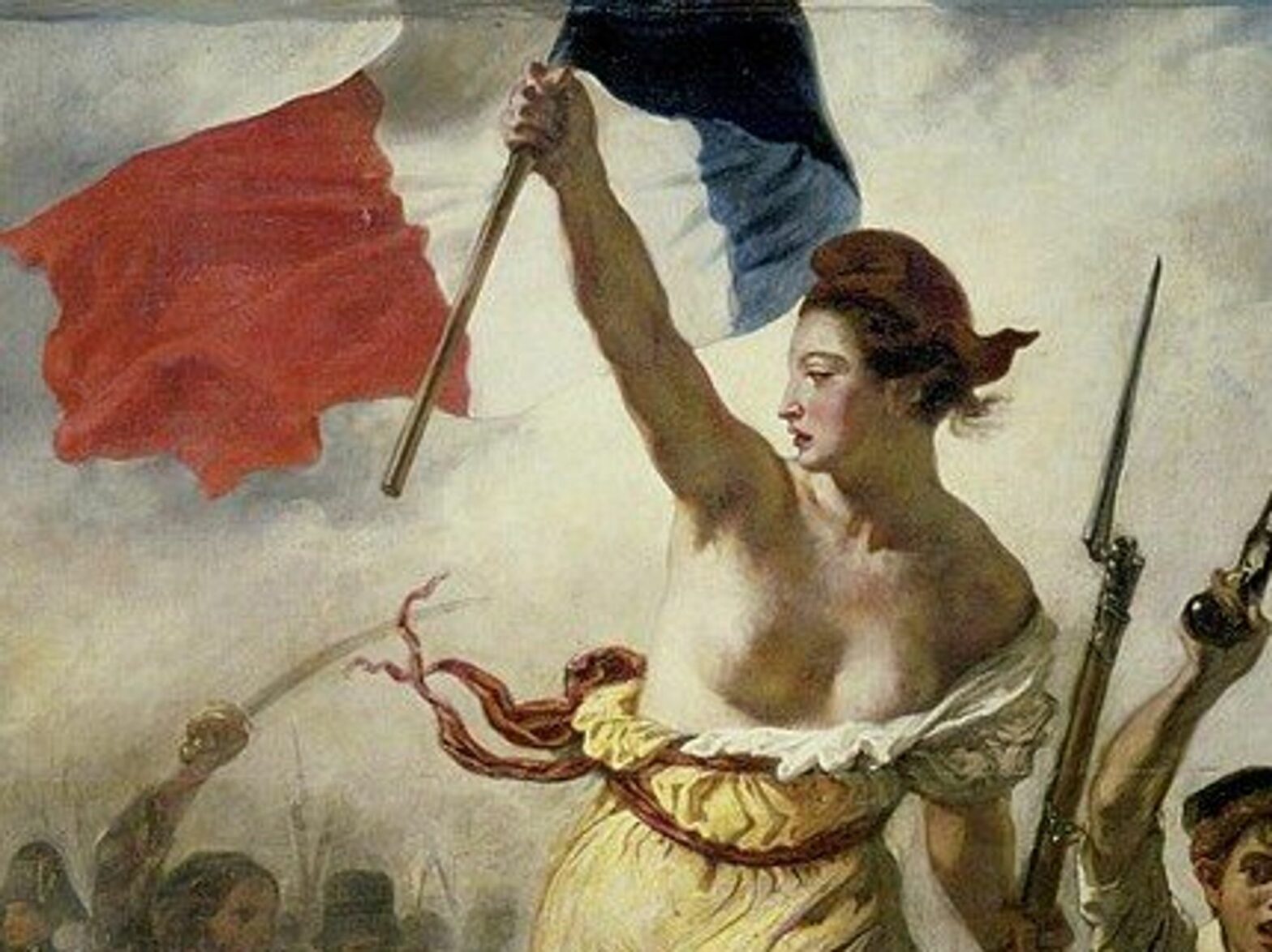
Political battle lines are becoming increasingly entrenched, and opposing views are being pushed towards ever greater extremes. Language has become a battlefield. If morality pushes us apart, and religion does not help in the process, we may find a solution in our sense of humanity, writes German psychiatrist Manfred Lütz in Die Welt.
Updated March 25, 2024 at 12:40 p.m. Aretha Franklin was born on this day in 1942 in Memphis, Tennessee. The American singer, songwriter, and pianist was often referred to as the “Queen of Soul”. What are some of Aretha Franklin’s most famous songs? Some of Aretha Franklin’s most famous songs include “Respect,” “Chain of Fools,” […]
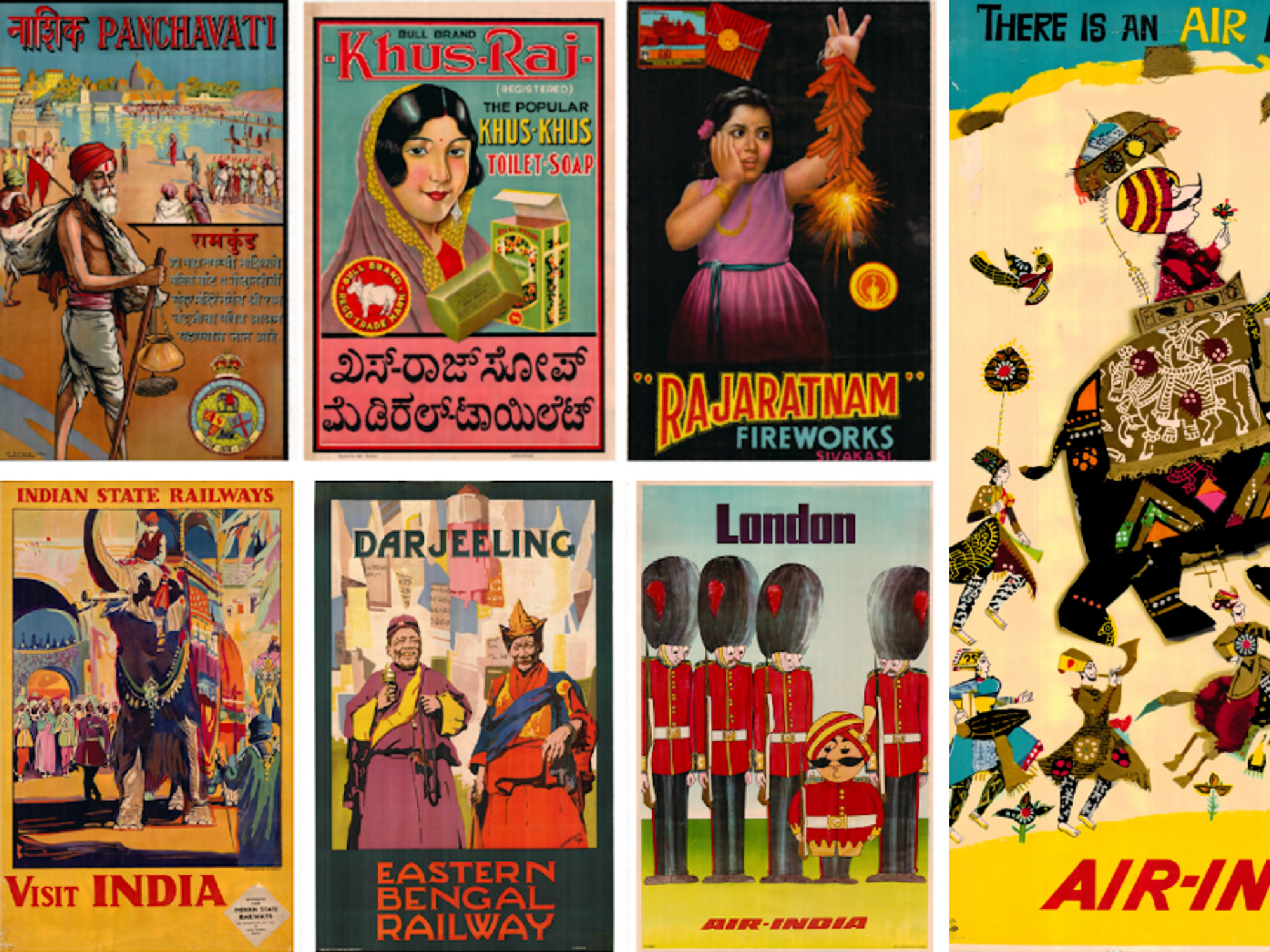
An exhibition of Indian commercial posters from the 1920s to the 1960s at Le Méridien in New Delhi offers a “time capsule” into the rapidly evolving society of that time.
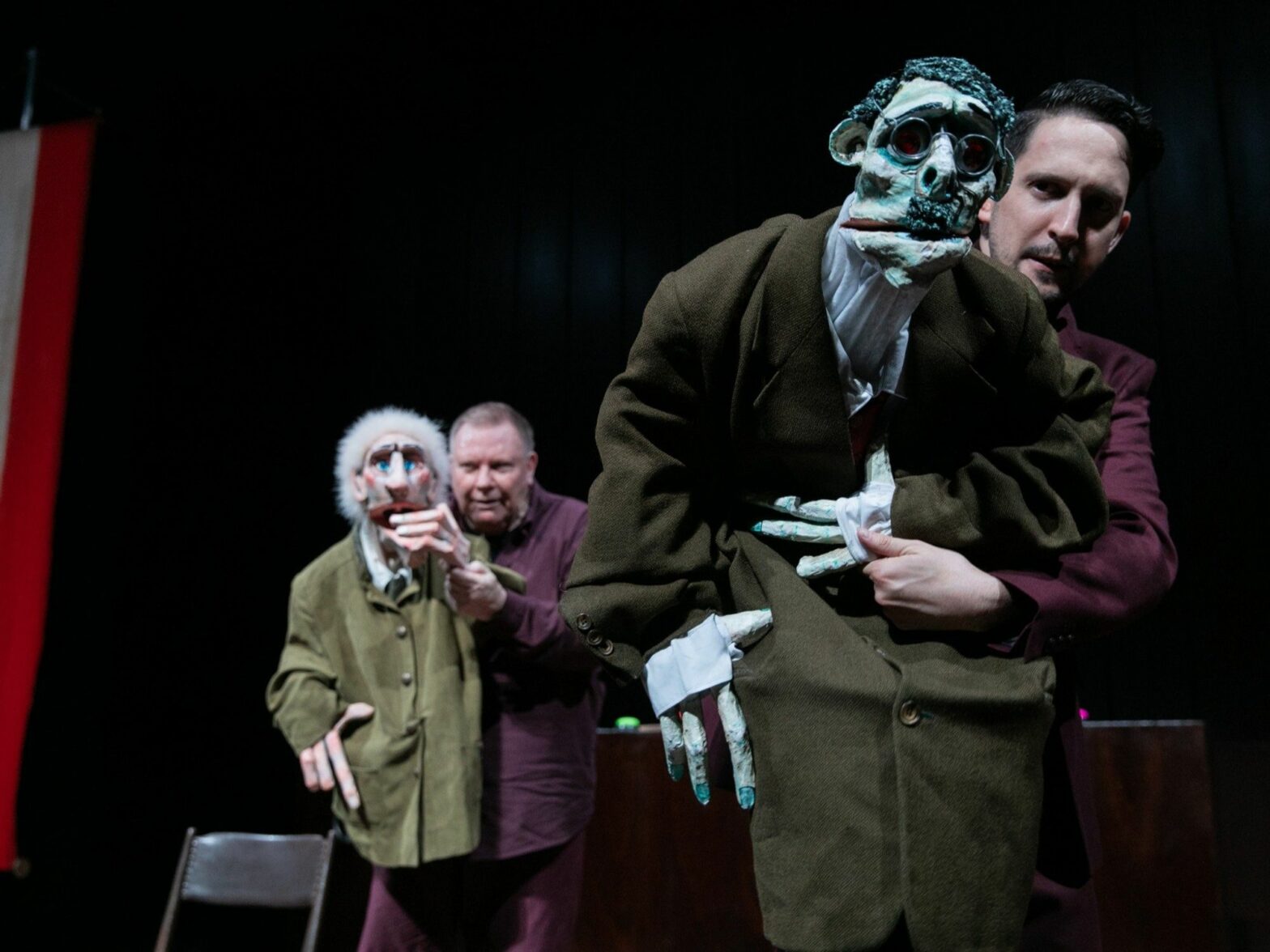
Neville Tranter and Nikolaus Habjan, global stars of the puppet world, are performing in Berlin. Their caustic satire about Austria is definitely not for kids. It shows why hand puppets are not only hot right now, but they’re also incredible actors capable of convening the magic of theater at its utmost.
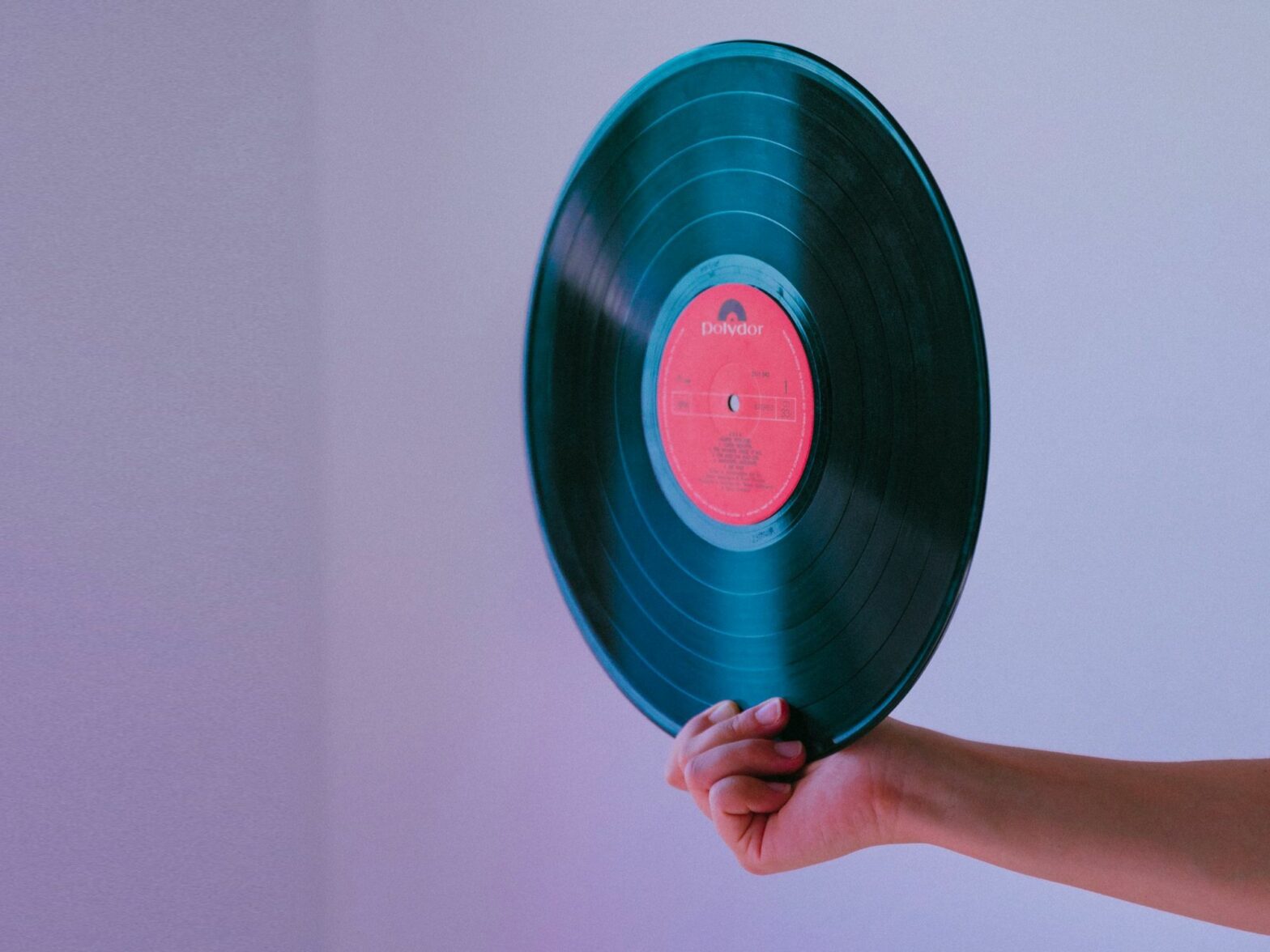
Sales of vinyl have tripled in the past five years in France, and Paris trails only Tokyo. In this age of dematerialization, LPs symbolize a return to a ceremonial approach to music, a taste for beautiful objects and a desire to give and collect.