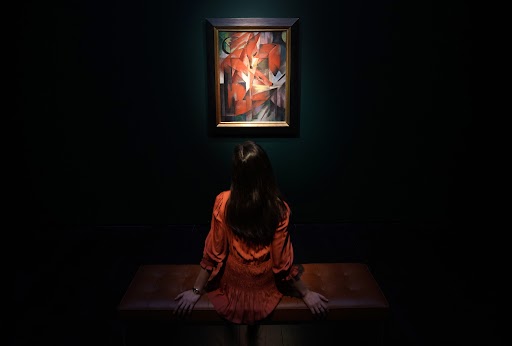
Who owns a work of art that was looted or sold under duress during the Nazi era? This question has remained unresolved in many cases since the end of World War II. A new arbitration panel will now decide on ownership.
 Worldcrunch
Who owns a work of art that was looted or sold under duress during the Nazi era? This question has remained unresolved in many cases since the end of World War II. A new arbitration panel will now decide on ownership.
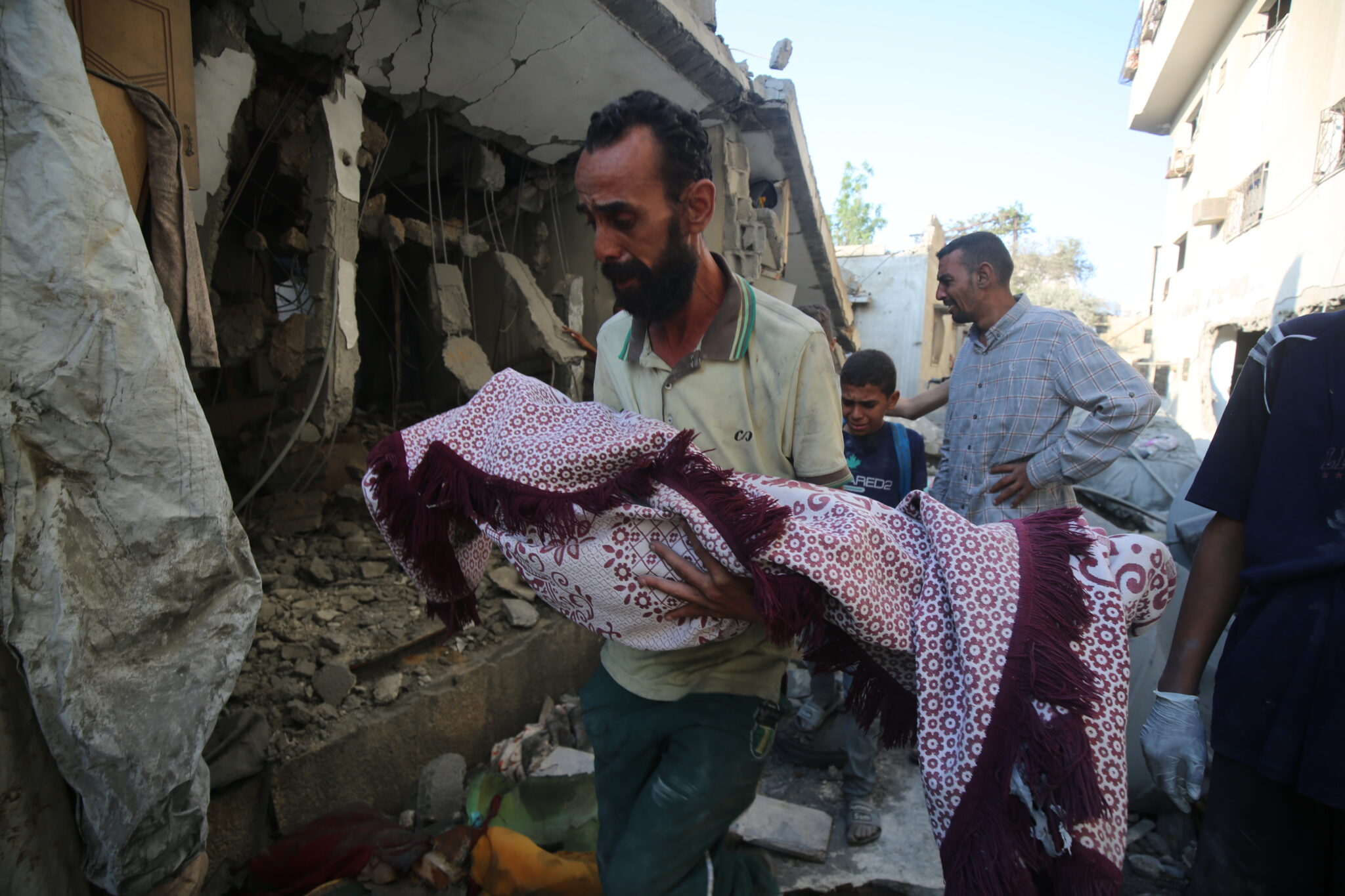
People would have understood Israel’s punitive retribution, even a singularly harsh response, to the October 7 massacre of Israelis by Hamas gunmen. But it has since gone far too far, prompting even sympathizers to wonder in horror, is a democracy committing genocide.
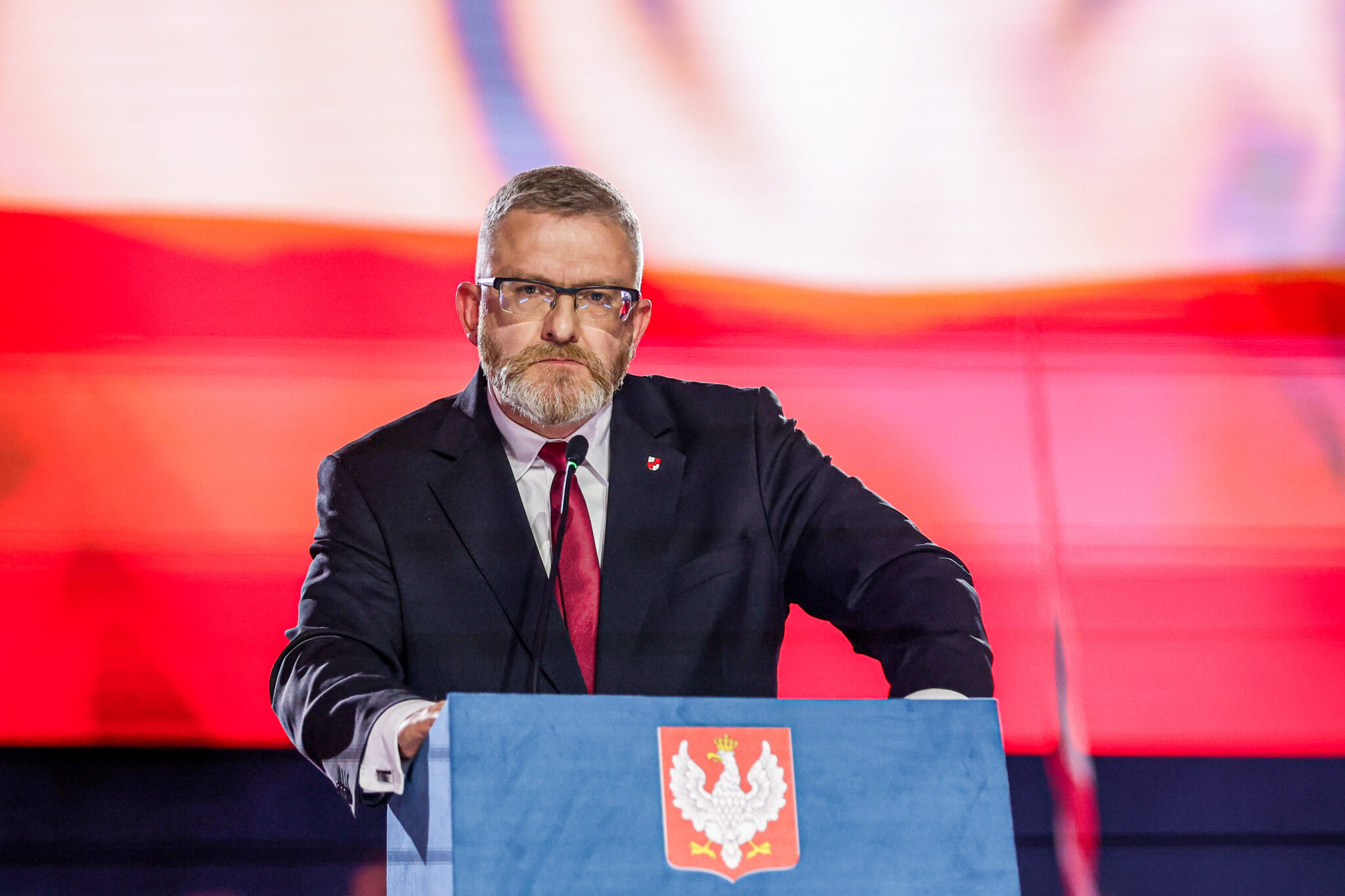
After splitting from the Confederation party, Poland’s far-right leader Grzegorz Braun has continued to say ever more extreme statements, including blatant Holocaust denial. It all seems to give him a boost in popularity.
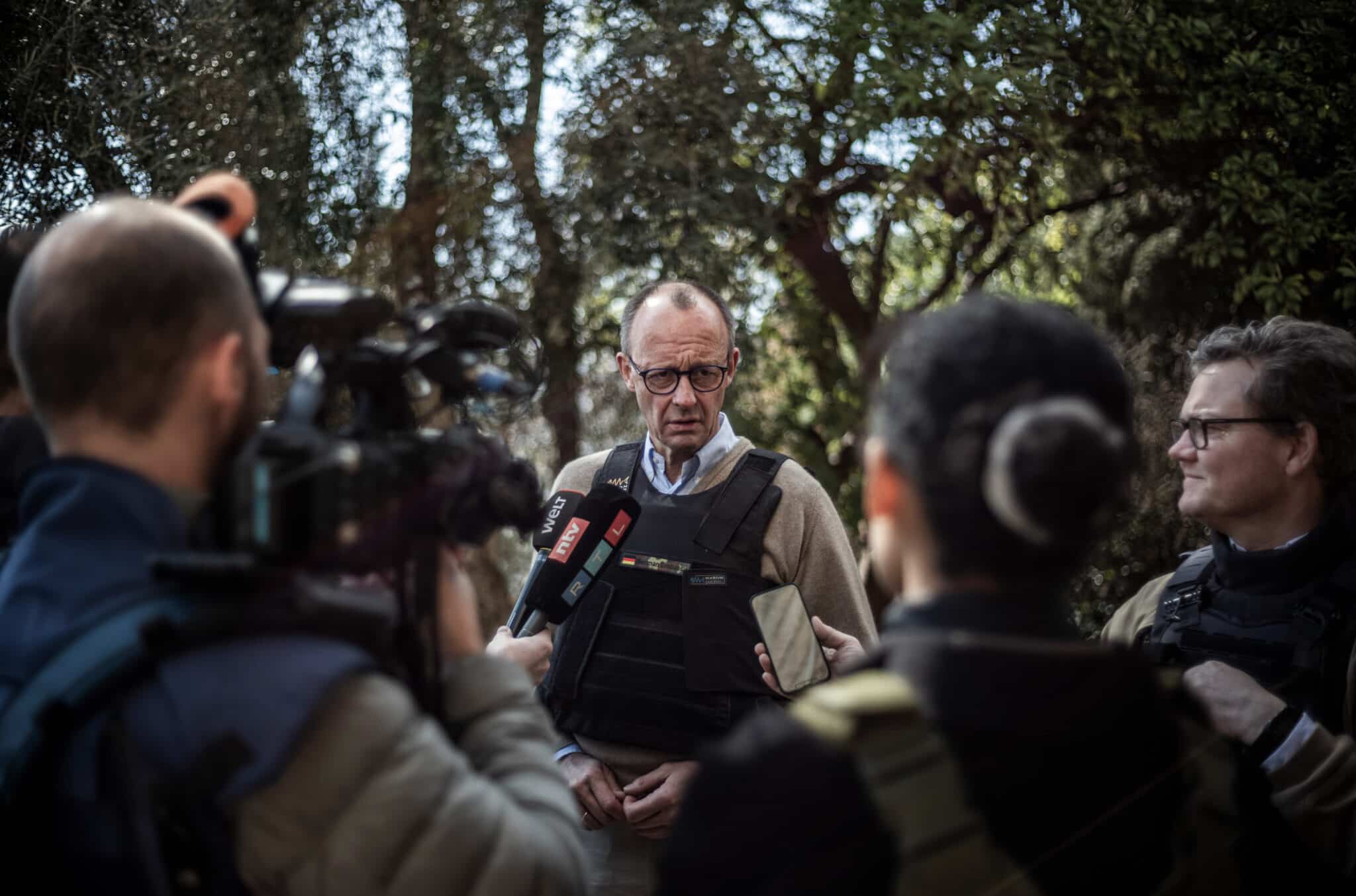
As Berlin and Tel Aviv mark a diplomatic milestone, the relationship born out of pragmatism, guilt and survival faces its toughest questions yet — especially amid war, protest and growing calls for criticism.
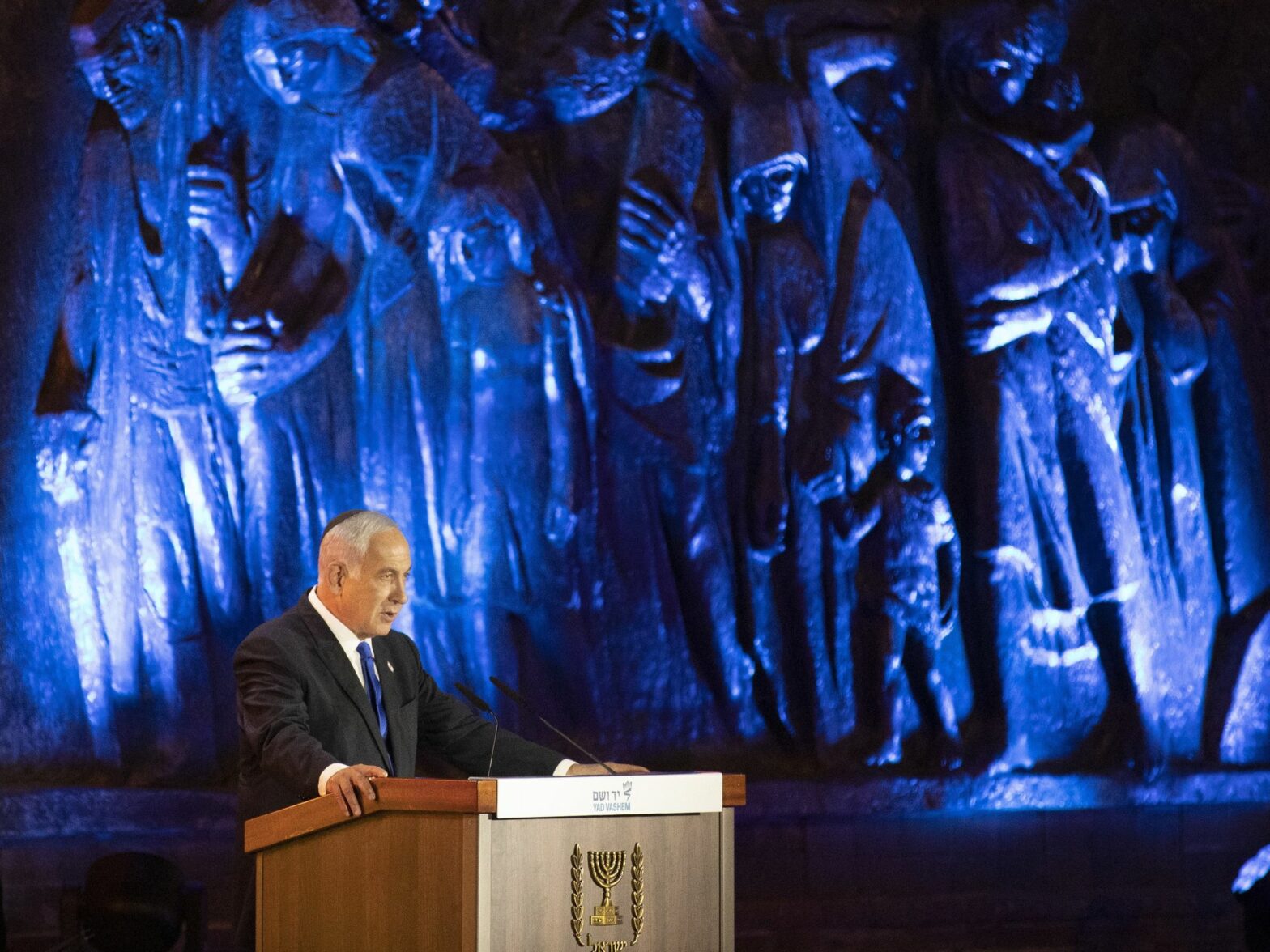
The upcoming International Conference on Combating Antisemitism in Jerusalem will include leaders from the European far right, revealing a disturbing shift in the meaning of solidarity, memory and the political use of the Holocaust.
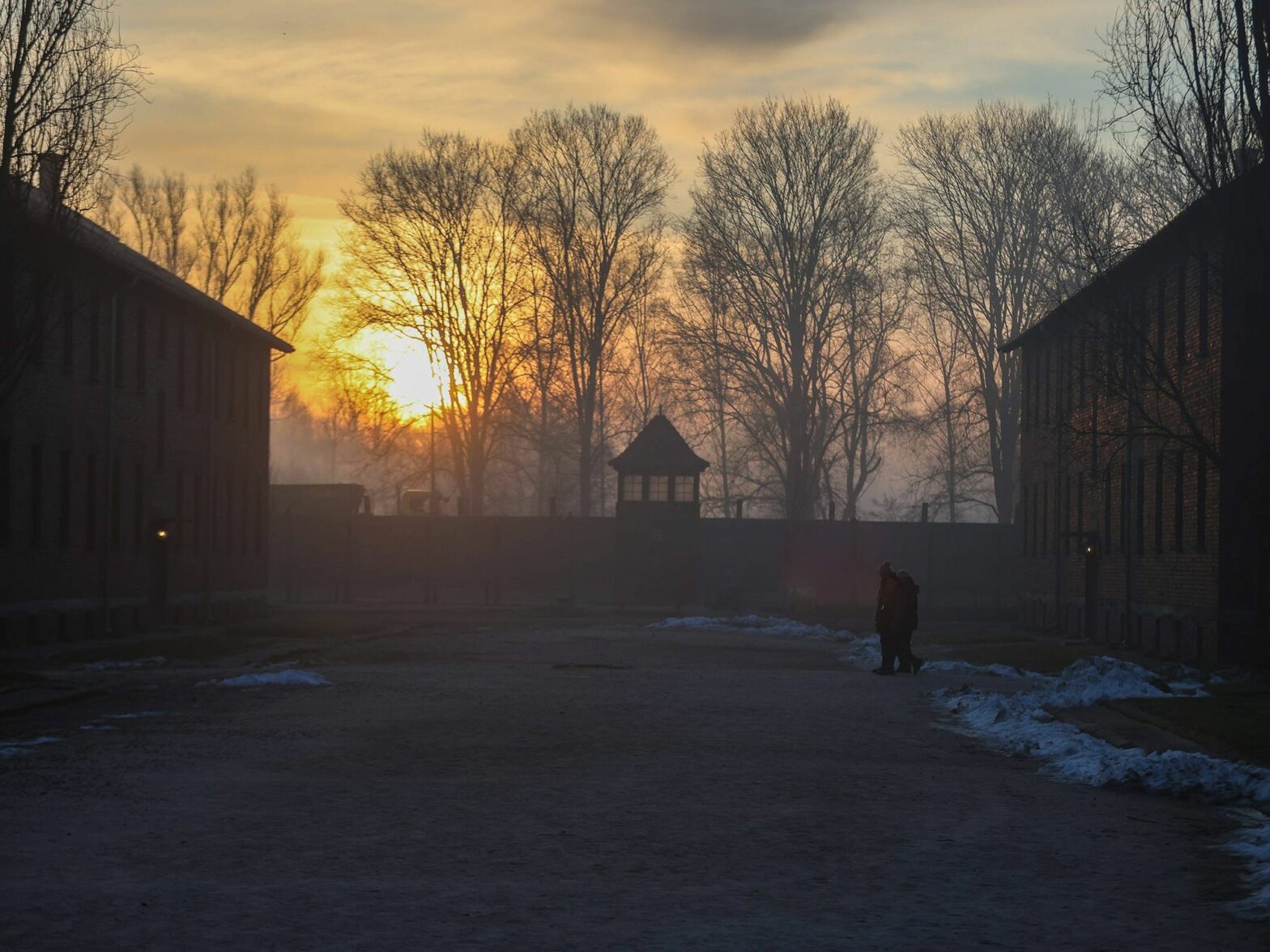
The Holocaust was based on the same ultranationalist ideas that the New Right refers to today. Even if Elon Musk, Donald Trump and Germany’s AfD leader Alice Weidel try to distance themselves from the words associated with Nazism, their politics cannot fool us.
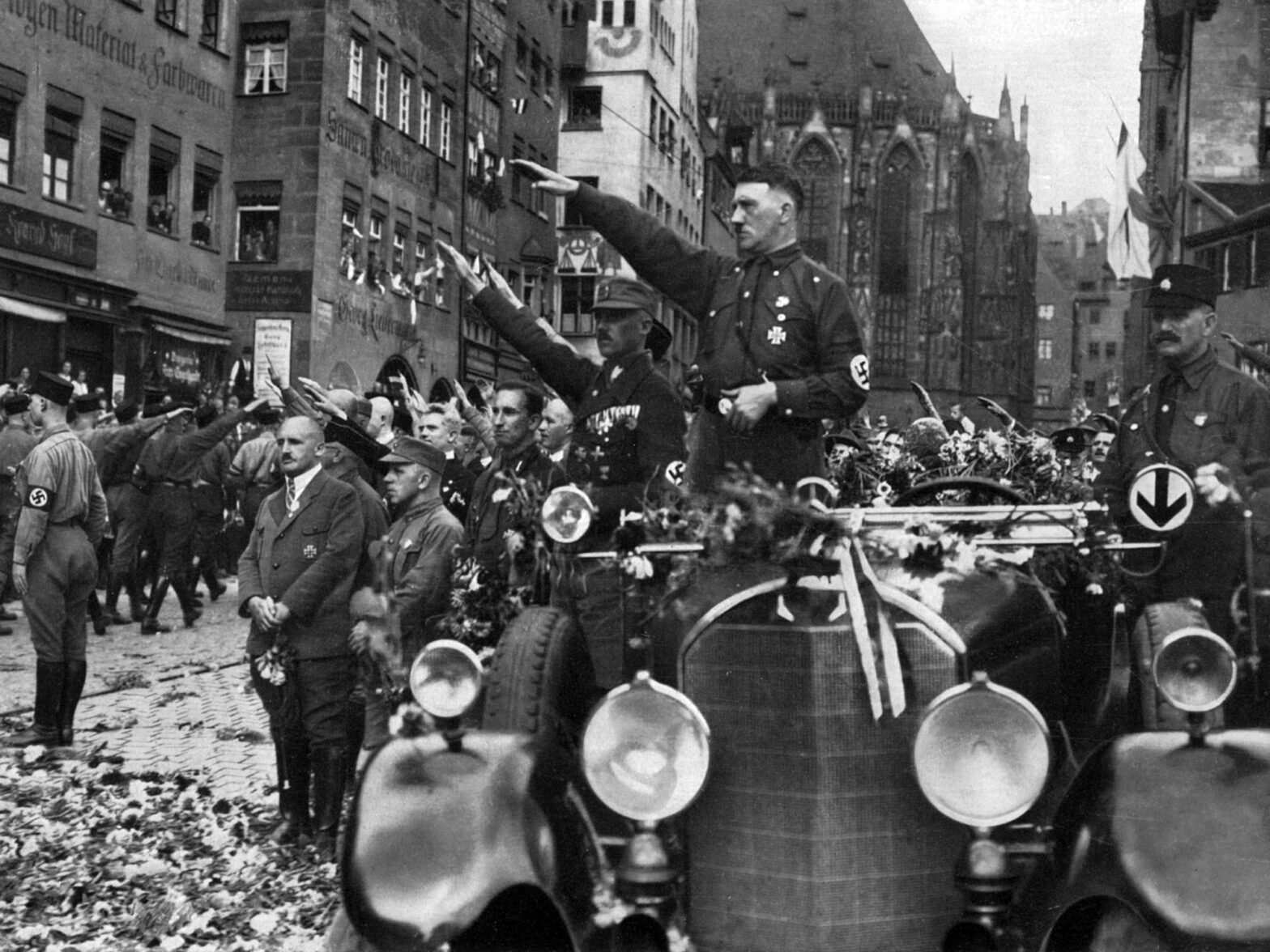
With the global rise of the far-right, many Germans are afraid that the past is about to repeat itself. German writer Florian Illies explains the trap about such analogies — even as other dangers lurk.
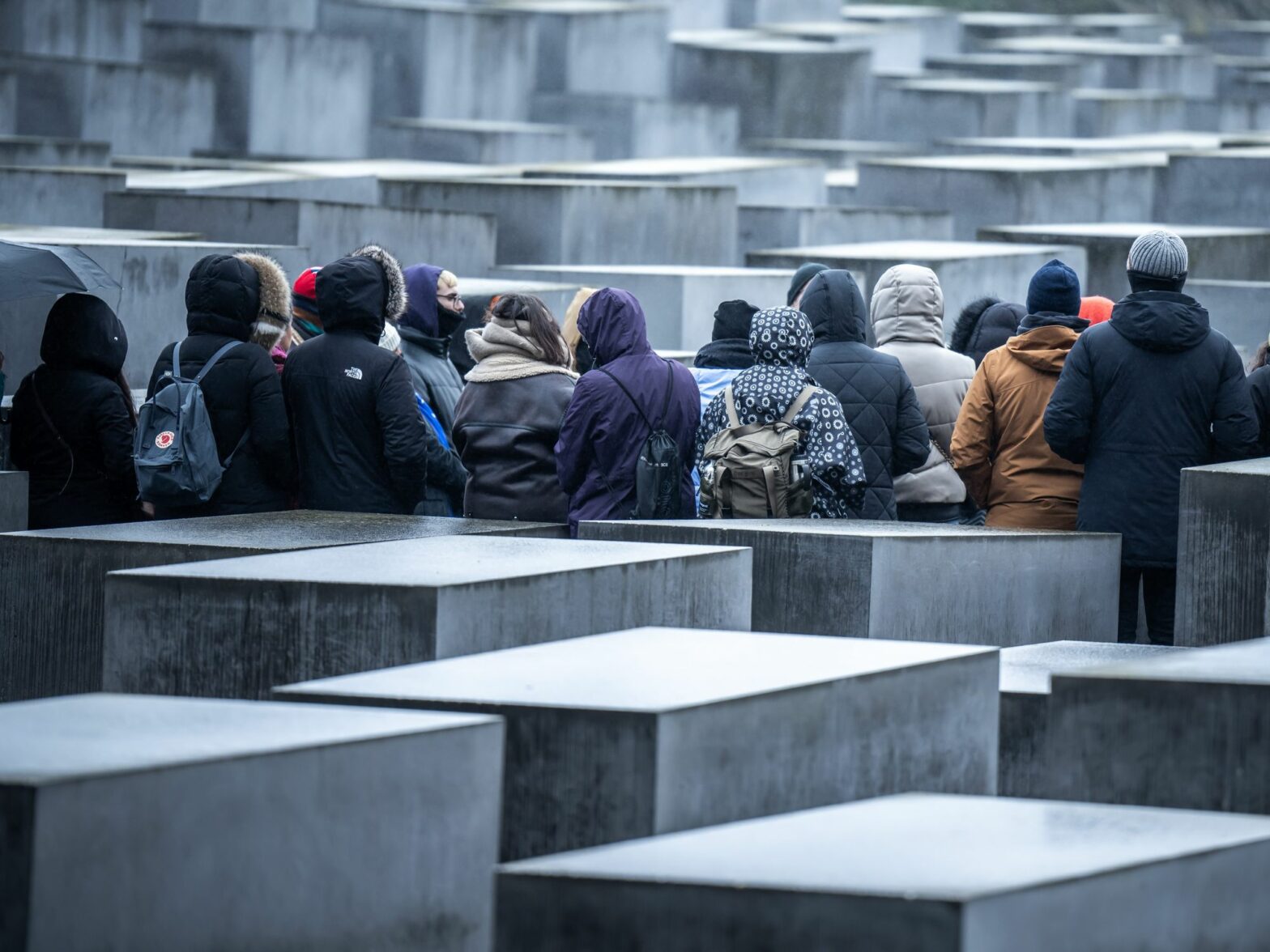
German history teachers talk about teaching their subject during a resurgence of the far-right AfD party and rising antisemitism in the country.
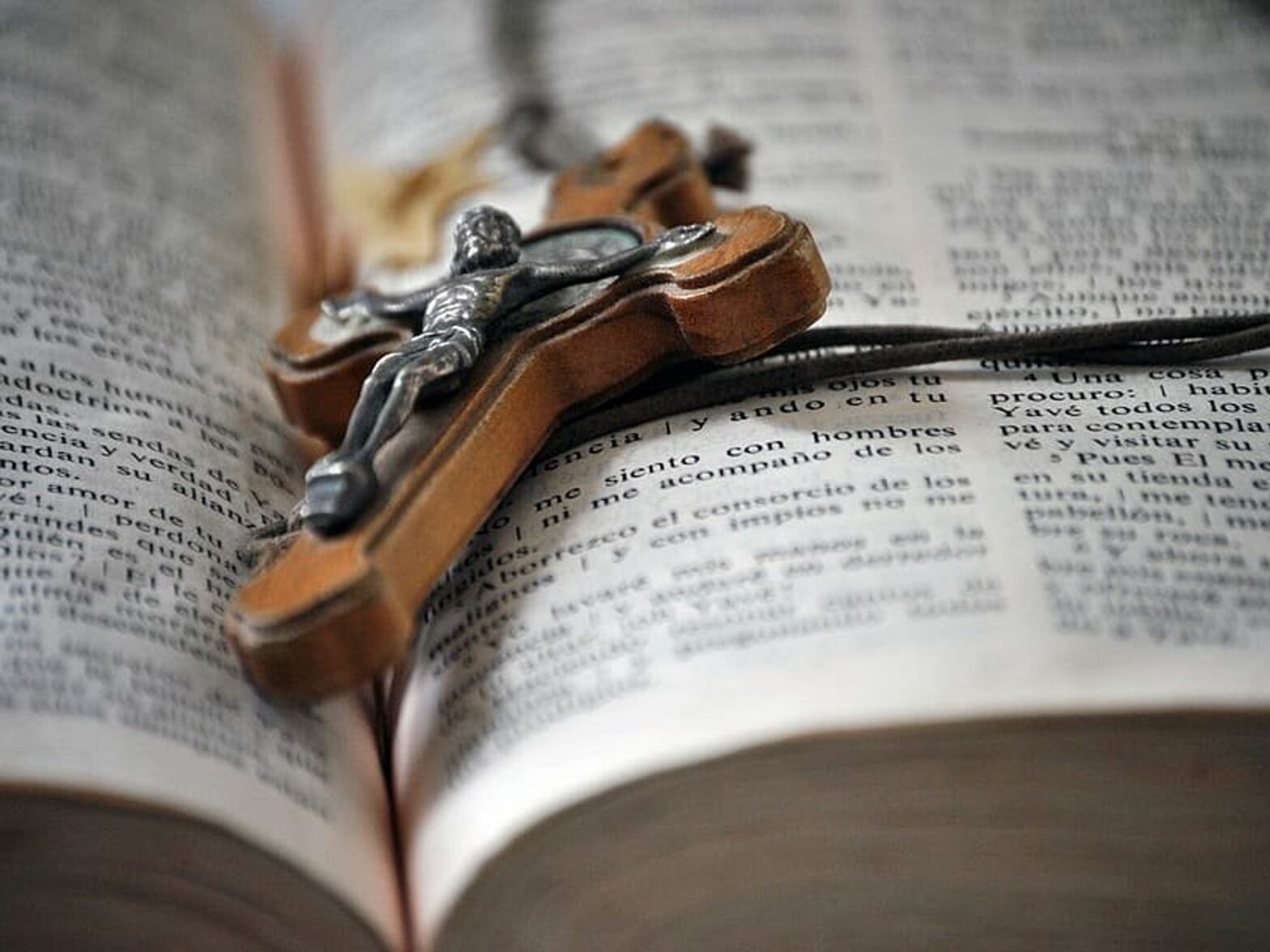
Jesus spoke Aramaic, but the Bible has been translated from Greek. Many mistaken translations of the Gospels have skewed the development of Christianity — and the course of history. It’s time to let the Bible be retranslated to let its true message be known.
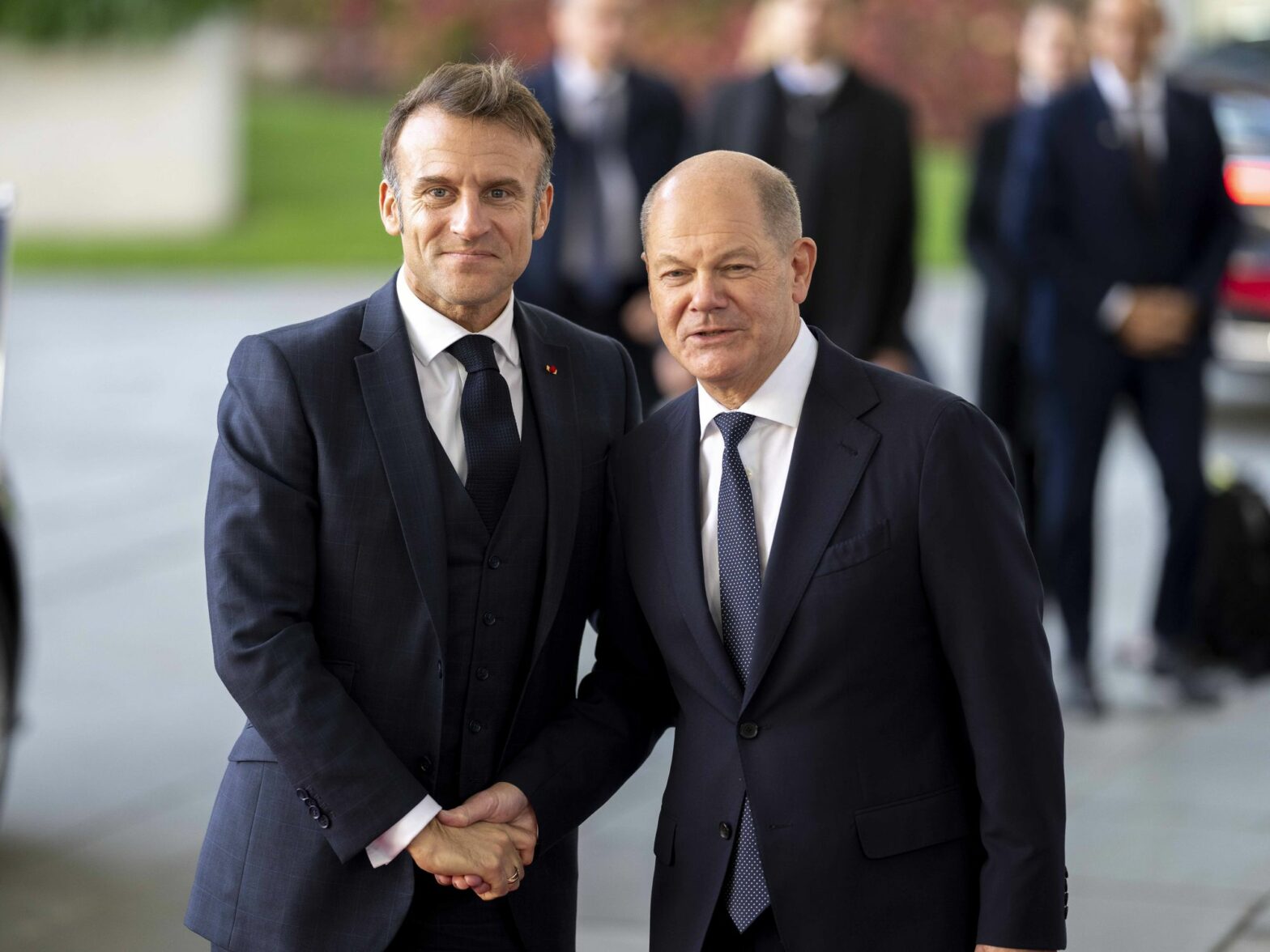
Having long been the driving force of the European Union, France and Germany are facing multiple crises simultaneously, threatening the balance of their relationship. It couldn’t have come at a worse time.
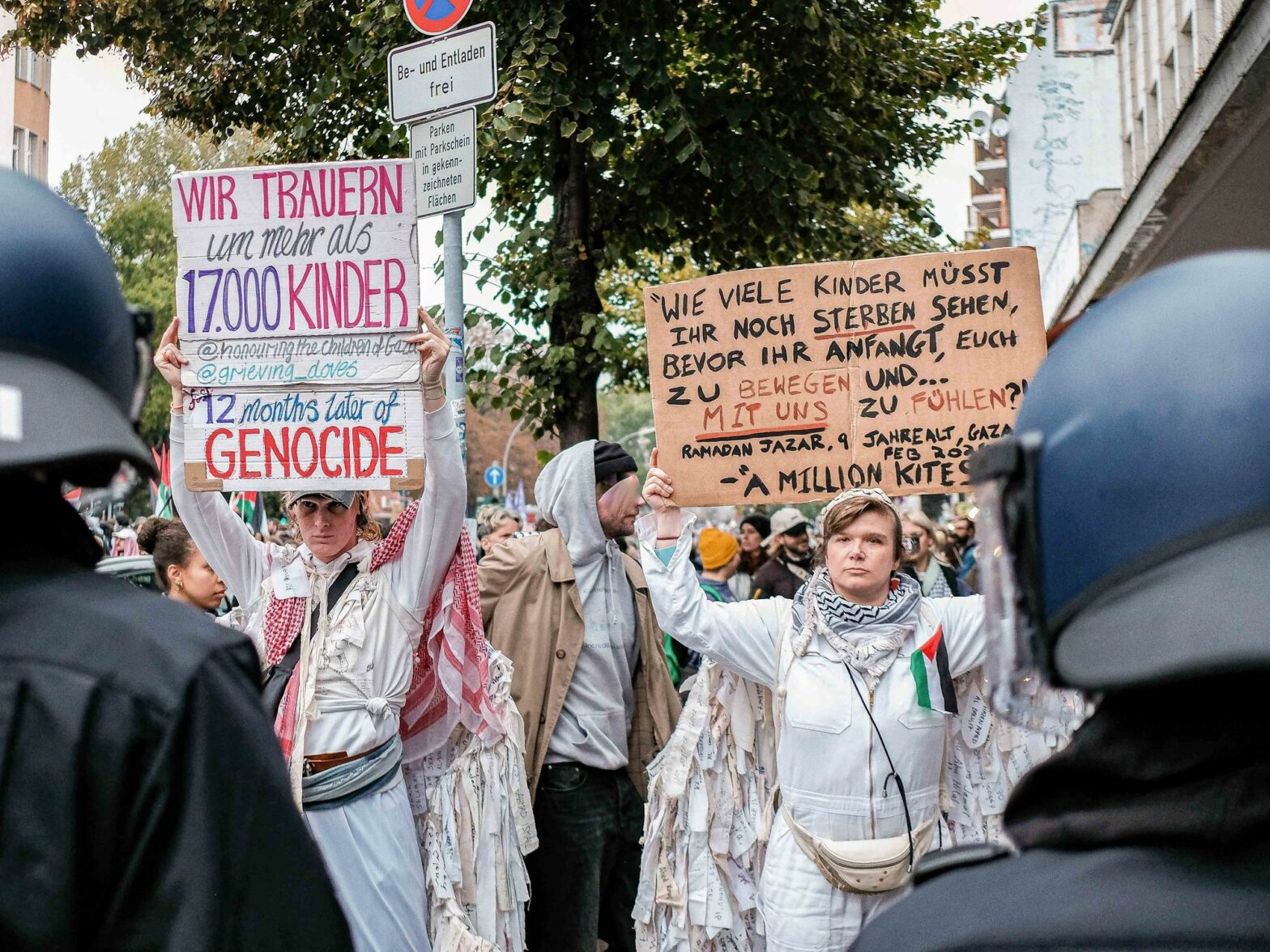
An increasingly positive era of post-Holocaust Jewish life in Germany ended one year ago — the sense of progress and confidence gave way to a new, age-old fear, writes Sascha Chaimowicz in Die Zeit.
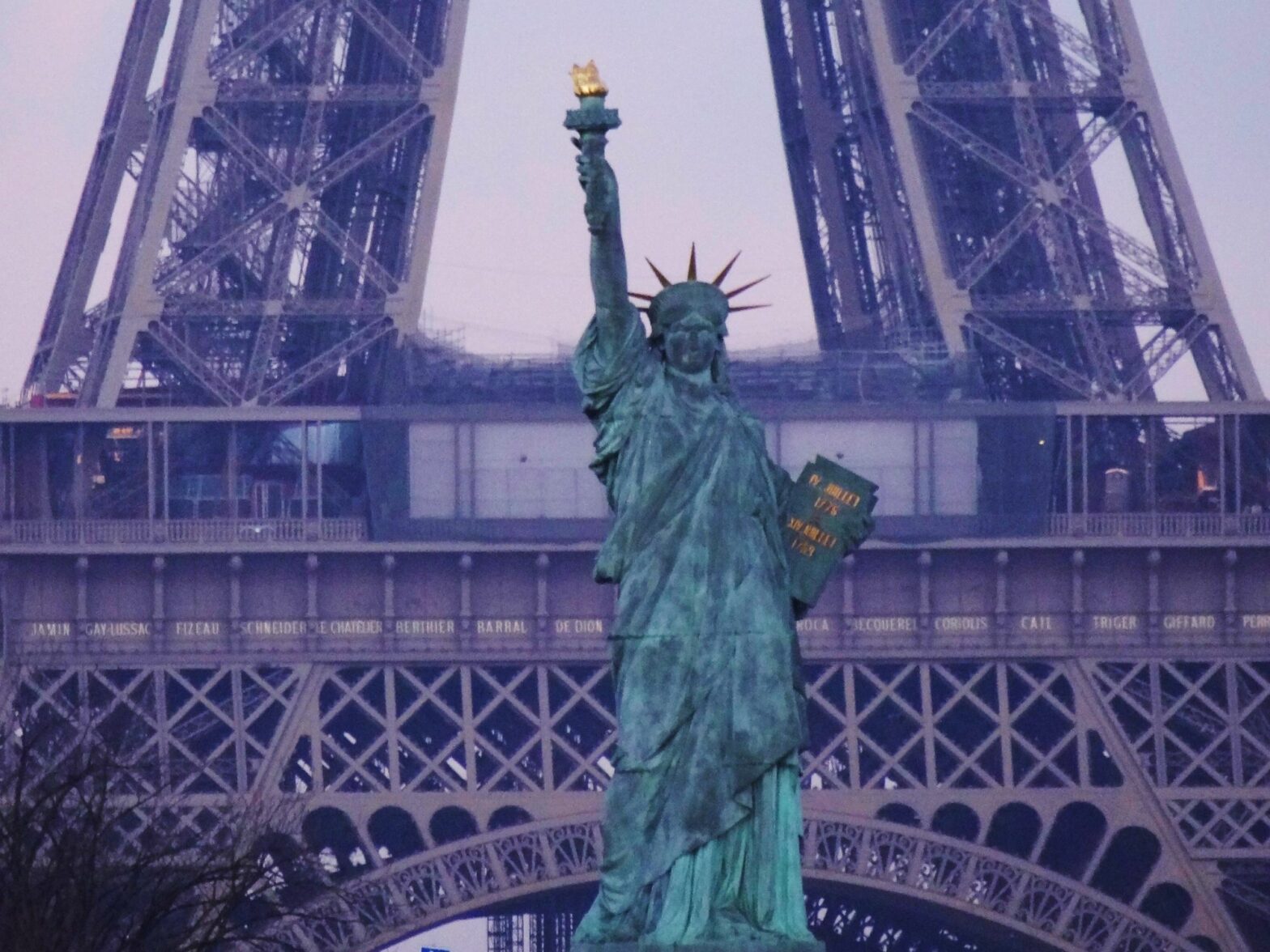
The same nostalgia and same fear of the future seem to animate the two countries that have made exceptionalism their trademark
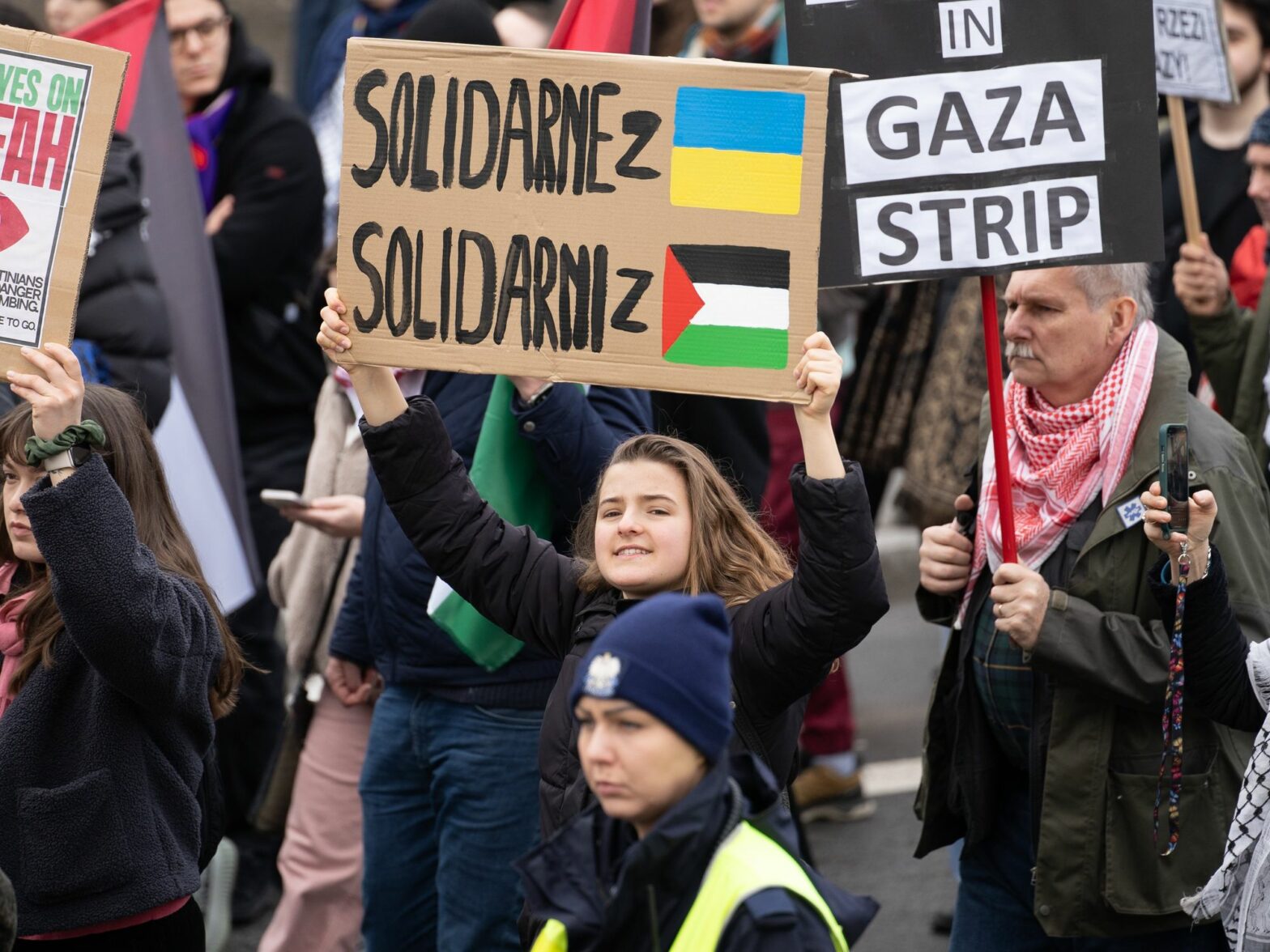
In matters of foreign policy, whether the war in Ukraine or in Gaza, the rejection of extremes should appear as an obvious fact of reason and ethics. Unfortunately, this is not the case.
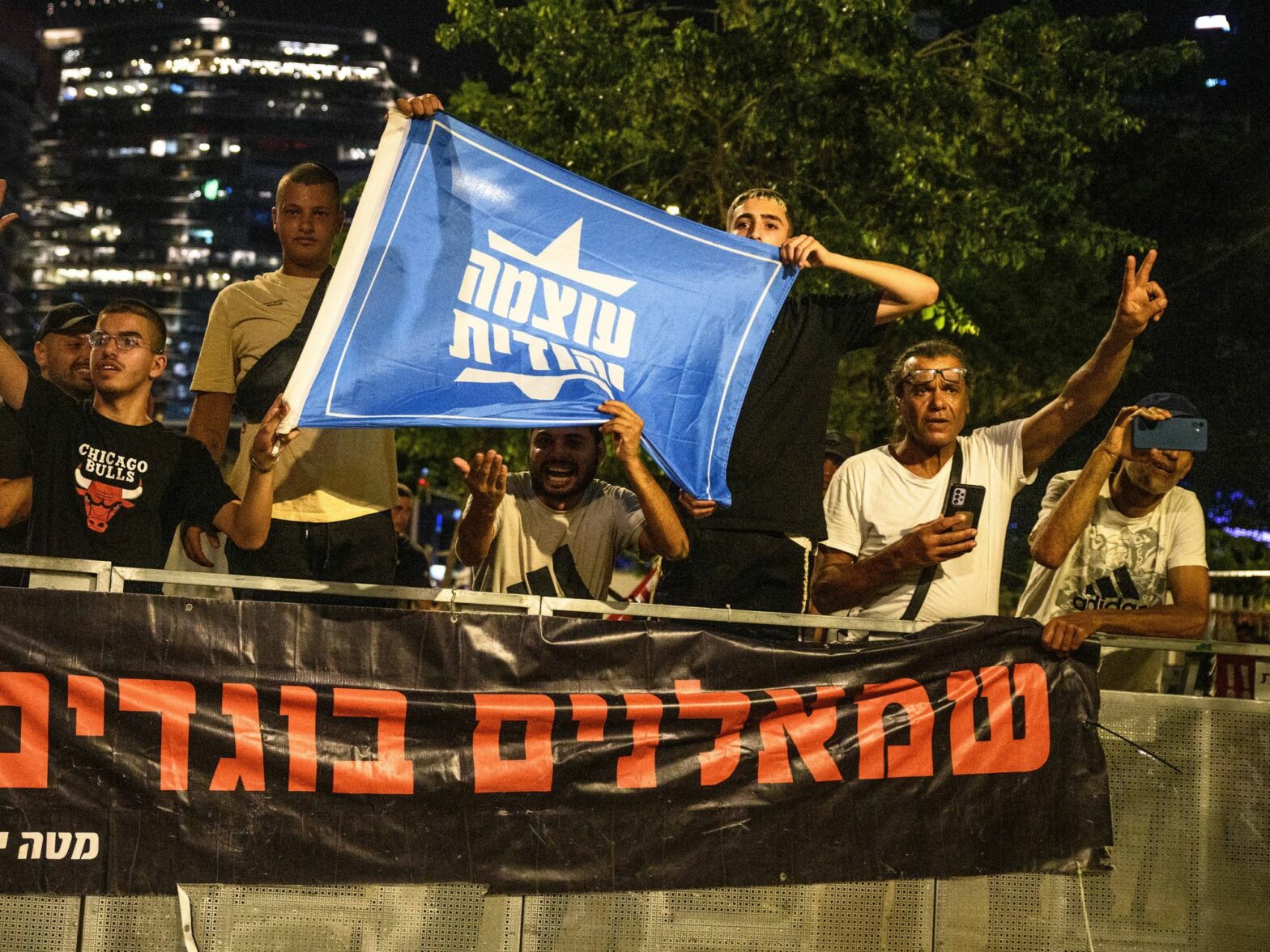
Zionism shares with Nazism the claims of building what they call National Socialism, though the nationalism always takes over. There are lessons in the Oscar-winning film The Zone of Interest, and the current politics of the far right in Europe.
Comparisons between the wars in Europe and the Middle East tell us a lot about the standpoint of those who compare. They also signal to a new world order that has yet to be shaped.
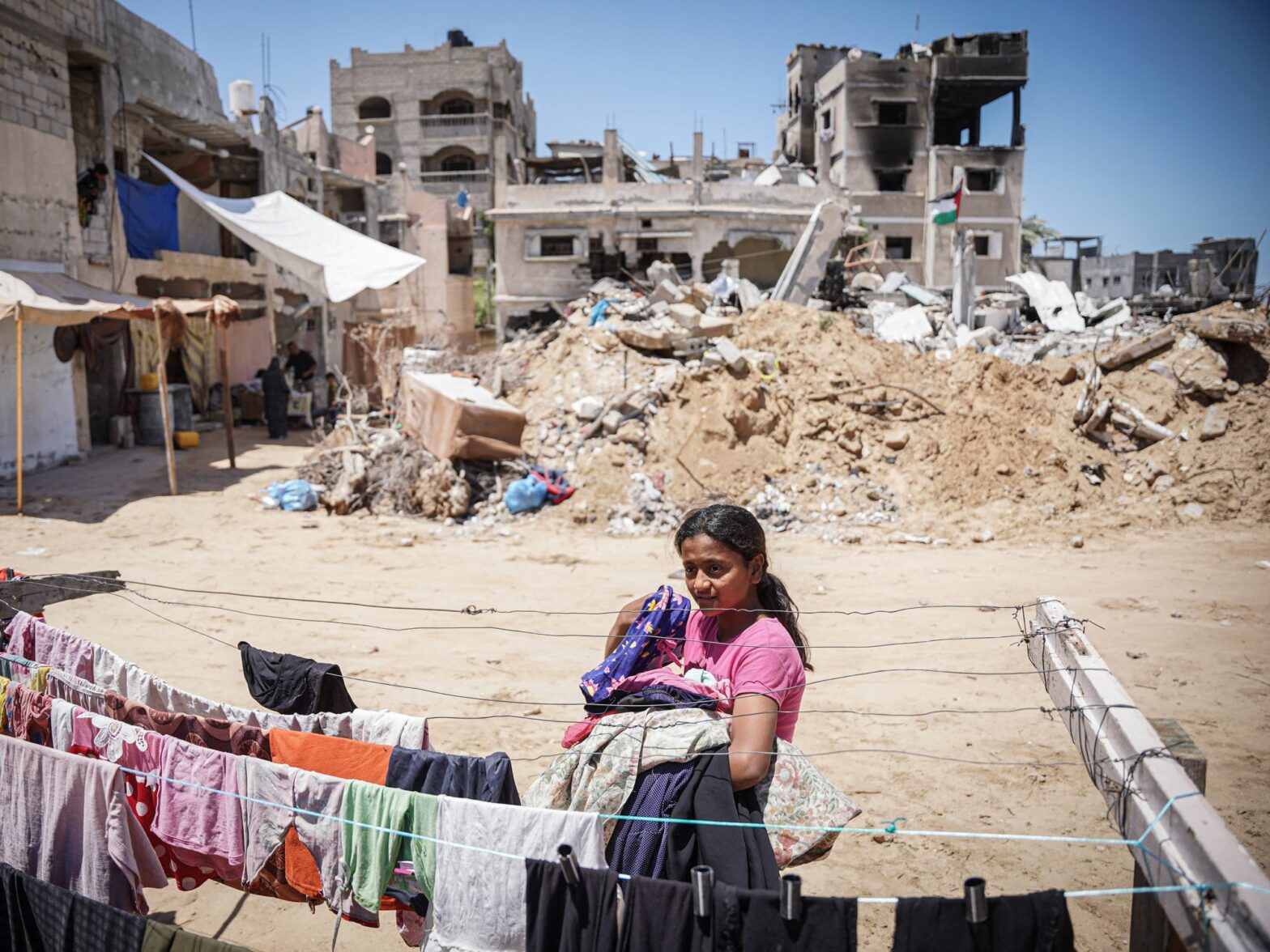
Eight months into the Israel-Hamas war, Israel has lost the battle of world public opinion. This may seem unfair to Israelis, but the right to self-defense does not authorize anyone to disregard international humanitarian law. And undermining these legitimate international bodies will only cause wider chaos.
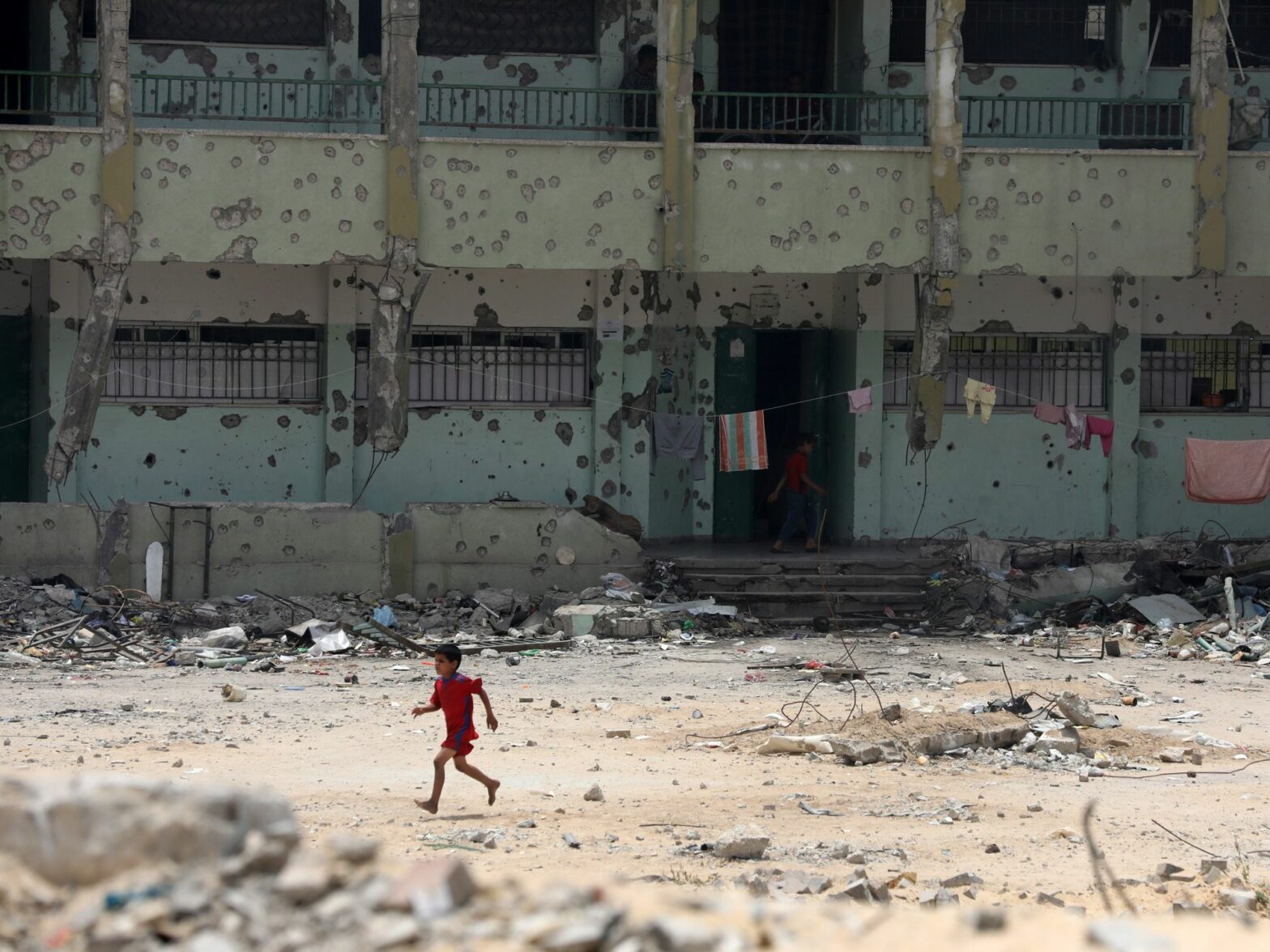
The efforts of chief prosecutor Karim Khan to try Israel’s Prime Minister and Defense Minister over the Gaza war could be a starting point to hold Israeli political and military officials accountable for crimes have committed over many years against Palestinians.
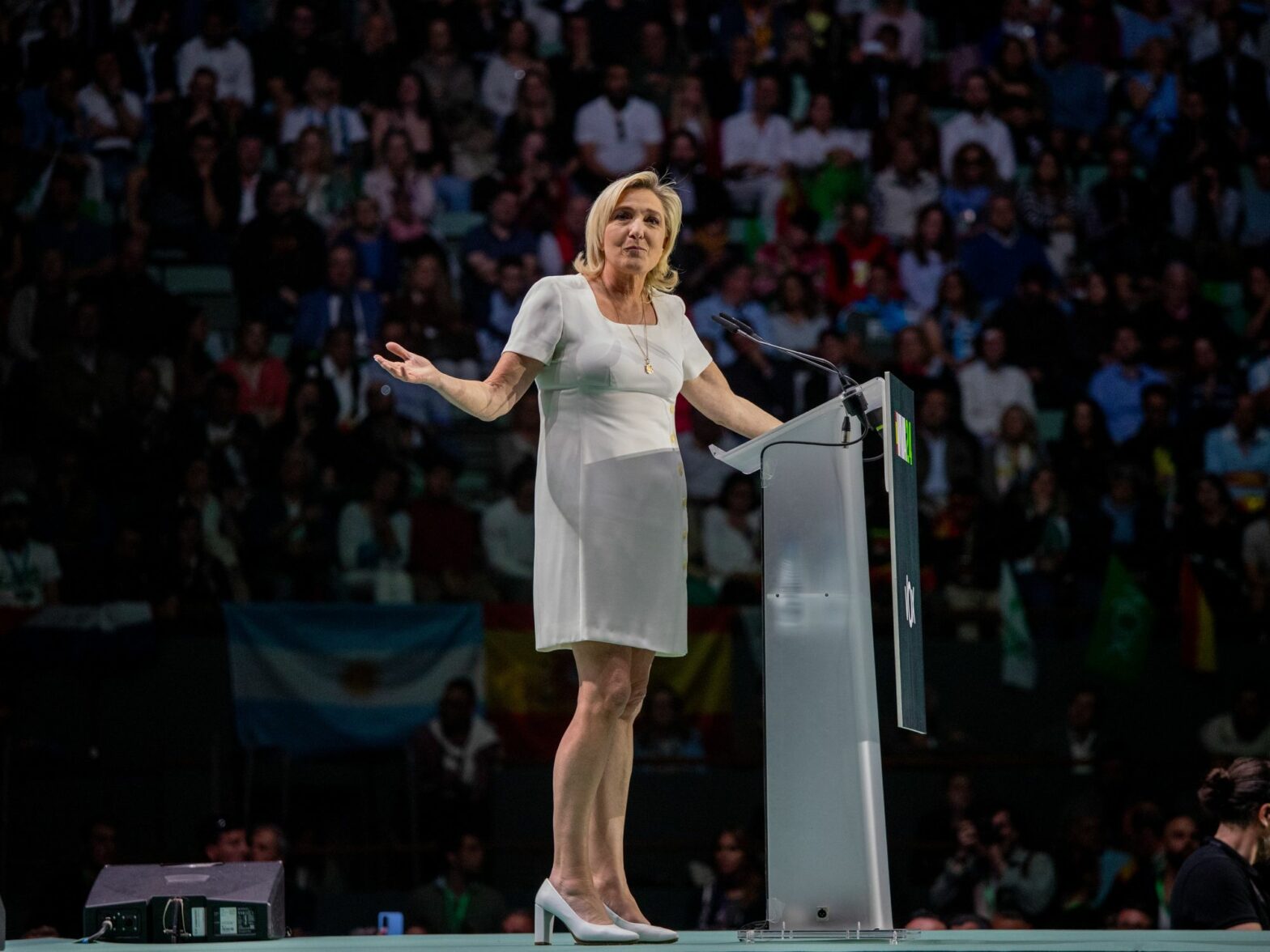
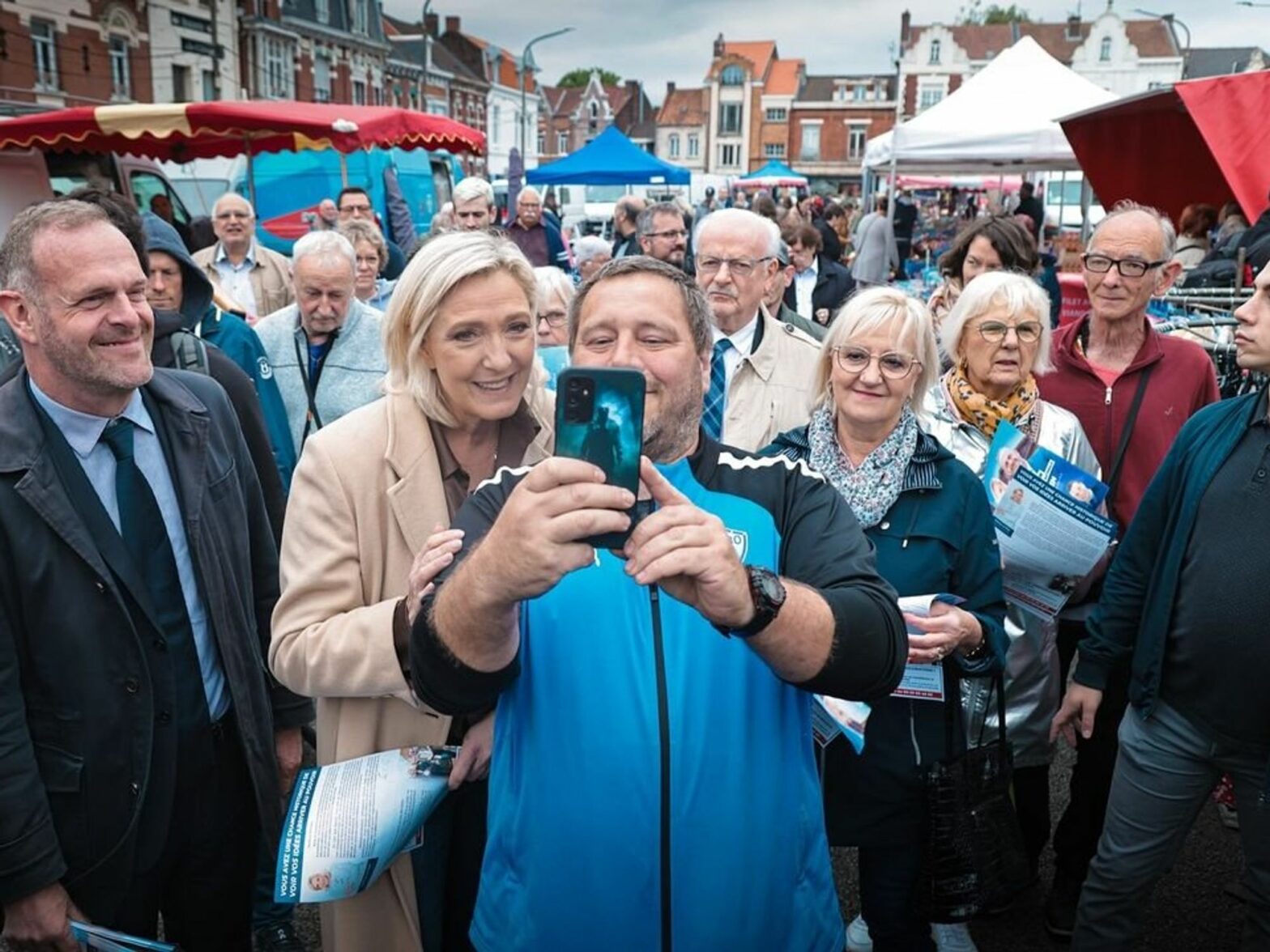
In Germany, support for the far-right AfD party is dwindling while its French counterpart, the Rassemblement National of Le Pen, is leading the polls. Opposed trajectories that stem from very different approaches: German radicalization vs. French “dédiabolization.”

The announcement of the International Criminal Court’s prosecutor that he would seek arrest warrants for Israel’s prime minister and defense minister, as well as three Hamas leaders, provoked indignant reactions in Israel and the U.S. and revealed the rifts between the West and the global South.
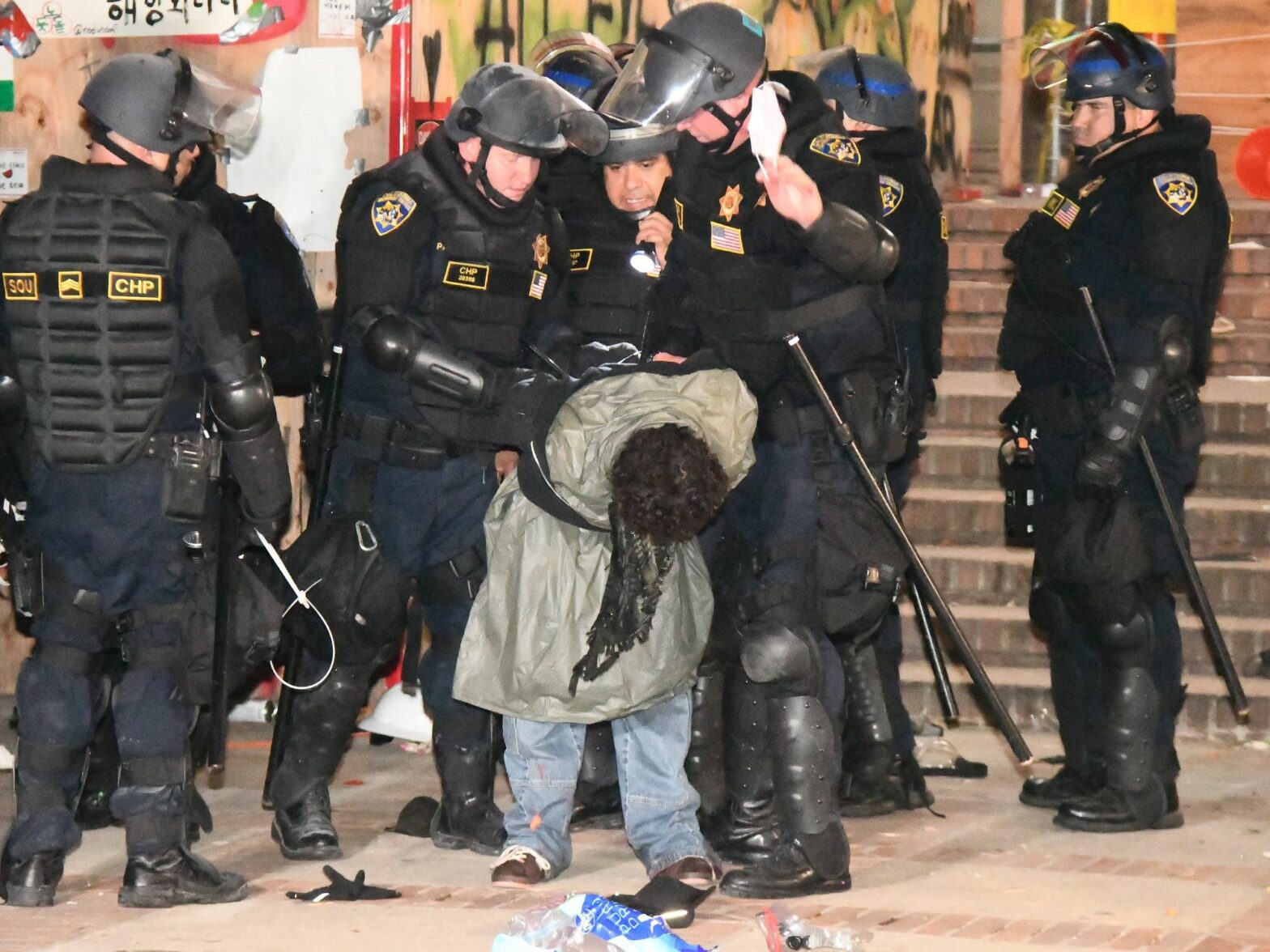
The context and scale are different, but there are common methods in the suppression of demonstrations in the Arab Spring in 2011 and crackdowns against pro-Palestinian groups on university campuses in the U.S. Will President Biden, like Hosni Mubarak 13 years ago, lose power as a result?
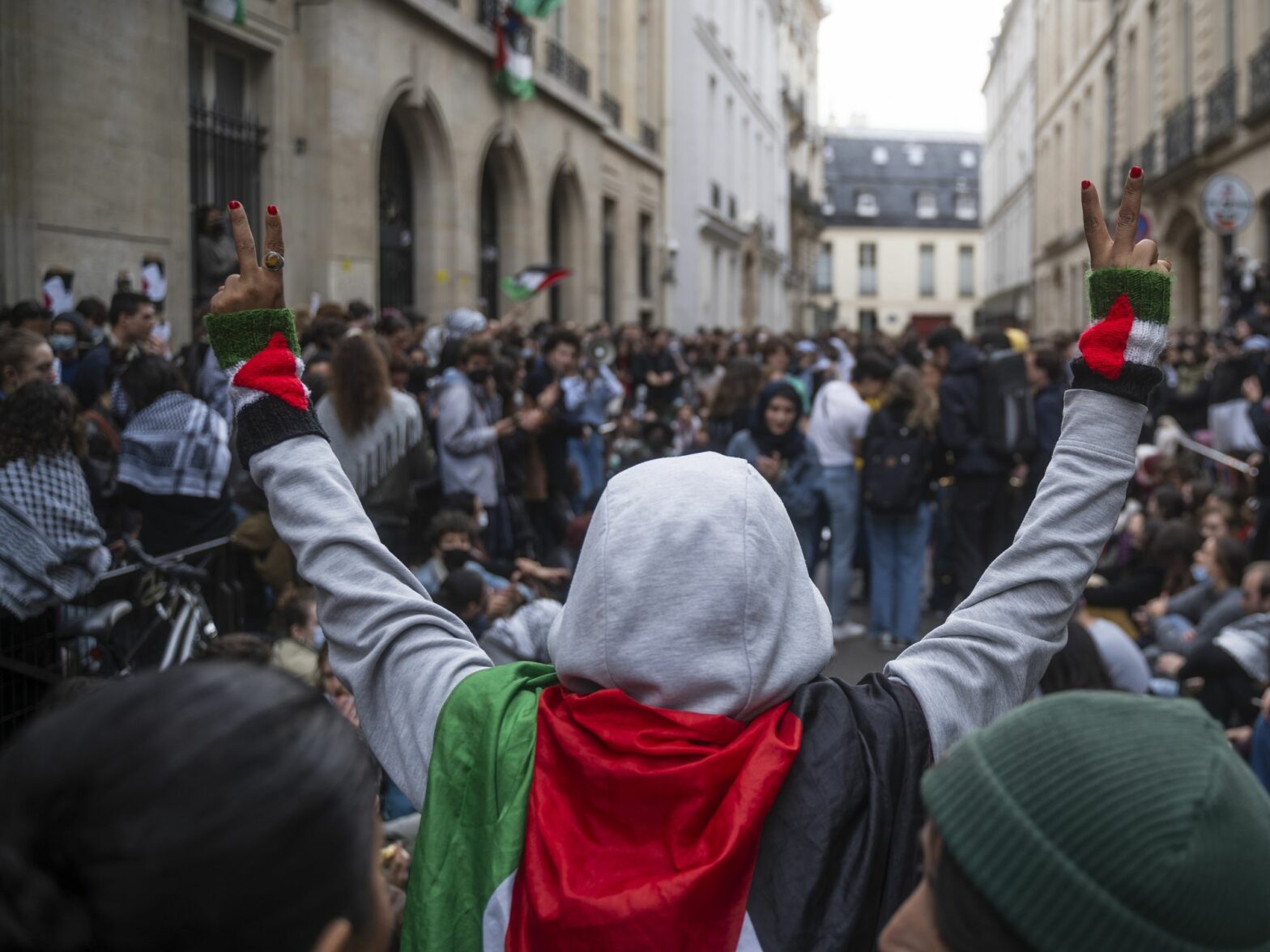
Images of recent student-led, pro-Palestinian protests across the world are reminiscent of the demonstrations of solidarity in support of Vietnam, that rocked campuses some 50+ years ago. But beyond the same indignation fueling the demonstrations, the context, and potential political repercussions, vary greatly.
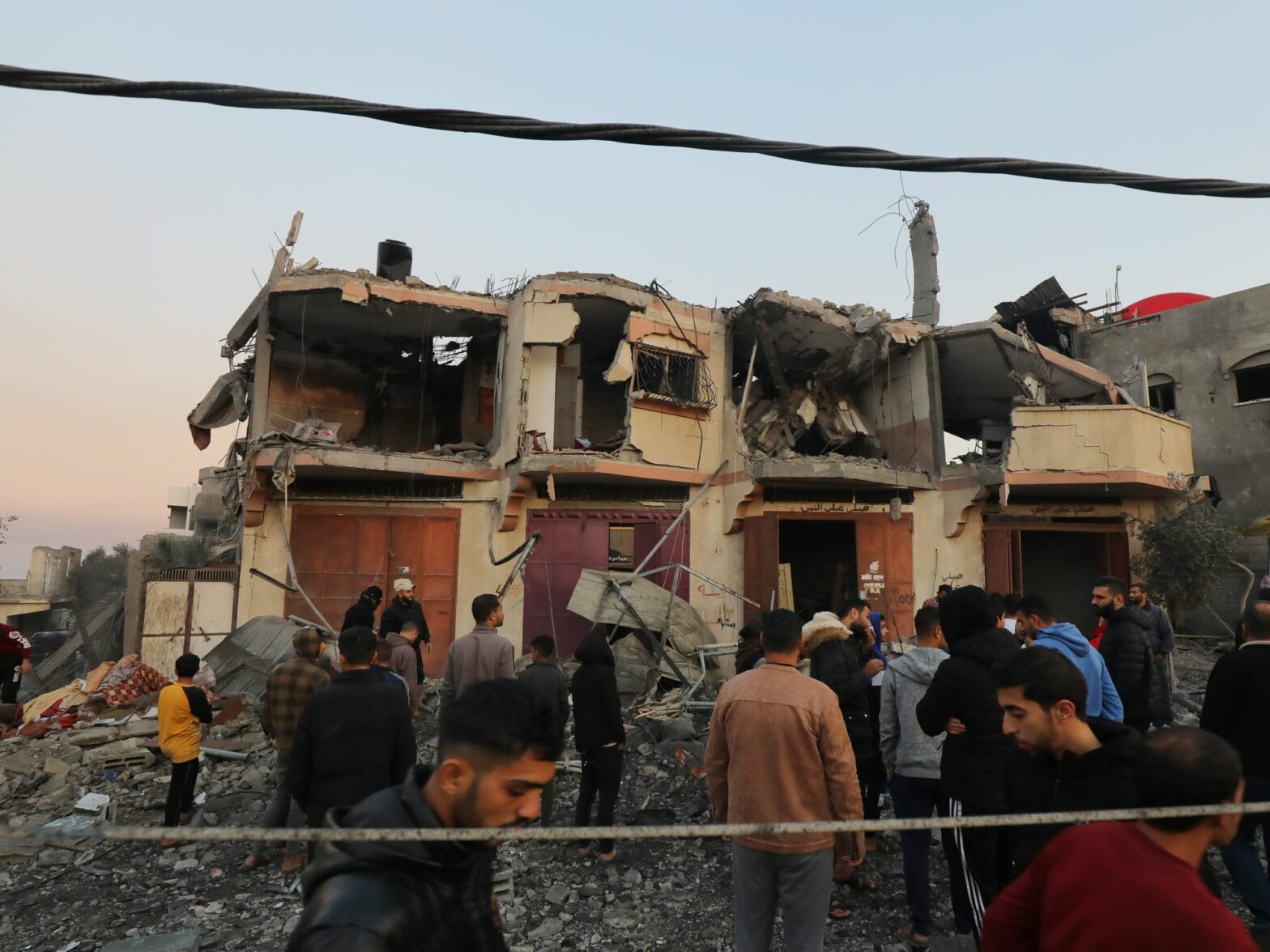
Are the Israelis perpetrating a genocide in Gaza? The answer is tied up in the definition and legal significance of the word itself, which is still not settled.
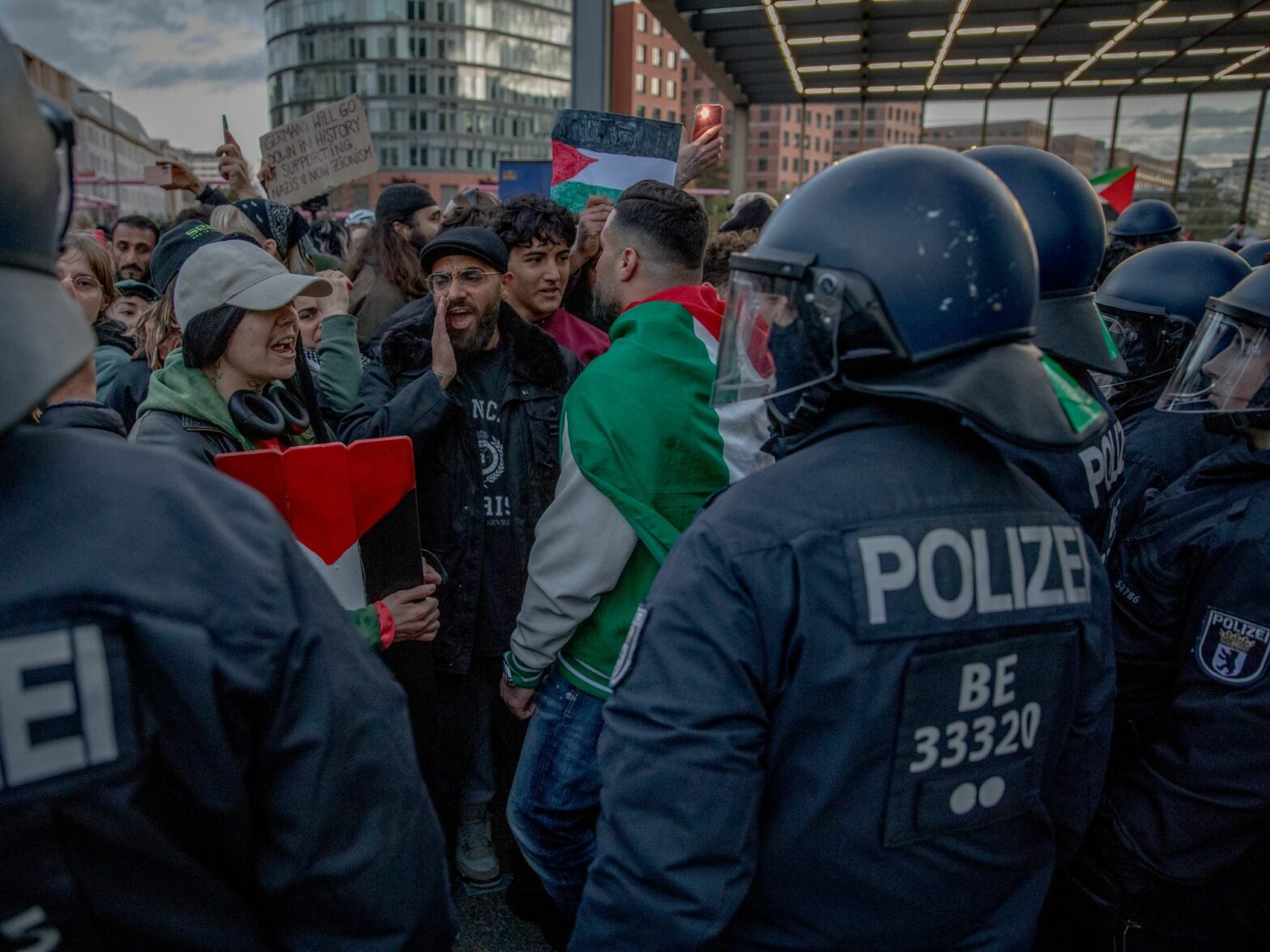
The debate over the war in Israel is raging on social media. In this divisive atmosphere, it is impossible to call out anti-Semitism in Muslim communities or on the right wing without being applauded by all the wrong people. What Germans are failing to acknowledge is how much the country’s own history has to do with this.
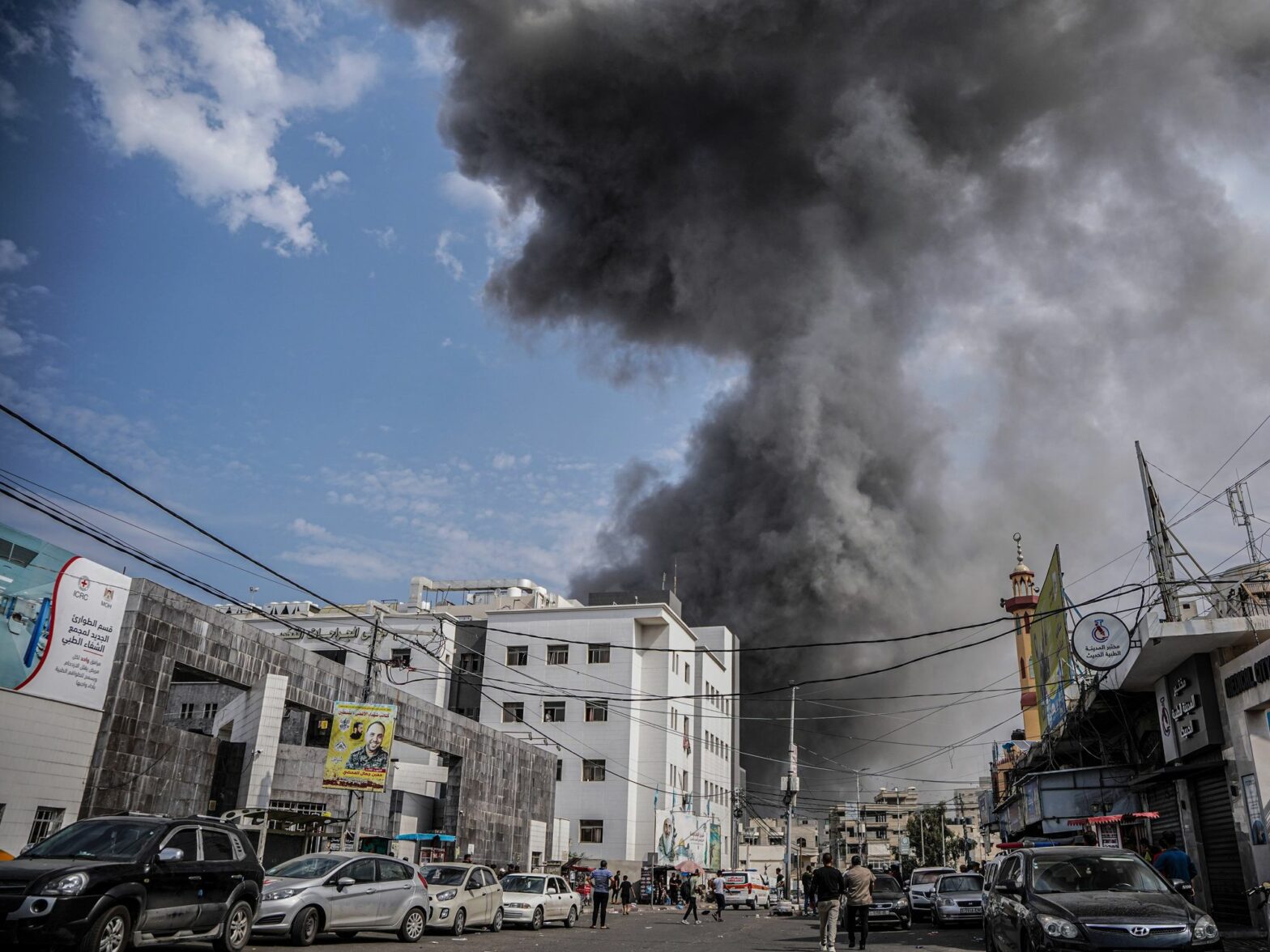
Prime Minister Benjamin Netanyahu and other top Israeli officials have referred to Hamas militants as “the new Nazis.” But as horrific as the Oct. 7 massacre was, what does it really mean to make such a comparison 80 years after the Holocaust? And how can we rightly describe what’s happening in Gaza?
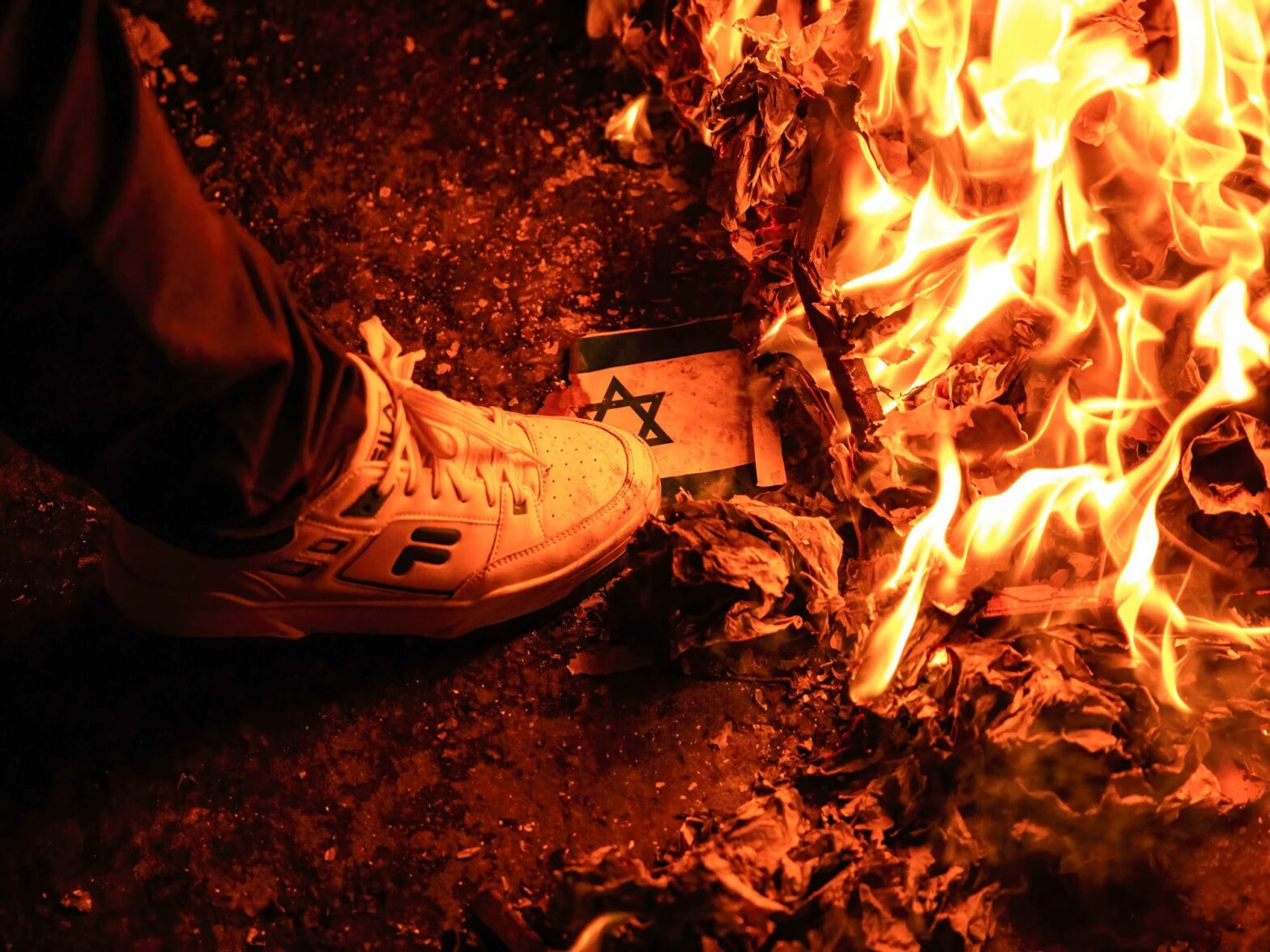
Sectors of the political Left around the world have practically lauded the Oct. 7 Hamas attack on Israel — finally barely bothering to hide their good ol’ fashioned hatred of the Jews, rather than hiding behind anti-Zionist rhetoric. Something evil has been re-released.

Was it a pogrom? Could it happen again? Vazhnyye Istorii looks at the recent history, ethnic makeup and politics of the Russian Republic.
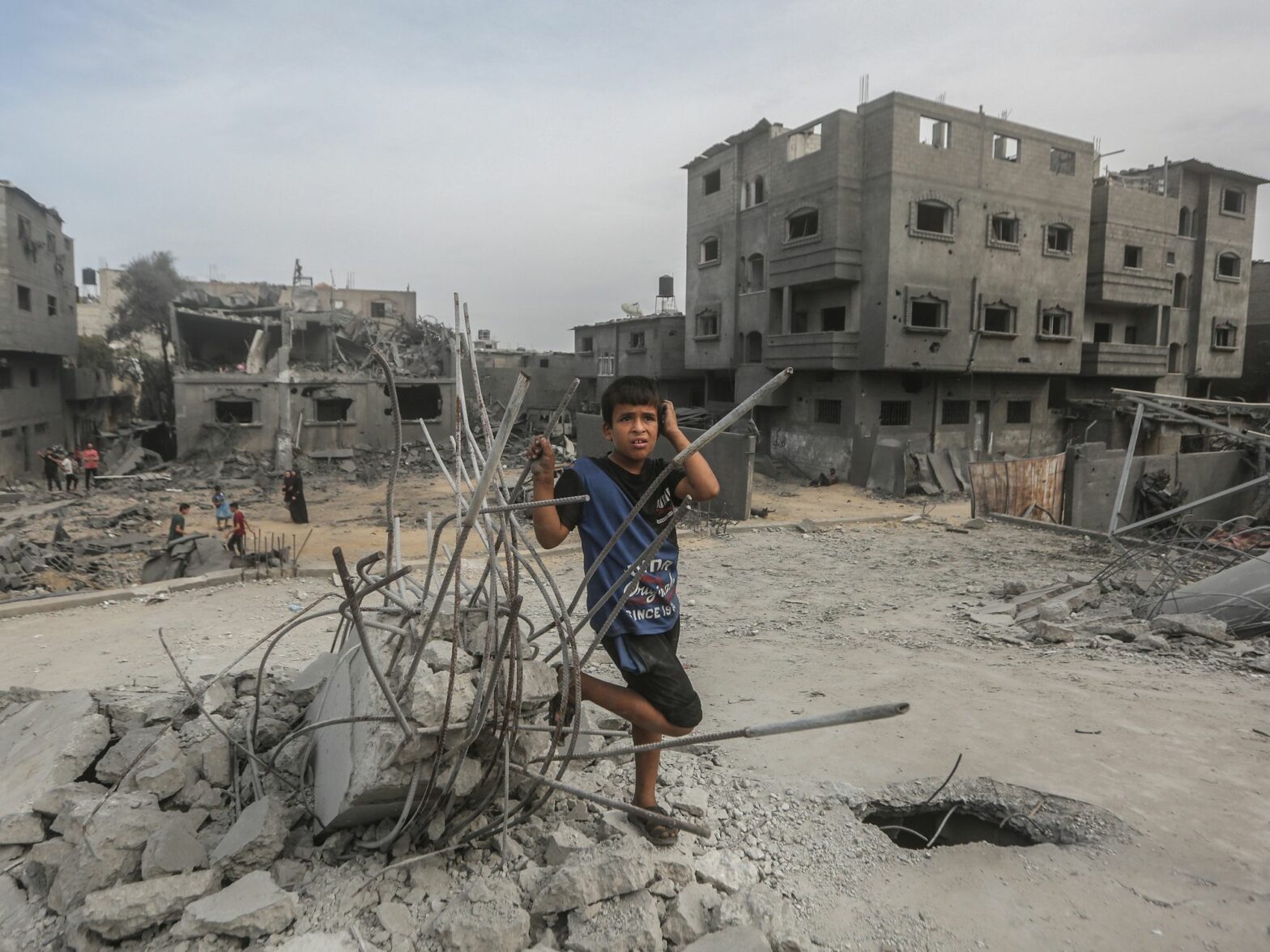
For the future of our world, neither the stakes in Ukraine nor Gaza should be underestimated. But understanding the limits of the comparison is important to trying to find a way out of each, says veteran French political scientist Dominique Moïsi.
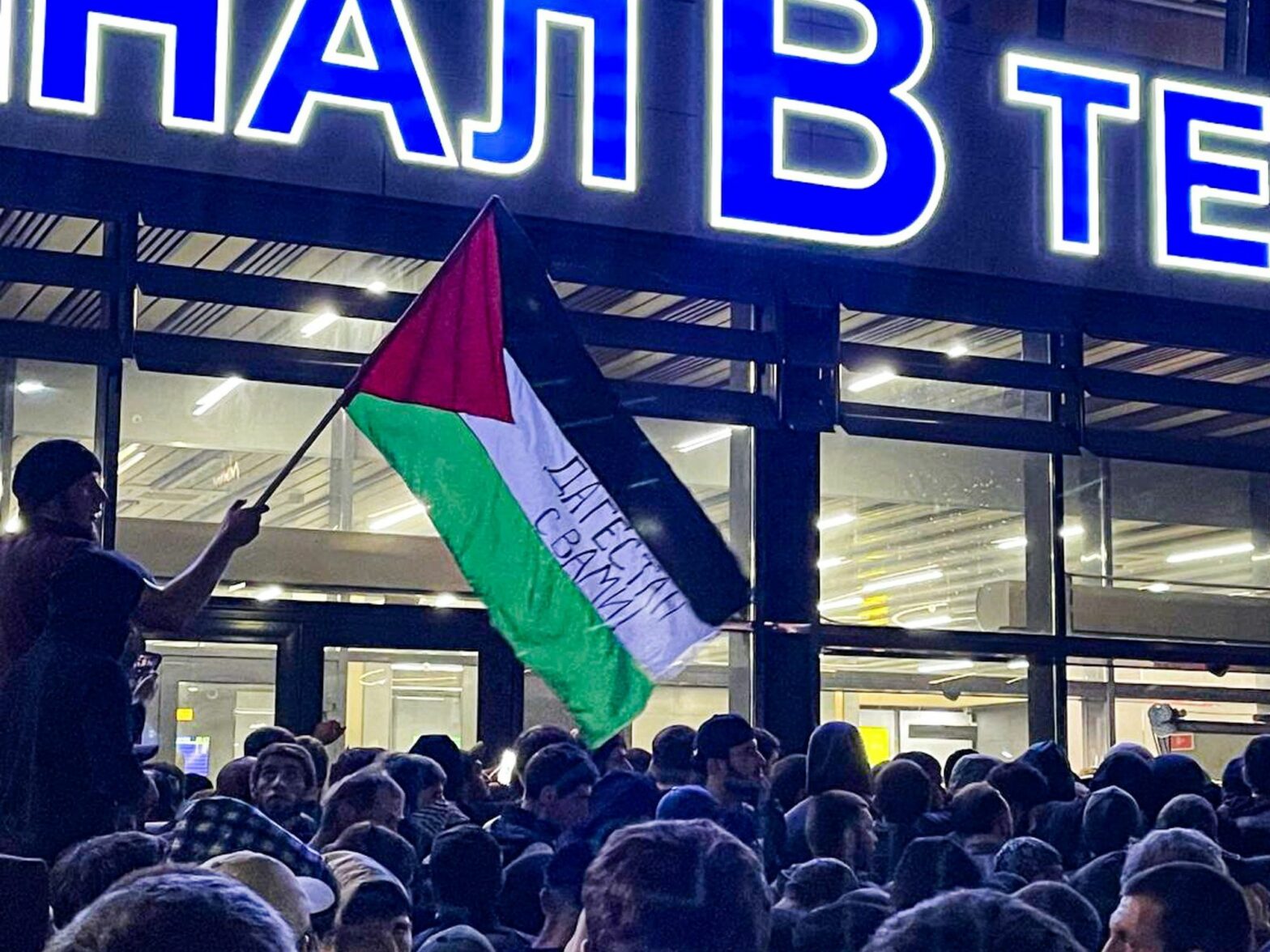
Evoking the anti-Semitic mobs of the 19th century around Russia and Eastern Europe, several hundred young men descended on an airplane on the tarmac of an airport in the Russian republic of Dagestan. It is part of a series of anti-Jewish and anti-Israeli attacks in the Muslim-majority region since the war in Gaza began.
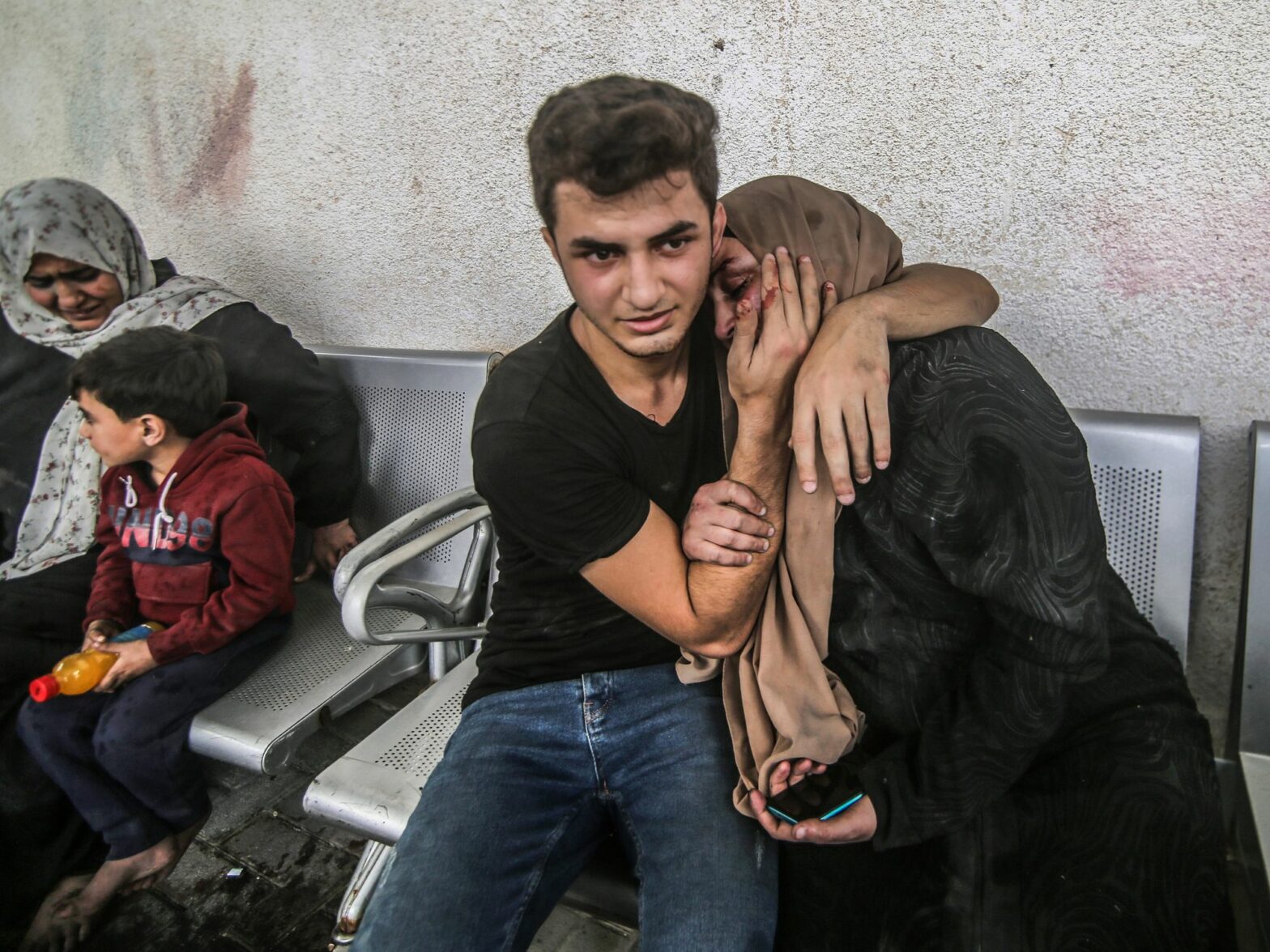
A full siege is on in Gaza, and there’s little room for escape for civilians.
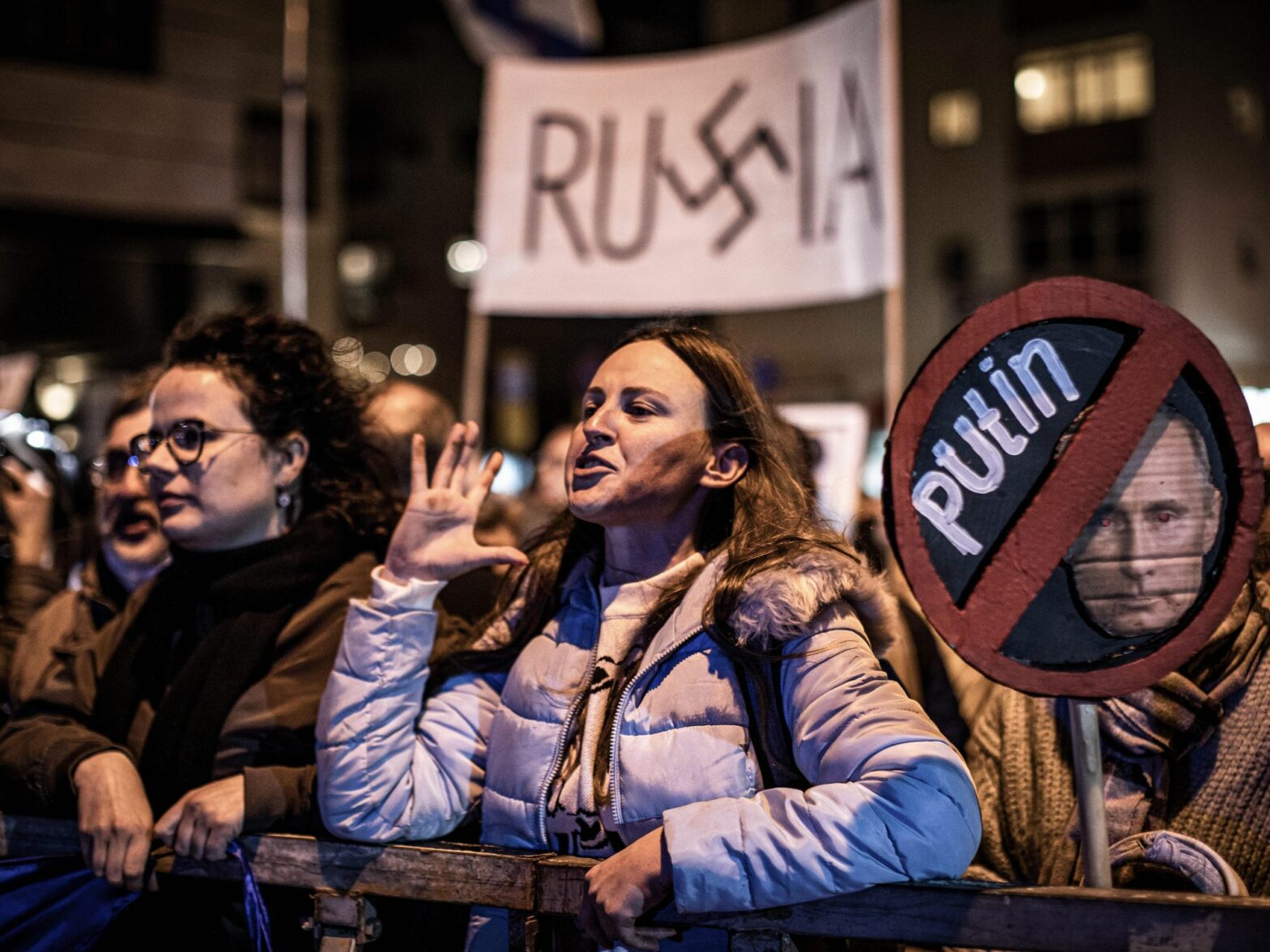
Russian speakers represent 15% of the Israeli population. And now, the war in Ukraine is bringing long-simmering tensions in their community to the surface.
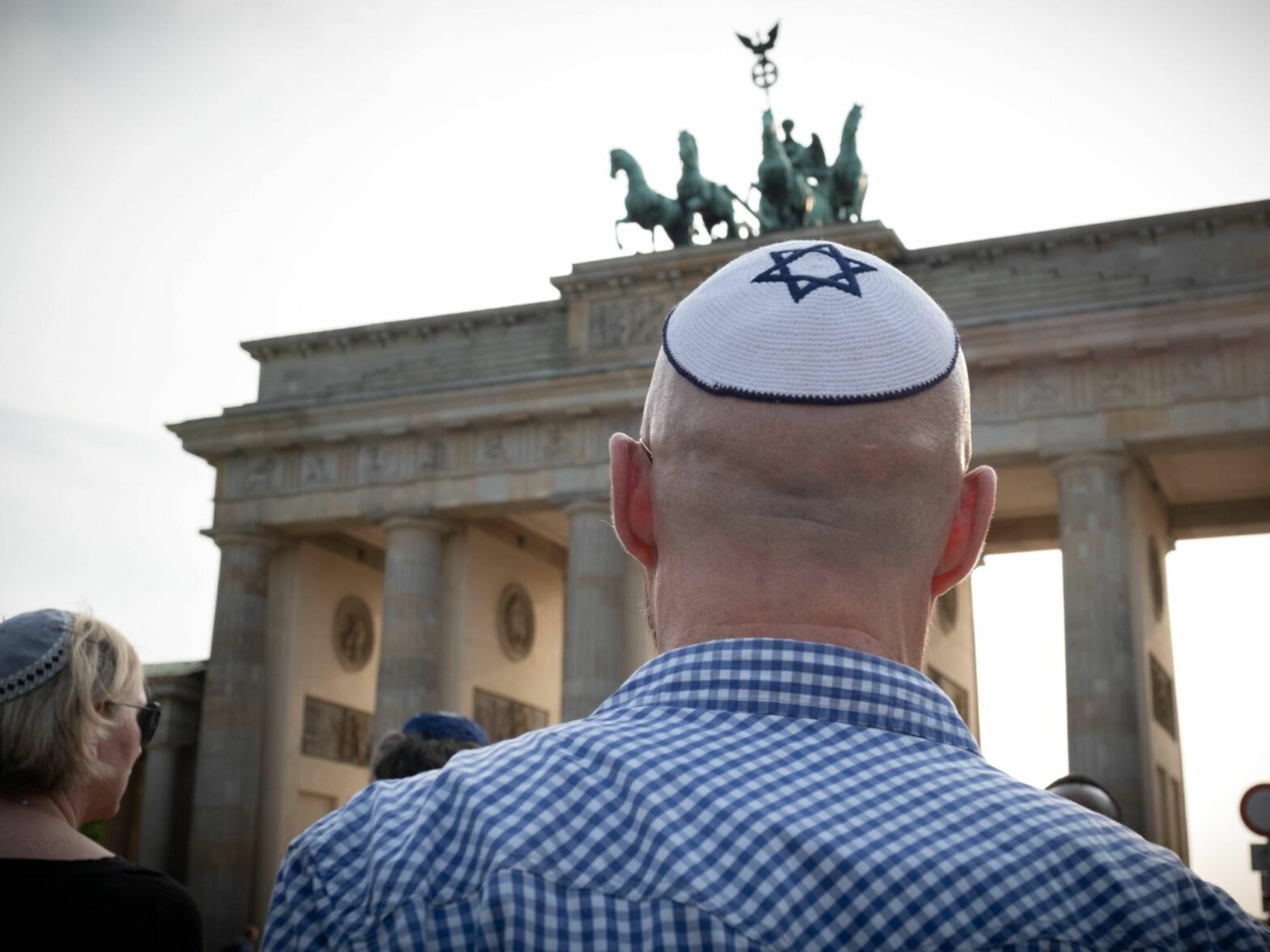
A neo-Nazi has been buried in the former grave of a Jewish musicologist Max Friedlaender – not an oversight, but a deliberate provocation. This is just one more example of antisemitism on the rise in Germany, and society’s inability to respond.
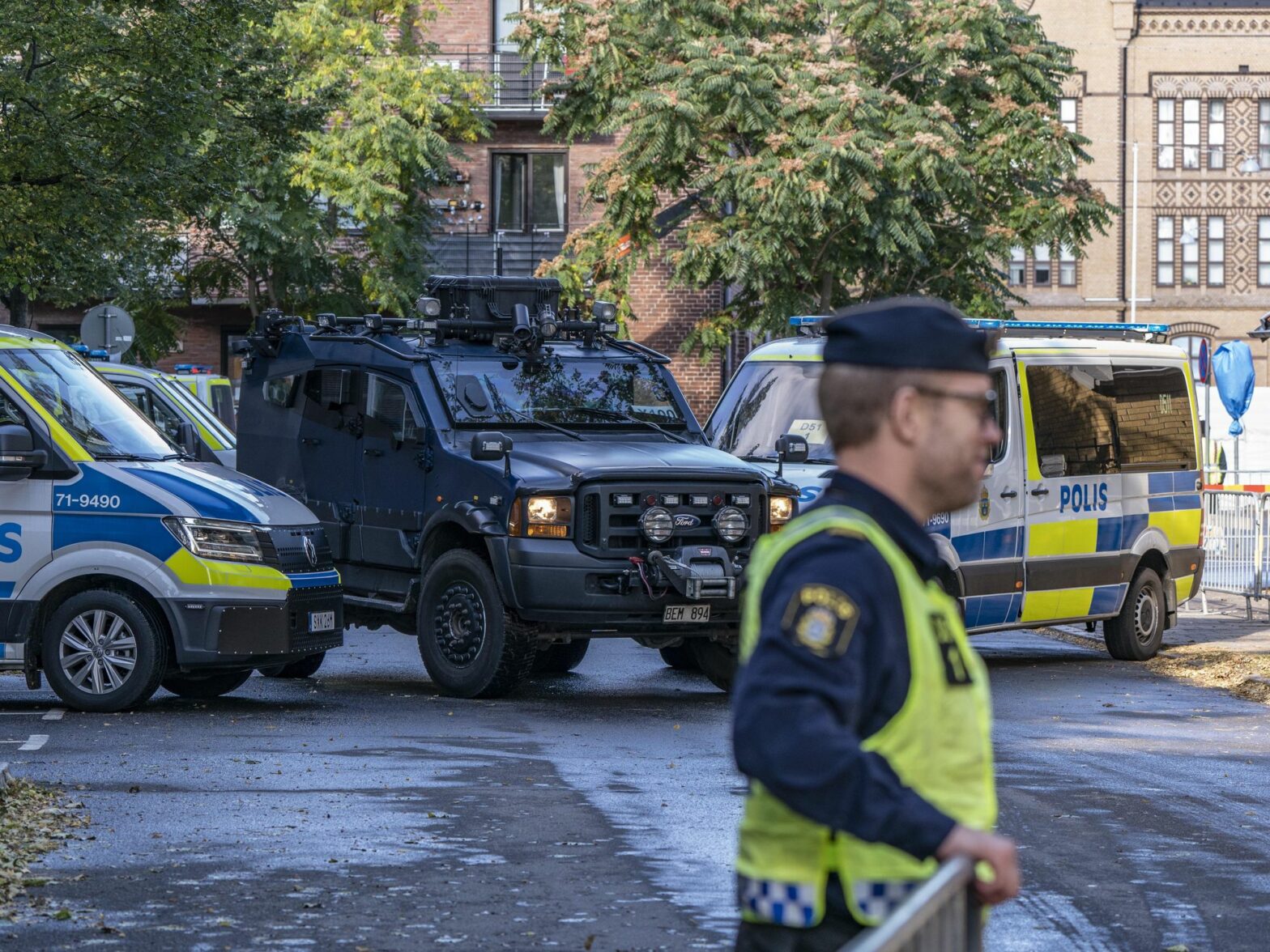
In October 1943, nearly the entire Jewish population of Denmark made a perilous crossing from their Nazi-occupied country to neighboring Sweden. Setting out from ports and beaches along the coast, some 7,000 people arrived in rowboats and canoes to the safe shores of the port city of Malmö. Now, 78 years later, in the same […]
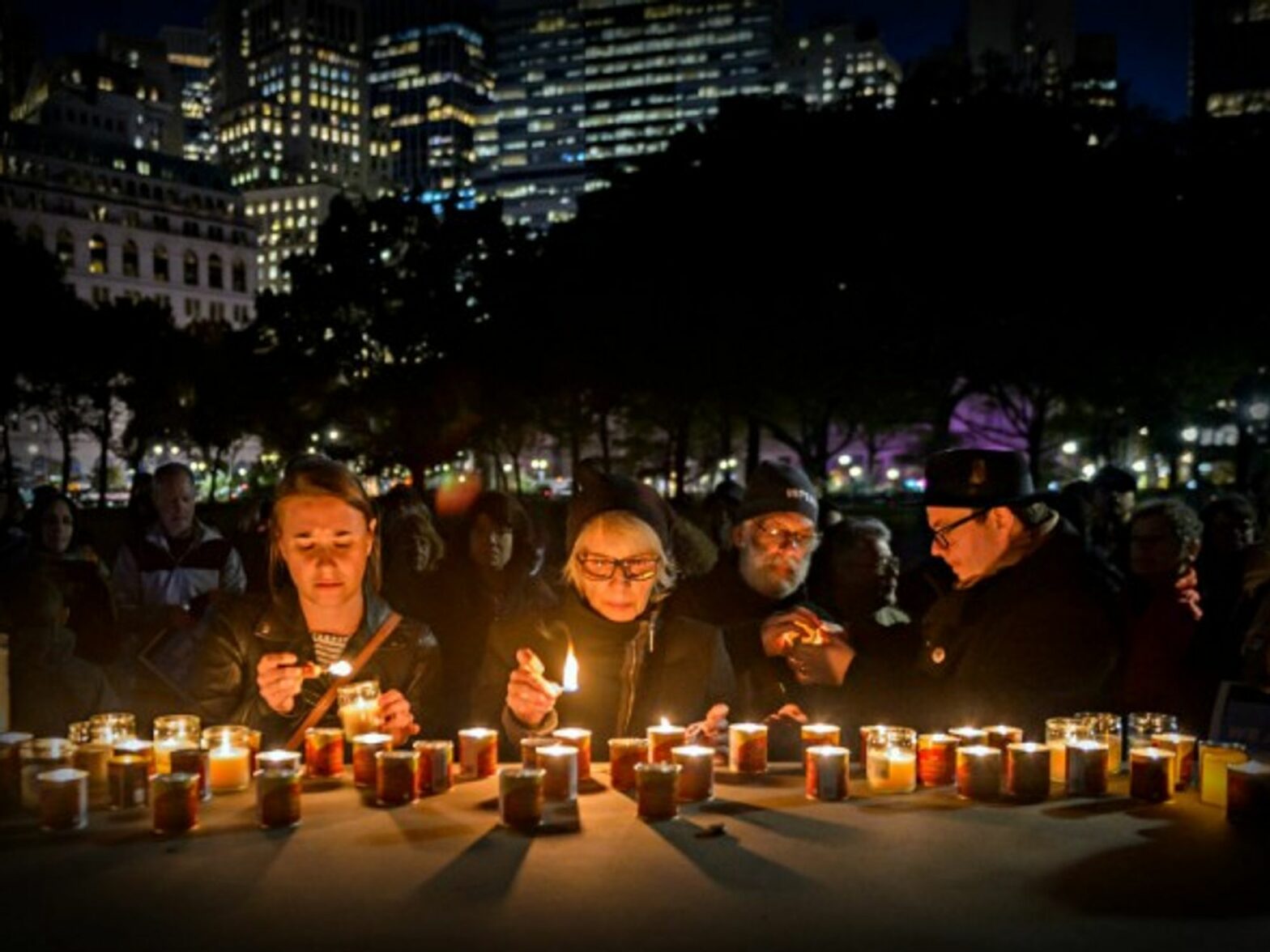
To act, let’s start by not looking away.
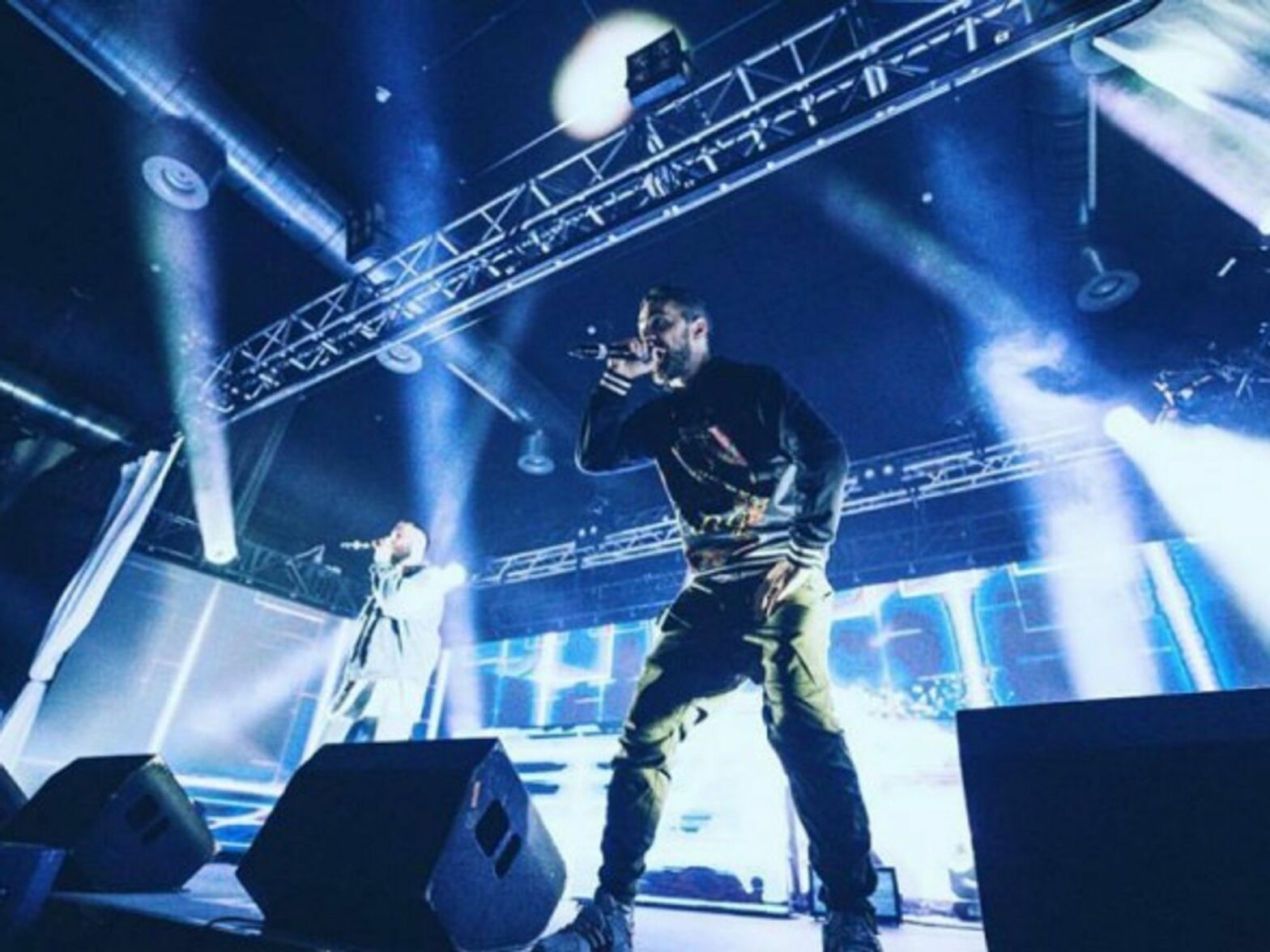
-Essay- MUNICH — Artists are now using anti-Semitism and Islamism to shock, and that’s not surprising. But if both listeners and rappers started to finally take music seriously, this could change. Since Germany’s top music prize, the Echo awards, honored the rappers Kollegah and Farid Bang, there has been a misunderstanding that both sides of […]
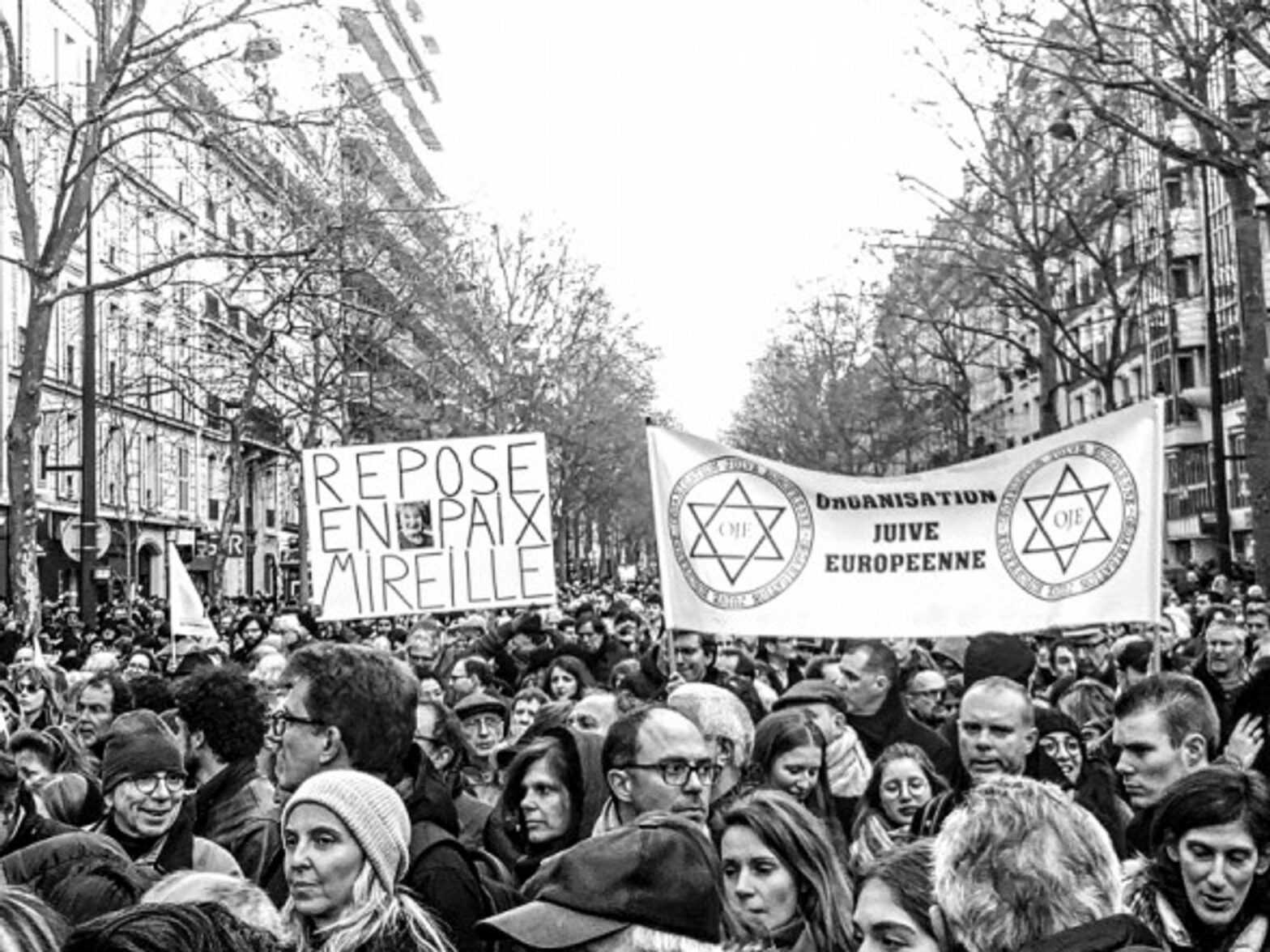
The targeted murder by a Muslim of an elderly Parisian Jewish woman connects hatred of Jews today to that of Europe’s past. And it’s not just in France.
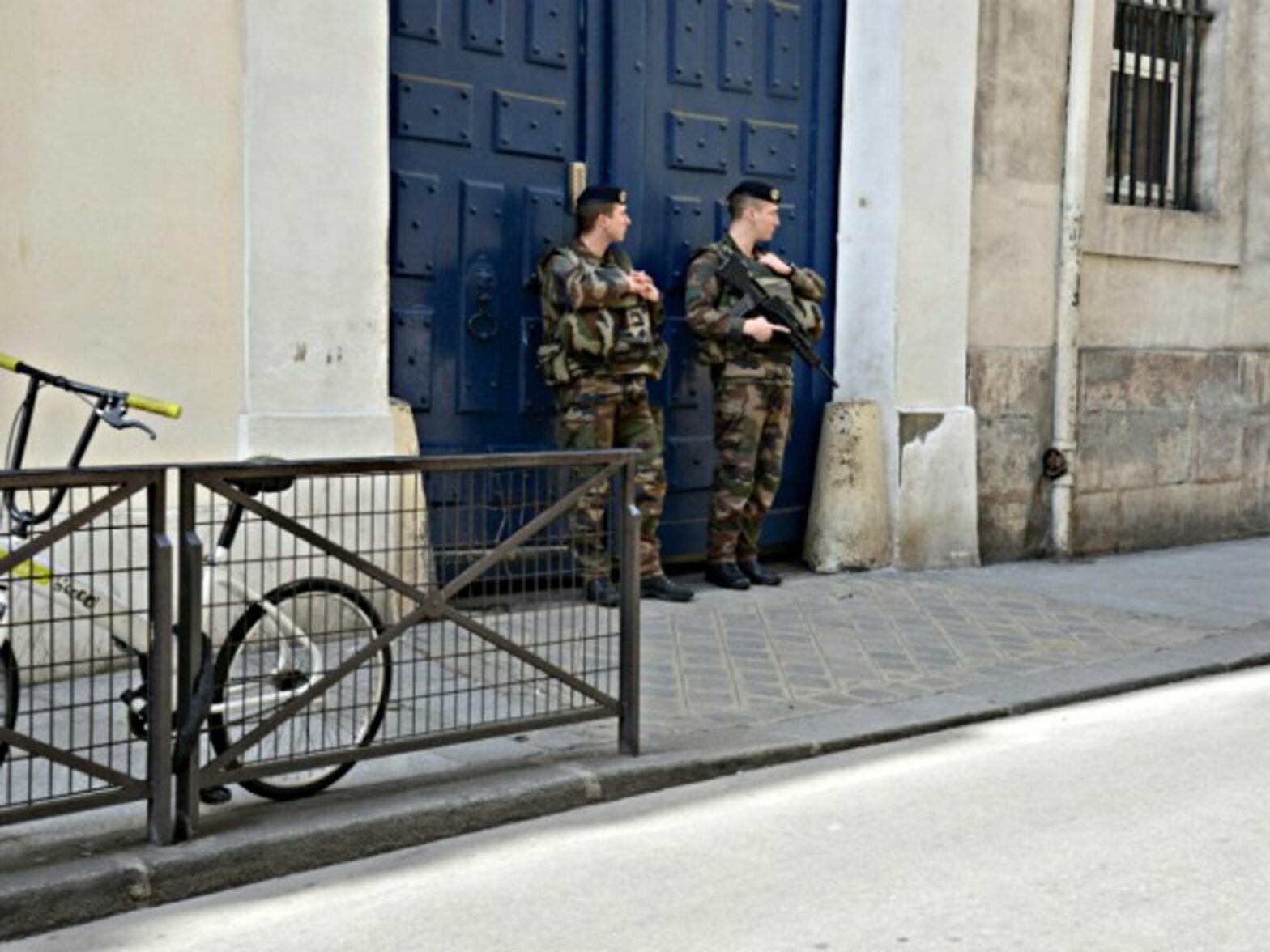
-OpEd- PARIS — It’s taken years for acts of violence carried out against French Jews to be recognized not as ordinary crime, but as the violent expression of a new form of anti-Semitism. By describing perpetrators as standard criminals, lone wolves or psychiatric patients, every possible effort was made to avoid acknowledging that in France, […]
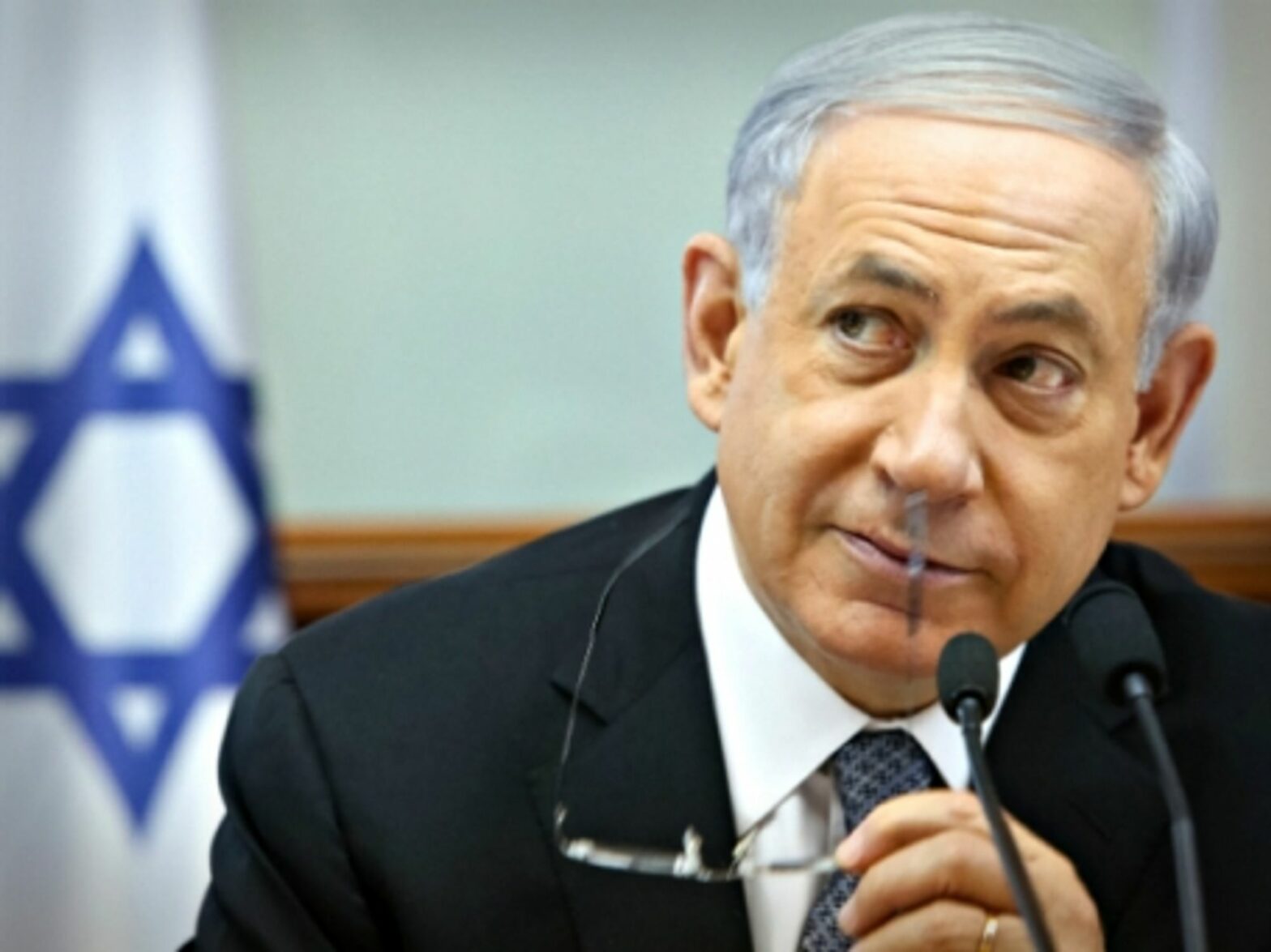
Israeli Prime Minister Benjamin Netanyahu has sparked outrage with his thesis that a Palestinian gave Adolf Hitler the idea to annihilate the Jews. It is, of course, utter nonsense. But from a German perspective, there is another problem.
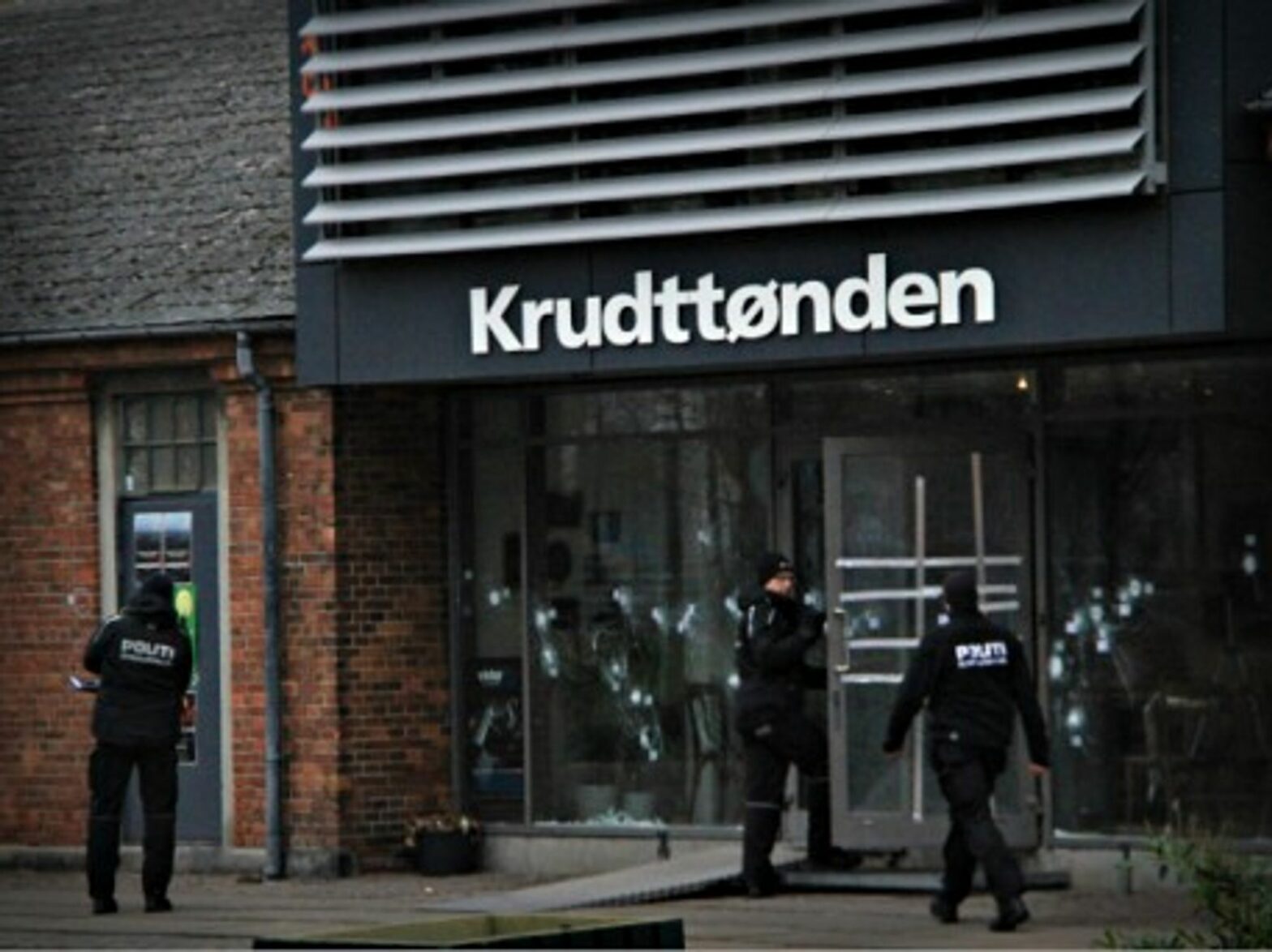
The targets of the attack in the two capitals were the same, free speech and Jews. Now Europe has an obligation to both its future and past to stand up to this evil with not a single alibi.
An impassioned defense of a fellow Algerian-born writer who dares to think for himself in the face of Arab identity politics and the eternal Israeli-Palestinian crisis.
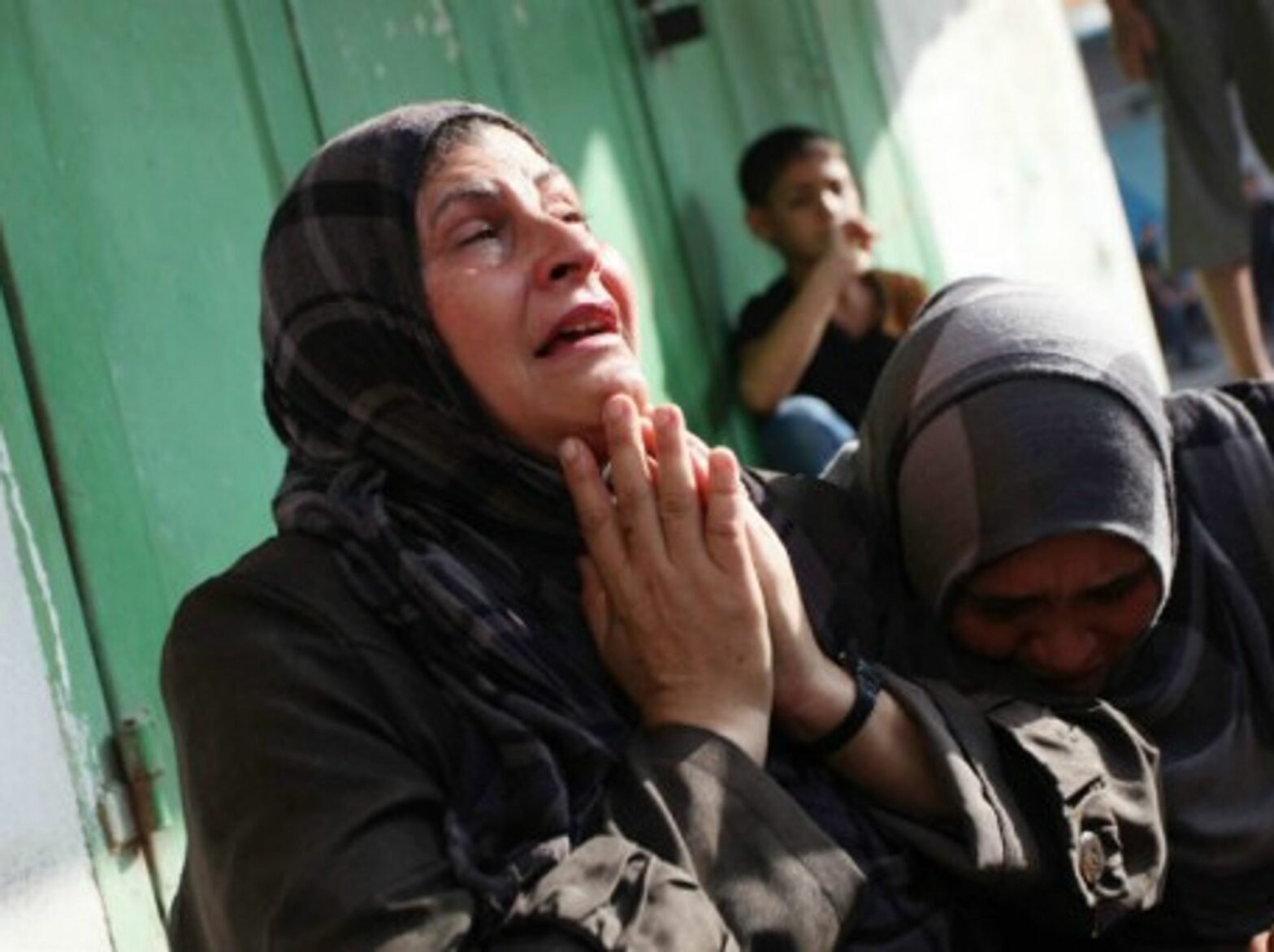
Israel’s supporters have responded to criticism of the Gaza intervention by asking why similar anger isn’t directed at the toll in Syria. It’s a bogus comparison, for many reasons.