By sanctioning violent settlers in the West Bank, U.S. President Biden aims to reassure voters unhappy with his support for Israel, and to push Israeli Prime Minister Netanyahu to accept a ceasefire agreement.

 Worldcrunch
By sanctioning violent settlers in the West Bank, U.S. President Biden aims to reassure voters unhappy with his support for Israel, and to push Israeli Prime Minister Netanyahu to accept a ceasefire agreement.
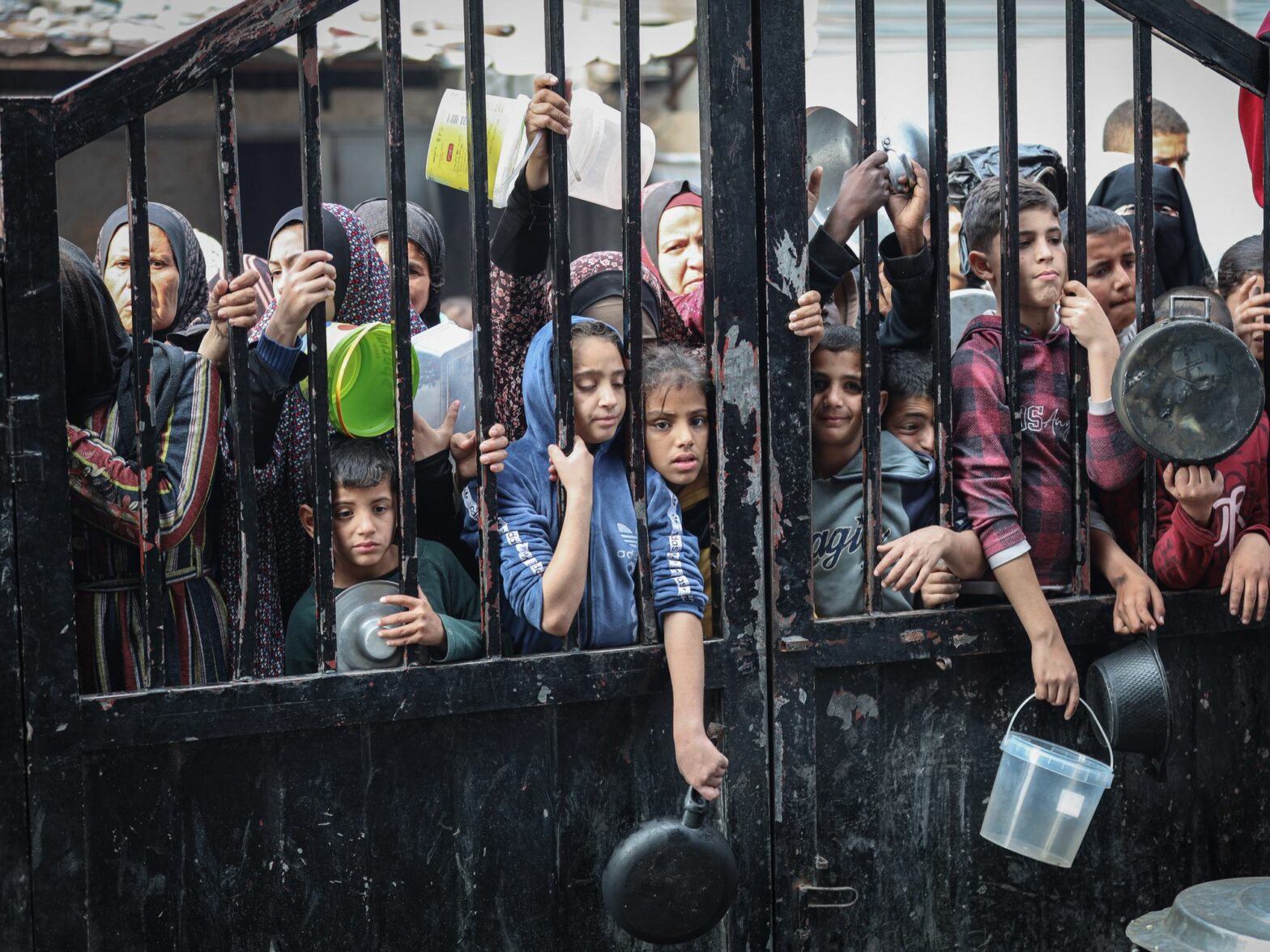
As the Israel-Hamas war continues unabated, the U.S., Egypt and Qatar are pushing to quickly reach an agreement. Will internal divisions be overcome? But even if a deal is struck, the war is far from over.
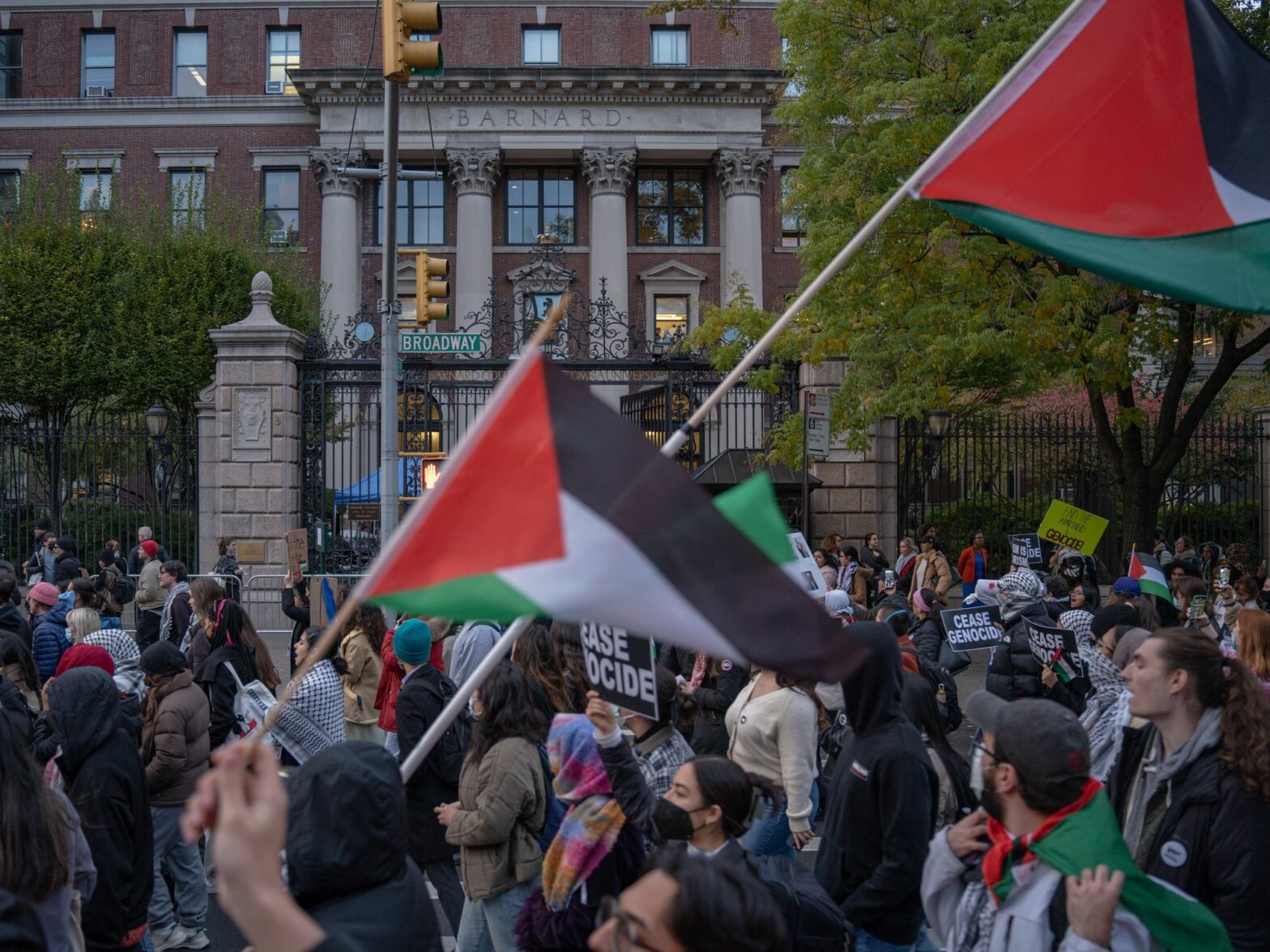
Taking the U.S. and France as leading indicators, with different histories and relationships inside the Middle East, Israel should be very worried about maintaining the support of its Western allies. The criticism of Israel and calls for immediate ceasefires are coming not only from the streets, but also inside the halls of power.

Saudi Arabia suddenly now leads the world in golf, continues to attract top European soccer stars, and invests in culture and entertainment… Its “soft power” strategy is changing the kingdom’s image through what critics bash as blatant “sportwashing.”
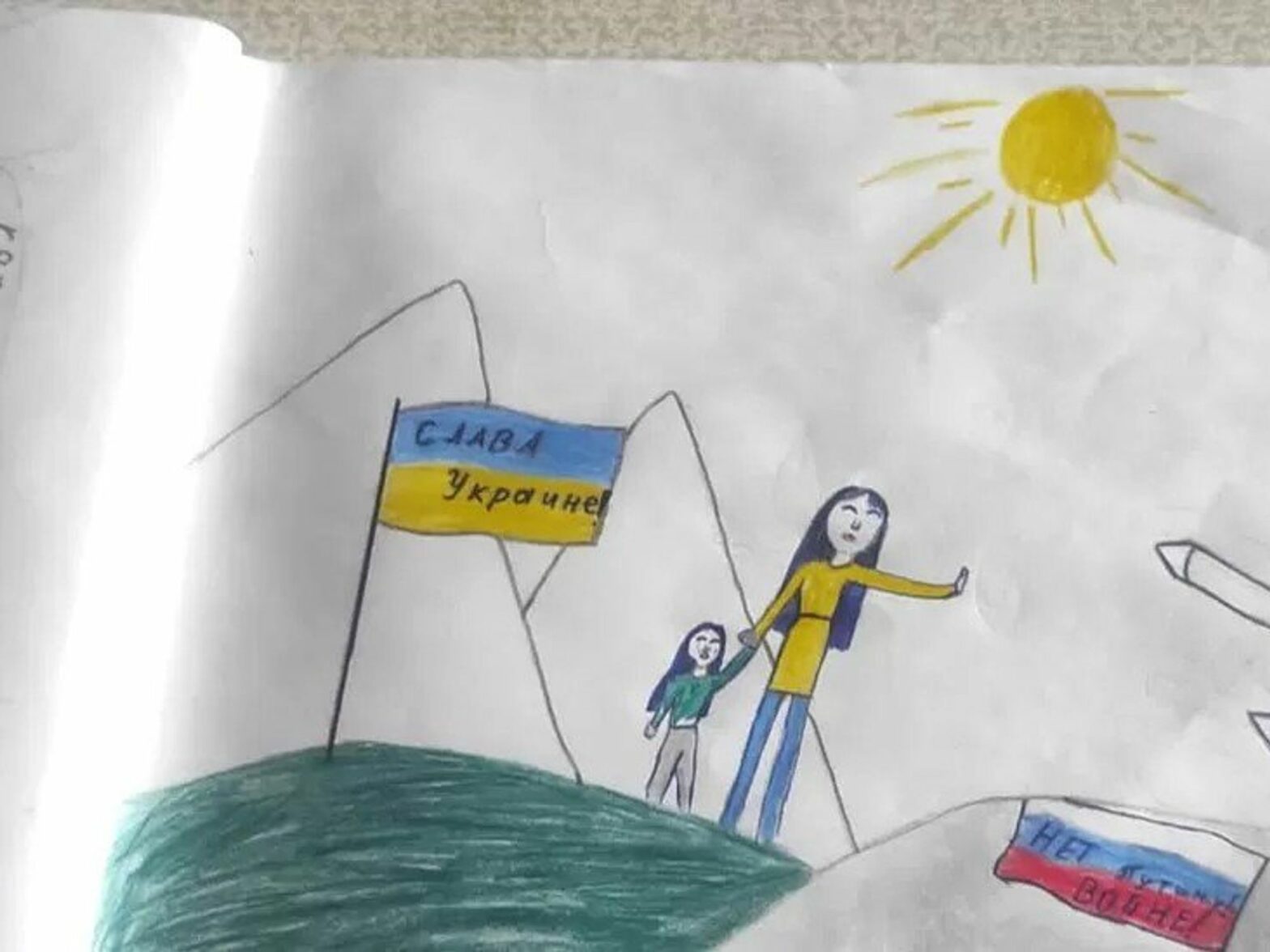
Even beyond the bloodshed of its war in Ukraine, lesser acts of aggression by the state are a clear expression of the intentions of Vladimir Putin’s Russia.
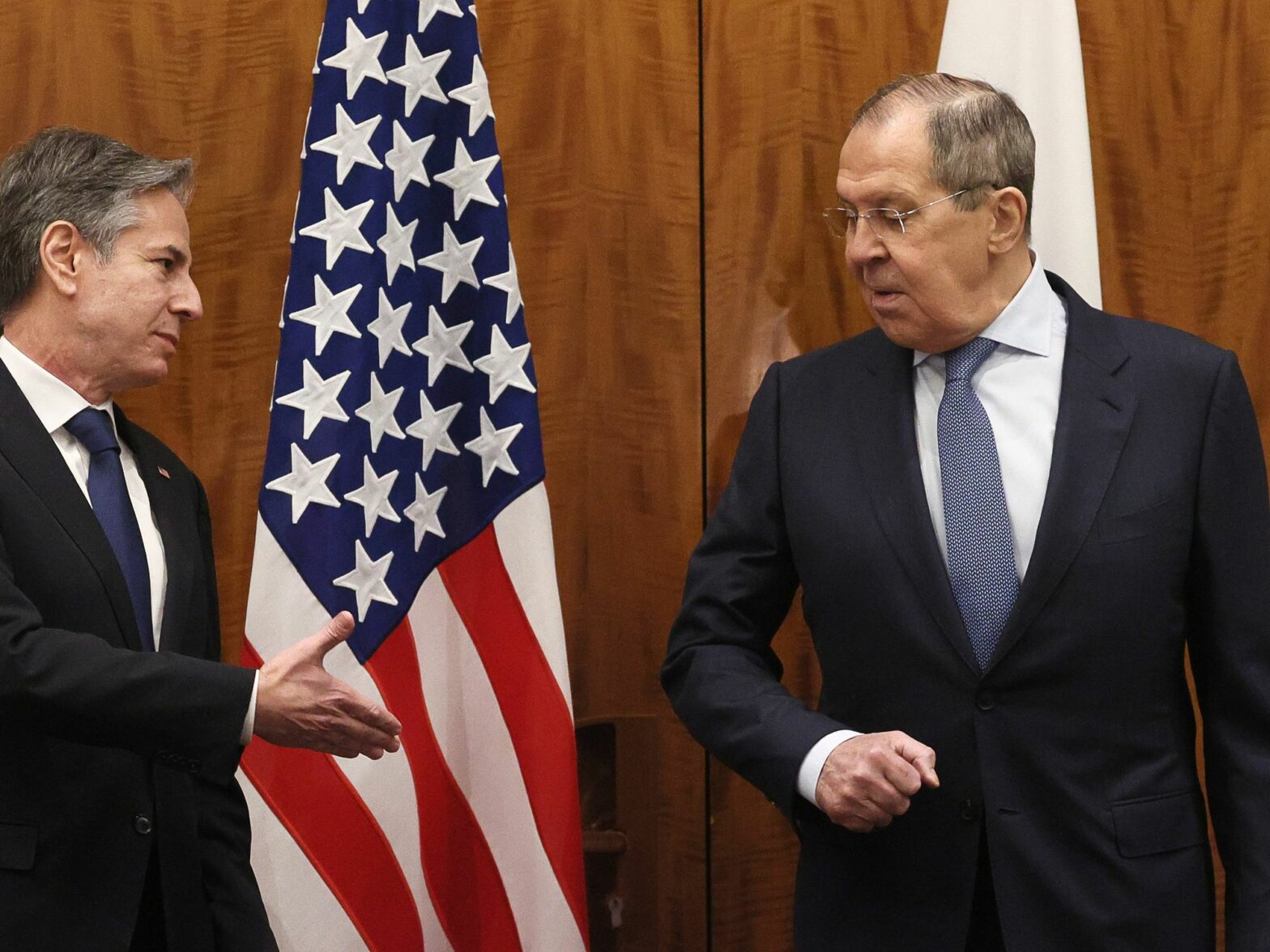
It’s not just about the current diplomatic impasse between Russia and the West, it’s about the future — and that means China.

The Chinese spy balloon spotted over the U.S. and shot down on Saturday has suddenly brought once-distant fears into America’s backyard, which could set off a kind of “butterfly effect” of a small incident that leads to a much more dangerous showdown.
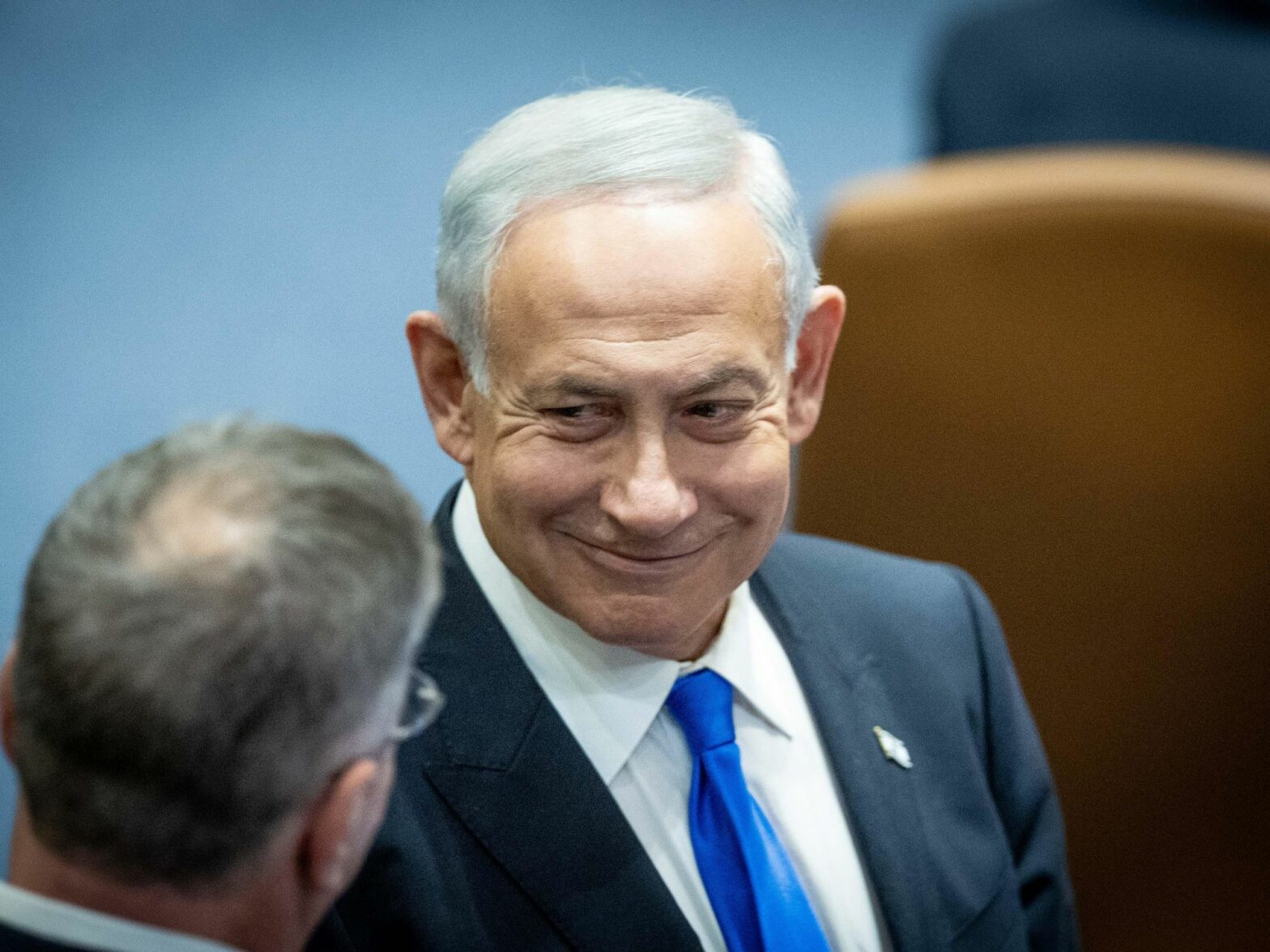
After forming a governing coalition with right-wing extremists, will Israeli Prime Minister Benjamin Netanyahu face a chill in relations with the West? The reshuffled geopolitical cards offer a fair share of paradoxes.