As Iran faces one of its worst droughts in decades, President Masoud Pezeshkian has revived a long-debated plan to move the capital city Tehran. But the country needs to address first the root causes of its water bankruptcy.

 Worldcrunch
As Iran faces one of its worst droughts in decades, President Masoud Pezeshkian has revived a long-debated plan to move the capital city Tehran. But the country needs to address first the root causes of its water bankruptcy.
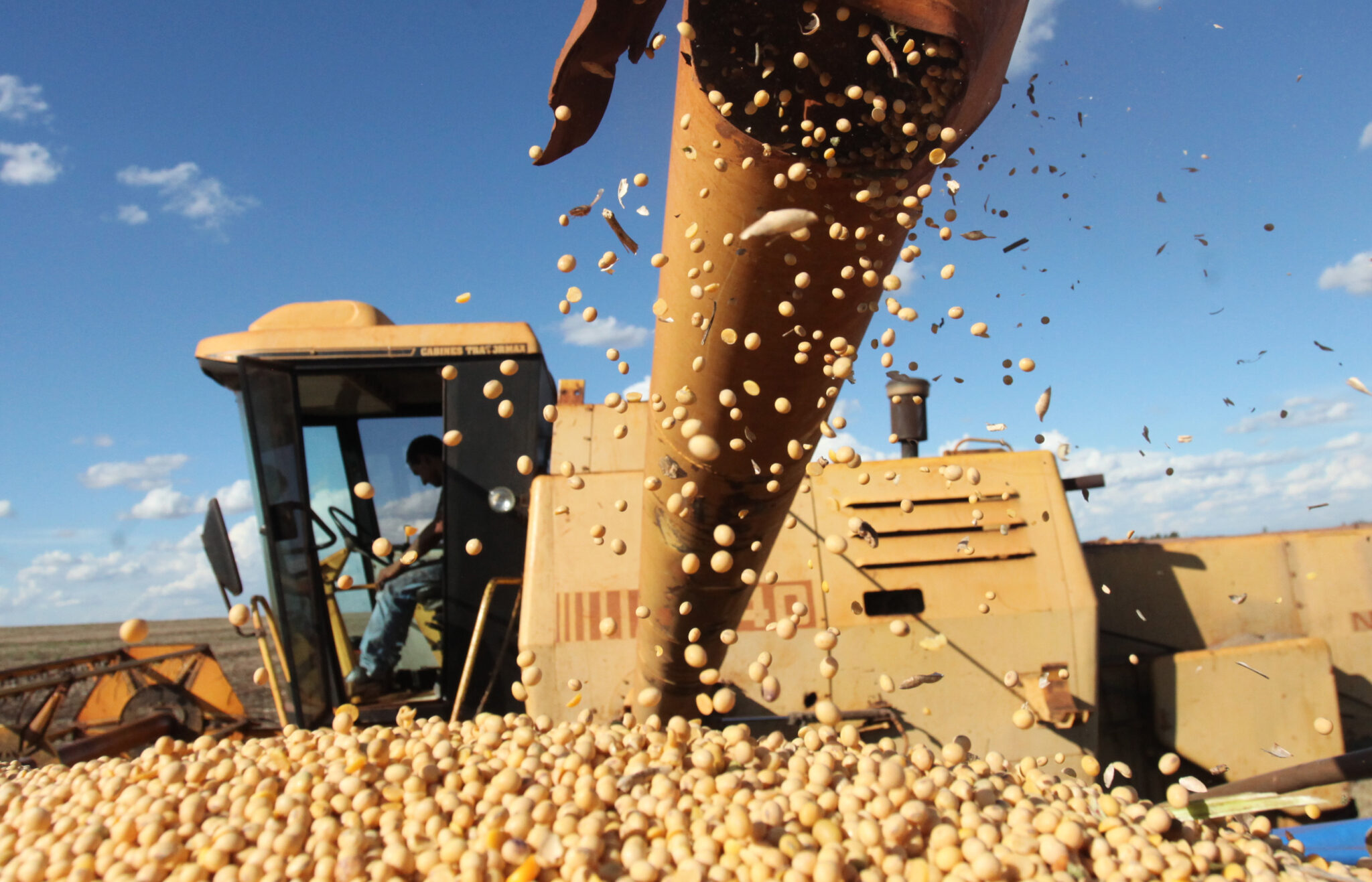
China has halted purchases of U.S. soybeans, cutting American farmers off from billions of dollars in revenue. It is a crucial example of how amid Donald Trump’s trade war is hitting his own voters, and feeding geopolitical rivalries beyond traditional diplomatic or military areas.
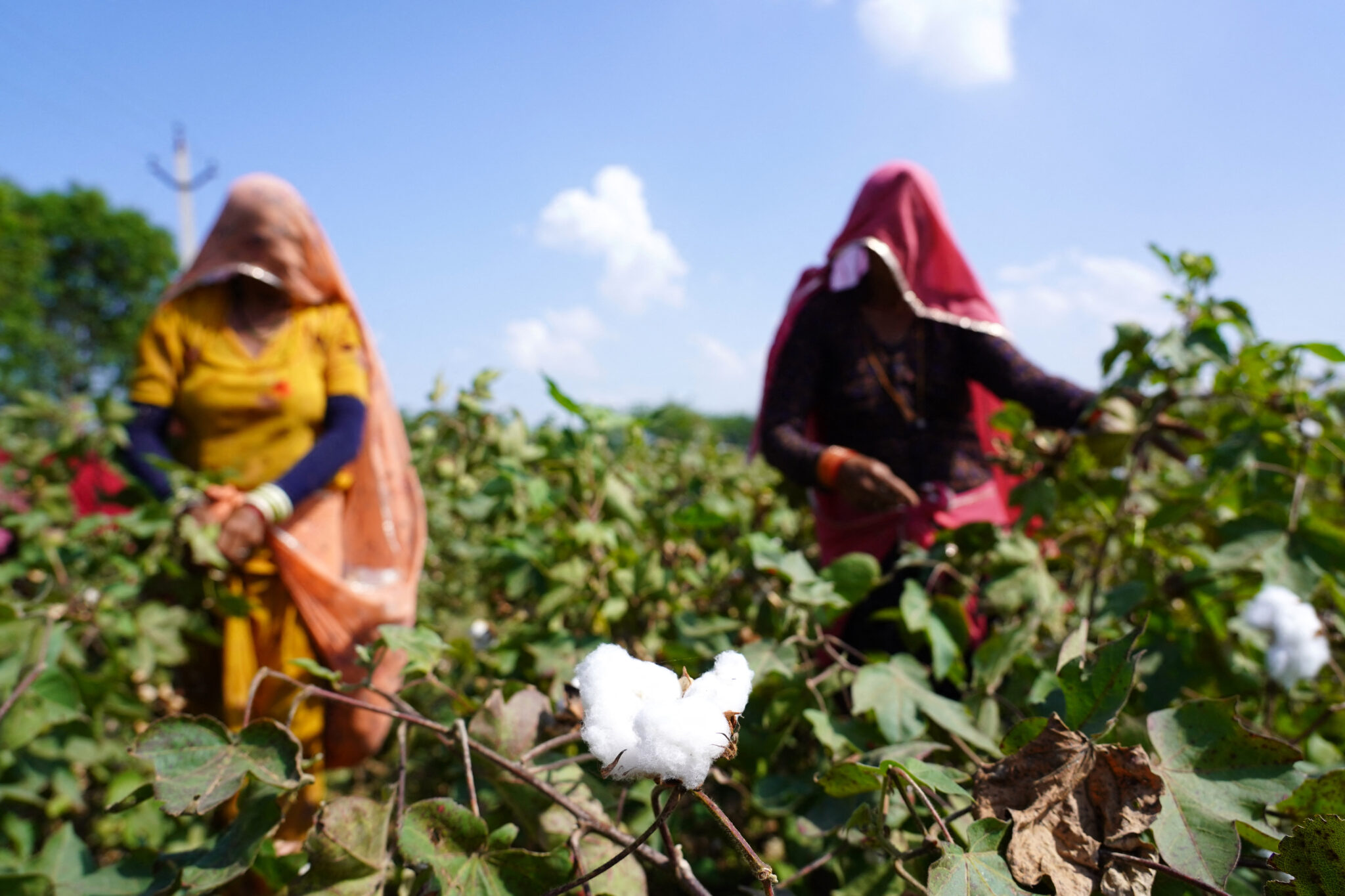
India, which is one of the largest producers of cotton, has to now accept US cotton under geopolitical pressure and has to sacrifice her cotton farmers for potential gains with the Trump administration.
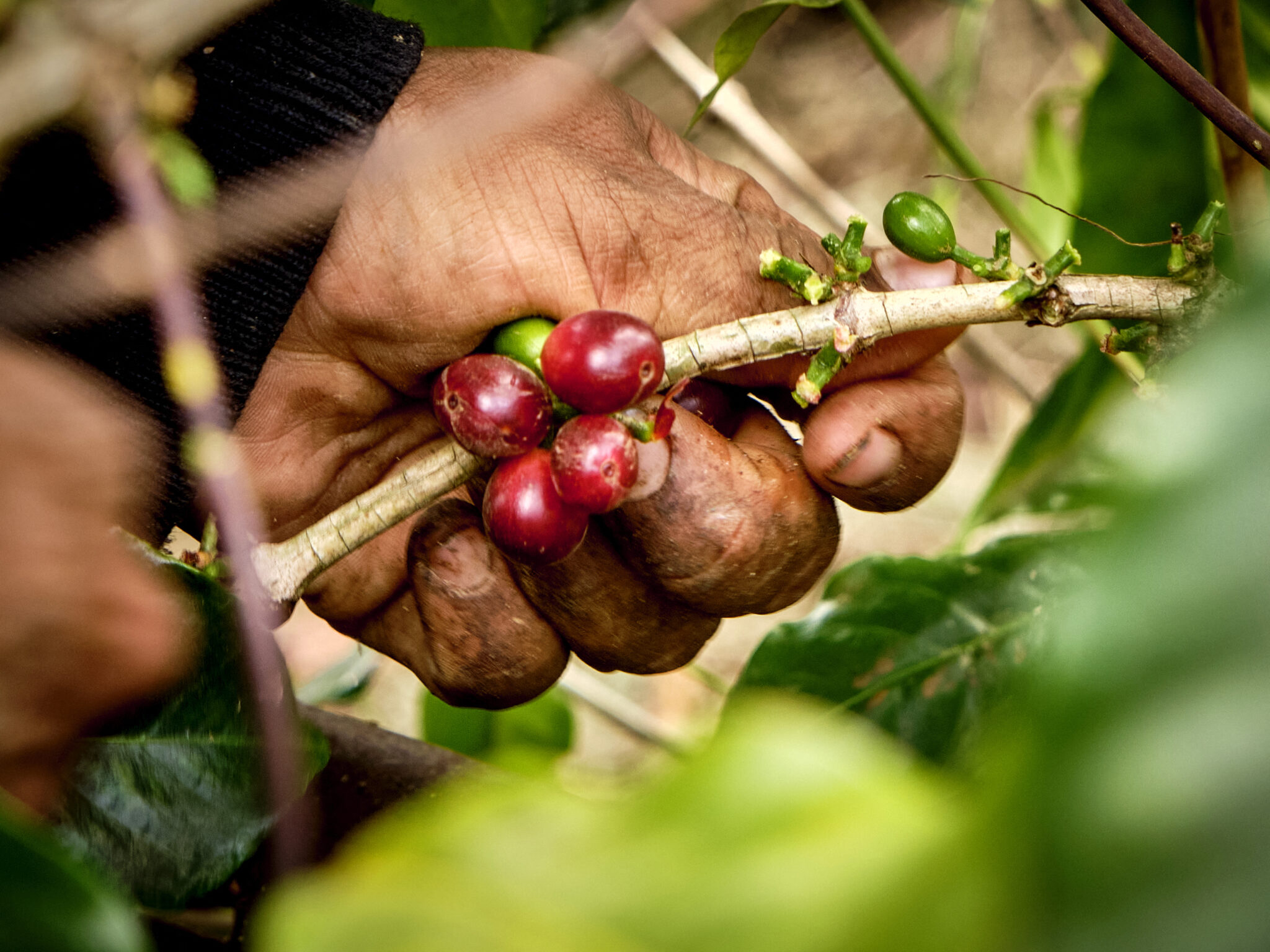
Coffee is a multi-million dollar industry in Costa Rica. But the work on coffee farms is demanding and carried out mainly by migrants, many of whom have left neighboring Nicaragua in search of a better life.
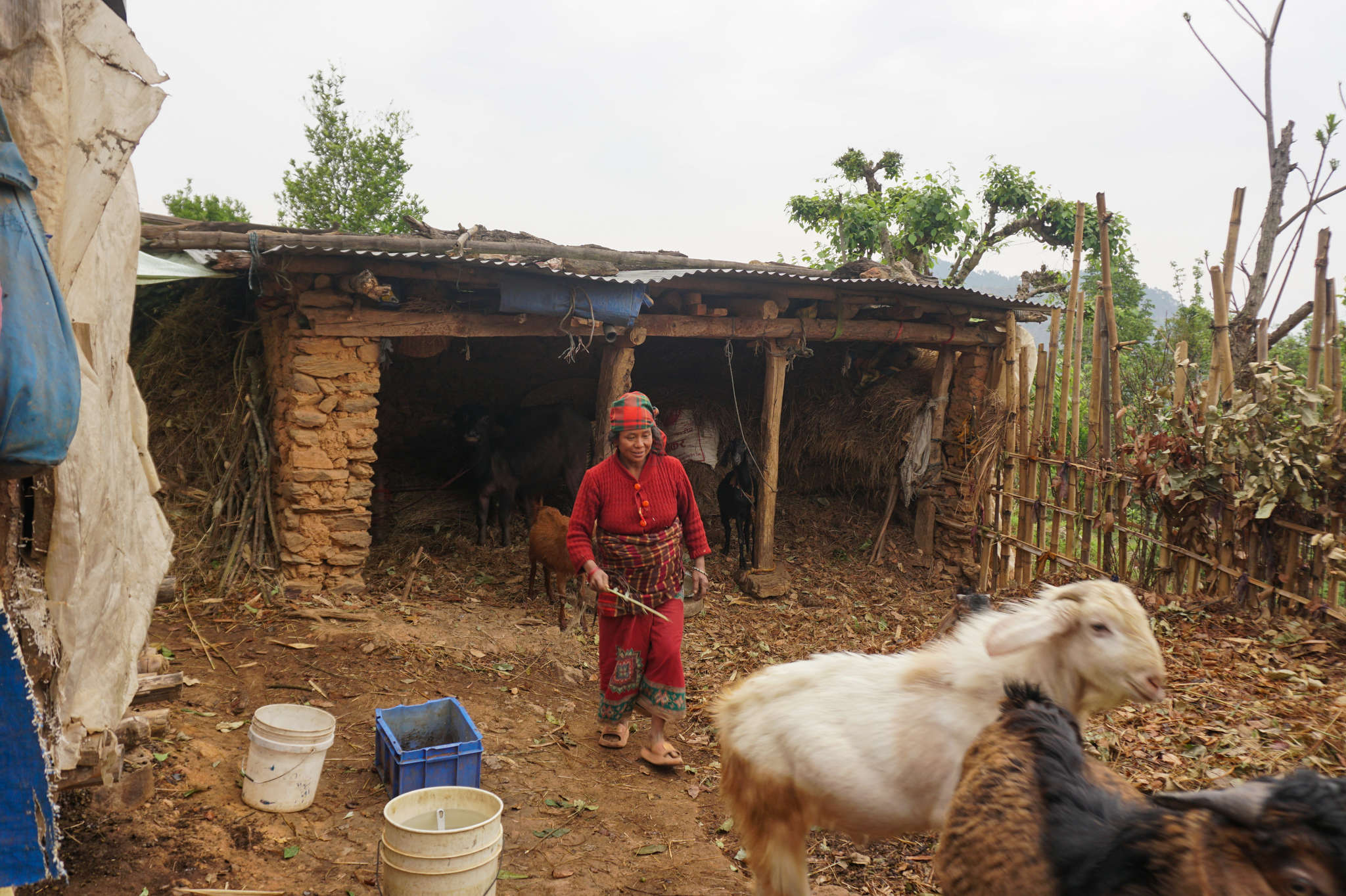
For one farmer, the barley supply once made flour for a year. Now, it is limited to two handfuls. The loss of USAID adds to the long list of challenges.
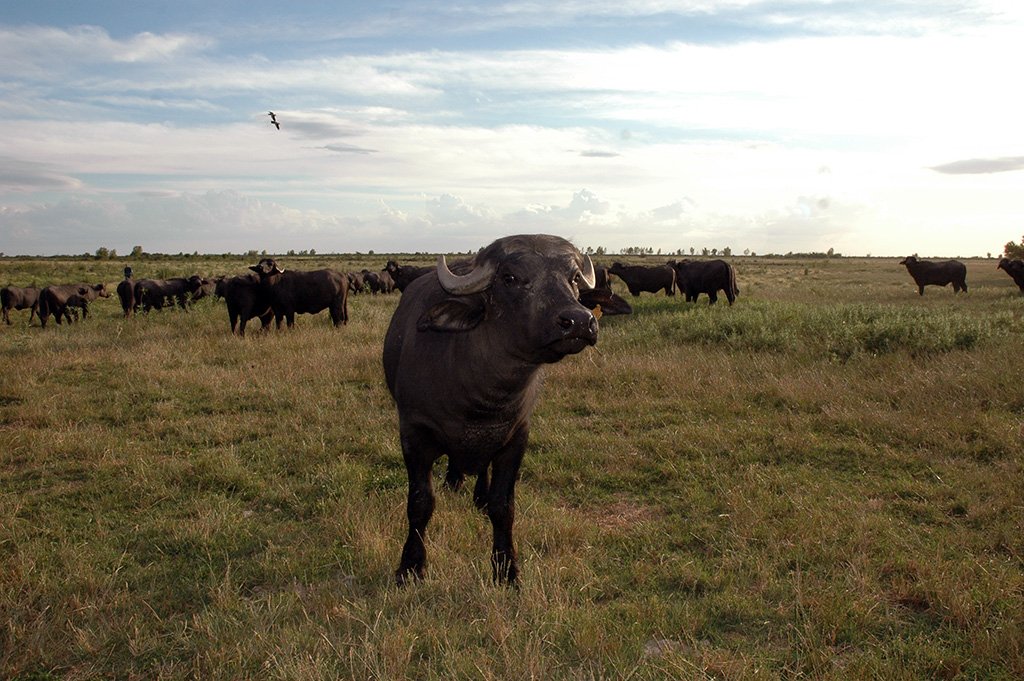
Water Buffalo farming and consumption are expanding in beef-loving Argentina, where chefs and younger diners are already noting advantages: it’s lean, nutritious and helps preserve swamplands.

The devastating effects of rising temperatures include denying to people across the world their favorite staple sweet. While 2050 is the date cited for the risk of chocolate disappearing, there are efforts to reverse the effects of climate change on the production of cocoa.
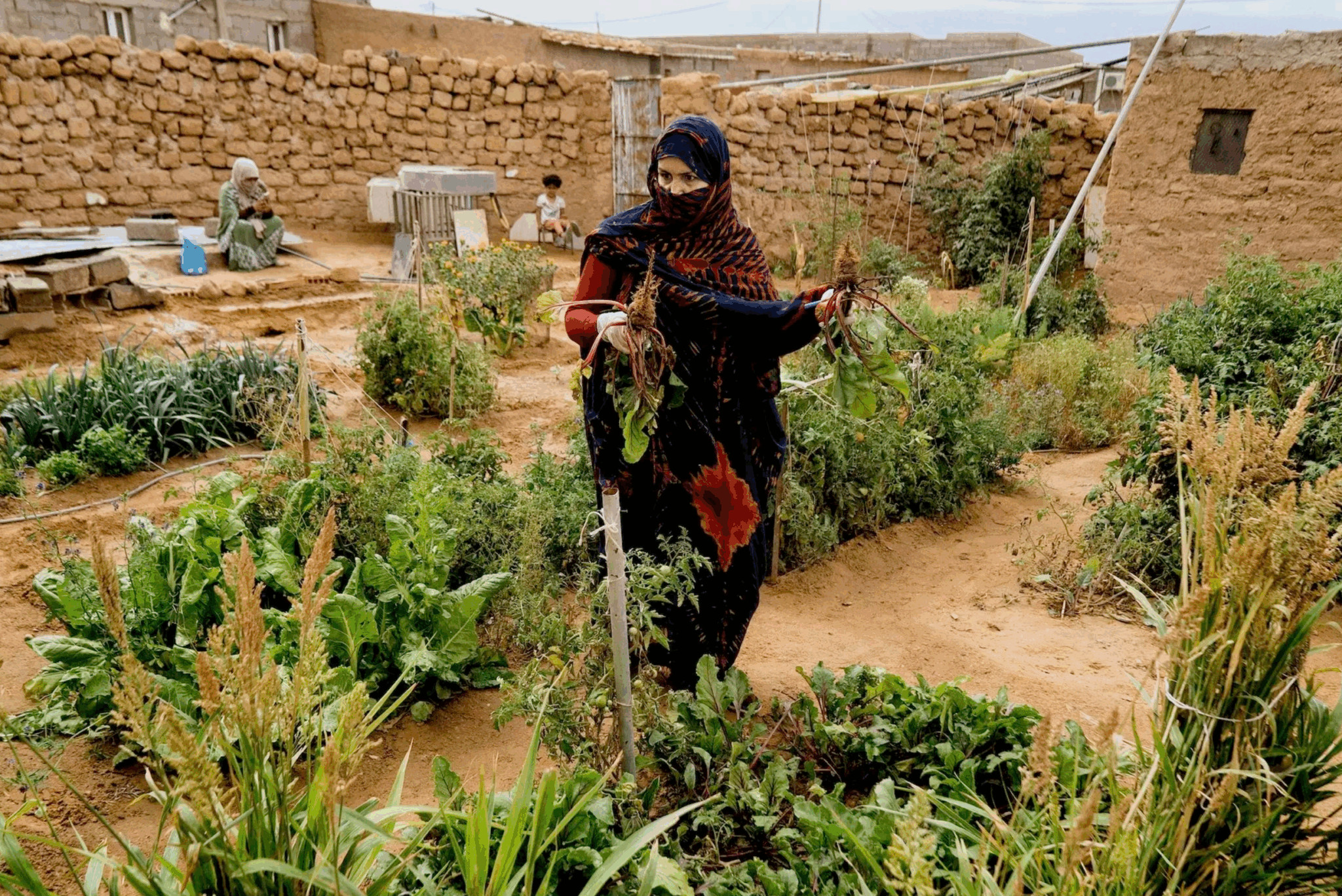
In Western Sahara, a small green revolution is being led by women in the harshest of conditions. Their goal: to build a network of gardens in the desert.

Extreme weather and climate events have severely affected the two largest coffee producers on the planet, Brazil and Vietnam. Here’s how climate change is fueling the surge in prices.
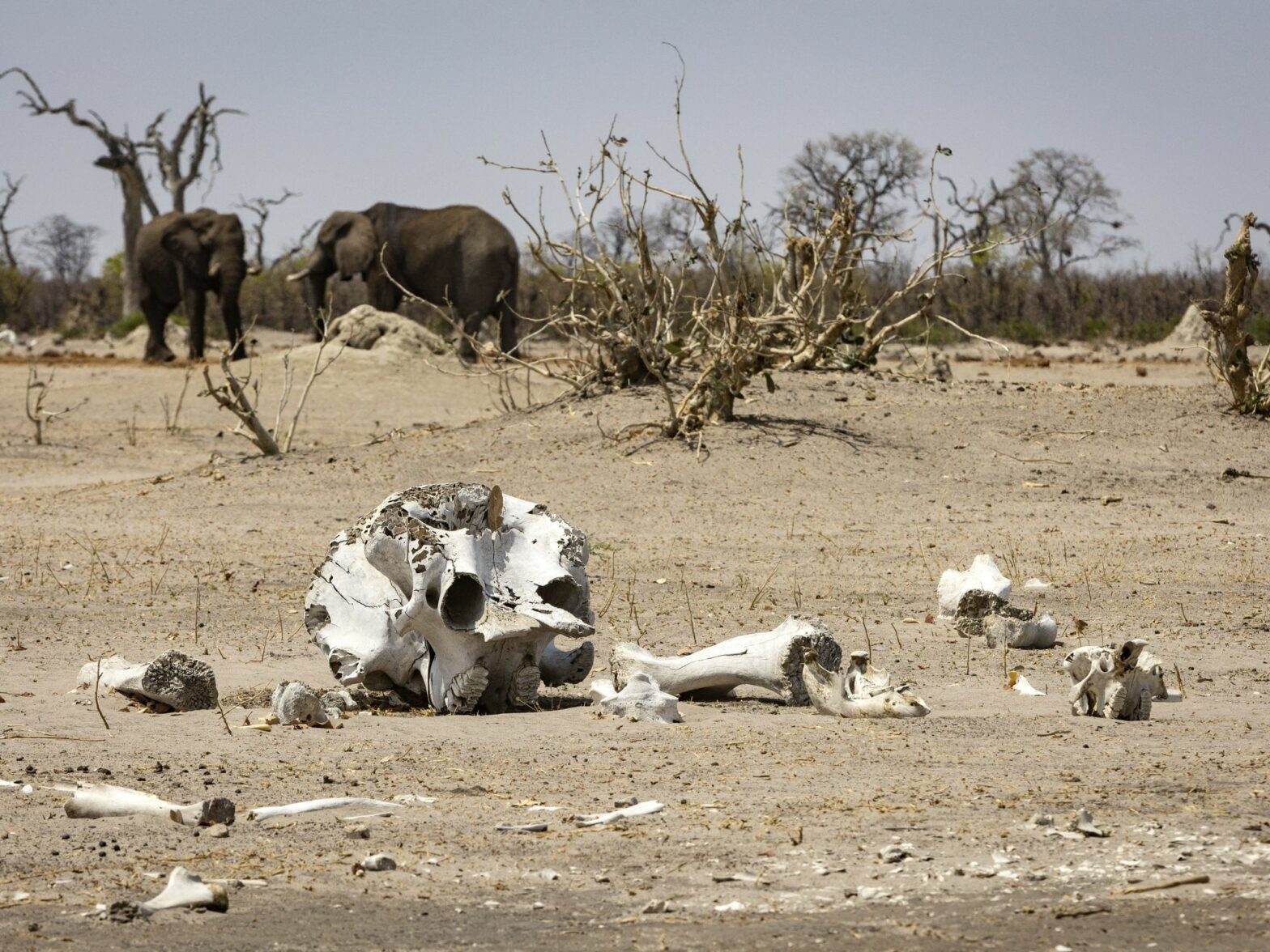
In Botswana’s Okavango Delta — declared a UNESCO World Heritage Site in 2014 — warming trends over the past two decades are approximately twice the global average.
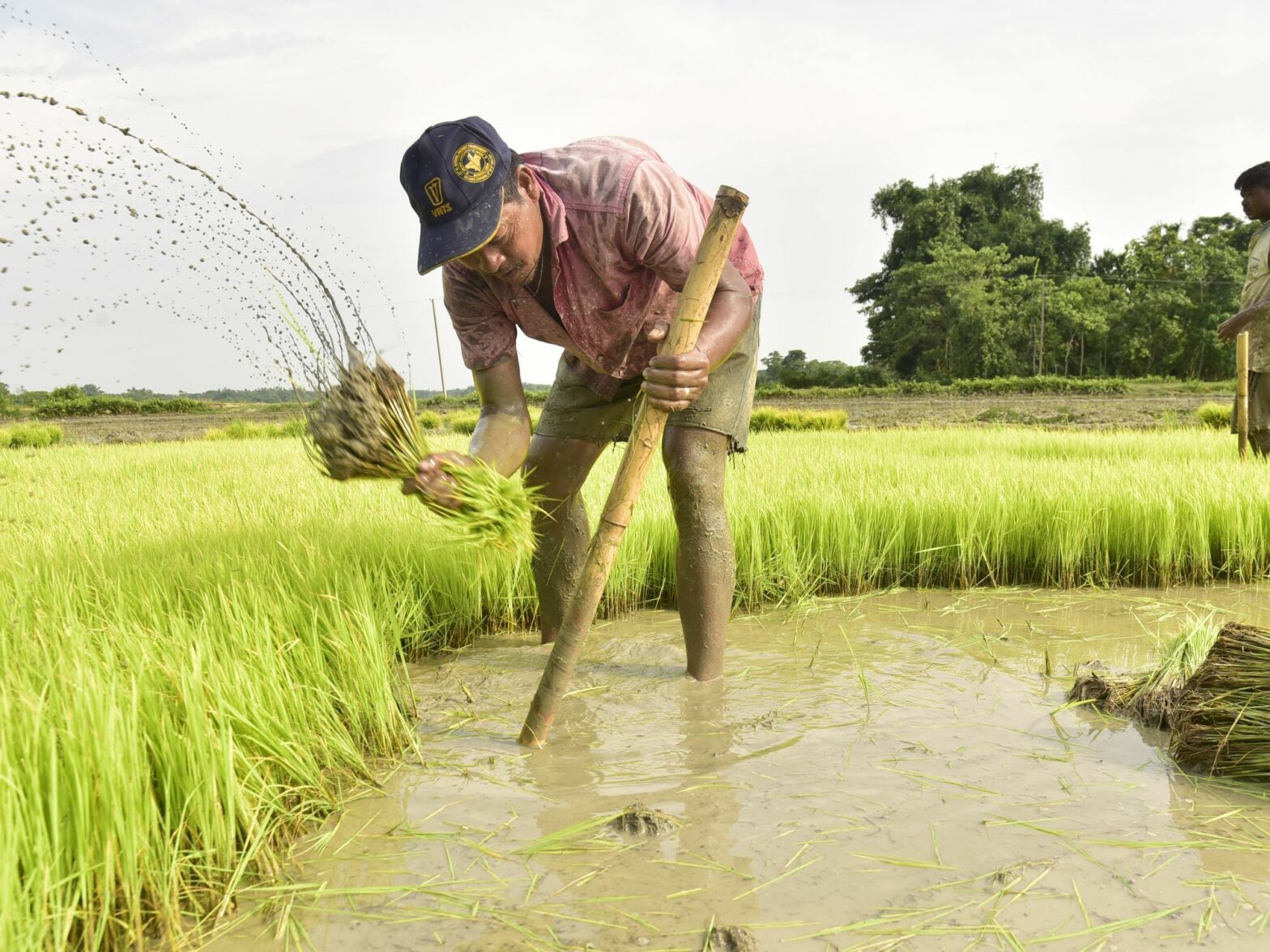
The looming threat of reciprocal tariffs between the U.S. and India could have devastating effects on various export sectors, leading to potential disruptions in global trade and food inflation.
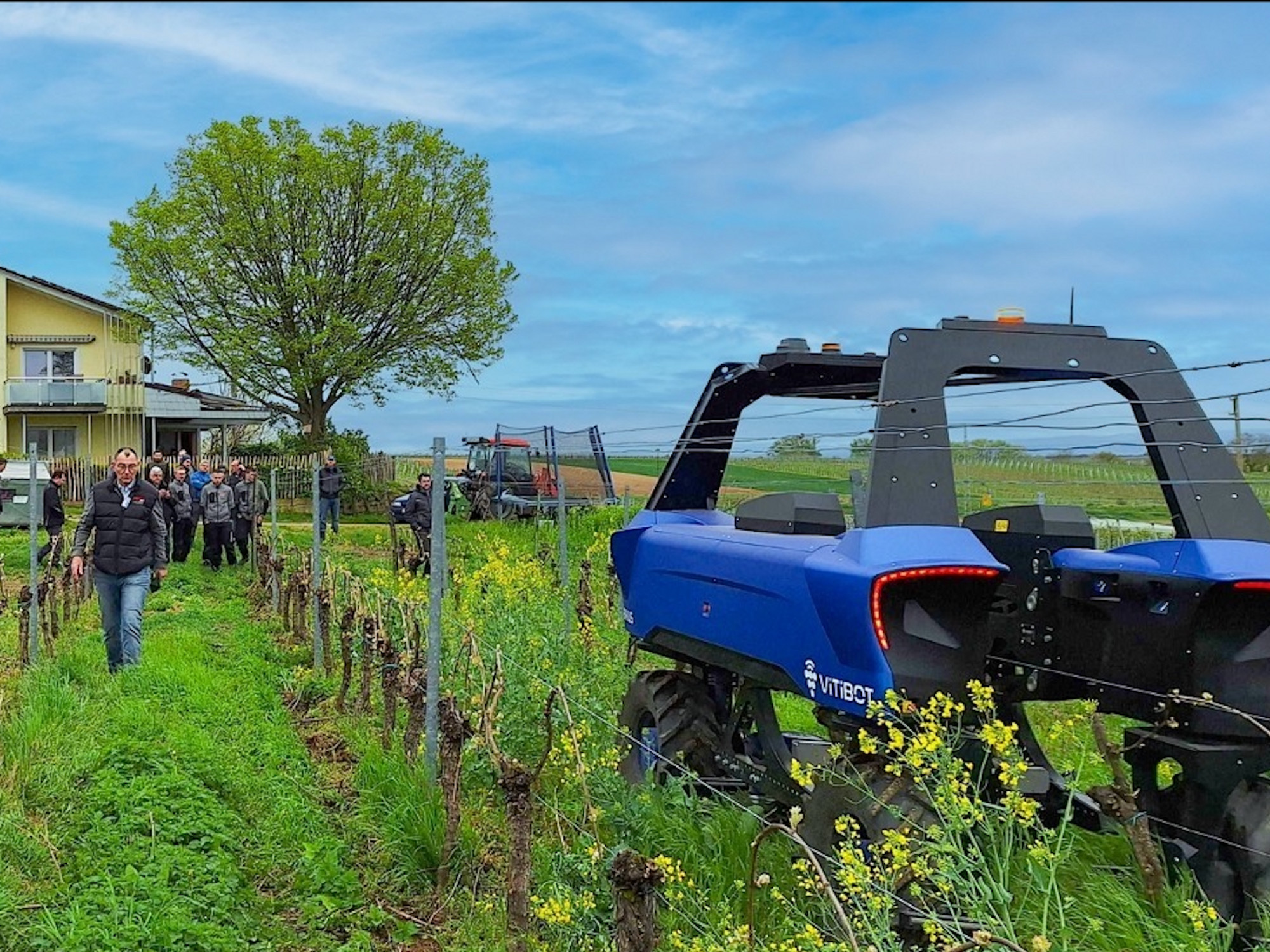
The vineyards around Bordeaux are known for preserving the region’s traditions. But they are also on the cutting-edge among French winemakers, leading the way in using new technologies, such as electric robots and AI monitoring, which allow them to reduce CO2 emissions and solve labor shortages.

Bone fragments and weapons, as well as destroyed settlements and mass graves, can tell archeologists a lot about the violence of the past. But when did humanity first embrace organized killing — and why?
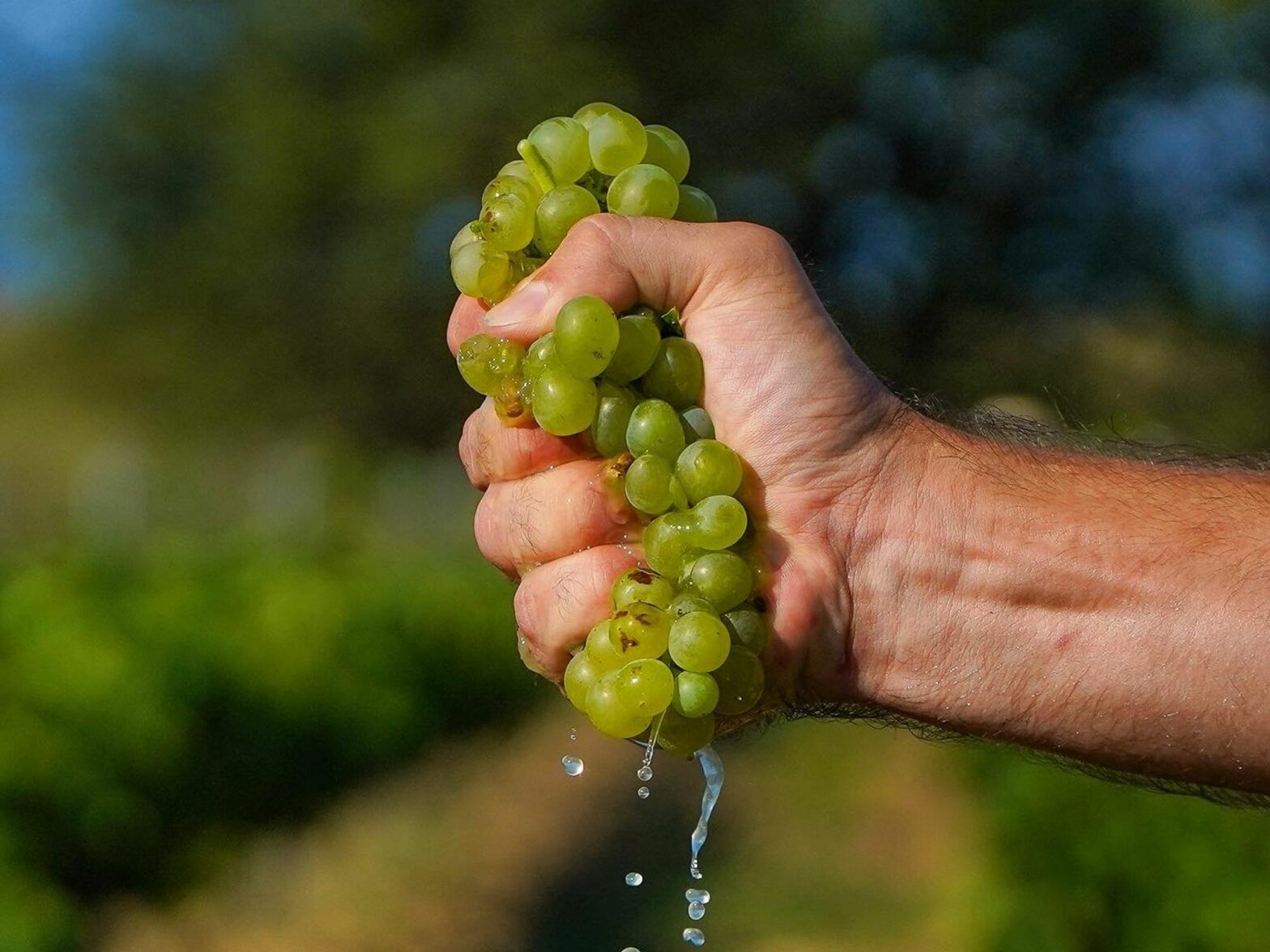
While wine consumption is declining and operating costs increasing, winegrowers also face increasingly frequent and extreme climatic hazards. Is this the last straw? As the sector is preparing for a new uprooting plan, some winemakers are looking into ways to adapt to the new market needs and climatic conditions.
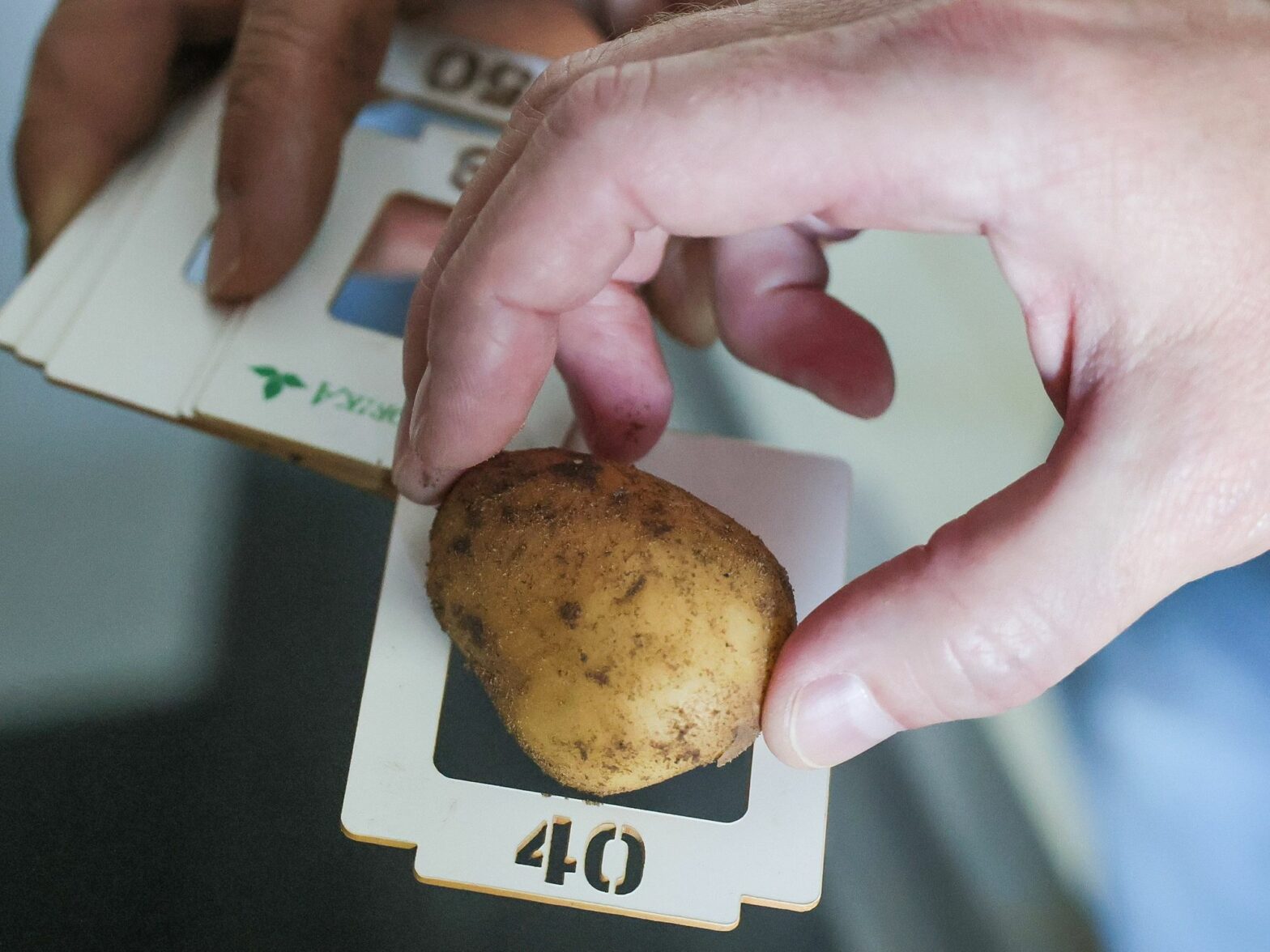
Crop science may lead to a revolution in potato farming, creating new varieties resistant to disease and drought.
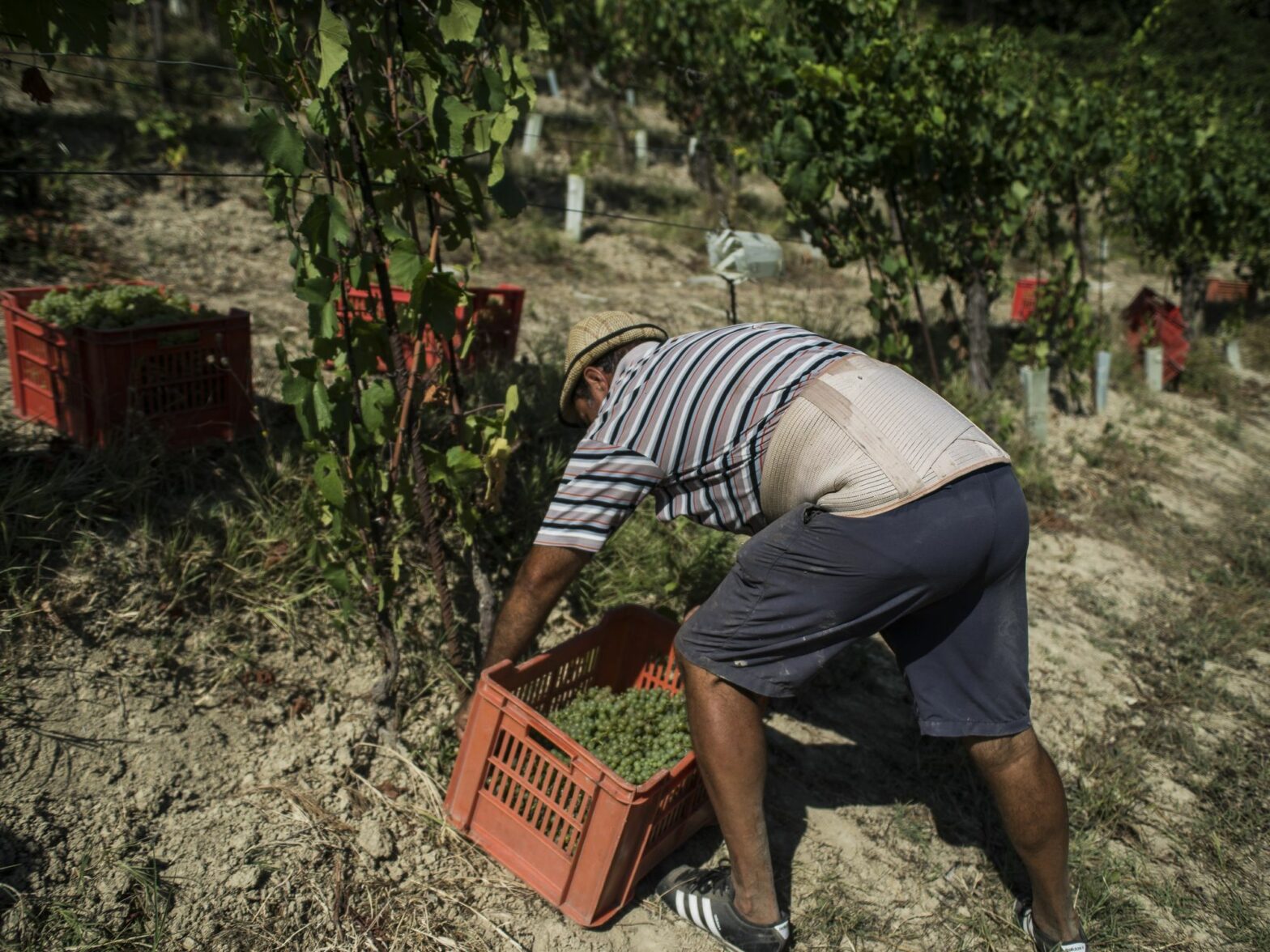
Italian authorities have uncovered another story of caporalato gangmastering in Piedmont’s Langhe vineyards. Matteo Borgetto, the author of this article, comes from a family of wine producers — the product that made the area famous worldwide. He warns against associating the incident with a place that has always valued human dignity and respect for others.

Asia and above all China, have shown how the size of a market can drive state relations, and nowhere is this truer than in the Mercosur bloc’s increasing dependence on Asian exports. But regional integration in South America is stalling, as Argentina and Brazil are in another nasty spat.
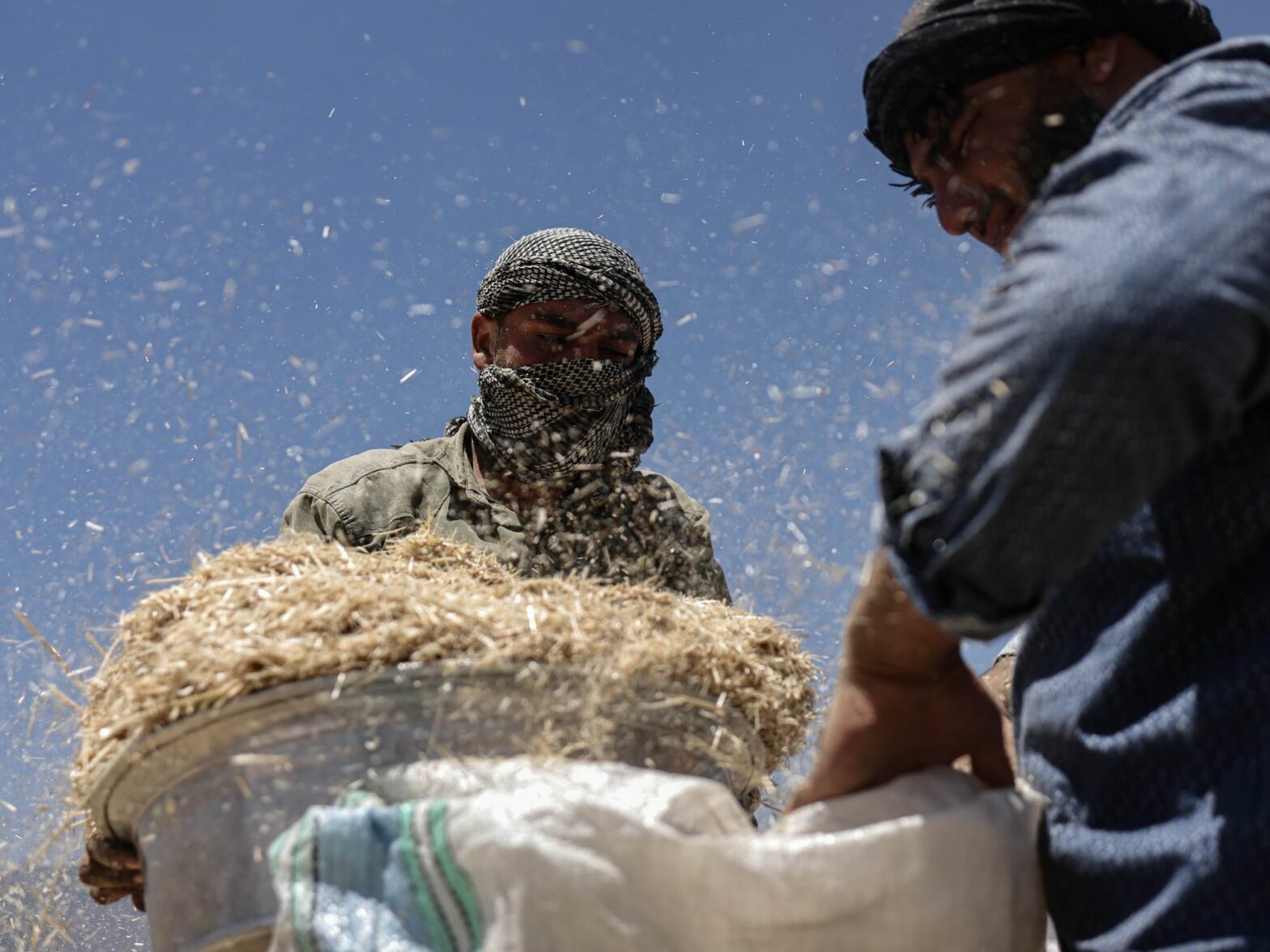
The production of wheat, a staple food in Syria, fell dramatically this year due to the effects of climate change. The poor harvest has left wheat farmers, already suffering from decades of conflict, struggling to rebuild their lives.
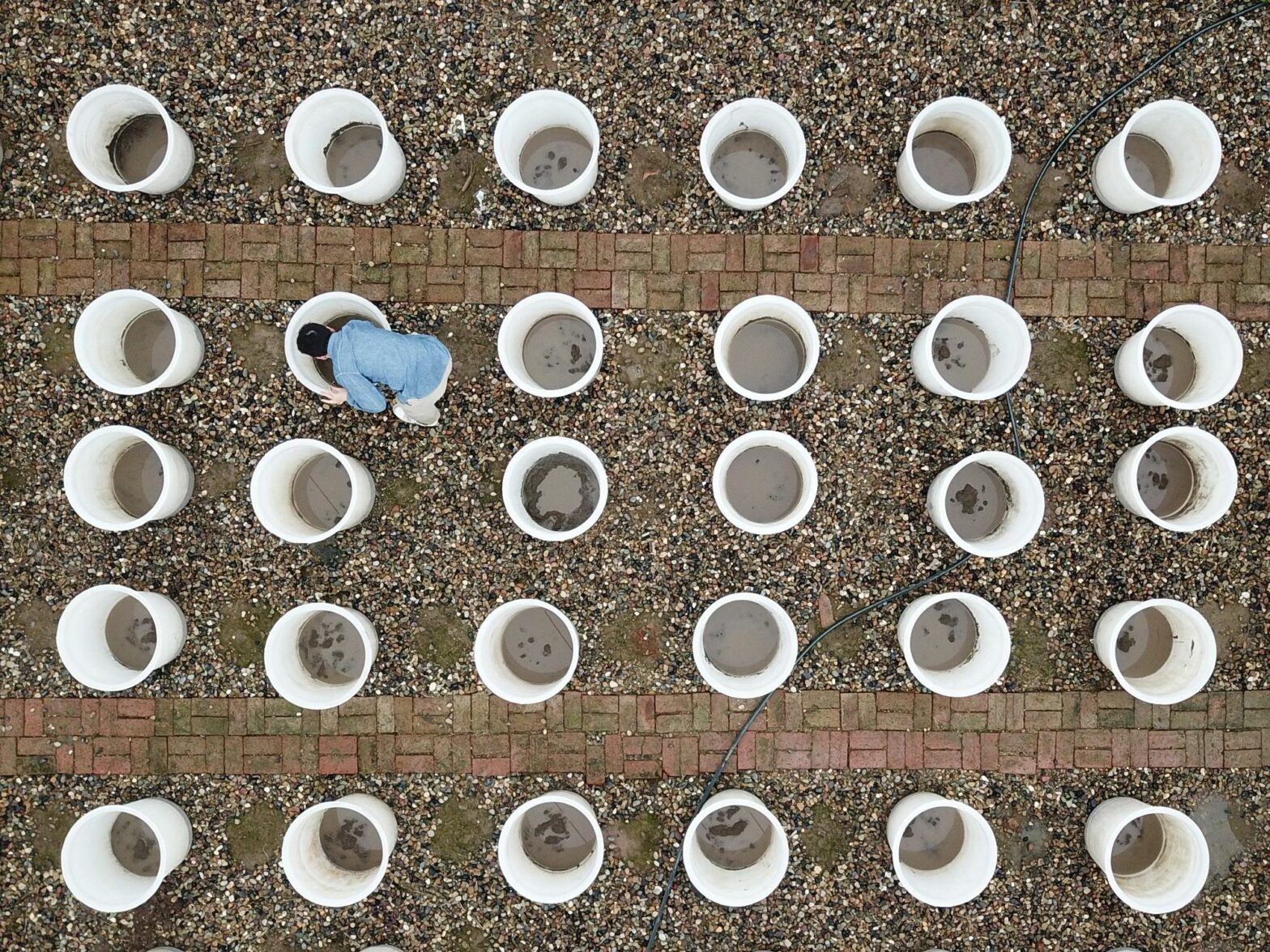
Impoverished by decades of intensive farming, soils are losing their capacity to store carbon and retain water. Today, alternative farming methods try to offer a solution to the problem, but the results are far from ideal.
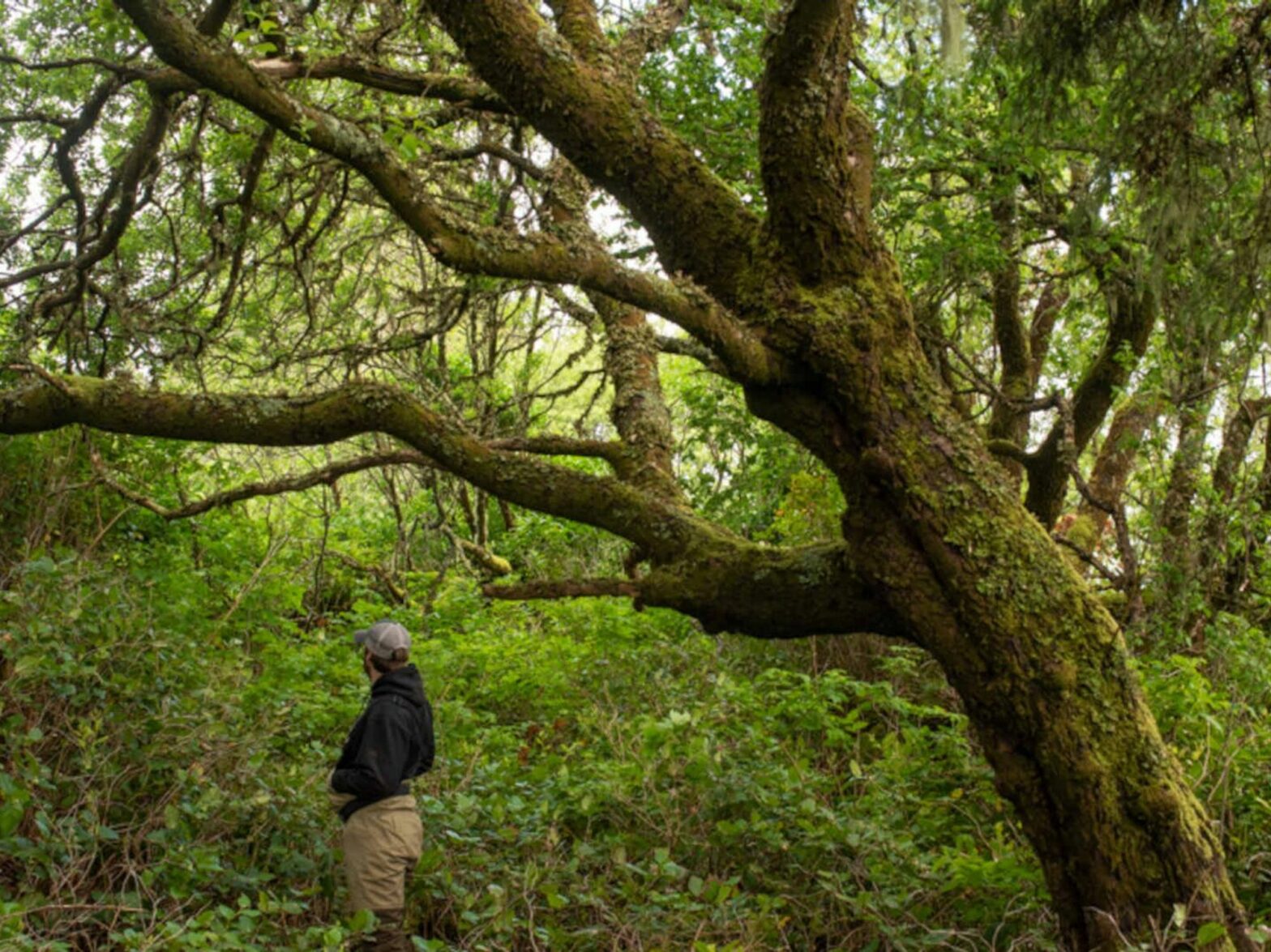
For 3,000 years, the Sts’ailes Nation cultivated and nurtured plants for survival. Now researchers’ work about those forest gardens is being used to support a legal land claim by Canada’s Sts’ailes Nation against the province of British Columbia.
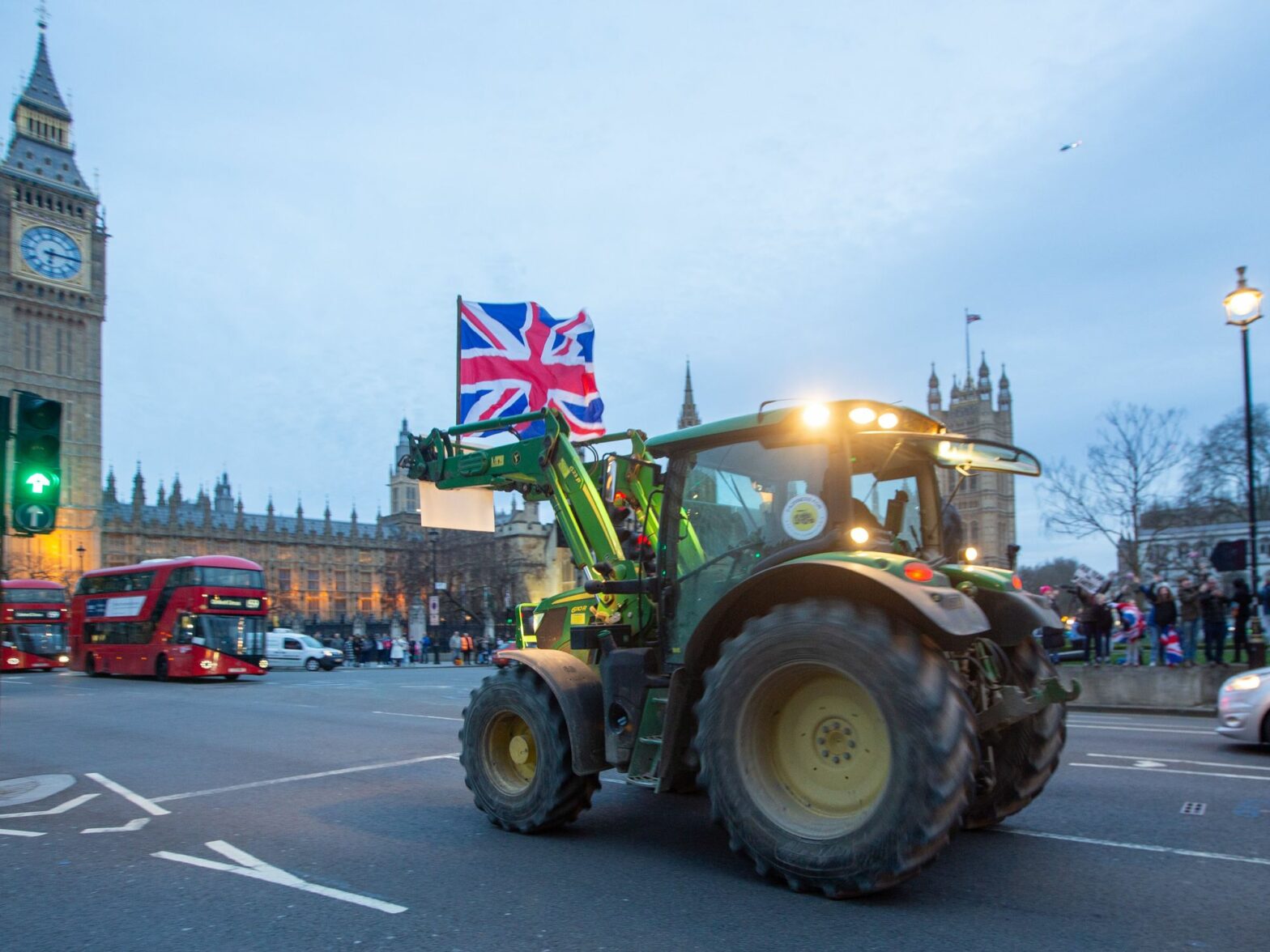
The UK government wants its farming sector to transition to a more sustainable model. But farmers fear the complex post-Brexit agricultural policy and lack of EU subsidies are threatening their livelihood.
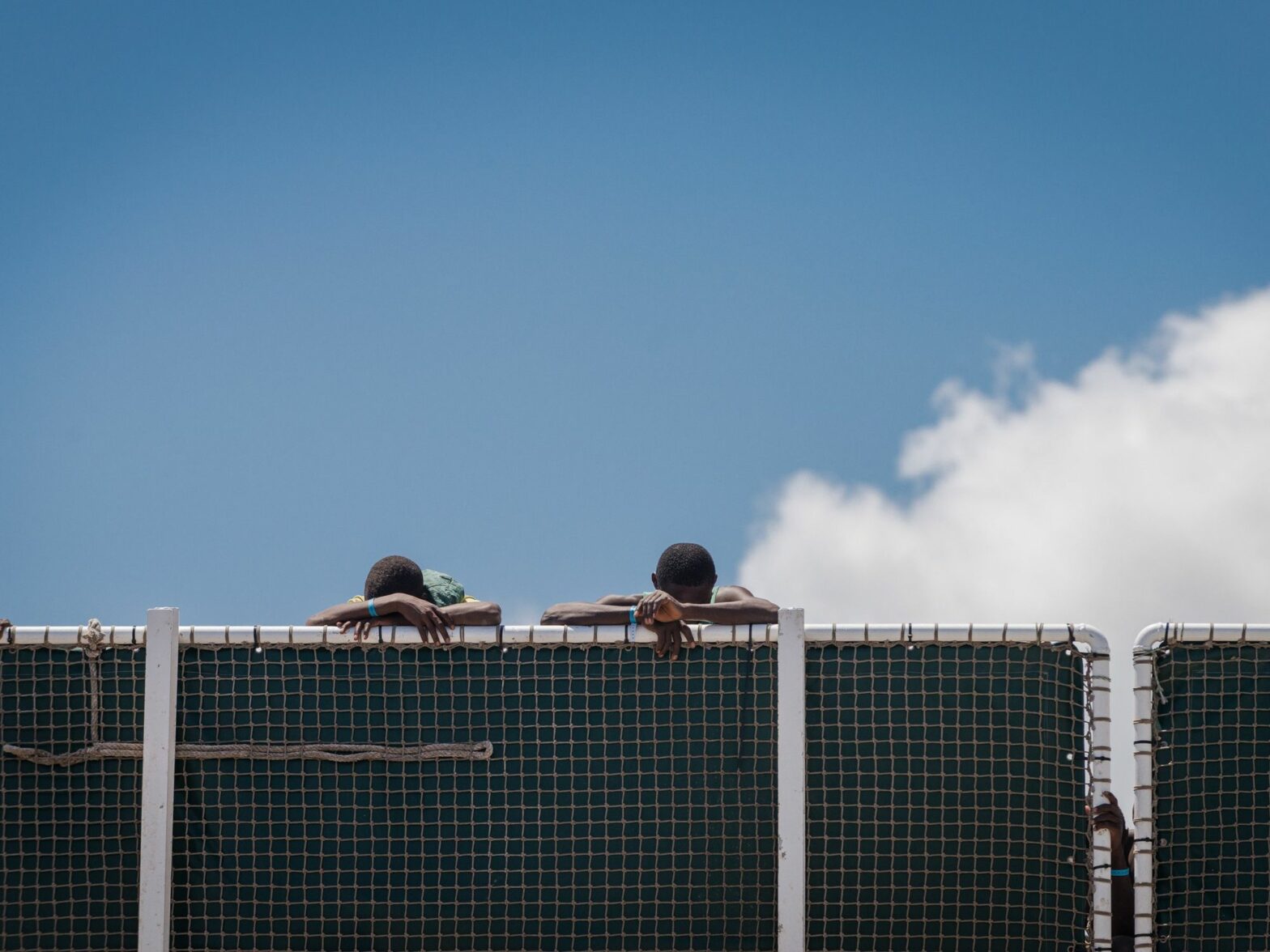
Armed conflicts, droughts, floods, poverty… Many factors are pushing some young people from Burkina Faso, Mali and Niger to take uncertain and dangerous migration routes. In the region of Africa just south of the Sahara, unregulated migration is increasing.
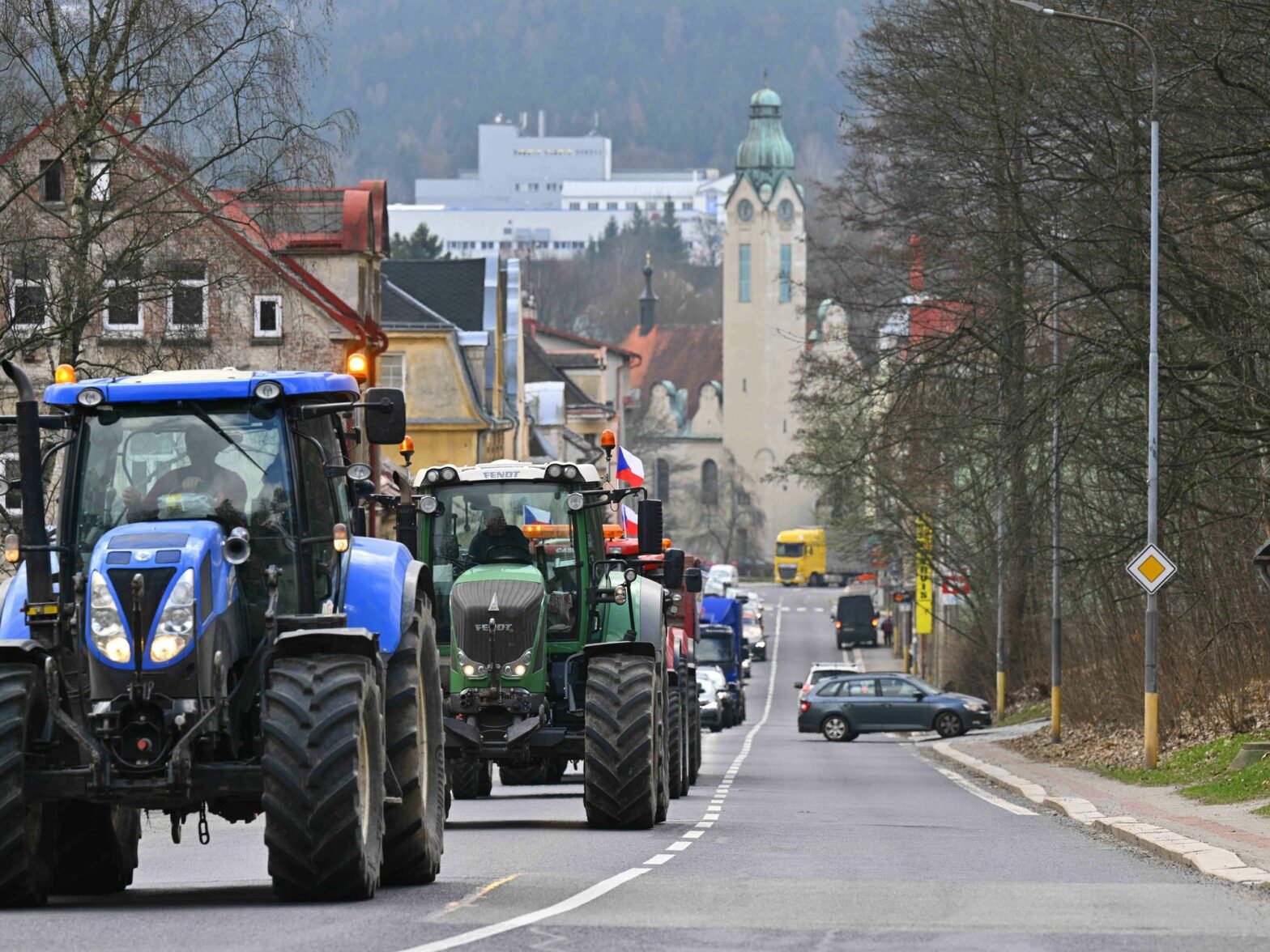
The industrial revolution, which was also agricultural, allowed humanity to escape the “nutritional trap.” Now, agriculture is facing new challenges: income and ecological traps.

Located between Marrakech and Casablanca, the Mohammed VI Polytechnic University is trying to replicate the recipes that have made the United States’ Silicon Valley successful, fusing research and business — with special attention given to green energies and food sovereignty.
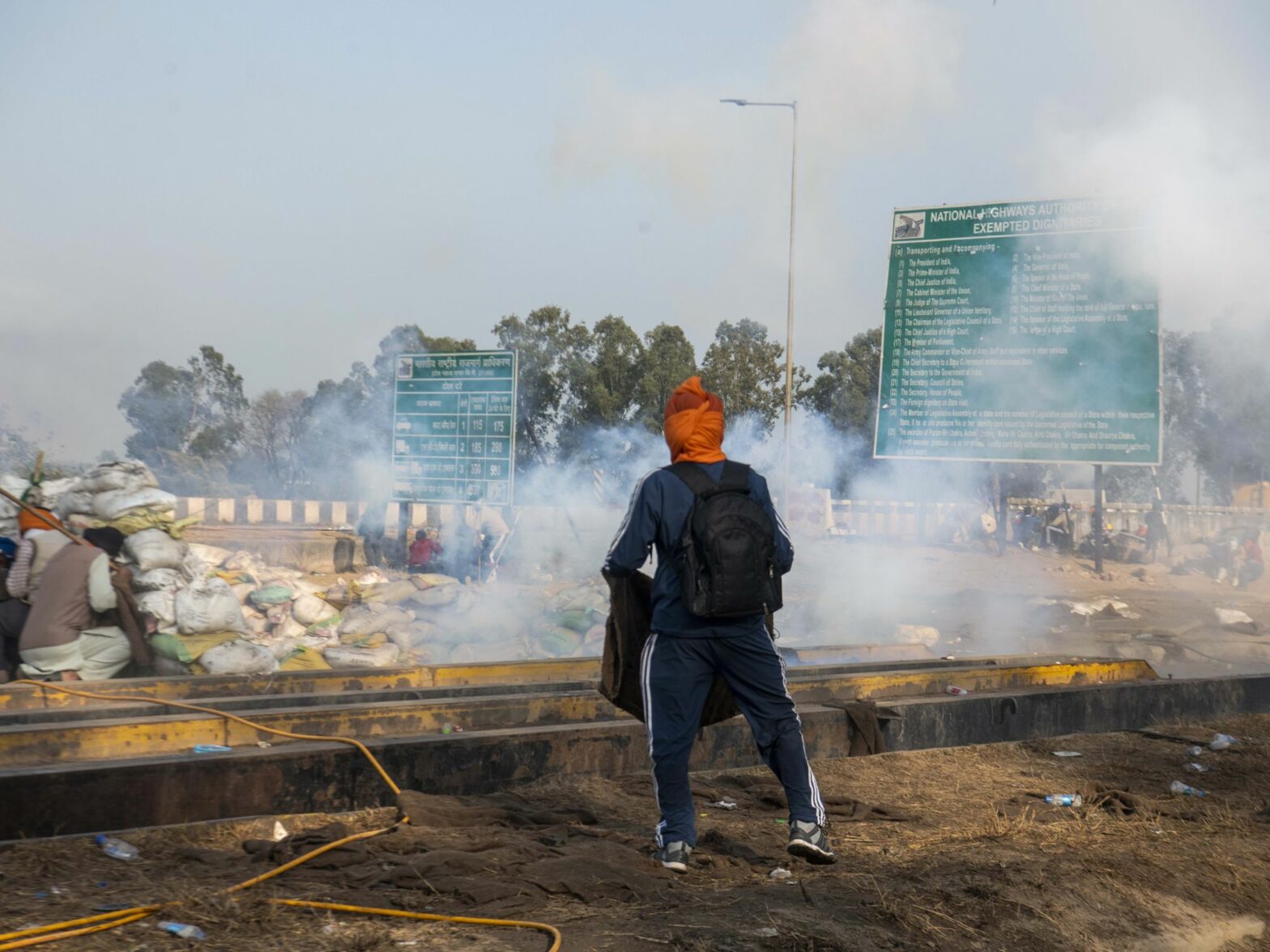
While men take center stage in the fresh round of Indian farmers’ protests, the difficulties experienced by female agriculture workers are still largely overlooked.

Milk shortages are not new in Cuba, where the state pays producers less for their milk than what they can make by selling it on the black market.
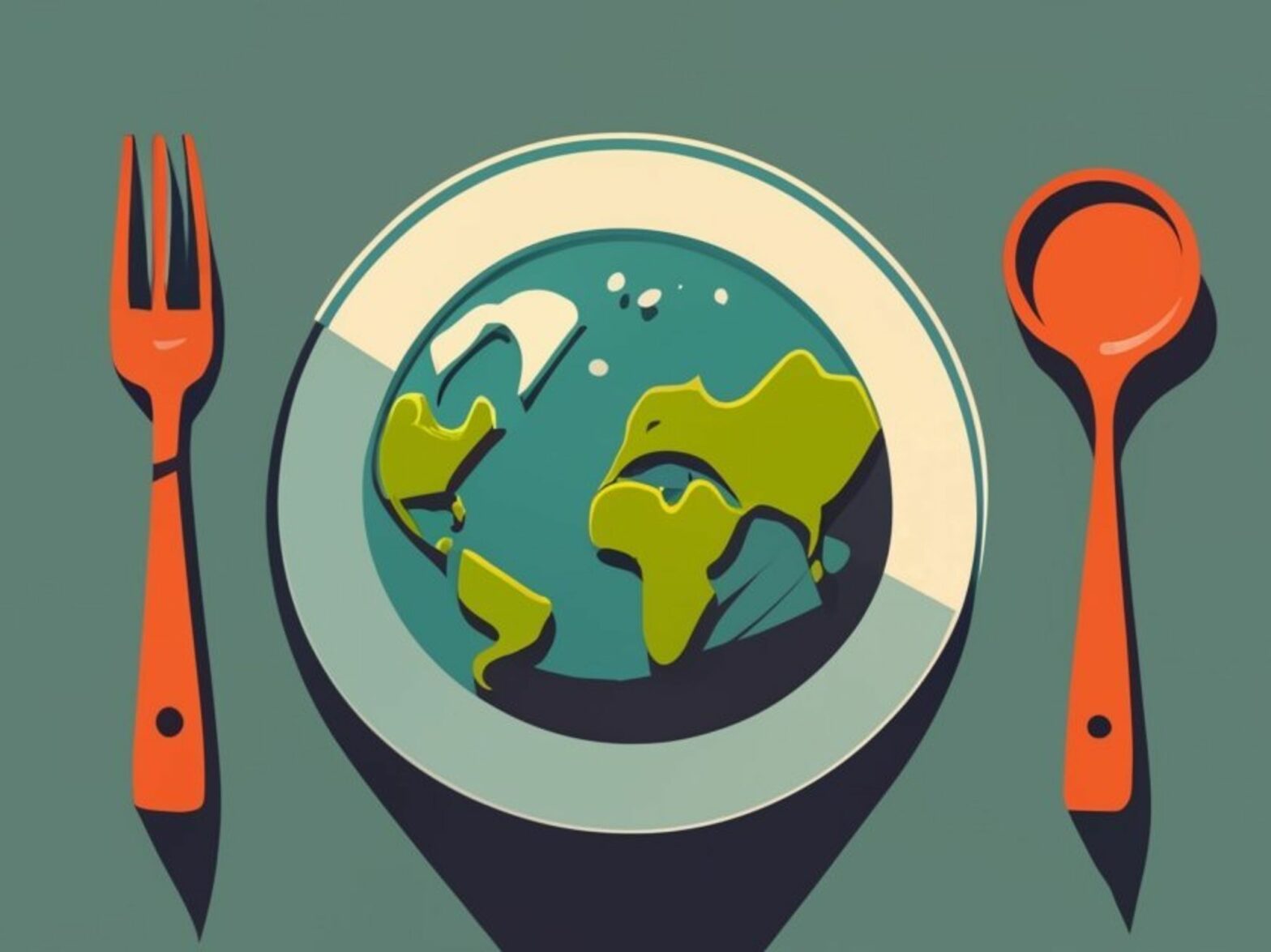
One of the collateral damages of the climate emergency that we may not think about is how flavors will be altered. We will notice the tastes of wine and beer, coffee, cheese and even seafood are already beginning to change …
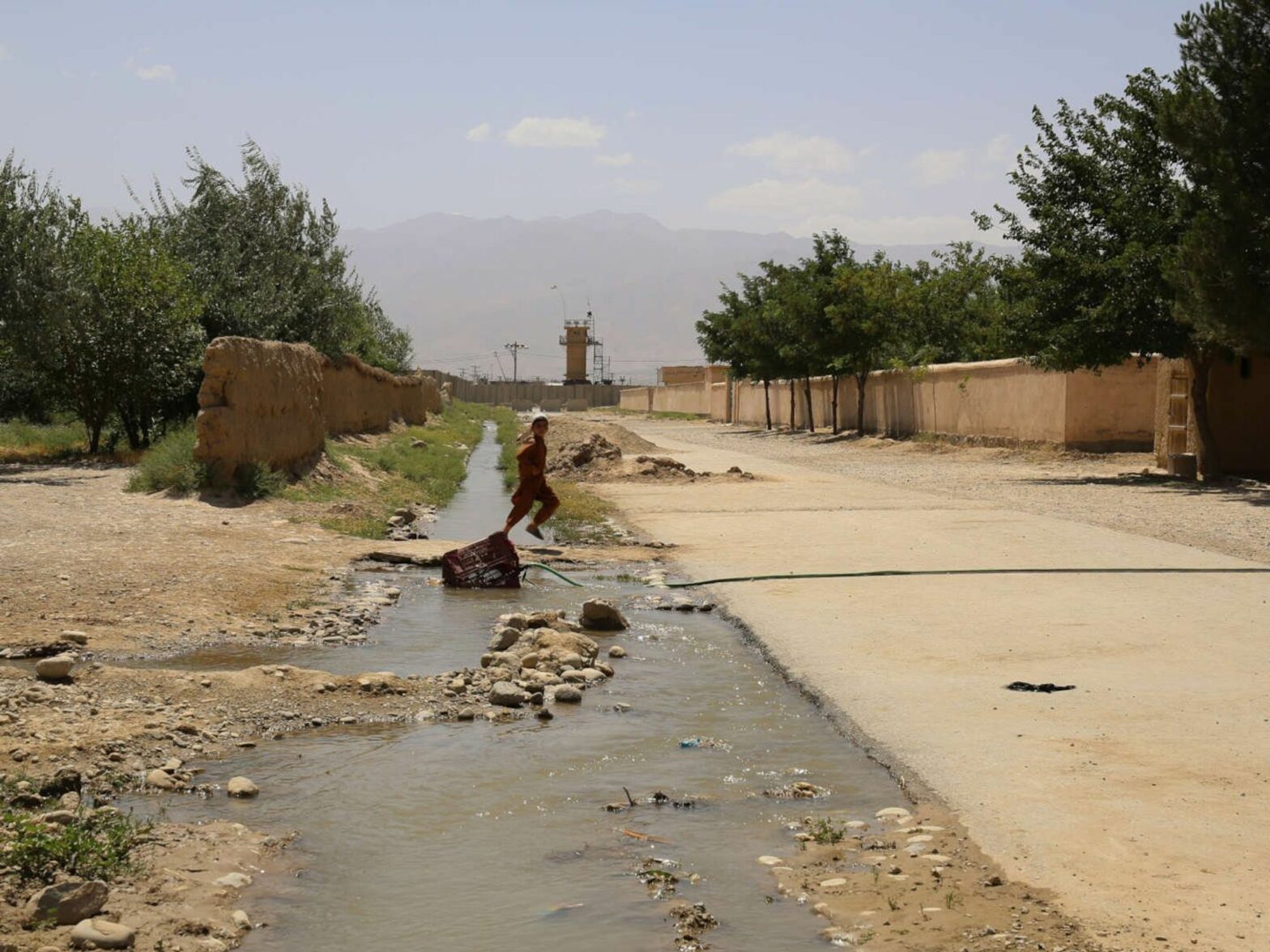
Twenty years of American military intervention and occupation have left vast ecological damage that may never be repaired.
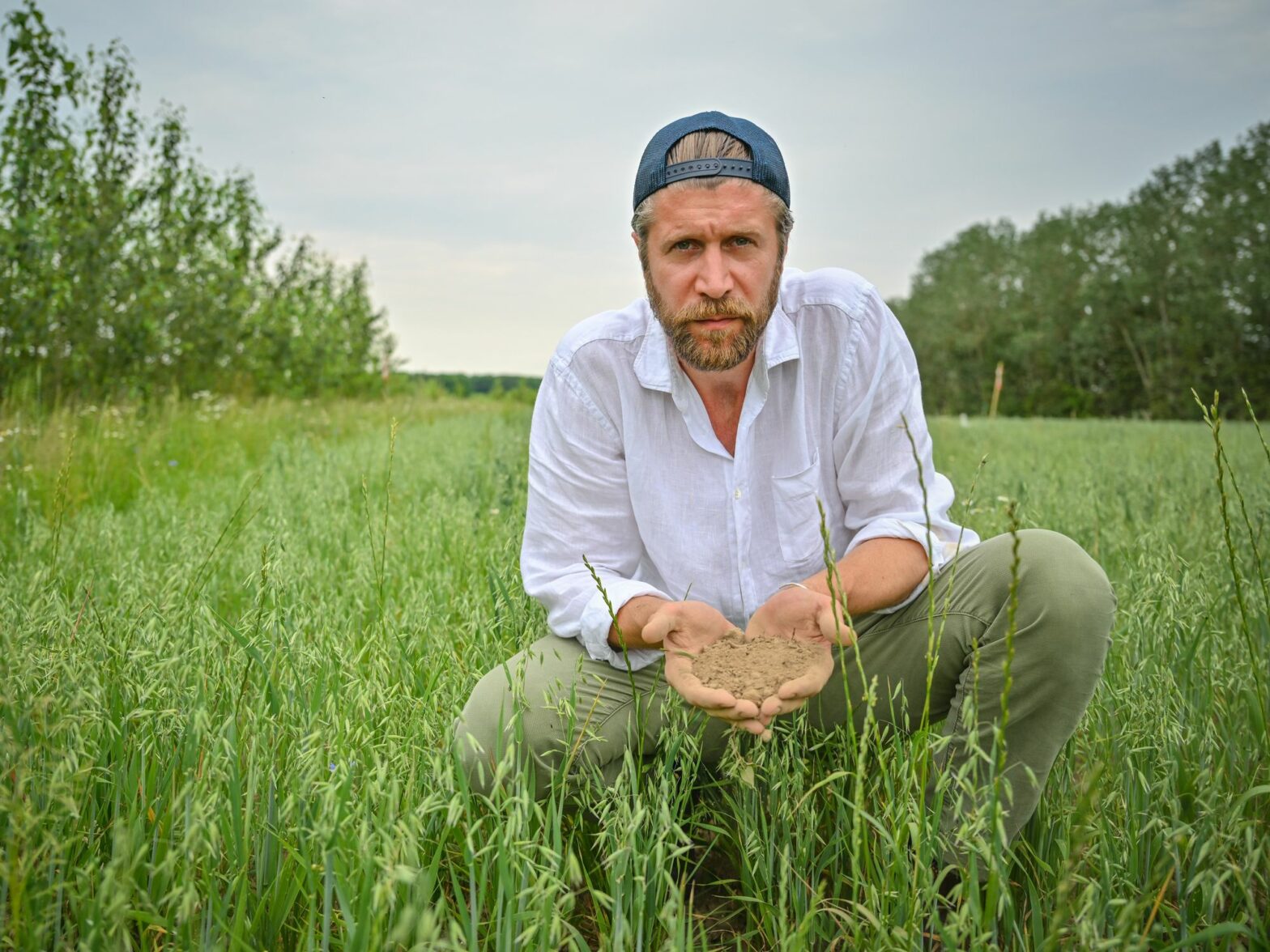
Dry soil, hardly any rain — this summer’s drought is making life difficult for farmers. In one of the driest regions in Germany, environmentally friendly farmer Benedikt Bösel is turning his fields into a laboratory, experimenting with an exciting new approach.
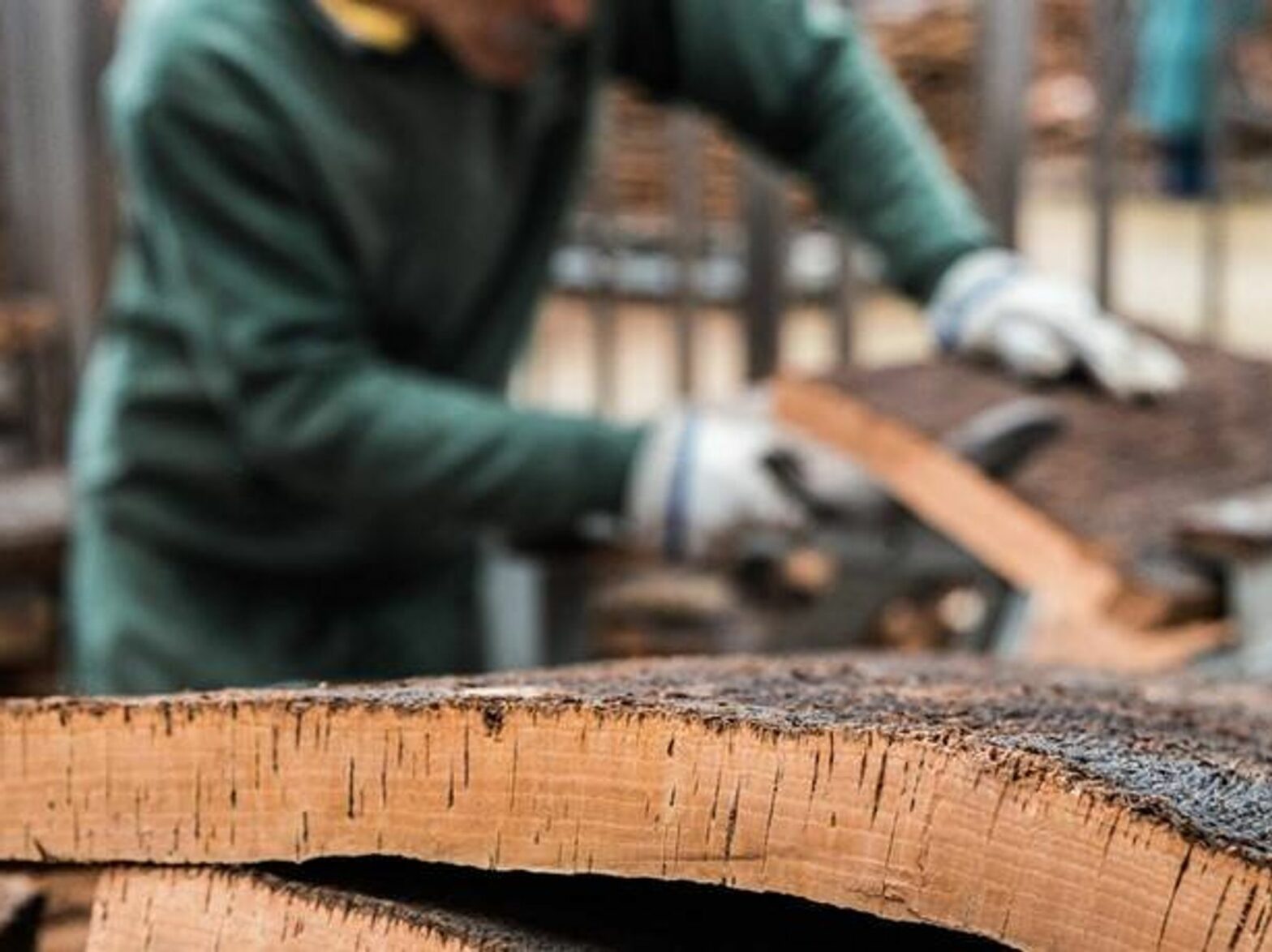
In the hands of the same family since 1870, the world’s largest producer of corks almost disappeared in the early 2000s. Today, this gem of Portuguese industry has not only reconquered its historic market, but has made cork the darling of many other sectors.
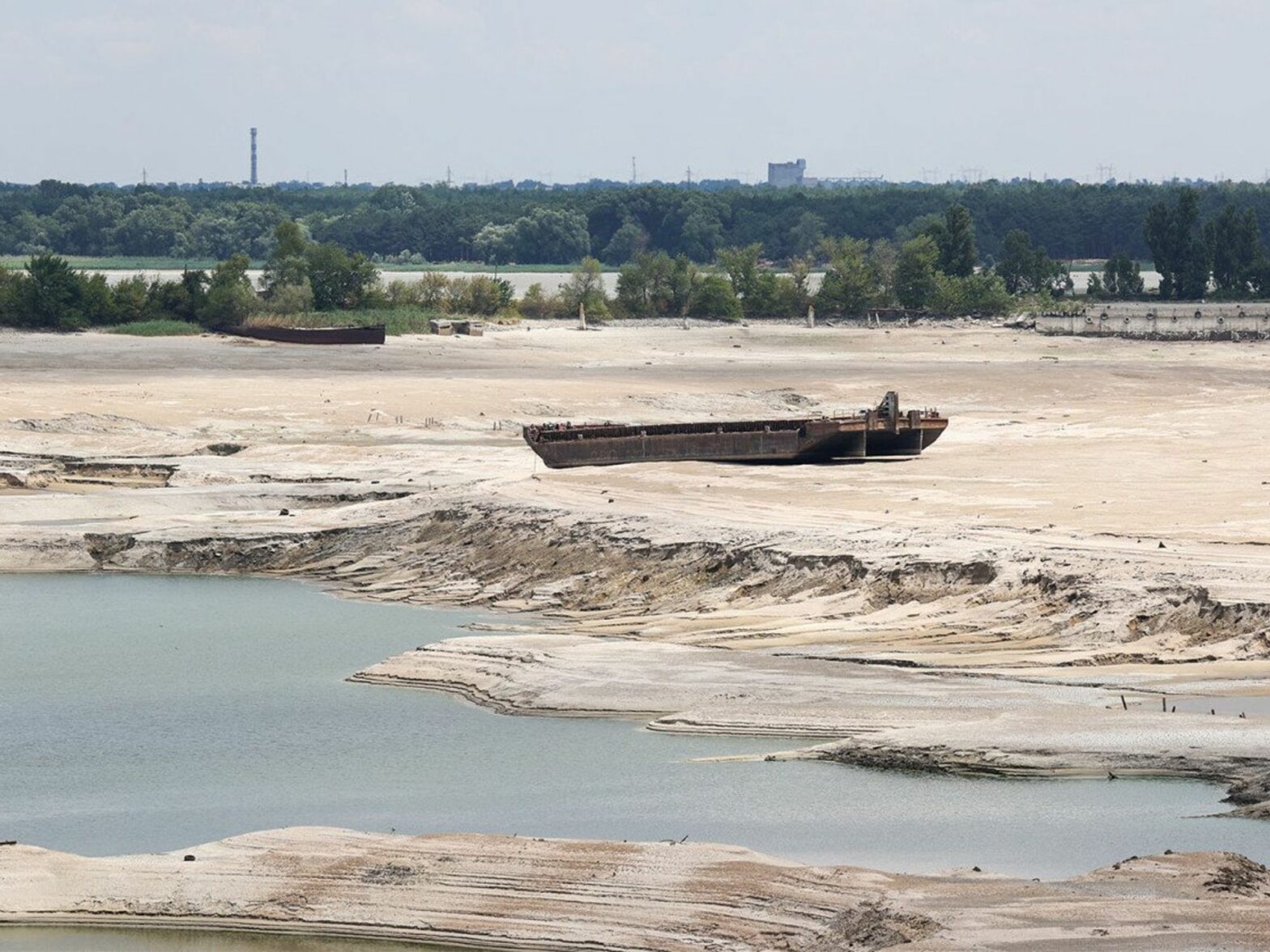
In the Kakhovka Reservoir region, life used to revolve around the community’s direct access to water – until the dam was attacked two months ago. Locals are now trying to build a new life, carrying with them hope for the end of the war and the return of their precious reserves.
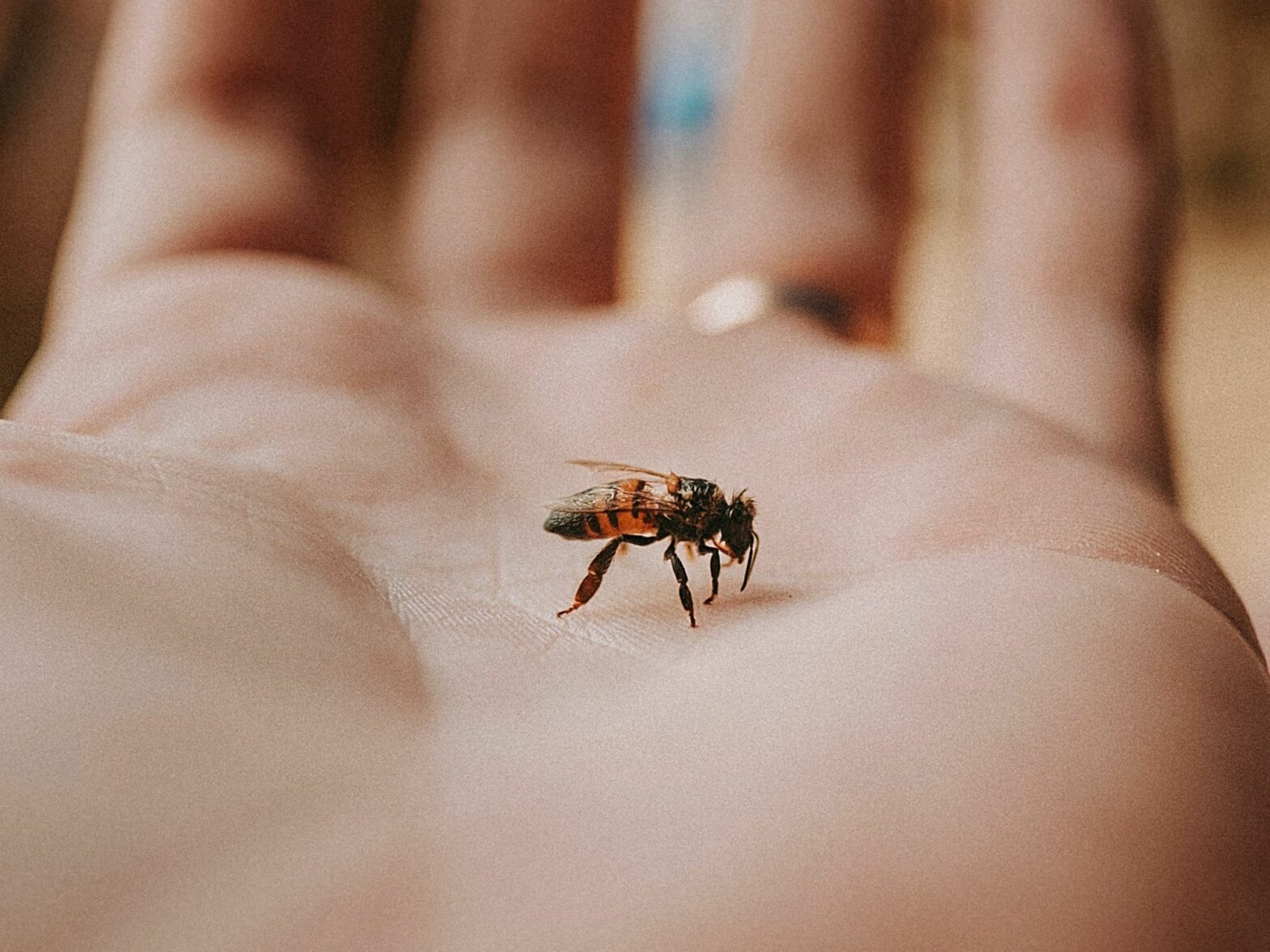
The Smart Green Bees project aims to tackle the bee crisis by repopulating Spain with a symbolic 47 million native bees, one per every Spaniard. The challenge will be ensuring the project is done responsibly.
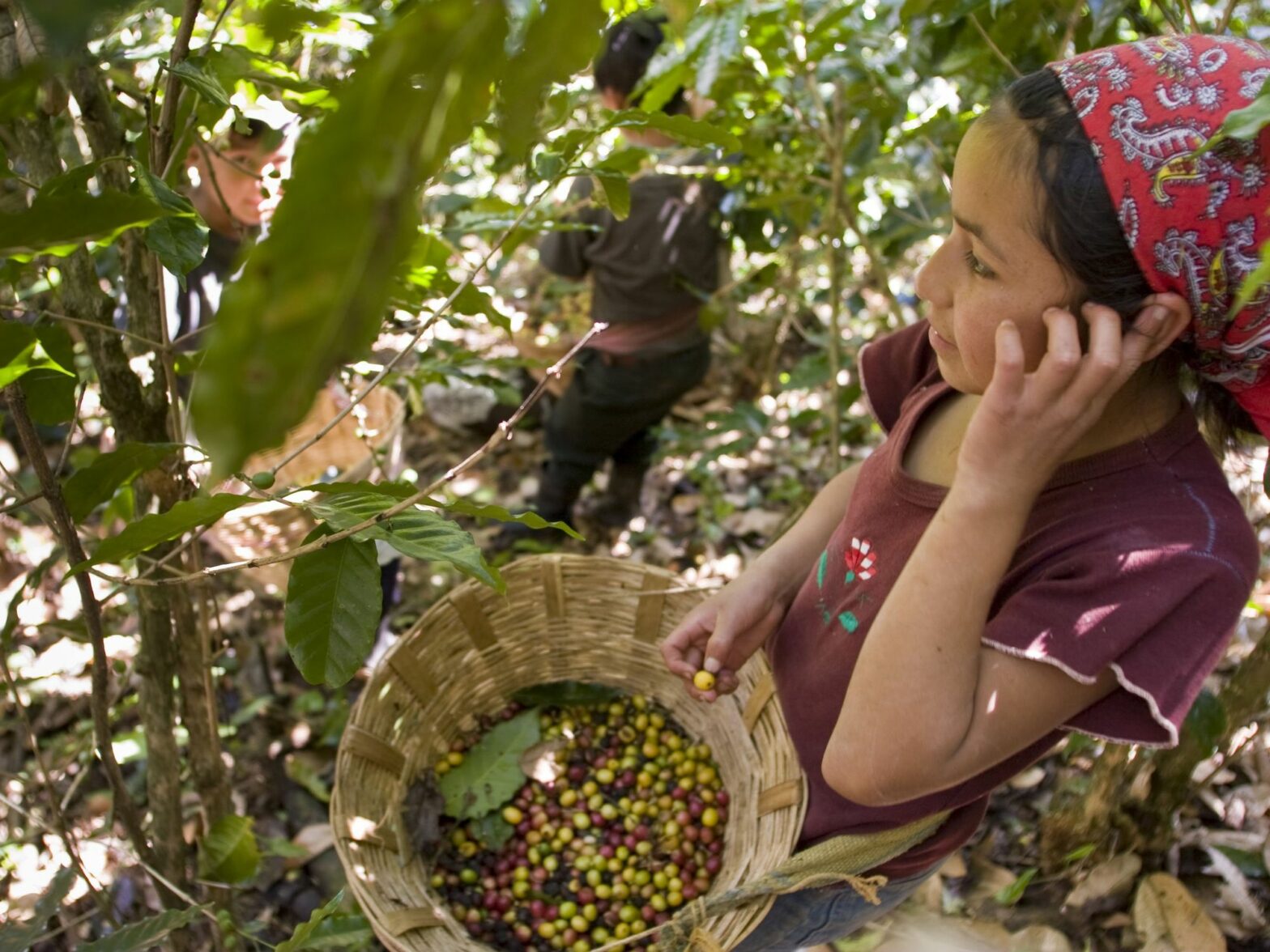
Coffee producers in Oaxaca, Mexico, are adapting to climate change by restoring their coffee plantations in agroforestry systems. While the costs of their work are increasing, the price of coffee is not.
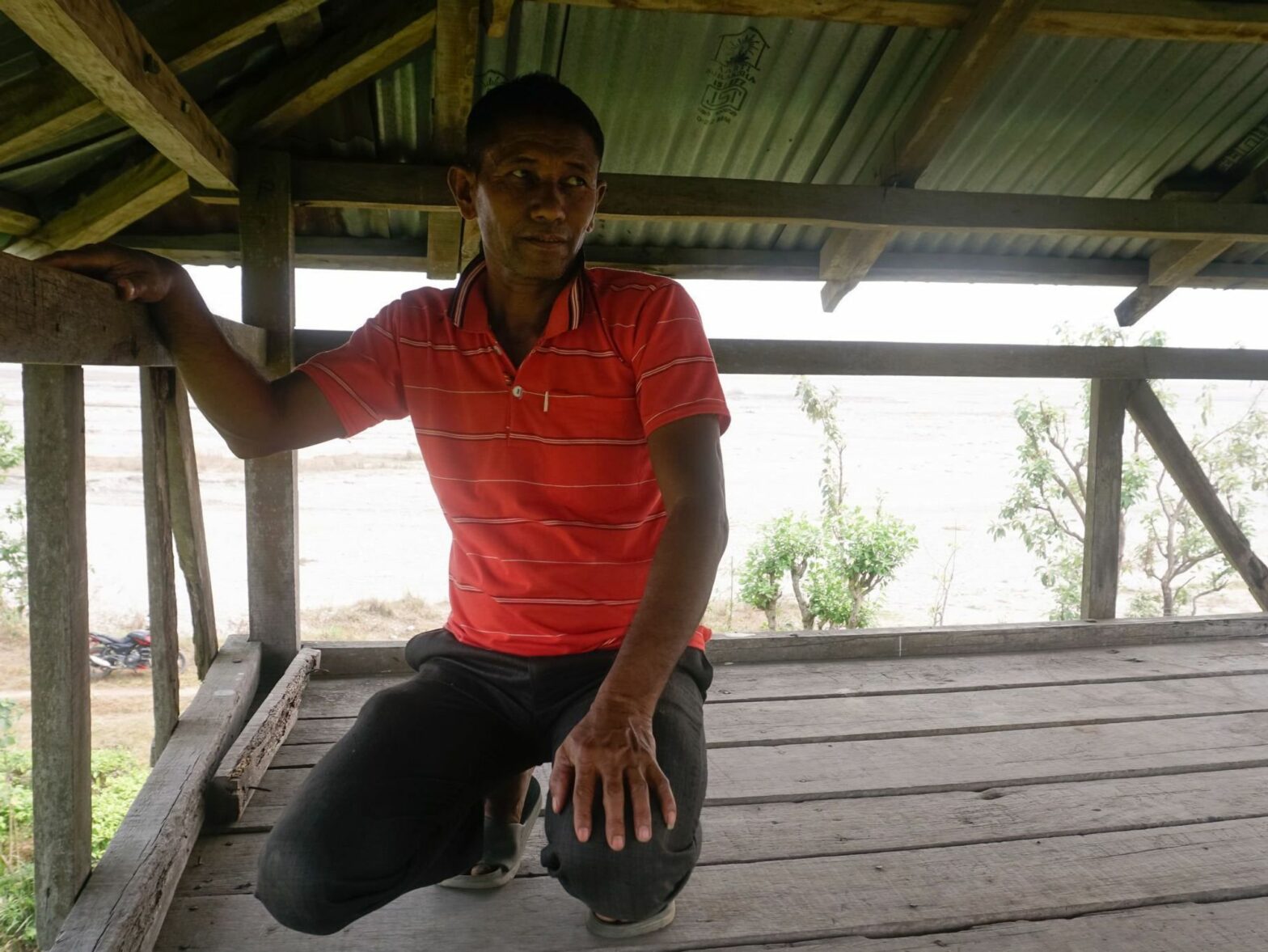
Sick of dealing with dangerous marauding elephants, farmers in Mechinagar are changing their crops and focusing on livestock, but conservationists warn that pivoting won’t solve the problem for good.
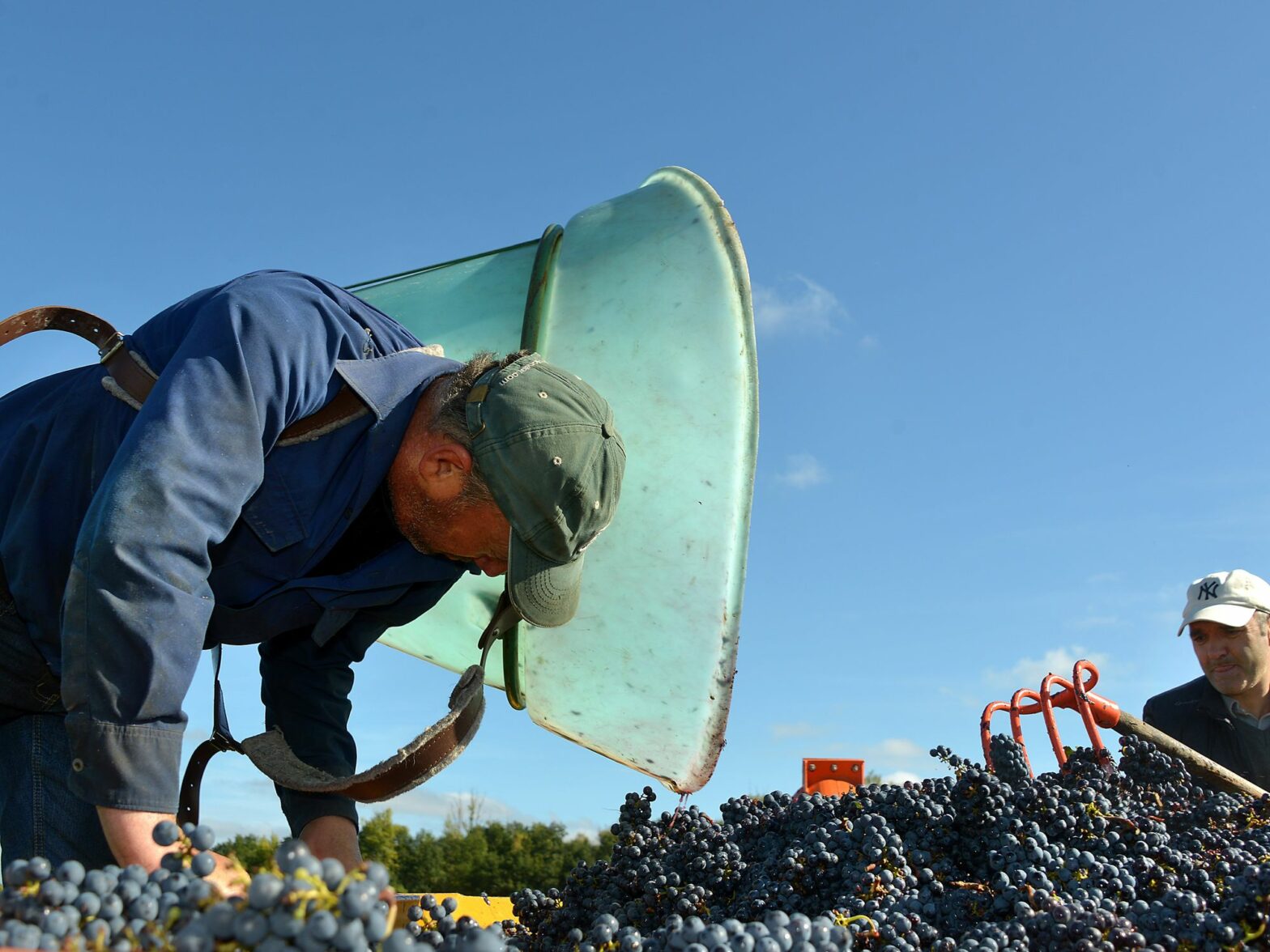
Forty years since 1982, a mythical vintage of outstanding quality, the 2022 vintage, promises to be the new model for Bordeaux wine-growers after its first taste test, says French daily Les Echos.
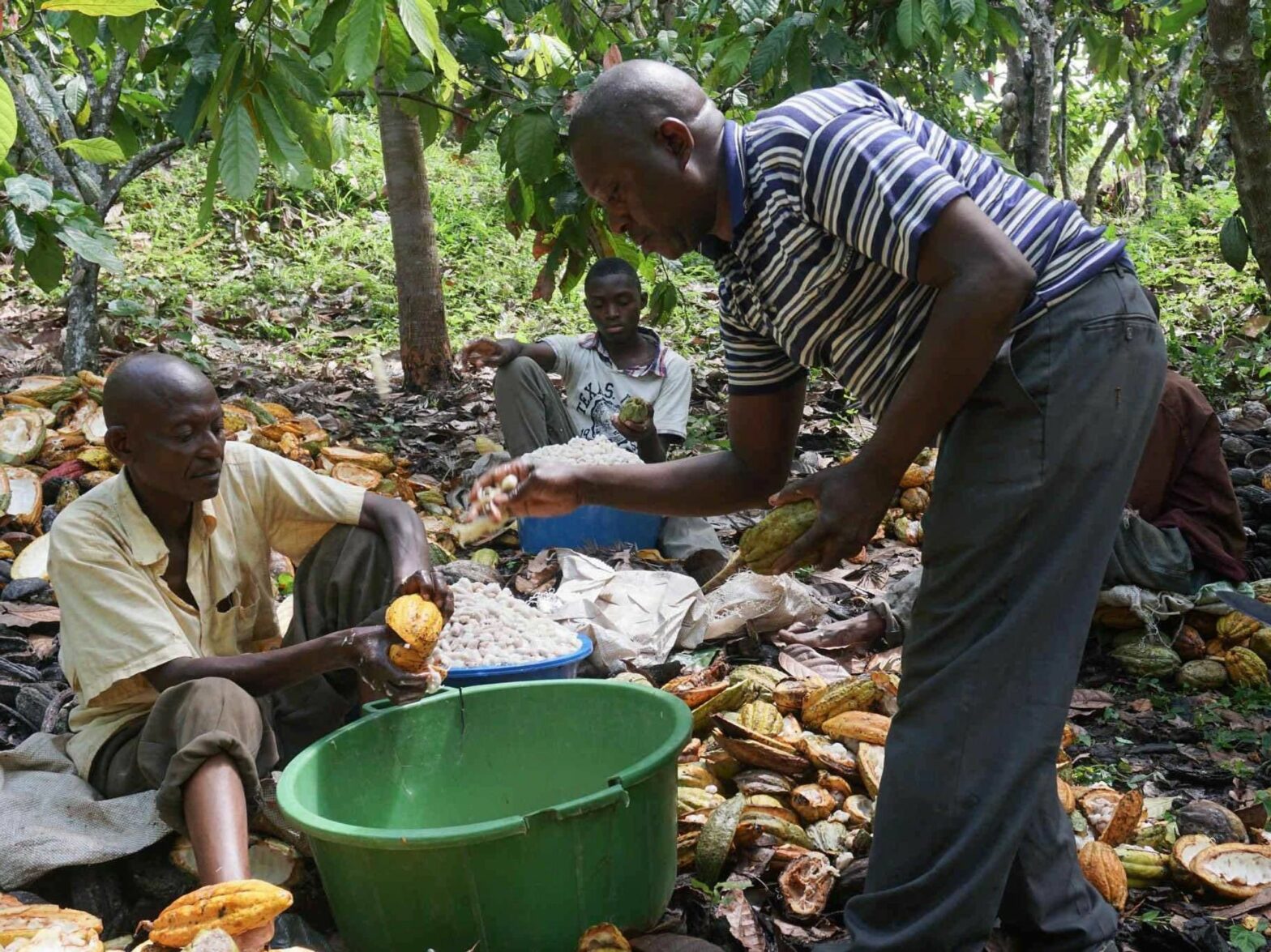
Many of Uganda’s small-scale farmers rely on someone else to dry their beans, a practice that keeps them in a cycle of poverty. A new processing factory aims to change that.
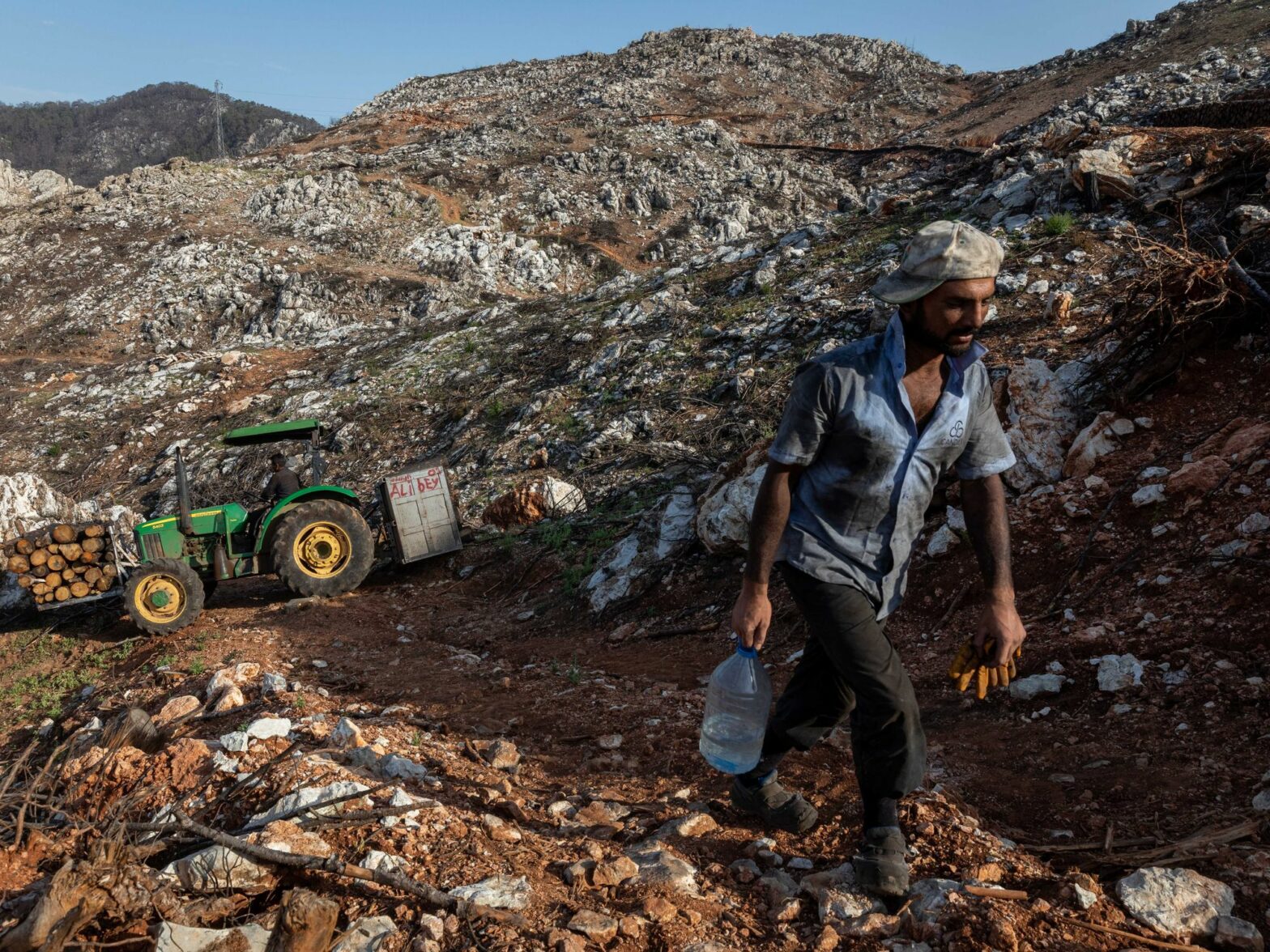
Election day is approaching in Turkey. Unemployment, runaway inflation and eroding rule of law are top of mind for many. But one subject isn’t getting the attention it deserves: the environment.
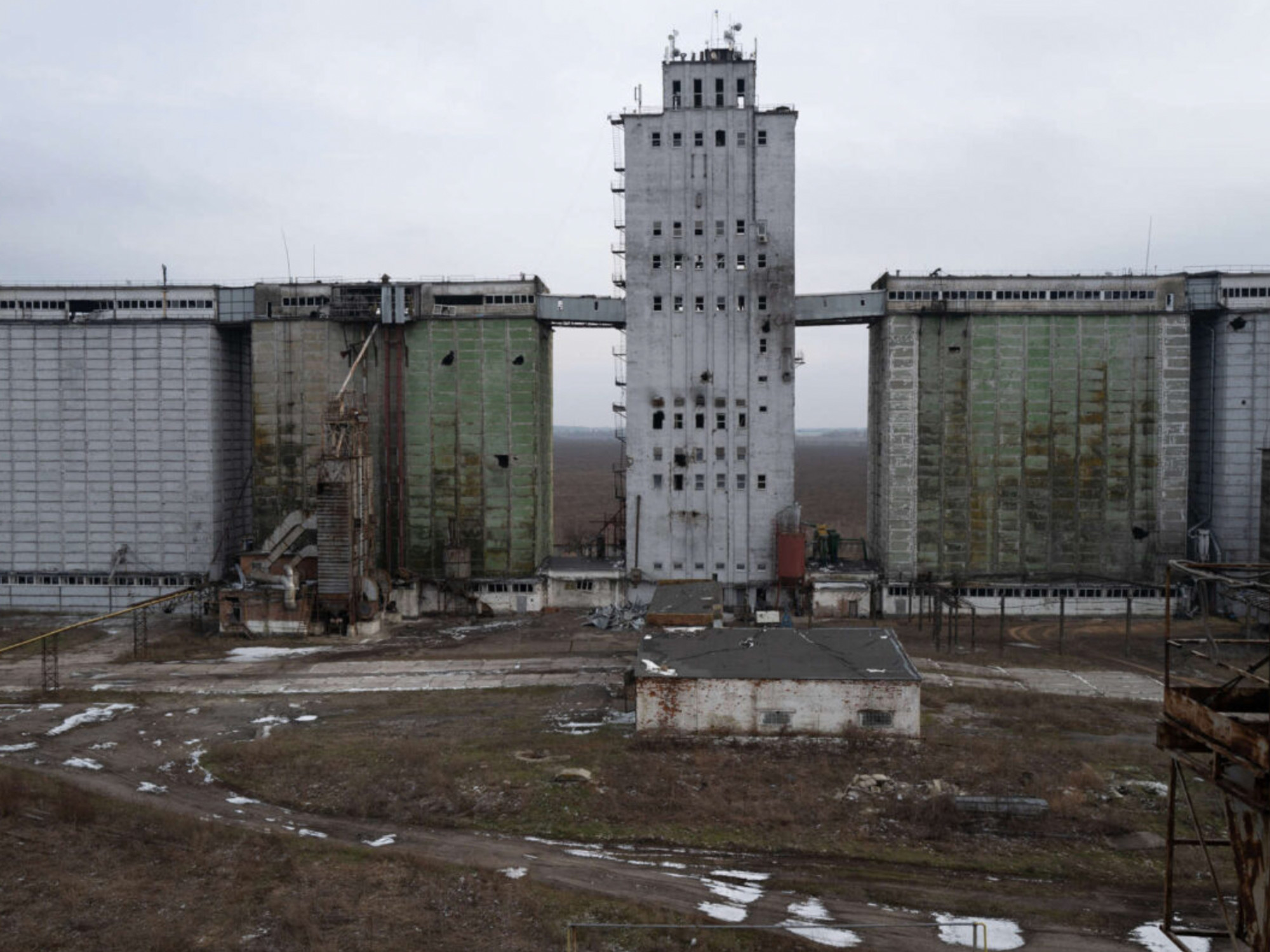
Reporting from agricultural centers in eastern Ukraine confirms a landmark study: Extensive wartime damage to the country’s crucial agricultural sector risks raising hunger in places that have counted on Ukrainian grain.
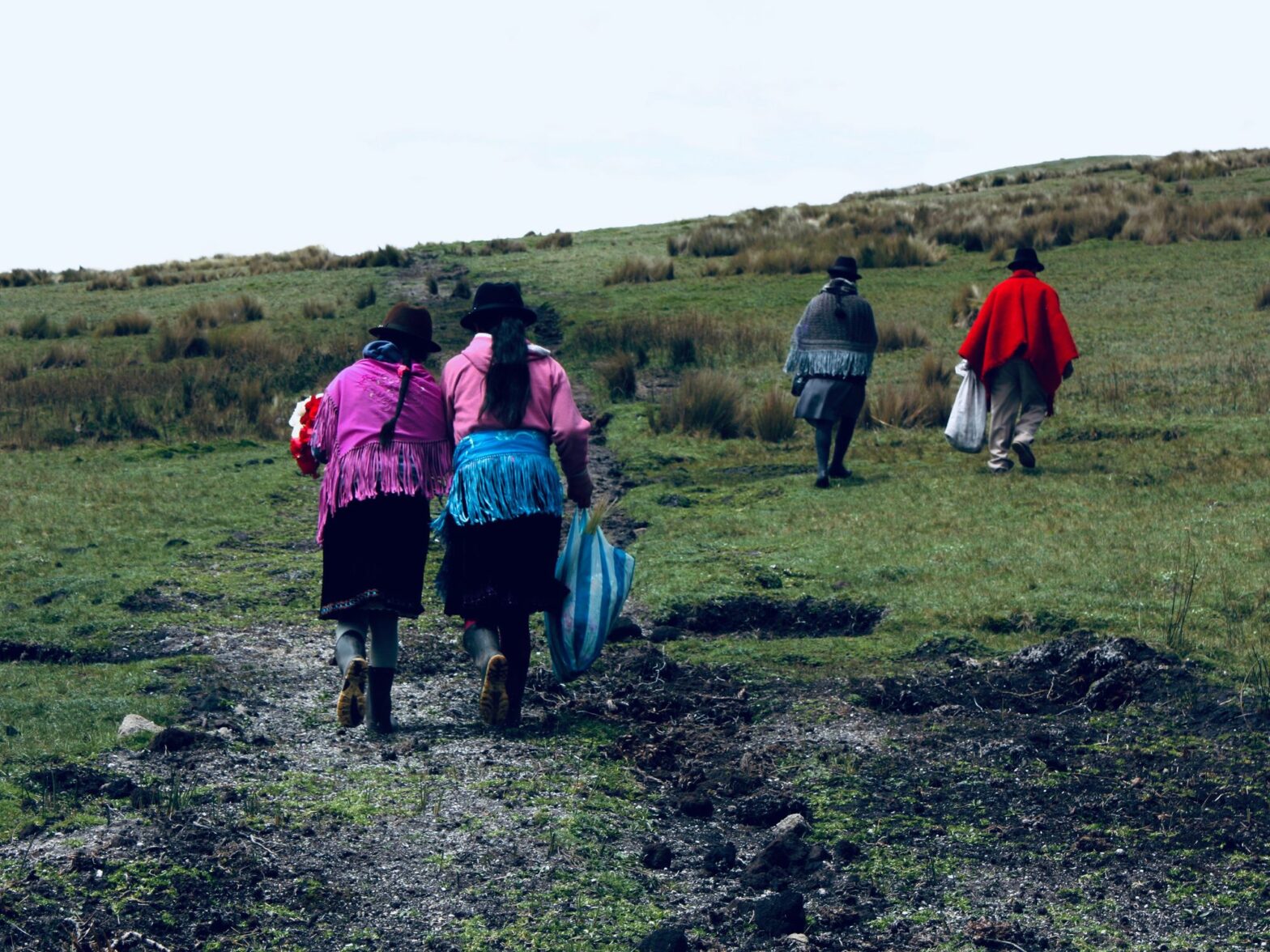
In southern Ecuador, a women-led agricultural program offers valuable lessons on sustainable farming methods, but also how to end violence.
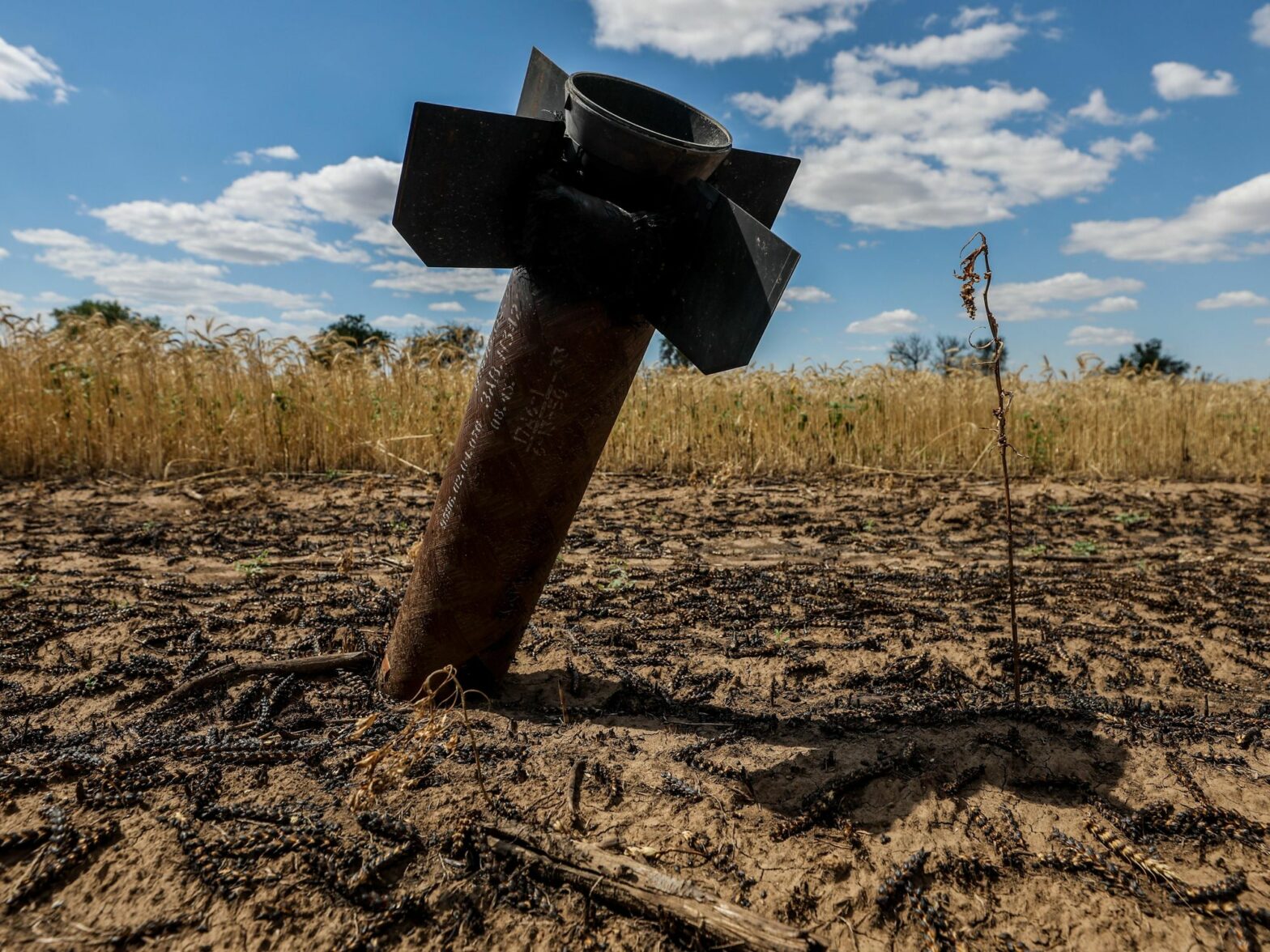
Ukraine’s fertile soils used to feed the world. But even when the war ends, food production will take decades to recover because of damage to the land.