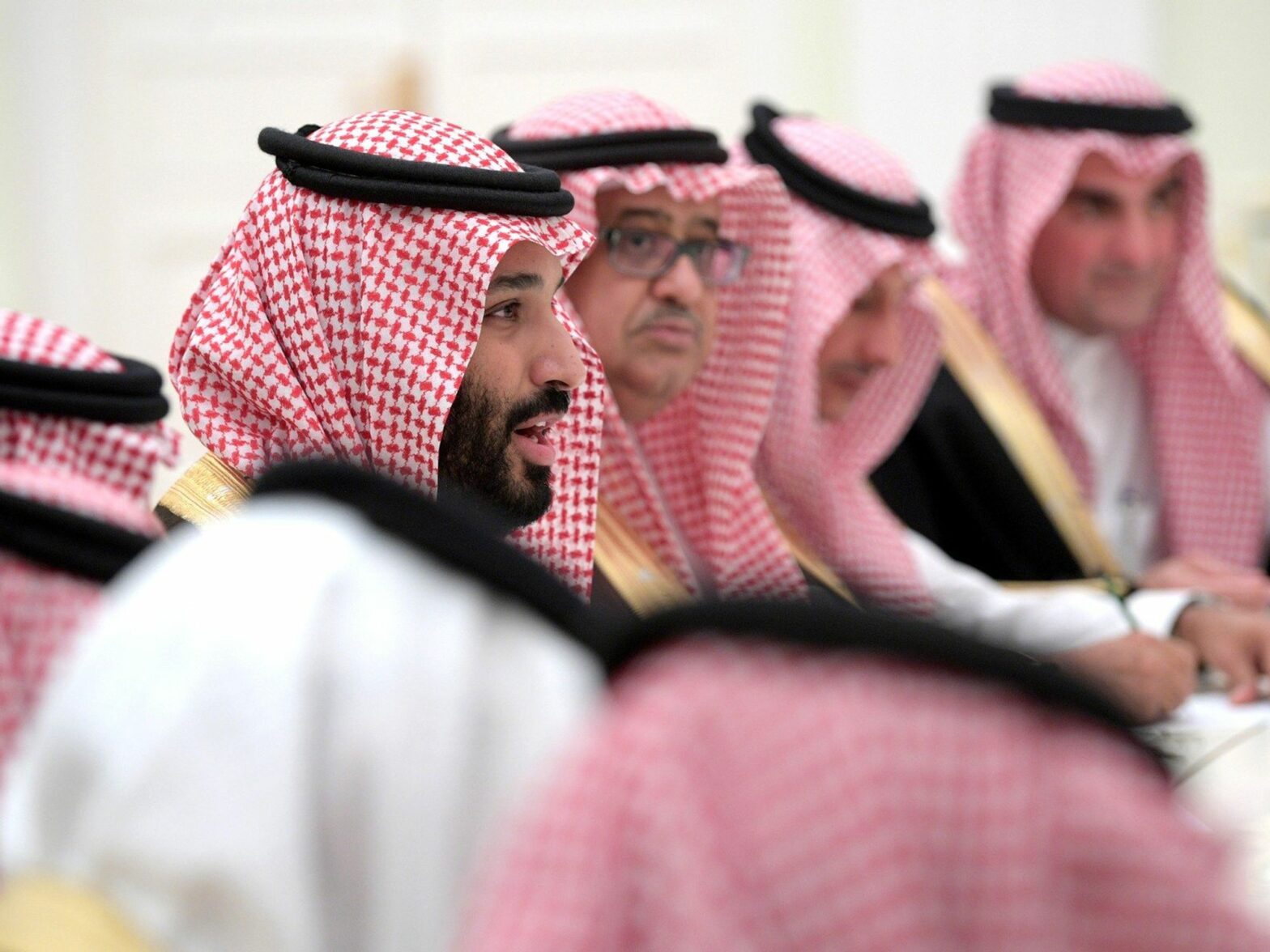
Ten years of arrests and silencing dissent may have been enough to instill fear in the hearts of Saudi citizens, who now comply with the sweeping changes reshaping their country — politically, economically and even socially.
 Worldcrunch
Ten years of arrests and silencing dissent may have been enough to instill fear in the hearts of Saudi citizens, who now comply with the sweeping changes reshaping their country — politically, economically and even socially.
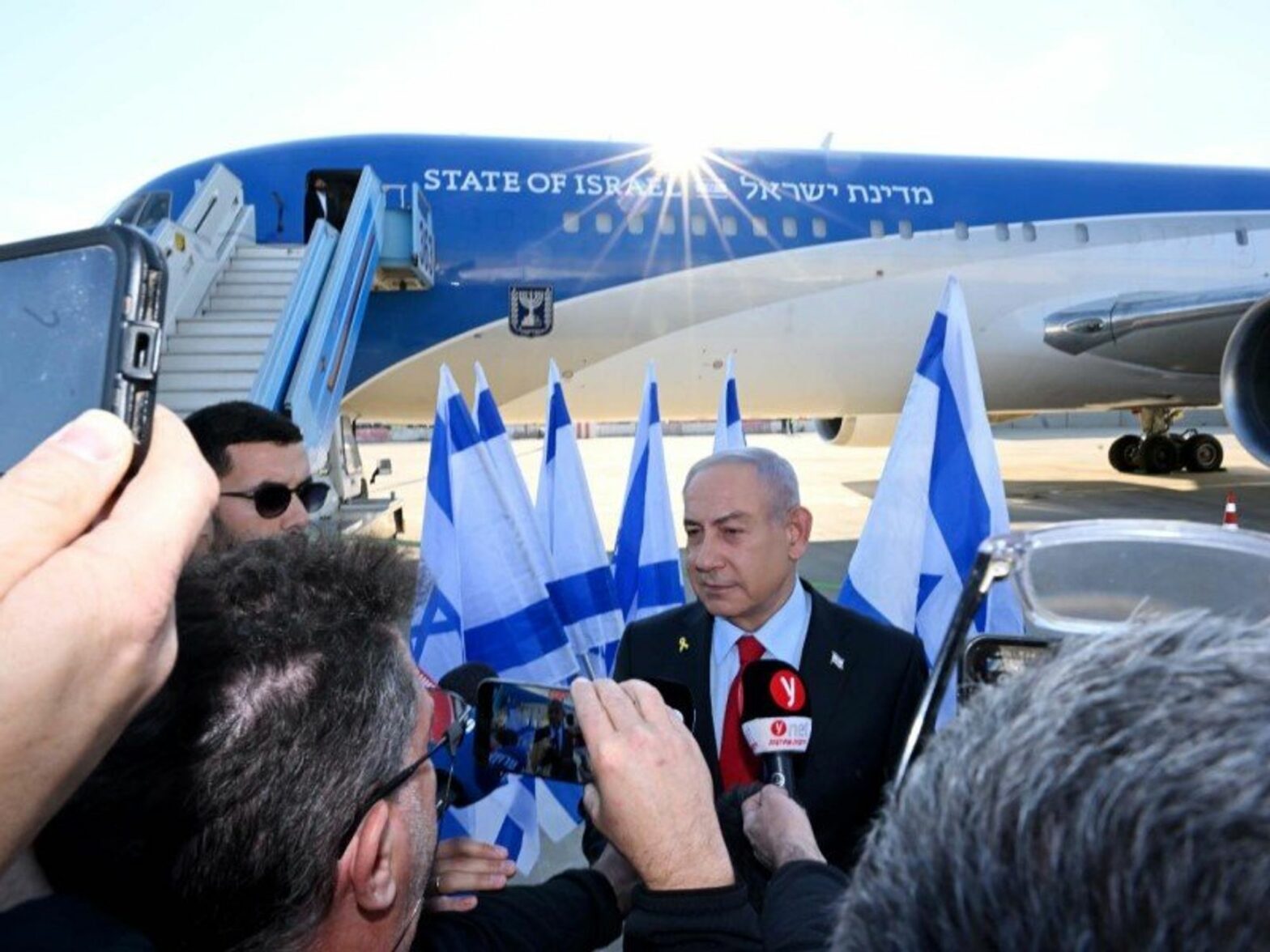
Talks for the second phase of the Gaza ceasefire — and with it, the release of hostages and prisoners — kick off today as the Israeli prime minister arrives in Washington. His meeting with Donald Trump tomorrow could be a turning point, deciding between peace or war in the months ahead.
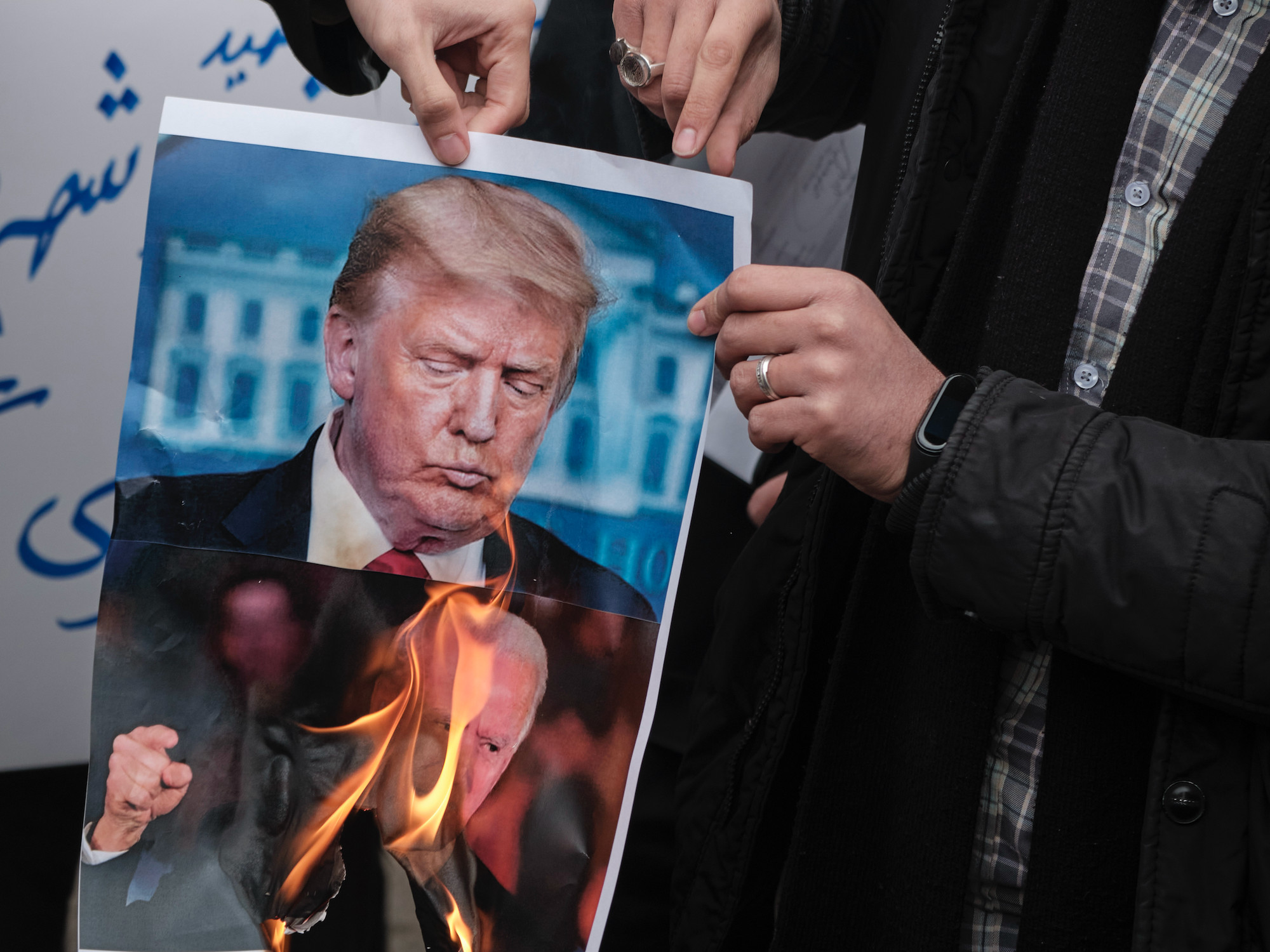
U.S. President-elect Donald Trump has said he is not out to topple Iran’s revolutionary regime, but his administration may, at the very least, seek intolerable concessions to the West from Tehran, or sink it with sanctions if it refuses.
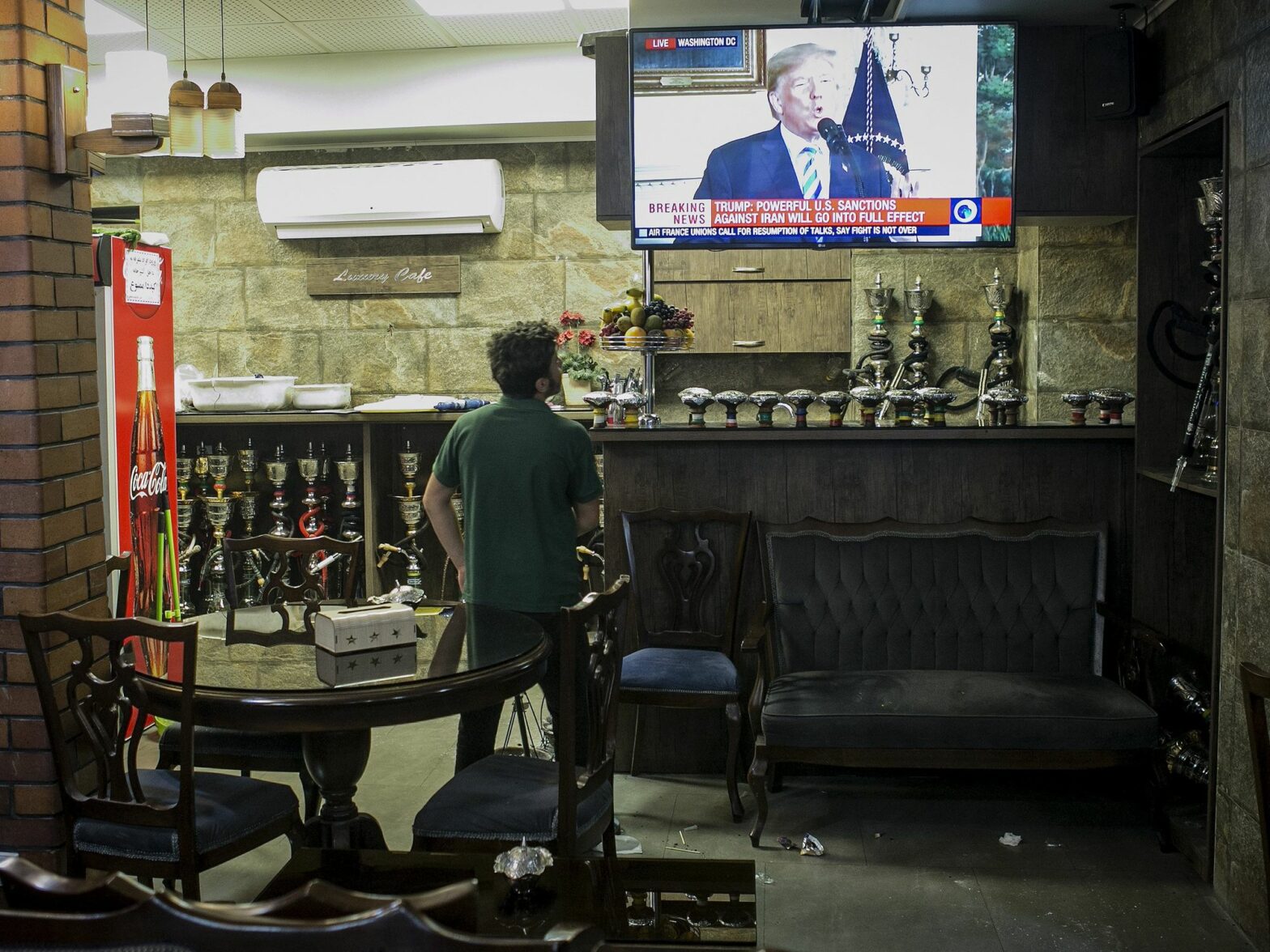
Iranian officials insist another Trump presidency could never change its policies — including fighting Israel where it can. But given the first Trump administration, Tehran should expect hard times ahead.
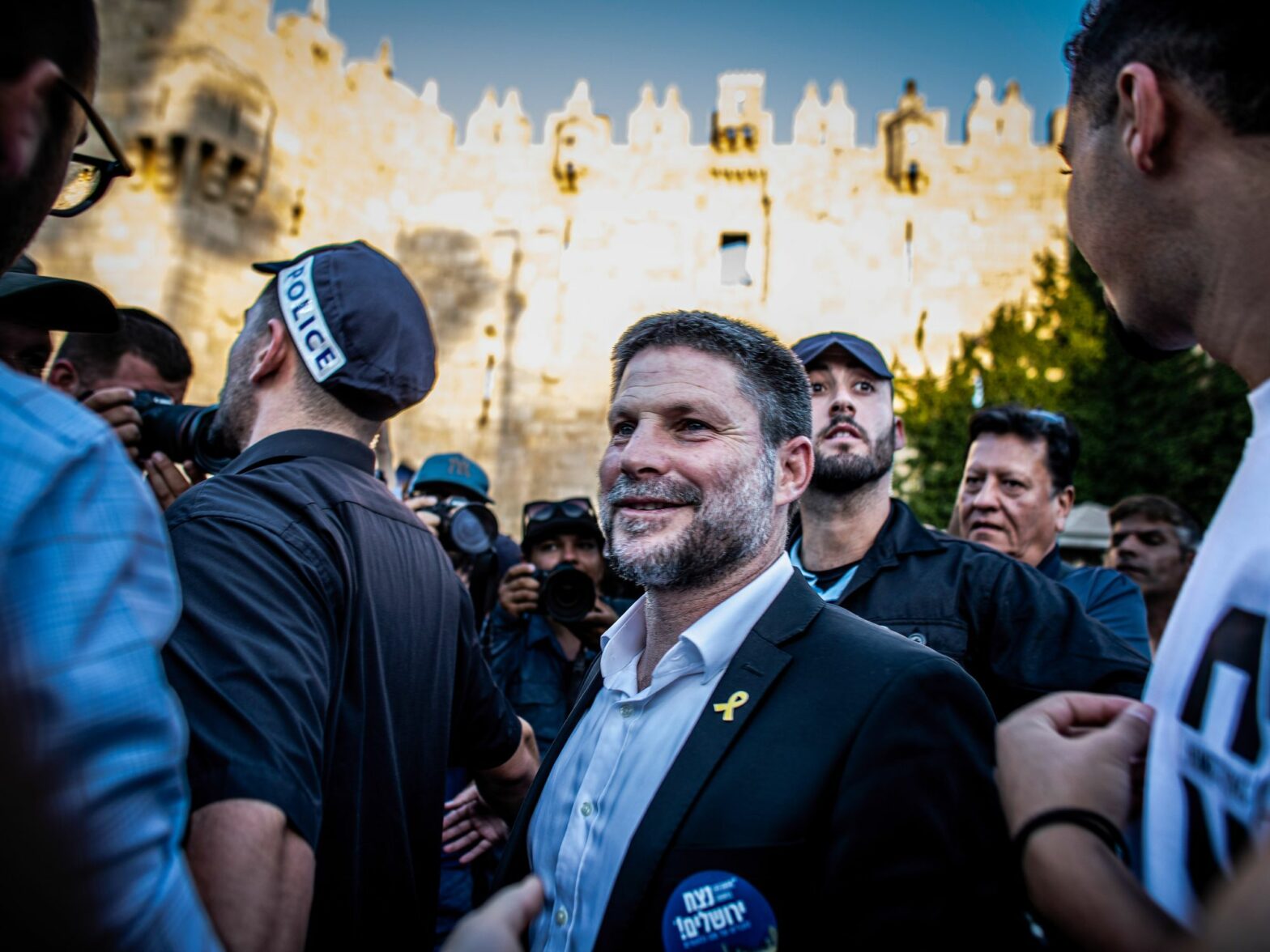
A prominent figure of Israel’s far-right, Finance Minister Bezalel Smotrich has announced that 2025 will be the year of the West Bank’s annexation. With Donald Trump’s victory, supporters of colonization hope he will back their approach, despite it being contrary to international law.
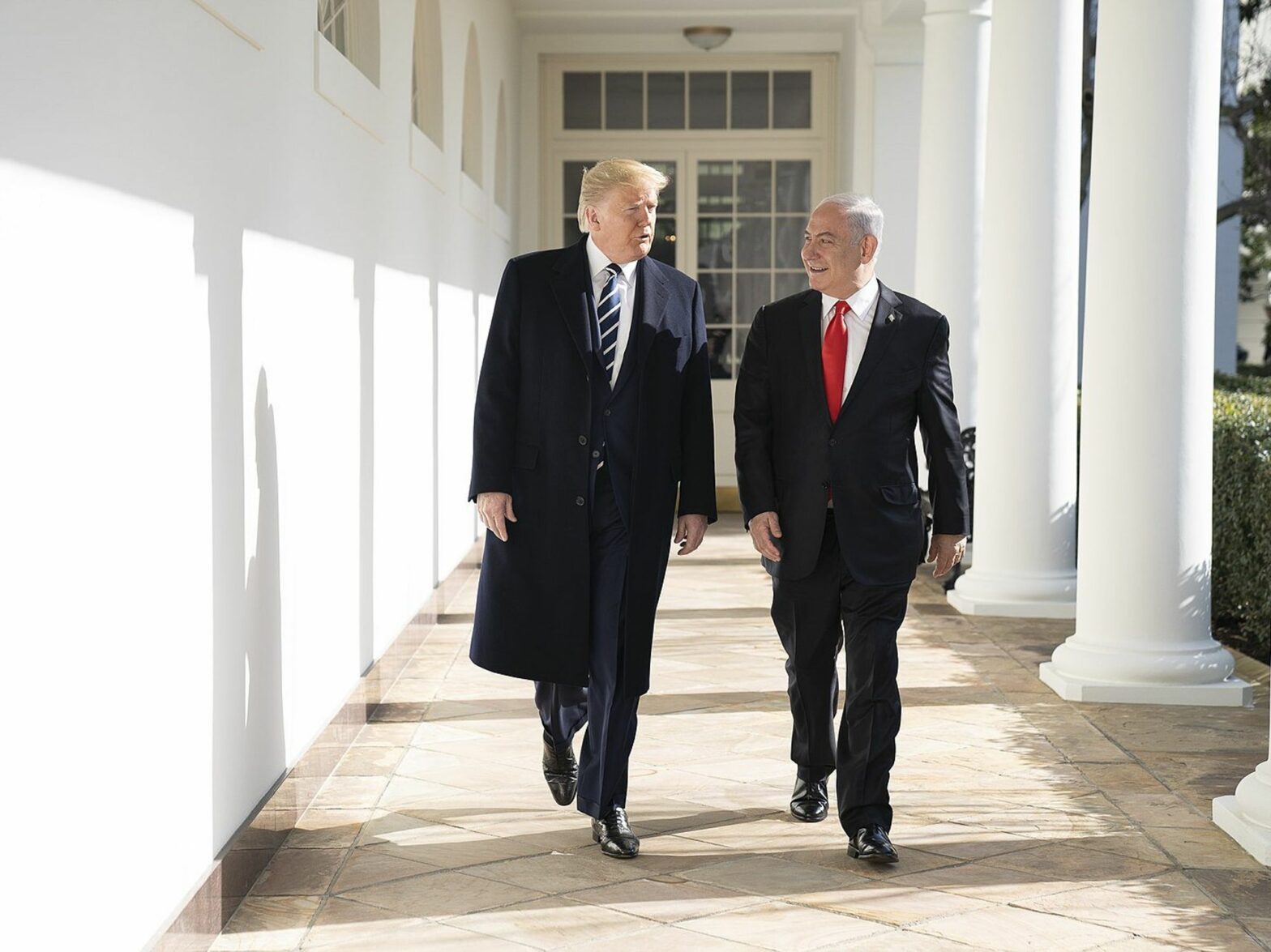
With the arrival of Donald Trump to the White House, we must expect a major shift in the Israeli-Palestinian conflict, and a return to the vision of the “Abrahamic Peace,” which includes no reference to the Palestinians’ right to a state.
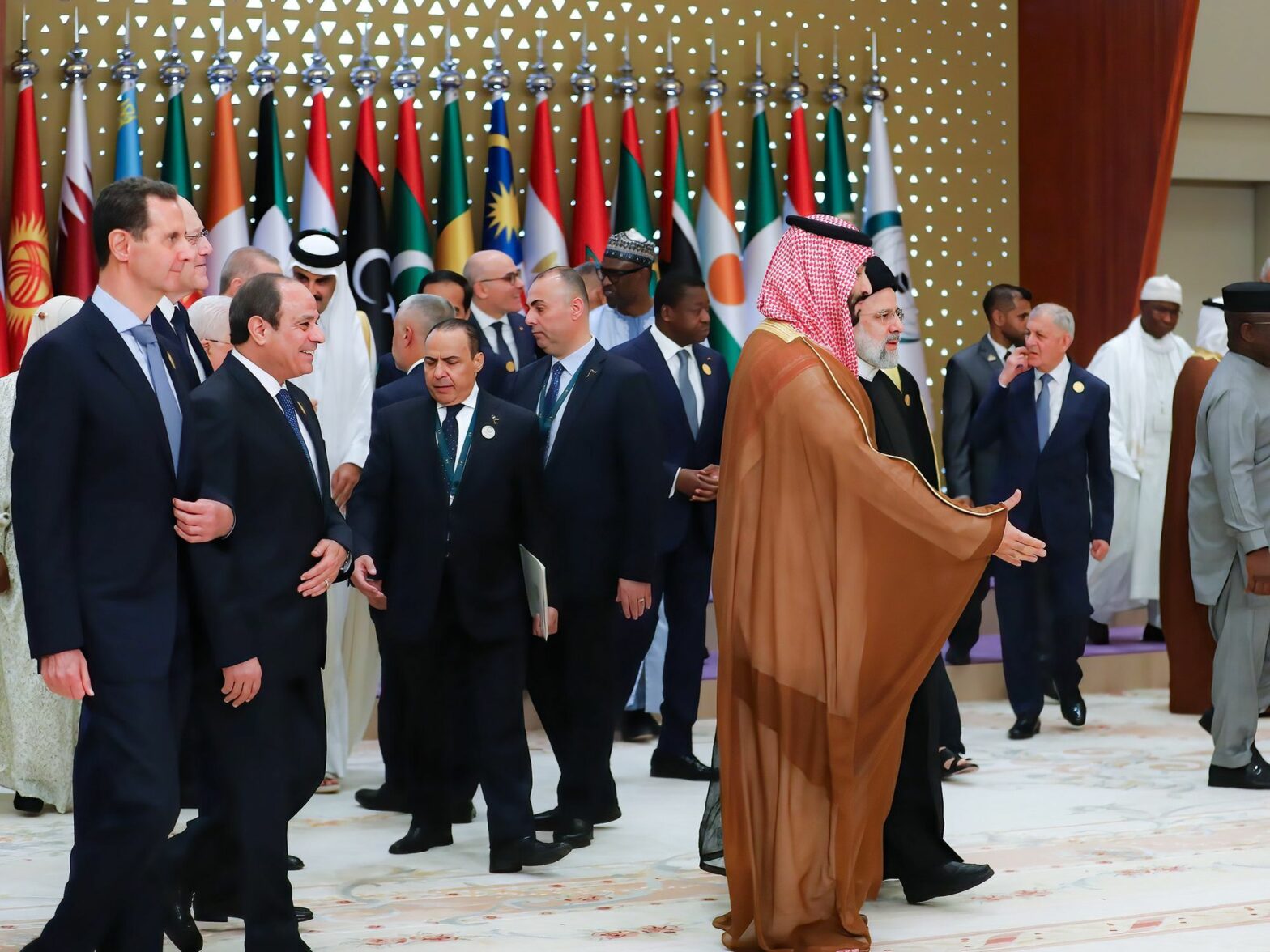
Will the Arabs take the initiative to take tangible measures before the fire reaches their countries, or will they be forced to be mere tools and bases to protect Israel? After the six-day war of 1967, the Three No’s of an Arab Summit set a new hardline. That should be the model now.
In Egypt, public support for a Palestinian homeland is deeply felt but constrained by the government that has had 40 years of diplomatic relations with Israel. Will the bloody war just across the border in Gaza change something?
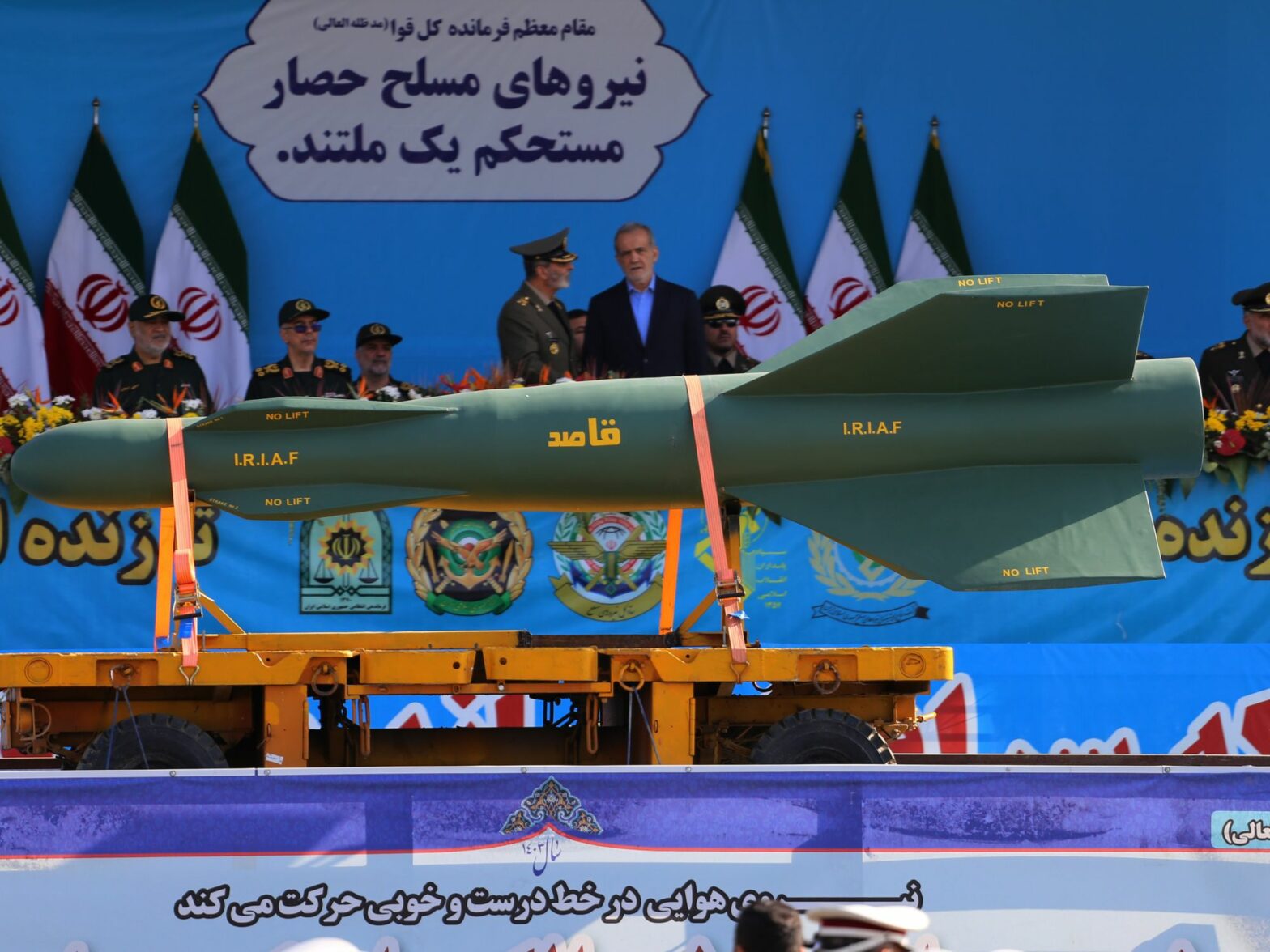
Israel and the West are seeking a stabilized Middle East to shorten the trading corridor with India and Asia. It’s a win-win situation for prosperous economies and the West, but what about Tehran’s truculent regime?
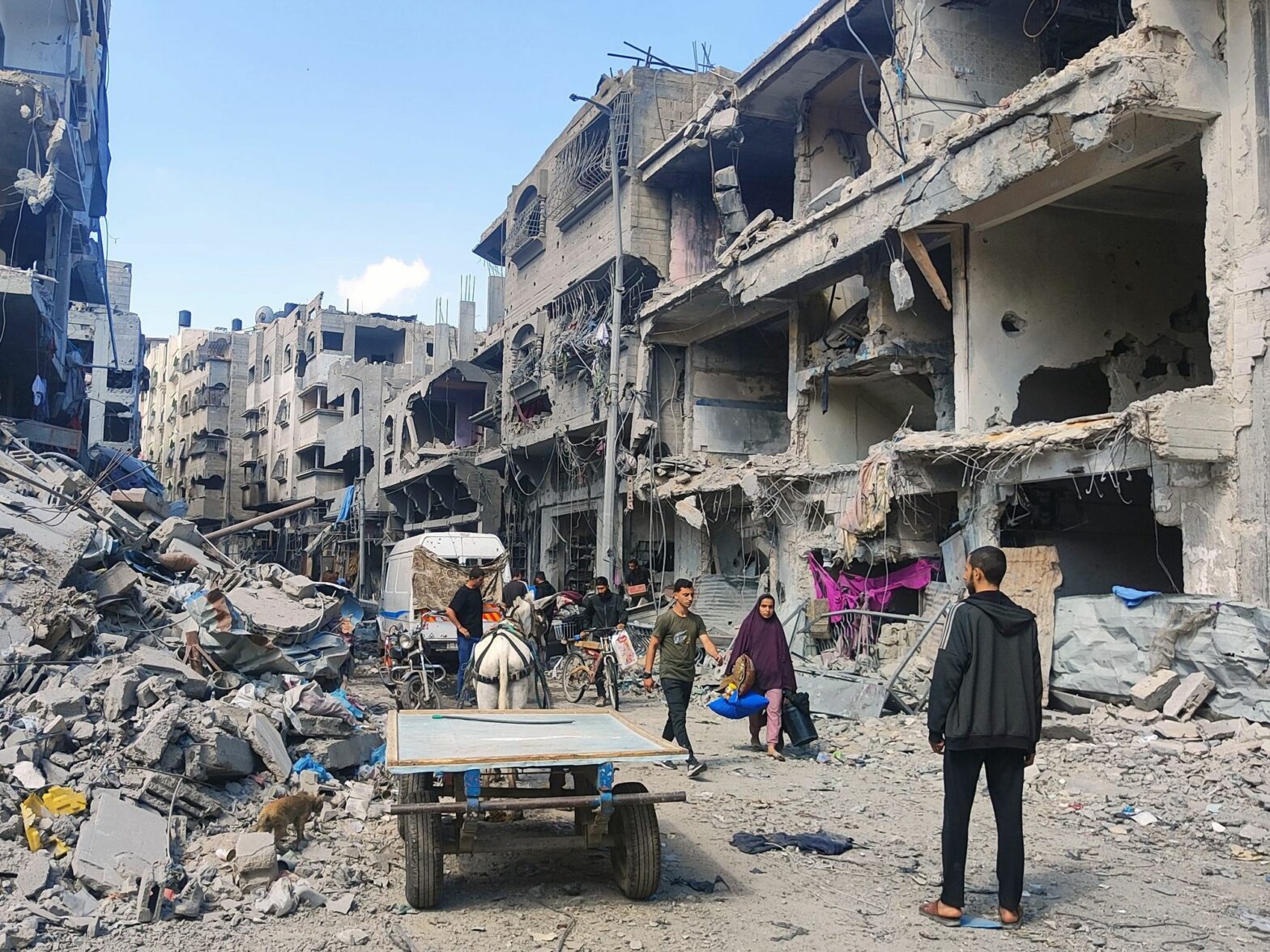
The Israel-Hamas war in Gaza has created an unprecedented crisis for moderate Arab countries, mainly for those who have ties with Israel, and for Saudi Arabia that was on the verge of reaching a normalization deal with Israel. It’s hard to envision a future for Gaza without them.
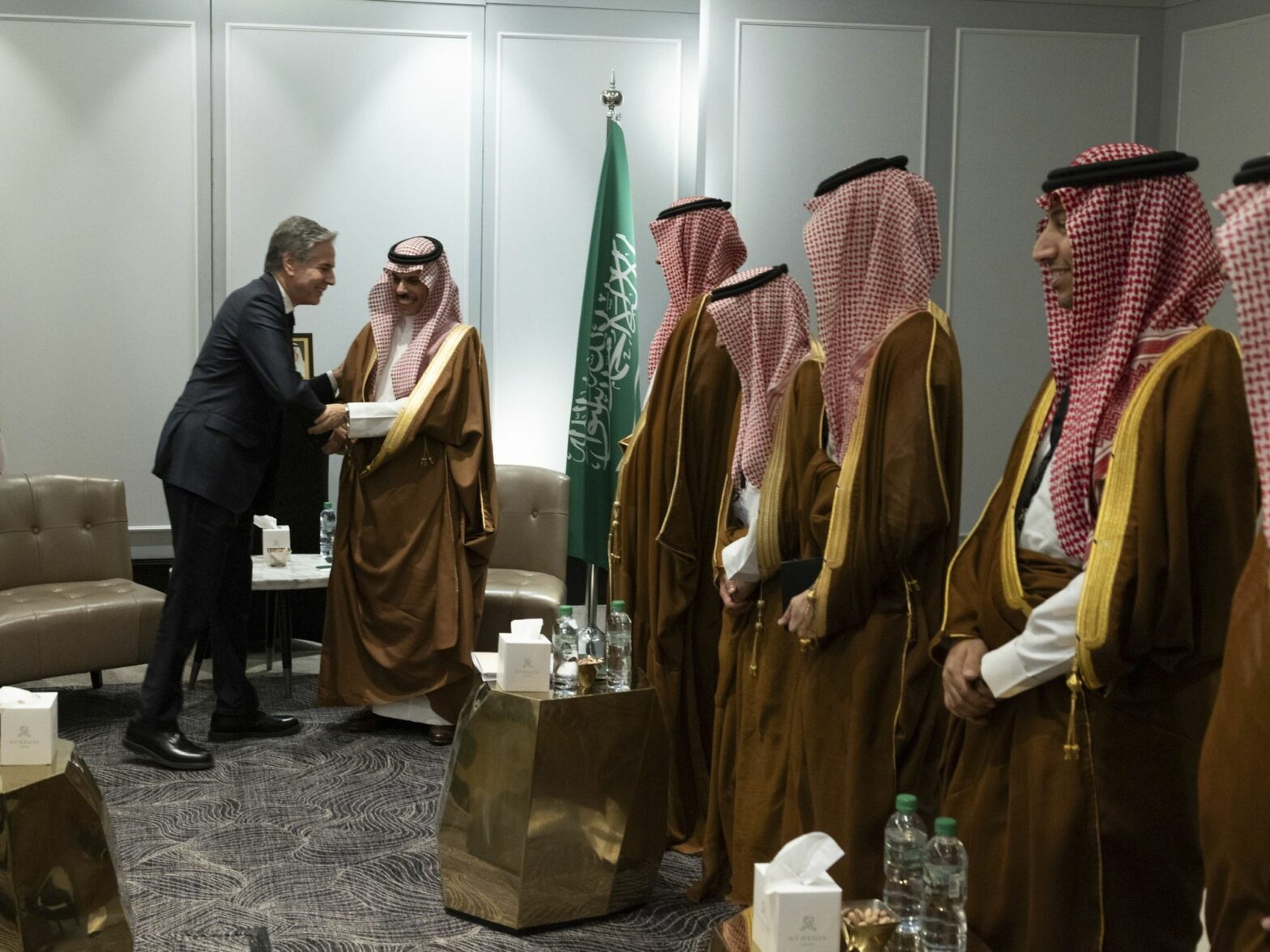
Washington has vetoed Palestine’s full membership to the United Nations and is using talk of the “two-state solution” to distract from Israel’s war crimes in Gaza. Pushed by the U.S. to normalize ties with Israel, what will Arab states do?
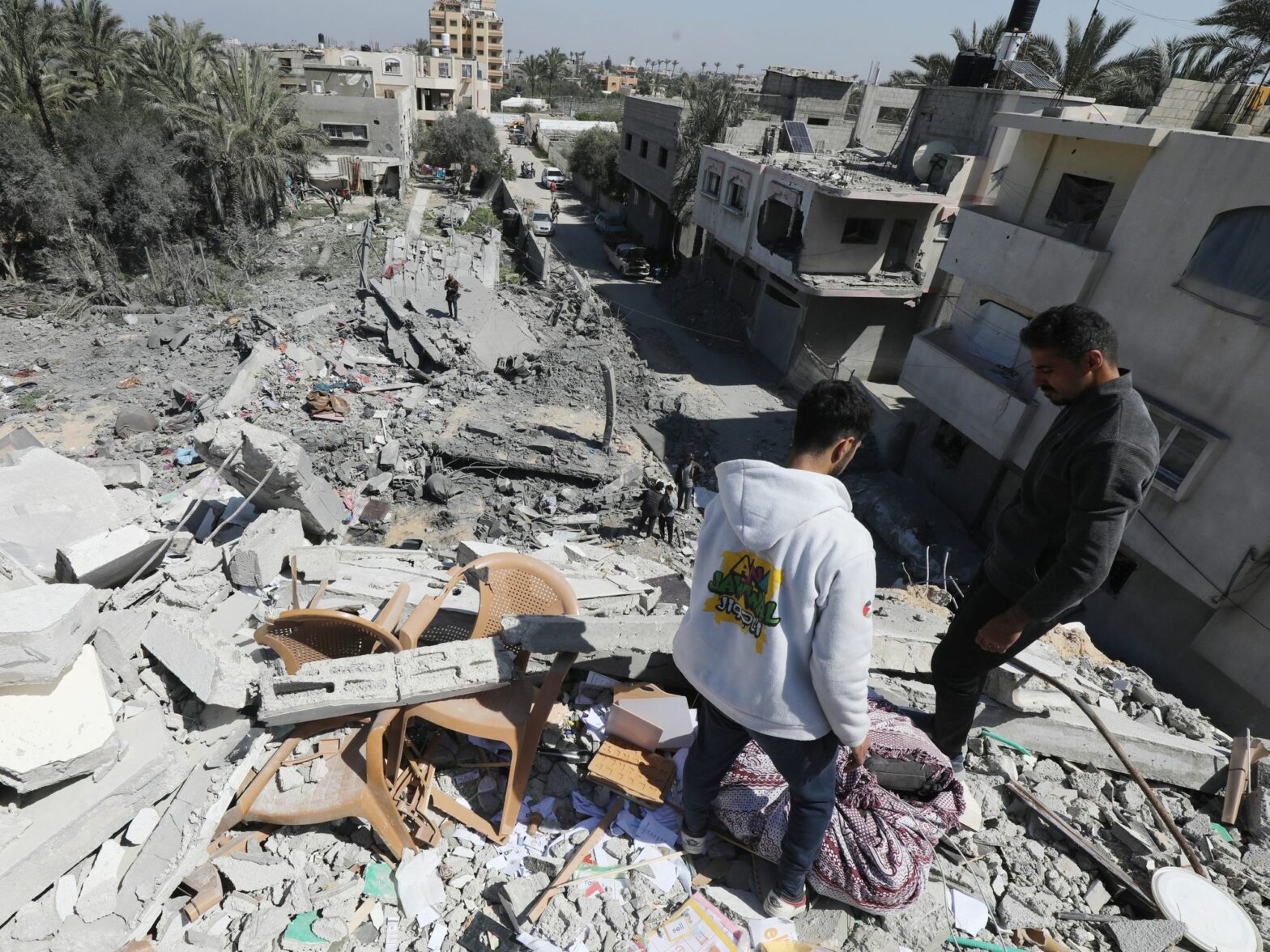
Famine creeps into Gaza, one could expect a certain pragmatism would push influential countries in the region to intervene. Yet each of these countries has its own political agenda.
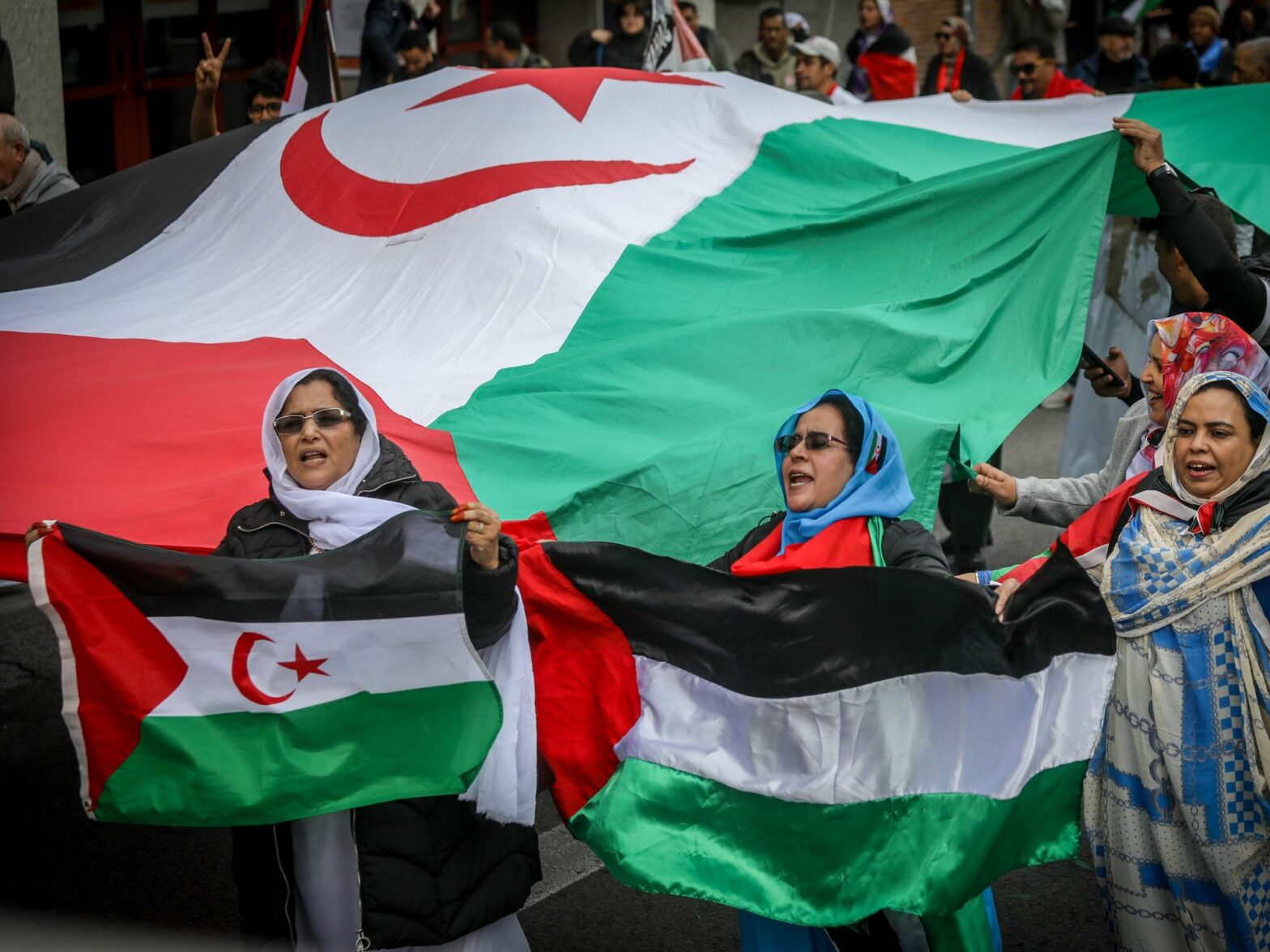
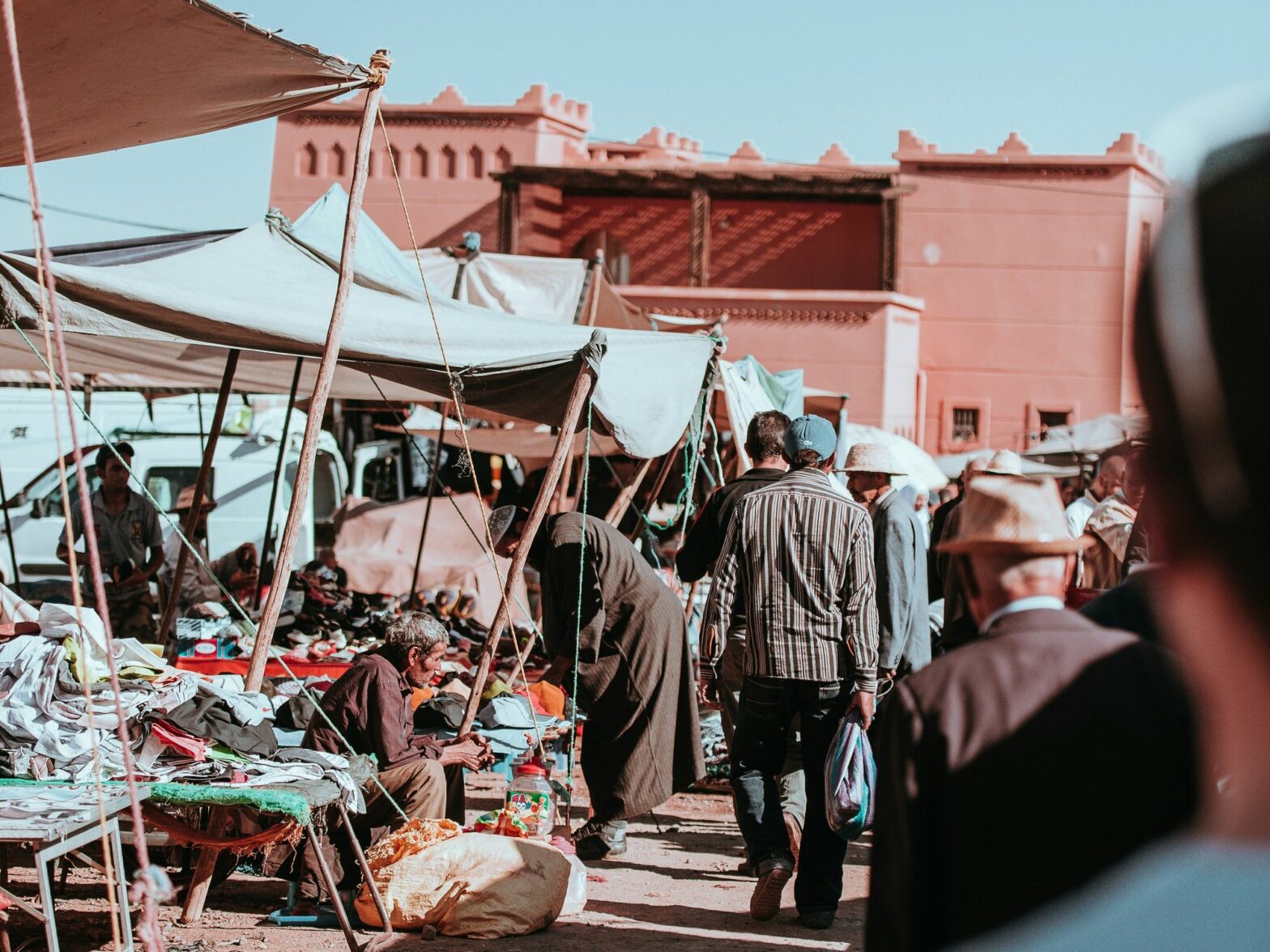
Even while Morocco has repeatedly called for a ceasefire in Gaza, it has been crafting one of the most careful diplomatic positions in the Arab World on the Israeli-Palestinian conflict, in part because of a significant Jewish-Moroccan population. But its stance puts the monarchy in conflict with most of Morocco’s population.