India was the first country that gave Stoppard clear, continuous memories of childhood. Darjeeling was the first landscape he remembered.

 Worldcrunch
The Wire is a news website available in English and Hindi, was founded in 2015 in New Delhi. It is published by the Foundation for Independent Journalism (FIJ), a non-profit Indian company.
India was the first country that gave Stoppard clear, continuous memories of childhood. Darjeeling was the first landscape he remembered.
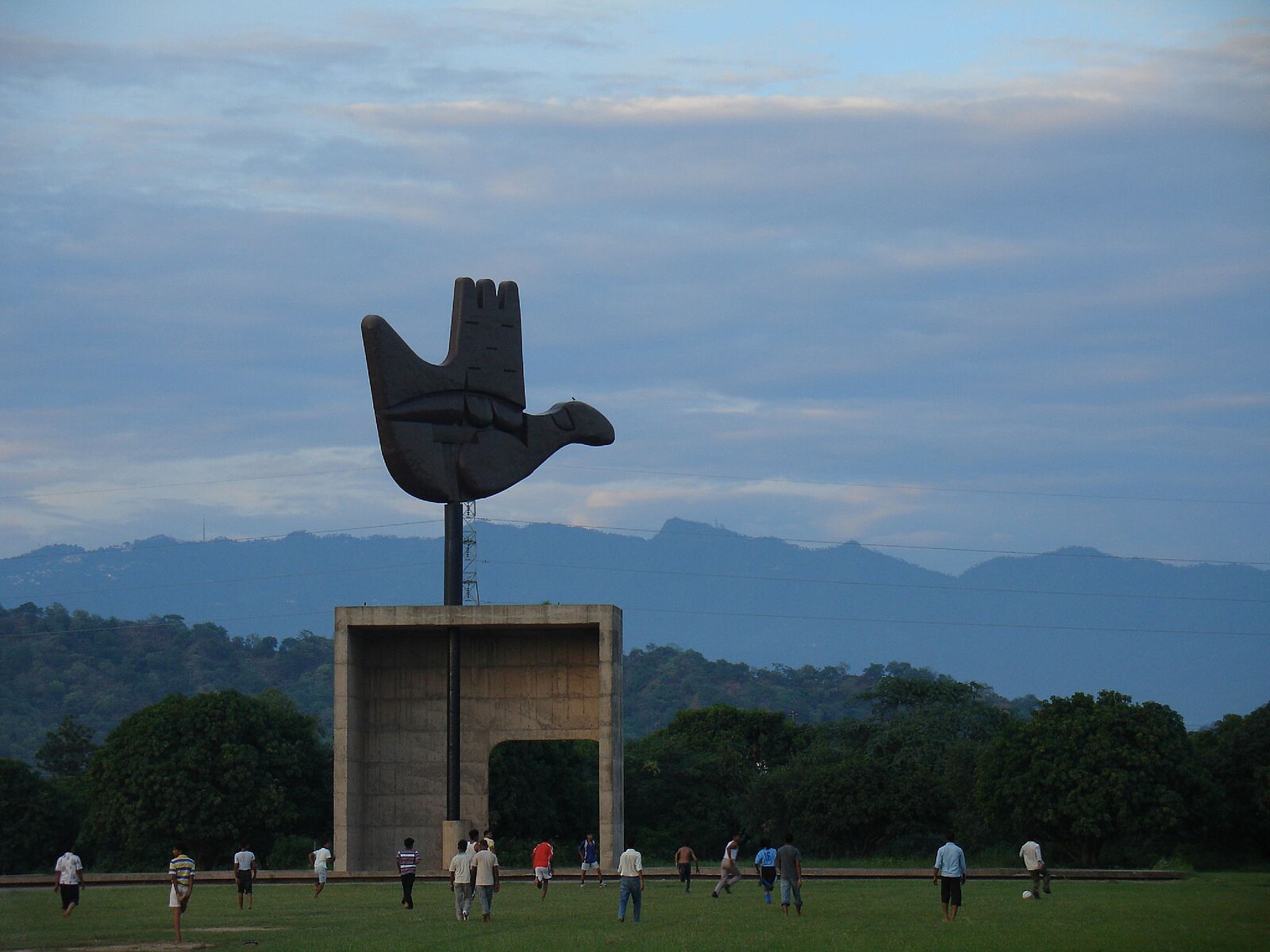
The author remembers a Chandigarh of proportion and quiet pride and mourns what its beauty has become.
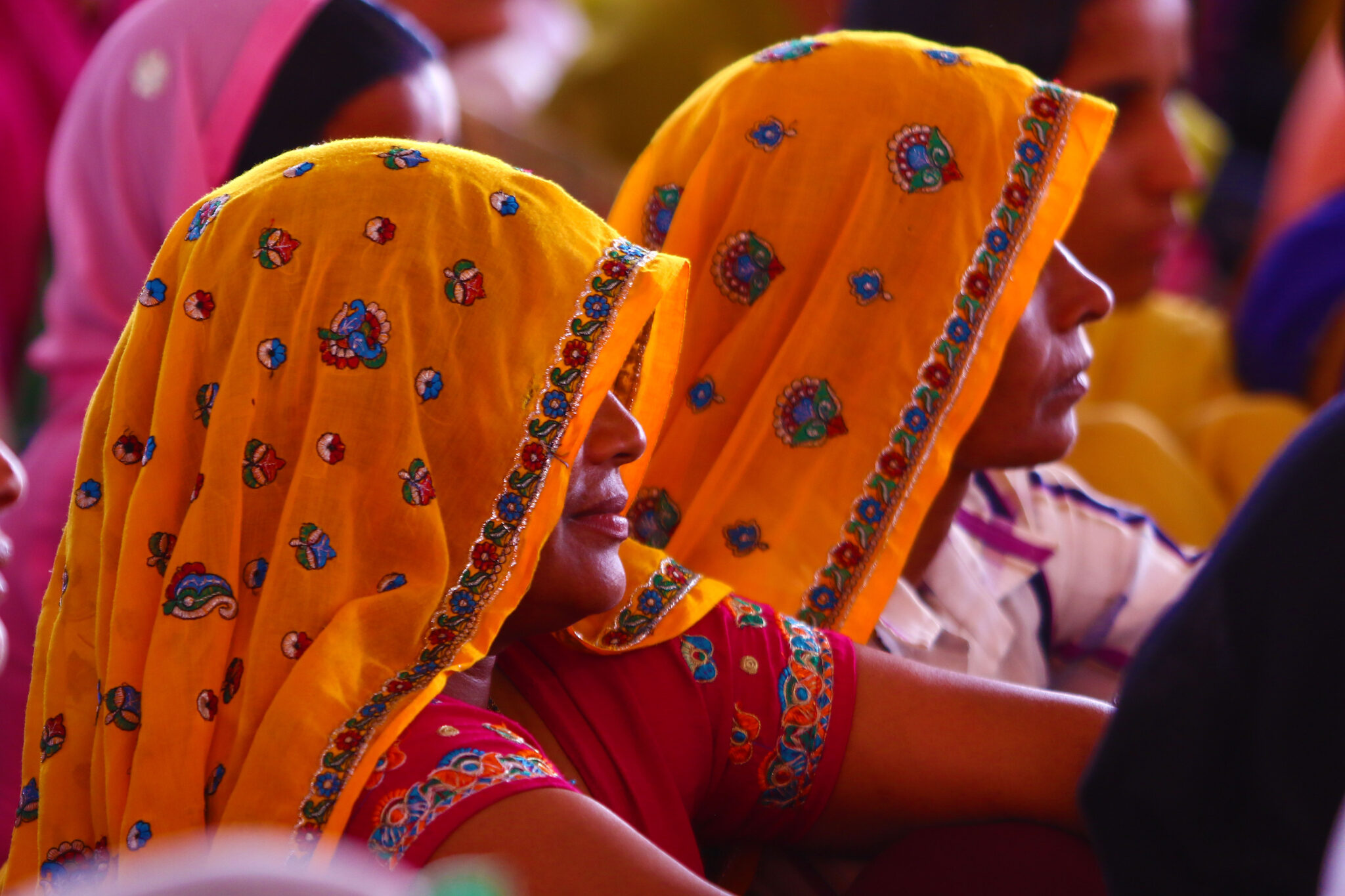
The burden of maintaining the “purity” of caste falls unequally on women.
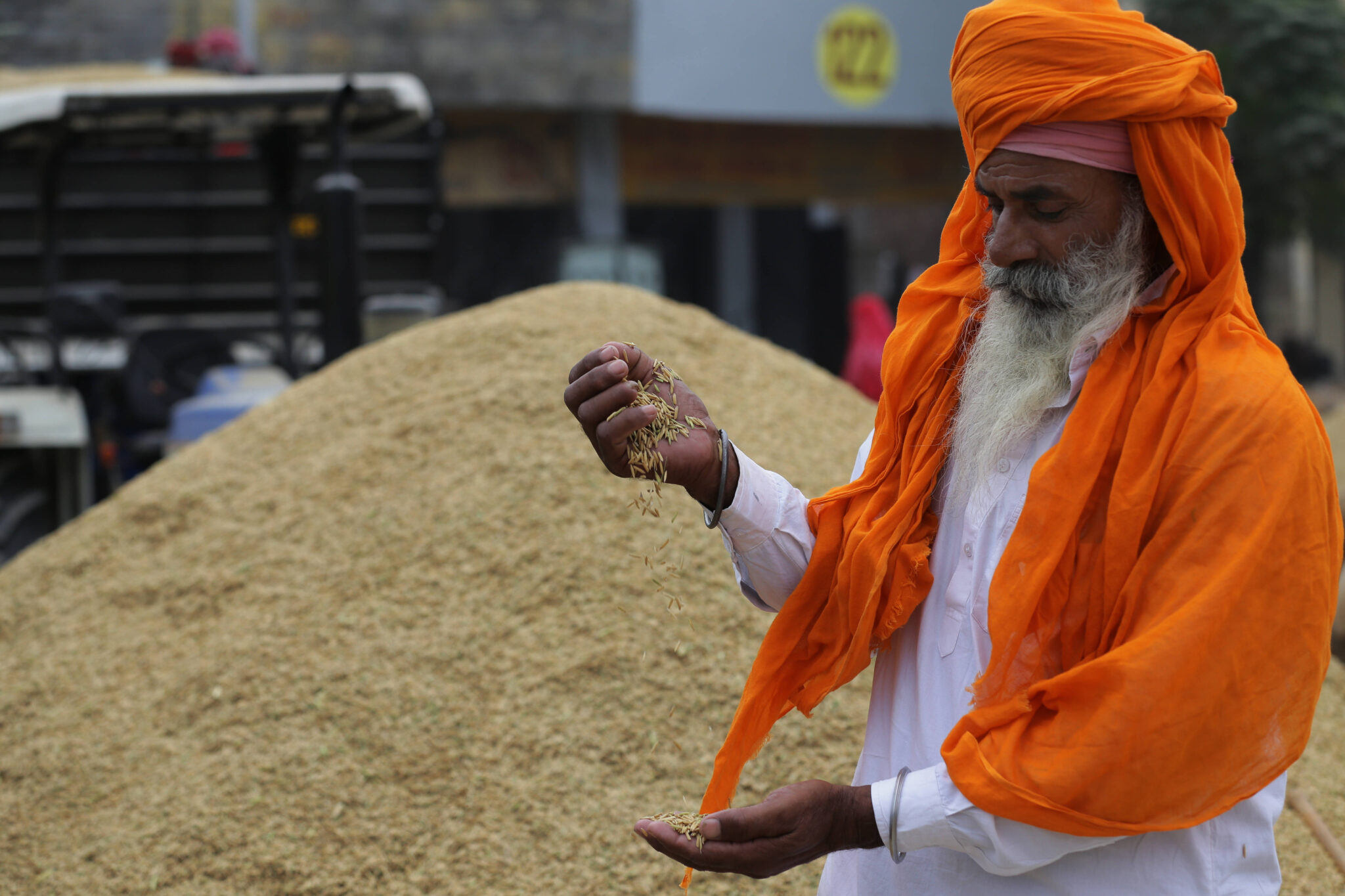
Fixing food loss is key to ending hunger, protecting resources, and ensuring sustainability in India.
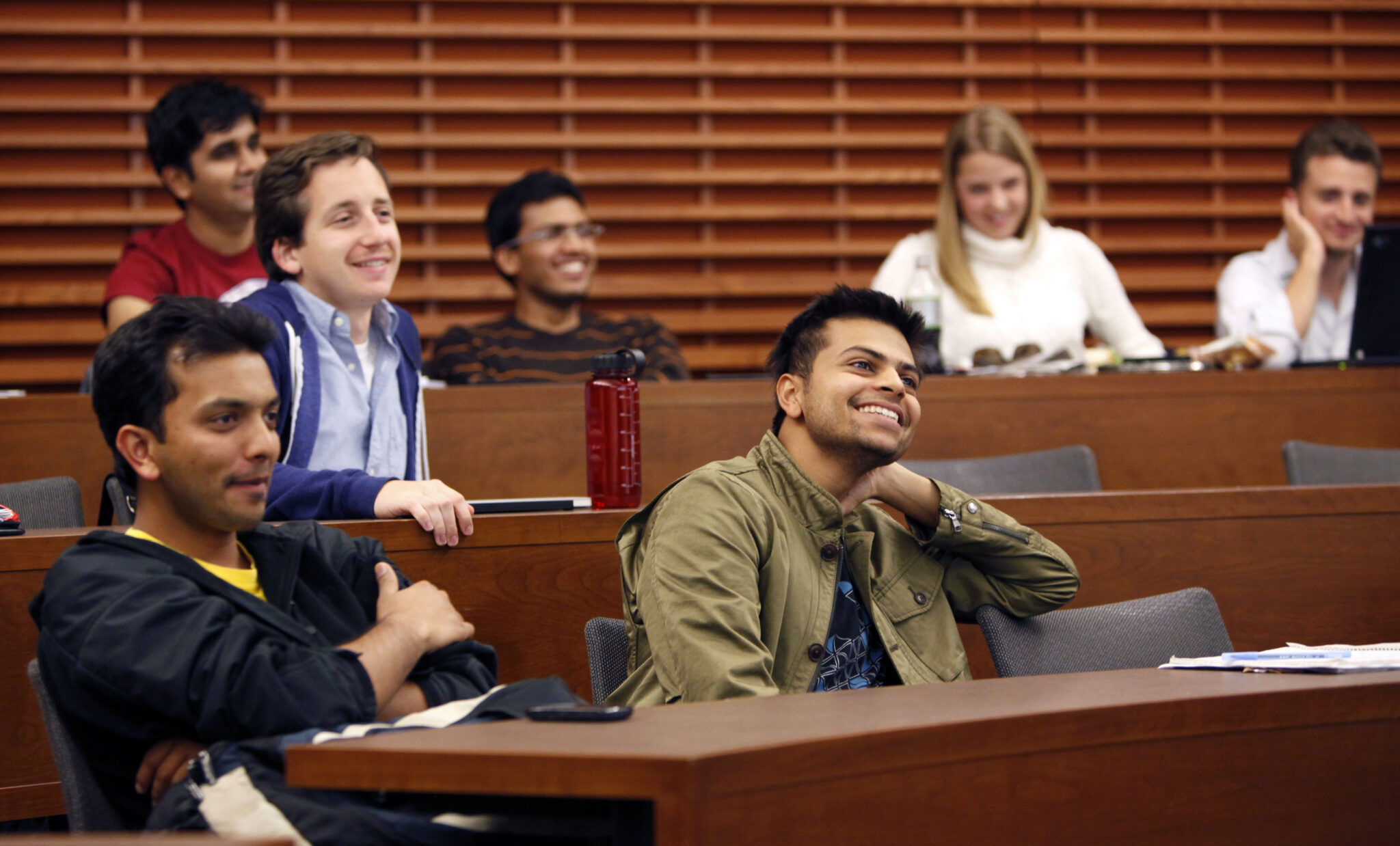
Trump’s latest move, which virtually dashed the American dreams of millions of Indians, should not be seen as an isolated event but a definitive consequence of the dysfunctional global capitalism.

Zakir Khan’s rise is not just of a comedian who cracked the elite systems abroad, it is the triumph of India’s ordinary dream.
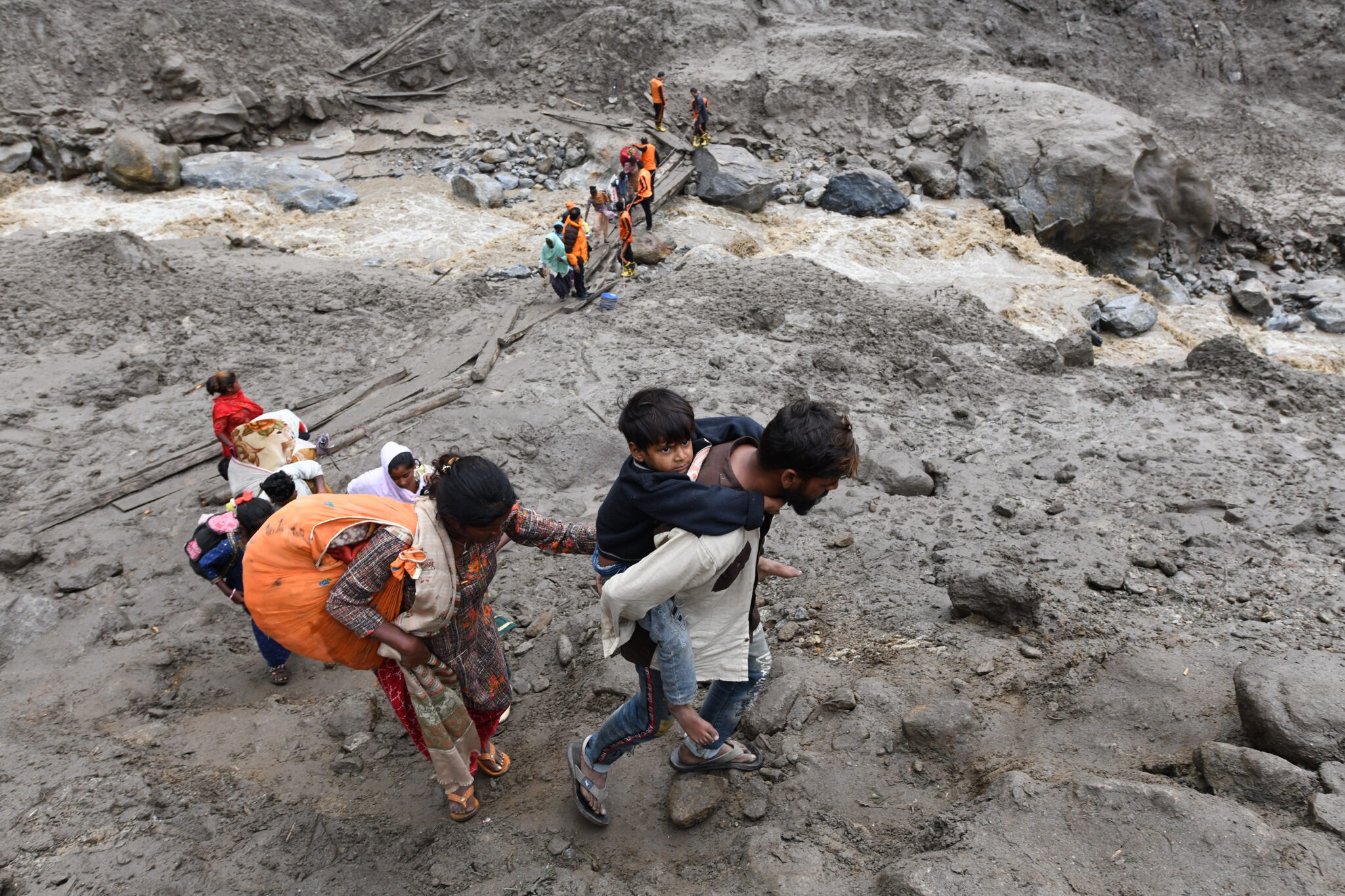
The Himalayas, once celebrated as a sacred and resilient landscape, are now collapsing under the weight of reckless development, corporate exploitation, and political neglect. What we call “natural disasters” in Himachal Pradesh and Uttarakhand are, in truth, human-made tragedies — preventable catastrophes born of greed, denial, and the systematic erasure of ecological wisdom.
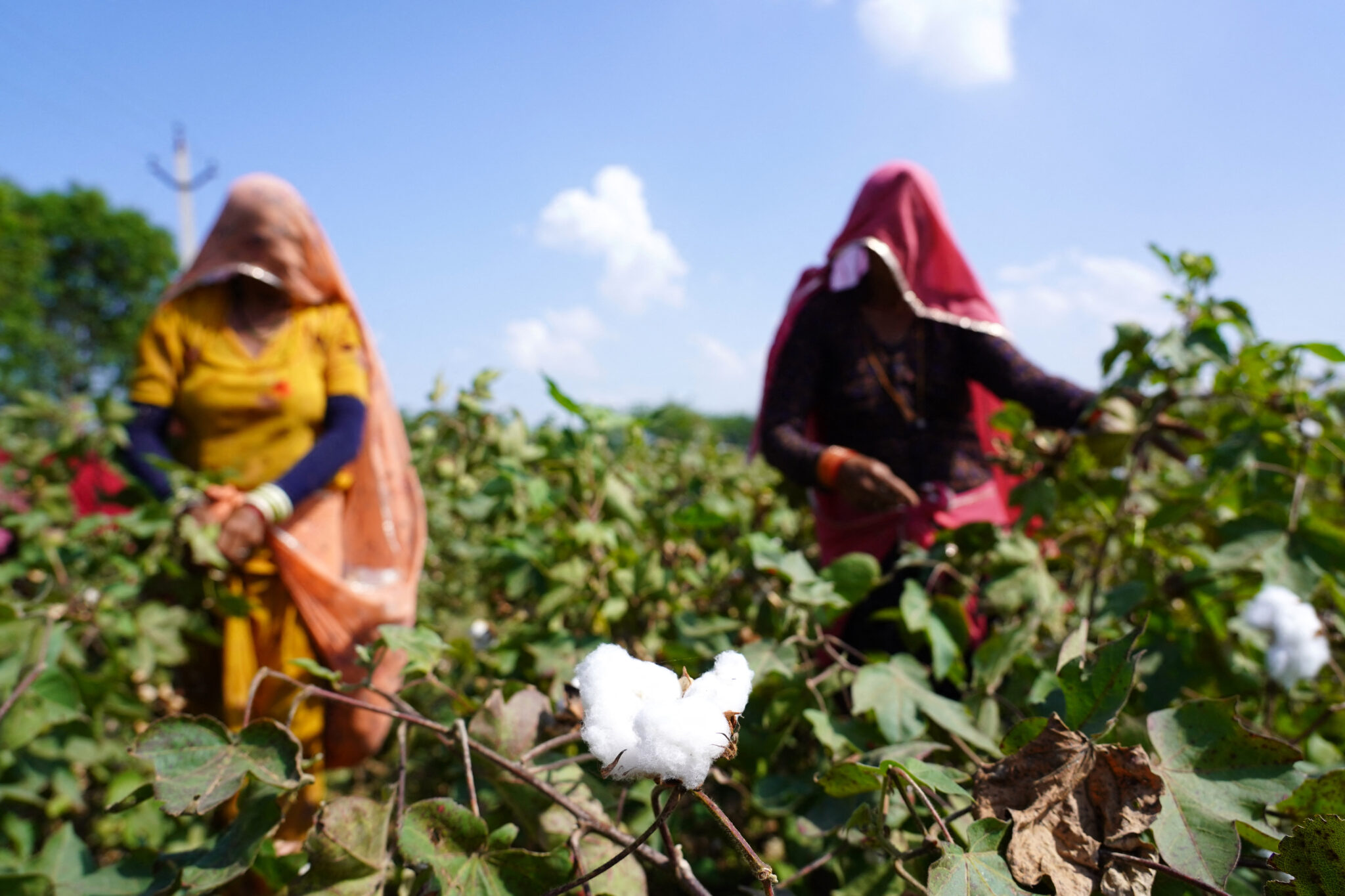
India, which is one of the largest producers of cotton, has to now accept US cotton under geopolitical pressure and has to sacrifice her cotton farmers for potential gains with the Trump administration.
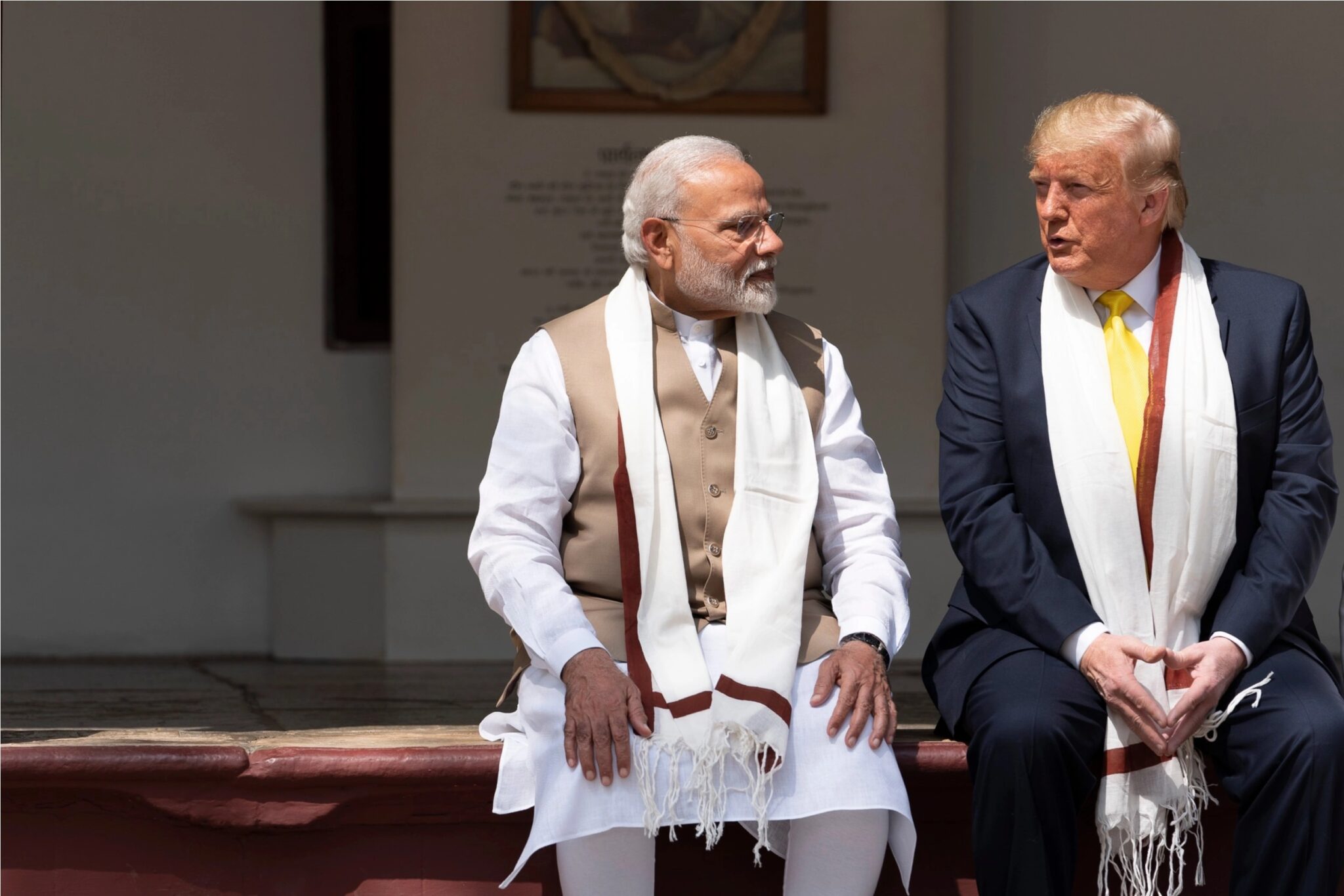
As U.S. President Donald Trump again threatened on Monday to raise tariffs on goods from India over its Russian oil purchases, it may be time for India’s prime minister to respond accordingly — and turn to India’s former leaders for potential playbooks.
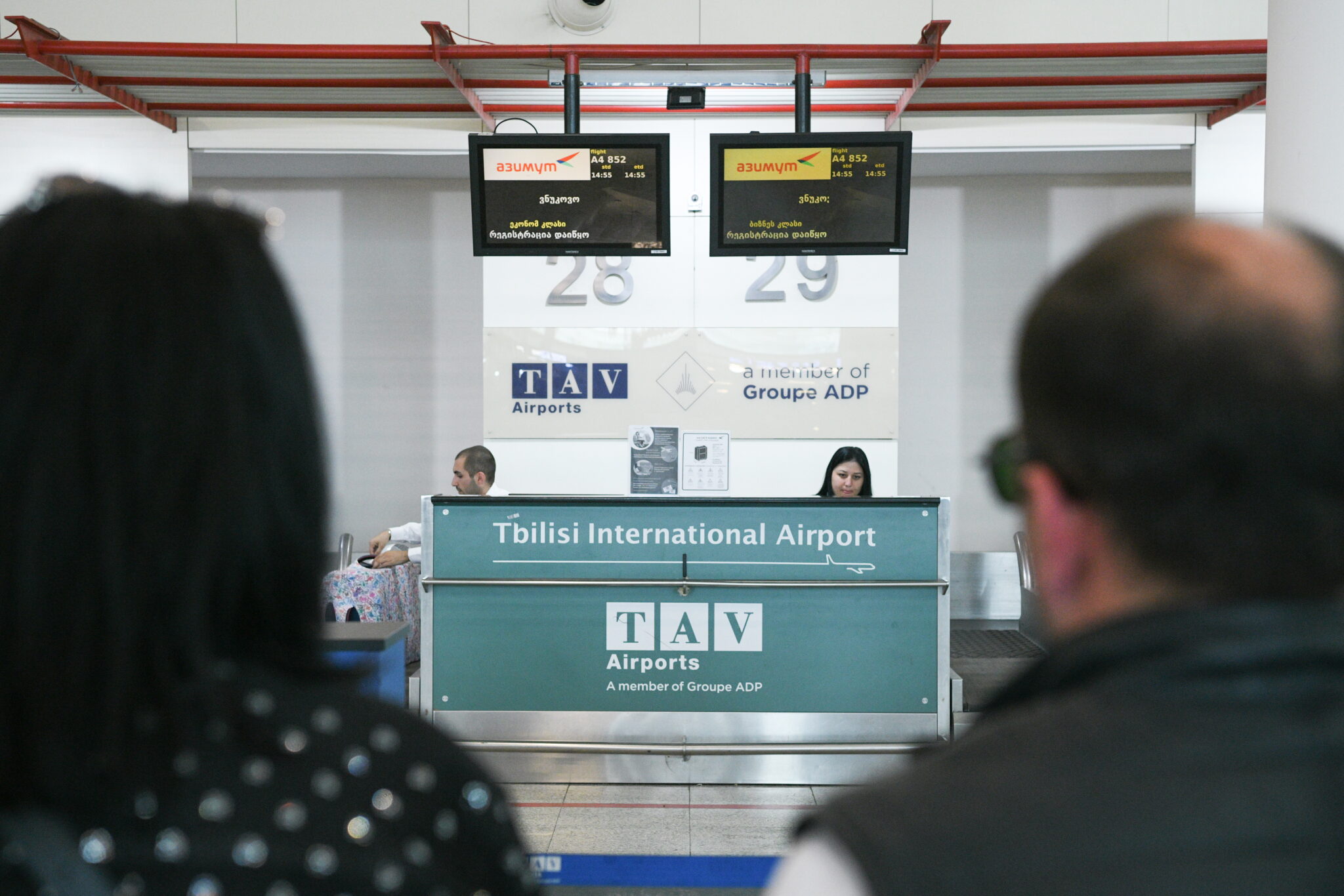
The Wire spoke to Indian nationals, travelers and students who say they have experienced arbitrary detention and deportation at Tbilisi’s airport and on Georgian borders. This paints a chilling picture of human rights violations in the country; meanwhile, Indian authorities also stay silent on the matter.
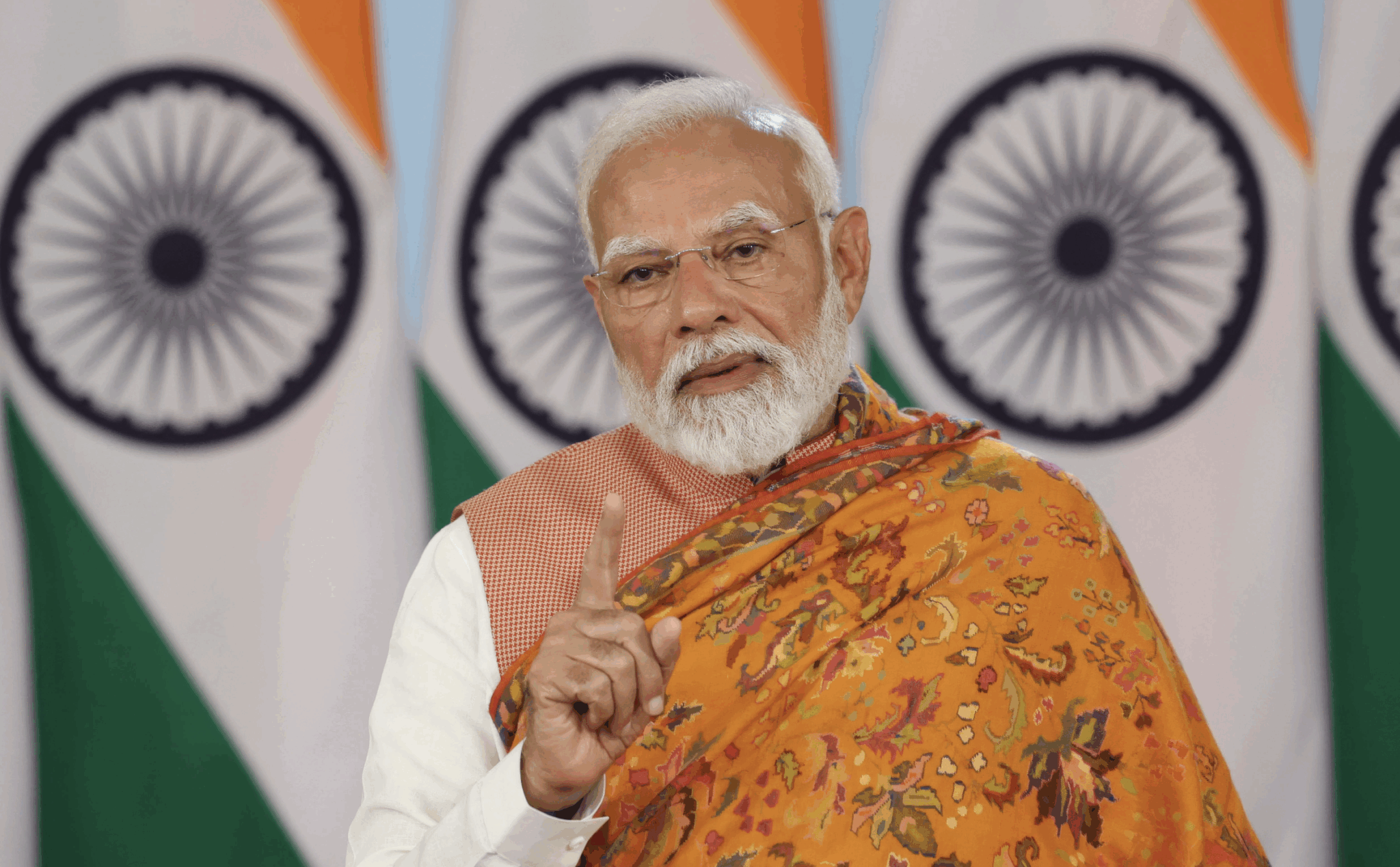
Narendra Modi has officially overtaken Indira Gandhi to become India’s second longest-serving prime minister. But comparisons with the celebrated leader fall short: Modi’s centralized rule lacks the decisive leadership, democratic instincts, and historic legacy she ultimately commanded.
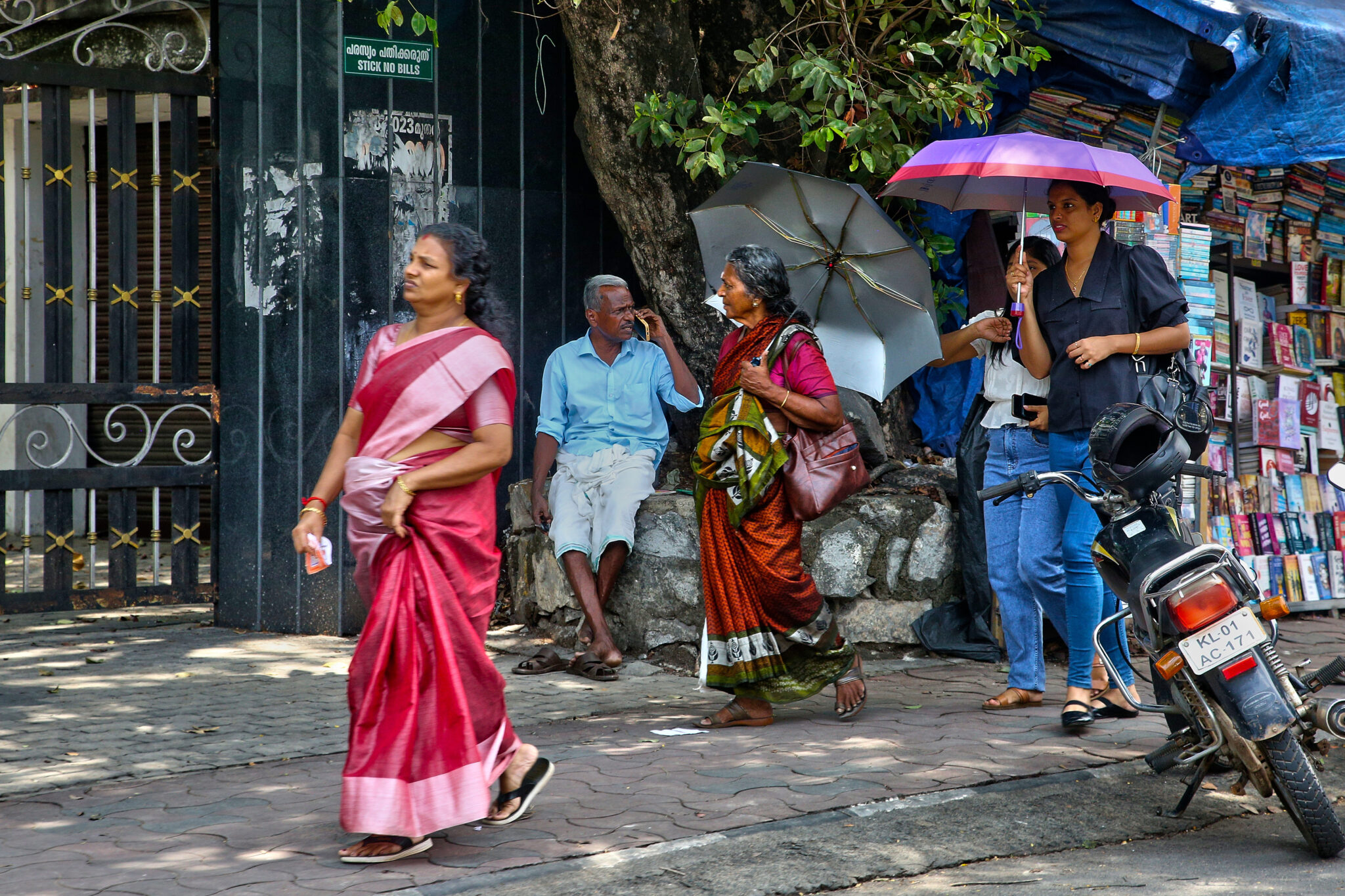
In Gurgaon this month, a professional tennis player was slain by her own father after neighbors jeered, “The house runs on your daughter’s money,” exposing how community shame can turn deadly when masculinity is tied to income earning.
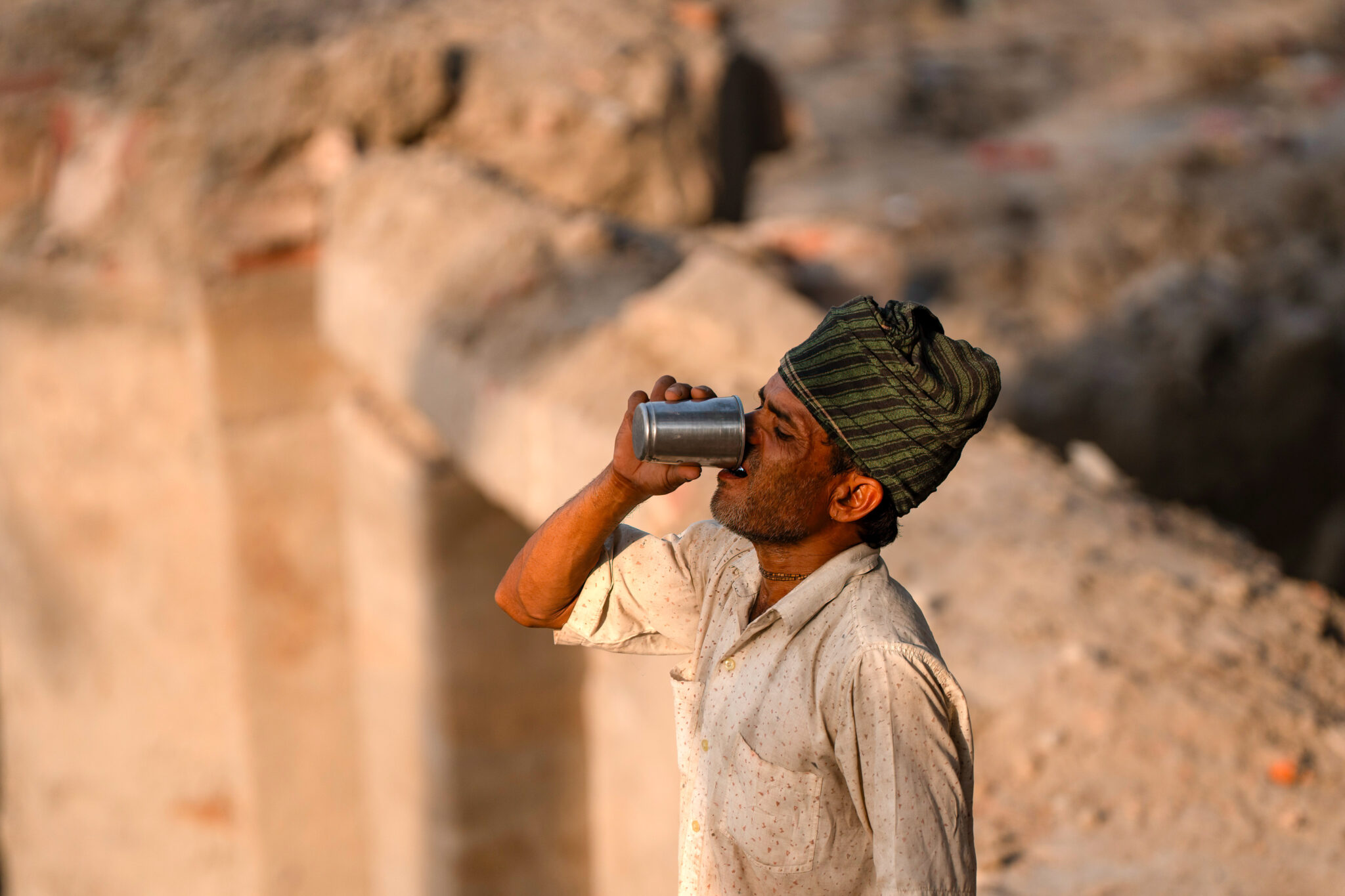
India’s heatwaves have become a public health emergency, putting workers’ health and livelihoods at risk. Without urgent reforms, the economic impact will be felt as well.
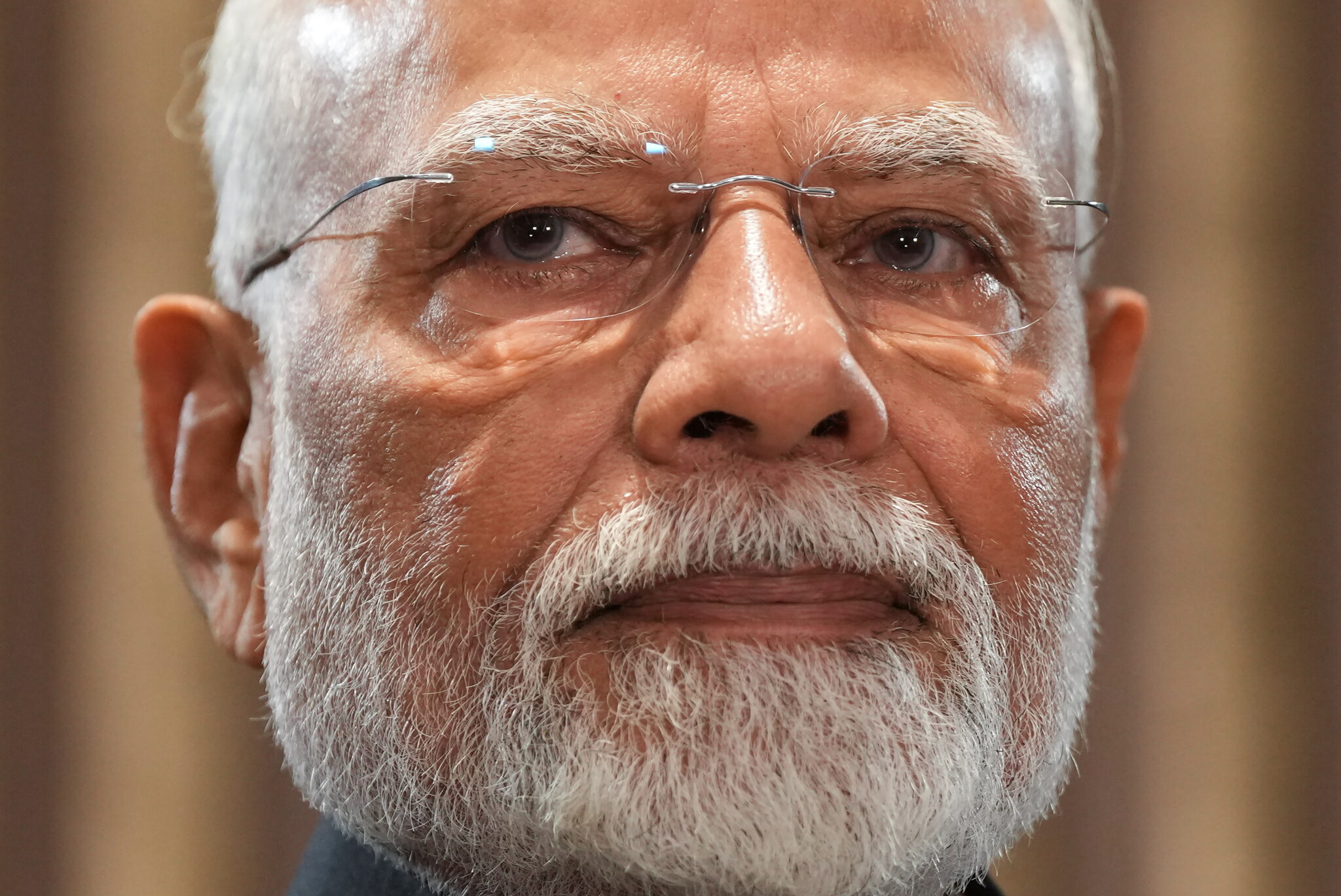
Opponents, and now some allies, are saying the right thing to do is for Modi to respect tradition and retire for his 75th birthday in September. It’s what he’s forced others to do, after all.
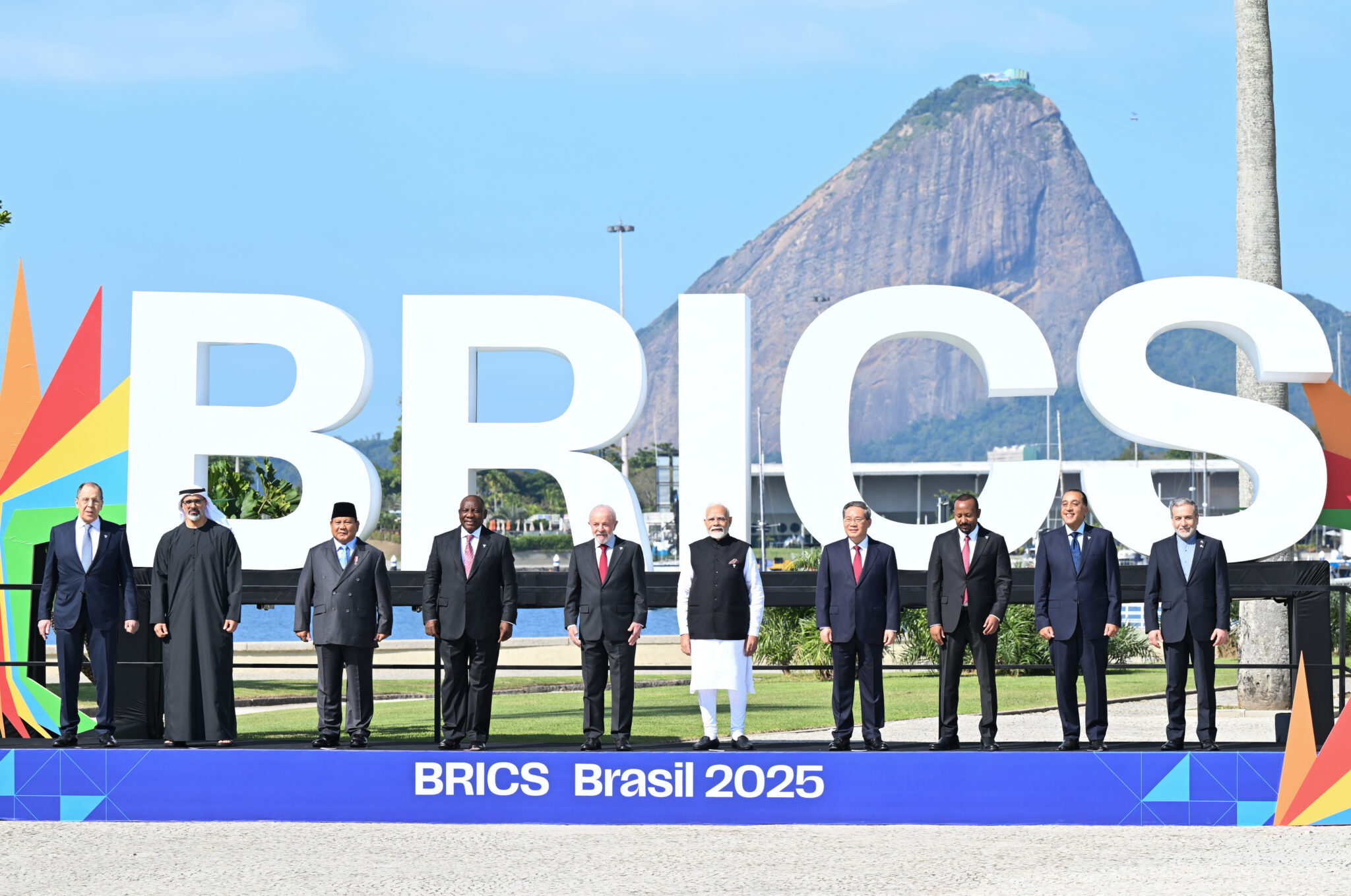
Some 17 years since its founding, BRICS+ (now including Egypt, Ethiopia, Iran, the UAE and Indonesia — beyond founding members Brazil, Russia, India, China and South Africa) continues to struggle with delivering on its promise to reform global governance and represent the Global South.
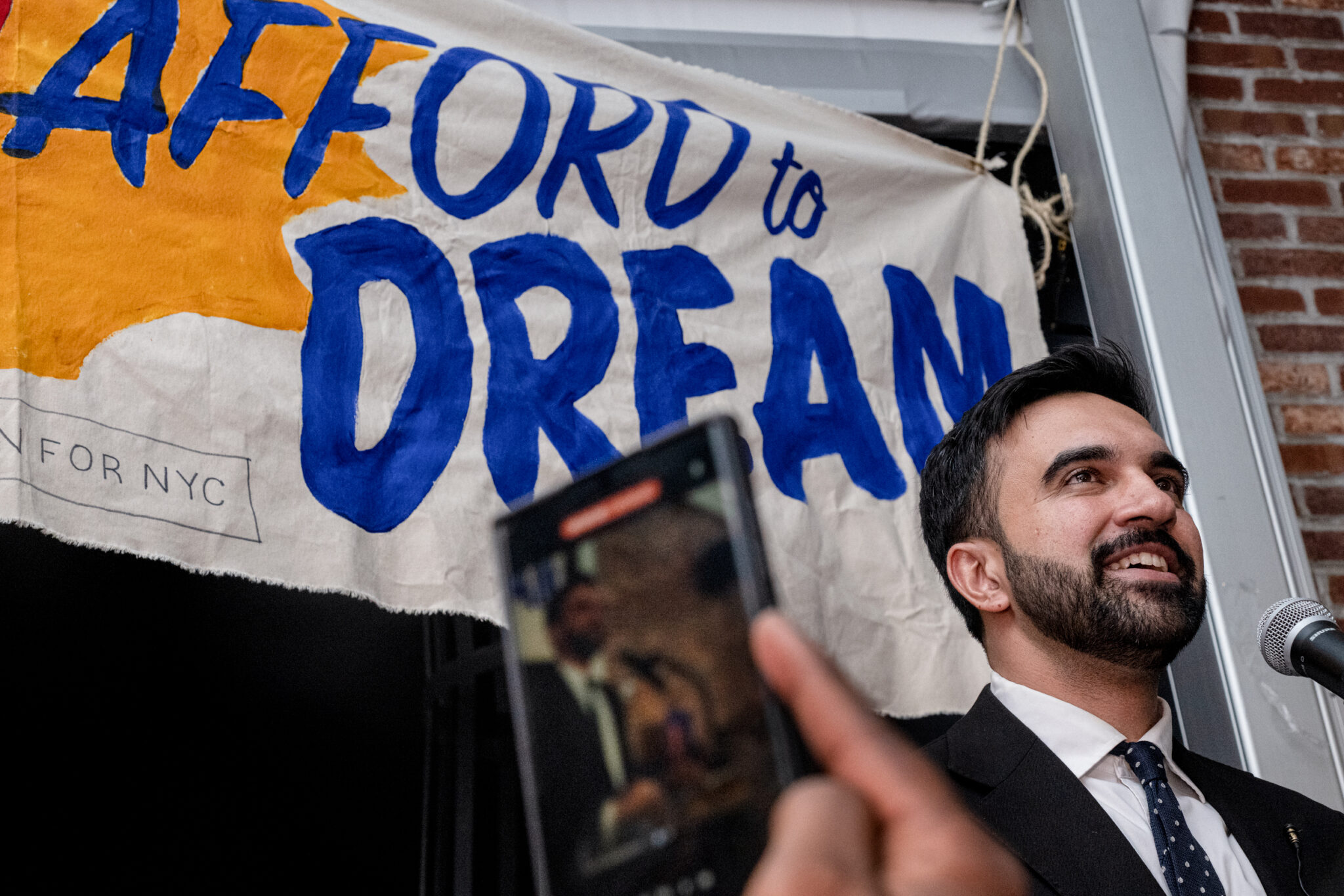
With his surprise win in the Democratic primary for New York mayor, Mamdani’s popularity shows us that identities that are sold as eternal and unchanging can evolve to become more inclusive with time.

We need awareness of how AI systems work, of how to be critical and how to be able to leverage AI.
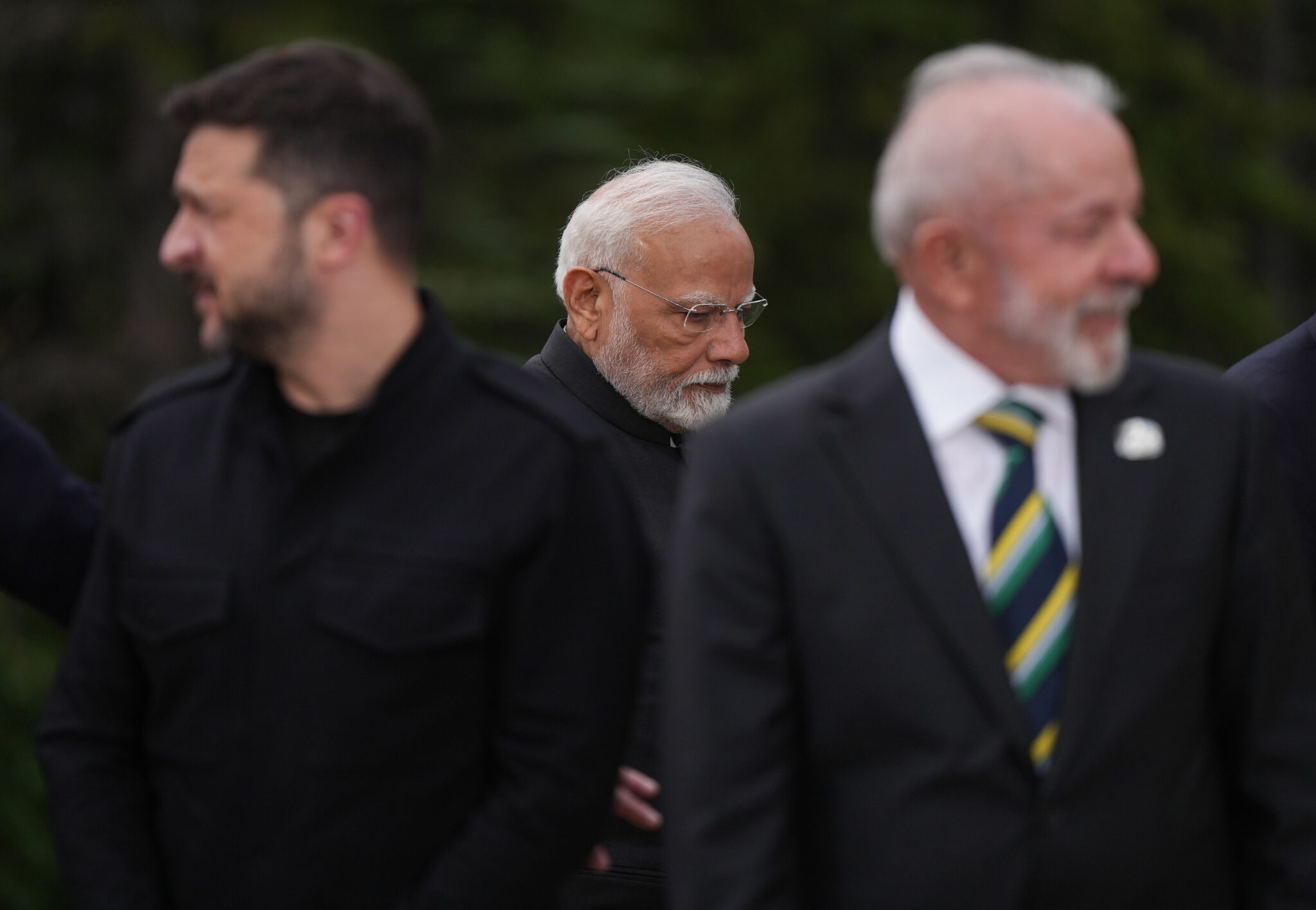
India’s inconsistent stance on Gaza reflects a broader diplomatic drift — from principled leadership to transactional alignment.
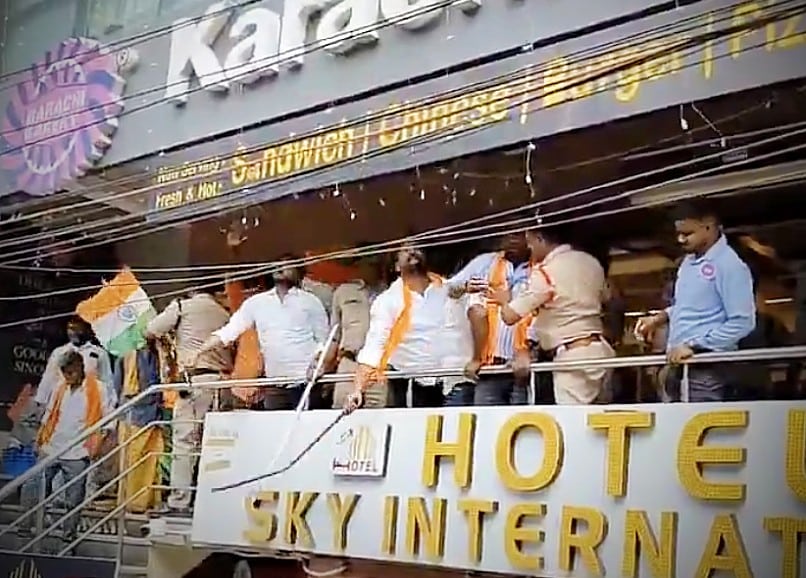
Amid the India-Pakistan conflict in May, Hyderabad’s famous Karachi Bakery — named after the founder’s hometown, which is in present-day Pakistan — was vandalized. Why is this well-loved Indian chain being villainized?
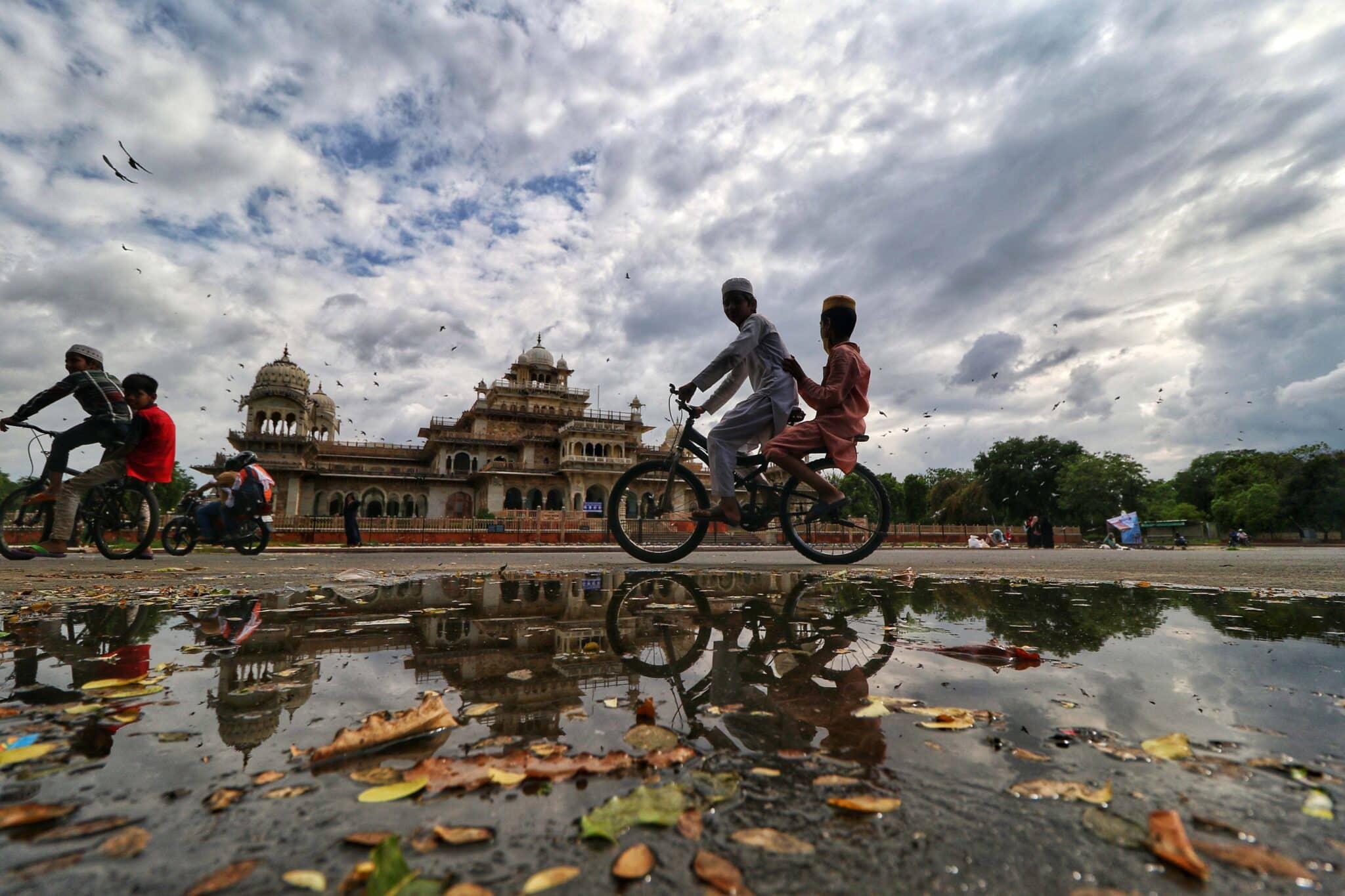
For the author, cycling in the northern city of Chandigarh, offers the opportunity to glide past grand, sleepy bungalows, or race the early morning sun along Sukhna Lake, free from honking horns and red lights. In New Delhi, it’s not quite the same, but worthy nonetheless. It’s also a connection to our inner child.
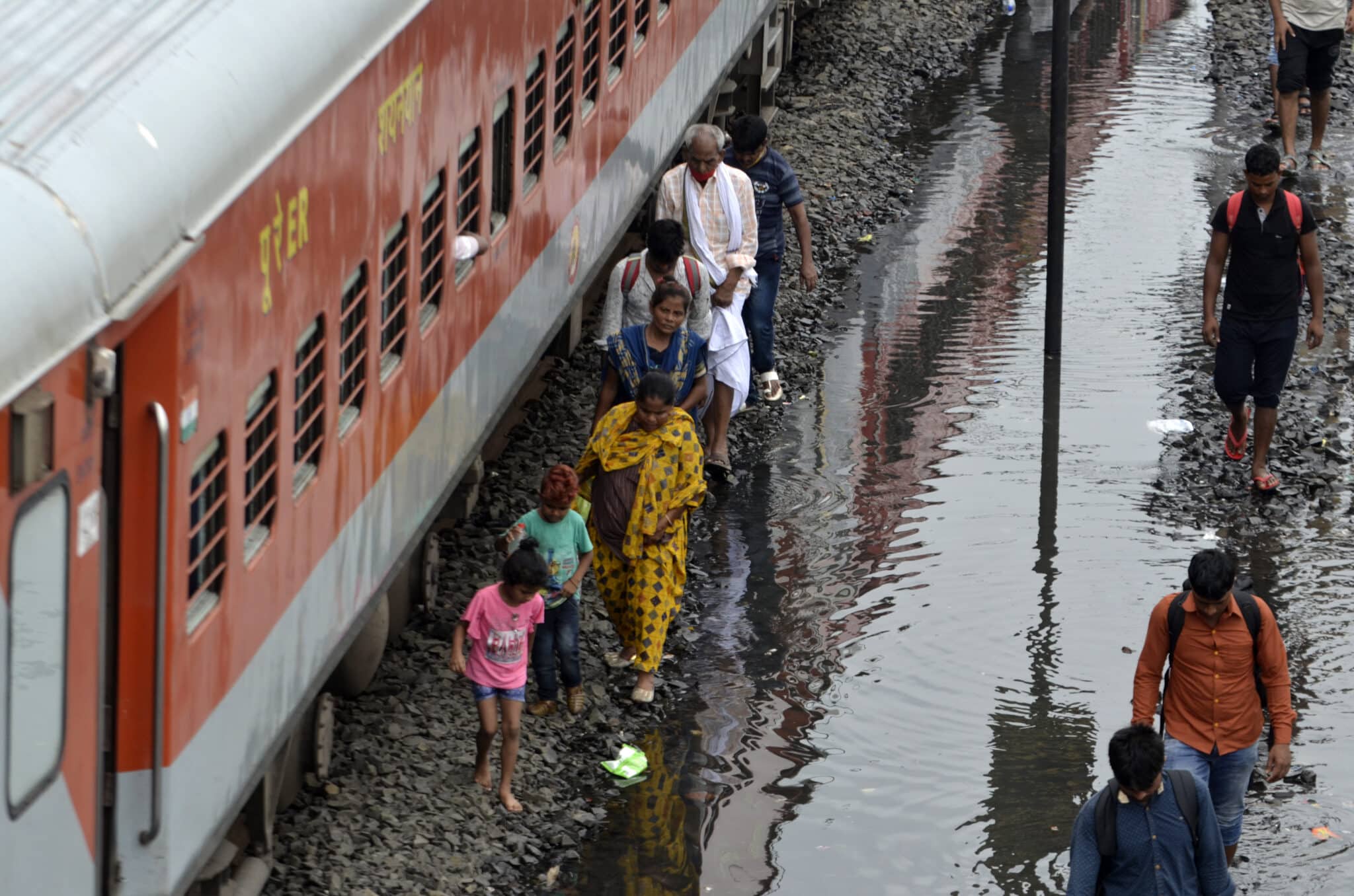
For the first time, countries are growing richer, but their people are not. Income and wealth inequality not only skew per capita averages, they make economies seem healthier than they are. In short, they reflect realities of a few, at a huge cost to others.
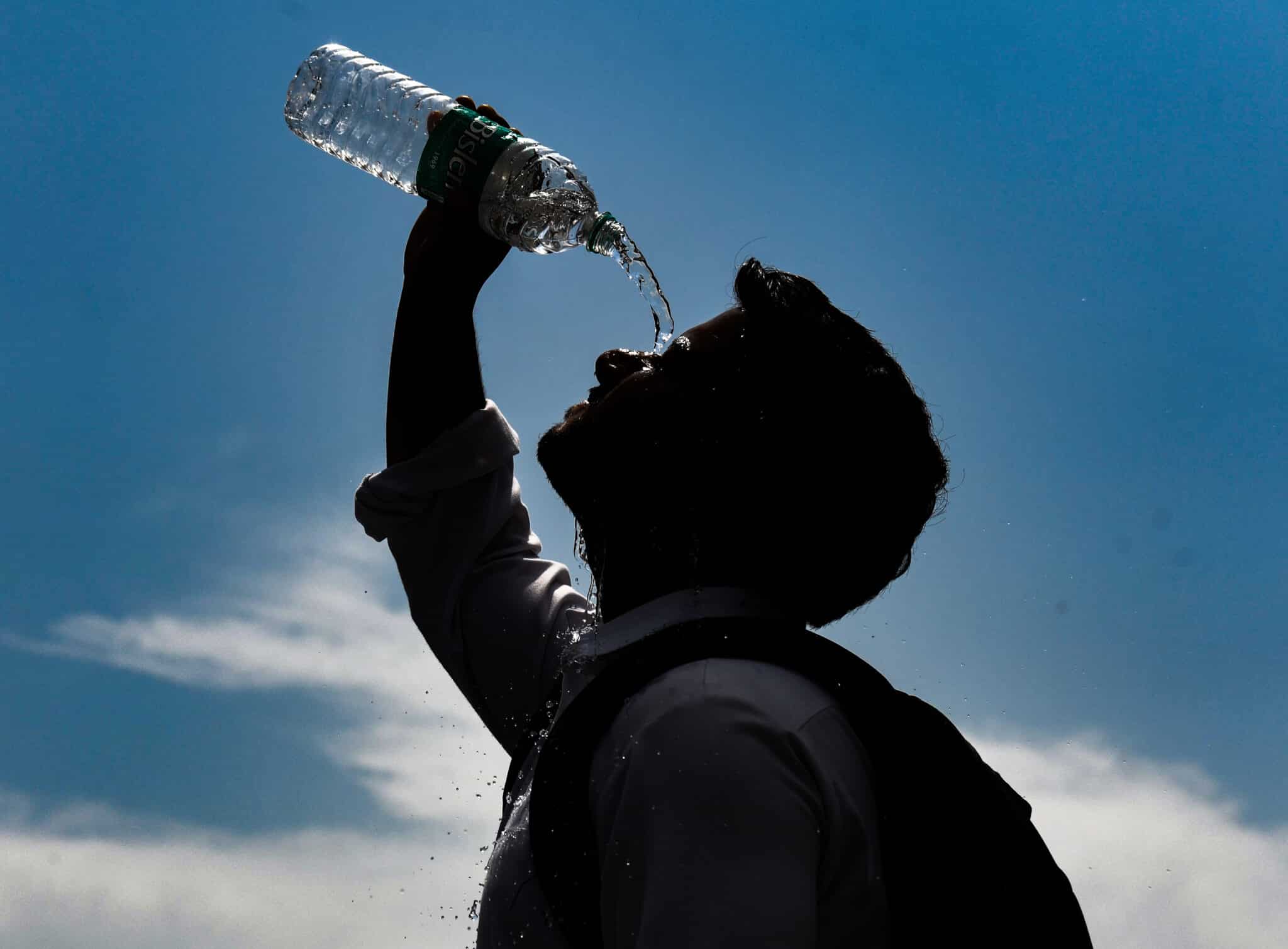
A new study shows that working-age men, particularly from lower castes, are most vulnerable to fatal heatstroke in India. Experts warn how gender, caste, and occupation intersect in deadly ways amid rising temperatures.
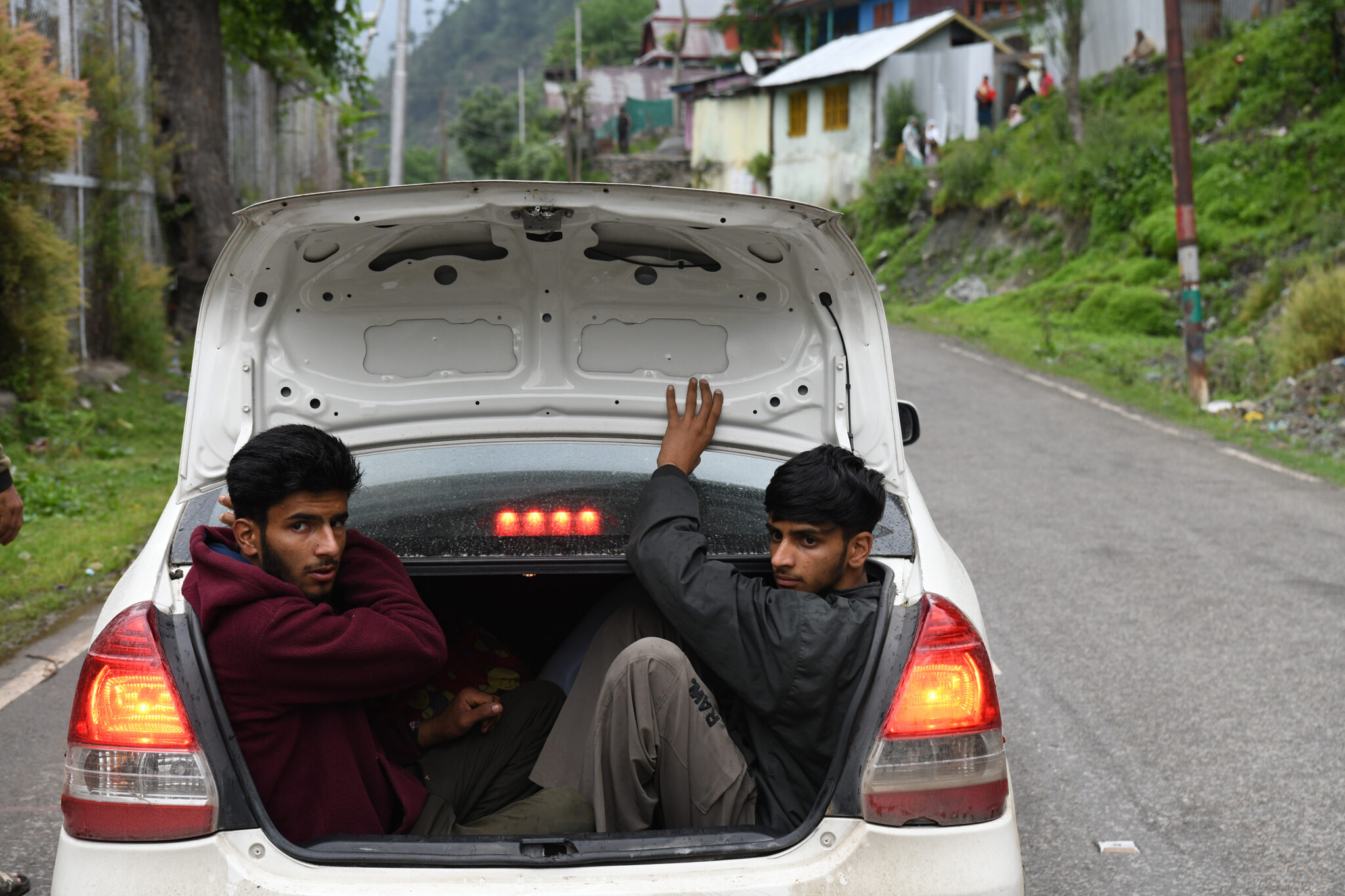
I don’t want to be ‘rescued’ by Pakistan. I don’t want to be silenced by India. I want to grow in a space that allows me to be both Kashmiri and Indian without splitting my tongue in two. I want the world to know that patriotism can look like criticism, and loyalty can sound like longing.
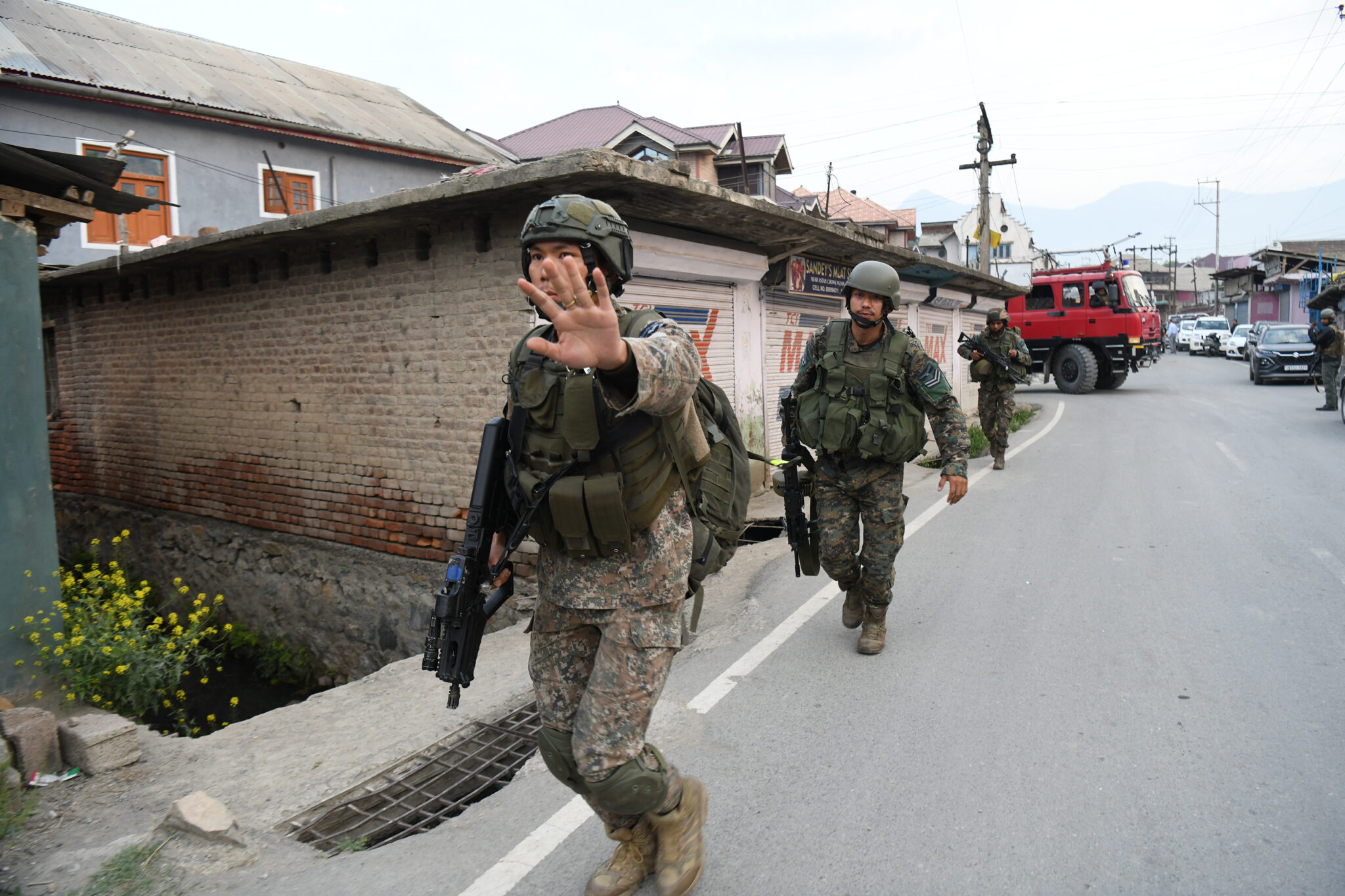
There were several high-profile facilities linked to the Islamist terror groups Lashkar-e-Tayyaba and Jaish-e-Mohammed, but Indian sources claim to have also targeted camps that the military believes are the ‘roots’ of various terror attacks, including last month’s Pahalgam massacre in in Kashmir.
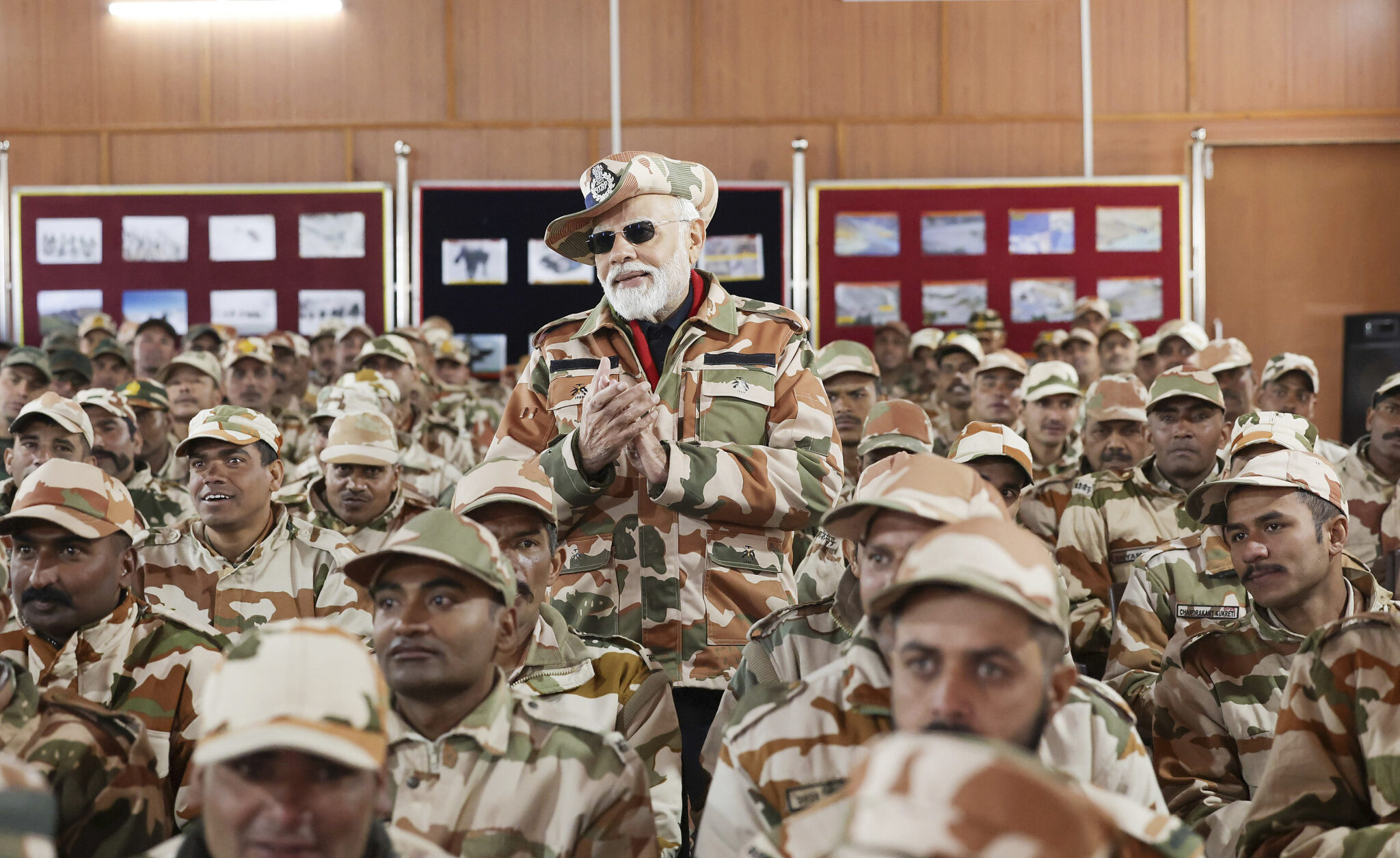
When in doubt, outsource to the soldiers. The Kashmir debacle shows Prime Minister Narendra Modi retreating behind India’s armed forces, leaving it up to them to mop up the mess, calm the rage, and maybe even help the politician save face.
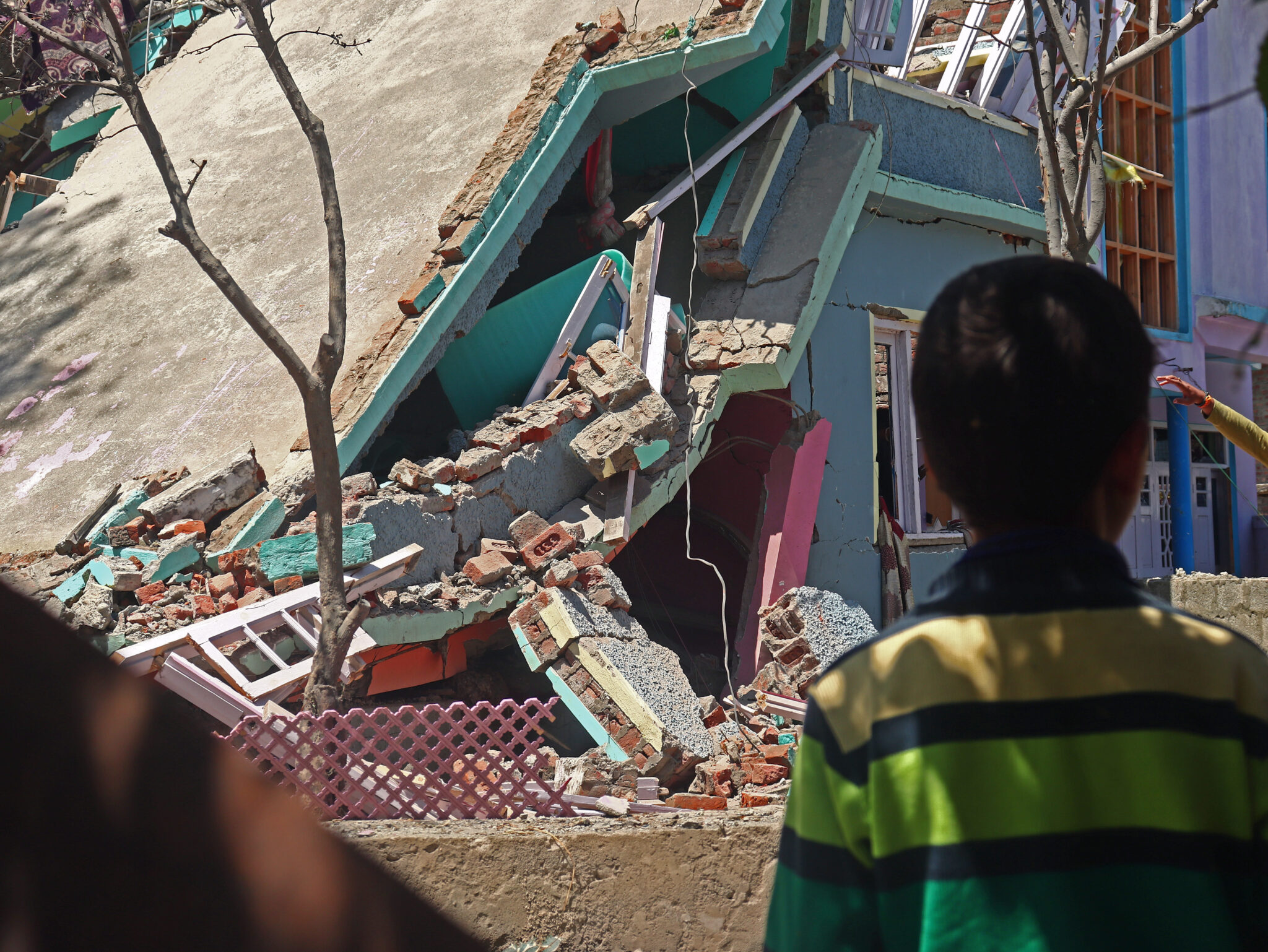
In the wake of the recent Kashmir attack, the Modi government has responded by demolishing homes allegedly linked to suspects, a move seen by some as more spectacle than justice. These retaliatory demolitions reflect a pattern of collective punishment that raises serious concerns about due process and human rights in conflict regions.
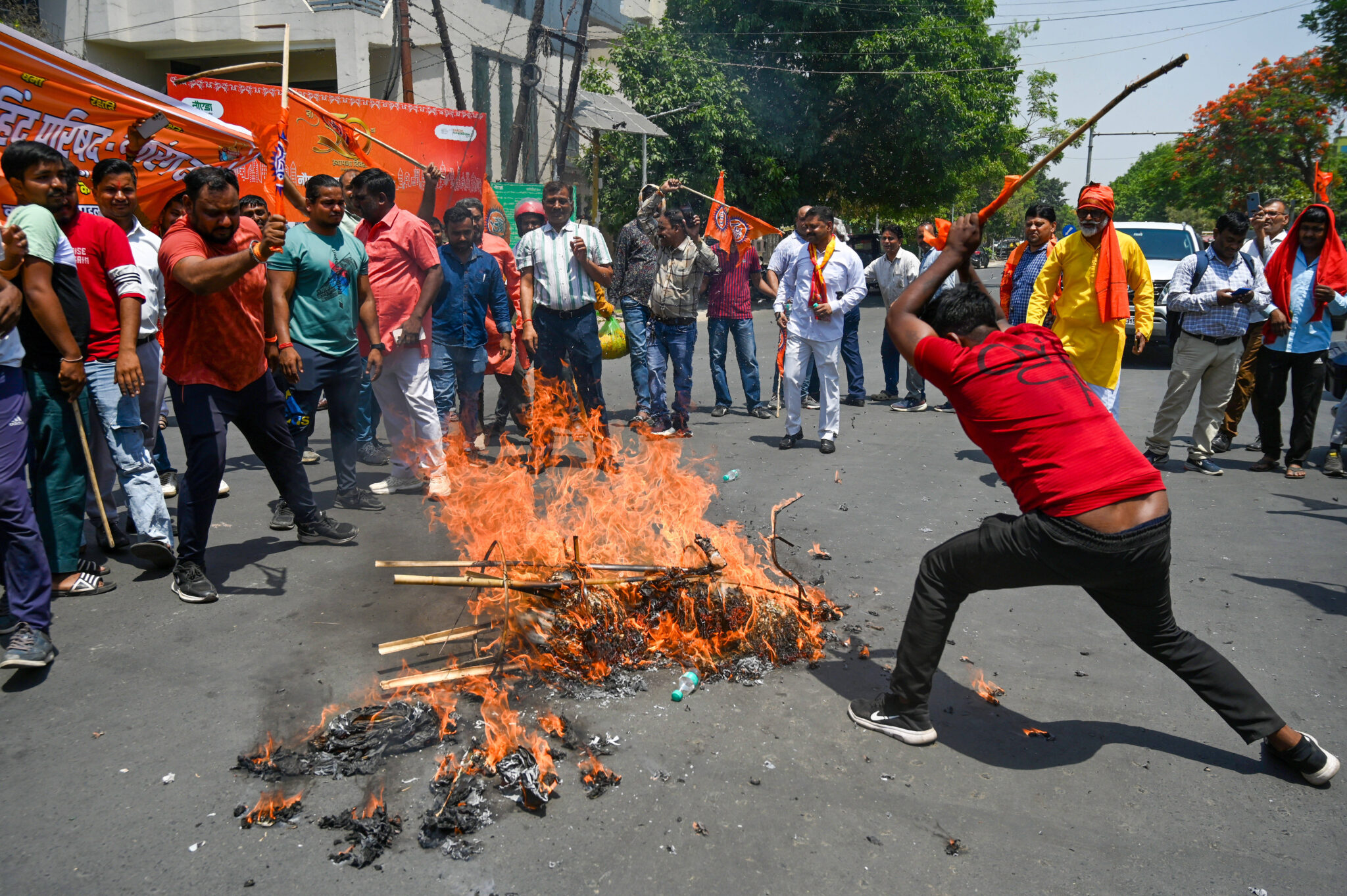
The Pahalgam terrorist attacks in Kashmir continue to stir the flames in the unstable political region of Kashmir. What can its government do to achieve peace?
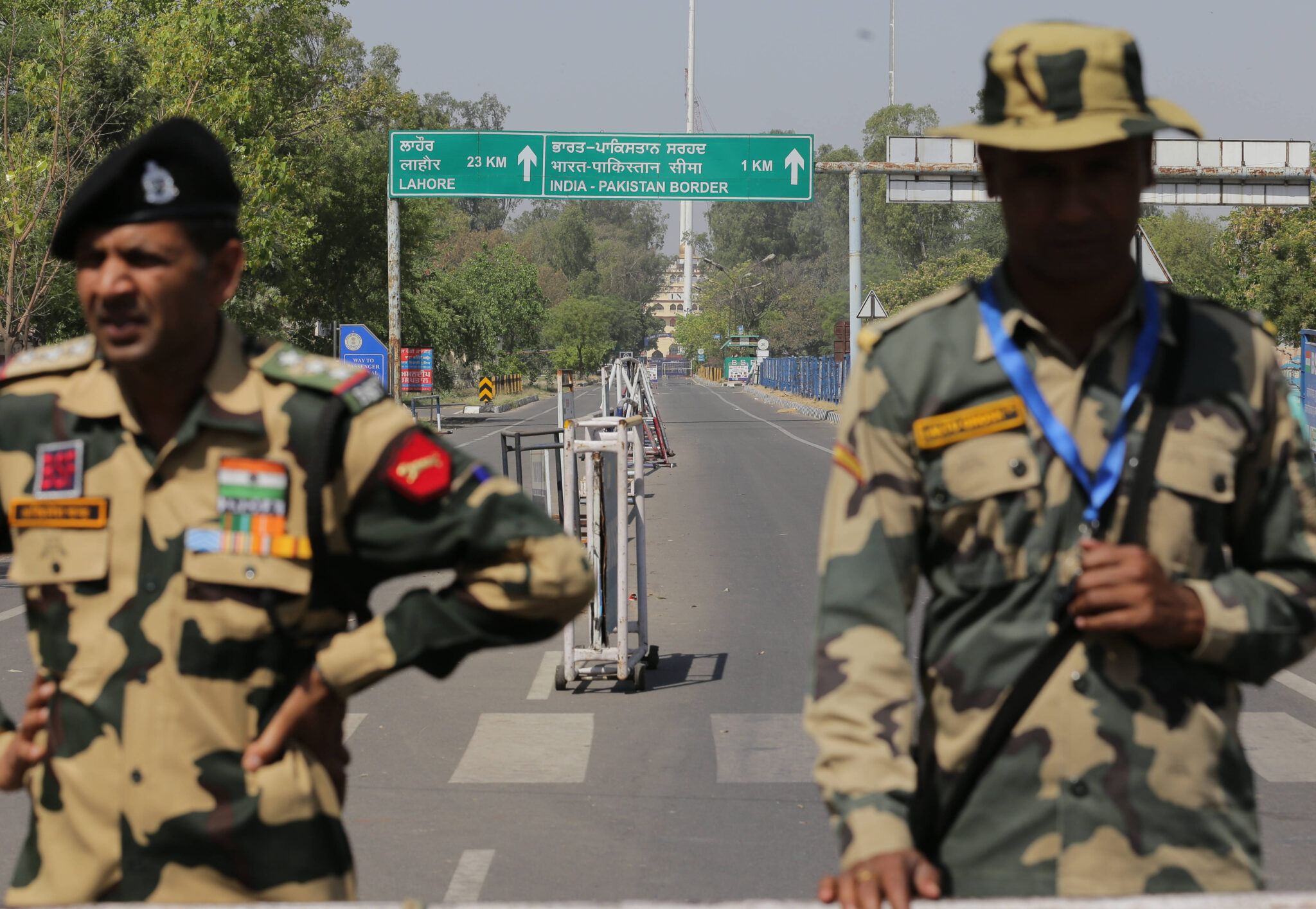
The massacre in northern Kashmir has reignited calls for retribution and nationalist bravado — but behind the noise lies a deeper challenge: can India’s leaders hold the line against communal rupture and resist falling into Pakistan’s strategic trap?
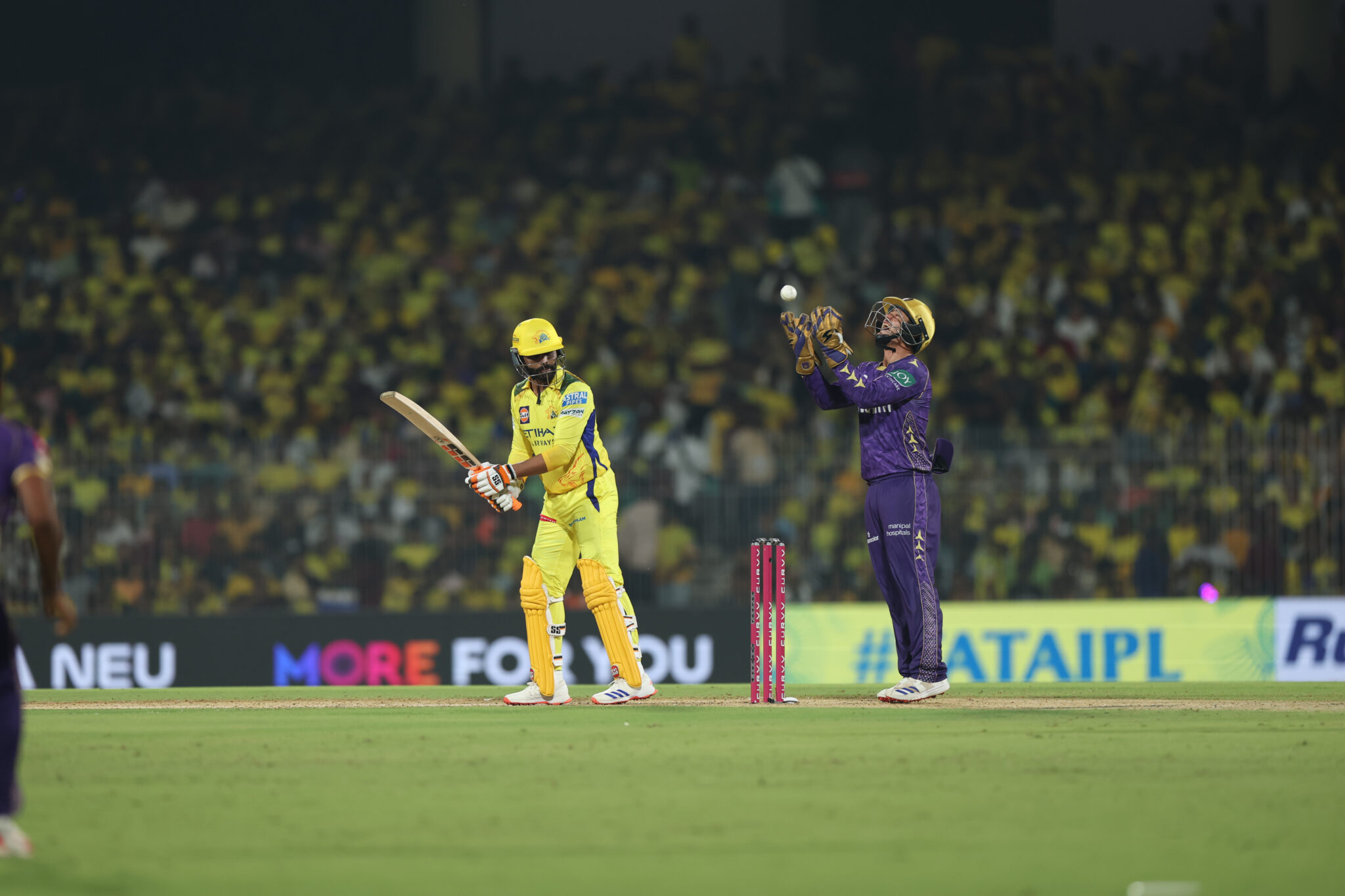
The relentless commodification of cricket, where sponsorship deals and advertising revenue dictate the sport’s future, only deepens the disconnect between the illusion of unity and the stark reality of social disparity.
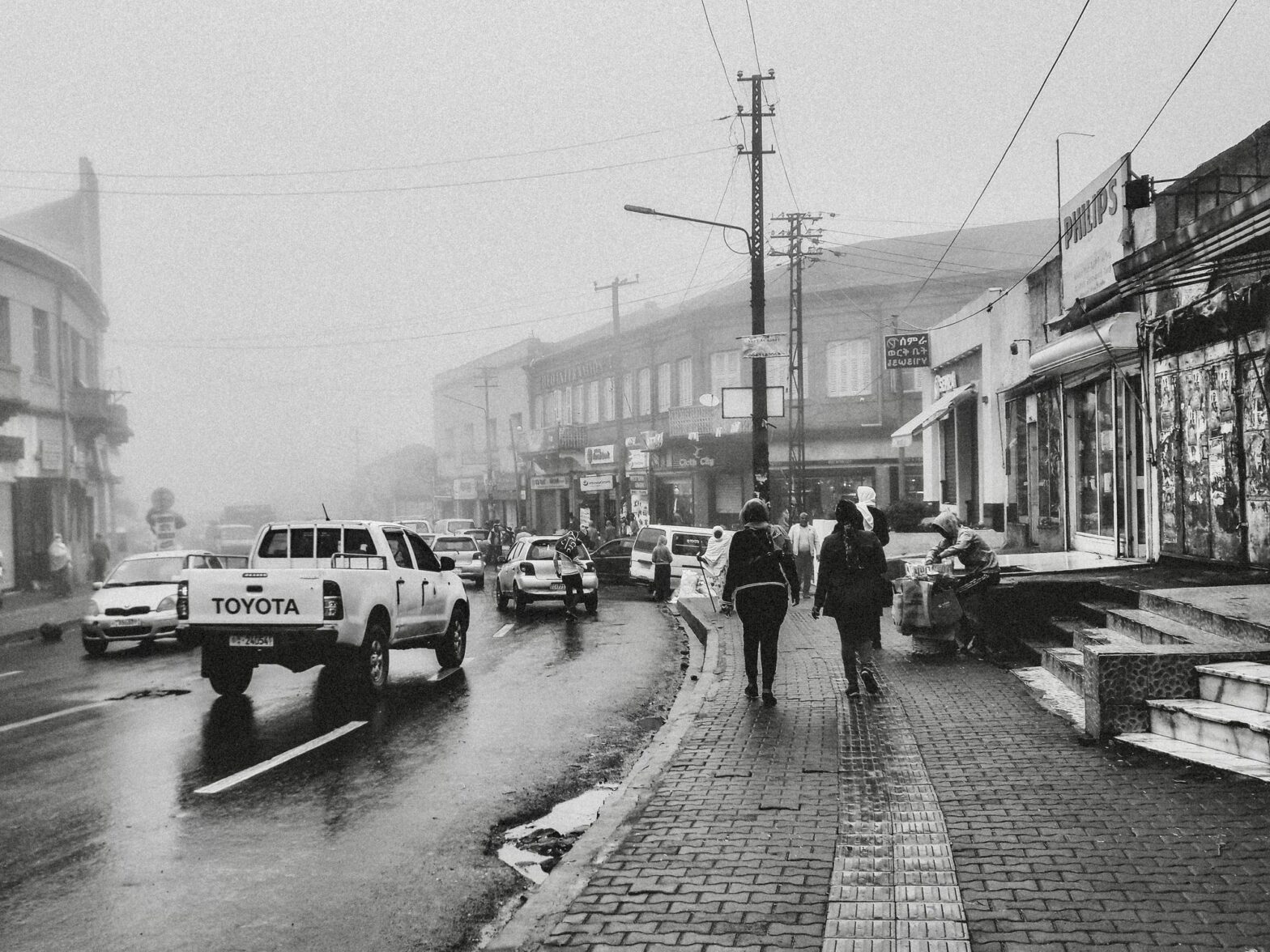
Trump’s “Liberation Day” tariffs may have sparked a new era of wealth for America’s economy, but at what cost? As trade wars escalate, vulnerable countries will bear the brunt of economic turmoil.
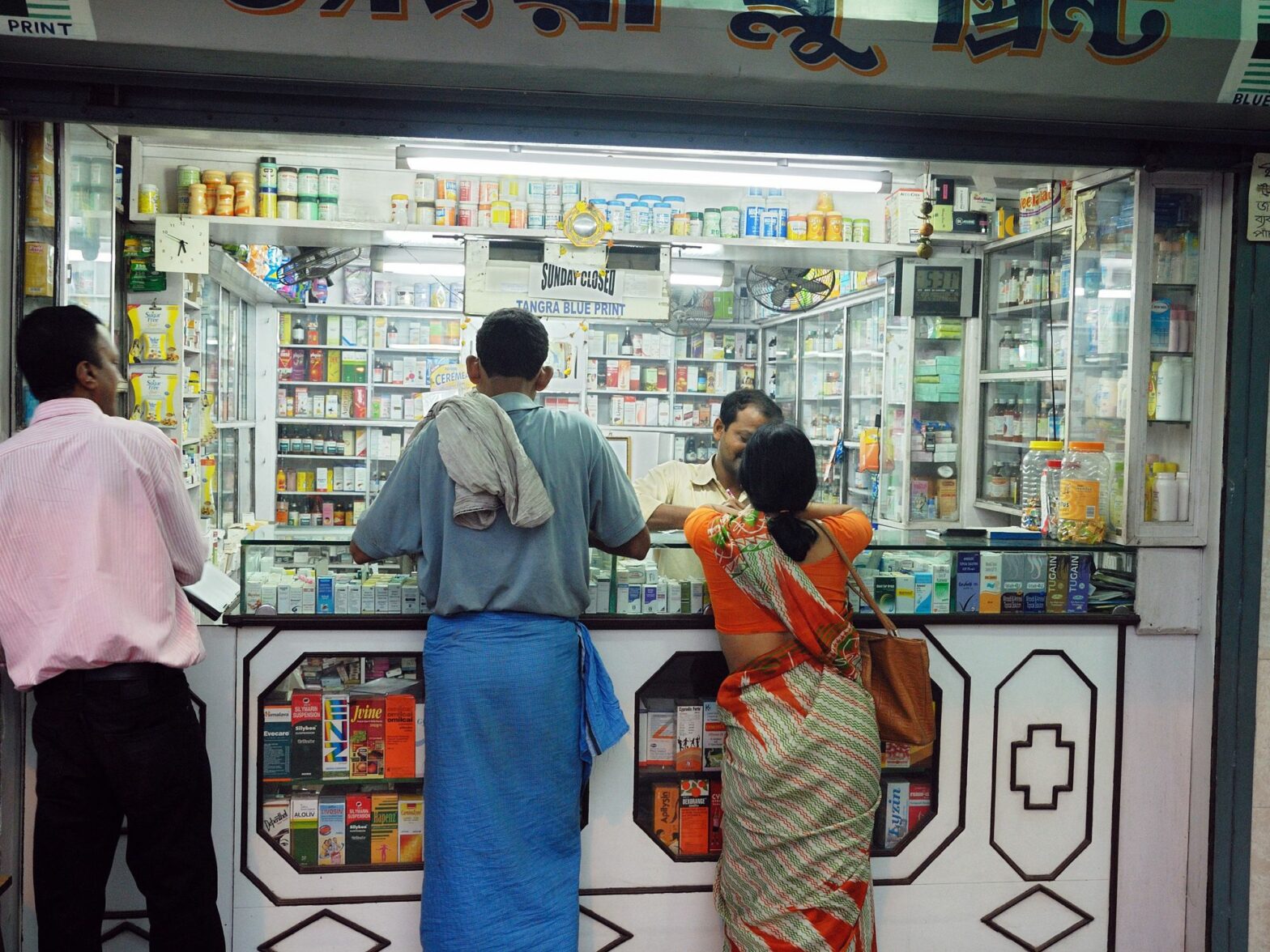
The industry needs to embrace innovation with technology towards novel drug development to remain relevant in the marketplace.
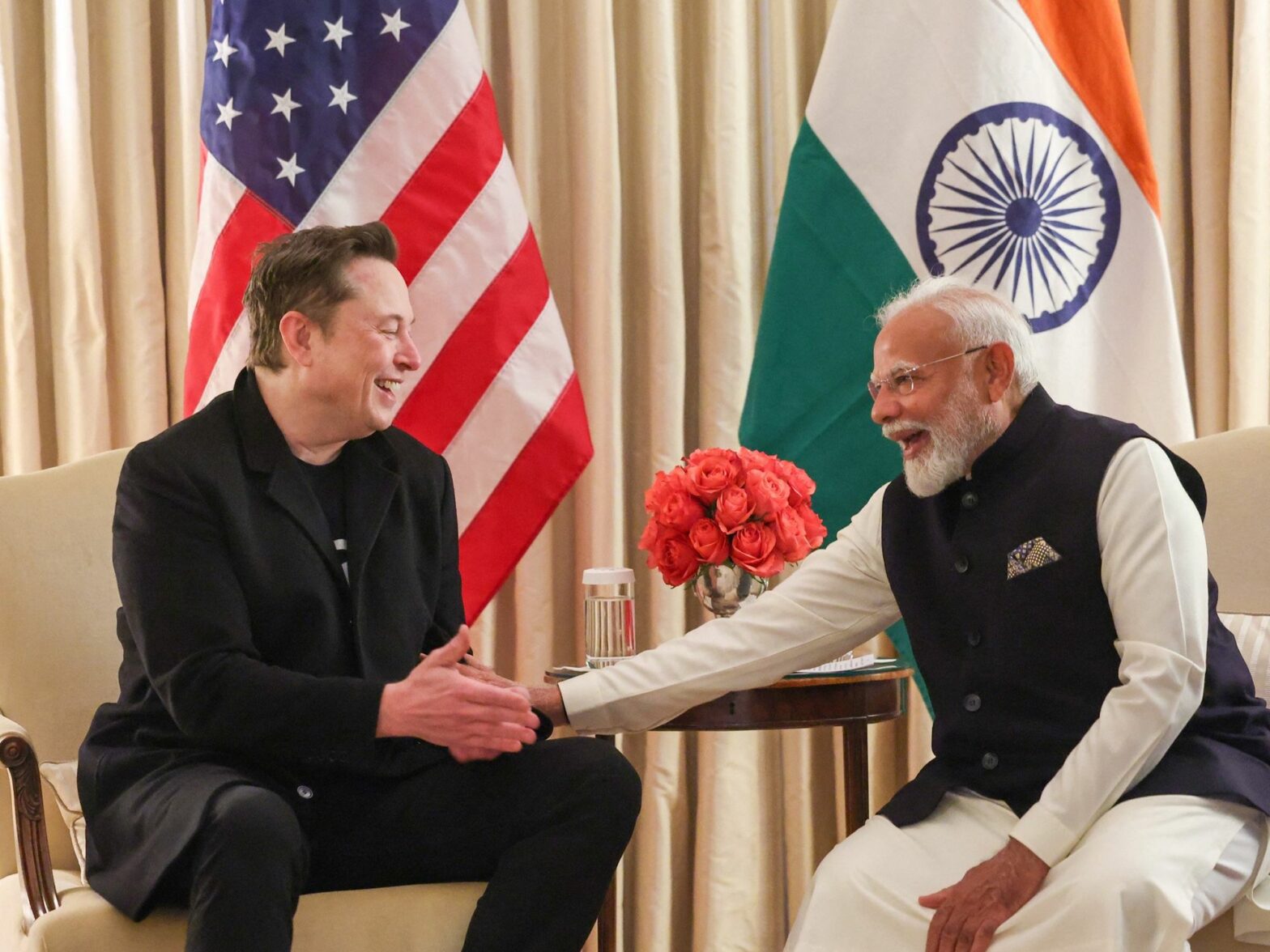
Elon Musk’s AI tool, Grok, has started challenging India’s political elite, calling out Narendra Modi, Amit Shah, and more. But will the government react to the irreverential bot?
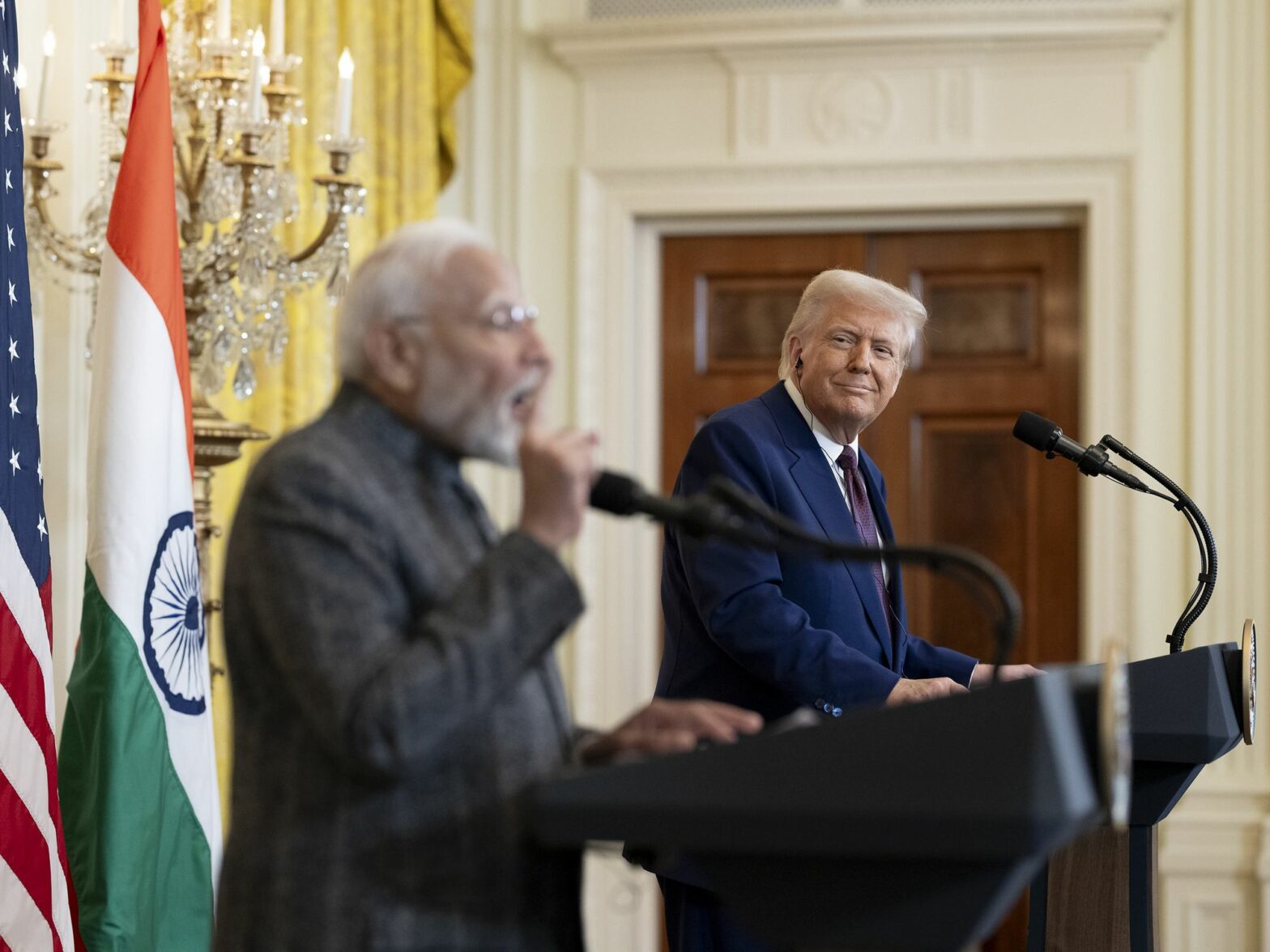
It is not surprising that many Hindutva groups in the U.S. support Trump’s policies. These align well with their own anti-migrant and anti-reservation stance back home.
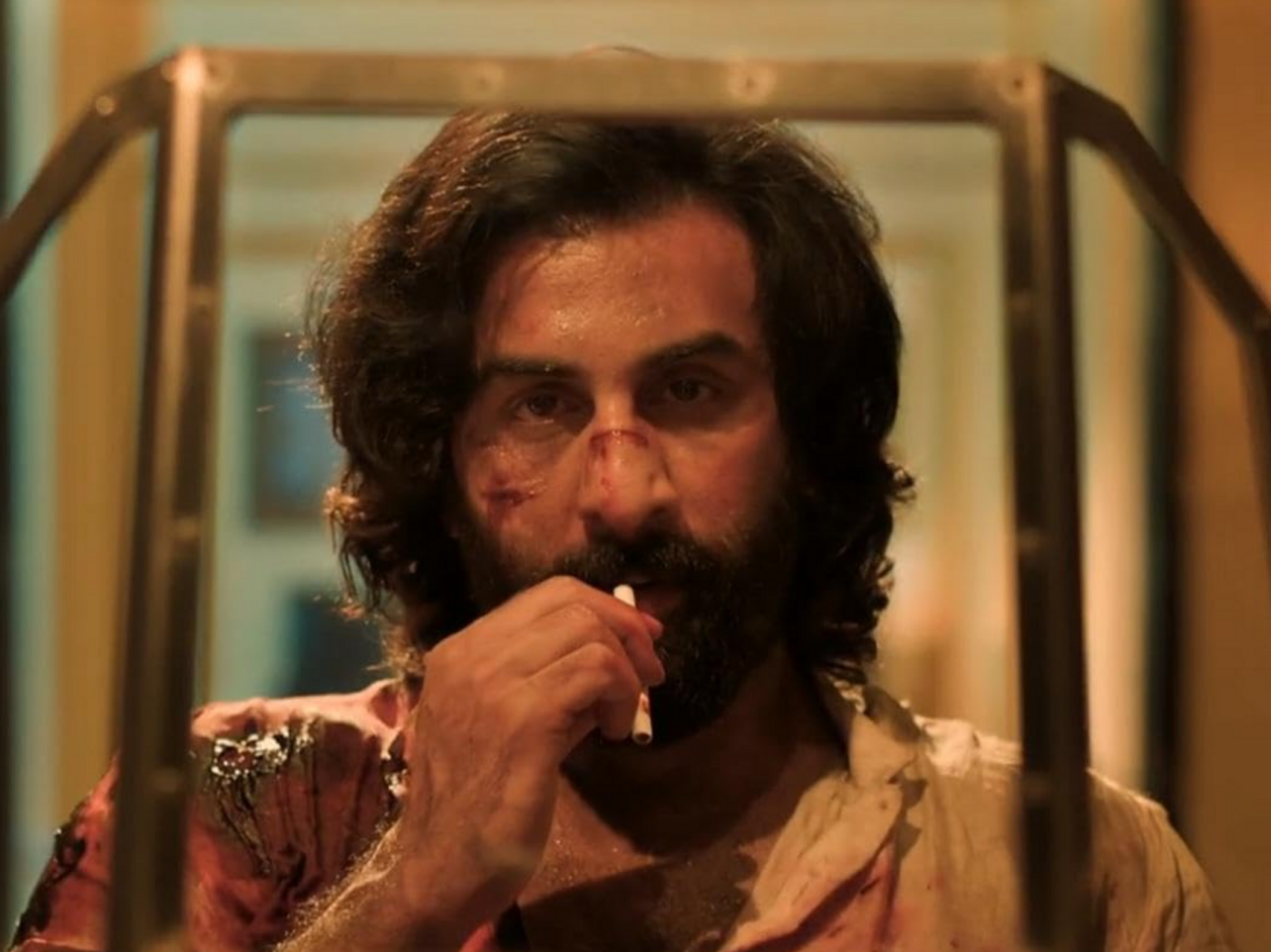
The violence and anger depicted in films, such as RRR, Pushpa, Kabir Singh, or Animal, prompt contemplation on the underlying reasons for the increasing appeal of such violently toxic masculine representations in Indian cinema.
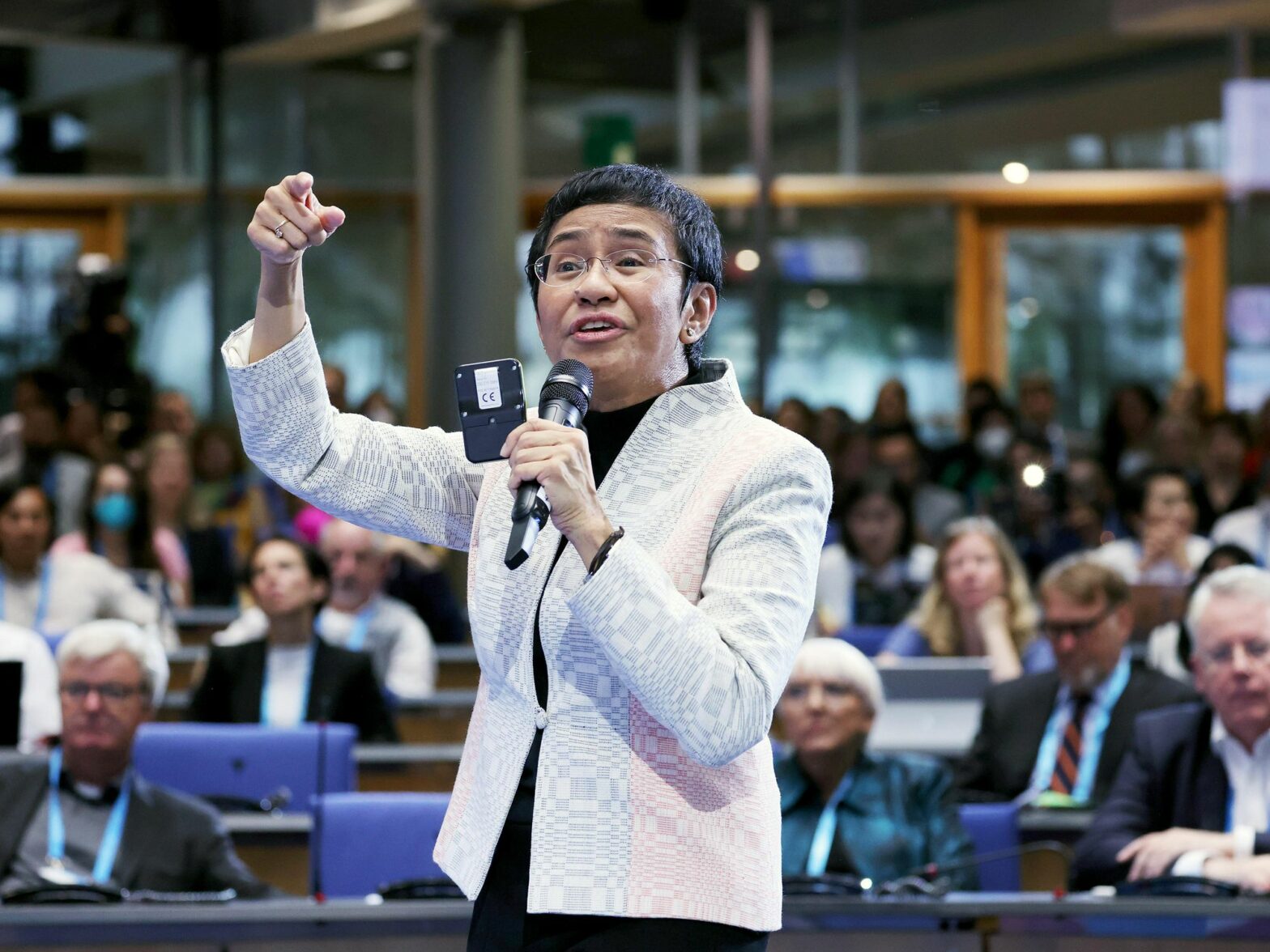
The Rappler CEO and Nobel Peace Prize winner spoke with The Wire‘s Arfa Khanum Sherwani about how journalists everywhere need to prepare themselves for the worst-case scenario of government-ordered closure and what they should do to face up to such a challenge.
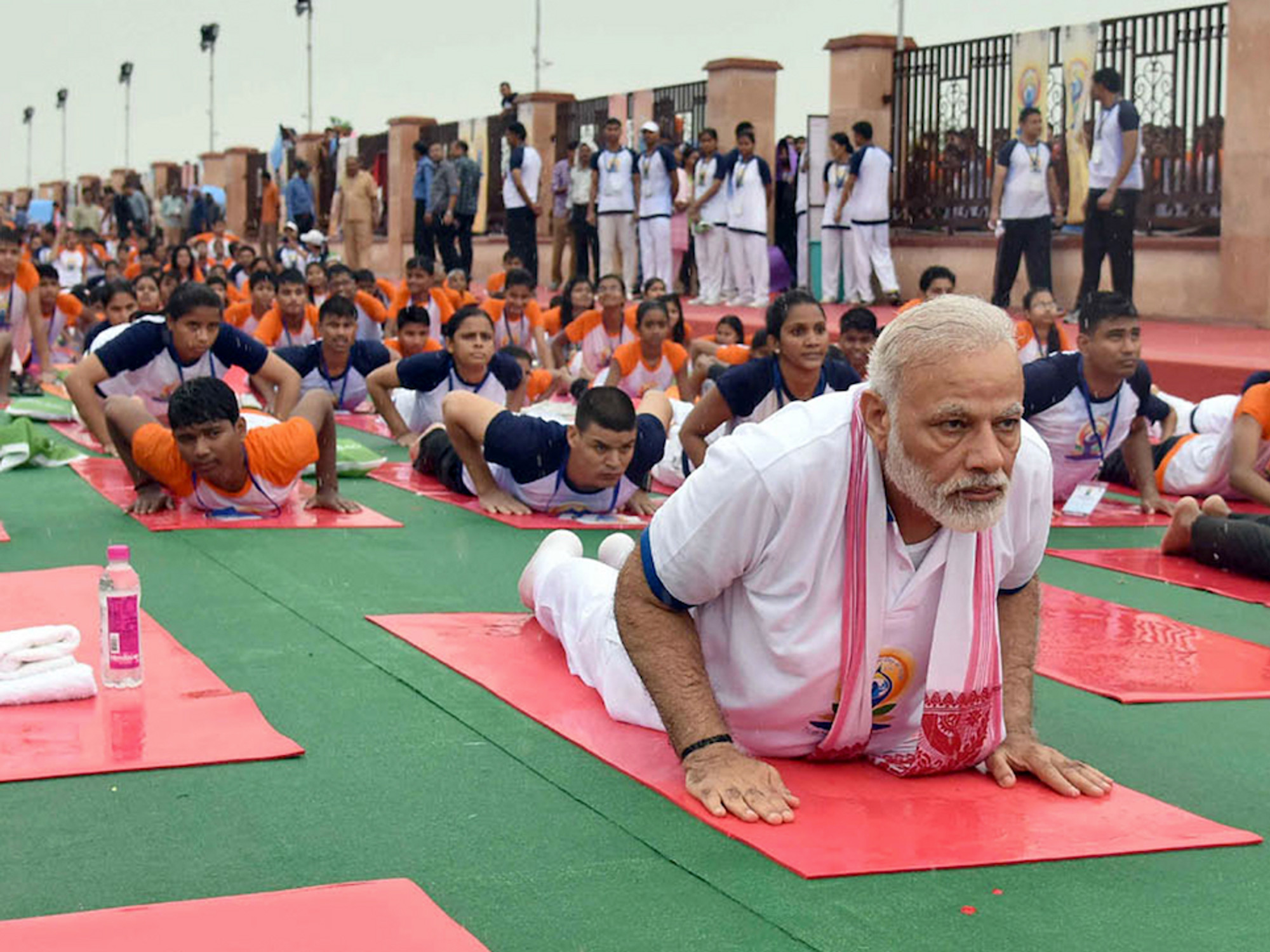
Trained practitioners warn that unregulated yoga can be detrimental to people’s health. The government in India, where the ancient practice was invented, knows this very well — yet continues to postpone regulation.
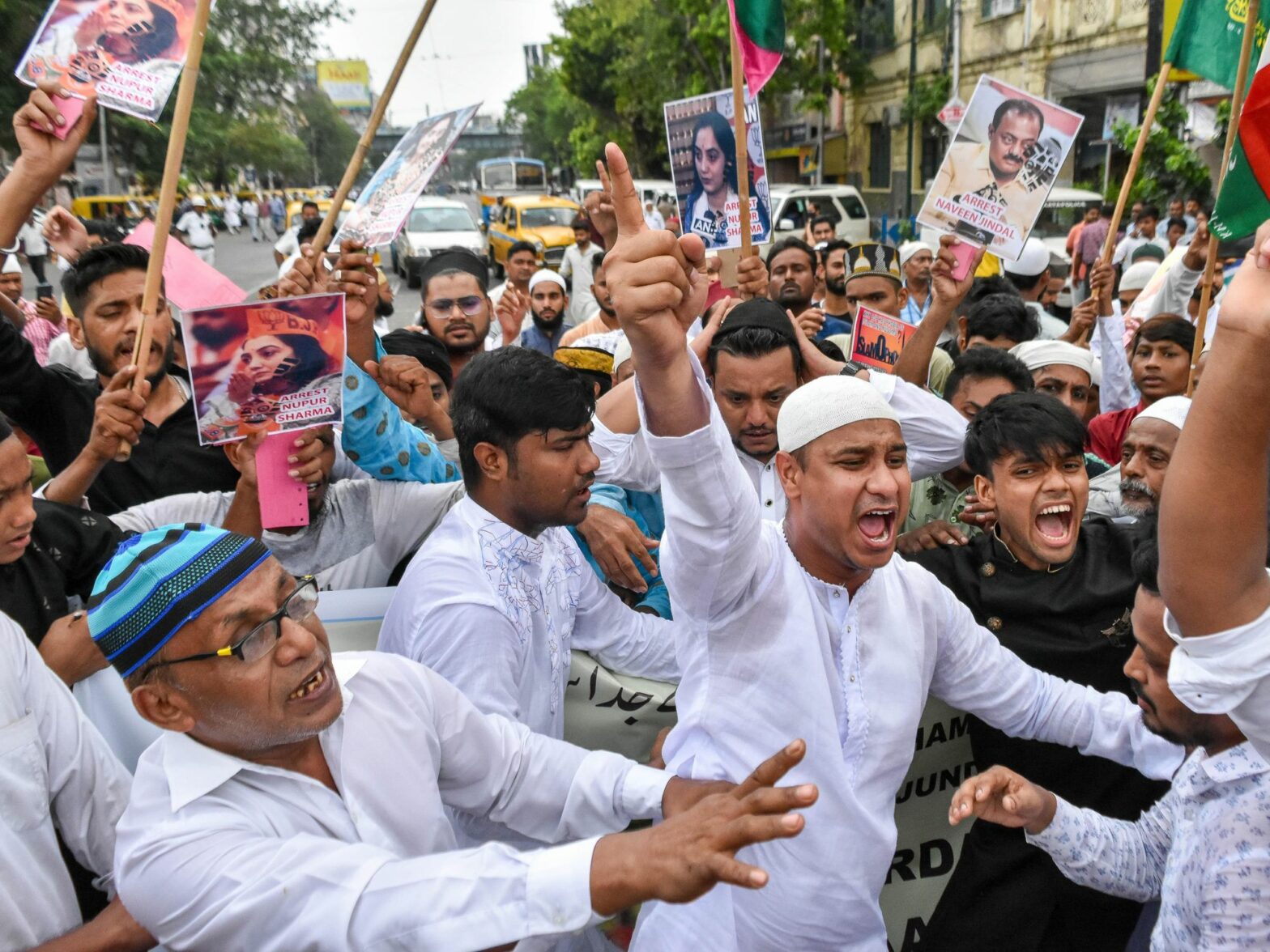
The Gulf region’s public reaction to the controversial comments on Prophet Muhammad made by two senior officials from India’s ruling party is worrying Muslim Indians who feel this intervention might do more harm than good. For the author, the BJP’s “ideology of Islamophobia” is the center of the problem.
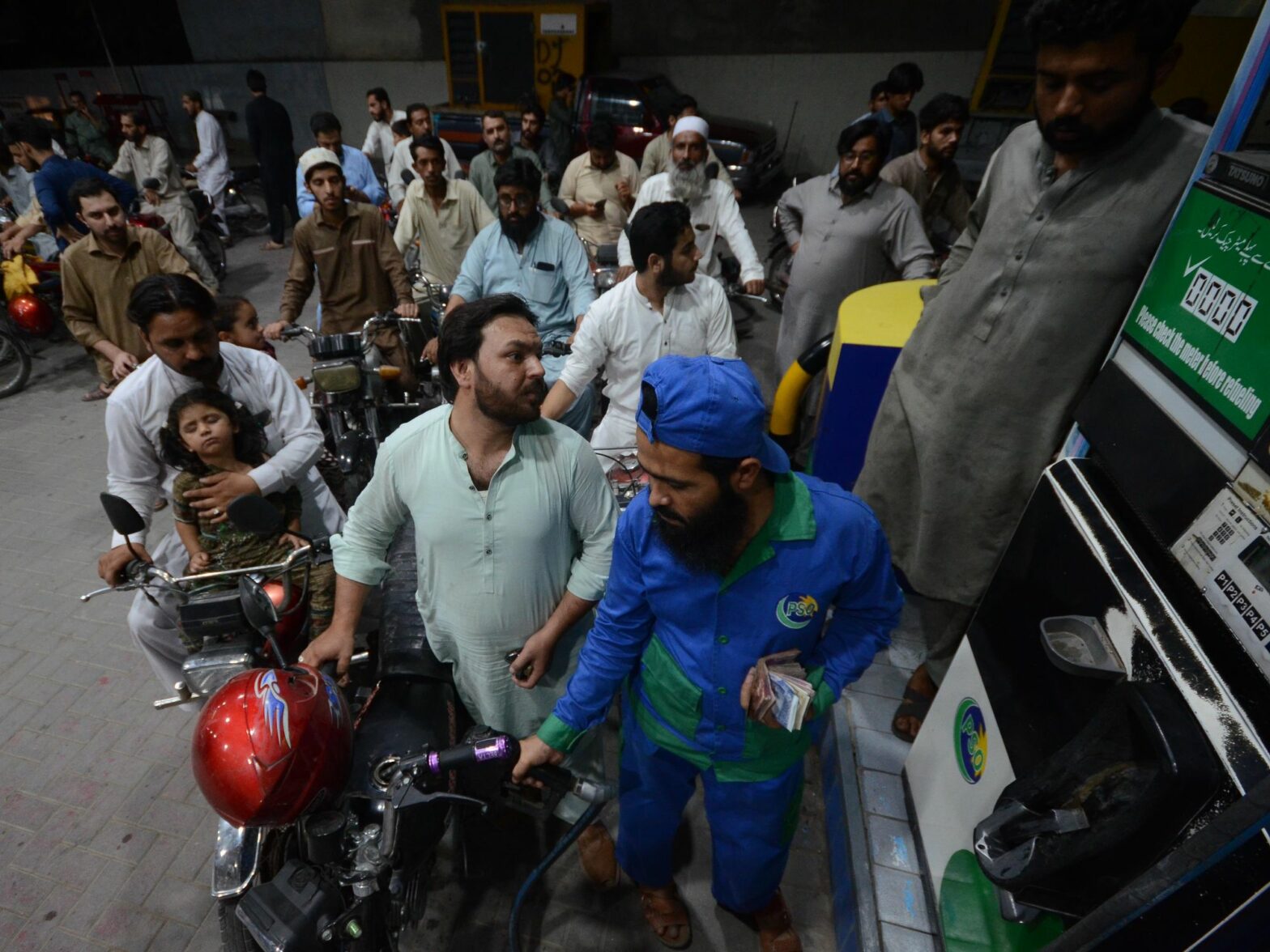
Both Pakistan’s and Sri Lanka’s leaders have resigned recently. Their fates should be a reminder to politicians in Asia and around the world: good economics might not be enough to get re-elected but bad economic decisions can hasten your fall.
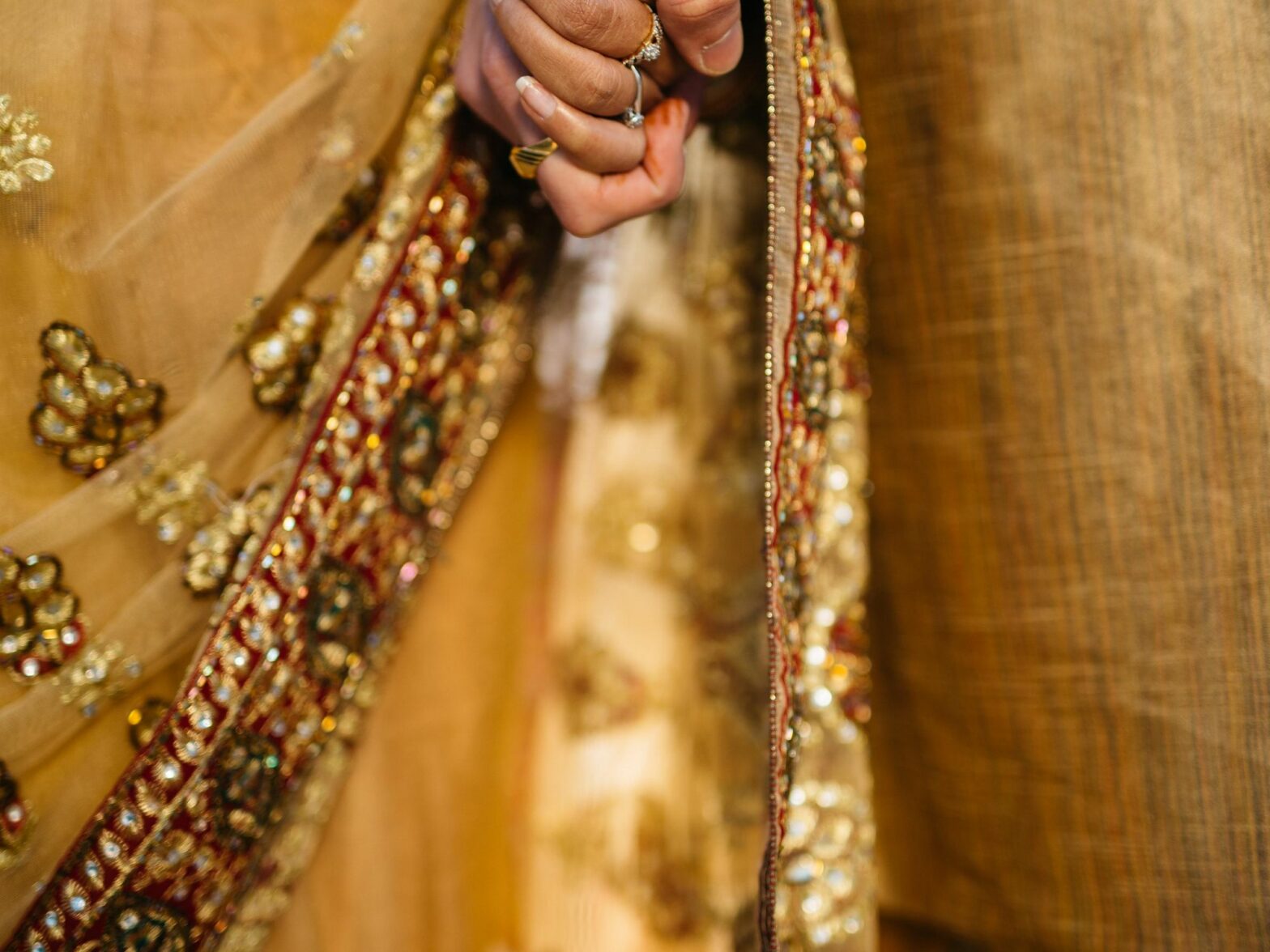
India is raising the minimum age for women to marry. What does that mean on the individual level (with your parents whispering in your ear)?
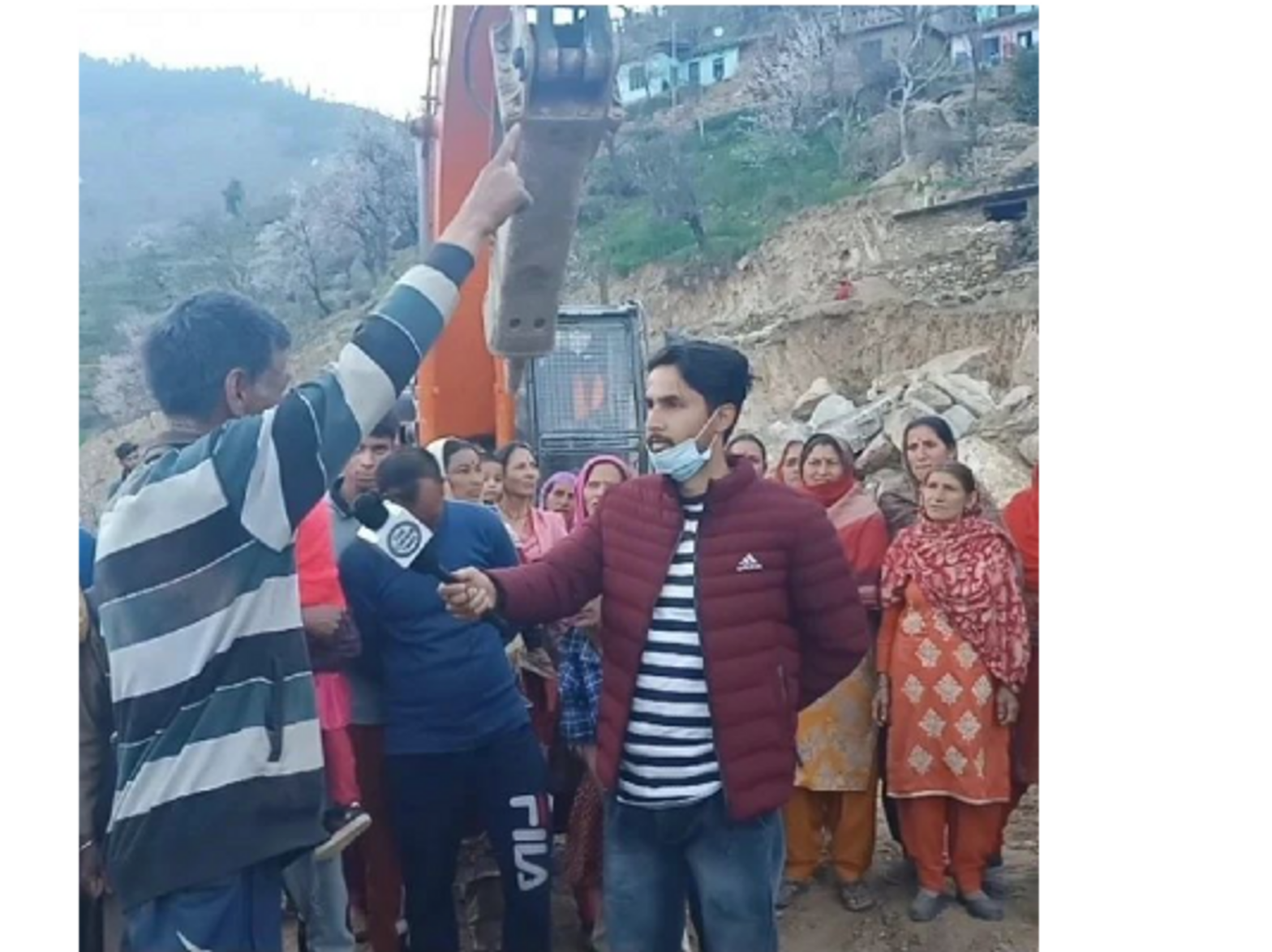
After a bill by Indian parliament sidelined local languages in India, one digital newspaper took up the task of helping preserve them.