Europe sends part of its textile surplus to unregulated hubs, sometimes returning it to the same country of origin, tripling emissions in the process.

 Worldcrunch
La Marea is a monthly paper magazine and a daily digital medium that is committed to rigorous and in depth journalism, specialized in analysis, research and culture. The publication is edited by the MásPúblico cooperative, 100% owned by its readers and workers, which allows us to be totally independent from political and business powers.
Europe sends part of its textile surplus to unregulated hubs, sometimes returning it to the same country of origin, tripling emissions in the process.
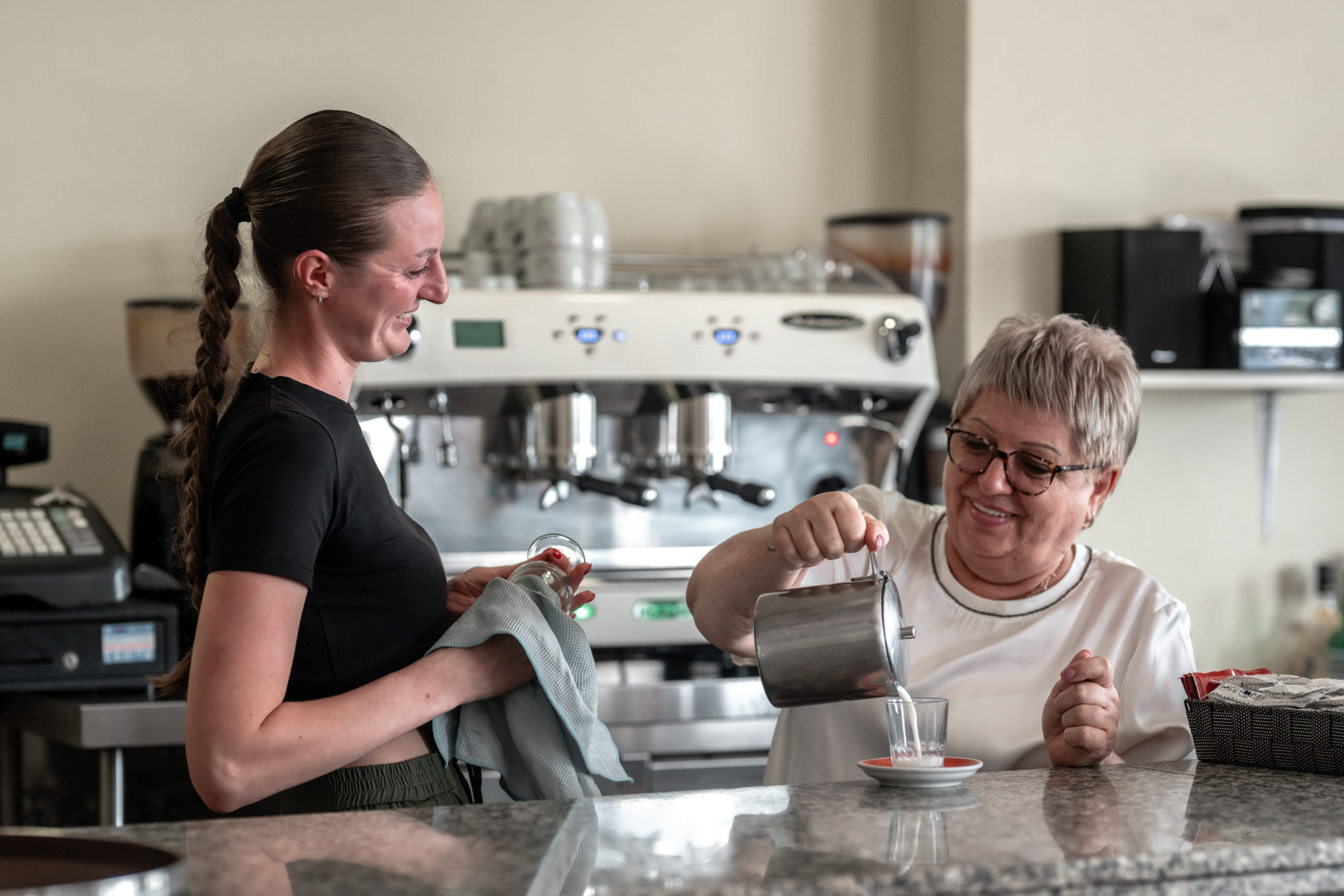
In a small Valencian town shaped by migration and memory, everyday places like lunch bars have become unexpected points of arrival for people displaced by war and economic upheaval. Alberic (Valencia, Spain) is one such place, where new lives quietly take root amid sandwiches, shared routines, and informal networks of support.
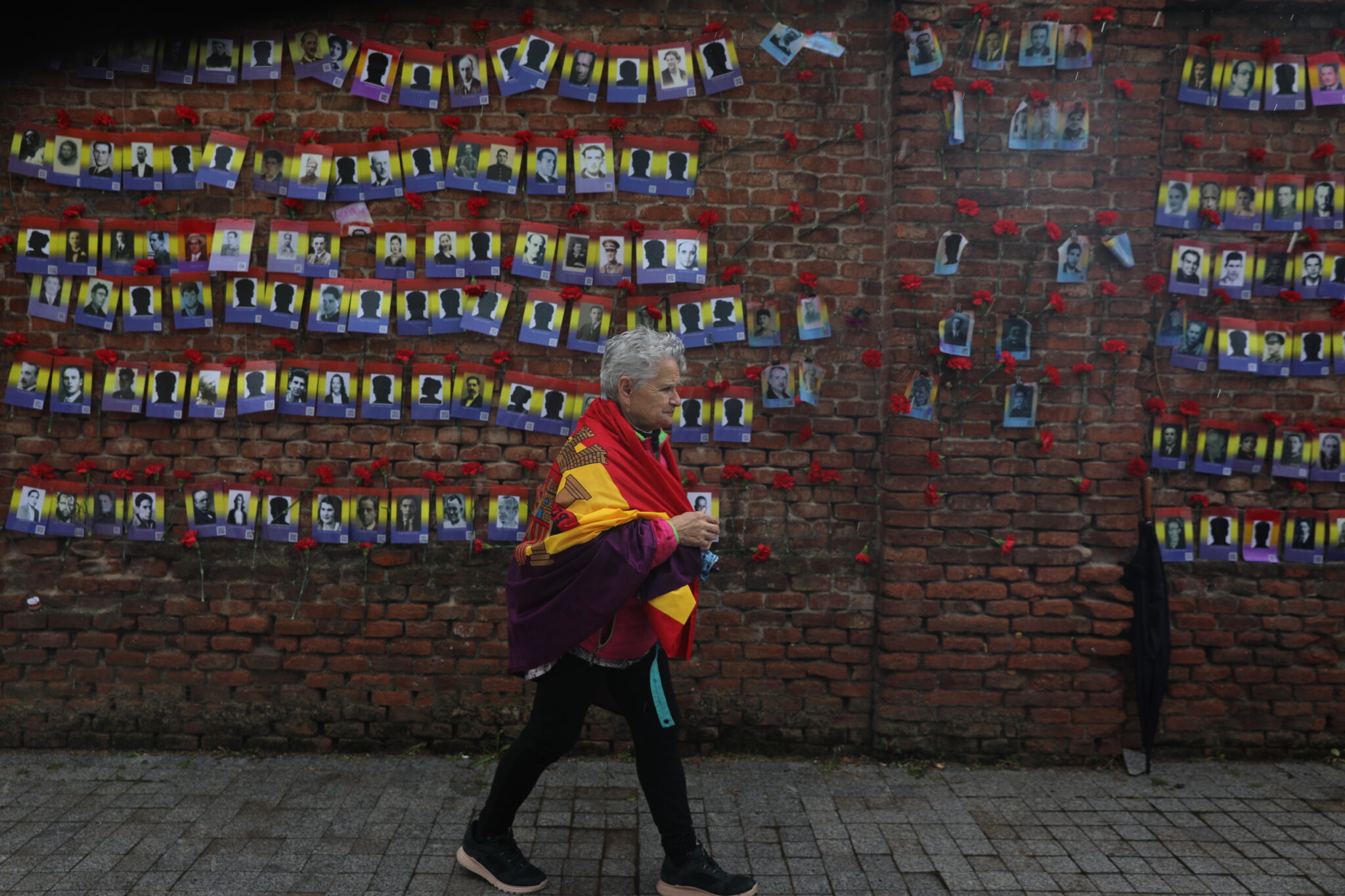
As we mark the 50th anniversary of Franco’s death, it is important to remember the private acts of memory and remembrance, especially as far right forces are rising again.
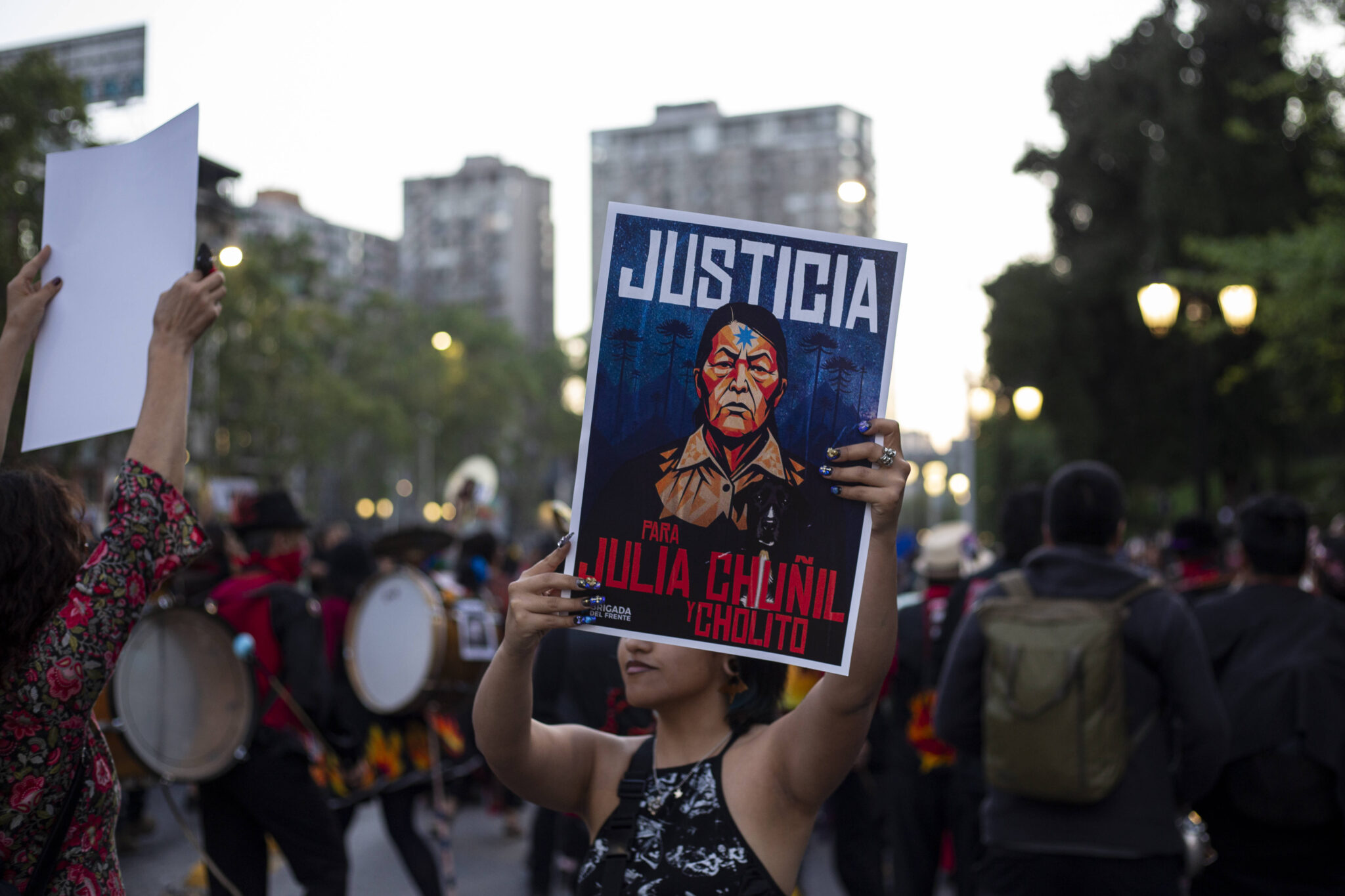
In 2024, there were 146 murders and long-term disappearances of environmental and land activists, according to a report by the NGO Global Witness.

In 2022, 62 million tons of electronic devices ended up in the trash. This results in the loss of valuable resources, significant social and environmental impact, and the perpetuation of a linear production and consumption system based on waste.
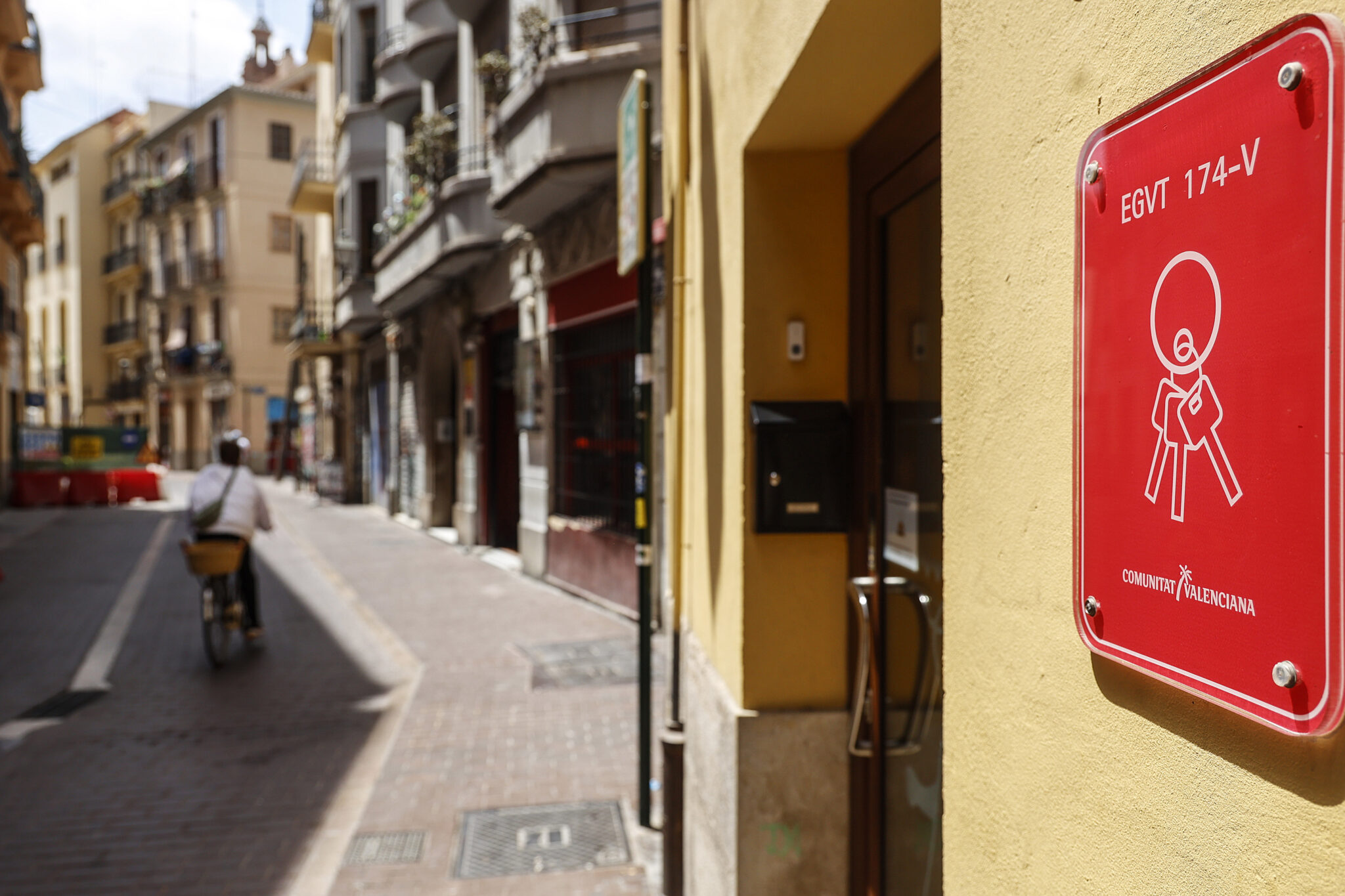
In Valencia, Spain, the expansion of both licensed and unlicensed tourist accommodations is raising housing prices and pushing locals out of traditionally working-class neighborhoods.
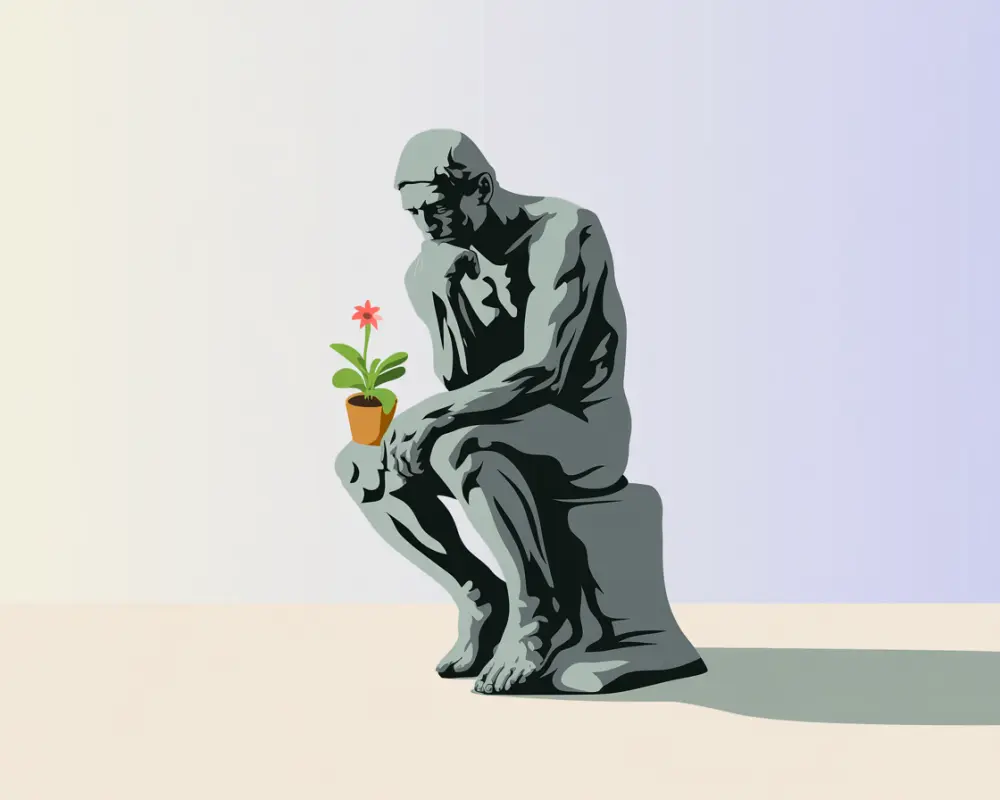
A laboratory at Spain’s University of Murcia is trying to find the common denominator among all the intelligences that inhabit this planet, no matter how different they may be.
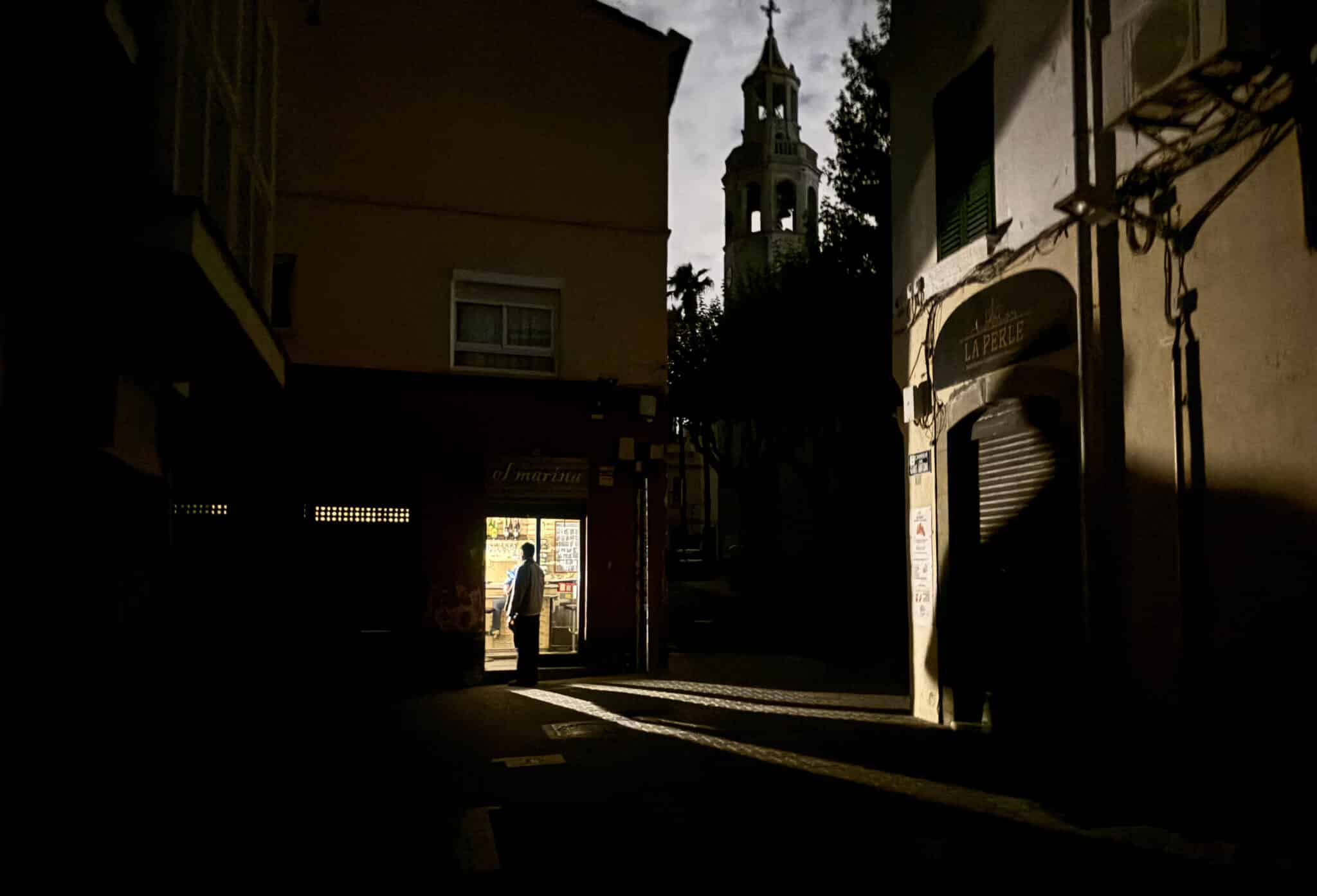
After the major April 28 blackout in Spain, the rush to assign blame has led to oversimplified narratives and politicized finger-pointing. But solving the real problem will require a more patient, technical and future-focused approach.

La Marea speaks with author Jorge Dioni López, who argues that digital porn reflects and reinforces modern capitalism, reshaping masculinity and normalizing emotional detachment. Pornography, he says, is both a symptom and a driver of today’s cultural and social malaise.
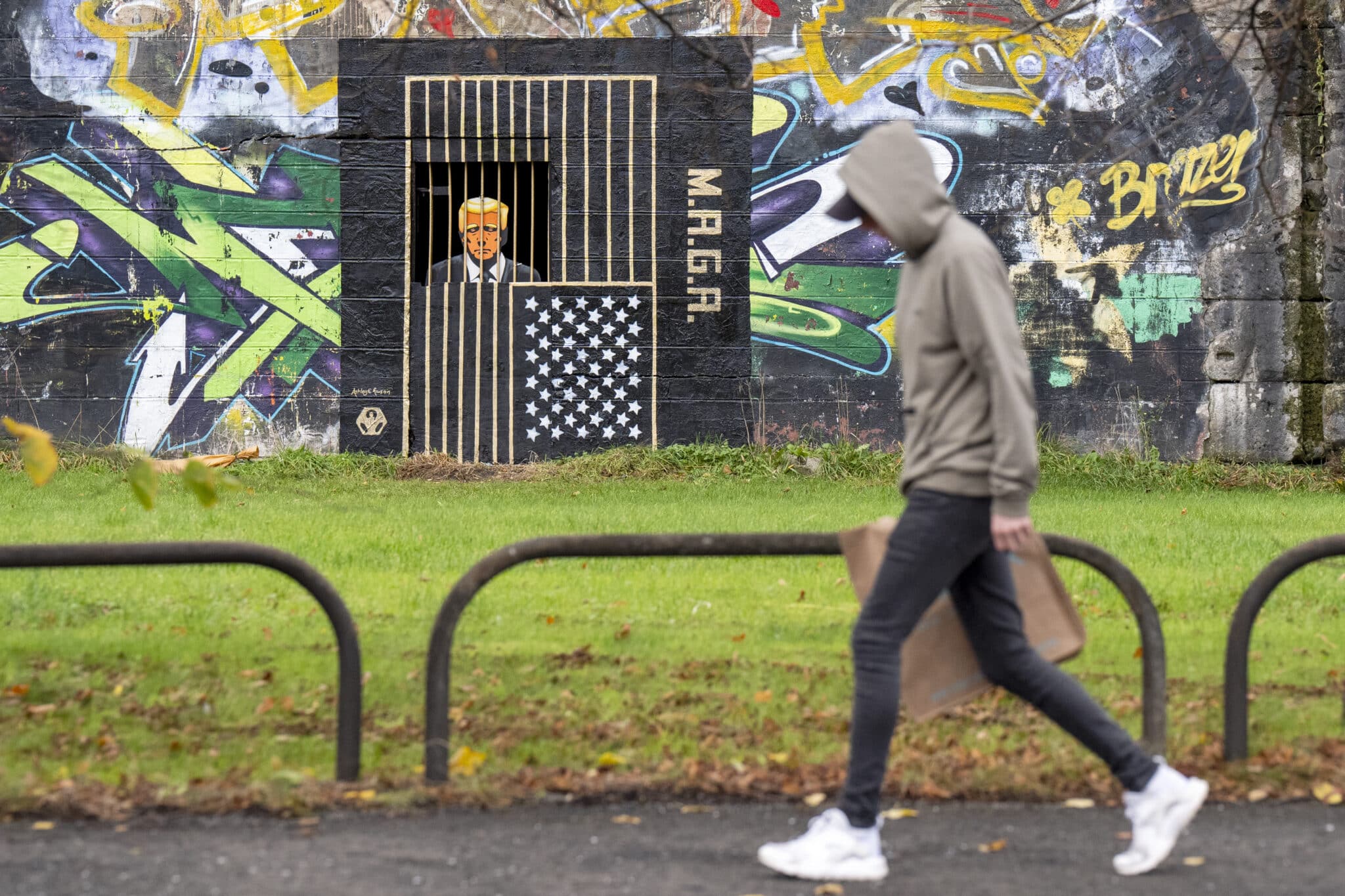
As Trump’s administration ramps up attacks on civil rights, diversity efforts, and climate initiatives, artists across the U.S. are transforming urban spaces into places of resistance. From anonymous culture jamming to pointed gallery installations, the creative community is mobilizing in protest — and grappling with how best to respond to the current political landscape.
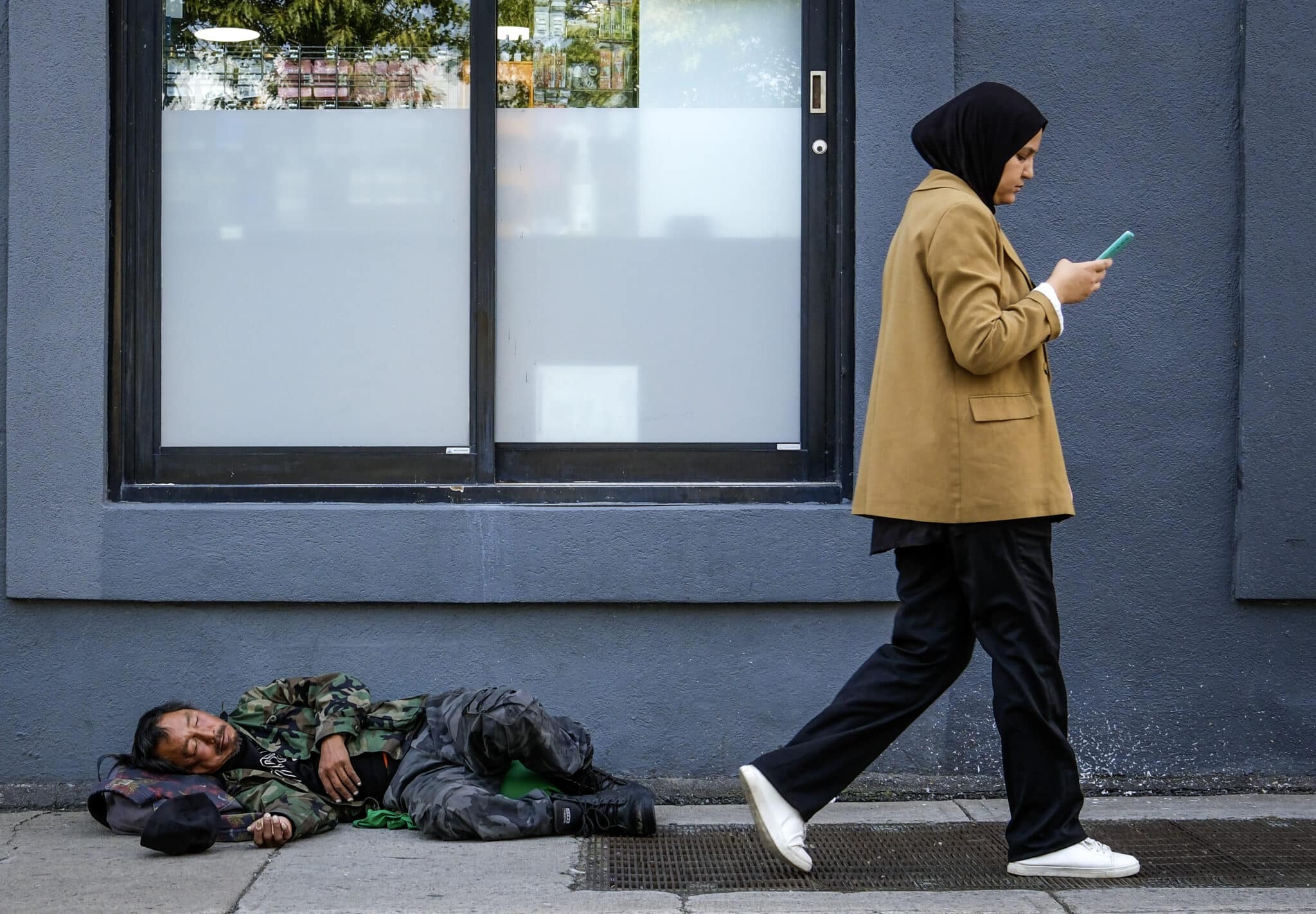
AI is here whether we like it or not. But who owns it, and who gets to use it, are questions that are far from being settled.
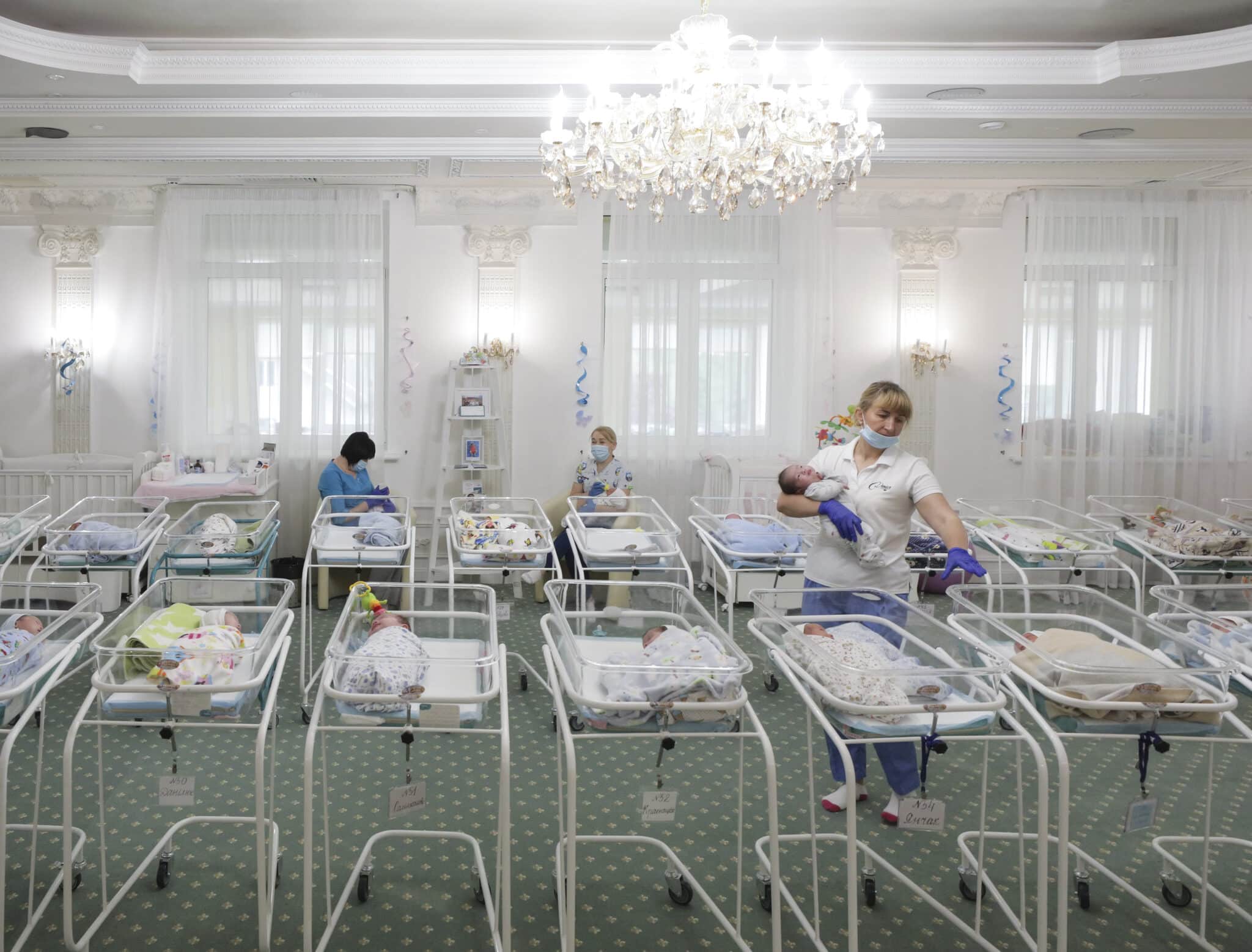
Since the start of the Russian invasion, Ukrainian surrogacy clinics have expanded their market to China and the Arab countries and have increased the range of services, including births in Greece, Cyprus and Georgia.
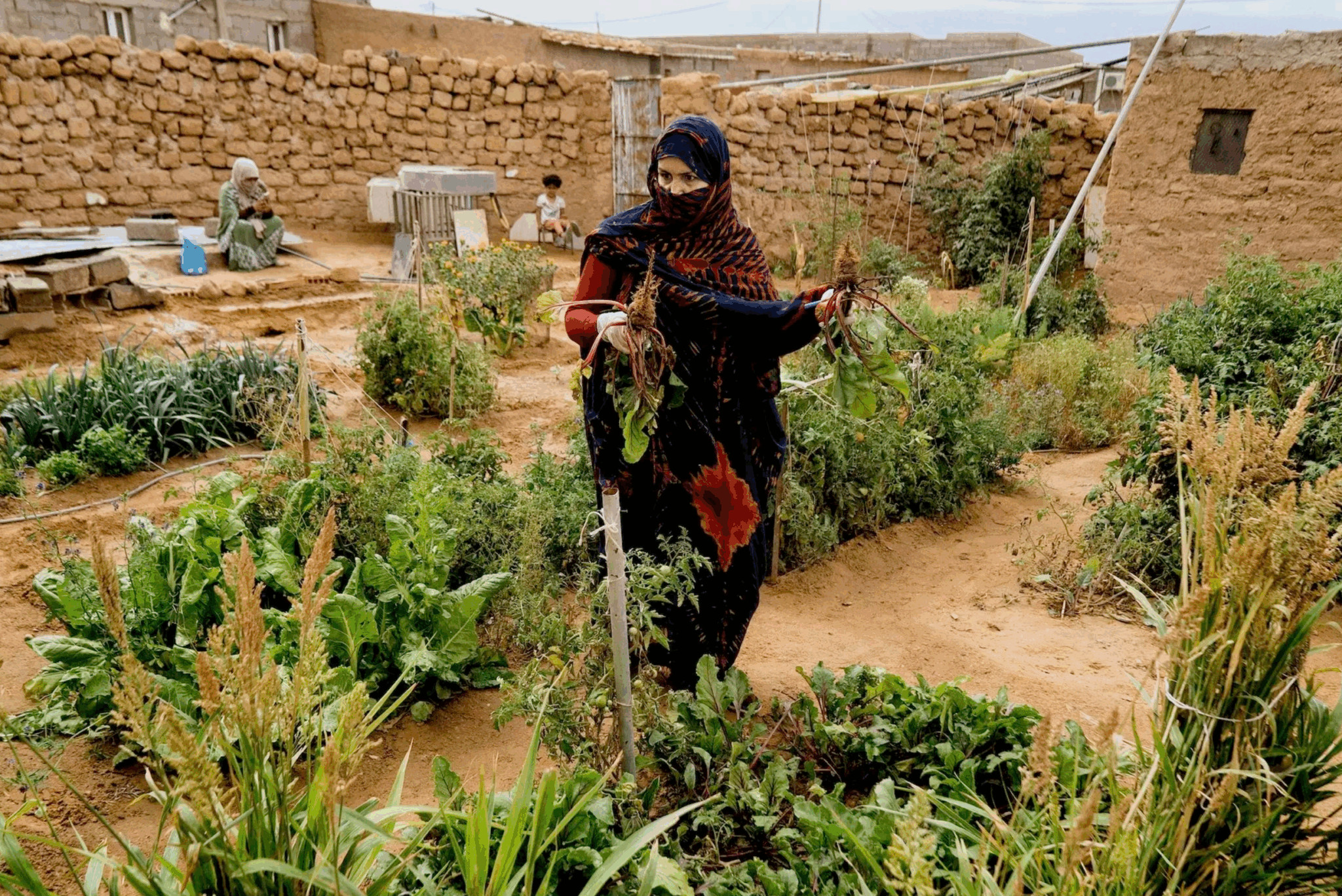
In Western Sahara, a small green revolution is being led by women in the harshest of conditions. Their goal: to build a network of gardens in the desert.

Extreme weather and climate events have severely affected the two largest coffee producers on the planet, Brazil and Vietnam. Here’s how climate change is fueling the surge in prices.
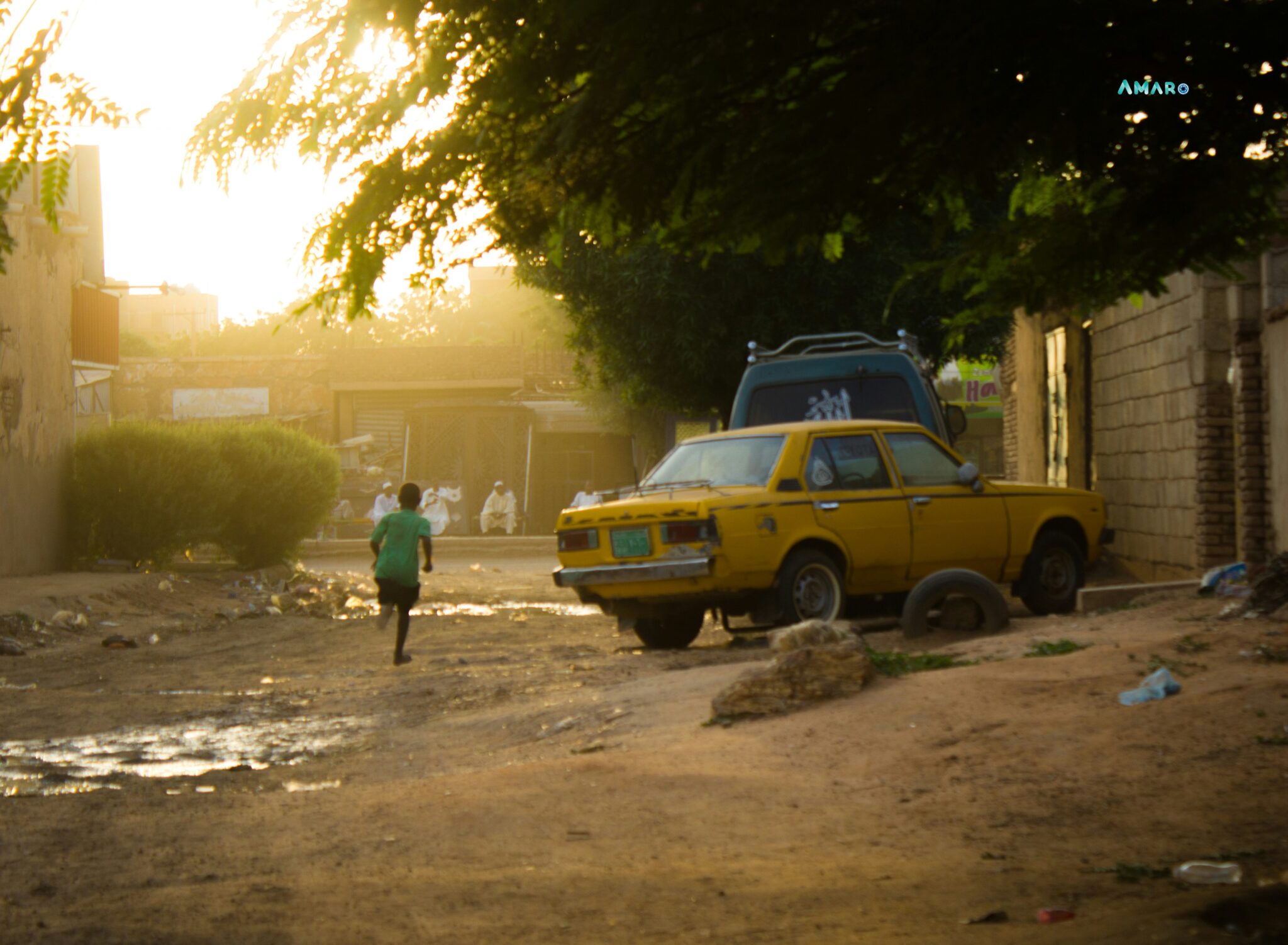
Two wars in two different countries, at different times, have left indelible marks and scars on Yaser Abdelgabar Carballar and his family: the Spanish Civil War on his mother’s side, and the ongoing war in Sudan on his father’s side. In this essay, Carballar reflects on the damage and uselessness of violence, and how economic and political interests destroy the lives of millions of people.
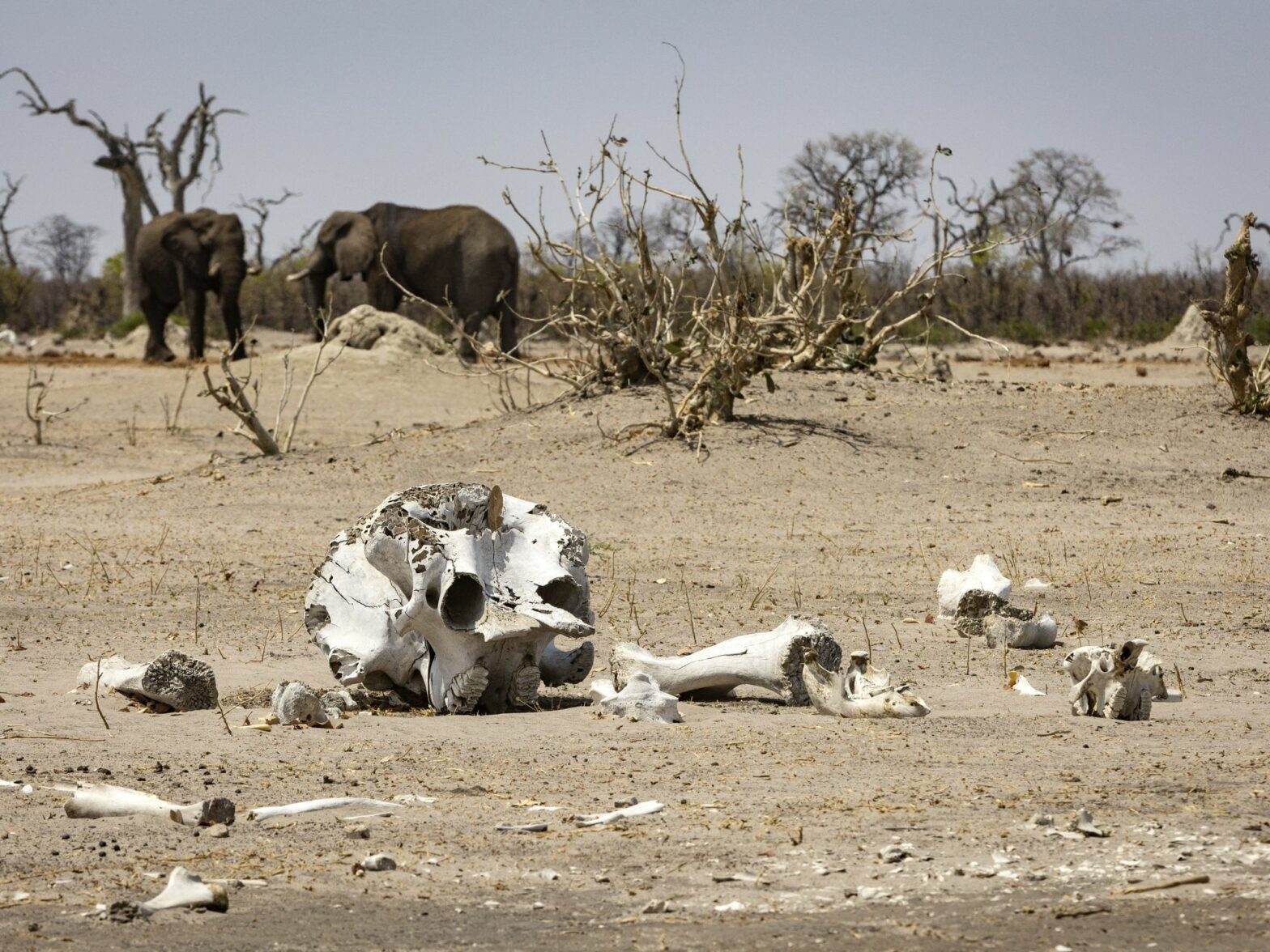
In Botswana’s Okavango Delta — declared a UNESCO World Heritage Site in 2014 — warming trends over the past two decades are approximately twice the global average.
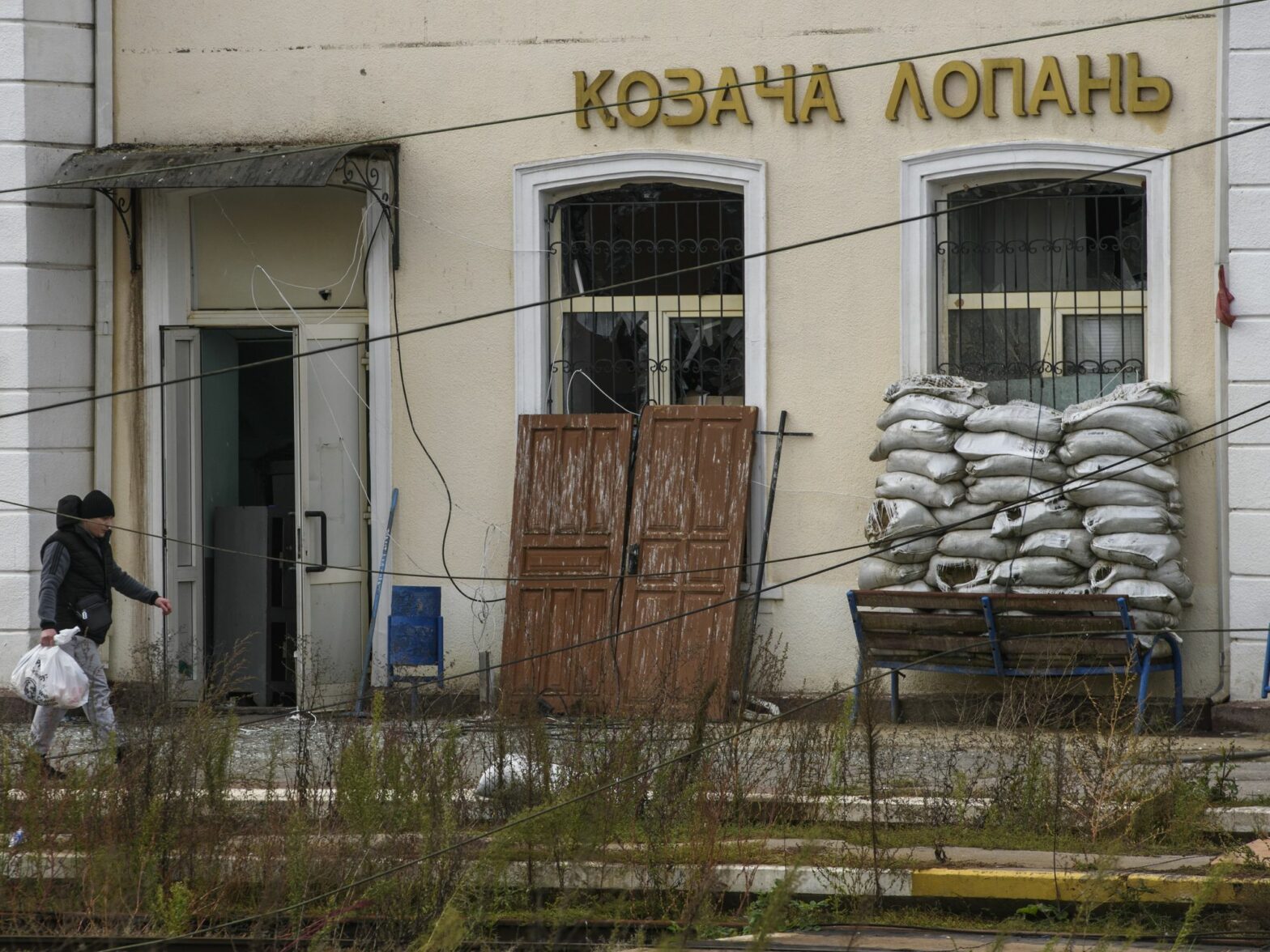
After walking the 50 kilometers that separate the Ukrainian city of Kharkiv and the Russian border, Spanish reporter Unai Aranzadi arrives in the small village of Kozacha Lopan. Places like these are perhaps the ones where it will be most difficult to heal the wounds of all that has been suffered to date.
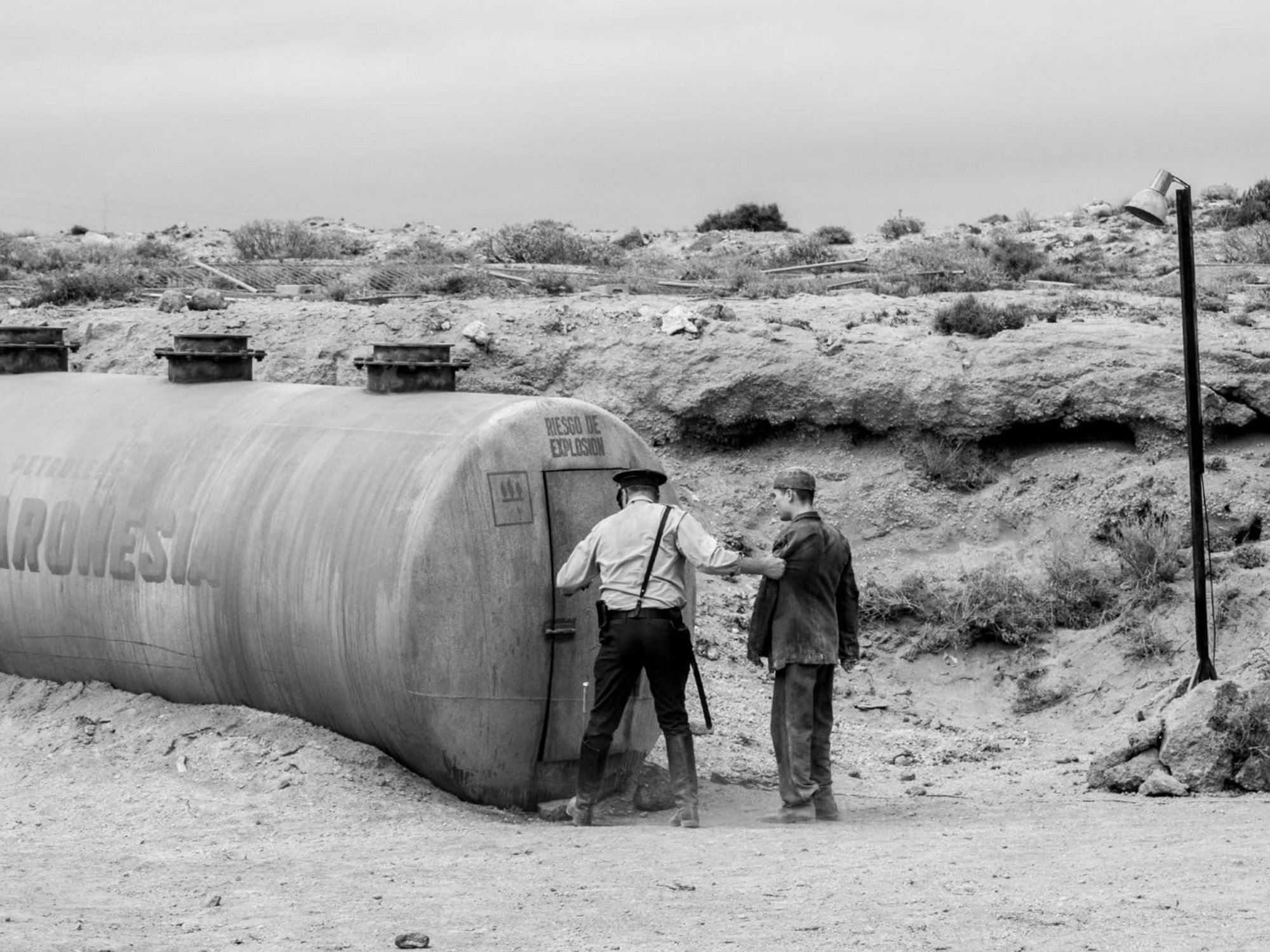
The Canary island of Fuerteventura is a popular seaside tourist destination, but further inland are the remains of Spain’s dark past of LGBTQ+ persecution during the regime of dictator Francisco Franco.
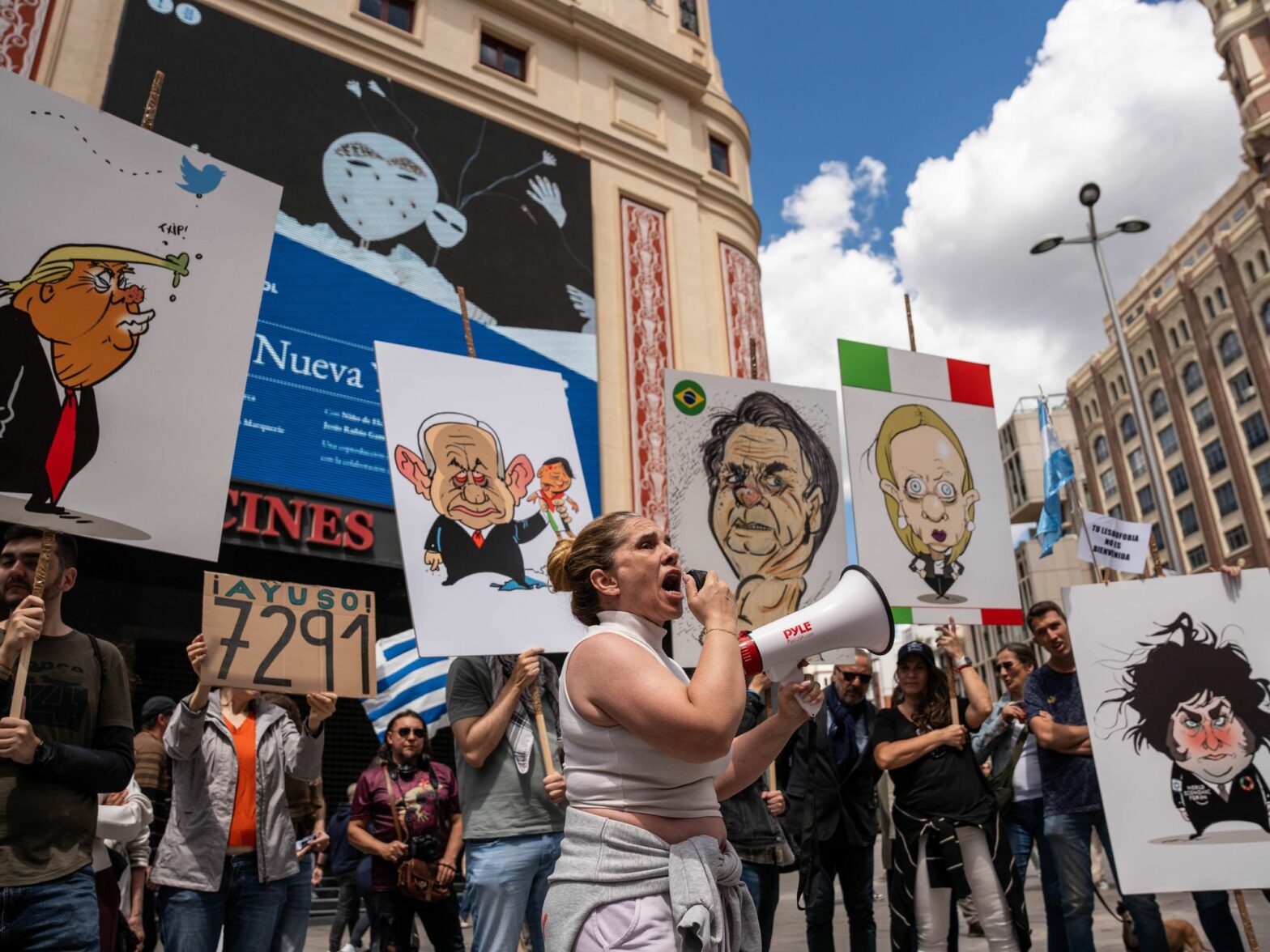
The reelection of U.S. President Donald Trump is the most recent act in the spectacular, and so far unstoppable, rise of fascism. Faced with his full-blown offensive, Europe must fully invest in its vision as an alternative to Trumpism by defending those most in need.
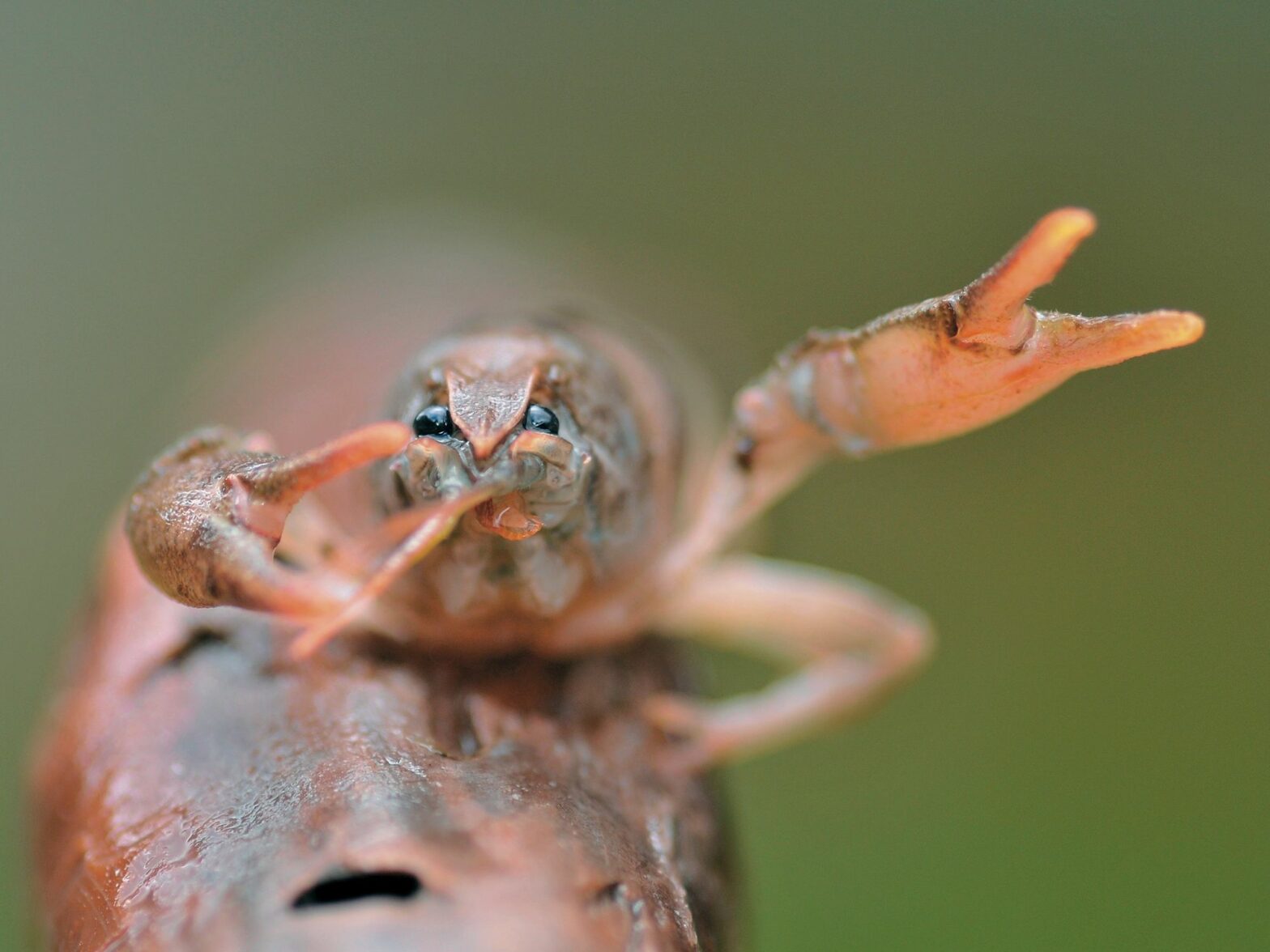
American crayfish, introduced to Spain in the 1970s, have decimated Iberian crayfish populations. However, experts debate reintroducing Iberian crayfish, as they too may not actually be native to the region.
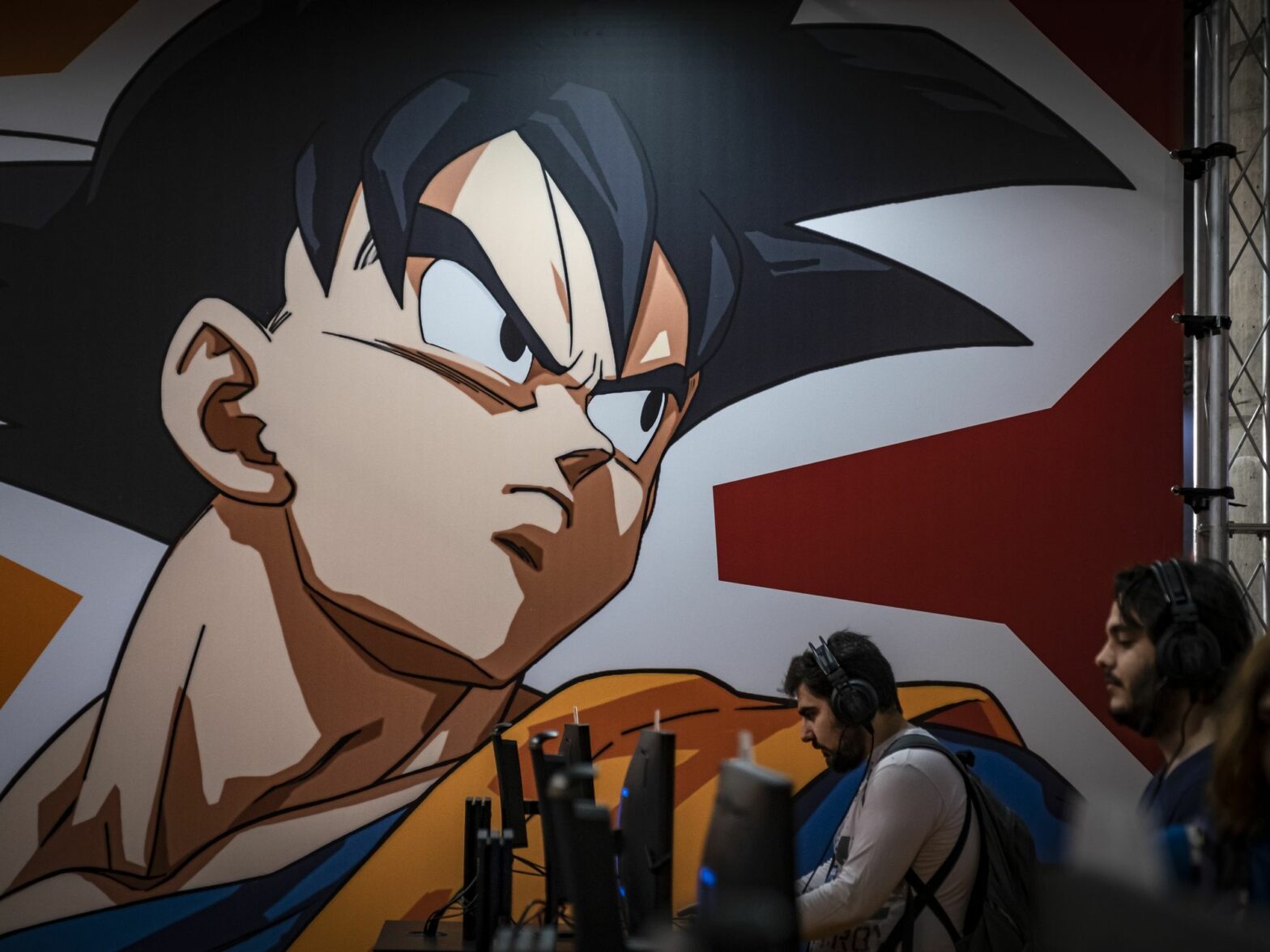
Public broadcaster TV3 in the Spanish region of Catalonia has decided to air Dragon Ball, a ’90s anime classic that marked an entire generation in the autonomous community of Spain. But despite its cultural significance at the time — as the first series broadcast in the Catalan language — Dragon Ball’s return seems more like a comfortable wink to the past than a brave commitment to the future.
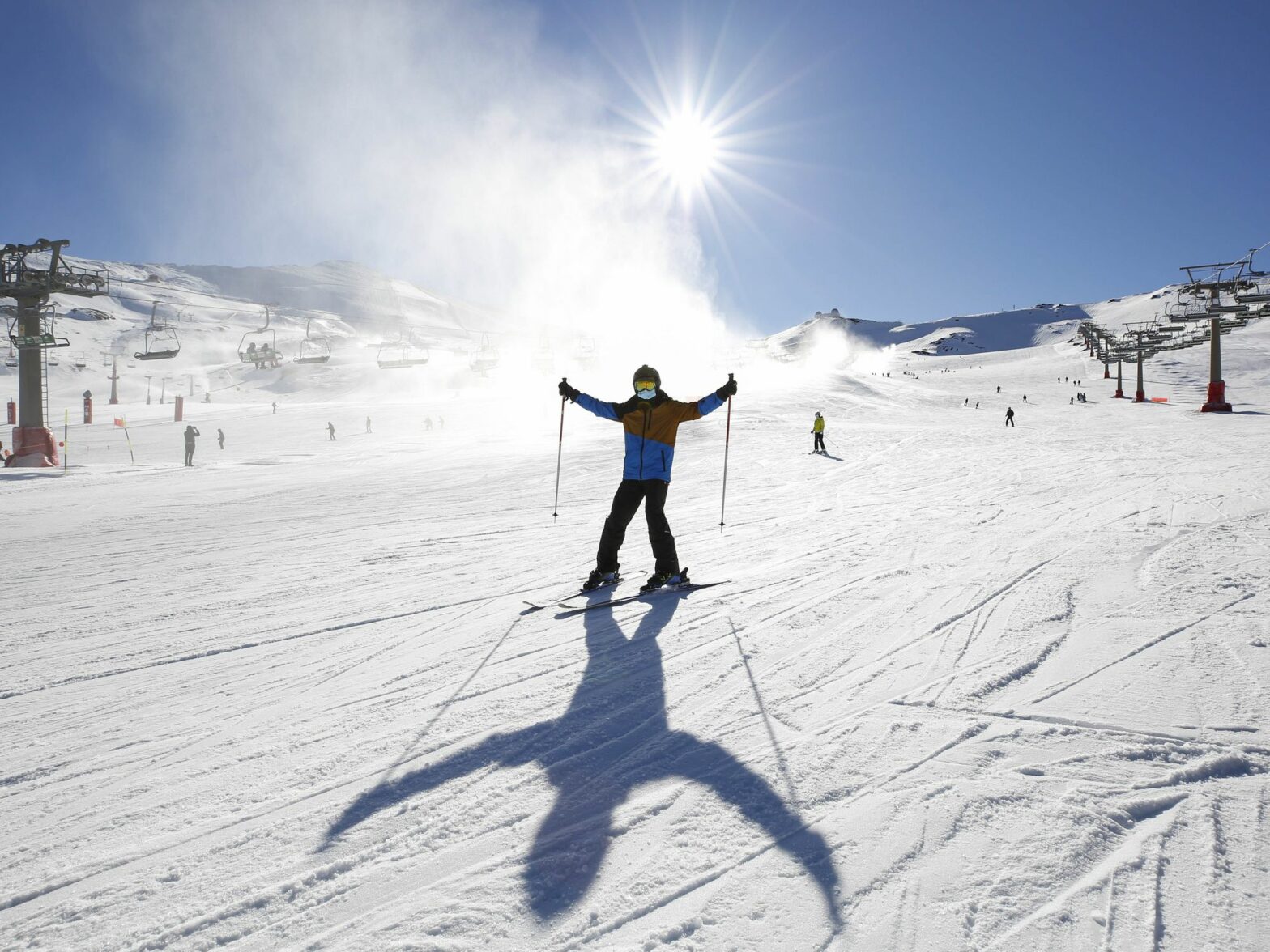
As ski seasons grow increasingly shorter and irregular, the Cetursa company and Andalusia Regional Government are asking to extract twice as much water from the Monachil River to produce more artificial snow for the Sierra Nevada resort. The official argument is that this will have no environmental impact. Experts disagree.
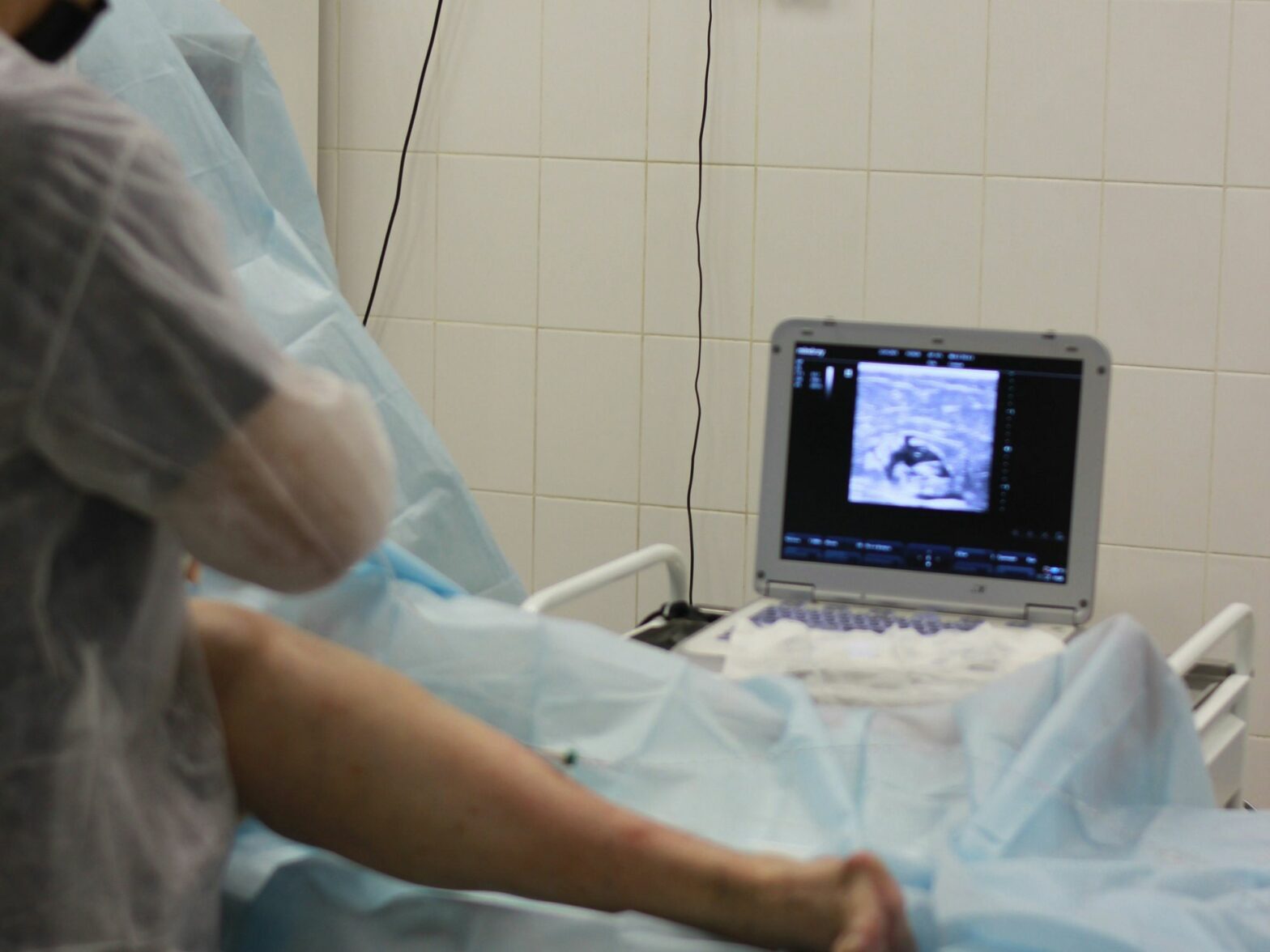
Spain has become an international mecca for fertility treatments. Yet in an industry where medicine, business, social pressure and life projects overlap, some are raising concerns over what they say is aggressive advertising, misinformation, obstacles to stopping egg freezing and procedures ending in unbearable debt.
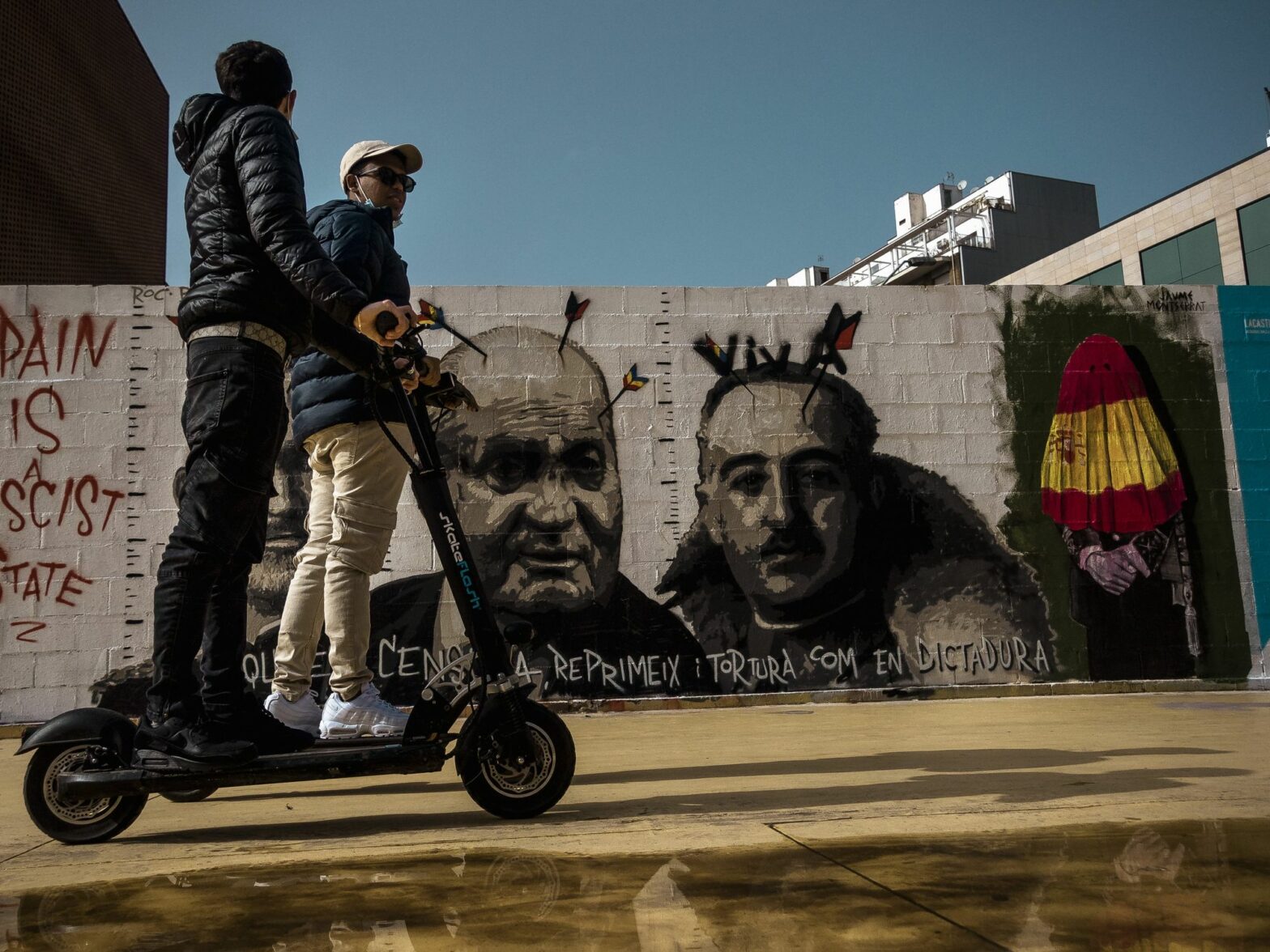
As Spain prepares to mark the 50th anniversary of dictator Francisco Franco’s death and the return of democracy, fascism is returning around the world. It’s proof, as philosopher Walter Benjamin said, that nothing that has once happened should be considered lost to history.
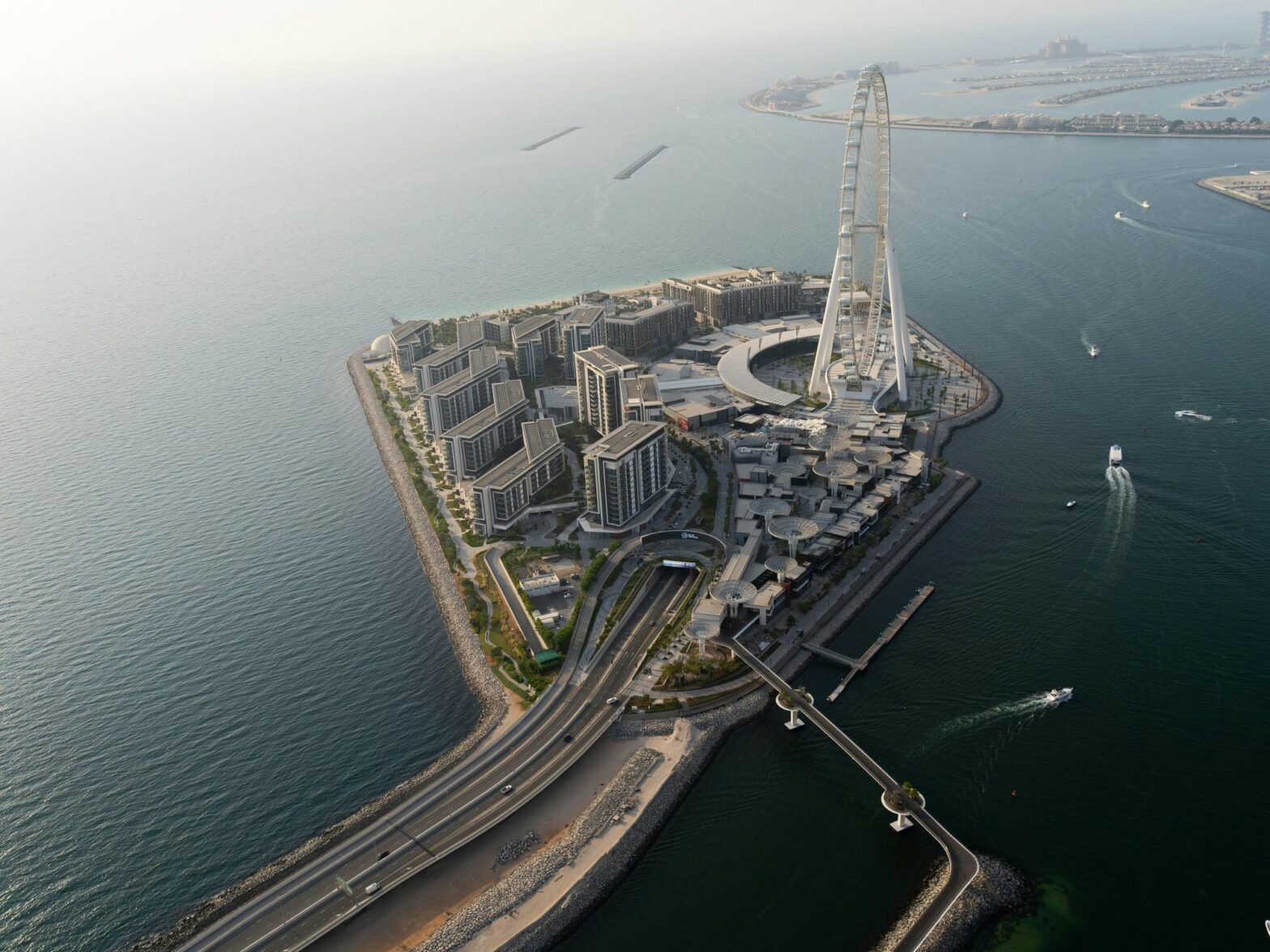
Used as military bases, airports, residential areas, or platforms to drill for resources, artificial islands are growing — despite warnings that sea levels are rising. A deep dive into the phenomenon of why we are building more islands — and what an islander mentality is.

Luigi Mangione, accused of murdering Brian Thompson, the CEO of the health insurance company UnitedHealthcare, has become a folk hero for Americans across different political ideologies. That’s because the nation has a broken capitalistic healthcare system.
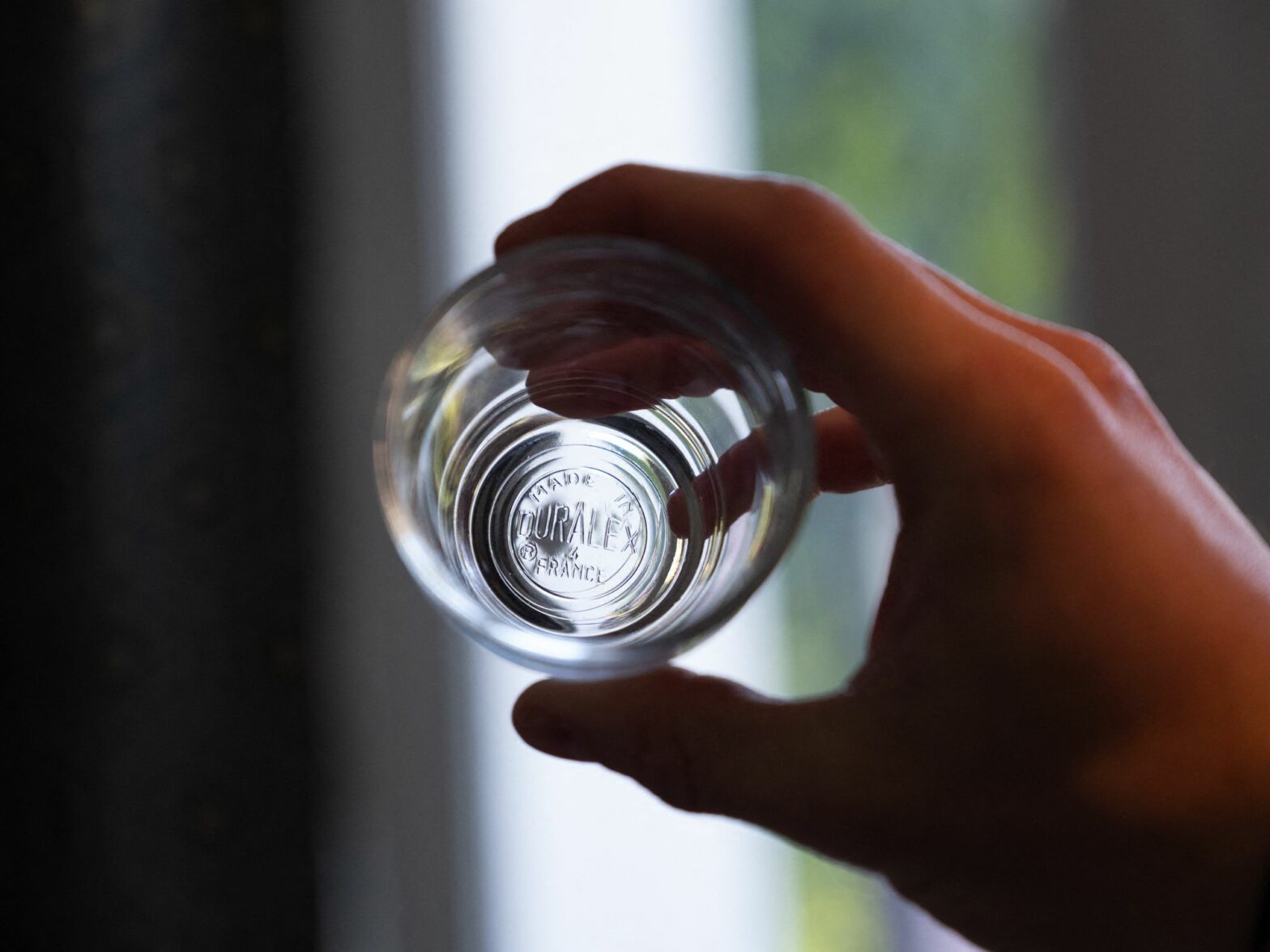
In Spain and beyond, Duralex plates and glasses have been part of the lives of different generations. So when workers of the French tempered glass manufacturer took over the emblematic company a few months ago, turning it into a cooperative to save it from bankruptcy, Spanish media took note.
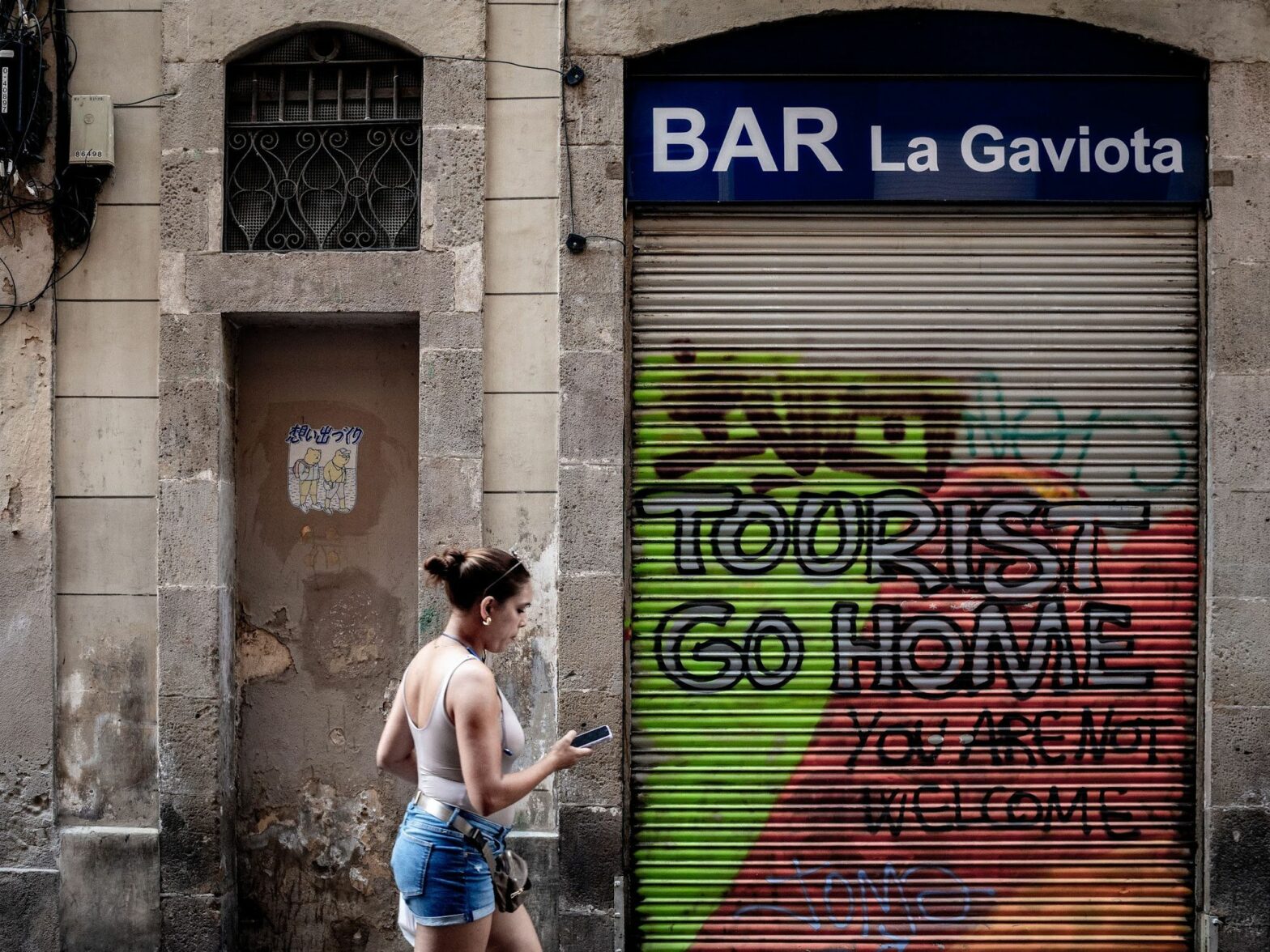
Malaga has announced plans to ban the registration of new holiday accommodation in up to 43 neighborhoods of the city, joining a long list of Spanish municipalities fighting mass tourism and its impact on real estate and rent prices.
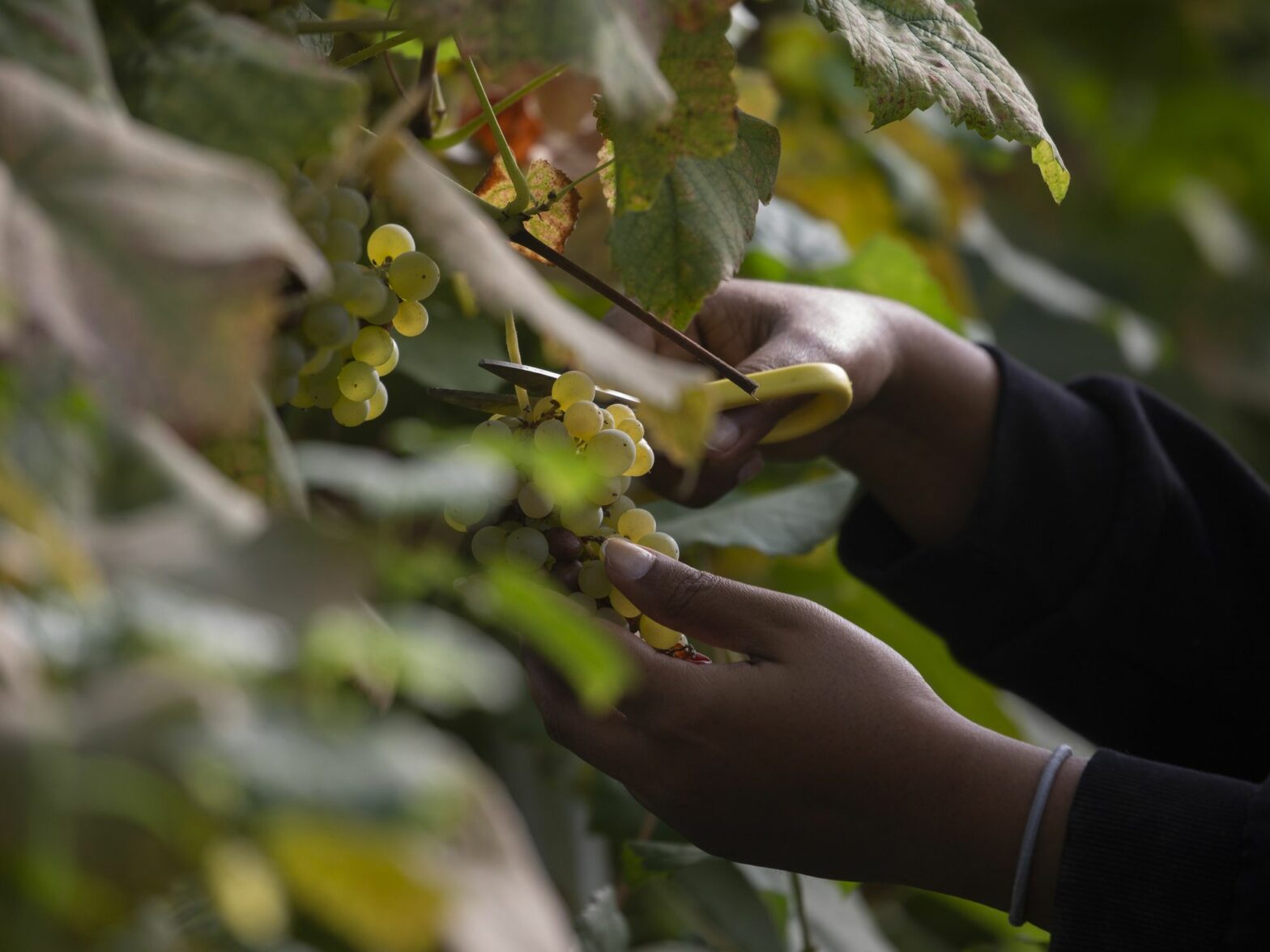
Over the past two decades, global warming has allowed the wine industry to grow in unexpected latitudes. In Sweden, some winemakers are experimenting with hybrid grapes, while others are giving a chance to traditional grapes, and taking advantage of a more stable climate.
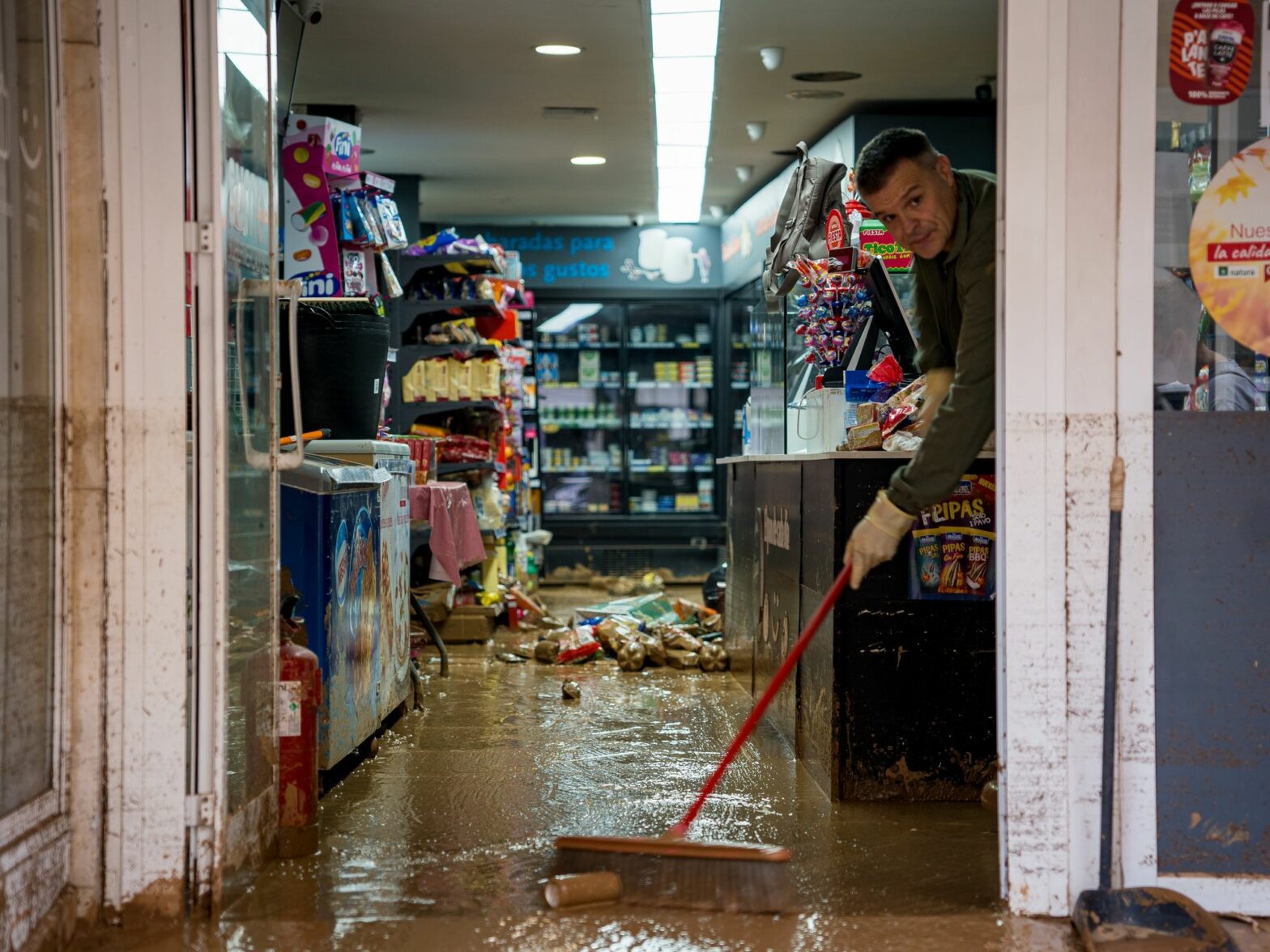
The city of Valencia has not been affected by the natural disaster that caused more than 200 deaths in eastern Spain, but the region’s capital city is not the same. And the population is struggling to find a new balance.
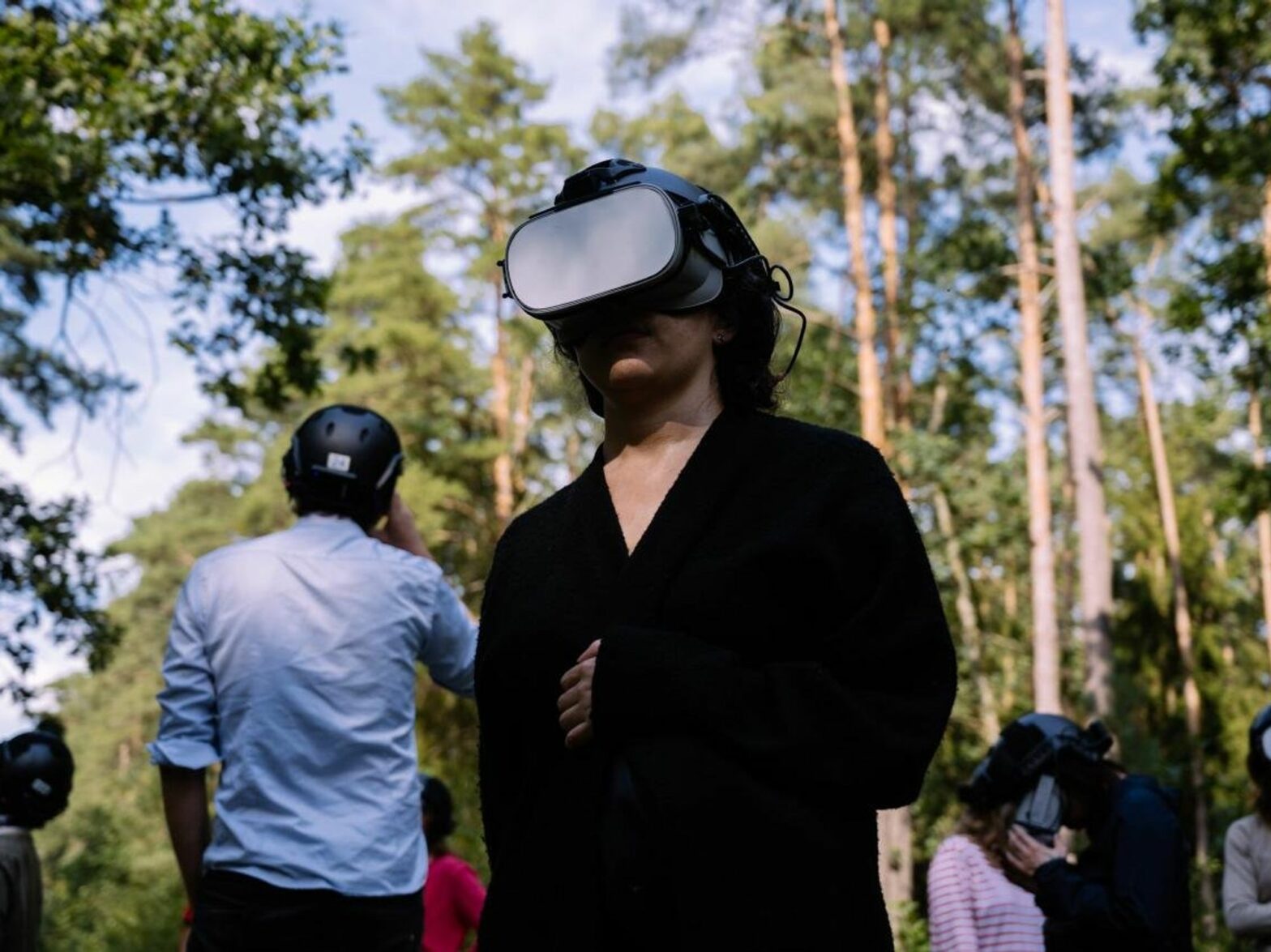
The International Festival of Performing Arts Temporada Alta is hosting the Spanish premiere of this European project that explores our links with nature and the landscape.
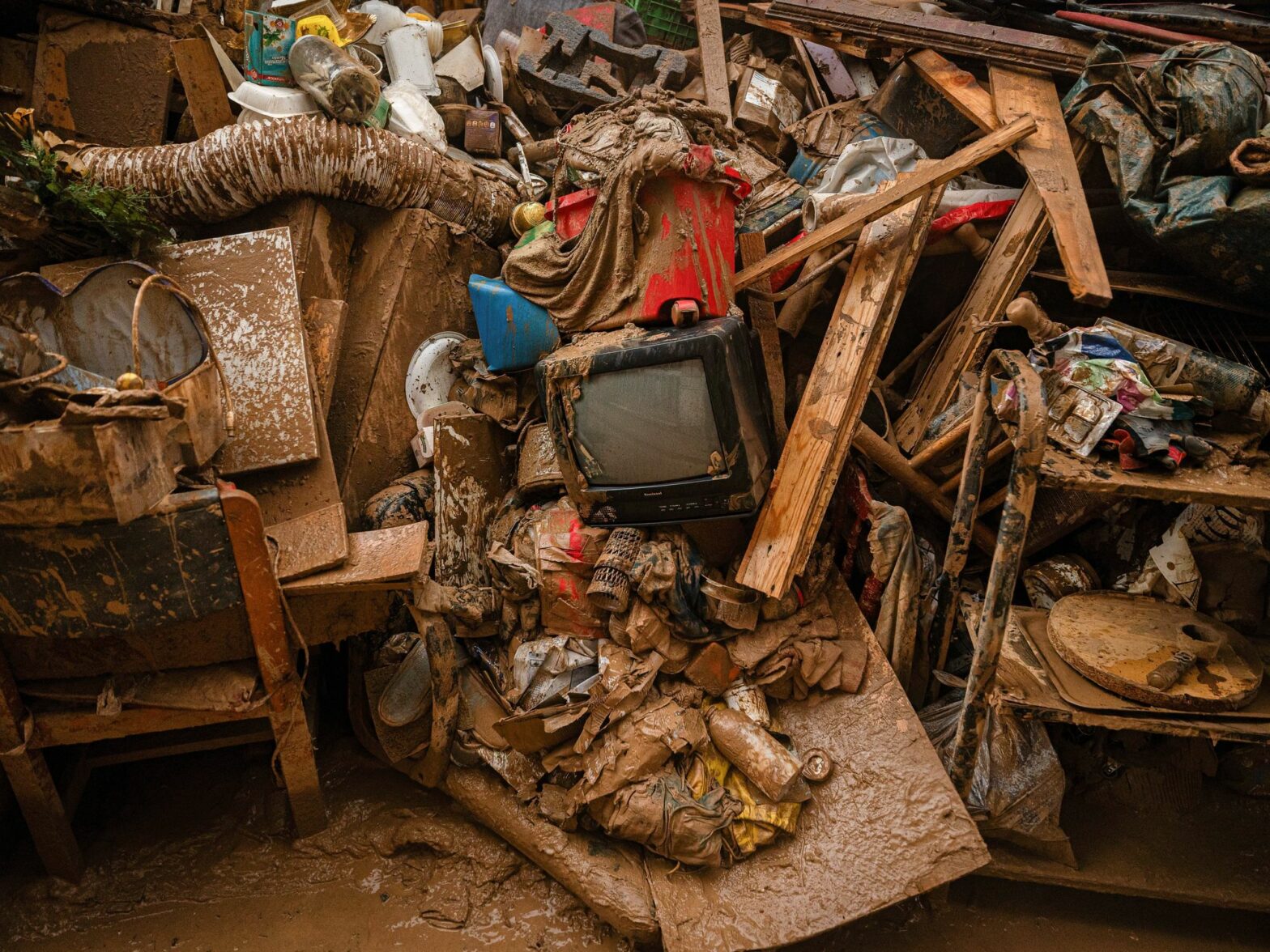
The natural disaster in Valencia is the reflection of a great societal failure, the result of the lack of public policies in organizing a sustainable and balanced model of life.
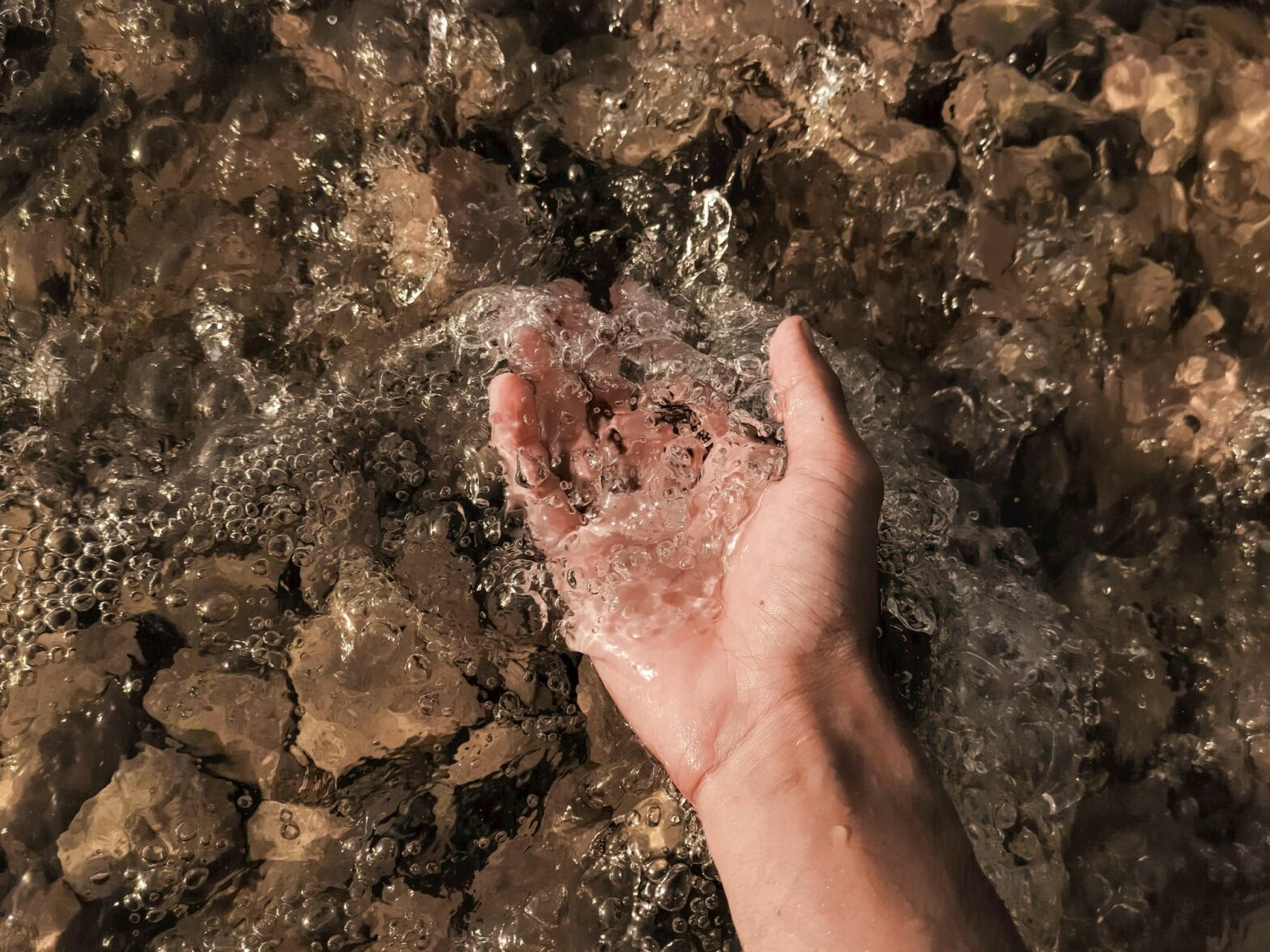
The Vilcabamba, the Atrato or the Whanganui have achieved recognition as living entities with rights. More and more rivers are achieving this type of legal protection (and respect). In Spain, the Tins was the first river to have its rights recognized.
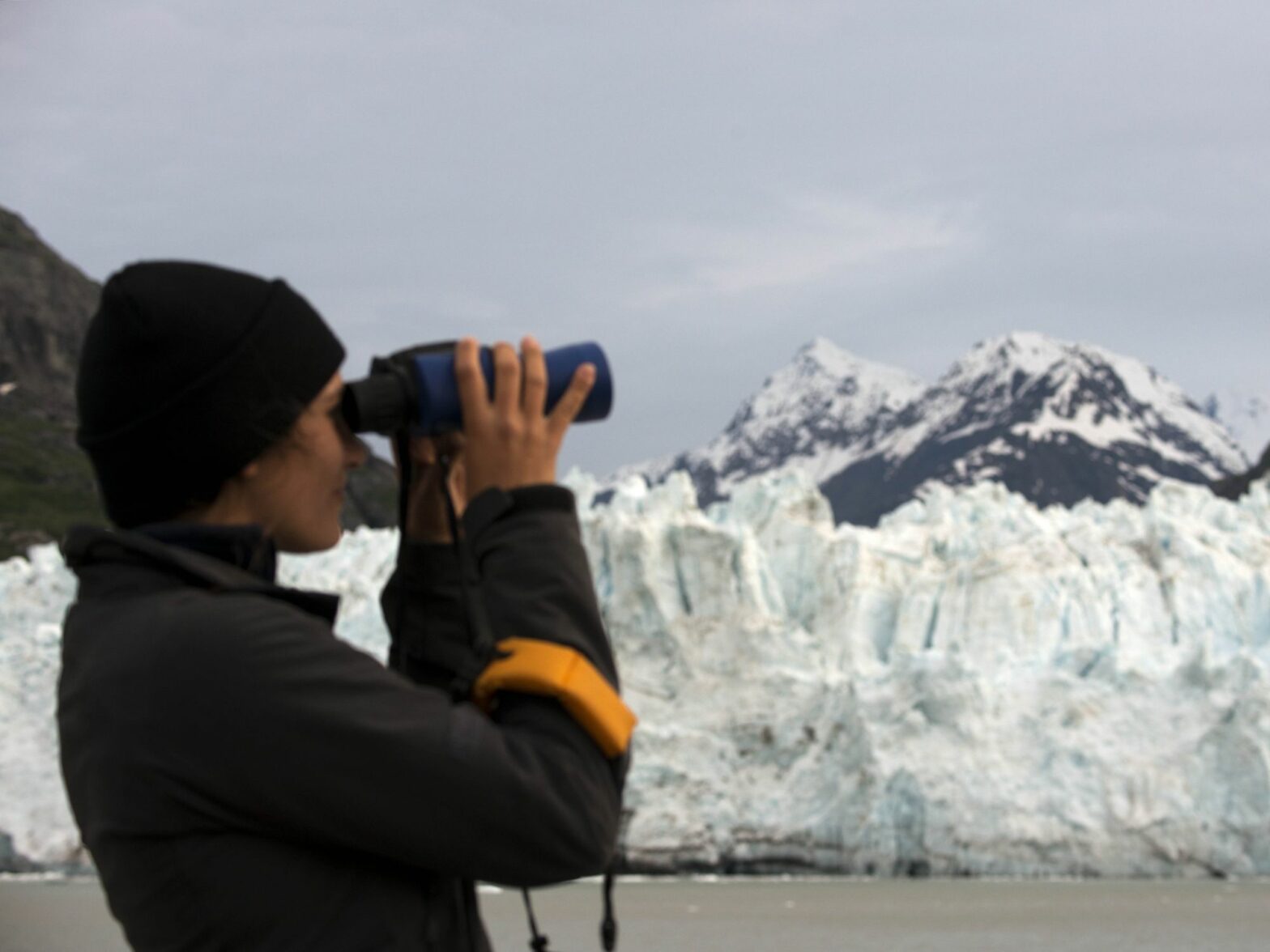
A research project is collecting ice cores from glaciers and icefields before they melt way. The aim is to study both the past and possible future of humanity’s impact on the world’s climate.

Eco-disaster fiction has changed since Soylent Green, one of Hollywood’s first eco-disaster films, came out in 1973; there has been an evolution from catastrophic fatalism to a certain optimism, with TV series like The Last Of Us.
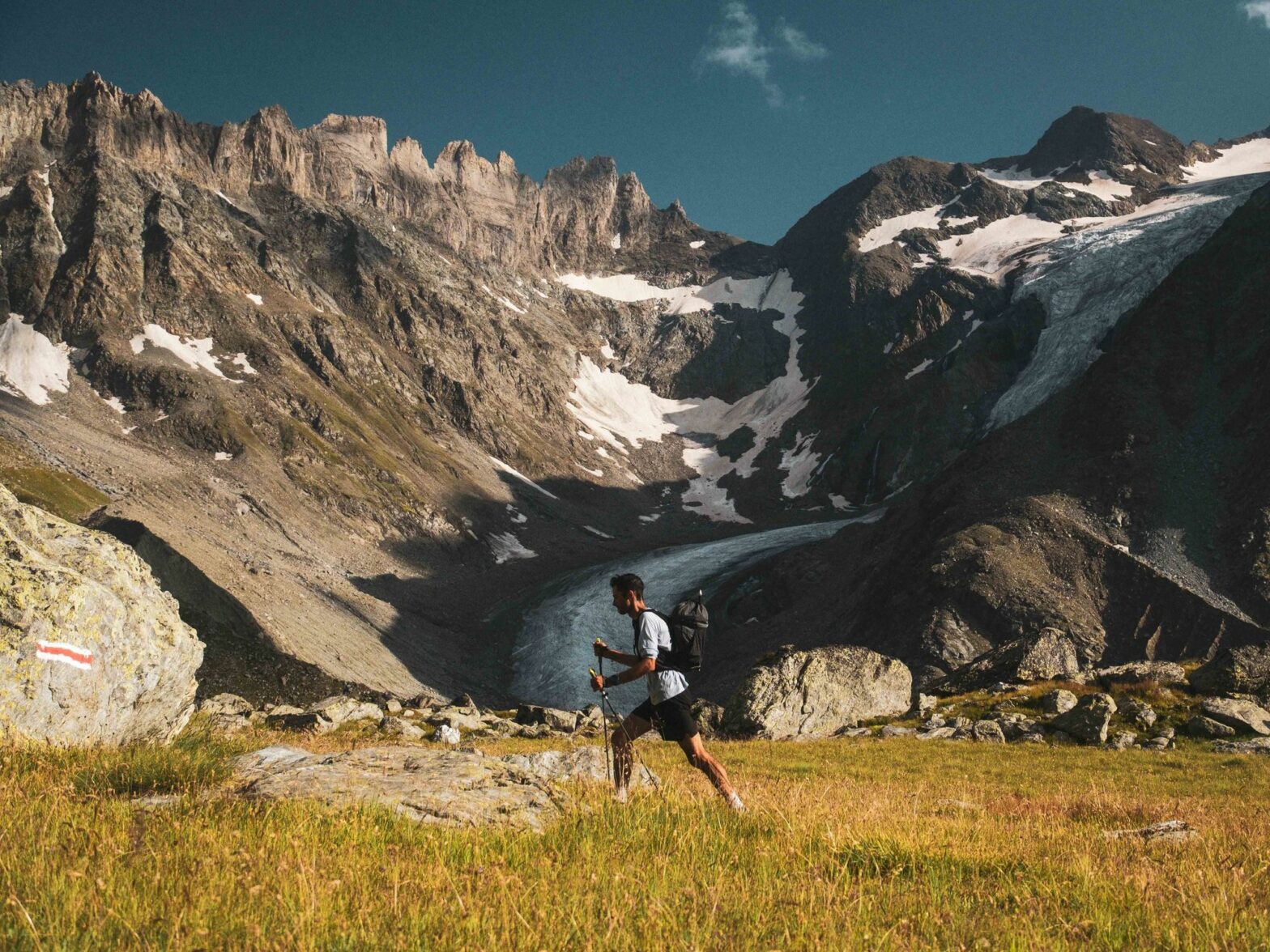
Setting mountaineering speed records is a way for trail runners to add their names to history books to stay in the spotlight now that almost all the world’s mountains have already been climbed. But this desire to push limits is not ecological — even for a man who recycles or foregoes airplane travel.
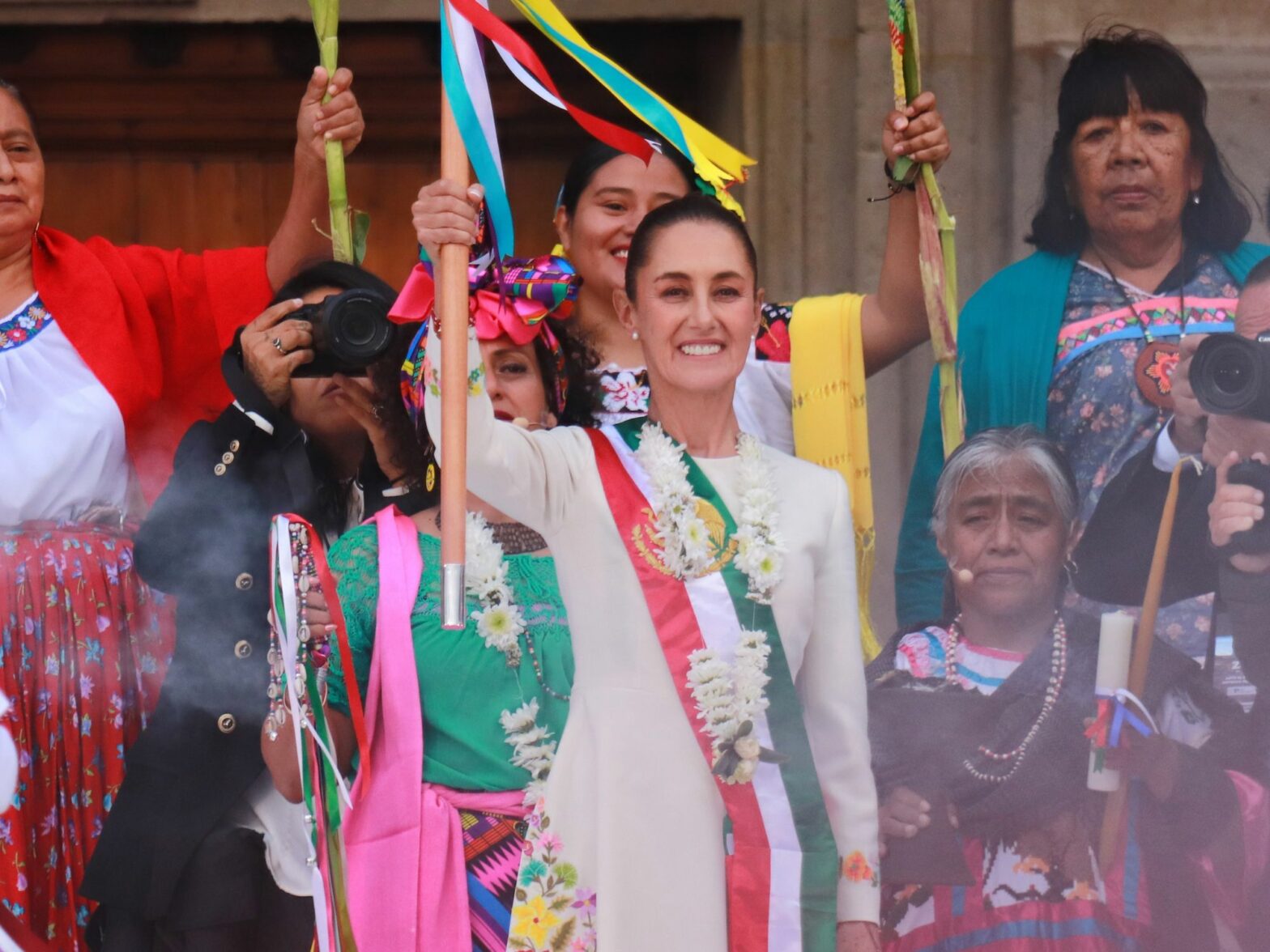
When Mexico’s new president, Claudia Sheinbaum, chose not to invite King Felipe VI to her inauguration, Spain could have reacted differently. It could have taken the opportunity to evaluate its colonial past and apologize to the native peoples of the Americas. But imperial nostalgia and a conflictual relationship with diversity are leaving Spain in the past.
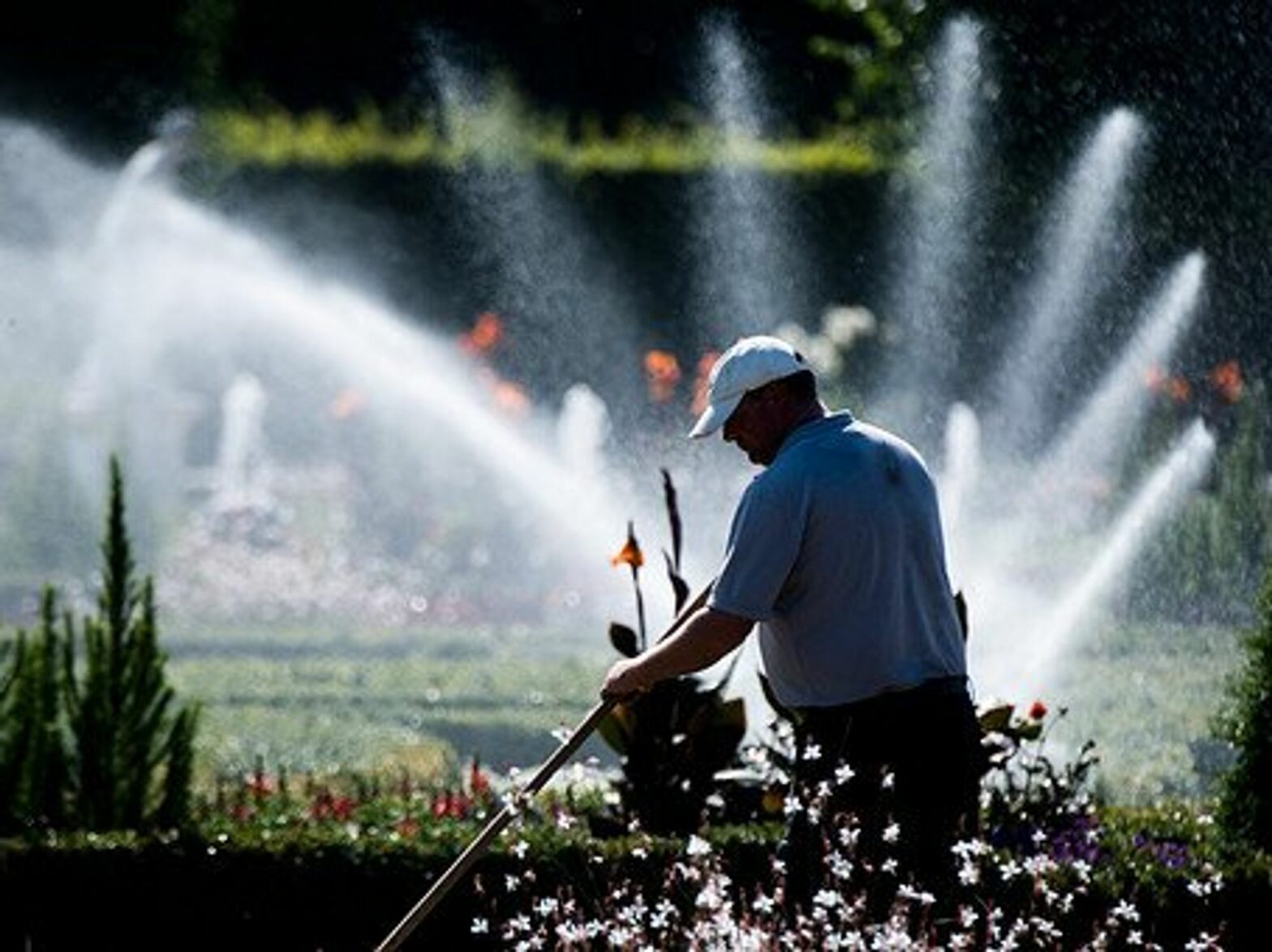
A house surrounded by an immaculate green lawn conquered the post-war United States and has become a Western ideal. But climate change is prompting homeowners — as well as institutions such as botanical gardens — to create yards that are adapted to the local climate and biodiversity.
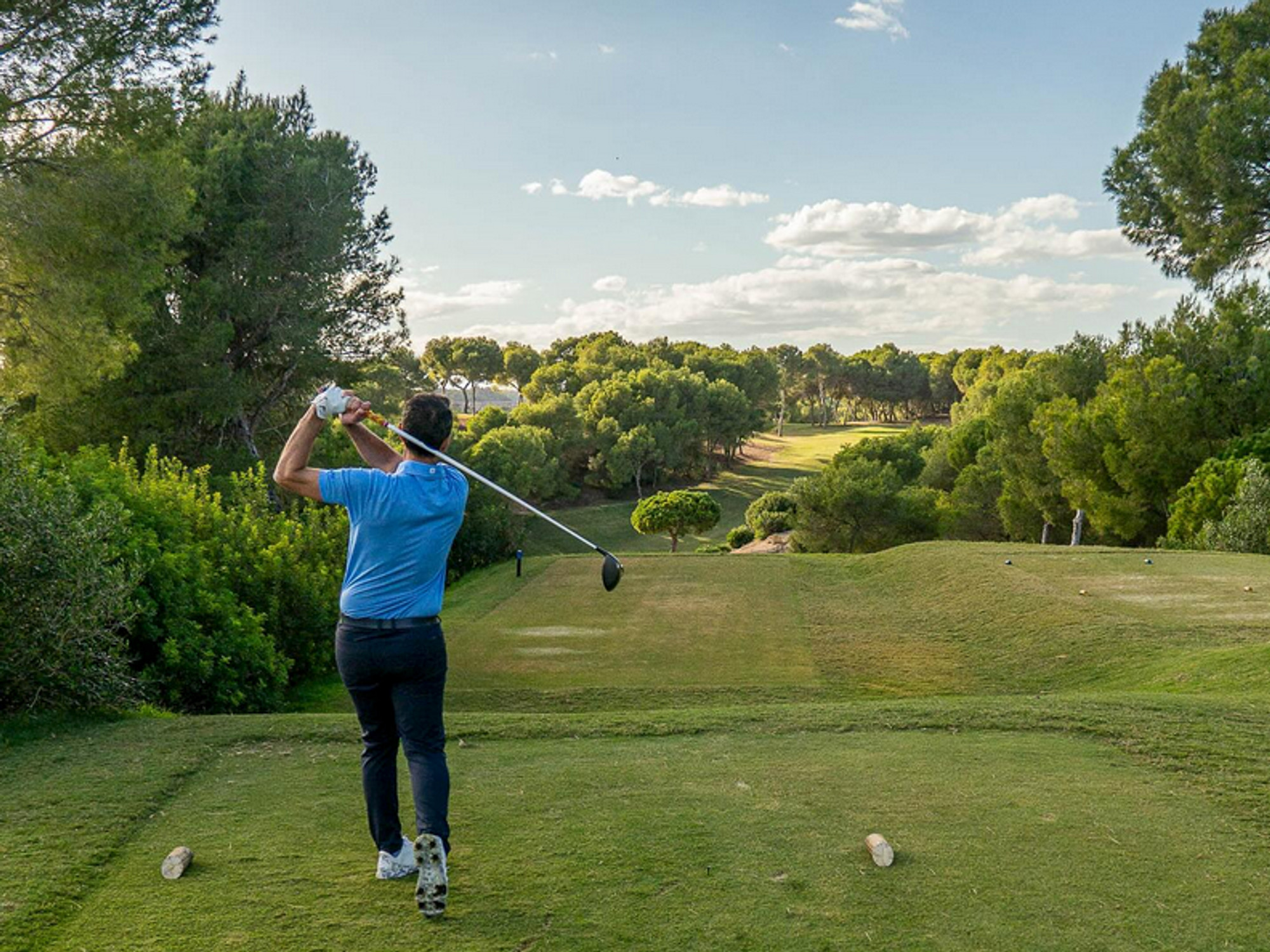
The golf industry claims it generates 225 million euros each year in Murcia, or 0.8% of the southeastern Spanish region’s GDP, which is also the driest in Spain.
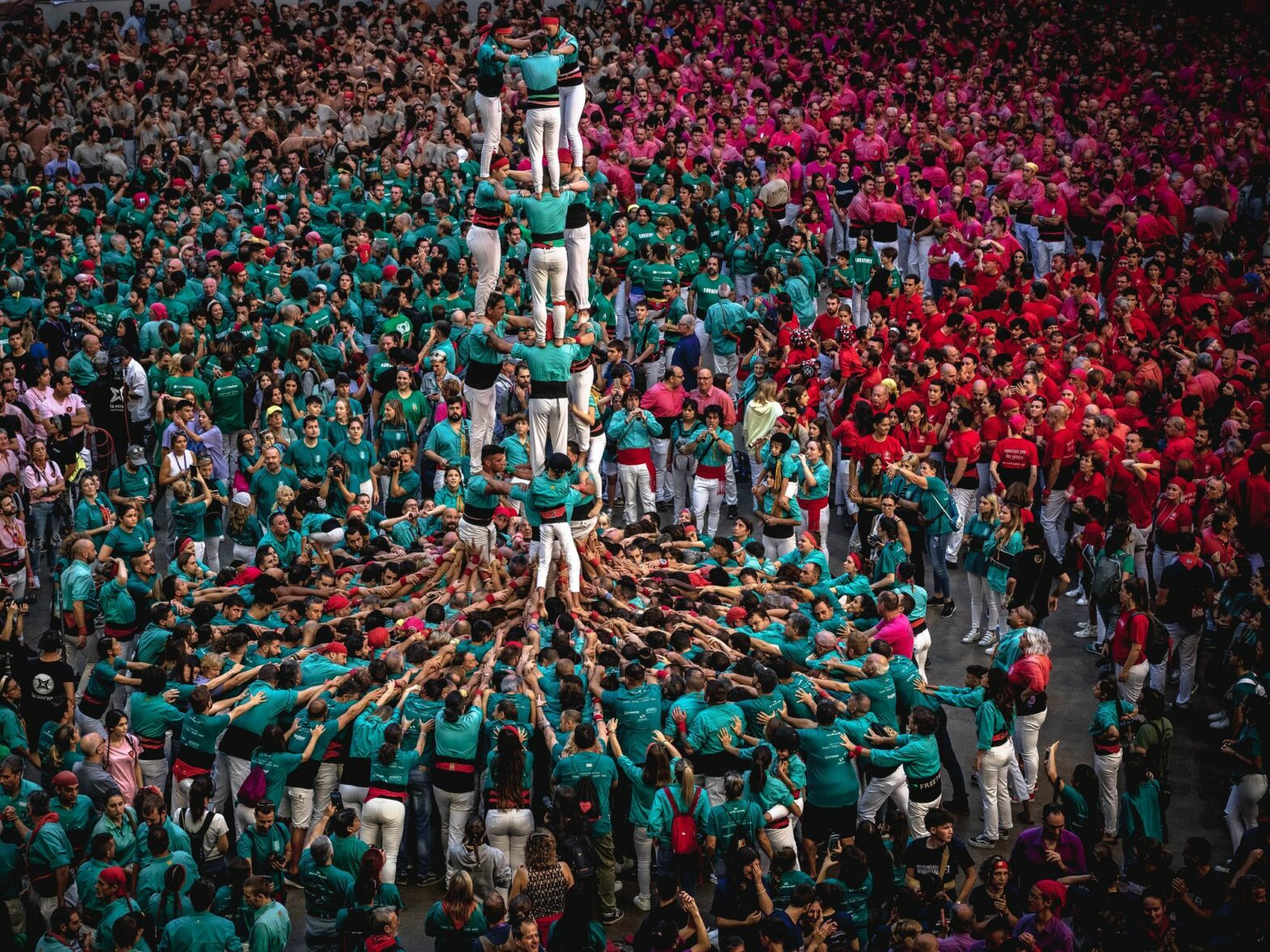
Increasingly extreme temperatures are forcing summertime cultural events and festivals, from concerts to Spain’s traditional castell human towers, to adapt to a new climate reality.