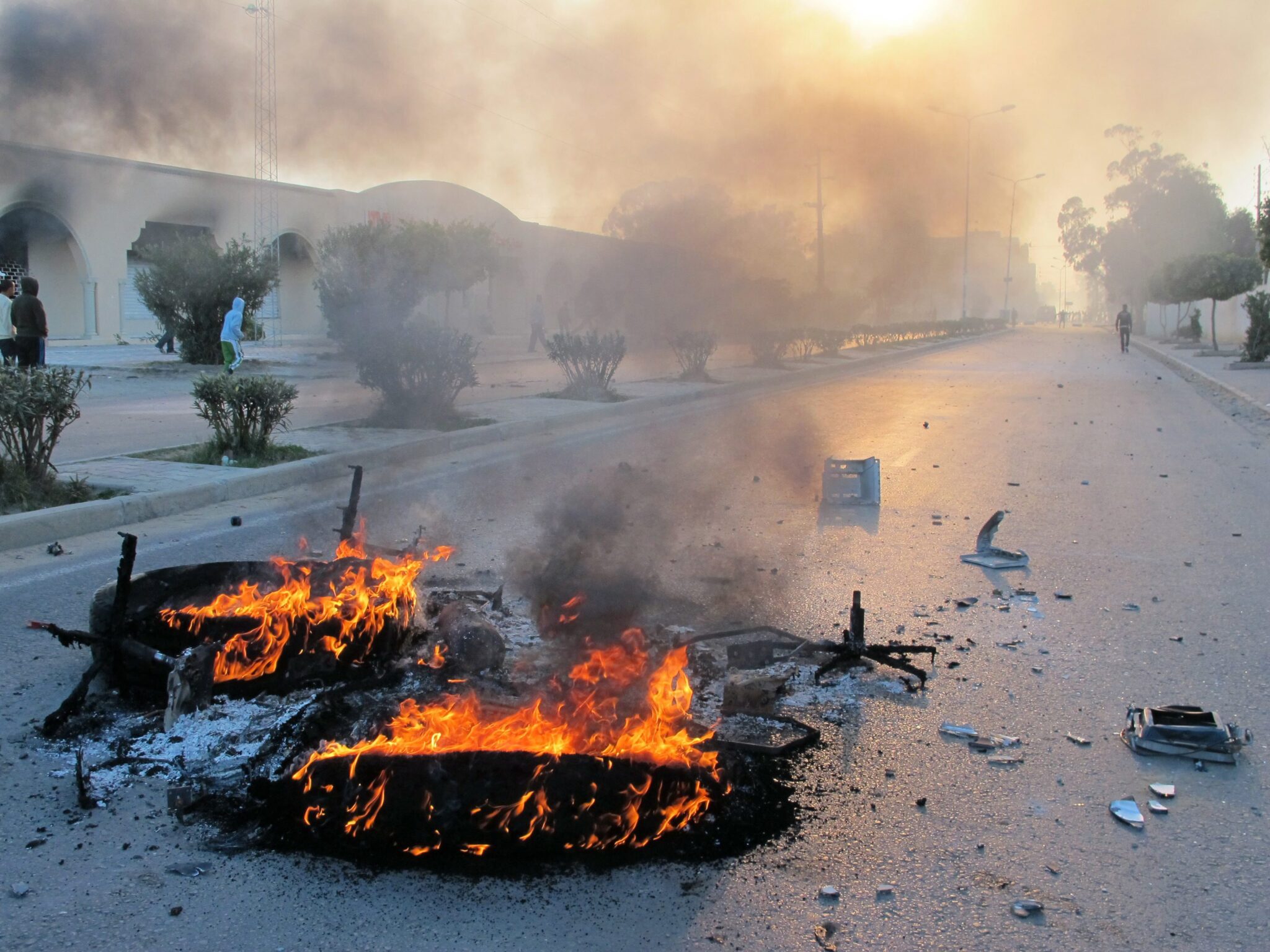
Since January, a wave of self-immolation in Tunisia has brought a phenomenon that’s existed since the revolution back into the spotlight, signaling both social and individual unrest.
 Worldcrunch
Founded in 2014 by a team of journalists, developers, and graphic designers, Inkyfada is an independent non-profit media collective based in Tunis.
Since January, a wave of self-immolation in Tunisia has brought a phenomenon that’s existed since the revolution back into the spotlight, signaling both social and individual unrest.
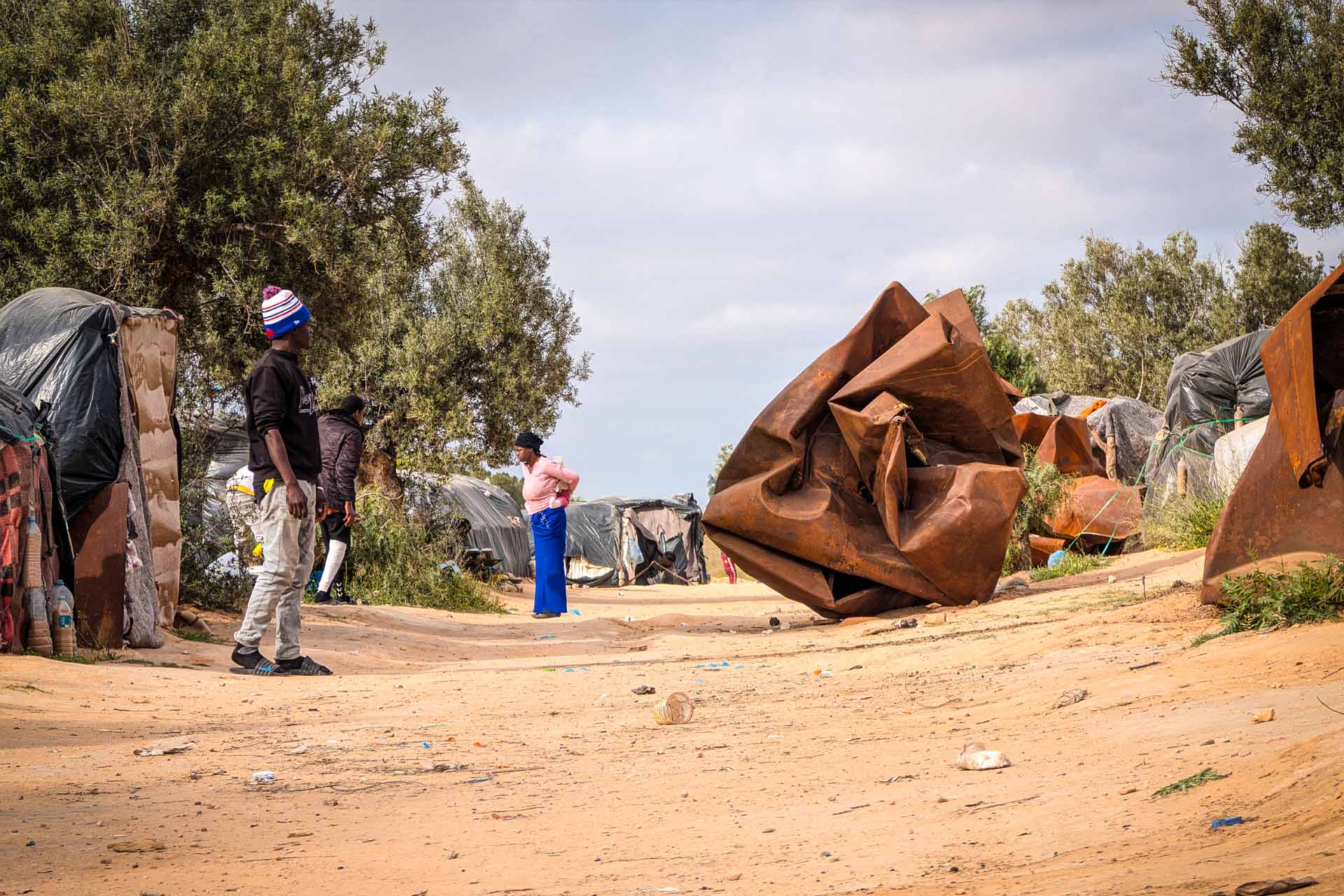
In the Sfax region, migrants are mostly using artisanal metal boats to cross the Mediterranean. Leaked European Union documents reveal the role these vessels play in the increase in migration flows from Tunisia and the dangers they pose for migrants.

For a dual-national soccer player, choosing a national team goes beyond the sporting sphere: It involves family, identity and geopolitical issues, pitting major European nations against Maghreb countries.
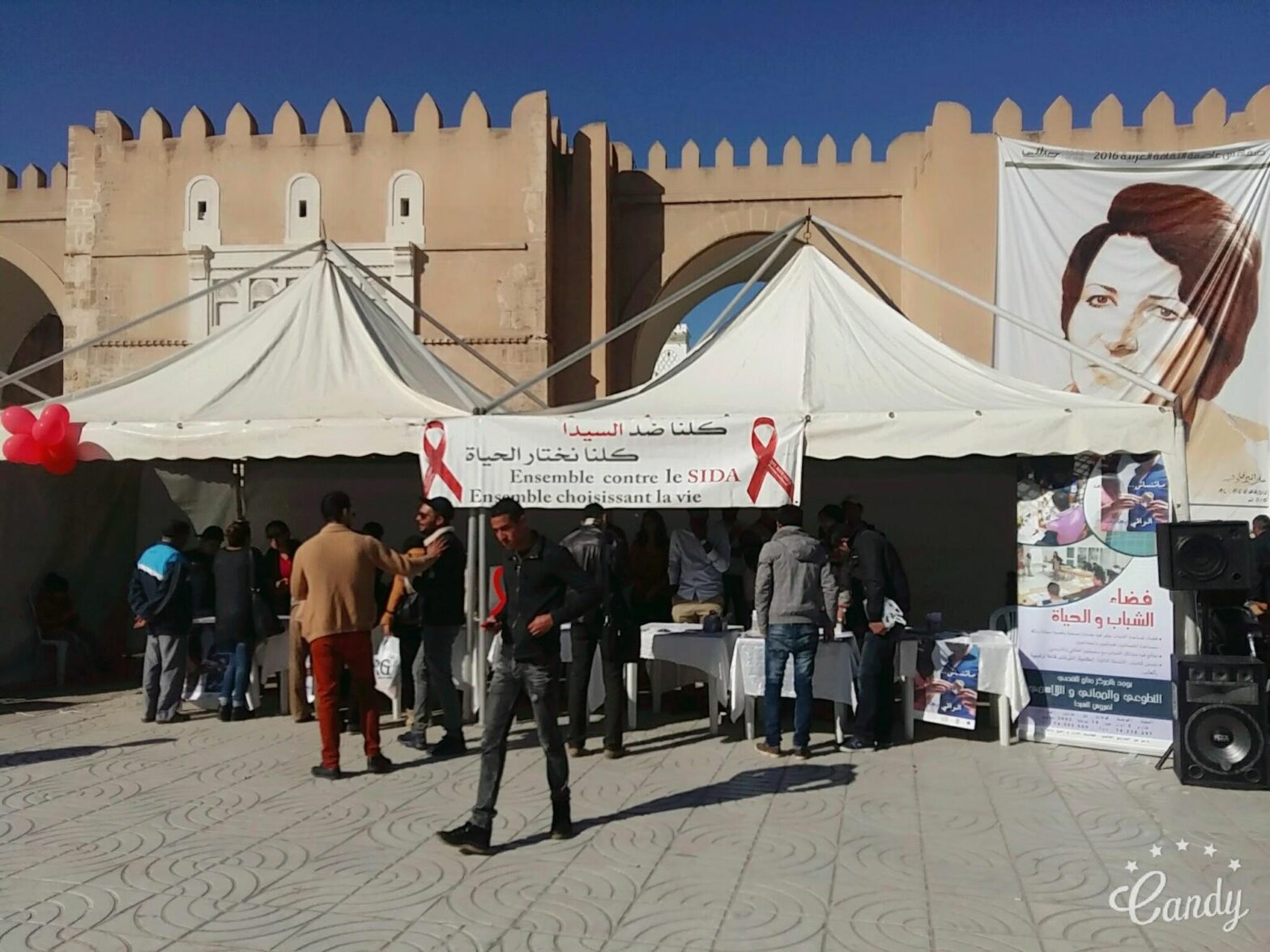
Although HIV infections are on the rise in Tunisia, only 25% of people living with the virus are receiving treatment. Access to care remains limited due to societal norms that stifle discussions around sexual health and structural deficiencies in the healthcare system, thereby fueling a preventable epidemic.
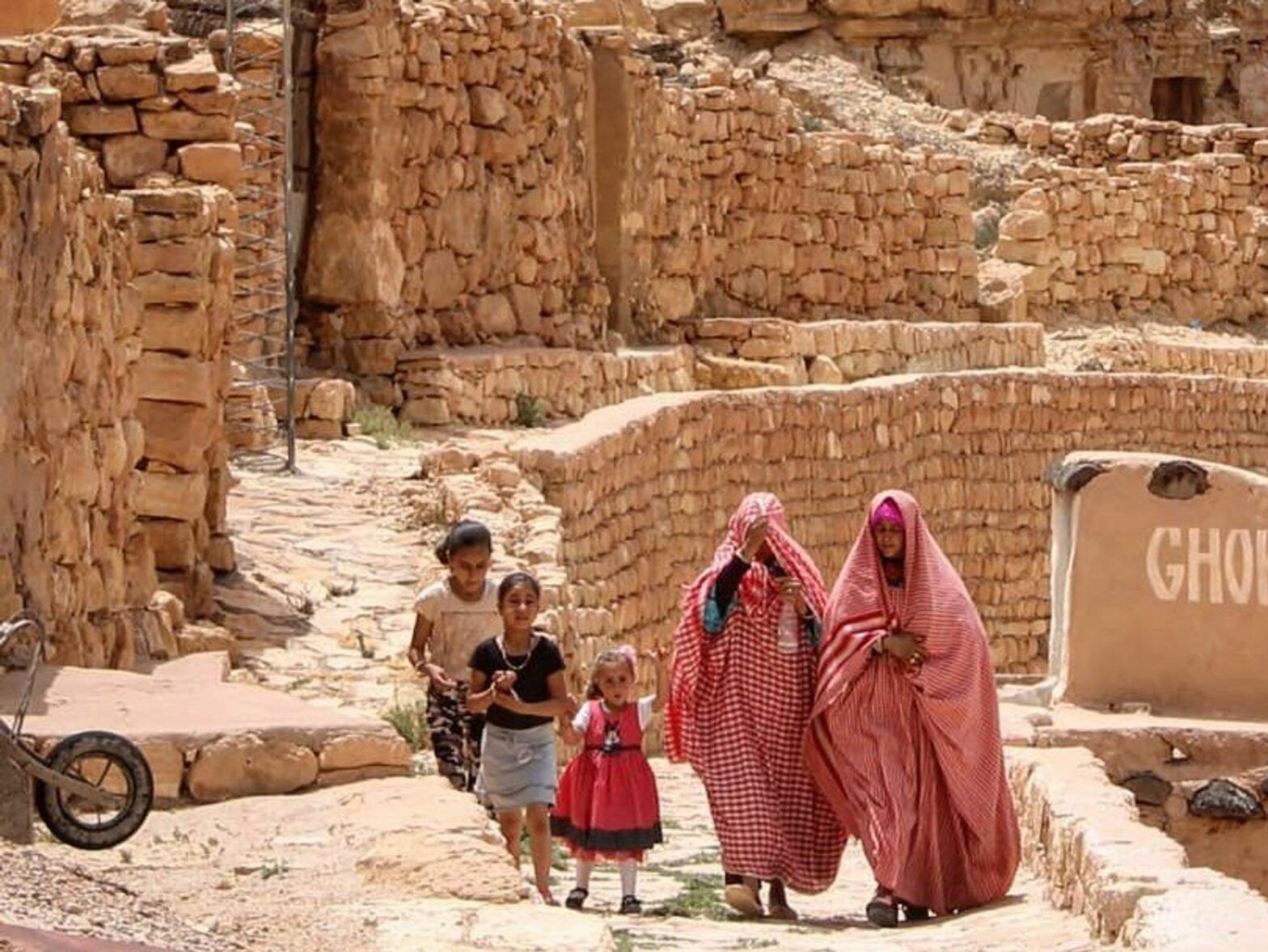
Tunisian troglodyte villages in the Dahar mountain range are mostly empty as a result of policies dating back several decades. But locals, concerned about losing part of their identity and history, are mobilizing to maintain a presence and to safeguard their heritage.
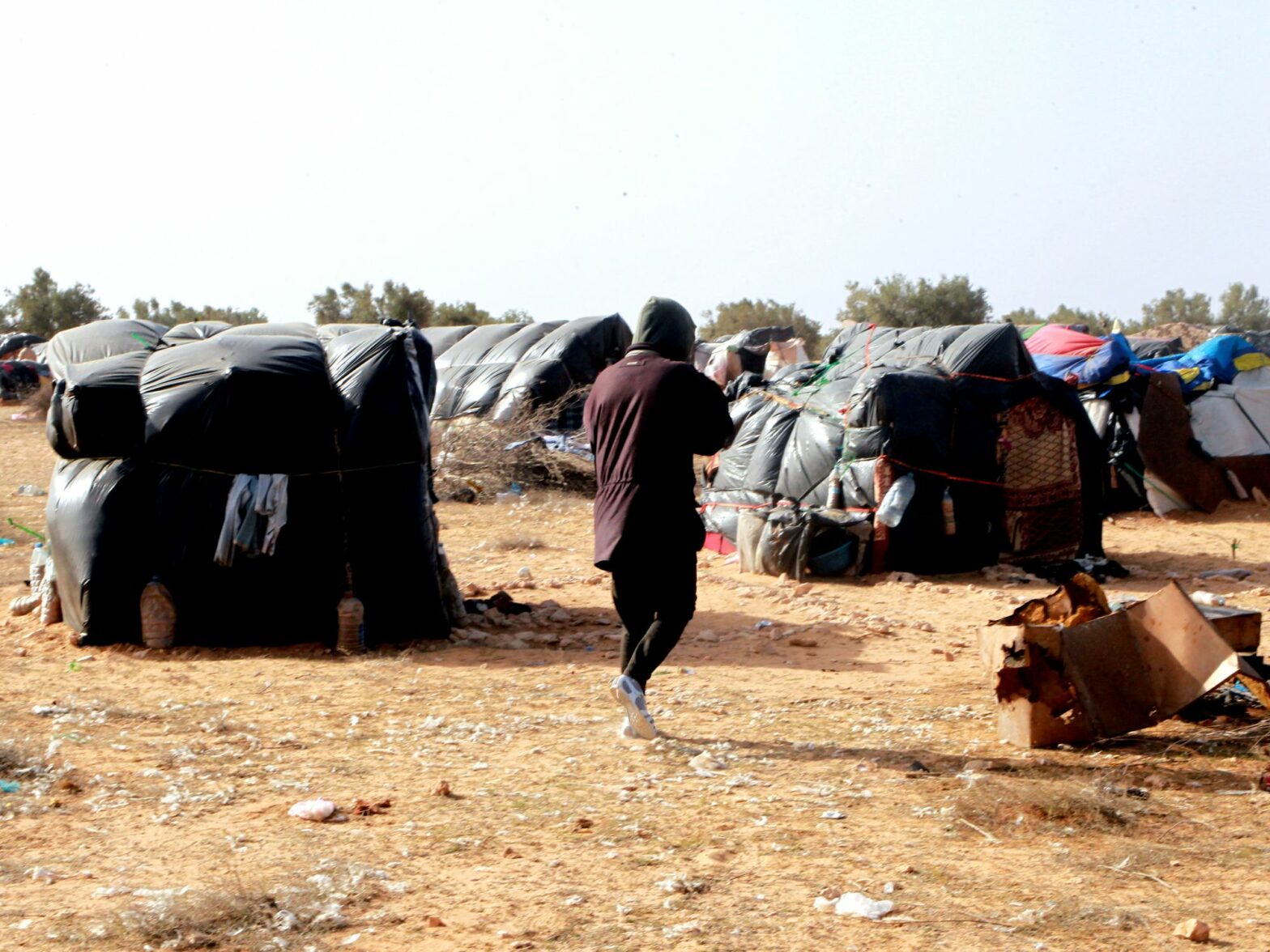
Arrests of migrants, camp destruction operations and searches of NGO premises: since the end of April, the anti-migrant policy has taken on an unprecedented scale.
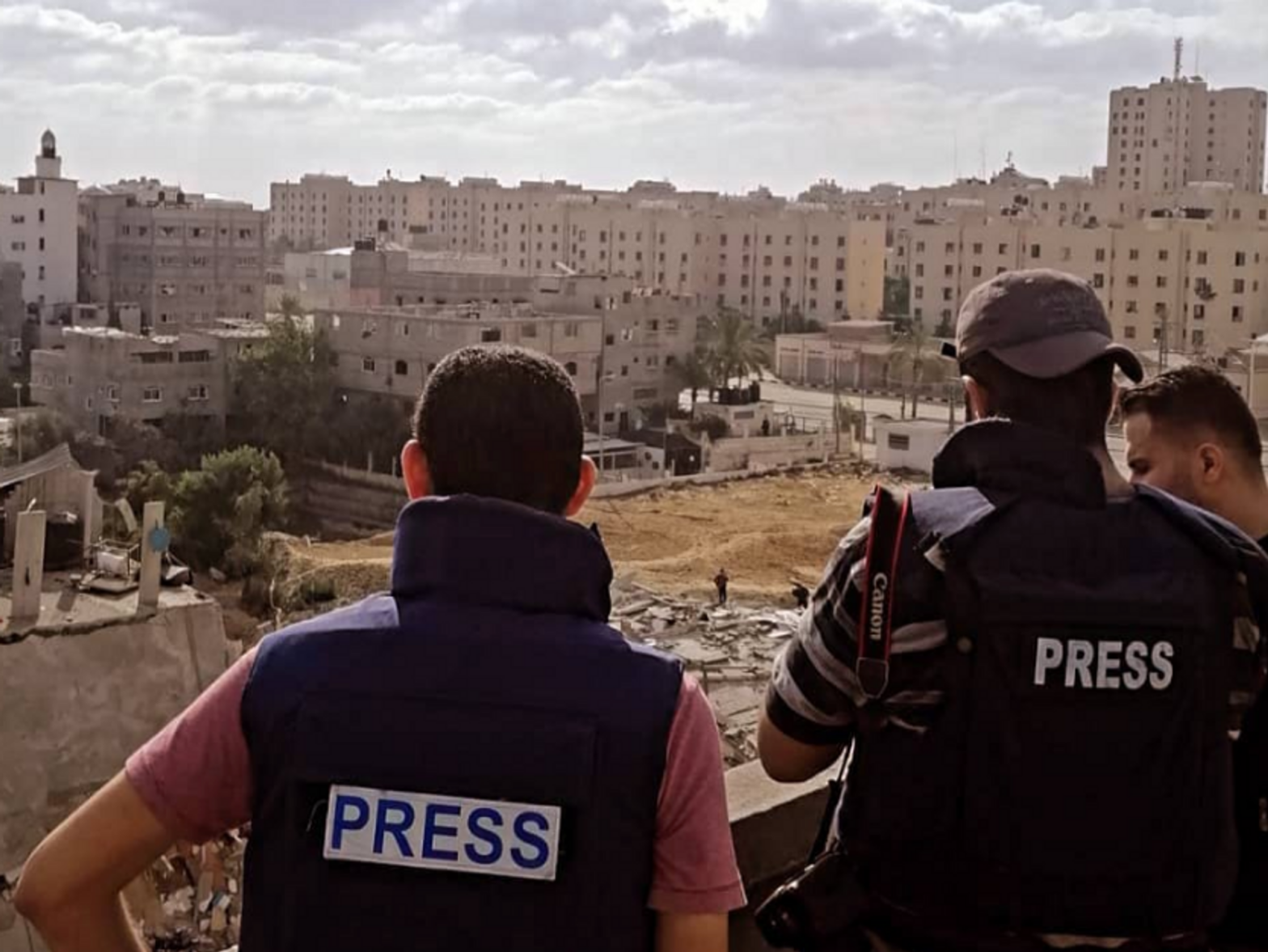
Since the beginning of Israel’s attacks on Gaza, journalists on the ground have been on the front lines, and many of them have already lost their lives. Meanwhile, the media machine in the rest of the world has gone wild, with even the most prominent media outlets spreading fake news.
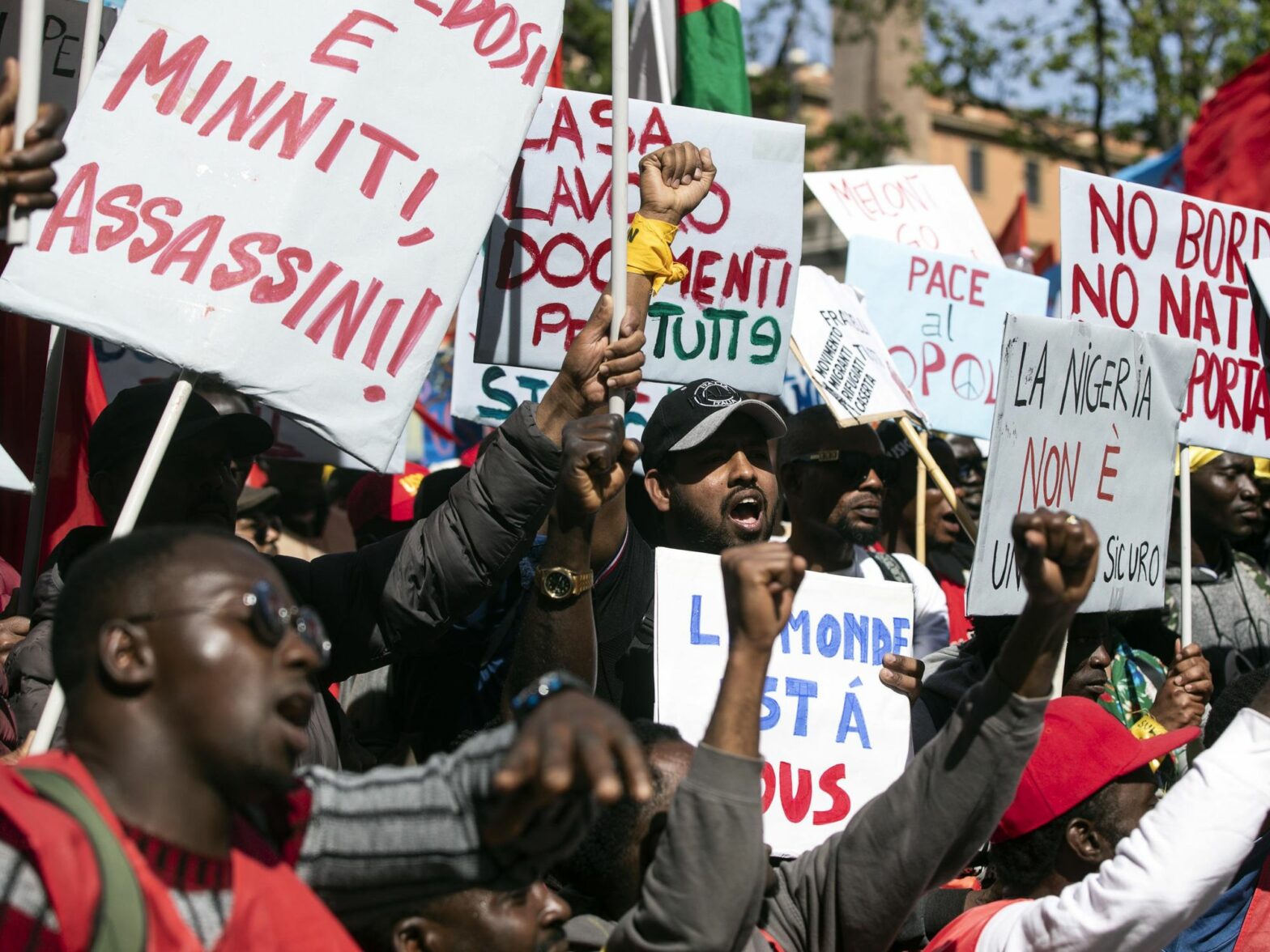
Before being deported from Italy, undocumented migrants are detained in Repatriation Detention Centers, where they are often sedated with powerful psychotropic drugs, according to this investigative report by Altreconomia, in collaboration with Inkyfada.
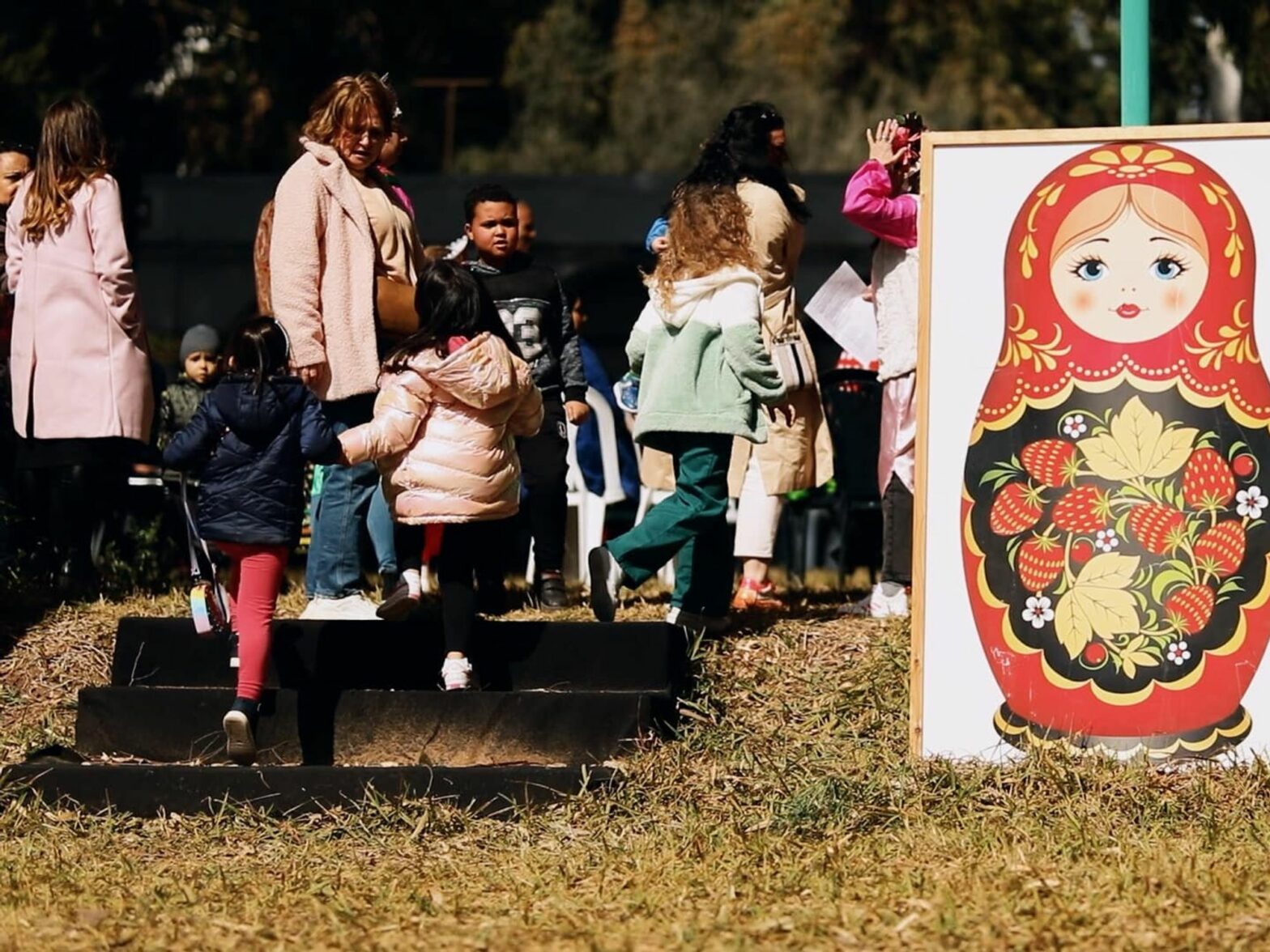
Tunis and Moscow have been increasingly close — at the cost of relations with the West, which had once looked to Tunisia as a model of democracy. The two countries are brought together by Kremlin’s efforts to woo African countries, but also a natural alliance of its strongman Presidents Putin and Saïed.
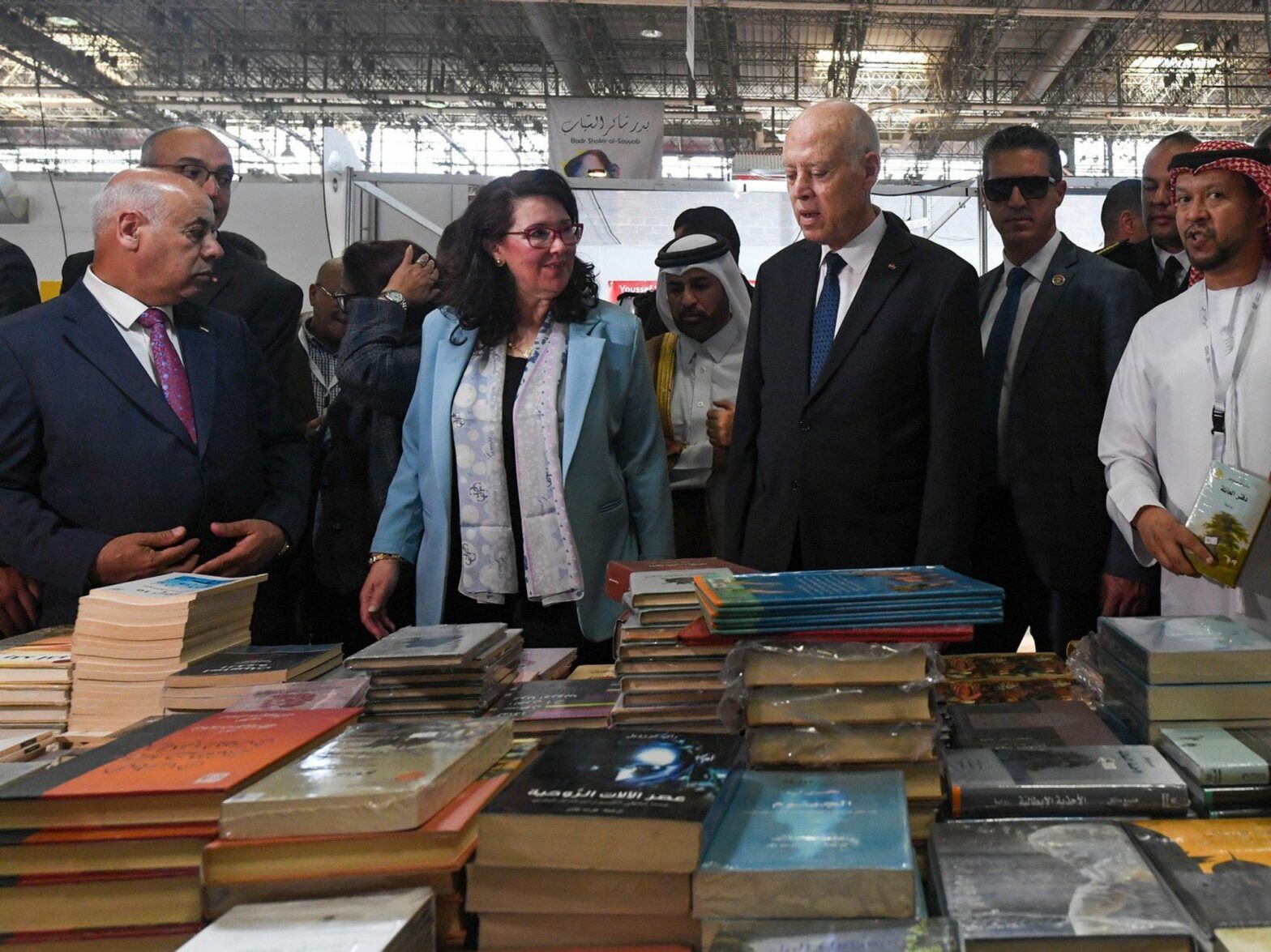
The recently completed 37th International Book Fair in Tunis became a flashpoint of growing concerns that Tunisian President Kaïs Saïed is cracking down on freedom of speech.
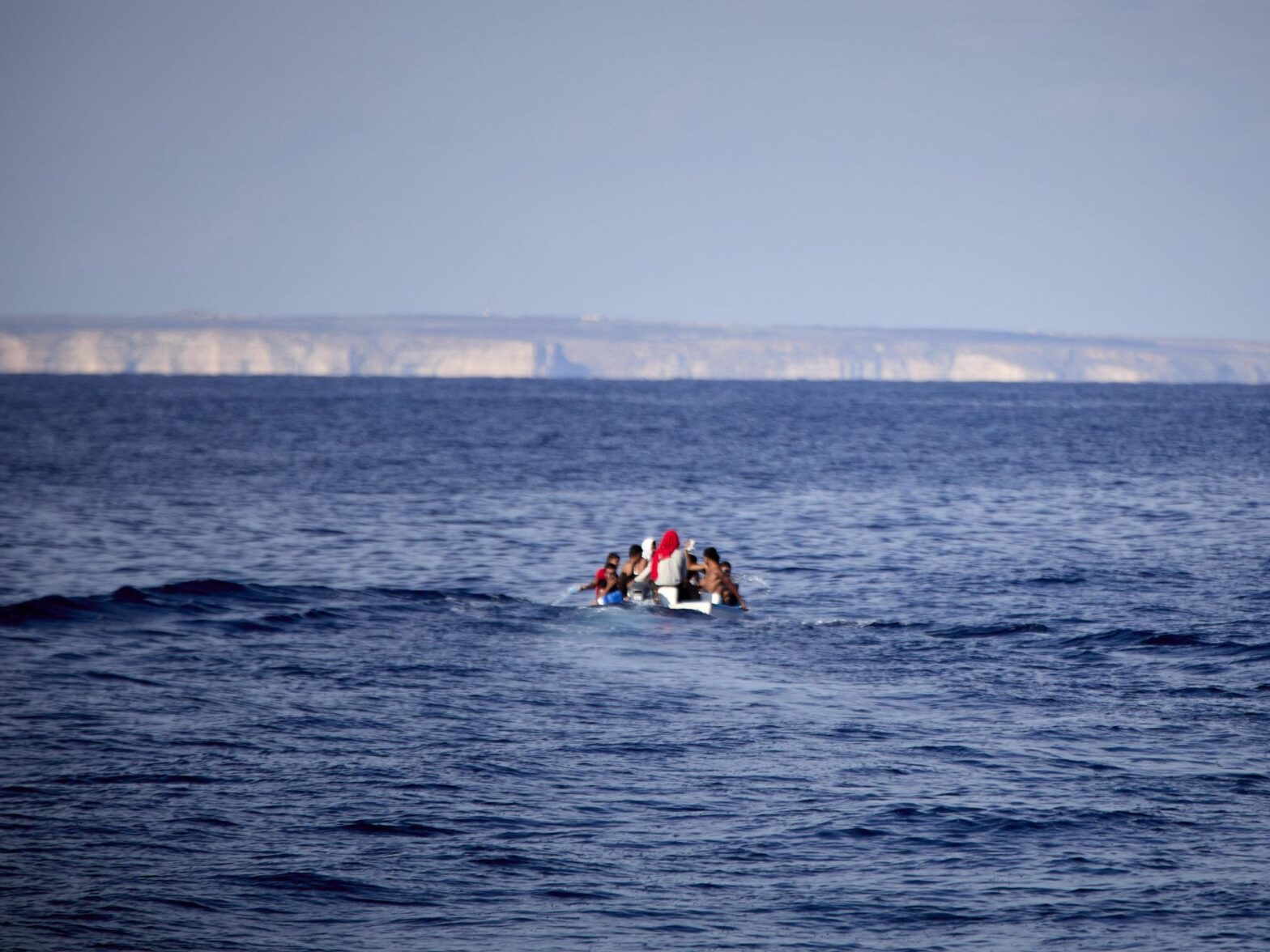
In West and North Africa, survivors of migrants who’ve vanished have come together to support each other and pay tribute to their family members. But above all, they’re trying any means possible to find out the truth and get justice after years of silence.