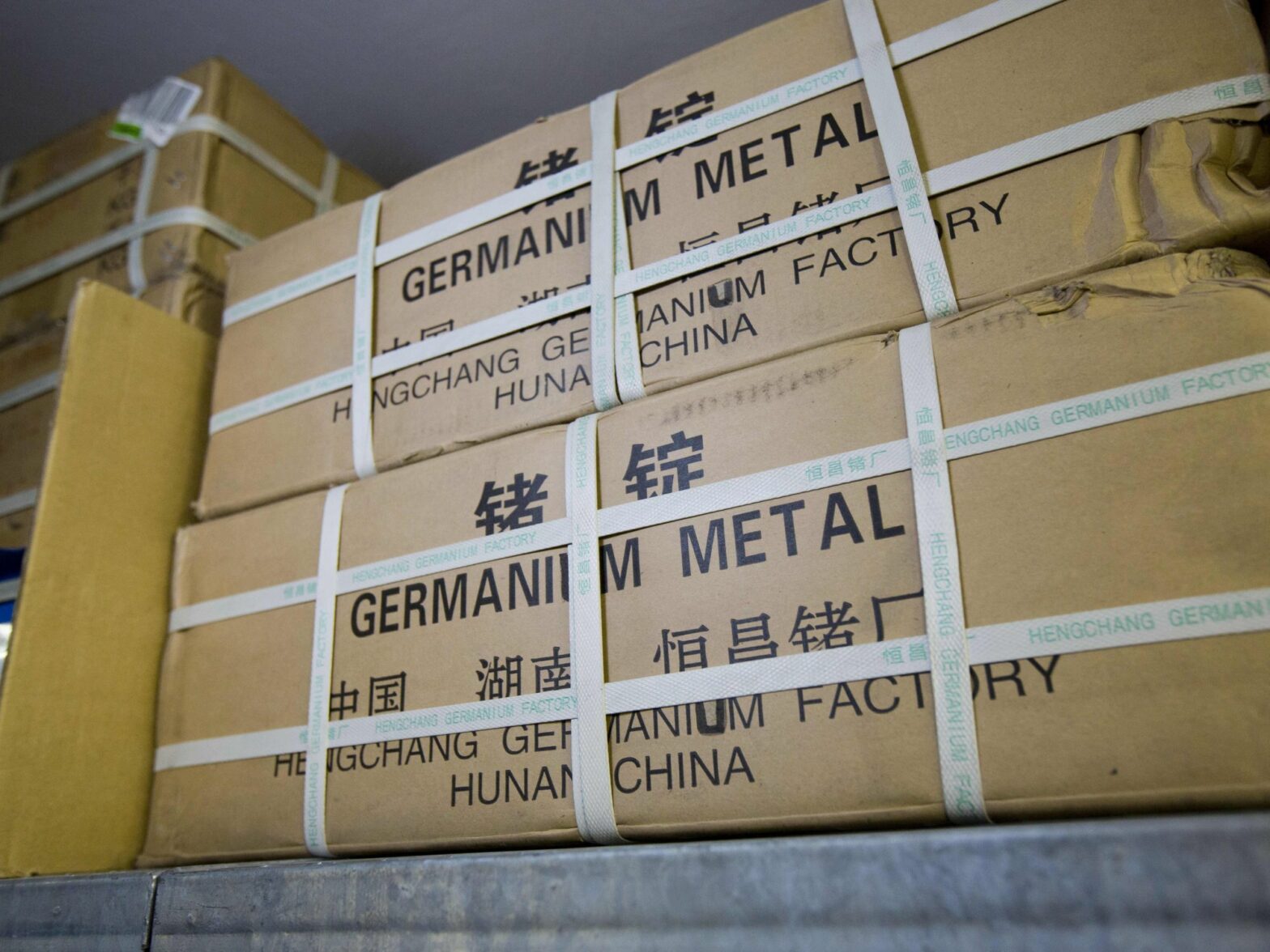
Beijing recently placed an export ban to the U.S. of two key metals. The move is a retaliation for U.S. bans of Chinese tech. The question remains of whether the superpowers can compromise before a total tech war breaks out.
 Worldcrunch
France Inter is a major French public radio channel and part of Radio France. It is a “generalist” station, aiming to provide a wide national audience with a full service of news and spoken-word programming, both serious and entertaining, liberally punctuated with an eclectic mix of music.
Beijing recently placed an export ban to the U.S. of two key metals. The move is a retaliation for U.S. bans of Chinese tech. The question remains of whether the superpowers can compromise before a total tech war breaks out.
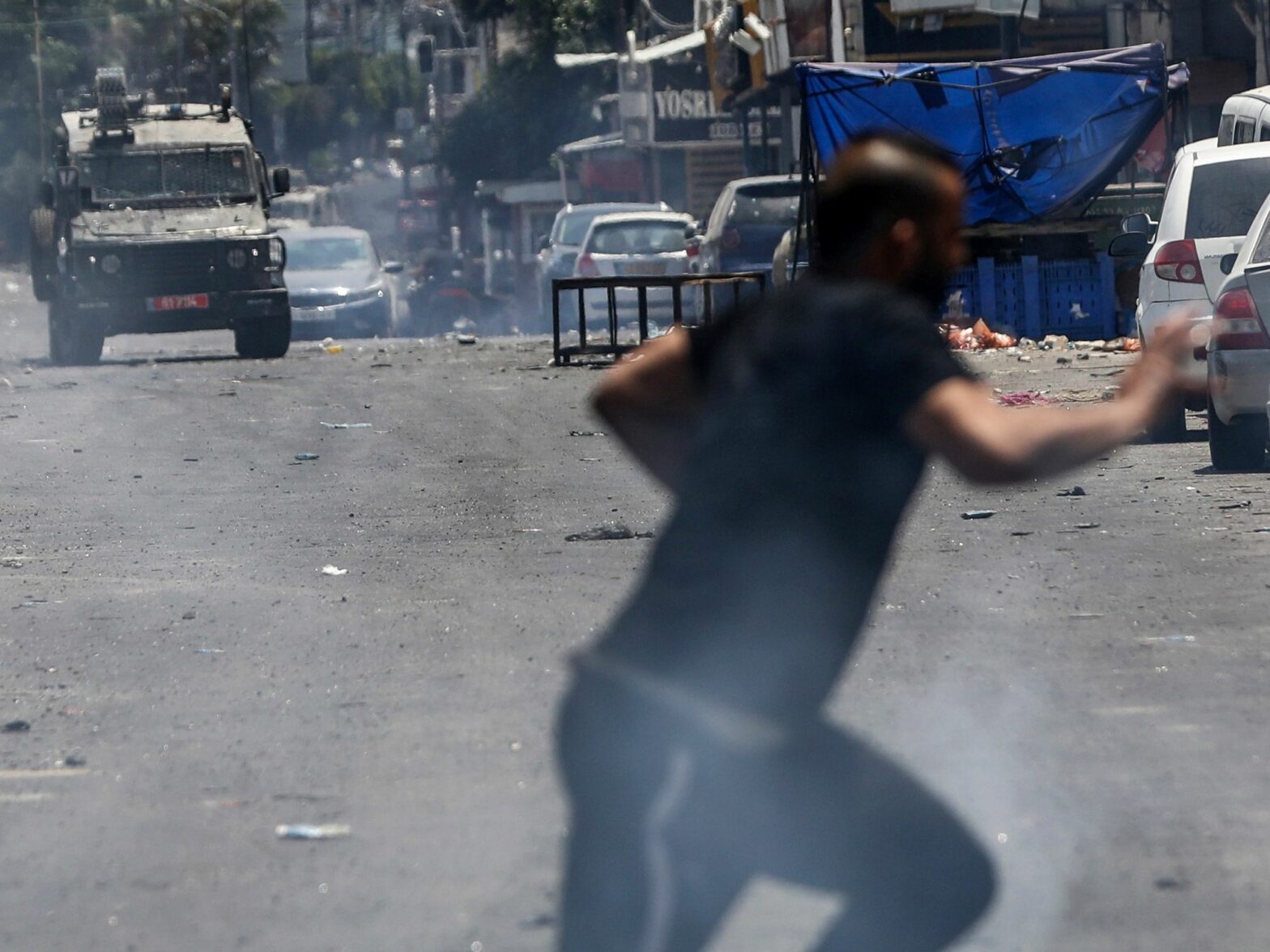
Israel’s military operation in Jenin is the latest escalation of bloodshed. Once again, the language of violence has prevailed because there is no political solution on the horizon.
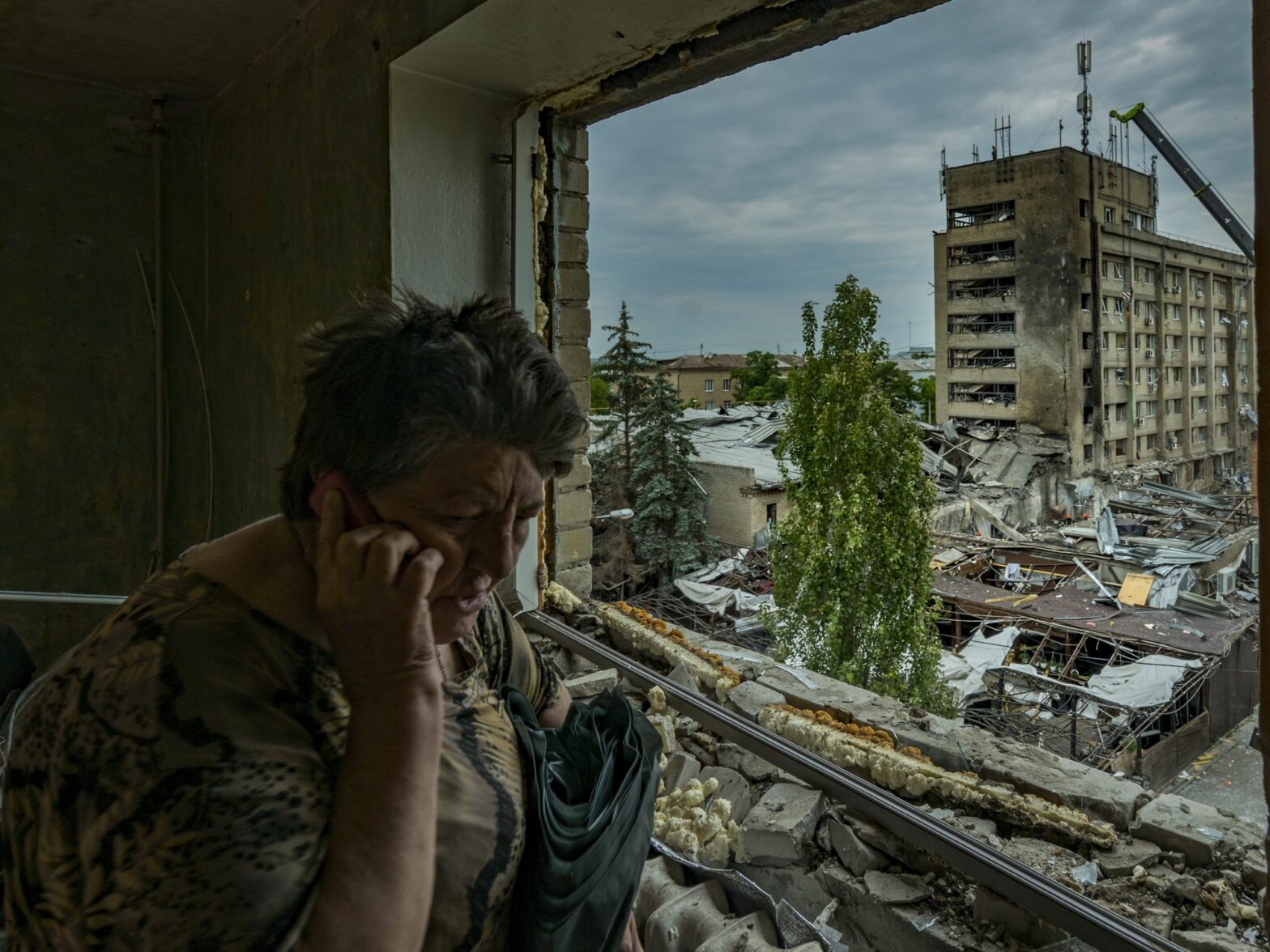
Writer and activist Victoria Amelina died from injuries sustained in a Russian missile strike on a restaurant in the eastern city of Kramatorsk. Her death is a cruel irony that reminds the world of both Moscow’s objectives, and tactics.
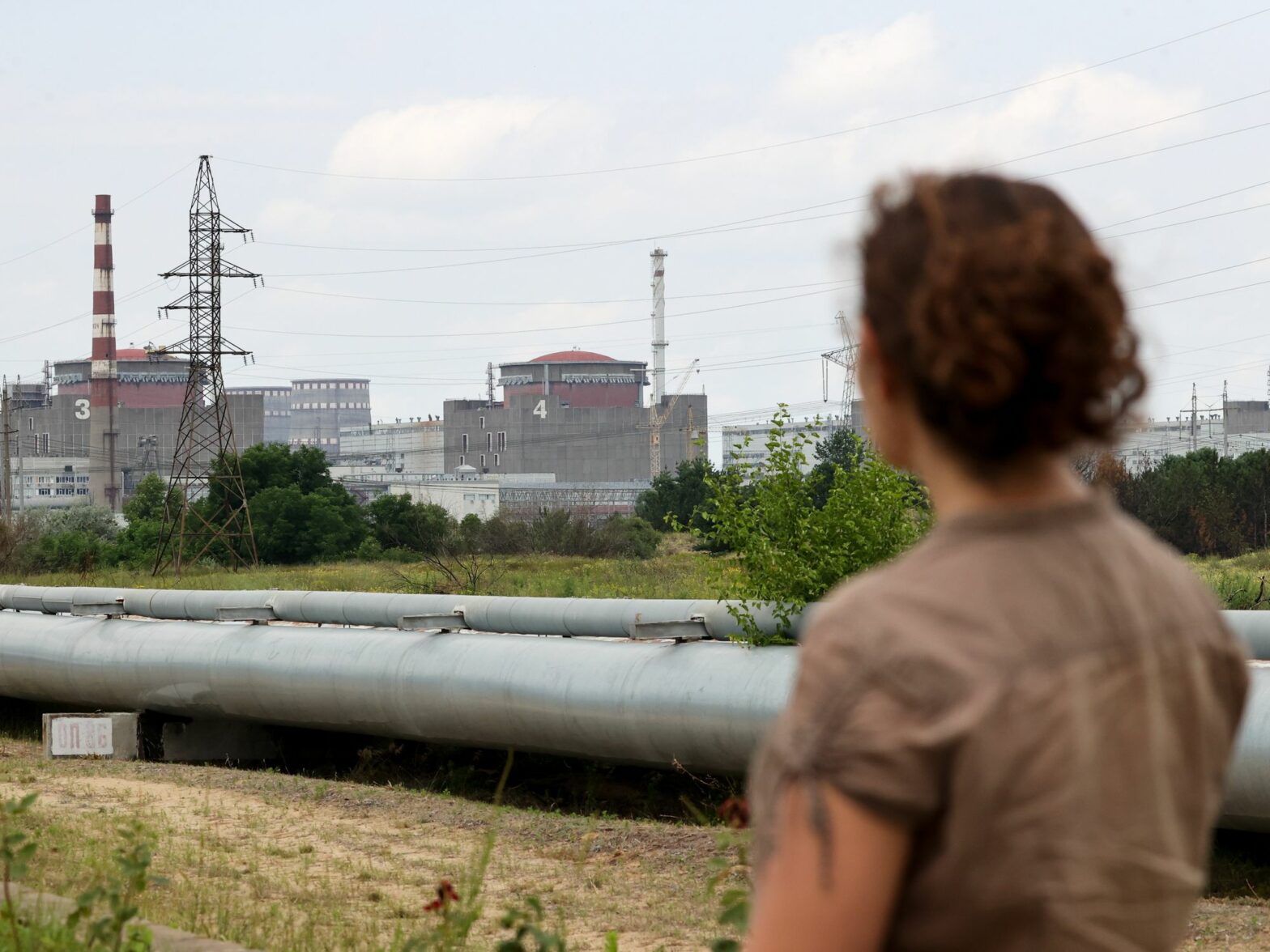
Kyiv is accusing Russia of planning to blow up the occupied Zaporizhzhia Nuclear Power Plant in eastern Ukraine, which would cause incalculable horror, and extend beyond the borders of Ukraine. But it may be messages in Beijing and Washington that can dissuade Vladimir Putin even more than exposing civilians, including Russians, to nuclear fallout.
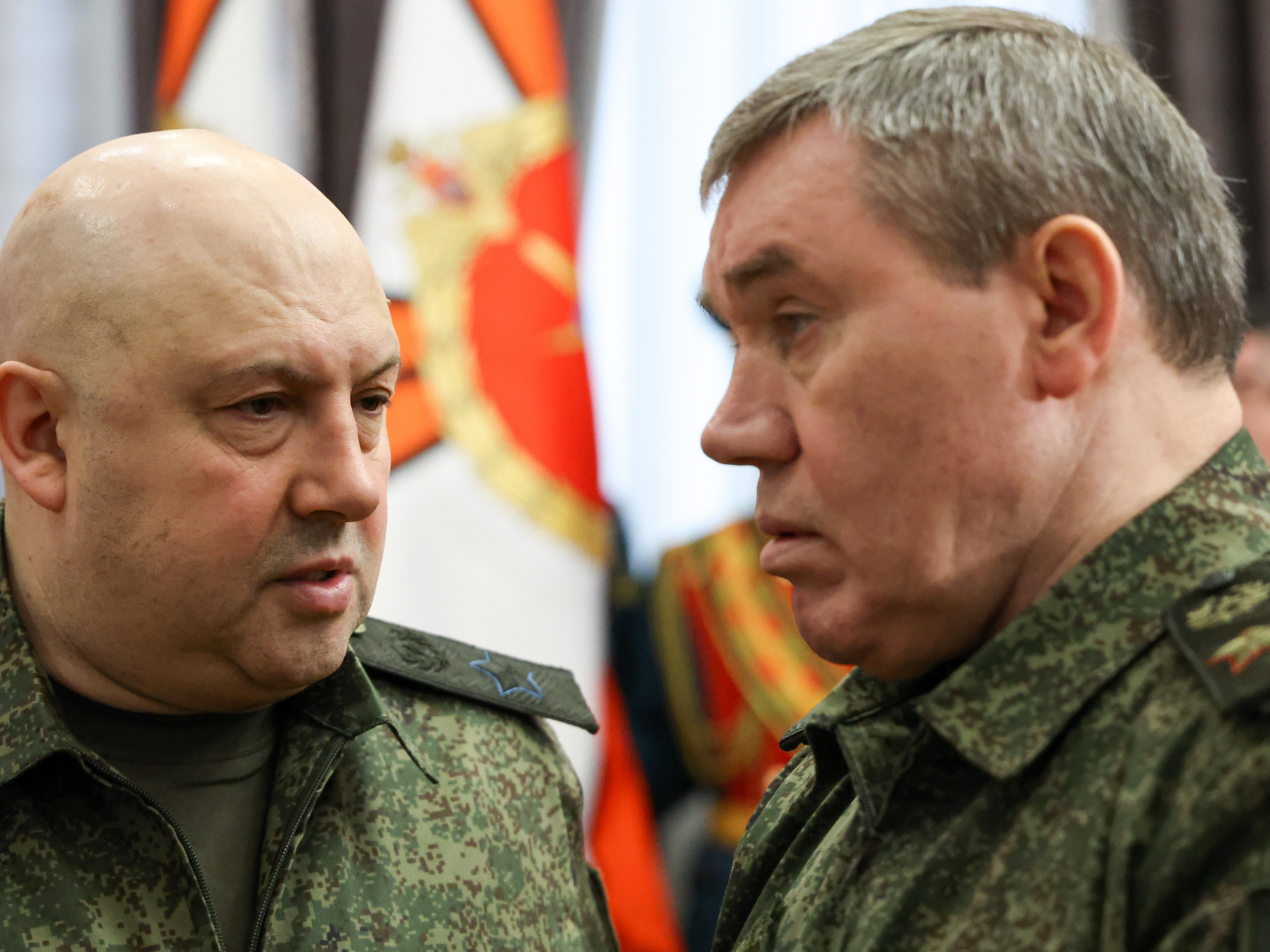
A rebel chief in exile, a top General arrested, a President waving at the crowd. While Putin is putting on a show in public, a large- scale investigation is cleaning house among the Russian military, one week after the Wagner group’s attempted coup.
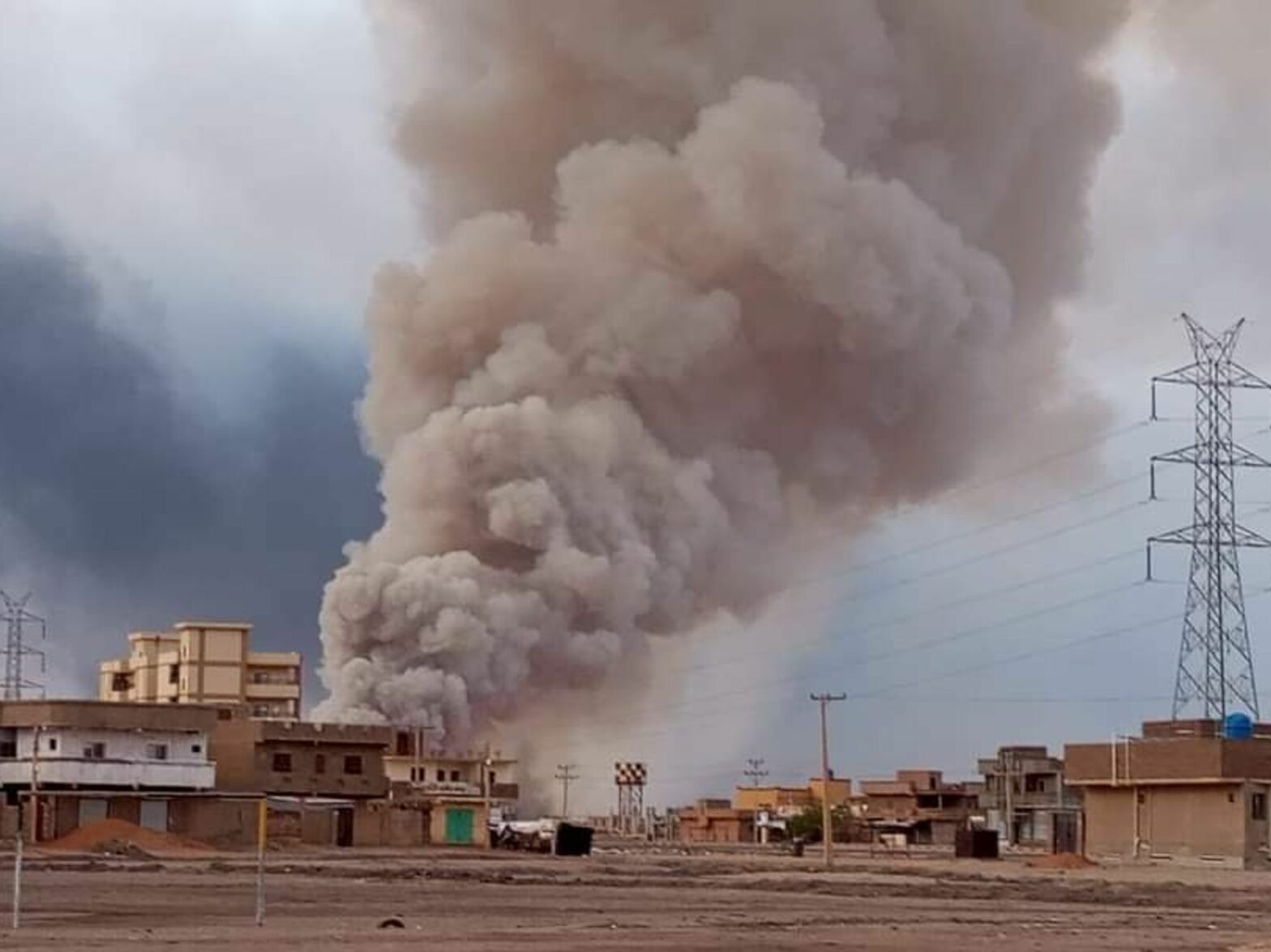
Why is the admirable funding for Ukraine not matched in Sudan, which now counts a stunning 2.5 million displaced people since fighting erupted two months ago? The West’s double standard of media attention must not be left to fester.
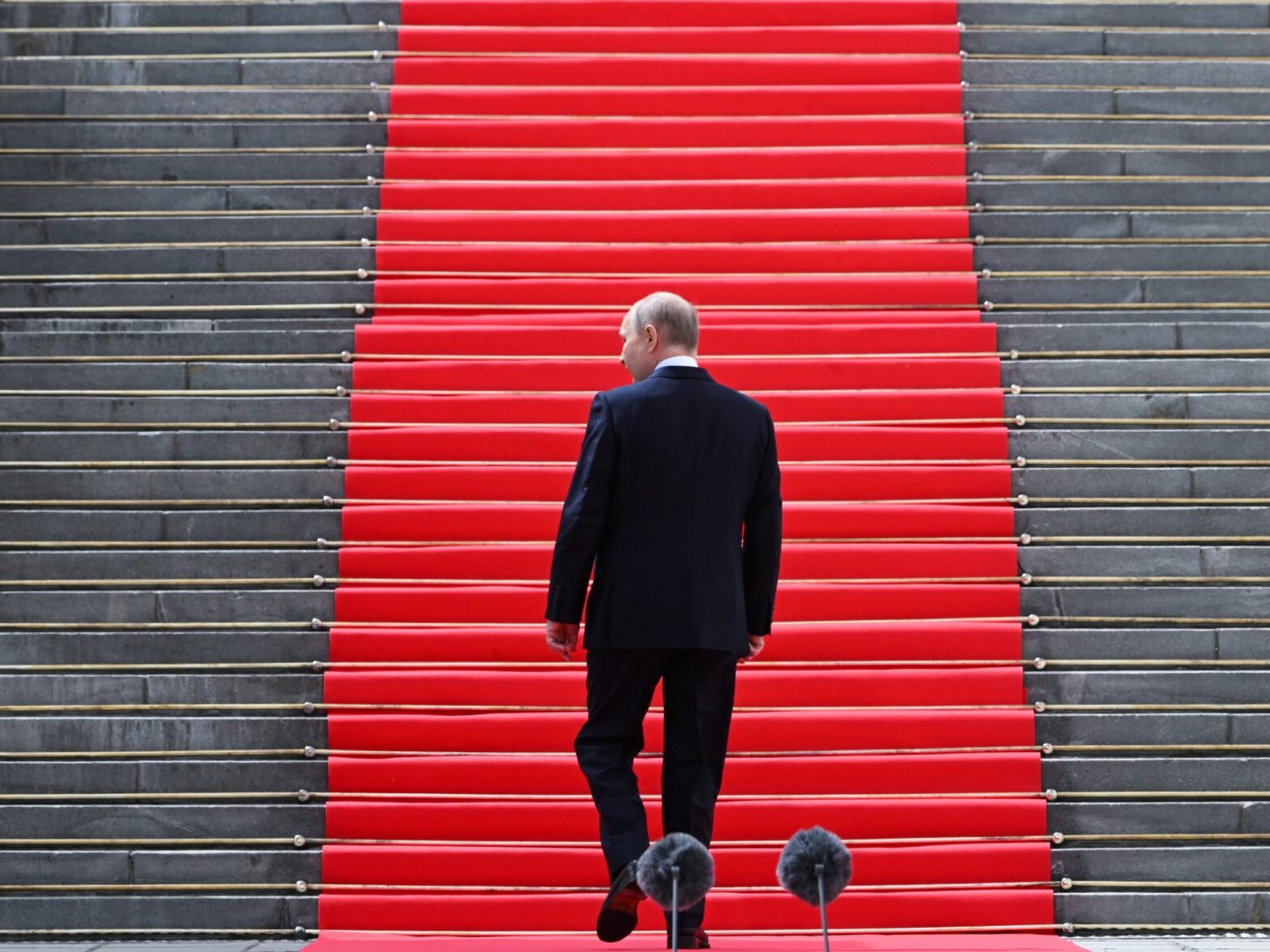
There are many lessons to be taken from Yevgeny Prigozhin’s aborted uprising in the halls of power China. Going forward, Beijing will see Russia as a model on what to avoid in maintaining stability autocratic rule.
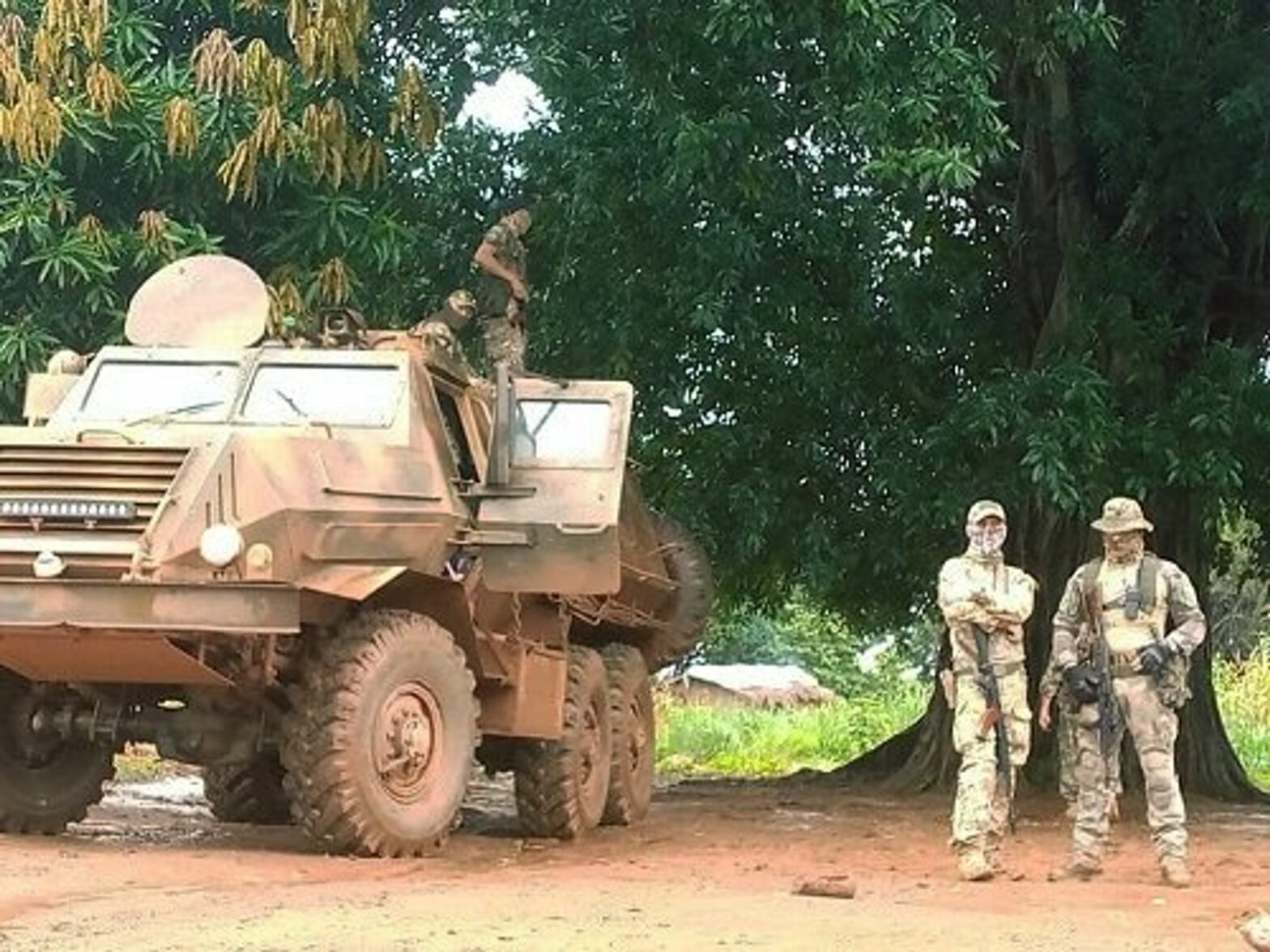
Prigozhin’s brief insurrection will be watched closely in many African countries, where Wagner mercenaries have largely been the beachhead for Russian foreign policy. Keep an eye on a key African-Russian summit next month.
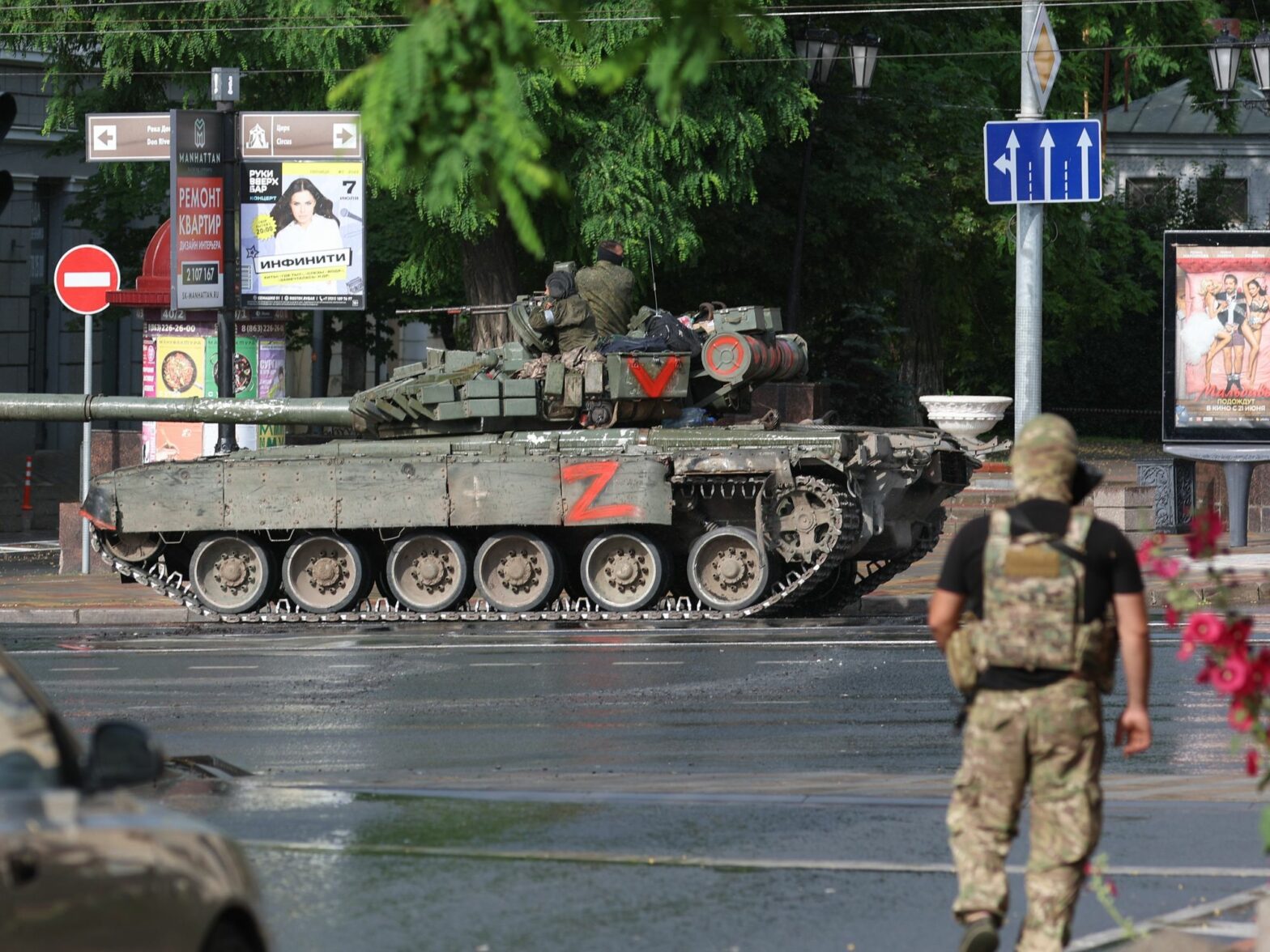
The fate of Prigozhin, Putin and Ukraine hang in the balance. And though much is still not clear, Russia is simply no longer under the reign of an all-powerful Vladimir Putin.
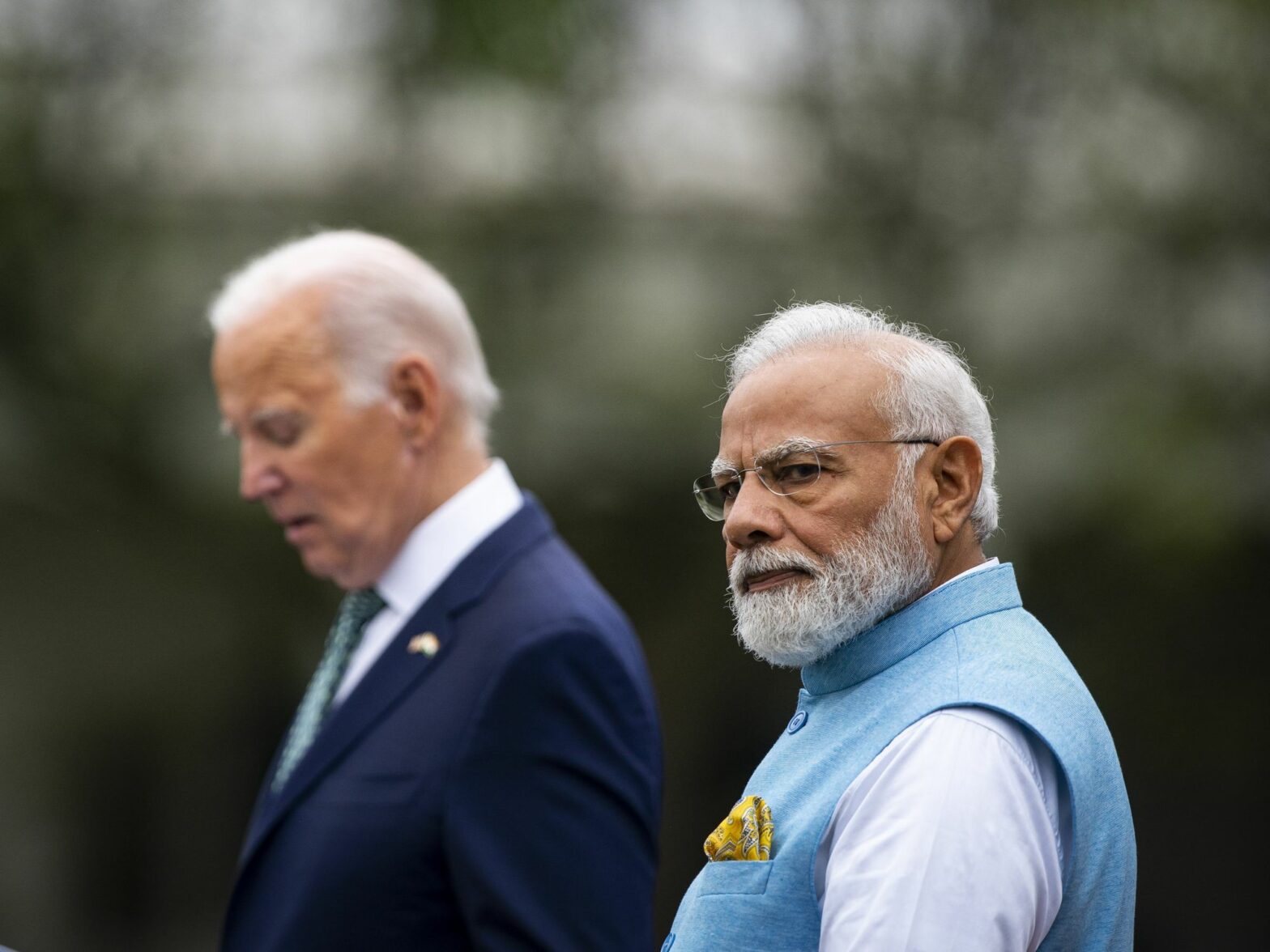
Indian Prime Minister Narendra Modi’s triumph during his state visit to the U.S. is part of a well-honed strategy of realpolitik and geo-economic opportunism. How the West responds says a lot about where the world is heading.
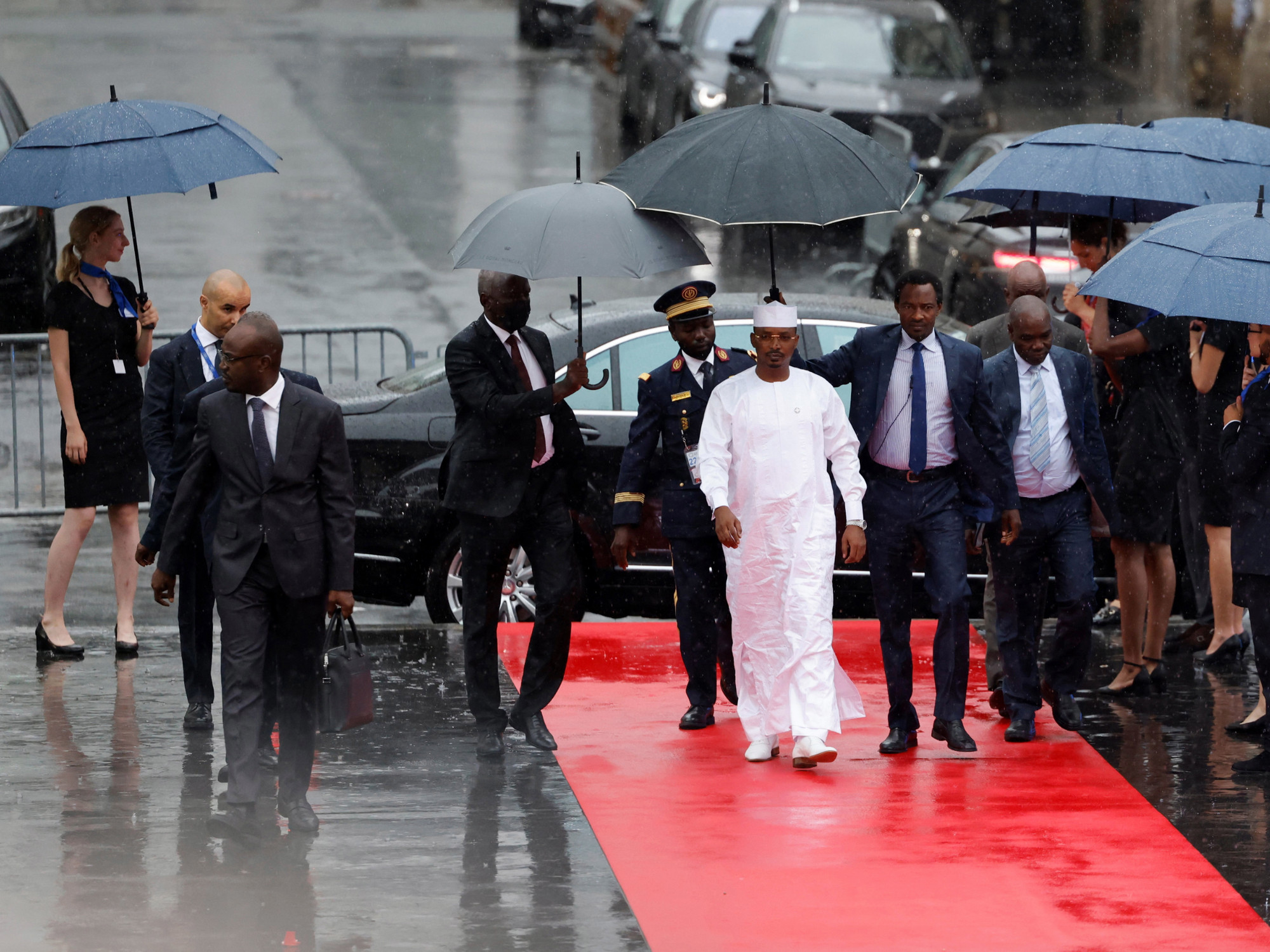
French President Emmanuel Macron has called a unique summit that aims to reset relations between Western countries and the Global South. But the message from China and Russia will be not to trust such diplomatic maneuverings.
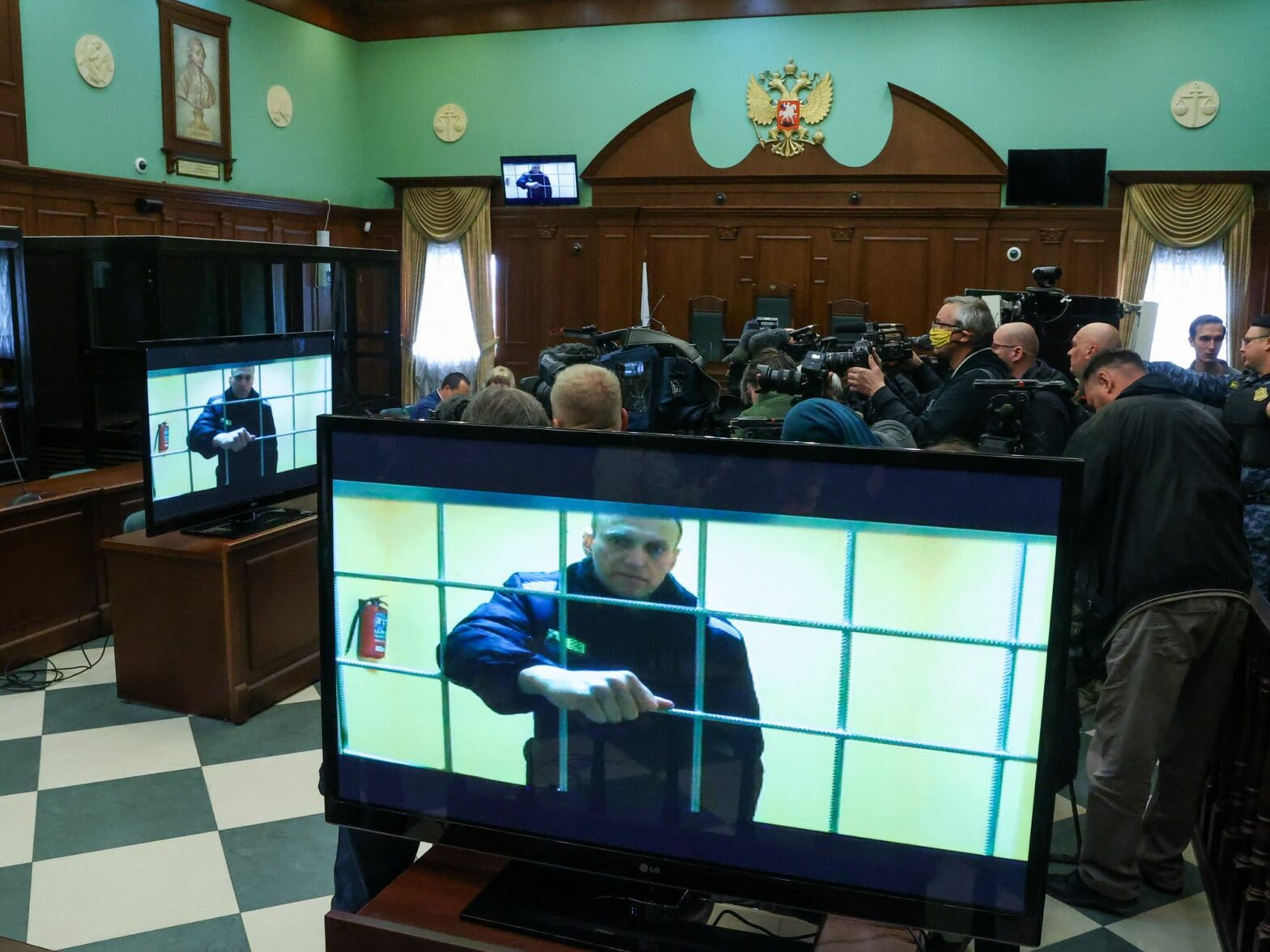
The ongoing show trial of prominent Putin critic Alexei Navalny continues. Yet even in the face of totalitarianism, Russia’s opposition cannot present a united front.
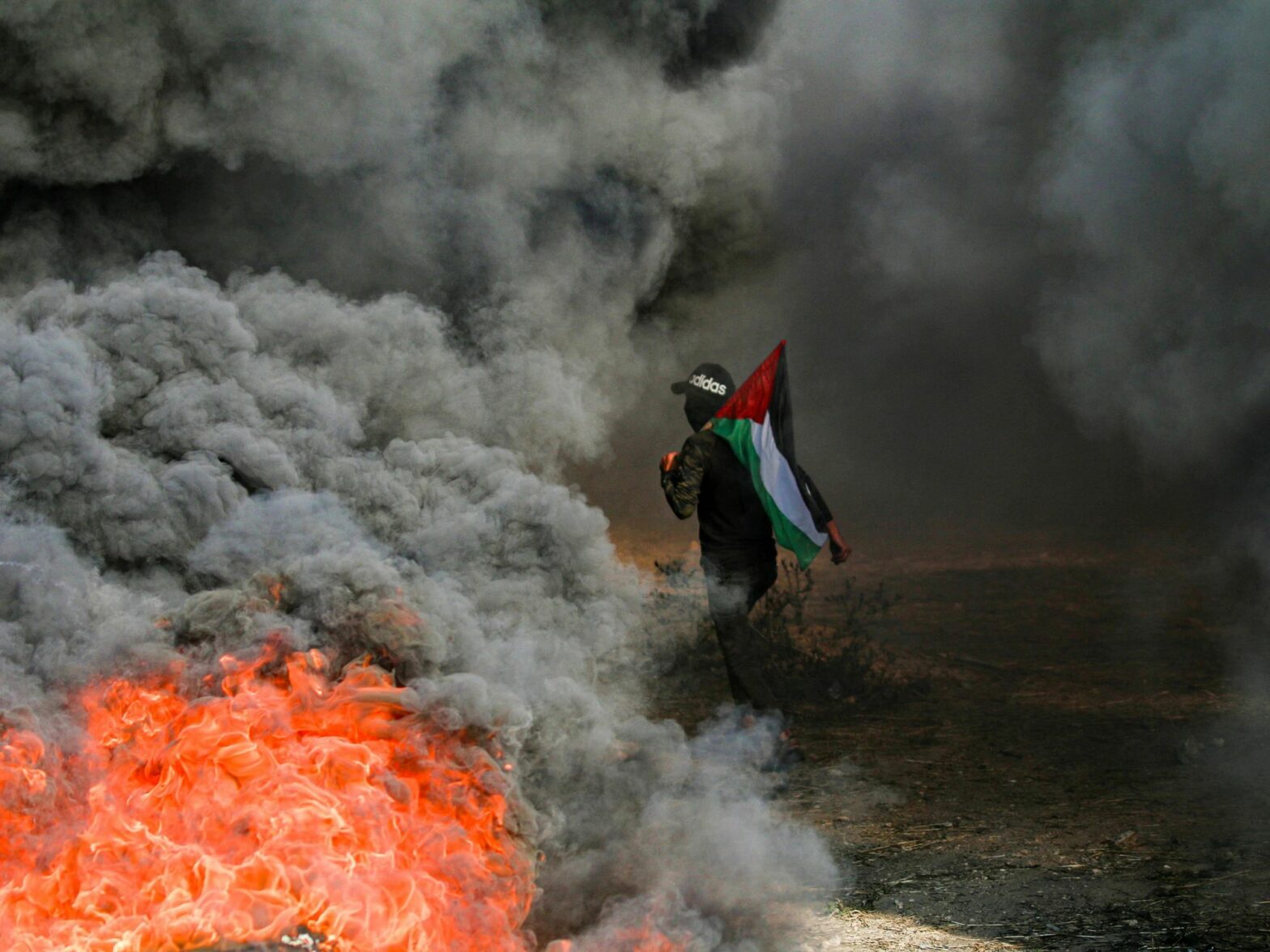
In the West Bank, tensions are at a new high after the death of a 15-year-old boy during a clash between Israeli forces and Palestinian protesters. The incident, coupled with the growing influence Israel’s far-right political figures and an intensified use of force, is pushing the region to a critical point.
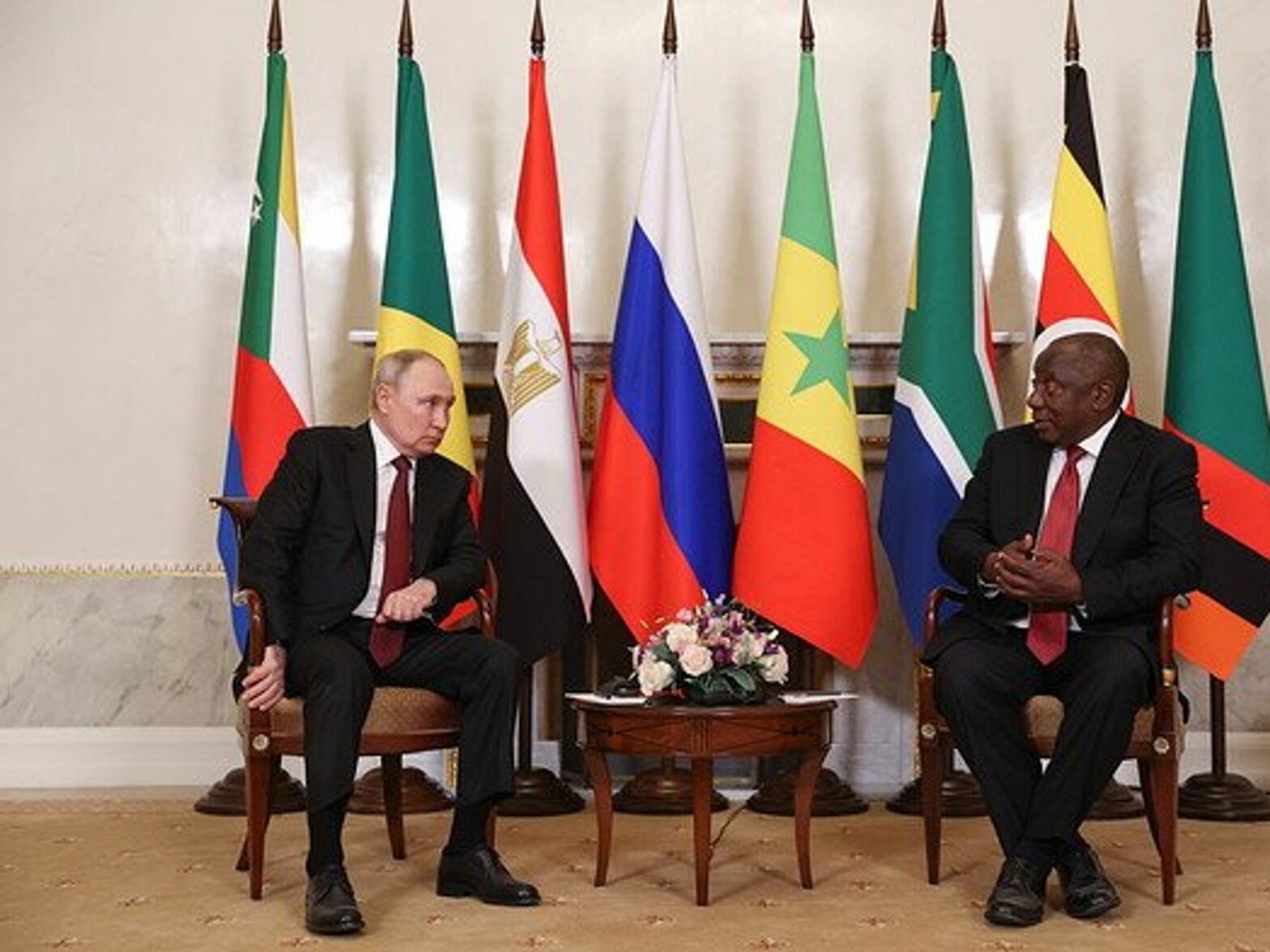
African leaders traveled to both Kyiv and Moscow to discuss a potential “peace plan” for the war in Ukraine. Predictably the envoys failed, and others will likely meet the same fate as Ukraine’s counteroffensive kicks into gear and Putin keeps digging in.
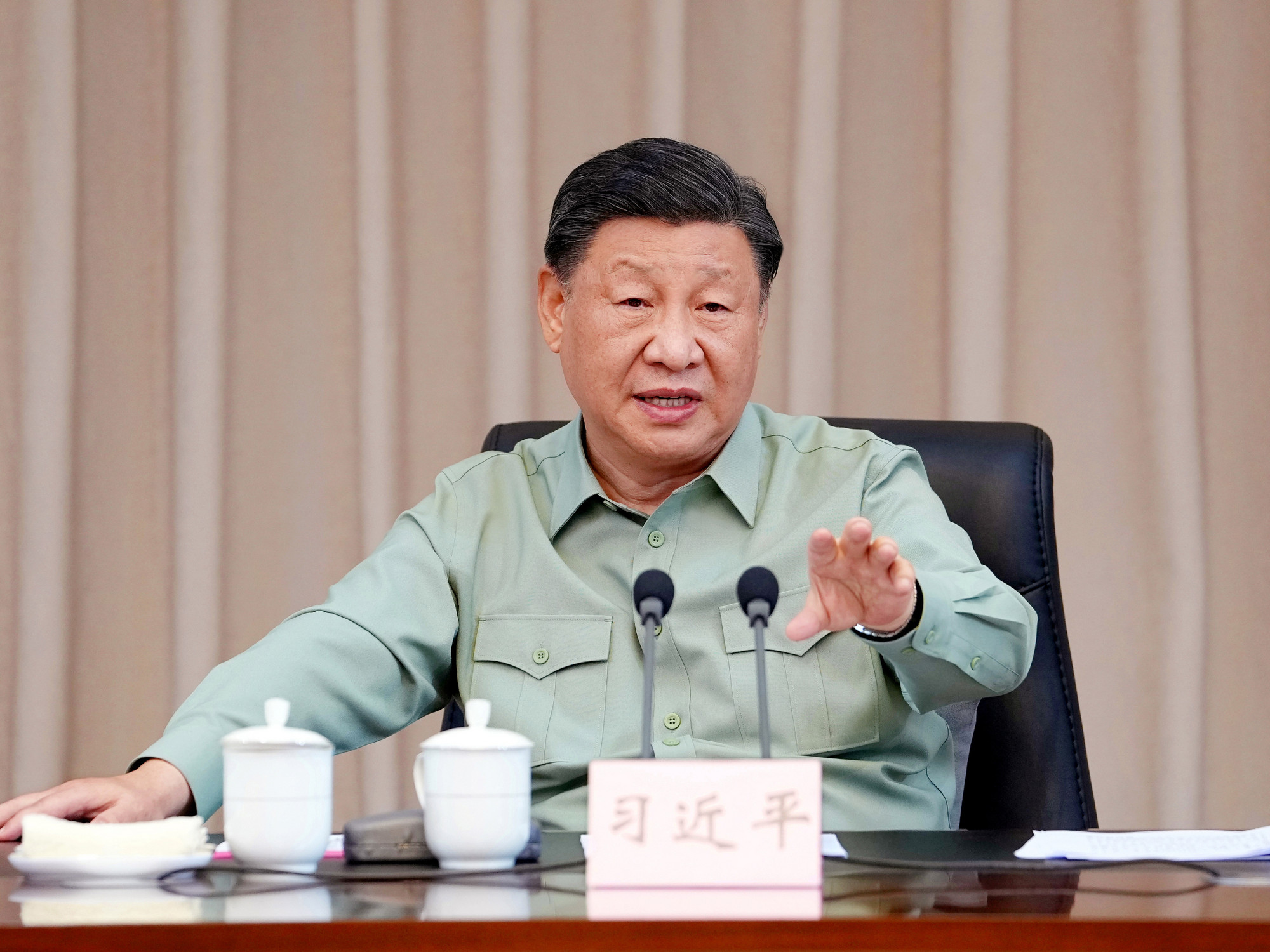
The U.S. Secretary of State is visiting Beijing — but even if it’s a sign of de-escalation, tensions remain high between the two sides, and it’s clear the détente has yet to arrive.
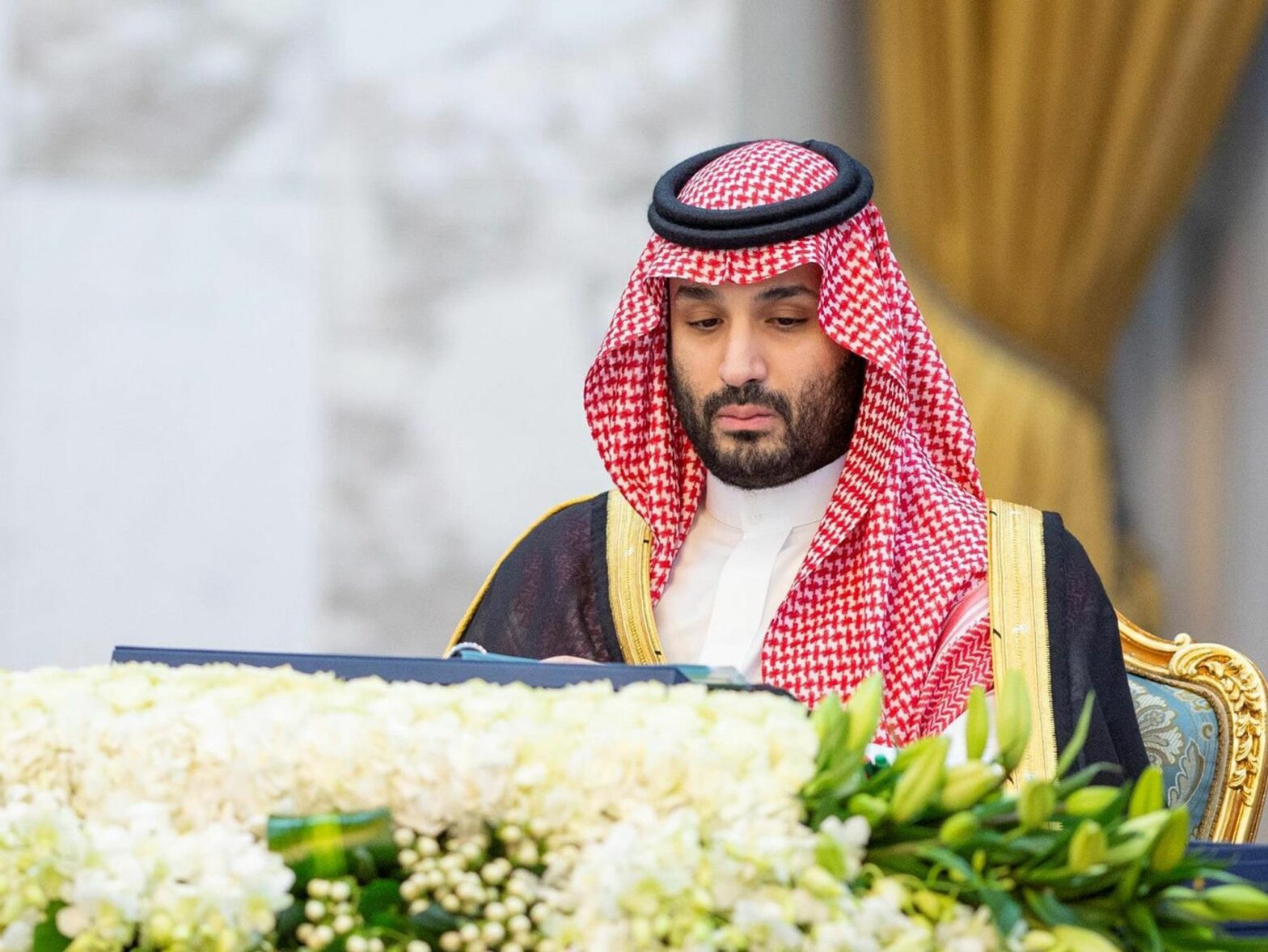
The Saudi Crown Prince Mohammed Bin Salman is getting a warm reception after arriving in France for an extended stay. He has attempted to modernize his country’s image, but can the West turn a blind eye to deep moral problems in his leadership.
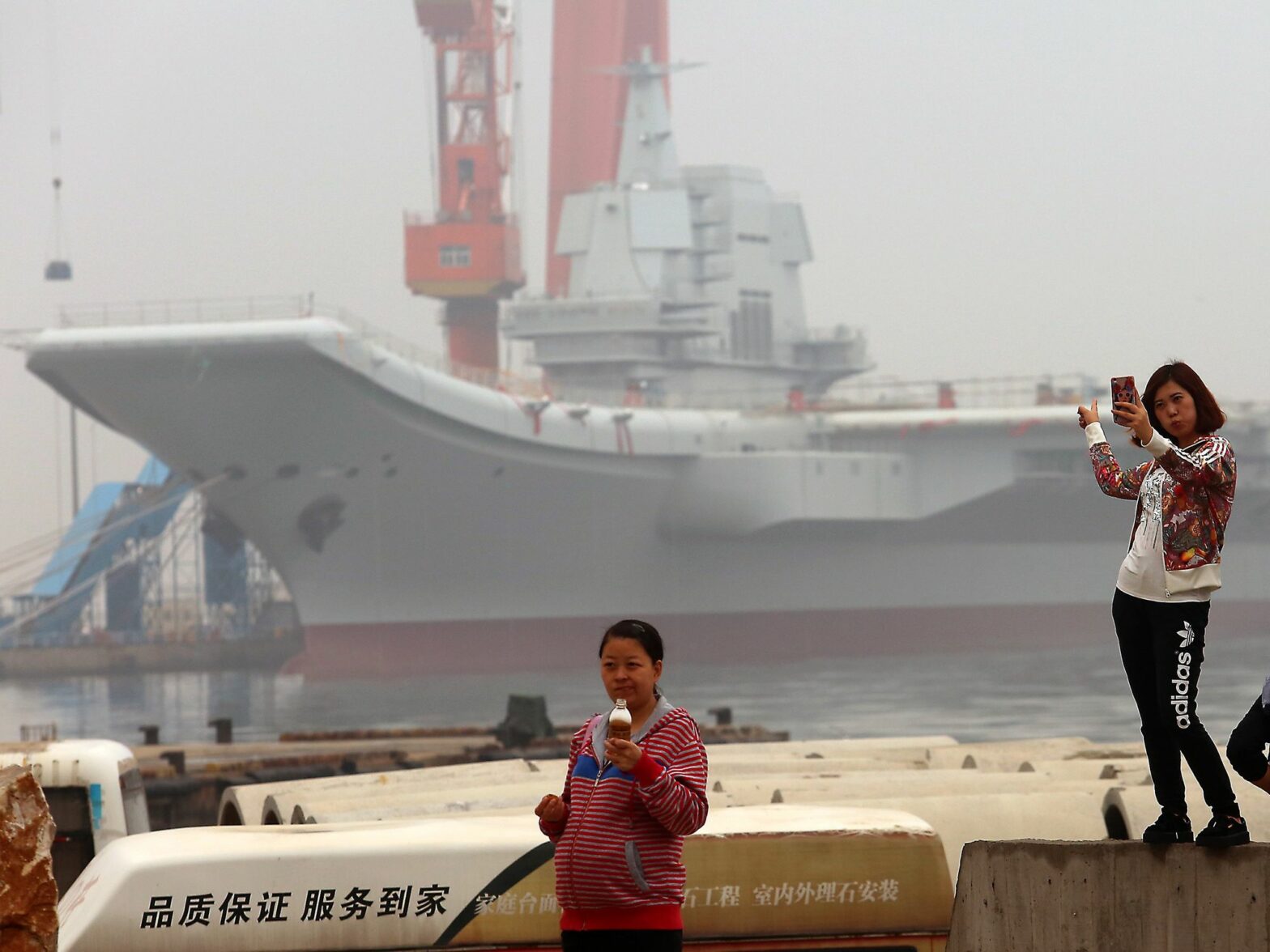
Military spending has increased dramatically worldwide, driven by war in Ukraine and Chinese-Tawian tensions. With $2.24 trillion spent globally in 2022, the amount looks likely to continue to increase.
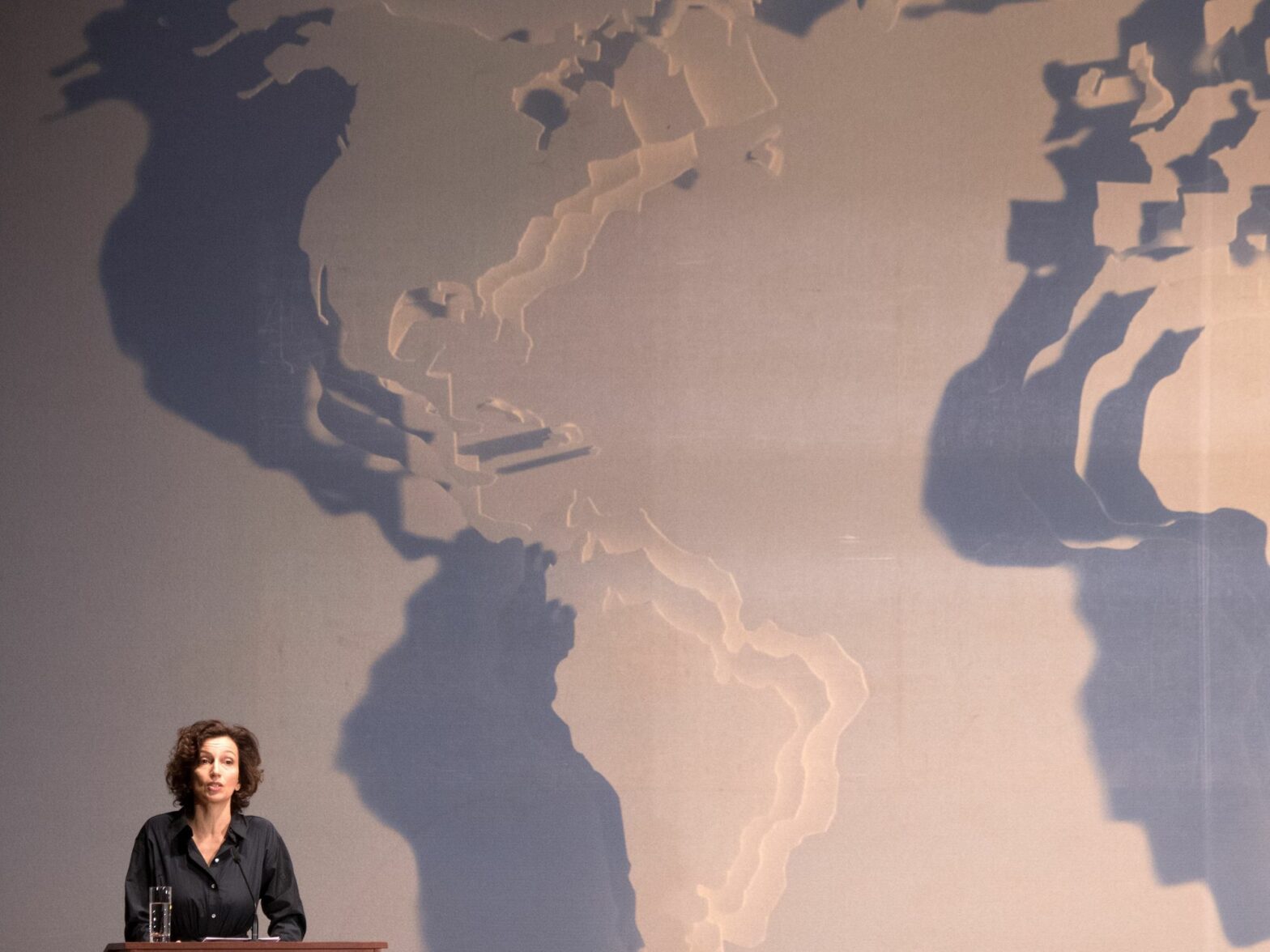
The U.S. is set to rejoin UNESCO, after Donald Trump pulled the country out in 2017, accusing it of being biased against Israel. The reasons for the return include artificial intelligence and pure geopolitics.
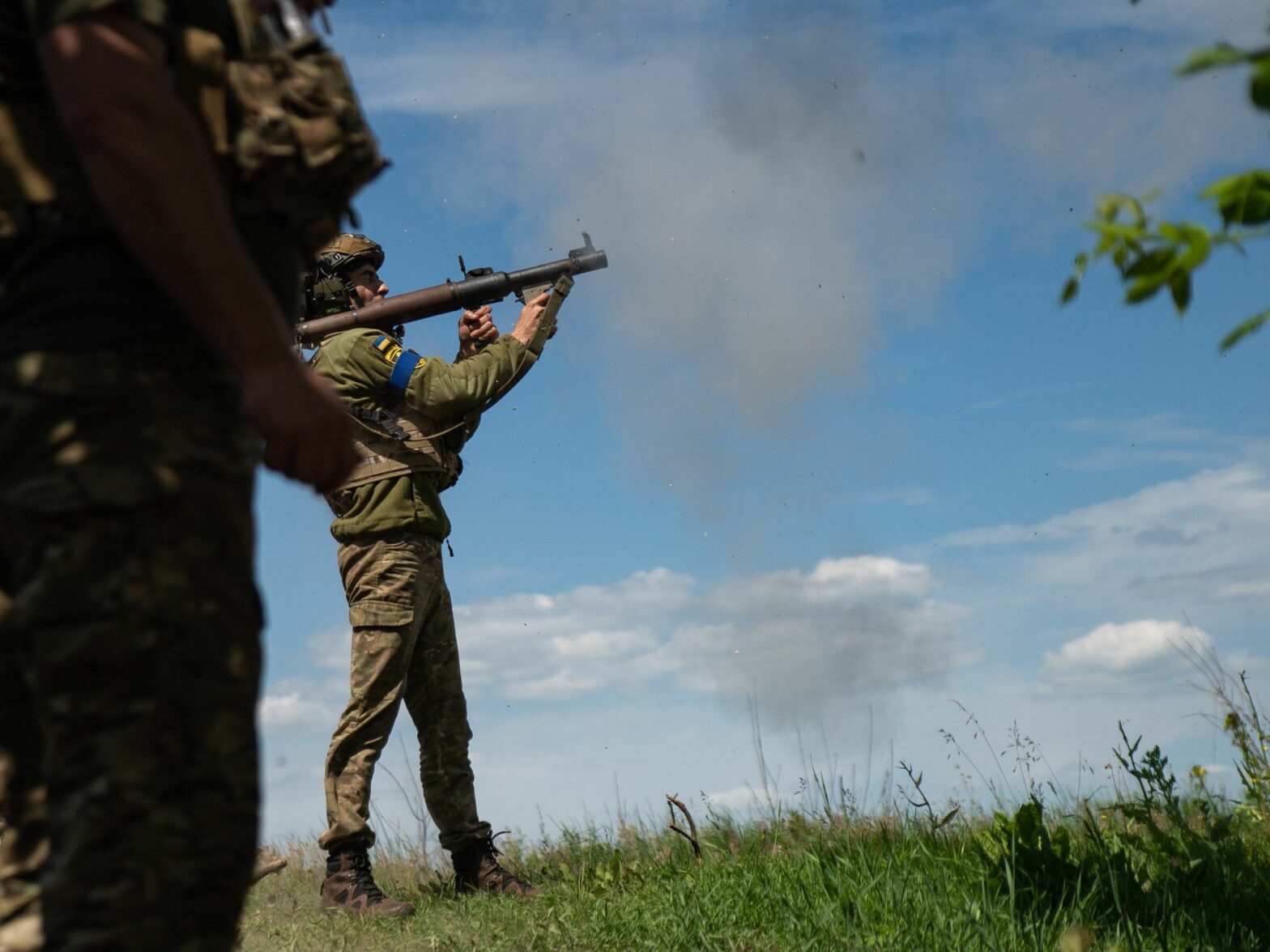
Don’t believe each new twist, minute-by-minute, as information is a weapon that both sides handle carefully. But there are ways to begin to see how this possibly decisive battle will turn out.

Global politics have gotten in the way of humanitarian aid when it comes to the flooding in Ukraine. Zelensky points the finger towards a deep, structural UN shortcoming.
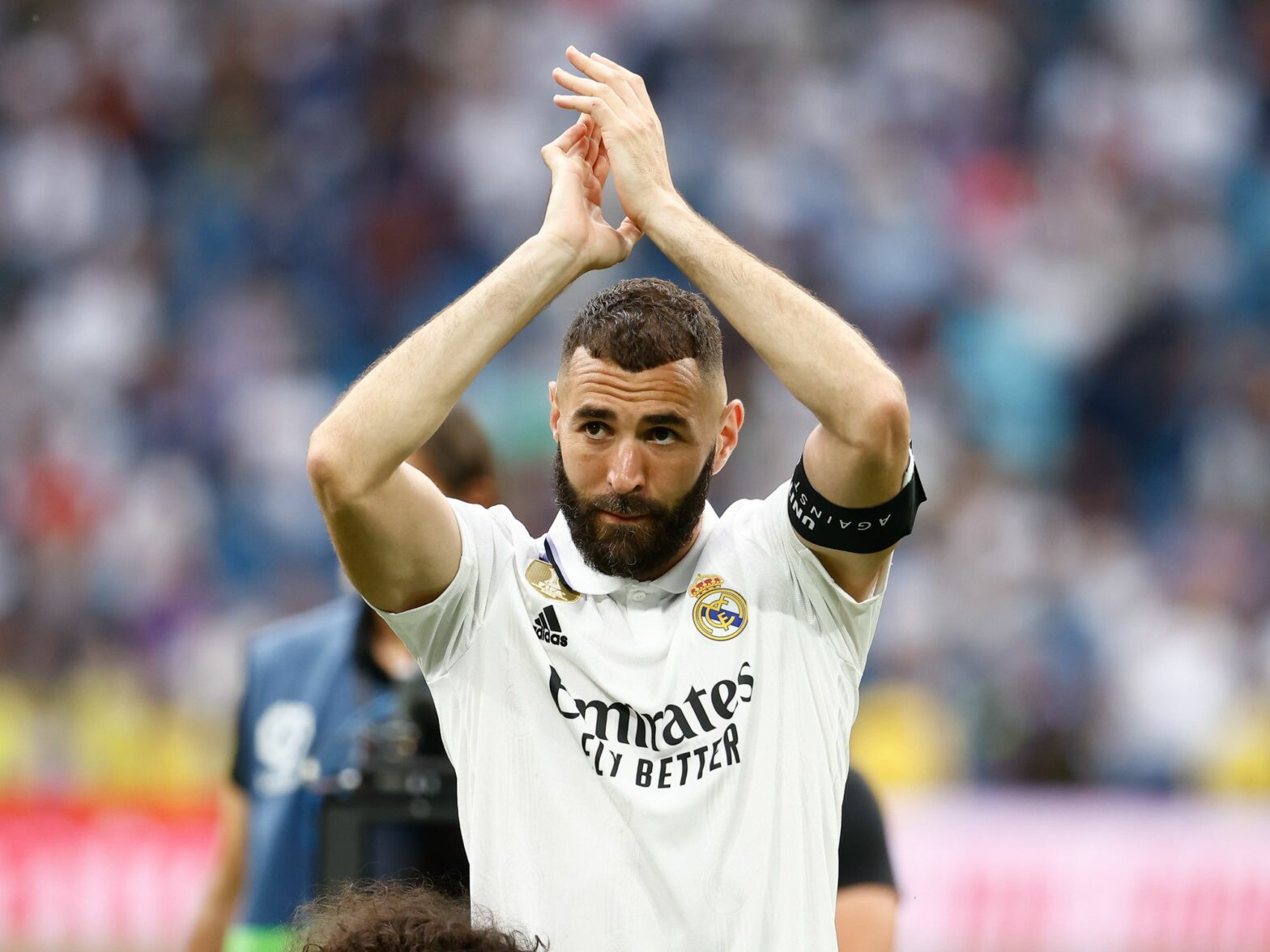
Saudi Arabia suddenly now leads the world in golf, continues to attract top European soccer stars, and invests in culture and entertainment… Its “soft power” strategy is changing the kingdom’s image through what critics bash as blatant “sportwashing.”
When both sides of a conflict blame each other for something as important as the destruction of the Nova Kakhovka dam, there’s only one way to understand what’s going on: find out who benefits from the crime.
The European Commission has asked digital platforms to create an “Artificial Intelligence label” to alert users of AI-generated texts, photos or videos. But will it be able to stop the tsunami of misinformation?
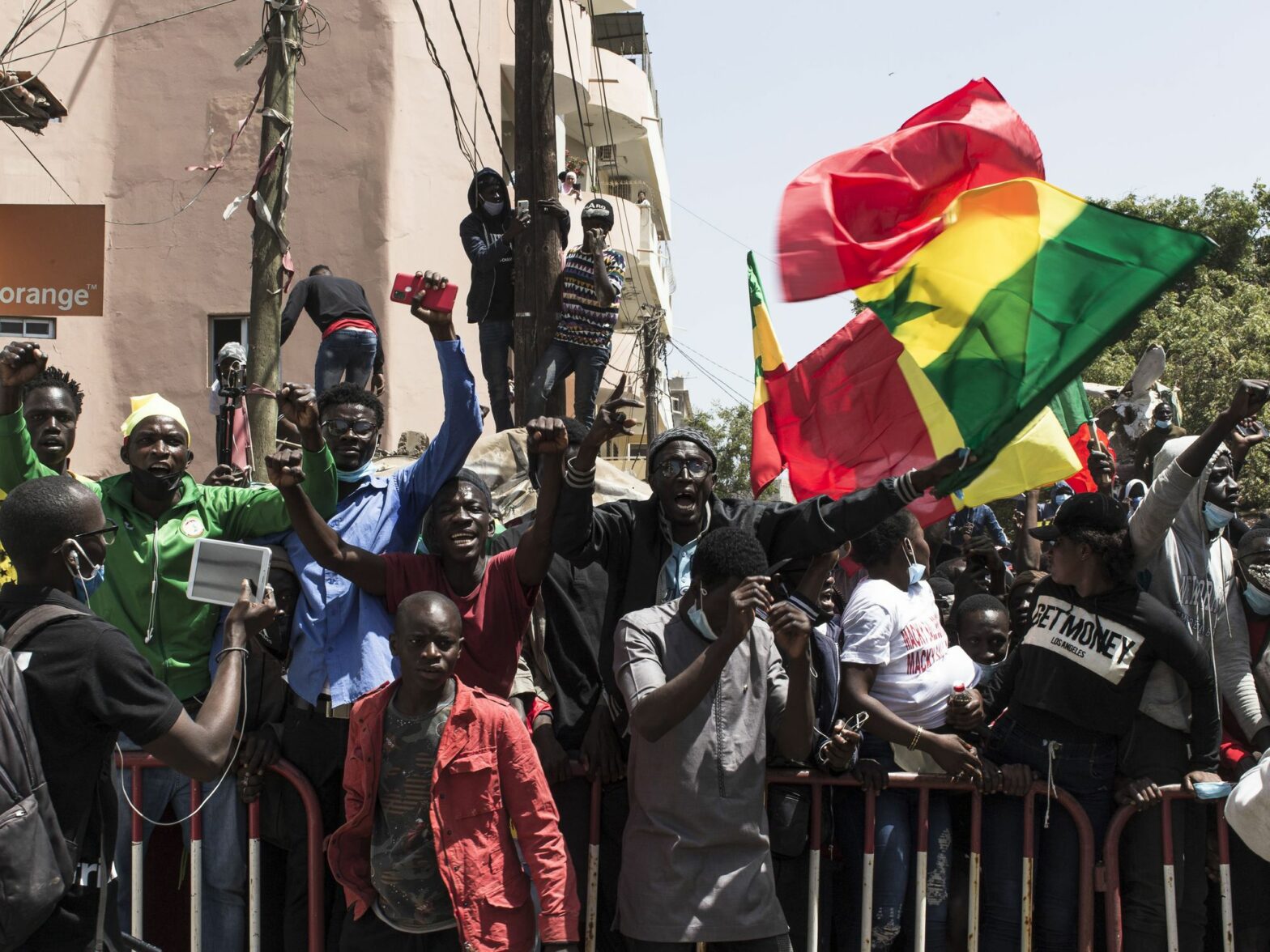
The violence that erupted following the sentencing of opposition politician Ousmane Sonko to two years in prison left 16 people dead and 500 arrested. This reveals deep fractures in Senegalese democracy that has traces to France’s colonial past.
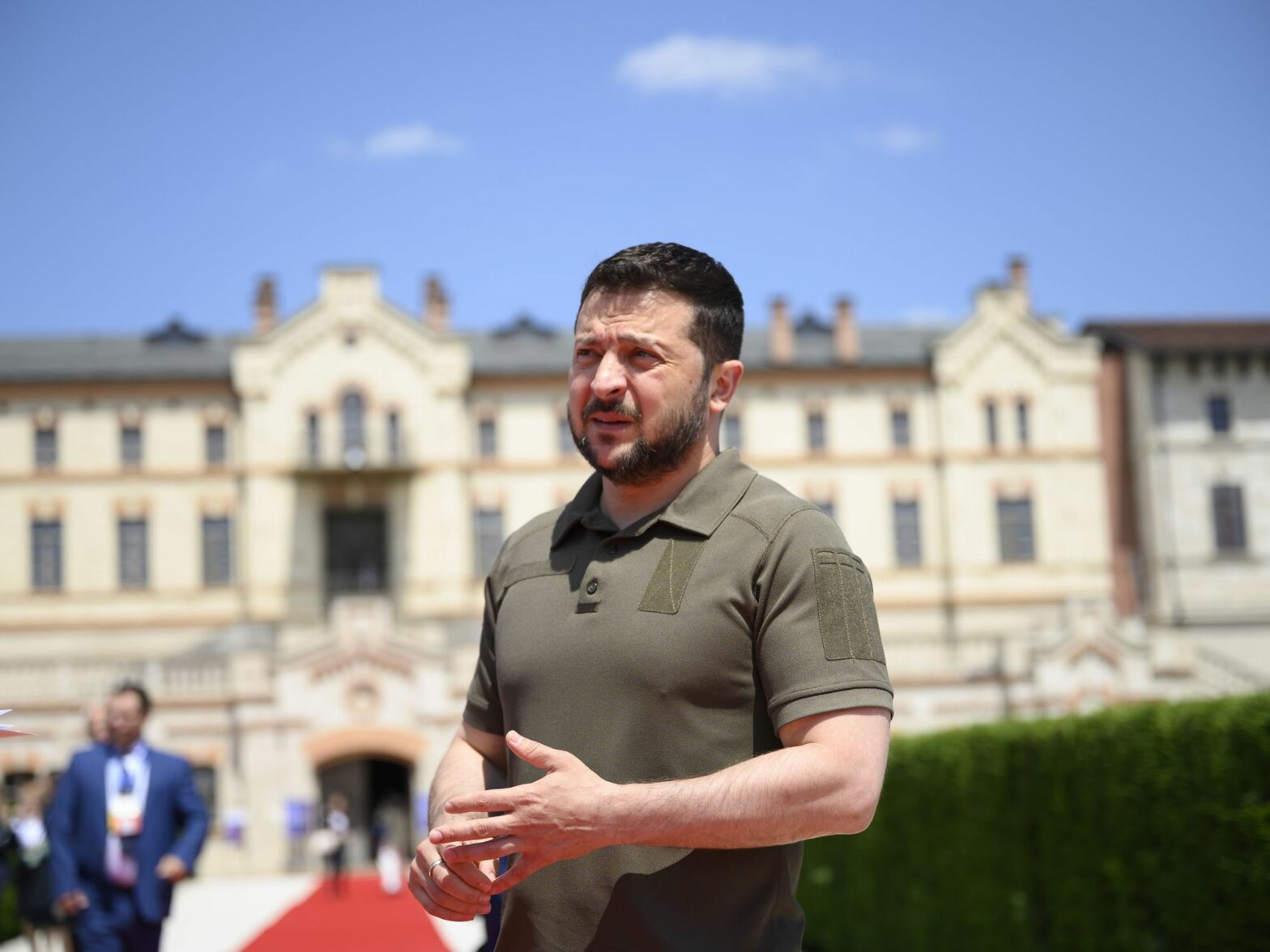
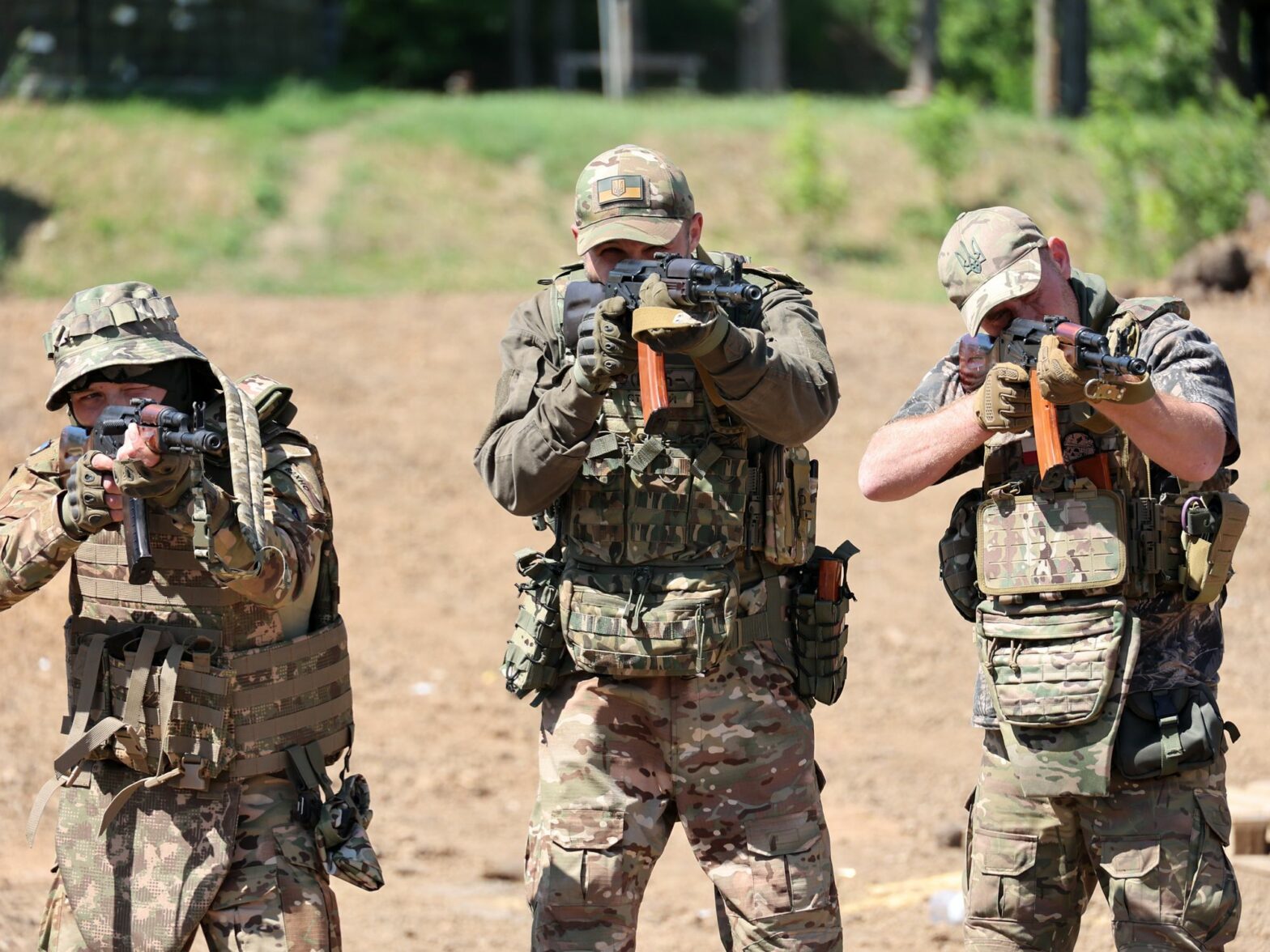
Volodymyr Zelensky has made his demand clear: full NATO membership for Ukraine, perhaps as soon as this year. Yet member countries, from the U.S. to top European allies, are still stuck in the mindset of not “provoking” Russia. But if not now, when?
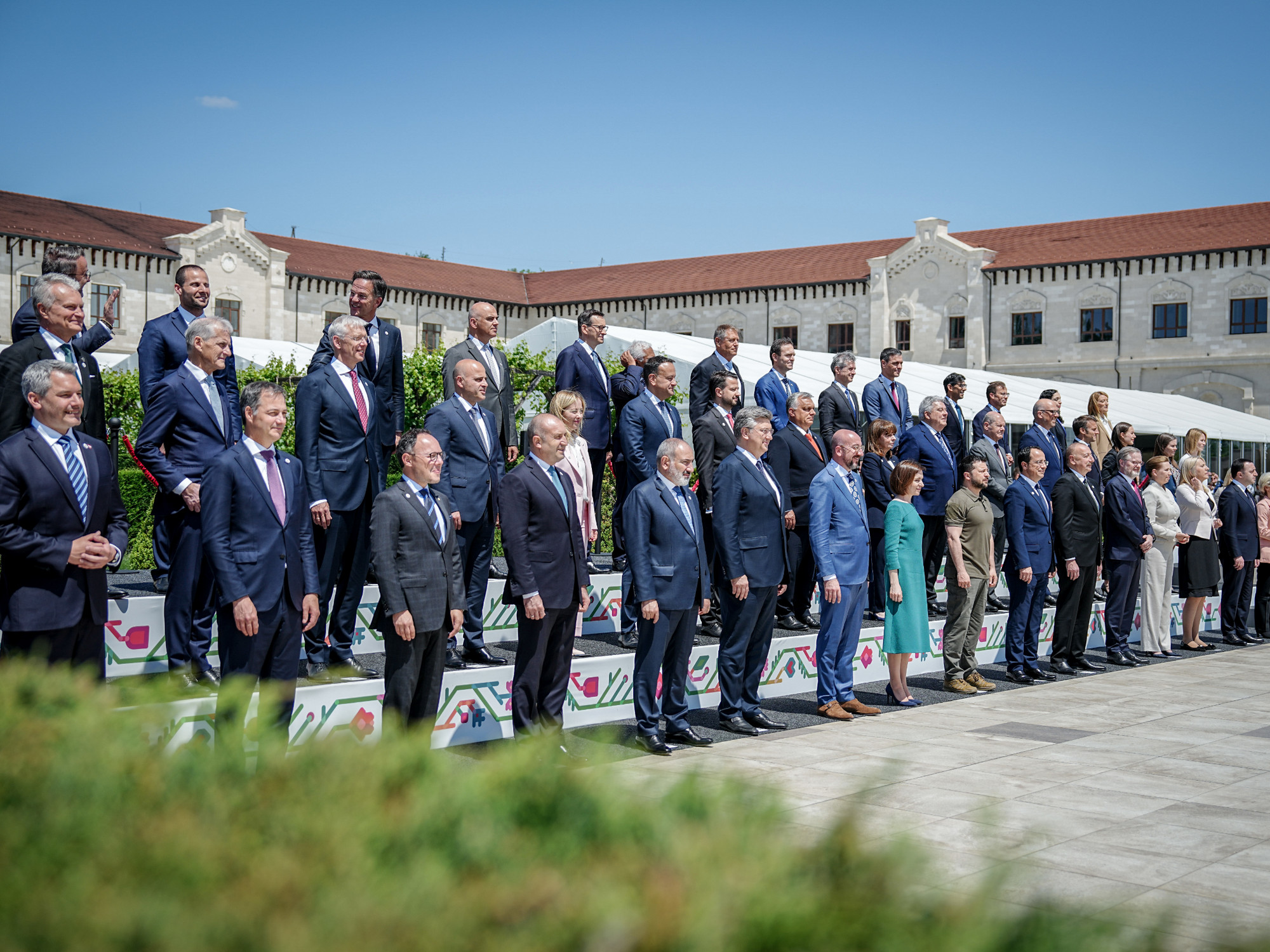
Europe’s leaders are in Moldova as tensions increase with Russia and in Kosovo. The summit is already making an impact as Europe pushes back against Russian interference.
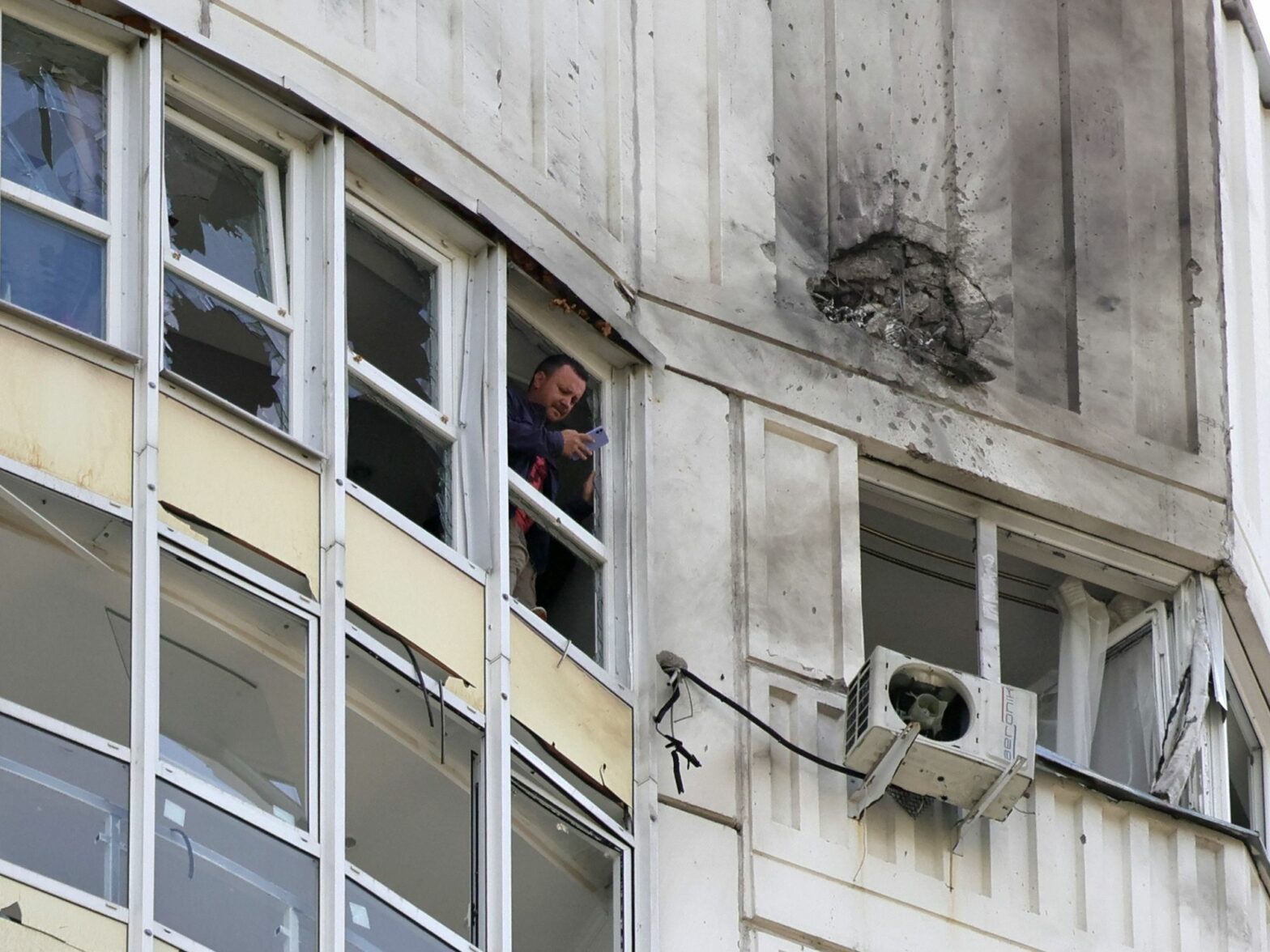
In another scenario, Putin could be bragging about Russia’s control of Bakhmut after nearly a year of fighting, and the bombing of the Ukrainian Intelligence’s headquarters, which was recently acknowledged by Kyiv. But instead he must retreat to the ultimate home front after drone attacks in the capital.
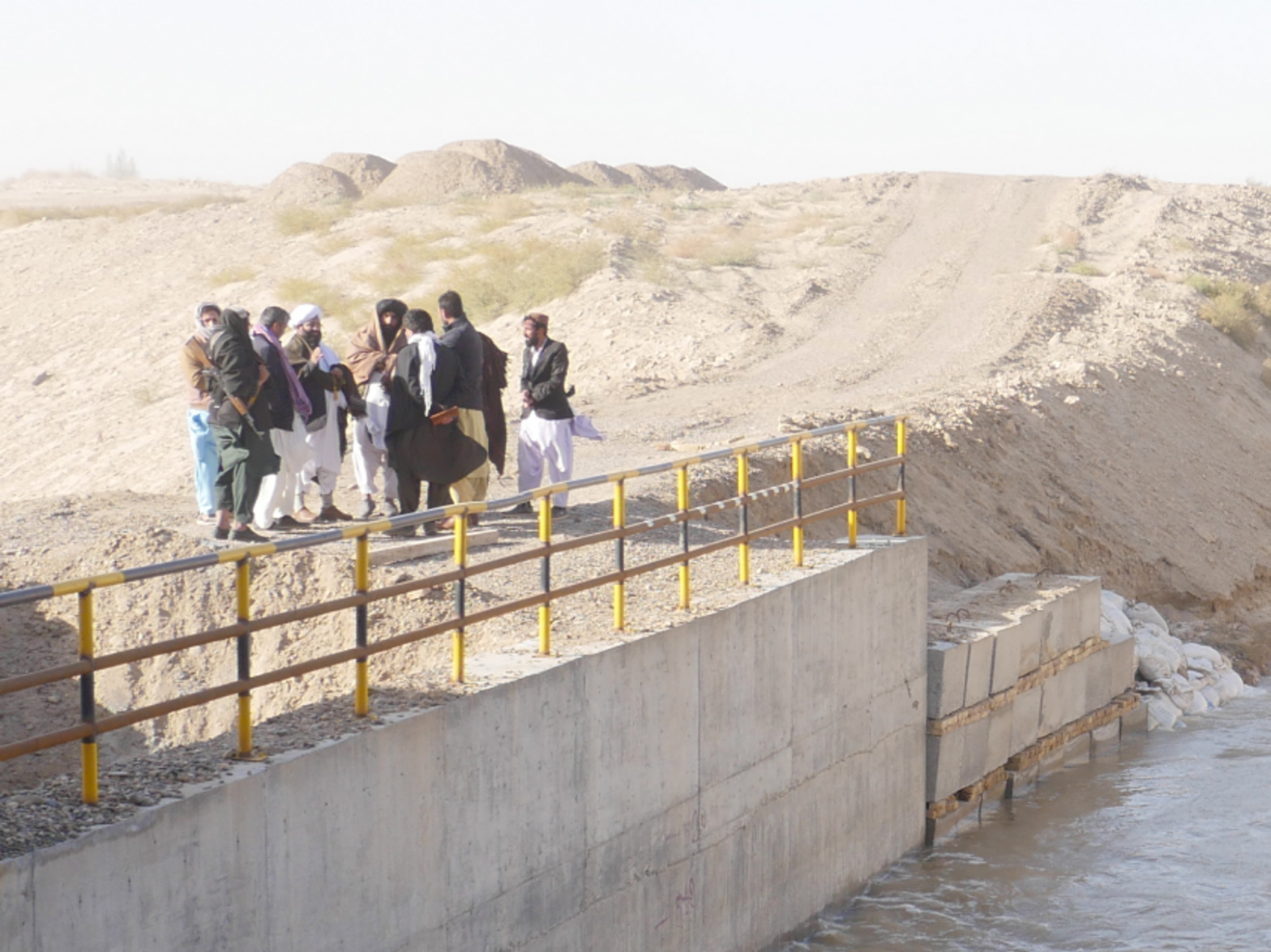
Iran and Afghanistan have long had a tense relationship. Recent skirmishes at their shared border indicate that conflict is escalating, but the causes are unclear.
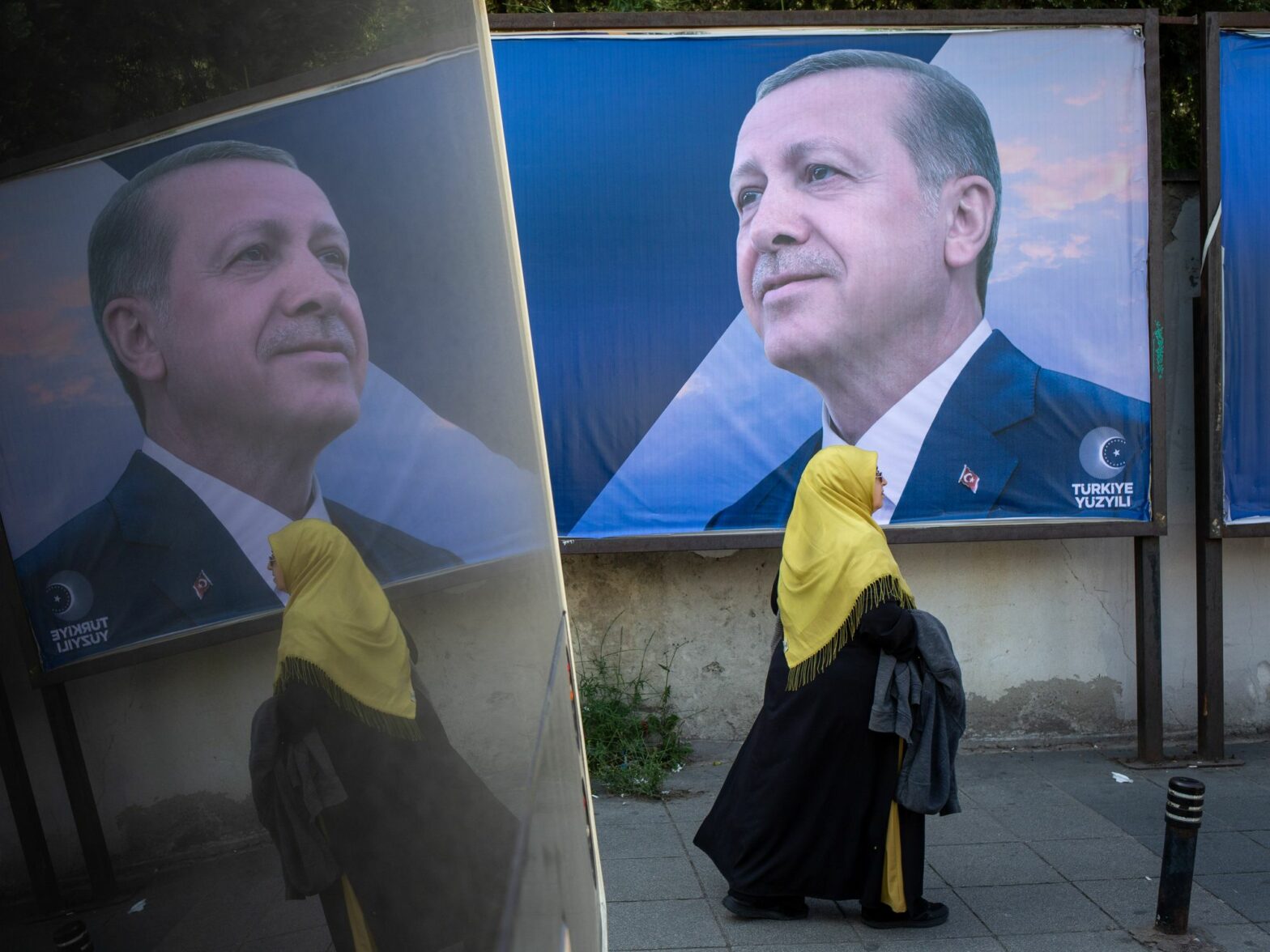
Recep Tayyip Erdogan has cemented his already tight grip on power in Turkey, winning an unprecedented third term as president. The West had hoped for a slightly less unpredictable leader, but they will have to make peace with an emboldened Erdogan, who may become even more autonomous.
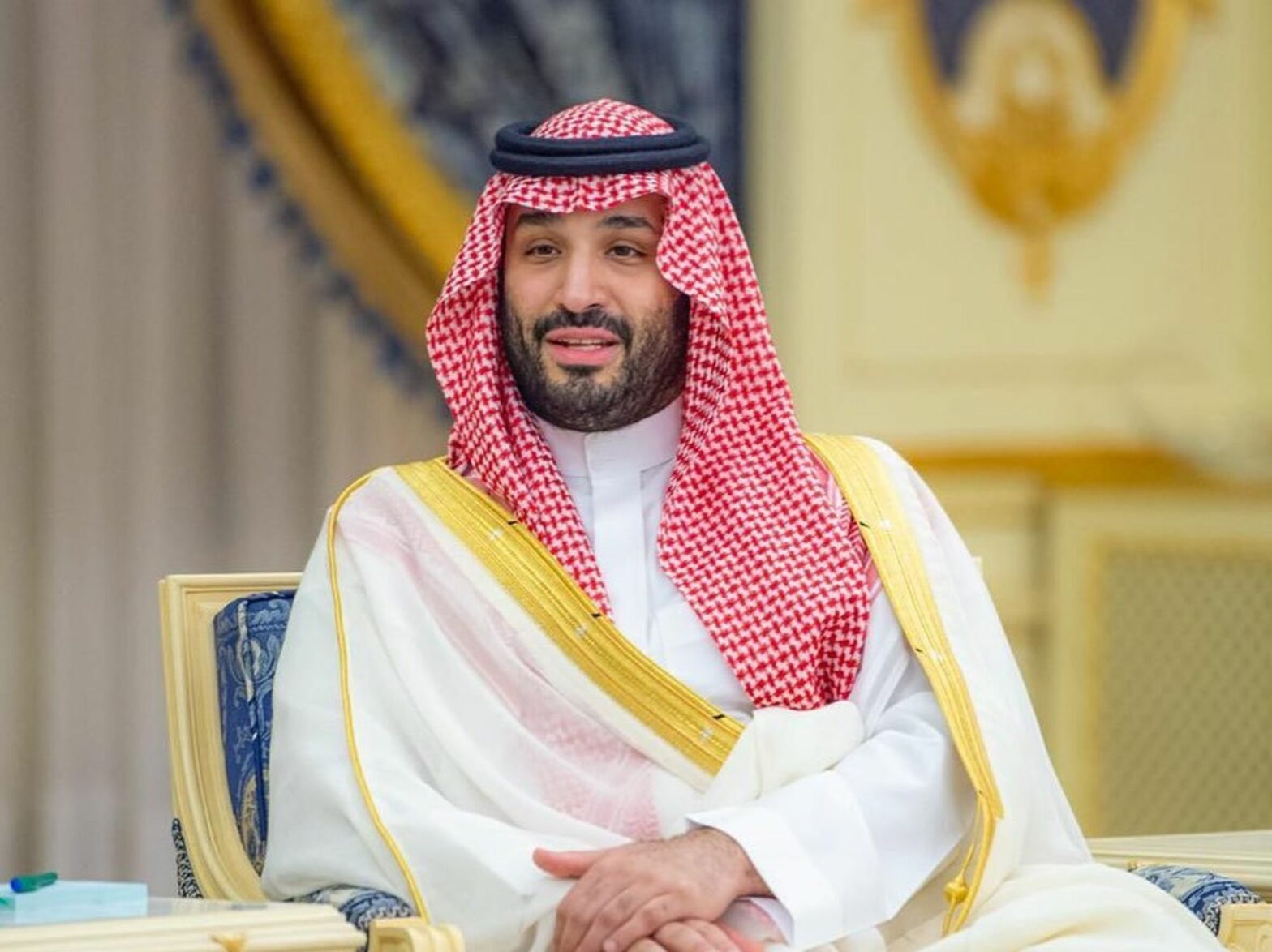
Mohammed bin Salman, aka MBS, is positioning the Saudi kingdom to be a global force of diplomacy in a way that challenges a longstanding alliance with Washington. But does the young prince have a singular vision for the interests of both his nation and the world?
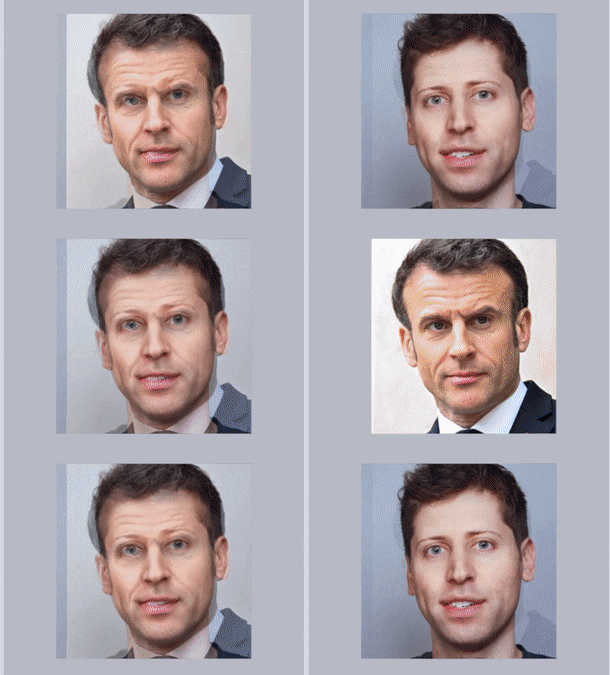
The inventor of ChatGPT is in Europe to try to force leaders on the Continent to face hard questions about what artificial intelligence is bringing to our world, whether they like it or not.
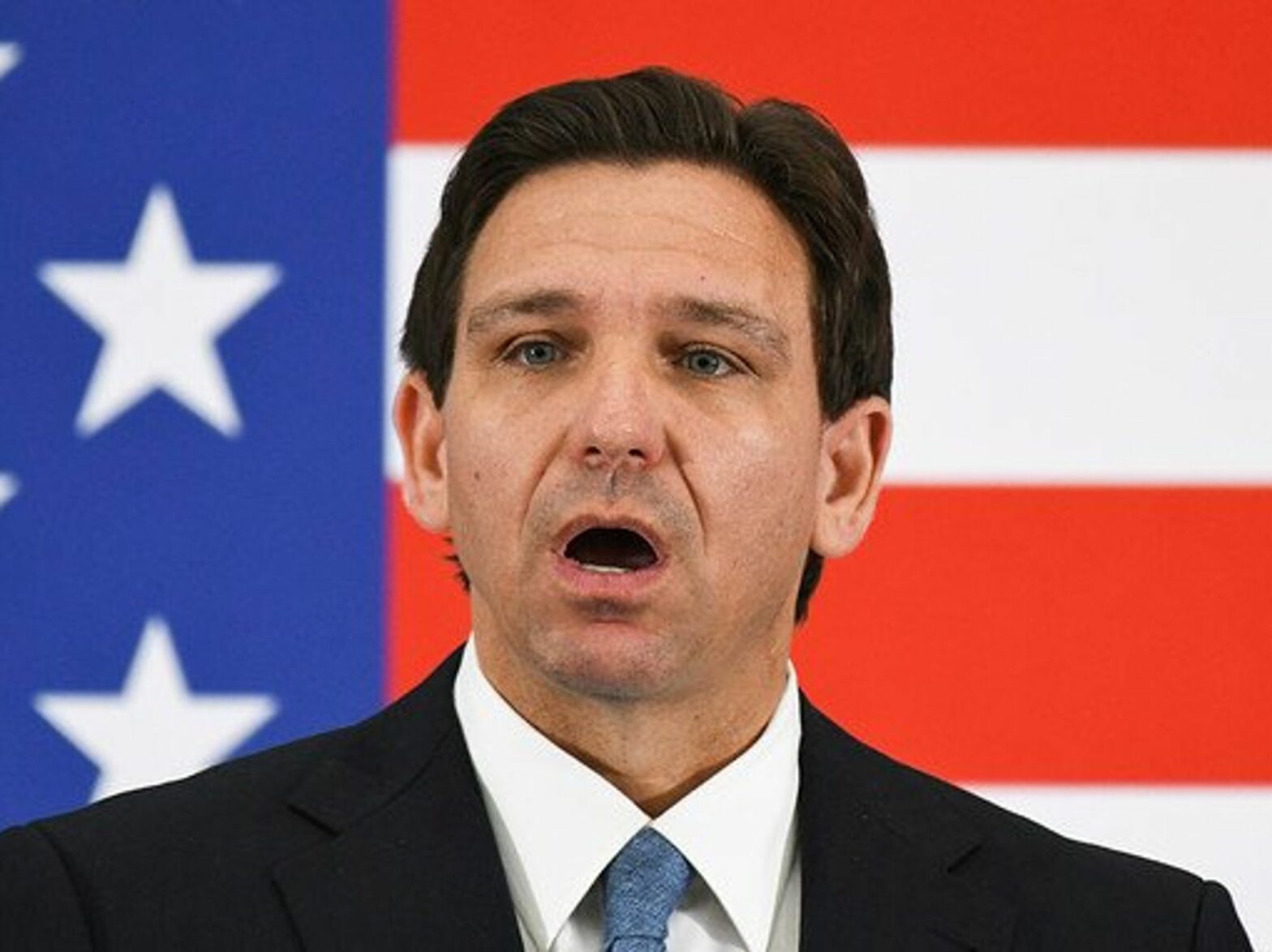
Republican contender for the U.S. presidency launched his bid on Twitter in conversation with Elon Musk. But the move backfired after numerous technical glitches — not the best start to his campaign.
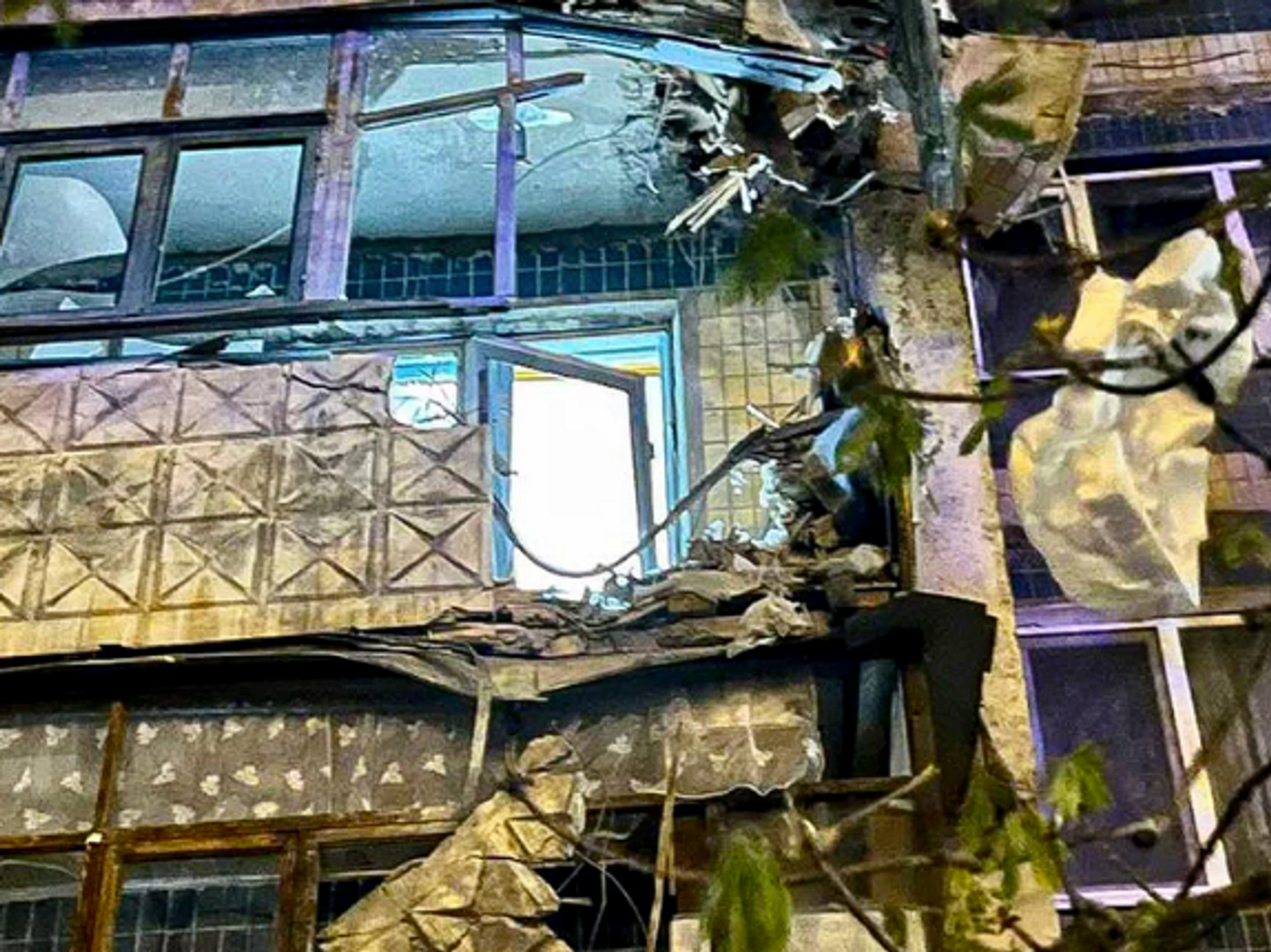
While military attention was focused on the harshly contested city of Bakhmut, fights were reported on the other side of the border in Russian territory. But it was Russian groups that claimed responsibility.
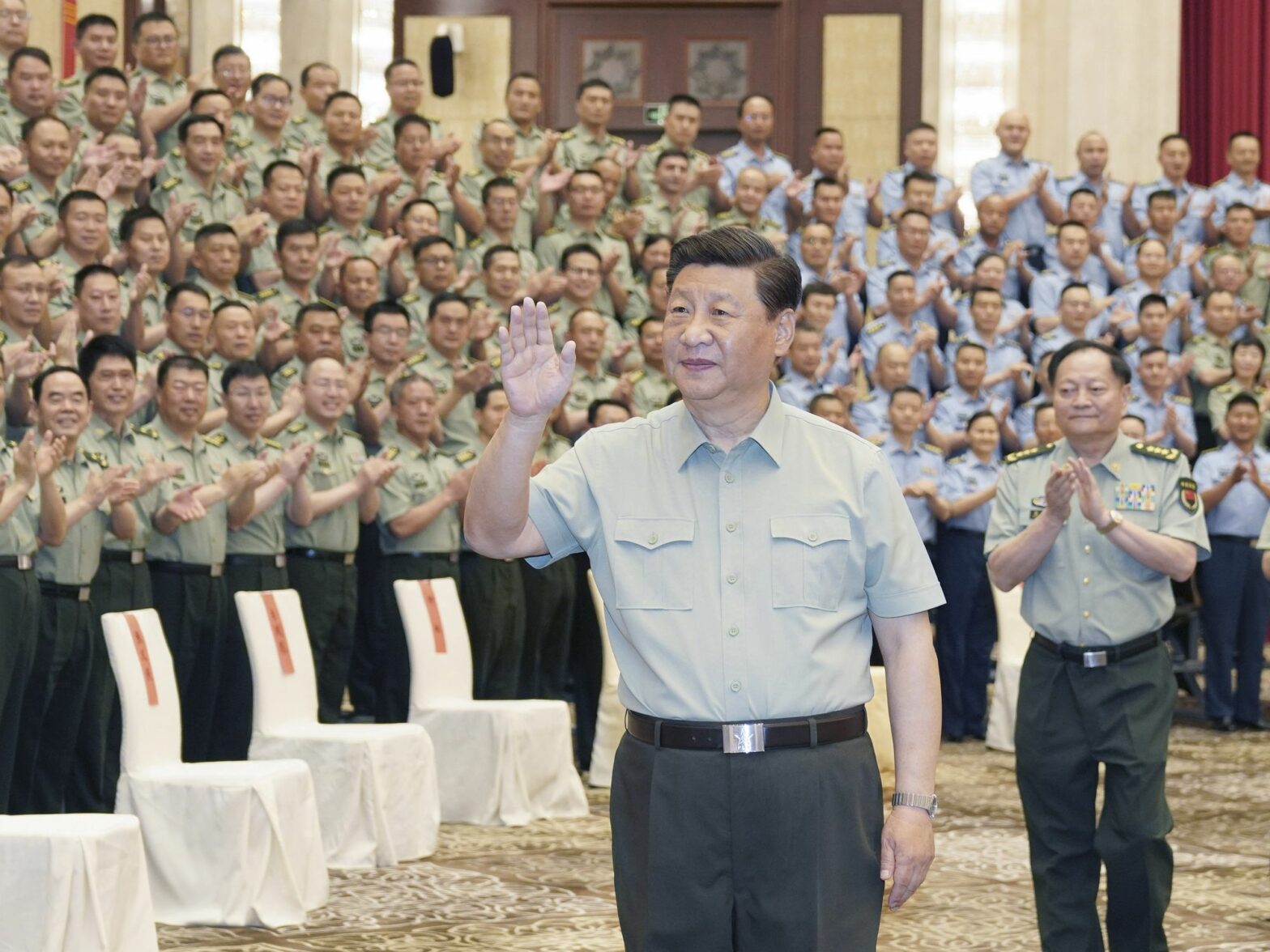
The just completed G7 in Hiroshima has locked both sides in the simmering Cold War in Asia into what appears an inevitable confrontation that recalls the U.S.-Soviet showdown. But there are key caveats that make both the limits and risks harder to anticipate.
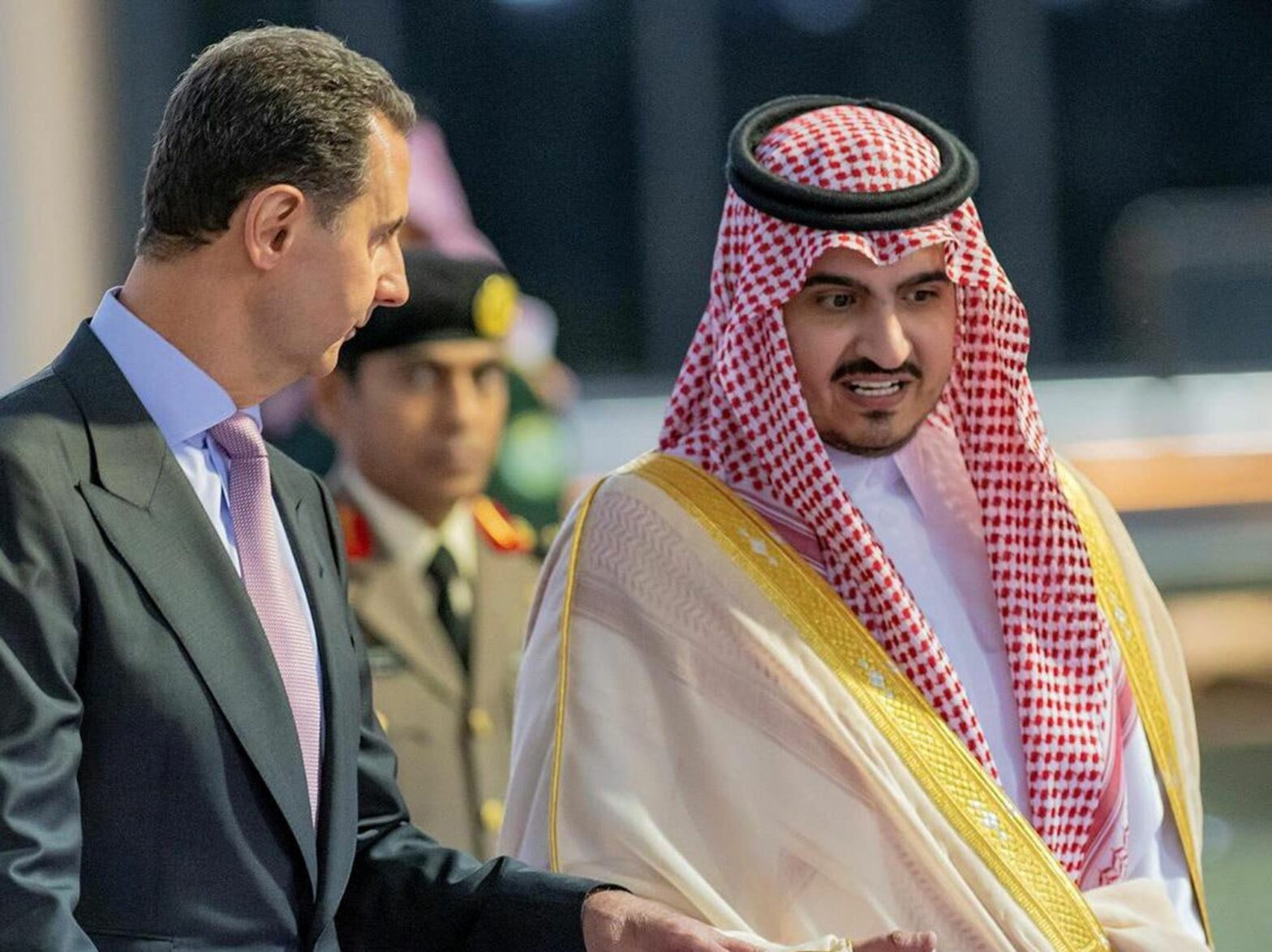
Two pressing factors have weighed on the Arab League to reintegrate the accused war criminal: refugees and narcotics. But it speaks to a larger weakness of the international community to see that justice is carried out.
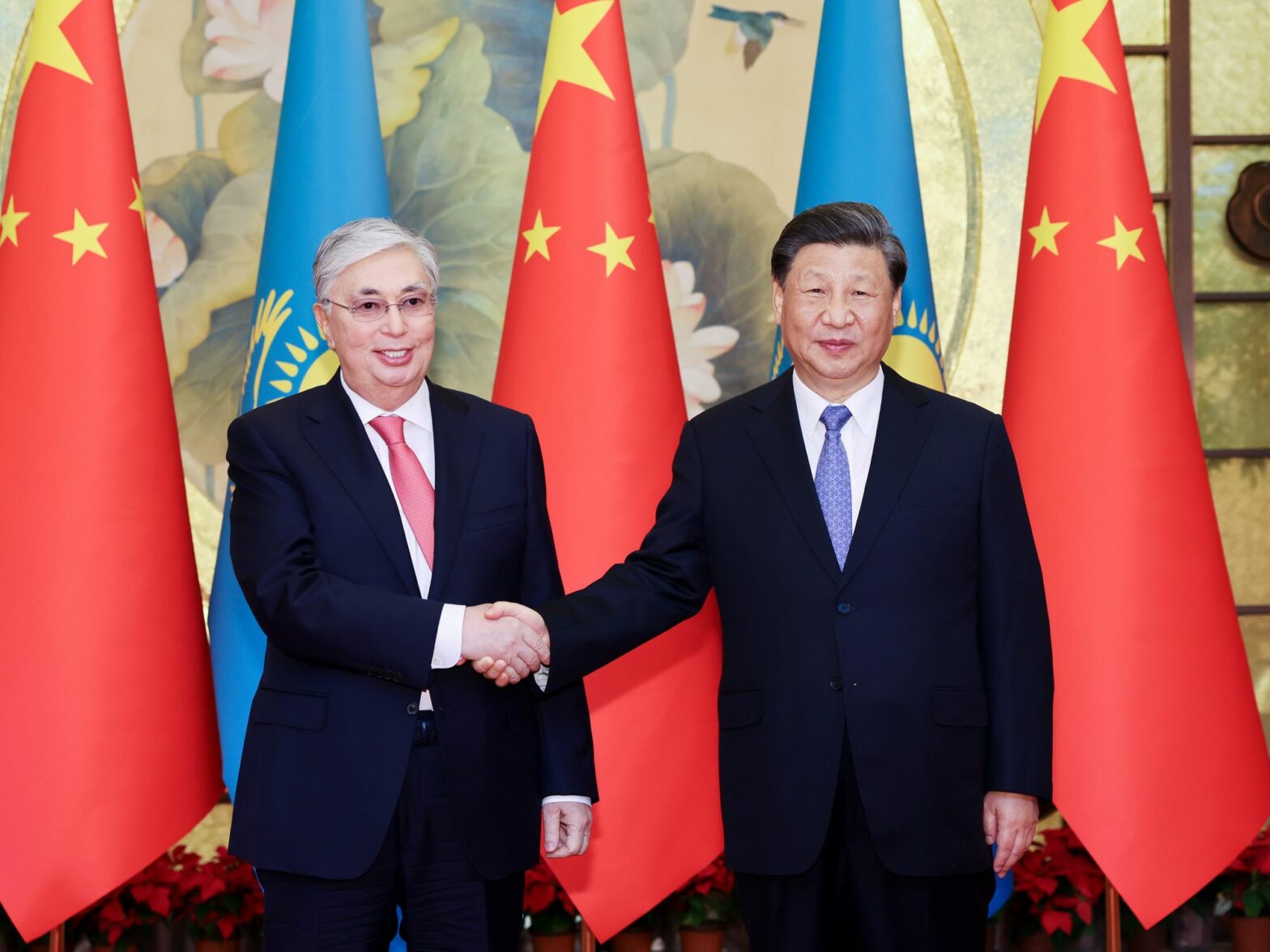
Five former Soviet states have arrived for a key summit in China, and the absence of Vladimir Putin signals Central Asia’s desire to distance itself from Moscow — and China’s rising global dominance.
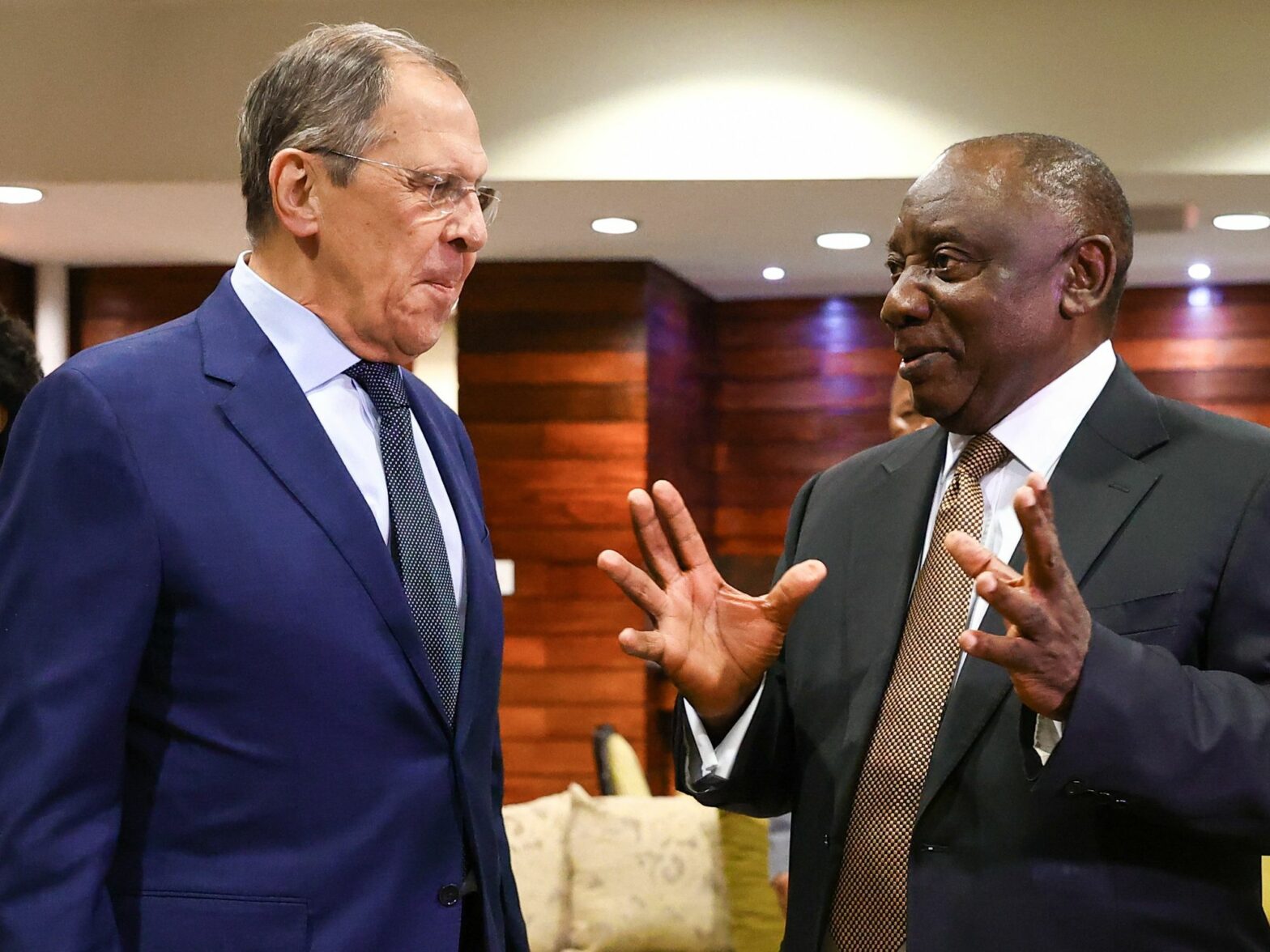
After Beijing’s dubious push to lead negotiations on settling the war in Ukraine, now it’s South Africa’s turn. But its “ambiguous” neutrality on the war — and reports of secret weapons sales to Russia — raise serious skepticism in Kyiv and the West.
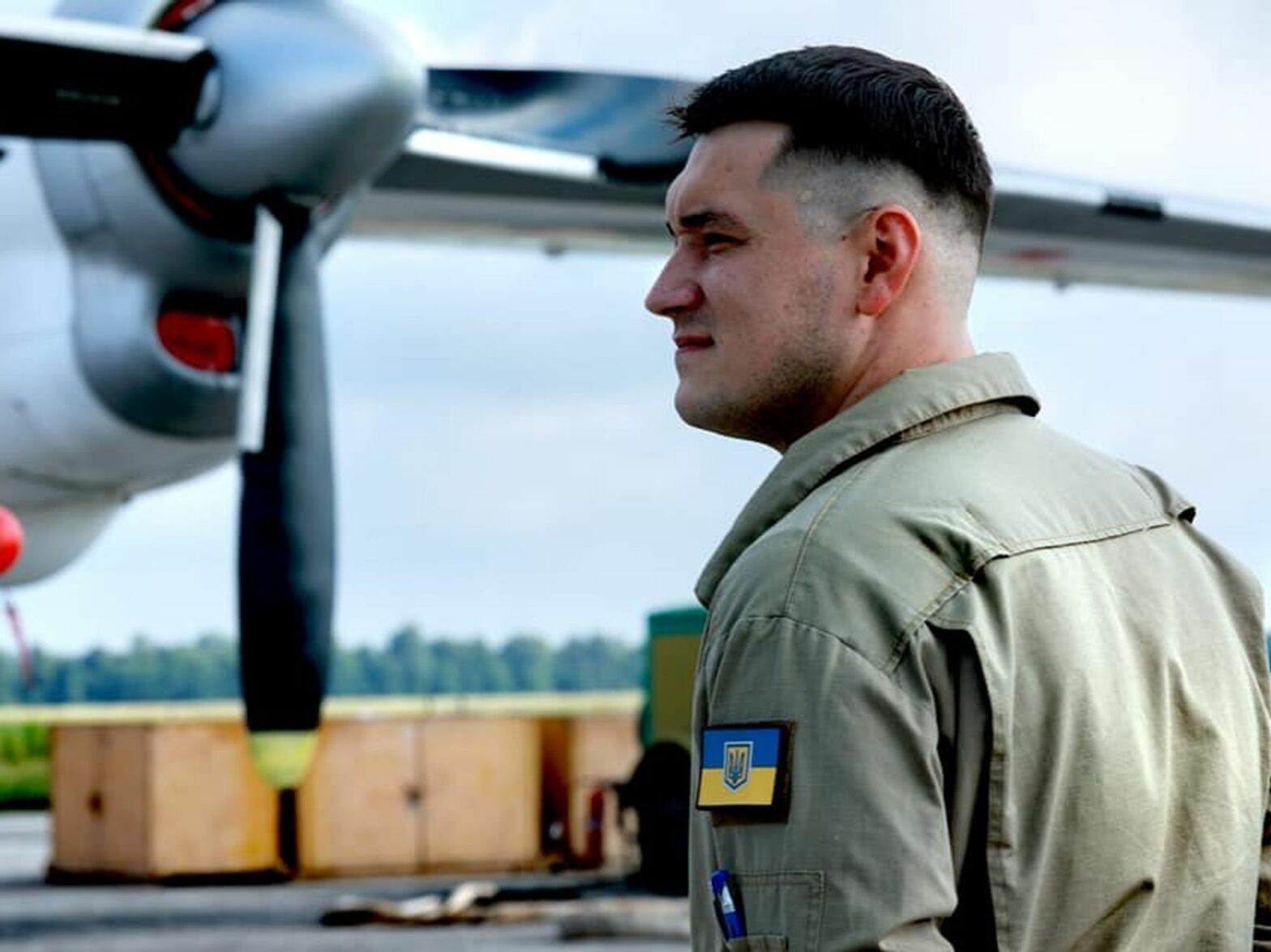
French President Emmanuel Macron’s announcement that France will train Ukrainian pilots appears to pave the way for the delivery of fighter jets to Kyiv. Similar moves are coming from the UK. It’s a delicate process to never declare war on Russia, while maximizing Ukraine’s ability to repulse the invaders.
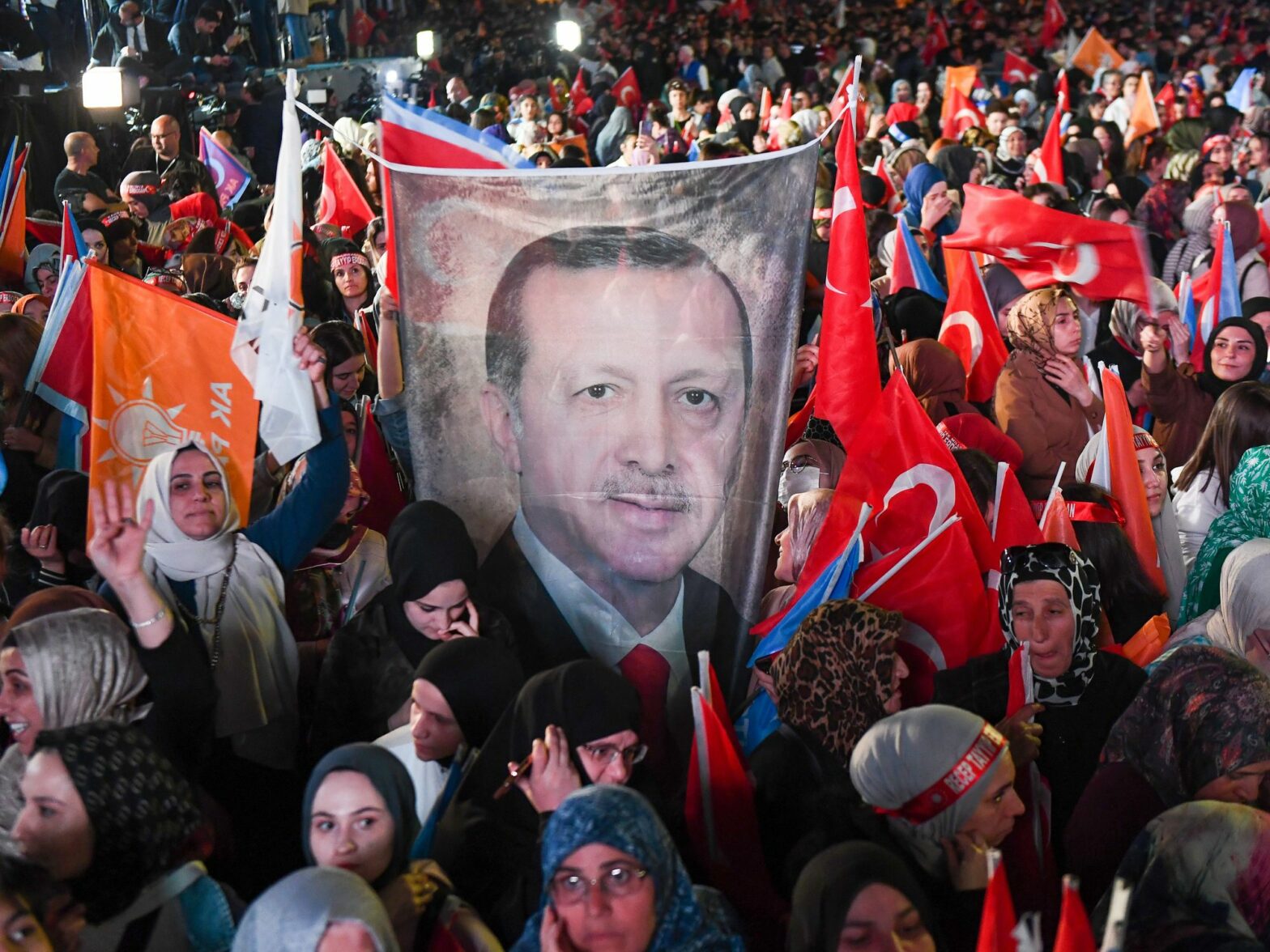
Both Turkish President Recep Tayyip Erdogan and his challenger, Kamel Kilicdaroglu, have cast doubt on the first round results. Heading into the second round on May 28, recalling recent examples, in the U.S. and Brazil, we may again see what happens when a populist is faced with giving up power.
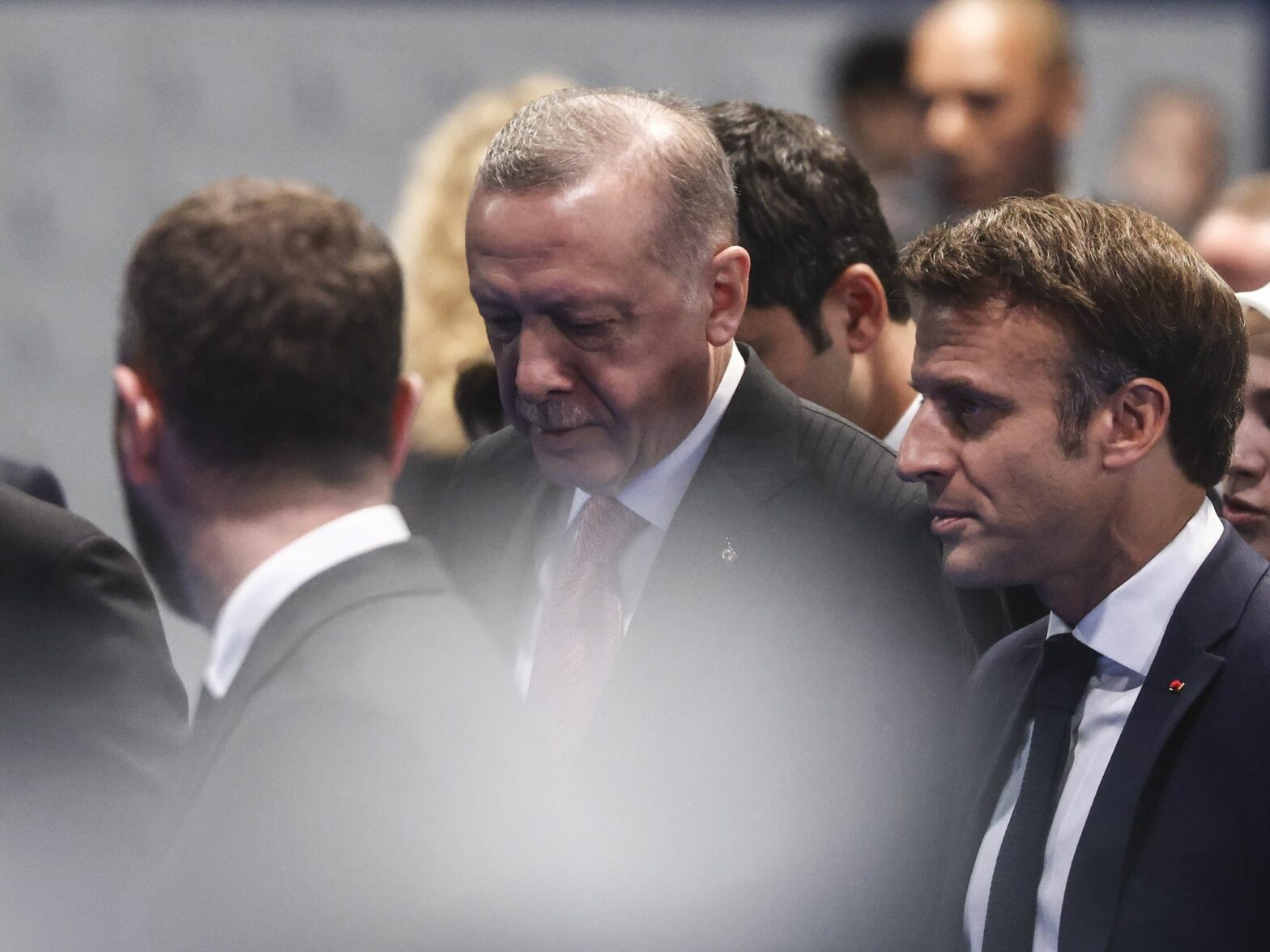
Western leaders hope the end is coming for the reign of Turkey’s longtime leader Recep Tayyip Erdogan, but saying it too loudly is just too risky in geopolitical terms.