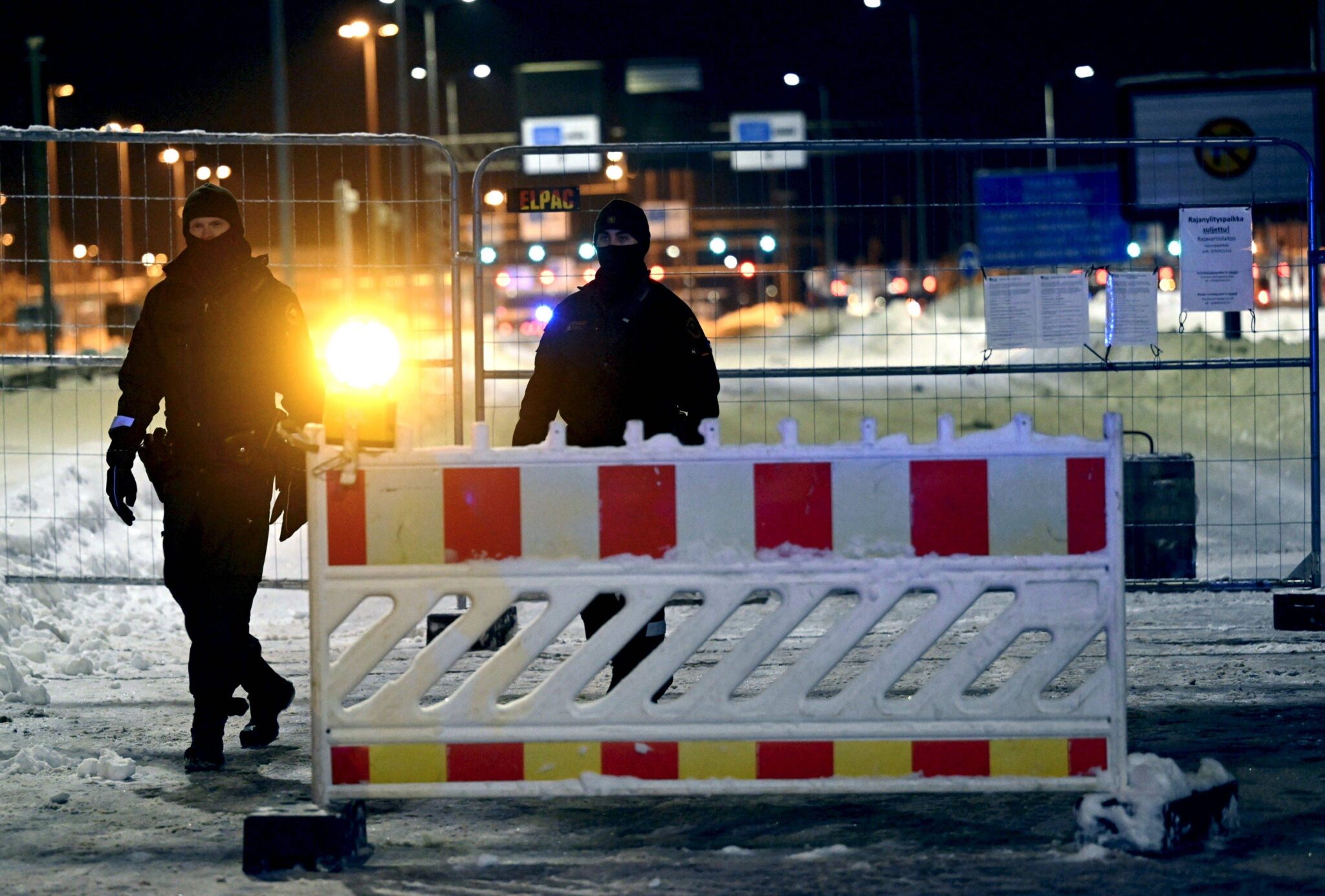
Since the Russian border was closed, people in the far east of Finland have been living with a new Iron Curtain that is reshaping daily life and upending the regional economy.
 Worldcrunch
Michael Thumann is “Die Zeit”‘s foreign affairs correspondent. He studied history, politics and Slavic studies in Berlin, New York and St. Petersburg. Previously, he served as the German daily’s correspondent for the Middle East in Istanbul, coordinated foreign affairs reporting, and was Die Zeit’s correspondent in Moscow, reporting on Russia, the Caucasus and Central Asia.
Since the Russian border was closed, people in the far east of Finland have been living with a new Iron Curtain that is reshaping daily life and upending the regional economy.
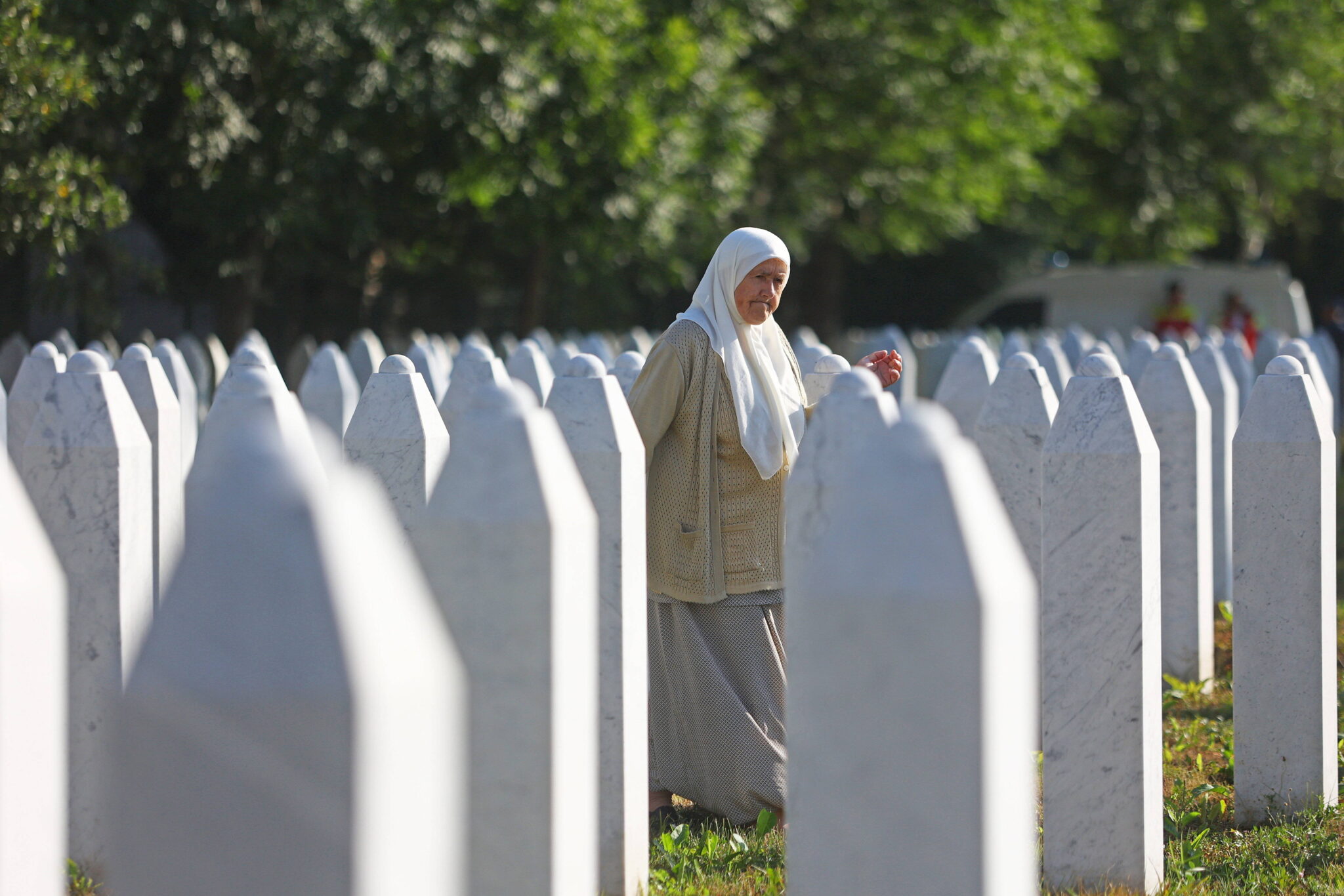
Once dismissed as a tragic anomaly of the post–Cold War era, the 1995 massacre of 8,000 Bosnian Muslims now echoes through today’s wars and ideologies. From Gaza to Ukraine, the logic of ethnic violence is back, and the world is once again looking away.
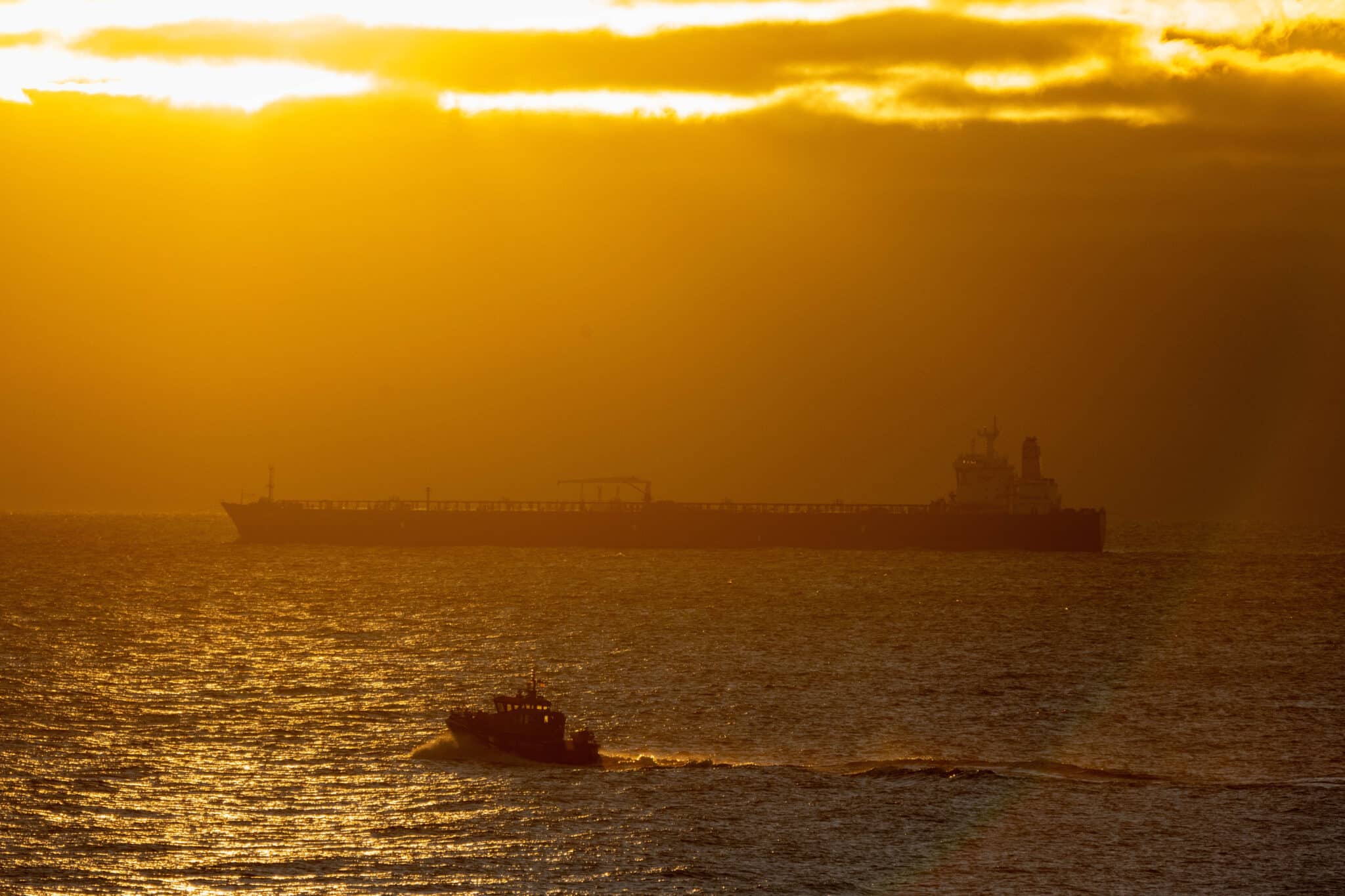
Amid growing tensions between NATO and Russia, the Baltic becomes a battlefield of hidden threats beneath the waves.
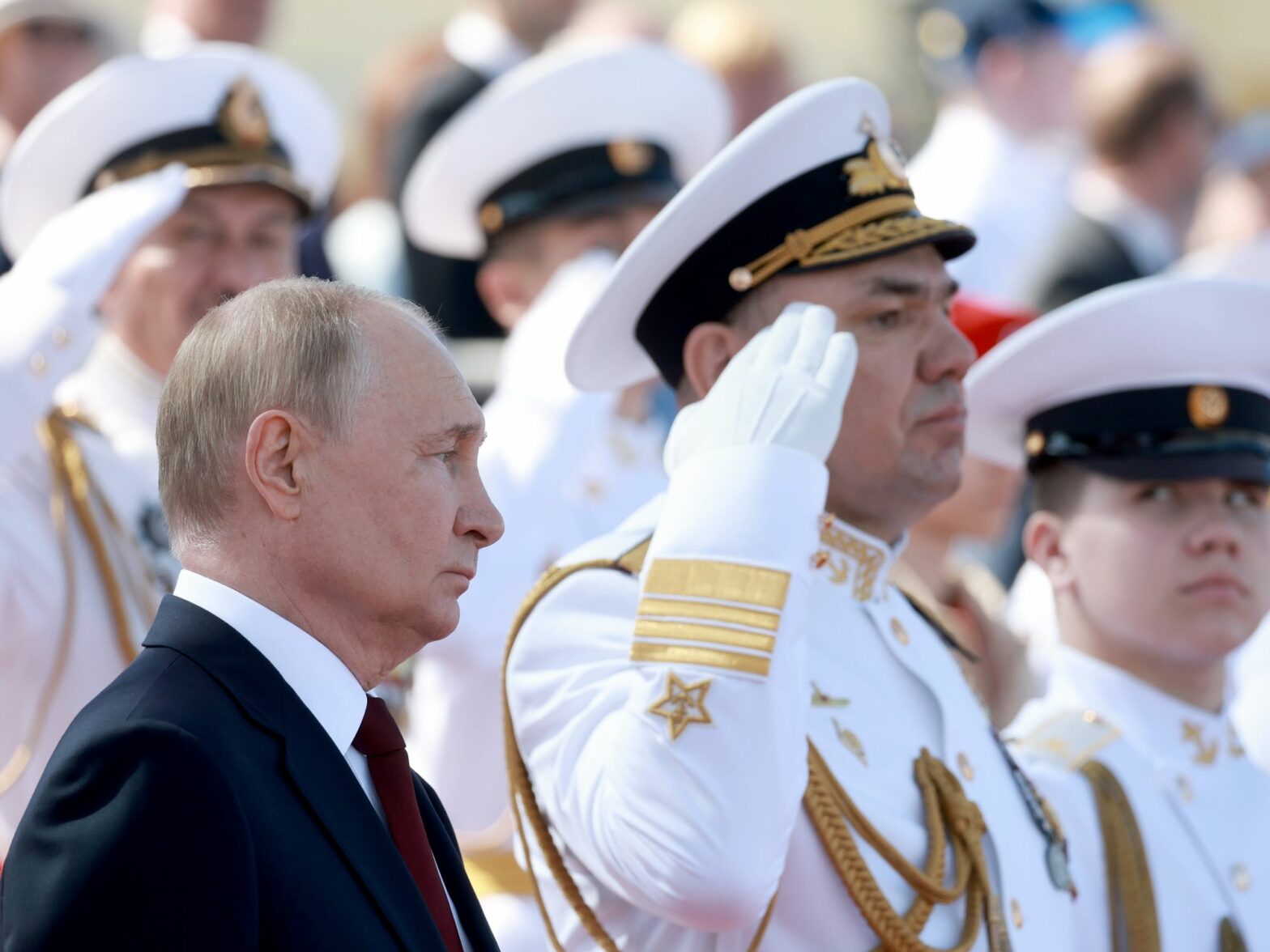
The Russian president has no problem talking about negotiations and peace treaties. But he’s a master decoy artist. Putin has built his power on conflict, and now he needs war to hold on to it.
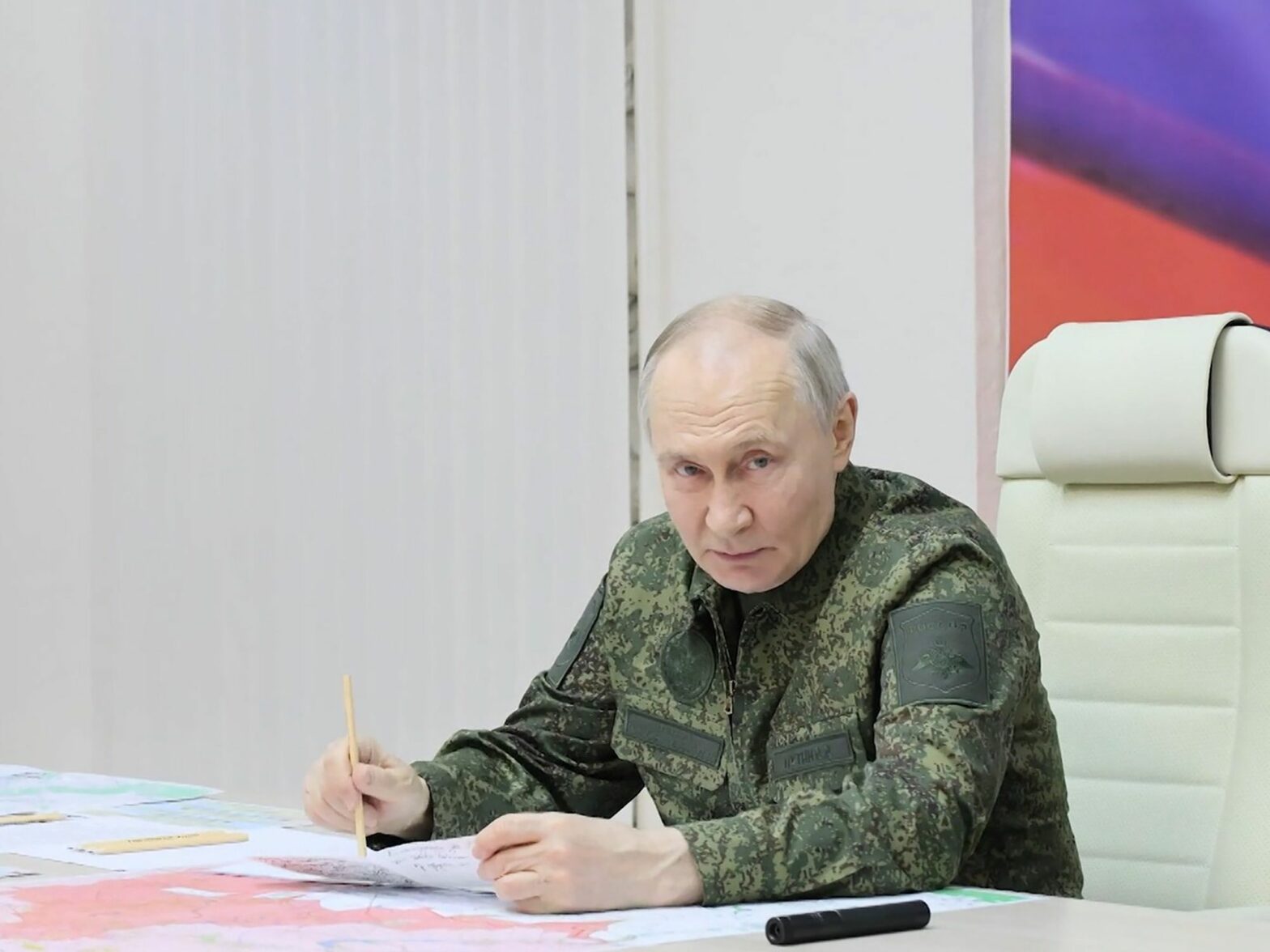
The Russian president has no problem talking about negotiations and peace treaties. But he’s a master decoy artist. Putin has built his power on conflict, and now he needs war to hold on to it.
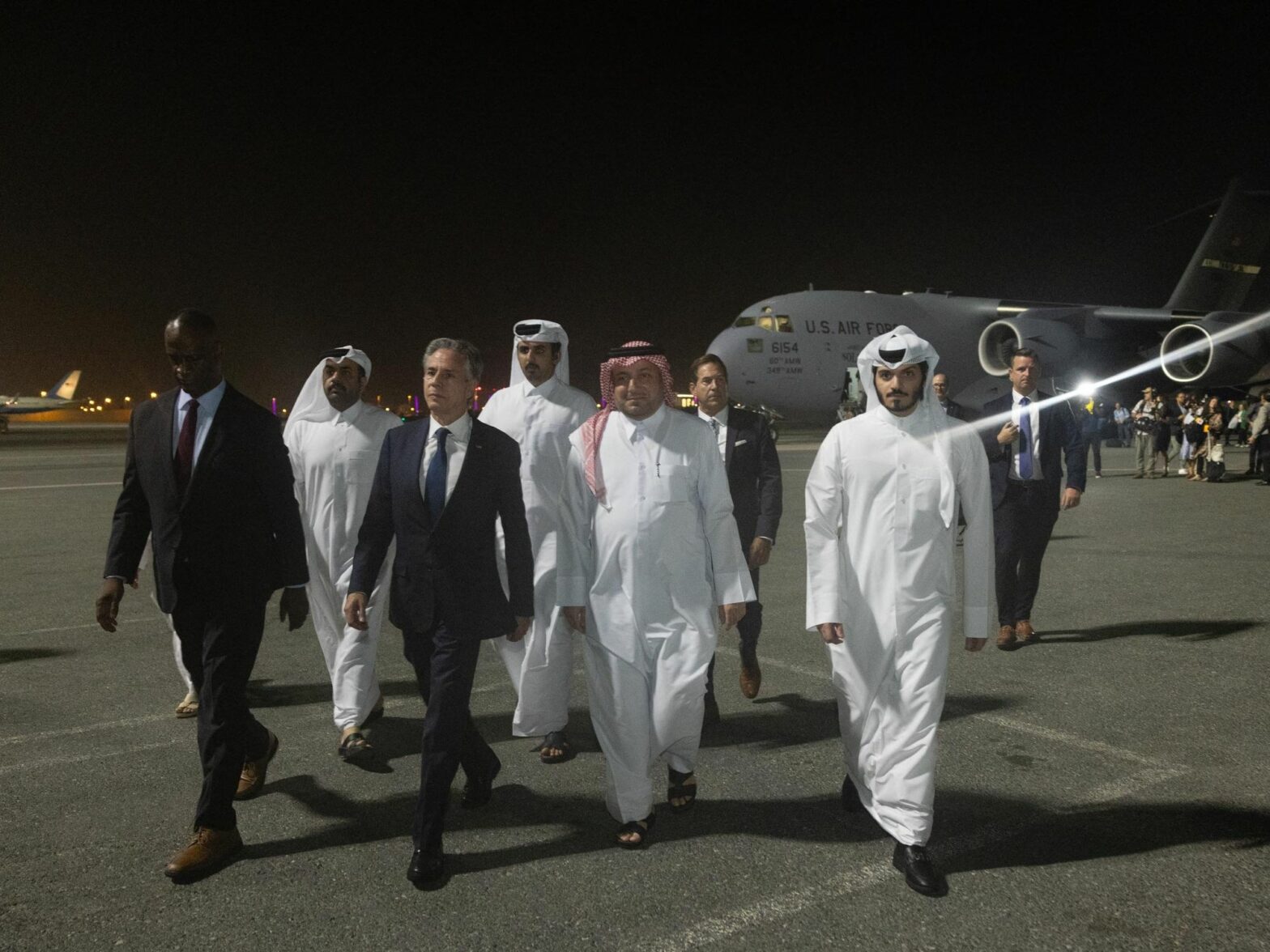
Qatar was crucial to the ceasefire negotiations in the Middle East. It proves that you don’t need a large army or nuclear weapons to play an important role in the world.
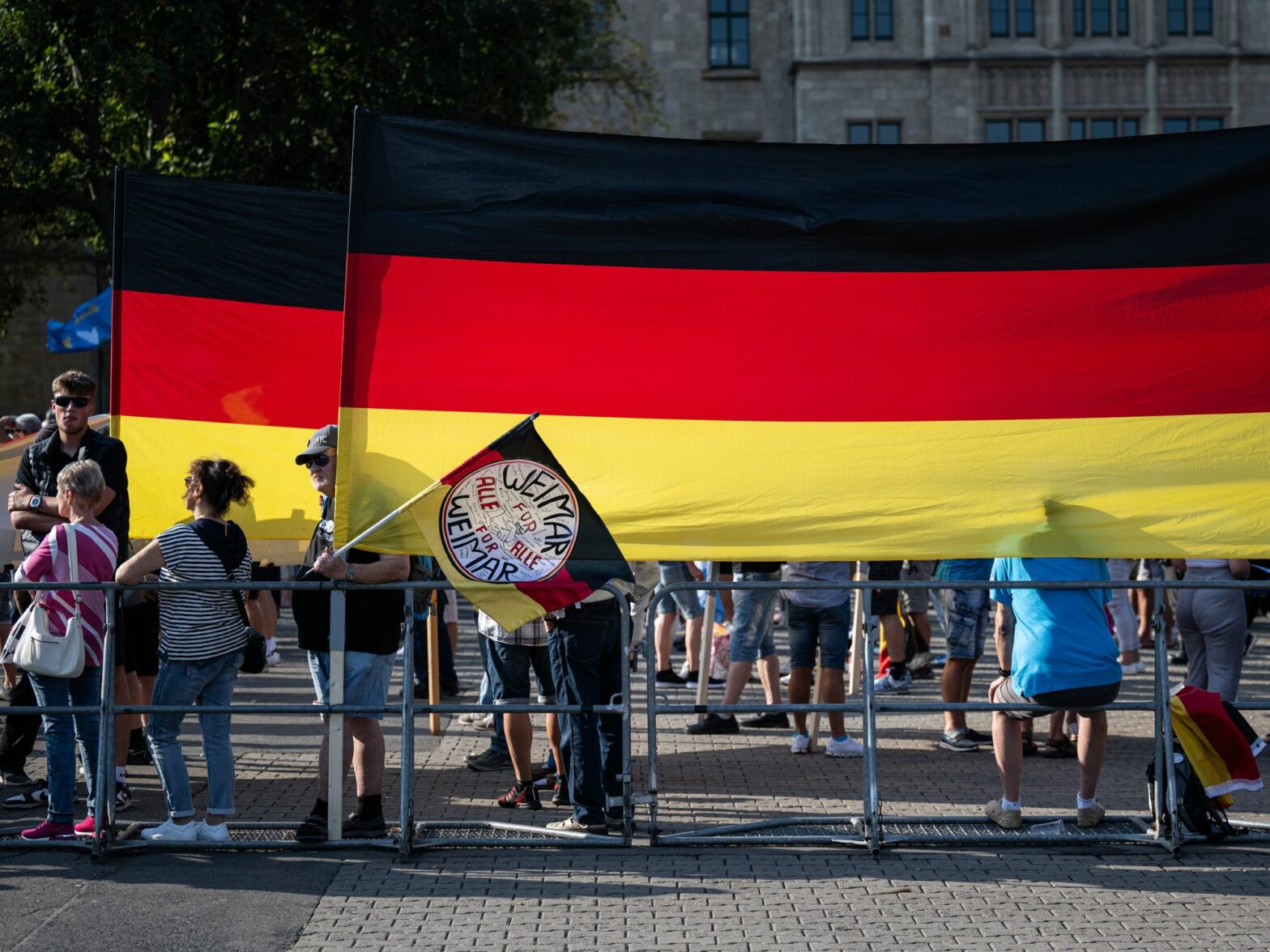
U.S. authorities have seized documents that expose a Russian-led fake news offensive in Europe. The devastating effects of this large-scale propaganda campaign are for all to see in the recent elections in Thuringia and Saxony.