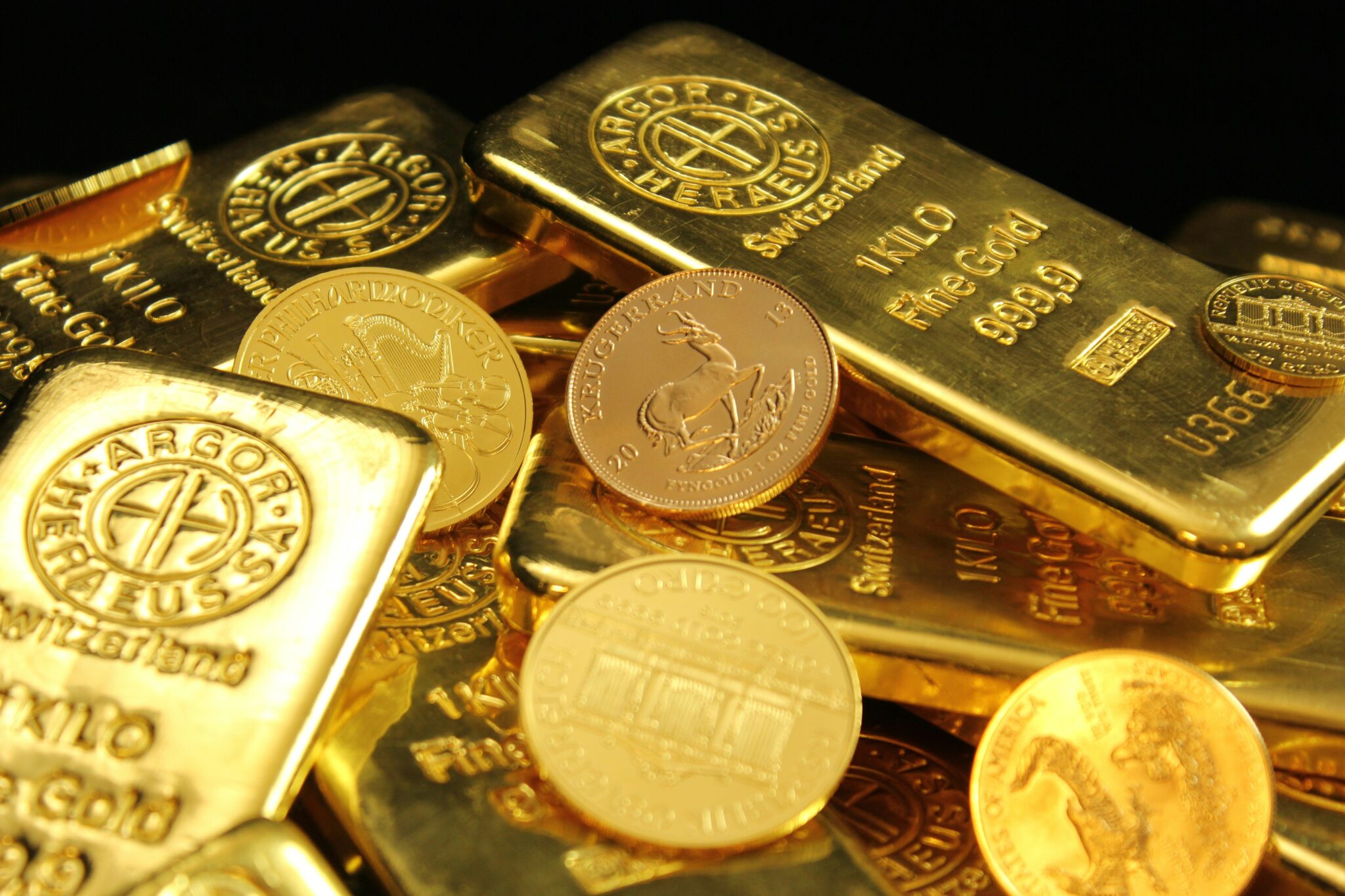
From political folly to looming crises, investors are betting on collapse — and turning to gold as their safe haven.
 Worldcrunch
Mark Schieritz (1974) is a German journalist. He worked for the Financial Times before becoming Die Zeit’s Frankfurt financial correspondent.
From political folly to looming crises, investors are betting on collapse — and turning to gold as their safe haven.
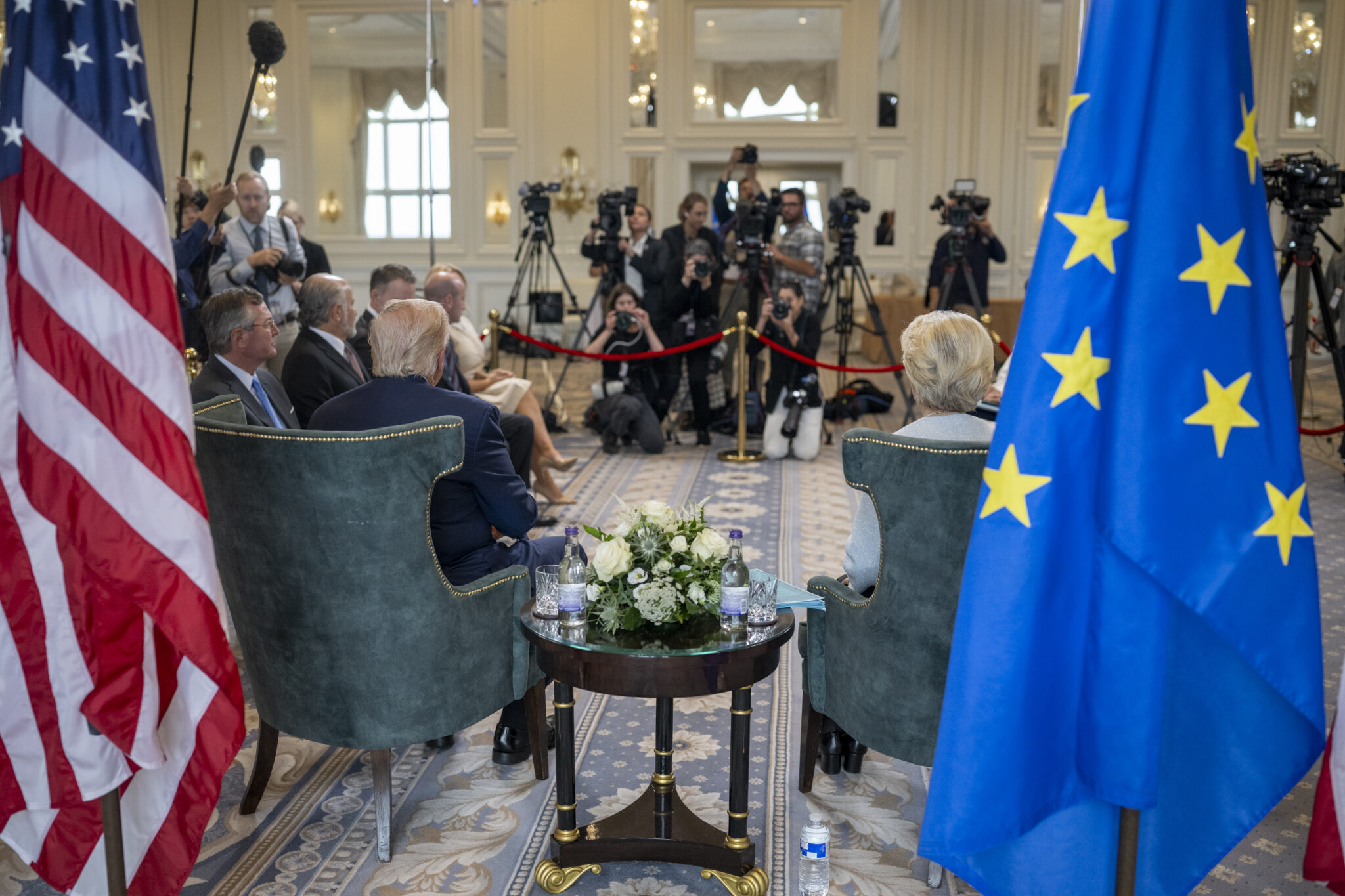
Trump’s approach to U.S.-EU trade relations prioritizes dominance and loyalty over partnership, leaving Europe with little choice but to comply to avoid severe economic fallout. Breaking free from U.S. leverage would require Europe to build a new global alliance, effectively acknowledging the end of the traditional transatlantic trade partnership.
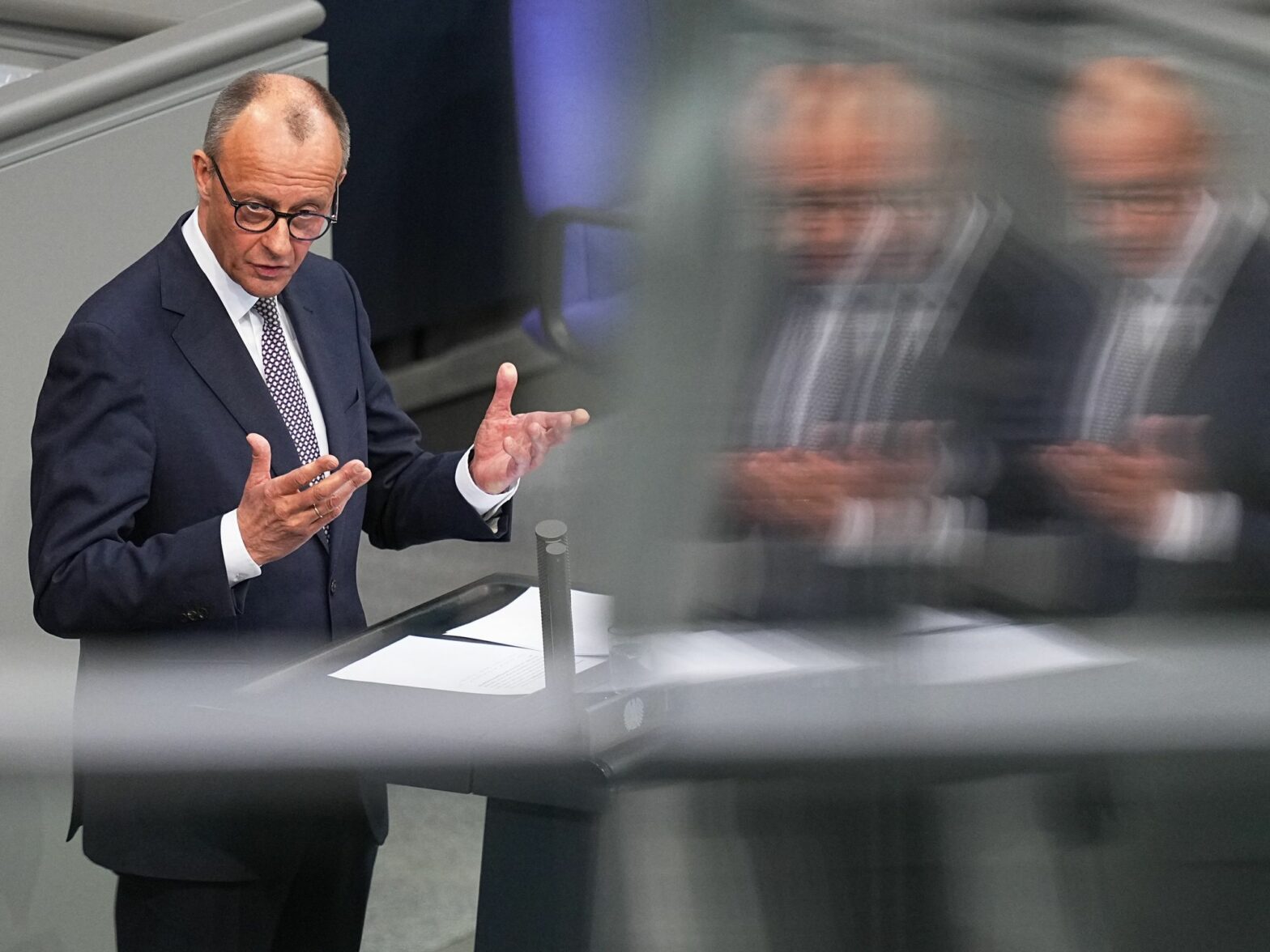
Germany has finally decided to start spending. Is this going to save its stagnating economy? The new fiscal package is the biggest economic policy test in post-War German history. Now it’s crucial that the government avoids any mistakes.
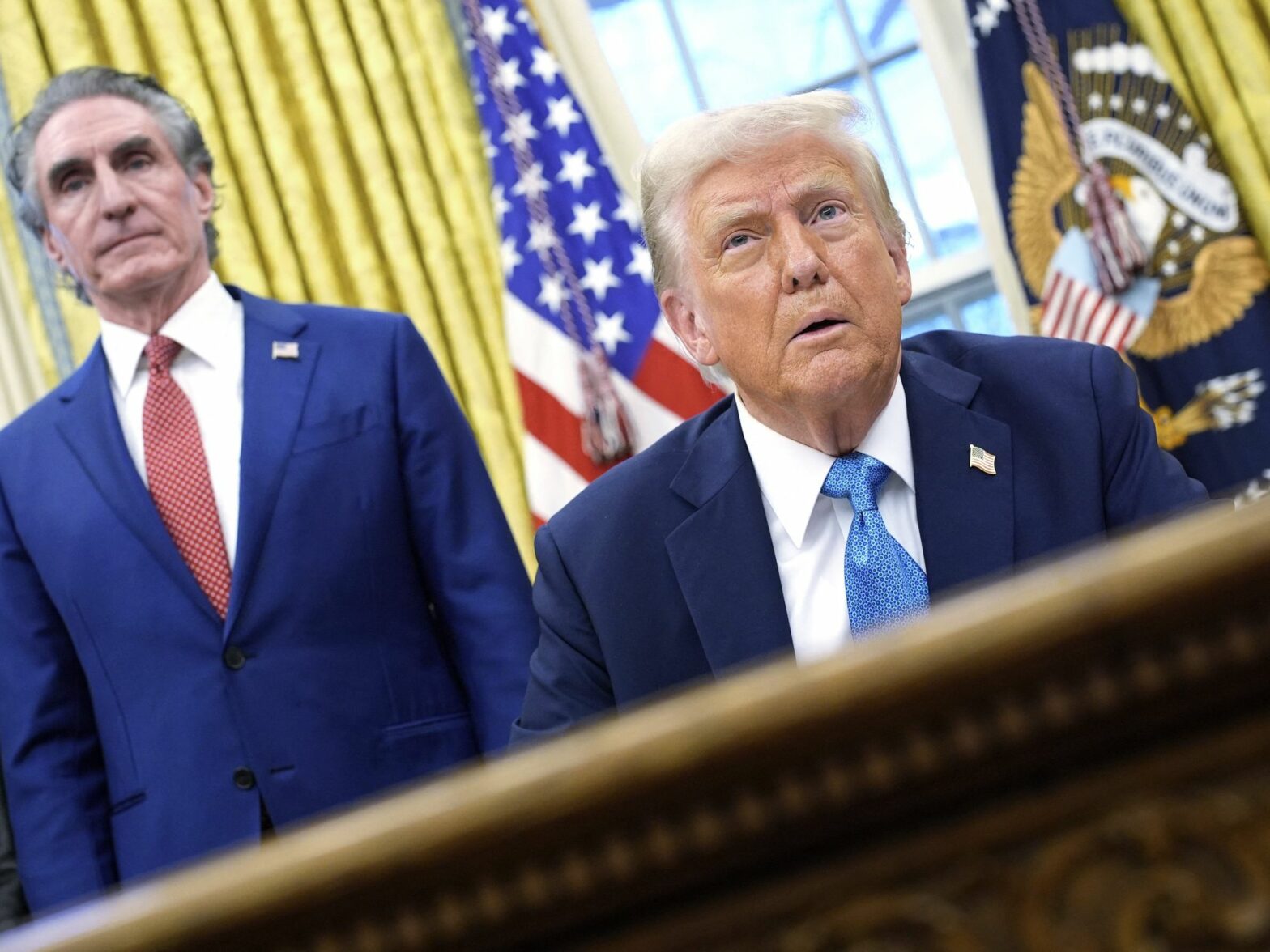
In economics, disruption describes an ordinary process: innovations replace outdated technologies. But in politics? It takes on a far darker meaning, writes German weekly Die Zeit.
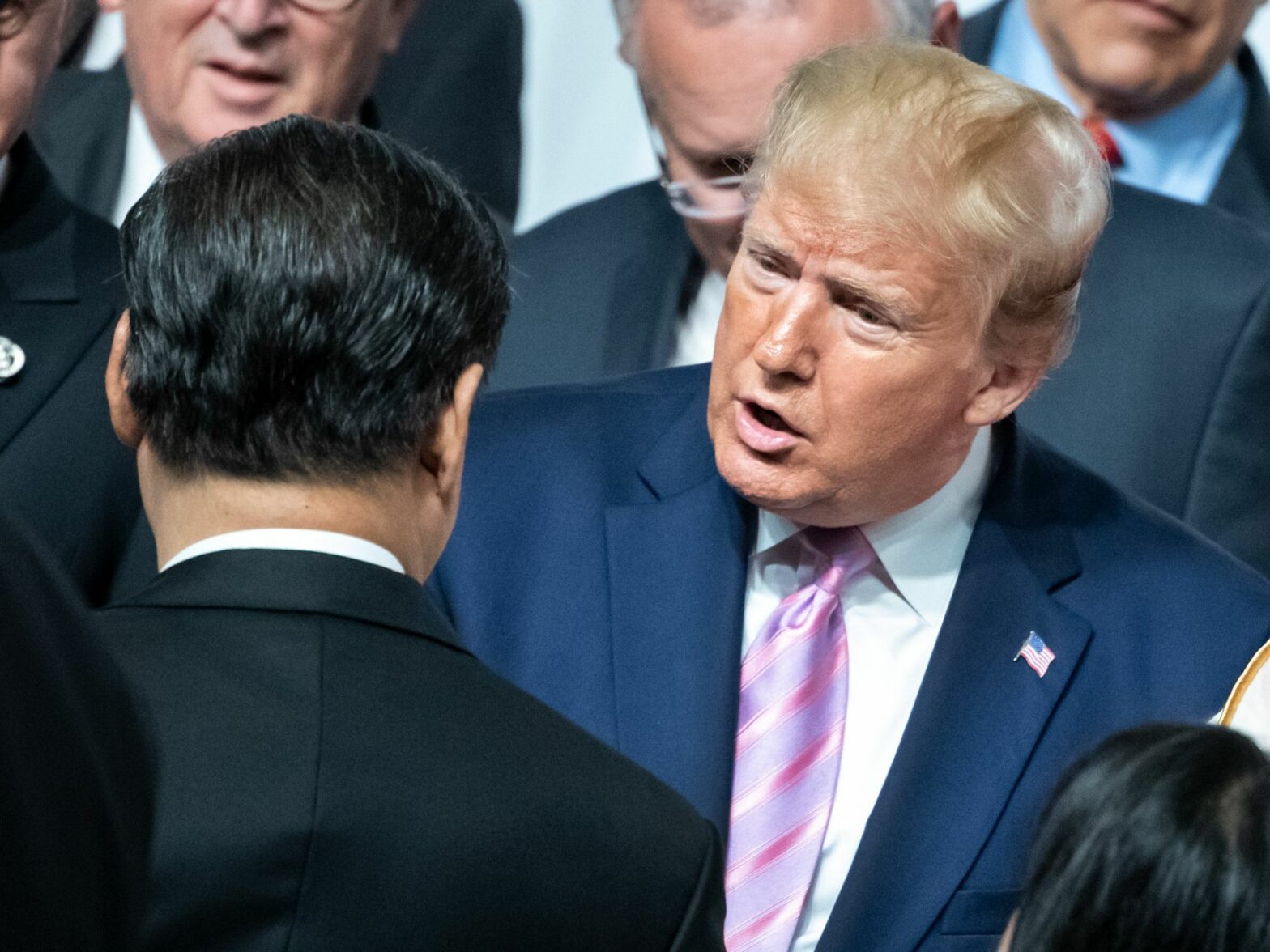
Many experts are counting on Trump’s economic policies to be a disaster. But that doesn’t have to happen: he could leave the economy to his advisors, and focus his attention on consolidating power.
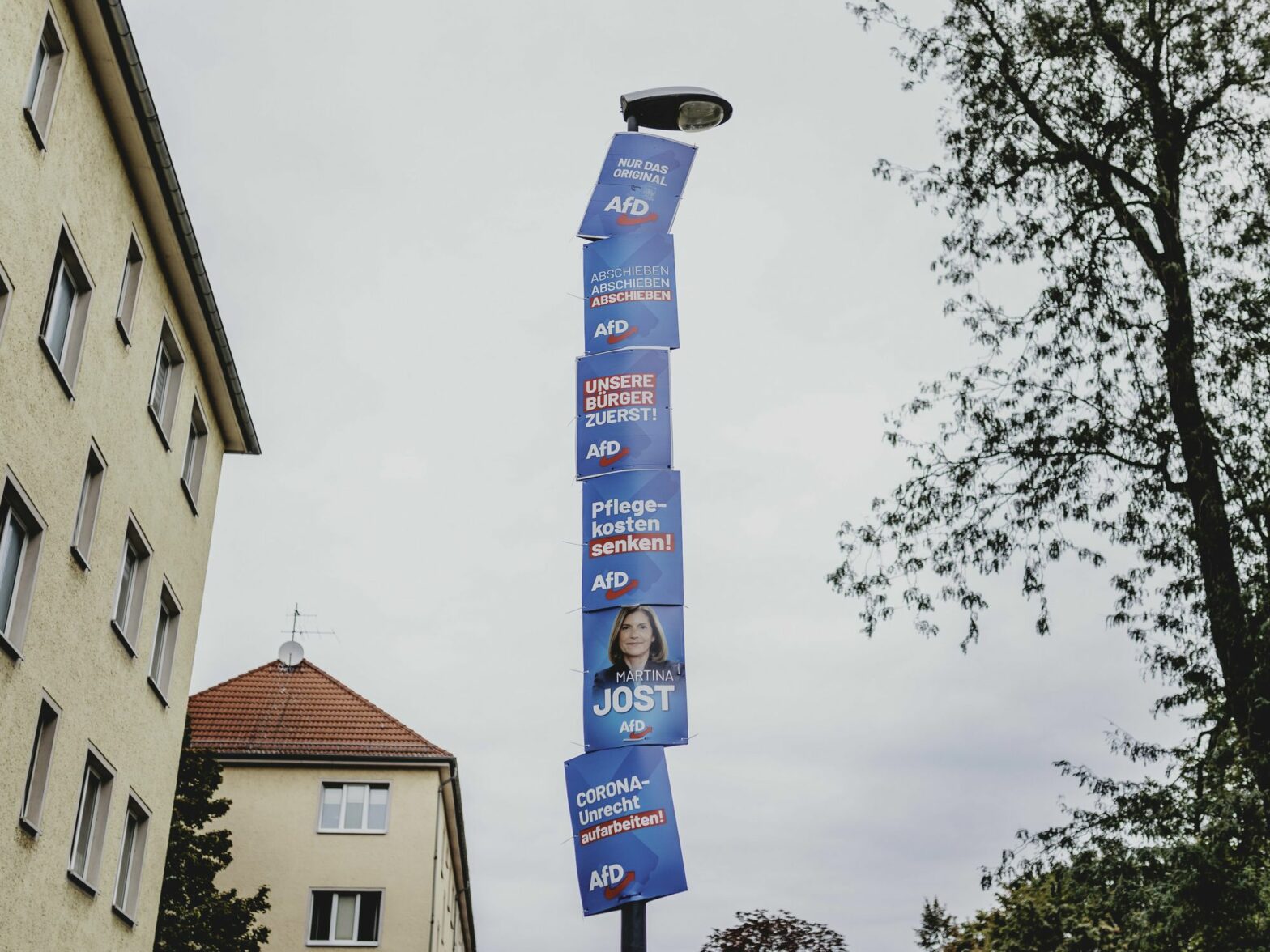
In Sunday’s regional elections in Thuringia, yes, 400,000 people voted for the extreme-right party AfD. Is that a lot? Depends on how you look at it. But looking at overall electoral trends, we know that the vast majority of Germans do not want right-wing extremists in power.