Between the defeats of June 1967 and June 2025 — both ironically hailed by some as victories — history seems to repeat itself. But now that Arab habit of declaring victory has also spread to Benjamin Netanyahu’s Israel, still haunted by Oct 7.
 Worldcrunch
Majed Kayali is a Berlin-based Palestinian journalist who writes for Beirut-based daily Daraj.
Between the defeats of June 1967 and June 2025 — both ironically hailed by some as victories — history seems to repeat itself. But now that Arab habit of declaring victory has also spread to Benjamin Netanyahu’s Israel, still haunted by Oct 7.
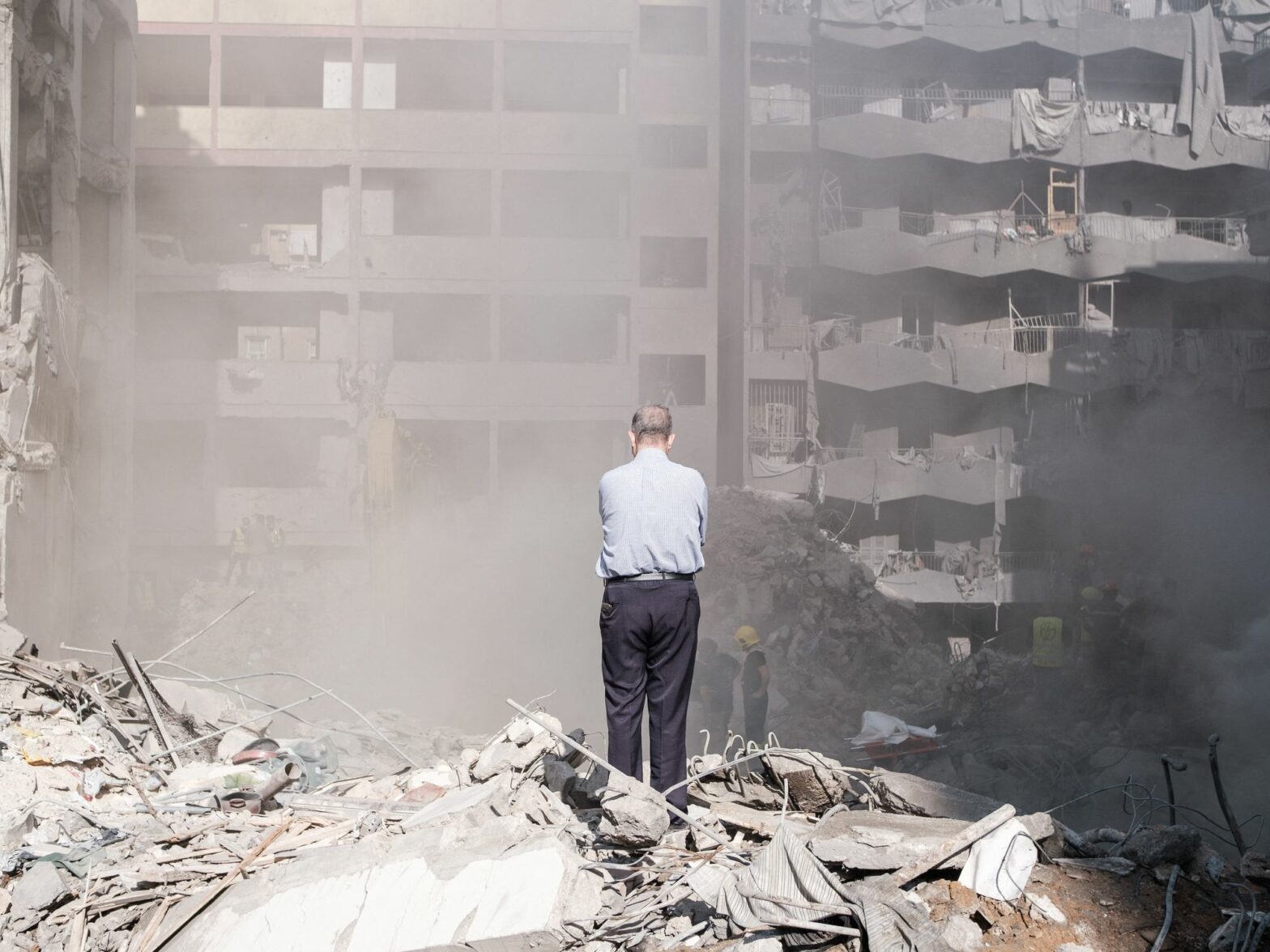
The Arab nations and people are facing a general state of failure that includes actions of regimes, societies and political parties, armed militias, national liberation and resistance movements. And while Israel’s genocide in Gaza and Lebanon is abhorrent, Arabs hold most of the responsibility.
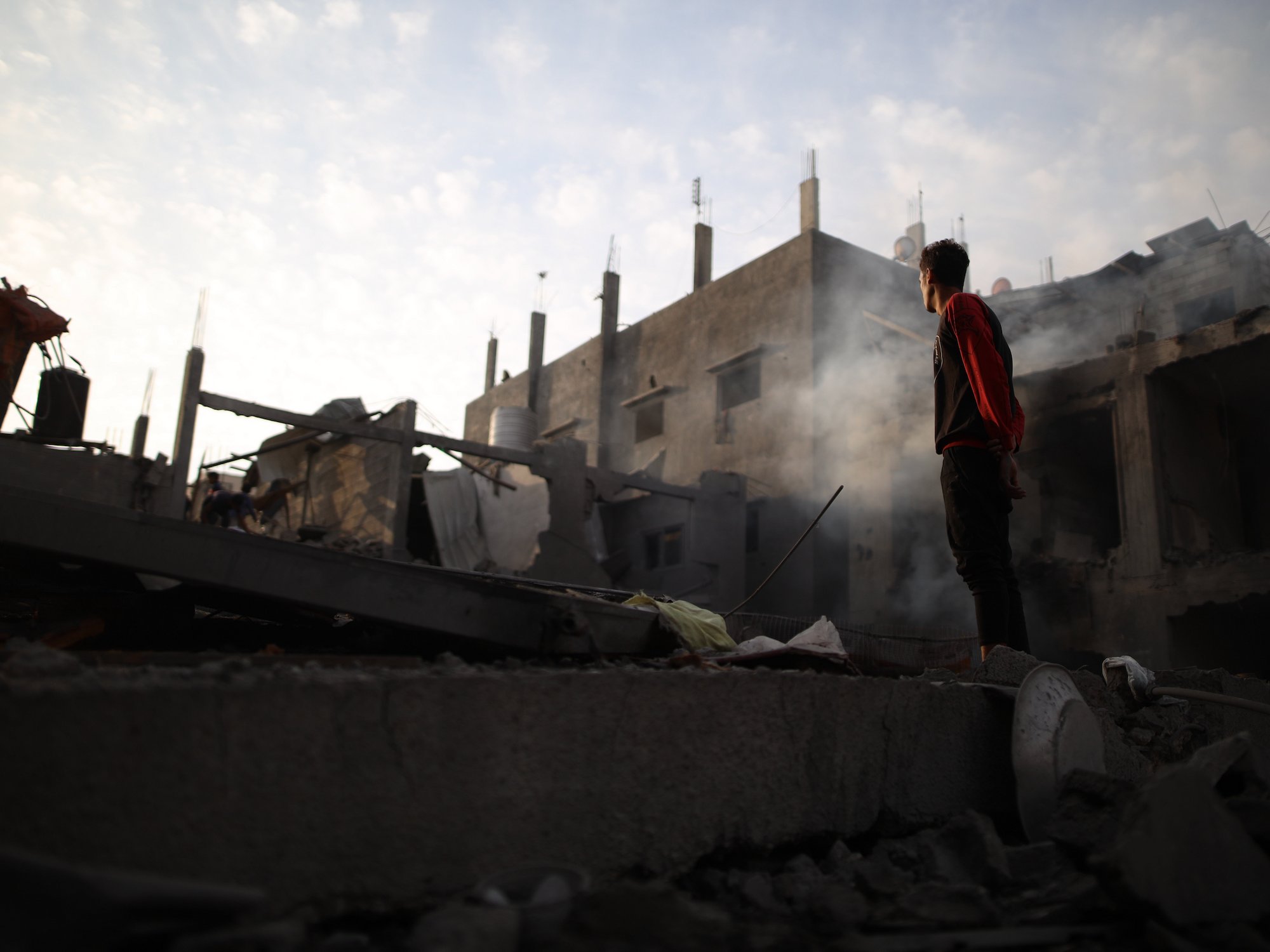
One Arab writer takes issue with a noted scholar who assigns the lion’s share of the blame to the establishment of the Jewish State. Israel has excelled, not only, because of its military strength and Western allies, but also because of its ability to build a state of institutions and relative freedom.
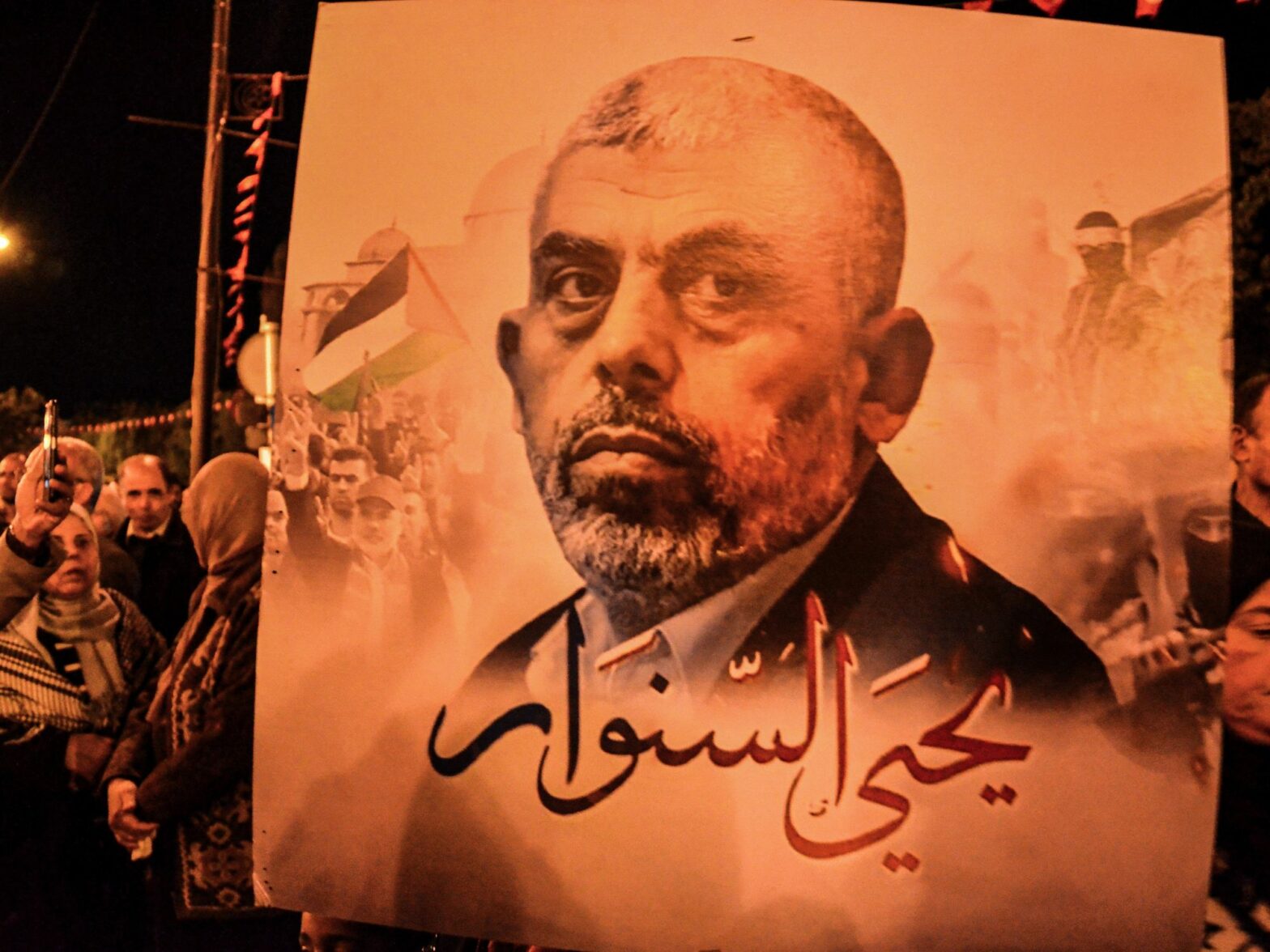
The death of Hamas leader Yahya Sinwar and mastermind of the Oct. 7 attack is just the latest Israeli strike against those who have tried to monopolize the notion of “resistance” as a purely military pursuit. The result has been the absolute destruction of Gaza, and now Lebanon, and the reinforcement of the Israeli occupation.
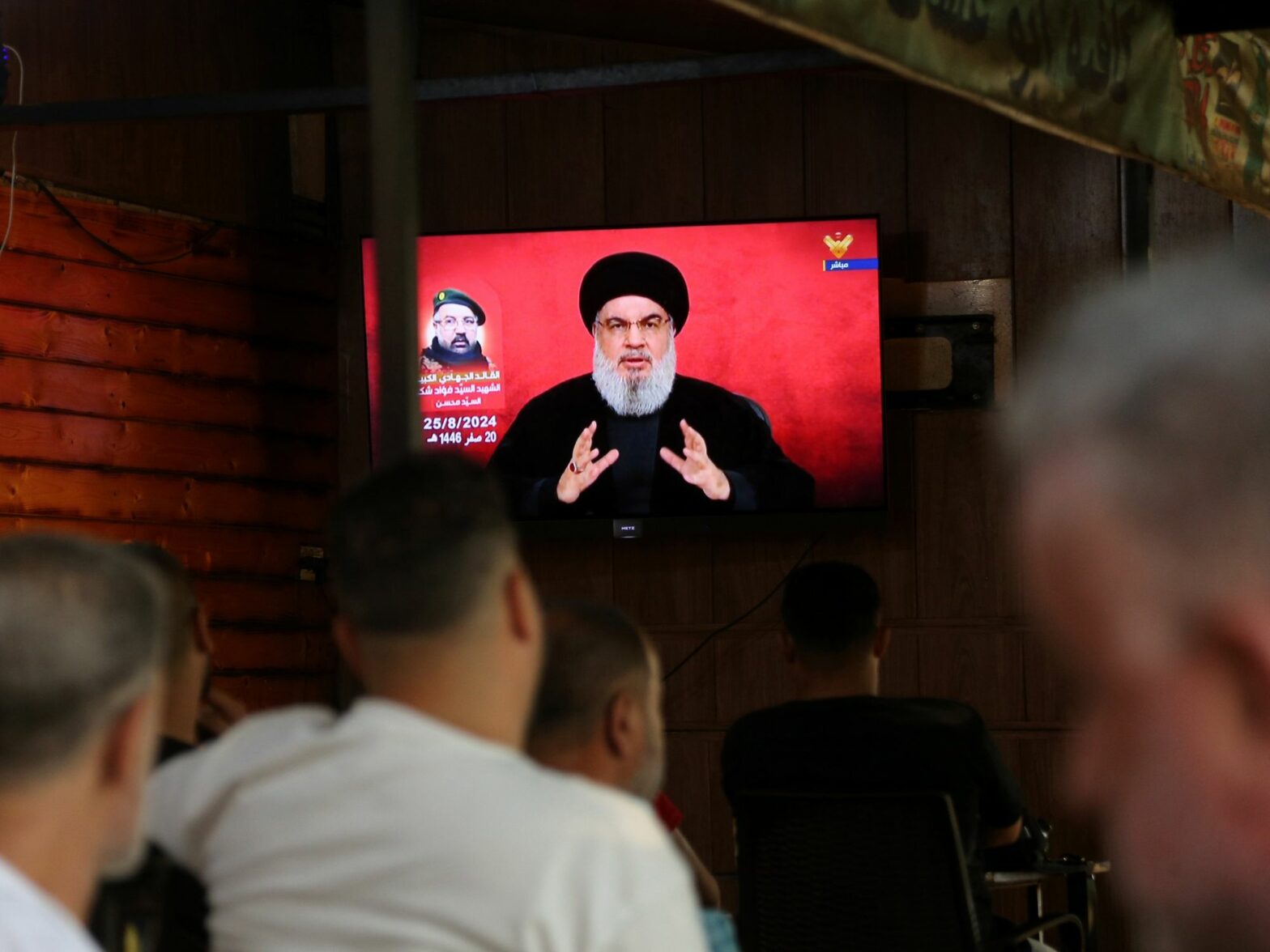
For two decades Hezbollah chief Hassan Nasrallah spoke about destroying Israel, but in recent speeches, he’s just demanding it pull out of Gaza. It’s one more sign that its patrons in Tehran have made a calculation to try to salvage a status quo in the region.
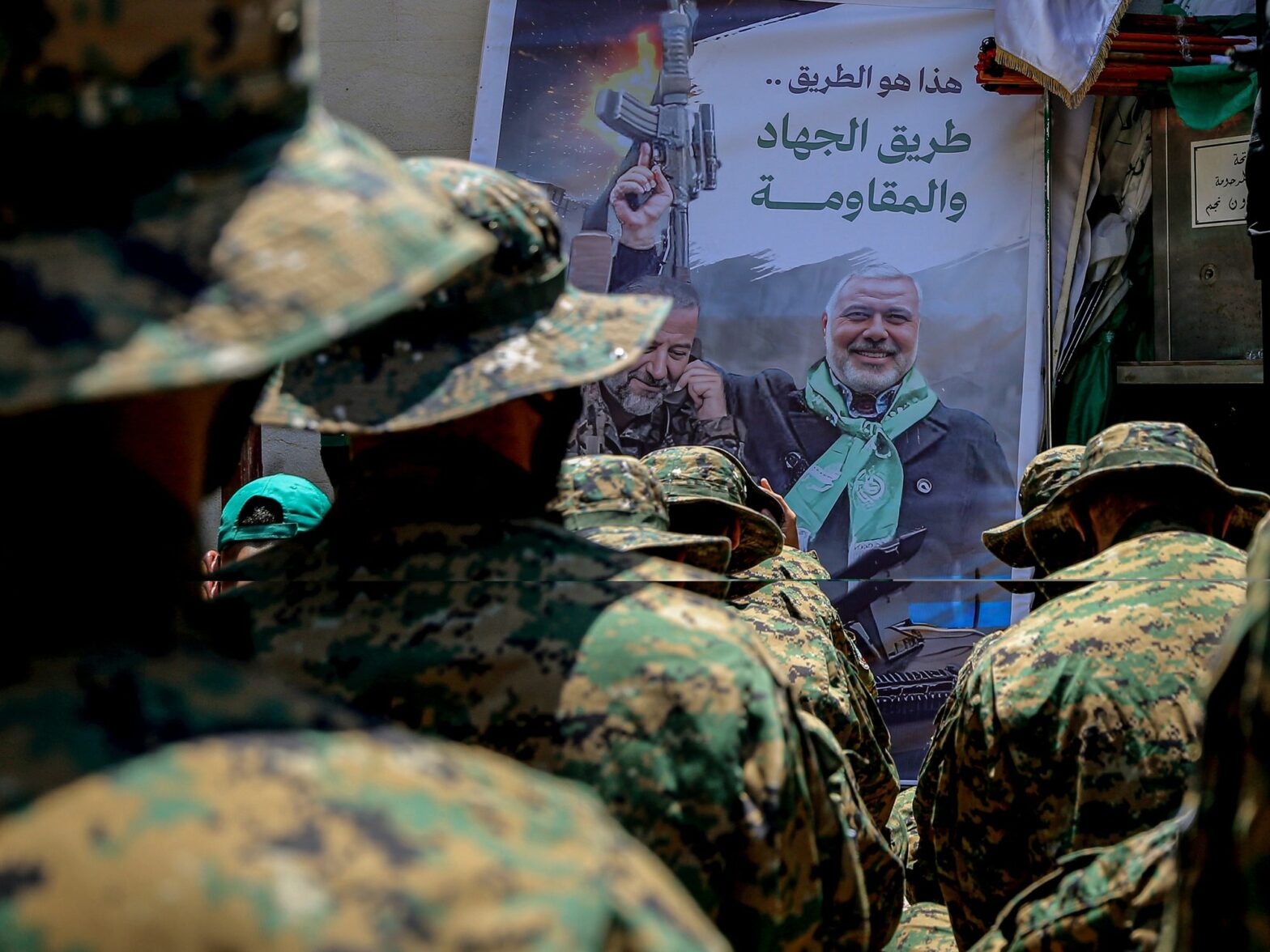
The assassination of Ismail Haniyeh has become the subject of an unhealthy debate between Palestinians and Syrians. Yet this discussion misses the point and has allowed Israel to benefit from the situation.
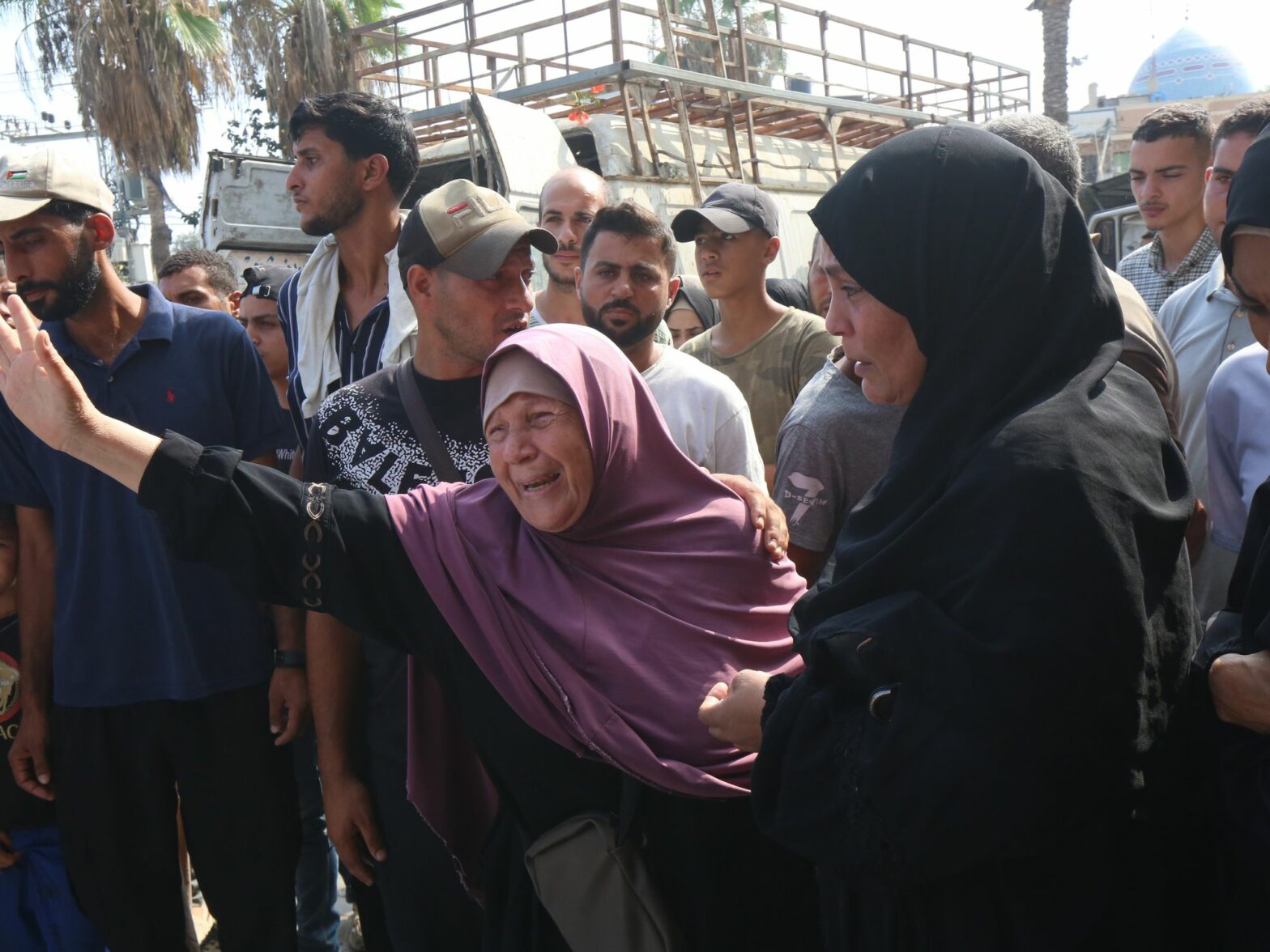
Questioning the choices that Hamas makes is a necessary step to bring forward the Palestinian cause.

The military struggle of the Palestinians has become a holy matter that banned any discussion about it — including reviews, criticism and accountability. That has given the tyranny of militarism the upper hand at the expense of politics and popular movements.
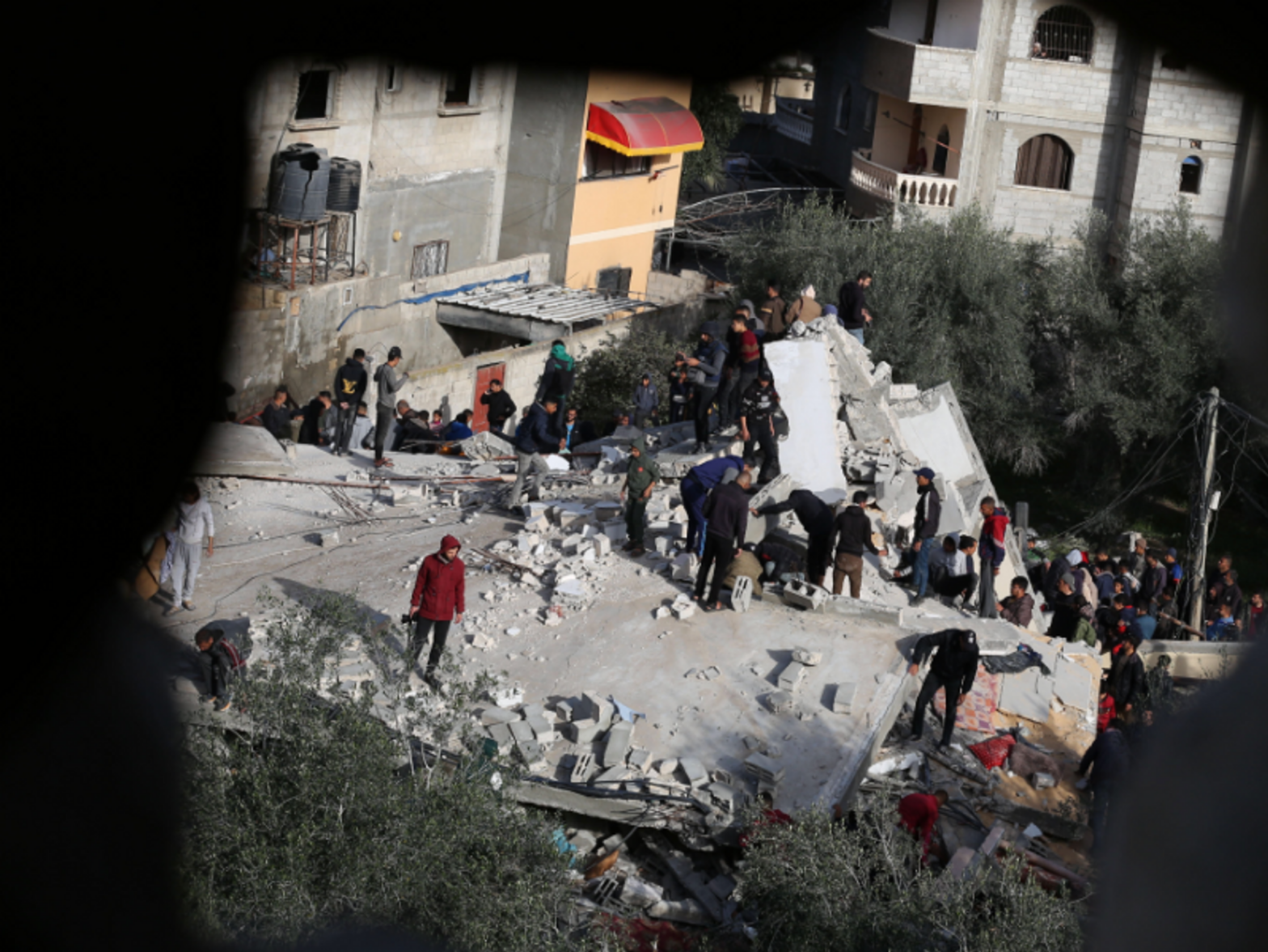
What to make of the criticism of Hamas’ statements or slogans, which are similar to Fatah rhetoric in its early years? Does any debate of the merits of the two rival organizations matter in the face of Israel’s responsibility for the ongoing slaughter in Gaza?