A post-Assad tour of Damascus, that singular Middle East capital, from which the Ba’ath Party spared nothing and desecrated everything. How quickly it shed all the ugliness that the Assad regime had spread over more than five decades!

 Worldcrunch
Hazem Elamin is a Lebanese writer and journalist. He is also the co-founder and editor-in-chief of Arabic-language independent digital media platform Daraj.
A post-Assad tour of Damascus, that singular Middle East capital, from which the Ba’ath Party spared nothing and desecrated everything. How quickly it shed all the ugliness that the Assad regime had spread over more than five decades!
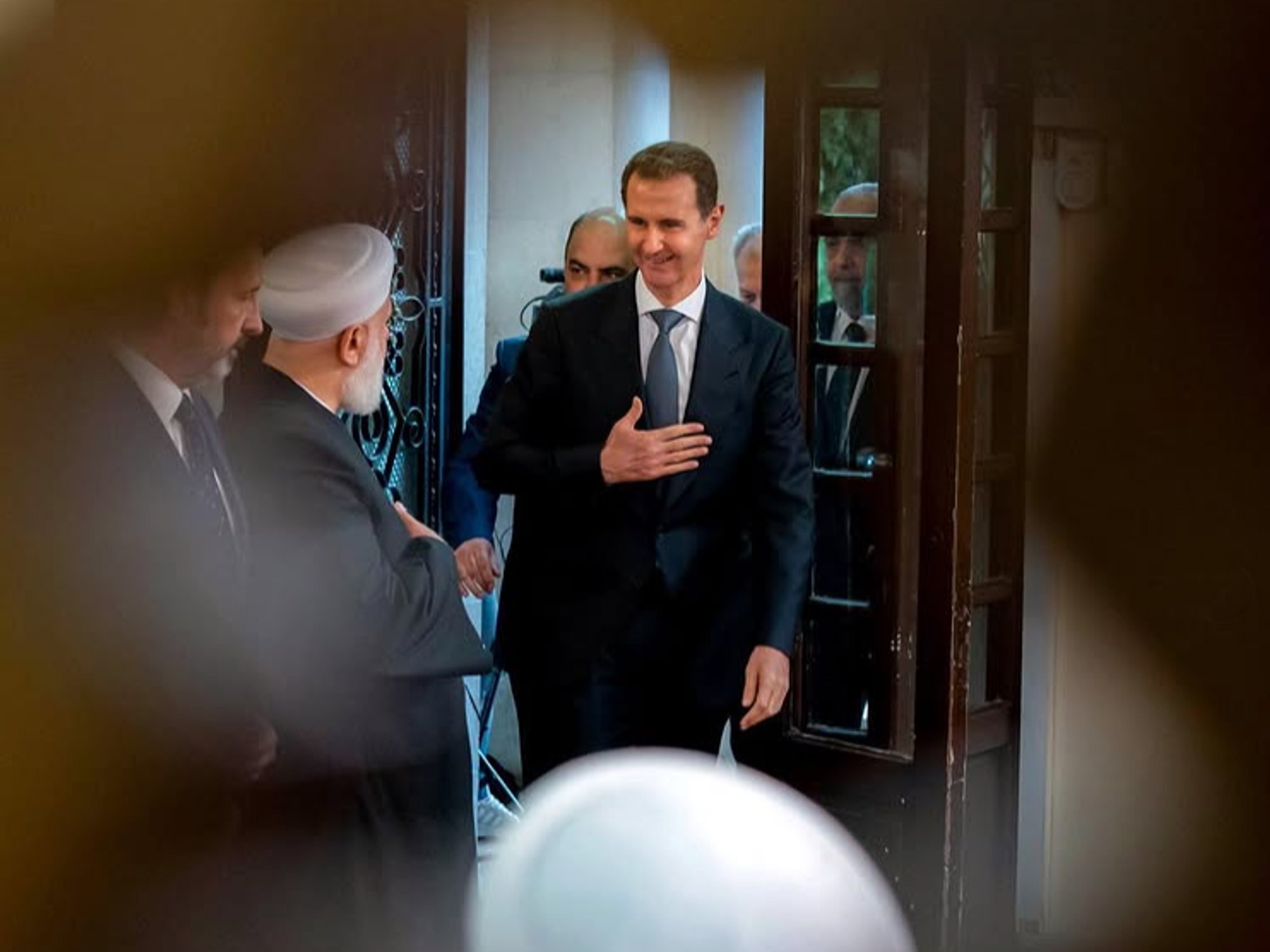
Since he fled in the cover of the night to Russia with his wife and three children, Bashar al-Assad’s entourage and extended family have expressed their anger and humiliation at his deception. He also betrayed his regional allies who went out of their way to protect his regime for years.
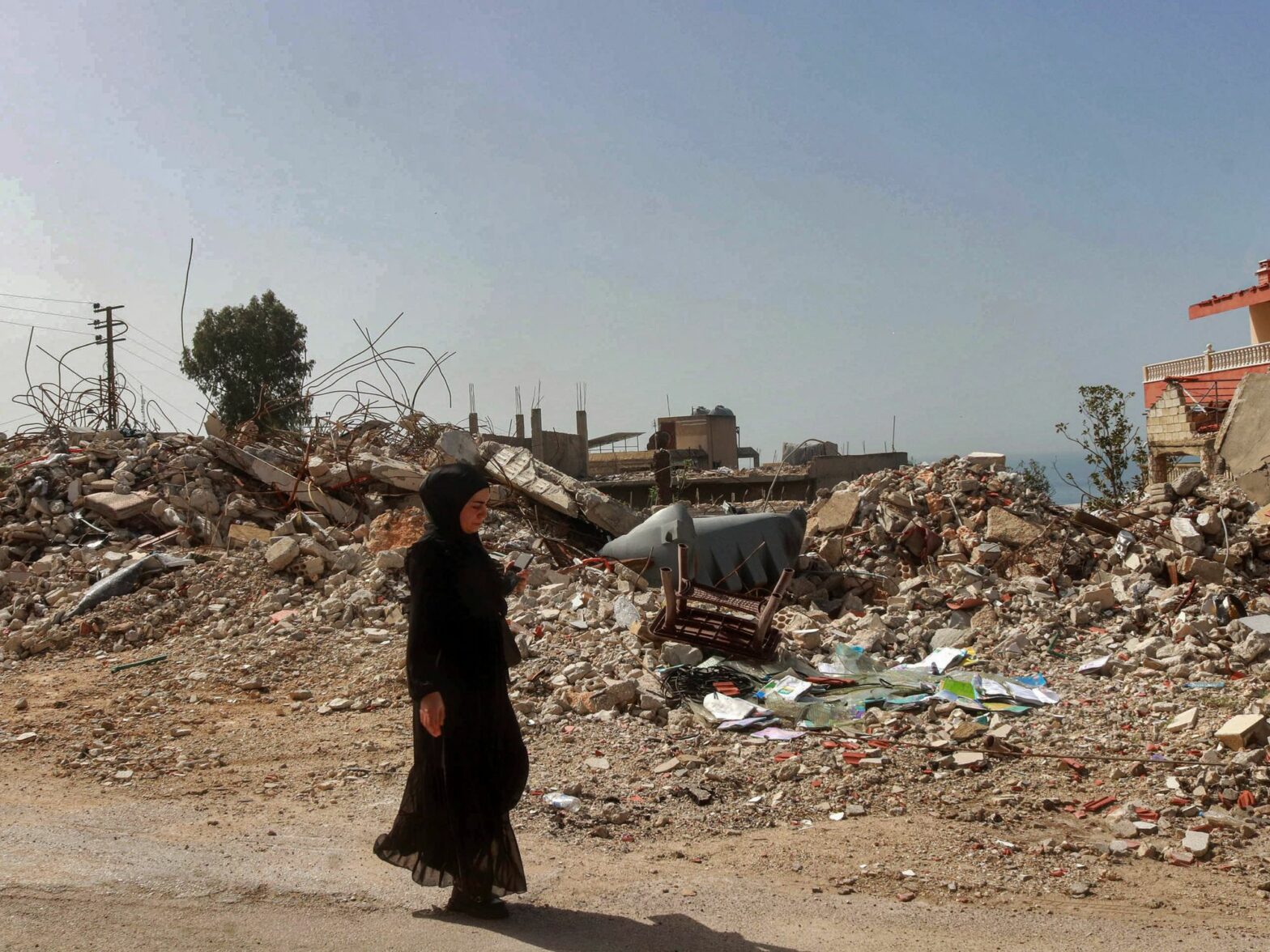
Returning to their destroyed villages in the south, Lebanese found no one waiting for them. Others have no possibility to return. Meanwhile, Israel considers it just a 60-day pause in fighting. What deal was cut behind closed doors?
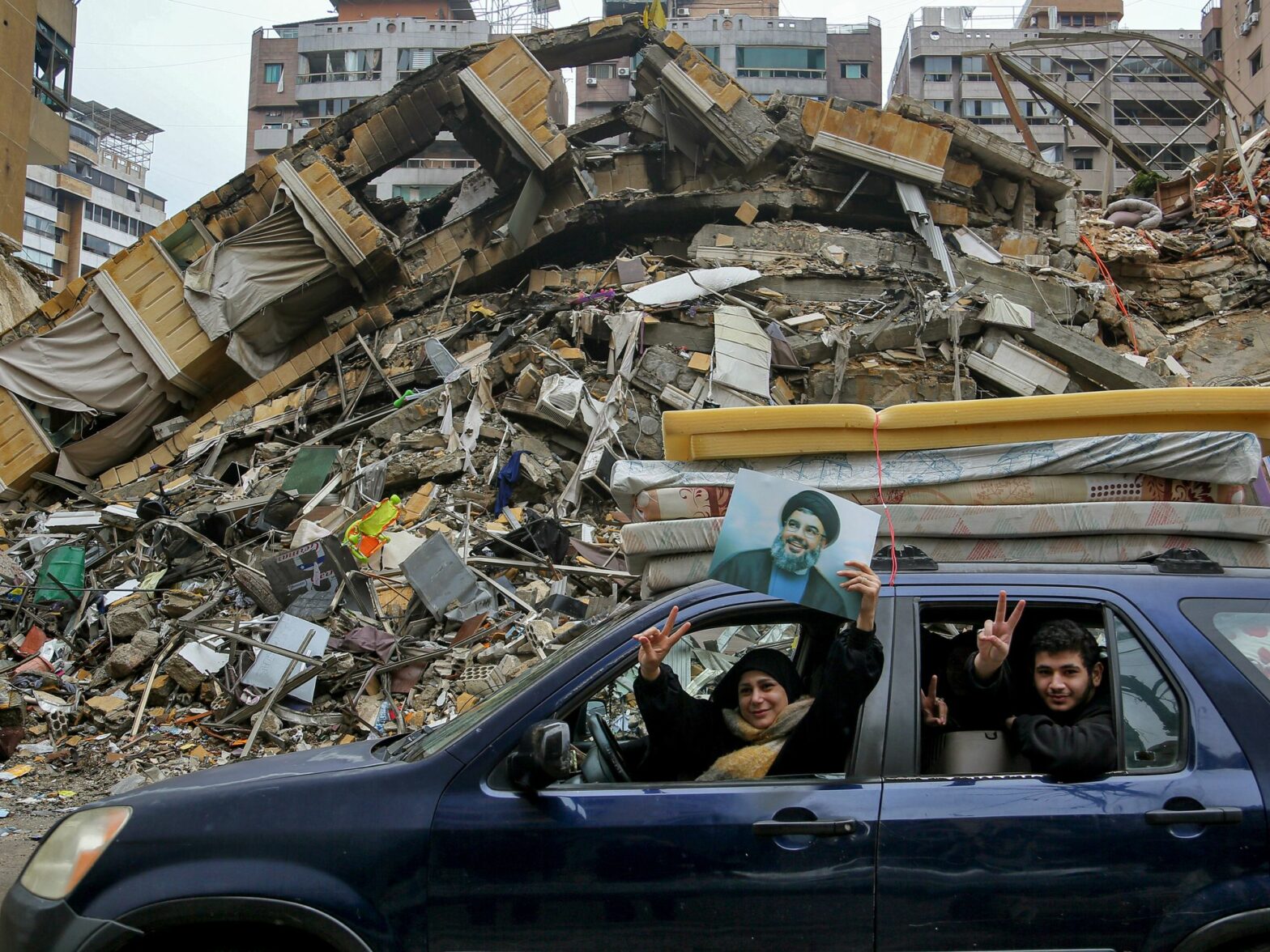
One might think that the rush to announce the completion of the deal refers to its preemptive failure with each party blaming the other for this failure. But there are many moving parts in the negotiations, like there are in the region.
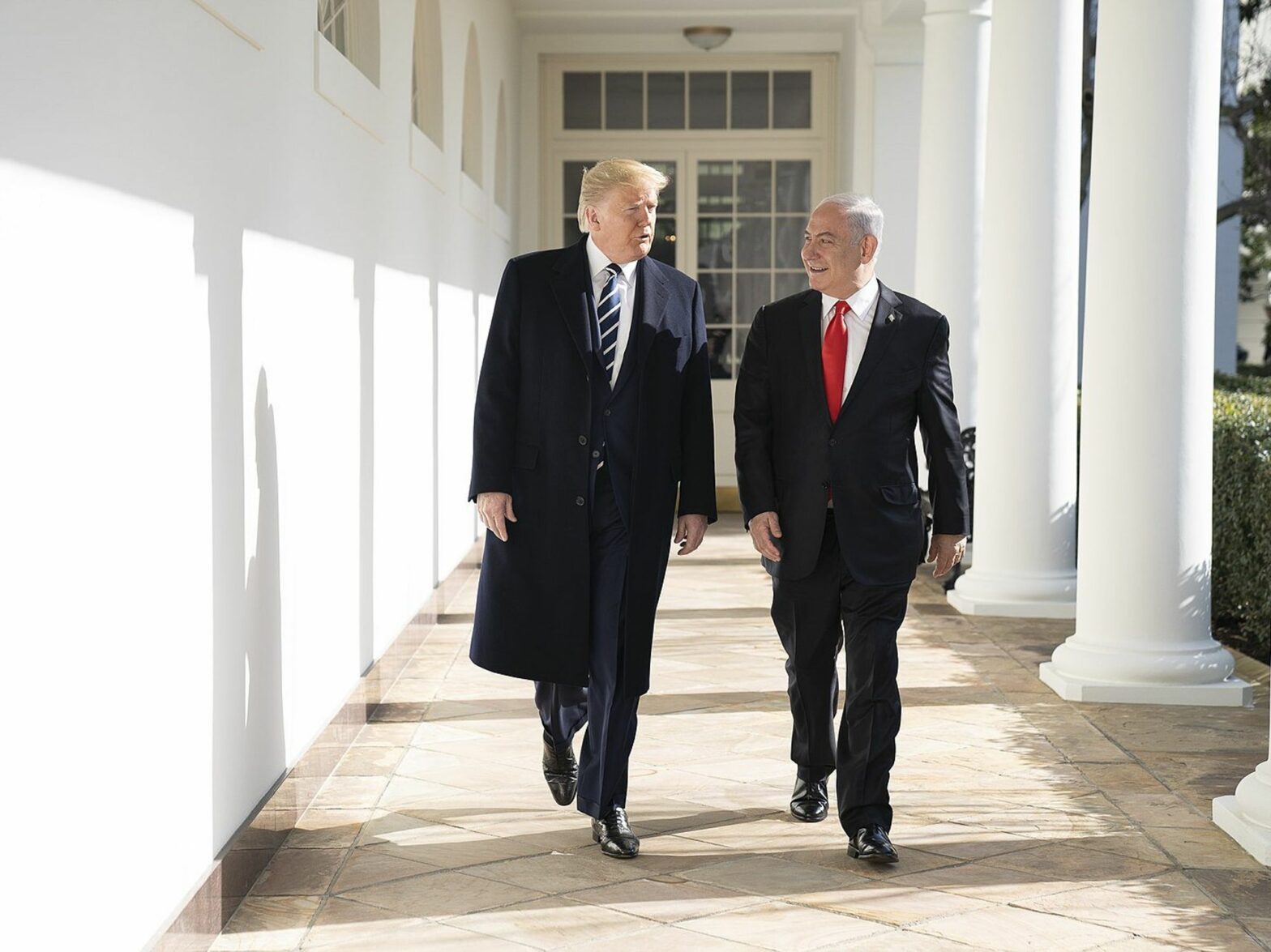
With the arrival of Donald Trump to the White House, we must expect a major shift in the Israeli-Palestinian conflict, and a return to the vision of the “Abrahamic Peace,” which includes no reference to the Palestinians’ right to a state.
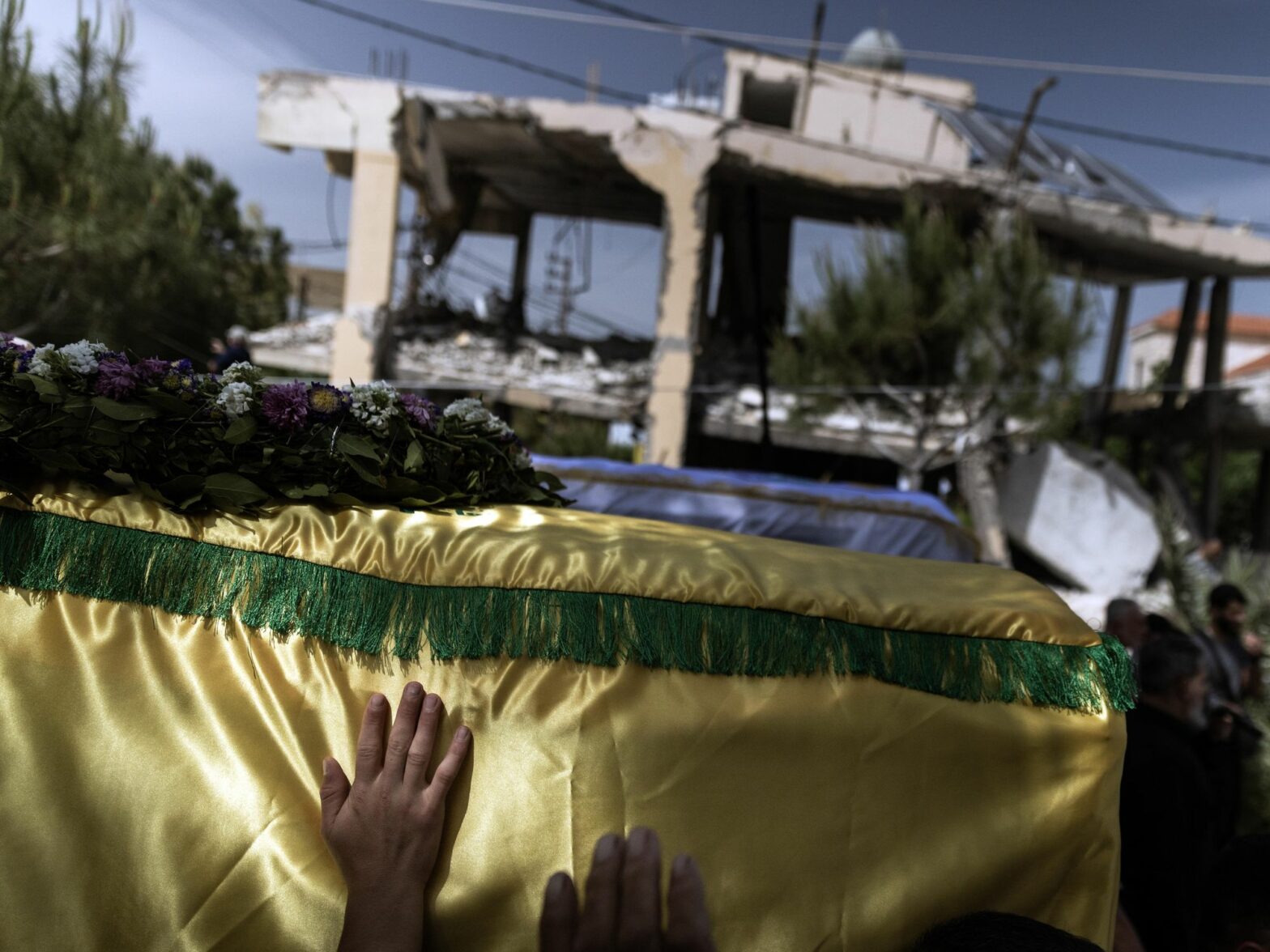
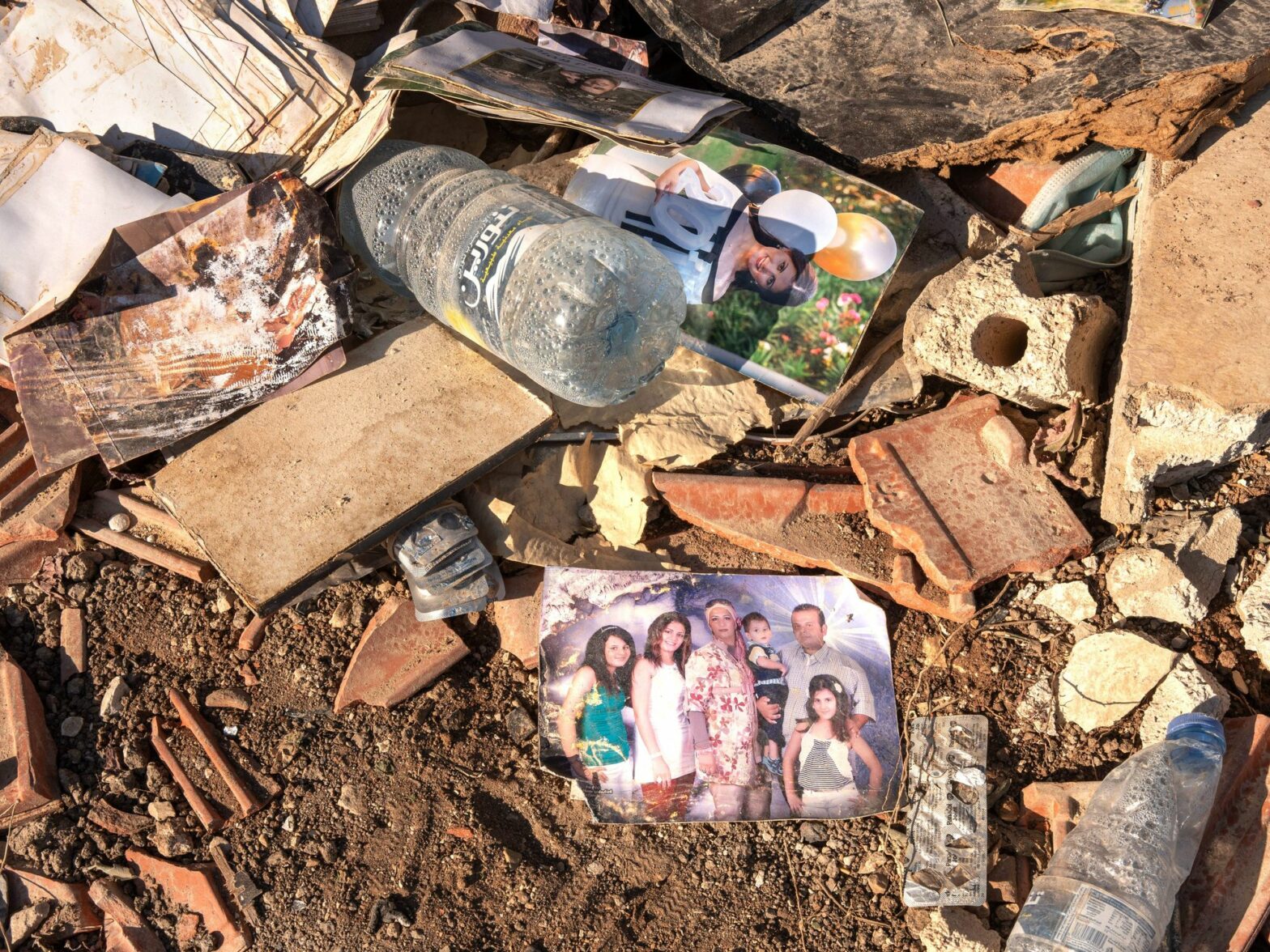
We, the children of “front edge” villages, have seen thousands of homes disappear into rubble. Our loss is not limited to memories and dreams, but also to the stories of our villages.
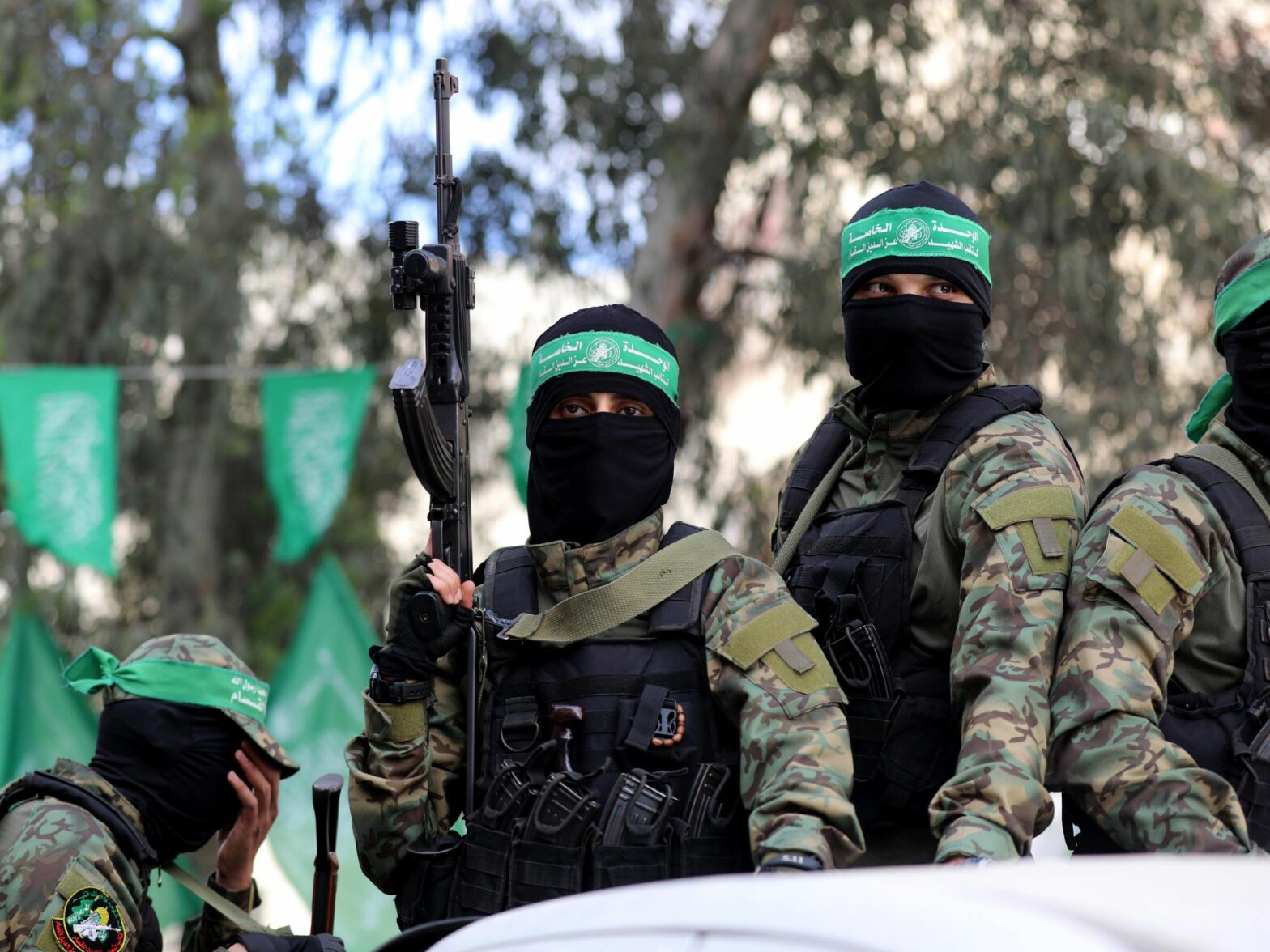
The question of who will succeed Yahya Sinwar is essentially a question of whether Hamas will return from its “Iranian exile” and embrace the Muslim Brotherhood.
Benjamin Netanyahu has publicly urged the Lebanese to turn on Hezbollah, as he drops bombs that kill thousands of civilians. But every citizen knows what an occupier looks like.
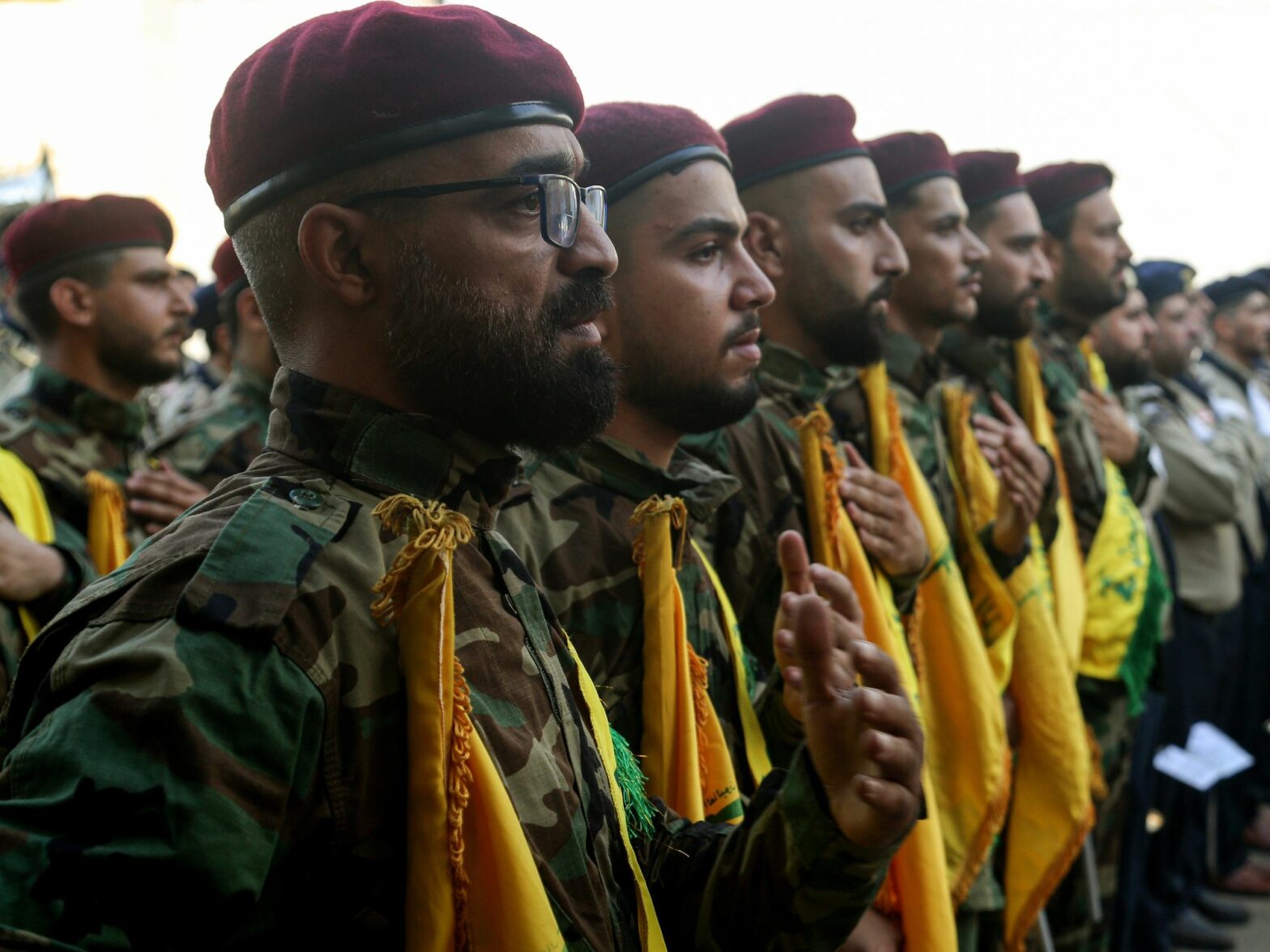
The call in Lebanon to “postpone politics” is driven by a narration of the war as a religious, and not a political, event: that’s the root of Hezbollah’s ideology.
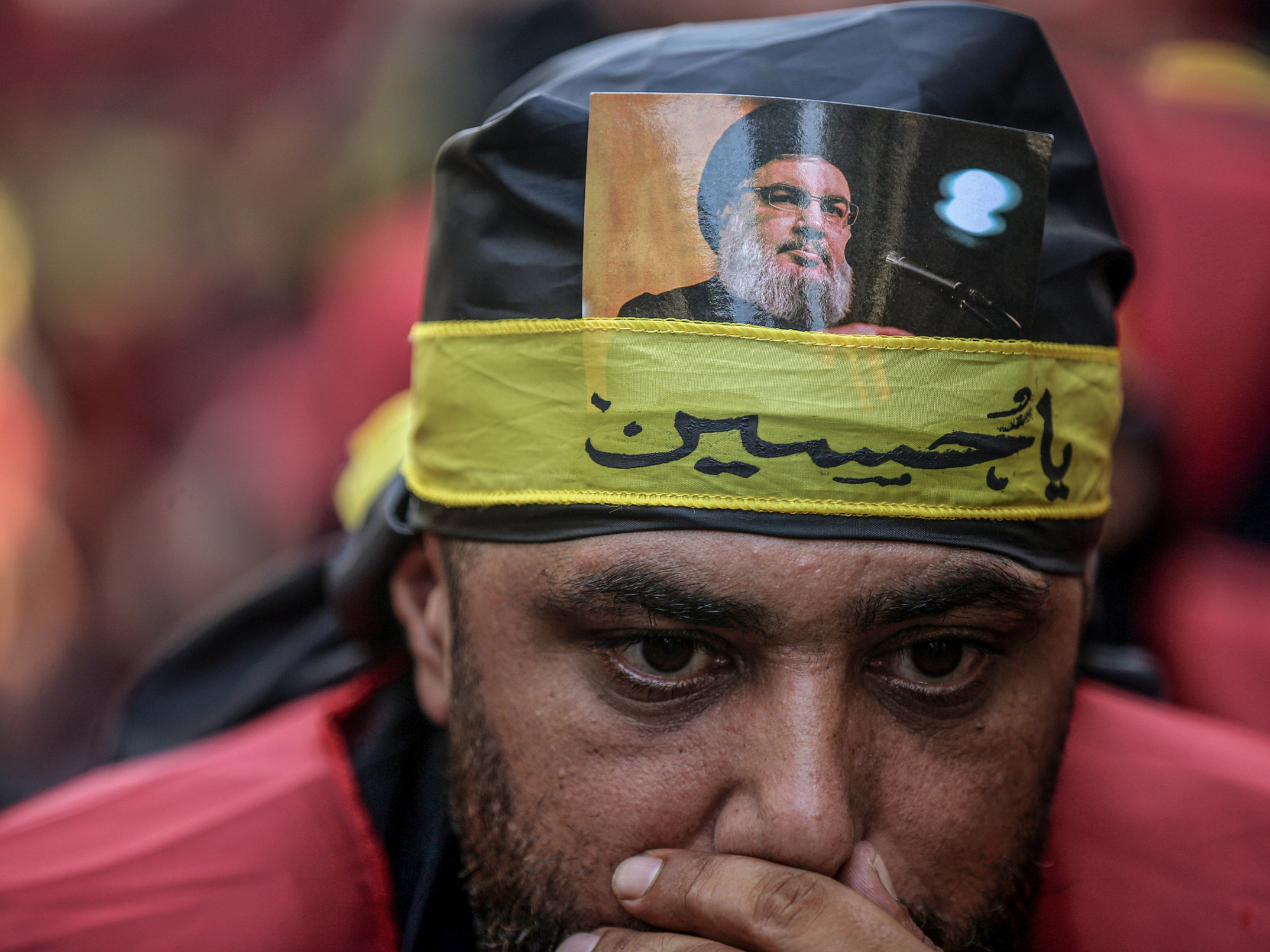
Israel has killed Hassan Nasrallah, longtime charismatic head of Lebanese militant organization Hezbollah. His recent leadership had been marked by a new kind of realism in the face of the balance of power, and served as a complement to Hezbollah supporters’ knee-jerk celebrations even when they are defeated.
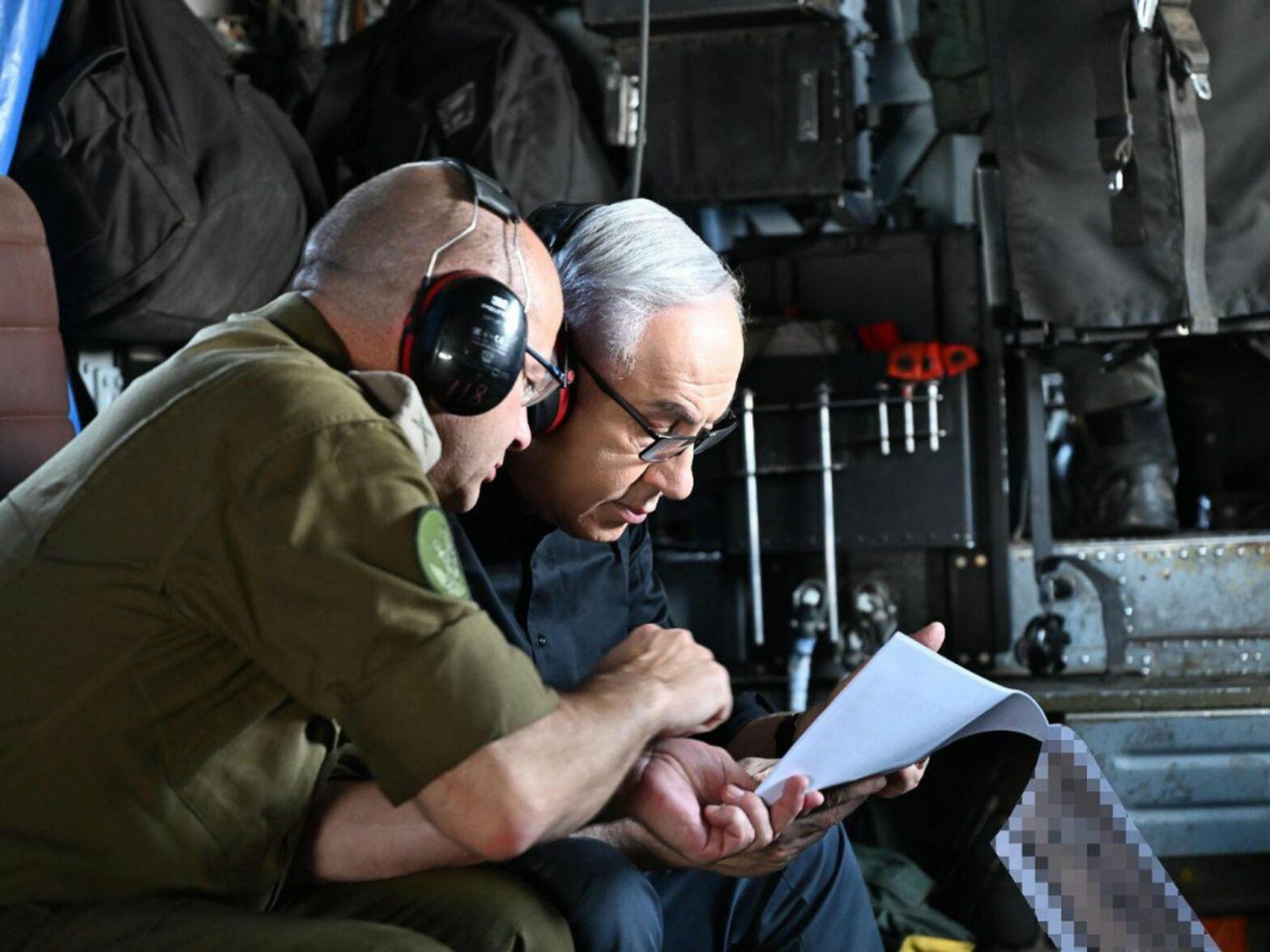
Logic suggests that continuing the fighting on the southern Lebanon front is no more than meeting Netanyahu halfway toward a full-scale war. It also suggests that disrupting this man’s mission requires finding ways to stop the war.
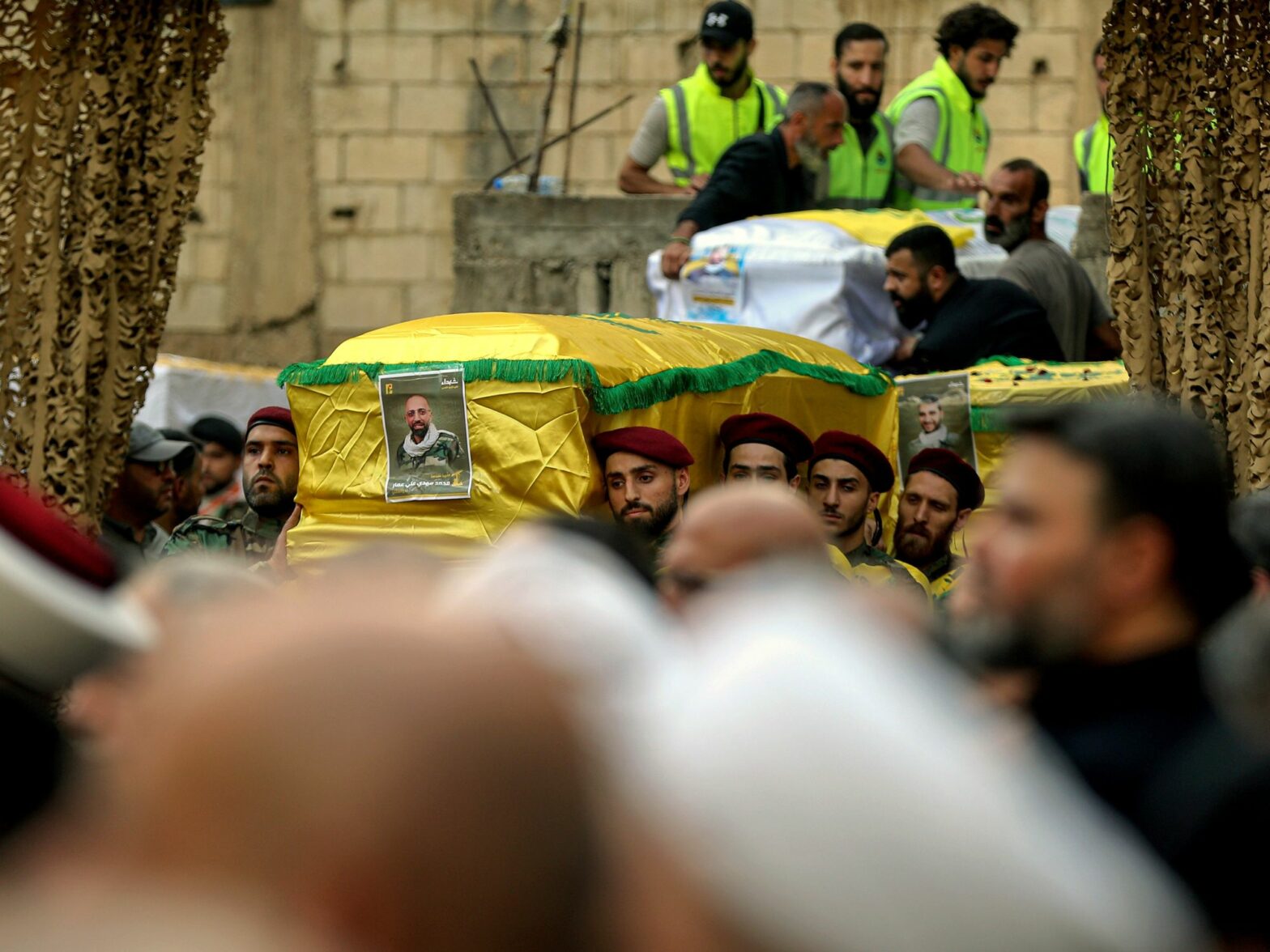
Unprecedented attacks via pagers and walkie-talkies carried by Hezbollah members comes amid a growing consensus in Israel in favor of launching a war across the border into Lebanon. Meanwhile, the U.S. may have given its assent and the Lebanese government appears unable to intervene, with Hezbollah holding all the cards on this side of the border.

The Muslim Brotherhood is heading back into Jordanian politics, 30 years after being excluded following the 1994 peace deal with Israel. It’s a post-Oct. 7 sign from Amman about the specter of masses of Palestinians flooding into Jordan from Gaza and the West Bank is scary enough to play ball with the Islamist Brotherhood.
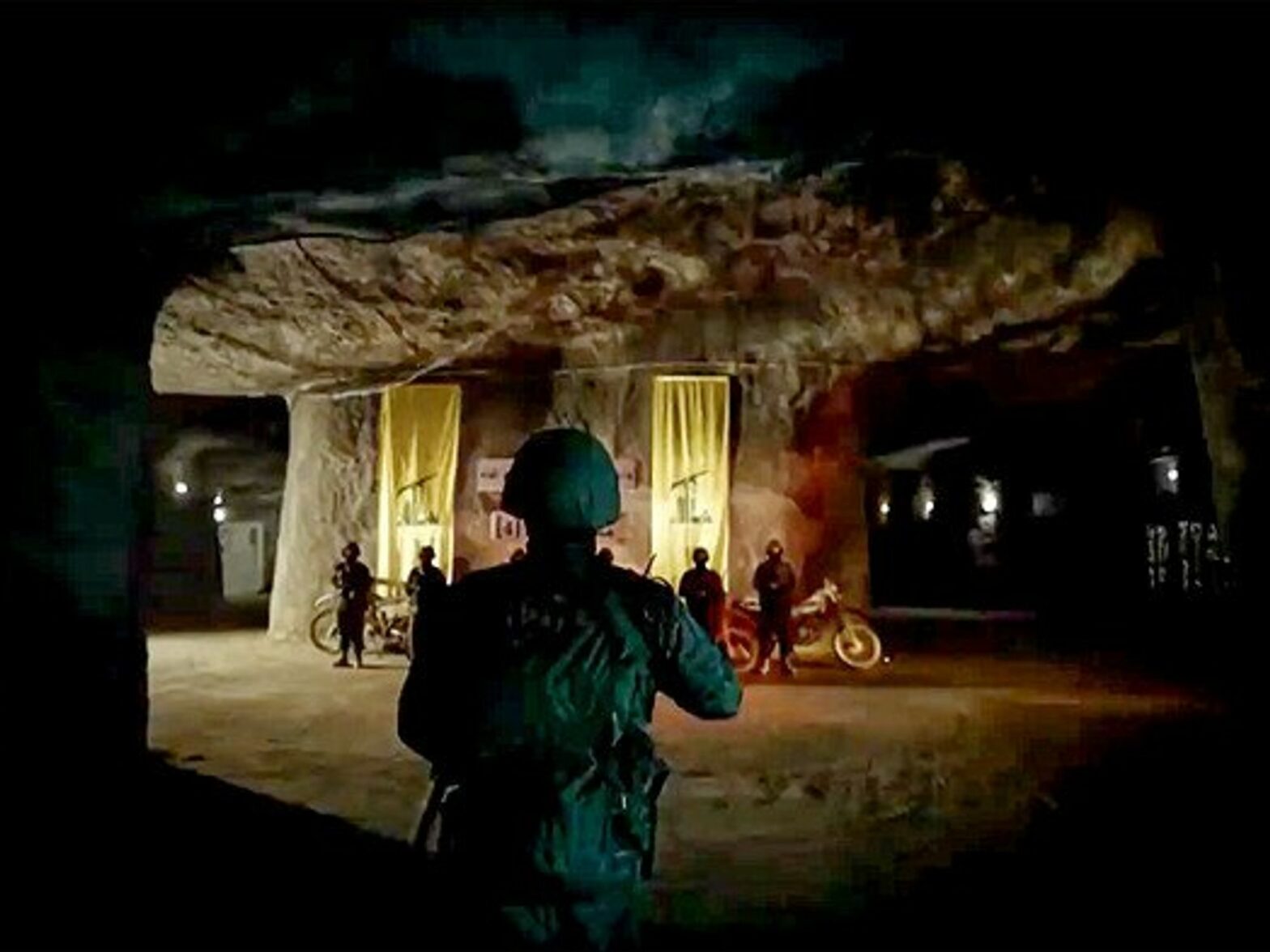
Hezbollah’s Imad 4 underground missile facility, which was revealed on Aug. 16, is just another layer of the Lebanese tragedy. For Hazem El-Amin, the footage brings back memories of his experience during the Lebanese Civil War.
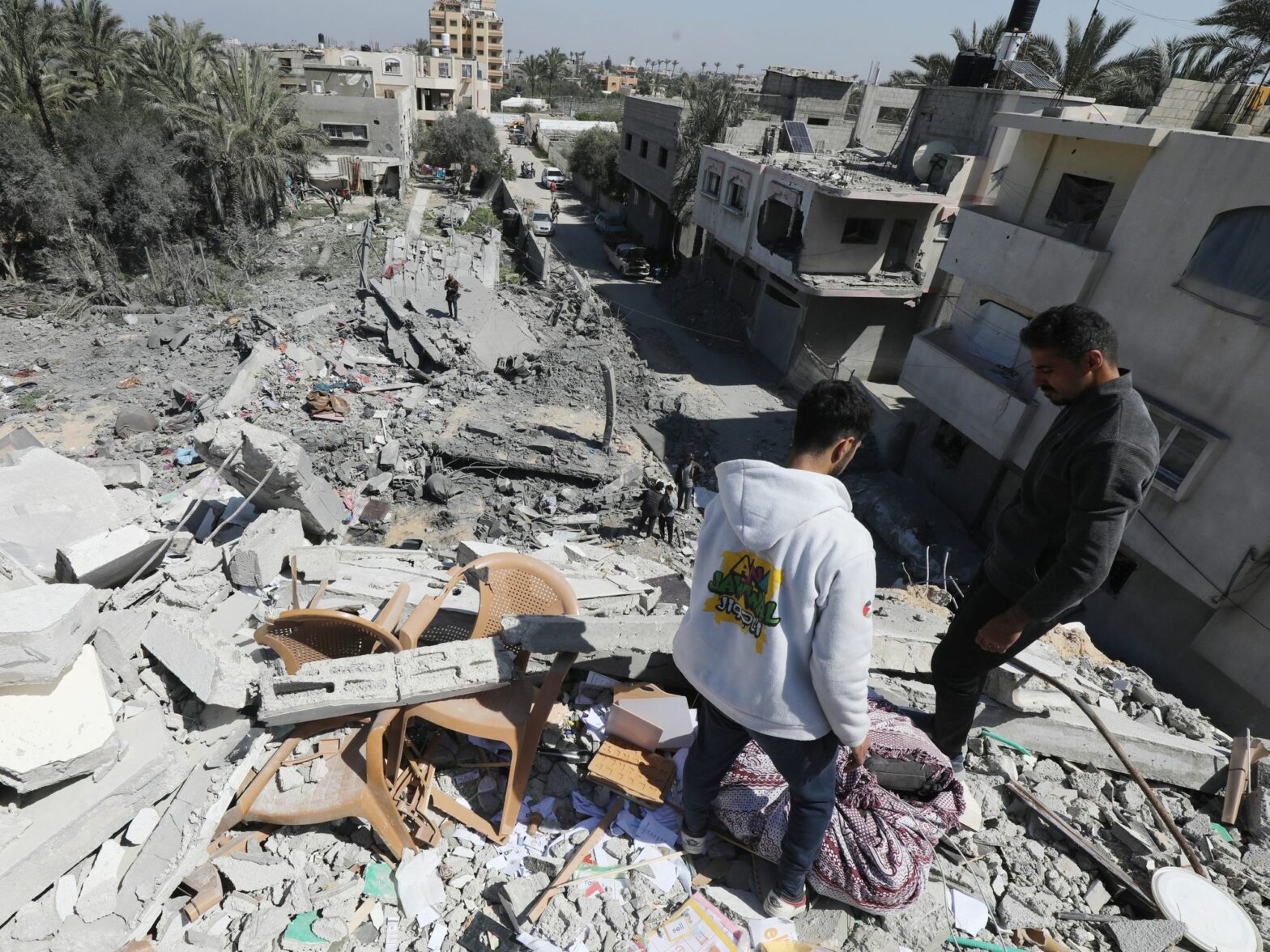
Famine creeps into Gaza, one could expect a certain pragmatism would push influential countries in the region to intervene. Yet each of these countries has its own political agenda.
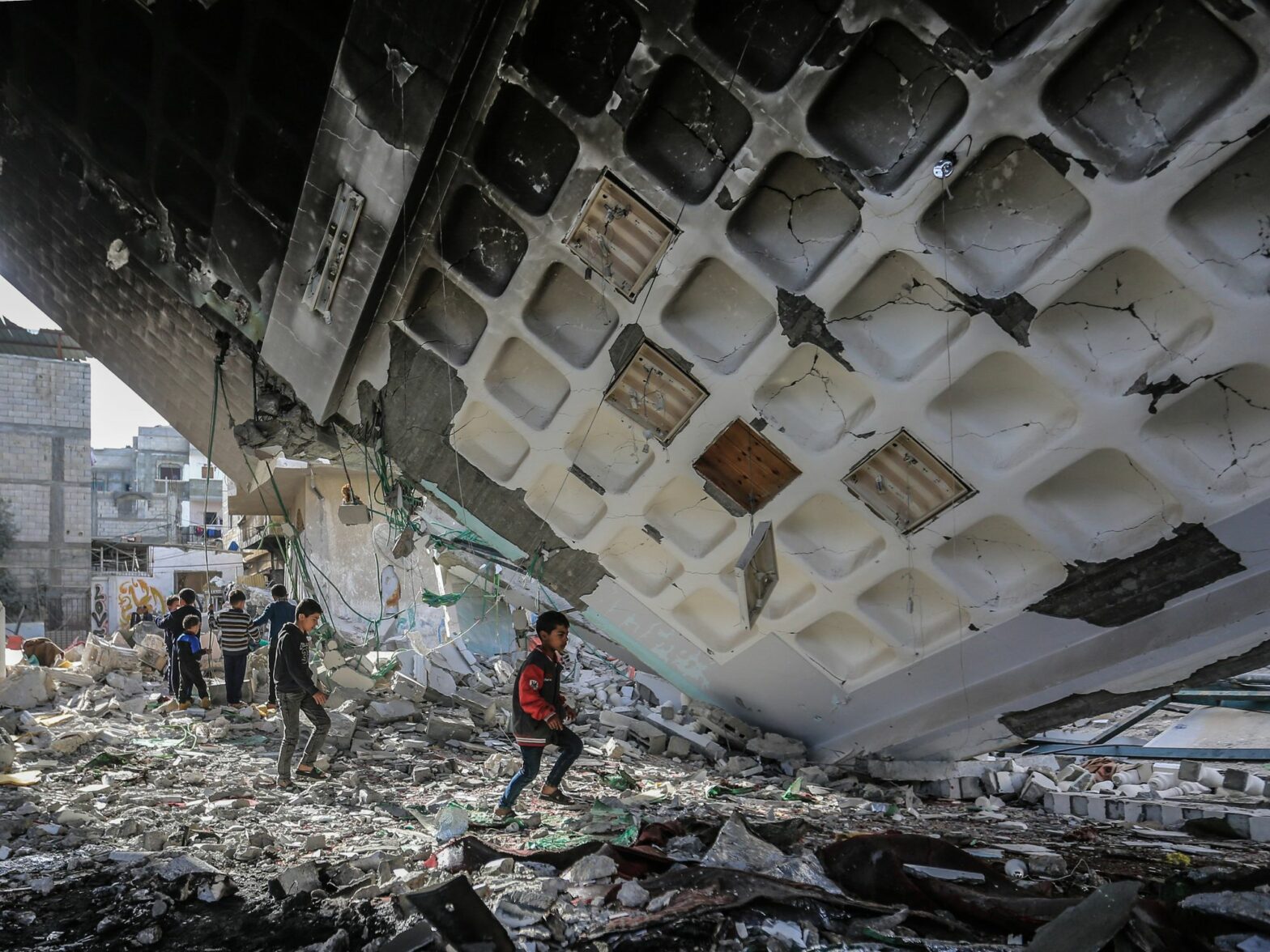
Israel’s invasion of Rafah has brought the war on Gaza to its most delicate point. And Netanyahu’s right-wing government may fulfill the wish of former center-left Prime Minister Yitzhak Rabin “to find that Gaza has sunk into the sea”.

The “day after” the war and after Prime Minister Benjamin Netanyahu, a desperate man standing on the edge of his political demise, is the first day of a the two-state solution.