The so-called 12-day war ended in a June ceasefire. But it really just returned the Israel-Iran war to the shadows, with both sides now preparing for the direct conflict to start again.
 Worldcrunch
Ahmad writes reports and commentary on Iranian and Middle East affairs for Kayhan Life, and has contributed to BBC World, Deutsche Welle, Spanish Weekly TIEMPO, Radio Farda, World News Link (WNL), Voice of America, RAINEWS-24, Haha TV and Kurdish Rojhelat TV.
The so-called 12-day war ended in a June ceasefire. But it really just returned the Israel-Iran war to the shadows, with both sides now preparing for the direct conflict to start again.
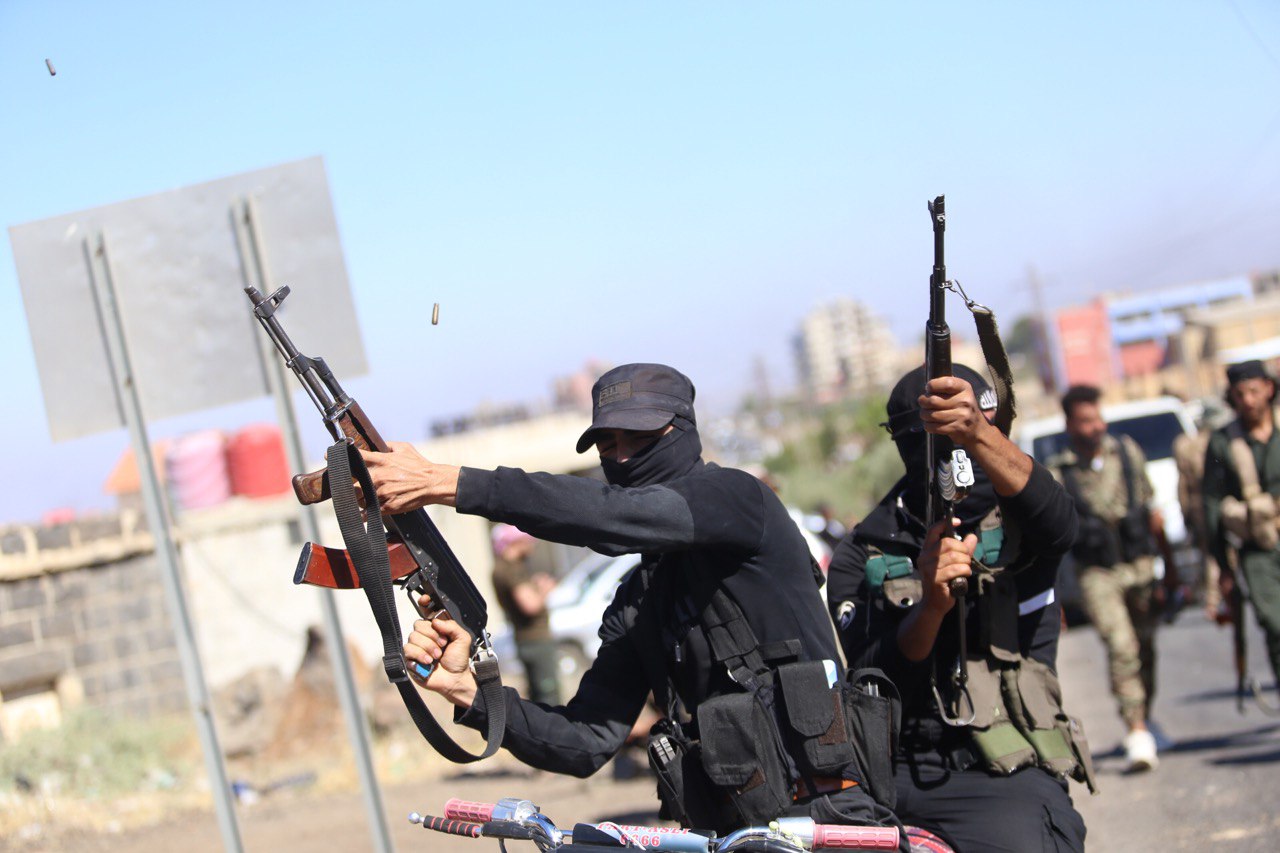
With Israel and Iran’s shadow war spilling into Syria, the new government in Damascus has warned that “foreign actors” aim to plunge the country into a cycle of instability and chaos.
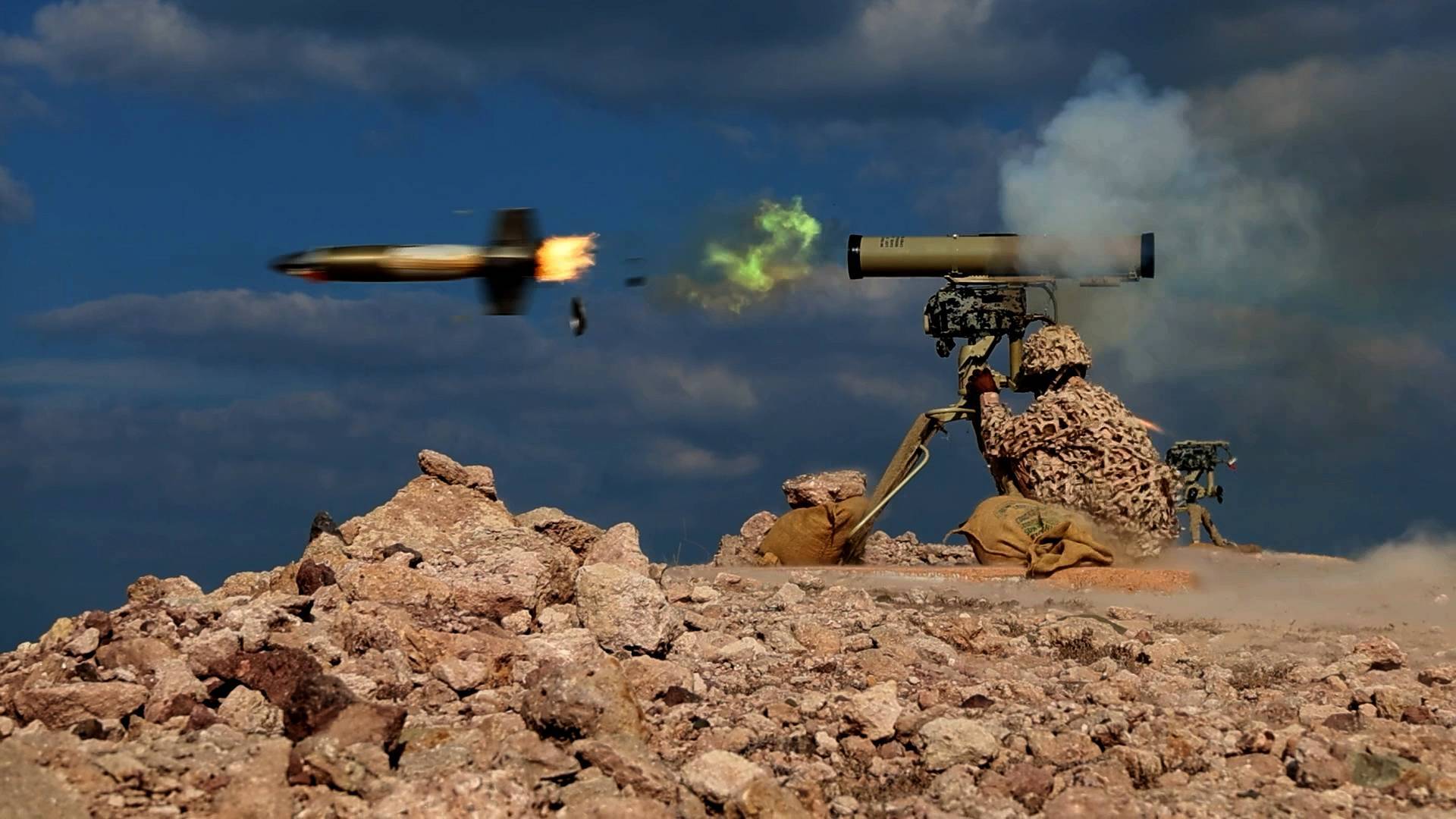
The Islamic Republic of Iran recently sent Ismail Qaani, the Revolutionary guards general who keeps ‘resurrecting’ after being reported as killed or maimed, to Baghdad to discuss rearming its proxy militias. This appears to be Tehran’s first act of regional interference since Israeli strikes in June.
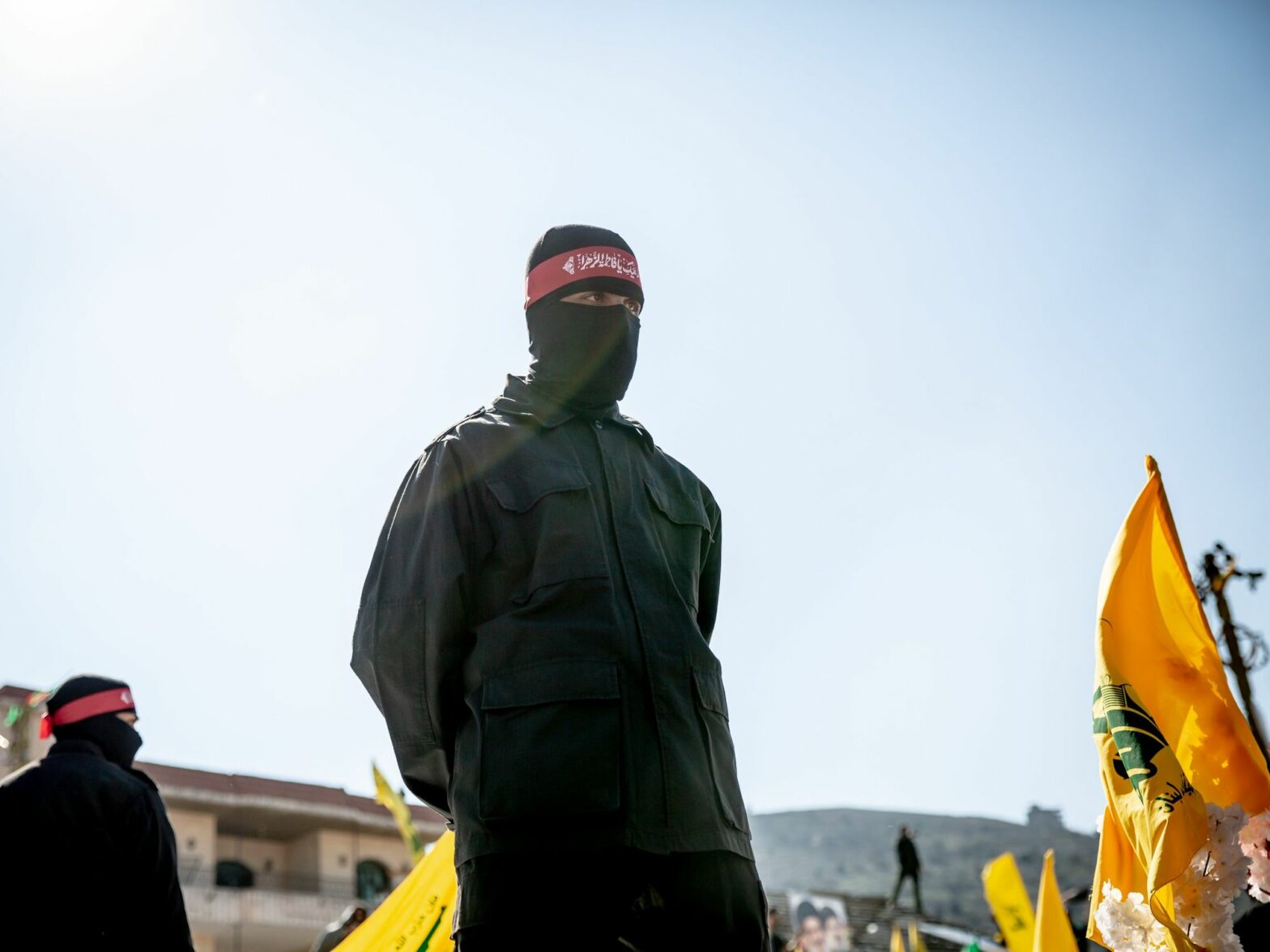
After suffering losses last year, Lebanon’s Hezbollah militia has transferred its war against Israel from the ground to cyberspace — at the risk of undermining the precarious ceasefire between the two countries.
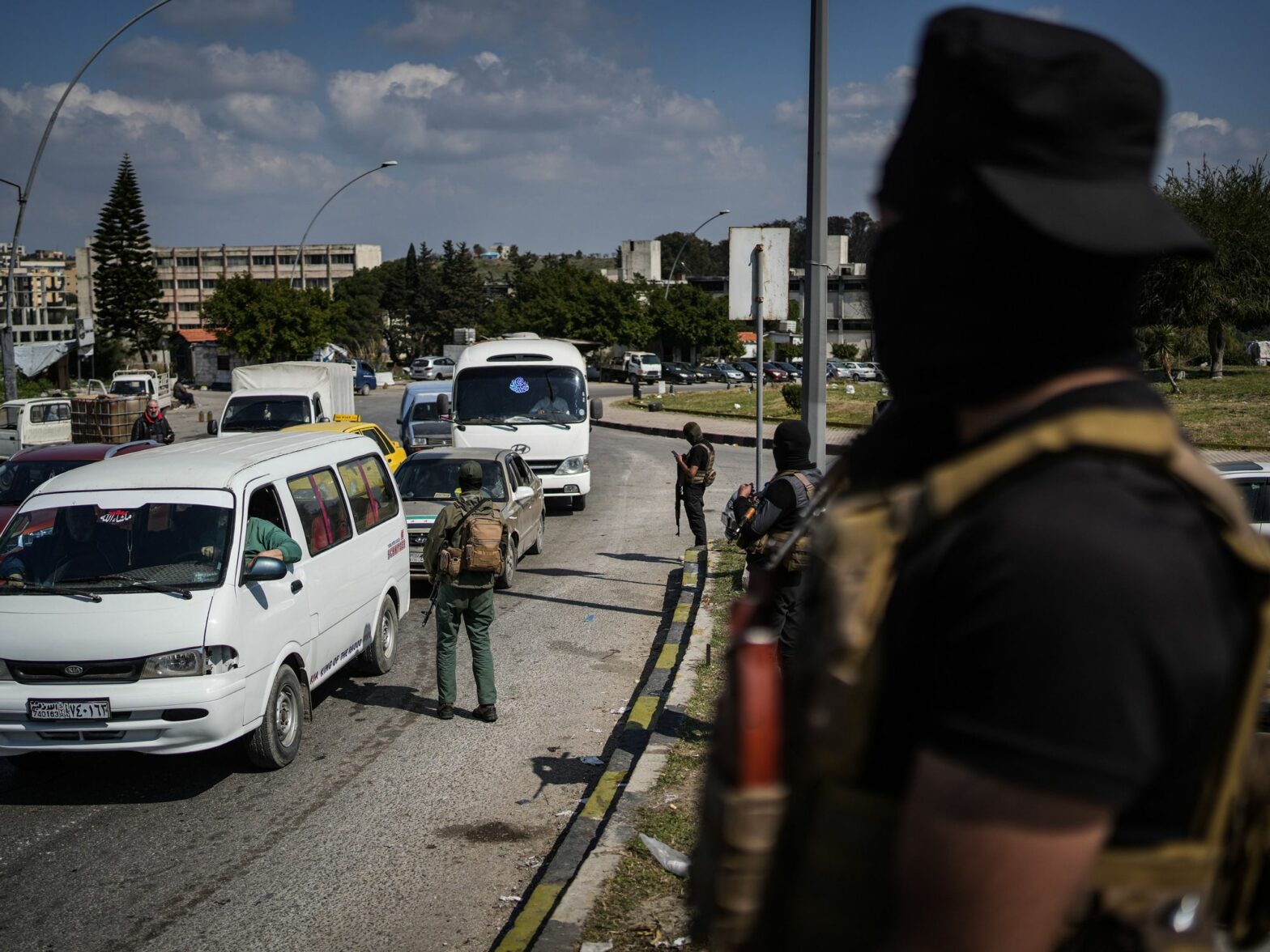
While Tehran has denied any involvement in Syria, elements affiliated with the ousted Assad regime in Syria say Iran is helping their fight to topple the government of President Ahmad al-Sharaa.
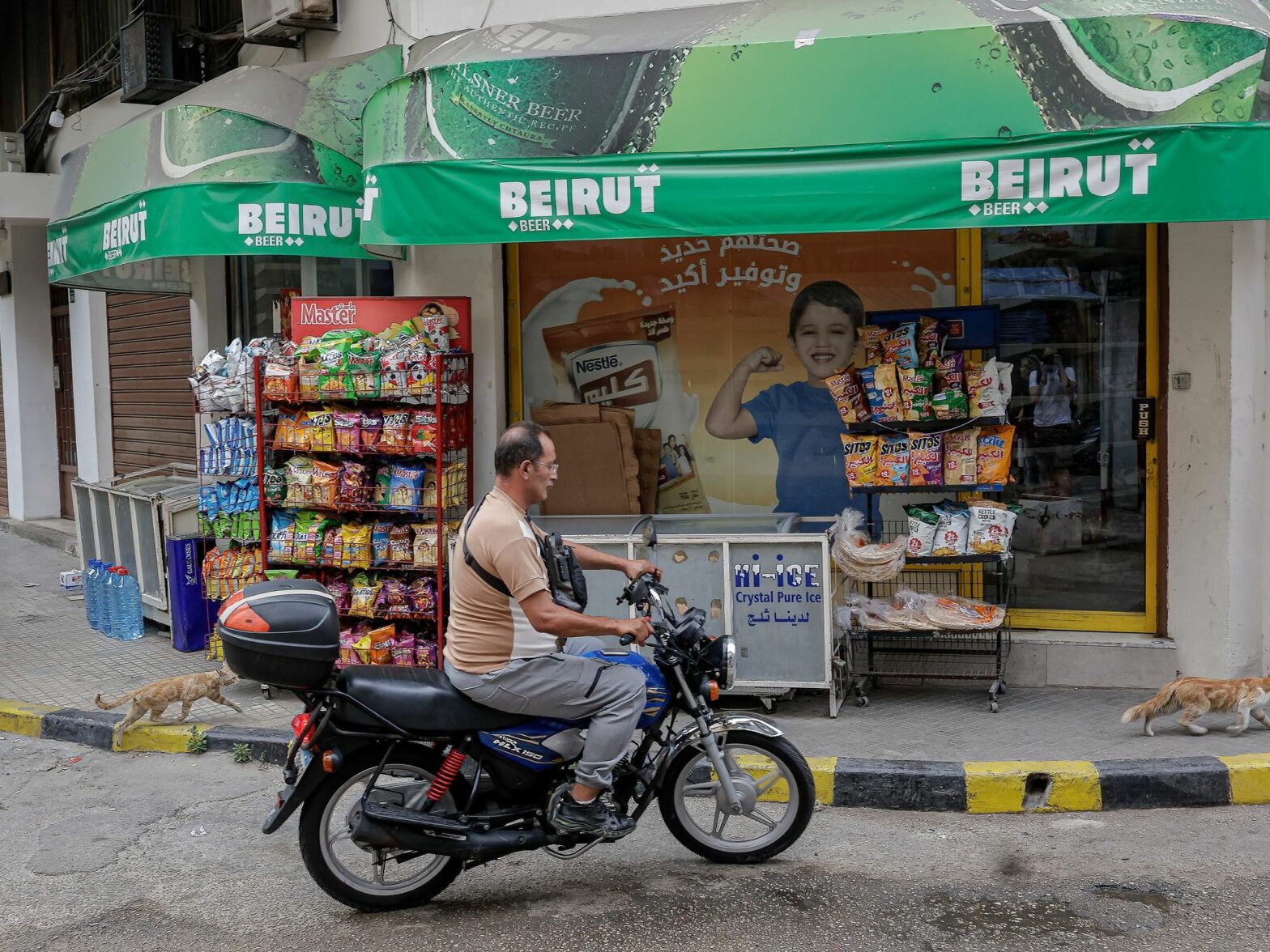
The Saudis could regain the political and financial clout they once enjoyed in Lebanon, which was lost for two decades to Hezbollah and its foreign patrons. Could that restore a measure of prosperity to a country brought to its knees by decades of civil war and the unwelcome interventions of Tehran and Damascus.
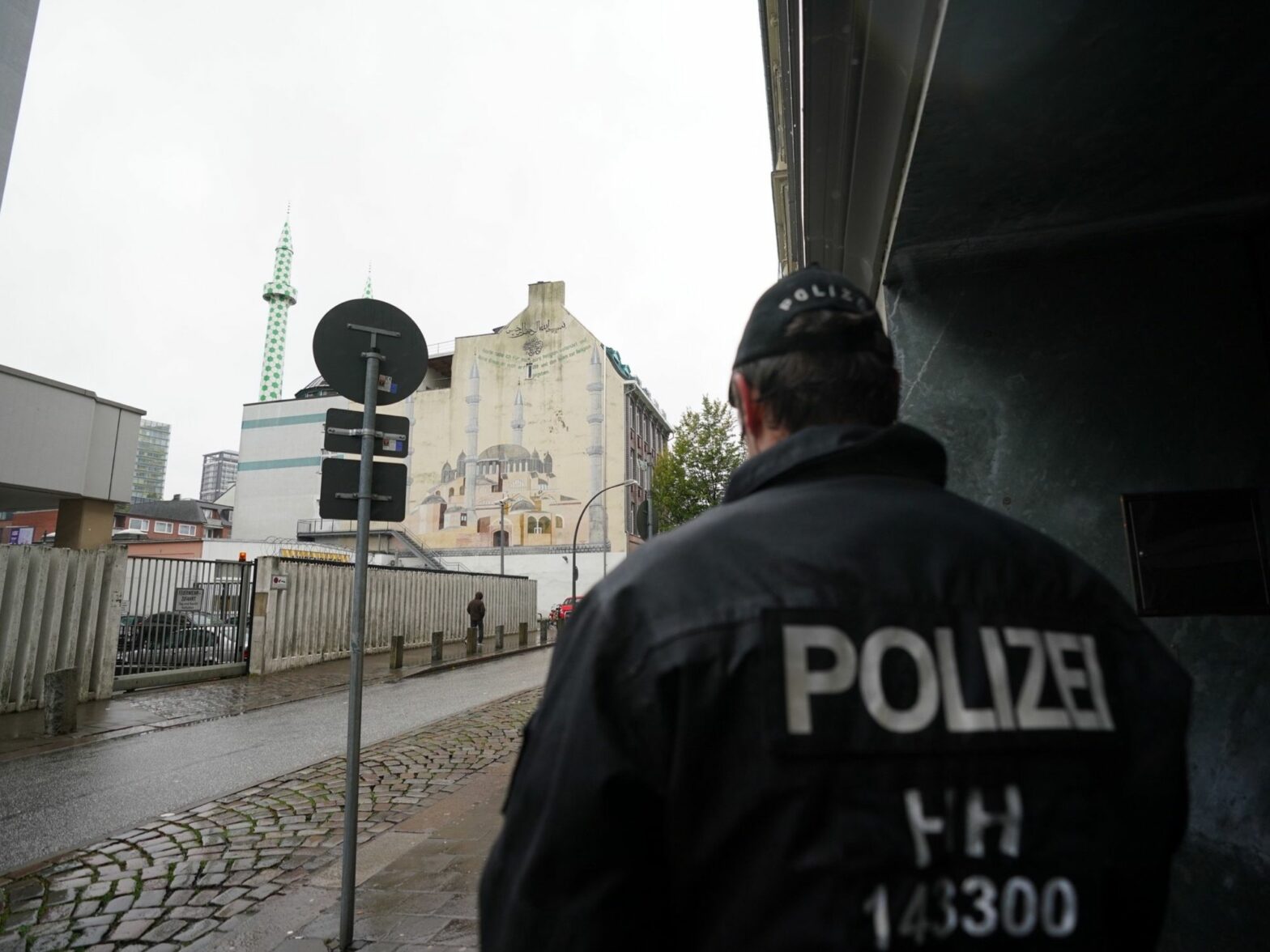
The Islamic Republic of Iran has specialized in getting gangsters and low-lives to undertake its terror operations abroad, making it more difficult to thwart its longstanding, and laughable, claim that it is a victim, not a sponsor of terrorism,.
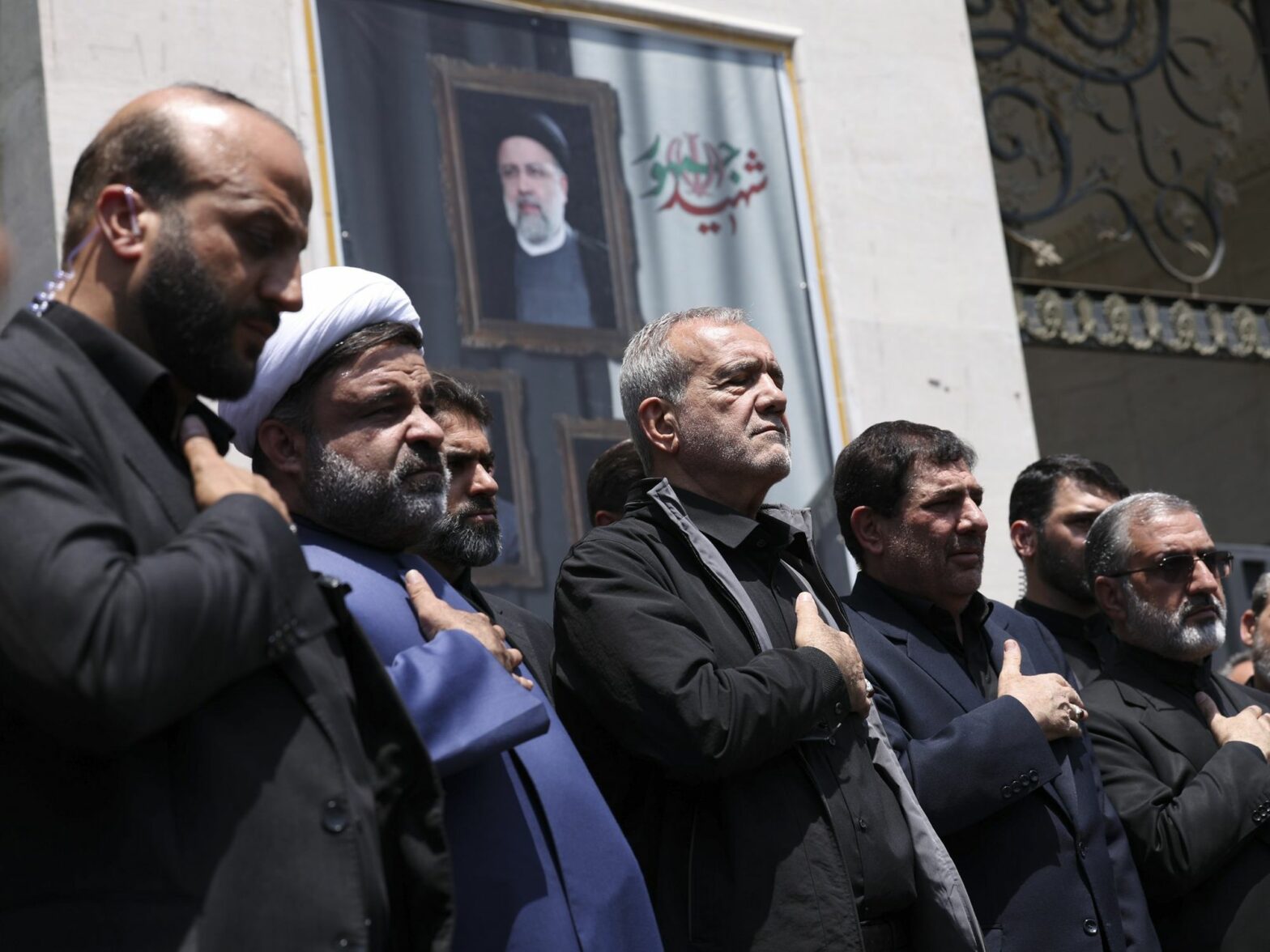
While the West is hoping president-elect Masoud Pezeshkian will lead to a détente even lukewarm entente with Iran, a closer look shows Tehran is not fundamentally changing its ways, and continuing to fan crises in across the Middle East.
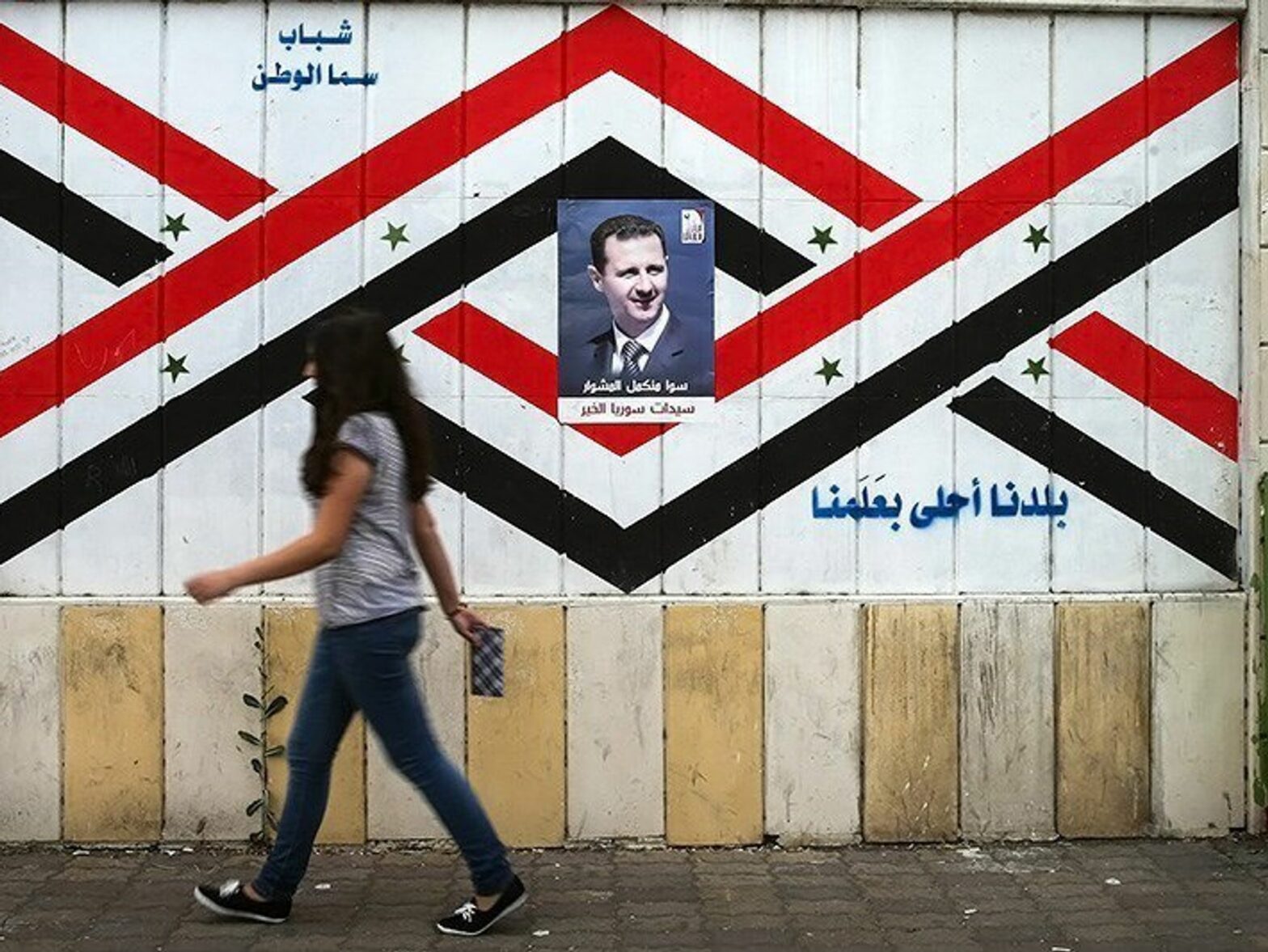
Under pressure from Arab states and Russia, which calls the shots in Syria, President Bashar al-Assad is tiptoeing away from the Iranian regime, a troublesome ally that has nevertheless spent billions of dollars to help keep him in power.