
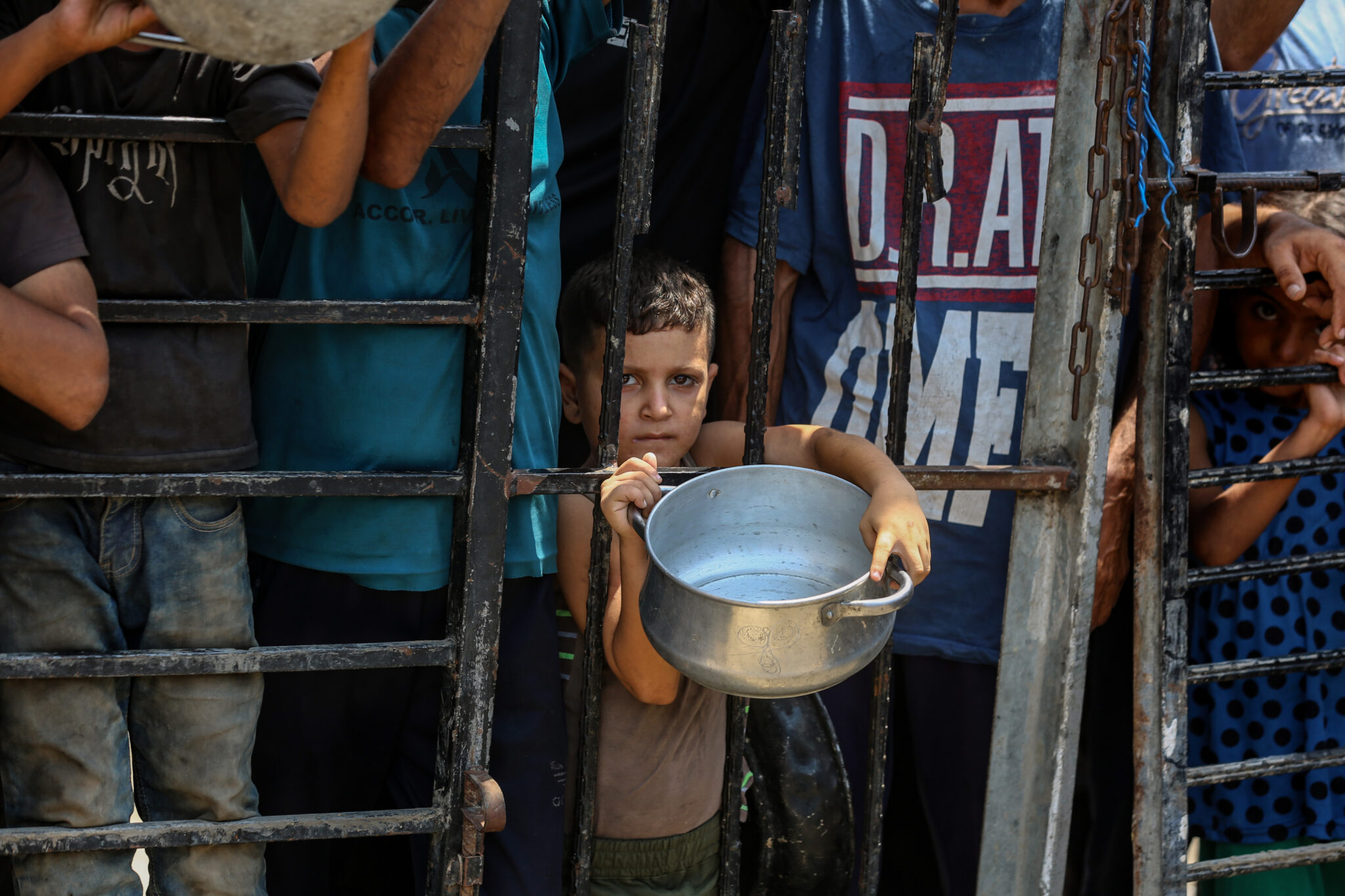
TURIN — I belong to a generation for which the “extermination of the Jews” was the foundation upon which our entire moral horizon was built: the absolute evil destined to forever mark the impassable boundary between the inhuman and the human.
I belong to a family for whom preserving the memory of that horror was a duty, the essence of a civic religion whose first precept was “Never Again.” I remember my father’s stories of the Jews hidden under the protection of partisan fighters in the valley where his outfit operated, a firm testimony to the justice of that struggle.
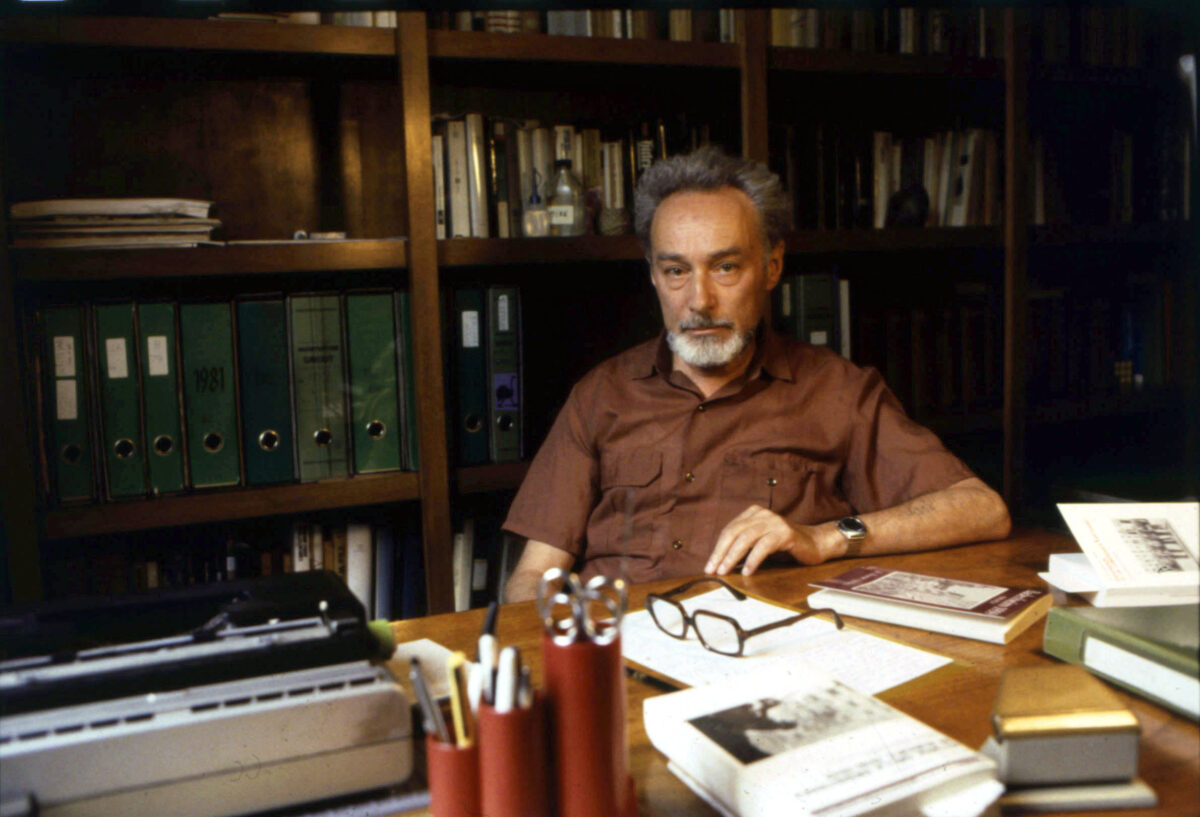
I remember time spent in the company of Primo Levi, the calmness of conversation, the sweetness of those passing hours. It was always marked by a veil of sadness for the suffering experienced, and a mixture of both hope that that memory would be of some use, and fear that the monster might reappear. This is why the pogrom of October 7, 2023 struck me with the same anguish as a dire prophecy coming true.
A shattering of moral certainty
But then came Israel’s long and endless response. And I must say honestly, for me, what has happened in Gaza since then — what is happening now — is more than just a tragedy for the Palestinian people, whose pain I share out of the empathy that simply being “human” demands.
No, it is something more radical, and I would say personal for me: it is an existential catastrophe, the shattering of my own moral universe that’s been brought about by the very one who had been its foundation. Because this is what happens, willingly or unwillingly, when in that corner of our self that we call conscience, we are forced to recognize, in the relentless advance of Israel’s war machine, signs terribly similar to everything we swore we would never allow again.
I feel a desperate sense of disorientation. And shame.
The mass killing of innocent civilians — women, old people, children — guilty only of existing in that place. The destruction of all the infrastructure essential to life (hospitals, water and electricity supplies, schools, places of worship), everything without which a community cannot survive as such.
This is what “genocide” means.
The deliberate starvation of a population, forced to fight over a handful of flour at the risk of their lives. What is all this if not an attempt to dehumanize “the other”? To systematically strip human beings of their humanity in order to dispose of them freely, reducing them to animals (as some Israeli ministers have repeatedly called Palestinians) or to things that can be destroyed or discarded at will.
Consider if this is a man
Who works in the mud
Who does not know peace
Who fights for a scrap of bread
Who dies because of a yes or a no
I can’t help but juxtapose these lines from Primo Levi with the images the television brings, every evening, to the warmth of my own home. And I feel a desperate sense of disorientation. And shame.
The weight of complicity
I don’t know if all this evil and this hatred accumulated in recent months can be absorbed by time. Nor how much time will have to pass before executioners and victims can — if they can — once again see each other as human beings.
Will this complicit silence not remain a mark of dishonor for the entire West?
What is certain is that the pain inflicted by Israel’s leaders on the Palestinian population, but also the outrage they have brought upon their own people, the squandering of the moral heritage accumulated through past suffering, appears at the moment simply impossible to redeem.
And us? We, the helpless. We, indolent spectators of a crime opposed only by a few polite words. Will this complicit silence not remain a mark of dishonor for the entire West?
Primo Levi (yes, him again) engraved a poem on a stone dedicated to his two friends Mario Rigoni Stern and my father, who, like him, he wrote, had endured “Medusa’s gaze without letting themselves be petrified by it.”
And he concluded: “They did not let themselves be petrified by the slow snowfall of the days.” May we say the same for all of us, today.