
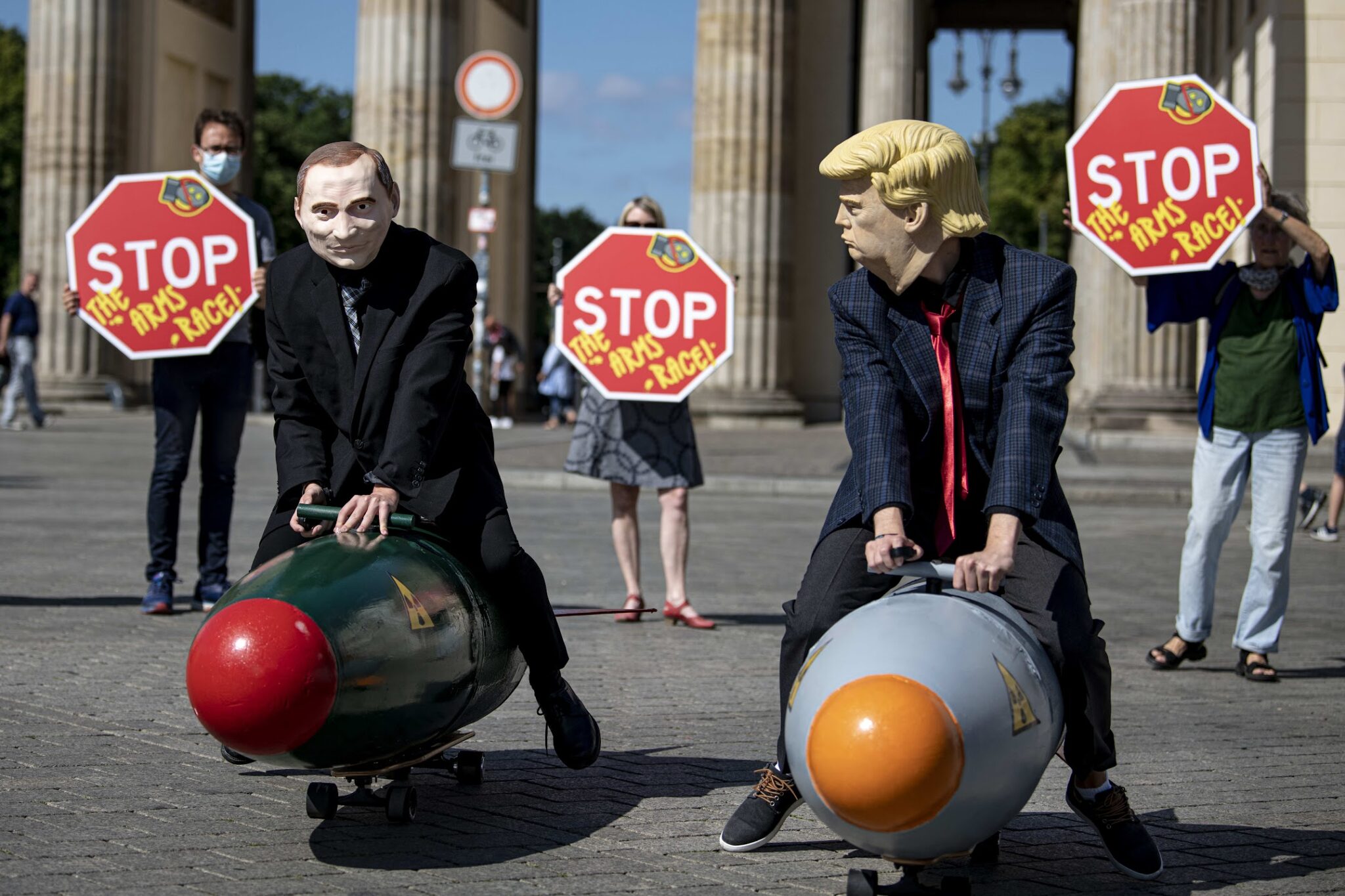
-Analysis-
PARIS — The most-watched film on Netflix right now is Kathryn Bigelow’s House of Dynamite, which depicts the tense moments before a nuclear attack on American soil. In this hyper-realistic thriller, the U.S. president has only a few minutes to decide whether to retaliate, against whom, and with what force — before a missile obliterates Chicago.
The nuclear question has long been a feature of fascination in cinema: take Stanley Kubrick’s 1964 classic Dr. Strangelove, with its paranoid general who launches a nuclear strike against the Soviet Union.
But it’s no longer fiction when U.S. President Donald Trump, just minutes before a meeting in South Korea with Chinese leader Xi Jinping, announces on X (formerly Twitter) that he has ordered the Department of War to “resume testing our nuclear weapons.” The president is justifying the decision by claiming that other countries are testing theirs, and that the United States must keep up.
Just days earlier, his Russian counterpart Vladimir Putin boasted of a successful test of a cruise missile called “Storm Bird,” which he said can carry a nuclear warhead and evade any defense system. The following day, he promoted “Poseidon,” a nuclear-capable underwater drone.
Everyone has their reasons
Since his invasion of Ukraine in February 2022, Putin has repeatedly brandished the nuclear threat to remind the West that this is no ordinary conflict: nuclear power is involved—and that changes everything.
Still, Russia has shown no sign of actually using its nuclear arsenal in Ukraine, not even its shorter-range tactical weapons. Doing so would mark the first nuclear strike since the United States bombed Hiroshima and Nagasaki in 1945.
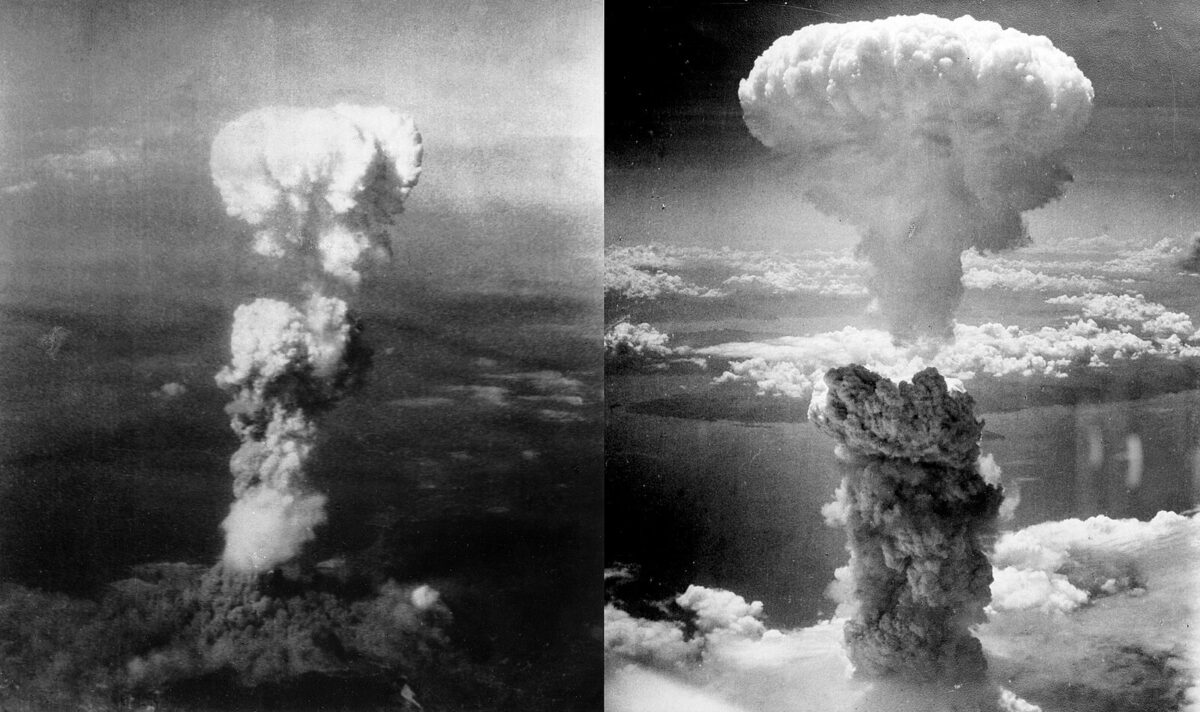
That hasn’t stopped the nuclear rivalry from heating up again — not only between the U.S. and Russia, which still have the world’s largest arsenals, but also with a China that is rapidly expanding its stockpile of ready-to-use warheads.
Putin is waving the nuclear threat to frighten Europeans.
Trump is now inserting himself into this new arms race, though it’s unclear exactly what he means. What does “testing our nuclear weapons” actually refer to? If he’s talking about live nuclear explosions, the U.S. hasn’t conducted one since 1992 — and since 1997, an international treaty has banned all nuclear testing. Only North Korea has carried out six tests since then, drawing widespread condemnation.
Ambiguous statement
Neither Russia nor China has done so, which makes Trump’s statement ambiguous — unless he’s referring to testing delivery systems for nuclear warheads, as Moscow recently did, and as the U.S. has done in the past.
In any case, this nuclear posturing is largely psychological. Putin is waving the nuclear threat to frighten Europeans — and has no shortage of political allies on the continent willing to amplify that fear.
Trump, in his peculiar love-hate dynamic with Putin, is casting himself as a warrior while simultaneously calling for a Nobel Peace Prize and professing support for nuclear disarmament.