
-Analysis-
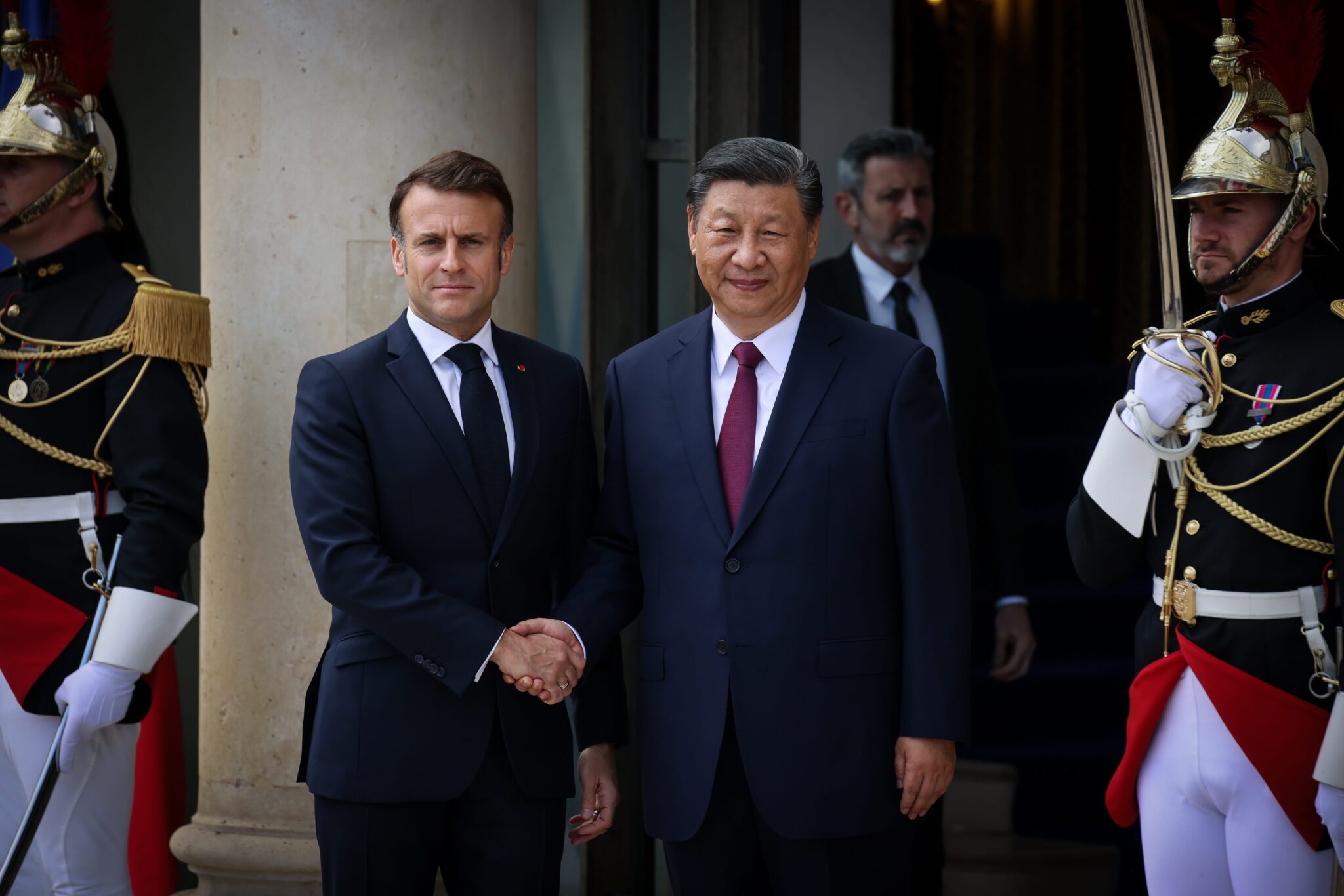
PARIS — The central risk facing French President Emmanuel Macron, who is visiting China on Wednesday, is the temptation of the transactional. Does he sacrifice on one issue in order to gain something else? In this kind of negotiation, much skill is required, but also constant vigilance to avoid falling into traps set by the other party.
Macron has an ambition related to France’s G7 summit chairmanship next year: he would like the French summit to lay the foundations for a new international order, built on the ruins of the one established in 1945. To do so, he needs the support of two men: Donald Trump and Xi Jinping.
But this ambition is probably excessive for a French president in a world where Europe has been economically and strategically weakened, especially when the two men in question each believe that they can rule the world alone.
The French president will have to navigate several obstacles before he can put forward any concrete proposals. The first concerns Europe’s global position: is Europe just an appendage of the United States because of its technological and military dependence? Or does it represent a “Third Way,” a phrase Macron has used repeatedly, in a world dominated by the Chinese-American rivalry?
Strategic tensions
Xi is wary of European claims of autonomy because they tend to stop where the United States sets the limits. One example is technology: in a recent case in the Netherlands involving Nexperia, a semiconductor manufacturer, Beijing was displeased with the Dutch government’s stance, which it considered anti-Chinese and influenced by American pressure.
And then there is Taiwan. Seen from this perspective, Macron’s visit comes at a bad time. China is very upset with Japan after its new Prime Minister Sanae Takaichi made a statement suggesting Taiwan would be defended in the event of a Chinese attack. Beijing is taking advantage of this to demand that its partners take an unambiguous stance. Xi has persuaded Trump to ask Takaichi to soften her position.
Xi is also likely to push Macron to go further than France’s traditional attitude.
He is also likely to push Macron to go further than France’s traditional attitude. During his previous visit to China, the French president made ambiguous comments that could have led China to believe that France was not interested in what happens to Taiwan.
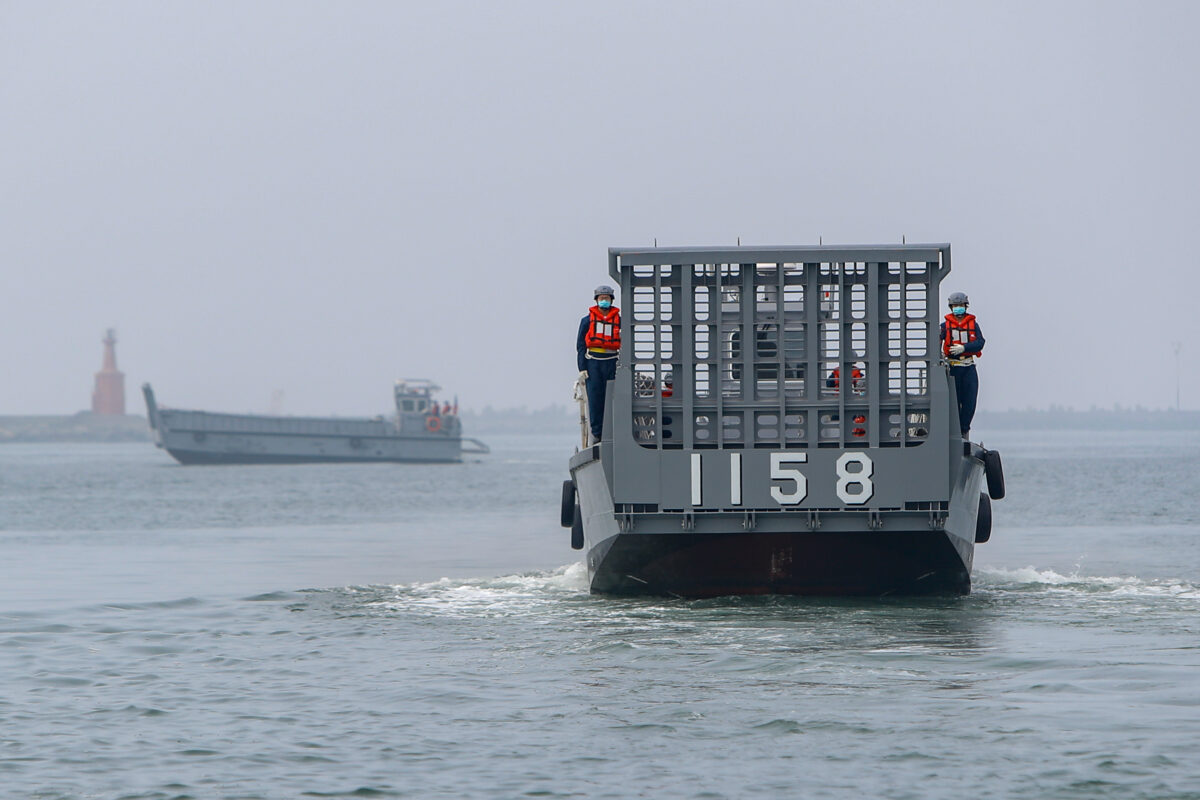
On the eve of the visit, the Élysée Palace reaffirmed that France considers there to be “only one China,” but that the status quo in the Taiwan Strait should not be touched. Every word matters and has consequences when it comes to this explosive region.
These strategic questions come in addition to the myriad of economic and trade challenges, with Europe once again not really in a position of strength. This visit will therefore be judged as much by the contracts signed as by the pitfalls avoided. Such is the reality of Chinese influence today: the balance of power has shifted.