
-Analysis-
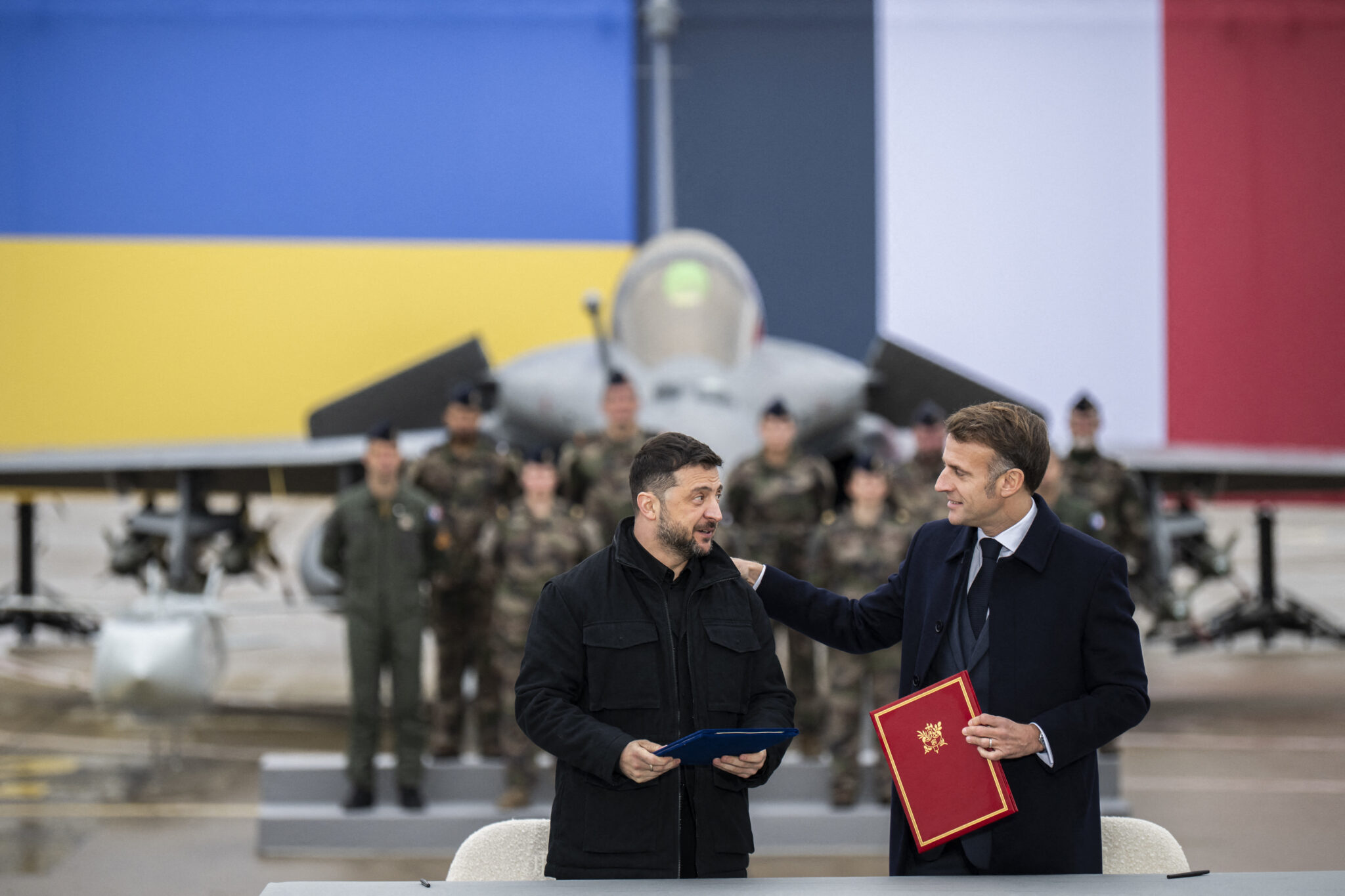
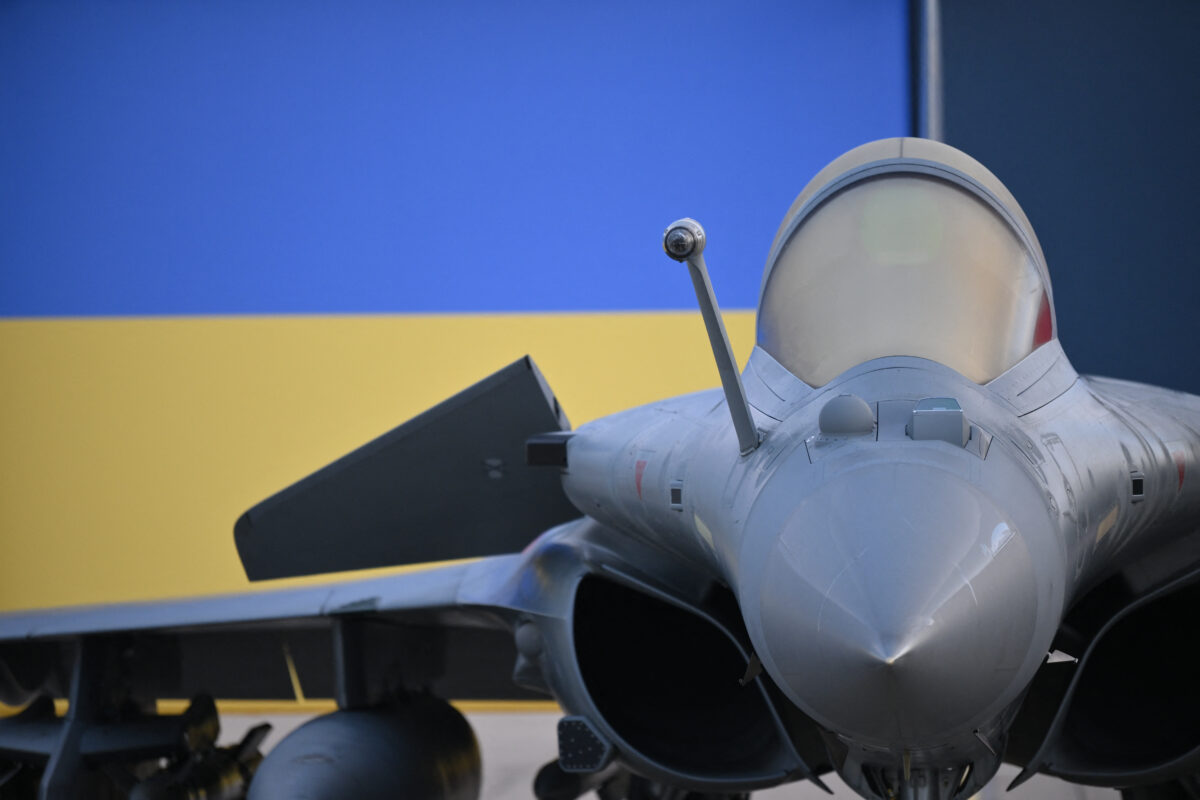
PARIS — The announcement is spectacular, but it won’t change the immediate course of the war. The promise of 100 Rafales and their weapons is an unmistakable political signal of French support. Still, no one should expect to see the jets in Ukraine skies anytime soon.
The “declaration of intent” signed Monday during Ukrainian President Volodymyr Zelensky’s brief visit to France includes neither funding nor a clear delivery schedule at this stage. All that is known is that the program will unfold over a decade. Zelensky nevertheless described it as a “historic agreement.”
One might ask: what’s the point, when Ukraine is attacked daily by Russian drones and missiles targeting civilians, energy infrastructure, railways and residential buildings? Other, faster contracts are meant to address that urgency.
Postwar planning
The Rafale jets are intended to prepare the Ukrainian army for the postwar era, when it will inevitably face a Russia that is unlikely to abandon its ambitions. Europeans often reiterate that the Ukrainian army will be the first line of defense, not only for its own security but for Europe’s as well.
France’s announcement comes three weeks after Sweden said it would deliver 150 Gripen fighter jets to Ukraine, also over several years. With these two commitments, the future Ukrainian air force will be largely equipped with aircraft manufactured in Europe.
One of the underlying issues in this war, now approaching its fourth year, is Ukraine’s long-term European integration, particularly in defense. Paradoxically, Ukraine is becoming a genuine military power — not only in combat, but also industrially. Western defense companies are forging new partnerships with Ukraine, which has become, despite itself, a testing ground for technological warfare, particularly in drones and artificial intelligence.
How will these Rafales be paid for? That is an open question — and a timely one this week. The European Union is grappling with how to finance its overall support for Ukraine, both civilian and military, amounting to €135 billion over the next two years.
Frozen assets
And the EU is currently divided over whether to use, as “war reparations,” the billions in frozen Russian assets held in Europe since the invasion of Ukraine. Belgium, which holds most of these funds, opposes the idea for fear of damaging its financial reputation. A European summit is being held this week in an effort to break the deadlock.
There is a fine line between the need for effective military and civilian aid to Ukraine and the need to avoid placing too heavy a burden on European citizens in these difficult times. The risk is fueling anti-Ukraine, anti-war campaigns amplified by Russia.
From this perspective, using frozen Russian funds to pay for aid to Ukraine would be the least painful — and, let’s face it, the most moral — solution.