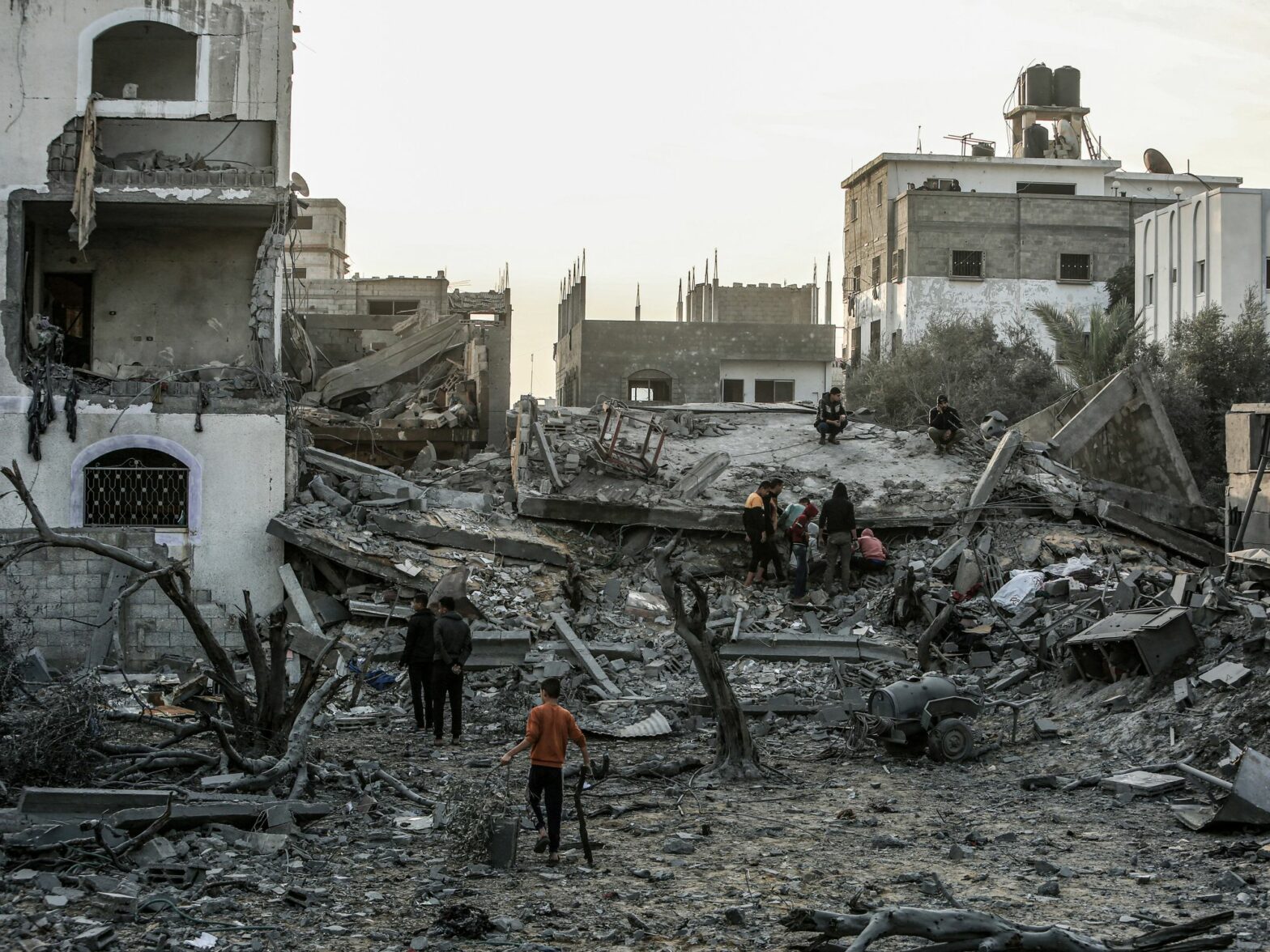
Three days since the truce ended, the Israeli army announced that it had launched 10,000 airstrikes on Gaza since the beginning of the war. Total war continues, with the invader’s fiercest fight waged against life itself.
 Worldcrunch
Three days since the truce ended, the Israeli army announced that it had launched 10,000 airstrikes on Gaza since the beginning of the war. Total war continues, with the invader’s fiercest fight waged against life itself.
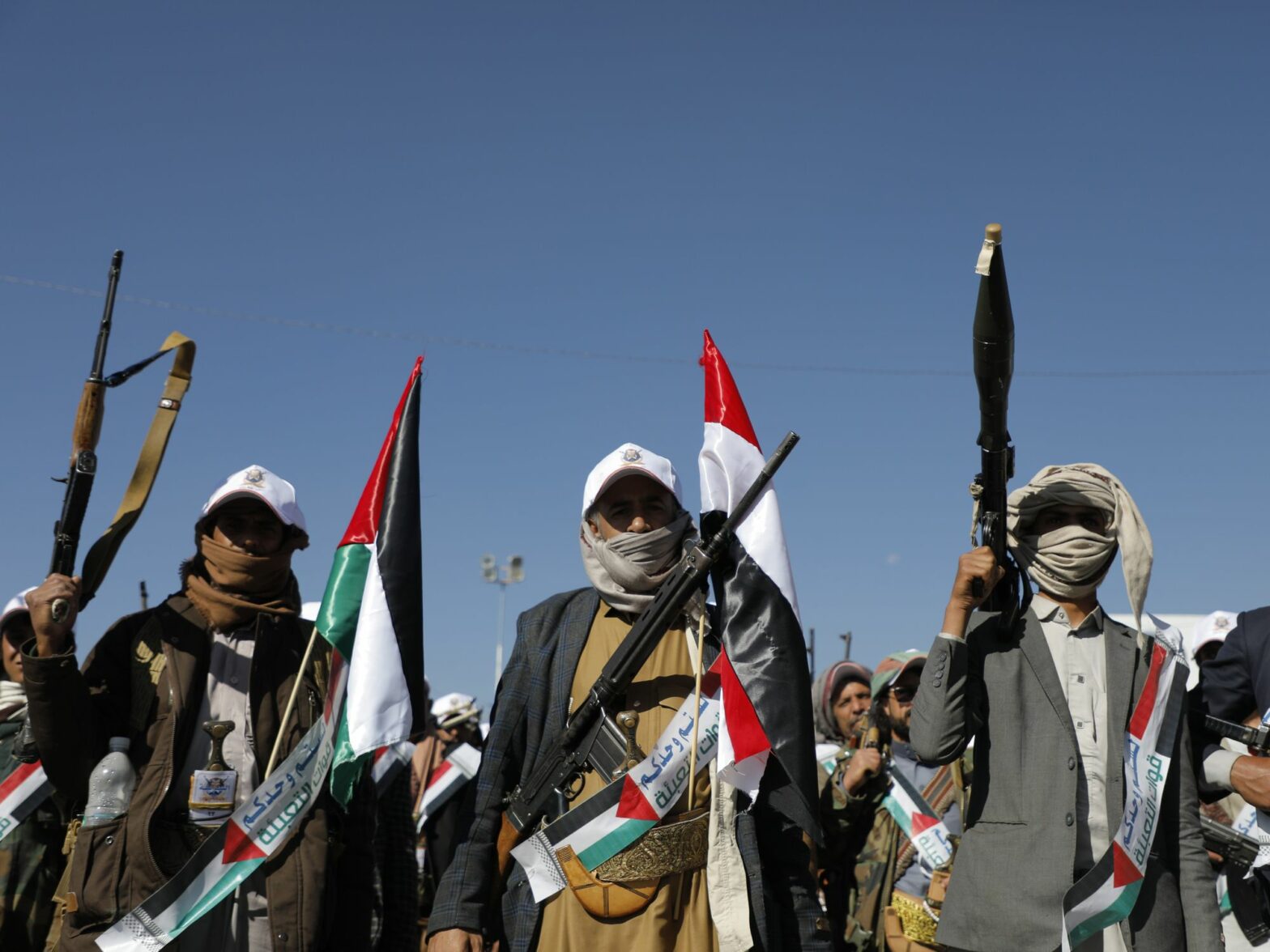
Houthi rebels in Yemen have escalated their maritime attacks in the strategically vital Red Sea. Both their links to Iran, and the decision to target key shipping routes raises the risks for international escalation.
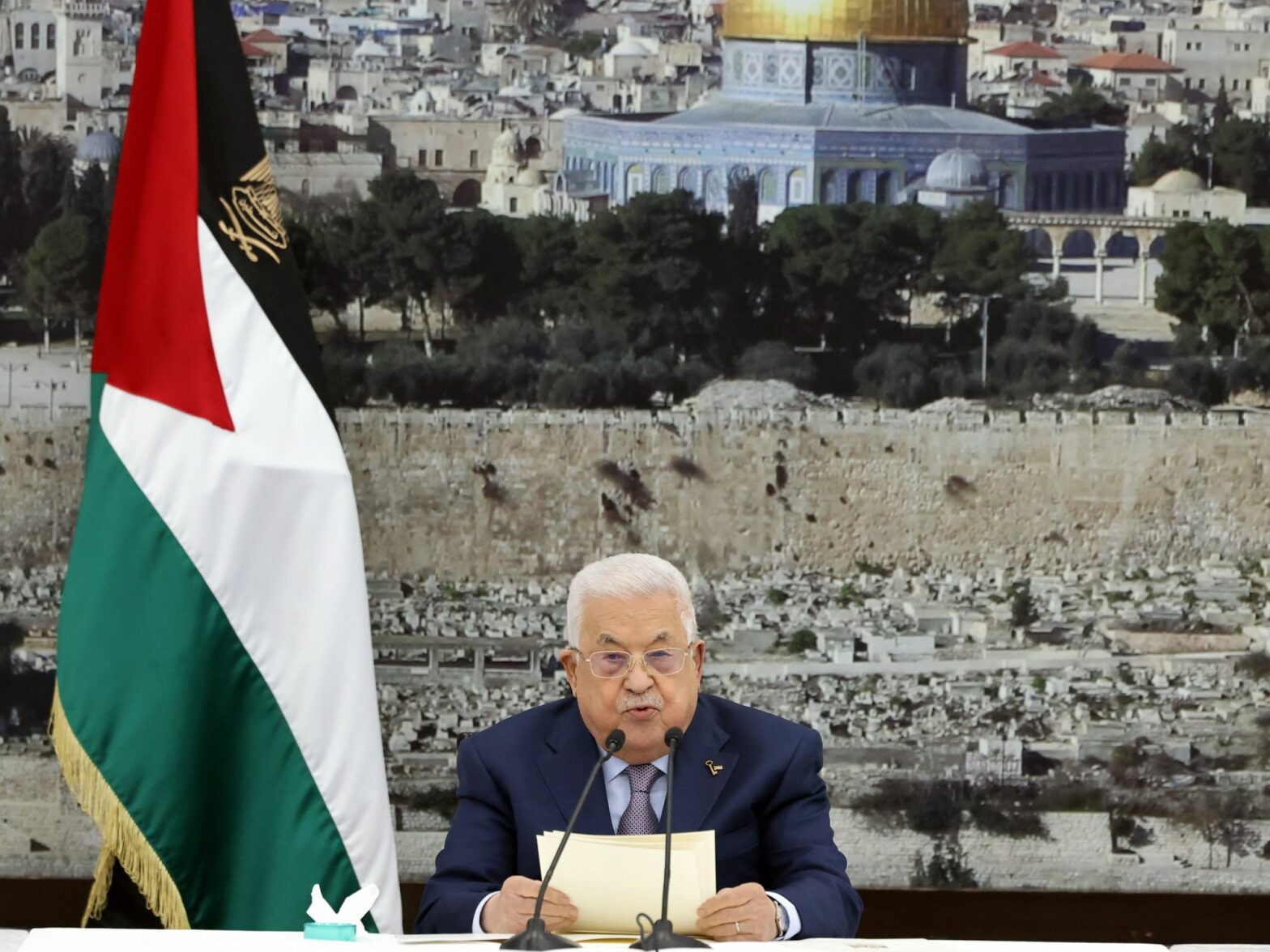
Israel and the West have often asked: Where is the Palestinian Mandela? The divided regimes between Gaza and the West Bank continues to make it difficult to imagine the future Palestinian leader. Still, these three names are worth considering.
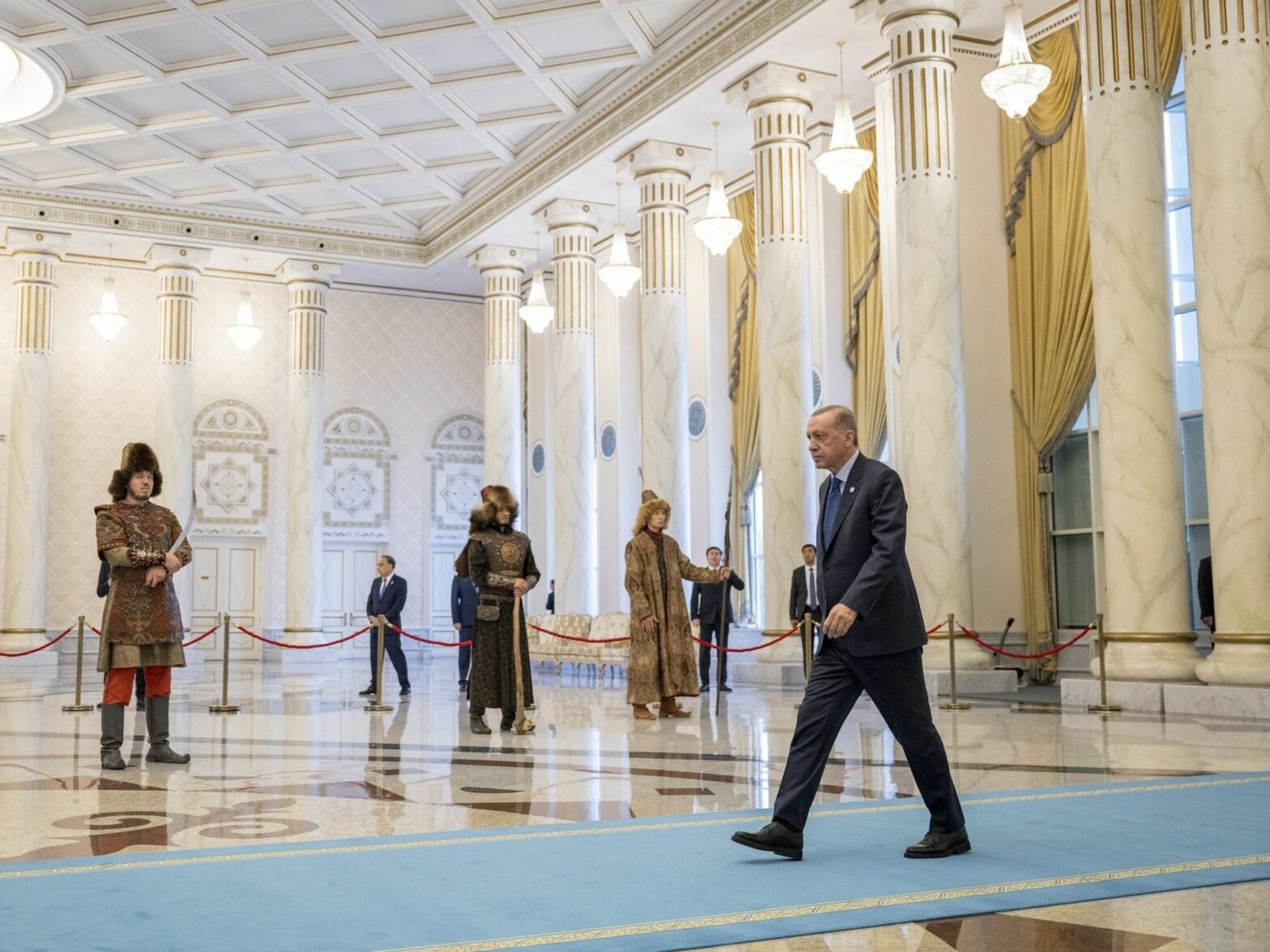
Turkish President Erdogan has now called on the International Criminal Court to go after Israeli Prime Minister Netanyahu for war crimes, as the clash between the two regional powers has reached a new low.
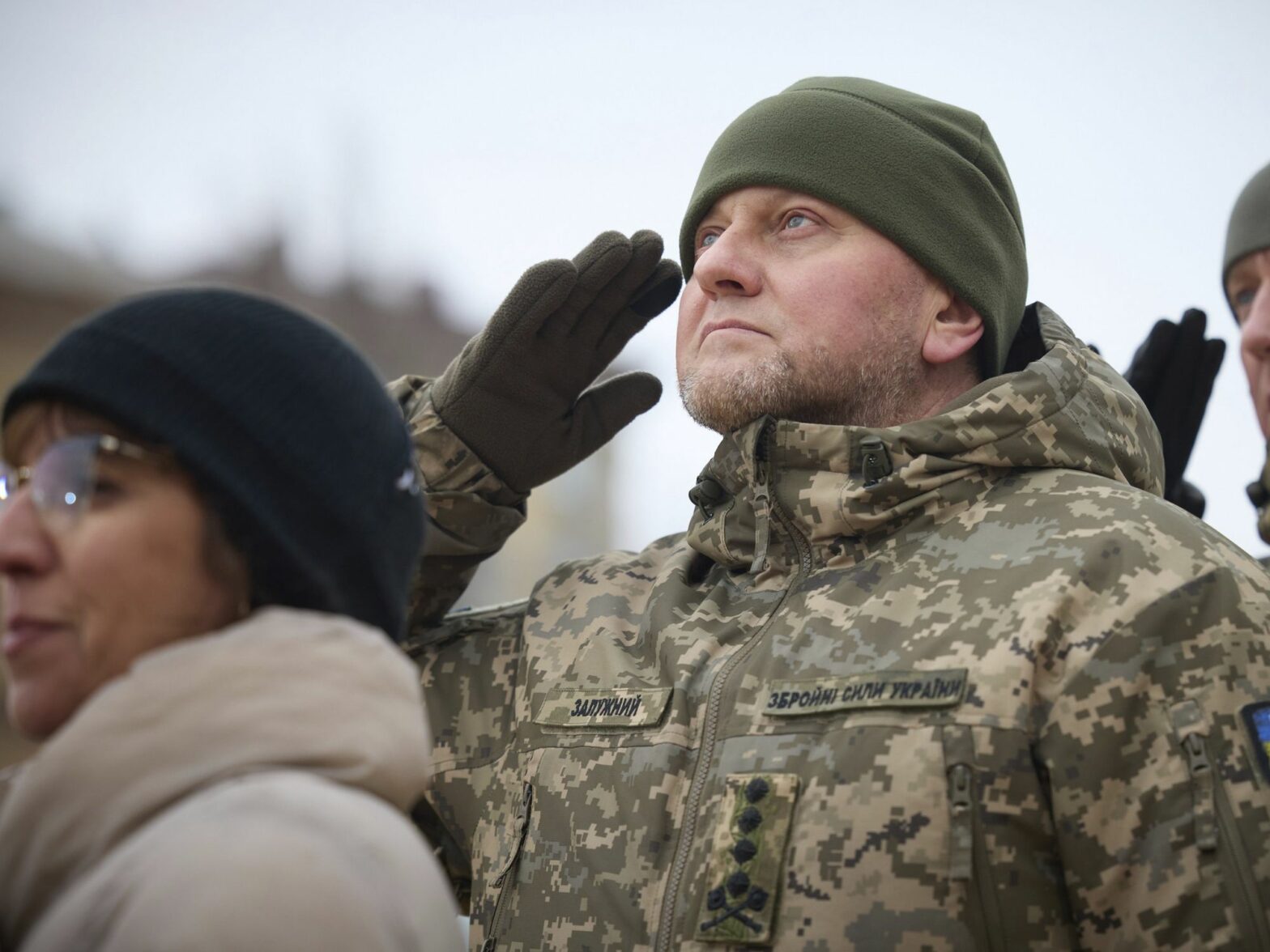
Tensions keep brewing between Ukrainian President, Volodymyr Zelensky, and his military chief, Valerii Zaluzhny. Coming at a critical point in the war’s deadlock, the disputes risk undermining Ukrainian unity and playing into Russia’s hands.
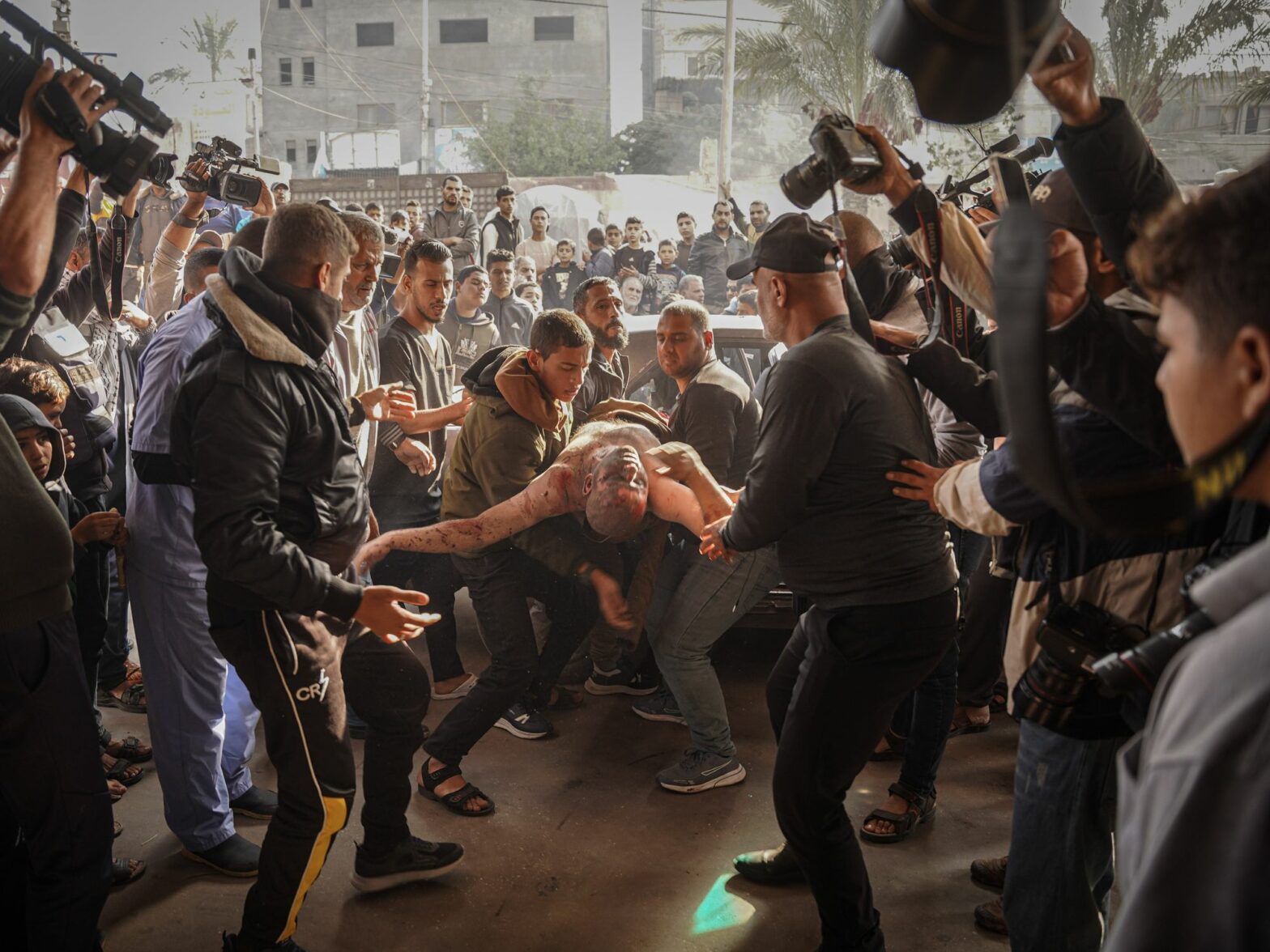
As fighting has resumed and intensified in the southern area of the Palestinian territory, more and more criticism builds from around the world. How much longer can Israel fight this war for if it loses the support of even its most steadfast allies?

Censorship in Russia has increased rapidly over the last couple of decades, especially since their invasion of Ukraine. Russian rap, which has often challenged the politics and society of Russia, has become even more censored than before, even causing some rappers to emigrate.
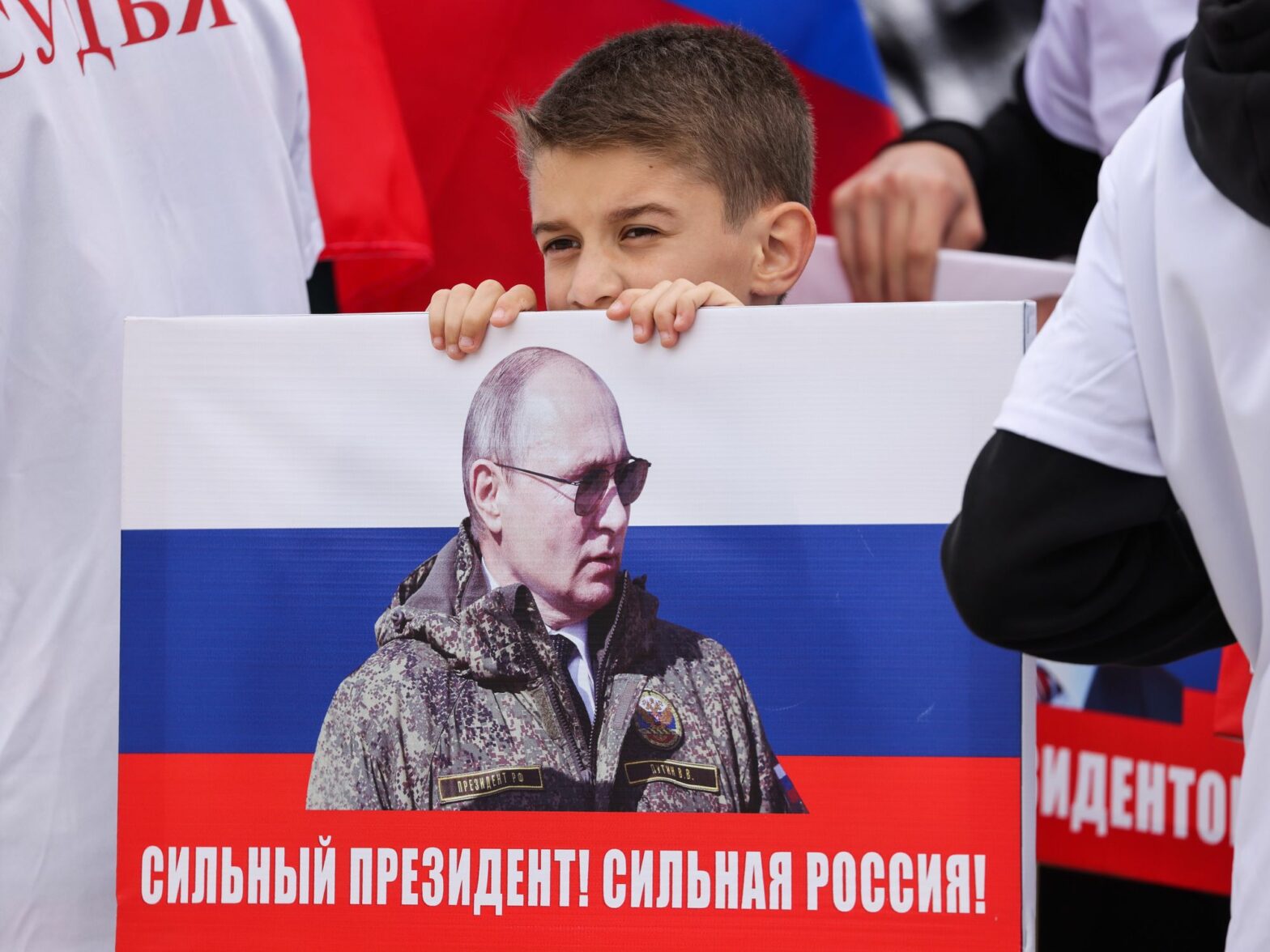
Since Russia’s invasion of Ukraine, political commentators have consistently returned to the question of Putin’s successor. Russia expert Andreas Umland foreshadows a potentially tumultuous transition, resulting in a new power regime. Whether this is more or less democratic than the current Putinist system, is difficult to predict.
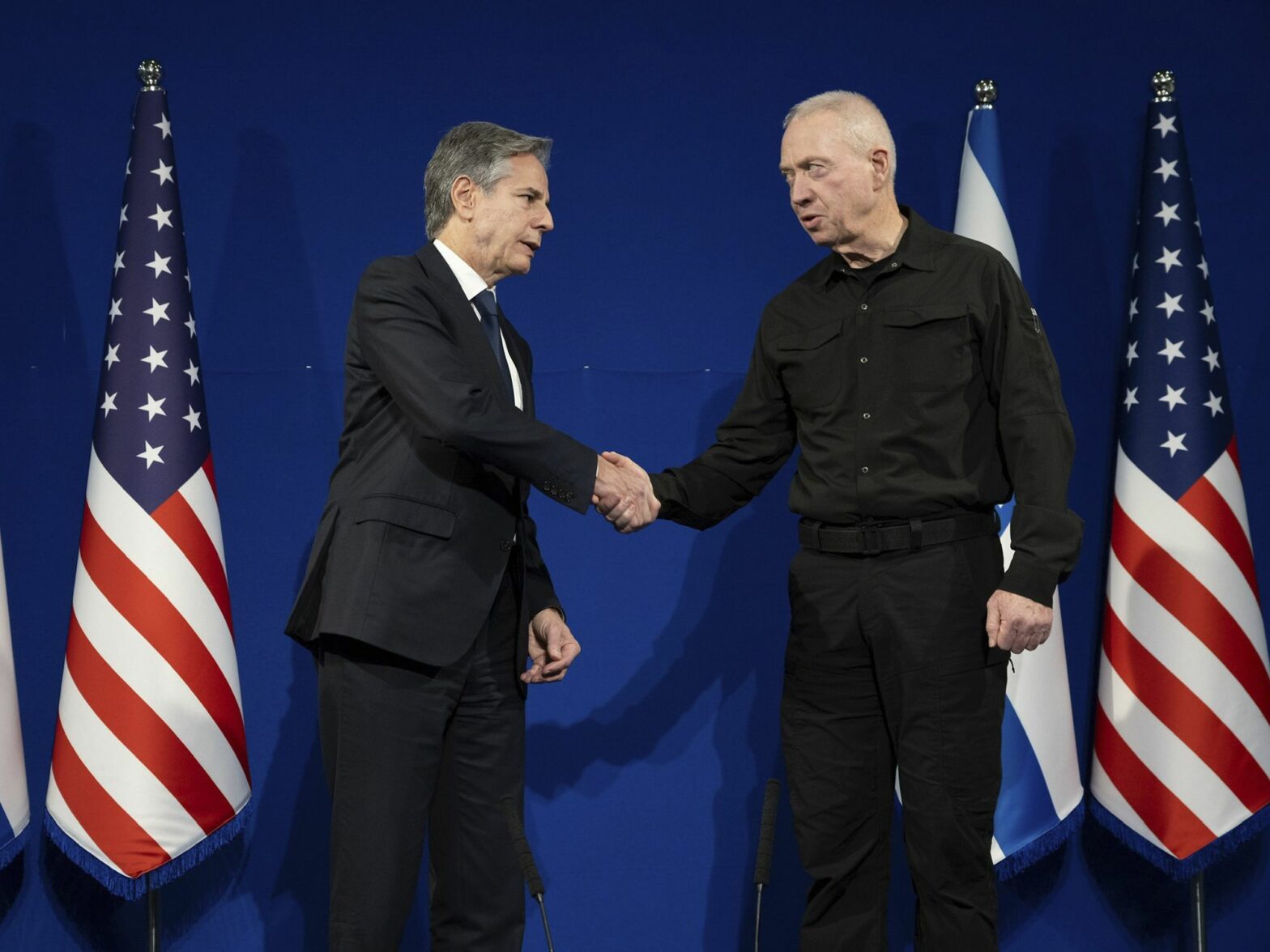
In the Israel-Hamas war, Qatar now plays the key role in negotiations, while the United States appears increasingly disengaged. Shifts in the region and beyond require that Washington move quickly or risk ceding influence to China and others for the long term.
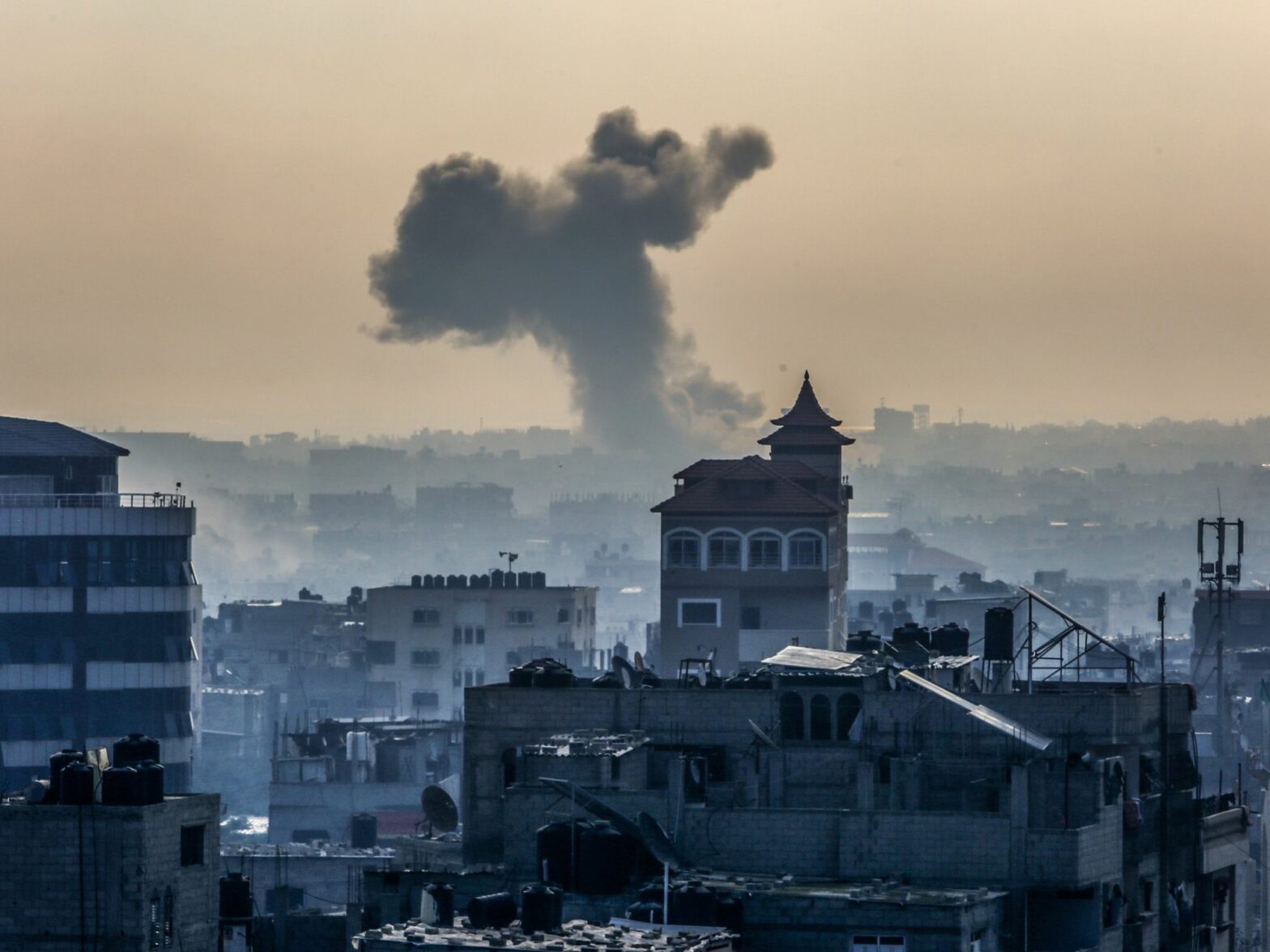
Diplomacy has failed to stave off a resumption of the war in Gaza. Yes, Israel made clear its goal of destroying Hamas is not complete. But the end of the truce is also one more sign that both the U.S. and Europe hold less sway in the region than they once did.
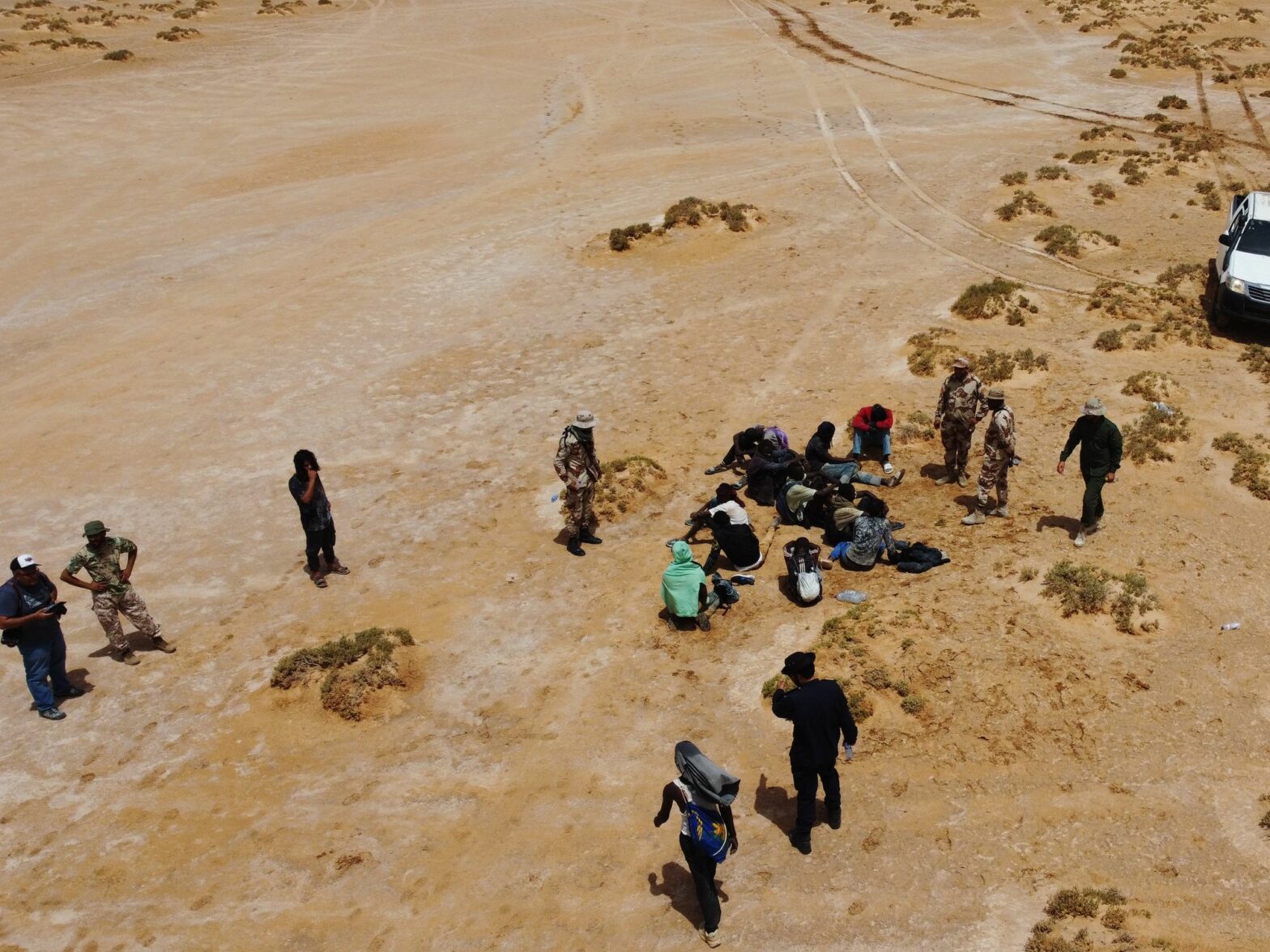
The Refugees in Libya movement has posted shocking images to awaken our consciences. But here, all is silent, and the hope for humanity is entrusted to a Europe that is reborn from the bottom up.
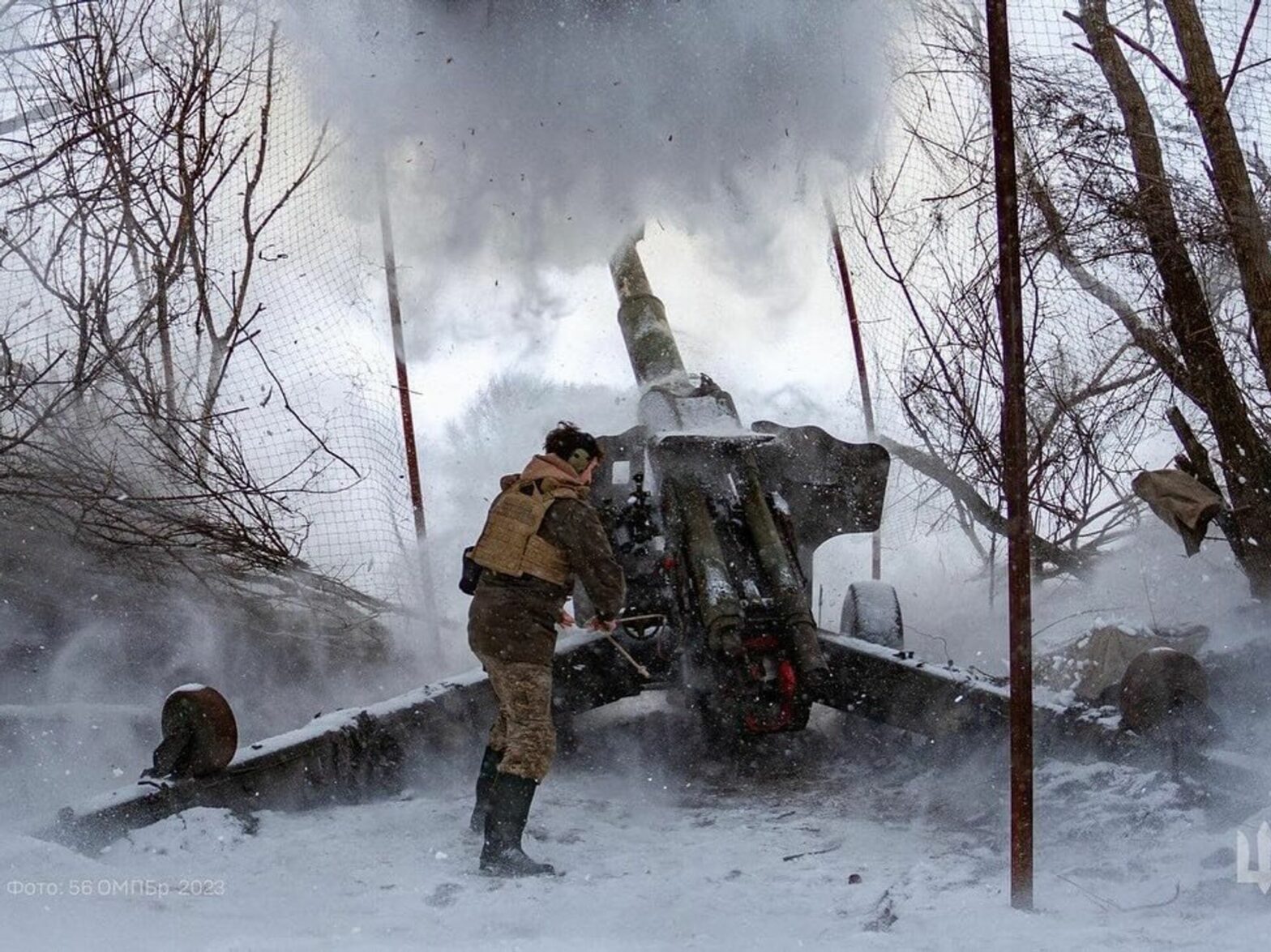
Kyiv’s troops are facing bitter cold and snow on the frontline, but the coming season also poses longer term political questions for Ukraine’s allies. It may be now or never.
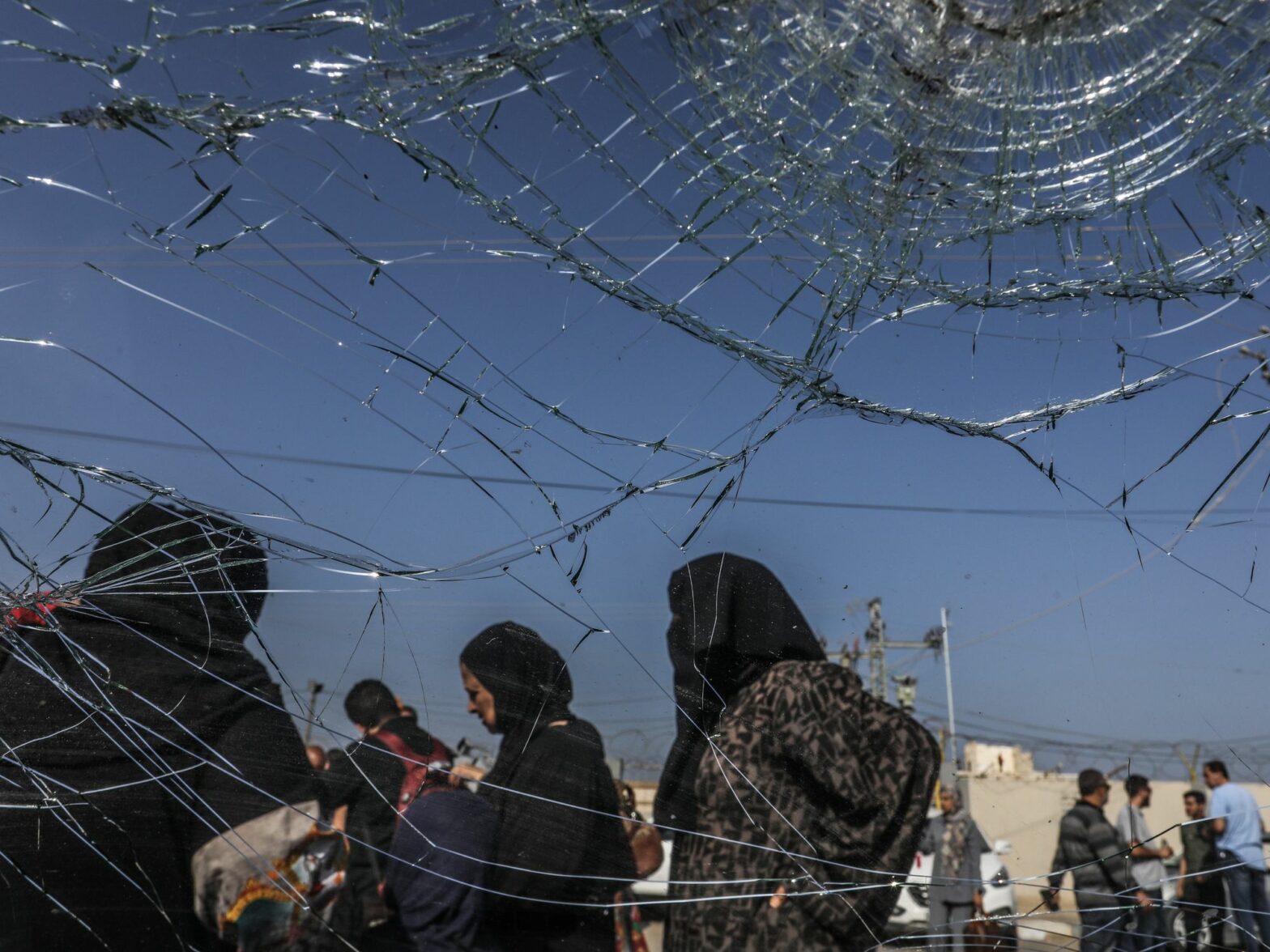
Ever since Hamas launched its attack on October 7, experts have feared that the conflict, alongside the one in Ukraine, could spill over into a large-scale war between the world’s major geopolitical players. Nikolai Kozhanov, associate professor at the Center for Gulf Studies at Qatar University, analyzes how likely this is and who would benefit from such a conflict.

Hamas’ unprecedented attack last month reflected an intelligence failure for Israel, which raises questions about the country’s dominance on the global market for sophisticated espionage technology and other hi-tech offerings. Meanwhile, some of the best young Israeli coders have been called up for military service.
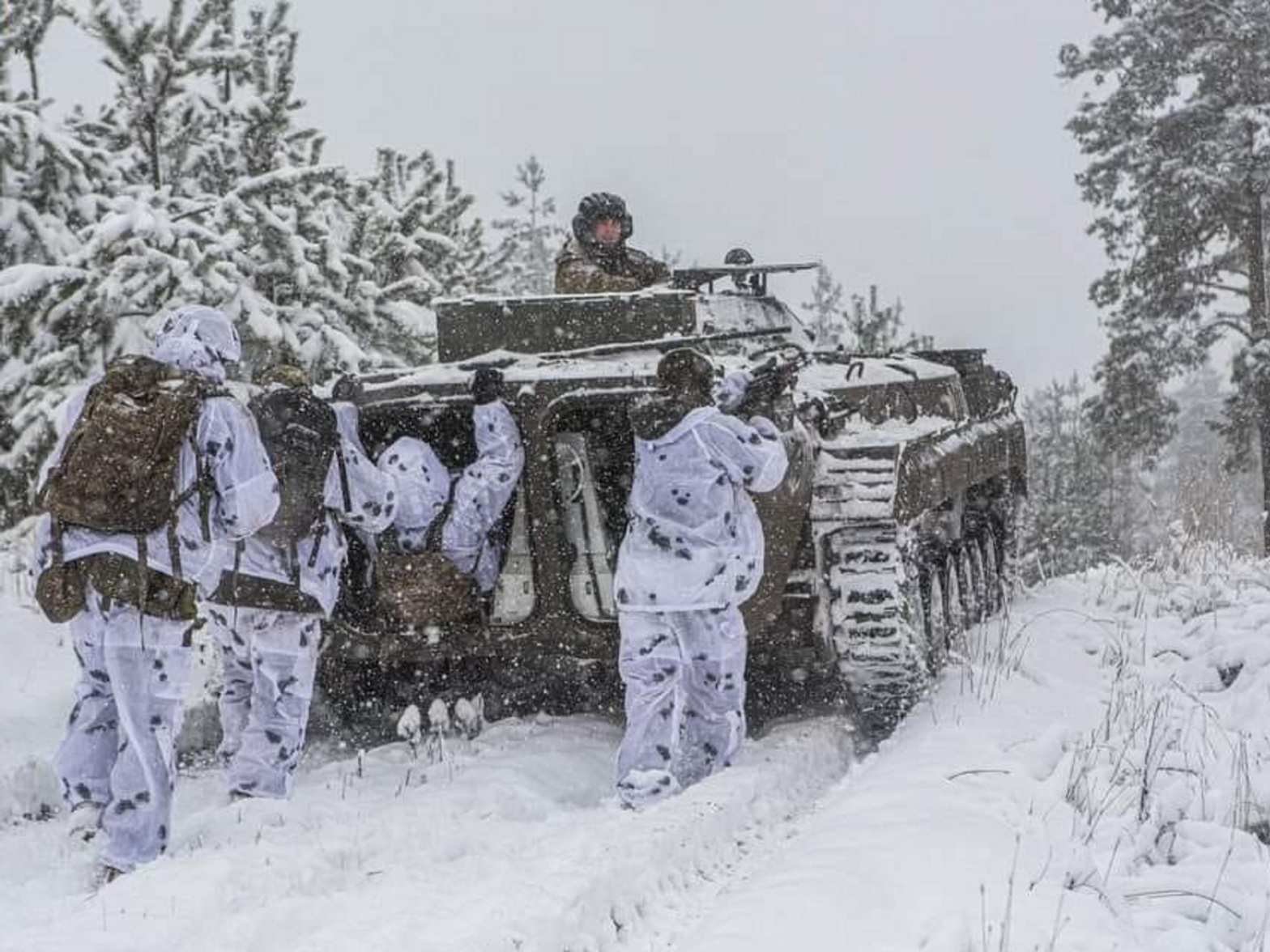
The escalation of war in the Middle East and the stagnation of the Ukrainian counteroffensive have left many leaders in the West, who once supported Ukraine unequivocally, to look toward ceasefire talks with Russia. For Polish daily Gazeta Wyborcza, Piotr Andrusieczko argues that Ukraine simply cannot afford this.
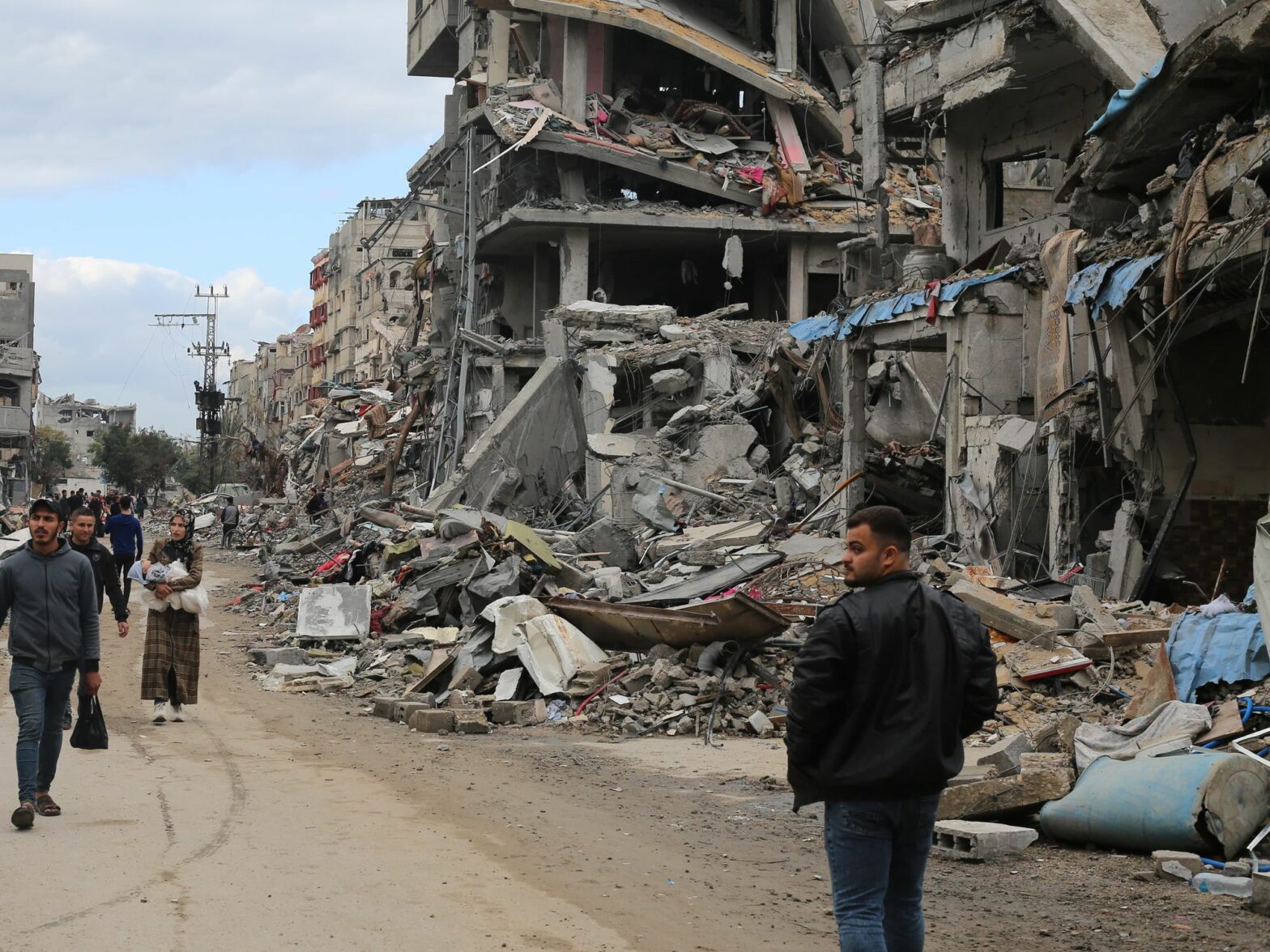
The information coming out of the Palestinian enclave is scarce but undoubtedly grim. An Italian reporter from across the border gathers information from inside Gaza amid a fragile and inevitably temporary ceasefire.
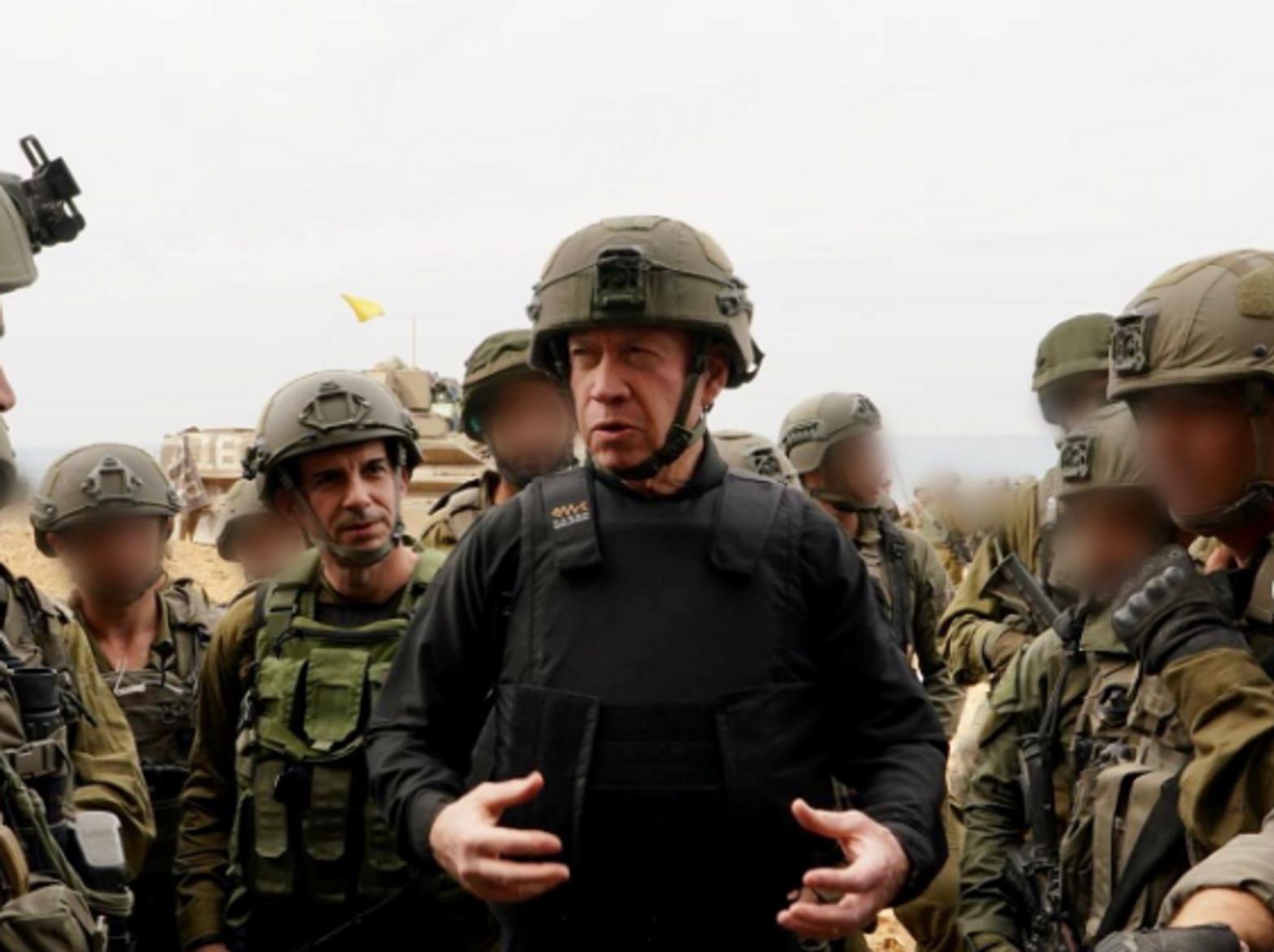
The Israel-Hamas temporary ceasefire may not end today, but it will end. But when the war in Gaza resumes, the Israeli offensive against Hamas may be different.
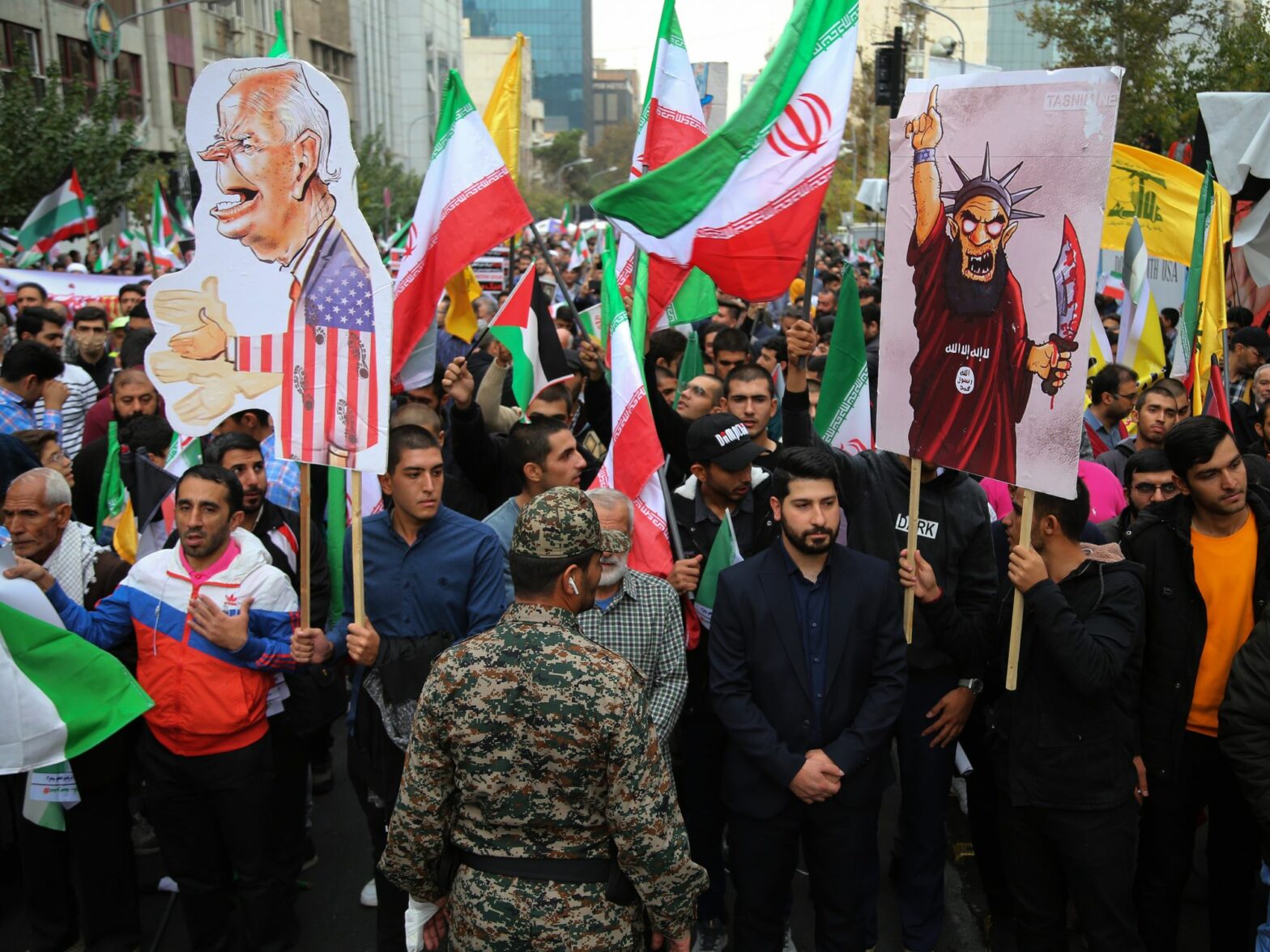
The West’s decision to pressure Israel over Gaza, and indulge Iran’s violent and troublesome regime, follows the U.S. Democrats’ line with the Middle East: just keep us out of your murderous affairs.
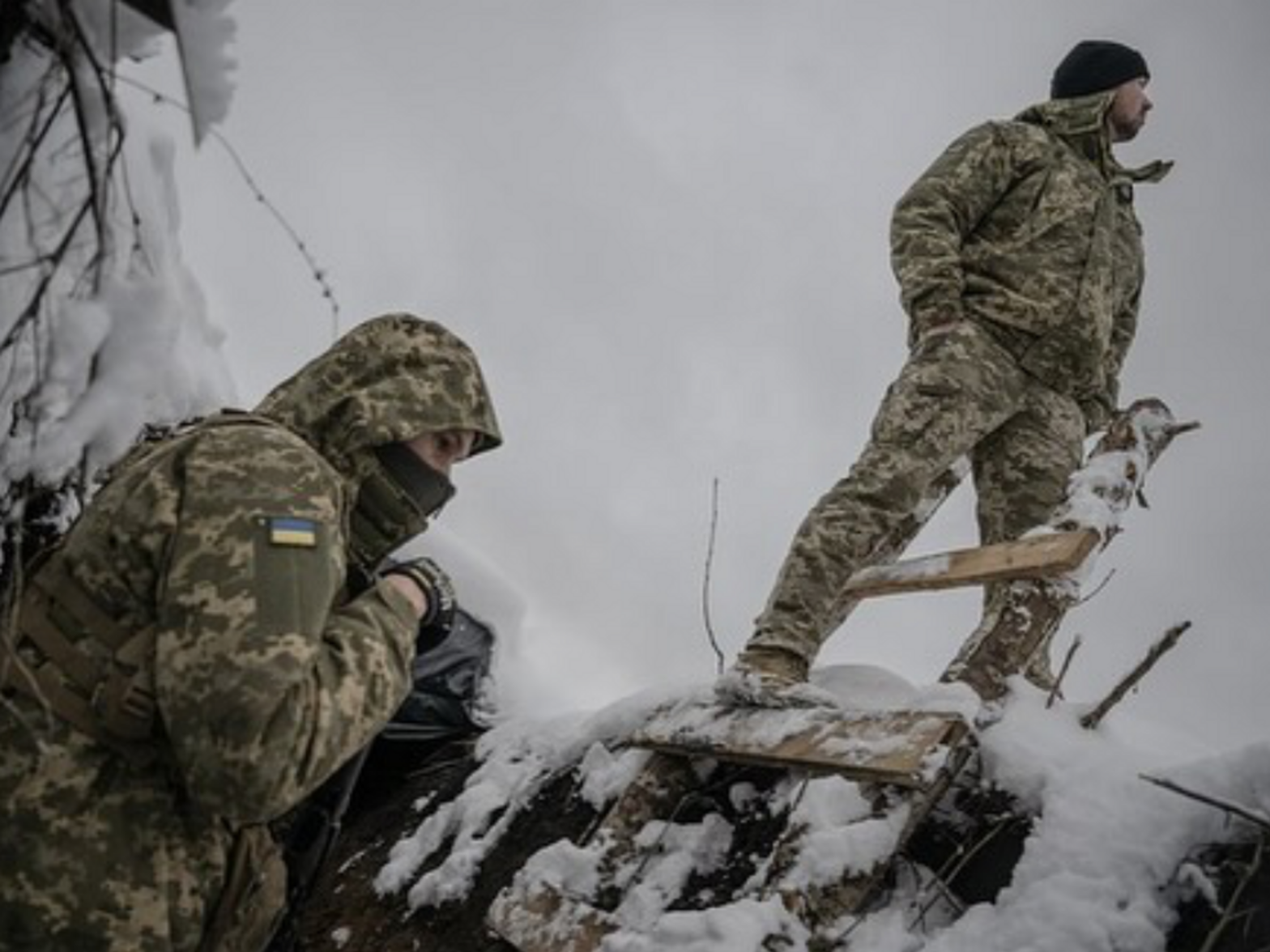
In Ukraine, kamikaze drones have gradually overtaken artillery as the main threat to soldiers — on both sides of the frontline. Meanwhile, a bitter winter is taking over life in the trenches.
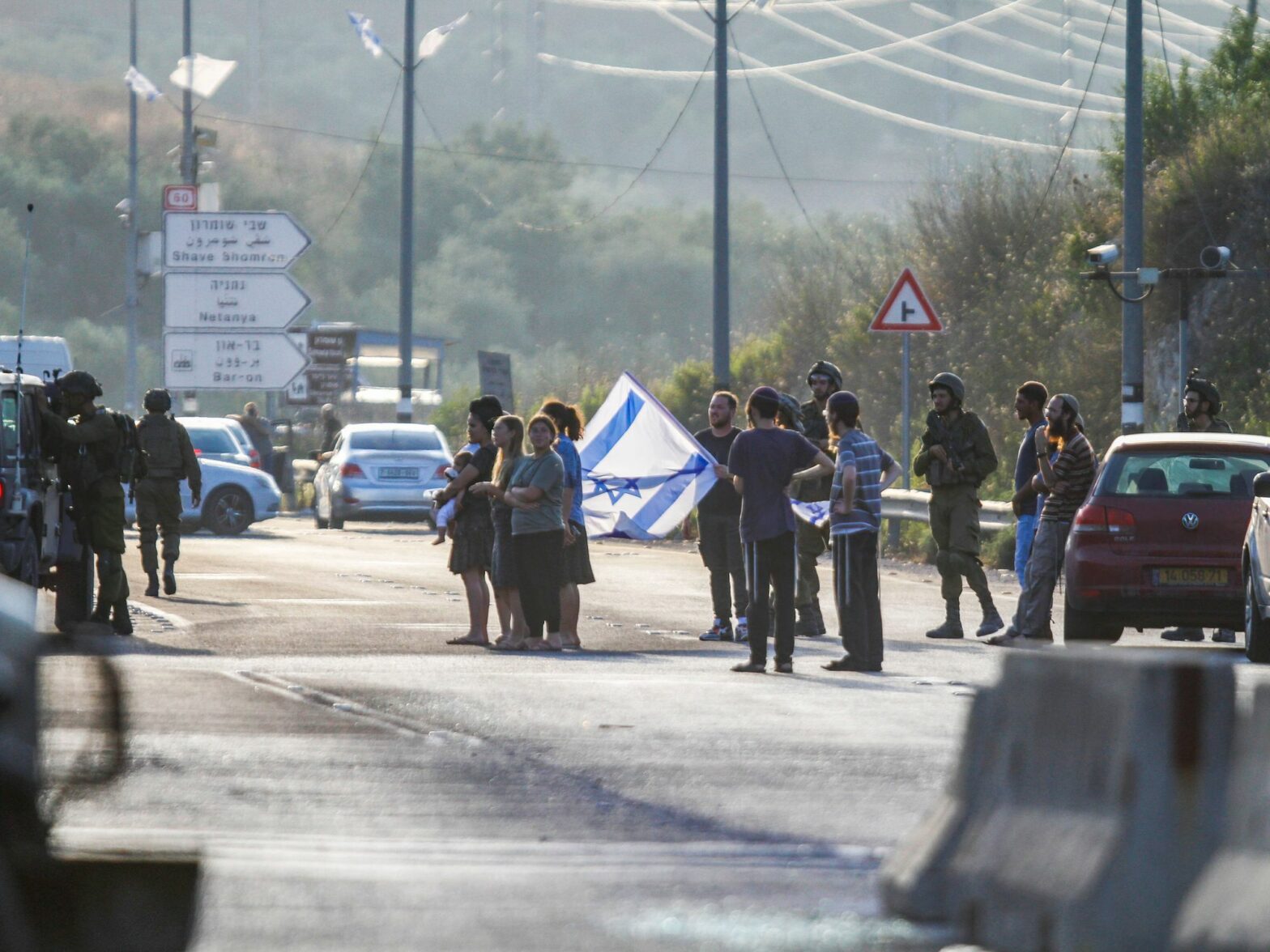
Heated debate in Israel and abroad over the increase in the budget for settlements in the occupied West Bank is a reminder that wartime national unity will not outlast a deep ideological divide.
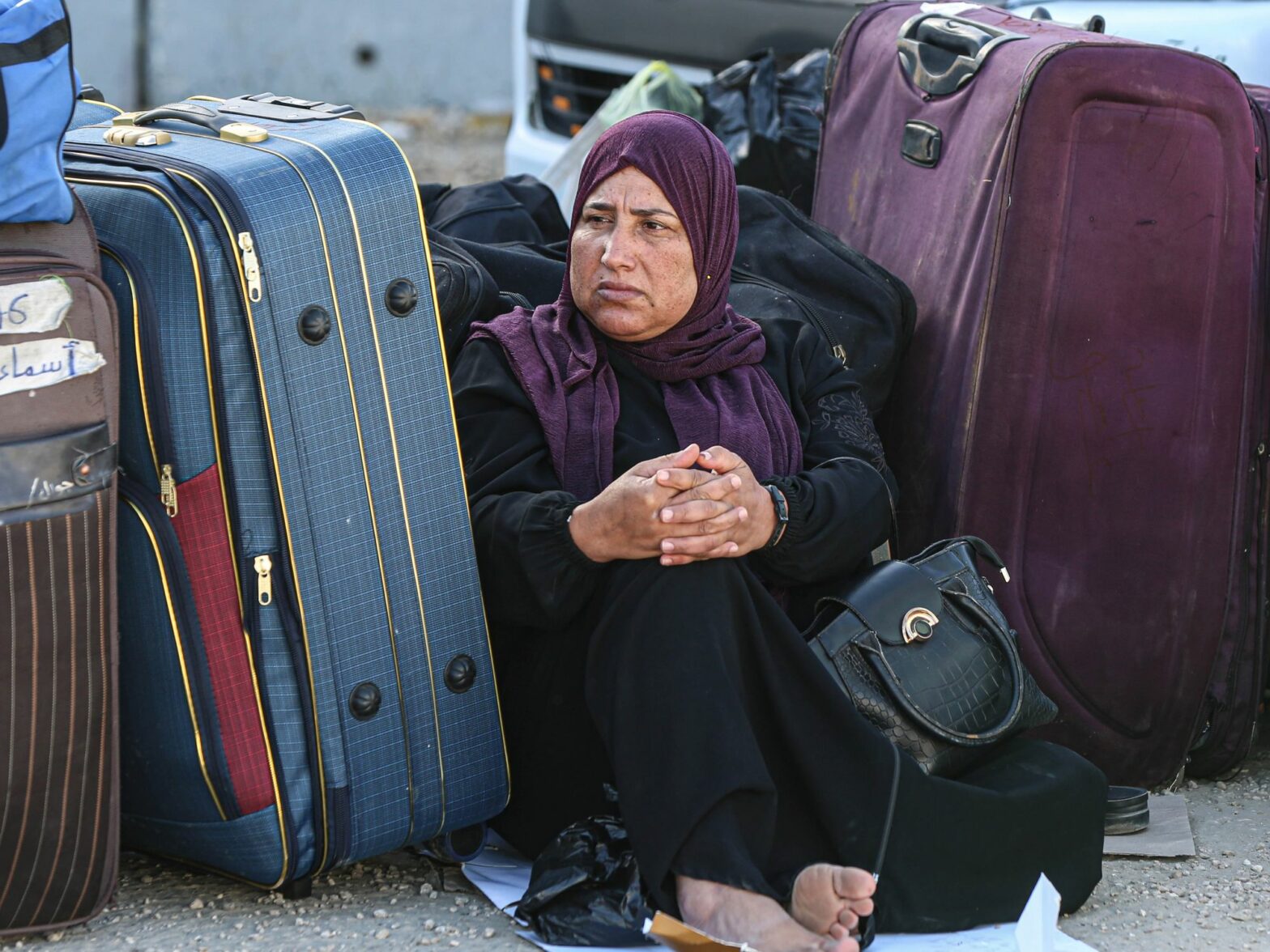
Having been stuck outside their besieged homeland, hundreds of Palestinians have reentered Gaza, preferring to risk it all to be close to loved ones.
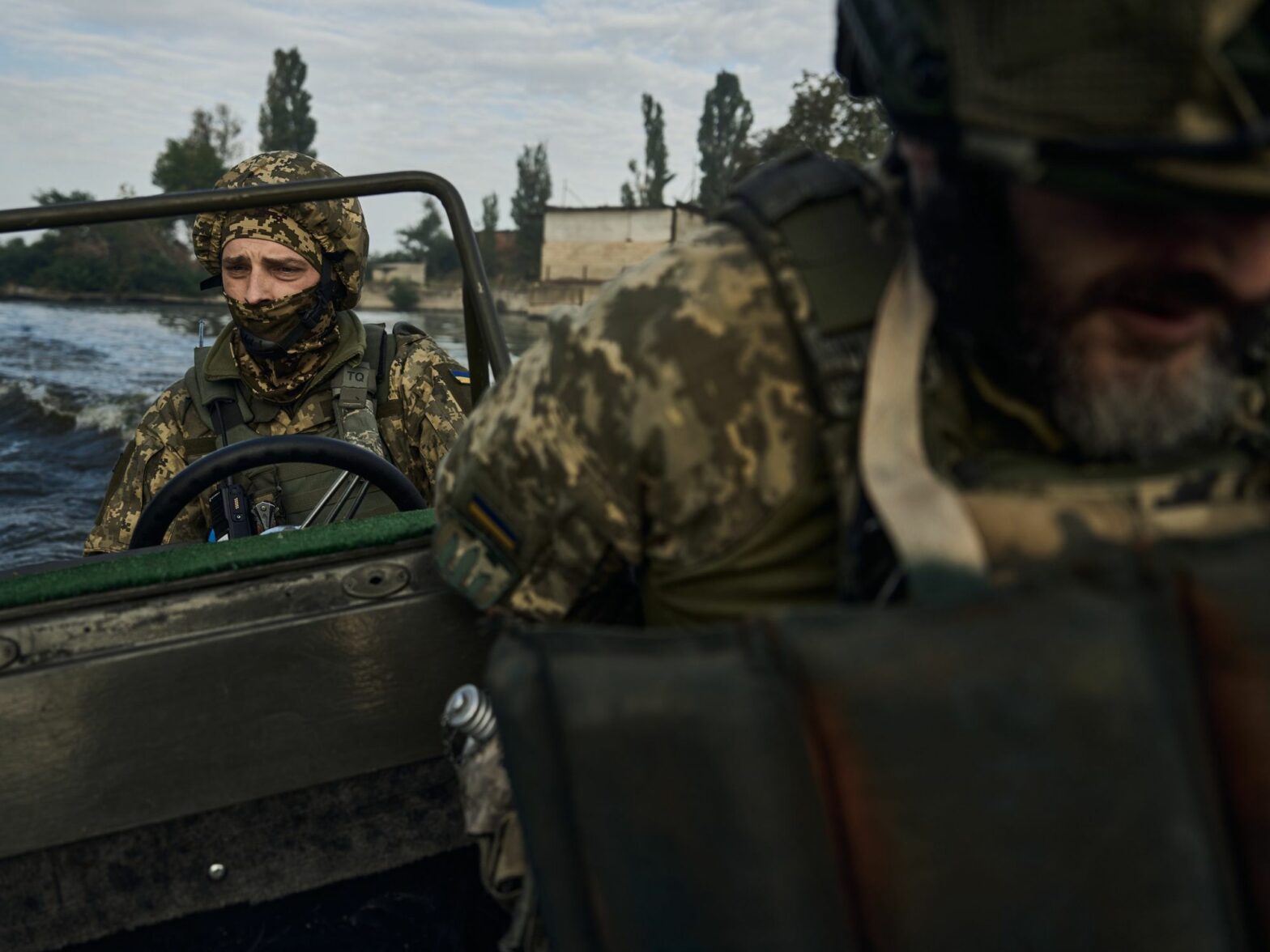
International support for Kyiv is waning and calls for negotiations are growing louder. But Ukraine has now managed to establish a bridgehead on the other side of the Dnipro River. From there, its troops could advance to Crimea — and turn the tide of the war.

The Israeli government has declared it is opposed to any ceasefire with Hamas. But one of its key objectives — and the top priority for Israelis — is to recover hostages. And only the ceasefire can achieve that…
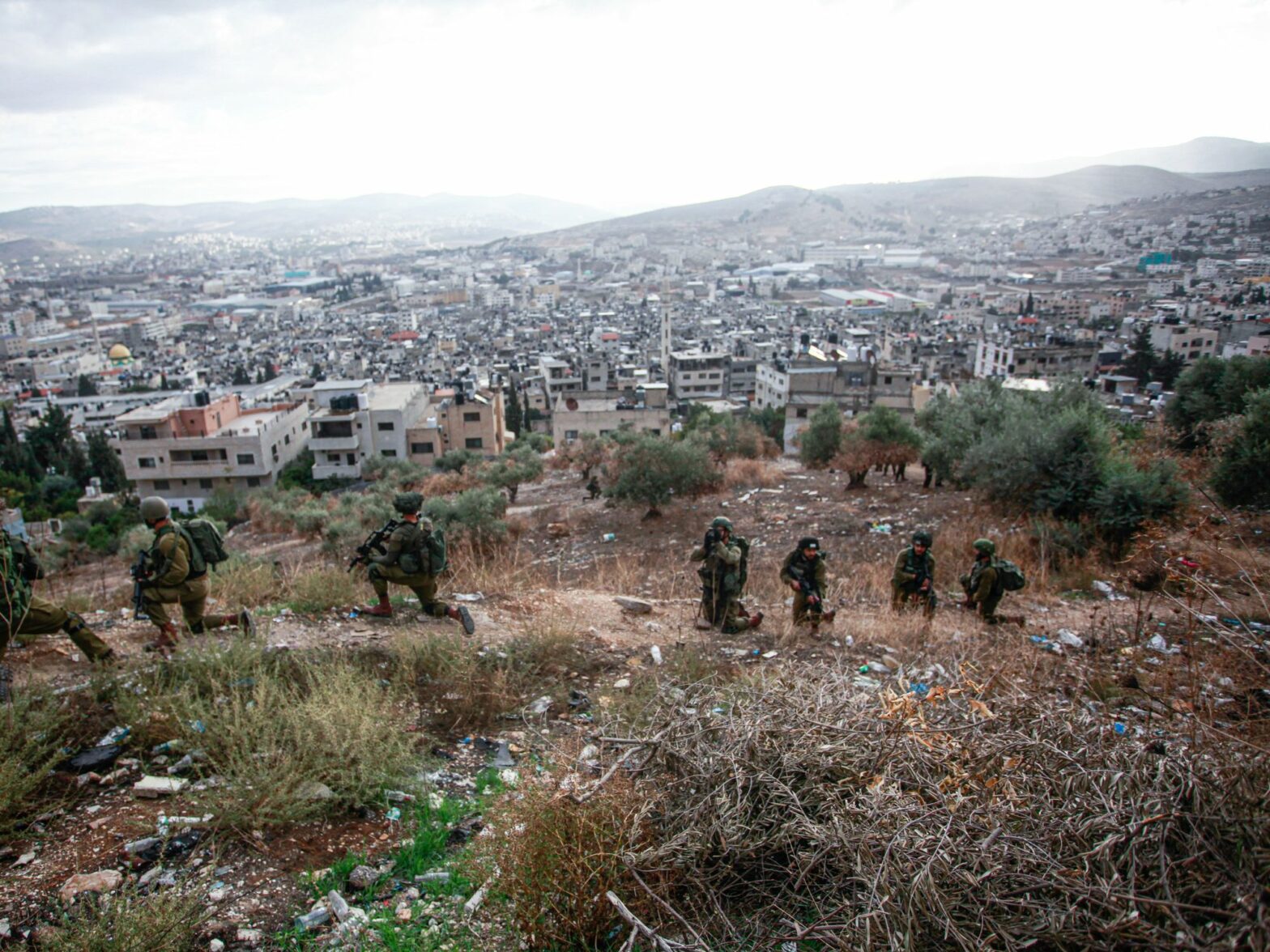
The fate of the West Bank is inevitably linked to the conflict in Gaza; and indeed Israeli crackdowns and settler expansion and violence in the West Bank is a sign of an explicit strategy.
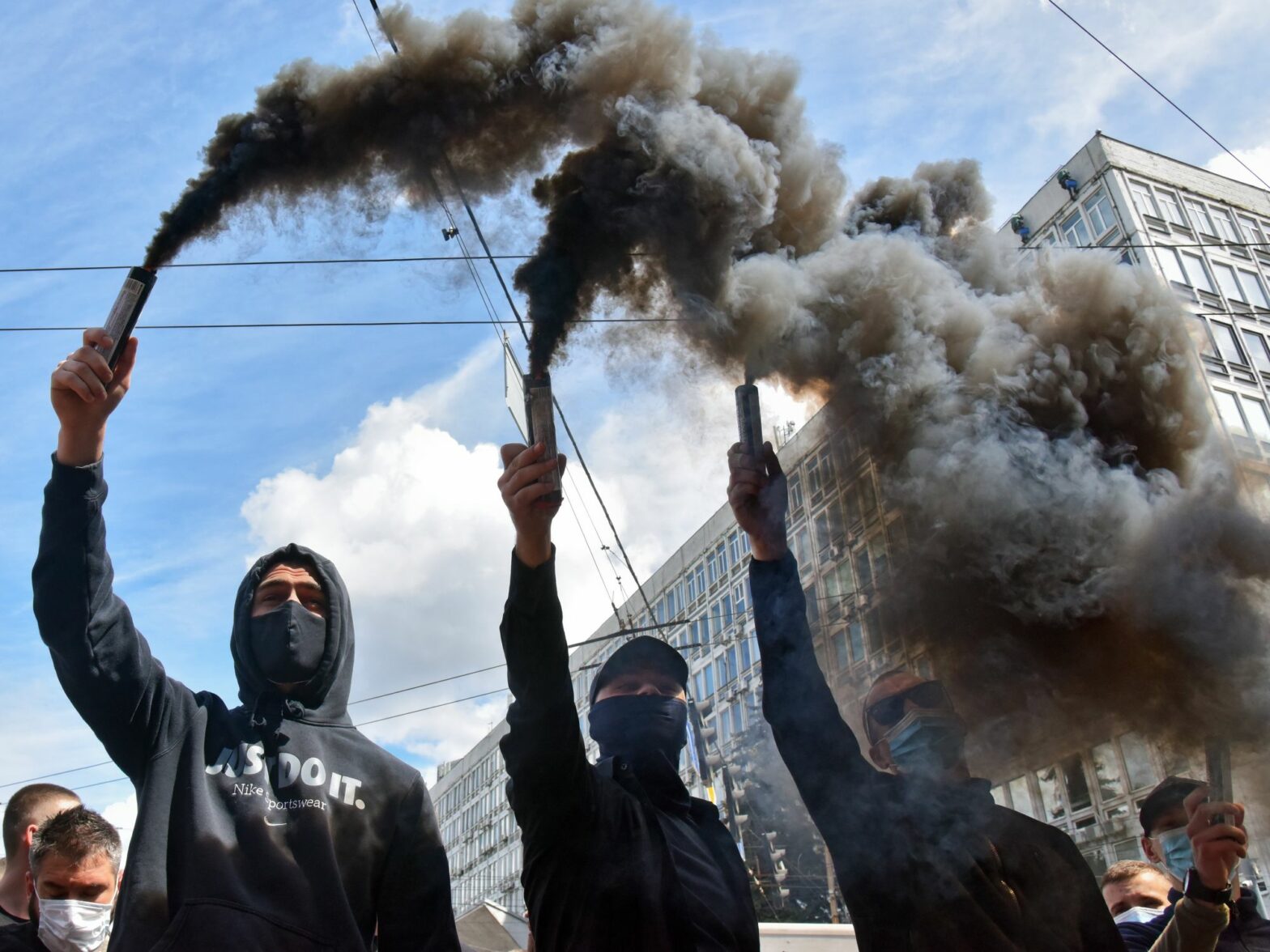
The invasion of Russia has forced Ukraine to confront a domestic enemy: corruption and economic control by an insular and unethical elite.

Israel and Hamas have reached a deal to exchange 50 Israeli hostages held in Gaza for a four-day pause in fighting and the return of Palestinian prisoners. Orna Dotan, leading a team of therapists tasked with aiding these hostages and their families, takes us inside a uniquely charged personal and political situation.
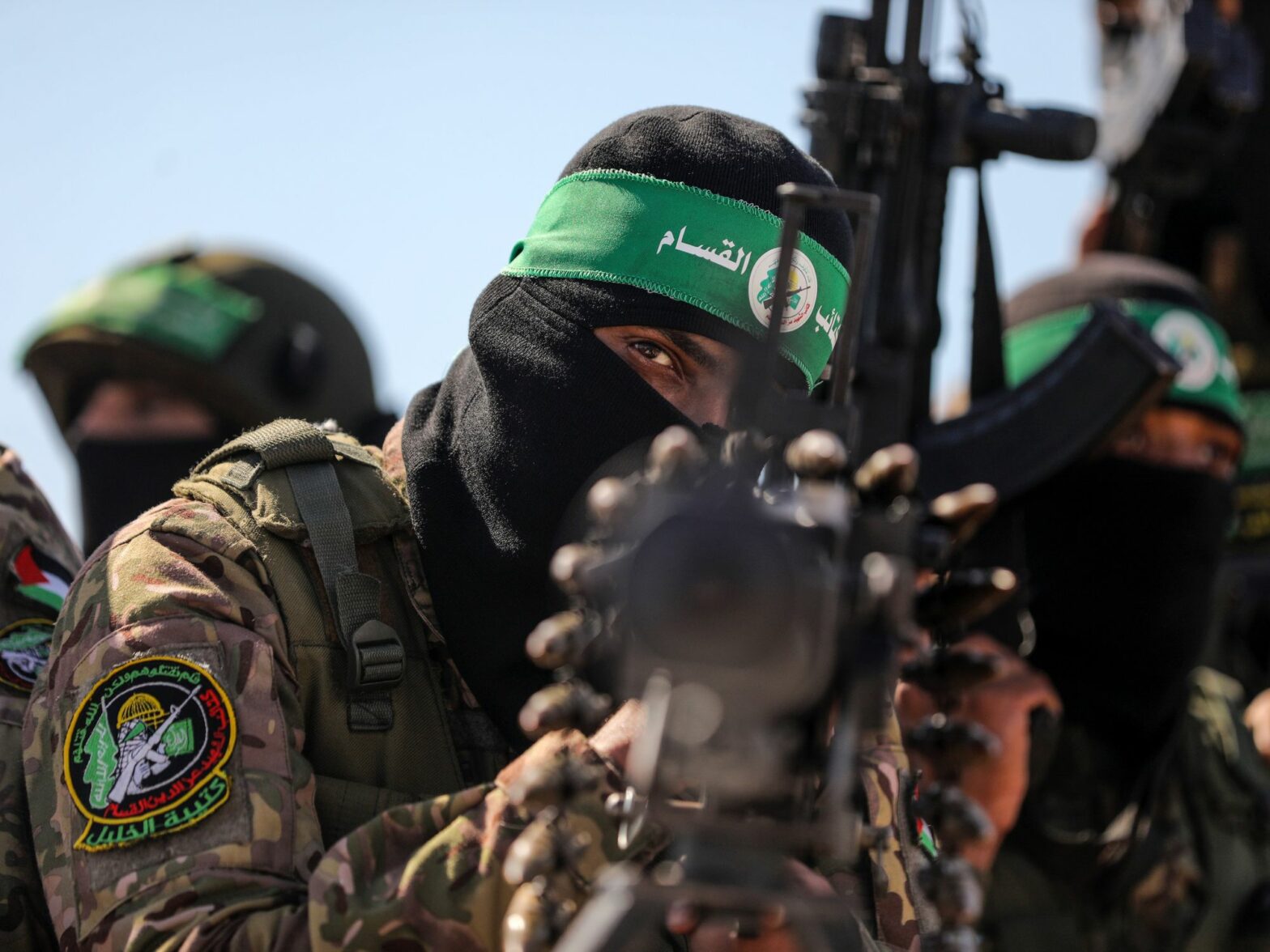
As long as there are criminal regimes with technological, military, and financial capabilities, defeating them militarily is the only route to lasting peace.
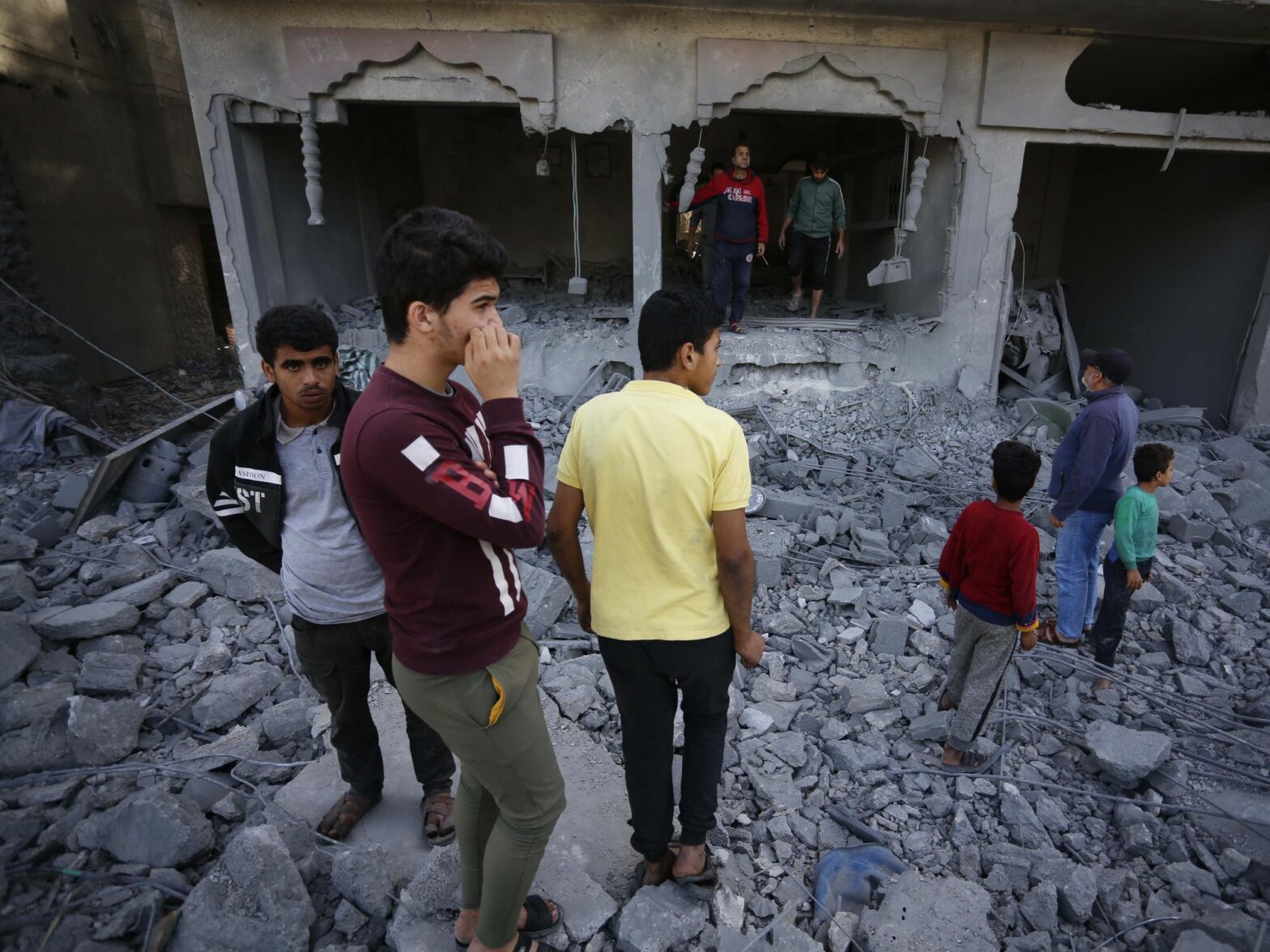
With Qatar now confirming that the temporary truce will begin Friday morning, ordinary Gazans may be able to breathe for the first time since Oct. 7. But for most, the task ahead is a mix of heartbreak and the most practical tasks to survive. And there’s the question hanging over all: can the ceasefire become permanent?
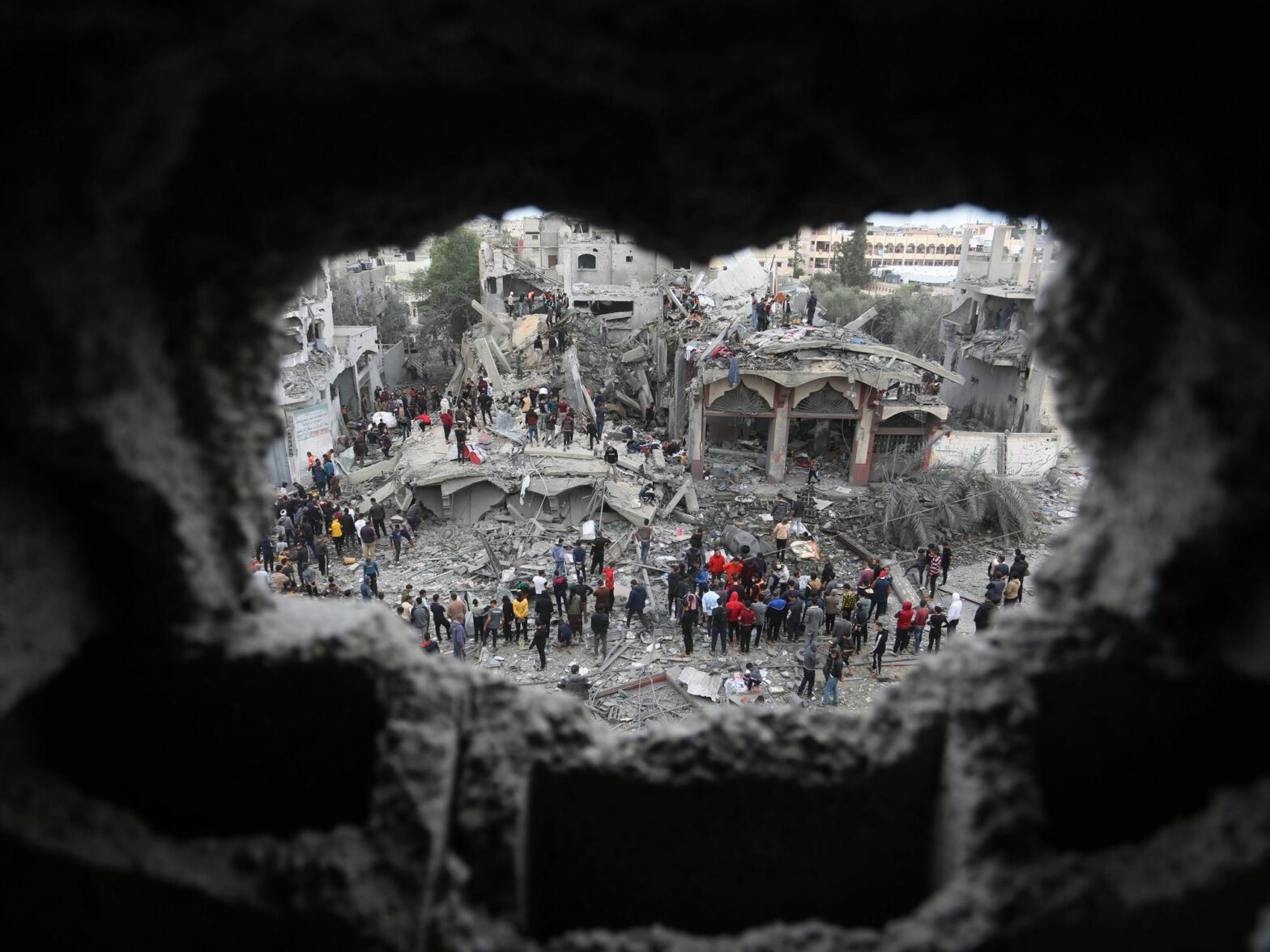
The agreement for a temporary ceasefire between Israel and Hamas was shaped by the political situation in Israel and the Palestinian territories. But now, the politics on the ground could change moving forward.
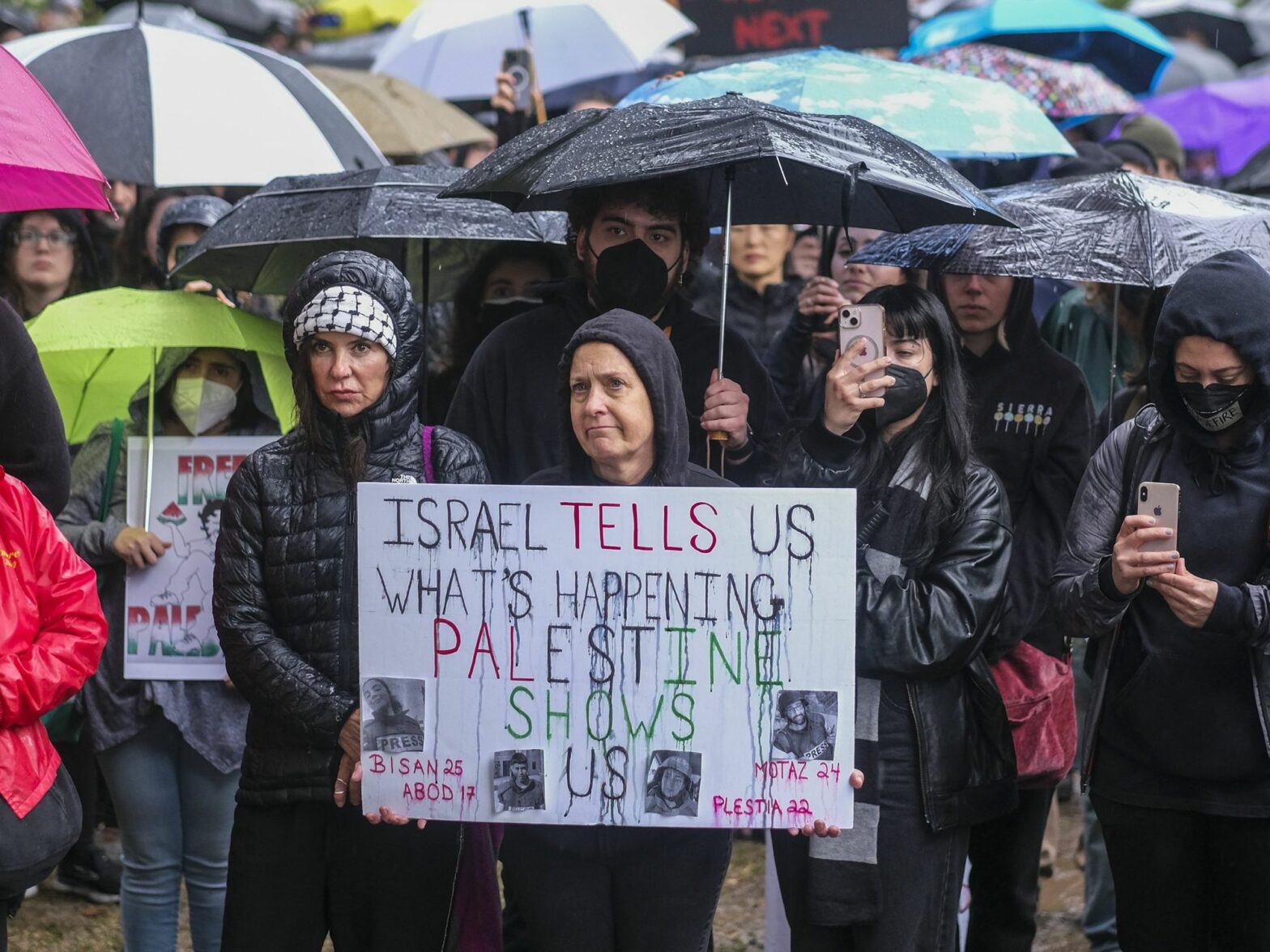
Protests in big cities in the U.S. and Europe against Israel may remind some Iranians of the Western Left’s deluded, and arrogant, support in 1979 for a revolution that turned Iran and the Middle East into a cesspool of terrorism.
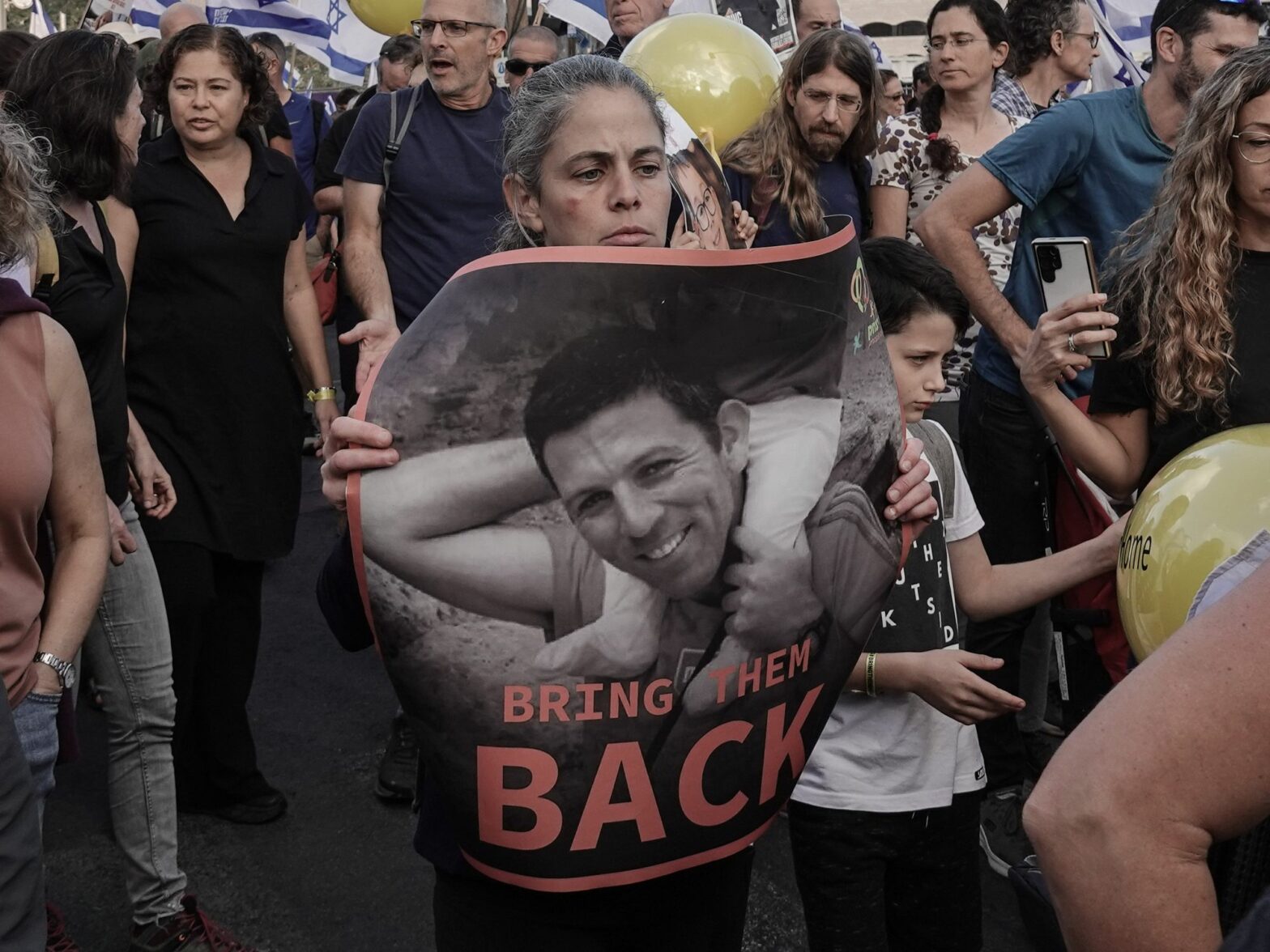
Israeli Prime Minister Benjamin Netanyahu has pushed ahead a deal negotiated via Qatar, for a four-day truce and an exchange of 50 hostages for 150 Palestinian prisoners. Though the humanitarian and political pressure was mounting, Israel’s all-out assault is suddenly halted, with unforeseen consequences for the future.
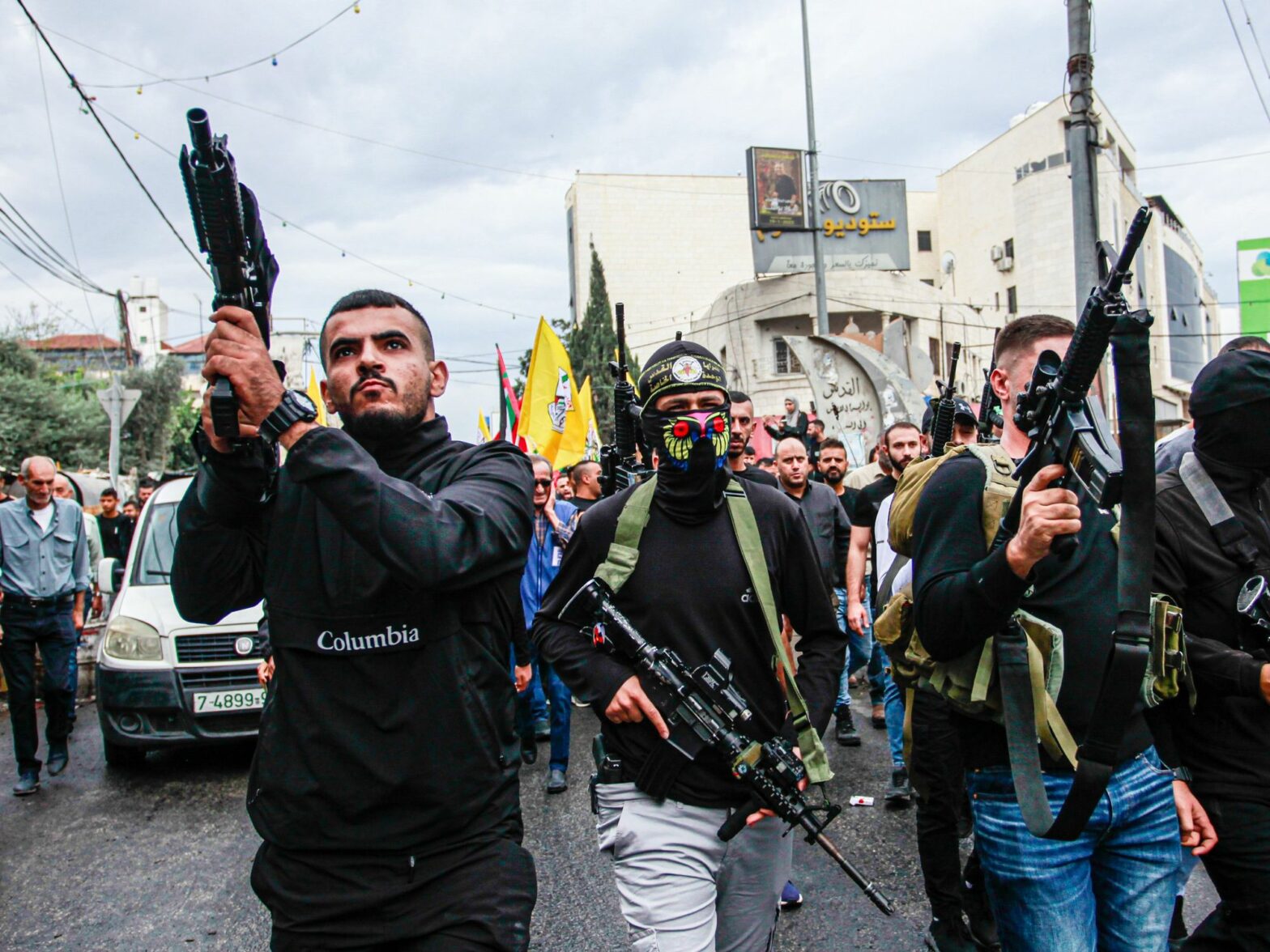
A visit to so-called “Little Gaza,” where destruction reigns and children roam with rifles in their hands. But the enemy isn’t just the IDF, it is also the Palestinian Authority — and become prime recruiting territory for Hamas.

There are certain watershed moments where the world comes together in defense of an idea or a people, or maybe both. A call from afar to stand up in the name of the Palestinian people.
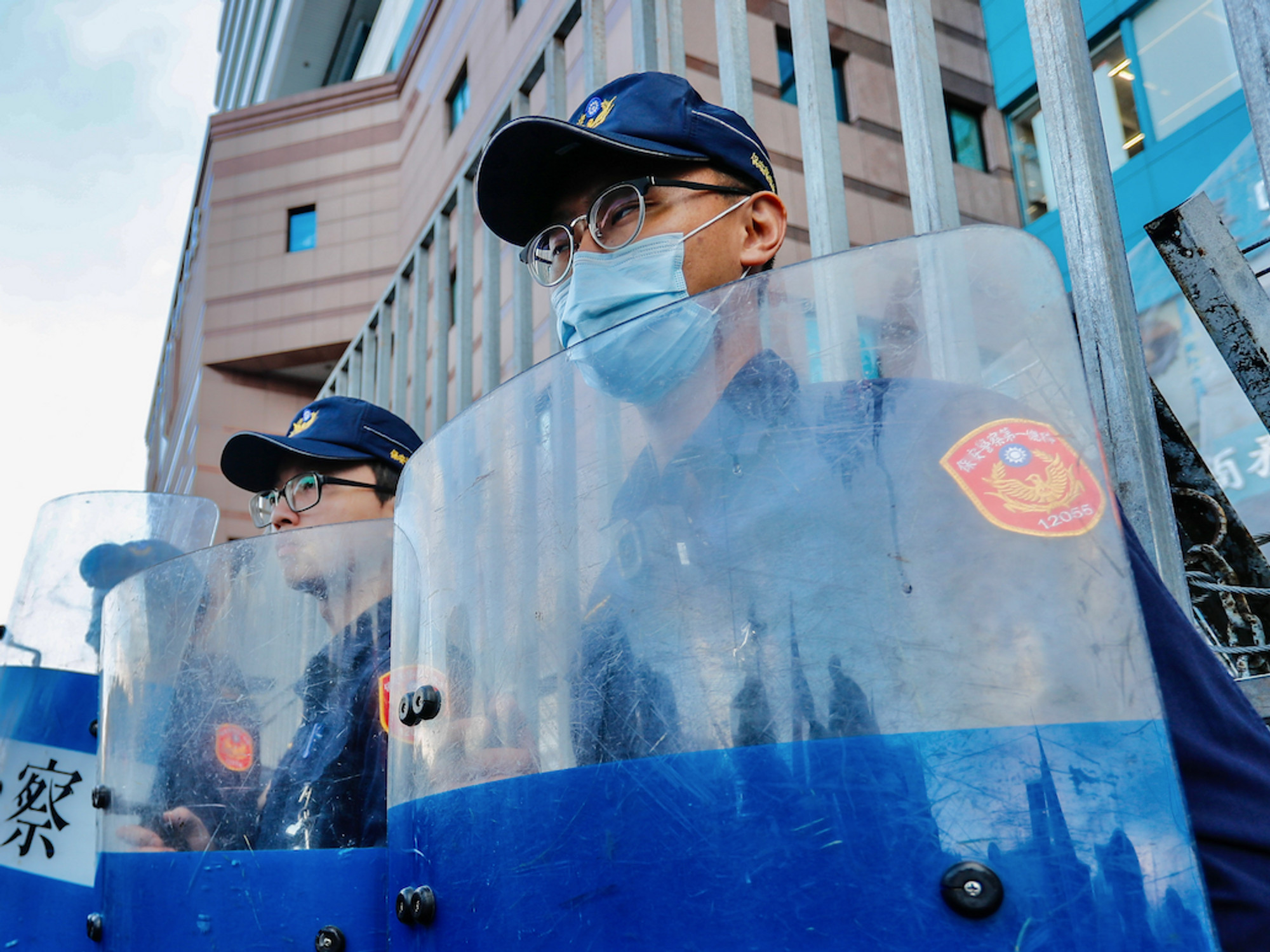
Taiwanese, though under the weight of a far more powerful neighbor, have the tendency to idealize Israel and fail to create a self-definition beyond the island nation’s anti-China image.
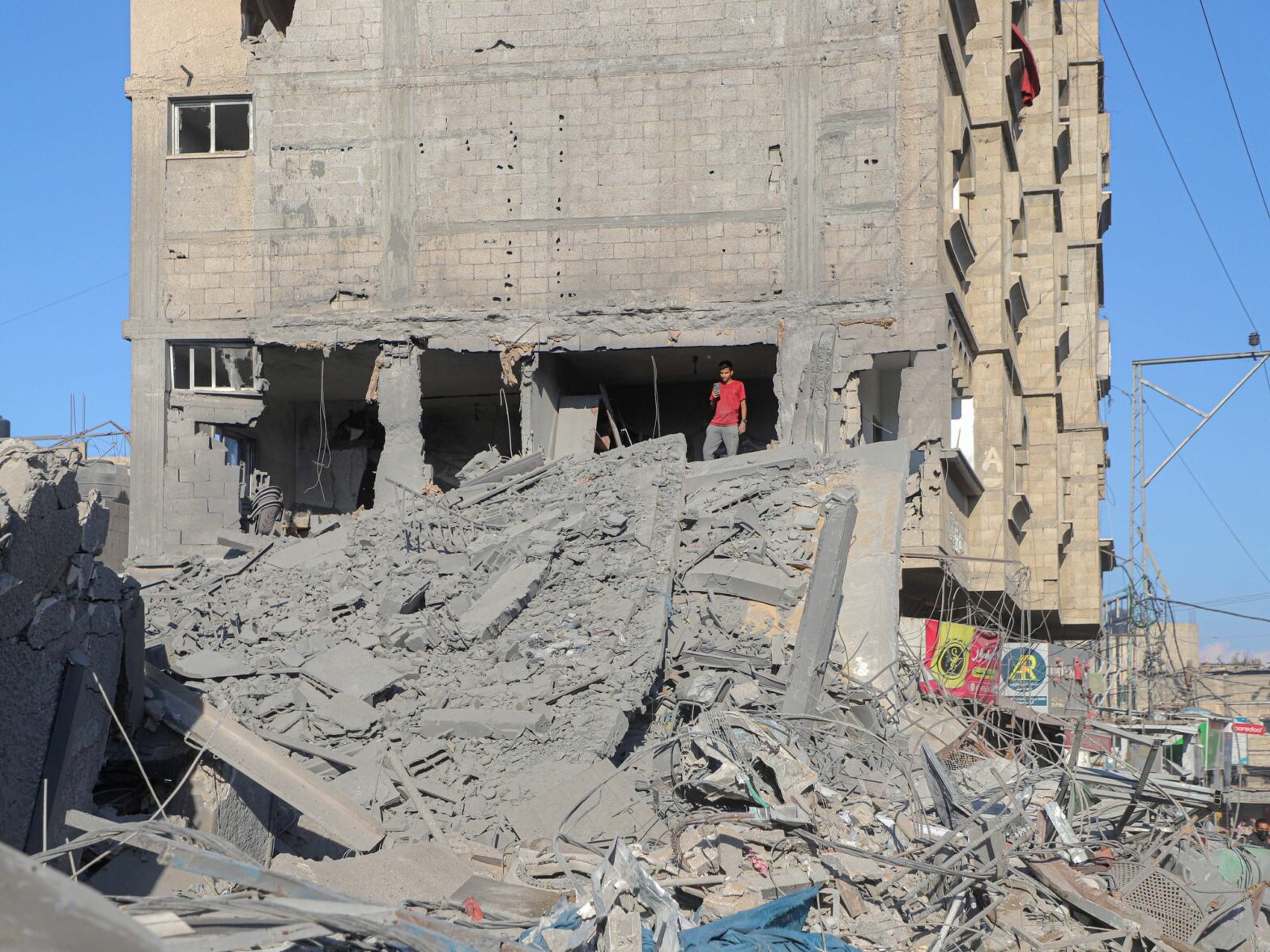
A five-day ceasefire deal in the Gaza war appears imminent. In the past, such provisional truces sometimes turned permanent. But is this time different?
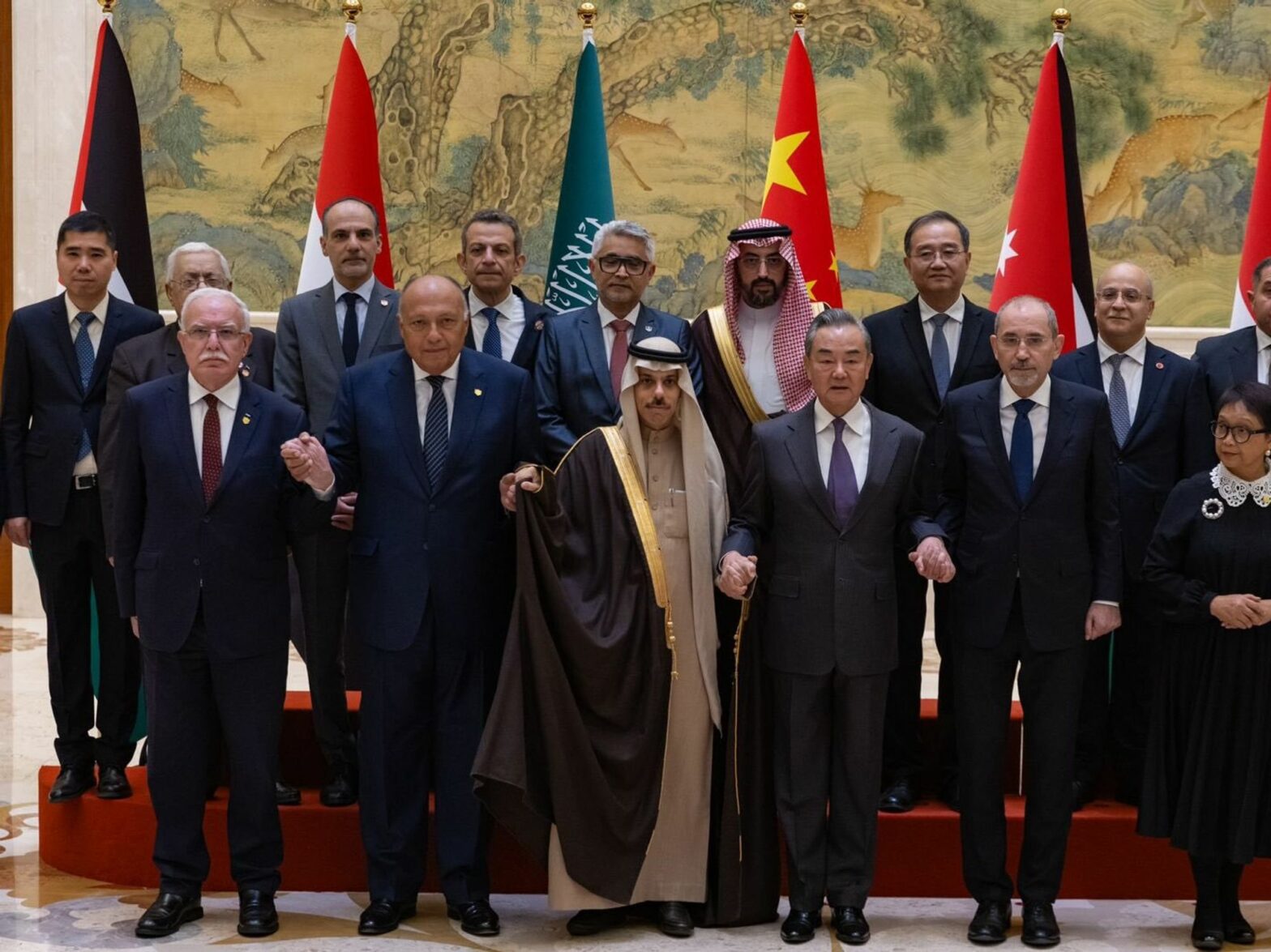
Frustrated by the United States’ unwavering support for Israel’s war on Gaza, Arab governments have looked at other options to help establish a ceasefire before it becomes too late. First stop: Beijing. Moscow’s role may be more obscure, but no less essential, in building a global coalition that counters the West’s stance.
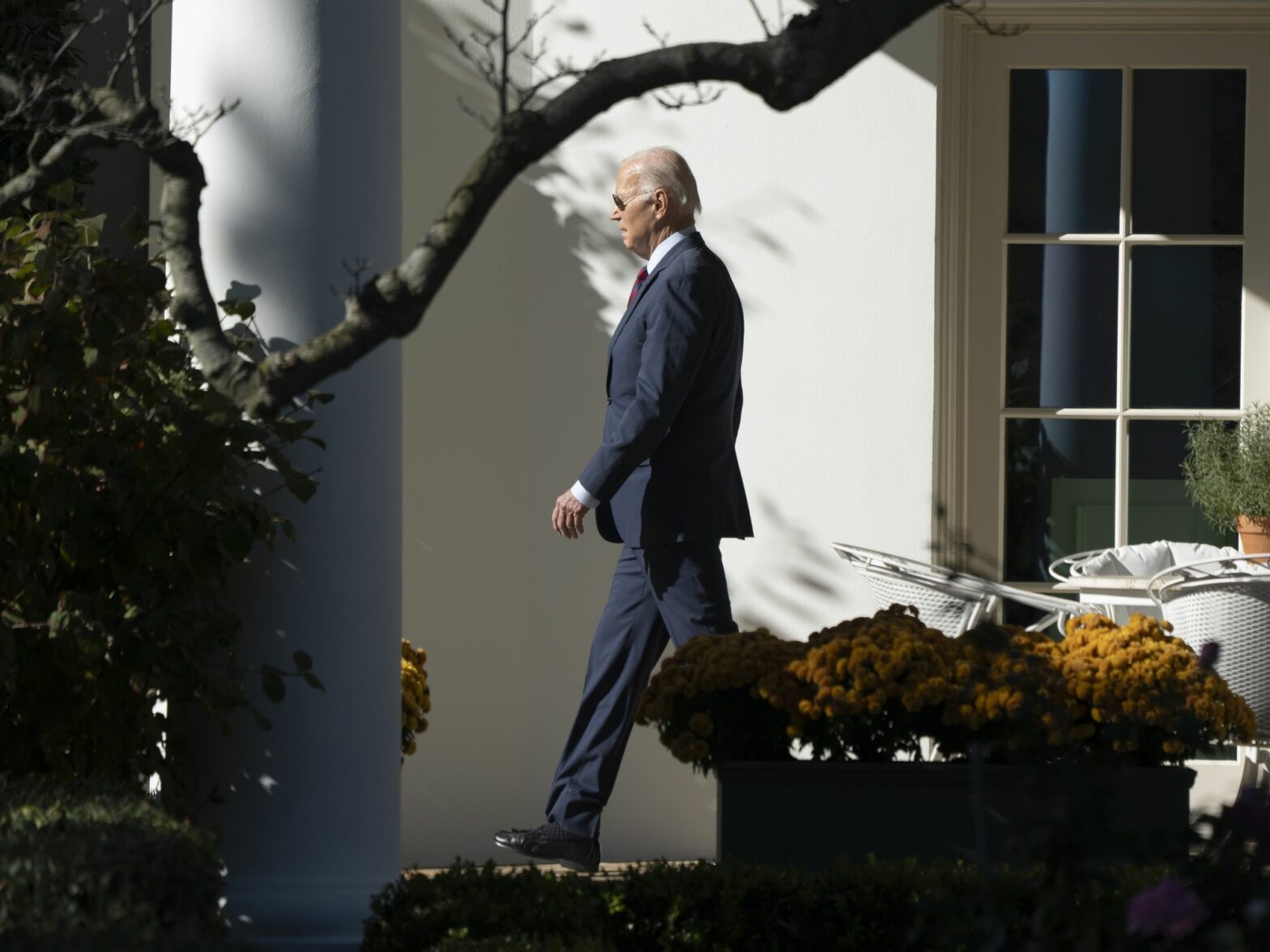
Challenged back home, U.S. President Joe Biden has just published an op-ed in the Washington Post in which he outlines a future for the Palestinian territories that’s different from the one envisaged by Israeli Prime Minister Benjamin Netanyahu, and threatens violent settlers in the West Bank with sanctions. But where are the teeth?

Authorities in Moscow continue to struggle to stem the tide of data breaches from hackers inside and outside Ukraine, who have been one of the unsung heroes in the resistance to the Russian invasion.
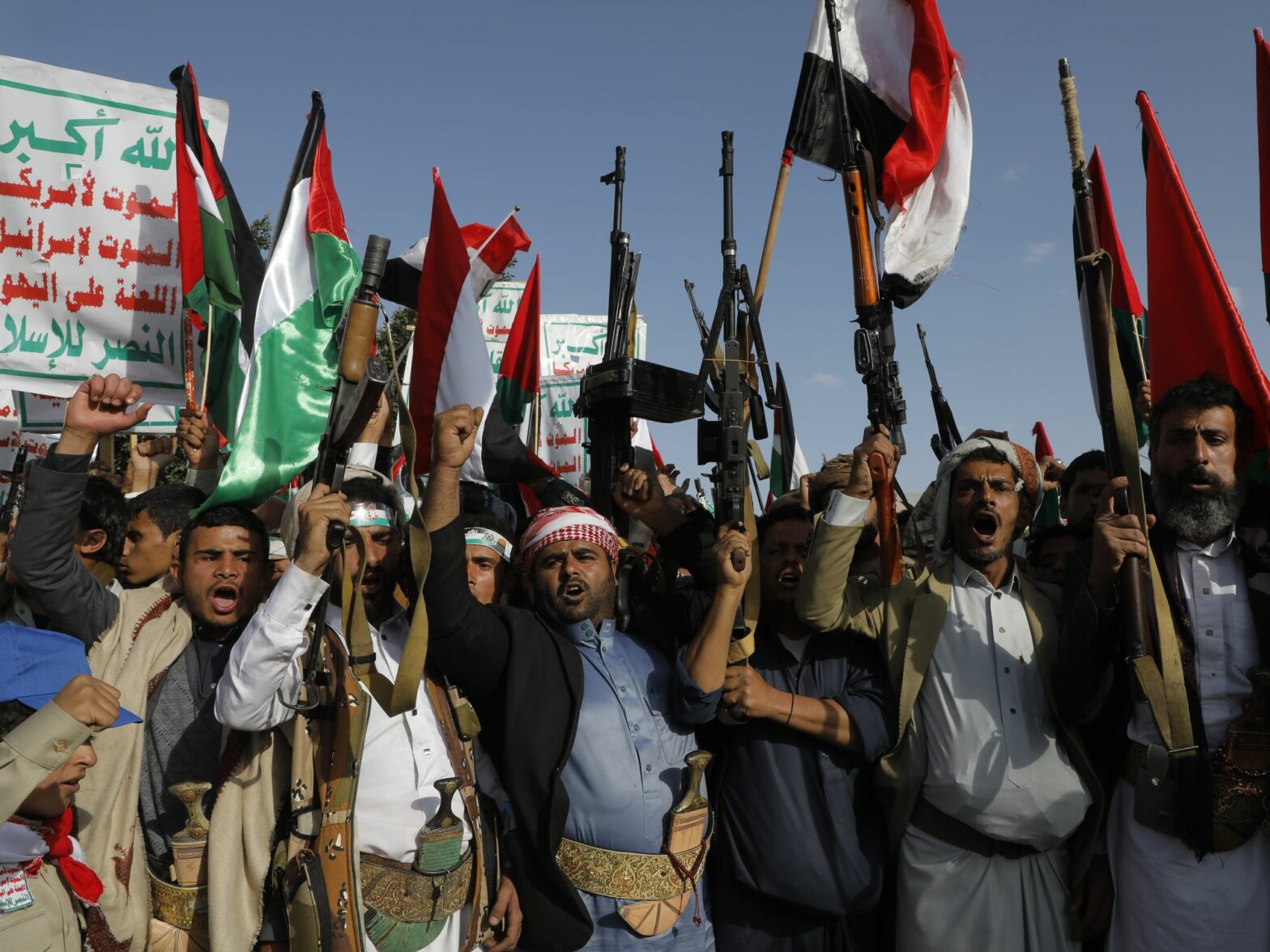
The Iran-backed Yemeni rebel group Houthis have seized a vessel in the Red Sea’s shipping route and took the ship’s 25 crew members hostage. It’s just the latest sign that the spillover from Gaza may arrive first from the south.
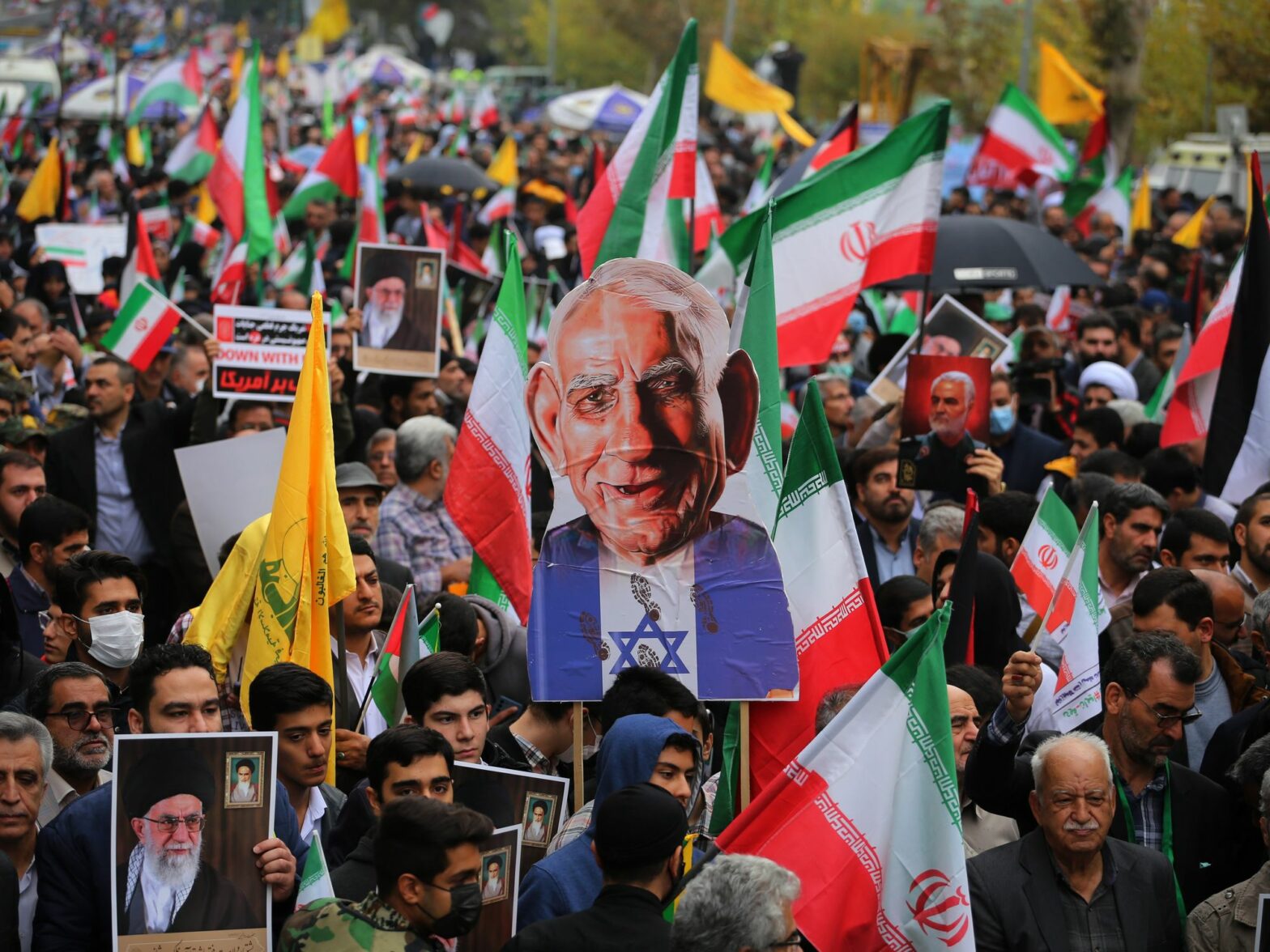
Iran this week has reaffirmed its full support for Hamas, issuing new threats to escalate with more attacks like Oct. 7. This came after some in the region had criticized Iran for now joining the fray directly. With the rising rhetoric, Iran can’t stay passive forever.