-Analysis-
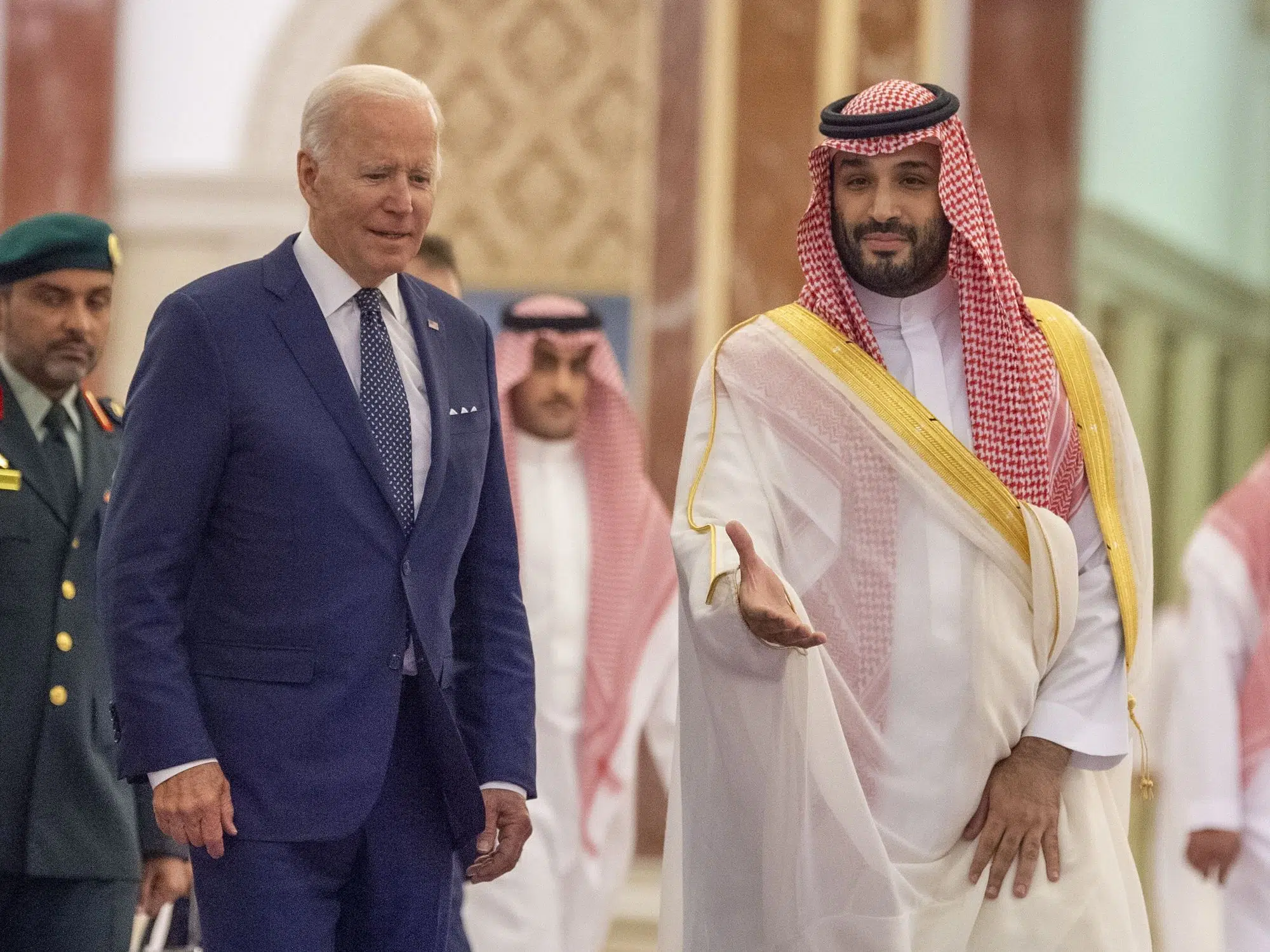
CAIRO — Since the very early days of the Israeli war on Gaza, there has been widespread talk about the “grand bargain” that U.S. President Joe Biden wants to strike in the Middle East, which in part could improve his chances in November’s elections.
The backbone of this ambitious deal would be Saudi Arabia’s recognition and normalisation of diplomatic ties with Israel, in exchange for the return of the Jewish State to peace negotiations to settle the Palestinian-Israeli conflict based on the two-state solution.
For the latest news & views from every corner of the world, Worldcrunch Today is the only truly international newsletter. Sign up here.
Over the past seven months, Saudi Arabia has grown even more insistent on the demand for a Palestinian state, a step up from their pre-war push for improving the living conditions of Palestinians in the West Bank and Gaza.
No matter how severe the iron fist of the Saudi security system may be in controlling its population, outrage among Saudis over the Israeli genocidal crimes cannot be ignored — mirroring the dynamic observed in other Arab countries, as well as elsewhere in the world.
Thus, the establishment of a Palestinian state, by now, is the only condition from the Arab world that will suffice for the normalisation of relations with Israel. It is important to remember that the Saudis remain fundamentally conservative, despite all the modernization efforts undertaken by Crown Prince Mohammed bin Salman, known in the West as MBS.
According to the presumed deal, Saudi Arabia, to which Muslims from all over the world make pilgrimages, would recognize Israel and join an Arab-American-Israeli alliance to confront the common archenemy, Iran. In return, the U.S. would strike a strategic security agreement with the Saudis that would include defending the oil-rich country militarily, as well as assisting it in launching a peaceful nuclear program.
But opposition to Saudi Arabia starting a nuclear program is strong, and not limited to Democratic lawmakers who were supporting Biden’s calls during his election campaign to “isolate” the Kingdom and MBS, over its involvement in Yemen, its human rights record, and the killing and dismemberment of Saudi journalist Jamal Khashoggi.
Israel’s far-right and the two-state solution
Israel also has its strong reservations about Biden’s “grand bargain” scenario. Just seen by his behavior since Oct. 7, Netanyahu is showing that normalizing relations with Saudi Arabia is no longer a priority at this stage. Indeed, for the moment, it seems out of question for Israel to pledge, even verbally, to work to establish an independent Palestinian state.
Polls indicate that the majority of Israelis currently support continuing revenge against the Palestinians in Gaza, and reject the establishment of a Palestinian state. The growth of right-wing influence inside Israel and Netanyahu’s own history of thwarting all attempts to establish a Palestinian state will make Biden’s efforts even more difficult.
Indeed, the Israeli prime minister has spent years actively consolidating the division between the Palestinian Authority and Hamas, and the steady expansion of settlements over his watch in the occupied West Bank and Jerusalem makes the prospects of establishing a Palestinian state harder every day.

Peace put aside
With the tumult of the Arab Spring, and the Arab countries’ preoccupation with internal challenges, global interest in resolving the Palestinian conflict with Israel had been declining for more than a decade before Oct. 7.
Netanyahu adopted a policy of “conflict management” with the Palestinians
Netanyahu raised the slogan “peace for peace,” considering that normalization with the Arabs no longer required withdrawal from the Palestinian territories and the establishment of a Palestinian state. It had become firmly established among Israelis that the Palestinian issue was no longer a priority for anyone. That led to the building of the apartheid wall in the West Bank (the West Bank Barrier), and the developing of the Iron Dome system to intercept rockets launched from Gaza.
Through the various governments he formed, Netanyahu adopted a policy of “conflict management” with the Palestinians, offering funds as temptations, without acknowledging their right to establish their independent state.
So neither before nor after Oct. 7 Netanyahu has show any outward interest in Biden’s “grand bargain.”
A gift for Trump
The focus in the media is on criticizing Netanyahu and portraying him as the only obstacle to peace. Yet, Benny Gantz, who is a frontrunner to succeed Netanyahu, and whom the U.S. prefer to deal with, is no less rigid than Netanyahu in rejecting the establishment of a Palestinian state.
Saudi Arabia has called on the United States to delay the normalization talks
Gantz expressed this position openly in a press conference held this week, where he threatened to resign from the War Cabinet unless a plan for post-war Gaza is announced by June 8.
Saudi Arabia has called on the United States to delay the normalisation talks with Israel since there are no interlocutors in Israel ready to consider a Palestinian state as of now. And Bin Salman is unlikely to help Biden in an election year, given Biden’s hostile stance towards the Saudi Crown Prince at the beginning of his term.
Indeed, most believe that MBS would much rather offer his ultimate gift to the world (Saudi-Israeli normalization) to Donald Trump, who will return to the White House next year according to polls.