
-Editorial-
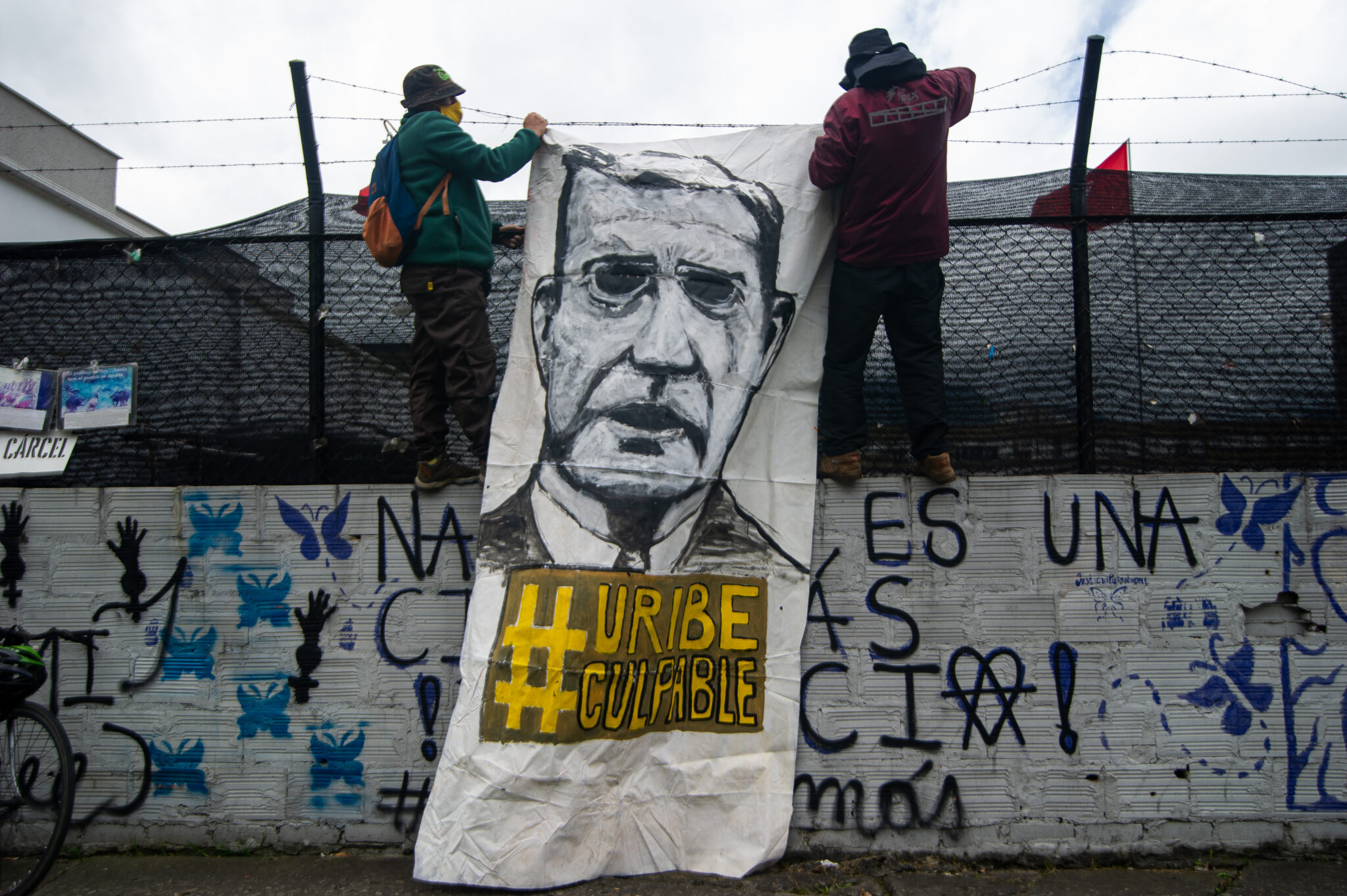
BOGOTÁ — At best, U.S. Secretary of State Marco Rubio’s message — criticizing the conviction of former Colombian President Álvaro Uribe in a bribery trial on Monday — shows profound ignorance about how the separation of powers works in Colombia, or in any democracy for that matter.
At worst, Rubio is doing the same thing as his boss, U.S. President Donald Trump, who calls any investigation against his allies political persecution and has spared no effort to stigmatize the judges who have sought to counteract his own administration’s abuses.
In any case, what is unacceptable is that the U.S. government should seek to interfere in the Colombian justice system or promote trampling on a basic principle of our rule of law.
We knew that the decision against Uribe — the first former Colombian president to be found guilty at trial — would cause polarization in Colombia. It was to be expected in a country where public debate has been held hostage for years by extremes and a lack of judgment when facing complex realities.
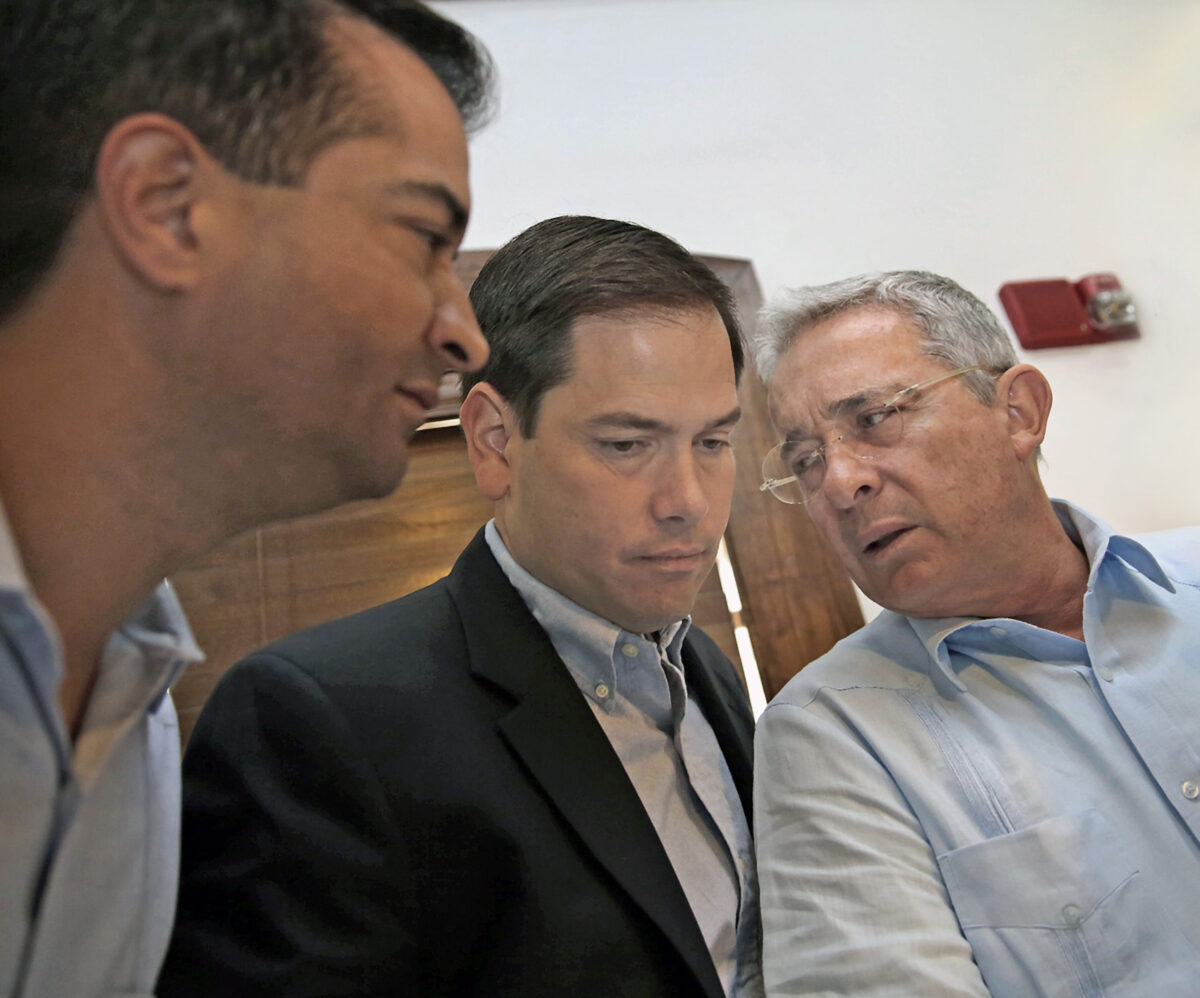
What is unprecedented, and must be rejected by all political forces, is that our main commercial and political ally decides to meddle in our sovereignty with false, dangerous and downright offensive claims. That, no more nor less, is what Rubio did, and what some other U.S. congressmen have echoed. By doing so, they believe they are defending a political leader, when they are merely undermining Colombian democracy and institutions.
Several corrections
When Judge Sandra Heredia handed down the ruling, Rubio posted a brief message on his X account, stating that “Former Colombian President Uribe’s only crime has been to fight tirelessly and defend his homeland. The weaponization of Colombia’s judicial branch by radical judges has now set a worrisome precedent.”
If this were a simple opinion, it would not merit further comment. But as the representative of U.S. foreign policy, it is important to correct the secretary on several counts.
No one is above the law, regardless of their ideology.
These are not radical judges. The Uribe case began with an investigation by the Supreme Court of Justice, a high court respected for its independence and autonomy, and composed of judges elected under clear rules. Later, two different judges of the Republic, also elected according to our rules and with long careers in the administration of justice, found that there was sufficient evidence against the former president to move forward with the case.
Judge Heredia, who ultimately issued the sentence, conducted a careful trial, broadcast live via streaming for the entire country to see and with the presence of more than 100 witnesses, guaranteed a technical defense, and with clarity on all the arguments used.
Rule of law for all
Furthermore, the case does not end there. The former president can appeal, as his defense has already announced it will, and his case will be reviewed by a Higher Court made up of three judges, also respected and with long careers. This isn’t a worrying precedent, but rather justice acting as it should.
There are no kings in Colombia. Our 1991 Constitution, with all its flaws and room for improvement, has sought the separation of powers and an independent judiciary. Due process is a fundamental right guaranteed to all.
Former president Uribe has had and continues to have every right, but the judges found that the actions of one of his lawyers and himself constituted crimes. Given this, the conviction is not a radical act but a logical outcome. No one is above the law, regardless of their ideology. The United States used to understand this essential principle of the rule of law.