

-Analysis-
PARIS — The polls failed to predict the victory of Javier Milei in the mid-term elections, a fact that makes his success all the more striking.
The Argentine president, nicknamed “the man with the chainsaw,” was hardly taken seriously when he first came to power two years ago. Now, he shows little modesty about his success: “The Argentine people have decided to leave behind a hundred years of decadence,” he declared.
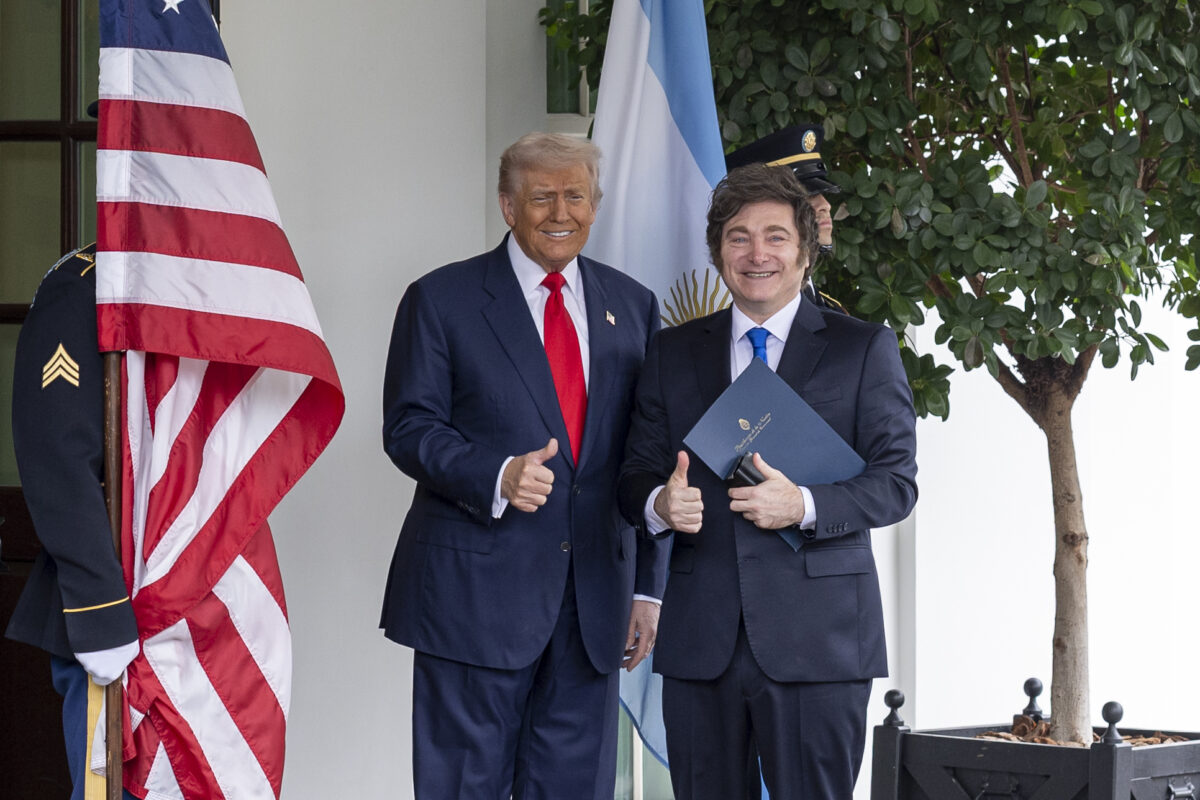
Donald Trump was the first to offer congratulations — unsurprising, perhaps, given his role in Milei’s success. Just two weeks earlier, the U.S. president pledged $20 billion in financial aid to help Argentina through its economic crisis. But there was a catch: the money would only come if Milei won the midterm elections. How much did this “carrot” influence voters’ decisions? It may well go down as the most expensive case of “vote buying” in history.
Trump has made Milei his chief ally in Latin America, a region to which he now pays particular attention, as shown by increased U.S. military activity off the coasts of Venezuela and Colombia. His success with Milei is likely to embolden him to expand his influence across the continent, pushing back against the left and countering China’s growing presence.
Still, it would be a mistake to attribute Milei’s victory solely to Trump’s promise of financial aid, even if the two men share a clear ideological kinship.
To understand Milei’s enduring appeal, one must look at the formula behind the libertarian president’s success — an ideology that seeks to dismantle the state in the name of freedom, starting with deep cuts to social programs.
Shock therapy politics
Like Trump, Milei seems untouchable: scandals among his entourage, protests from pensioners watching their savings erode, or his own stream of insults and provocations — none of it seems to stick.
Despite hardships, many voters continue to trust Milei to steer the country toward recovery.
Second, Argentina’s deep polarization works in Milei’s favor. He has demonized the Peronists — the left-wing populist movement, whose roots can be traced back to Juan and Evita Perón in the 1940s — blaming them for the country’s ongoing crisis. The historic decline of Peronism shows that a significant part of the electorate is willing to accept Milei’s bitter medicine.
One figure stands out in Milei’s record: inflation. It has dropped from nearly 300% two years ago to 32% in September. Still high, but the downward trend allows the Argentine president to claim he is on the right track.
Political elites
For now, his “shock therapy” continues, with nearly half the population living below the poverty line, particularly those who no longer receive the social assistance programs once put in place by the Peronists.
Despite these hardships, many voters continue to trust Milei to steer the country toward recovery rather than return power to leaders who were more socially minded but economically disastrous.
Elsewhere in the world — and even in Europe — supporters of radical movements similar to Milei’s are gaining ground. As in Argentina, they are fueled by a growing mistrust of political elites who have governed for decades without solving their nations’ problems. If Argentina teaches us anything, it is that the power of this rejection should not be underestimated, even when the alternative has yet to prove itself.