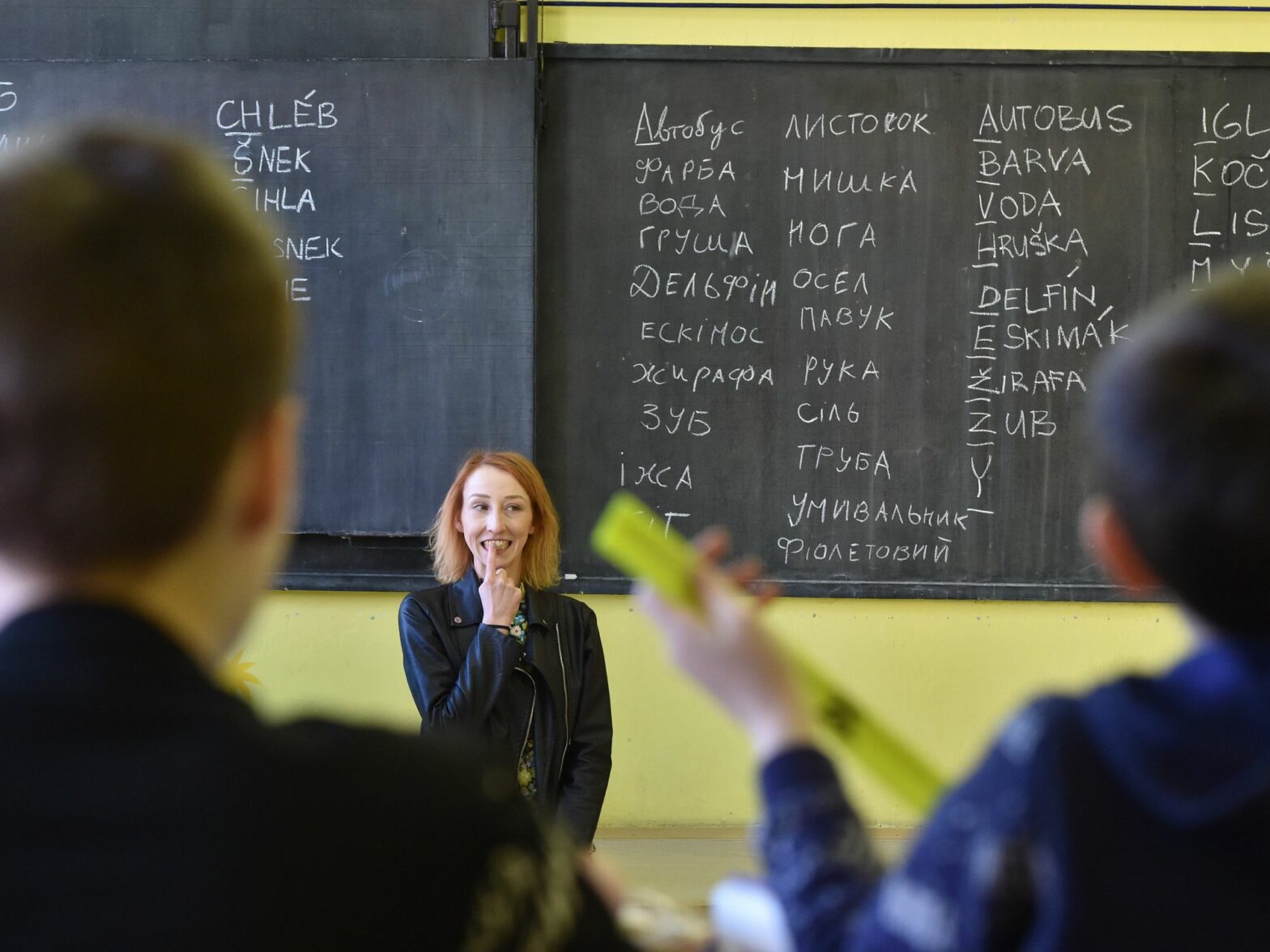
Russia’s full-scale war against Ukraine goes well beyond the battlefield. Russia is trying to destroy Ukrainian identity by imposing the Russian language in occupied areas, as a prime weapon in Moscow’s policy of “Russification.”
 Worldcrunch
Russia’s full-scale war against Ukraine goes well beyond the battlefield. Russia is trying to destroy Ukrainian identity by imposing the Russian language in occupied areas, as a prime weapon in Moscow’s policy of “Russification.”
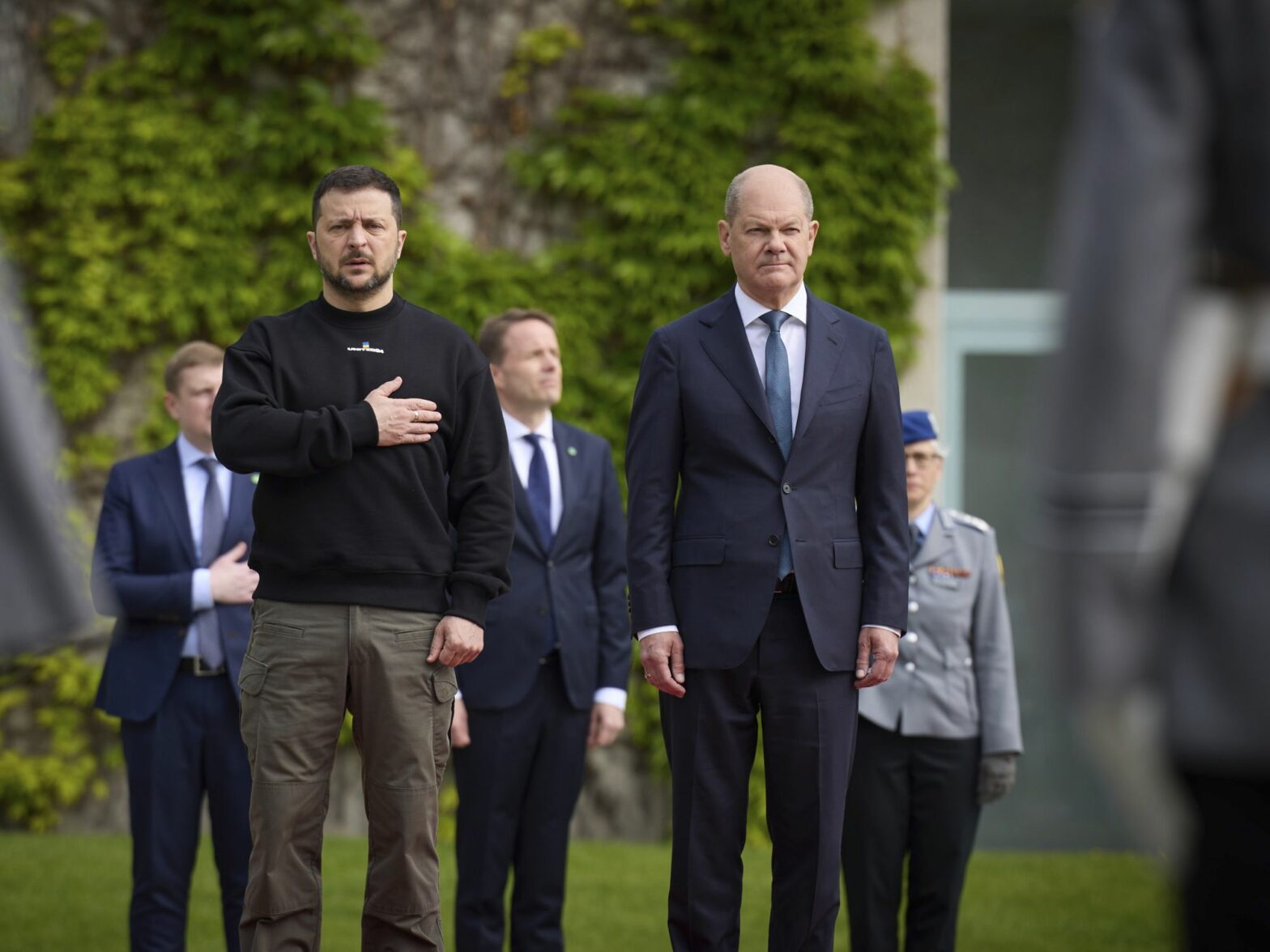
Ukrainian President Volodymyr Zelensky succeeded in securing massive stocks of weapons essential to Ukraine’s imminent counteroffensive — and, crucially, he laid the groundwork for Ukraine’s bid for NATO membership.
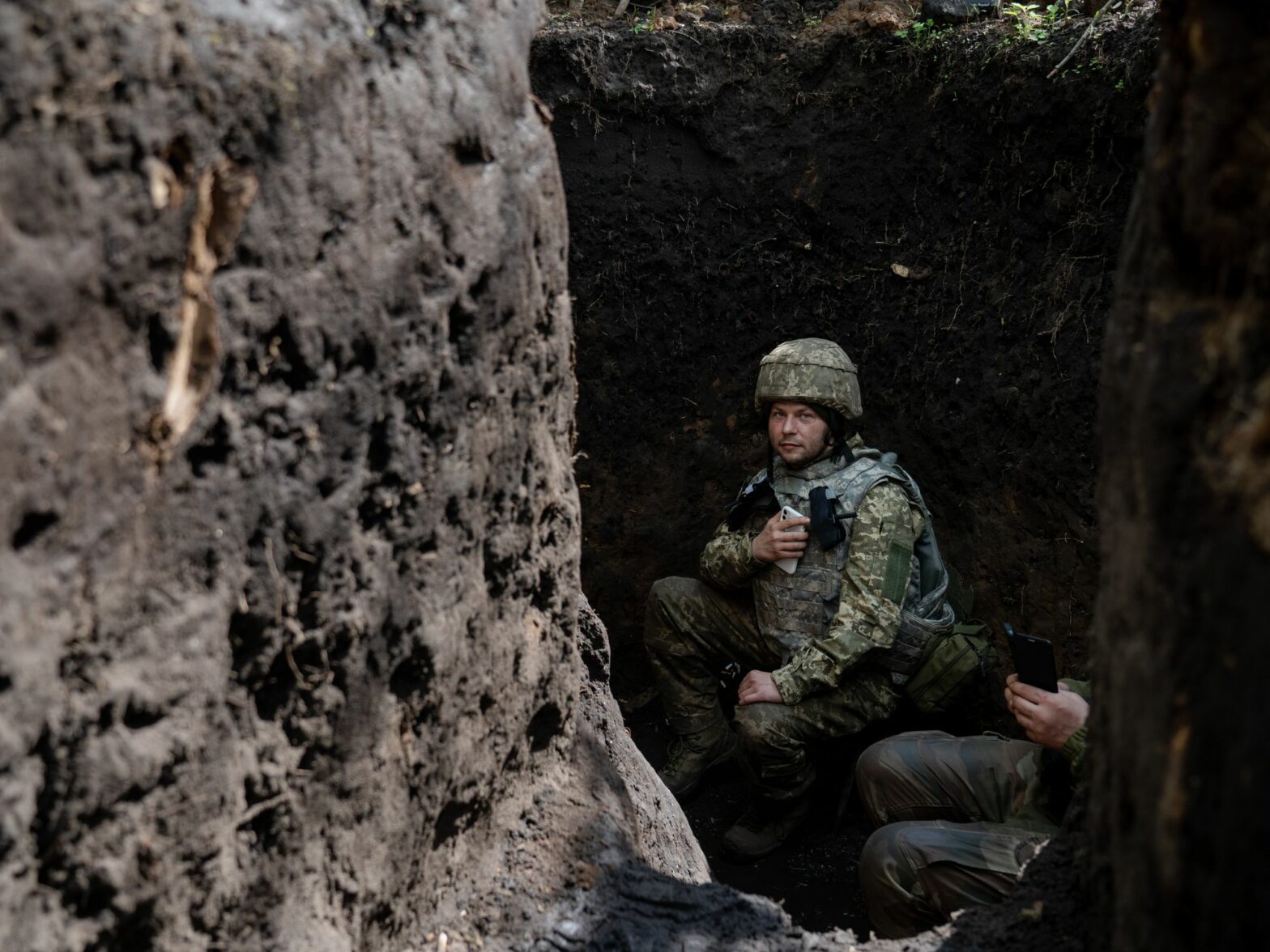
In the ambulances transporting the wounded to the field hospitals, in the vans traveling to the front or in the trains returning them home for a few days’ rest, the soldiers stationed on the Bakhmut front do not talk about military victories or war strategies. They talk about death, and life.
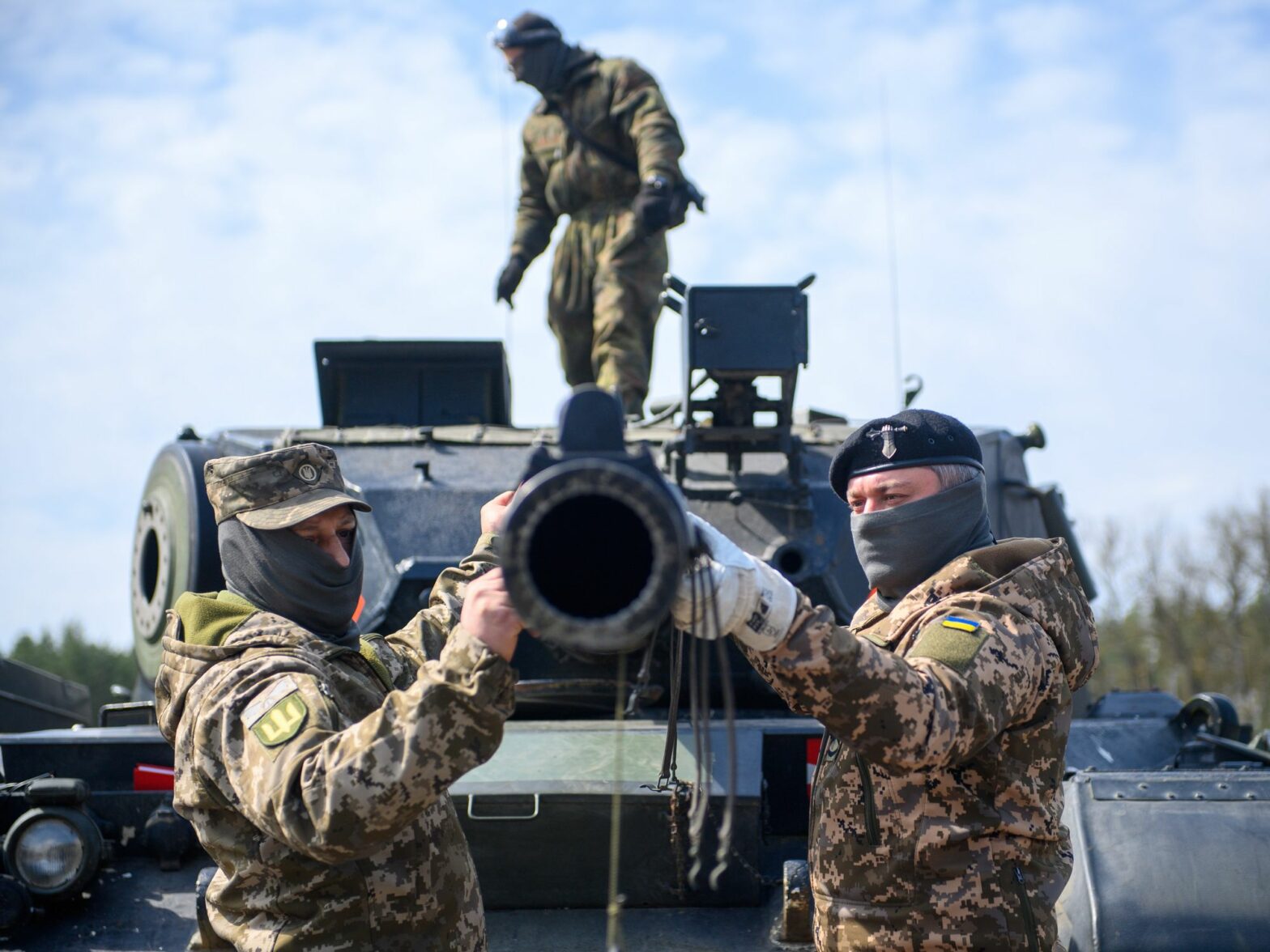
The West has been eagerly awaiting Ukraine’s counteroffensive, but is mistakenly convinced it will be a major tank assault. Kyiv has already launched the first actions, as it also tries to lower its allies’ expectations of rapid victory.
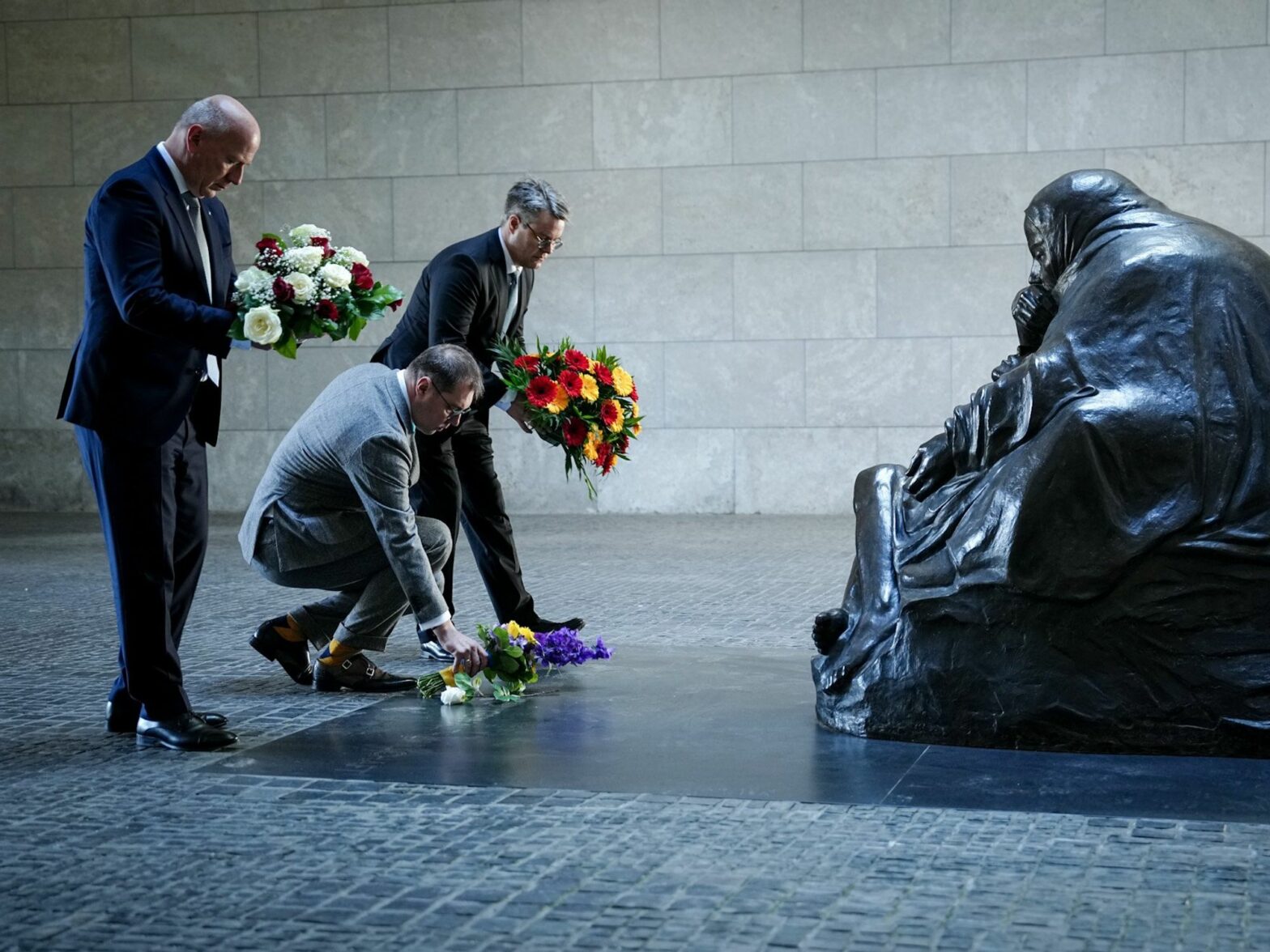
Russia has just celebrated its Victory Day over Nazism. It’s a good time to reflect on what retribution means, and how it’s not always black and white.
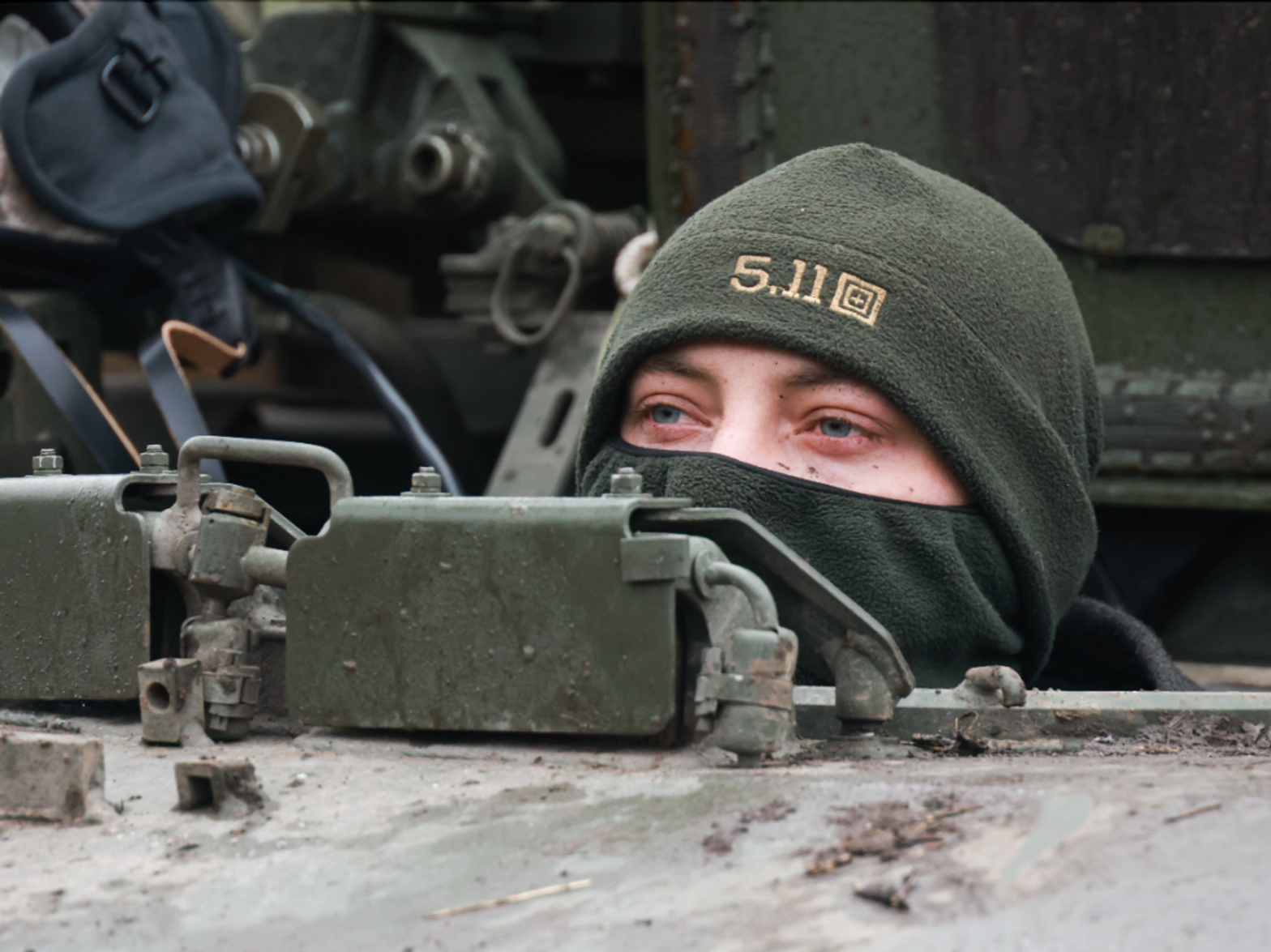
After its initial blitzkrieg failed, and with Ukraine gearing up for a counteroffensive, Russia sees its best hope in holding out for a protracted conflict. Kyiv, instead, is trying to convince its Western allies that achieving victory as soon as possible is the only path forward.
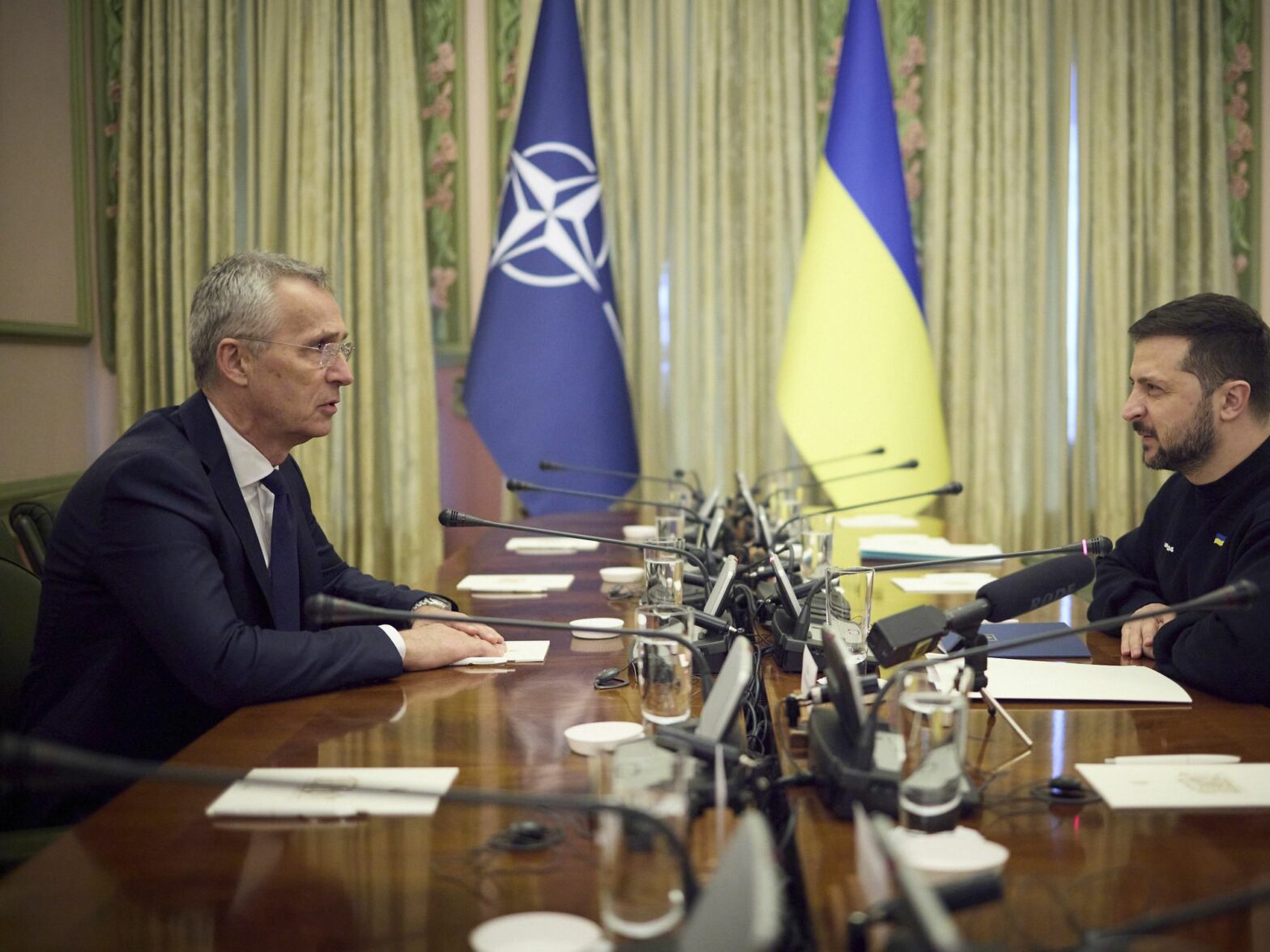
Ukrainian President Volodymyr Zelensky has accepted an invitation to attend the next NATO summit in July, but he will arrive with expectations that the alliance is ready to pave the way for the country’s accession to the military alliance, even as the state of the war itself remains crucial to the decision.
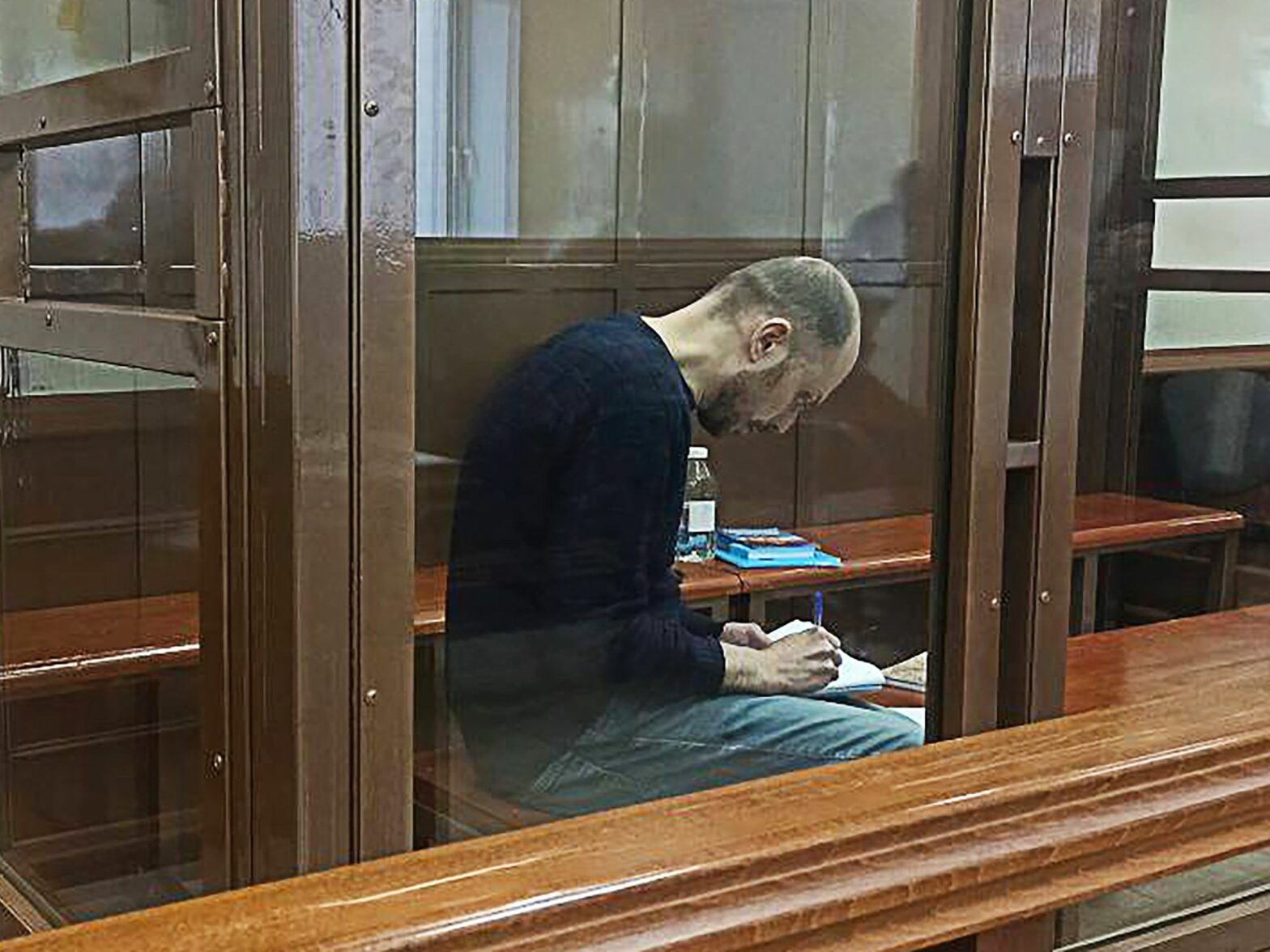
This week’s high-profile court cases, from the 25-year sentence of opposition leader Vladimir Kara-Murza to the prosecution of Wall Street Journal reporter Evan Gershkovic, look like a shift to totalitarianism. But they may also be a sign of a nation set to implode.
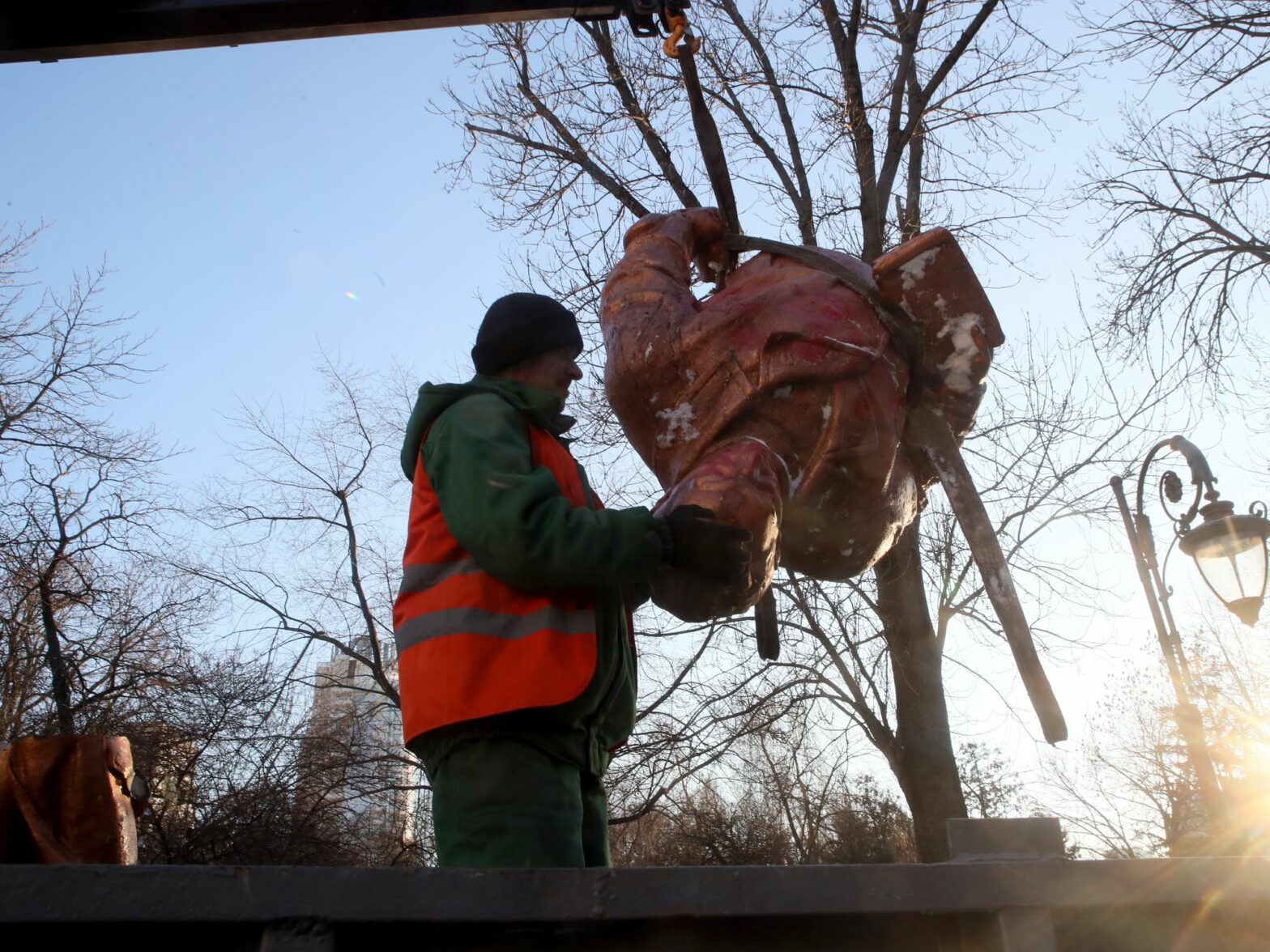
Since the beginning of the Russian invasion, Ukrainians have begun a radical revision of their cultural habits and beliefs, casting off the relics of Russian colonialism. How Ukrainians see themselves and their country’s past will directly affect how they fight for the future.
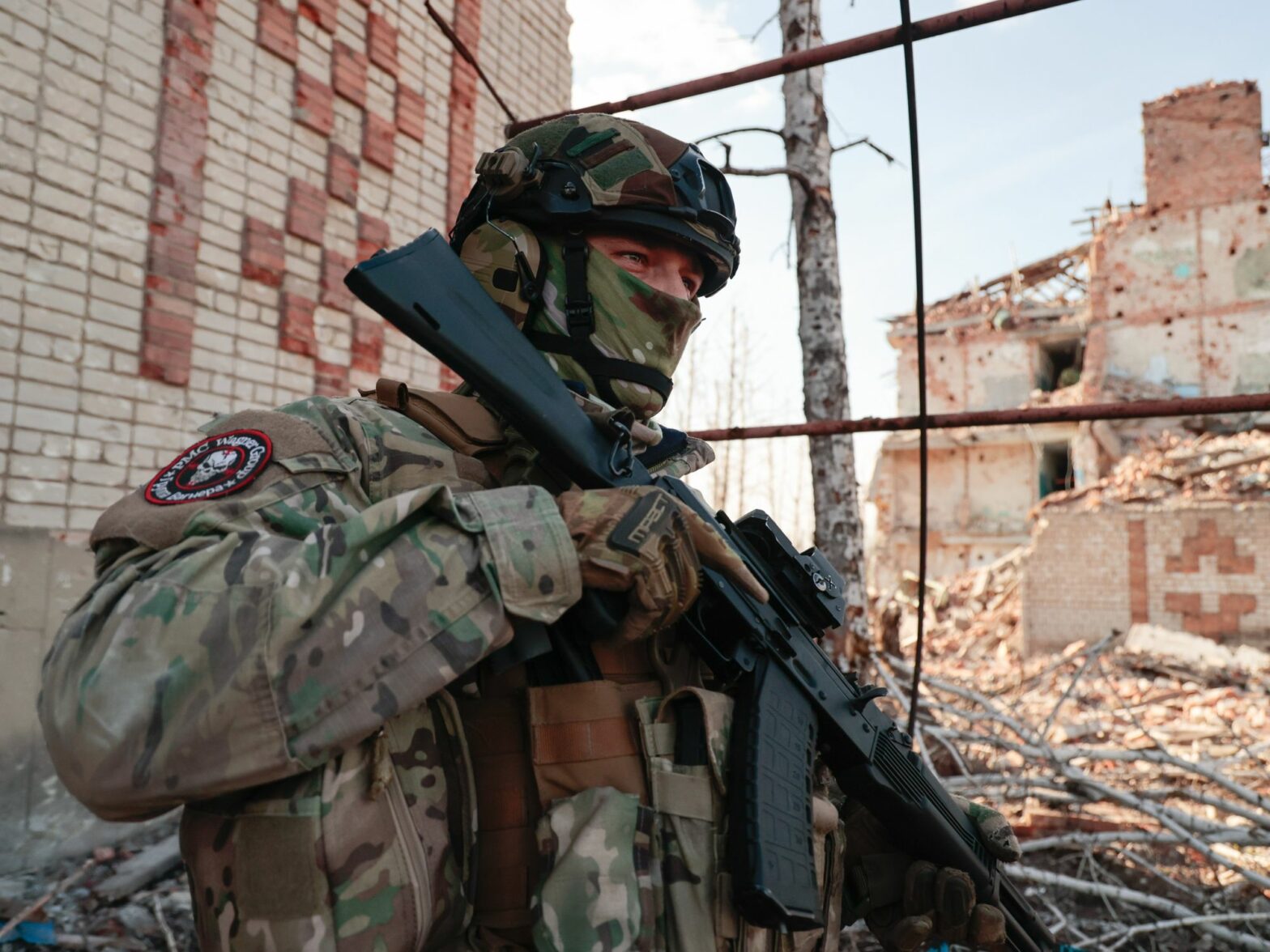
Even as Ukraine struggles to hold onto the last remaining bits of the eastern city, military experts say the official Russian military apparatus may have decided to rid itself of the Wagner mercenaries and bury them all in Bakhmut.
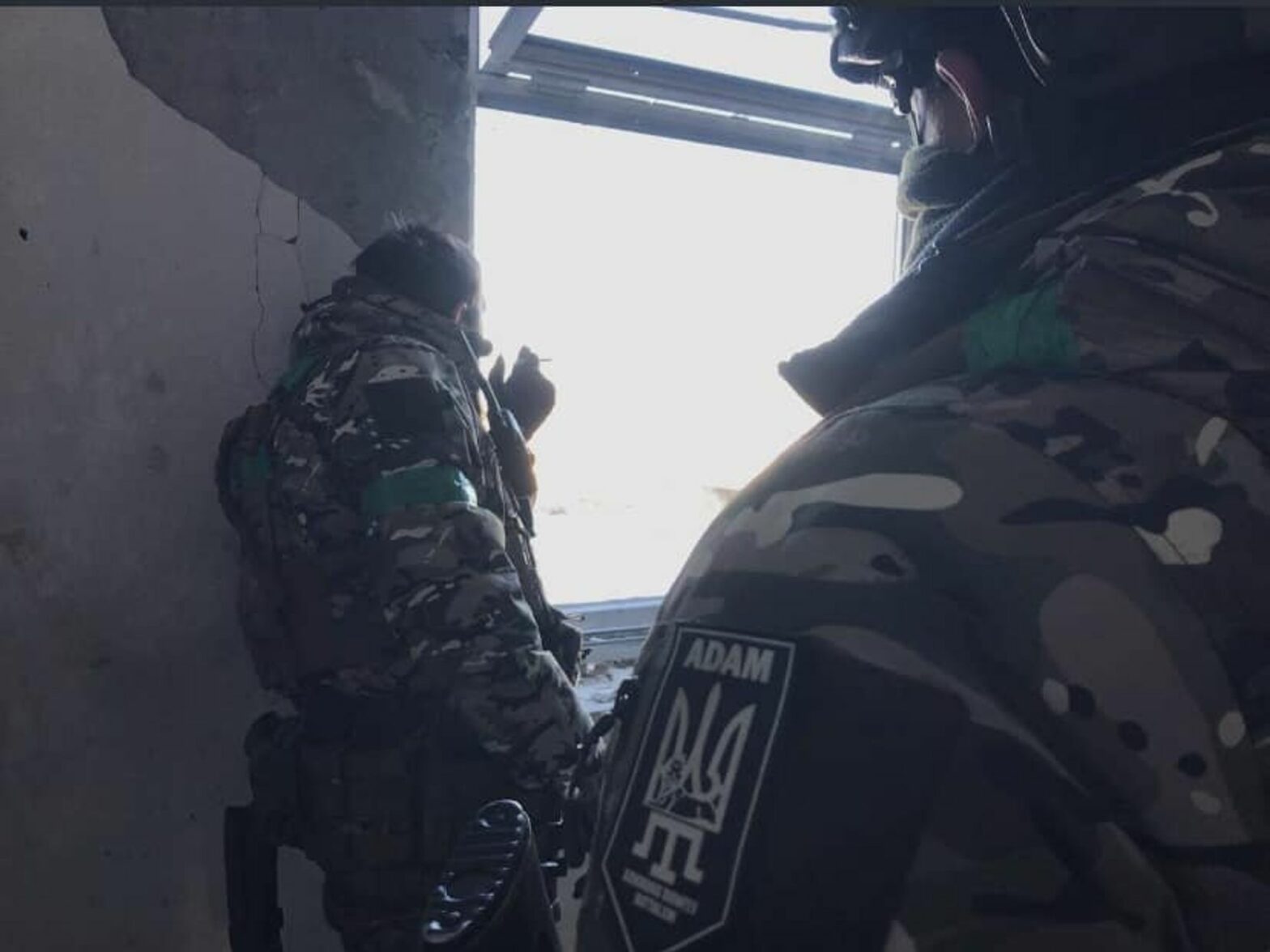
Thousands of foreign soldiers are fighting alongside Ukraine. German daily Die Welt met a Chechen battalion to find out why they are fighting.
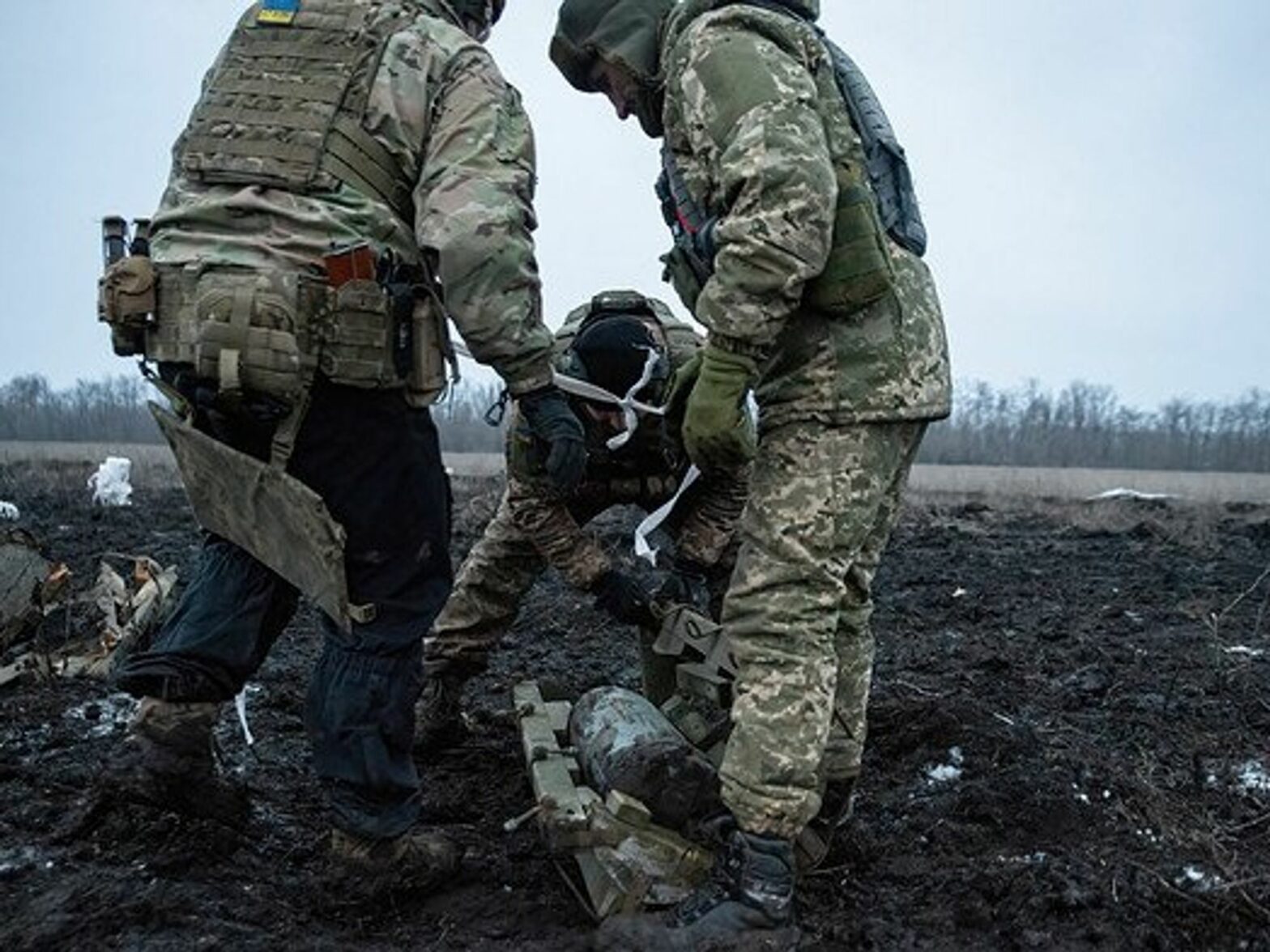
Tech billionaire Elon Musk has long been considered one of Ukraine’s key supporters, but he has just announced restrictions on the Ukrainian military’s use of his Starlink satellites. Die Welt spoke to soldiers on the front lines in Bakhmut who are already feeling the effects.
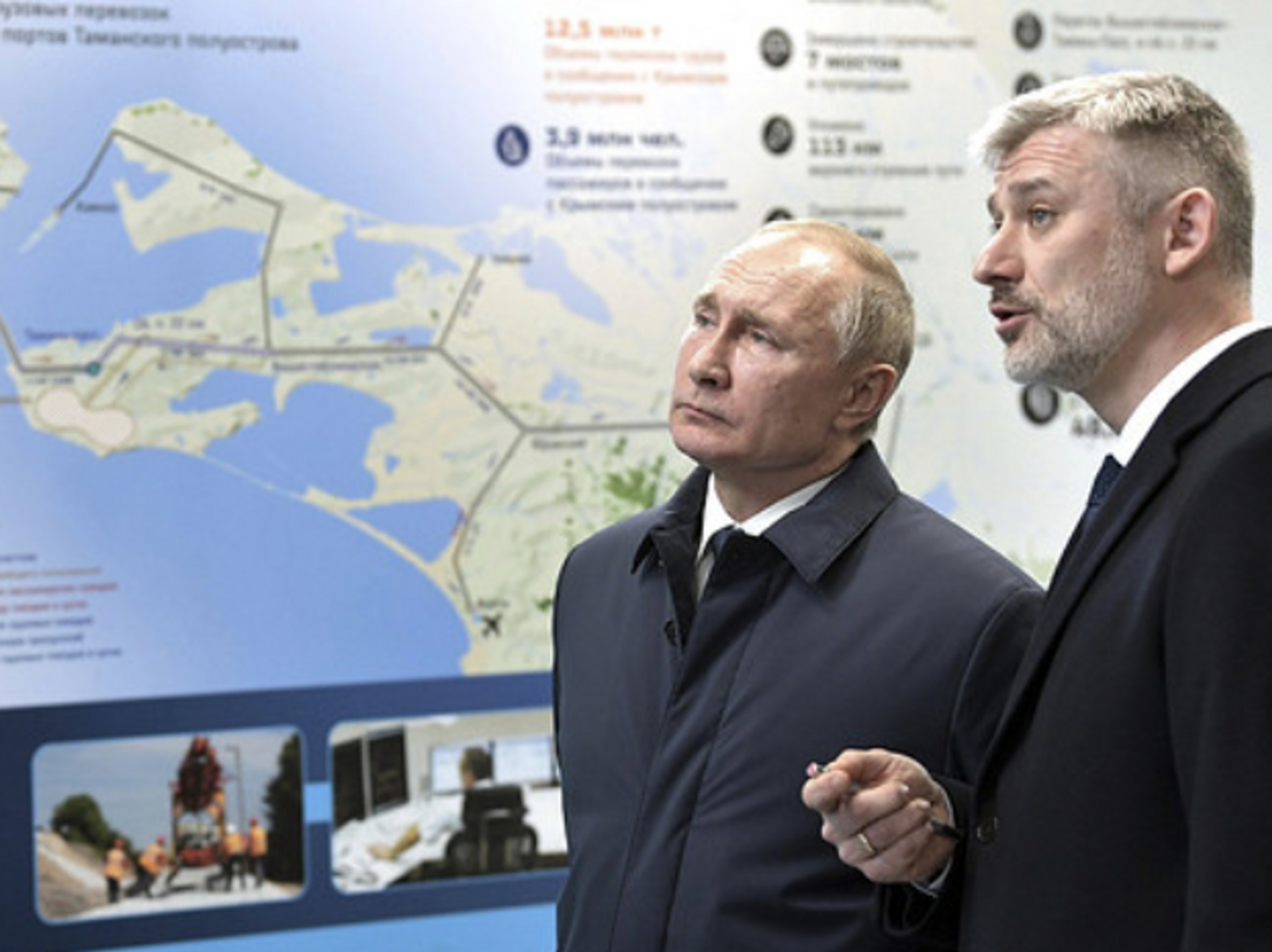
After the annexation of Crimea, the peninsula’s prized resources were identified and distributed among Russian oligarchs with connections to the Russian President, handing out everything from wine vineyards to hockey clubs to steelworks.
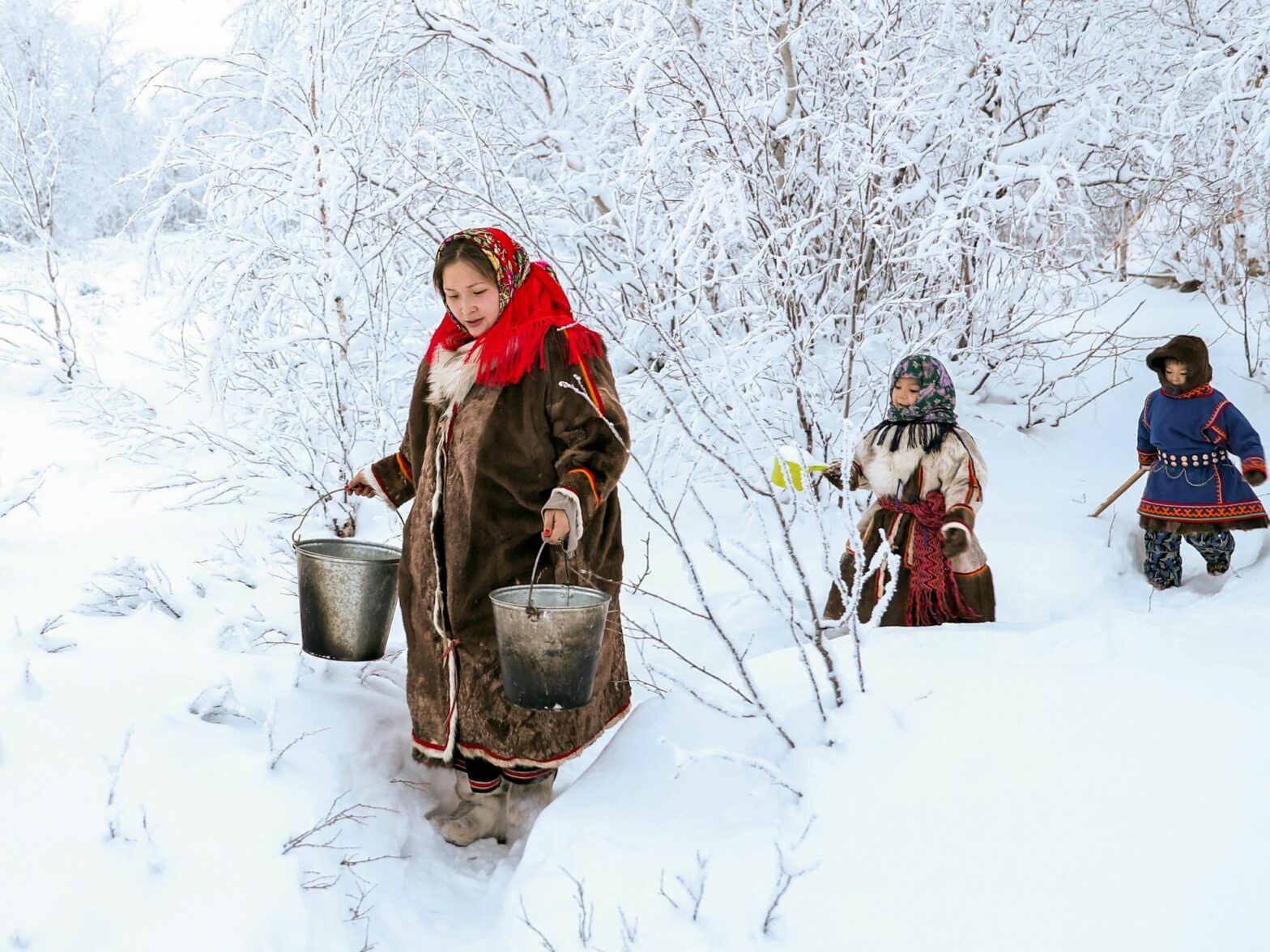
The number of indigenous people in Russia has been declining for decades, but the war in Ukraine has accelerated the trend. Already vulnerable, indigenous groups are more likely to be mobilized and bear the brunt of Western sanctions.
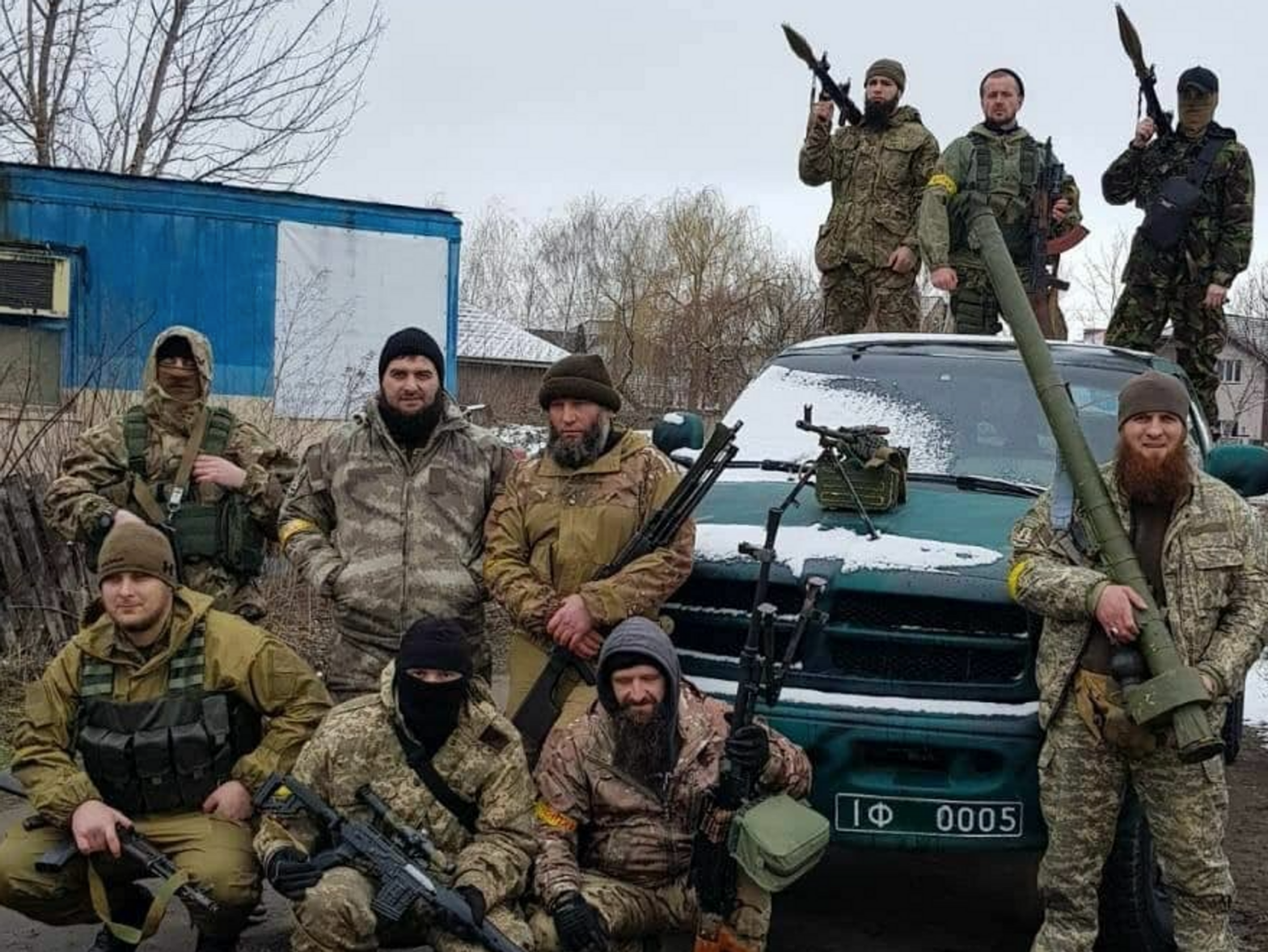
They came to fight Russia, and to avenge the deaths of their loved ones and friends killed in Chechnya. Not wanting to sit in the trenches, they’ve found work in intelligence and sabotage.
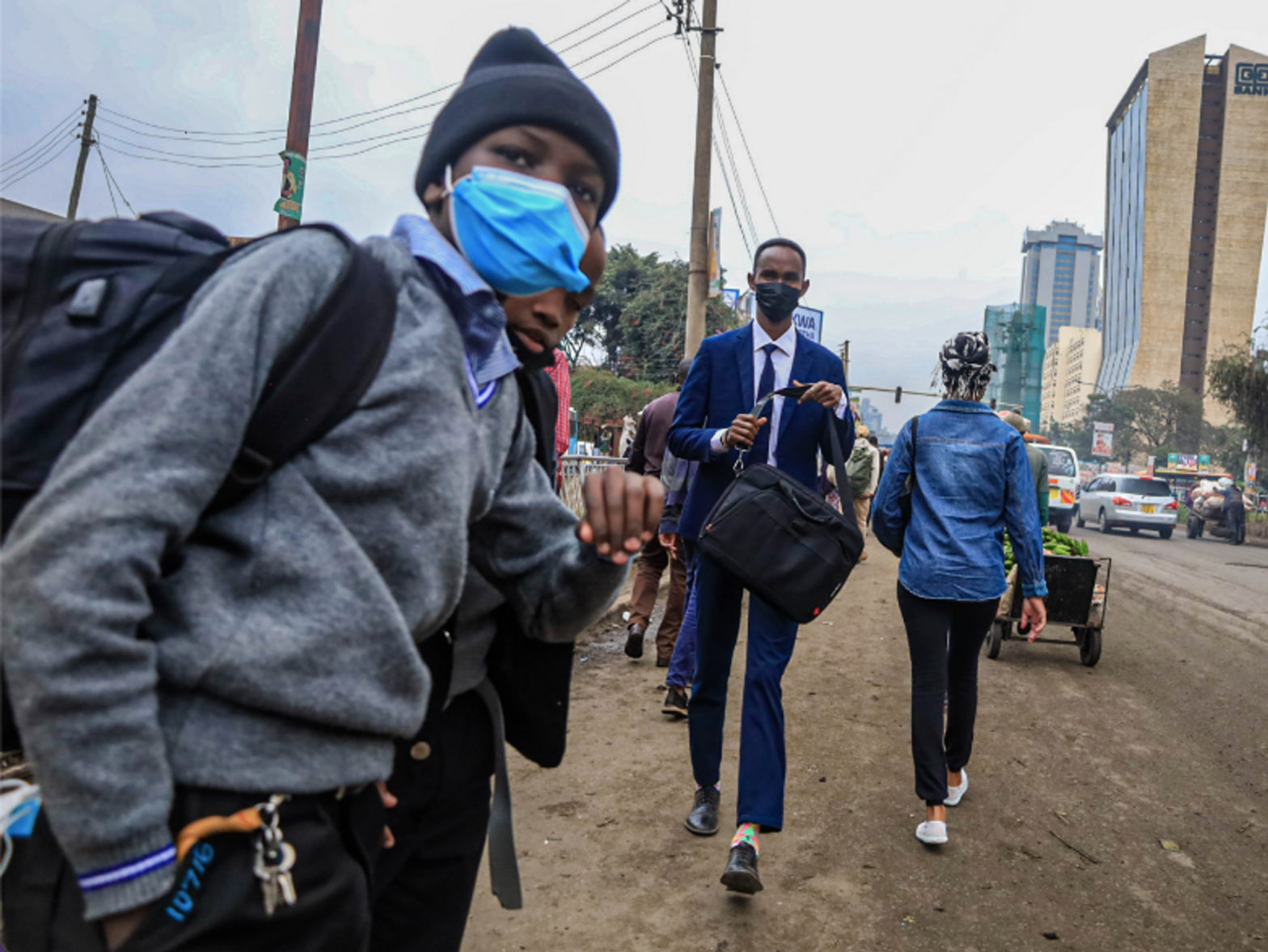
African countries have shown through the Ukrainian war that their support should not be taken for granted. Chinese, Americans, Europeans and others are competing for influence on a continent that has become a global prize.
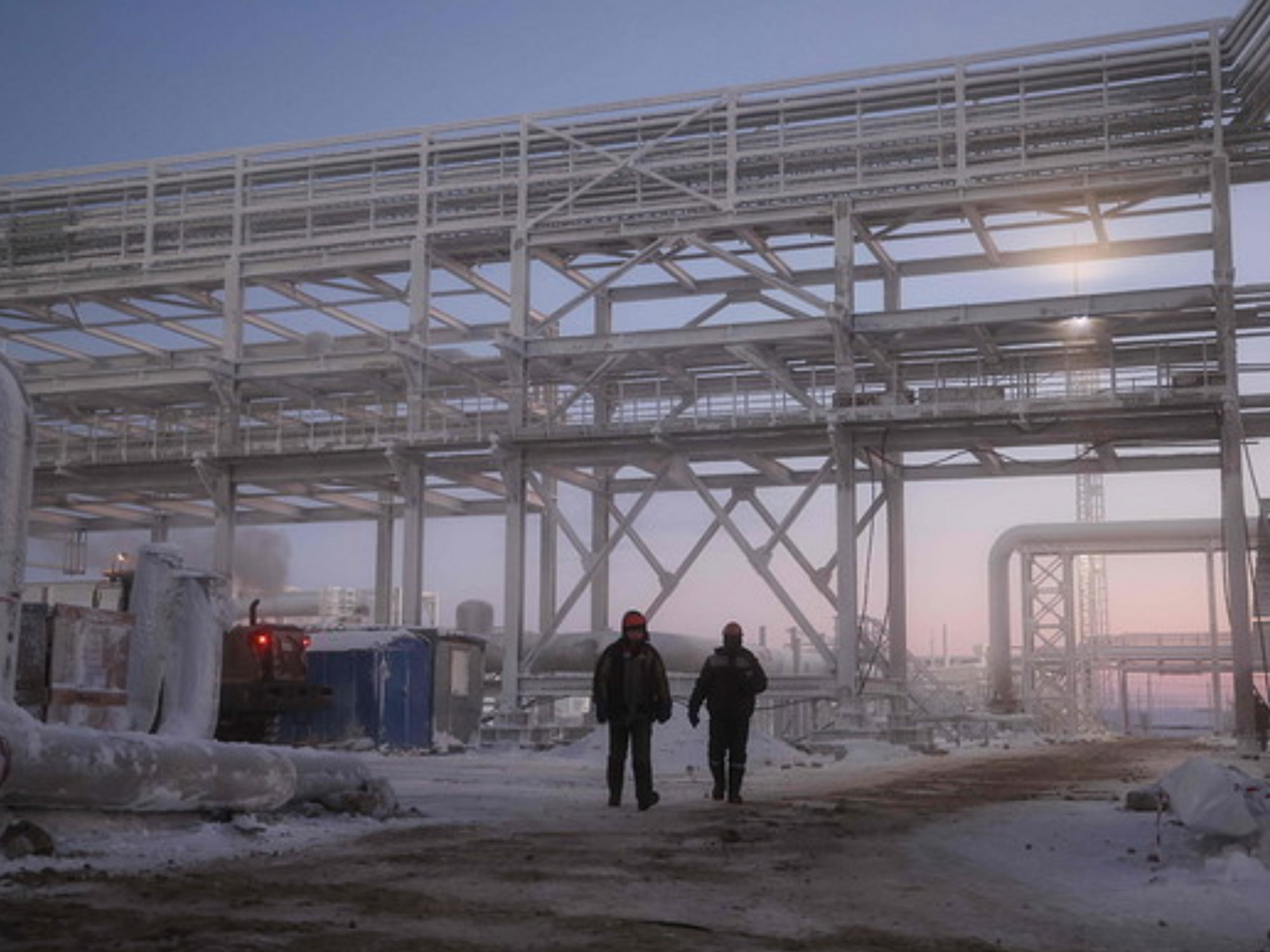
Russia owns 60% of Arctic coastline and half of the region’s population. In recent history, NATO has not been overly concerned with the defense of the Arctic region because the U.S. military has been focused on the Middle East. This is all changing since Russia’s invasion of Ukraine.
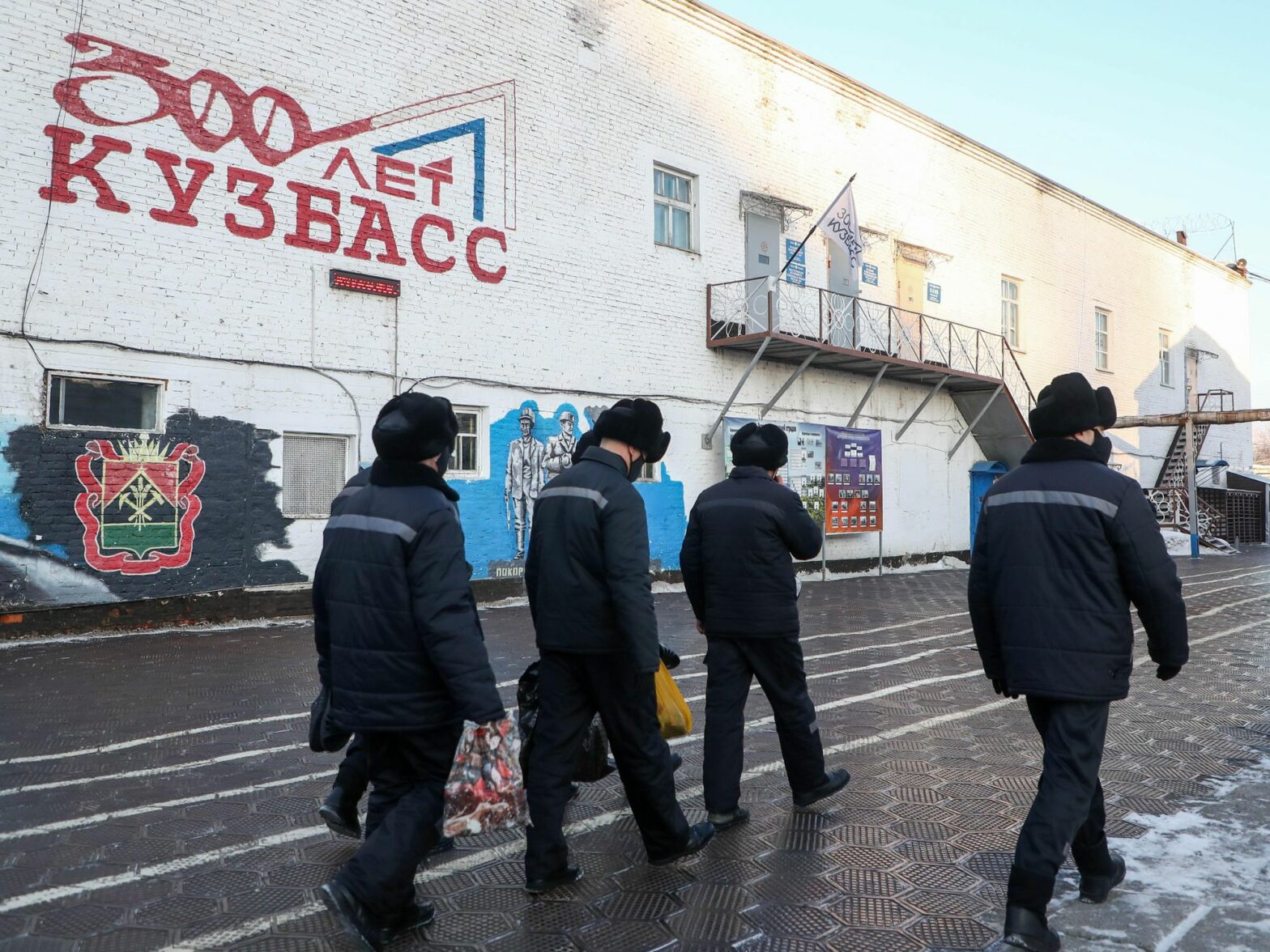
An inmate of the penal colony in the town of Kopeysk reveals the different ways convicts are recruited in the Russian mercenary Wagner Group, whose founder and Putin confidante Yevgeny Prigozhin personally sought the most violent criminals with vows to pay big sums and expunge their sentences.
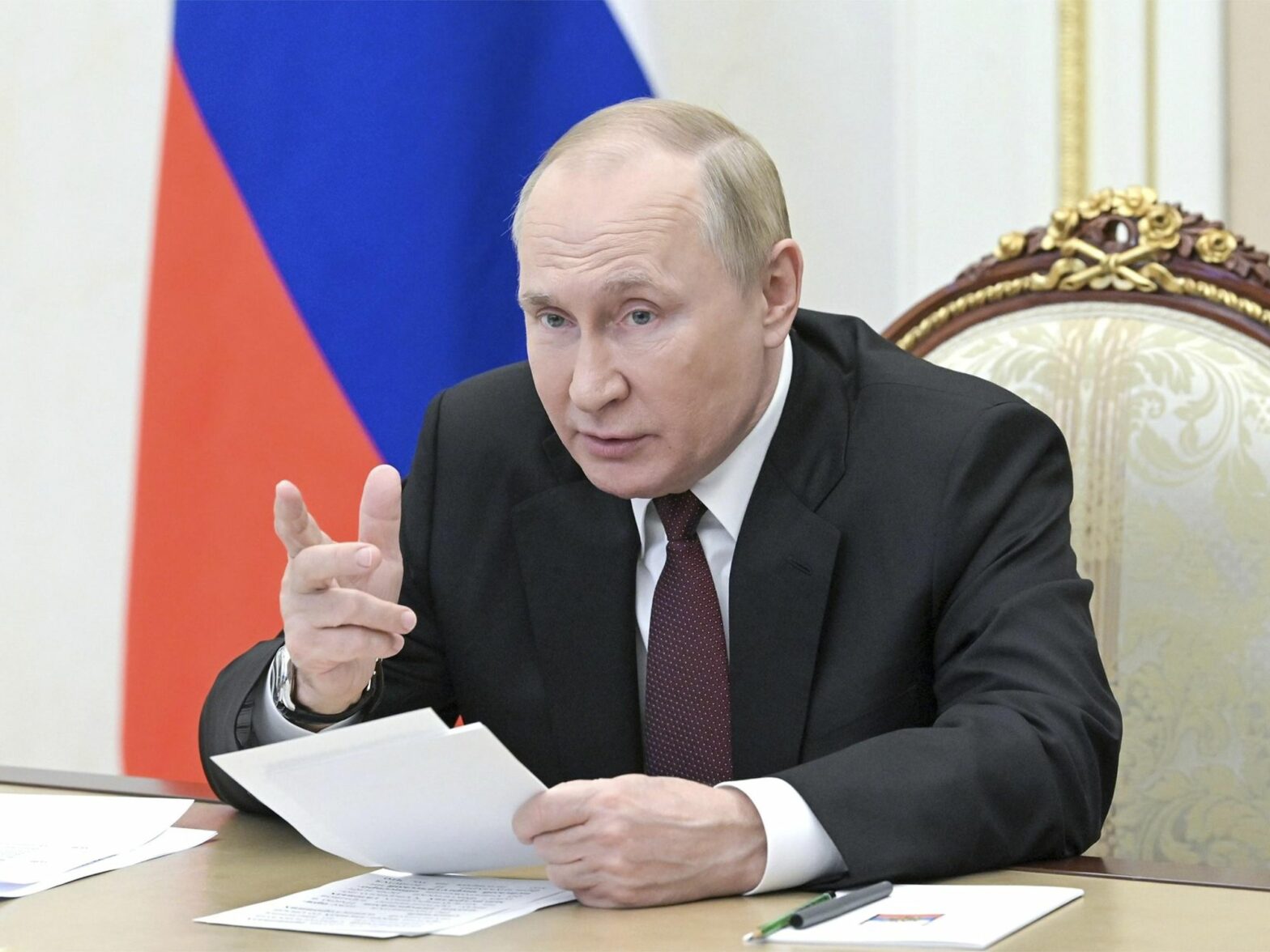
Vladimir Putin gave a major speech in Moscow on Thursday, outlining his view of the current stay of geopolitics, declaring that the world has the “prerequisites for a revolution.”
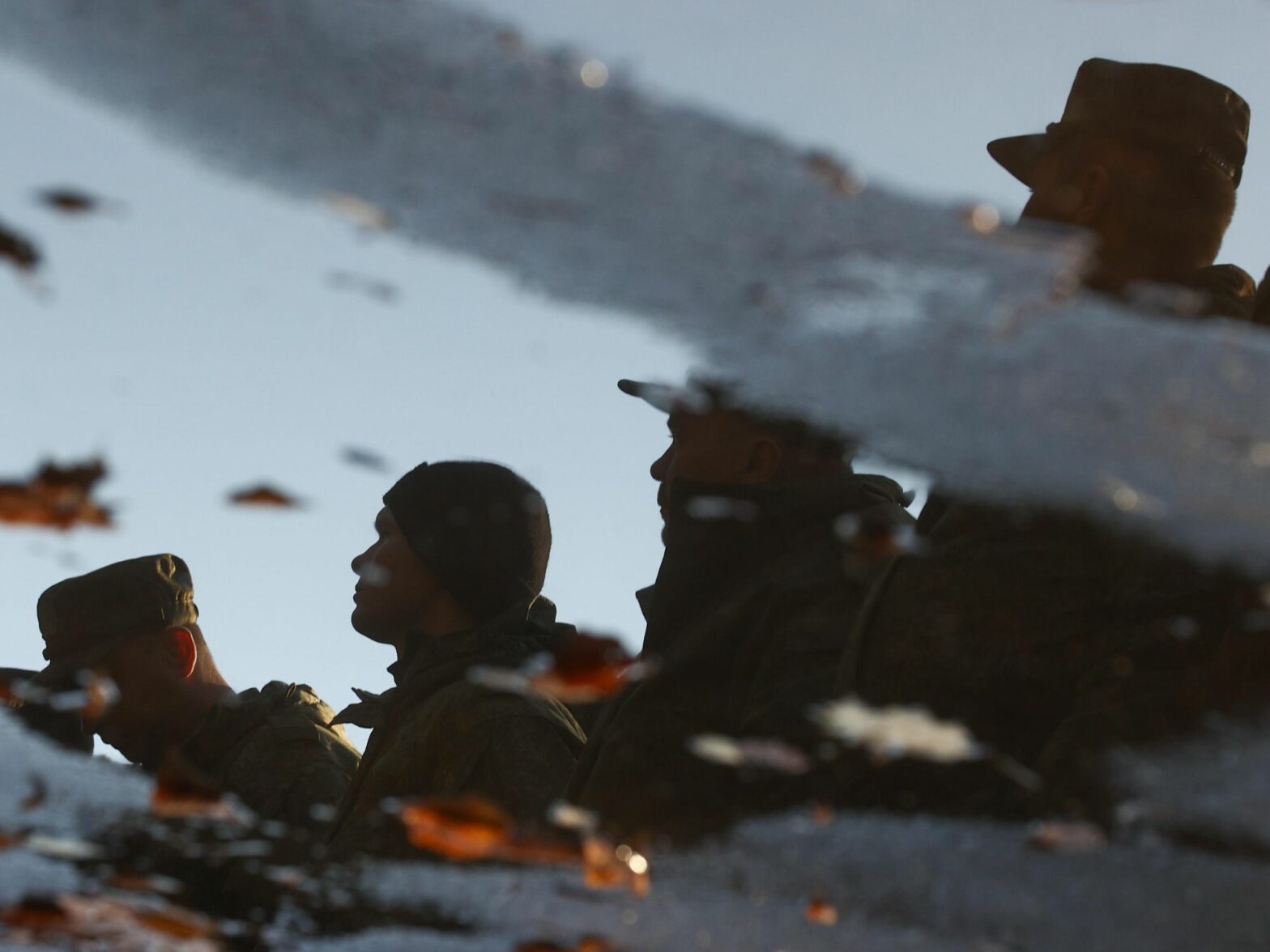
Russia has begun evacuating pro-Moscow residents in the Kherson region after a Russian official in the partially occupied area said residents should leave for their own safety.
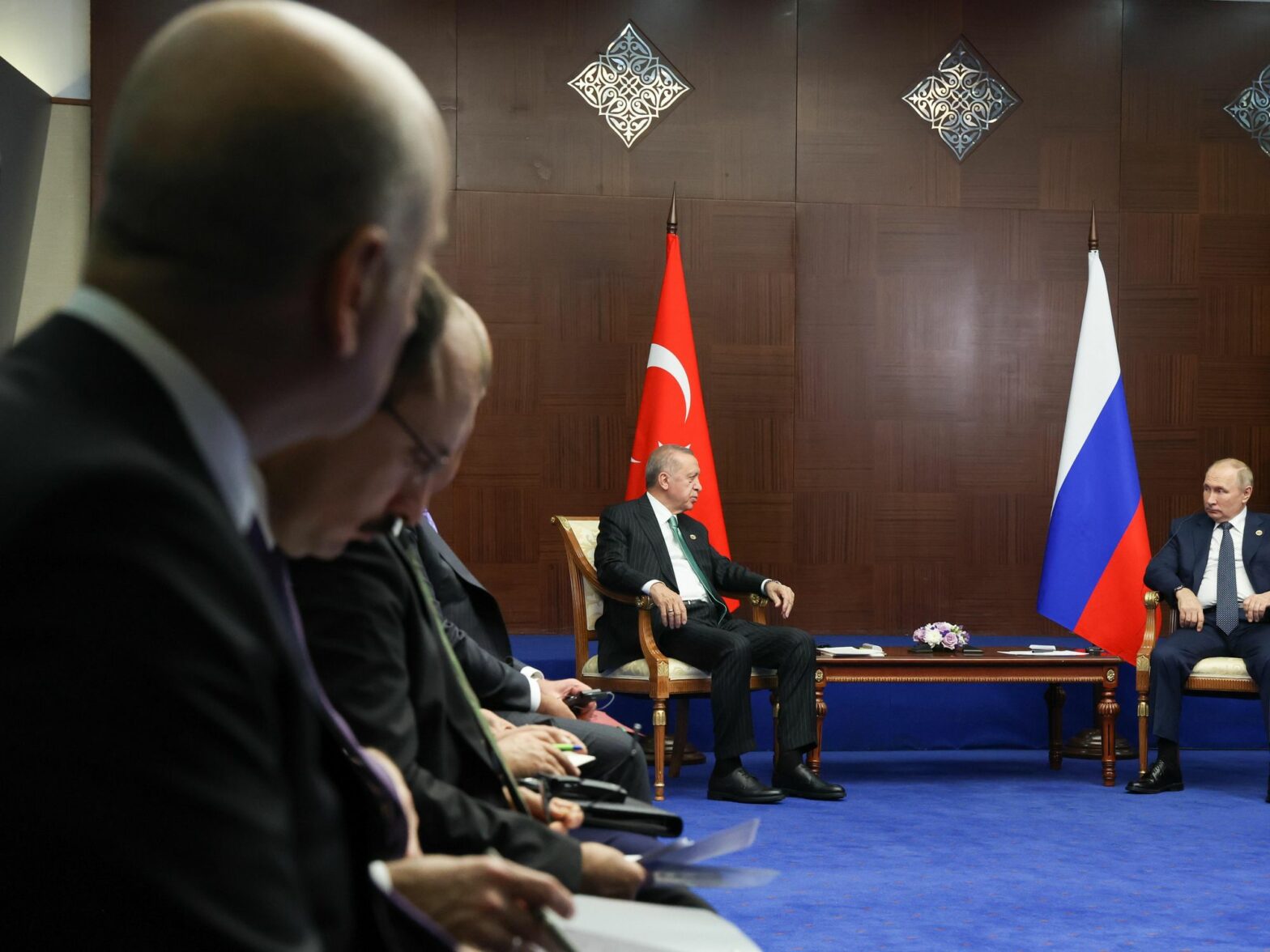
“Our goal is to continue the momentum that has been achieved and bring an end to the bloodshed as soon as possible,” Erdogan said just before his meeting with Putin, referring to earlier agreements he helped seal.
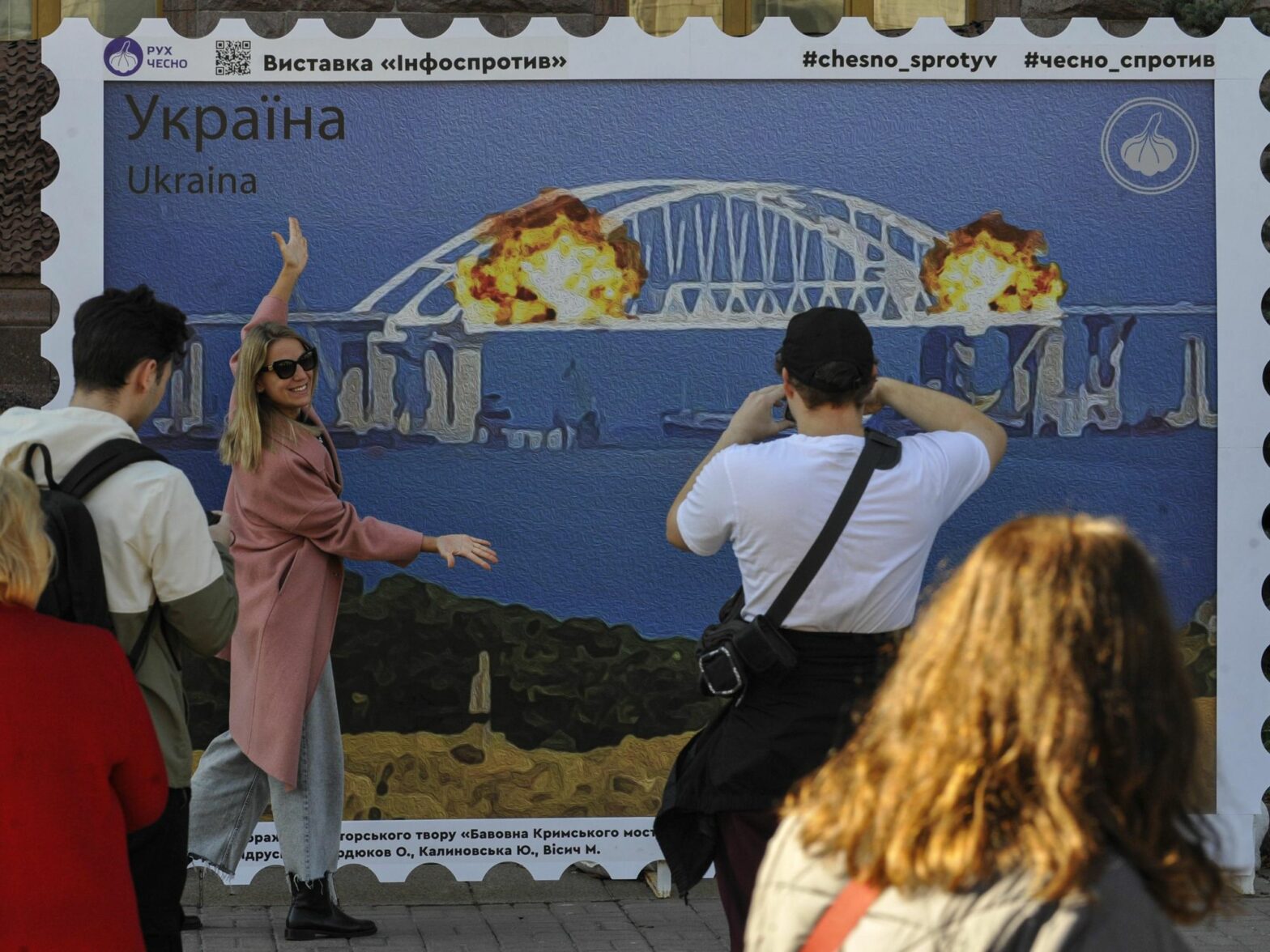
The Kremlin blamed the Oct. 8 Crimea bridge explosion on the “Main Intelligence Directorate of the Ukrainian Ministry of Defense” and its director, Kyrylo Budanov, and detained five Russians and three citizens of Ukraine and Armenia.
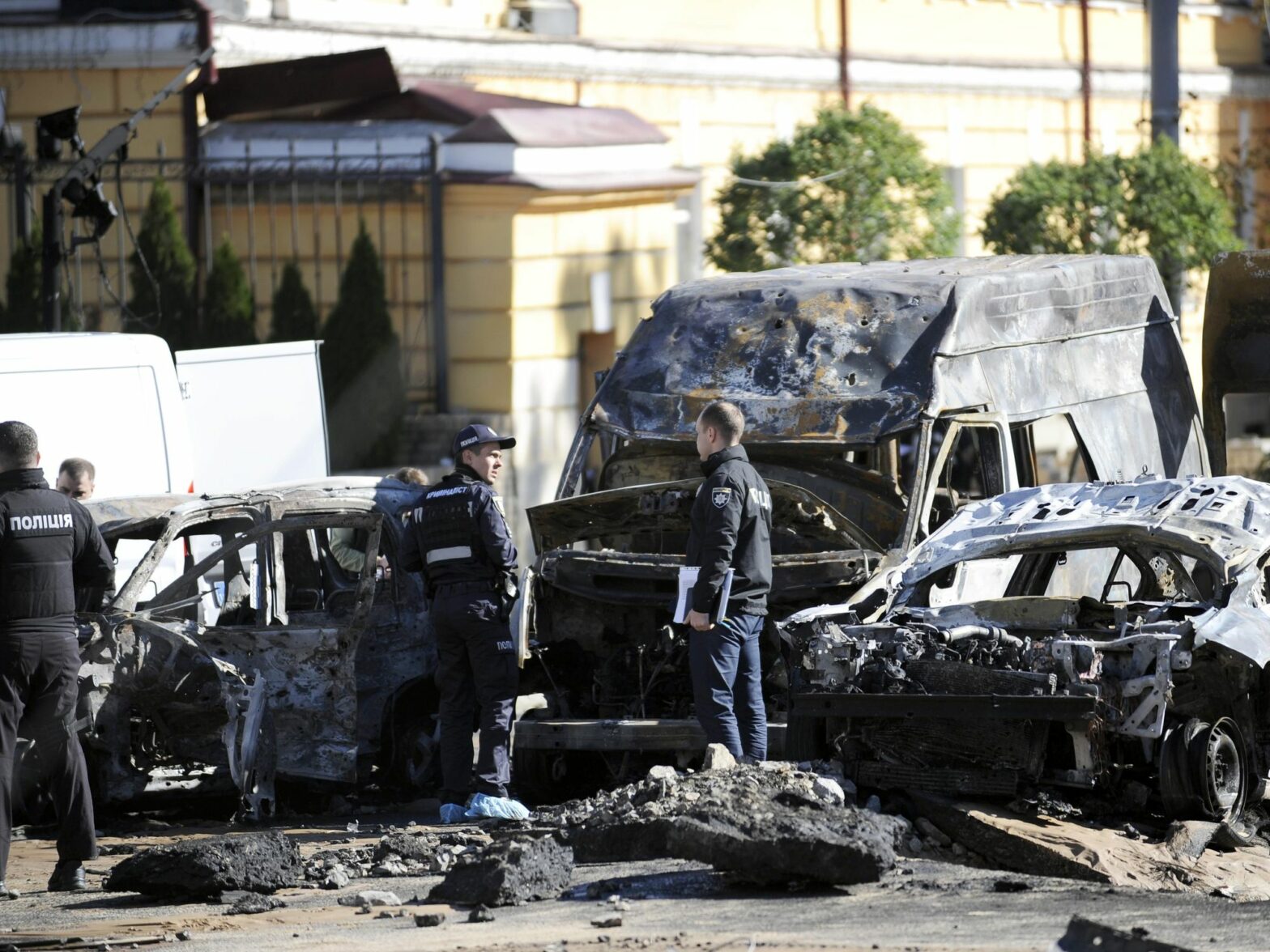
The death toll from Monday’s missile attacks has risen to 19 people.
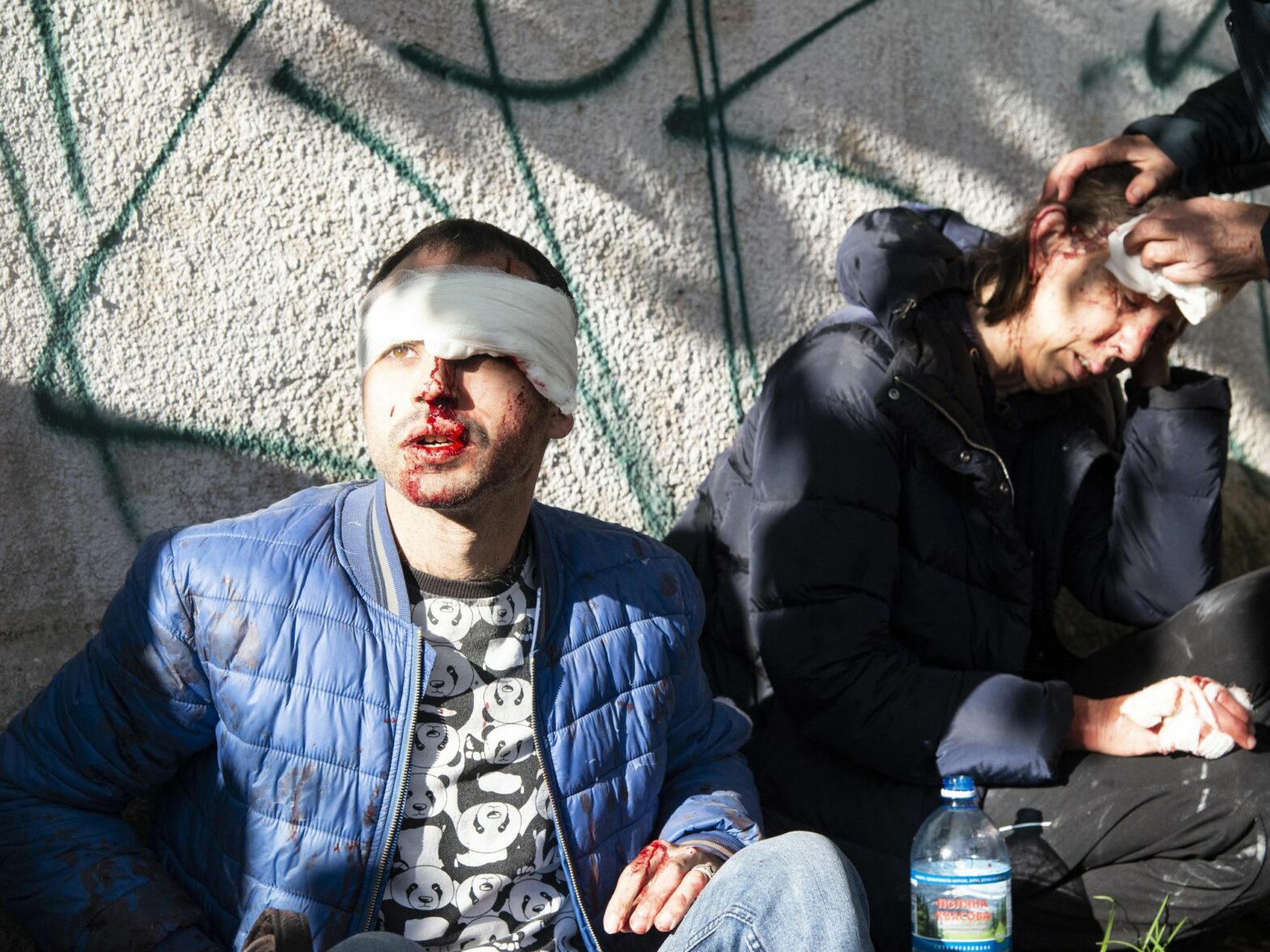
Russia has launched a barrage of missile strikes against Kyiv and other major cities, timing the attacks for maximum civilian toll to coincide with Monday morning rush hour. The attacks are a direct response from Moscow to the explosion Saturday that severely damaged the bridge connecting Crimea to the Russian mainland. Three people reportedly died […]
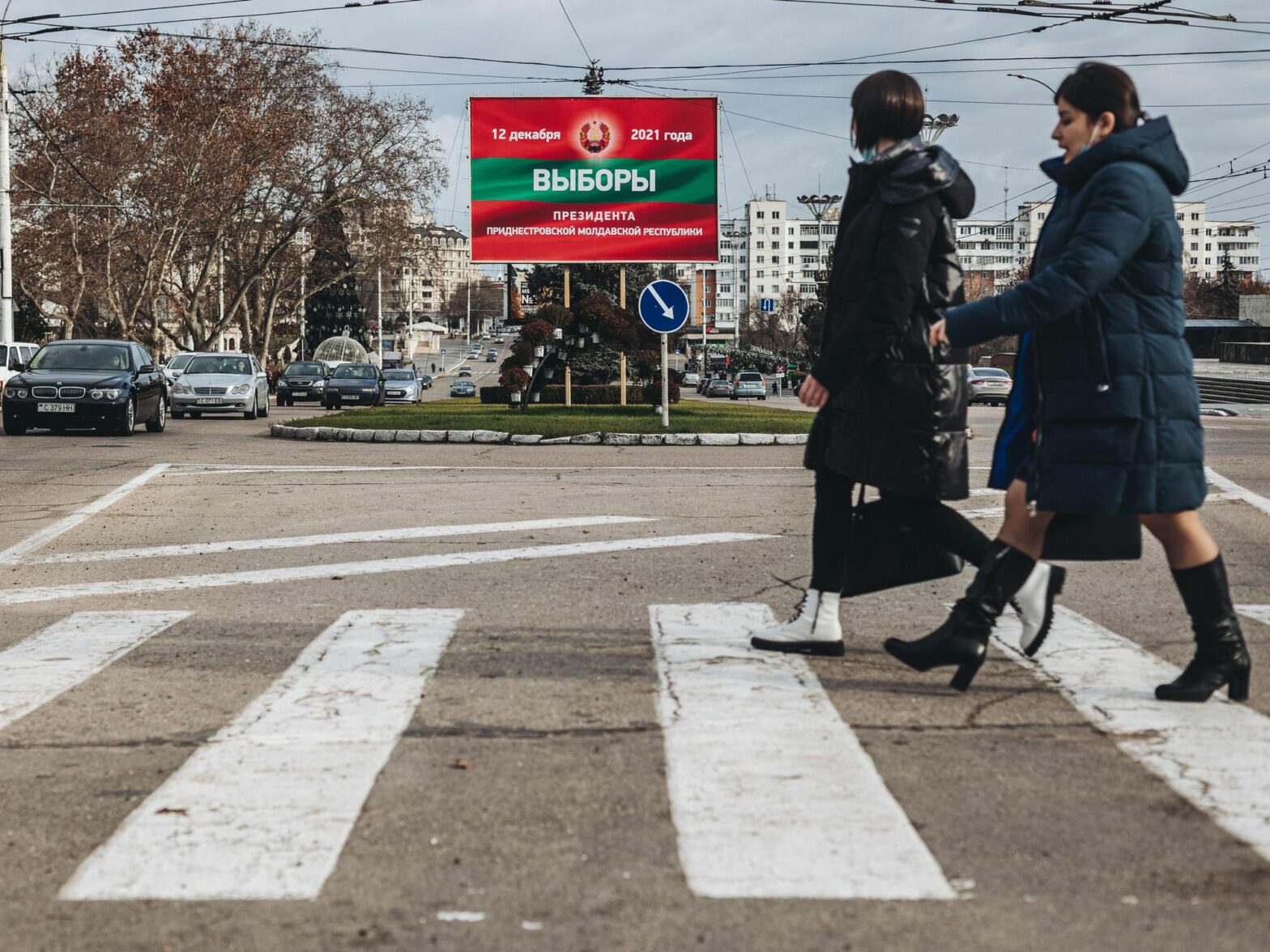
The breakaway republic of Transnistria declared its independence 30 years ago, but not even Russia recognizes it as a country. Transnistria is both nostalgic for the Soviet era and prosperous thanks to Russian funds. And a trip there is the closest you can get to visiting the USSR.
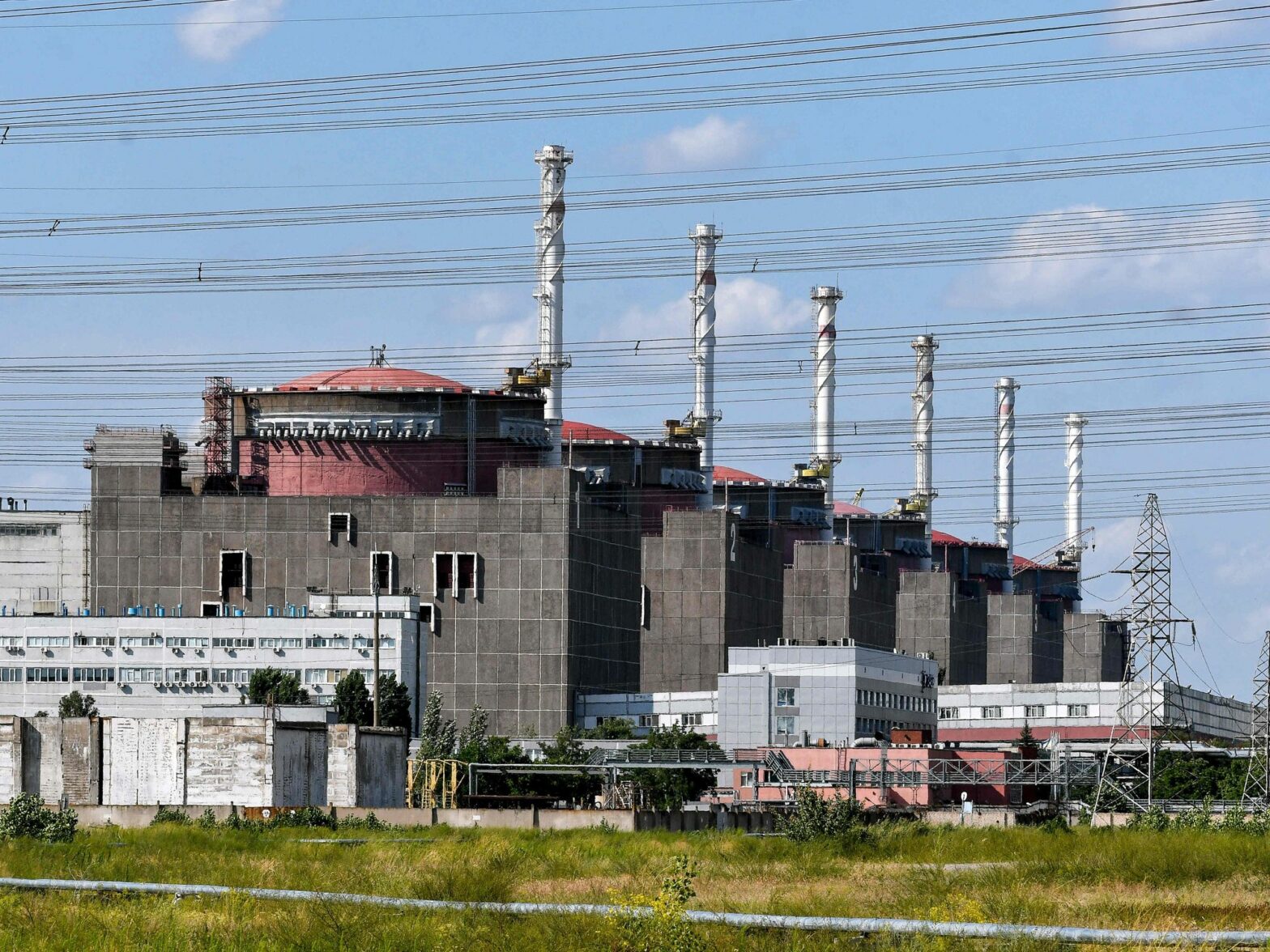
The transmission line connecting the Zaporizhzhia nuclear plant with the power system in Ukraine was disconnected due to Russian shelling. Three other transmission lines had also been damaged during Russian shelling earlier in the conflict. As a result, two operating units of the power plant were disconnected from the grid, causing the complete disconnection of […]
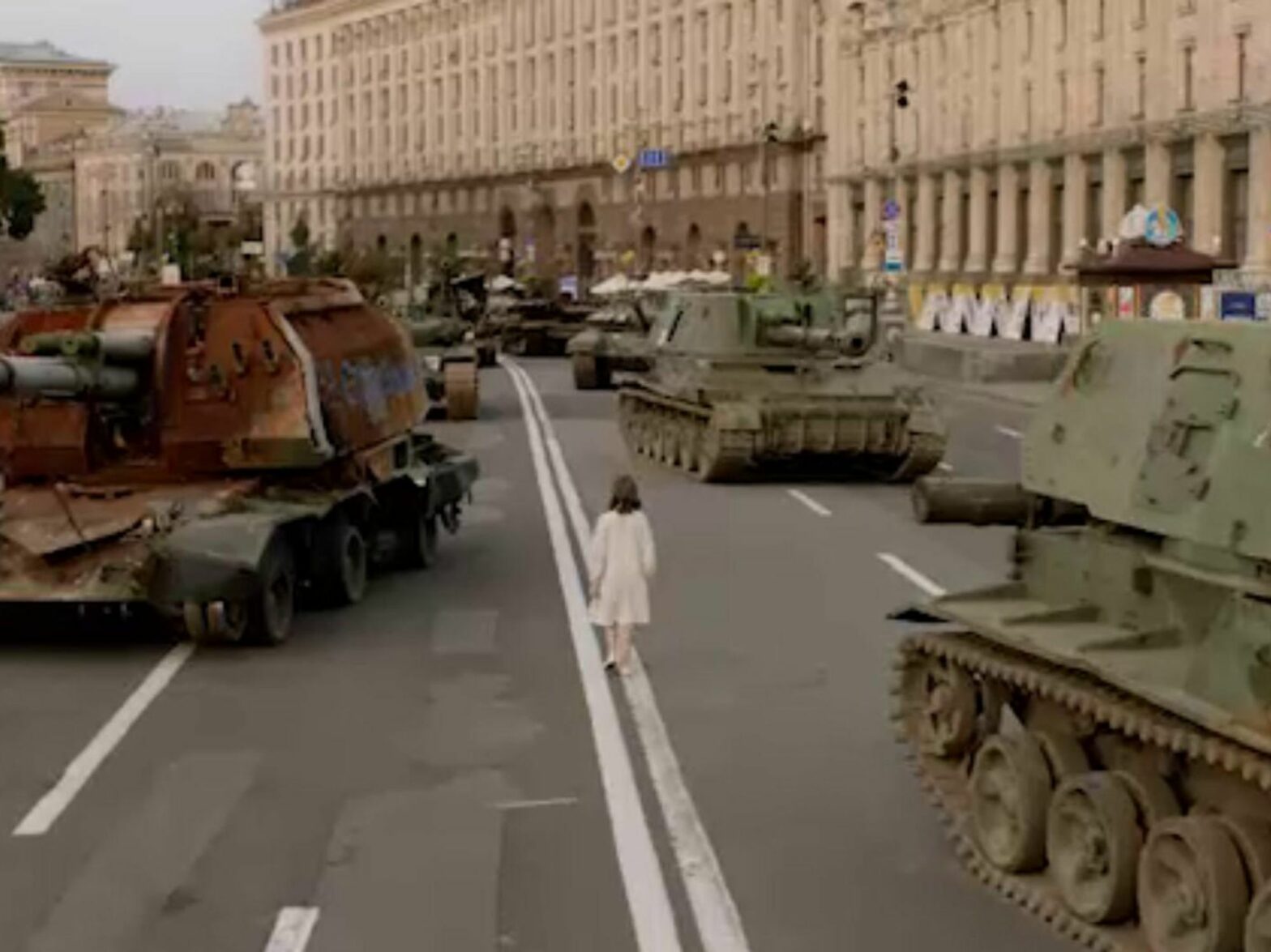
Ukraine is celebrating its Independence Day. Thirty one years ago, without a single shot being fired, the Soviet Union finally broke up and all of its republics set out to build their statehood. Stay up-to-date with the latest on the Russia-Ukraine war, with our exclusive international coverage. Sign up to our free daily newsletter. The […]
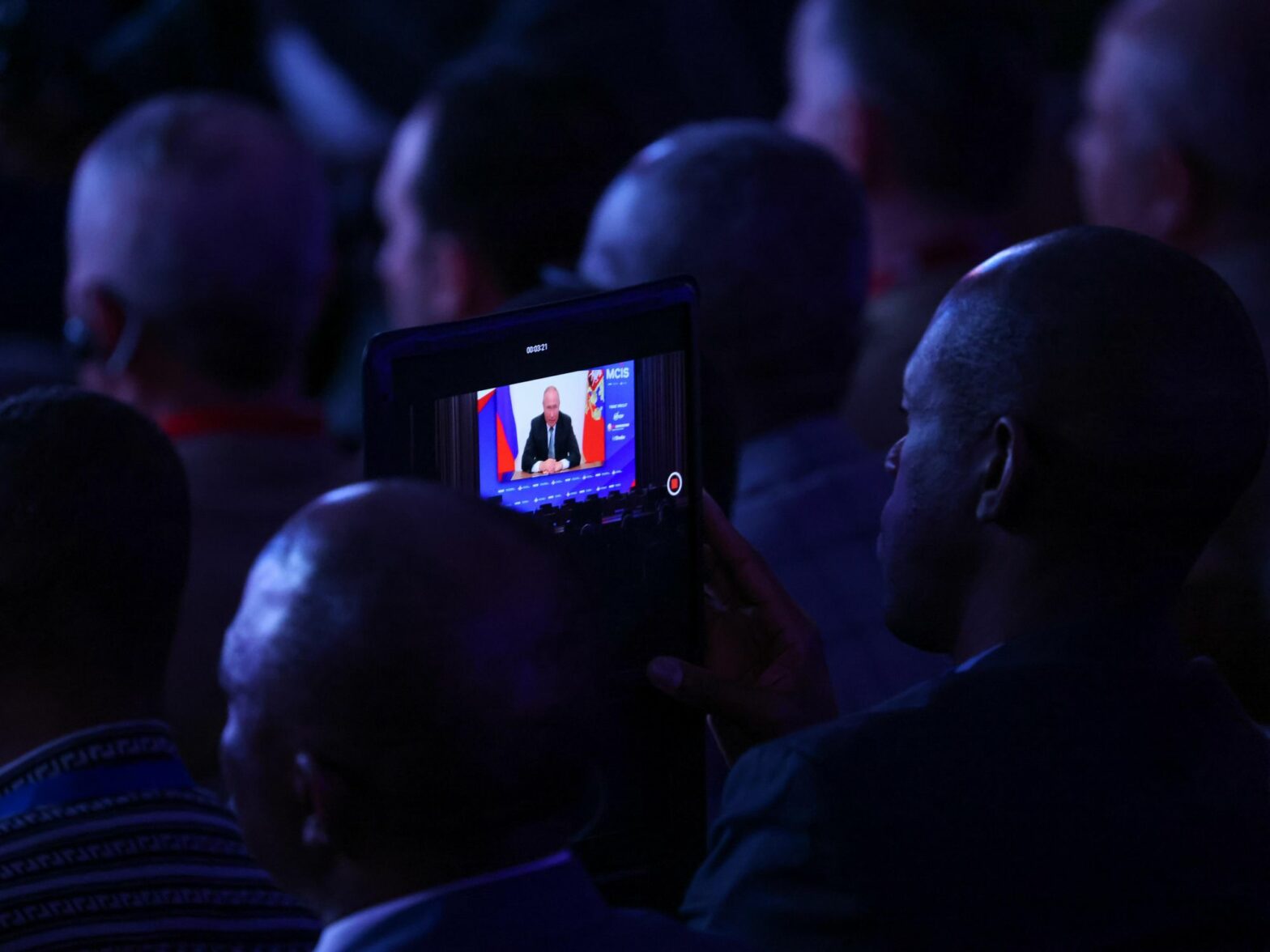
While delivering the welcome address at the Moscow Conference on International Security on Tuesday, Vladimir Putin accused Washington of “dragging out” the conflict in Ukraine. The Russian president also mentioned the visit by Speaker of the House of Representatives Nancy Pelosi to Taiwan earlier this month, calling it a “thoroughly planned provocation”. The conference, which […]
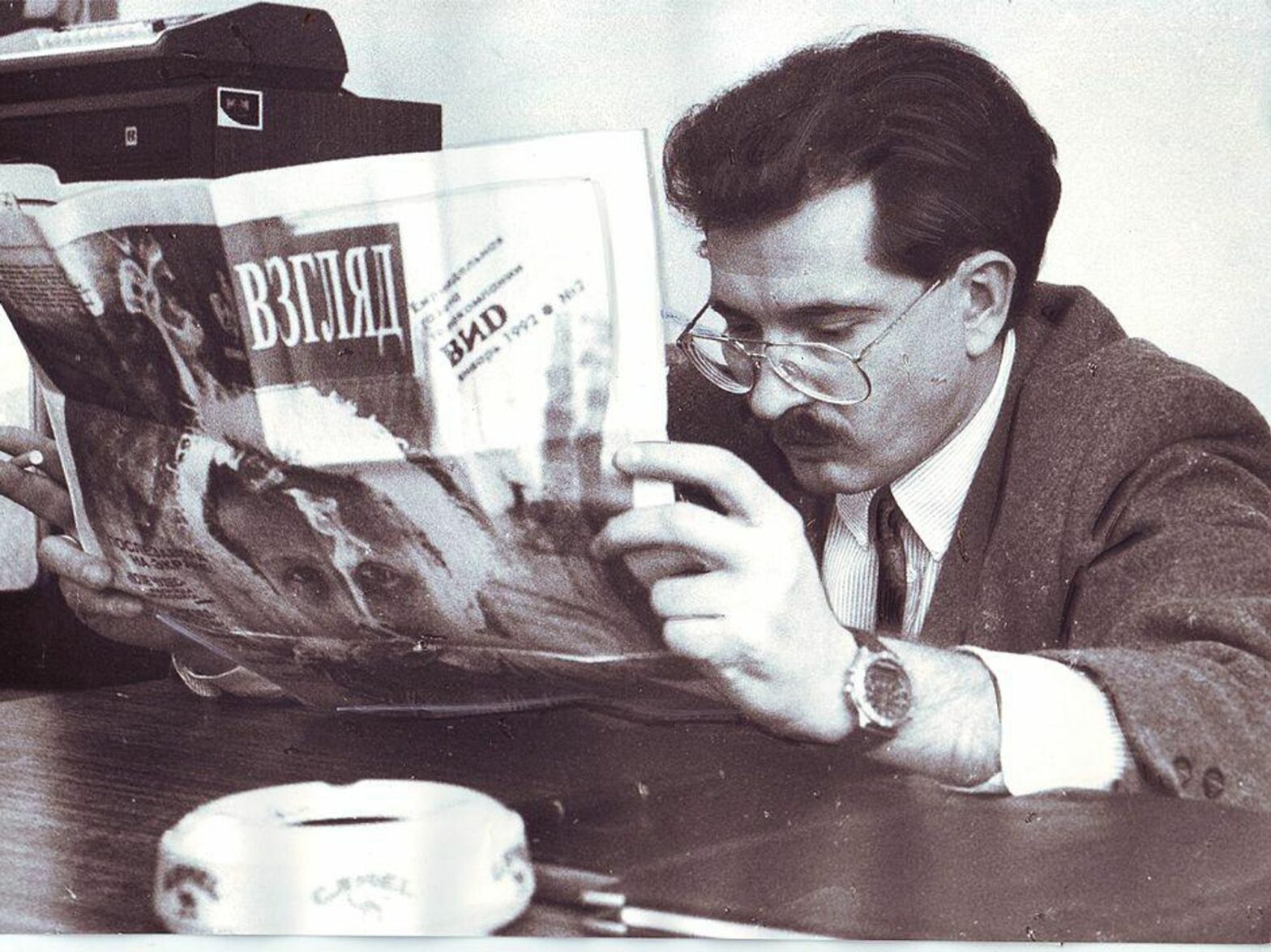
Ukrainian journalist Anna Akage looks back on the glory days of post-Soviet, high-quality journalism, which captured her ima and how quickly it was bound to be replaced by a “new truth” permeating Russian society.
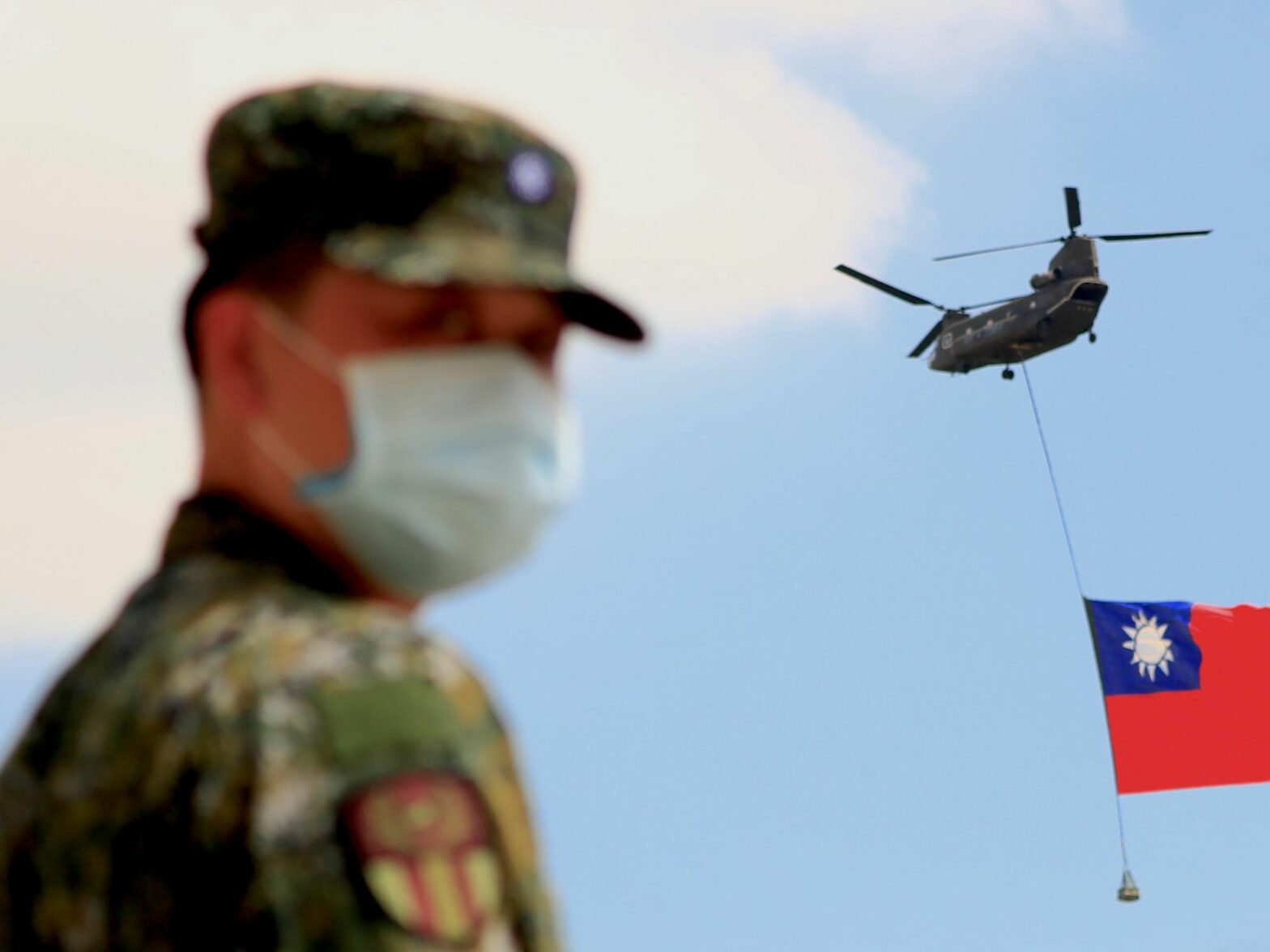
Russia’s invasion of Ukraine has put China’s stance on Taiwan back in the spotlight. But despite shared narratives of national unity, there are key differences in how Beijing and Moscow approach territories they consider their own.
Dear President Zelensky, I am a psychiatrist, not a politician — though when it comes to the madmen of battle (in the fields of health, fortunately), I have fought more than you. I would like to explain to you a fundamental aspect of my work: when it becomes necessary to convince a patient who refuses […]