-Analysis-
BARCELONA — Just a few years ago, Silicon Valley seemed to have peaked with the fantasy of the metaverse and the cryptocurrency craze. But technological capitalism never dies: it just changes skin. Now, the new utopia is called artificial intelligence, and its promise has reignited markets, conferences and imaginations.
And so it all begins anew: redemptive speeches, billion-dollar investments, and a collective faith in automatic progress. The question is how long a promise can grow before it collapses under its own weight.
For the latest news & views from every corner of the world, Worldcrunch Today is the only truly international newsletter. Sign up here.
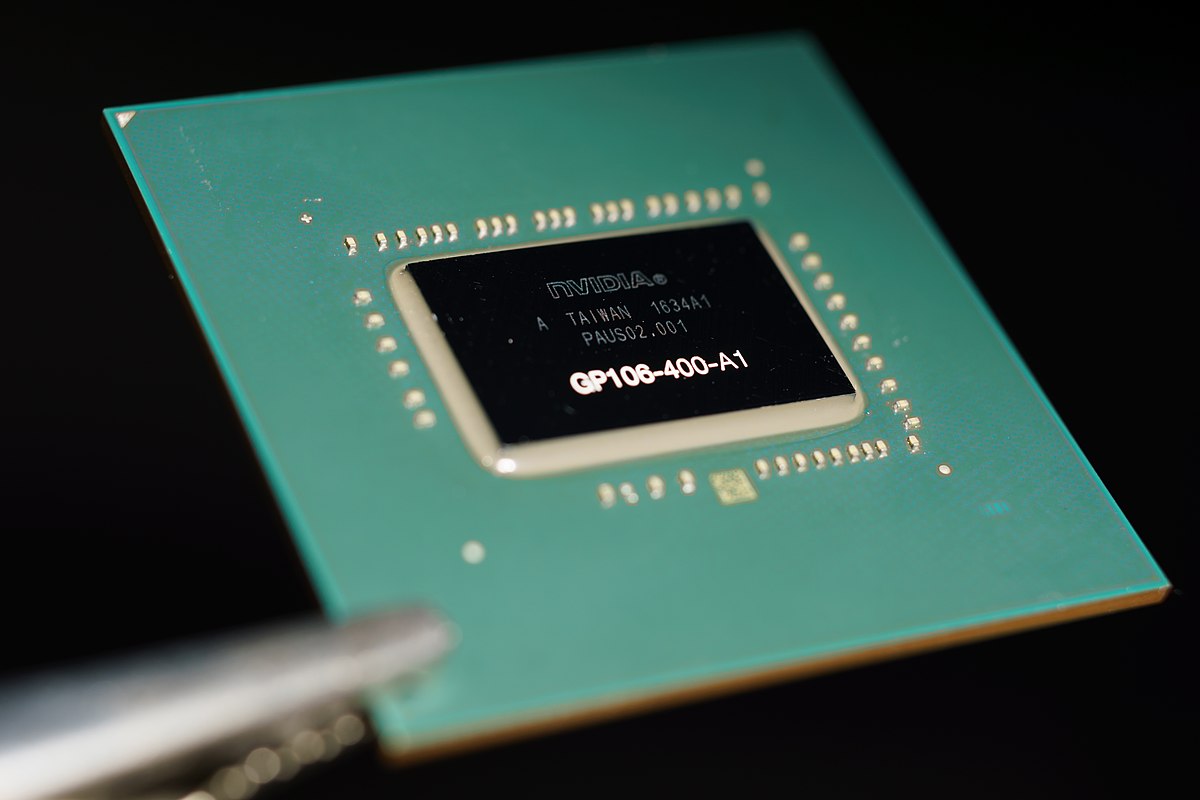
The new digital fever has epic numbers. Global spending on artificial intelligence projects could reach $1.5 trillion by the end of 2025. On the U.S. stock market alone, AI-related companies have generated 80% of total growth this year. Nvidia, the world’s most powerful chip manufacturer, has surpassed $3 trillion in market capitalization, while OpenAI, a private company that is not yet profitable, is already worth around $500 billion.
Even Sam Altman, its CEO, has acknowledged that investors are “overexcited” about AI’s value. This is no minor confession in an industry accustomed to turning doubt into a matter of faith.
Gleam of money
What is being sold today as a revolution may really be a collective fiction.
The AI industry has become an ecosystem of circular dependencies, where the same parties invest in each other to keep the illusion of growth alive. OpenAI is at the center: it has signed a $100 billion deal with Nvidia to build data centers, another multi-billion dollar deal with AMD, and receives massive funding from Microsoft and Oracle. In turn, Nvidia invests in start-ups that need its chips to survive. It is a closed circuit, a financial loop that confuses demand with its reflection. Value reproduces itself like an infinite mirror.
OpenAI has yet to turn a profit.
We have seen this process before. Bubbles always start with a compelling narrative and end up sustaining themselves in their own shadow. “When it breaks, it’s going to be really bad, and not just for people in AI,” warned Jerry Kaplan, a pioneer in computer science, recently.
The symptoms are clear: mammoth projects without proper funding, retail investors chasing digital gold, and infrastructure growing faster than the need that was supposed to justify it. The rise of mega data centers is the most visible example: facilities that devour energy and water at an unsustainable rate and could become obsolete before they pay for themselves. “We’re creating a new man-made ecological disaster,” Kaplan himself warned.
An artificial dream
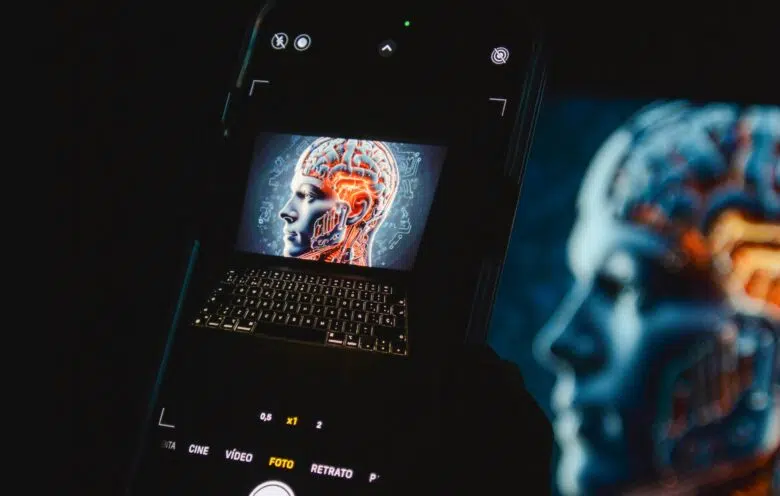
The underlying problem is not just financial, but cognitive. The AI bubble is also inflated by a technological promise that is beginning to show its limits. The language models that sustain the euphoria — such as GPT or Claude — are already reaching the ceiling of their capabilities. Their apparent intelligence is not understanding, but statistics: they do not think, they predict. They operate within the margins of language, without any real access to the world. They are systems that correlate words, rather than understand ideas.
The exponential growth of data and parameters has not generated a qualitative leap, but rather more sophisticated repetitions of the same thing. It is as if these models have reached the limits of their own logic, trapped in a self-referential spiral.
This makes the narrative surrounding them even more fragile. The idea that artificial intelligence can reason or discover on its own has been the great fantasy that has justified its excessive funding. The word “singularity” — that point at which the machine will supposedly surpass humans — has become the slogan of a capitalism of faith, where investors buy into a future that science itself is beginning to question.
Meanwhile, the material data continues to point to excess. OpenAI has yet to turn a profit. Nvidia lives off demand that it itself helps to generate. Microsoft and Amazon are trying to transform the wave of enthusiasm into subscriptions or cloud services. Everything seems to be growing, but it’s really just growth in speculation.
No industry can sustain this pace of investment indefinitely without a real return. The precedent is well-known: Nortel, the Canadian telecommunications giant, financed its own customers to keep demand artificially high before disappearing with the bursting of the dot-com bubble
There is nothing more human than overestimating our ingenuity.
Industry advocates argue that even if there is excess, the infrastructure will remain for the future. It’s the classic argument: the internet bubble also left behind the fiber optics that made the global network possible.

Without limits
But the problem is not investing in technology, it’s doing so without criteria or limits, as if the planet were infinite and energy inexhaustible. The current investment fever is causing a colossal transfer of resources to private projects that promise innovation but externalize their ecological and social costs. Disruption, as always, is for the few; the bill is for everyone.
All this seems more like a spiritual crisis than a technological one. The industry talks about a “cognitive revolution,” but what it has produced is a capitalism increasingly dependent on an opaque, centralized, and energetically unsustainable infrastructure. There is nothing more human than overestimating our ingenuity and underestimating its limits. AI is no exception, but rather the latest expression of that old arrogance.
Bubbles do not burst because of a lack of potential, but because of an excess of faith.

