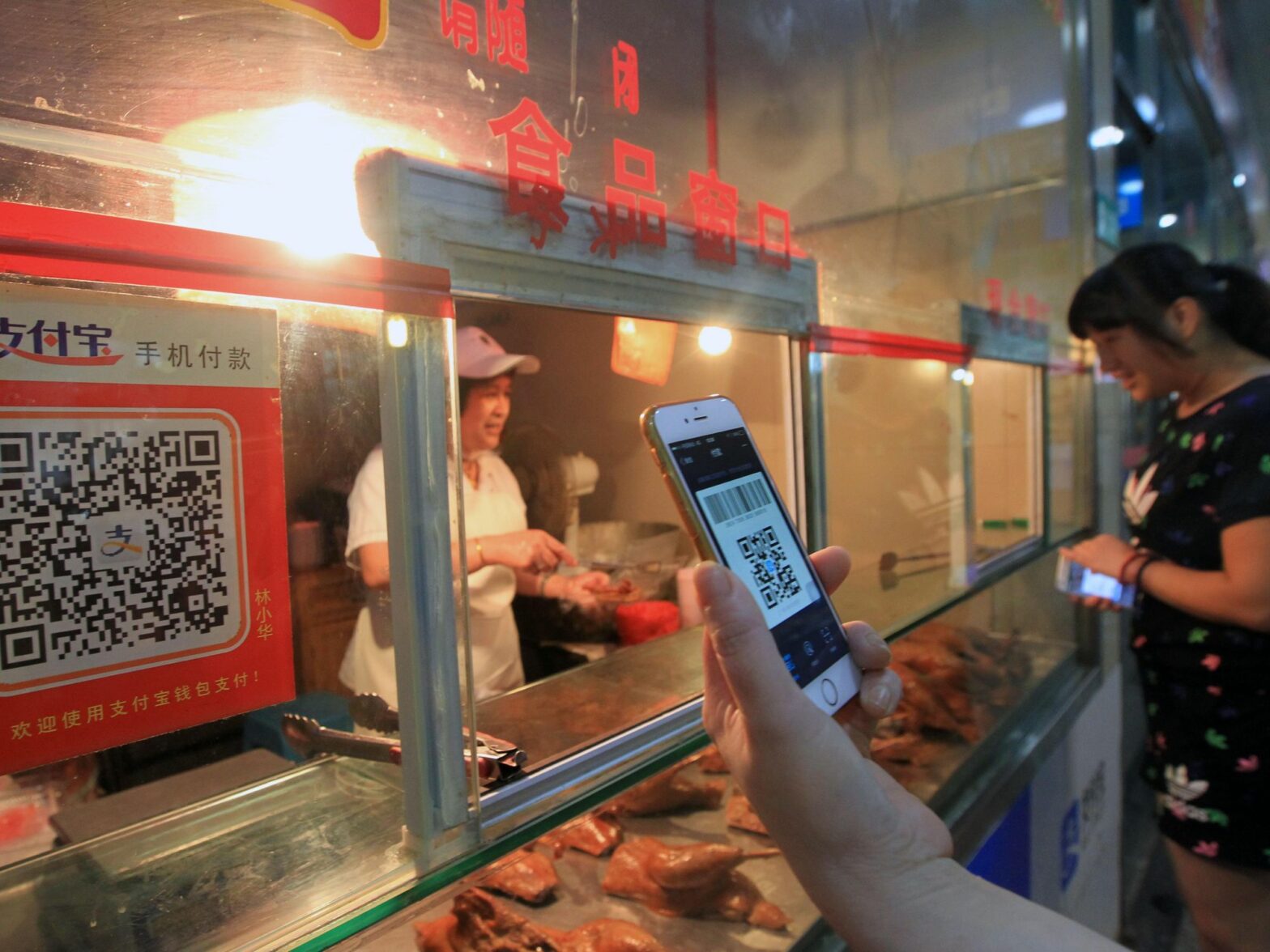
Conceived in the early 1990s, the QR Code has spread exponentially during the pandemic. Its creator, Masahiro Hara, is one of the many continuing to innovate his most famous invention, which has changed everything from medicine to how we dine.
 Worldcrunch
Conceived in the early 1990s, the QR Code has spread exponentially during the pandemic. Its creator, Masahiro Hara, is one of the many continuing to innovate his most famous invention, which has changed everything from medicine to how we dine.
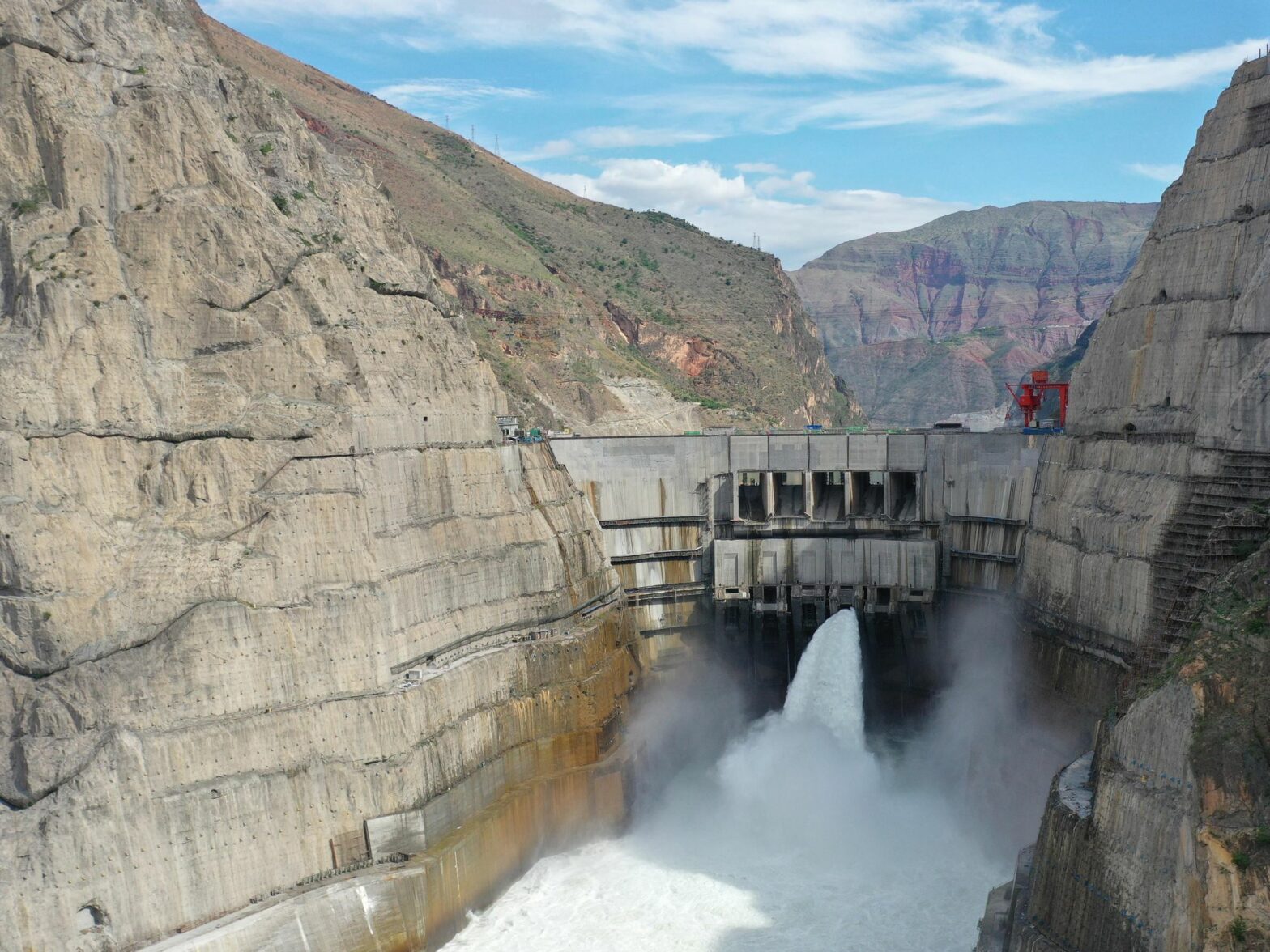
Last fall’s COP26 climate summit showed the way to, not, move forward on tackling the climate crisis. But all’s not lost. From the biggest solar farm in the world to a huge storage plant for C02, here are some of the largest renewable energy projects in the pipeline around the globe.
Here are the 10 most-read articles of the past year: Who Is Lauriane Doumbouya, The French Wife Of Guinea’s Coup Leader? During the recent inauguration of new Guinea president Mamadi Doumbouya, the presence of a female French police officer alongside the coup leader grabbed the public’s attention. But little is still known about the new […]
Will the Great Resignation of the past year lead to a Great Reskilling the next…?
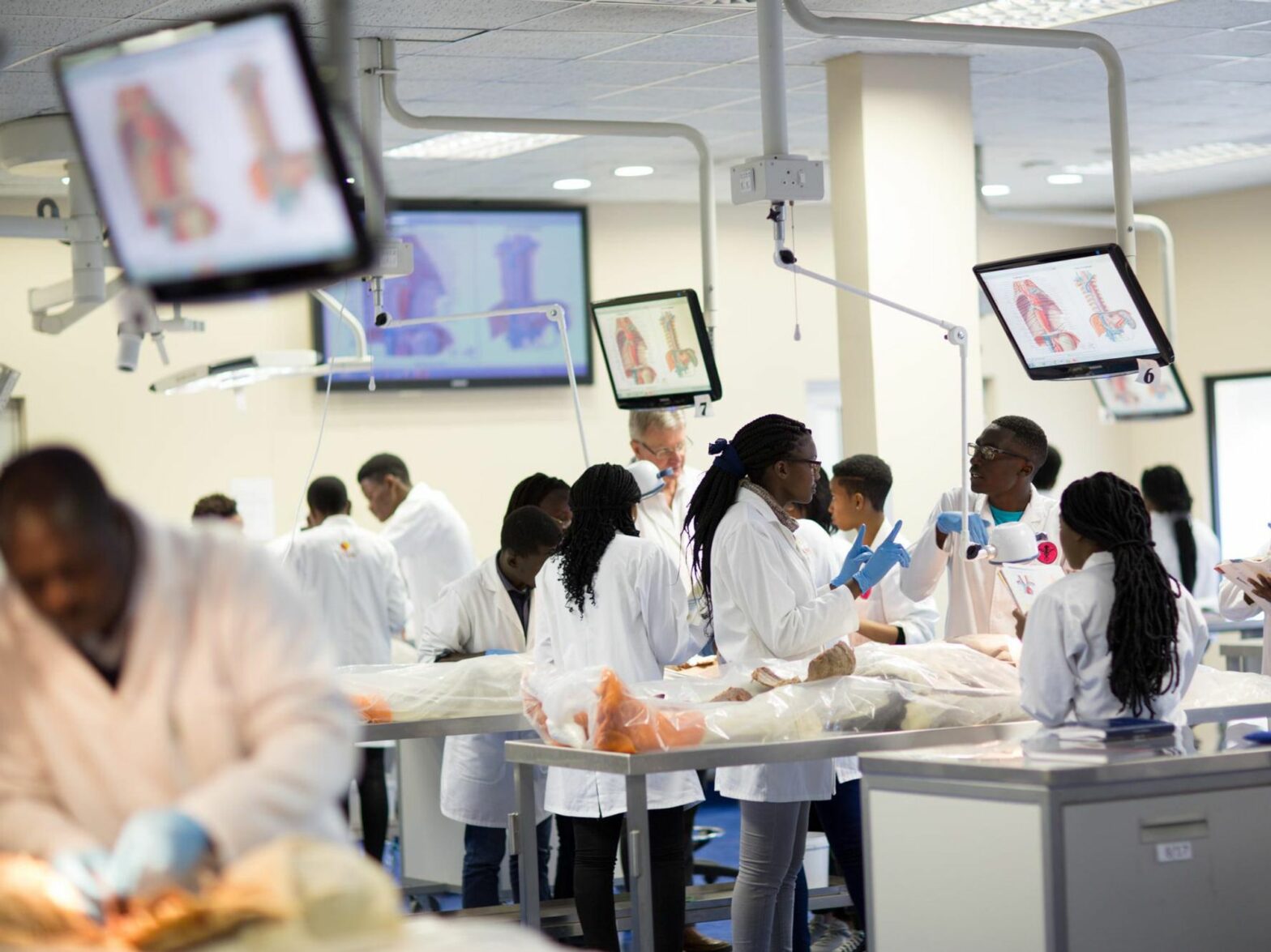
Even as it celebrates this year’s literature prize going to Tanzanian author Abdulrazak Gurnah, Africa is again completely absent from the list of Nobel winners in science. In research as elsewhere, money is the key.

Startups that offer to deliver groceries in less than 15 minutes have learned from the past and are hiring full-time employees, even if they need temporary workers to meet demand.

After slowly shifting in some cities to a more bicycle-centric model, the pandemic has accelerated the shift from cars to bikes in cities around the world. Here are some prime examples
The embattled U.S. tech giant has unveiled a new name for its holding company: Meta. It will do little to soften the rising criticism of Facebook’s practices. Indeed, across the world’s many languages, we find the new name translates into all kinds of good content.
Mark Zuckerberg boasted that his U.S. tech giant will begin a hiring spree in Europe to build his massive “Metaverse.” Touted as an opportunity for Europe, the plans could poach precious tech talent from European tech companies.
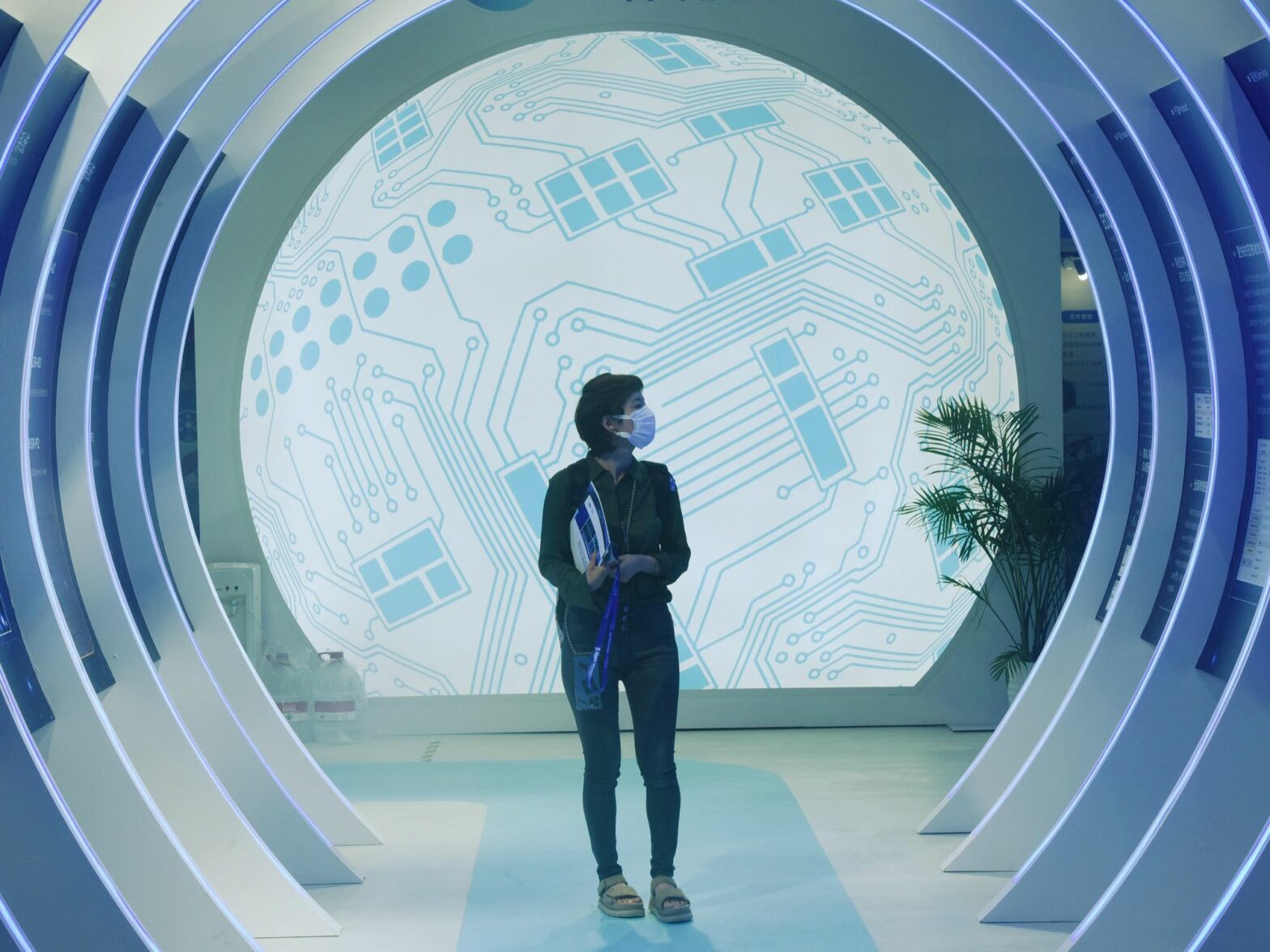
Long perceived as a country chasing Western tech, China’s business and technological innovations are now influencing the rest of the world. Still lagging on some fronts, the future is now up for grabs.

Will flying be greener? More comfortable? Less frequent? As the world eyes a post-COVID reality, we look at ways the airline industry has been changing through a pandemic that has devastated air travel.
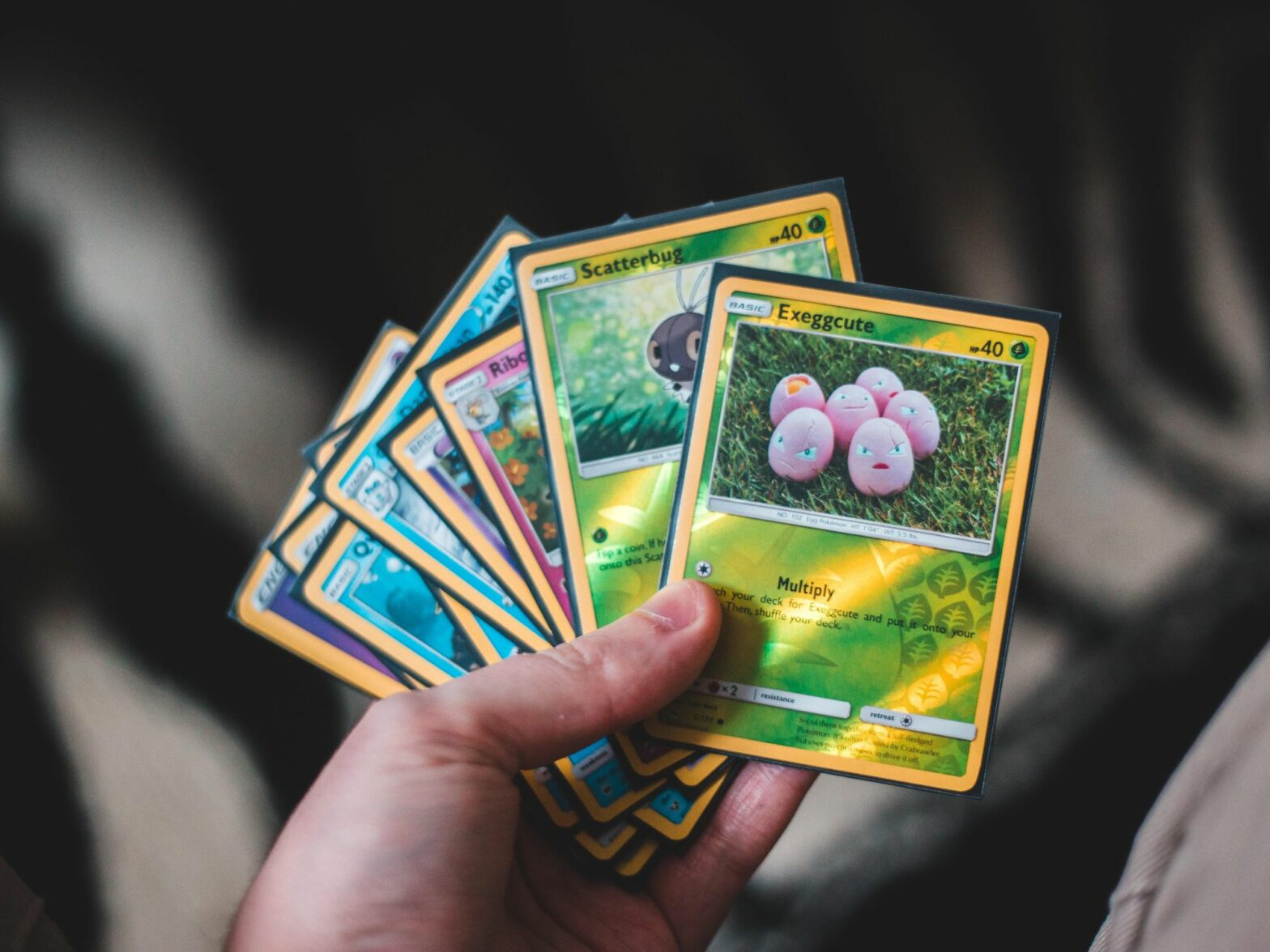
The heroic fantasy universes of the 1990s have become a new focus of investment. One card in the mega-popular Magic series recenty sold for more than $500,000, and with the introduction of blockchain technology, the market looks to expand even more.
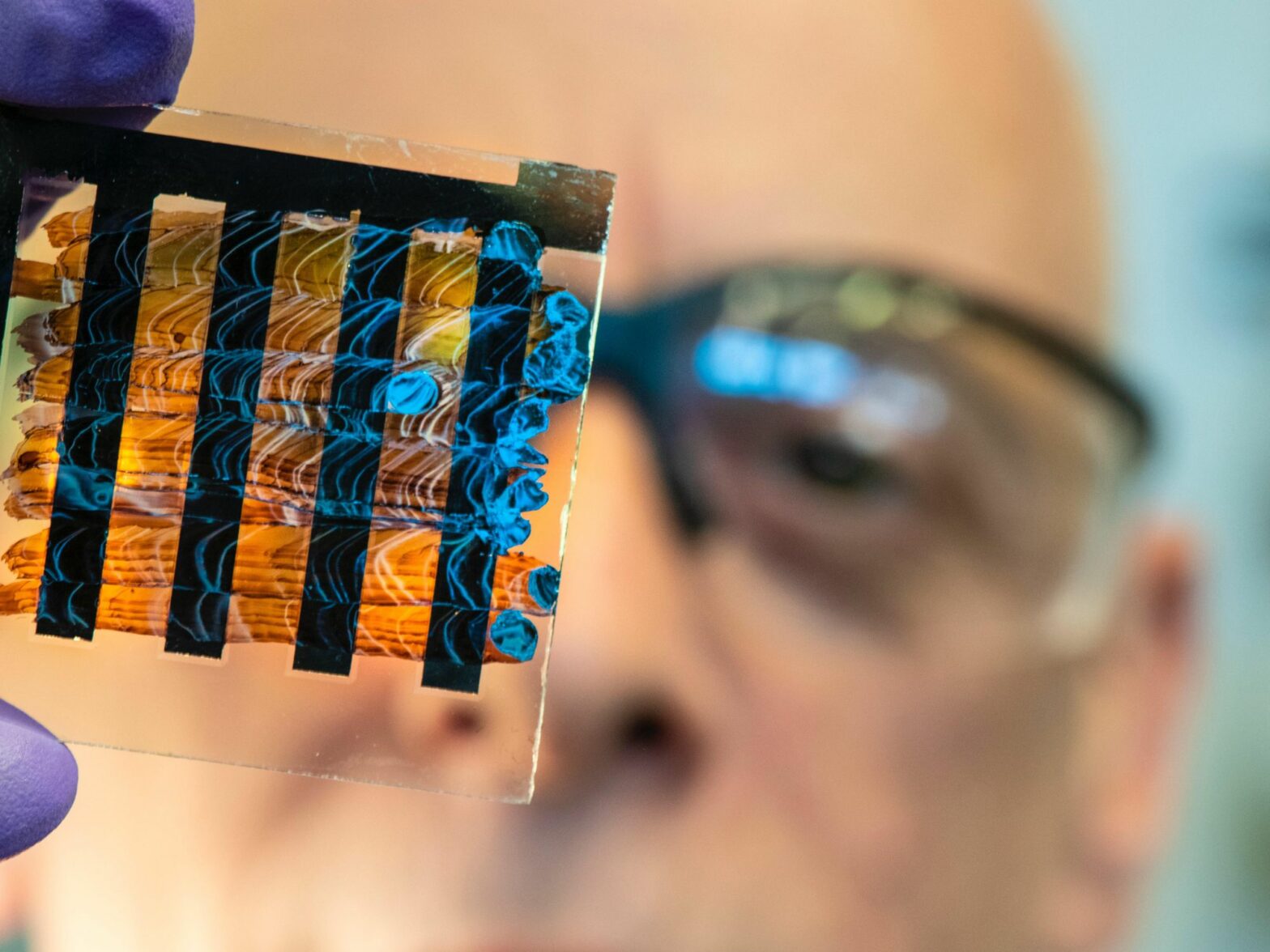
Winning a Nobel Prize can’t be the only criterion by which we measure a nation’s scientific achievement — but it is a matter of pride, like winning a gold at the Olympics. Lower funding on R&D alone doesn’t explain India’s abysmal show at the Nobel Prizes. Some key elements seem to be missing, beyond funding and infrastructure, vis-à-vis our scientists’ ability to produce path-breaking work.
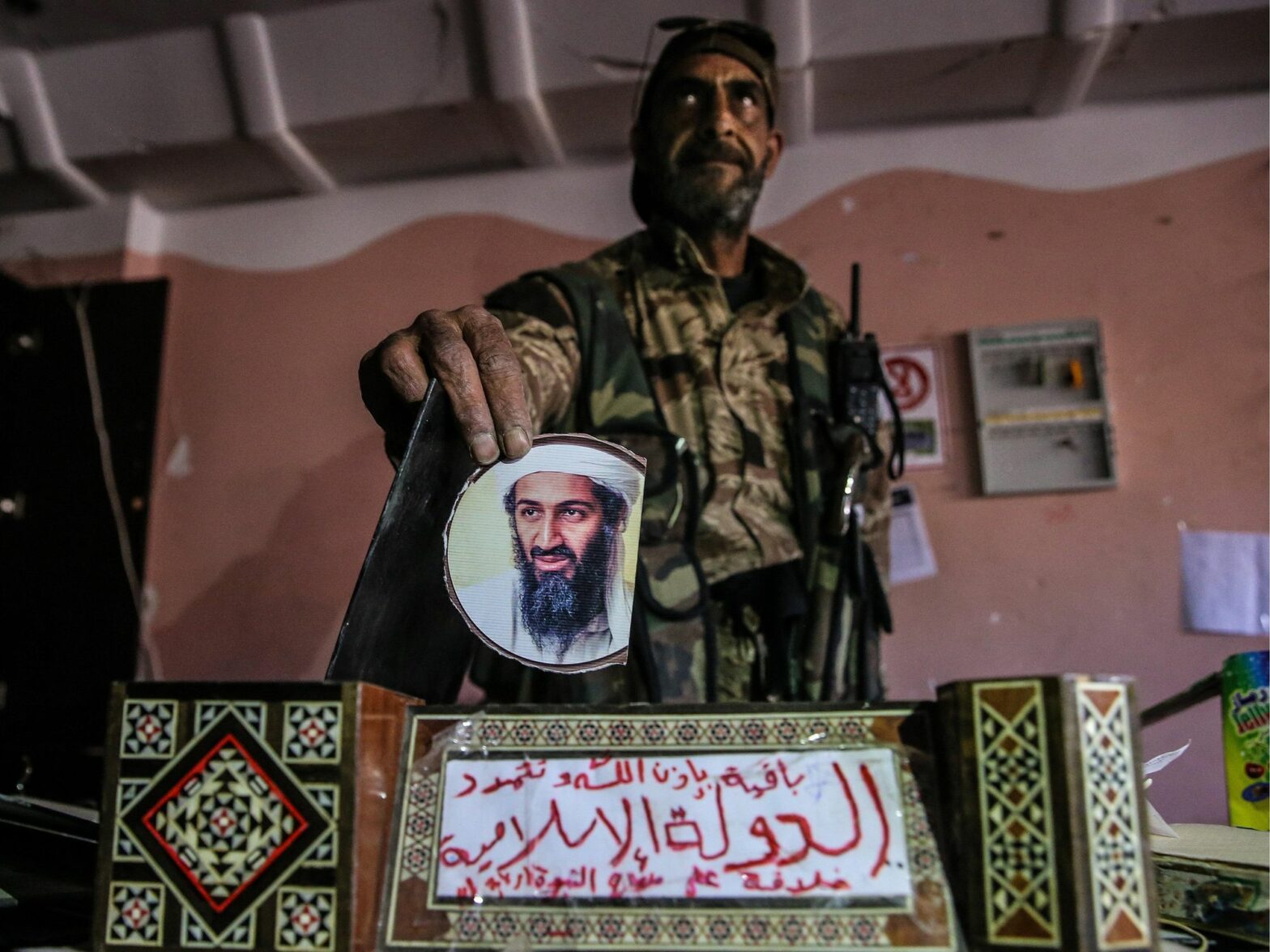
The September 11 attacks both mobilized America and showed its fragility. Twenty years later, the United States is withdrawing from the Middle East. The greatest beneficiary is not the Muslim world, as Bin Laden dreamed, but two powers reborn in the East.
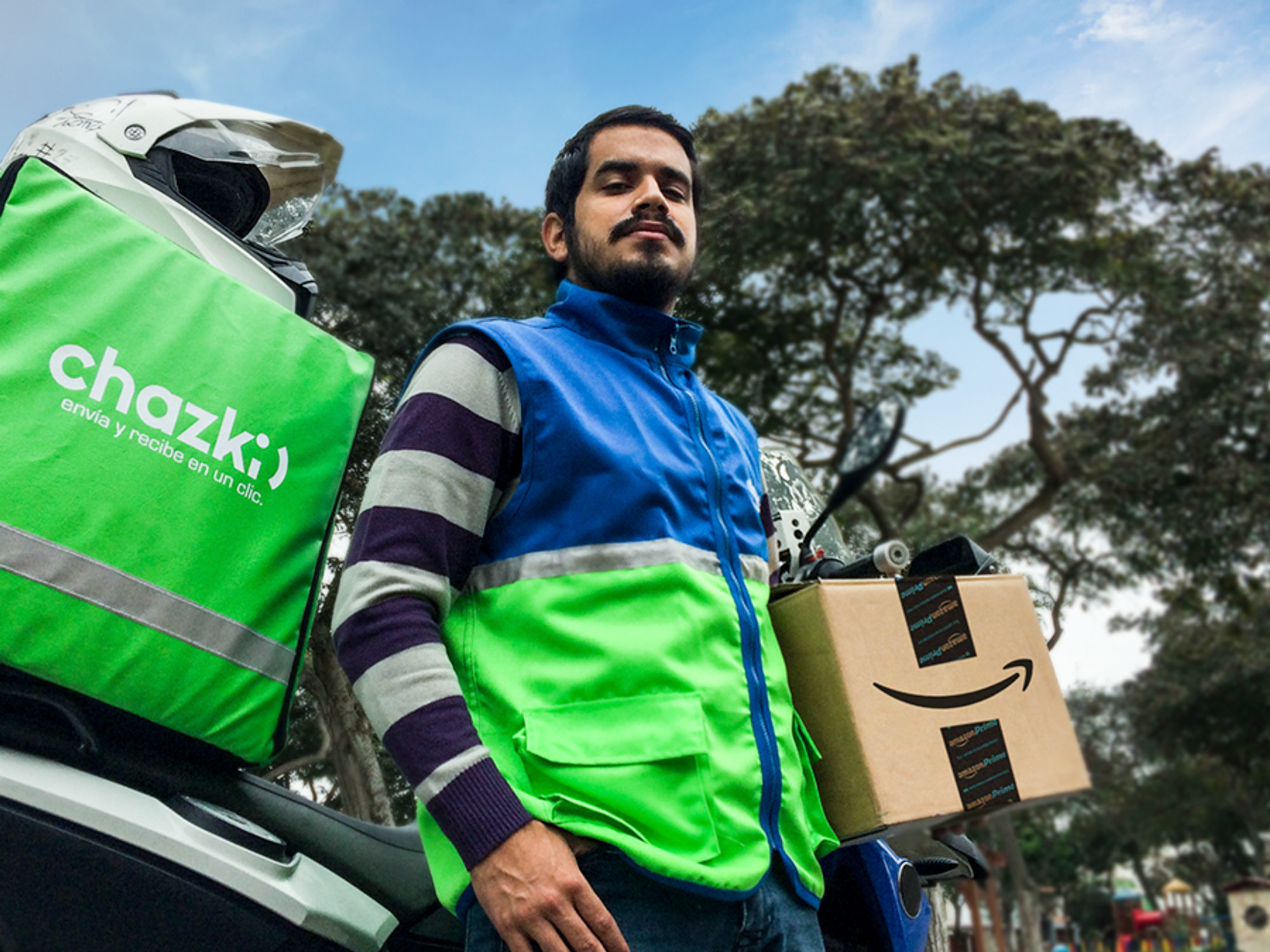
Across the region, entrepreneurs have been hailed for taking innovative ideas inspired elsewhere and applying them nationally or regionally. But the business and ethical dynamics involved are not so simple.
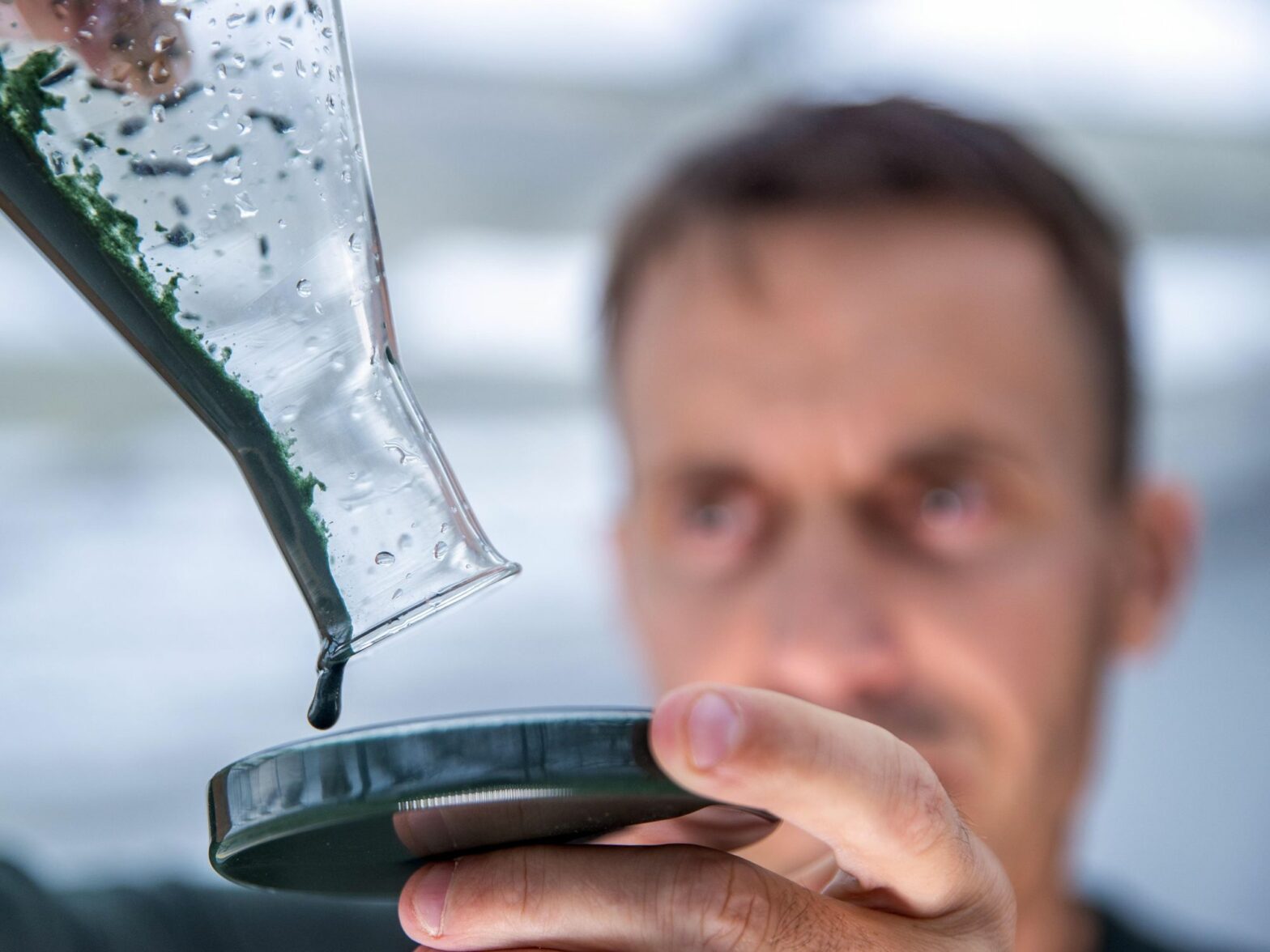
Algae could bring solutions to major challenges such as carbon sequestration and world hunger, provided we succeed in building an industrial sector.
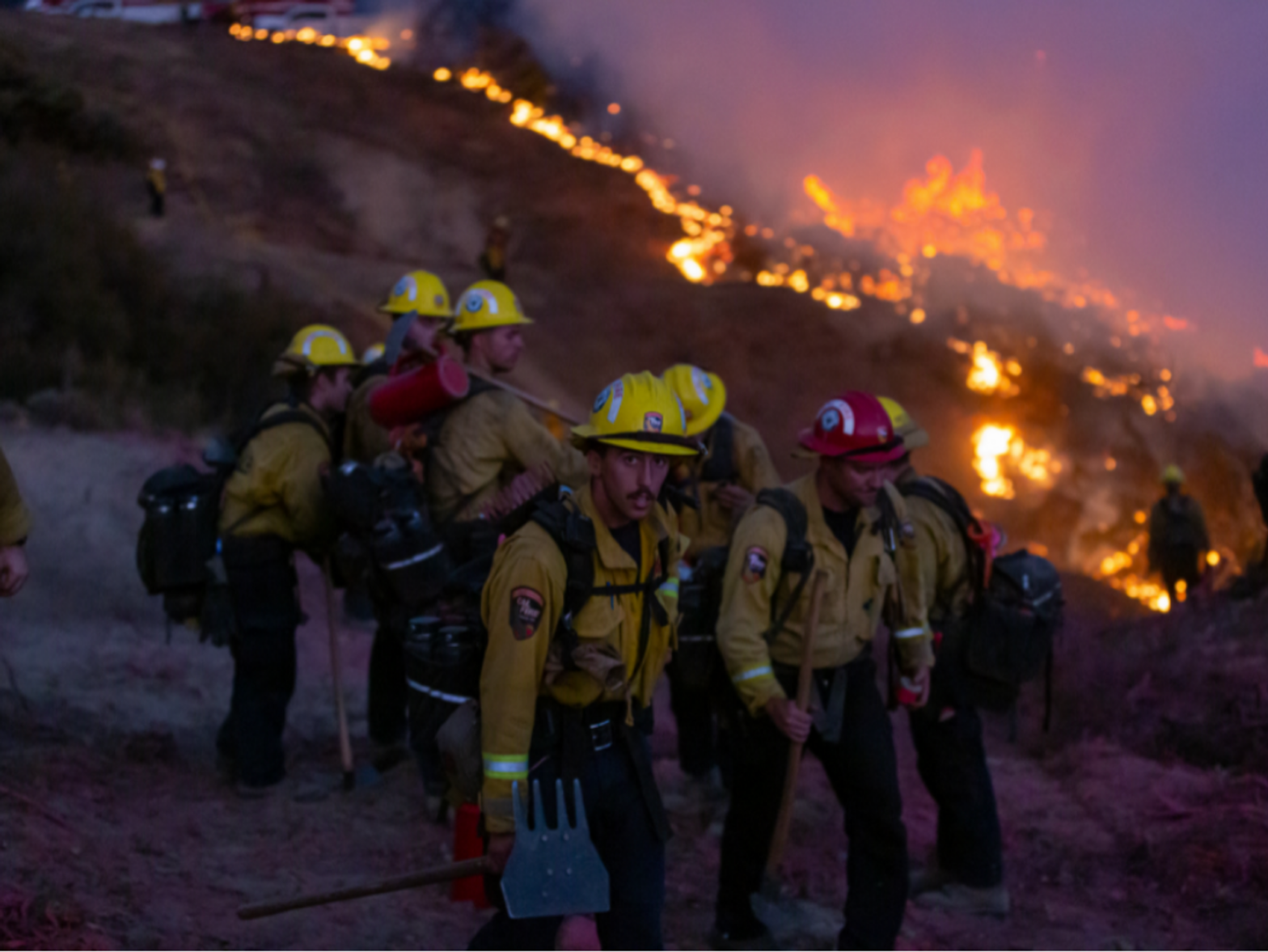
Welcome to Friday, where evacuation flights resume at Kabul airport after yesterday’s deadly attack, dozens of kidnapped Nigerian students are freed, and female hummingbirds evolve so that males get off their feathers. We also boldly explore the surprising crossroads between science fiction and real-life military strategy.
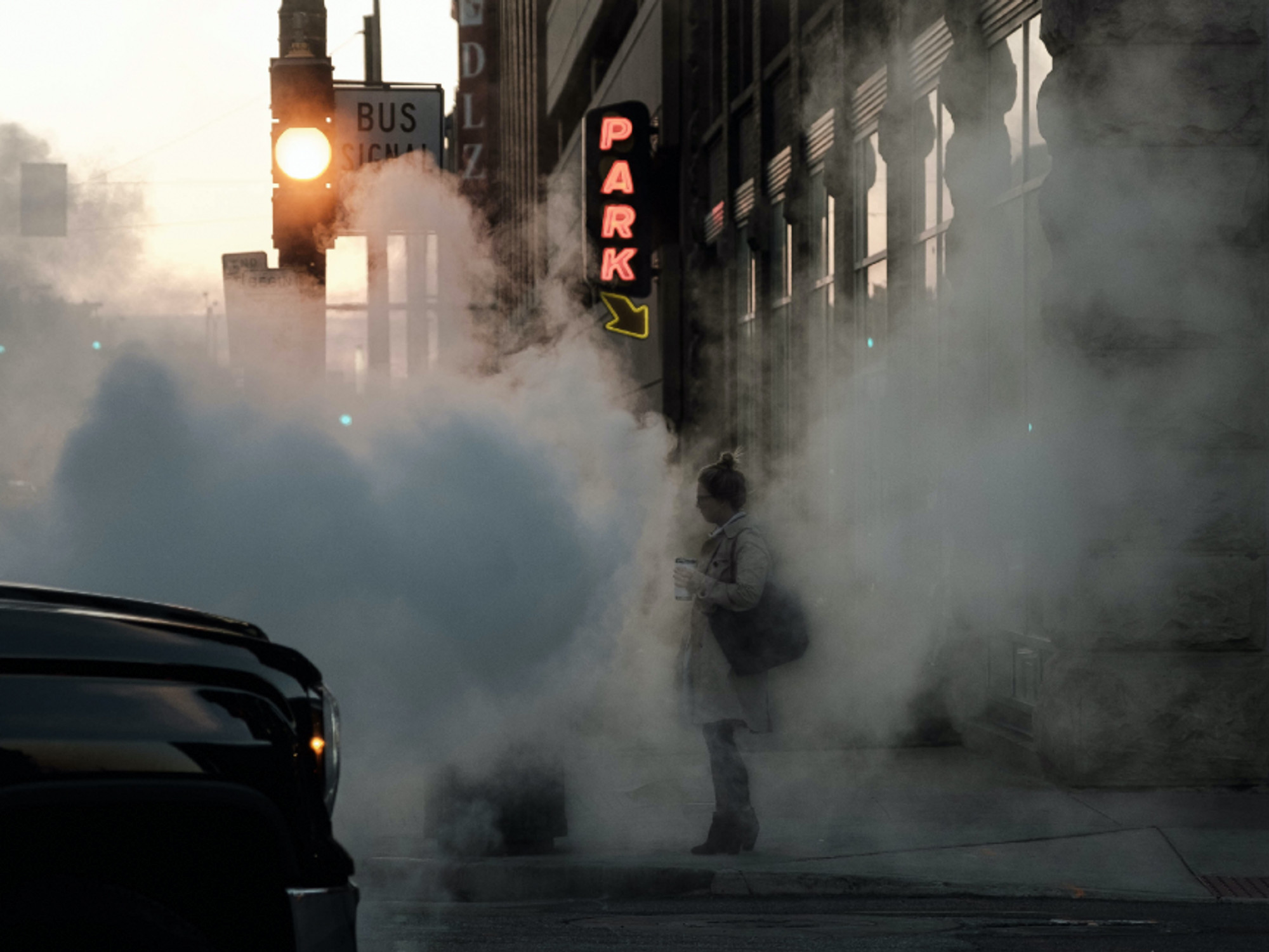
The global warming we have been warned about is here, and it will, with its calamities, change so many ideas about what we need to live well.
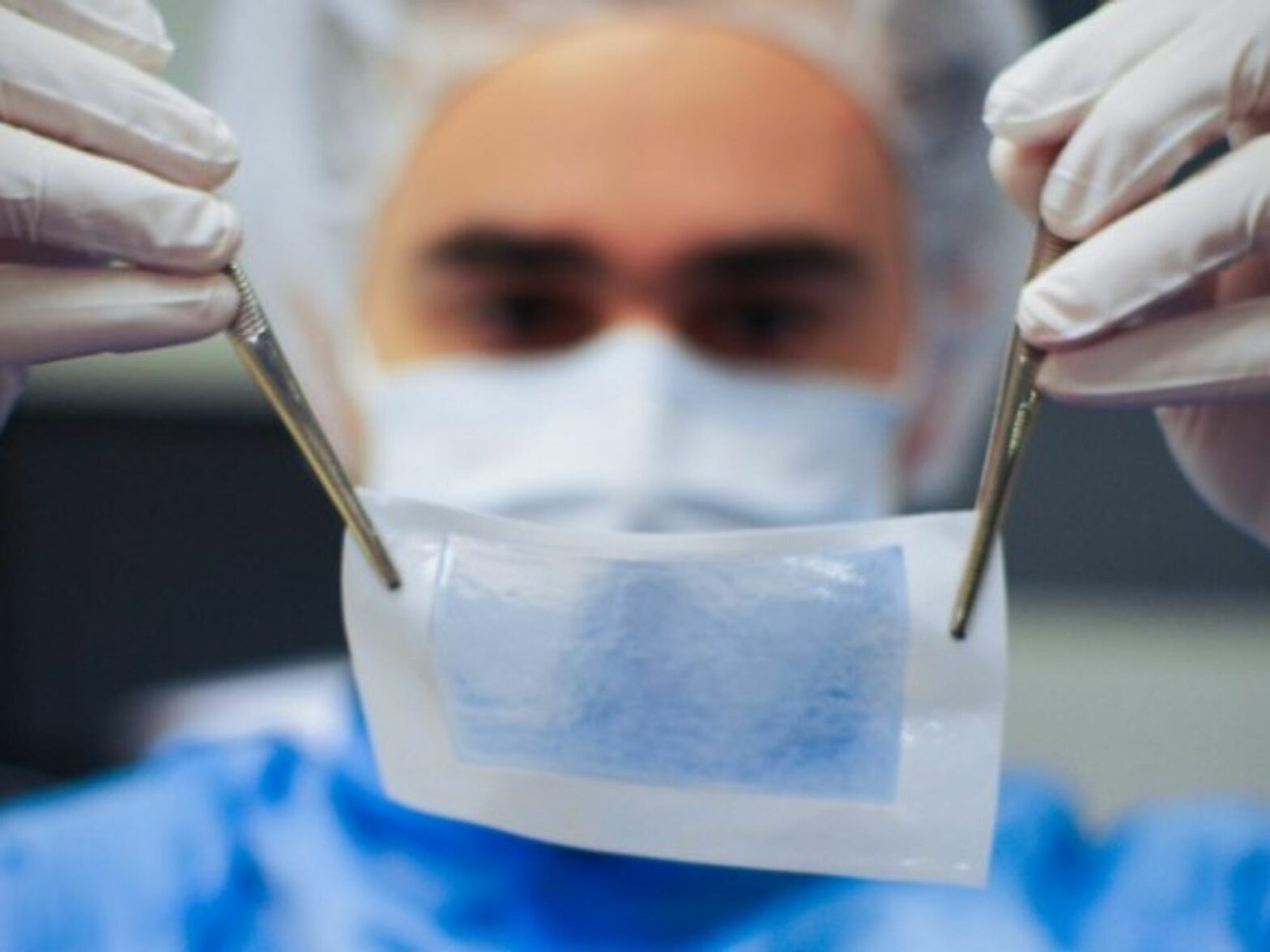
L’Oréal and other French cosmetic brands are delving into the creepy realm of printing the equivalent of human flesh.
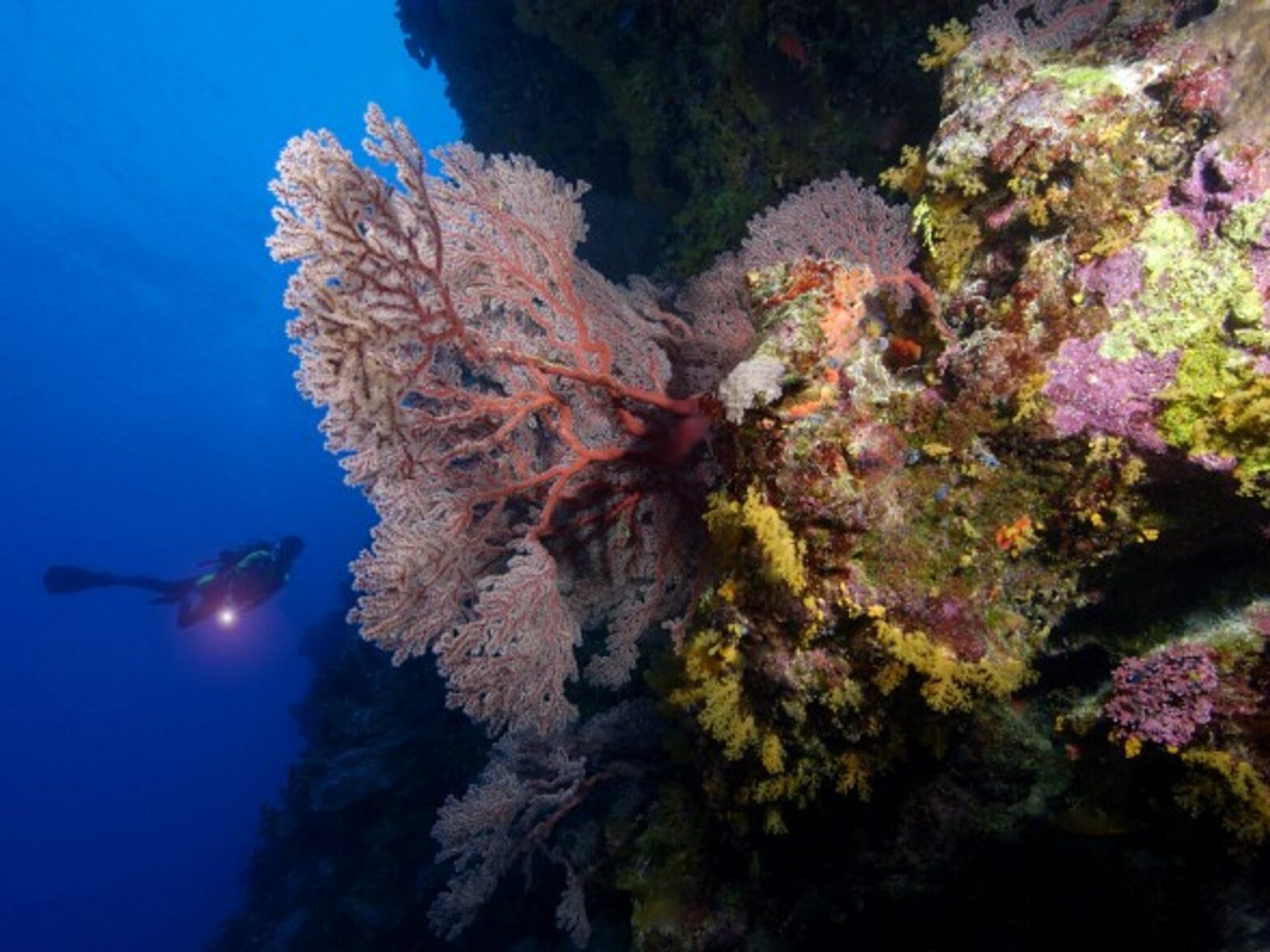
In case you missed it, the World Heritage Centre of UNESCO recently revealed its draft decision to list the Great Barrier Reef as “in danger” — a decision that appeared to shock the Australian government. In an opinion piece published June 30th in The Australian newspaper, Environment Minister Sussan Ley acknowledged climate change is the biggest threat to the Great Barrier Reef, and that it “has been through a few rough years.” She has also suggested, however, UNESCO’s draft in-danger decision is a surprise and was politically motivated. Neither of these claims is credible. So let’s look at Australia’s reaction […]

Good-faith disagreements are a normal part of society and building strong relationships. Yet it’s difficult to engage in good-faith disagreements on the internet, and people reach less common ground online compared with face-to-face disagreements. There’s no shortage of research about the psychology of arguing online, from text versus voice to how anyone can become a troll and advice about how to argue well. But there’s another factor that’s often overlooked: the design of social media itself. My colleagues and I investigated how the design of social media affects online disagreements and how to design for constructive arguments. We surveyed and […]
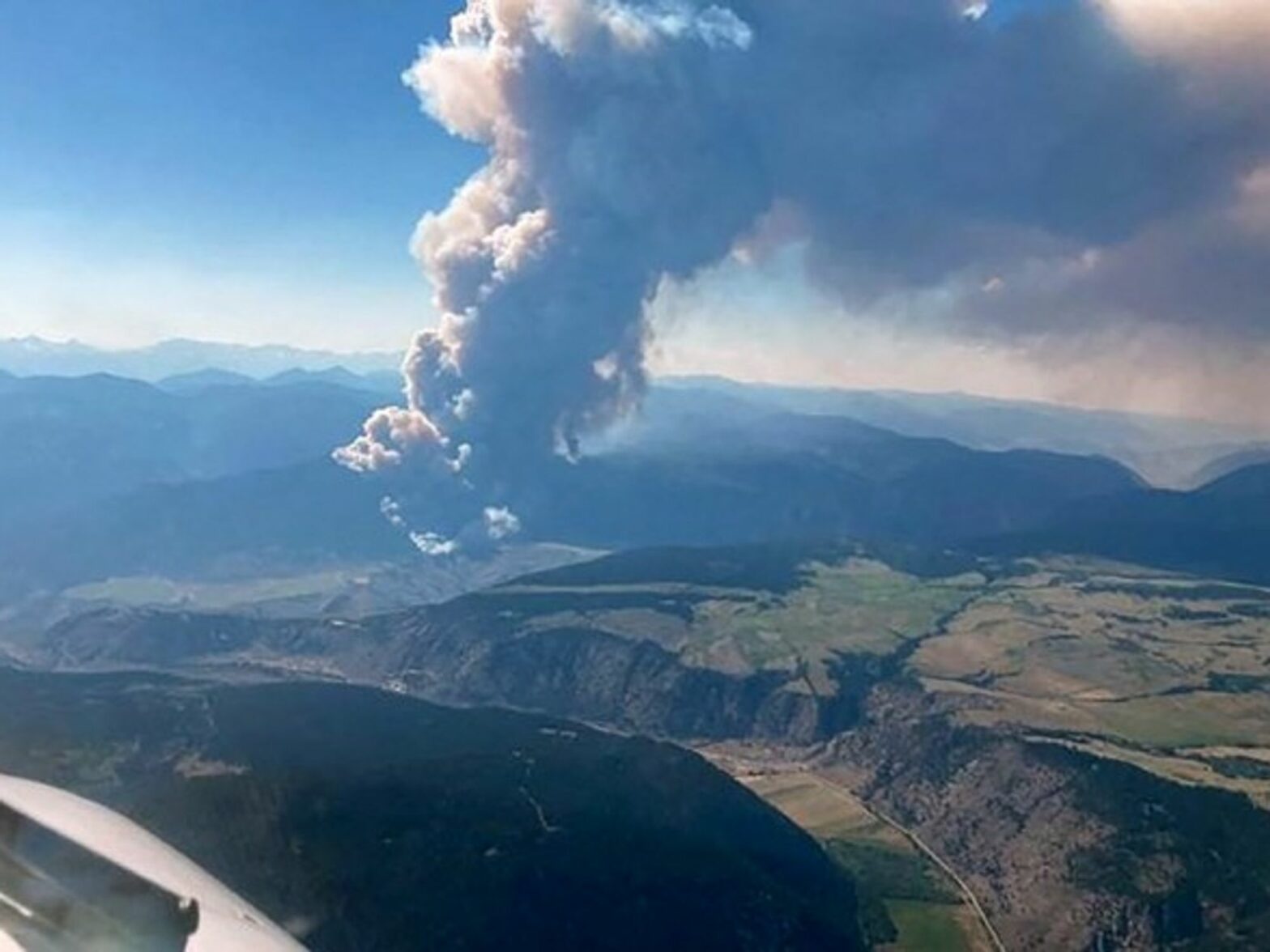
Professors Christian Jakob and Michael Reeder explain how heatwaves form … and why they weather is a part of climate change we should pay closer attention to.

As the world gets more homogenized and closely connected, geographic-specific languages risk vanishing — with one-third of languages having fewer than 1,000 speakers left. But tech can help.

With COVID-19 vaccines working and restrictions lifting across the country, it’s finally time for those now vaccinated who’ve been hunkered down at home to ditch the sweatpants and reemerge from their Netflix caves. But your brain may not be so eager to dive back into your former social life. Social distancing measures proved essential for slowing COVID-19’s spread worldwide – preventing upward of an estimated 500 million cases. But, while necessary, 15 months away from each other has taken a toll on people’s mental health. So how can people be so lonely yet so nervous about refilling their social calendars? […]
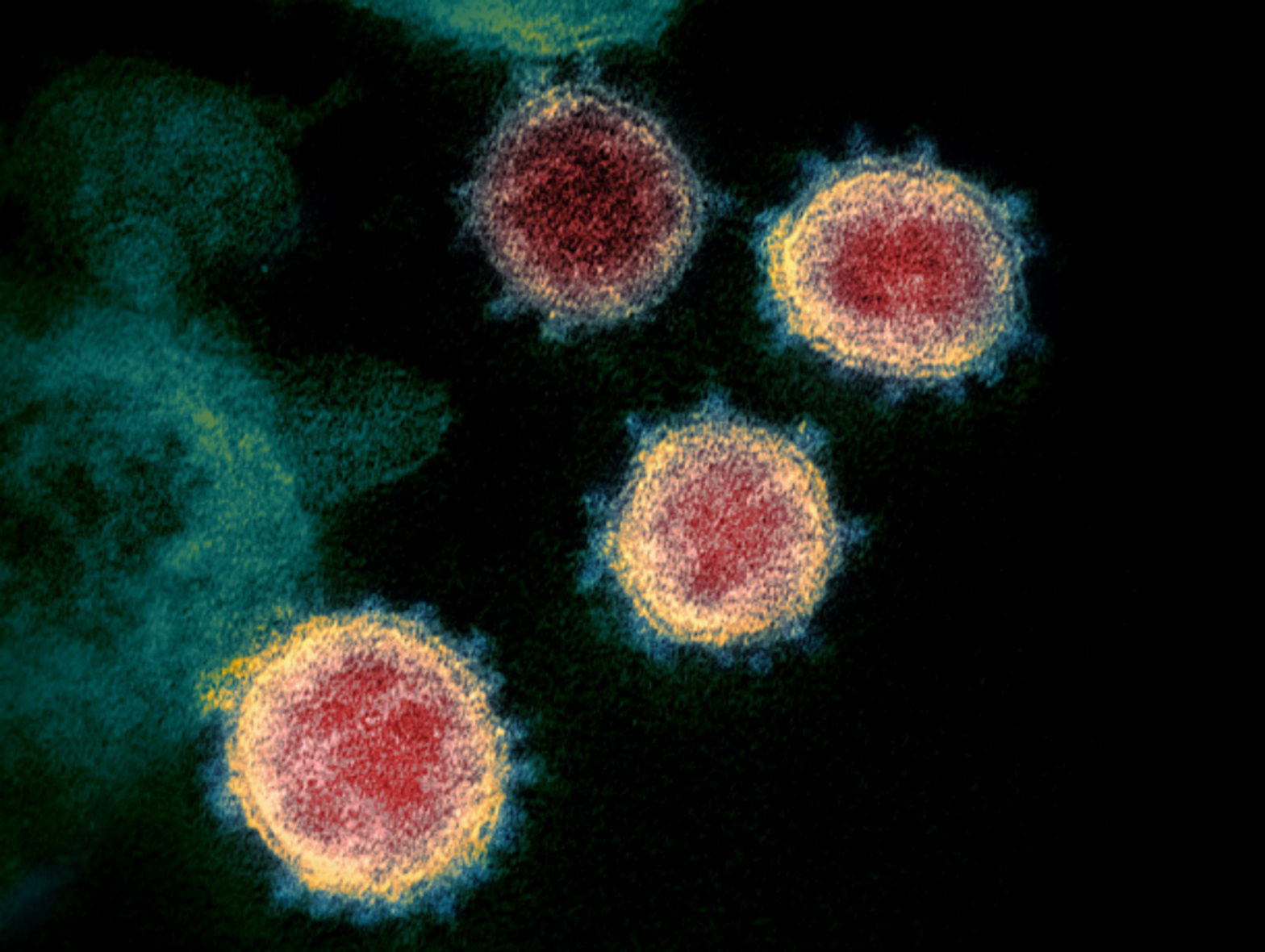
Every time there is a major disease outbreak, one of the first questions scientists and the public ask is: “Where did this come from?” In order to predict and prevent future pandemics like COVID-19, researchers need to find the origin of the viruses that cause them. This is not a trivial task. The origin of HIV was not clear until 20 years after it spread around the world. Scientists still don’t know the origin of Ebola, even though it has caused periodic epidemics since the 1970s. As an expert in viral ecology, I am often asked how scientists trace the […]
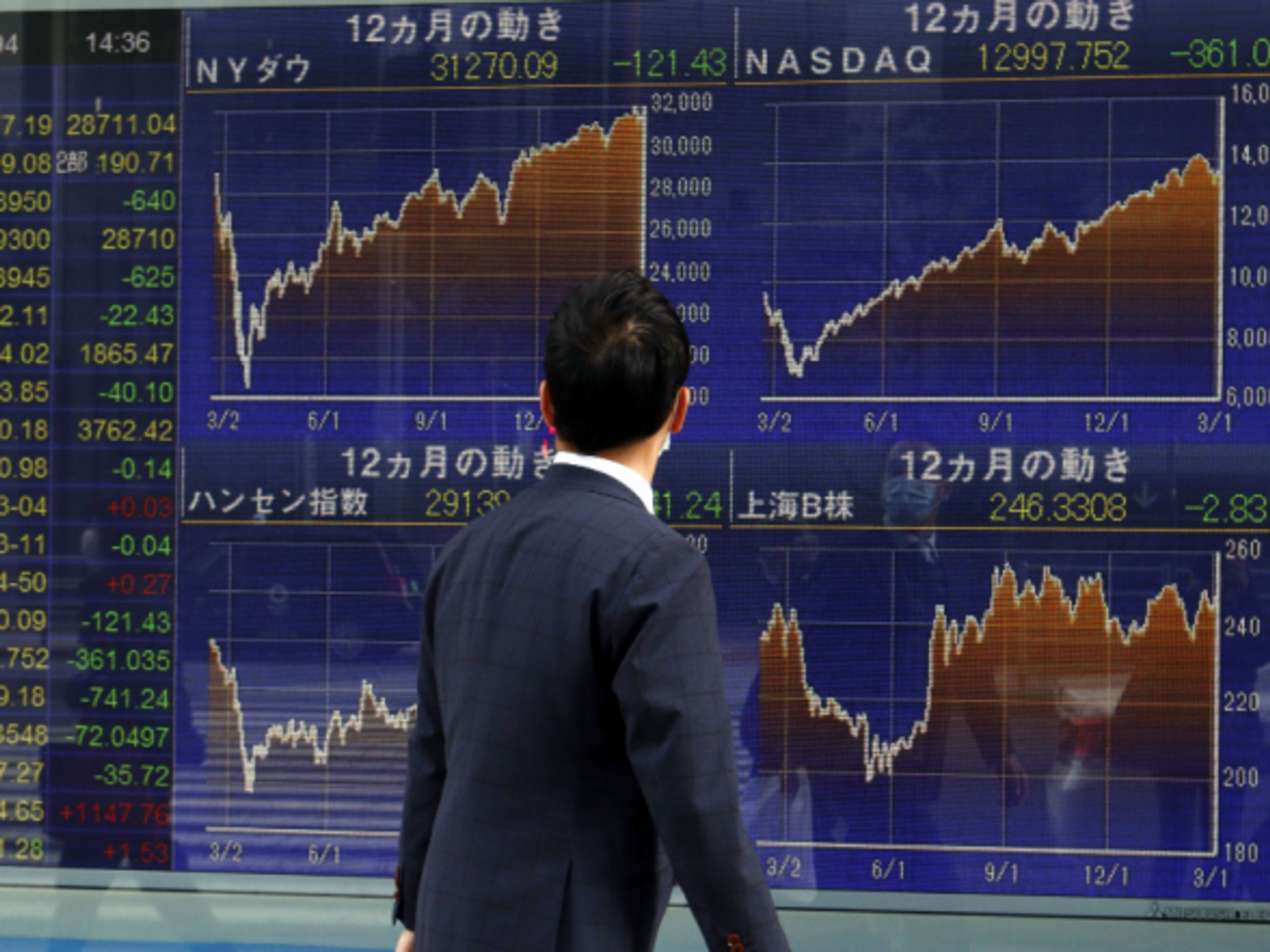
Phony press releases are a big thorn in the sides of many multinational companies. These big shots may dominate the stock market, but they’re struggling to keep the fake news out of prestigious papers

Much has been said about China’s use of biometric technology for mass civilian surveillance. But facial recognition is being used elsewhere too, and not always as a tool for crime prevention.
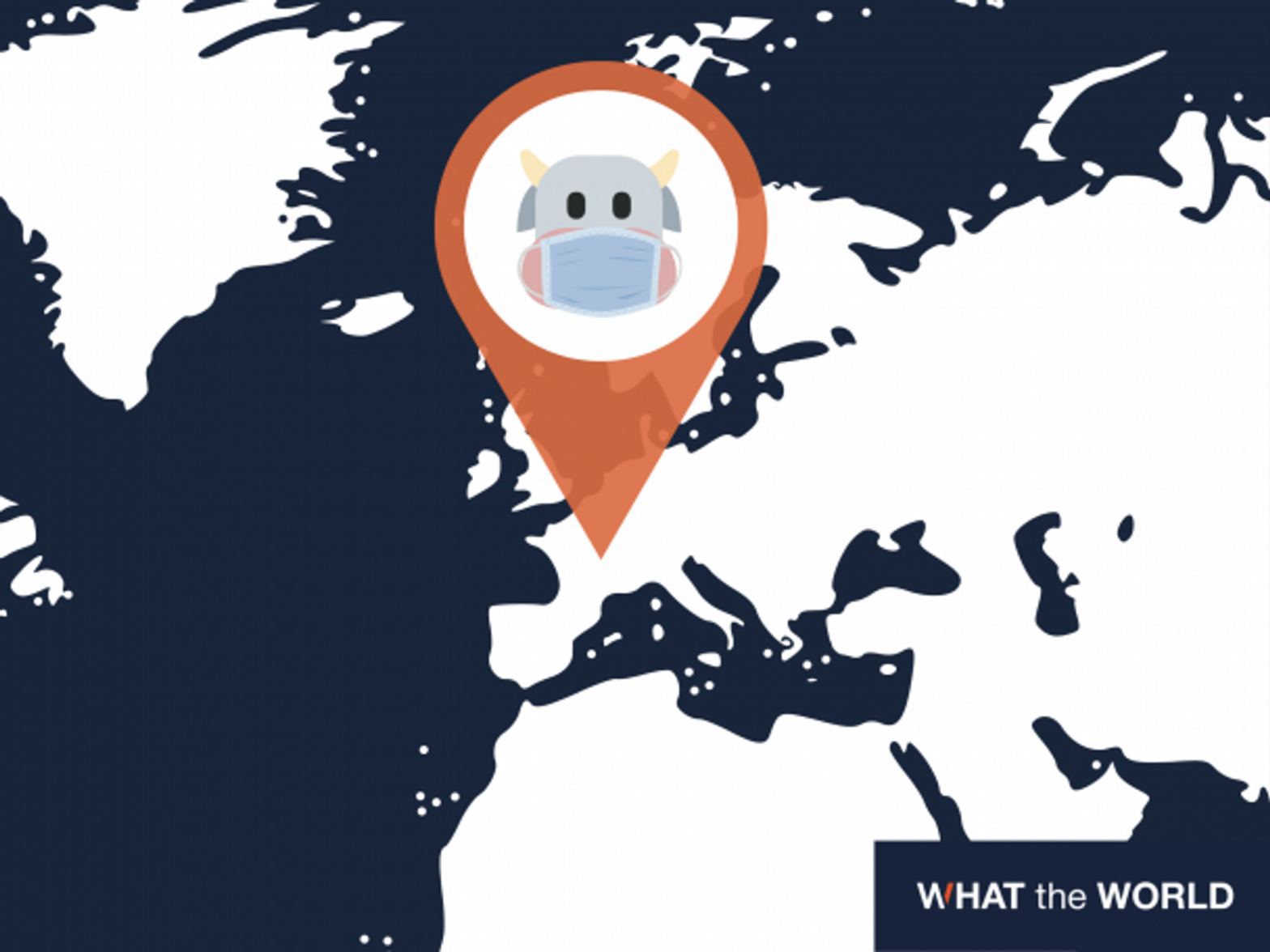
For more than a year now, humans around the world have been masking up to limit the spread of COVID. Now, masks may be deployed among another species to combat a very different global ill: cow burps. The agricultural multinational Cargill is inaugurating a new kind of face mask designed to absorb cows’ gaseous emissions. […]
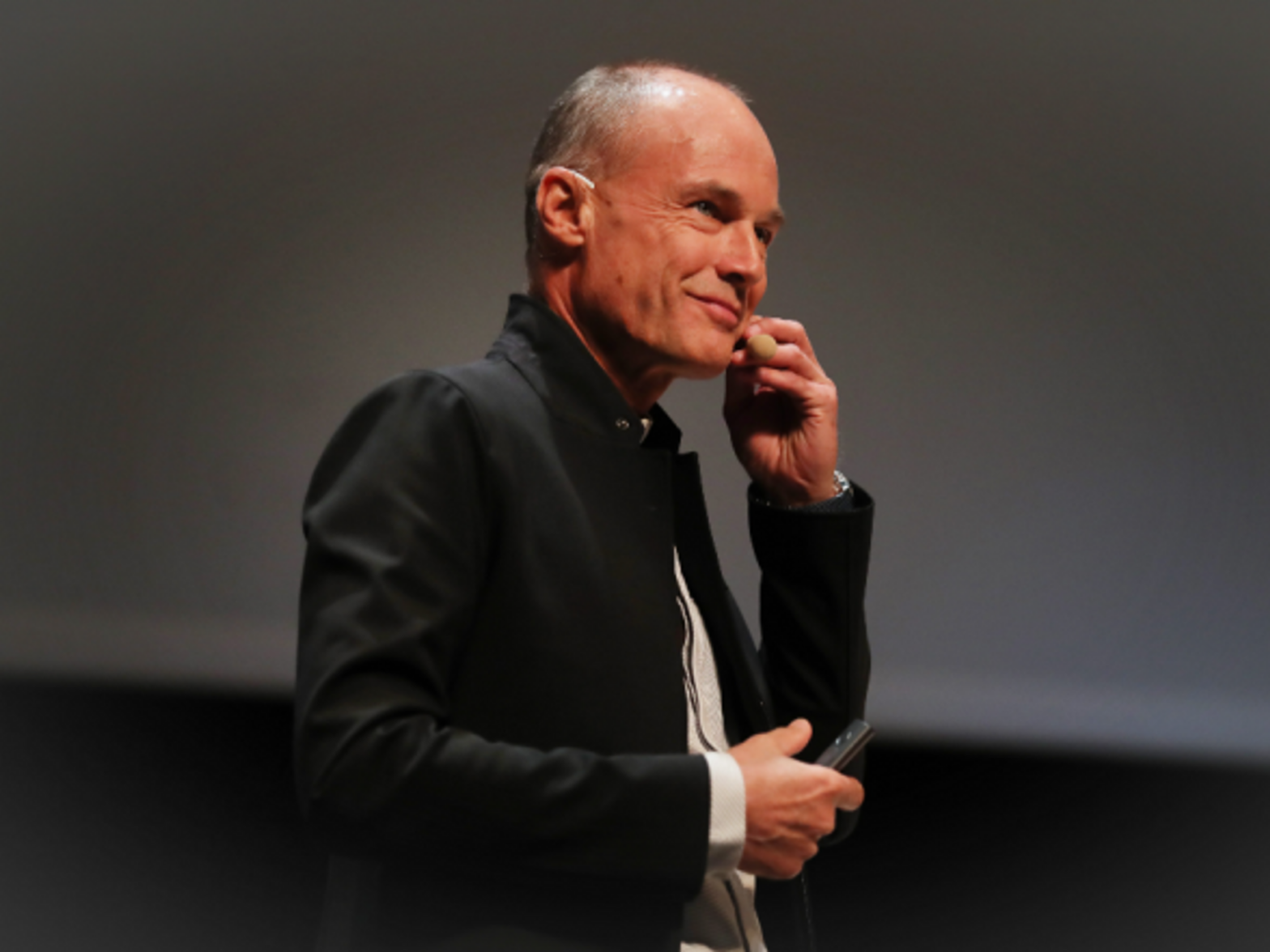
Five Questions for the legendary pilot, environmental activist and founder of Solar Impulse Foundation, supporting solutions that are profitable and protect the planet.
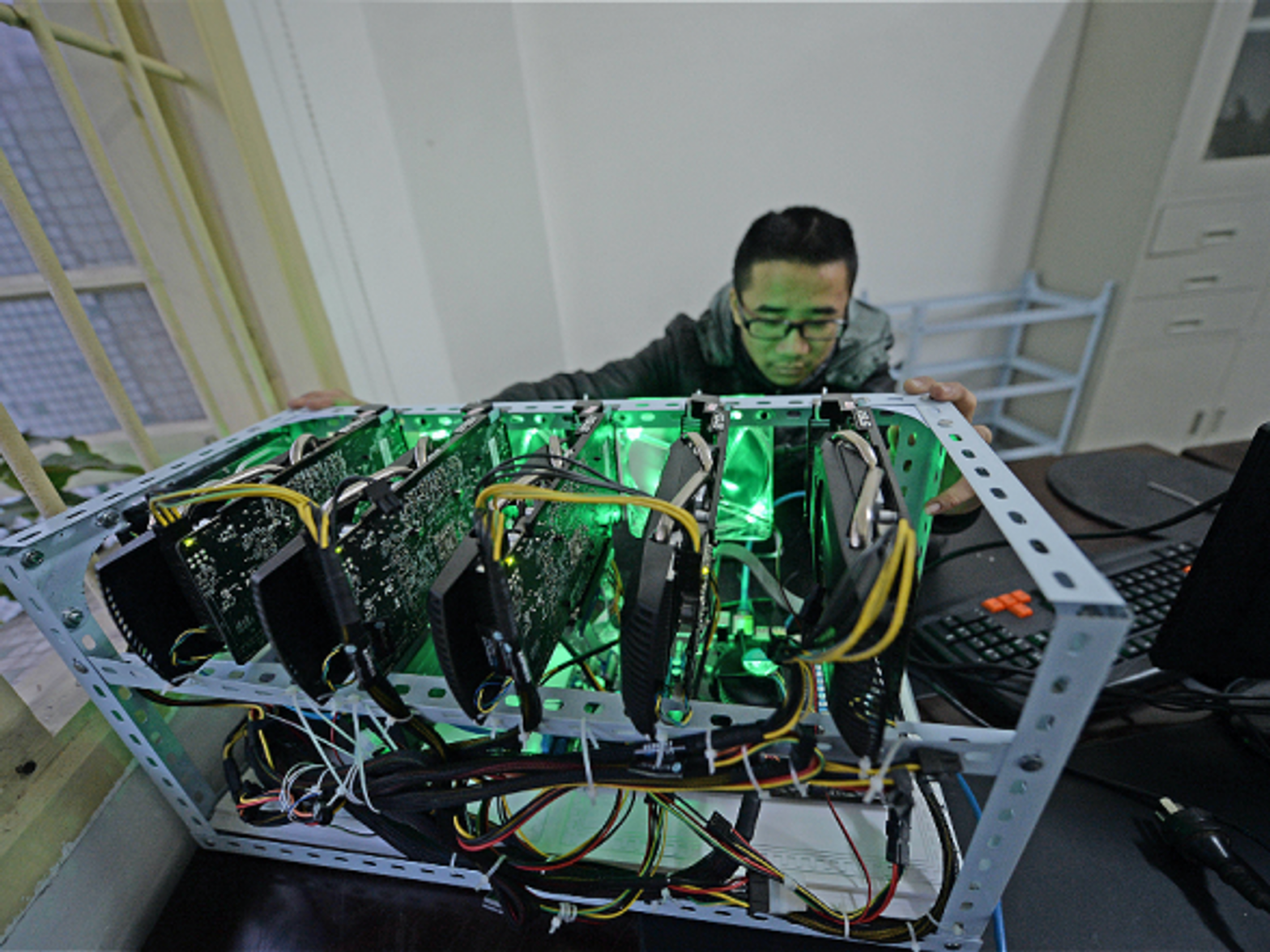
In remote — sometimes unmapped — regions of China, thousands of computers are ‘mining’ bitcoin, the queen of virtual currencies. The country may boast all the right conditions to dominate the cryptocurrency market today, but will its mining boom last?
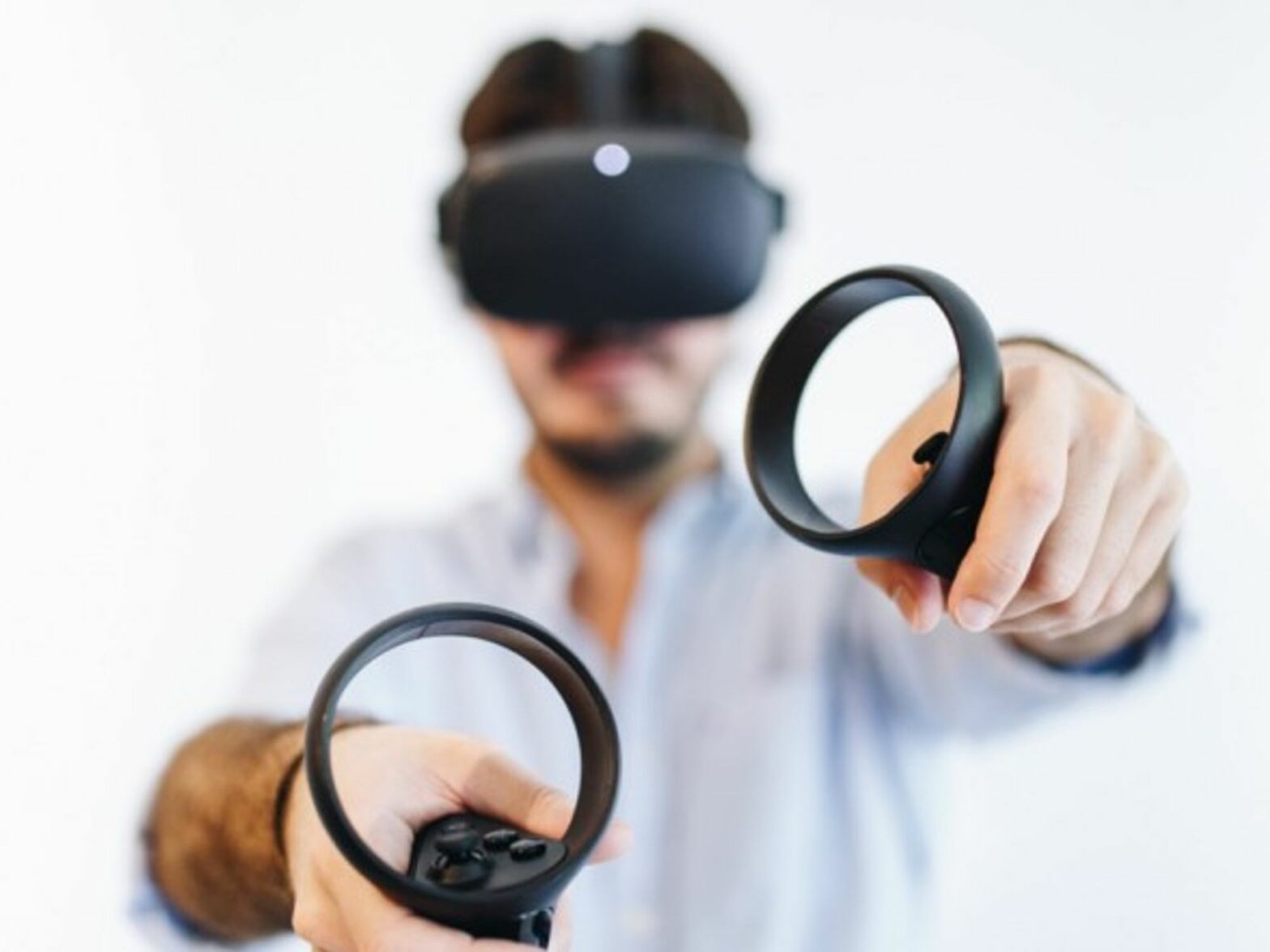
Latin American firms are joining others around the world testing Virtual and Augmented Reality solutions in personnel recruitment and training.

Now that central banks are opening to the idea of digital currencies, there may no turning back. But it comes with real risks, especially with regards to China’s ambitions.
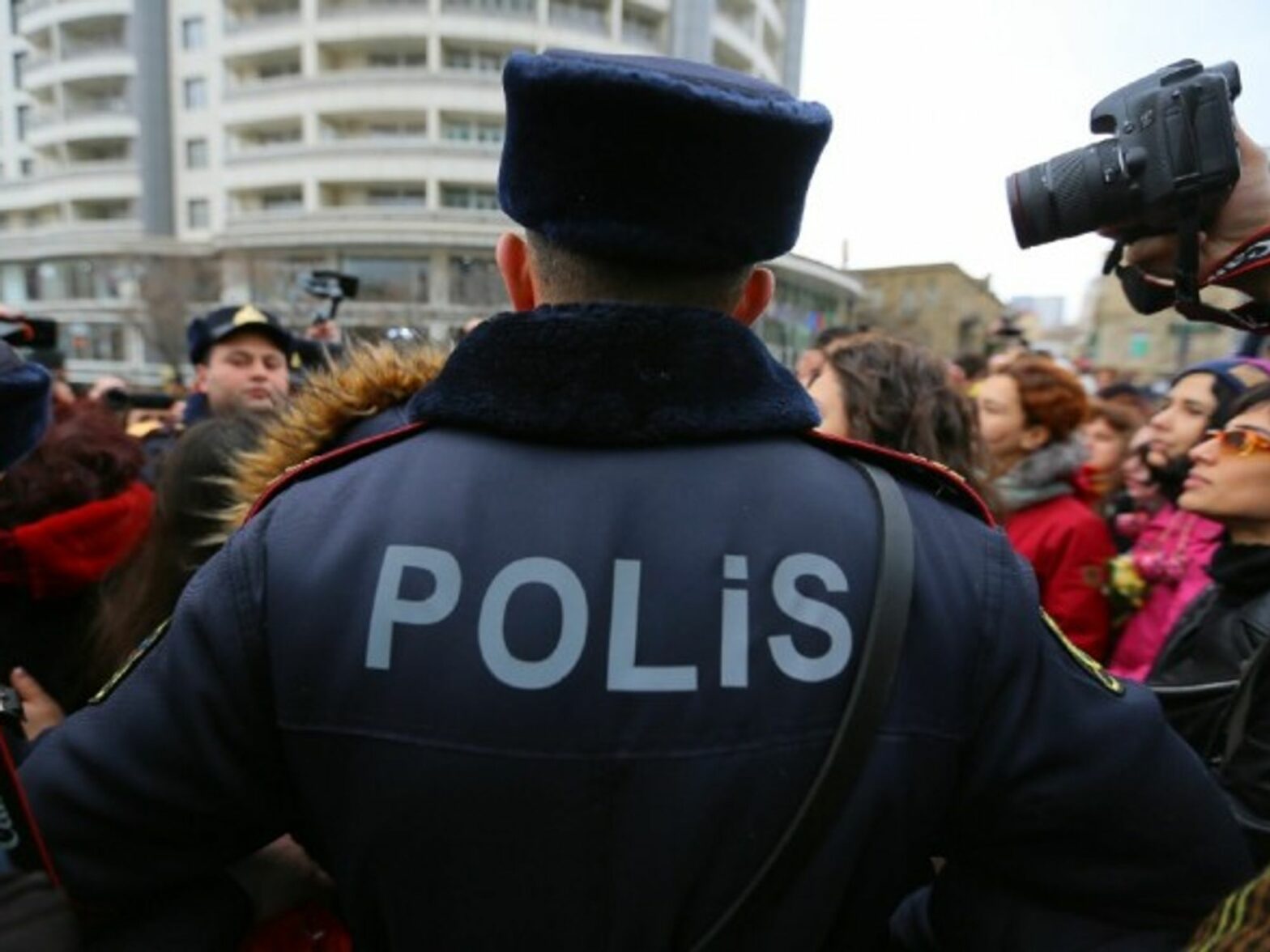
Critics of Ilham Aliev’s regime accuse the government of using sexually explicit material — including images of wives and daughters — to strong-arm its opponents.
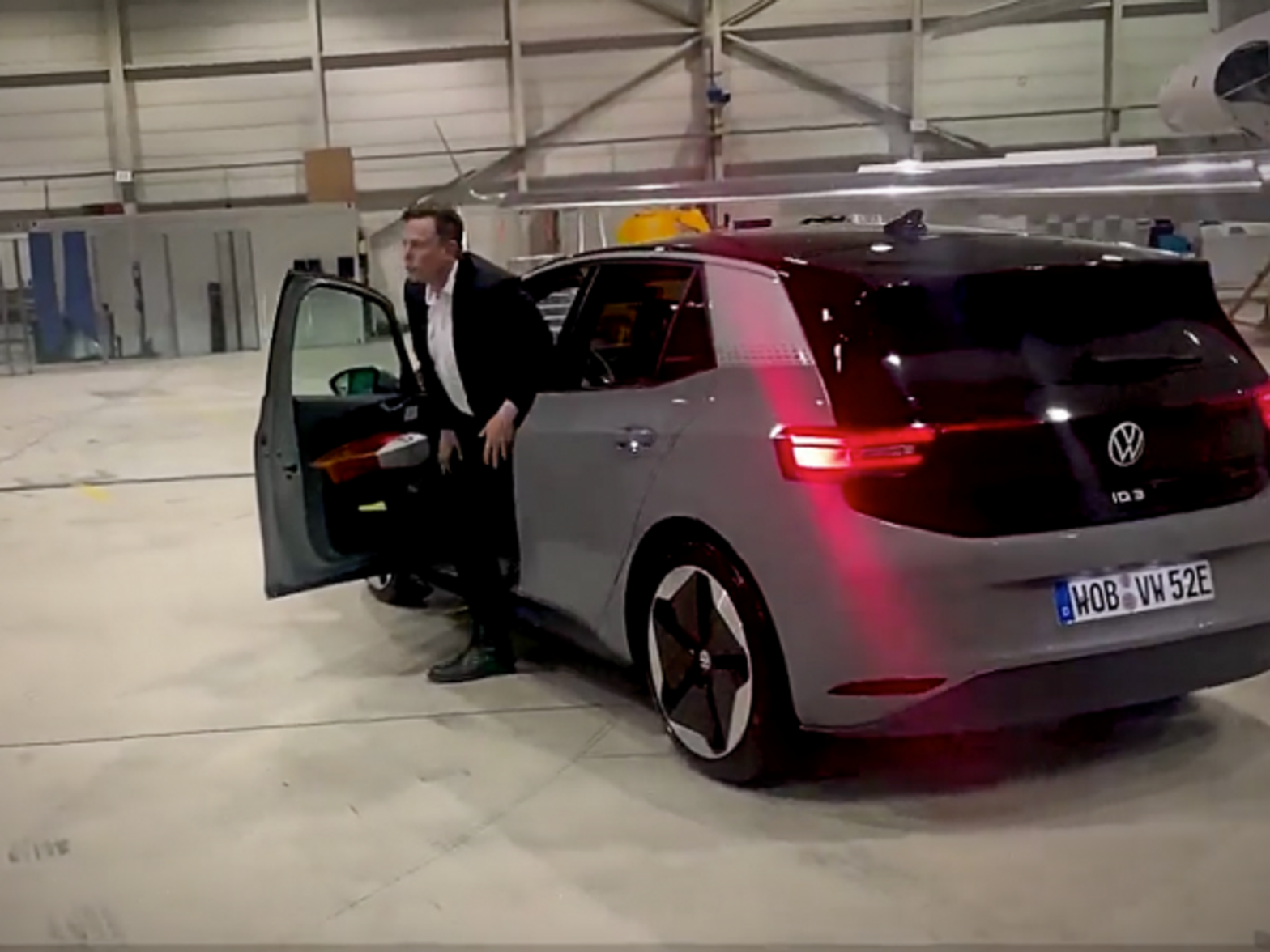
Volkswagen and other German car companies want to develop their own software systems and thus close the e-car technology gap with Tesla. But success will depend on a cultural change in the established auto sector.
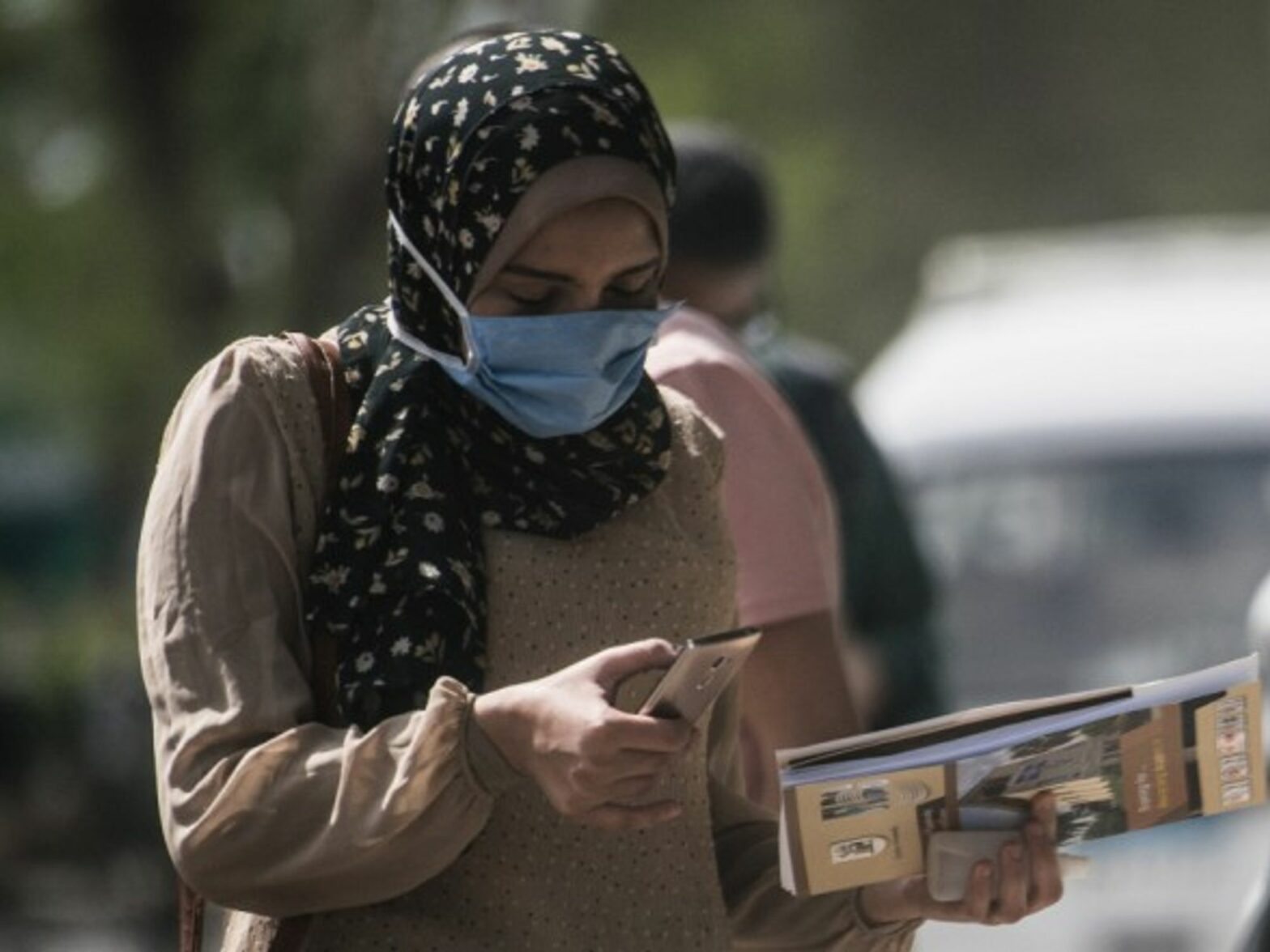
Glittering virtual lounges are popping up, inviting people to participate, solely by audio, in debates on all subjects. And, in the Middle East, the powers that be disapprove of the elites’ infatuation with a trendy new app.
Underpaid and overexposed to what in some cases can be truly disturbing content, moderators are the invisible, human grease that keep the social media machine running. It’s grueling but essential work that happens behind the scenes.
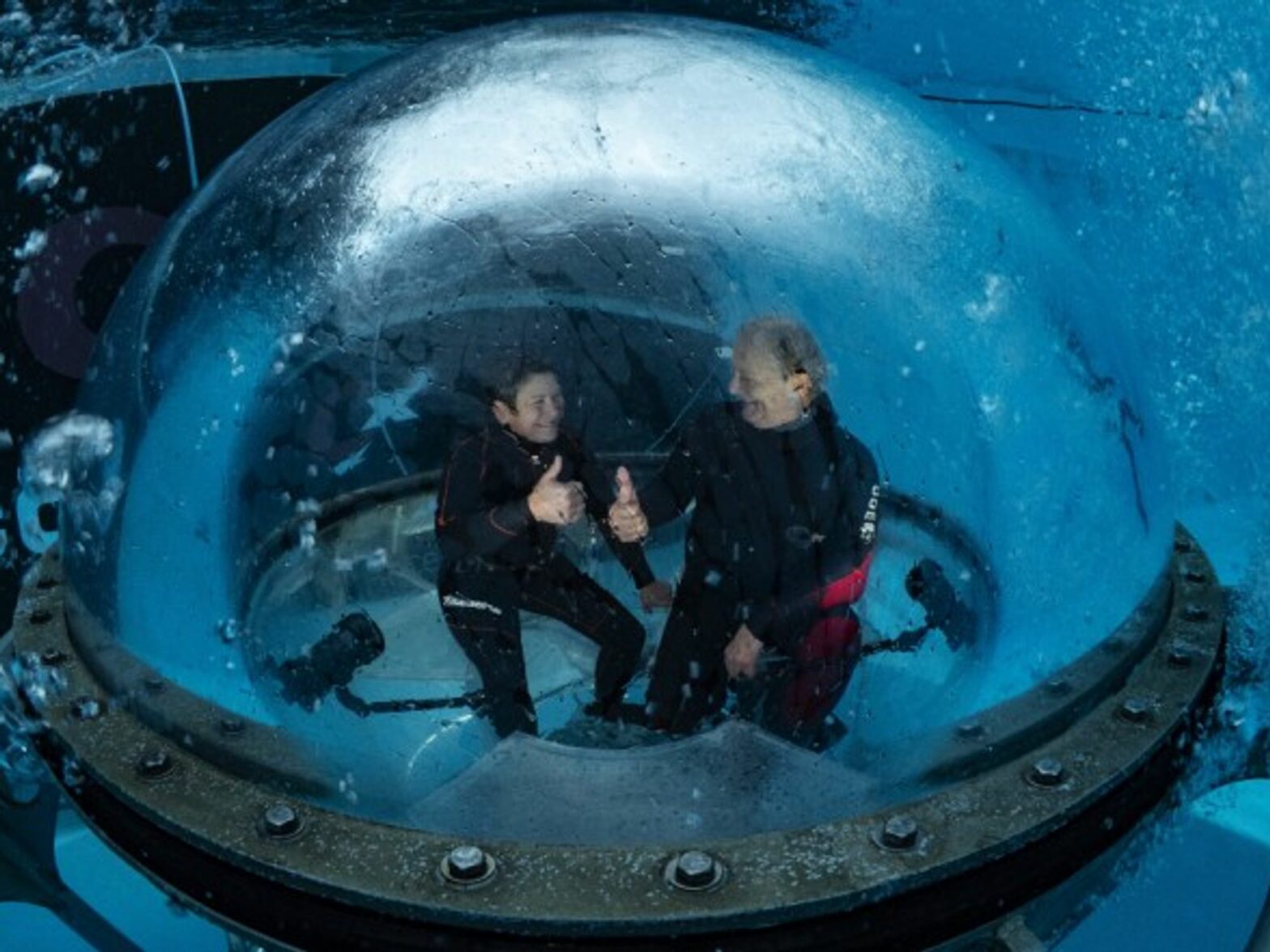
Can nature save capitalism? Biomimicry is thought-provoking because it provides many sources of inspiration to calibrate production models to nature, and thus continue to grow while respecting our environment.
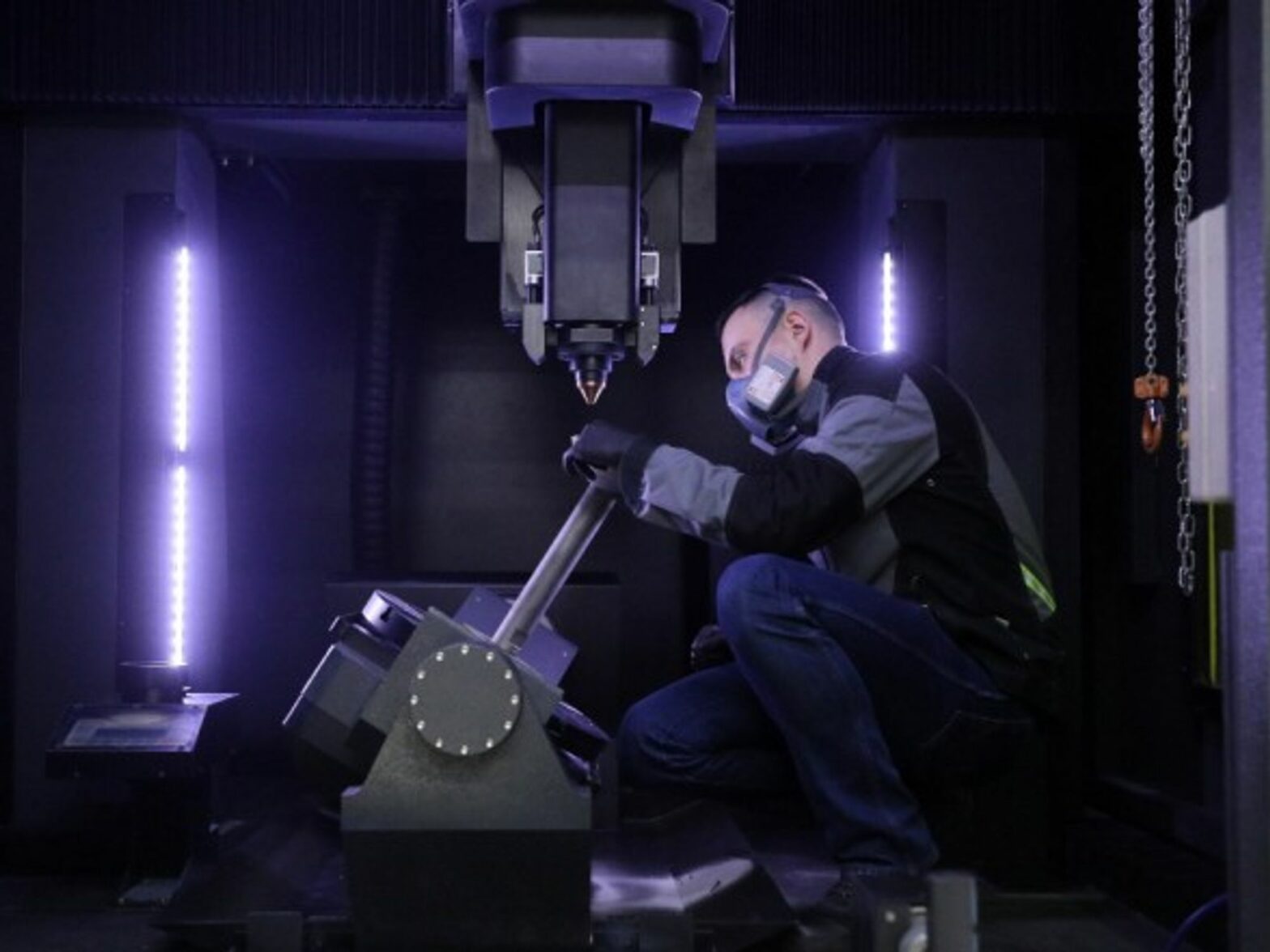
Could the 2020s be an era of prosperity? The pandemic has paved the way for digital, biological, and ecological revolutions.
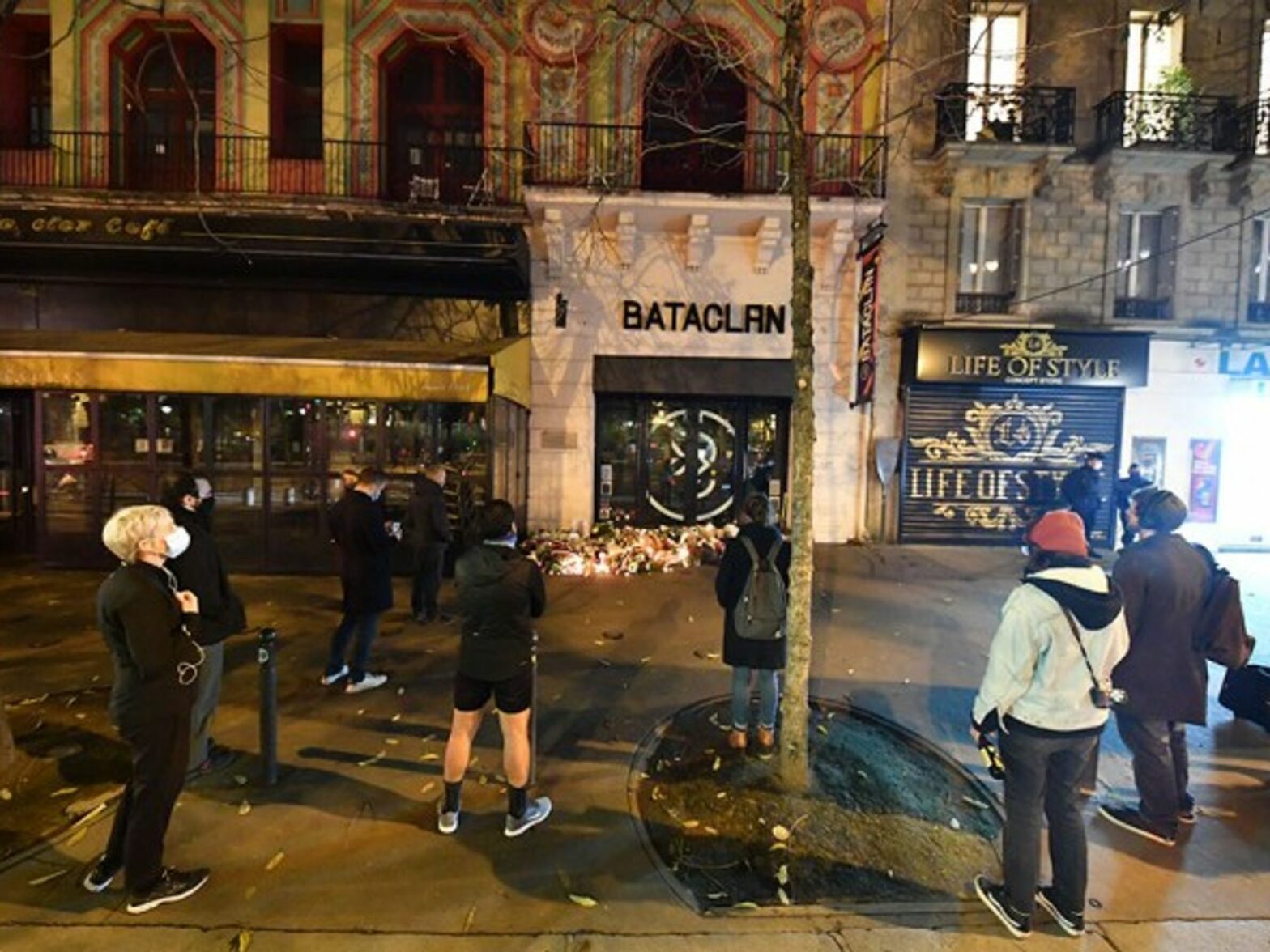
Three survivors of terrorism in France are now being targeted online for the compassion they have shown towards the children of Islamic militants. They are taking the power in their own hands and taking the social media giant to court.
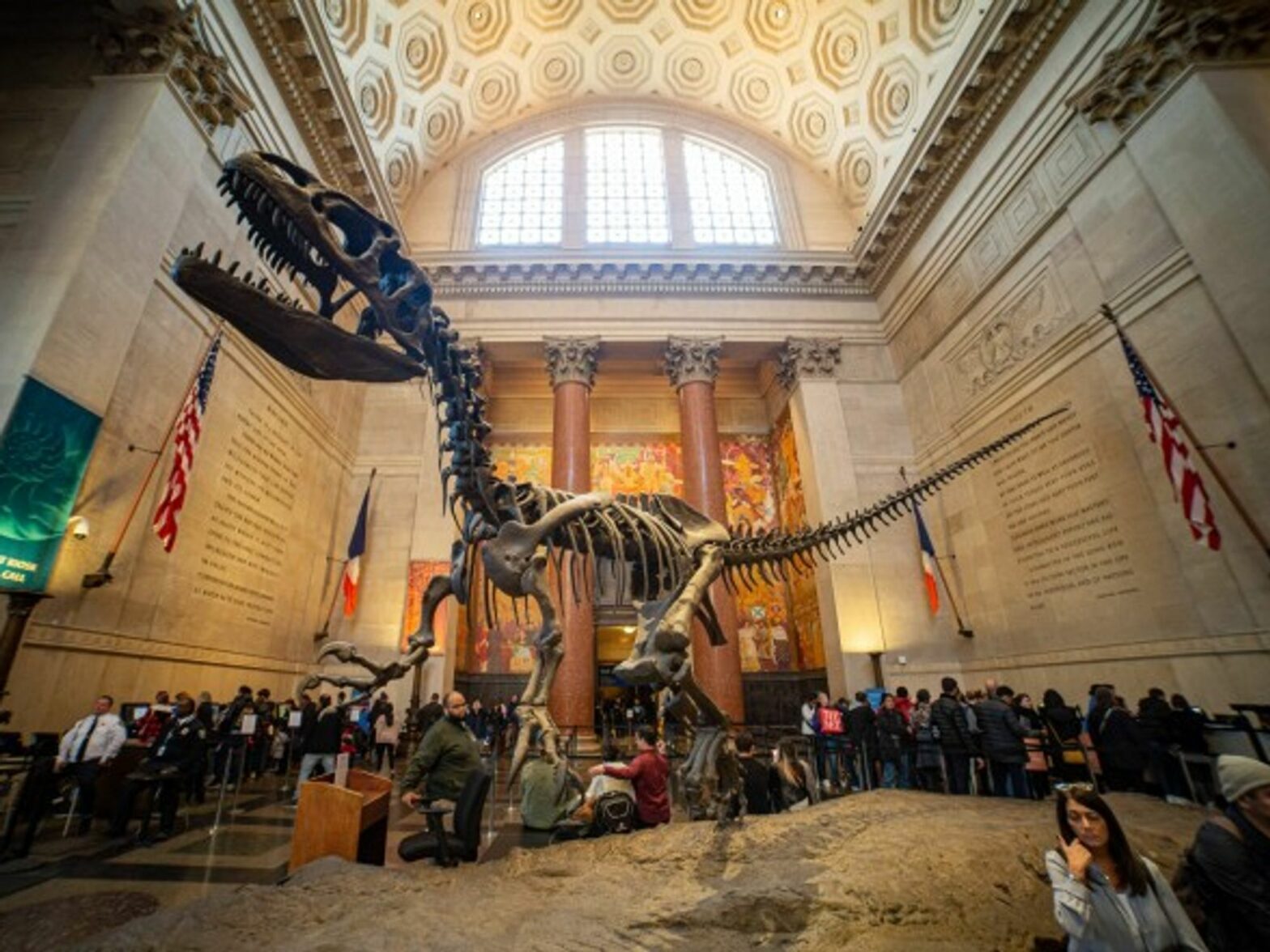
Imagine yourself as the first naturalist to stand in a place where little recorded scientific knowledge exists, like Alfred Russel Wallace in the Malay Archipelago or Alexander von Humboldt in the Americas in the early 1800s. The notes you record will expand humanity’s scientific knowledge of the natural world, and the specimens of plants and animals you collect are destined to be used for centuries to describe past and present biodiversity and make new discoveries in biomedicine and beyond. Now, imagine if those specimens were never collected. That’s what it’s like if samples from the field are not archived. Natural […]